


Adi Ale Van - Coliva Gourmand Potion
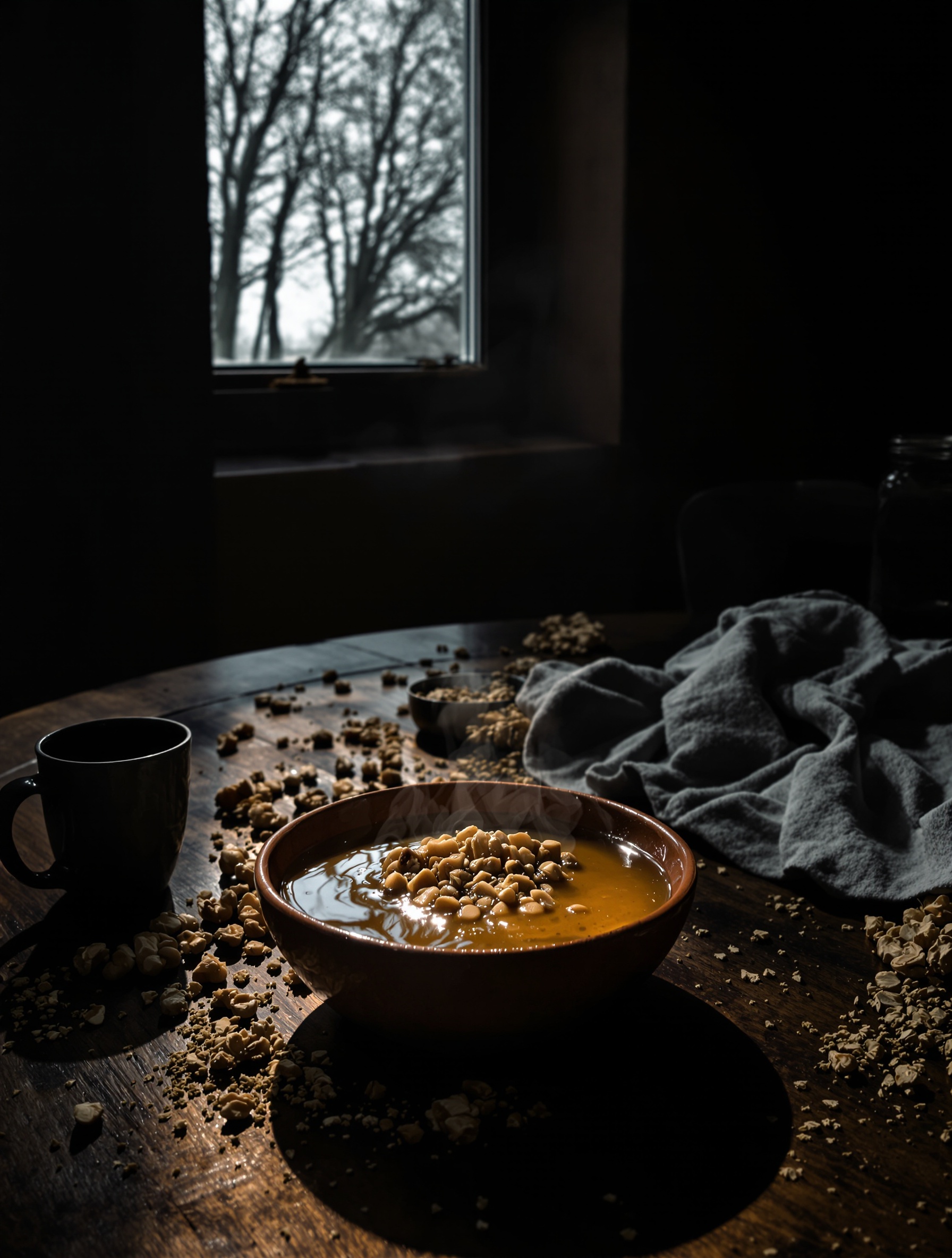
Coliva Gourmand Potion smells like a feast for the dead, white chocolate, coffee and bitter cacao over warm baked bread and butter, laced with licorice, cardamom and a thread of frankincense and bitter wormwood. Beneath the sweetness sit vanilla, tonka and a quiet animalic warmth.
The Story
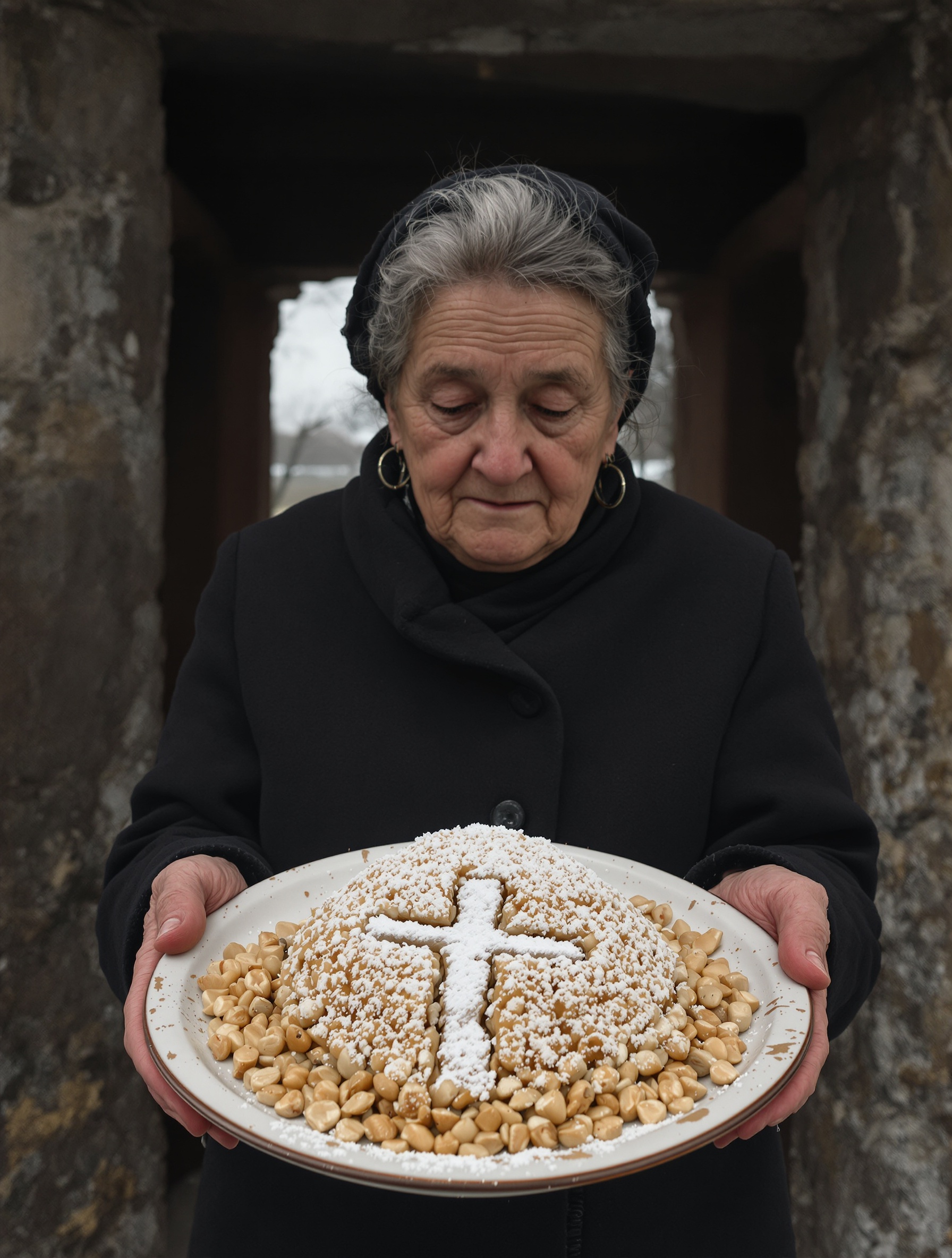
Named for coliva, the wheat-and-honey dish served at Romanian memorials, Adi Ale Van's gourmand turns mourning into something edible and strange: comforting bread and cocoa shadowed by incense, bitter herbs and skin-like musk. It is dessert with a memory of the funeral table.
The Nose
Composed by Giovanni Festa for Adi Ale Van, also behind Mendittorosa Osang, Deceneu - Getic Potion and Odaie - Vintage Potion.

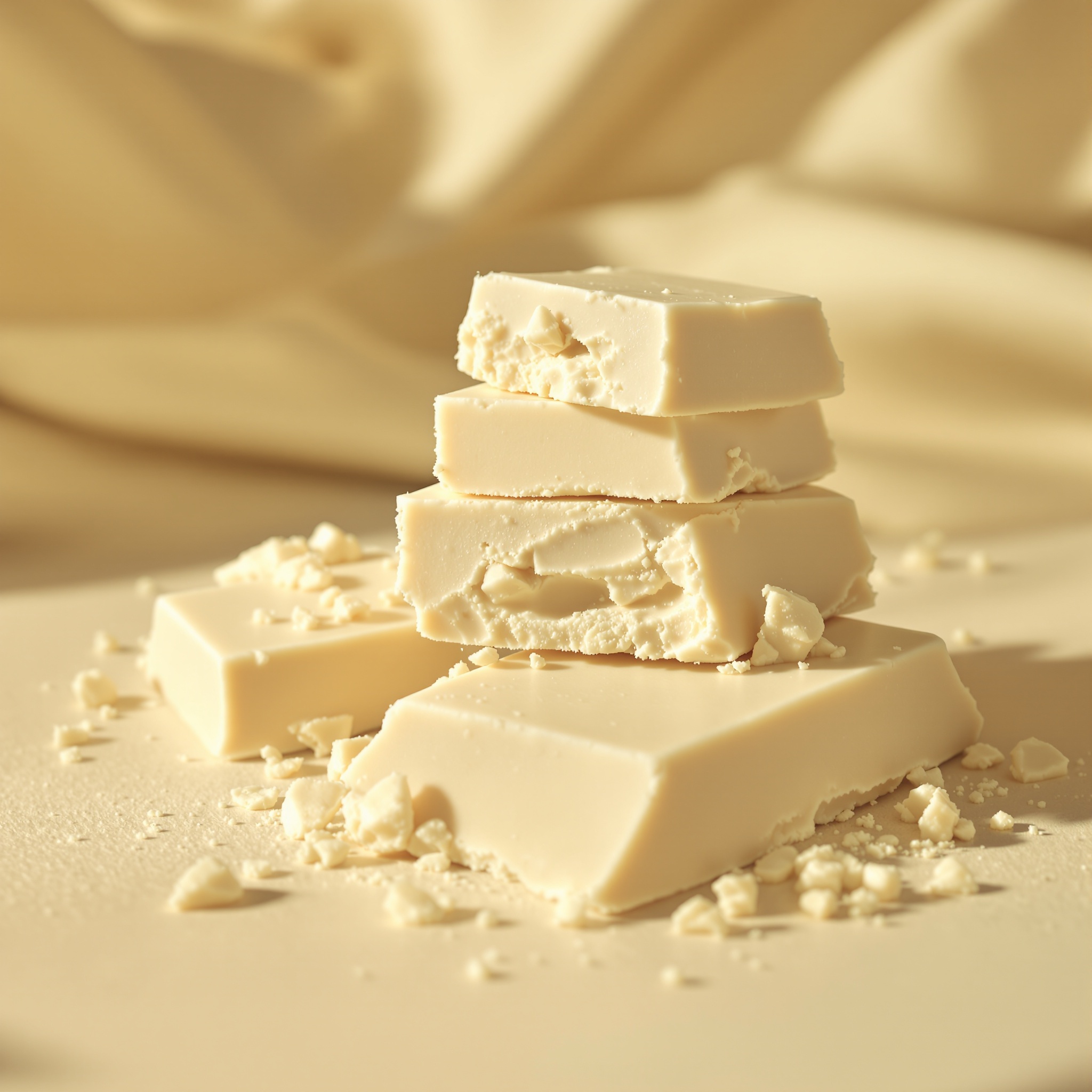
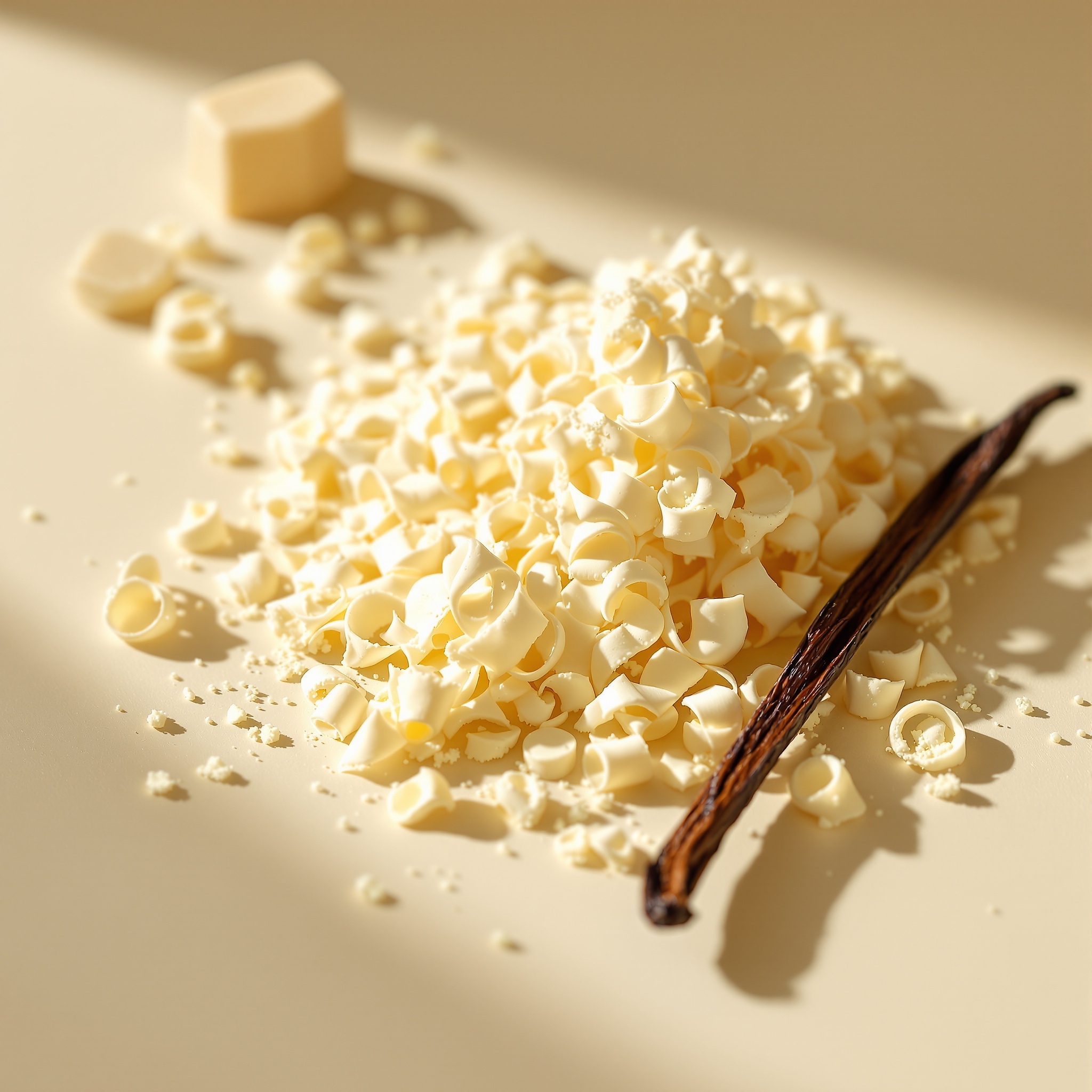
White Chocolate
Creamy cocoa butter sweetness without the dark bitterness
What it is
An abstract gourmand note inspired by the confection, made from cocoa butter, milk solids, sugar and vanilla but containing no cocoa solids, hence its pale color. In perfumery it is constructed from aroma materials rather than distilled, layering creamy, milky and vanillic facets into one accord.
How it smells
Sweet, buttery and milky, smelling of melted white chocolate and warm cream rather than dark cocoa. It carries a soft vanilla roundness and a faint nutty, condensed-milk richness, missing the dry roasted bitterness of cocoa absolute or a dark chocolate accord.
In perfumery
A sweet heart-to-base accord central to gourmand fragrances, adding edible creaminess and comfort. It is built with vanilla, heliotropin, lactones and musks, and pairs with caramel, coconut, tonka and red fruits in dessert-like compositions and cozy winter scents like many sugary modern florals.
Good to know
Because white chocolate has no cocoa solids, regulators in some countries long debated whether it could legally be called chocolate. Its fragrant character comes mostly from cocoa butter and vanilla, which is why the perfume note reads creamy and milky rather than truly chocolatey.
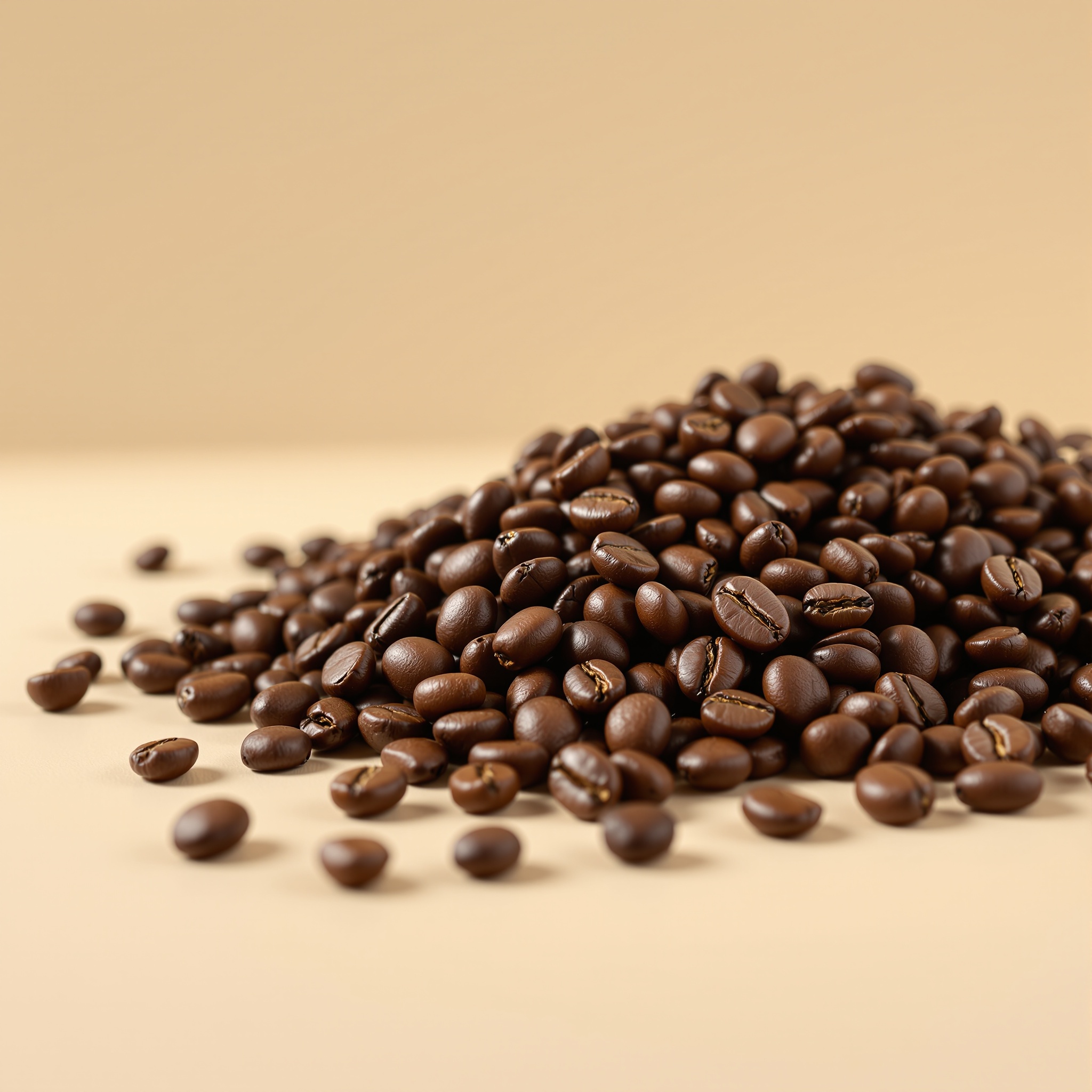
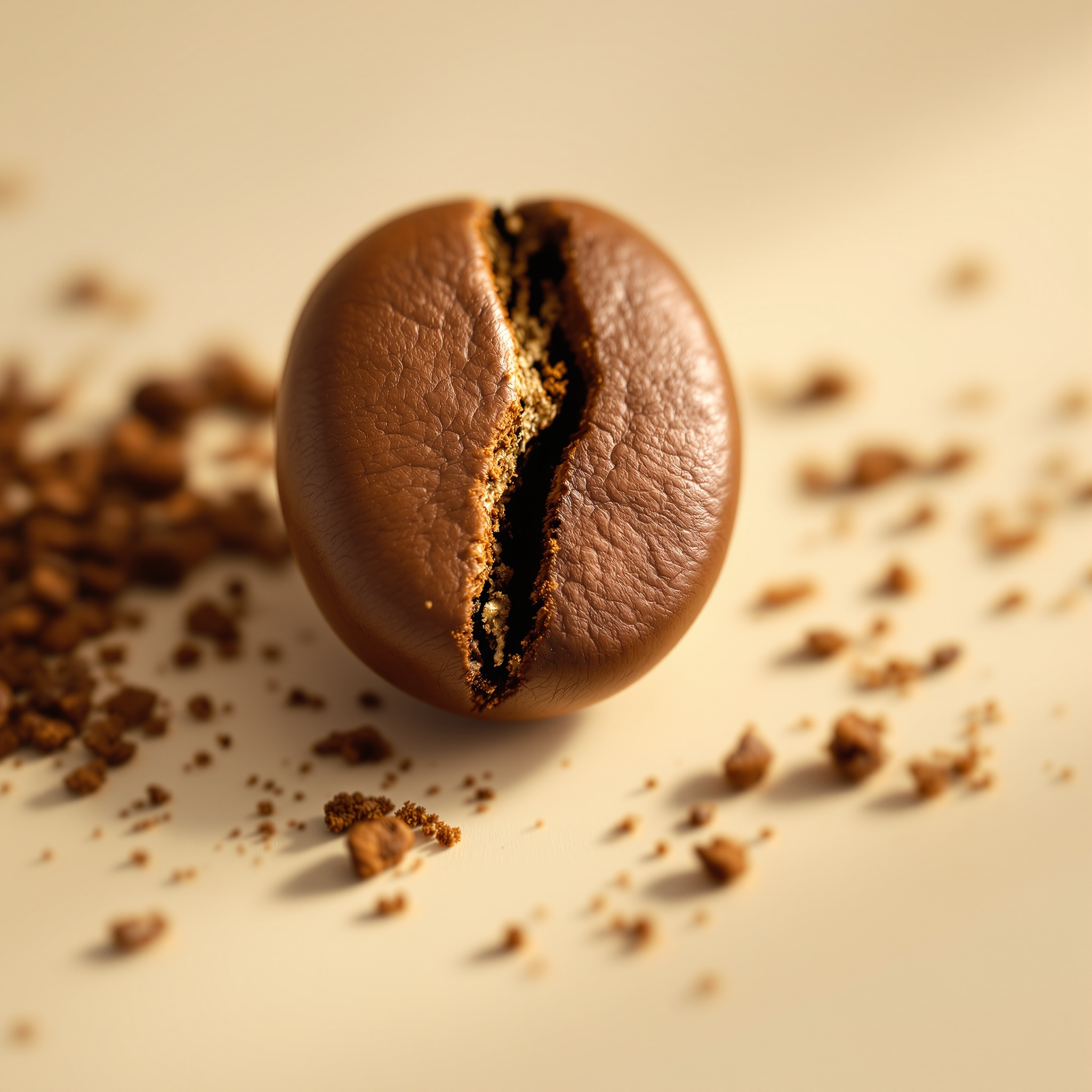
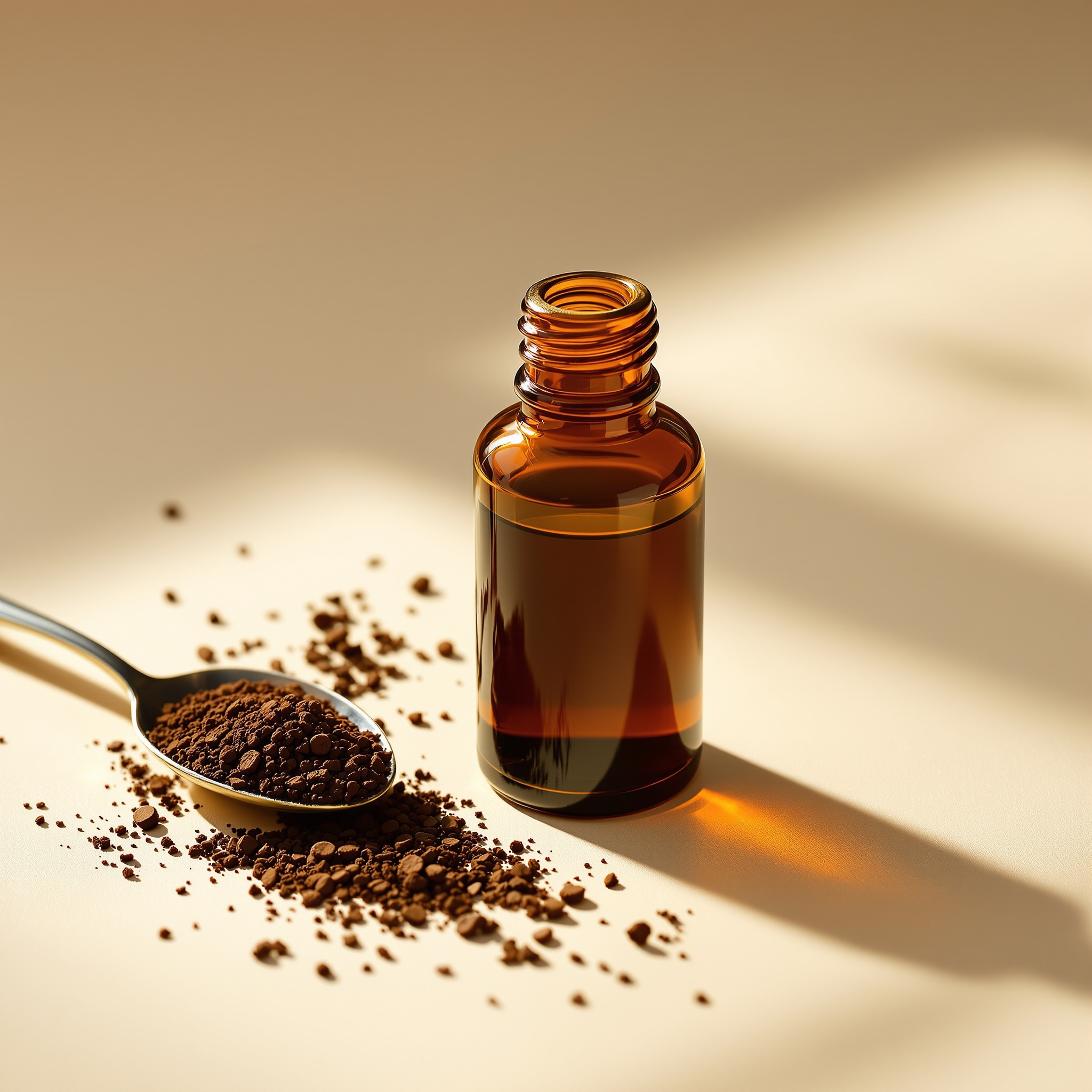
Coffee
The dark heart of morning, bottled
What it is
Coffee comes from the roasted seeds of Coffea arabica and Coffea canephora, evergreen shrubs grown across the tropical bean belt. Each fruit holds two inner seeds that are dried, then roasted to develop aroma. Perfumers use a roasted-bean absolute, a CO2 extract, or aroma molecules built to mimic the roast.
How it smells
Dark and roasted, with bitter cocoa, toasted nuts and a faint smoky char. The opening is sharp and grainy like freshly ground beans; beneath sit caramelized, almost burnt-sugar tones. The drydown turns warmer and rounder, drifting toward chocolate, tobacco and a milky, slightly oily softness.
In perfumery
Usually a heart or upper-base note adding energy, bitterness and gourmand depth. It pairs with vanilla, tonka, patchouli, rose and amber, cutting sweetness with a roasted edge. Thierry Mugler A*Men built a genre around it, while Montale Intense Café makes coffee the unmistakable centerpiece.
Good to know
Coffee's roast aroma comes largely from 2-furfurylthiol, a sulfur molecule detectable near 0.01 parts per billion, so a trace reads instantly as fresh brew. Natural coffee extracts are unstable and fade or turn flat, so most modern coffee accords are partly or wholly reconstructed.
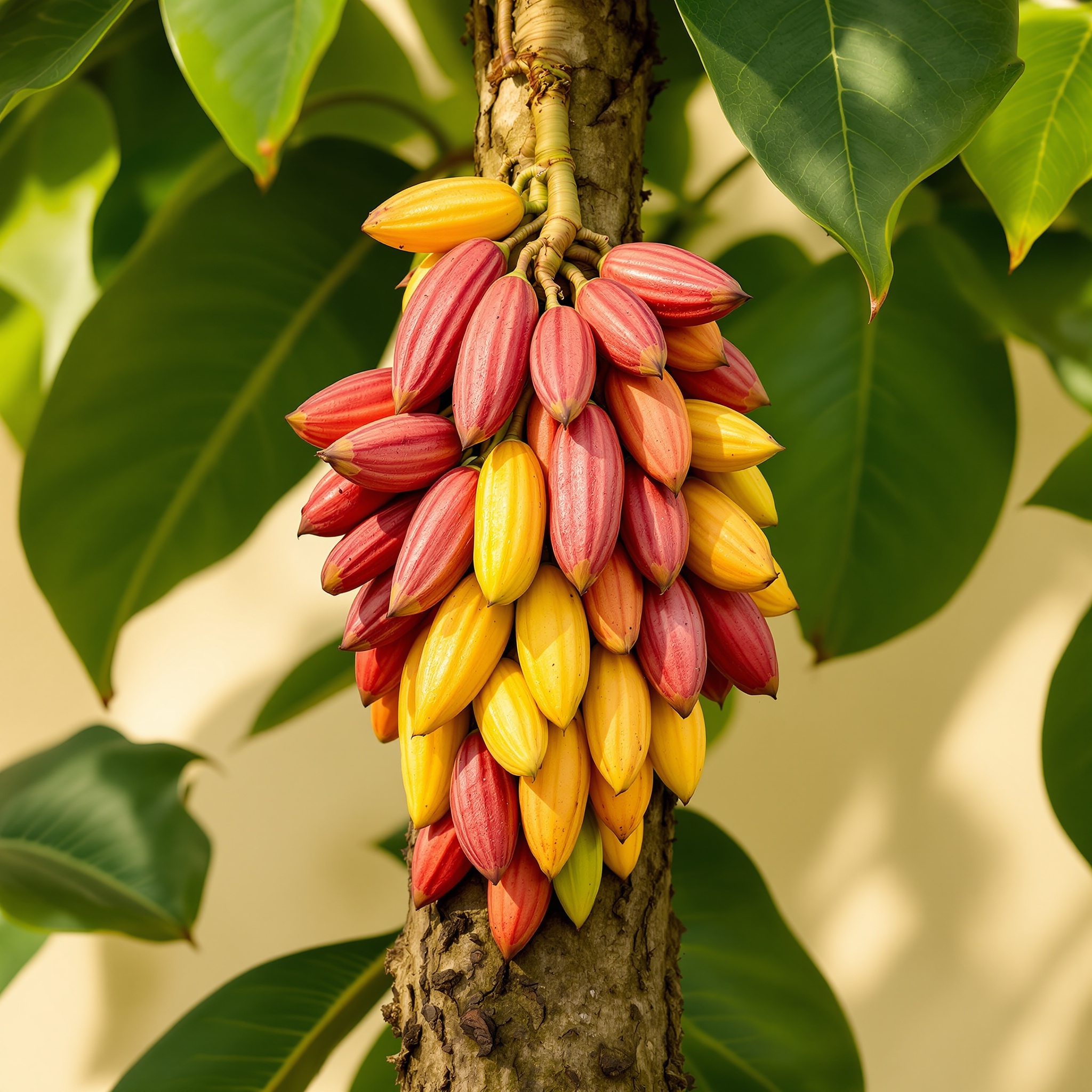
Cacao Pod
Raw tropical fruit before chocolate exists
What it is
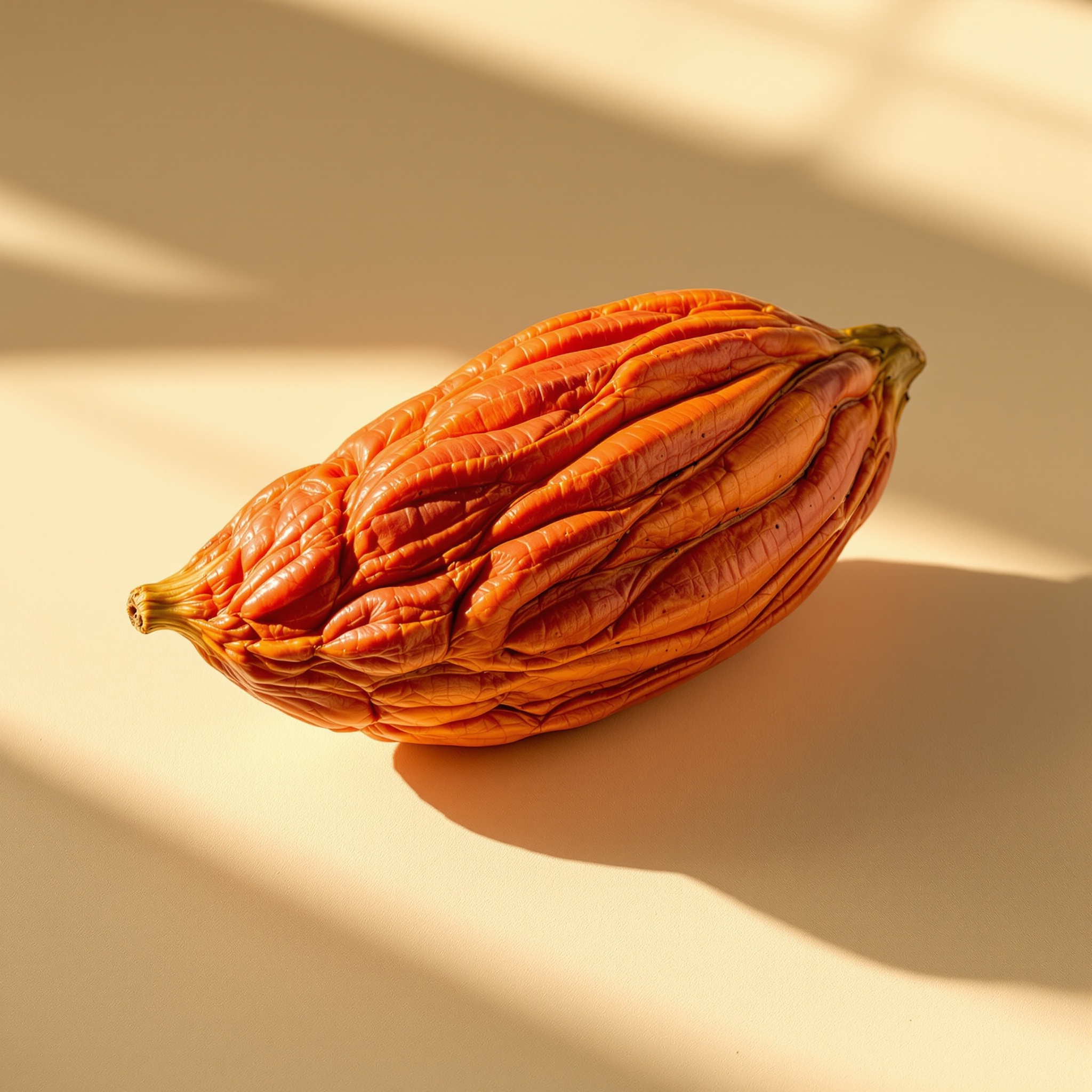
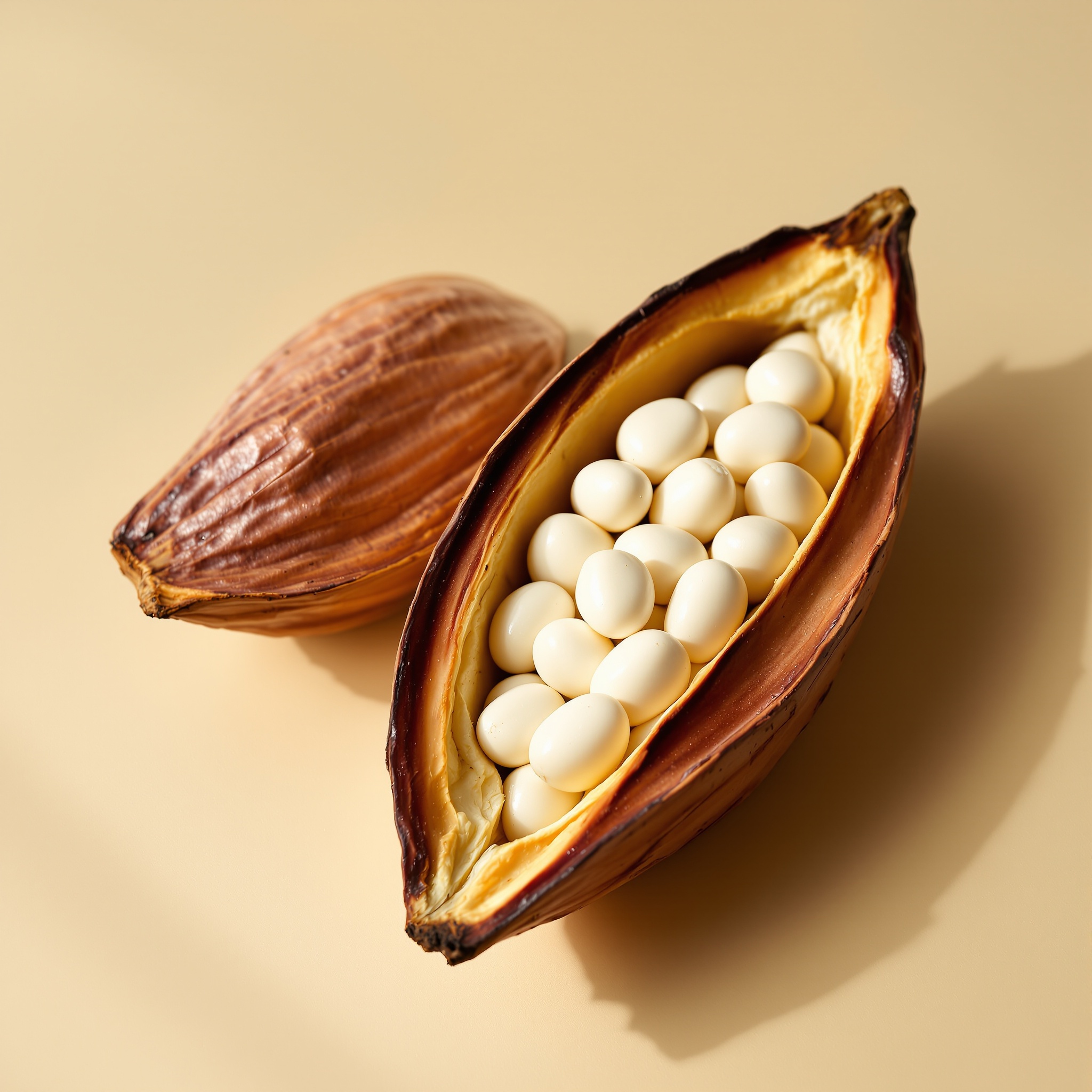
The Cacao Pod is the football-shaped fruit of Theobroma cacao, a small understory tree of Central and South America. The note refers to the whole raw pod, its thick ridged husk and the pale, juicy pulp around the beans, captured before any fermenting or roasting turns it into chocolate.
How it smells
Green, tart and alive, more tropical fruit than chocolate. The pulp recalls lychee, mangosteen and passion fruit with a faint citric tang and a mild fermenting sourness, while the husk adds a wet-woody, slightly yeasty bitterness. Juicy and acidic, only distantly hinting at cocoa.
In perfumery
A heart note used for surprise and freshness rather than gourmand sweetness, distinct from dark-chocolate notes. It works in tropical-green blends beside passion fruit, lychee and leafy accords. Niche houses favor it for authenticity, showing the cacao fruit before it becomes the familiar dessert.
Good to know
Most chocolate aroma forms only after harvest, during days of fermentation and subsequent roasting; the fresh pod barely smells of cocoa. The sweet white pulp is edible and tastes citrus-tropical, and in growing regions it is eaten raw or made into juice and fermented wine.
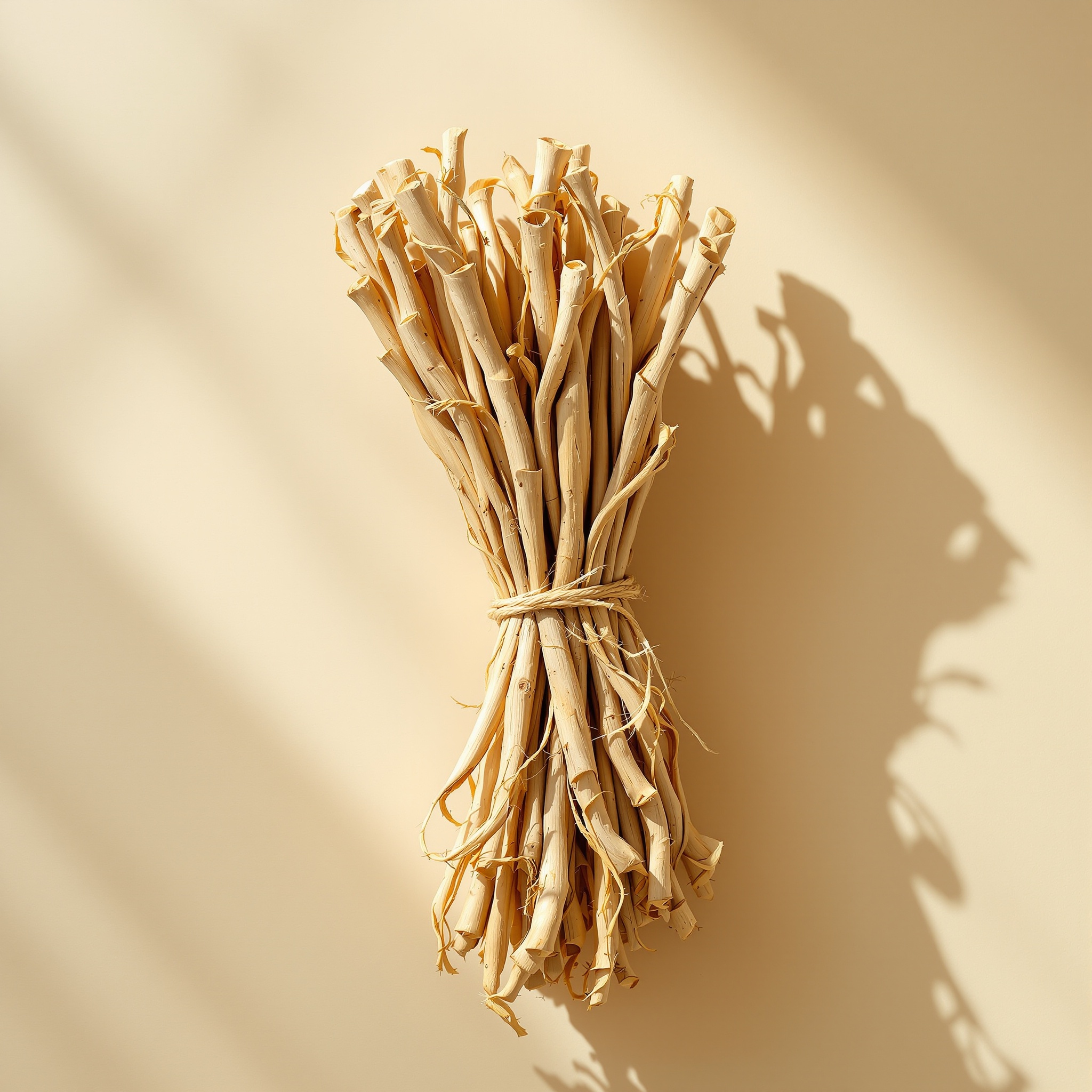
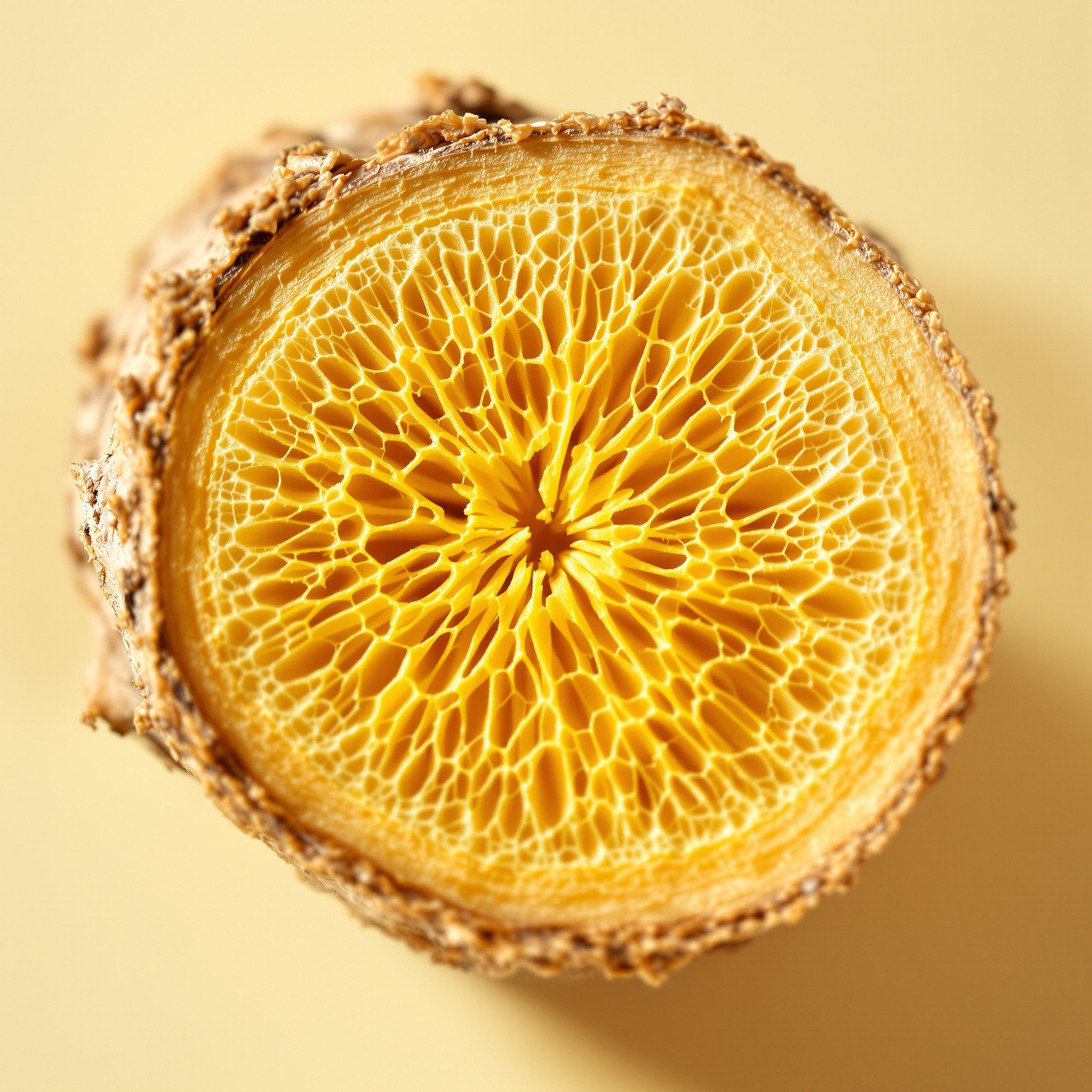
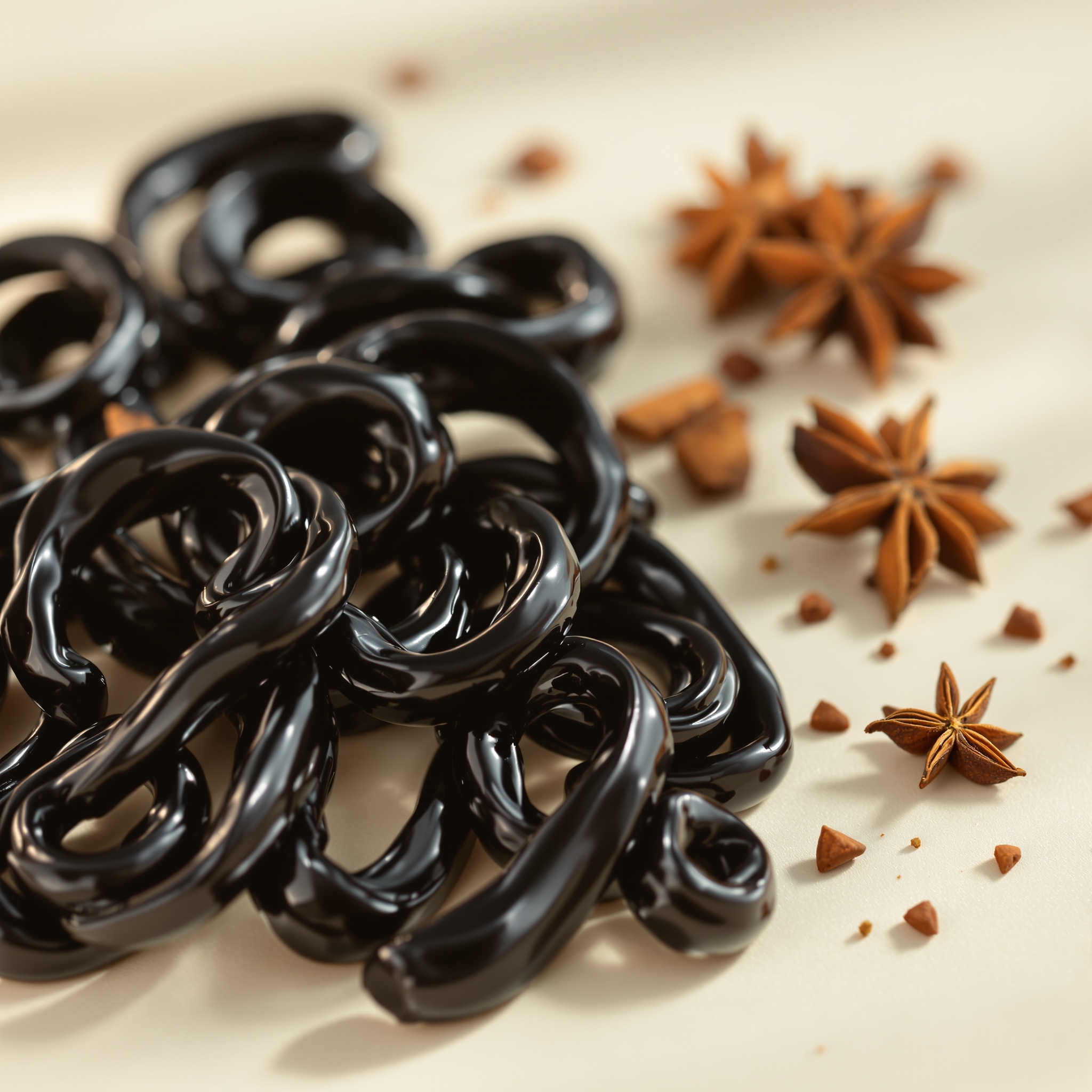
Licorice
Black sweetness with an anise heartbeat
What it is
Licorice scent in perfumery references the root of Glycyrrhiza glabra, a Mediterranean and West Asian legume, but the recognizable anise-like aroma is usually built from anethole. That single molecule is drawn from anise, star anise, and fennel, typically isolated by distilling and chilling their seed oils.
How it smells
Sweet, dark, and faintly medicinal, with a cool anise-fennel bite up front. Beneath sits a rooty, earthy warmth edged with tobacco and a chewy, balsamic facet. It reads candy-like or shadowy depending on dose, and dries down soft, powdery, and slightly woody.
In perfumery
Usually a heart accent adding sweetness, lift, and a gourmand-aromatic twist that bridges spice, vanilla, and woods. It pairs with violet, immortelle, lavender, and tonka. The anise-licorice accord defines Lolita Lempicka and appears in many fougeres and gourmands built around tonka and cherry.
Good to know
Glycyrrhizin, the sweet compound in licorice root, is roughly fifty times sweeter than sugar, which is why the chewed root tastes intensely sweet though it has little smell. In large dietary amounts it can raise blood pressure, a quirk irrelevant to its purely fragrant use.
Cardamom
Green spice cracking open with citrus heat
What it is
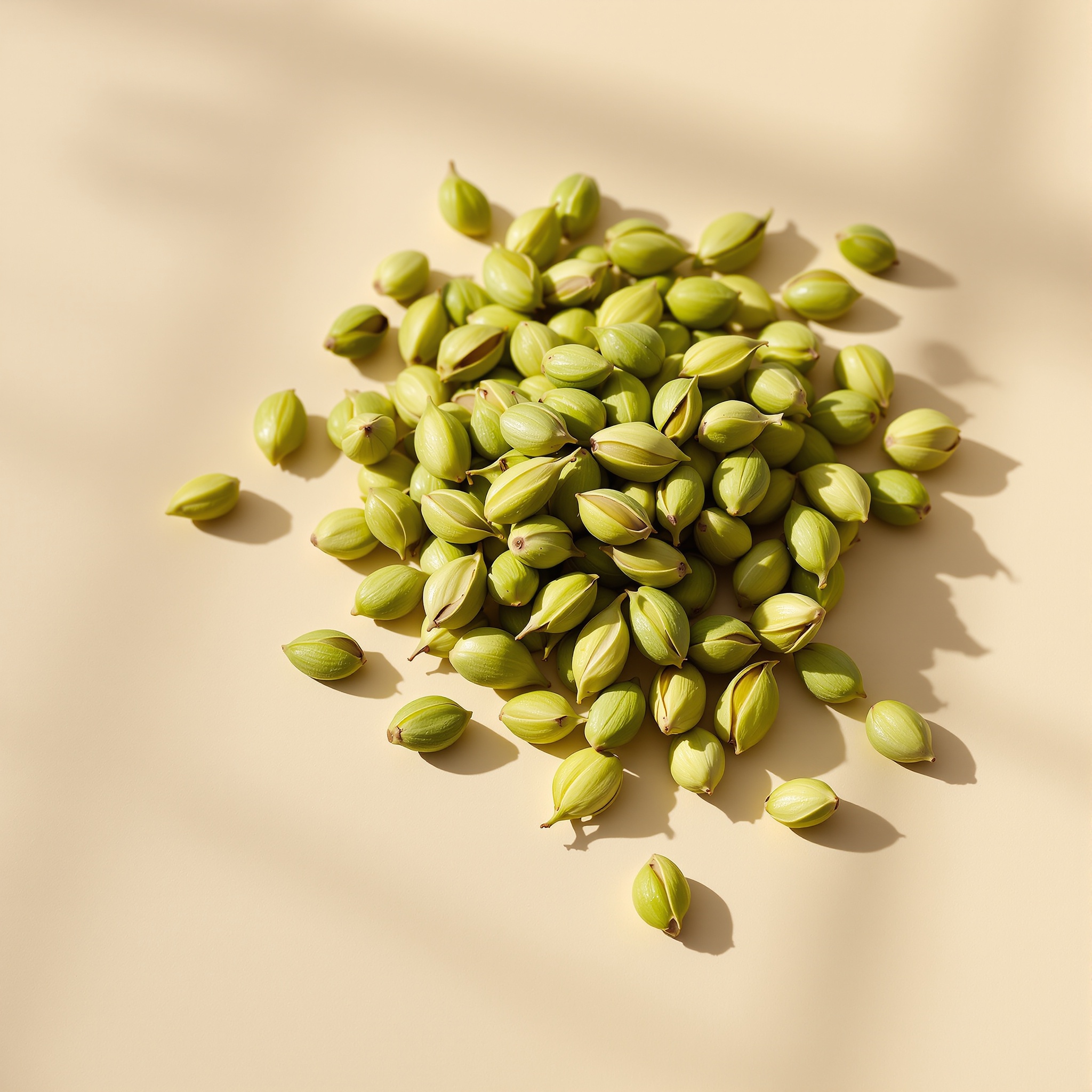
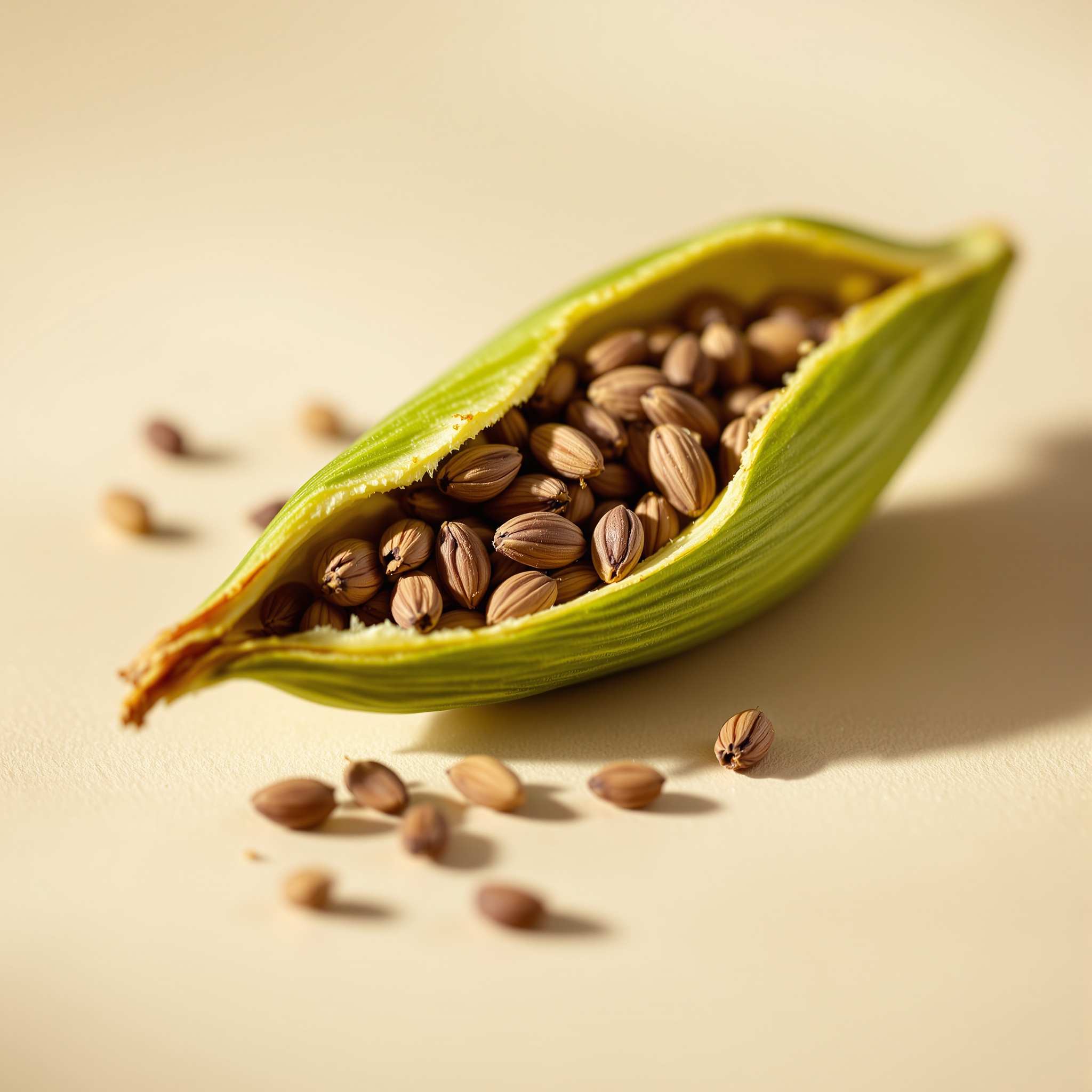
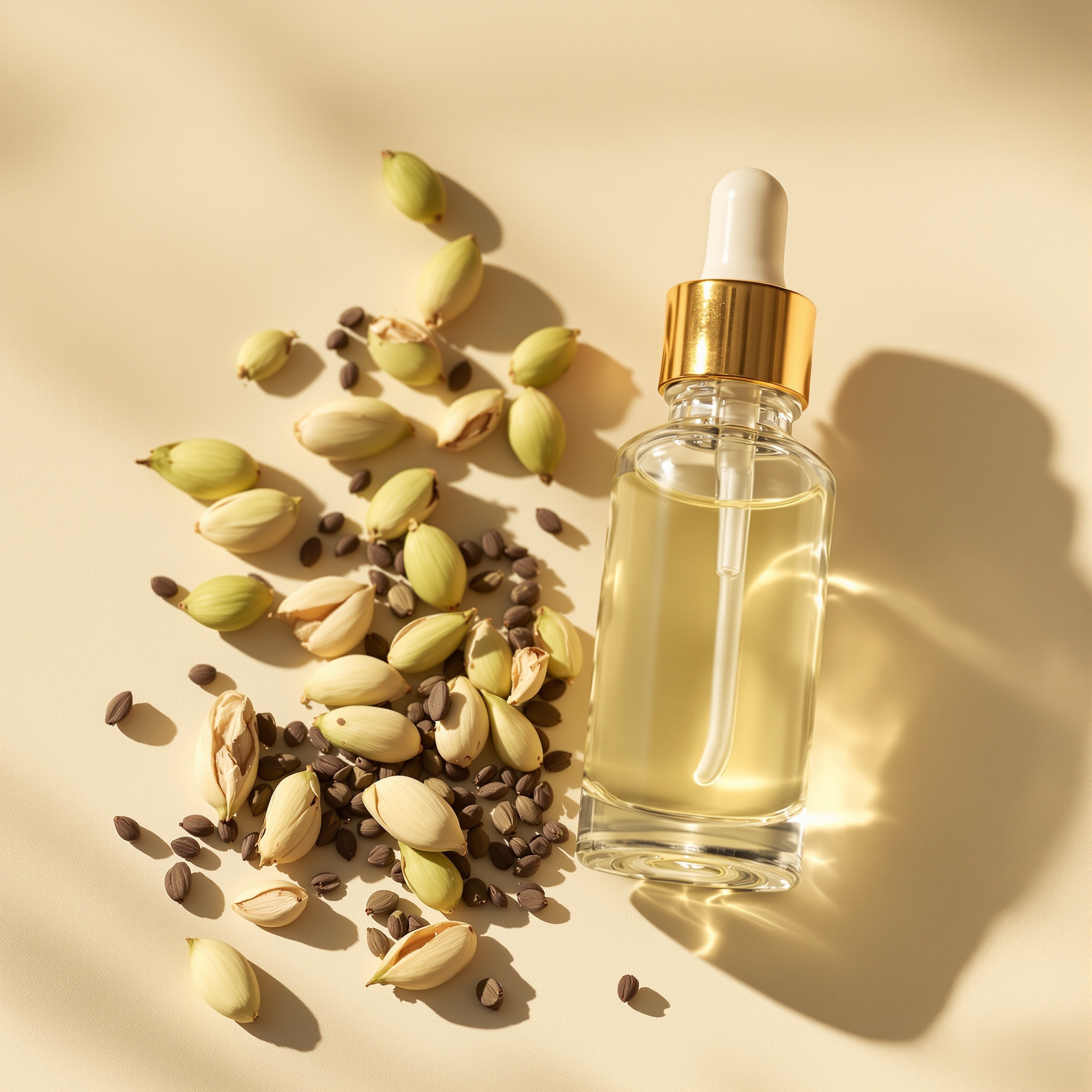
Cardamom is the dried seed pod of Elettaria cardamomum, a tall perennial in the ginger family native to the forests of southern India and now widely farmed in Guatemala. The small green pods are hand-picked before fully ripe and dried; the cracked seeds are steam-distilled for their oil.
How it smells
Bright, green and spicy-fresh, with a cool eucalyptus-camphor lift over warm peppery sweetness. There are facets of lemon peel, pine resin and a faint smoky breadiness, like cracked pods in chai. It opens sharp and effervescent, then settles into a soft, balsamic warmth.
In perfumery
A top-to-heart spice adding sparkle and an airy, modern coolness, it bridges citrus openings and woody-amber bases without the heaviness of clove or cinnamon. It pairs with bergamot, rose, leather and oud, and stars in Declaration by Cartier and Tom Ford's Ombre Leather.
Good to know
Cardamom ranks among the world's most expensive spices, behind only saffron and vanilla, because every pod is hand-harvested at a precise unripe stage. India and Guatemala dominate supply, and the green pods rapidly lose aroma once cracked, so distillers work quickly.
Olibanum
Sun-baked resin tears that smell of sacred smoke
What it is
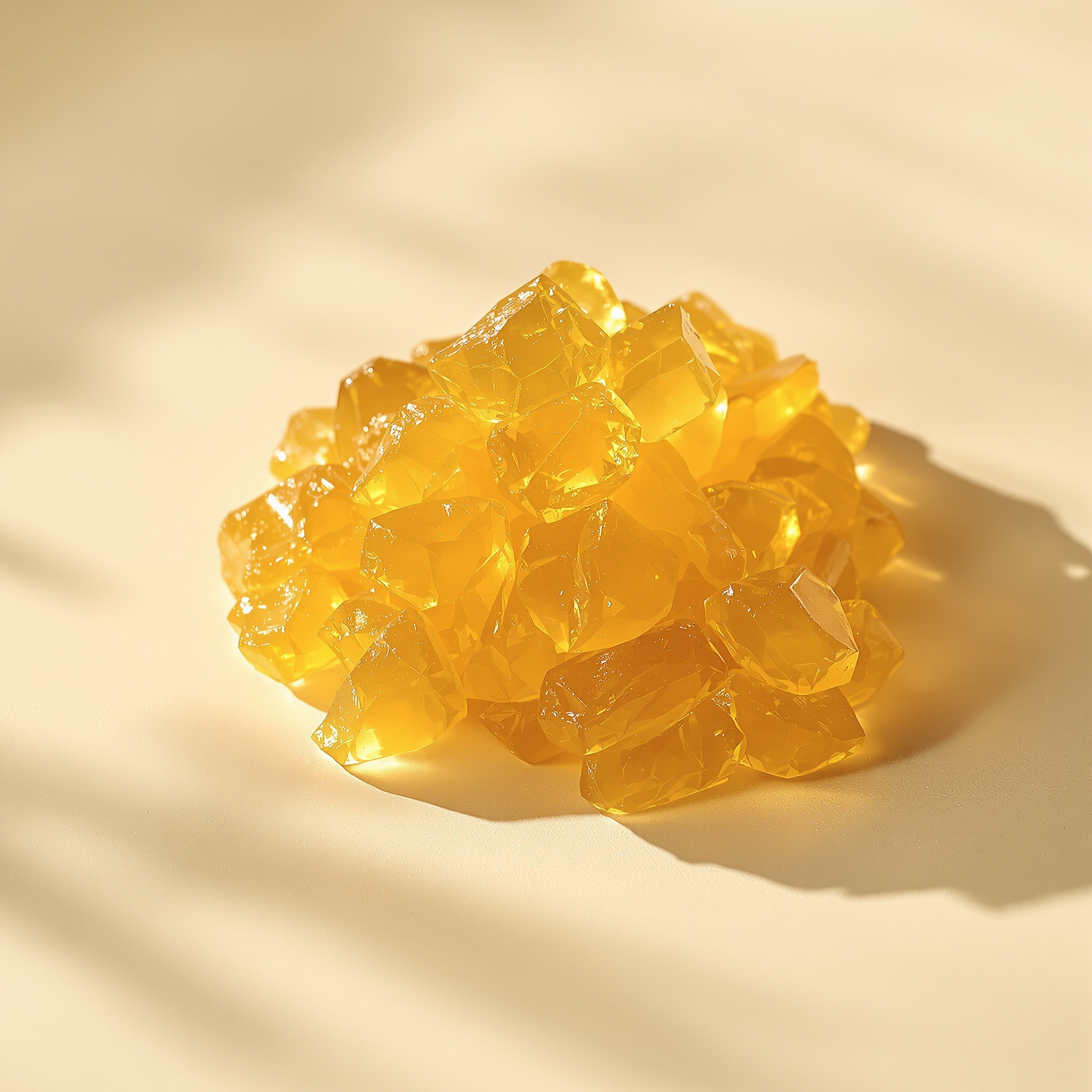
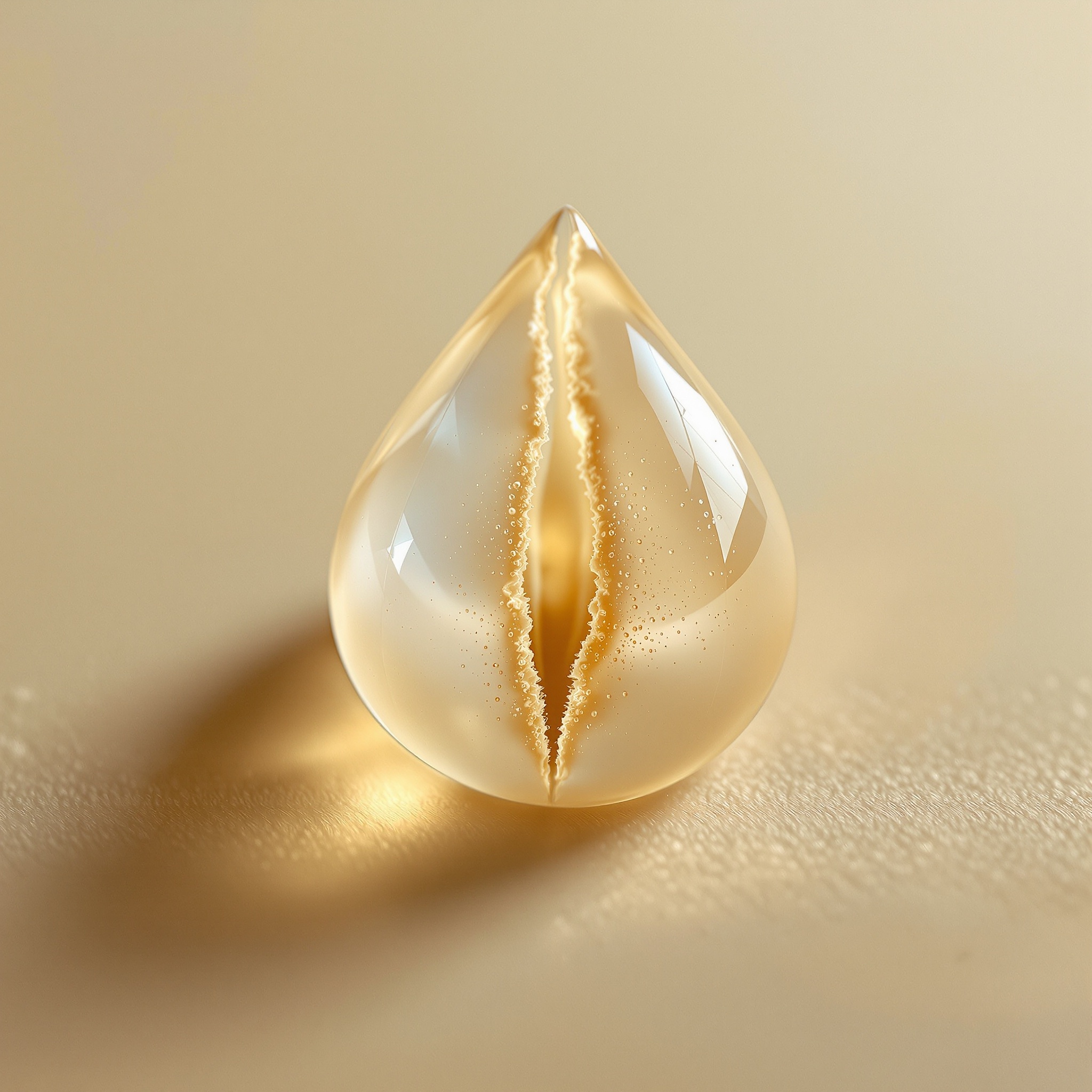
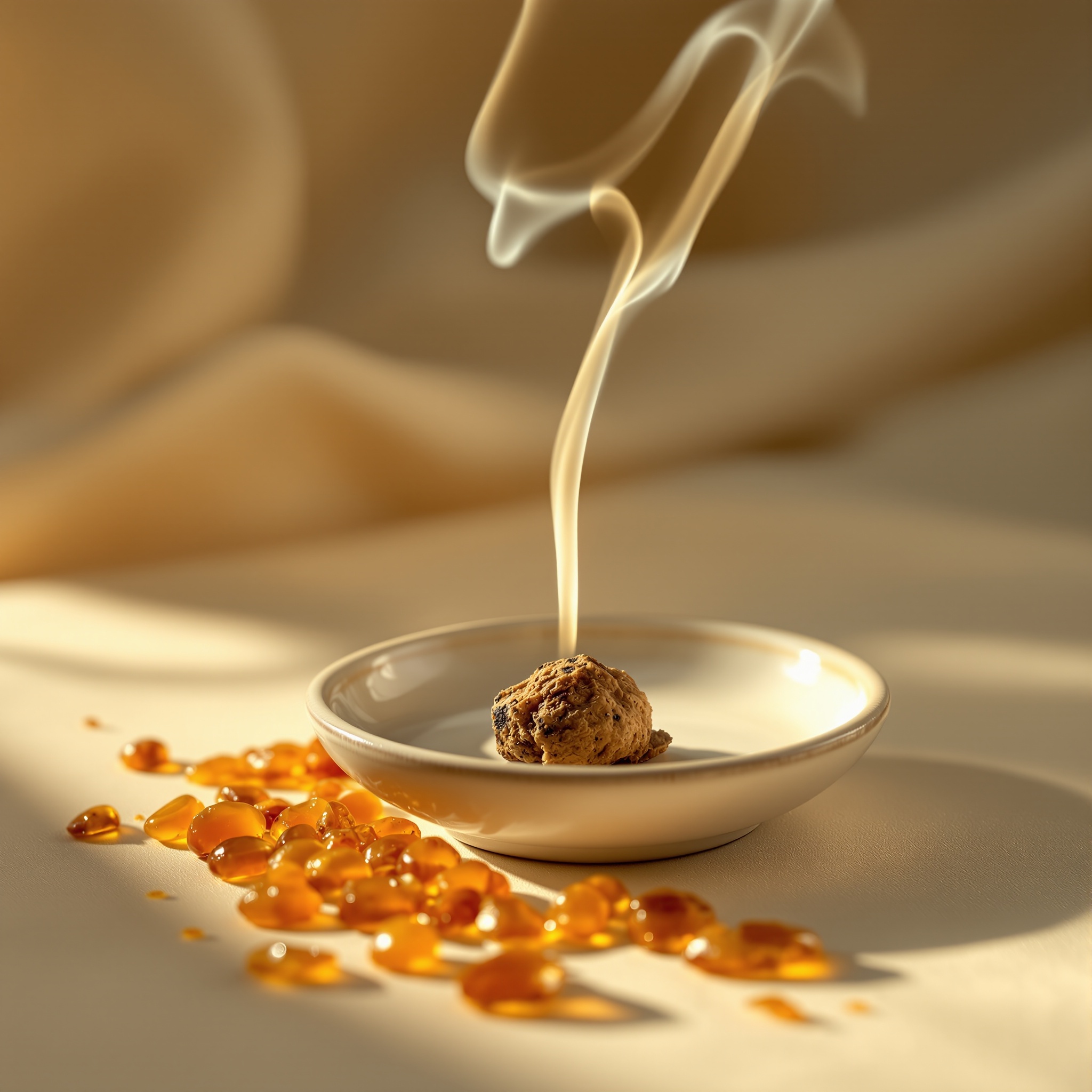
Olibanum is frankincense, the dried gum resin of Boswellia trees, chiefly Boswellia sacra and Boswellia carterii of Oman, Yemen and Somalia. Harvesters score the bark, and the milky sap bleeds out and hardens in the sun into amber tears that are then steam-distilled or solvent-extracted.
How it smells
Bright, dry and resinous, opening with cool lemon-pine and green terpenes over a balsamic warmth. Beneath runs peppery incense, a faint waxy sweetness and a smoky, slightly camphoraceous lift. As it dries it turns soft, ambery and meditative, recalling old stone churches and warm dust.
In perfumery
A versatile heart-to-base material prized in incense and oriental compositions, lending lift, cool radiance and a spiritual signature. It pairs with myrrh, rose, citrus and labdanum, and defines Amouage Jubilation XXV Man, Comme des Garcons Avignon and Armani Prive Bois d'Encens.
Good to know
Frankincense was once valued like gold and traded along Arabian caravan routes, and it appears in the Nativity story. Overtapping, overgrazing and pest damage now stress wild Boswellia stands, with Boswellia sacra listed as Near Threatened, raising real sustainability concerns for the trade.
Wormwood
Bitter silvery herb of absinthe and vermouth
What it is
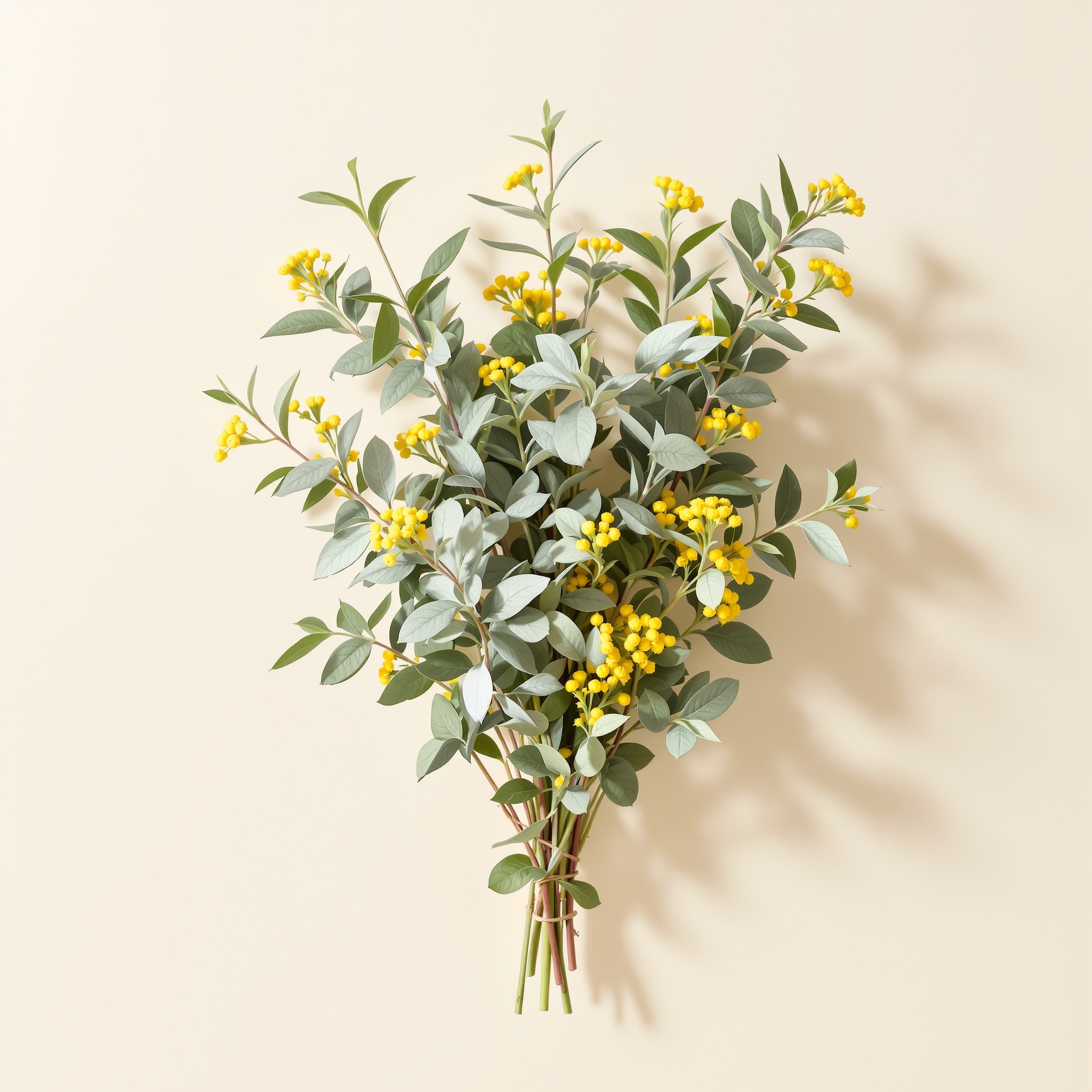
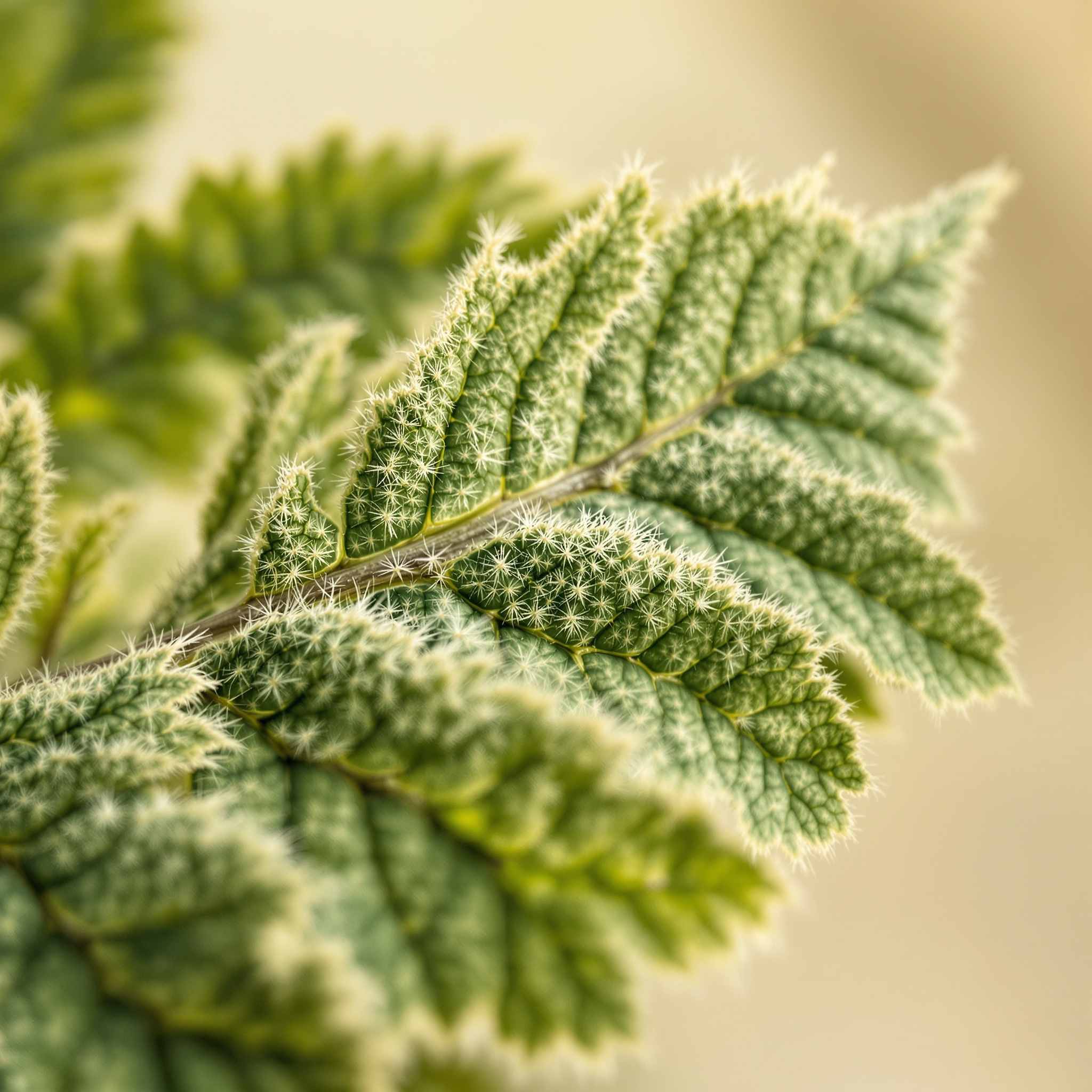
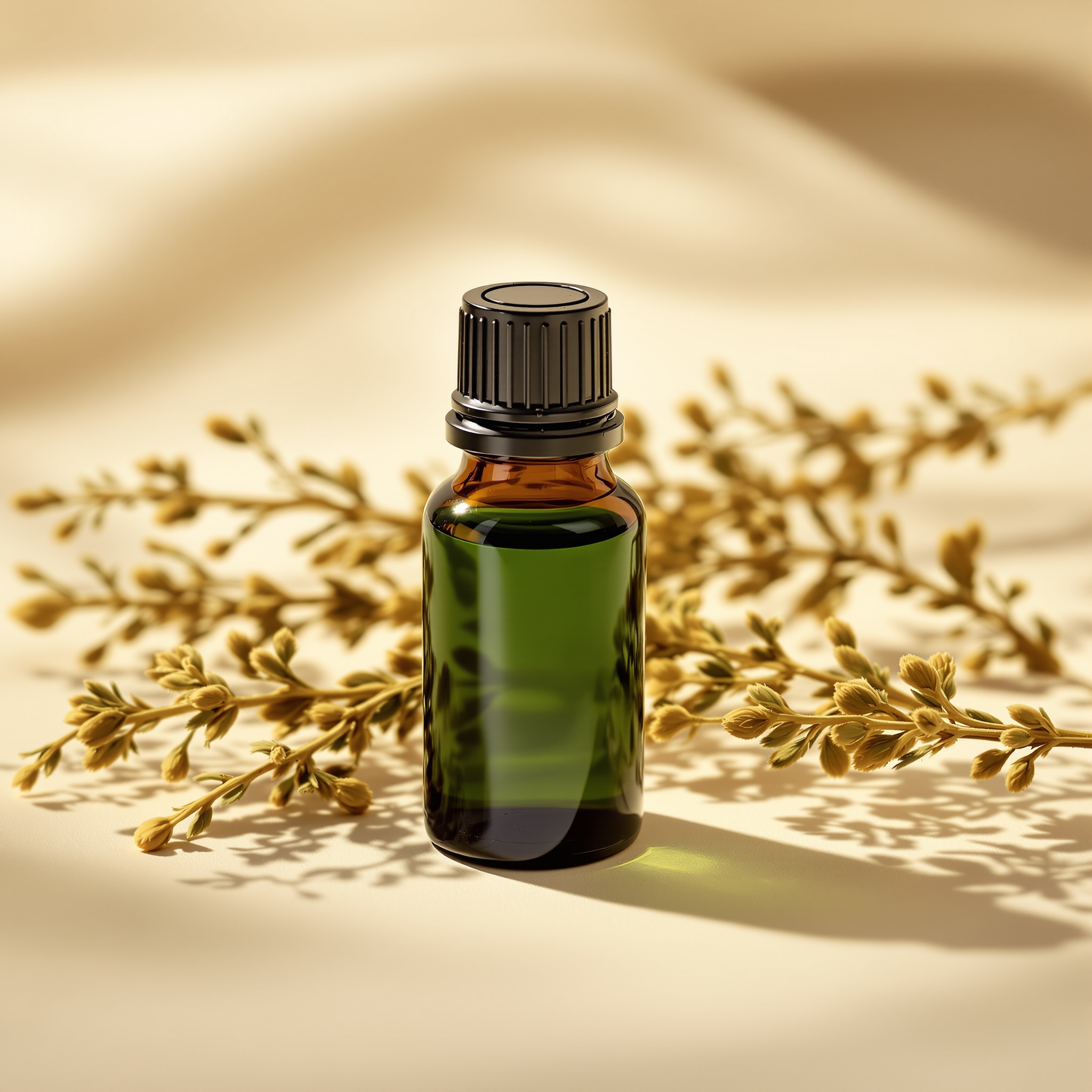
An essential oil steam-distilled from Artemisia absinthium, a grey-green aromatic shrub of Europe and Asia with silvery, finely divided leaves. The flowering tops and leaves are distilled into a dark oil rich in thujone, from the same plant that flavours absinthe and traditional vermouth.
How it smells
Intensely herbaceous and sharply bitter, with a cold, dry green bite. The top is fresh and penetrating, almost camphoraceous and anise-tinged, with a faint blue-chamomile undertone; underneath sits a warm, woody, slightly medicinal body. Closer to crushed sage and mugwort than to anything sweet.
In perfumery
A top-to-heart note adding bitter-green sharpness, an absinthe signal and aromatic complexity. It pairs with citrus, lavender, jasmine and oakmoss in fougeres and chypres, typically dosed below one percent. It sharpens Ralph Lauren Polo Black and the green facets of Burberry Body.
Good to know
Wormwood oil is high in thujone, a compound restricted in foods and historically blamed for absinthe's supposed madness, though modern science attributes that to alcohol. Its genus Artemisia honours the Greek goddess Artemis, and the plant's bitterness gave German Wermut, the root of the word vermouth.
Bread
The warm hush of a morning oven
What it is
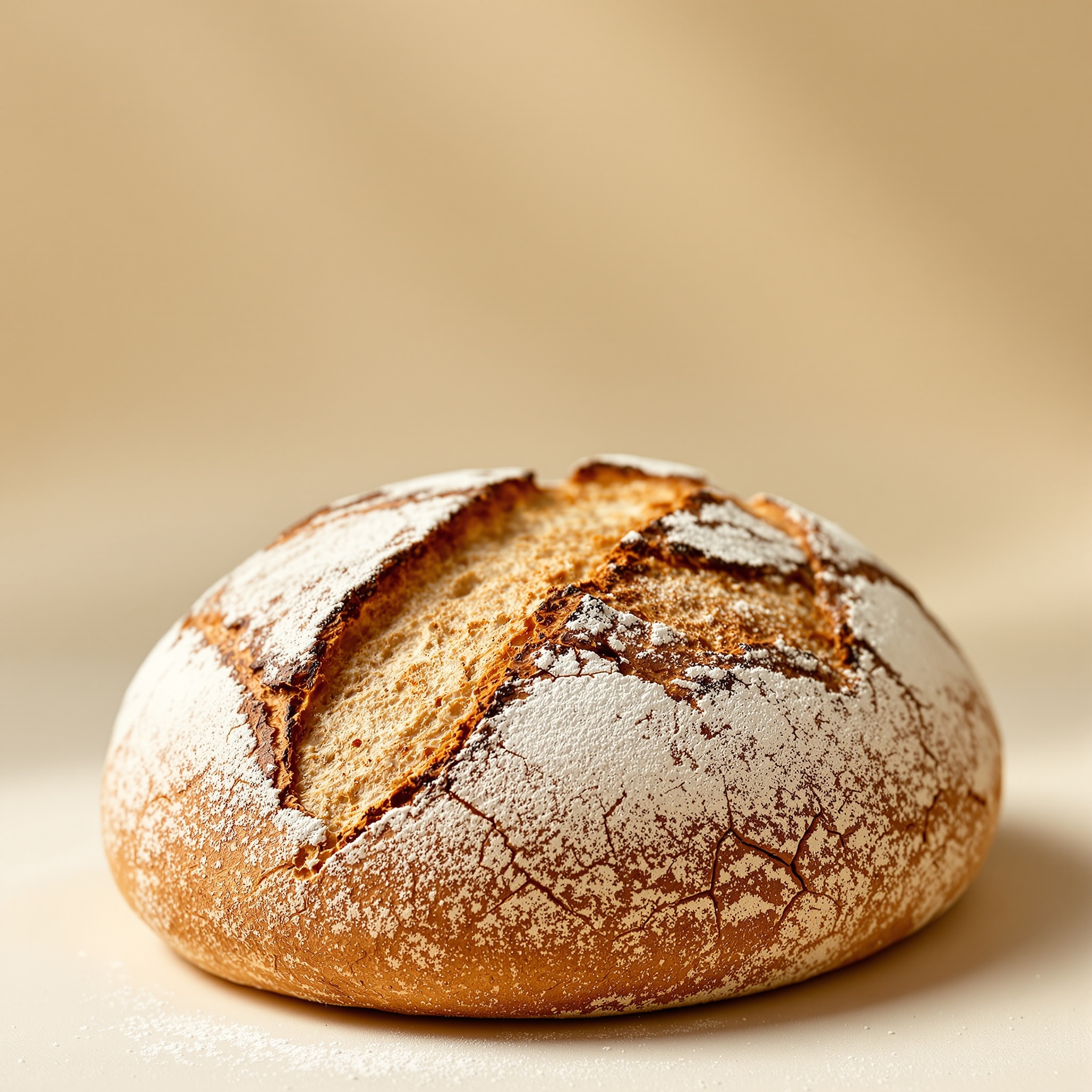
Bread has no single raw material; it is an accord built to mimic baking dough. Perfumers reconstruct it from yeast-evoking molecules, caramelized-sugar compounds, toasted-grain aroma chemicals and small touches of butter and milk notes, since real bread yields no usable extract through distillation or solvent.
How it smells
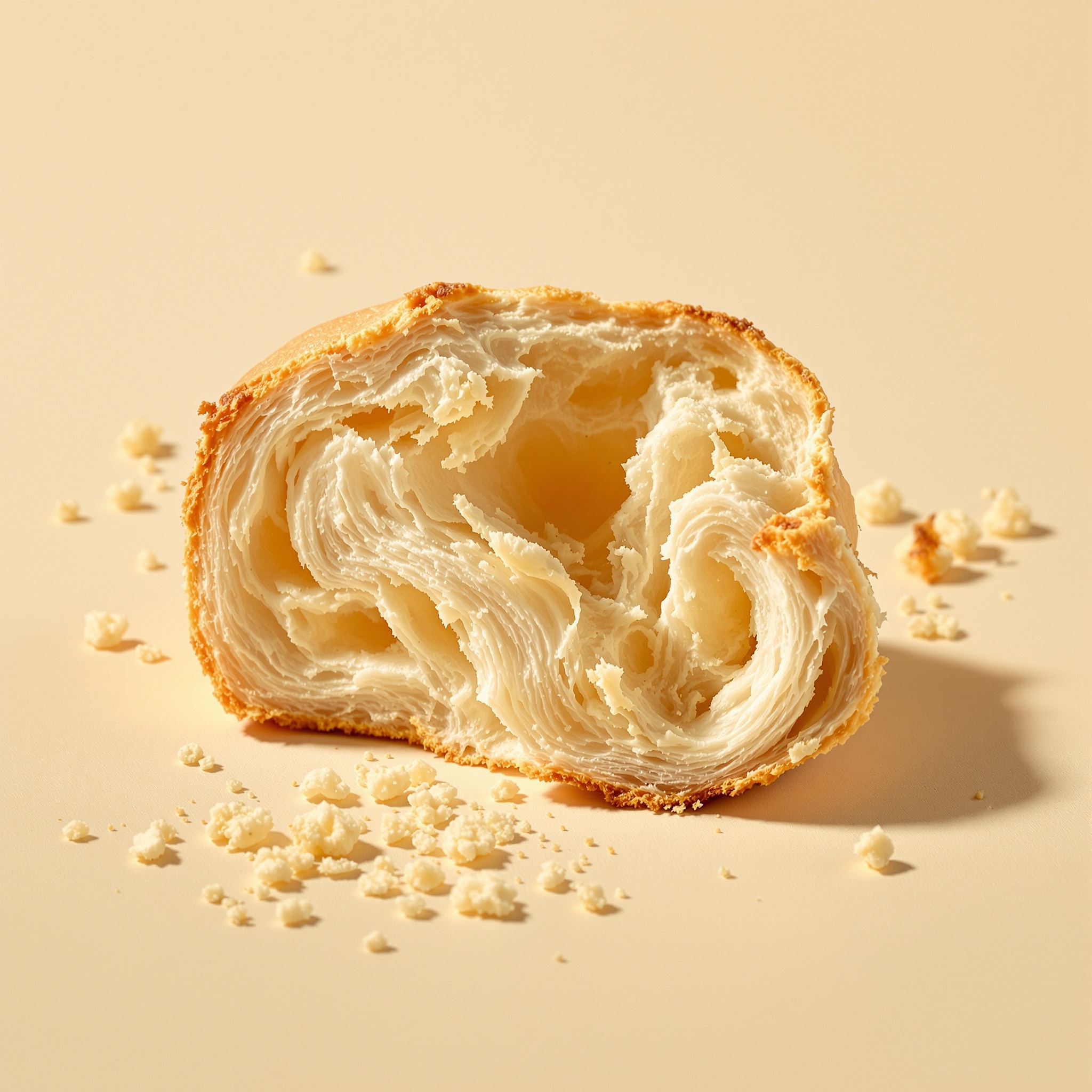
Soft, warm and starchy, with a tang of living yeast and the nutty edge of toasted crust. It opens slightly sour and fermented, then settles into doughy, faintly sweet warmth. Crusty versions add roasted, almost caramel facets, while brioche treatments lean buttery, milky and rich.
In perfumery
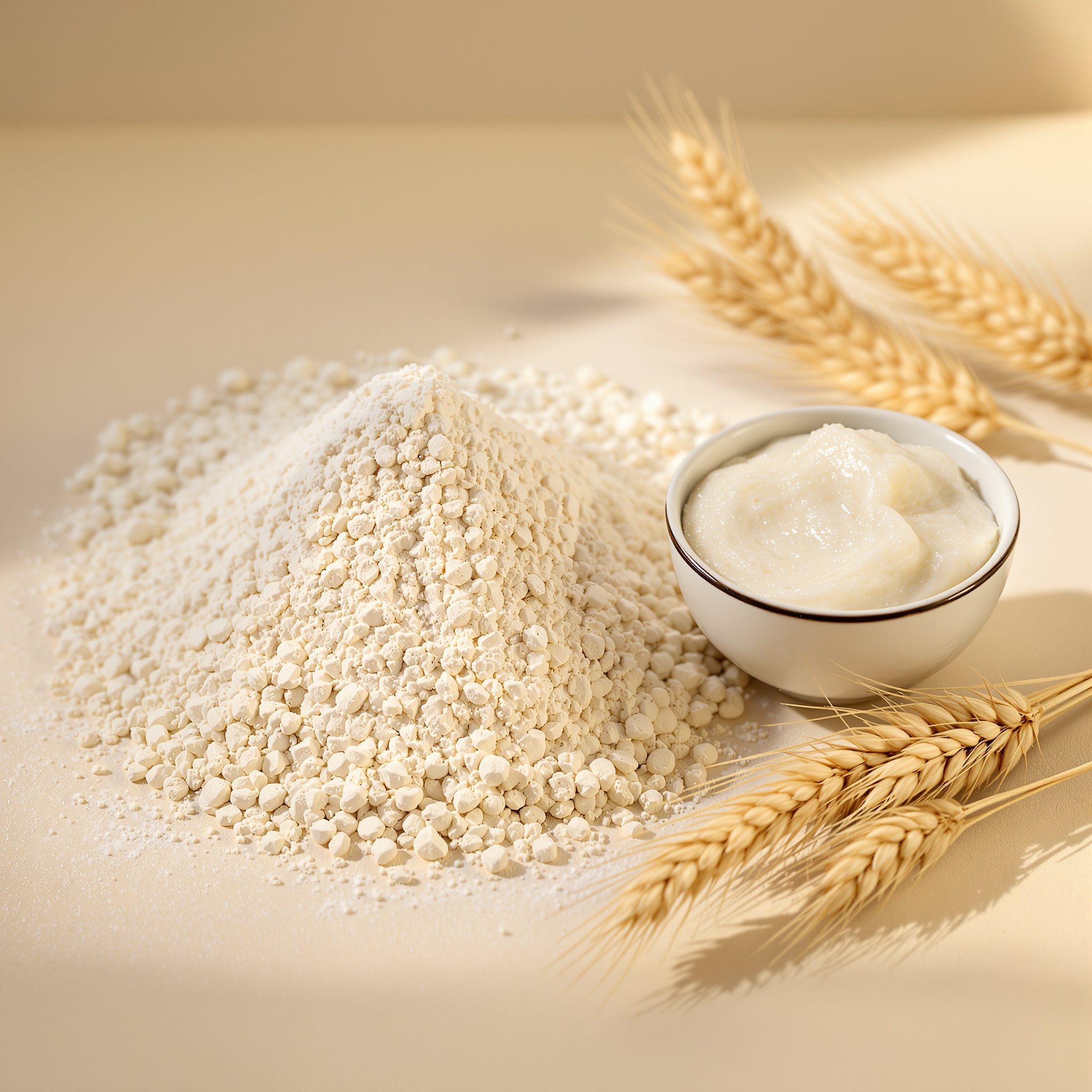
A heart-to-base gourmand accord giving comforting, edible warmth and texture. It pairs with vanilla, honey, caramel and milk, or with iris and dry woods for a stranger, less sweet effect. L'Artisan Parfumeur Bois Farine evokes raw flour and bakery air rather than a finished loaf.
Good to know
Bread is hard to capture because its aroma comes from hundreds of volatile compounds formed by yeast fermentation and Maillard browning during baking, many fading within minutes of leaving the oven. The note long sat at gourmand's fringe before niche houses made warm dough fashionable.

Cedar
Dry sharpened pencils and sun-warmed timber
What it is
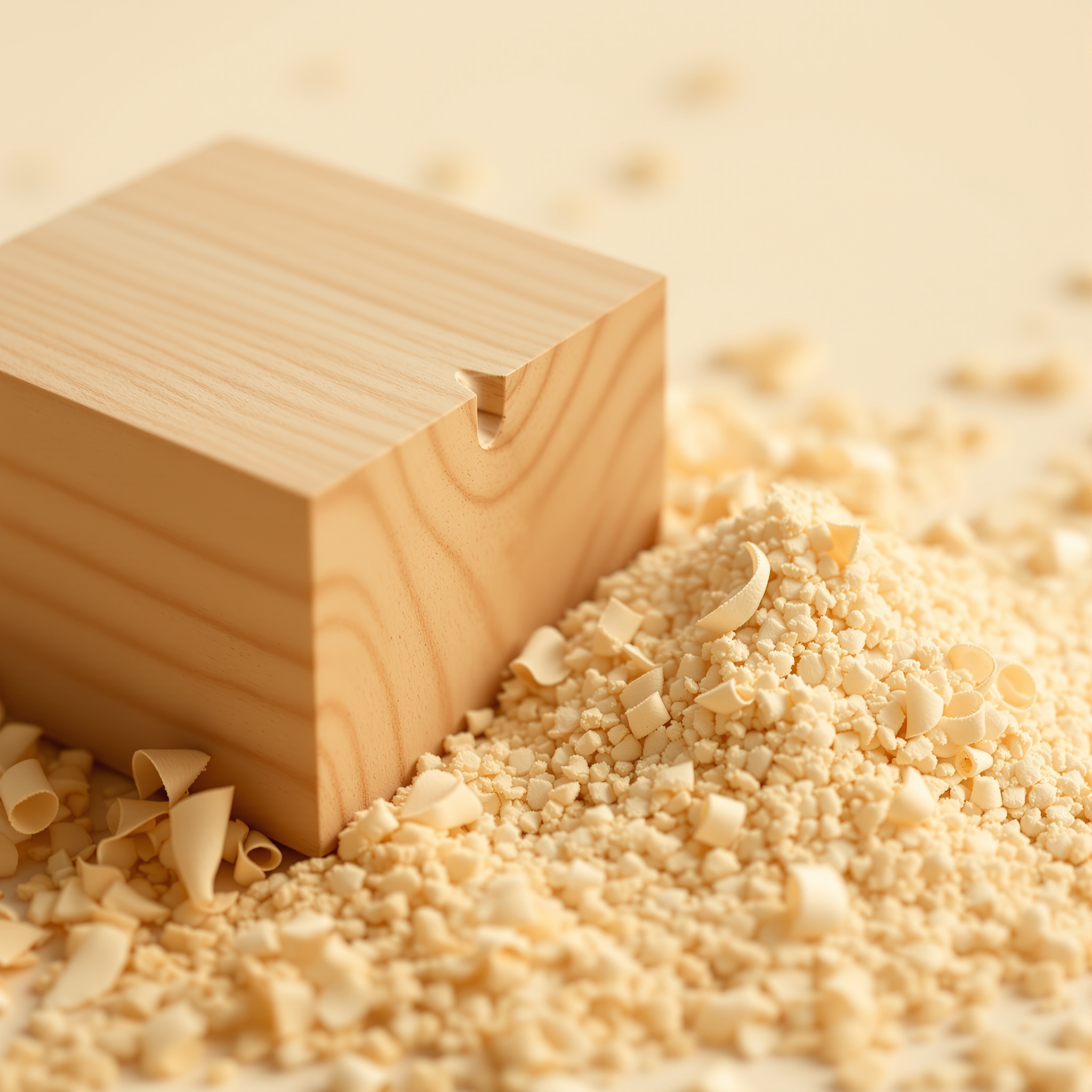
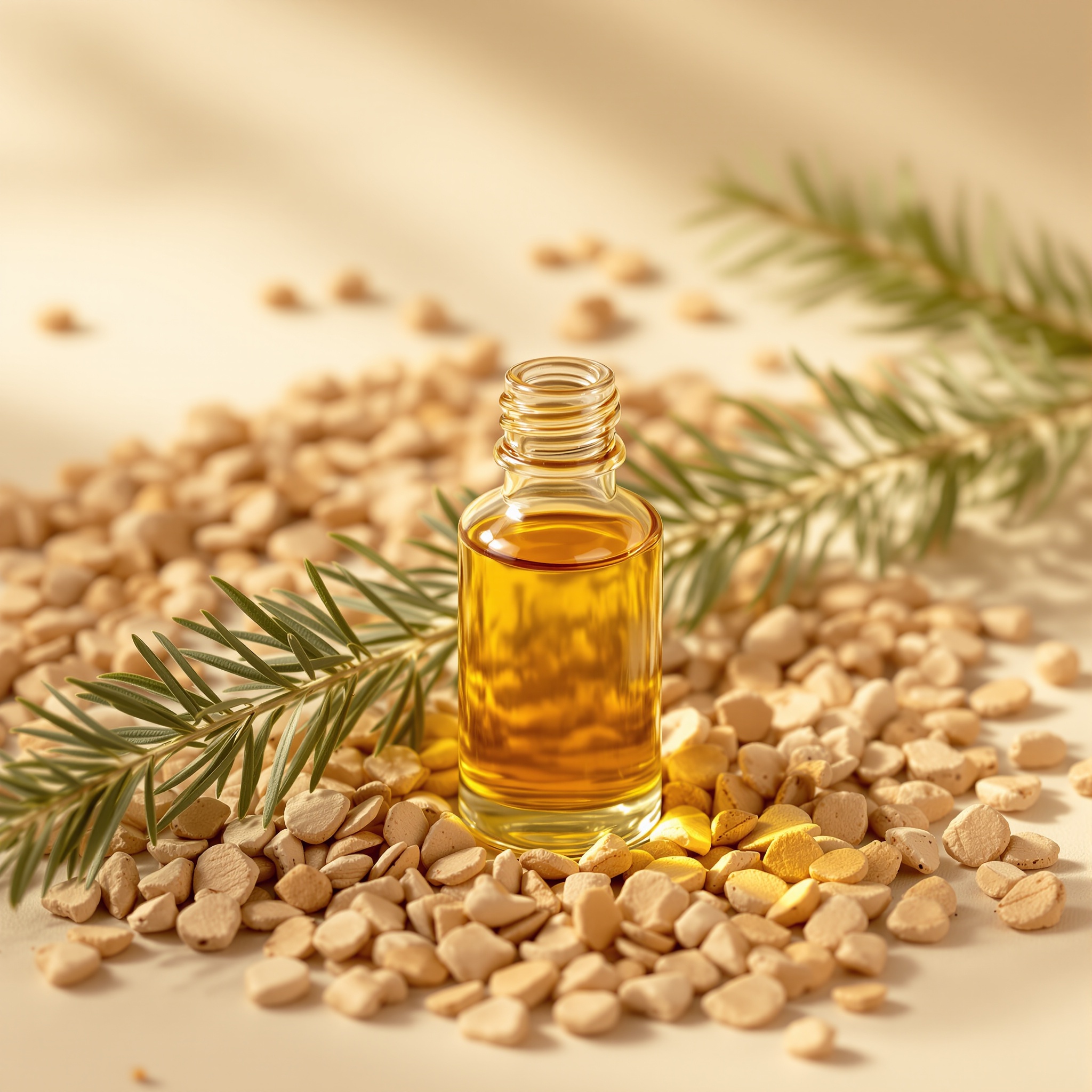
Cedar in perfumery comes mainly from the heartwood of Atlas cedar (Cedrus atlantica) and, more commonly, the aromatically similar Virginia and Texas "cedars" of the Juniperus genus. Wood chips and sawmill shavings are steam-distilled into an oil rich in cedrol and cedrene, the molecules carrying the scent.
How it smells
Dry, woody and resinous, recalling freshly sharpened pencils and cedar-lined closets. Atlas cedar leans warm, smoky and balsamic; Virginia cedar reads sharper and cleaner. It opens crisp and pencil-like, then settles into a soft, sawdust-warm, faintly sweet timber that holds for hours.
In perfumery
A workhorse heart and base note prized for its smooth woody backbone and fixative power. It anchors chypres, fougeres and modern woods, pairing with vetiver, rose, citrus and amber. Cedar gives Serge Lutens Feminite du Bois its signature plummy-woody core and threads through countless unisex woods.
Good to know
Most perfumery "cedar" is not botanical cedar at all but juniper; true Cedrus and the unrelated Juniperus share a name through scent, not lineage. Cedarwood oil was burned in ancient Egyptian embalming and used to scent tombs, coffins and ships' timbers.
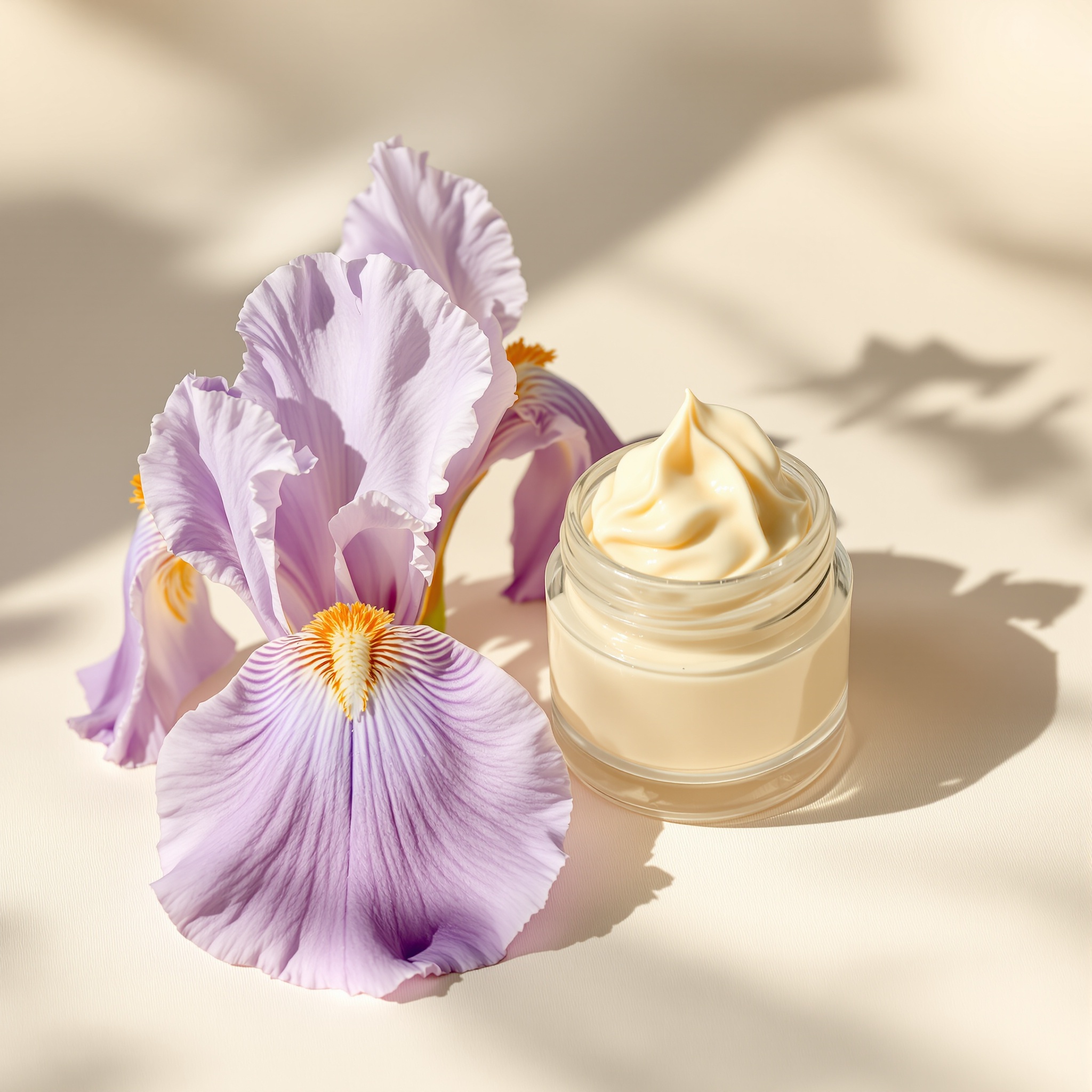
Iris
Cool powdered earth from a patiently aged root
What it is
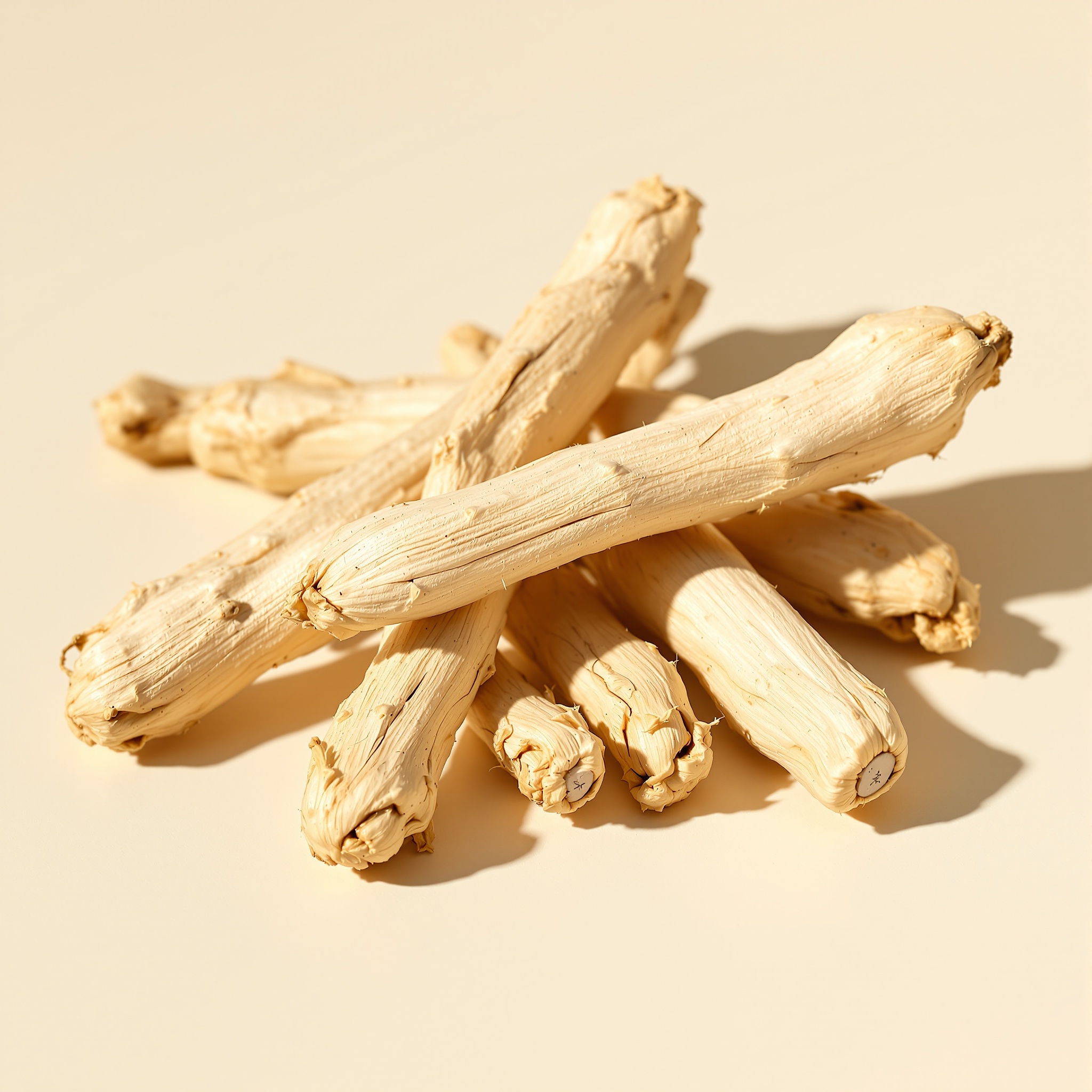
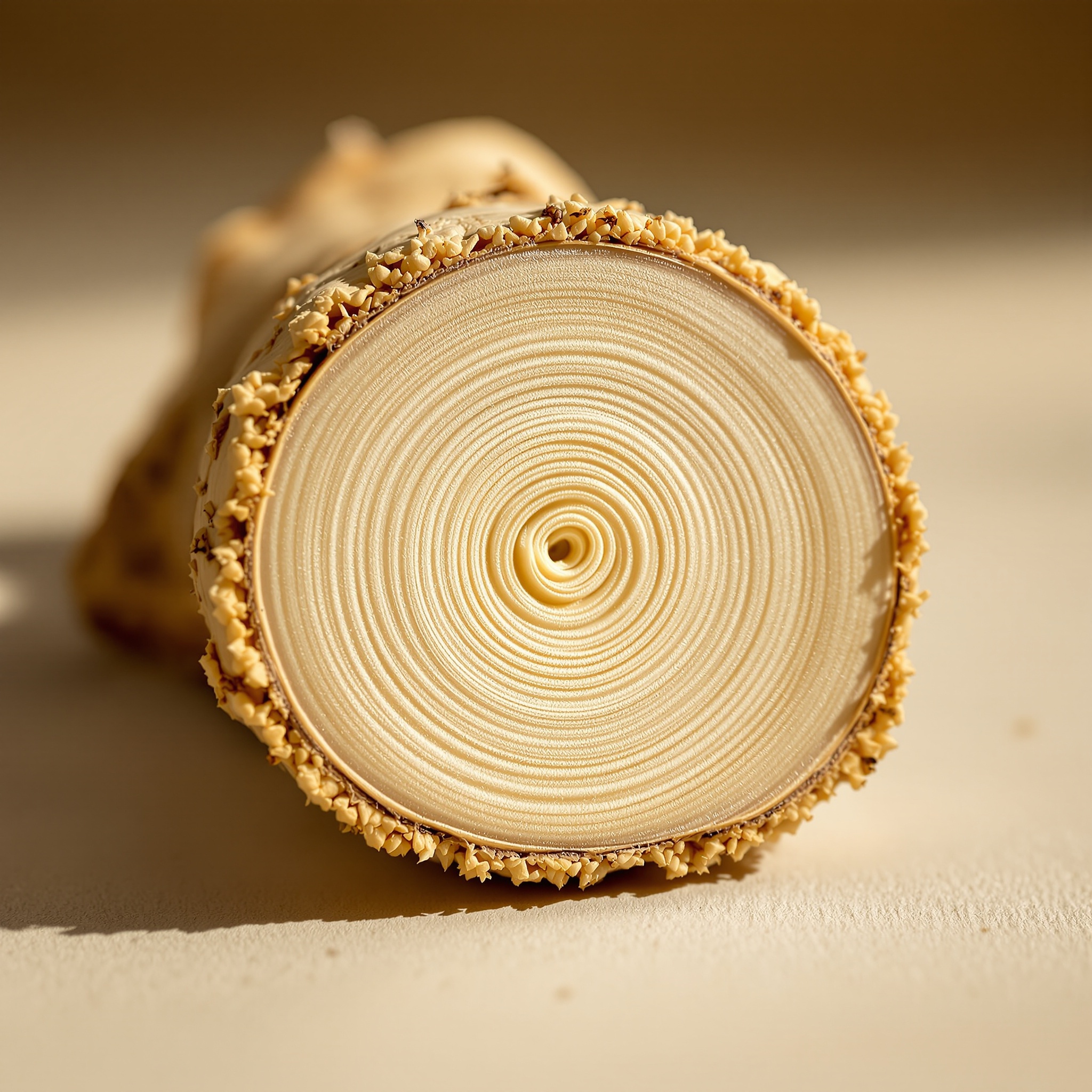
Perfumery iris comes not from the flower but the rhizome of Iris pallida and Iris germanica, grown mainly in Tuscany and Morocco. The dug rhizomes are dried and aged about three years so aromatic irones develop, then ground and steam-distilled into waxy orris butter.
How it smells
Cool, powdery and rooty, suggesting violet, suede and fresh-sawn wood dusted with face powder. There is a damp earthy minerality, a faint carrot-like sweetness and a buttery, almost doughy softness. It feels silvery and restrained, more texture than perfume, lingering quietly on skin.
In perfumery
A precious heart-note material giving powdery elegance, cool depth and a velvety, refined backbone to chypres and florals. It pairs with violet, rose, sandalwood and ambrette. It is the soul of Prada Infusion d'Iris, Dior Homme, Chanel No. 19 and Hermes Hiris.
Good to know
Orris butter is among perfumery's costliest materials: a tonne of dried, aged rhizome yields only about two kilograms of butter, and high-irone grades can fetch tens of thousands of euros per kilo. The multi-year aging that builds its scent is what makes true iris so rare.
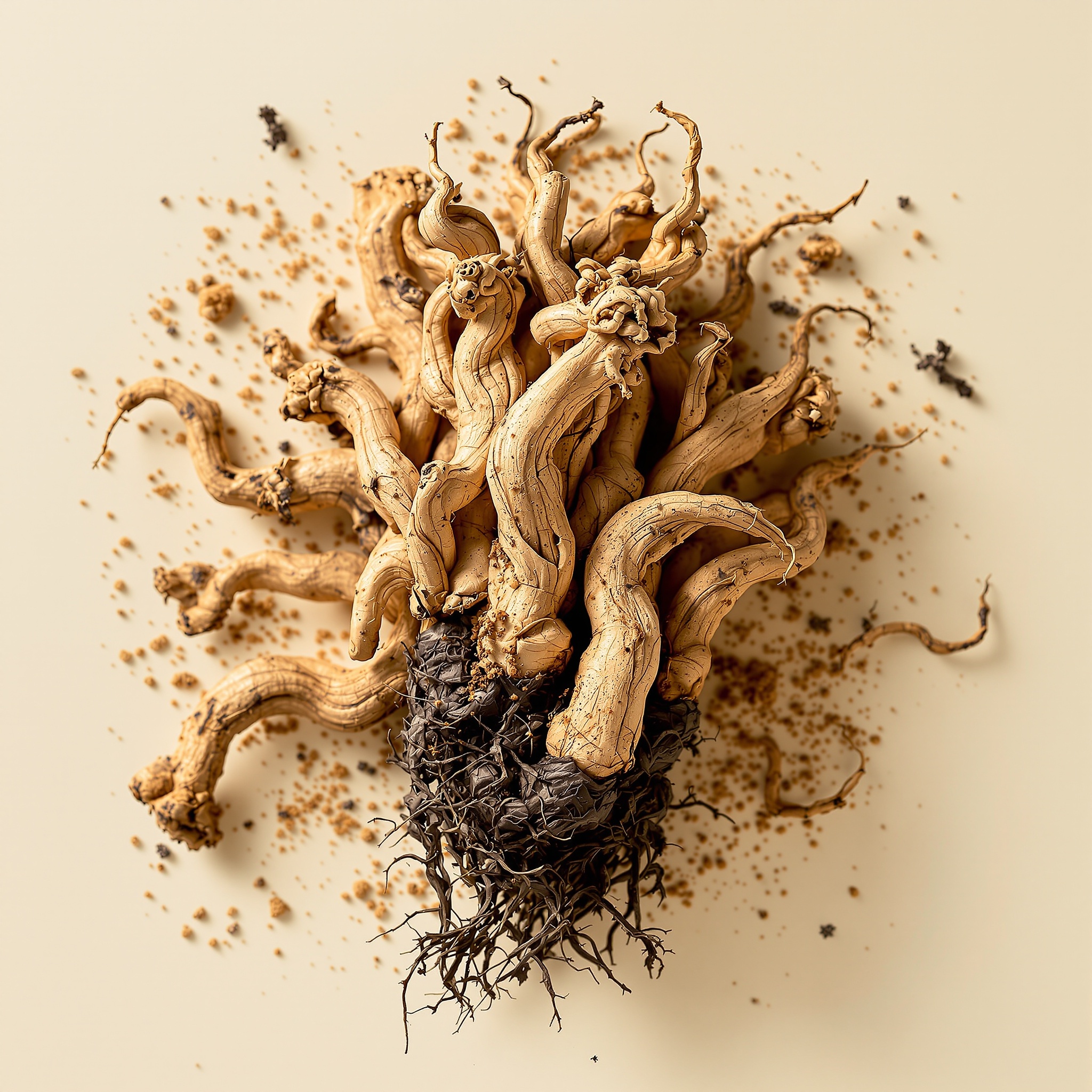
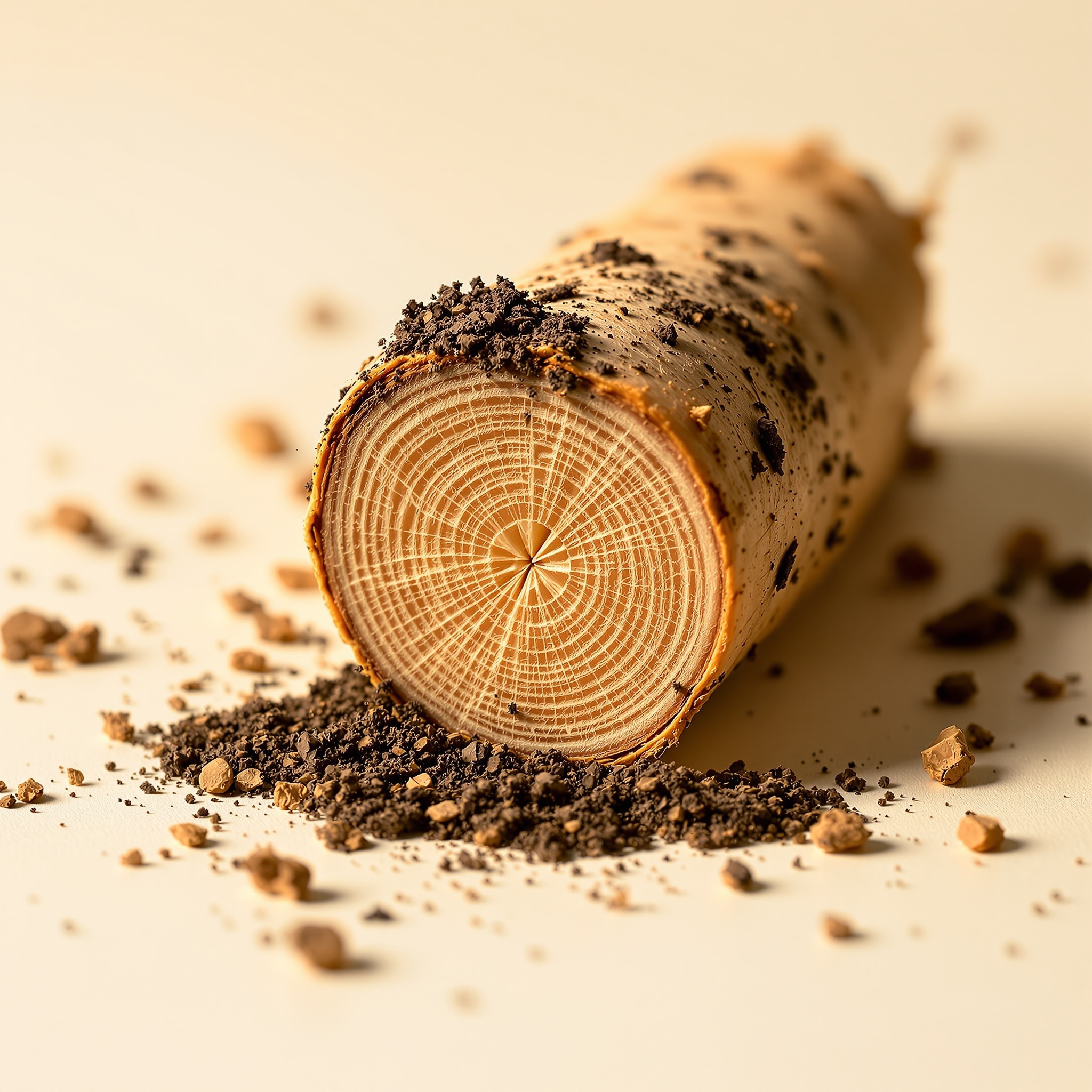
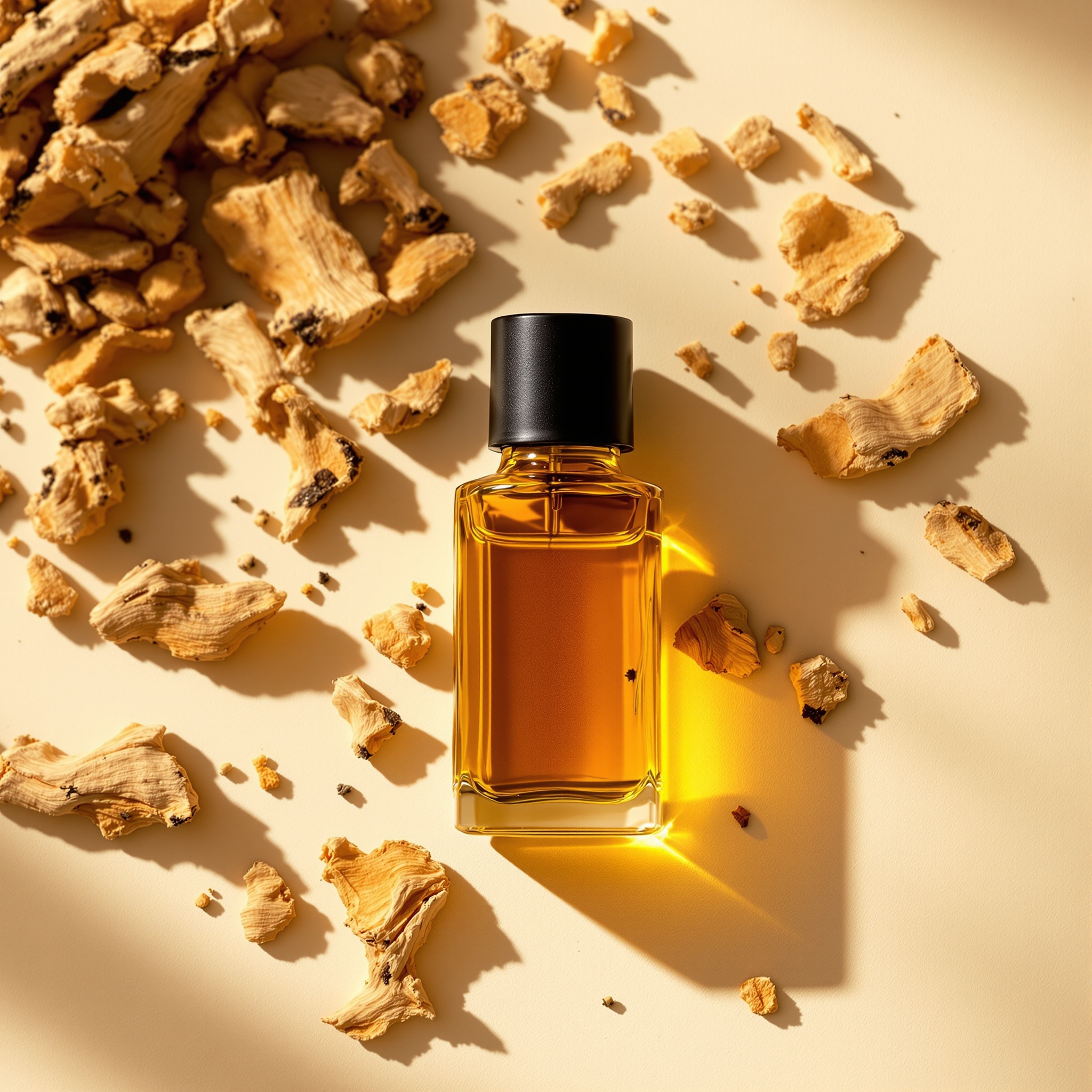
Cypriol
Dark smoky root, the desert cousin of oud
What it is
Cypriol, or nagarmotha, is the oil of Cyperus scariosus, a wetland sedge growing wild in the marshy riverbeds of Madhya Pradesh, India. The dried rhizomes and roots are crushed and steam-distilled, yielding under a tenth of a percent of a thick, dark amber oil.
How it smells
Woody and earthy with a cold smoky underbelly, drier than patchouli and rootier than vetiver. A sharp peppery top gives way to leather, dry amber and faint tar. As it settles it reads dark, mineral and ashy, with a bitter resinous edge recalling burnt agarwood.
In perfumery
A base note prized as a natural fixative and an affordable stand-in for oud in woody, leather and dry-amber accords. It pairs with patchouli, saffron, cedar and incense, and anchors smoky oud-leaning compositions, lending body to fragrances such as Givenchy Pi and modern agarwood blends.
Good to know
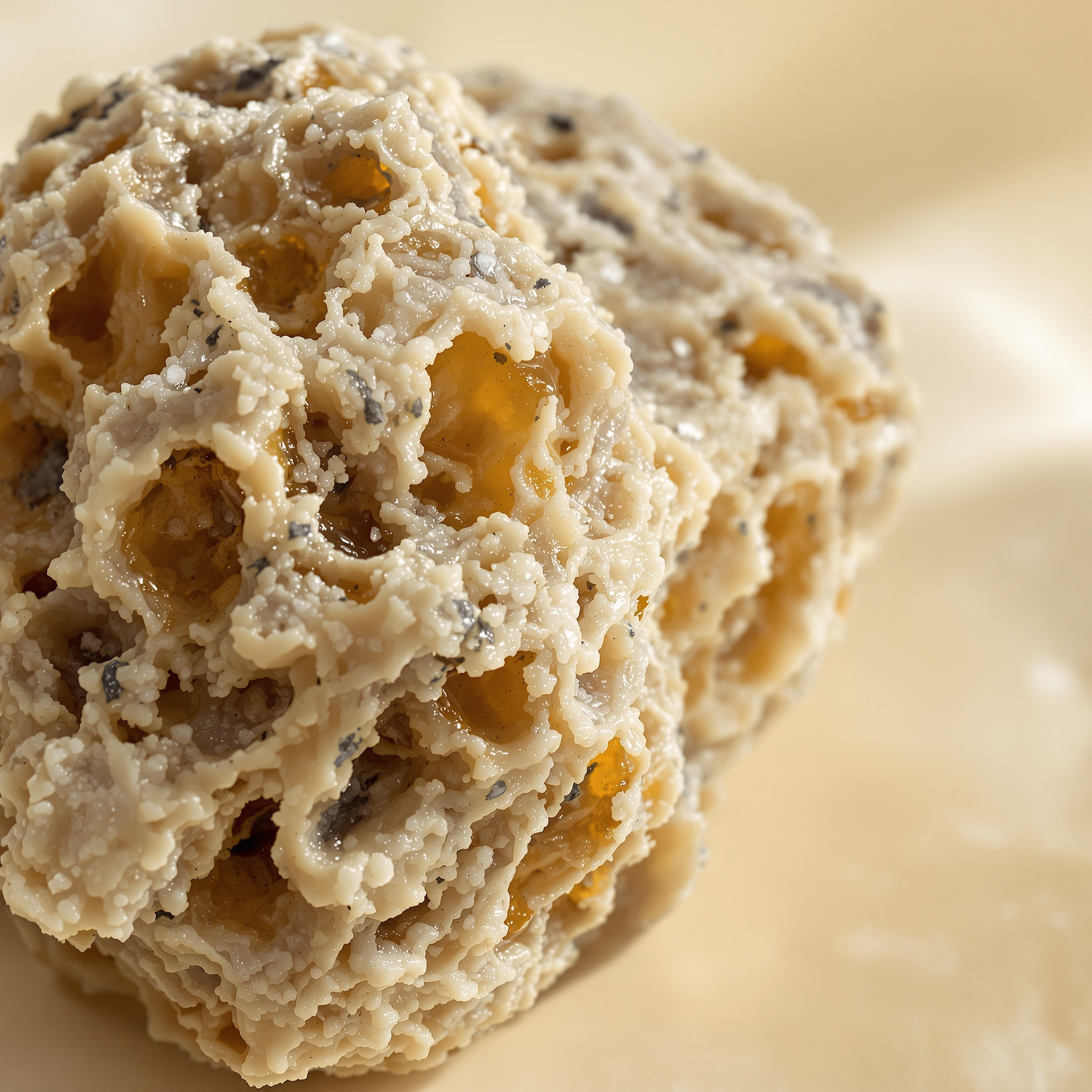
Cyperus scariosus is the source of the Indian perfumery base motha, and its sister sedge Cyperus rotundus is a stubborn farm weed worldwide. The same rhizome has flavored Ayurvedic medicine and traditional cooling tonics for centuries before reaching modern fragrance.
Animal Notes
The warm, skin-close growl beneath a fragrance
What it is
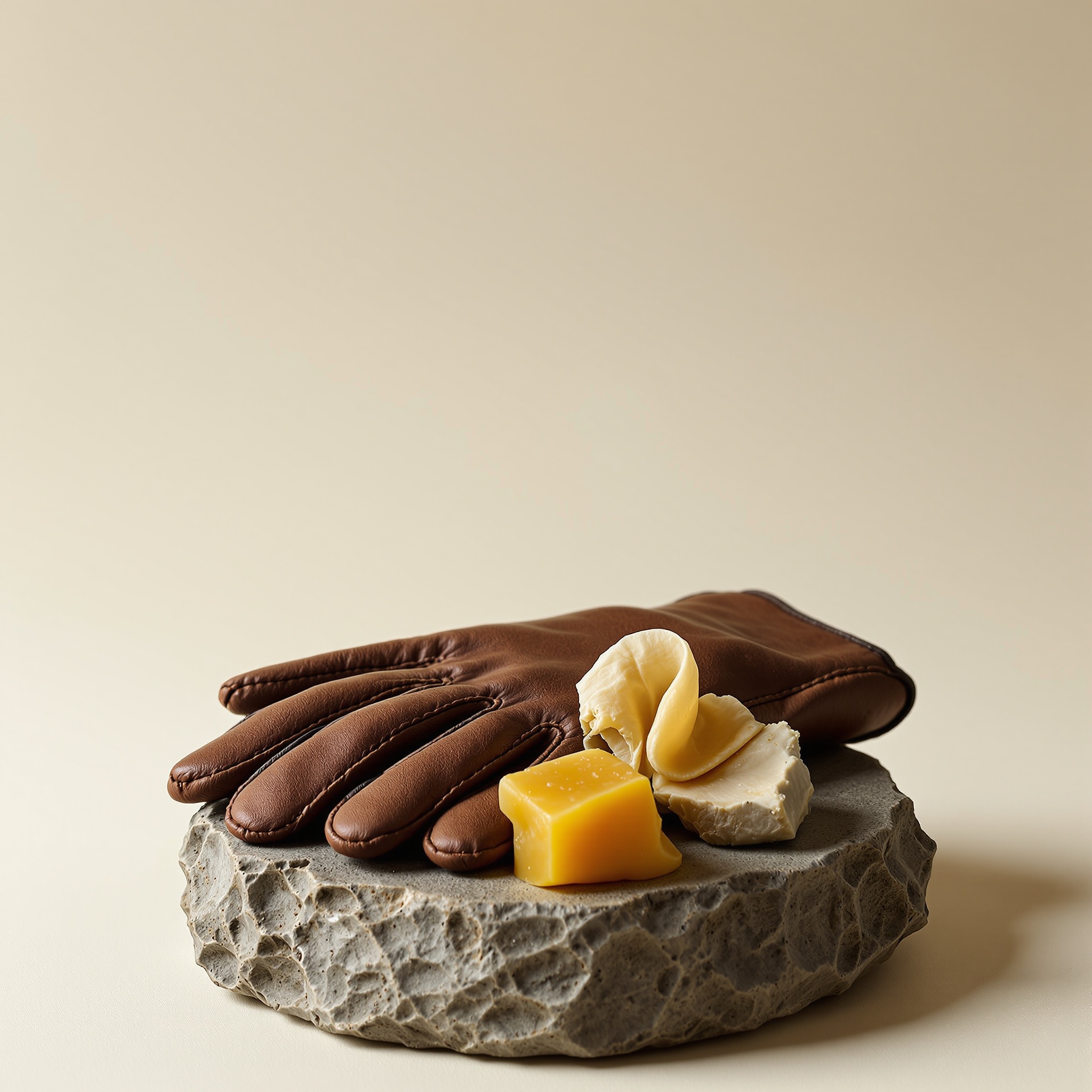
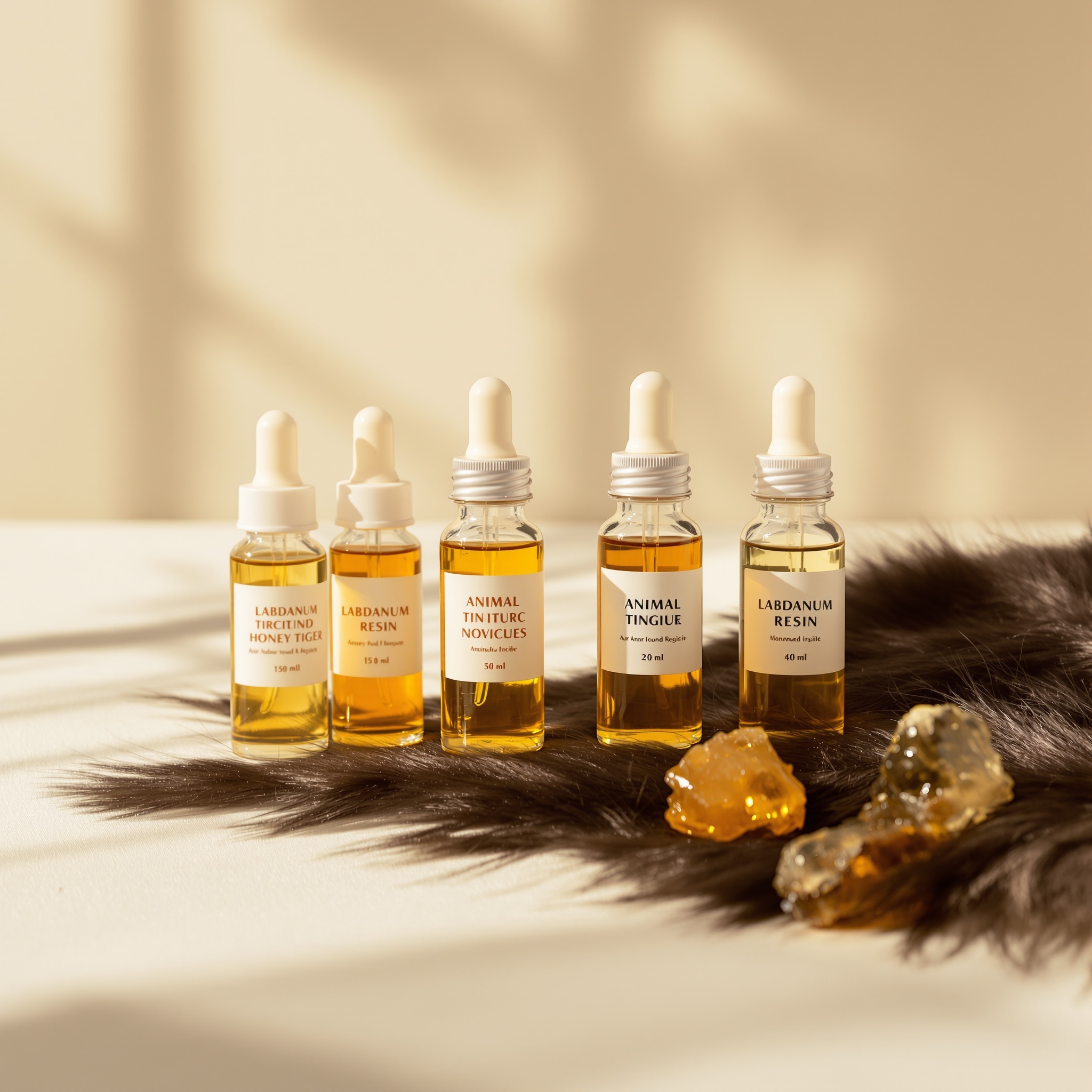
Animal notes name a family of warm, body-like accords historically drawn from musk deer glands, civet, castoreum from beavers and ambergris from sperm whales. Today they are almost entirely recreated from aroma-chemicals and plant sources such as ambrette and labdanum, the original materials being restricted or banned.
How it smells
A spectrum of warmth: musks read soft and skin-like, civet sharp and faecal in trace amounts yet velvety when diluted, castoreum leathery and smoky, ambergris salty-sweet and marine. Together they suggest fur, breath, sweat and intimacy at the threshold of clean and dirty.
In perfumery
Worked into the base to add depth and a living human warmth that makes a scent feel worn rather than sprayed. They drive the carnal heart of Kouros, Serge Lutens Muscs Koublaï Khän, Bal à Versailles and the classic animalic chypres and leathers.
Good to know
Real musk once required killing the male musk deer for its gland; the species is now protected under CITES and natural musk trade is banned. Virtually all modern animalics are synthetic or vegetal, an early, lasting case of perfumery trading cruelty for chemistry.
Vanilla
The warm sweet heart of comfort itself
What it is
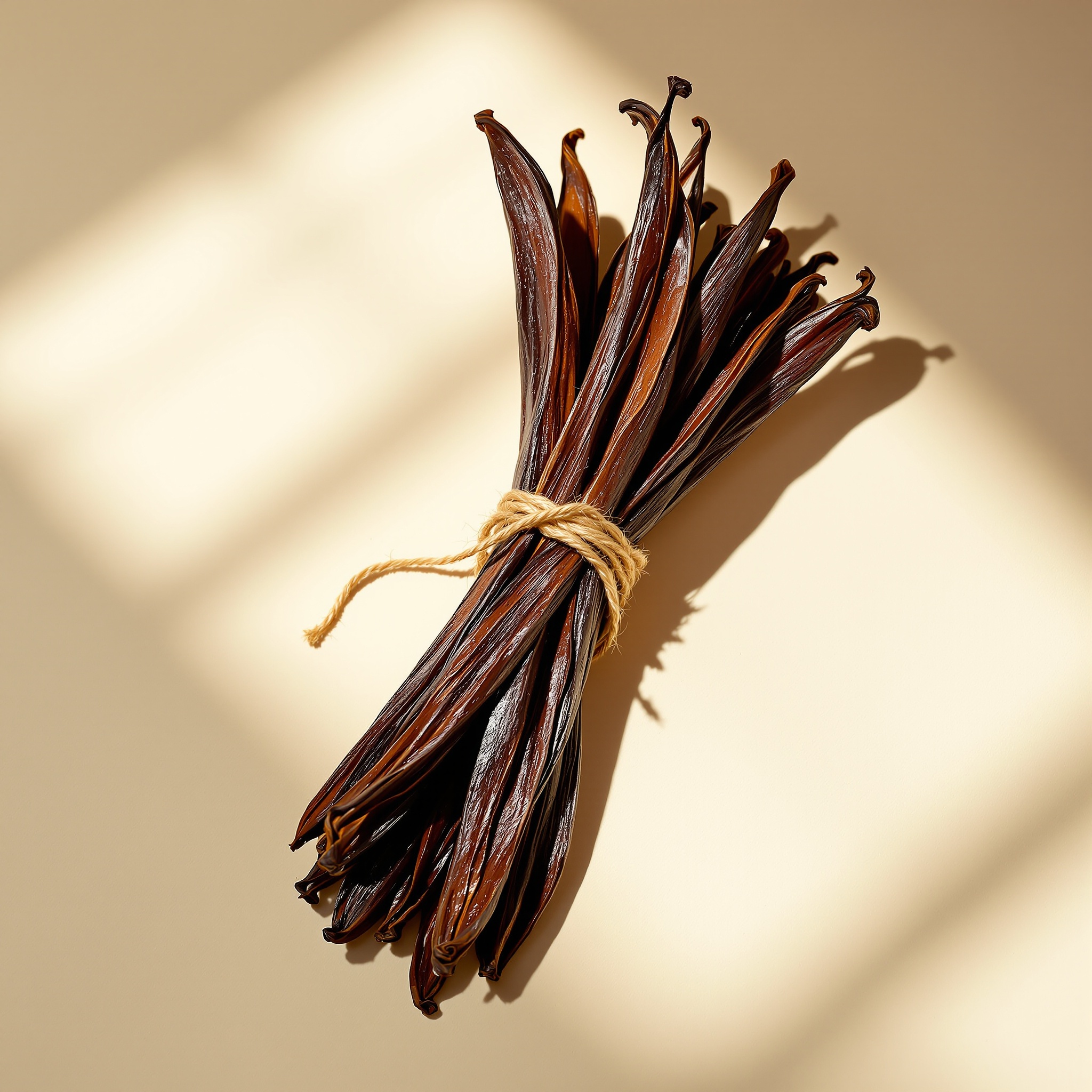
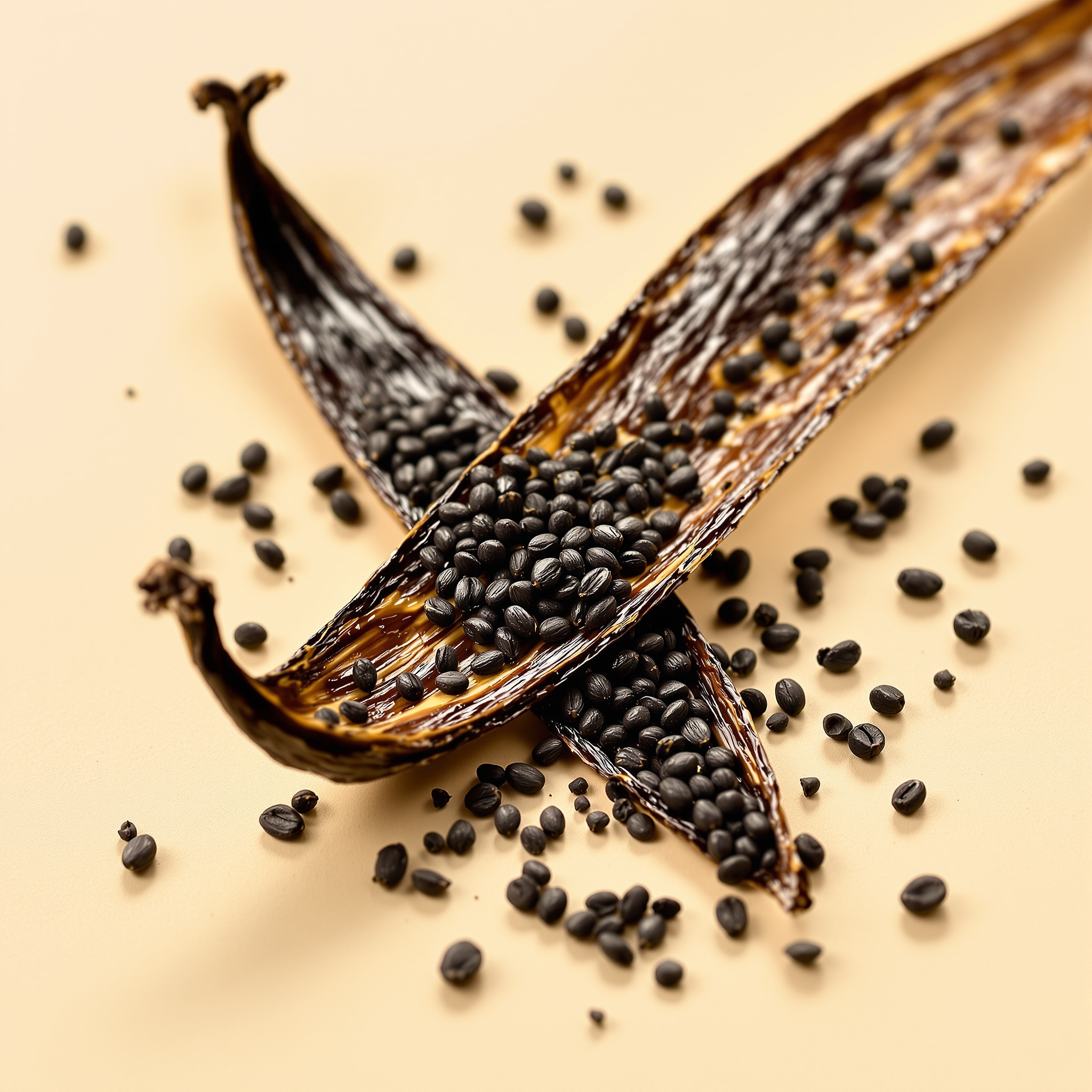
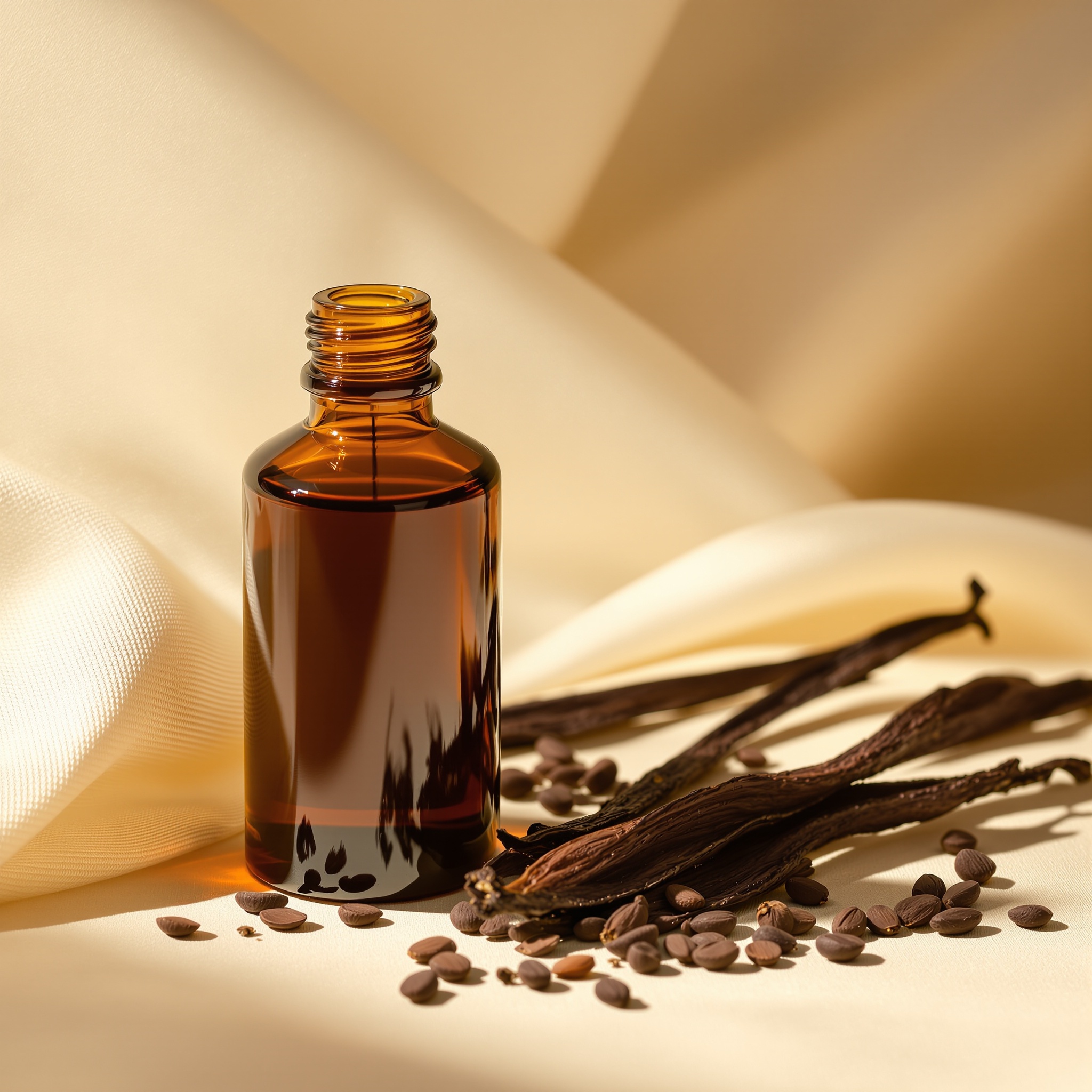
Vanilla comes from the cured seed pods of Vanilla planifolia, a climbing orchid native to Mexico now grown mainly in Madagascar, Réunion and Tahiti. Green pods are picked unripe, then blanched, sweated in the sun and slow-dried over months until they darken and develop their aroma and vanillin.
How it smells
Sweet, warm and creamy, with a balsamic depth recalling custard, caramel and dried fruit, a faint smoky tobacco-like edge sitting underneath. It opens soft and gourmand, then dries into a powdery resinous warmth that clings close to skin and reads richer than synthetic vanillin alone.
In perfumery
A base note prized for richness and lasting warmth, vanilla rounds sharp edges and anchors oriental and gourmand compositions. It pairs naturally with tonka, amber, sandalwood and spice. Guerlain's Shalimar and Tom Ford Tobacco Vanille both build their core around it.
Good to know
Vanilla ranks among the costliest spices because each orchid flower opens for one day and must be hand-pollinated, a technique devised in 1841 by Edmond Albius, a twelve-year-old enslaved boy on Réunion. Most commercial vanilla flavor now relies on synthetic vanillin.
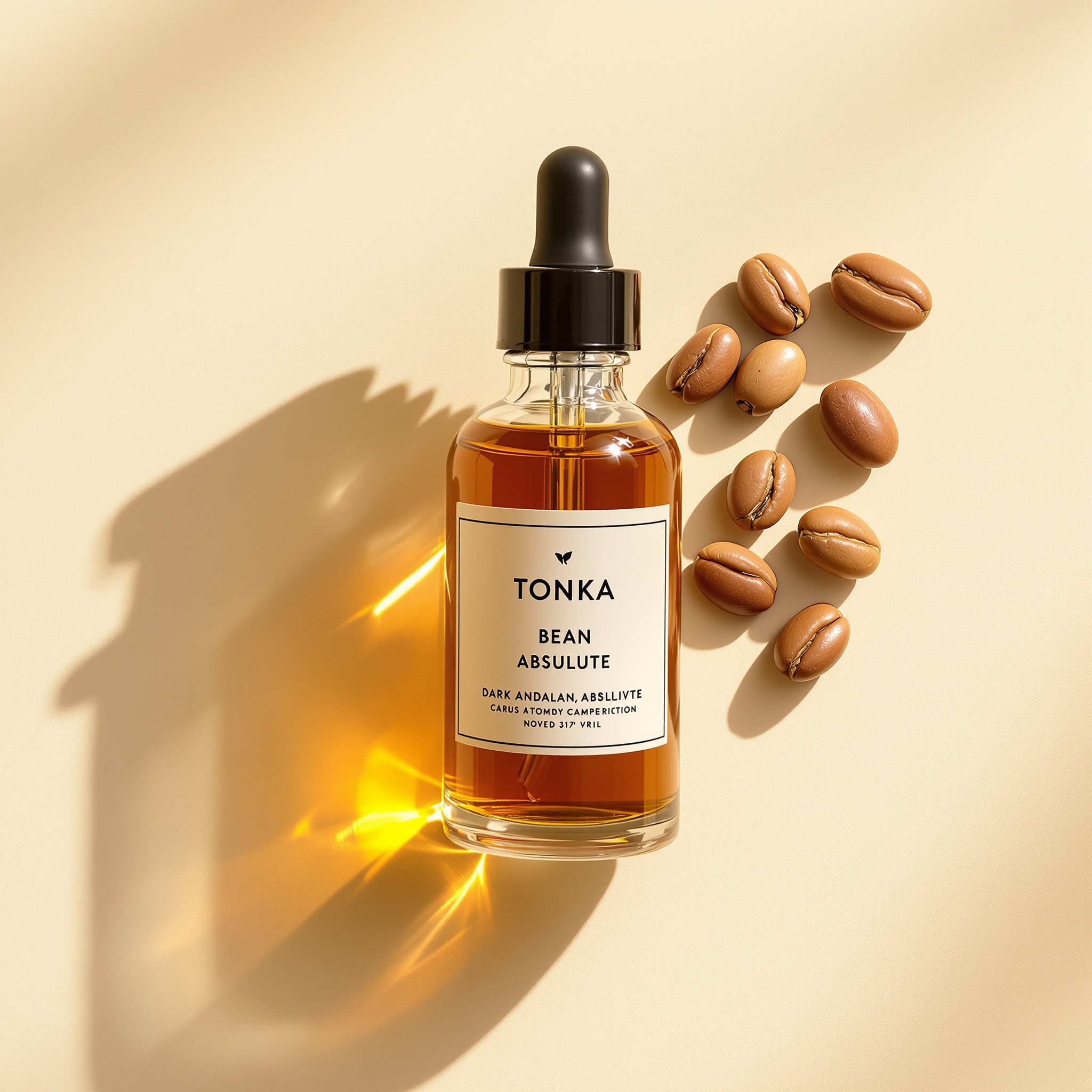
Tonka Bean
Warm almond-vanilla sweetness with a hay-tobacco shadow
What it is
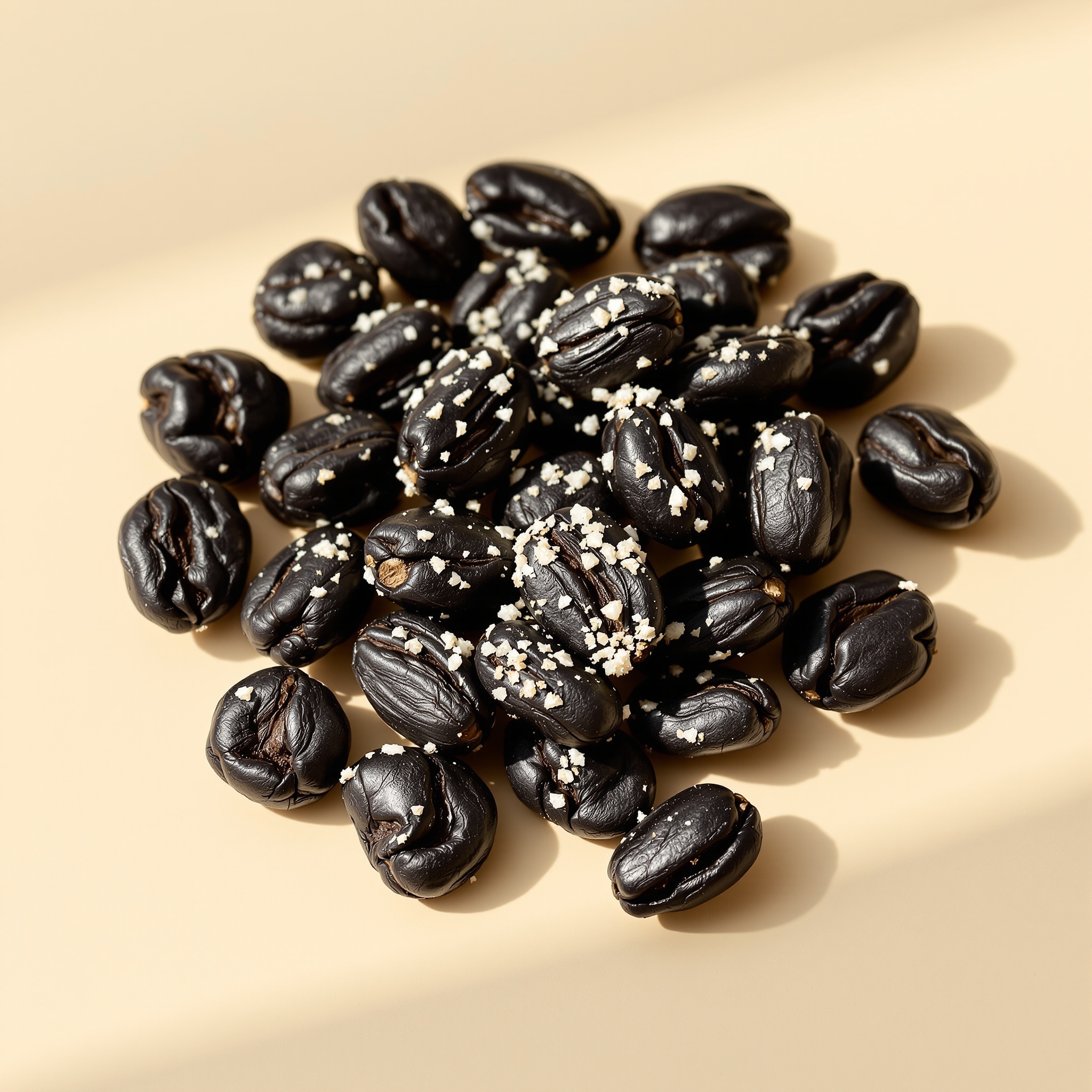
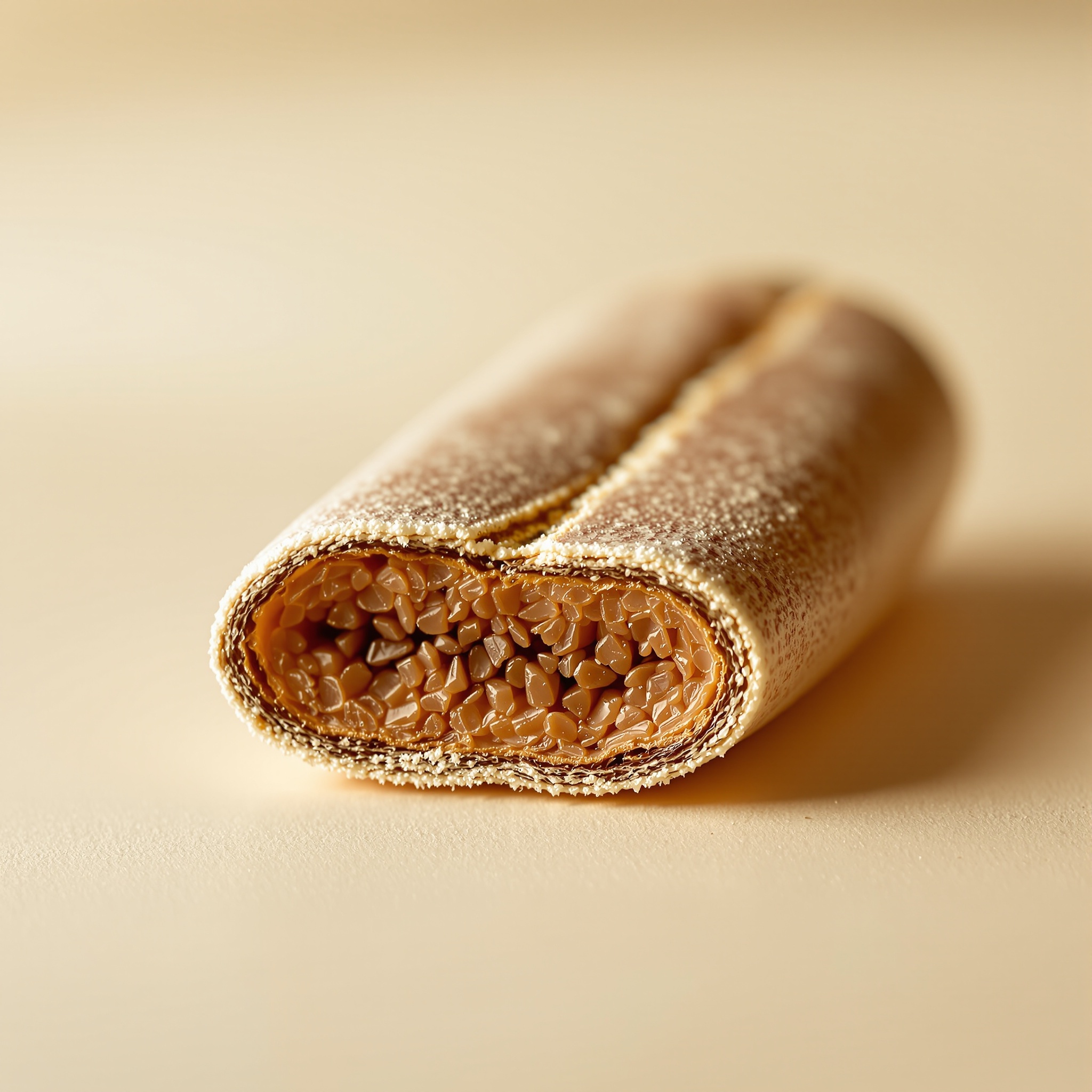
Tonka bean is the cured seed of Dipteryx odorata, a tall South American legume tree of Venezuela, Brazil and Guyana. Shelled seeds are soaked in alcohol, then dried for weeks until coumarin frosts their surface. Perfumers use a solvent-extracted absolute drawn from these cured beans.
How it smells
A warm, sweet bouquet of vanilla and bitter almond, threaded with hay, dried tobacco and toasted nuts. The opening recalls caramelized custard; the drydown turns powdery and faintly boozy, with cinnamon and cut clover. Rounder and hazier than vanilla, softer and less sharp than almond.
In perfumery
A base and heart material prized for warmth, sweetness and soft persistence. It bridges gourmand, oriental and fougère accords, pairing with vanilla, lavender, amber and tobacco. Tonka and its coumarin shaped Guerlain's Jicky, the first fougère, and underpins the sweet drydown of Mugler's Angel.
Good to know
Tonka owes most of its scent to coumarin, which the FDA banned as a food additive in 1954 after hepatotoxicity appeared in animal studies at high doses. So tonka is effectively illegal in American kitchens, yet remains entirely legal, and widely loved, in fine fragrance.
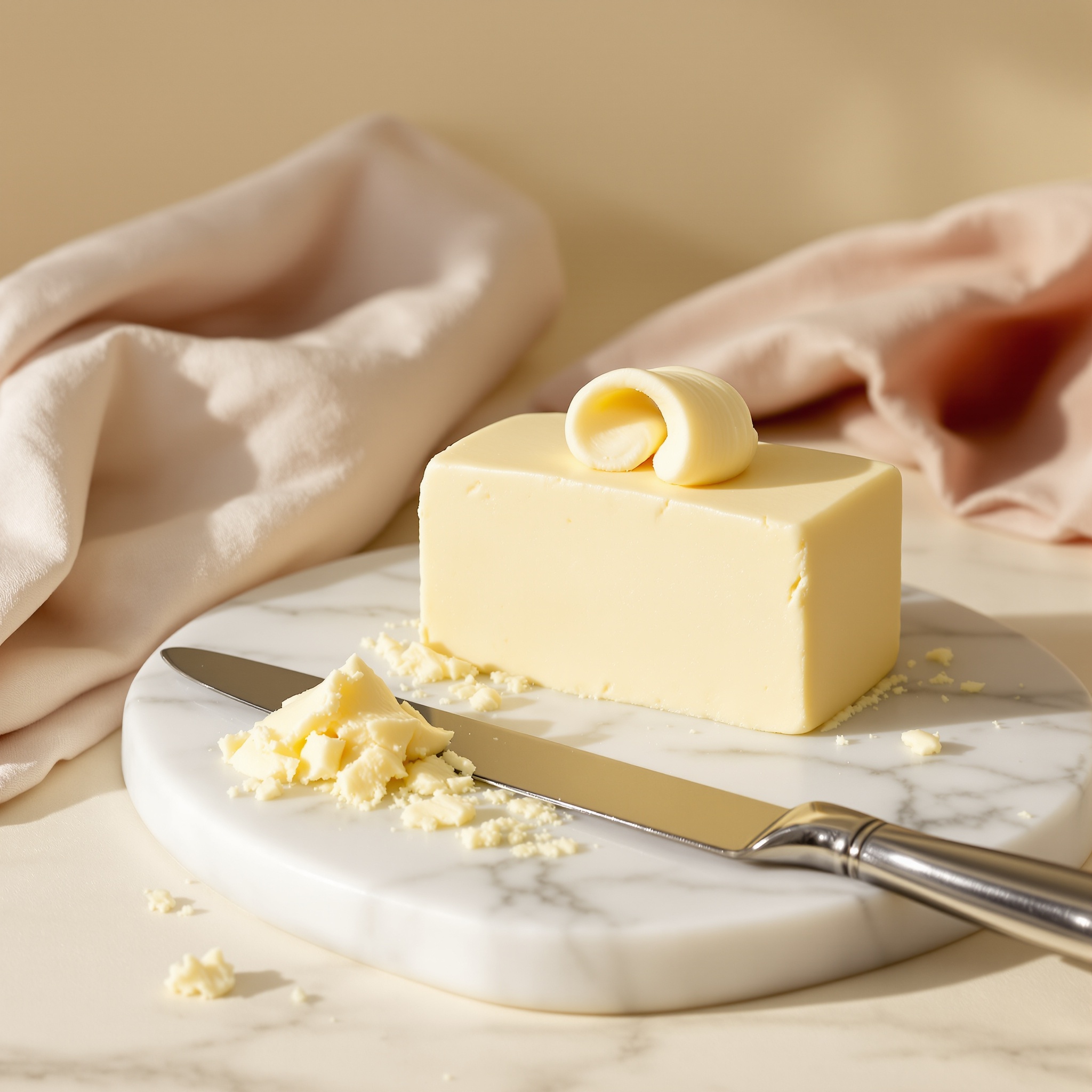
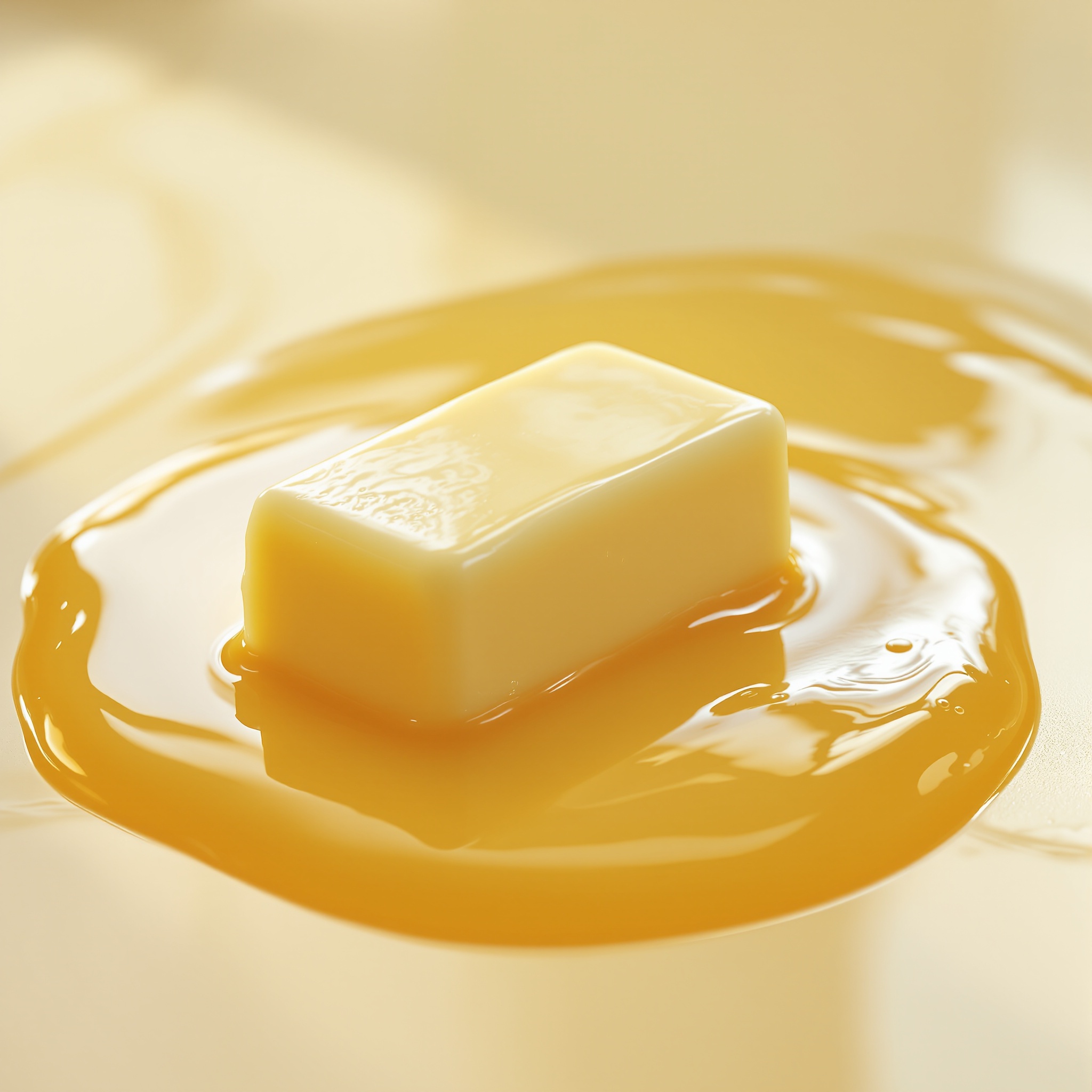
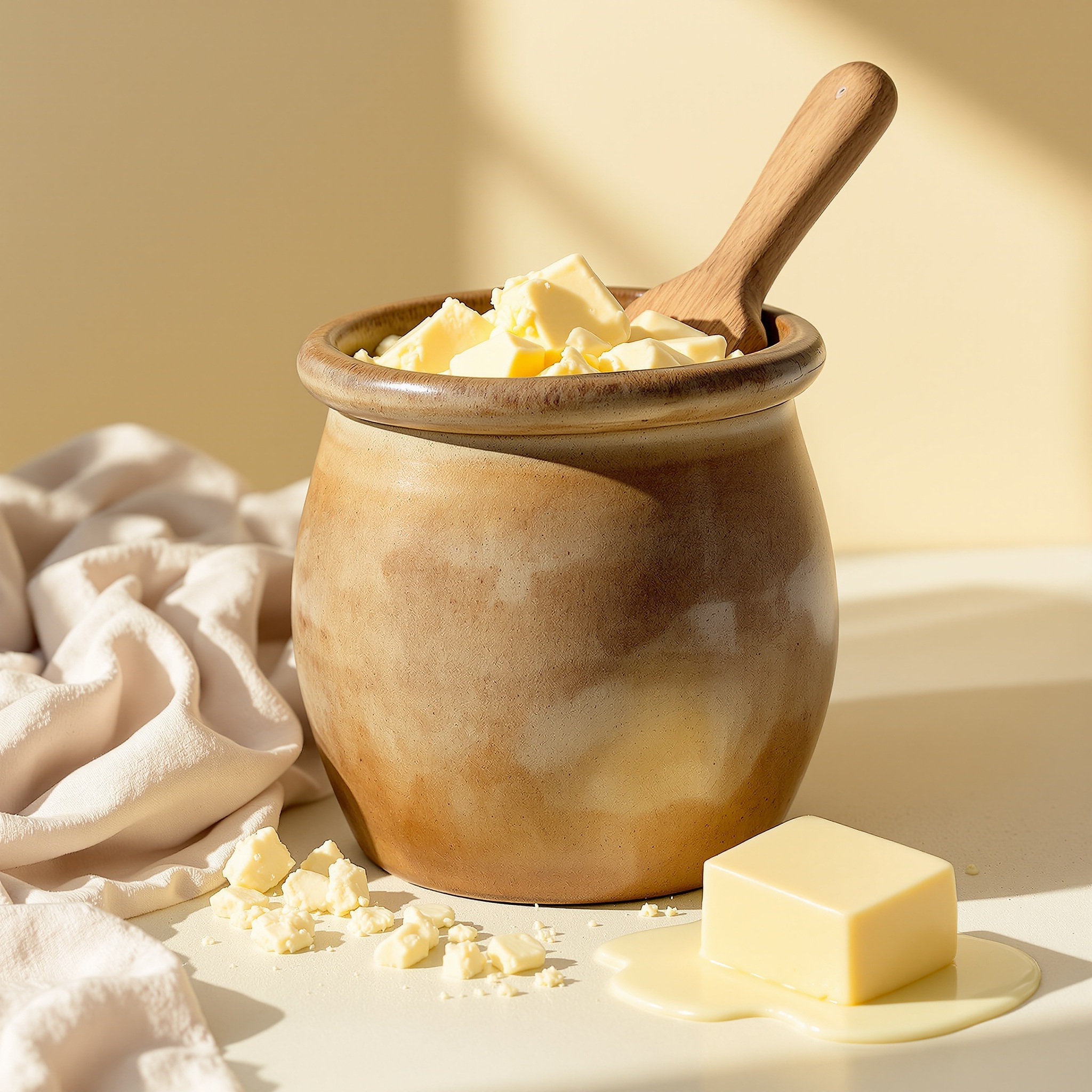
Butter
Golden lactonic warmth, soft as melting cream
What it is
Butter is churned milk fat, but its perfume note is an accord rather than an extract. Perfumers build it from lactones, the creamy molecules naturally present in dairy, plus diacetyl-type compounds that give cultured butter its rich, fatty smell, sometimes warmed with vanilla and caramel facets.
How it smells
Soft, fatty and milky, with a yellow, creamy warmth and a faint cultured tang. It reads rich and smooth rather than sweet, like butter melting in a warm pan, edging toward toffee and pastry. Lactones give a coconut-adjacent, custardy roundness underneath the fat.
In perfumery
A heart-to-base note adding creamy, rounded texture and a comforting bakery feel. It softens sharp edges and enriches gourmands, pairing with caramel, vanilla, pastry, praline and almond. Lactonic butter facets underpin brioche and croissant accords and lend body to many modern dessert fragrances.
Good to know
The buttery smell of cultured butter comes largely from diacetyl, a molecule so potent it flavors microwave popcorn and at high doses caused the 'popcorn lung' worker illness. Lactones, the other half of the note, also explain why ripe peaches, coconut and osmanthus share that creamy roundness.
Amber
A warm resinous glow built, not harvested
What it is
Amber is not one ingredient but a perfumer's accord, most often blending labdanum (a sticky resin from the Mediterranean rockrose shrub Cistus ladanifer), benzoin and vanilla, sometimes with tonka or Peru balsam. Despite the name, it has no link to fossilized tree amber, which stays odorless on skin.
How it smells
Warm, soft and balsamic, a powdery sweetness sitting over dry resin. It opens honeyed and faintly animalic from labdanum, then settles into rounded golden warmth recalling beeswax, tobacco and worn leather, threaded with a quiet smoky, incense-like undertone that lingers close to the skin.
In perfumery
A base note prized for warmth, depth and long persistence, anchoring oriental and amber compositions. It pairs naturally with vanilla, patchouli, sandalwood and spices. Guerlain's Shalimar defined the sweet vanilla-amber template, while Ambre Sultan by Serge Lutens shows a drier, resin-forward and herbal reading.
Good to know
The word once meant ambergris, the waxy intestinal secretion of sperm whales, fueling centuries of confusion among three unrelated things: fossil tree amber, whale ambergris and the resin accord. Modern amber bases are wholly plant and synthetic, leaning on molecules like Ambroxan rather than any animal source.
Labdanum
Sticky amber resin scraped from sun-baked rockrose
What it is
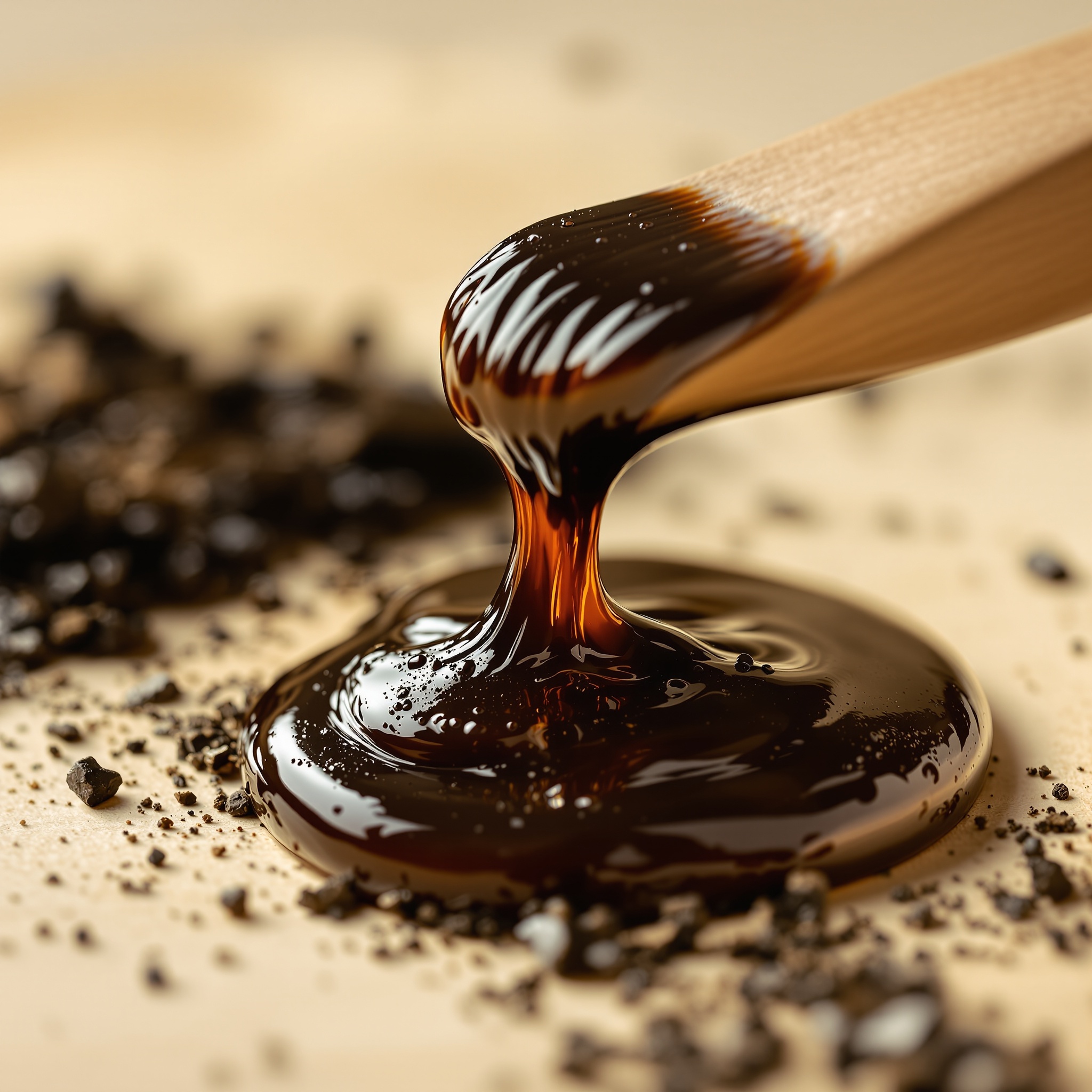
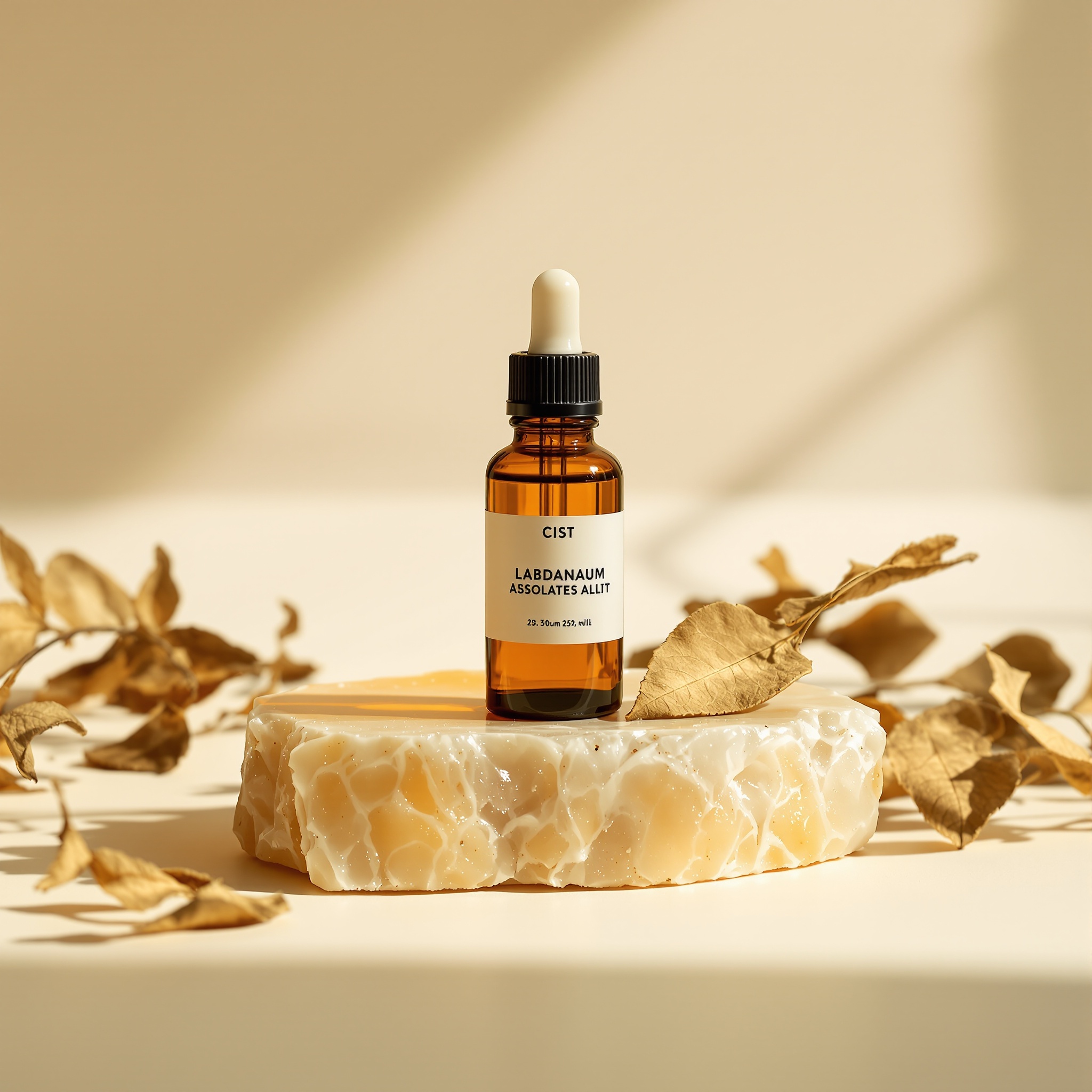
Labdanum is a dark, sticky resin from the rockrose shrub Cistus ladanifer, native to the western Mediterranean. The plant exudes a fragrant gum on its leaves and twigs in summer heat; branches are boiled or scraped to recover the crude resin, which is then solvent-extracted into absolute and resinoid.
How it smells
Deep, warm and balsamic with leathery, animalic and faintly sweet facets that read as soft amber. Dried-fruit, honey, smoke and pine undertones run through it. It opens resinous and almost ambergris-like, then dries into a brown tobacco-and-leather warmth that lingers for hours.
In perfumery
A foundational base note and the natural backbone of most amber accords, usually built with vanilla and benzoin. A strong fixative, it deepens chypres, orientals and leathers and pairs with rose, oakmoss and incense. It underpins classics like Guerlain Shalimar and countless amber compositions.
Good to know
In antiquity labdanum was combed from the matted beards and thighs of goats and sheep that had browsed through cistus thickets, then raked off with a toothed tool called a ladanisterion. It is one of the oldest aromatic materials, predating distillation by millennia.
Synthetic Musk
The clean lab musk in nearly everything
What it is
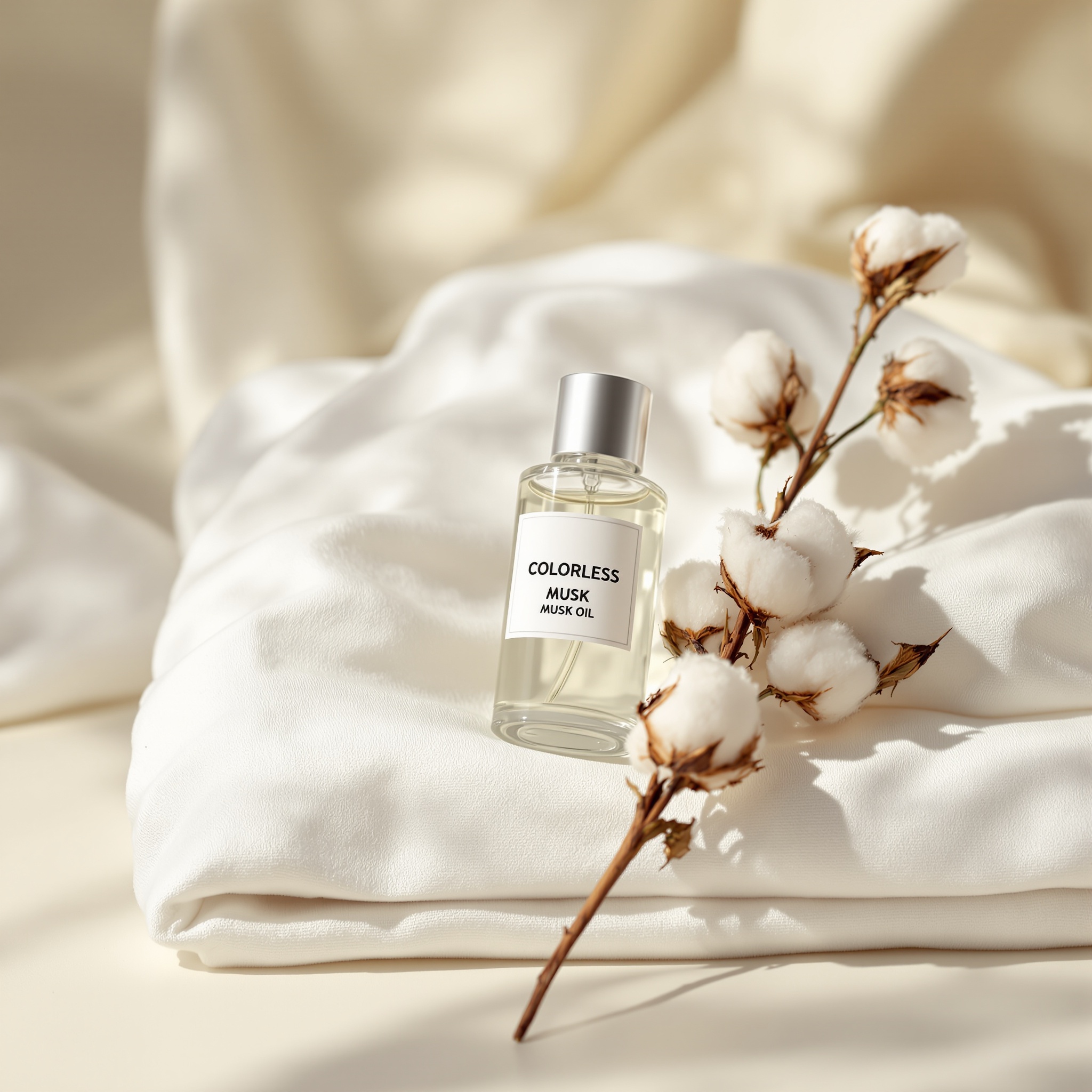
Lab-made musk molecules created to replace animal-derived deer musk. The familiar workhorses are Galaxolide, Habanolide and ethylene brassylate, spanning the polycyclic and biodegradable macrocyclic families, after the old nitro musks were largely restricted over persistence and toxicity concerns.
How it smells
Clean, soft and radiant, with none of the fecal animalic edge of raw deer musk. Galaxolide is sweet, round and floral-woody; Habanolide leans metallic and waxy, the so-called hot-iron musk; ethylene brassylate is soft and powdery. Together they read as fresh laundry, warm skin and airy powder.
In perfumery
Nearly all musk in modern fragrance is synthetic. These molecules anchor base notes, lend lasting power and supply the clean white-musk drydown of countless designer scents. Inexpensive, free of CITES restrictions and ethical relative to deer musk, they made musk universal across fine fragrance and detergent alike.
Good to know
White musk and synthetic musk are one family, the laundered counterpoint to animalic deer musk. Some polycyclic musks raise persistence and bioaccumulation concerns, pushing the industry toward biodegradable macrocyclics. None carry the living, sweet-animalic depth of genuine Tonkin deer musk.
Fragrance Character
It opens rich and edible, chocolate, roasted coffee and cacao, before bread, butter and cedar give it the warmth of a kitchen. Iris and cypriol add a cool, rooty grey; olibanum and wormwood keep the sweetness from cloying; and a base of vanilla, tonka, amber and musk closes it like the last warm bite.
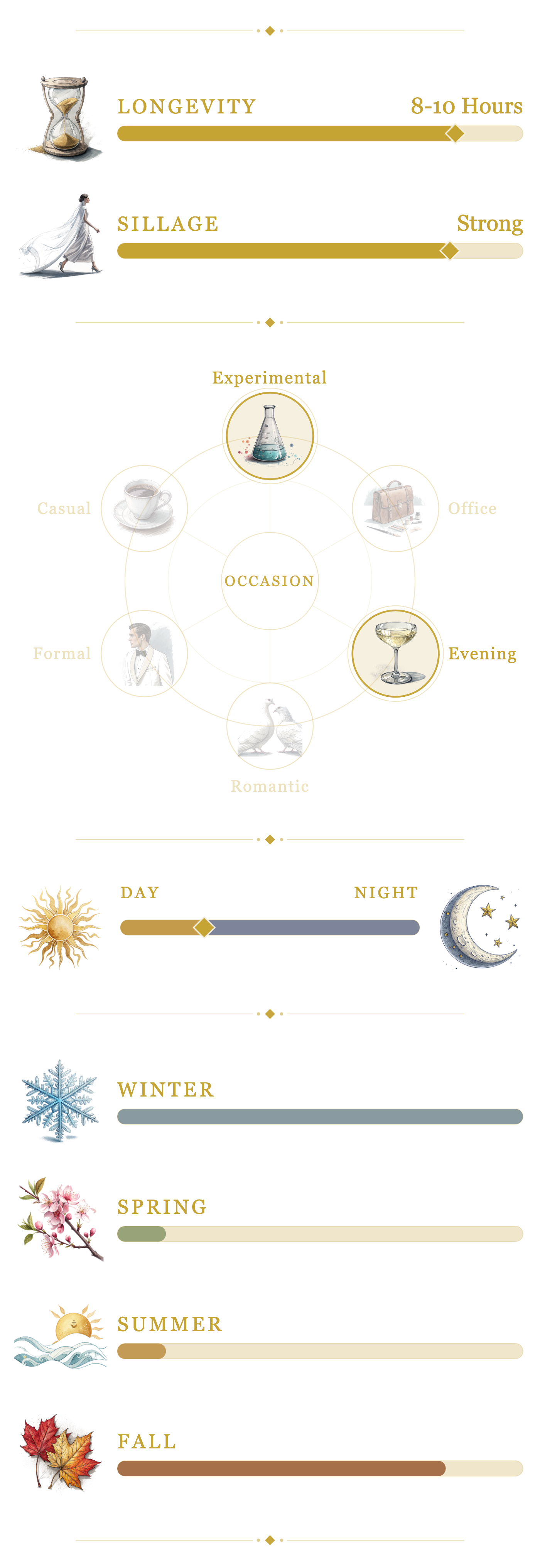
Best Worn
A deep-winter evening gourmand, cold nights, candlelit rooms, and occasions where you want to smell of comfort and ceremony at once.
Why the Coliva Gourmand Potion Decant
A dark, conceptual gourmand built on natural materials, best tested on skin across a long evening before you commit.
Official Notes
White Chocolate · Coffee · Cacao Pod · Licorice · Cardamom · Olibanum · Wormwood · Bread · Cedar · Iris · Cypriol · Animal Notes · Vanilla · Tonka Bean · Butter · Amber · Labdanum · Musk
Explore more: Ultra-Niche Perfume Decants · All Fragrance Decants
Choose options
The Vibe


Olfactory Journey
Experience the evolution
White Chocolate, Coffee, Cacao Pod, Licorice, Cardamom, Olibanum, Wormwood
0-30 min
Select your decant size

You are selecting a decant size, not the full bottle