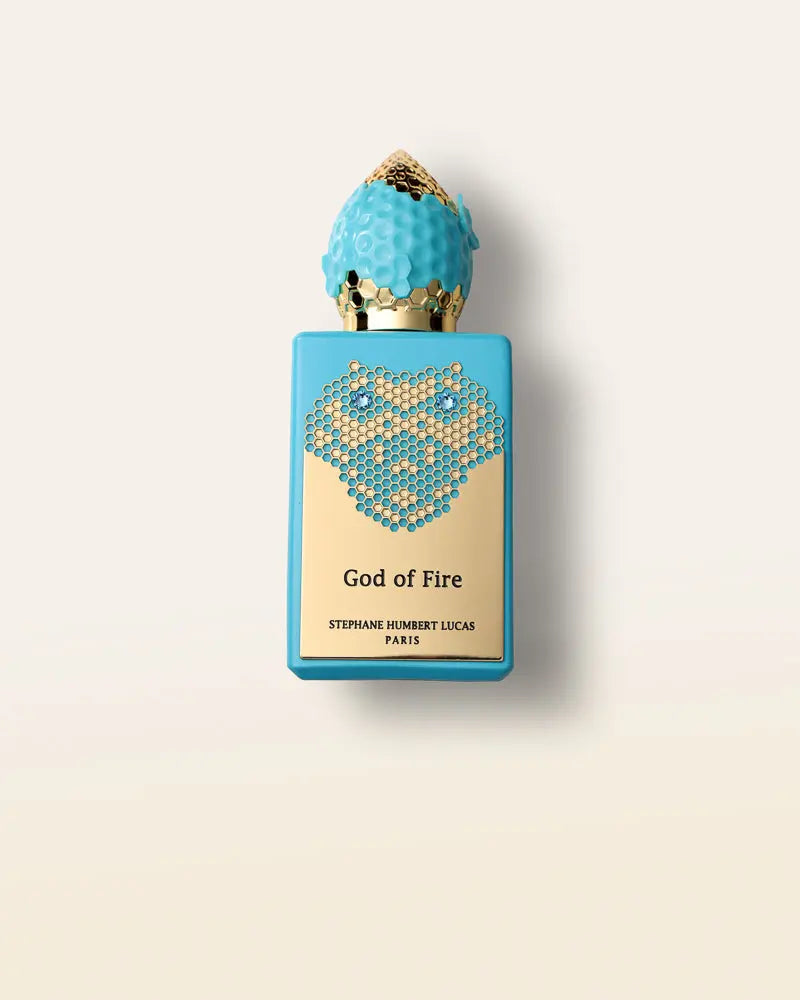


Stéphane Humbert Lucas - 777 God of Fire
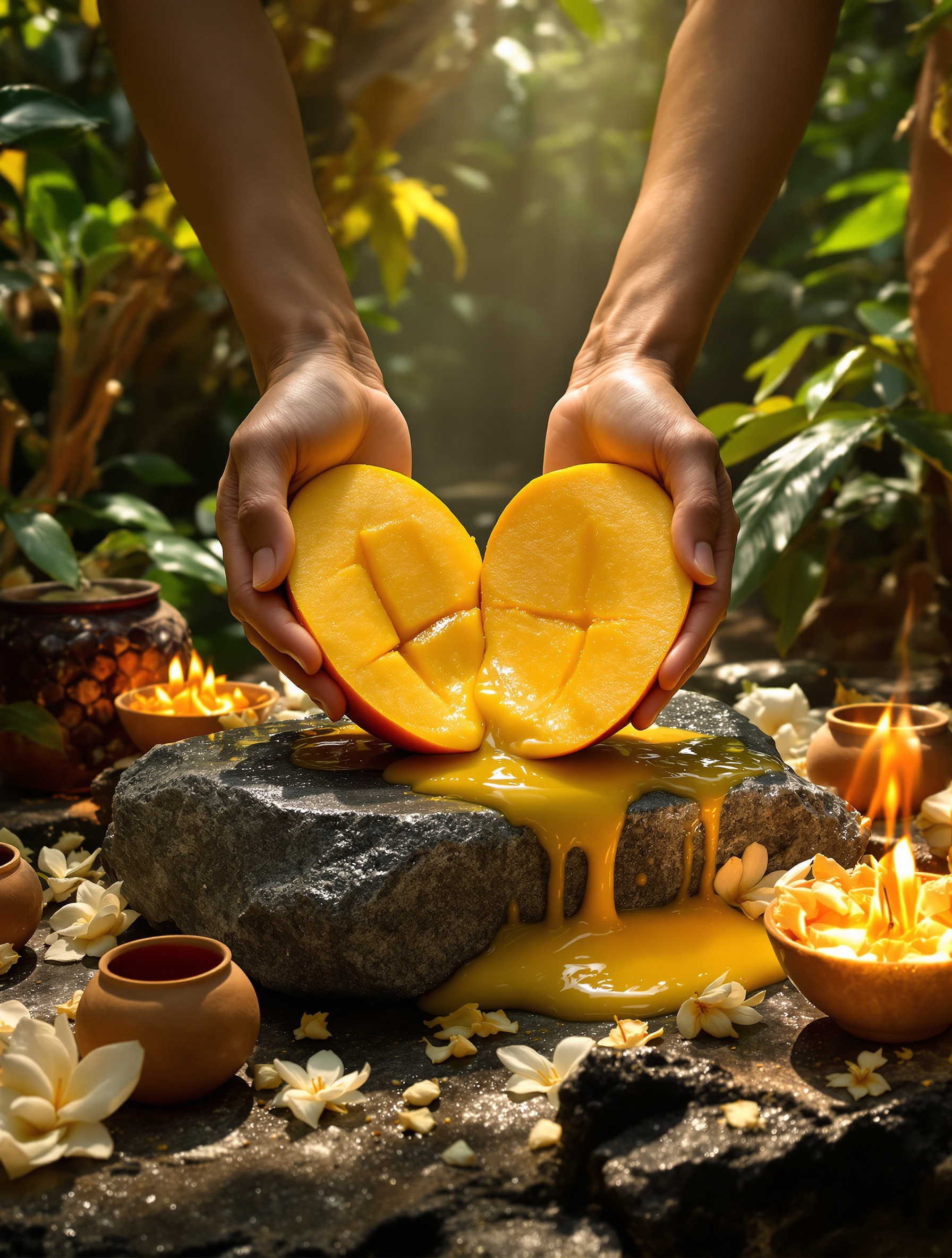
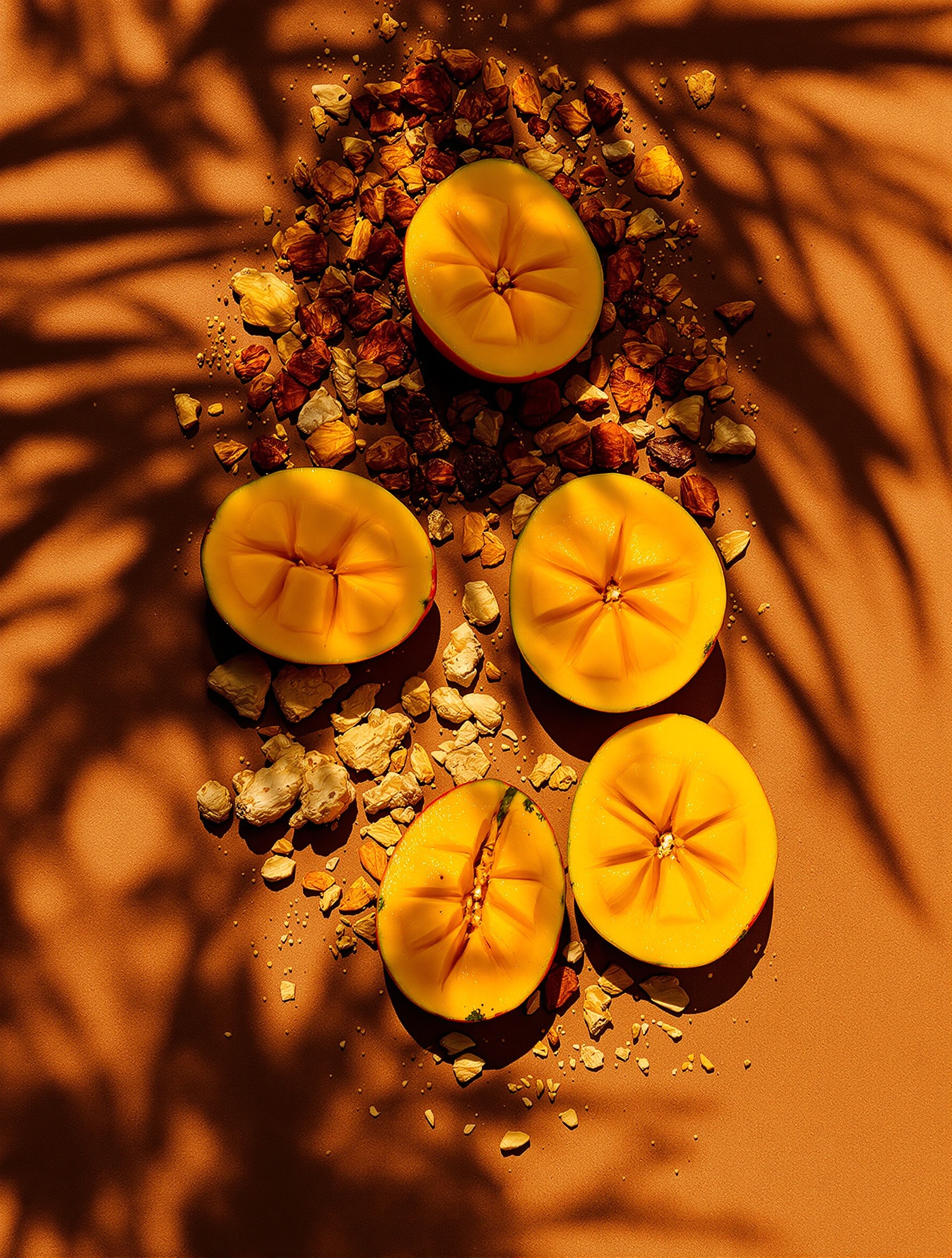
777 God of Fire by Stéphane Humbert Lucas opens with mango, lemon, ginger and red berries, turns to coumarin, jasmine and cedar, and dries down to musk, agarwood (oud), amber and cypriol oil or nagarmotha.
The Nose
Composed for SHL 777 by founder Stéphane Humbert Lucas with Vincent Ricord, also behind Black Gemstone and Khôl de Bahreïn.
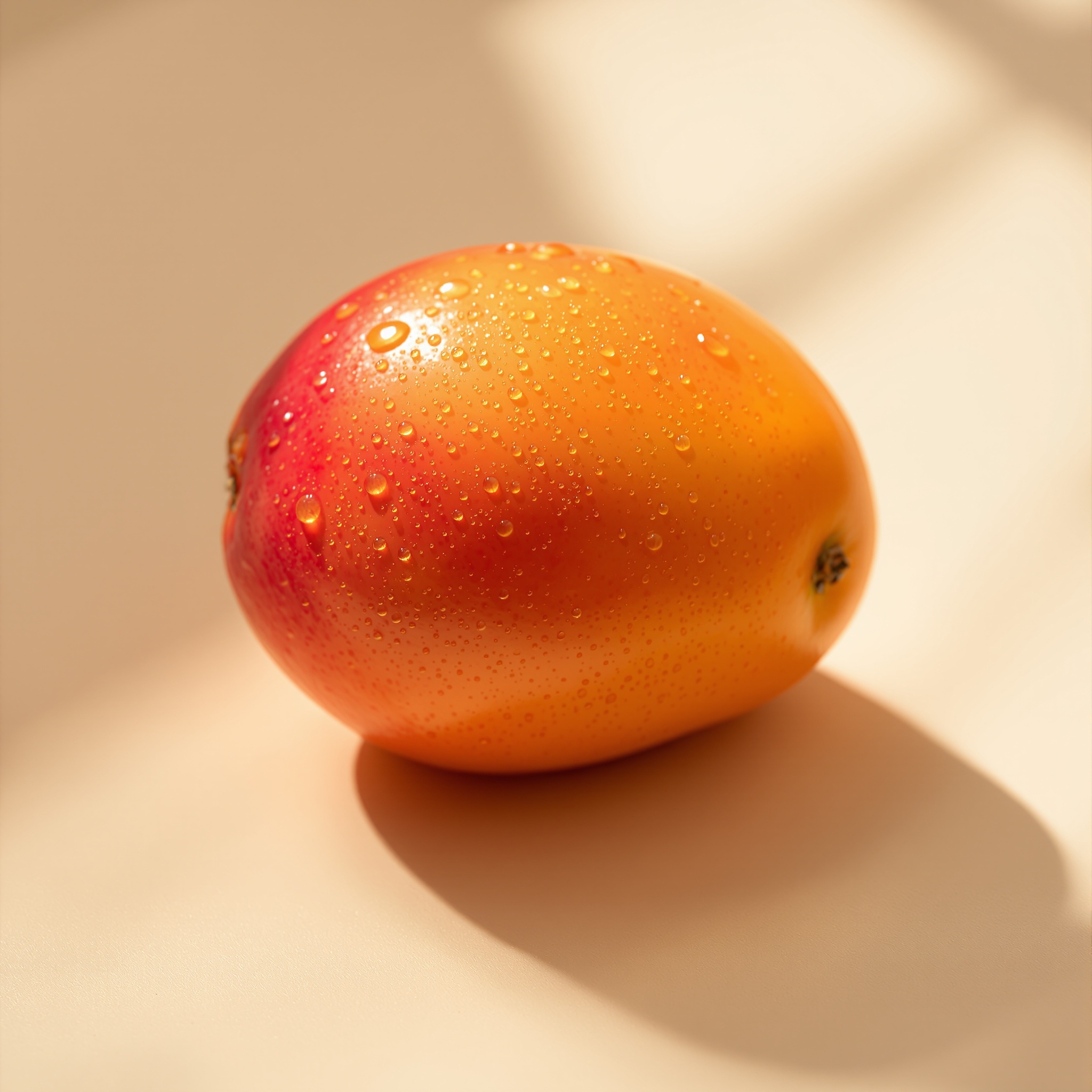
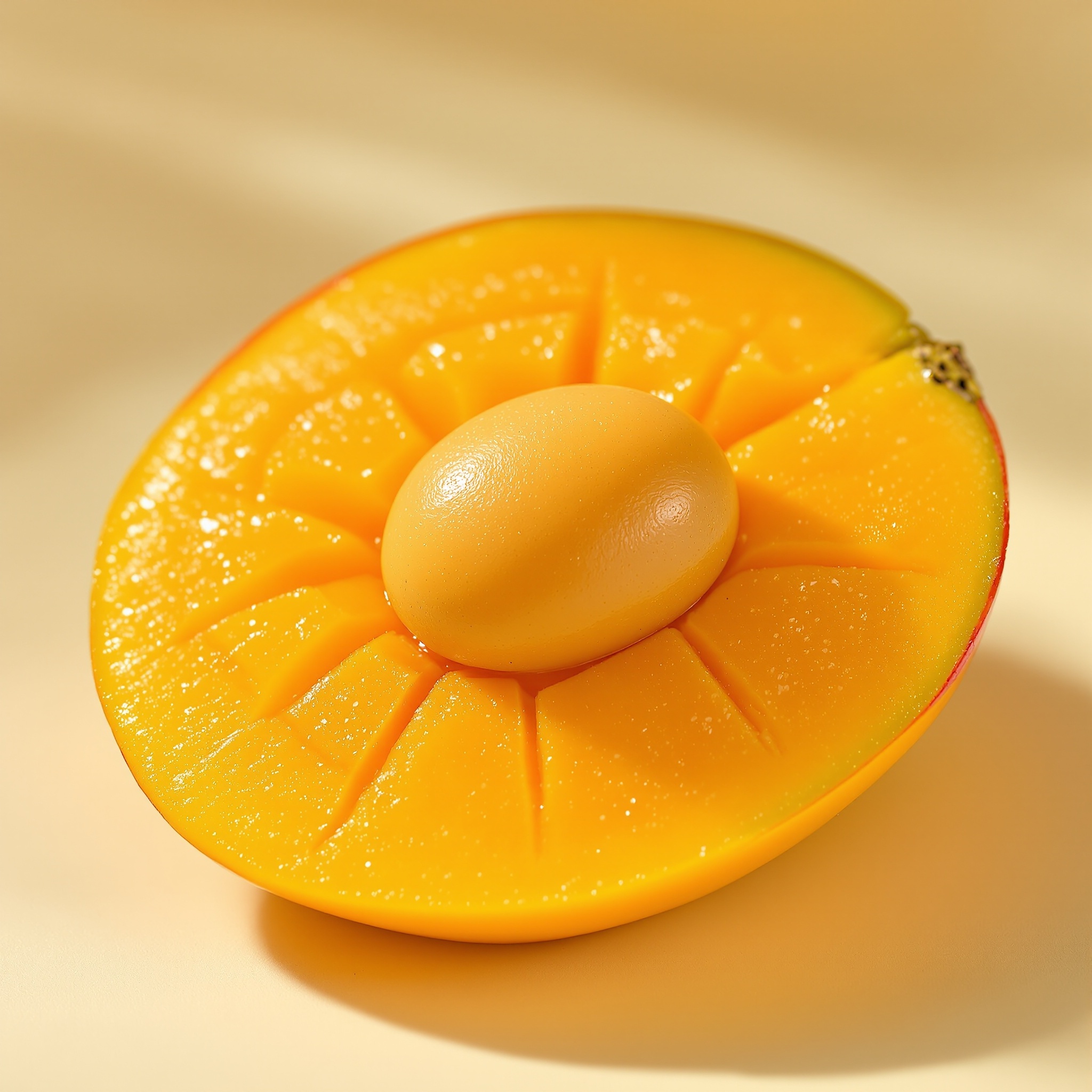
Synthetic Mango
The bright, dependable lab-built mango of modern perfumery
What it is
Since no natural mango oil exists, mainstream perfumery reaches for an accord built from aroma chemicals rather than botanicals. The workhorses are tropical lactones, which supply creamy fruit, and fruity esters, which supply the juicy, ripe top. A handful of these molecules, dosed to a formula, conjures a convincing mango in a few precise strokes.
How it smells
Sweet, ripe, and unmistakably mango, with a clean tropical brightness and a smooth lactonic creaminess. It tends to be more linear and uniform than a natural build, hitting the same vivid note from start to finish. Bright and cheerful, it leans a touch more candied and less shifting than its all-natural counterpart.
In perfumery
This is the default mango across the market, found in tropical, fruity, gourmand, and summery designs at every price point. It is easy to dose, blends cleanly with other synthetics and florals, and behaves predictably in the bottle. When a brief simply calls for mango, this accord delivers it fast.
Good to know
Its strengths are practical: cheap, consistent batch to batch, stable over time, and reliably bright. There is nothing inferior about it, it is the sensible industrial answer to a fruit that cannot be distilled. The trade-off is a slightly flatter, more one-dimensional character next to a hand-built natural version.
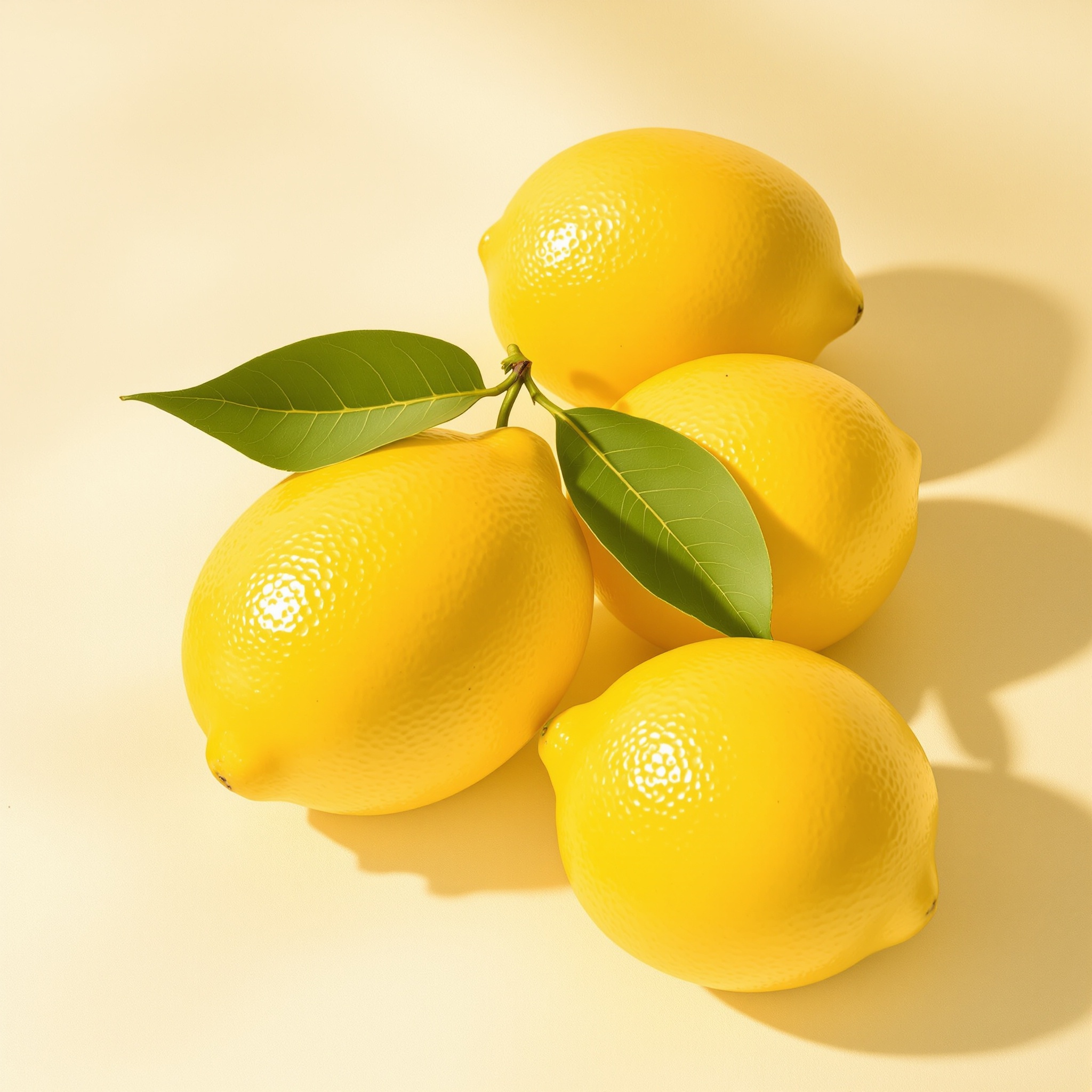
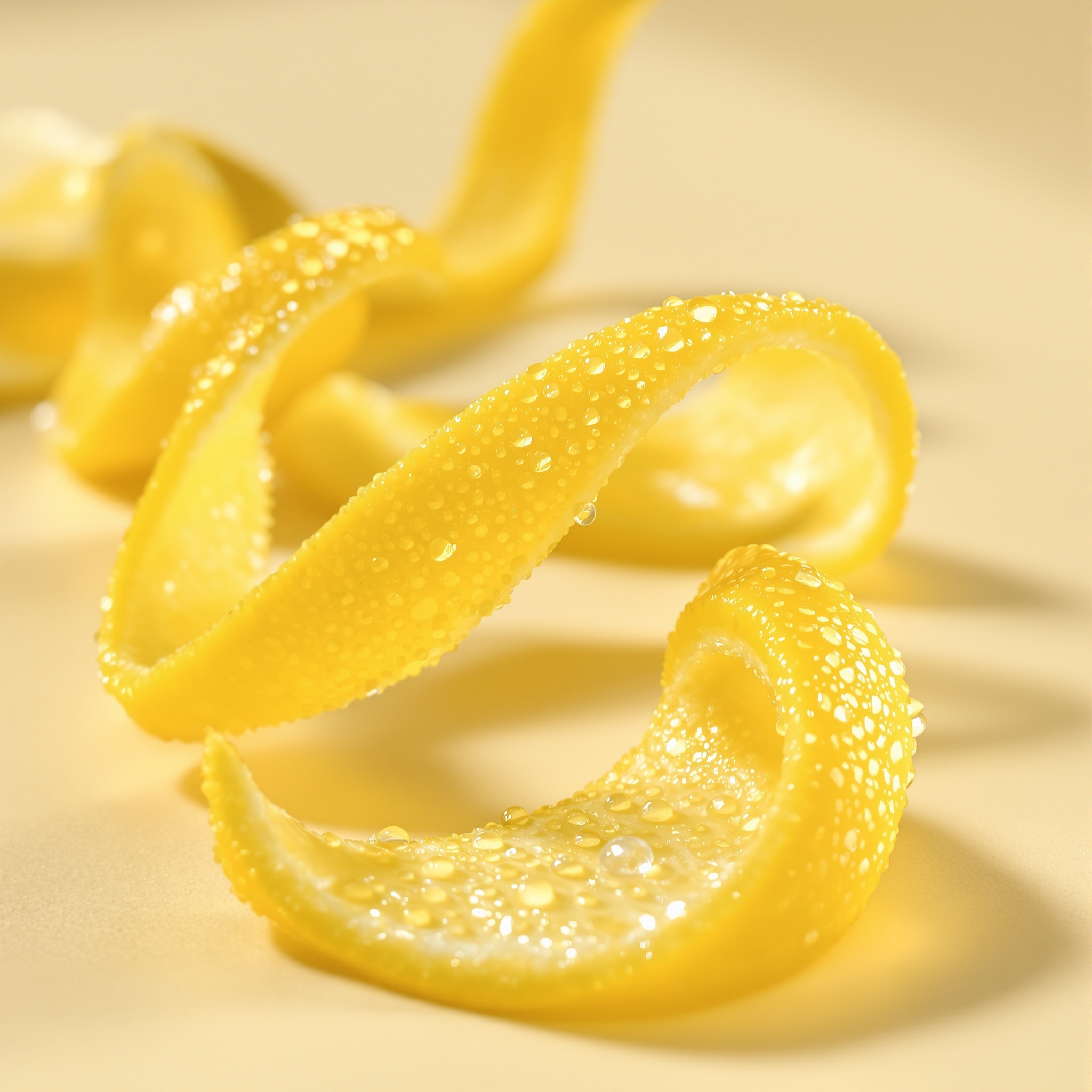
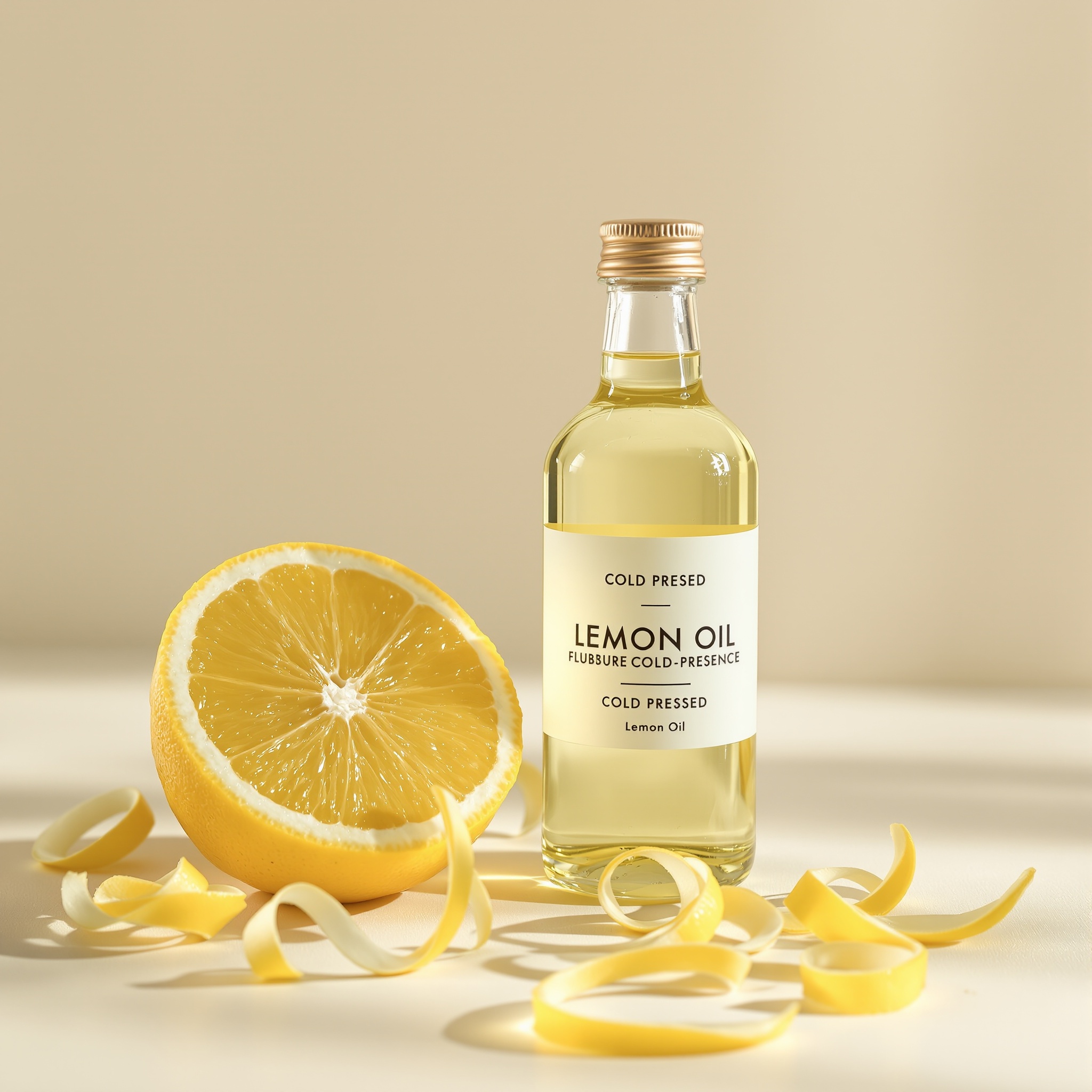
Lemon
Cold yellow zest snapping into bright sun
What it is
Lemon is the fruit of Citrus limon, a small evergreen tree grown around the Mediterranean, especially Sicily and Calabria, and in California. The aromatic oil sits in tiny glands in the colored peel and is cold-pressed mechanically from the rind, a squeezing and scraping rather than distillation.
How it smells
Sharp, juicy and instantly recognizable, a cold bright zest with sparkling sourness. The opening is tart, green and effervescent, driven by limonene and citral; beneath sits a faint sweet pith and a clean, slightly waxy peel facet. It is fleeting, fading within minutes.
In perfumery
A classic top note prized for lift, freshness and instant cleanliness, it powers the eau de cologne tradition alongside bergamot, neroli and petitgrain. Because it evaporates fast, it is often reinforced with citral. It defines the great classic colognes and the bright, sparkling opening of countless fresh fragrances.
Good to know
Cold-pressed lemon oil contains photosensitizing furocoumarins that can trigger sun-induced skin burns, so perfumers often use a furocoumarin-free version. It also oxidizes quickly, turning harsh and turpentine-like, which is why citrus fragrances are notoriously hard to keep stable in the bottle.
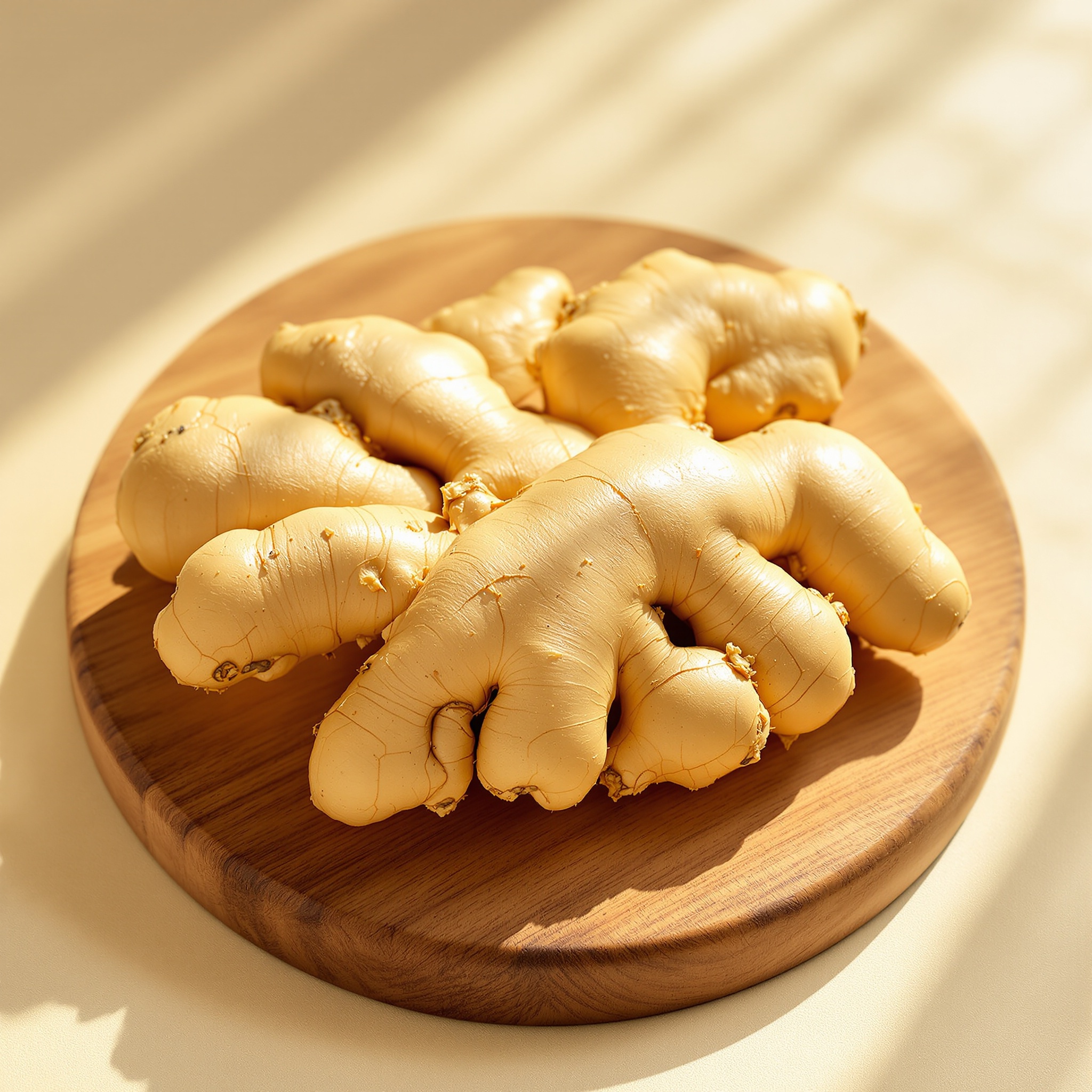
Ginger
Fresh peppery zing with a fibrous warmth
What it is
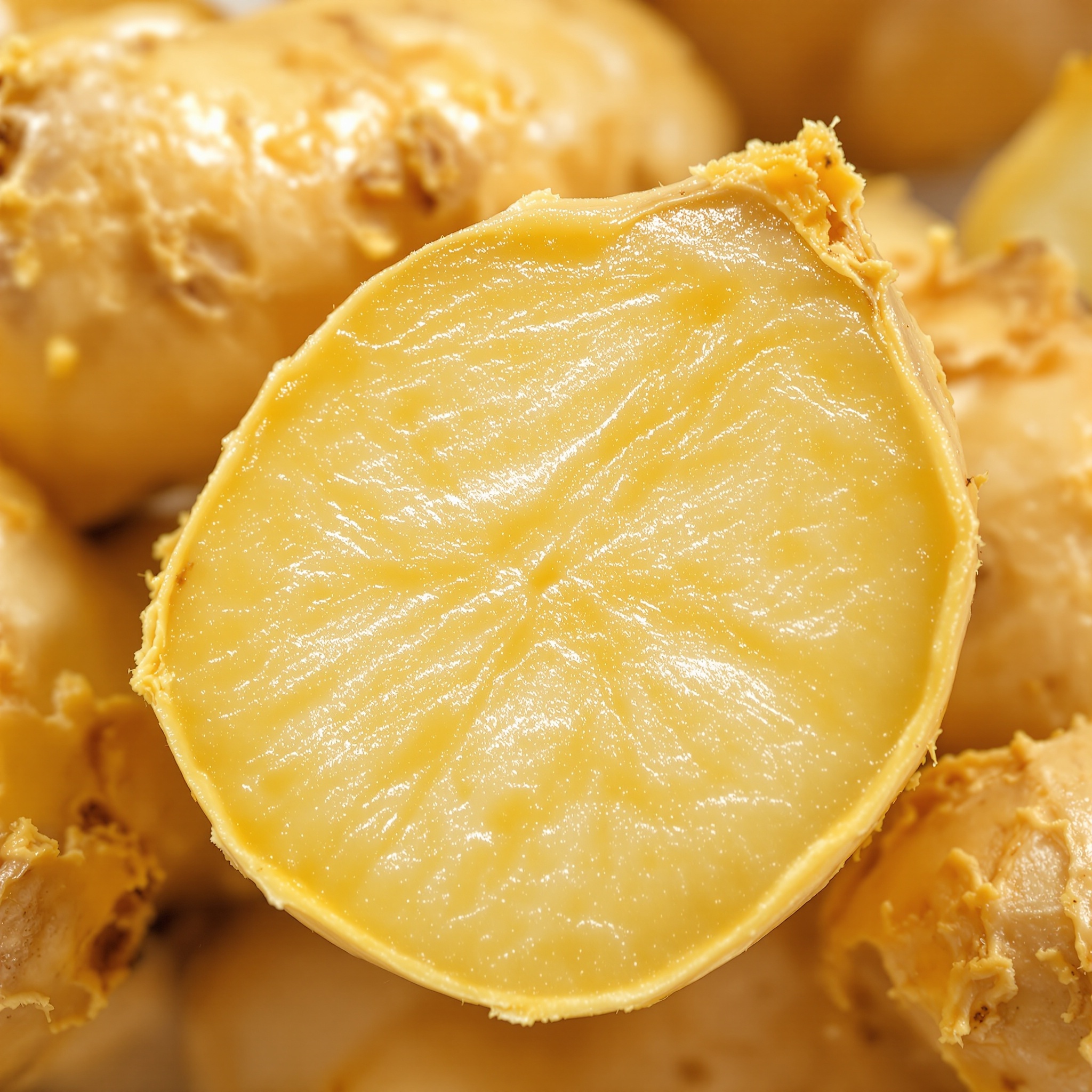
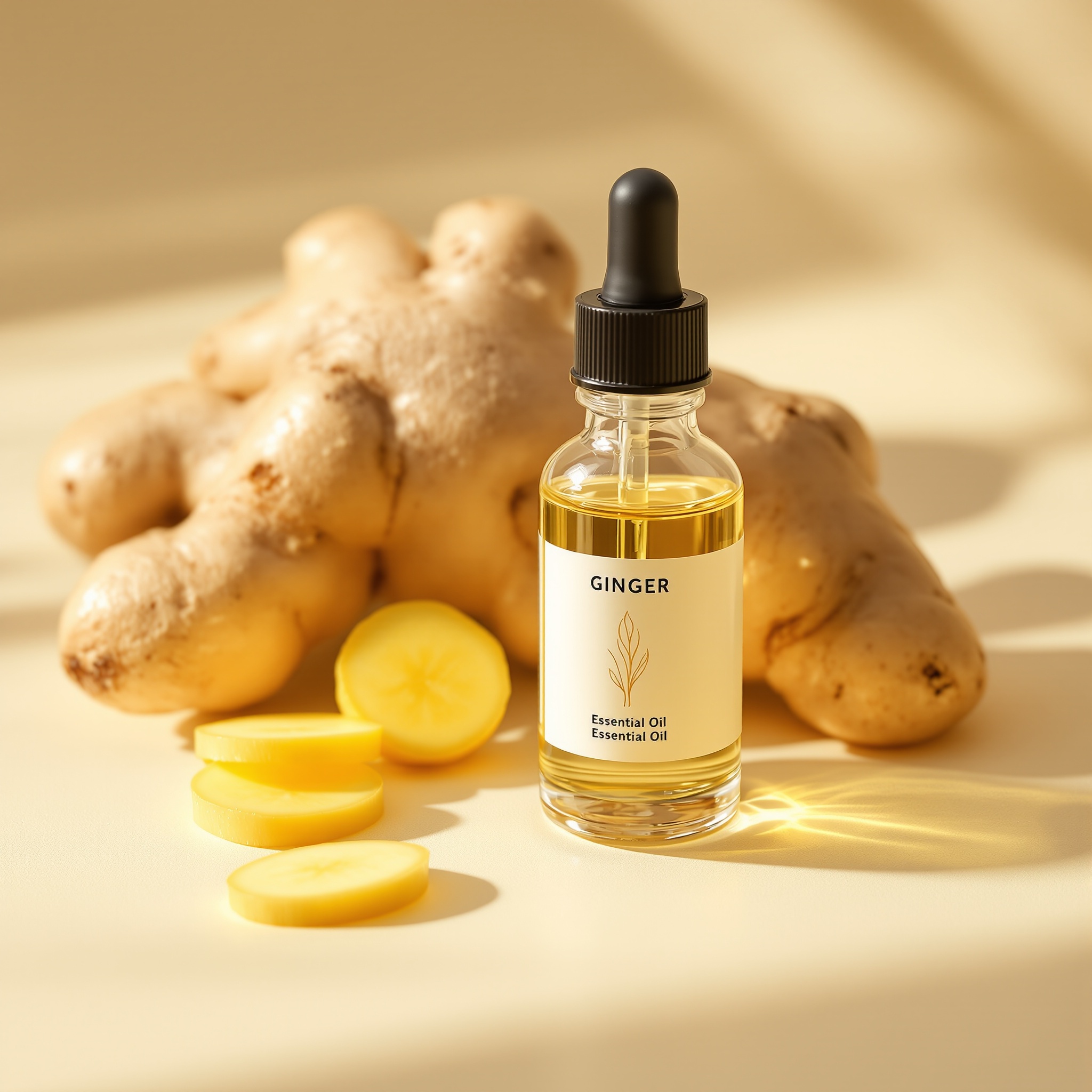
Ginger is the underground rhizome of Zingiber officinale, a reed-like tropical herb cultivated in India, China and Nigeria. The knobby root is steam-distilled or CO2-extracted; distillation gives a fresh, sparkling oil, while the CO2 extract captures the warm, pungent gingerol of the fresh root more fully.
How it smells
Bright, dry and peppery, with a fizzy lemon-pine sparkle over earthy, fibrous warmth. The top is fresh and zesty, almost soapy-citrus; underneath sits a spicy heat without the sweetness of cooked ginger. CO2 extracts smell rounder, juicier and closer to the raw rhizome.
In perfumery
A top-to-heart spice that injects vitality and a clean, modern warmth, lifting citrus, sharpening woods and animating aquatic and fougere structures. Ginger drives the heart of crisp peppery masculines, the candied facets of bright floral colognes, and the watery spice of monsoon-inspired garden scents.
Good to know
Ginger has been a prized trade spice for over five thousand years, valued in Asian medicine long before it reached European kitchens. The plant rarely flowers in cultivation and is propagated entirely from rhizome cuttings, so harvested gingers are essentially clones of one another.
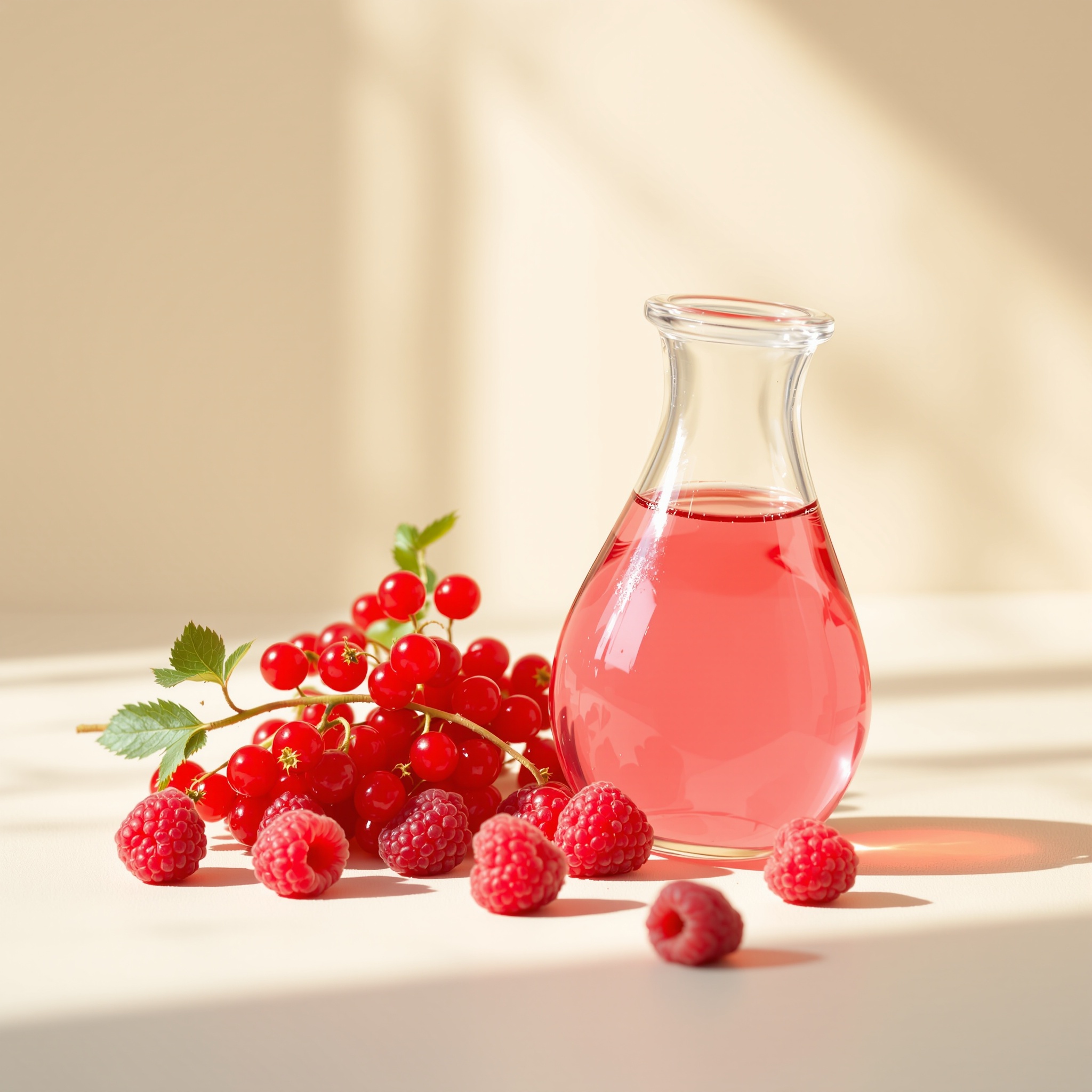
Red Berries
A bright tumble of just-picked summer fruit
What it is
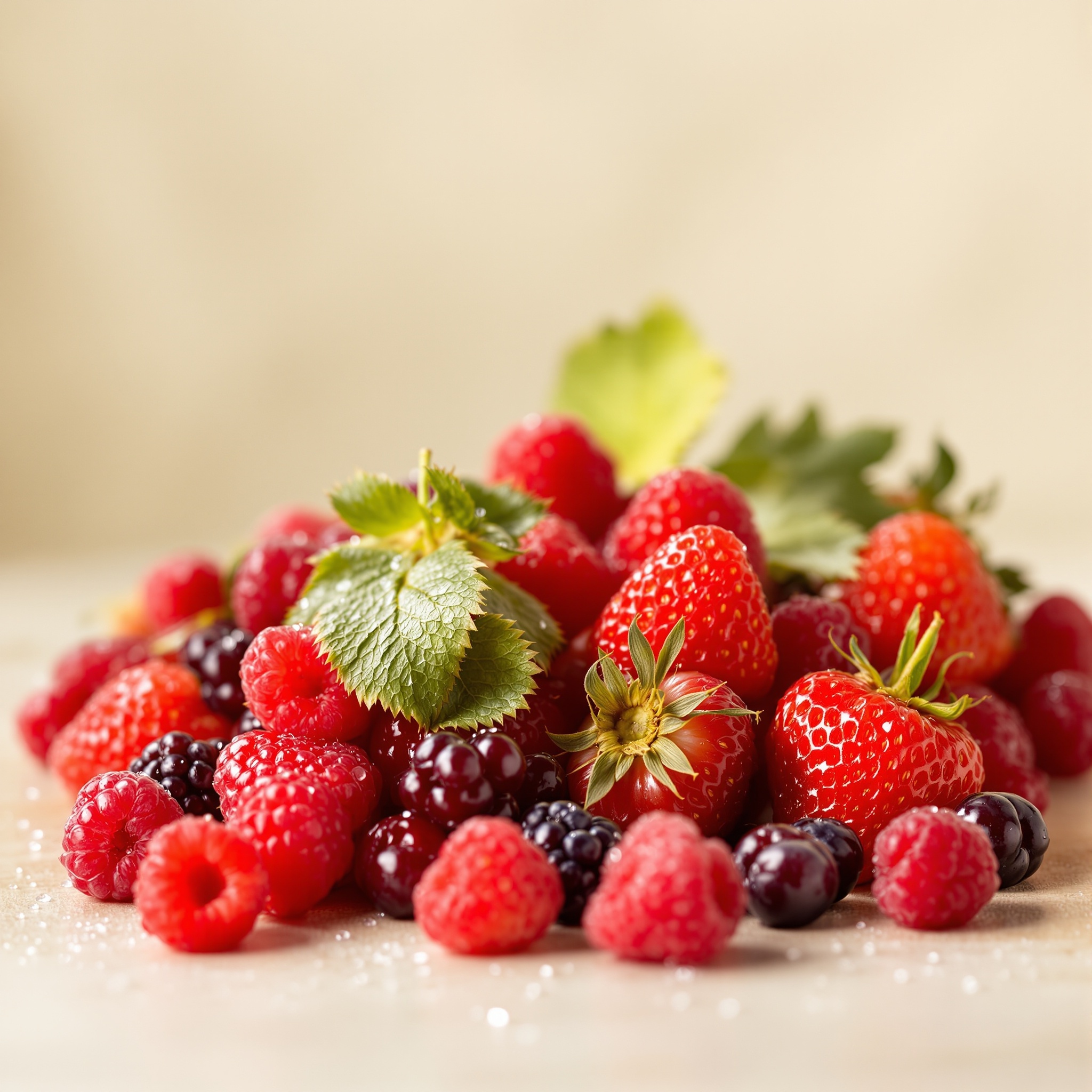
Red berries is an abstract accord, not one botanical, evoking raspberry, redcurrant, strawberry, and wild berries. Most red fruits yield no usable essential oil, so perfumers reconstruct the impression from aroma chemicals such as fruity esters, ionones, and damascones, blending them toward a juicy, ripe effect.
How it smells
Sweet-tart and watery-fresh, with raspberry's jammy facet, redcurrant's green snap, and a candied pink edge. It opens vivid and mouthwatering, then quickly softens into a gentle fruity sweetness. The impression is lighter and more transparent than dark berries like blackcurrant or blackberry.
In perfumery
A top-to-heart accent giving brightness, juiciness, and easy approachability. It lifts florals like rose and peony, sweetens gourmands, and freshens chypres. Central to pink fruity-floral compositions, it threads through countless modern fruity florals.
Good to know
Because red fruits resist distillation, the category lives almost entirely on synthetics. Raspberry ketone (frambinone) is a workhorse molecule here; extracting it from real raspberries yields only a few milligrams per kilo, pushing the natural grade toward roughly twenty thousand dollars per kilogram and making it impractical.
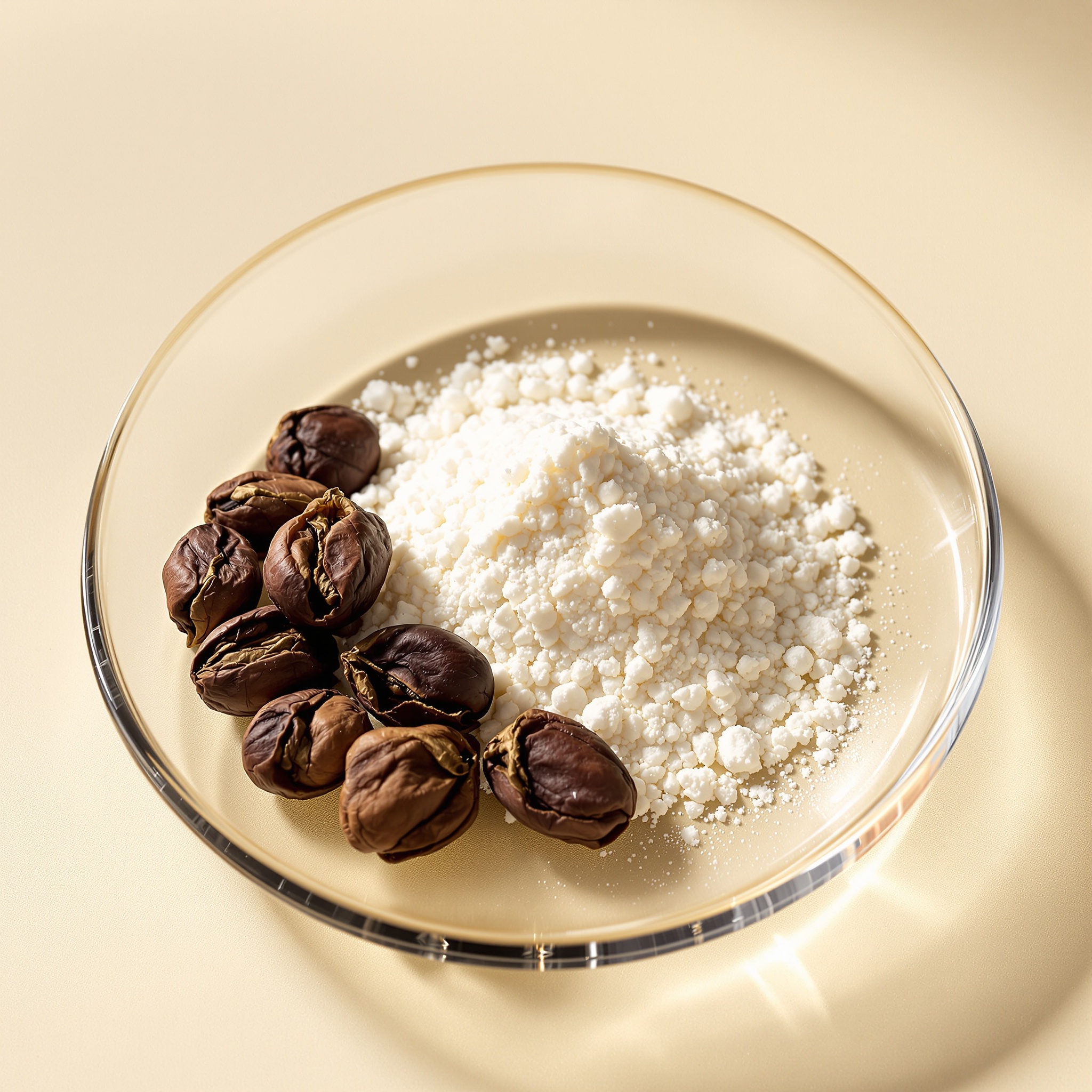
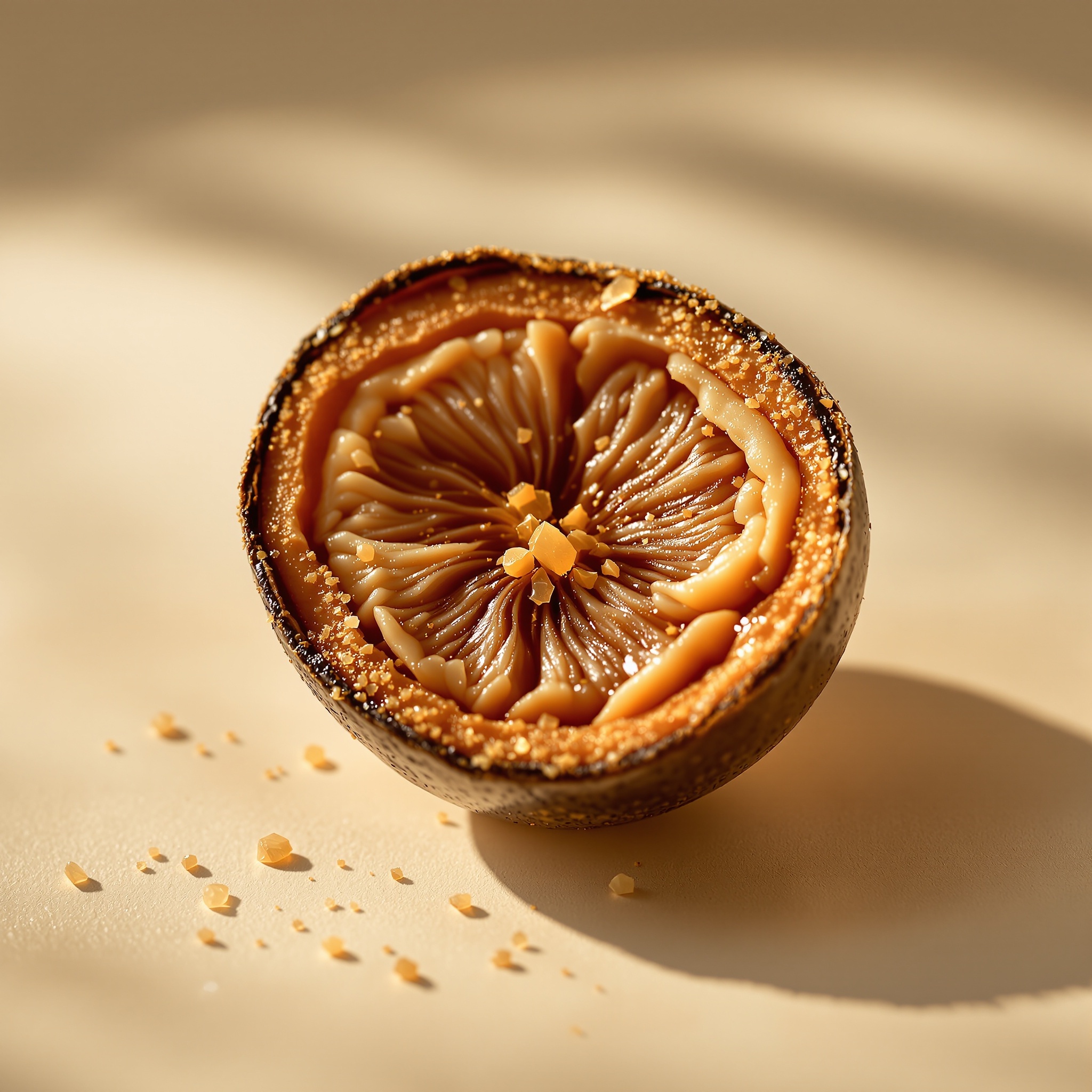
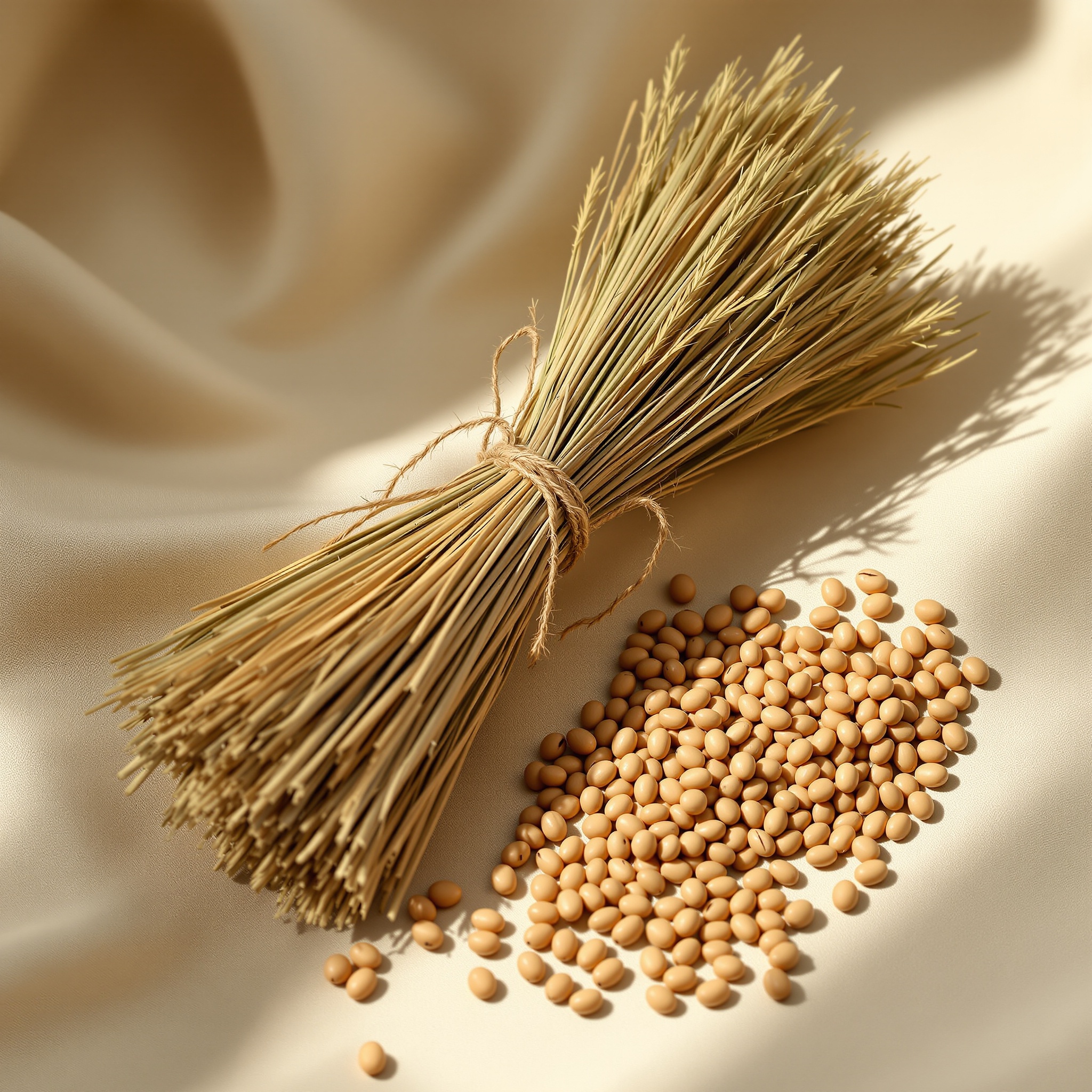
Coumarin
Sweet hay and almond, the soul of fougere
What it is
Coumarin is an aroma molecule found naturally in tonka beans, sweet clover, sweetgrass and woodruff, first isolated from tonka by Vogel in 1820. It crystallizes as white shards. Most perfumery coumarin is now made synthetically, following the laboratory synthesis William Perkin achieved from coal tar in 1868.
How it smells
Warm, soft and sweet, smelling of fresh-cut hay drying in sun, with almond, vanilla, tobacco and a powdery, slightly nutty richness. It opens gently and lingers as a cozy, ambery sweetness, recalling new-mown grass, marzipan and the comforting smell of a tonka or vanilla pod.
In perfumery
A base-note workhorse adding sweetness, warmth and a powdery hay tone that blends and rounds compositions. It famously anchors the fougere accord alongside lavender and oakmoss, born in the first fougere of the 1880s, and underpins countless gourmands and ambers across the genre.
Good to know
Coumarin was the first synthetic used in a commercial fine perfume, in an 1882 release that reportedly carried about ten percent coumarin and launched an entire fragrance family. Though restricted by IFRA over sensitization concerns, it remains one of perfumery's most beloved and widely used materials.
Jasmine
The heady white flower at perfumery's beating heart
What it is
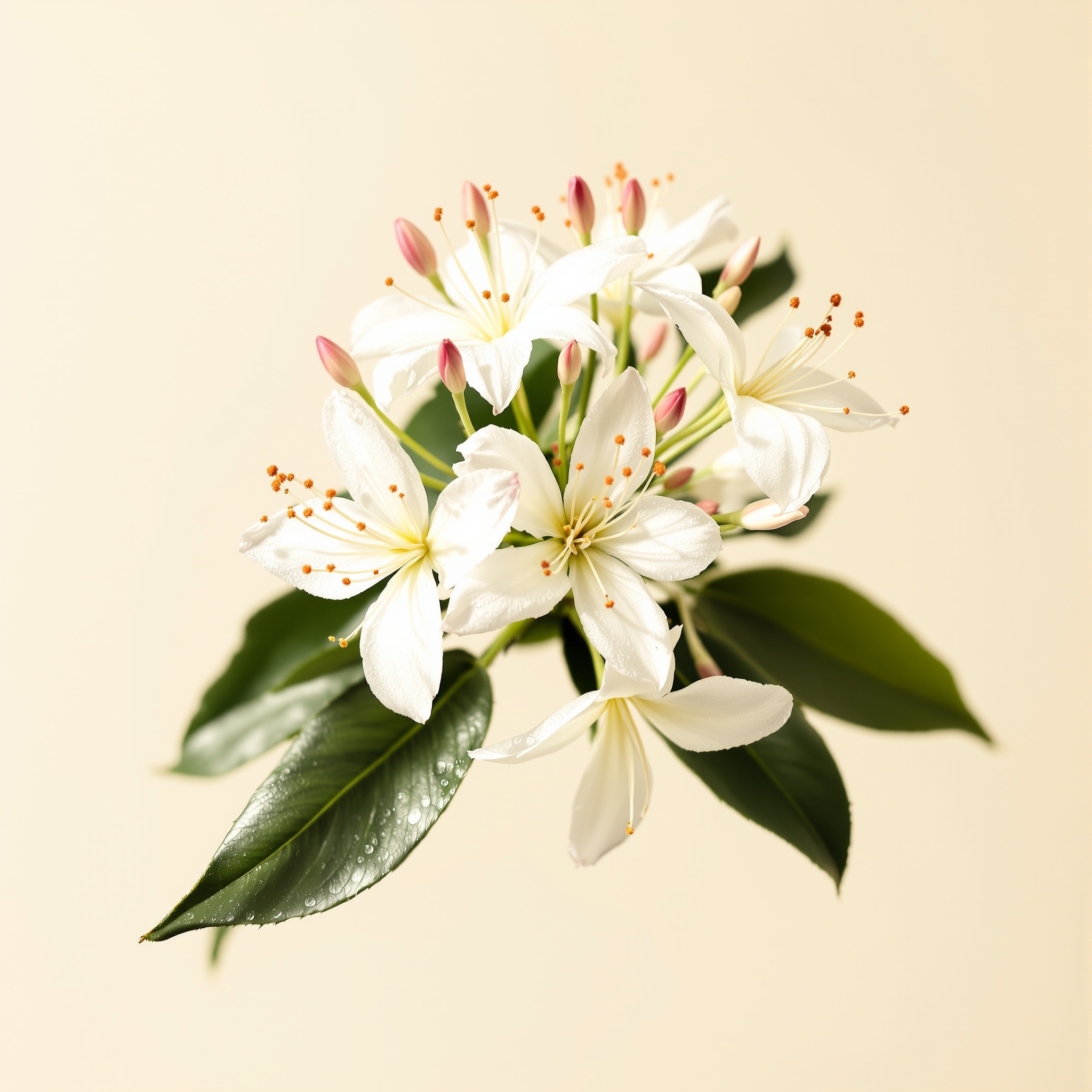
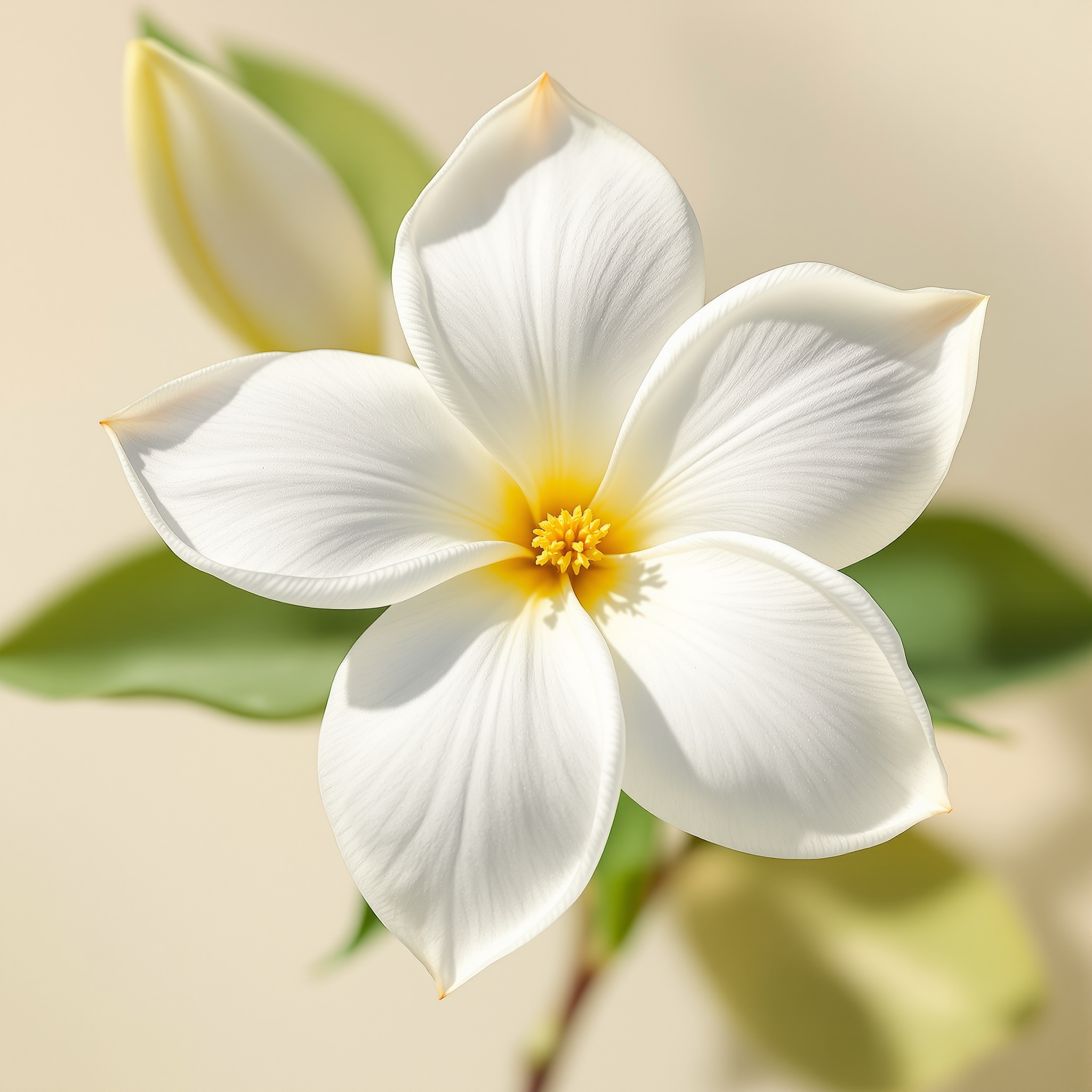
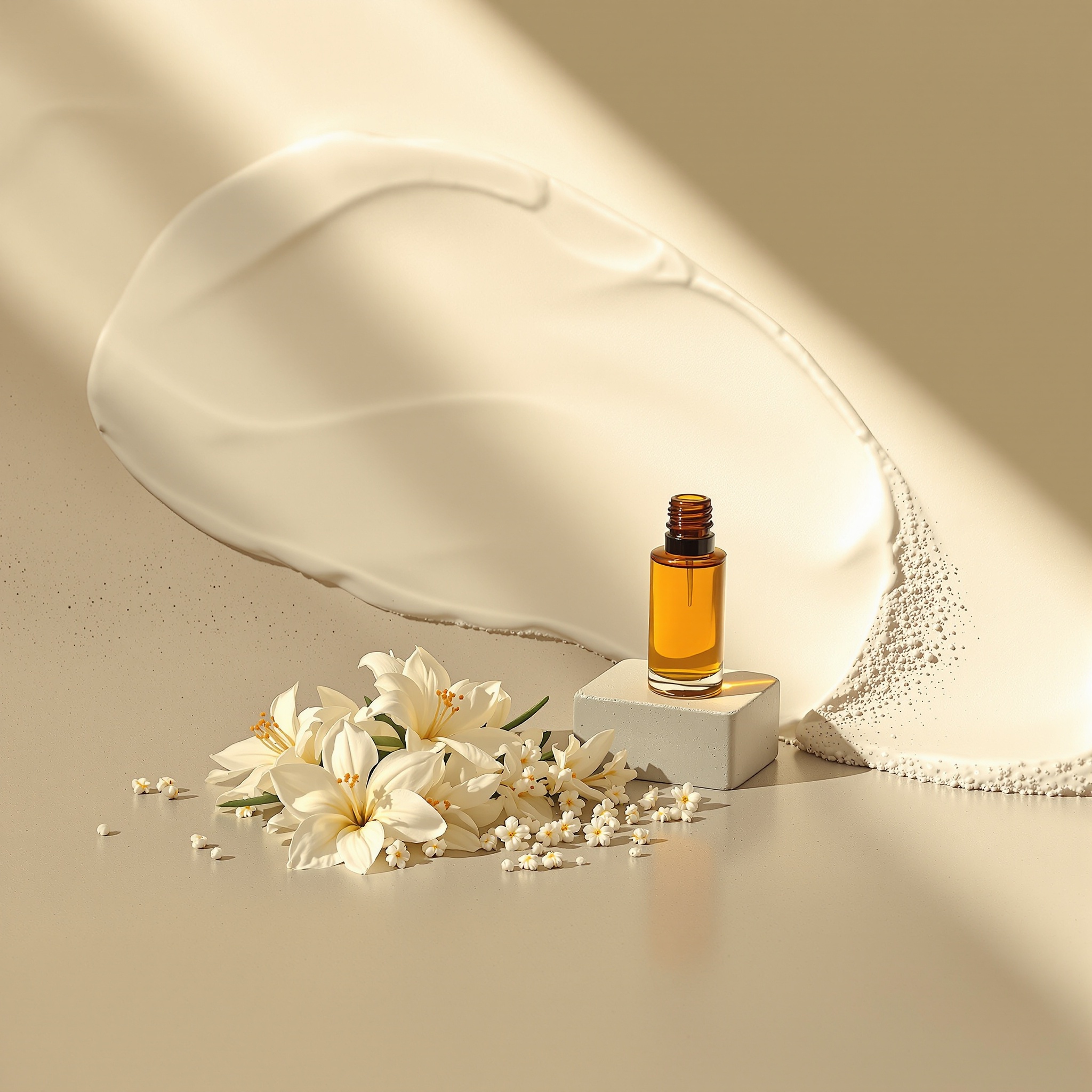
Jasmine is the blossom of climbing shrubs in the olive family, chiefly Jasminum grandiflorum, grown in Egypt, India and Morocco, plus Jasminum sambac from India. The fragile flowers are hand-picked at dawn, solvent-extracted with hexane into a waxy concrete, then washed with ethanol to yield the absolute.
How it smells
A warm, lush white floral, sweet and honeyed with an animalic underside. Sambac leans fruity, tea-like and dense; grandiflorum reads creamier and greener on top. Both carry a heady, narcotic richness over a green-fruity opening, drying to a soft, skin-warm, faintly mushroomy-musky base.
In perfumery
A heart-note cornerstone, bridging citrus tops and woody bases while lending volume, sensuality and rounded floral body. It pairs with rose, tuberose, ylang-ylang, sandalwood and musk. Jasmine anchors many of the great classic florals and can stand alone as a radiant soliflore.
Good to know
Roughly eight thousand hand-picked flowers yield a single gram of absolute, ranking natural jasmine among the costliest perfume materials. Much of its depth comes from indole, a molecule smelling of mothballs or decay when concentrated, yet radiant and living in the trace amounts the flower naturally holds.

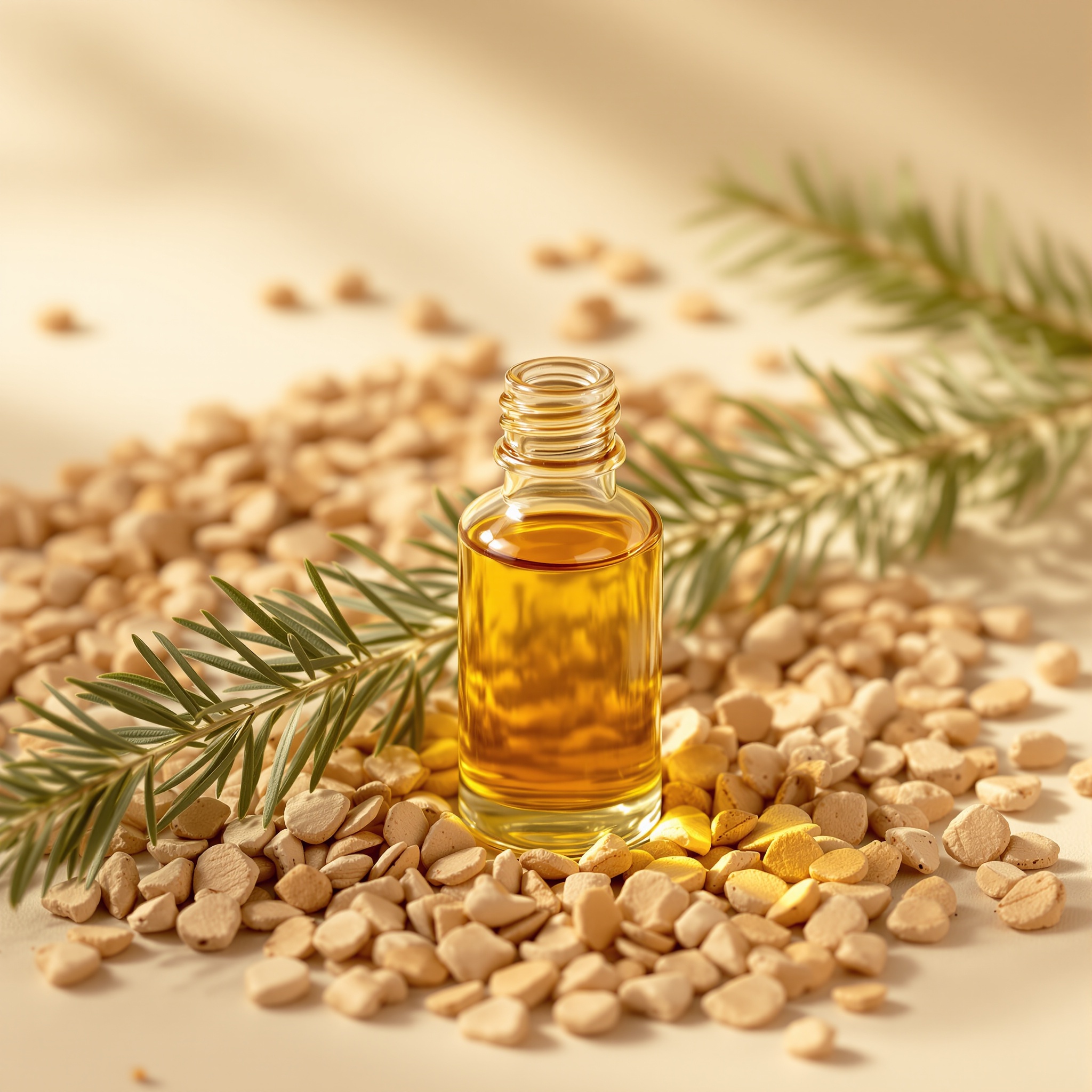
Cedar
Dry sharpened pencils and sun-warmed timber
What it is
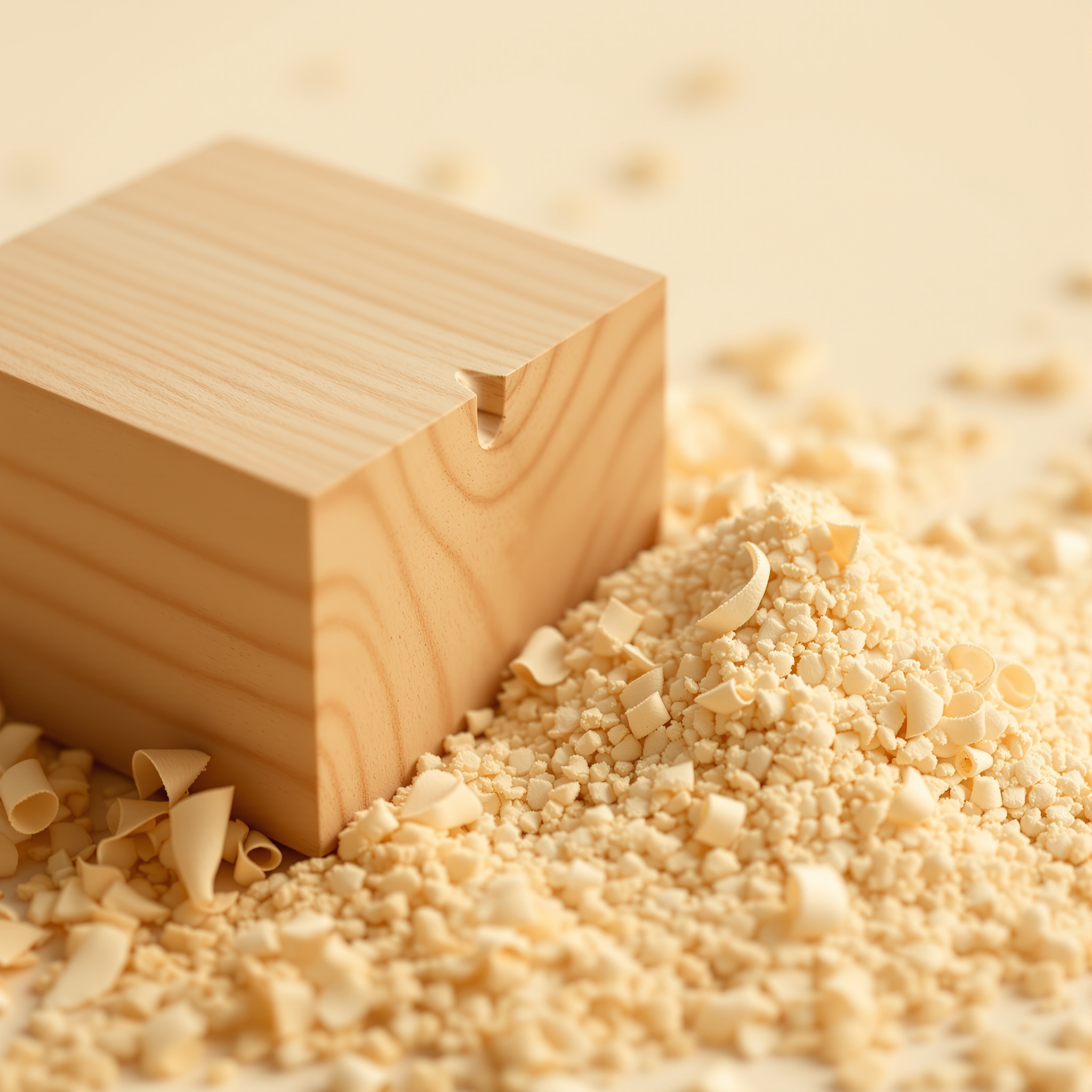
Cedar in perfumery comes mainly from the heartwood of Atlas cedar (Cedrus atlantica) and, more commonly, the aromatically similar Virginia and Texas "cedars" of the Juniperus genus. Wood chips and sawmill shavings are steam-distilled into an oil rich in cedrol and cedrene, the molecules carrying the scent.
How it smells
Dry, woody and resinous, recalling freshly sharpened pencils and cedar-lined closets. Atlas cedar leans warm, smoky and balsamic; Virginia cedar reads sharper and cleaner. It opens crisp and pencil-like, then settles into a soft, sawdust-warm, faintly sweet timber that holds for hours.
In perfumery
A workhorse heart and base note prized for its smooth woody backbone and fixative power. It anchors chypres, fougeres and modern woods, pairing with vetiver, rose, citrus and amber. Cedar lends a signature plummy-woody core to spiced floral-woods and threads through countless unisex woods.
Good to know
Most perfumery "cedar" is not botanical cedar at all but juniper; true Cedrus and the unrelated Juniperus share a name through scent, not lineage. Cedarwood oil was burned in ancient Egyptian embalming and used to scent tombs, coffins and ships' timbers.
Synthetic Musk
The clean lab musk in nearly everything
What it is
Lab-made musk molecules created to replace animal-derived deer musk. The familiar workhorses are Galaxolide, Habanolide and ethylene brassylate, spanning the polycyclic and biodegradable macrocyclic families, after the old nitro musks were largely restricted over persistence and toxicity concerns.
How it smells
Clean, soft and radiant, with none of the fecal animalic edge of raw deer musk. Galaxolide is sweet, round and floral-woody; Habanolide leans metallic and waxy, the so-called hot-iron musk; ethylene brassylate is soft and powdery. Together they read as fresh laundry, warm skin and airy powder.
In perfumery
Nearly all musk in modern fragrance is synthetic. These molecules anchor base notes, lend lasting power and supply the clean white-musk drydown of countless designer scents. Inexpensive, free of CITES restrictions and ethical relative to deer musk, they made musk universal across fine fragrance and detergent alike.
Good to know
White musk and synthetic musk are one family, the laundered counterpoint to animalic deer musk. Some polycyclic musks raise persistence and bioaccumulation concerns, pushing the industry toward biodegradable macrocyclics. None carry the living, sweet-animalic depth of genuine Tonkin deer musk.
Synthetic Oud
The lab-built woody accord behind designer oud
What it is
An engineered accord standing in for real agarwood, built from a few aroma-chemicals and ready-made oud bases: woody-ambers like Norlimbanol and Sylvamber, musky-woody Cashmeran, dry Vertofix, a creamy sandalwood material such as Firsantol, plus captive oud bases. Ten or so molecules approximate what natural oud spreads across hundreds.
How it smells
Clean, dry and woody-smoky with a leathery medicinal edge from Norlimbanol and the captive oud bases. Linear and well-behaved, it reads instantly as oud yet stays polished and bloodless, missing the fermented barnyard funk, resinous sweetness and the living, shifting drydown of true distilled agarwood.
In perfumery
Nearly every mainstream and designer oud is this accord. Real agarwood oil costs more by weight than gold, supply is throttled by CITES protection of Aquilaria, and quality swings wildly. Synthetics deliver consistency, stability and scale at a fraction of the price, so houses overwhelmingly reach for them.
Good to know
Synthetic oud is not fake so much as a different material: skilled, useful and honest when labelled. The tell is its cleanliness. An oud that smells smooth, sweet, uniform and never animalic or rough is almost certainly an accord rather than a drop of distilled wood.
Amber
A warm resinous glow built, not harvested
What it is
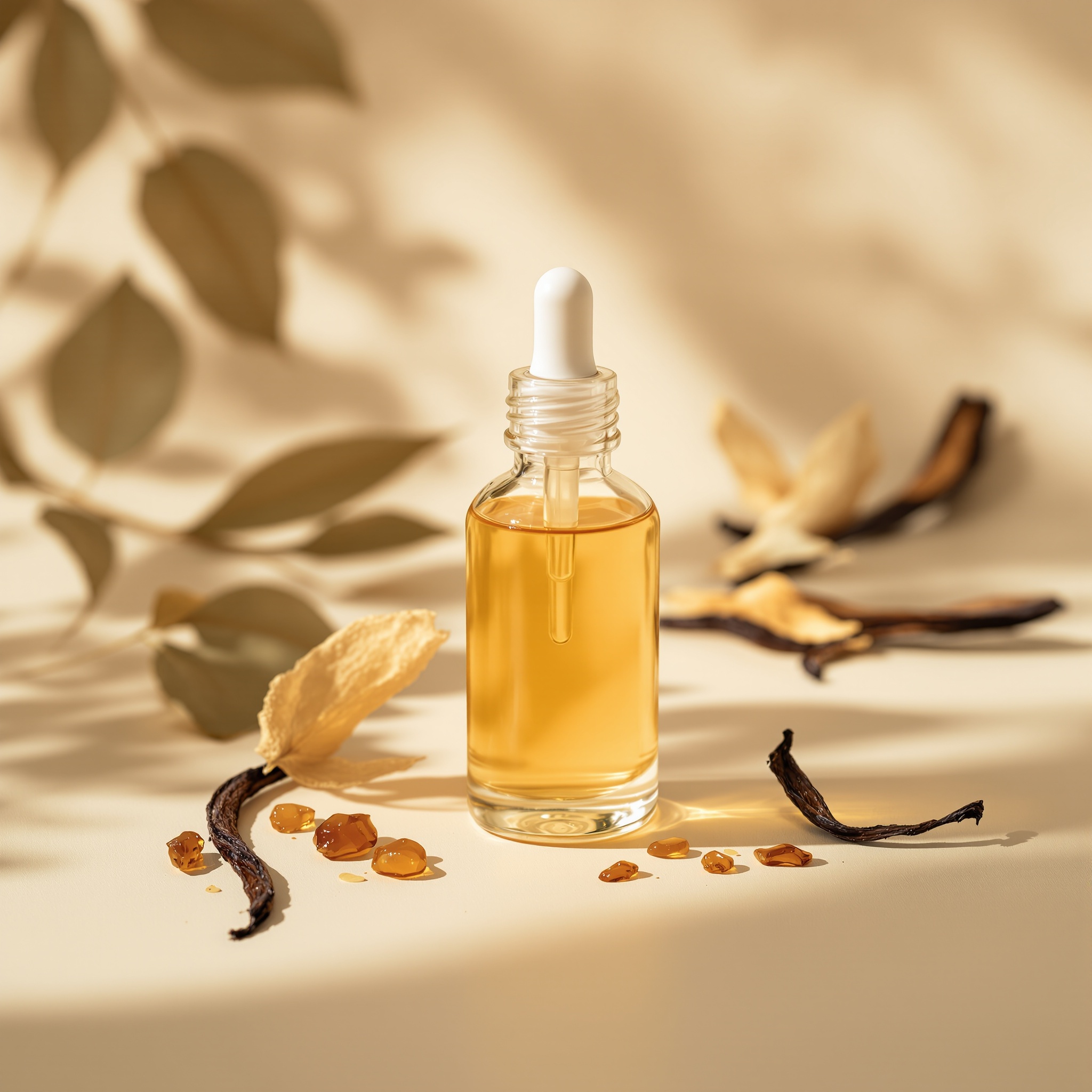
Amber is not one ingredient but a perfumer's accord, most often blending labdanum (a sticky resin from the Mediterranean rockrose shrub Cistus ladanifer), benzoin and vanilla, sometimes with tonka or Peru balsam. Despite the name, it has no link to fossilized tree amber, which stays odorless on skin.
How it smells
Warm, soft and balsamic, a powdery sweetness sitting over dry resin. It opens honeyed and faintly animalic from labdanum, then settles into rounded golden warmth recalling beeswax, tobacco and worn leather, threaded with a quiet smoky, incense-like undertone that lingers close to the skin.
In perfumery
A base note prized for warmth, depth and long persistence, anchoring oriental and amber compositions. It pairs naturally with vanilla, patchouli, sandalwood and spices. The sweet vanilla-amber template is a perfumery classic, while drier, resin-forward and herbal readings show its other face.
Good to know
The word once meant ambergris, the waxy intestinal secretion of sperm whales, fueling centuries of confusion among three unrelated things: fossil tree amber, whale ambergris and the resin accord. Modern amber bases are wholly plant and synthetic, leaning on molecules like Ambroxan rather than any animal source.
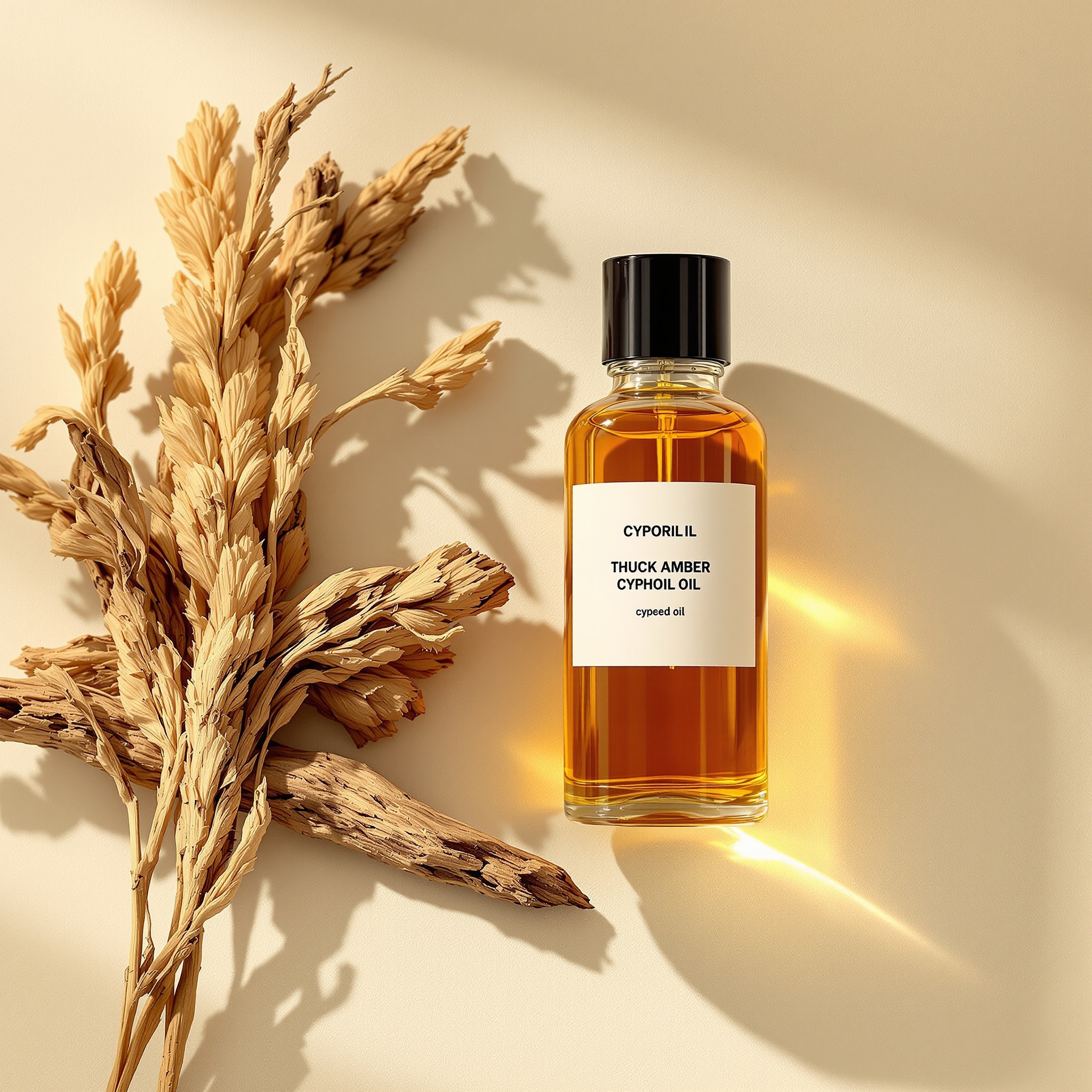
Cypriol Oil or Nagarmotha
Smoky earth, leather and dark woody root
What it is
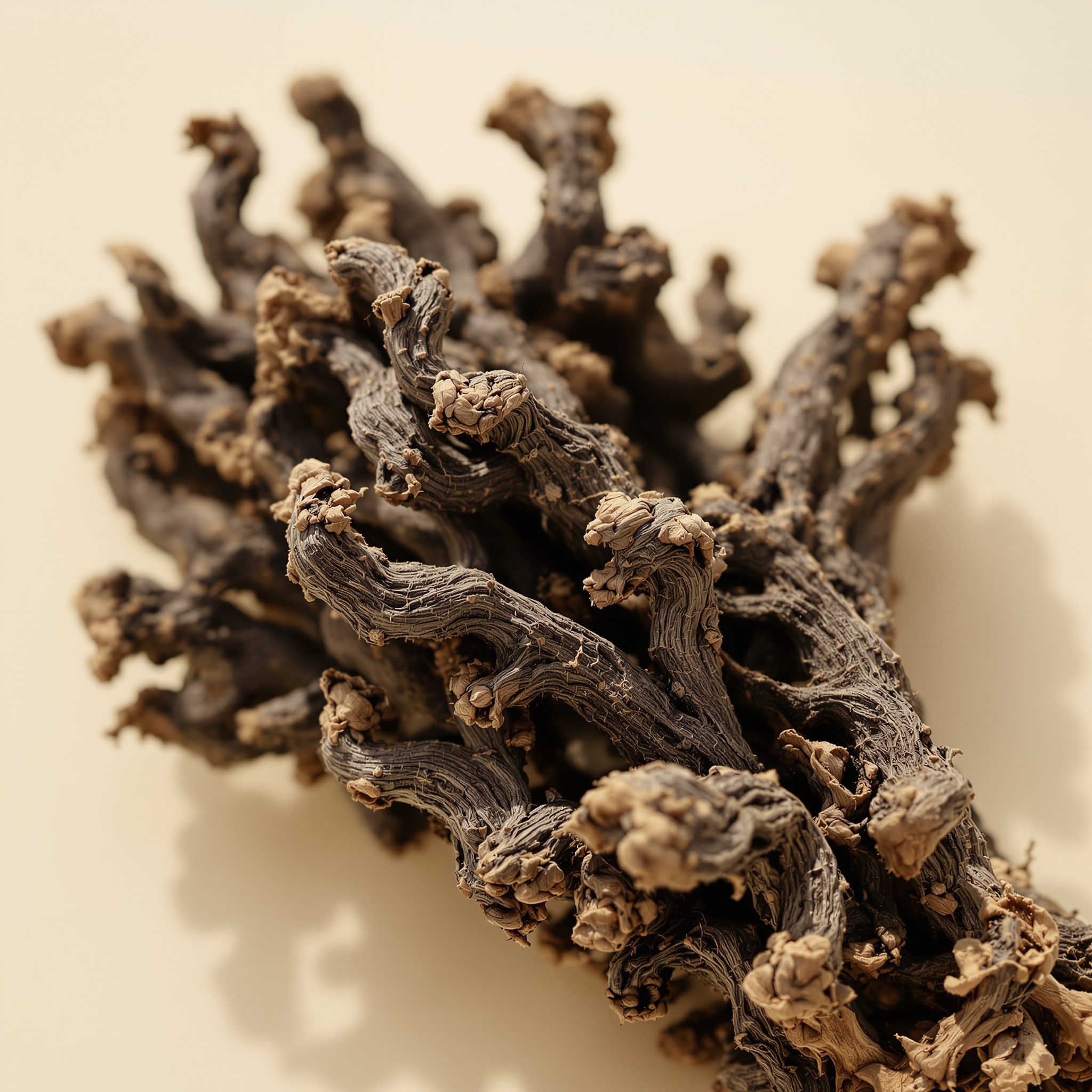
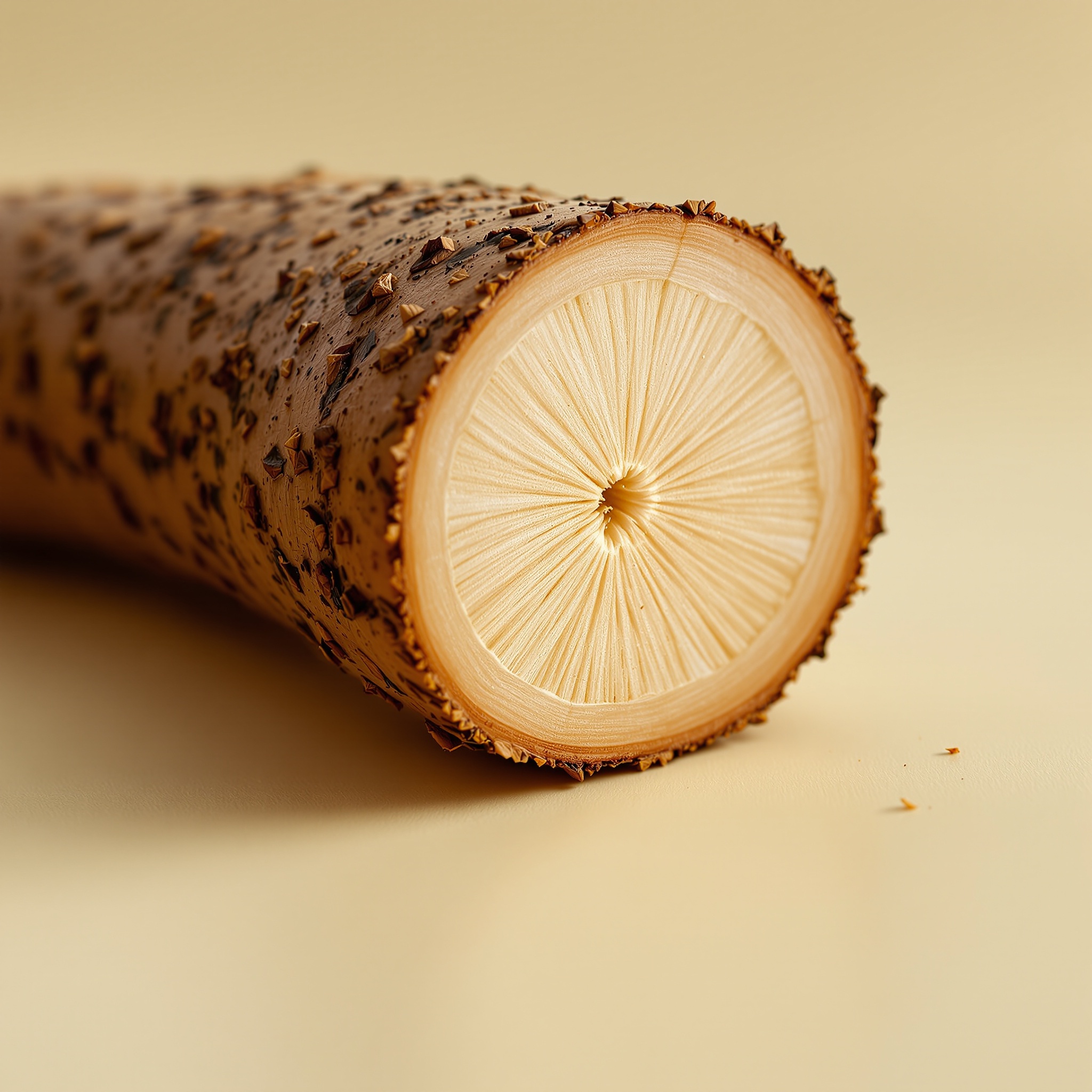
An oil steam-distilled from the dried roots and rhizomes of Cyperus scariosus, a sedge known in India as nagarmotha and grown widely in Madhya Pradesh. The tubers are cleaned, dried and distilled, yielding a thick, dark oil rich in sesquiterpenes such as cyperene and cyperone.
How it smells
Deeply woody and earthy, with smoky, leathery and peppery facets and a persistent, diffusive character. It recalls vetiver and patchouli crossed with dry tobacco and charred wood. Its rotundone content lends a black-pepper spiciness, while the base stays tenacious and resinous.
In perfumery
A base note giving smoky, woody-leather depth and a natural oud-like darkness without animal materials, paired with vetiver, patchouli, saffron, rose and incense. It also acts as a fixative and grounds many modern woody and oud-style compositions as a sustainable building block.
Good to know
Cypriol carries rotundone, the very molecule that gives black pepper and Syrah wine their peppery bite, and it registers as one of the oil's most odour-active compounds. The sedge often behaves as a stubborn weed, so harvesting its roots turns a nuisance plant into a prized natural.
Fragrance Character
A fruity-citrus composition led by mango and lemon, resting on musk and agarwood (oud).
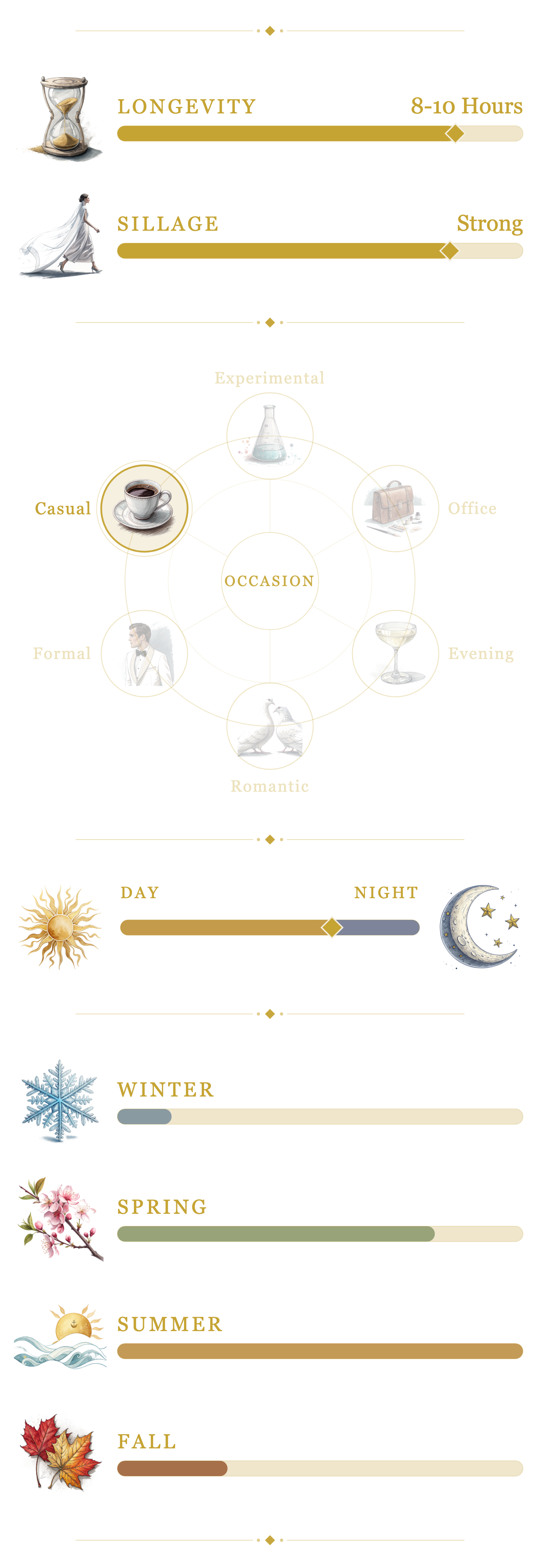
Best Worn
An easy everyday companion for warm spring mornings and bright summer afternoons, when the mango-and-citrus brightness feels like sunlight on skin.
Why the 777 God of Fire Decant
A decant is the considered way to live with 777 God of Fire across a few wears before the full bottle.
Official Notes
Mango · Lemon · Ginger · Red Berries · Coumarin · Jasmine · Cedar · Musk · Agarwood (Oud) · Amber · Cypriol Oil or Nagarmotha
Explore more: Ultra-Niche Perfume Decants · All Fragrance Decants
Choose options
The Vibe


Select your decant size

You are selecting a decant size, not the full bottle