


Maison Francis Kurkdjian - Oud Satin Mood
Oud Satin Mood opens on a thick, almost jammy collision of Bulgarian rose, violet, and strawberry before the wood takes hold. Beneath it, agarwood anchors everything in resinous smoke, while benzoin, caramel, and vanilla pull the whole composition toward something close, sweet, and skin-warm.
The Nose
Composed by Francis Kurkdjian for Maison Francis Kurkdjian, also behind Baccarat Rouge 540, Jean Paul Gaultier Le Male and Aqua Universalis.
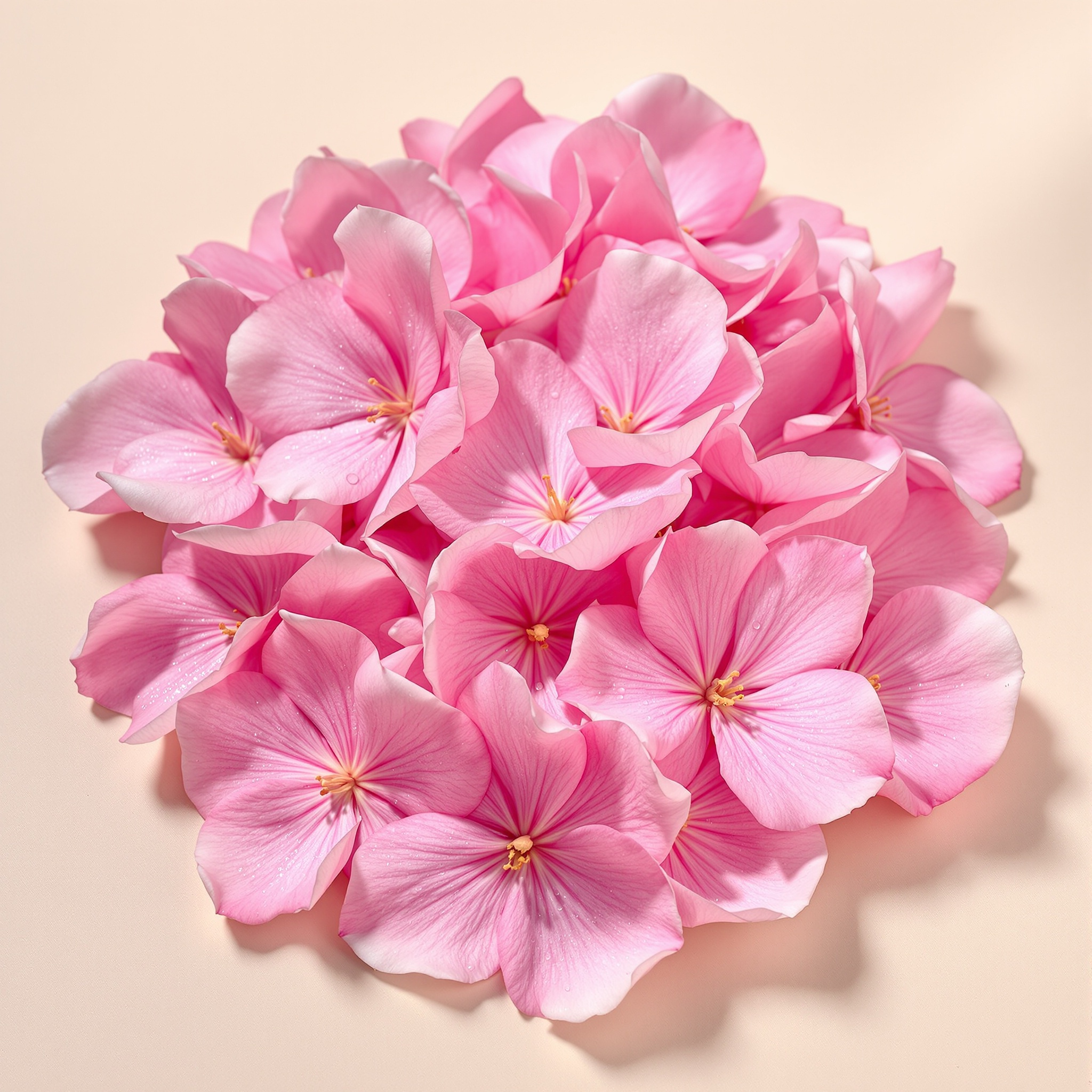
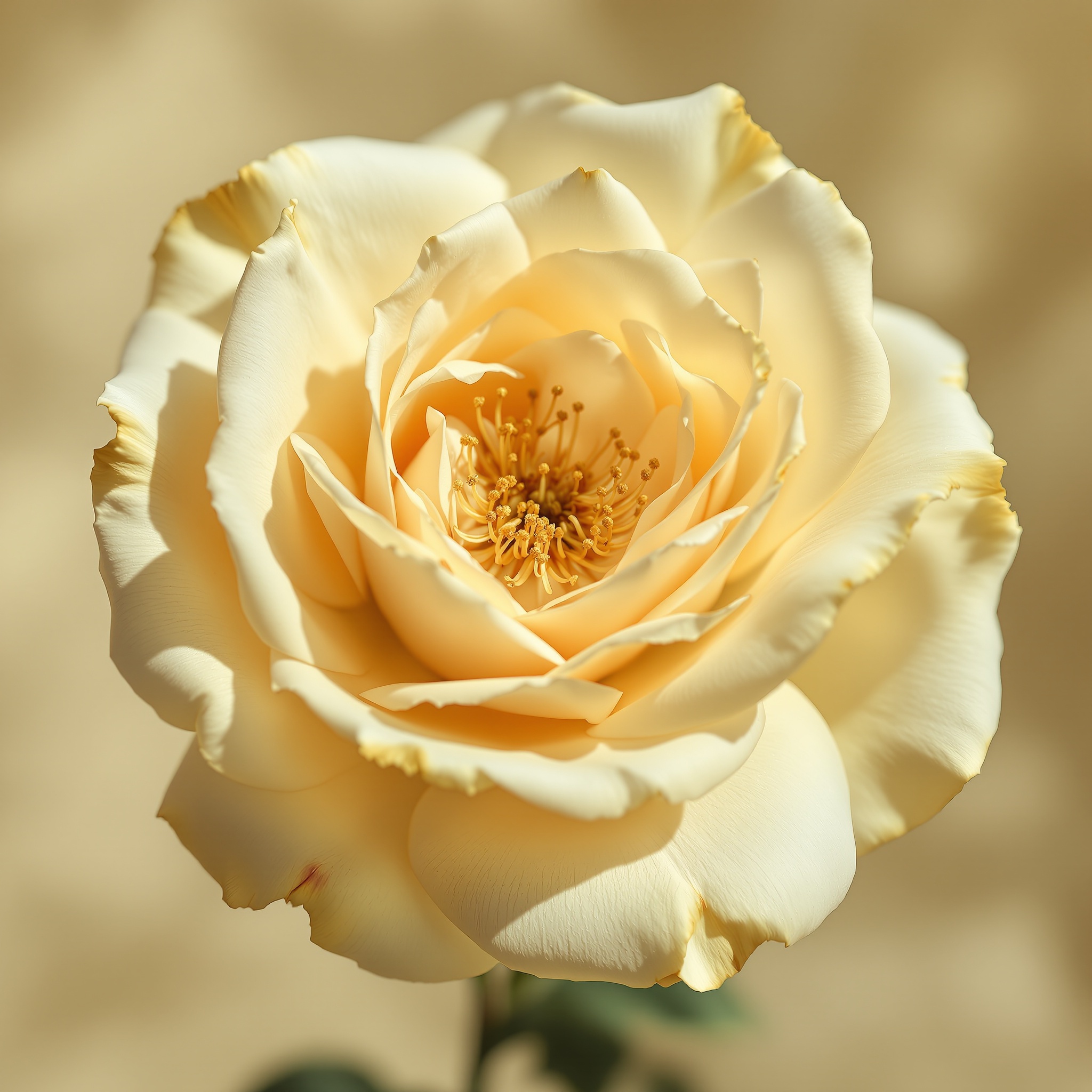
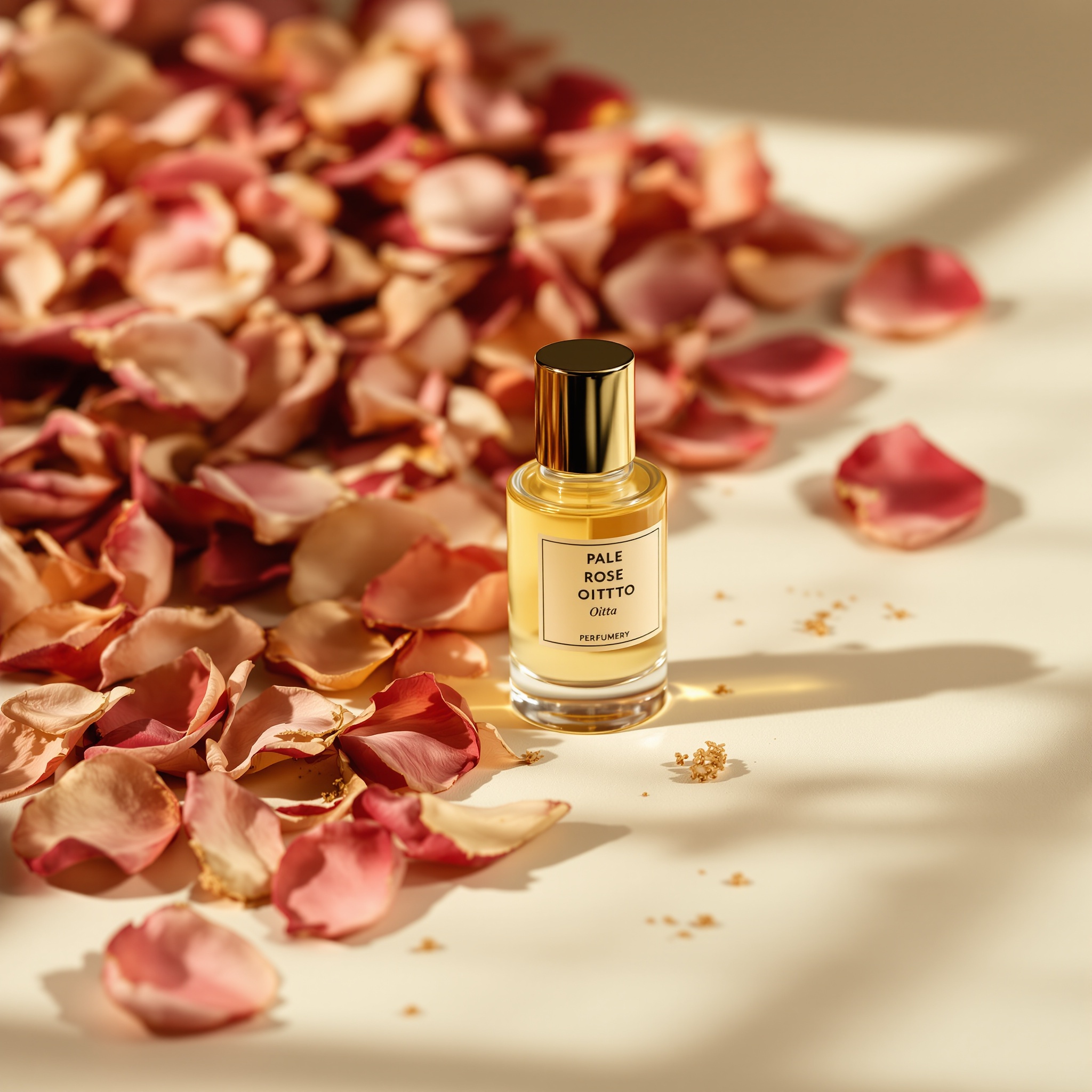
Bulgarian Rose
The fresh dawn breath of the Rose Valley
What it is
The flower of Rosa damascena, grown chiefly around Kazanlak in central Bulgaria's Rose Valley. Petals are hand-picked at dawn, then either steam-distilled into rose otto or solvent-extracted into a deep-red absolute. Roughly three to four tonnes of blossoms yield a single kilogram of otto.
How it smells
Bright, dewy and honeyed, with a green lemony lift on top over a spicy, velvety heart. Compared with Turkish rose it reads fresher and clearer. As it settles, a faint clove-like warmth and a waxy, black-tea softness surface beneath the petals.
In perfumery
A heart note prized for transparency and natural radiance, paired with patchouli, oud, sandalwood or fruity notes like lychee. The otto can crystallise in cool weather. It anchors many of the great rose-centered compositions, lending lifelike floral depth.
Good to know
Harvest runs only three to four weeks in May, and pickers work before sunrise because midday heat evaporates the volatile oils. That tiny, weather-dependent window, plus the tonnes of petals needed per kilo, makes rose otto one of perfumery's costliest naturals.
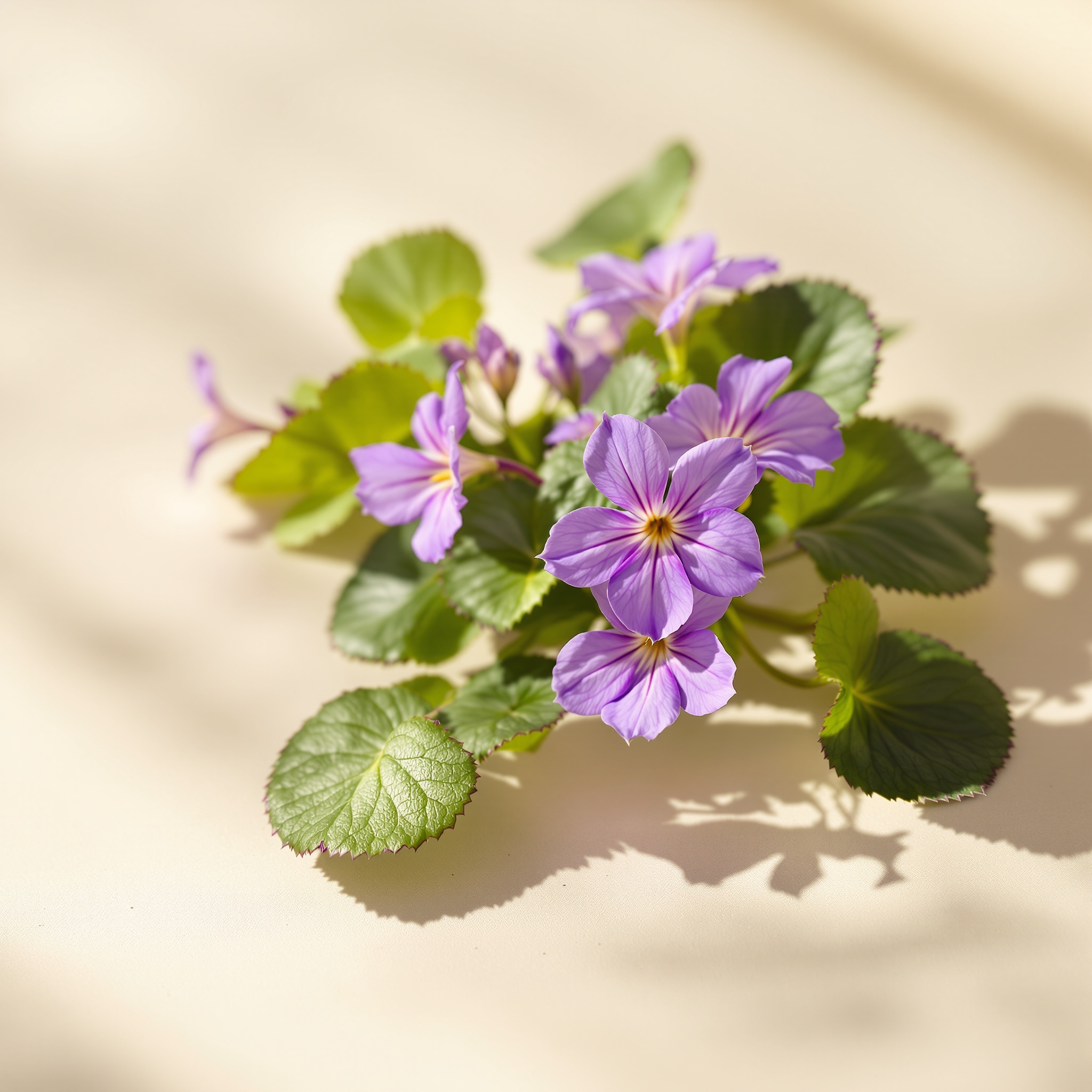
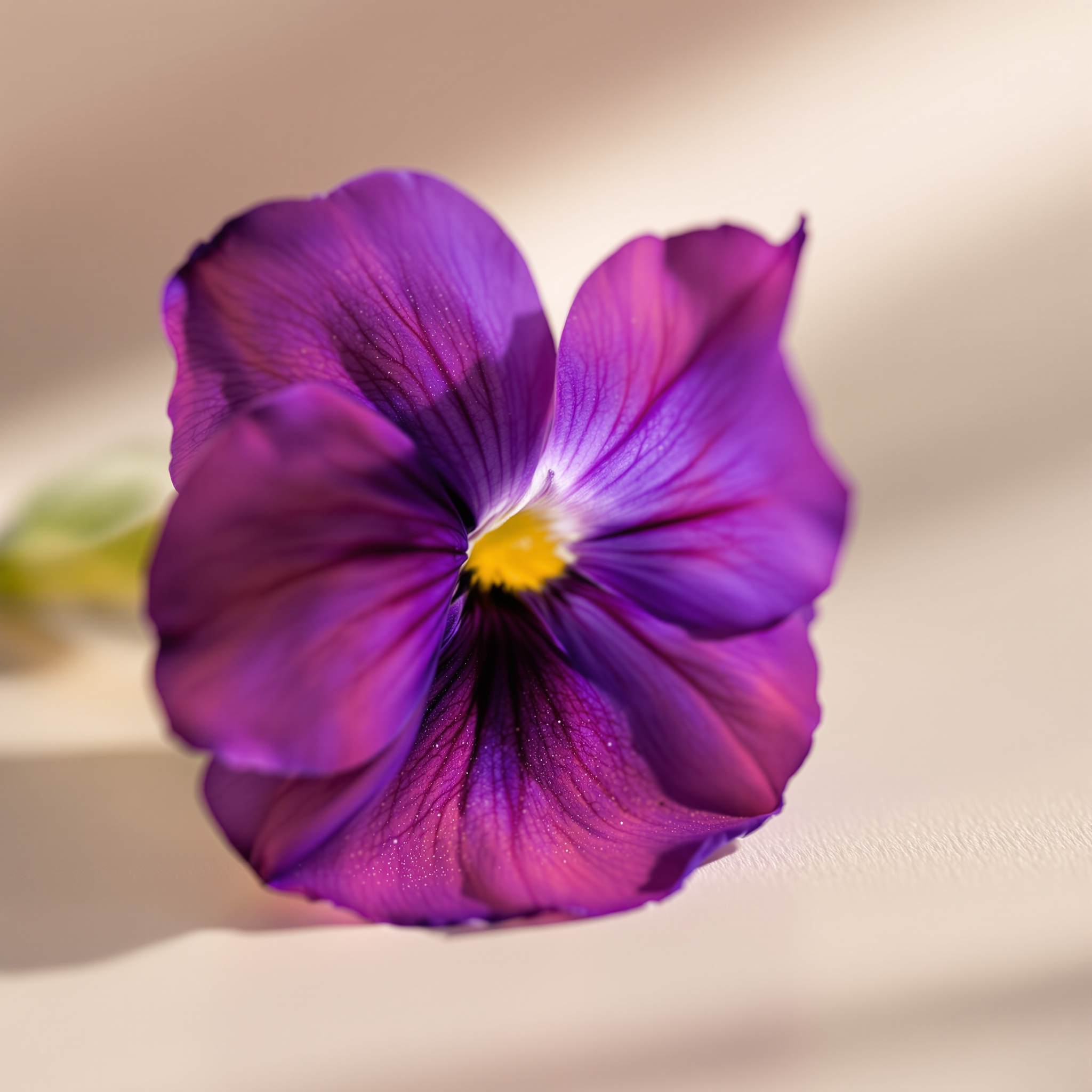
Violet
Powdery purple petals that vanish as you reach
What it is
The violet flower comes from Viola odorata, with Parma and Victoria types favored historically. Natural flower oil is extraordinarily rare and barely produced today, so the modern violet note is built largely from ionones, aroma-chemicals first synthesized in 1893 by Tiemann and Krüger from citral and acetone.
How it smells
Soft, powdery and cool, with a sweet, sugar-dusted candied facet and a faintly watery, green edge. Ionones lend a curious quality that seems to fade and return as the nose tires. It reads tender and nostalgic, recalling Parma violet sweets, face powder and crushed petals.
In perfumery
A heart note giving powdery softness and a retro, romantic character. It pairs with iris, rose, leather and almond, and tempers sweetness into restraint. It centers classic violet soliflores and the candied makeup-box theme of fragrances built around violet-sweet nostalgia.
Good to know
The flower note differs from violet leaf, a green, cucumber-and-hay absolute extracted from the leaves. Ionones quickly saturate the olfactory receptors, so the scent appears to disappear then return as the nose recovers, an effect often cited as a textbook case of olfactory fatigue.
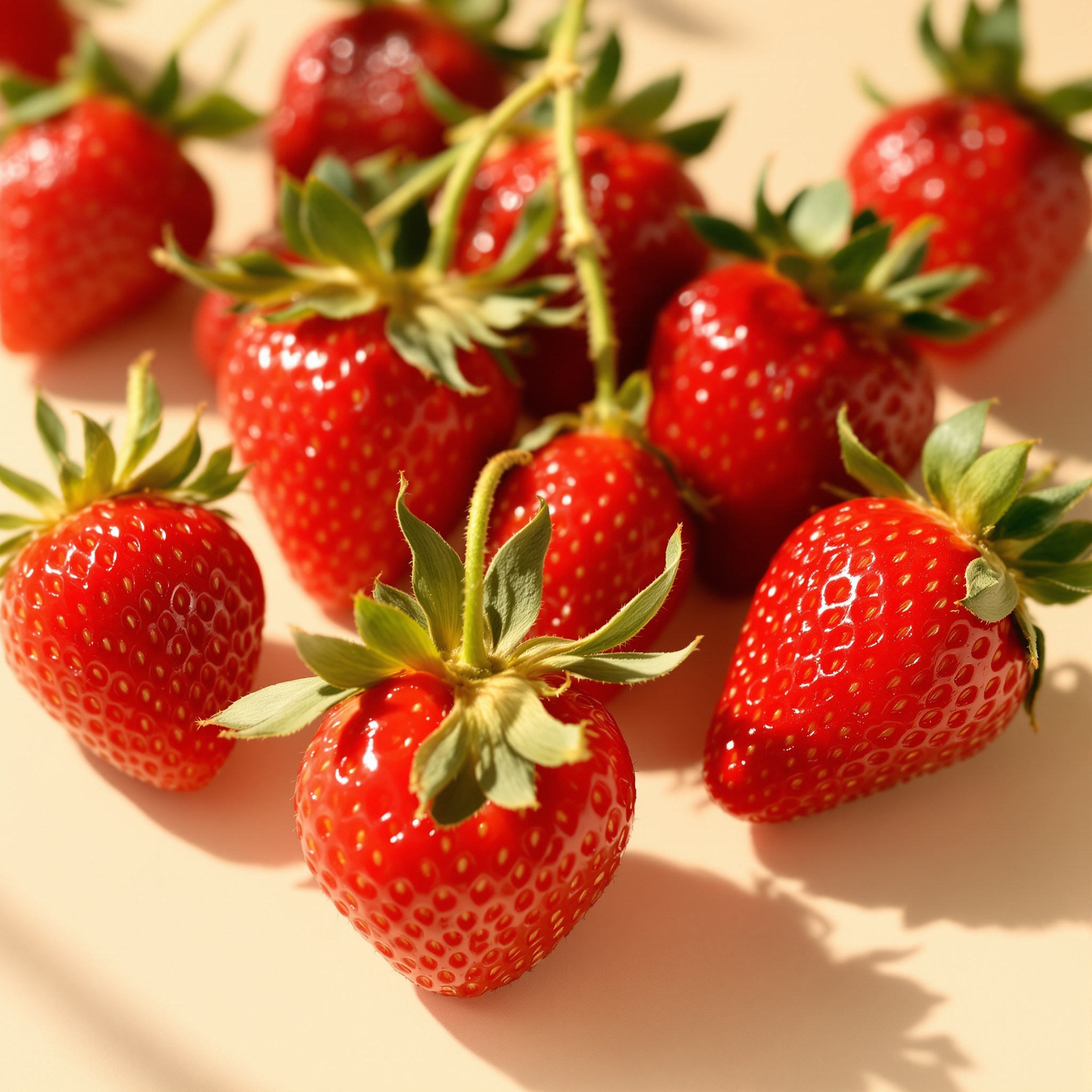
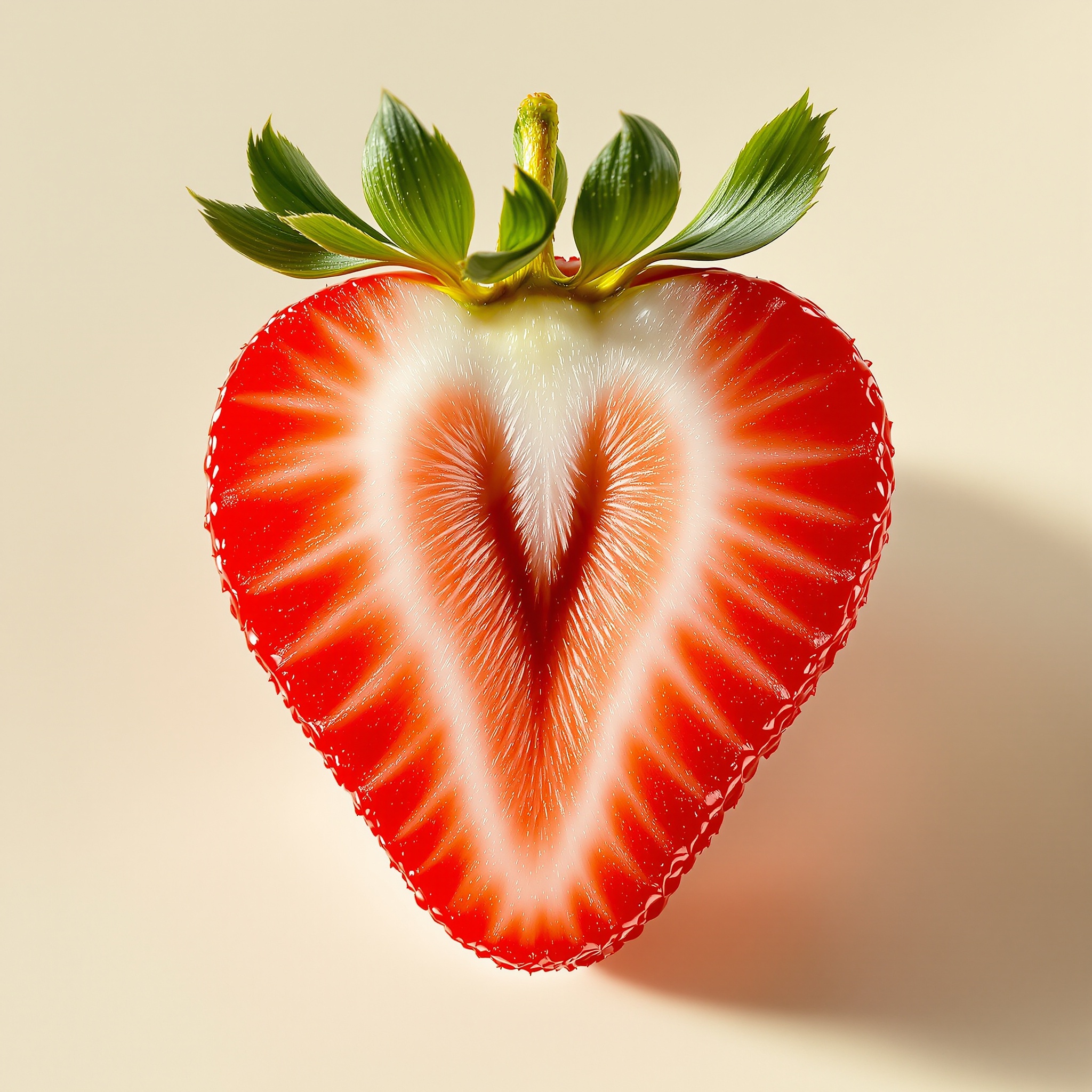
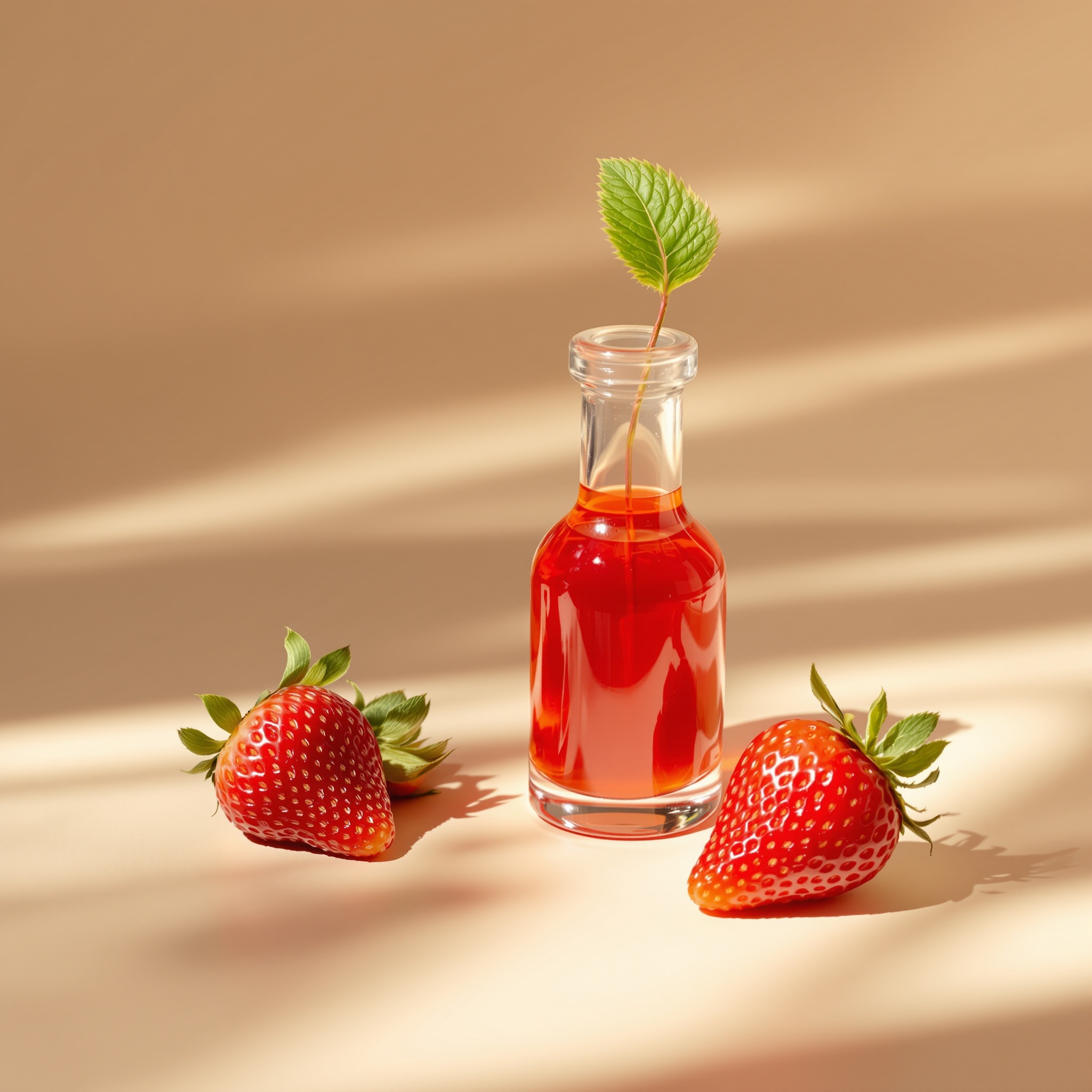
Synthetic Strawberry
The bright, reliable lab-built berry accord
What it is
The everyday strawberry of mainstream perfumery, a small accord of aroma-chemicals built in the lab to read instantly as the fruit. Its signature is a family of fruity esters anchored by ethyl methylphenylglycidate, the material long nicknamed strawberry aldehyde. Like all strawberry notes it is a constructed accord, but here every component is a defined, reproducible synthetic.
How it smells
Clean, bright and unmistakably strawberry, with a candied, jammy sweetness that pops out of the bottle. Compared with the all-natural reconstruction it is more linear and emphatic, less rounded, leaning toward a polished berry-candy effect. That clarity and punch are exactly why it reads so legibly to almost everyone.
In perfumery
A workhorse for fruity, gourmand and youthful compositions, adding cheerful berry sparkle to florals, sweets and fizzy top notes. It plays well with vanilla, sugar and other fruit synthetics to build dessert-like and candy accords. Perfumers reach for it whenever a confident, recognizable strawberry signal is needed.
Good to know
Synthetics like this are not a compromise so much as a different toolkit: they are cheap, stable and identical batch to batch, which makes them ideal at scale. They give bright, consistent performance and a long shelf life that naturals cannot match. The trade-off is a slightly flatter, more uniform berry, without the soft, shifting texture of the natural reconstruction.
Turkish Rose
Spiced honey petals from the Isparta valleys
What it is
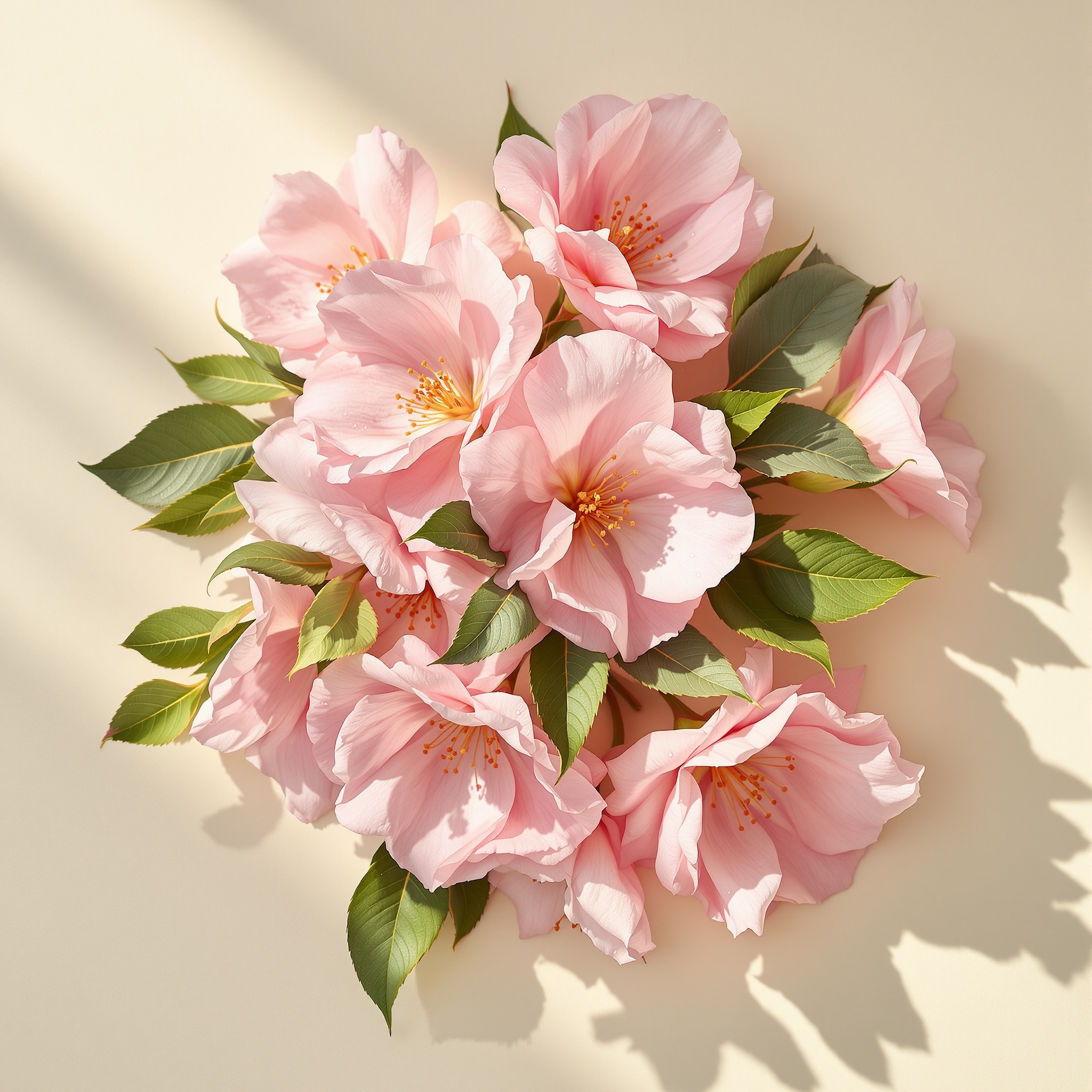
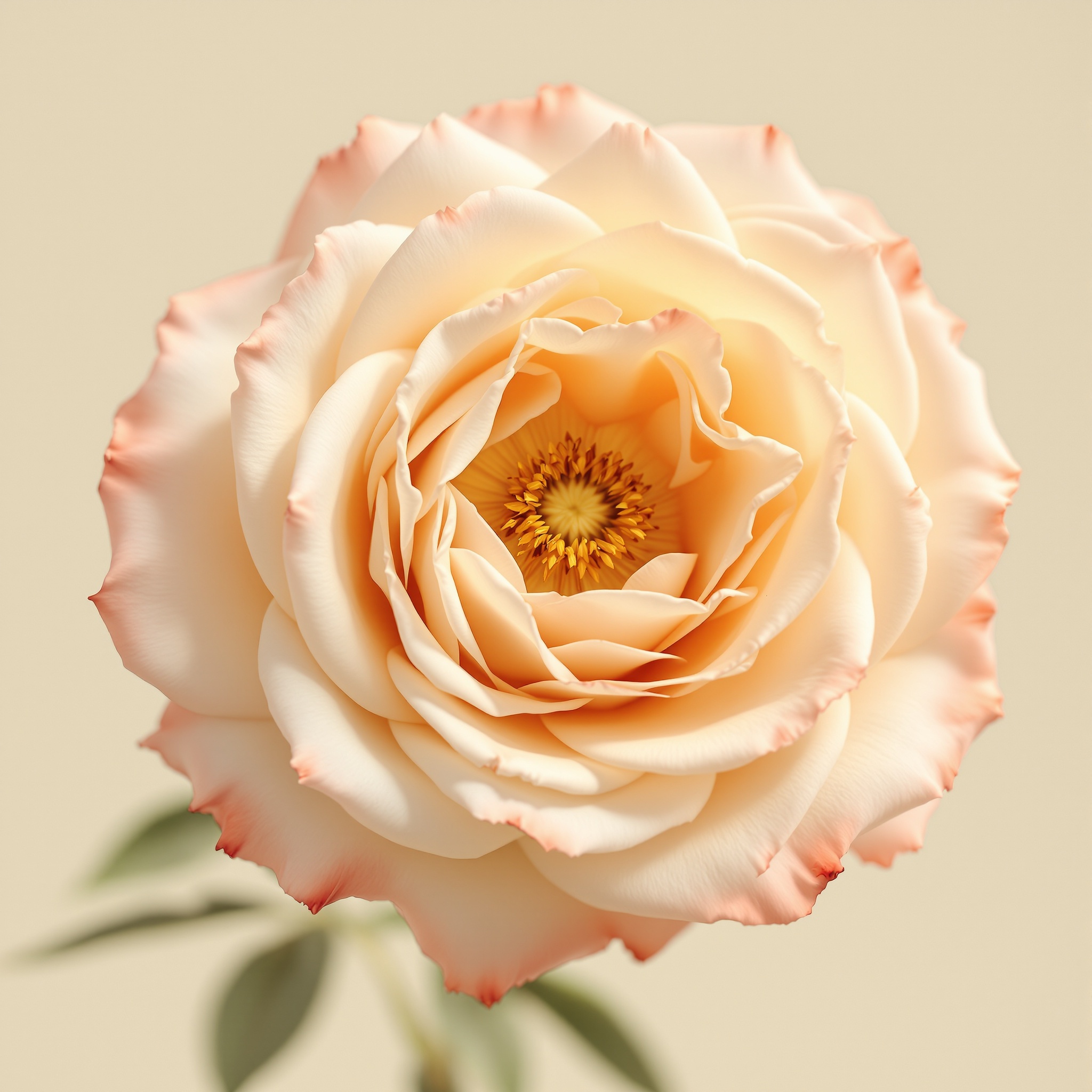
Rosa damascena grown in Turkey's Isparta region, where small farms hand-pick blossoms at dawn before the heat scatters the oil. Steam distillation of the petals yields rose otto, while solvent extraction produces the deeper, redder rose absolute used for its fuller, jammier facets.
How it smells
Fresh, fruity and spicy, with a honeyed glow and a green, faintly peppery edge. Against the sweeter, denser Bulgarian rose, the Turkish material reads brighter and more transparent, opening dewy and rosy before settling into a warm, spiced, lightly clove-like depth.
In perfumery
A heart note delivering true natural rose: radiant, multifaceted and indispensable in florals, chypres and orientals. It blends with oud, saffron, patchouli and geranium. Isparta otto and absolute thread through fine perfumery wherever an authentic, lifelike damask rose is wanted.
Good to know
Roughly three to five tonnes of hand-picked petals distill into a single kilogram of rose otto, placing it among the costliest naturals. Isparta Rose holds a Turkish registered designation of origin, granted in 2022, restricting the name to specified districts of the province.
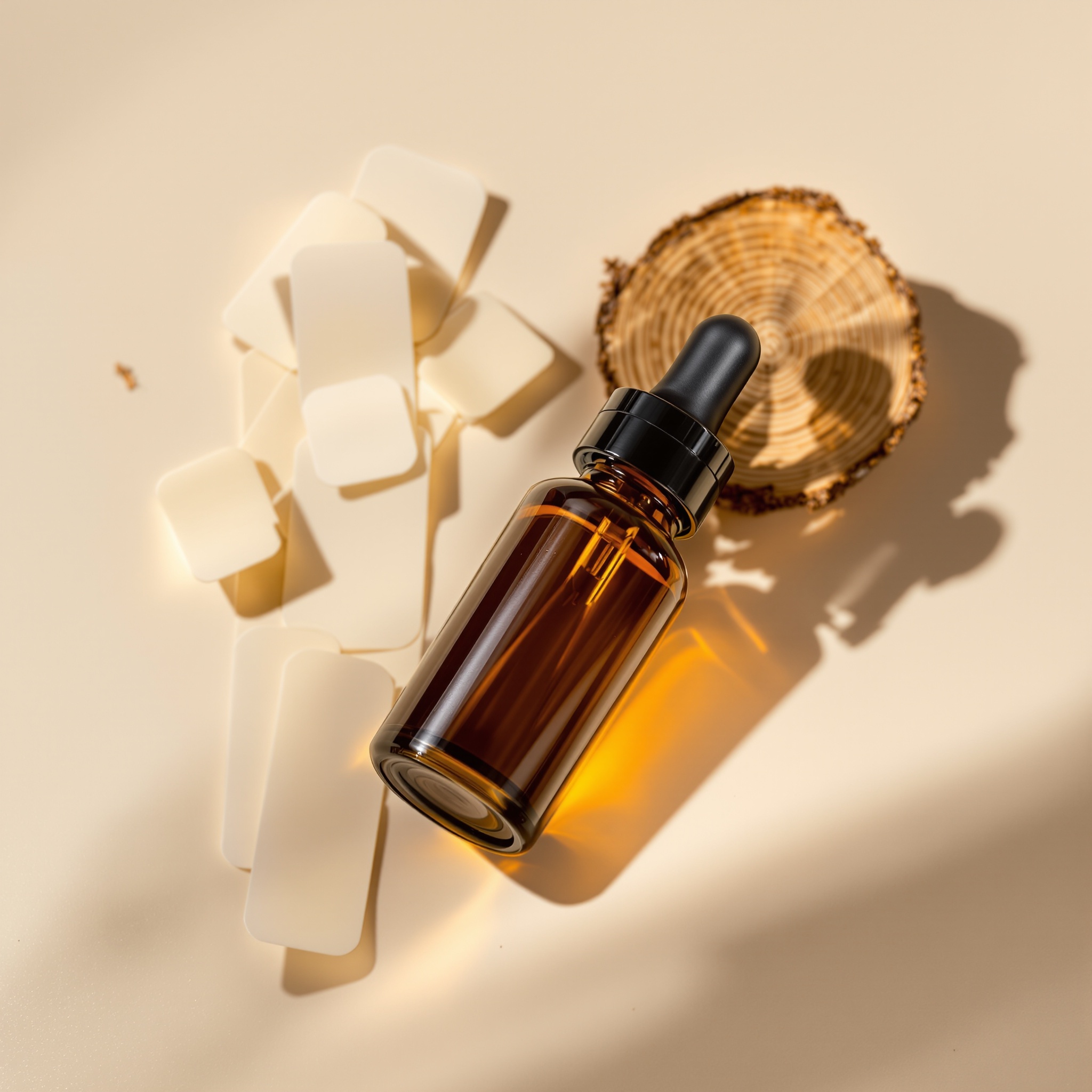
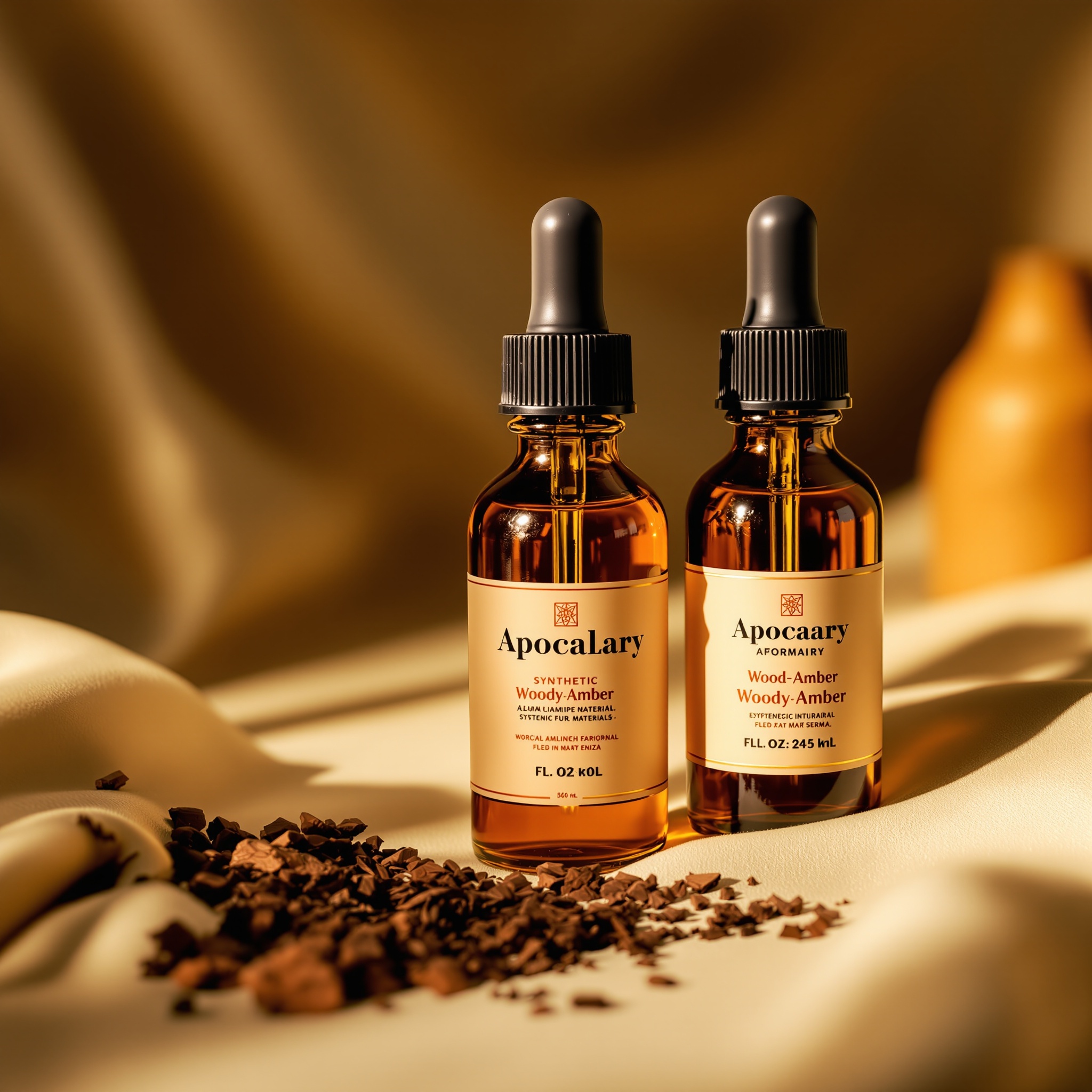
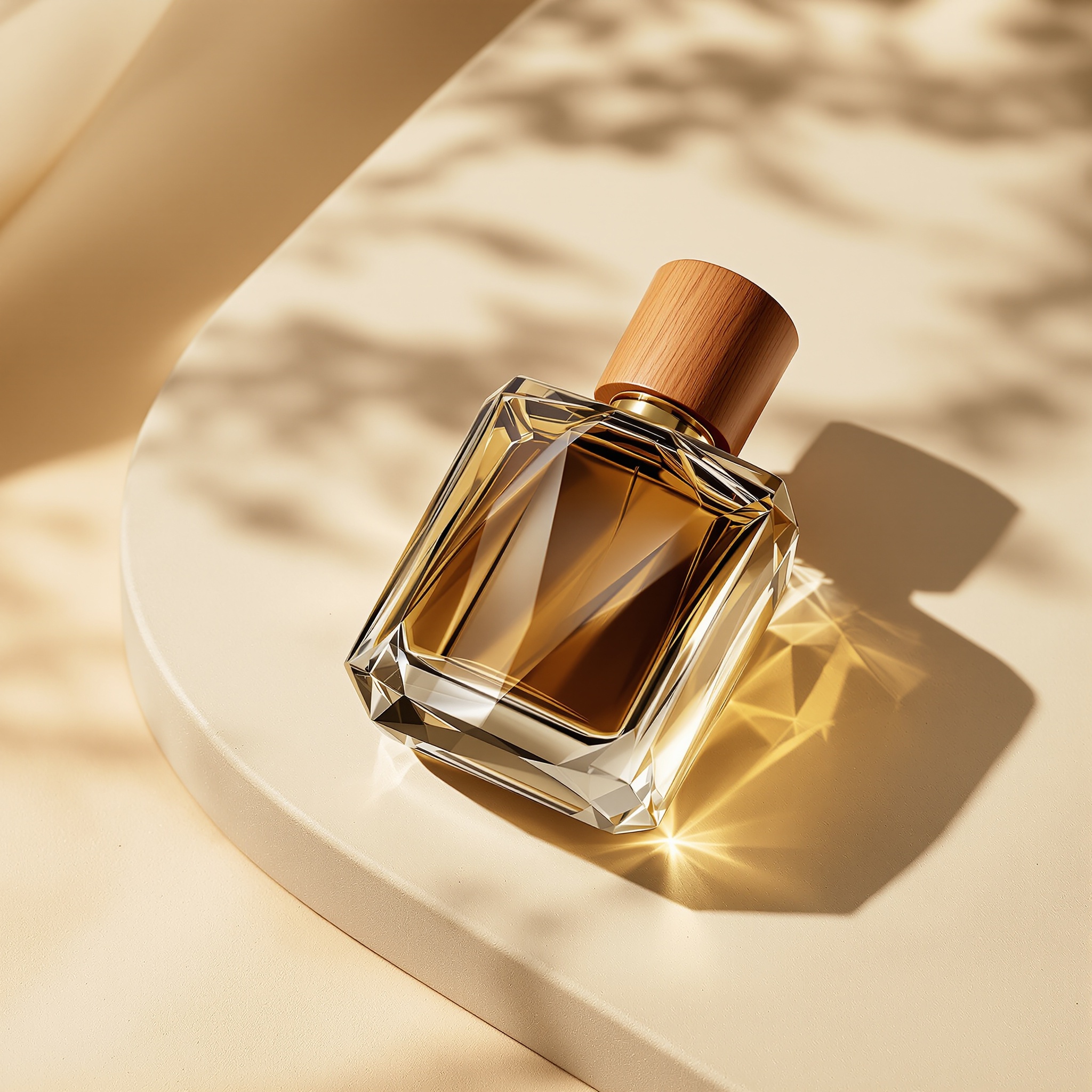
Synthetic Oud
The lab-built woody accord behind designer oud
What it is
An engineered accord standing in for real agarwood, built from a few aroma-chemicals and ready-made oud bases: woody-ambers like Norlimbanol and Sylvamber, musky-woody Cashmeran, dry Vertofix, a creamy sandalwood material such as Firsantol, plus captive oud bases. Ten or so molecules approximate what natural oud spreads across hundreds.
How it smells
Clean, dry and woody-smoky with a leathery medicinal edge from Norlimbanol and the captive oud bases. Linear and well-behaved, it reads instantly as oud yet stays polished and bloodless, missing the fermented barnyard funk, resinous sweetness and the living, shifting drydown of true distilled agarwood.
In perfumery
Nearly every mainstream and designer oud is this accord. Real agarwood oil costs more by weight than gold, supply is throttled by CITES protection of Aquilaria, and quality swings wildly. Synthetics deliver consistency, stability and scale at a fraction of the price, so houses overwhelmingly reach for them.
Good to know
Synthetic oud is not fake so much as a different material: skilled, useful and honest when labelled. The tell is its cleanliness. An oud that smells smooth, sweet, uniform and never animalic or rough is almost certainly an accord rather than a drop of distilled wood.
Vanilla
The warm sweet heart of comfort itself
What it is
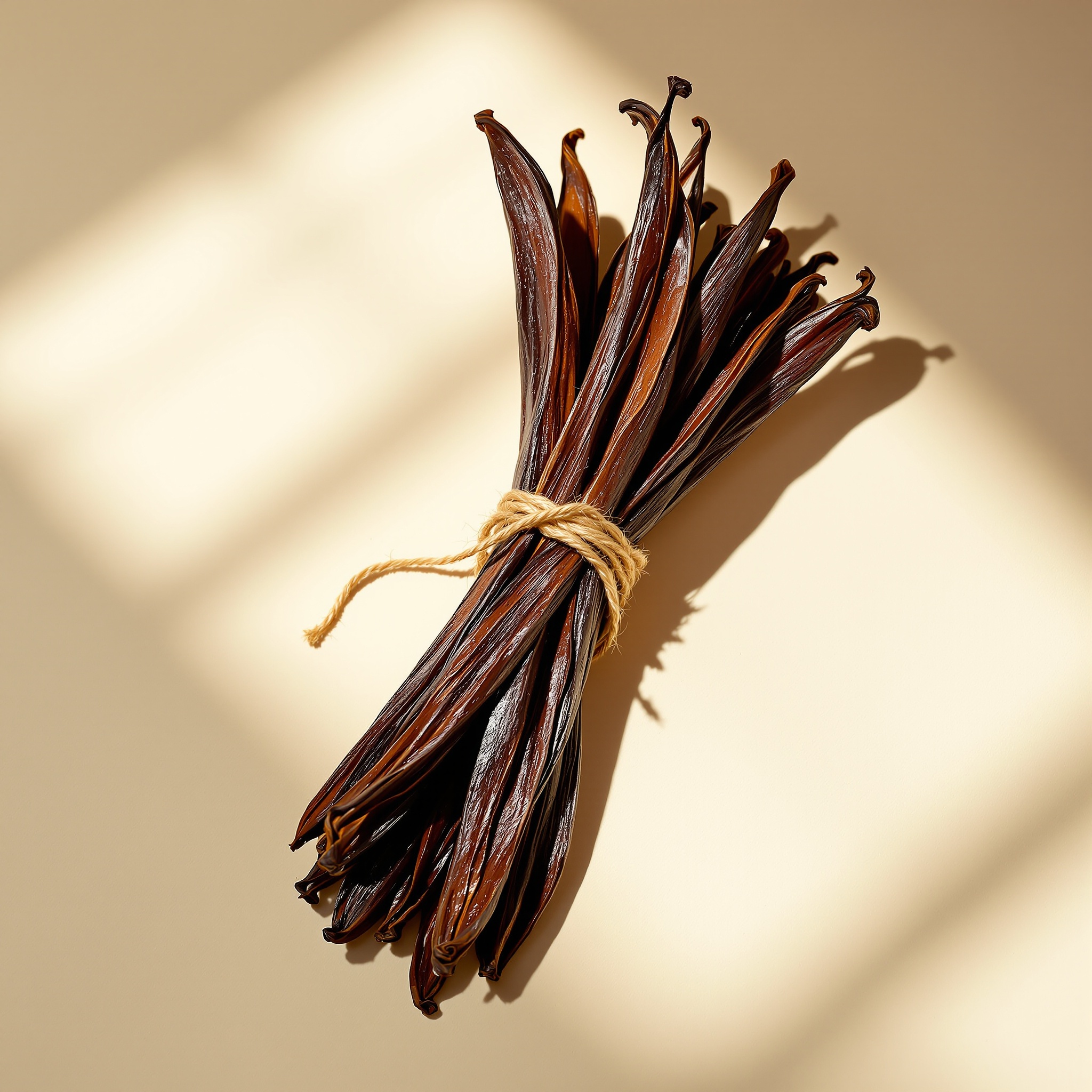
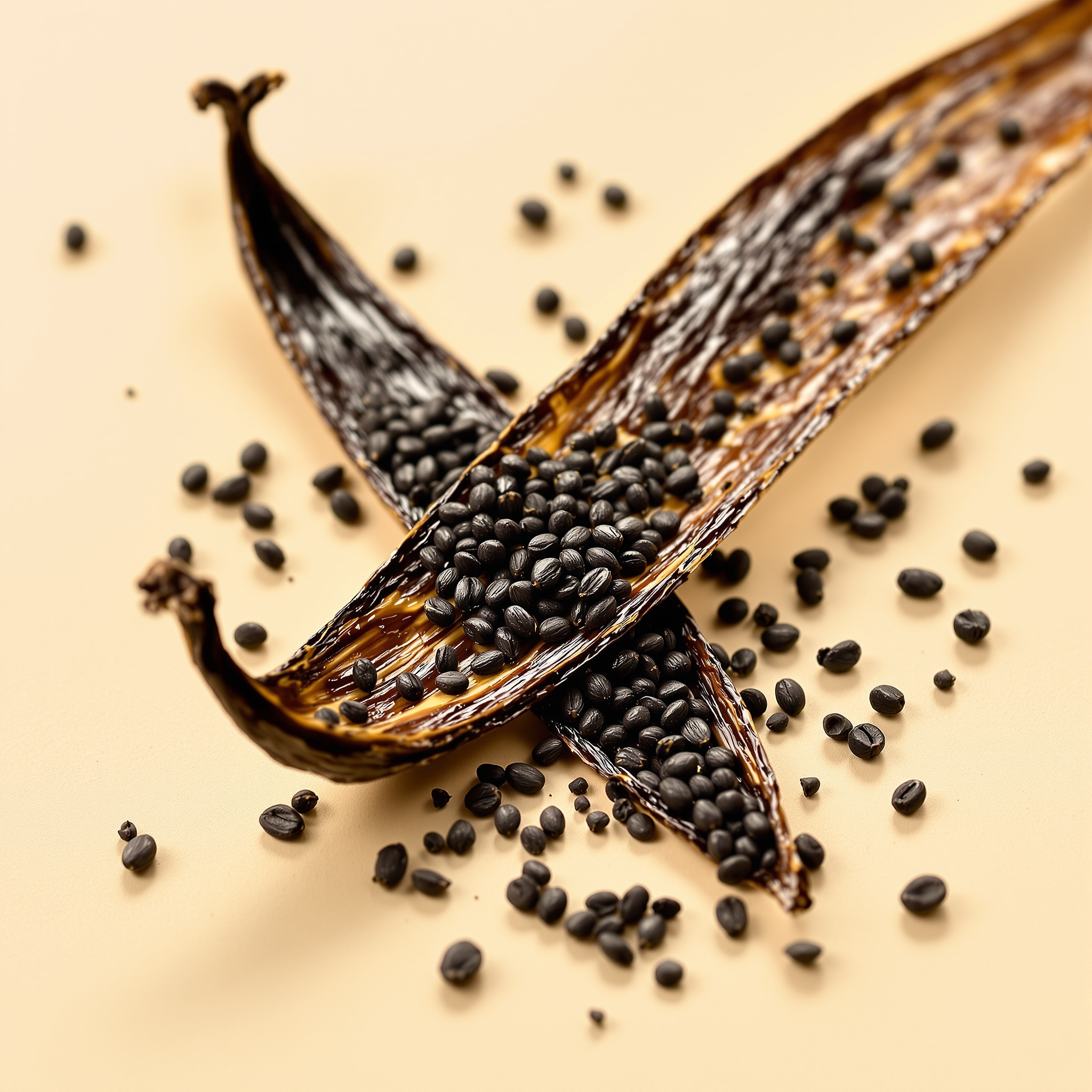
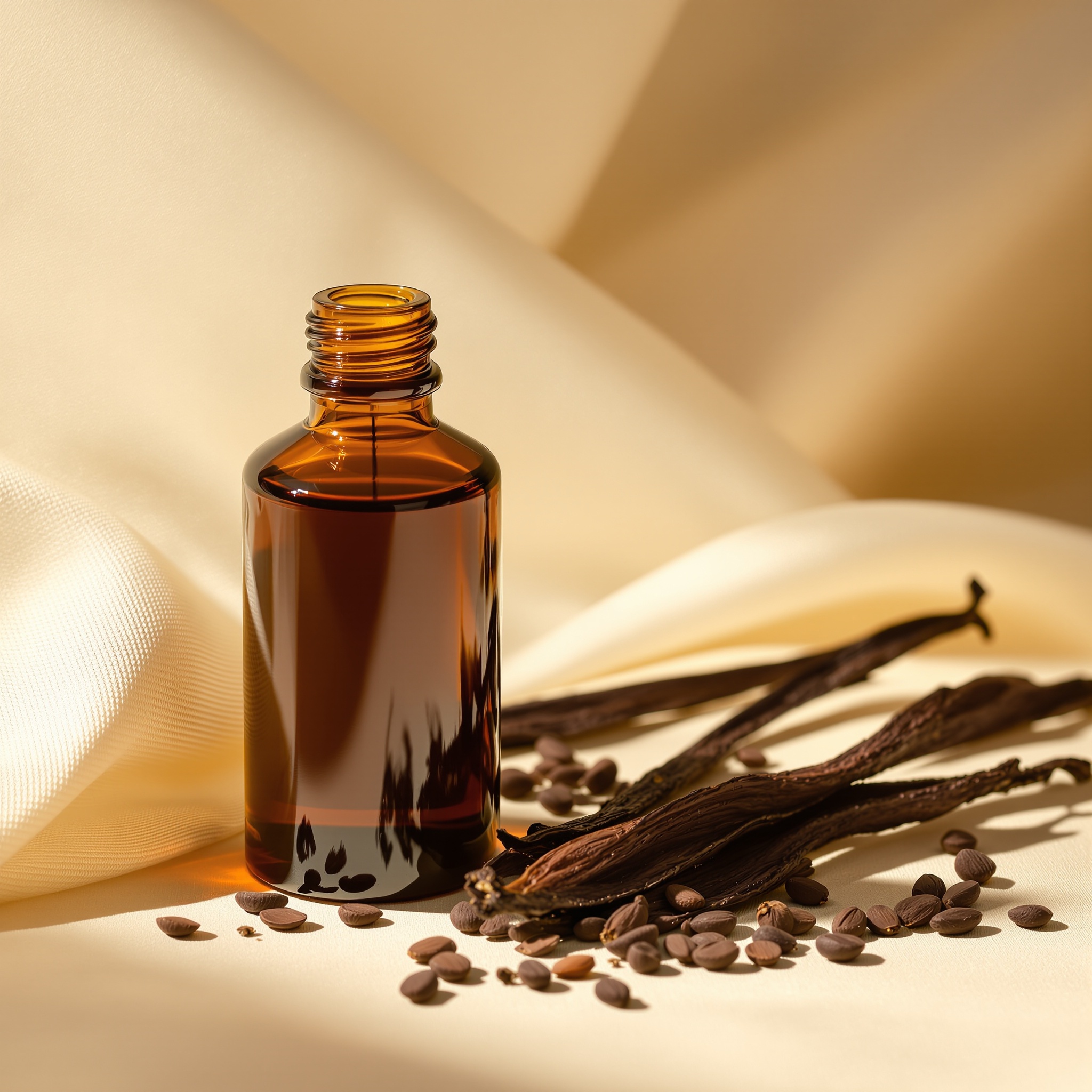
Vanilla comes from the cured seed pods of Vanilla planifolia, a climbing orchid native to Mexico now grown mainly in Madagascar, Réunion and Tahiti. Green pods are picked unripe, then blanched, sweated in the sun and slow-dried over months until they darken and develop their aroma and vanillin.
How it smells
Sweet, warm and creamy, with a balsamic depth recalling custard, caramel and dried fruit, a faint smoky tobacco-like edge sitting underneath. It opens soft and gourmand, then dries into a powdery resinous warmth that clings close to skin and reads richer than synthetic vanillin alone.
In perfumery
A base note prized for richness and lasting warmth, vanilla rounds sharp edges and anchors oriental and gourmand compositions. It pairs naturally with tonka, amber, sandalwood and spice. Many of the most enduring oriental and tobacco fragrances build their core around it.
Good to know
Vanilla ranks among the costliest spices because each orchid flower opens for one day and must be hand-pollinated, a technique devised in 1841 by Edmond Albius, a twelve-year-old enslaved boy on Réunion. Most commercial vanilla flavor now relies on synthetic vanillin.
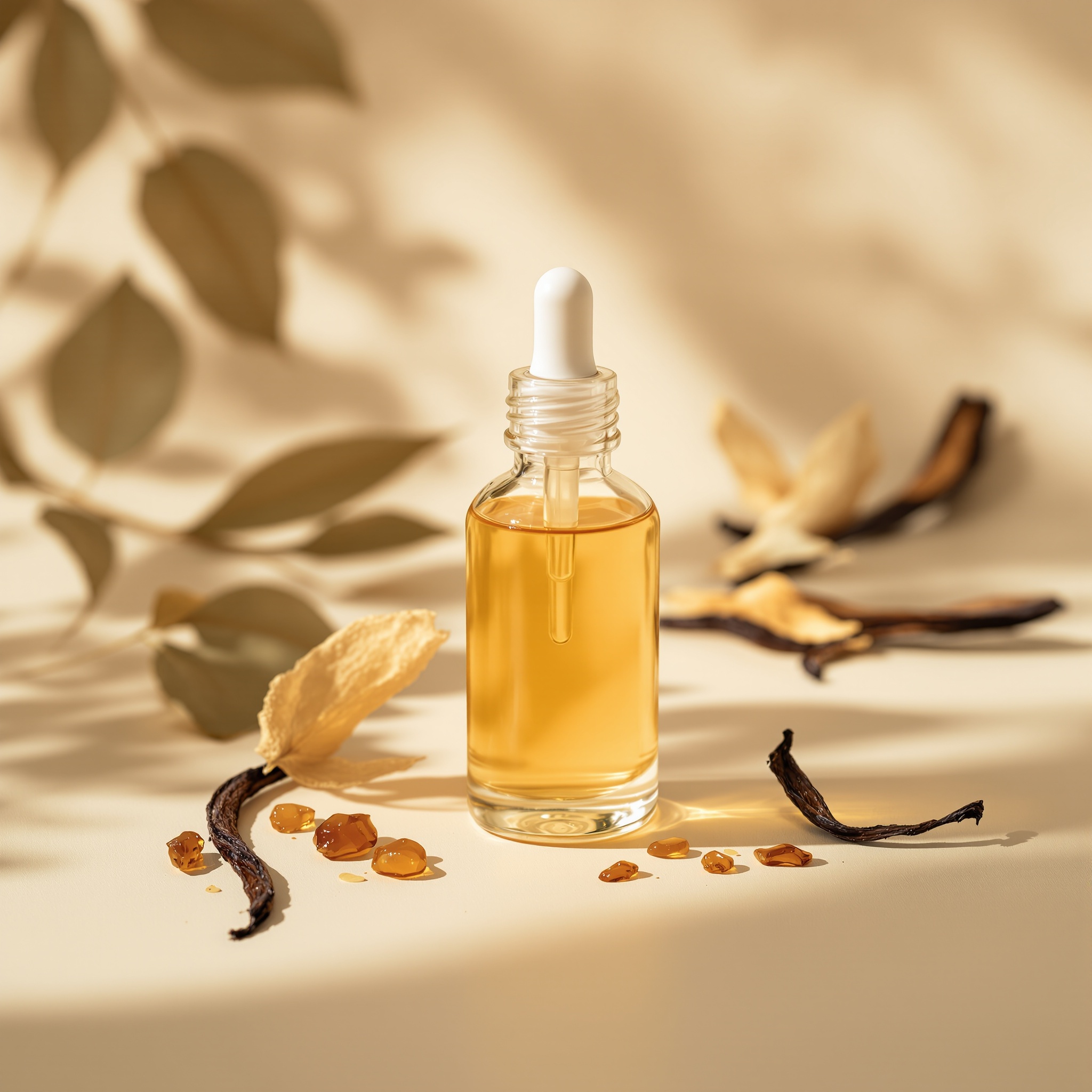
Amber
A warm resinous glow built, not harvested
What it is
Amber is not one ingredient but a perfumer's accord, most often blending labdanum (a sticky resin from the Mediterranean rockrose shrub Cistus ladanifer), benzoin and vanilla, sometimes with tonka or Peru balsam. Despite the name, it has no link to fossilized tree amber, which stays odorless on skin.
How it smells
Warm, soft and balsamic, a powdery sweetness sitting over dry resin. It opens honeyed and faintly animalic from labdanum, then settles into rounded golden warmth recalling beeswax, tobacco and worn leather, threaded with a quiet smoky, incense-like undertone that lingers close to the skin.
In perfumery
A base note prized for warmth, depth and long persistence, anchoring oriental and amber compositions. It pairs naturally with vanilla, patchouli, sandalwood and spices. The sweet vanilla-amber template is a perfumery classic, while drier, resin-forward and herbal readings show its other face.
Good to know
The word once meant ambergris, the waxy intestinal secretion of sperm whales, fueling centuries of confusion among three unrelated things: fossil tree amber, whale ambergris and the resin accord. Modern amber bases are wholly plant and synthetic, leaning on molecules like Ambroxan rather than any animal source.
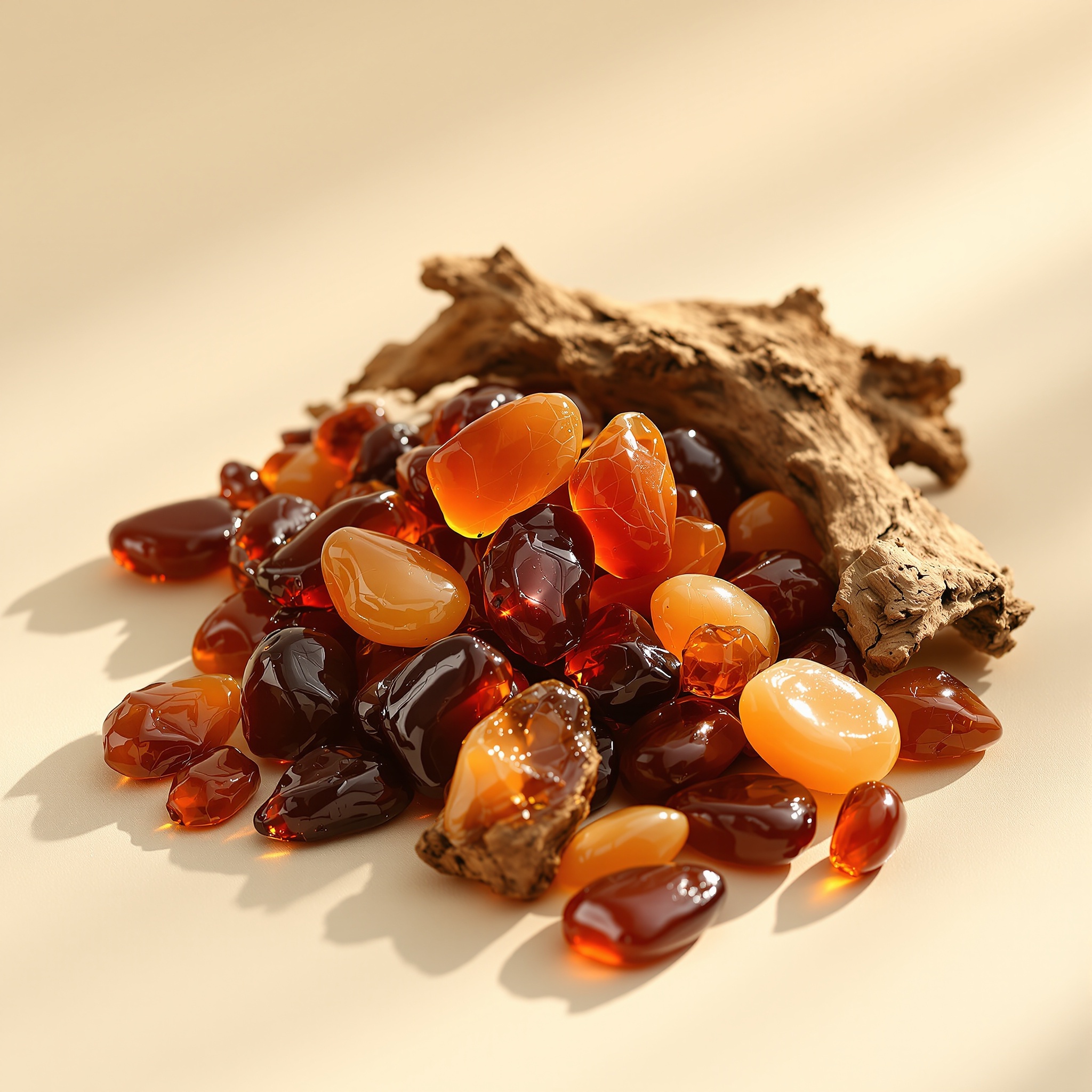
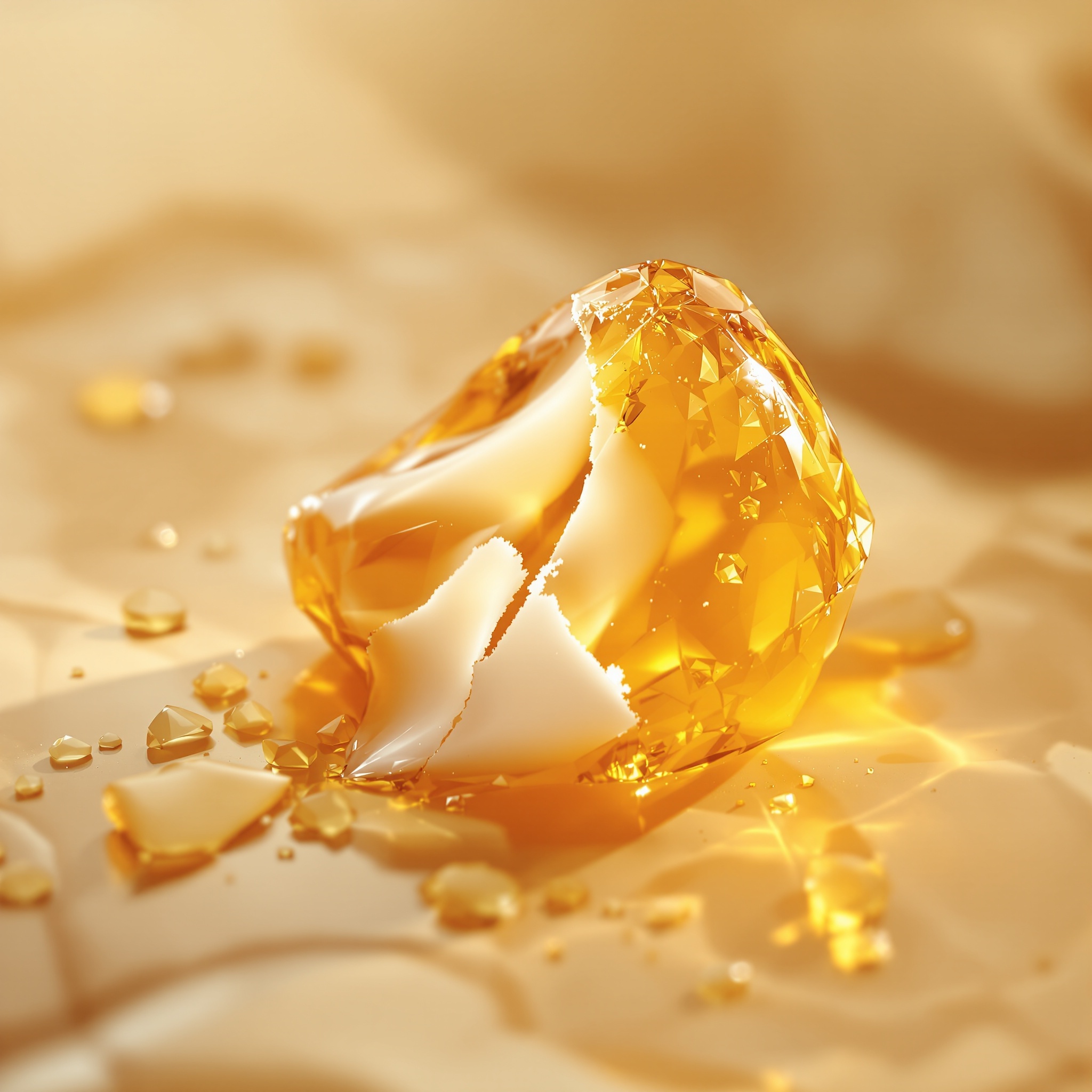
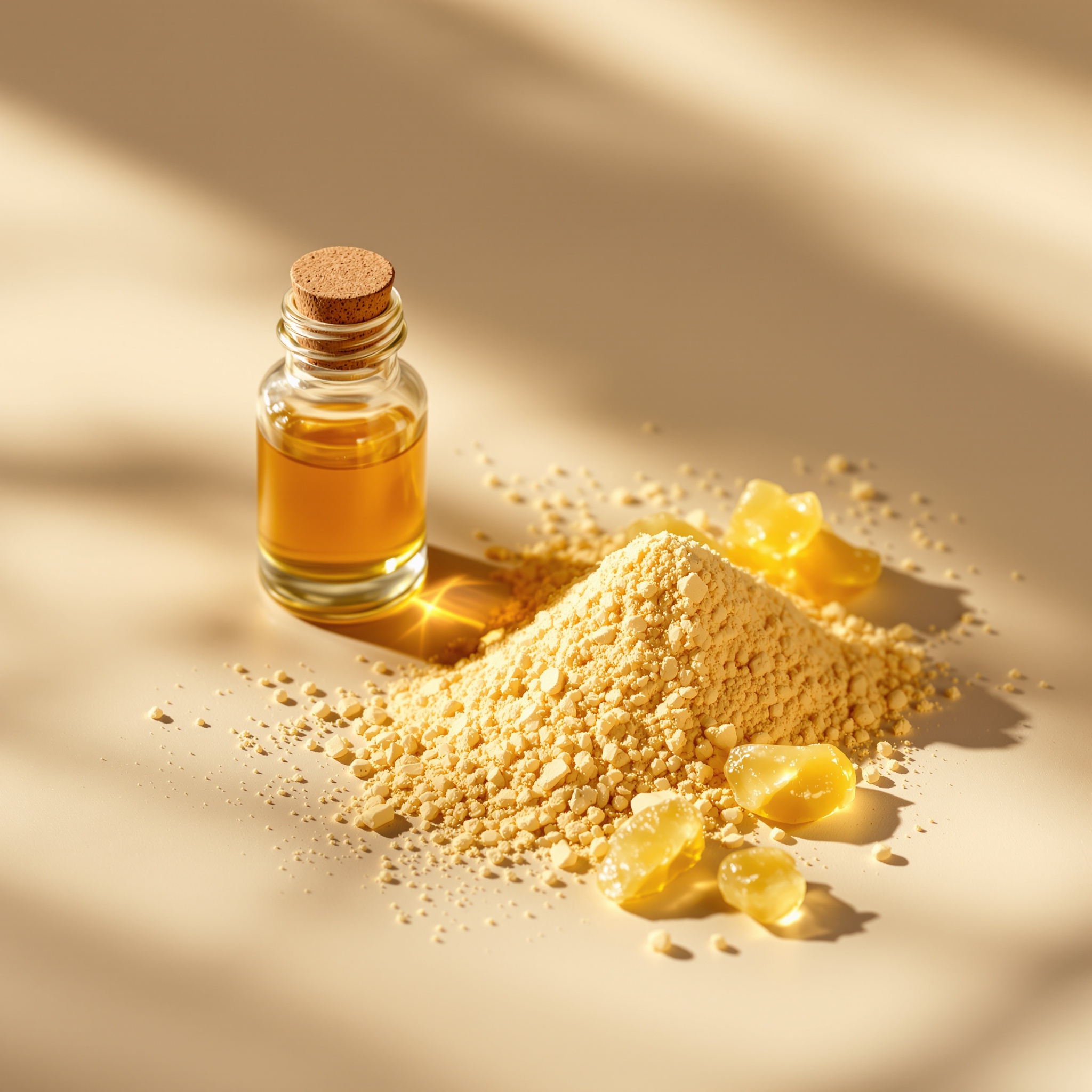
Benzoin
Warm vanilla balsam wept from a tapped tree
What it is
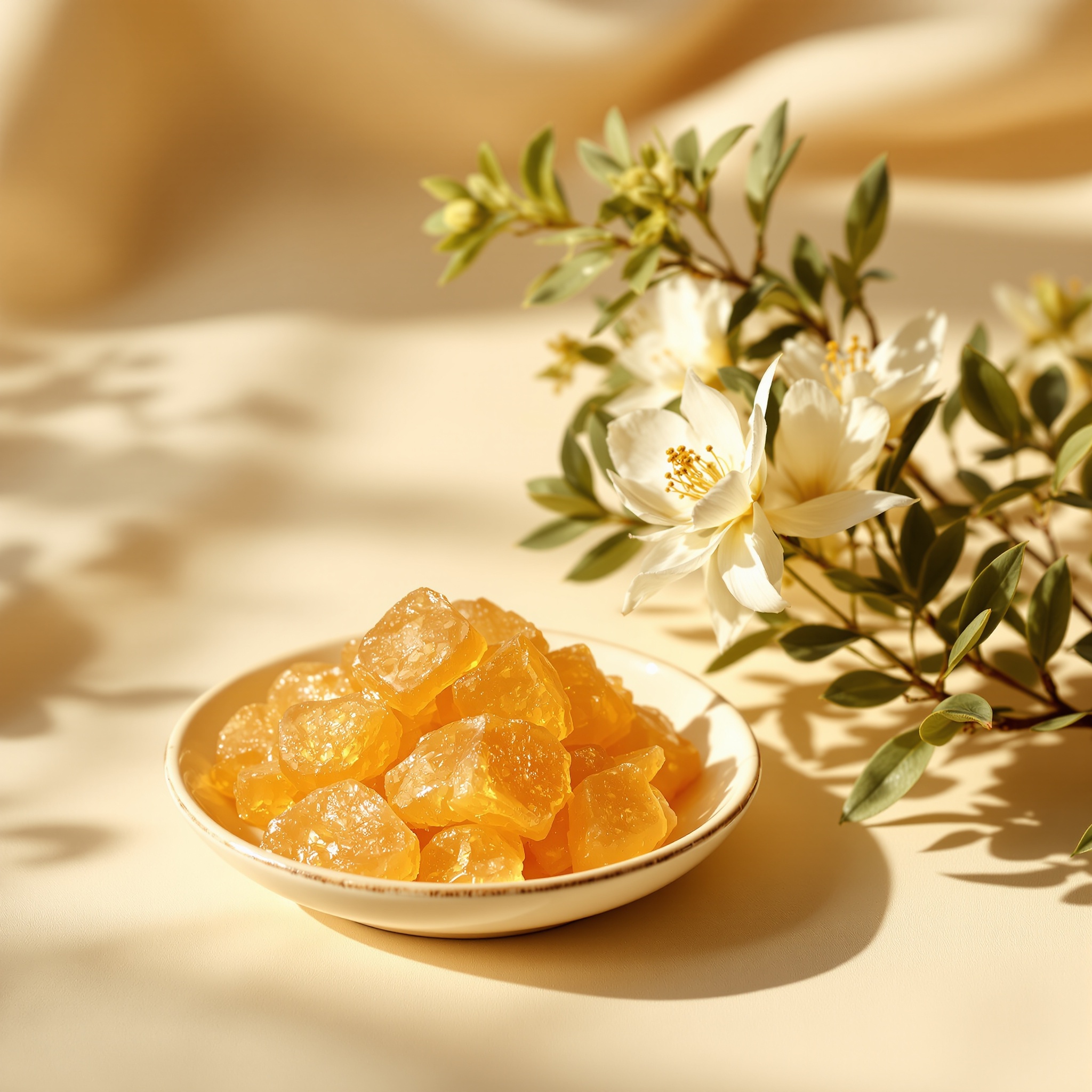
Benzoin is a balsamic resin from Styrax trees of Southeast Asia. Siam benzoin comes from Styrax tonkinensis (Laos, Vietnam), Sumatra benzoin from Styrax benzoin (Indonesia). Incisions in the bark make the tree exude a gum that hardens over months into reddish tears, processed into resinoid and absolute.
How it smells
Sweet, warm and balsamic with a pronounced vanilla character and powdery, ambery, faintly cinnamic facets. Siam is rounder and more vanillic; Sumatra is smokier with a cinnamon-styrax edge. It opens soft and creamy, then dries into a cozy, resinous, almost caramelized sweetness.
In perfumery
A warm base note and gentle fixative lending sweetness, body and a vanillic glow to amber accords. It blends with labdanum, vanilla, tonka and incense, smoothing orientals and gourmands. Benzoin is a defining warmth in golden-age oriental classics and countless amber compositions.
Good to know
Benzoin gave its name to benzoic acid and, through it, to the chemical term benzene. The word itself traces to the Arabic luban jawi, "frankincense of Java." The resin never flows on its own; every tear is the tree healing an incision deliberately cut into its bark.
Caramel
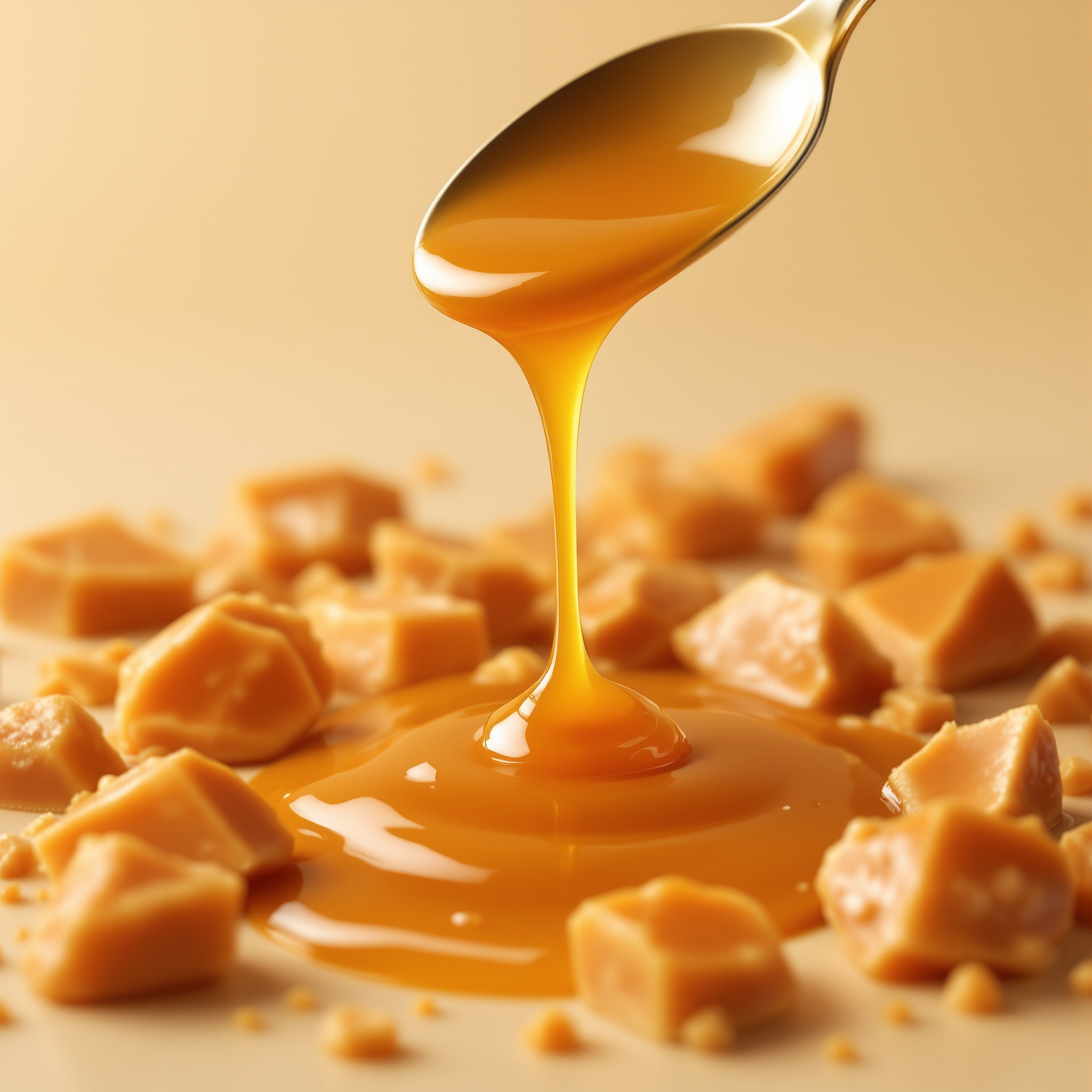
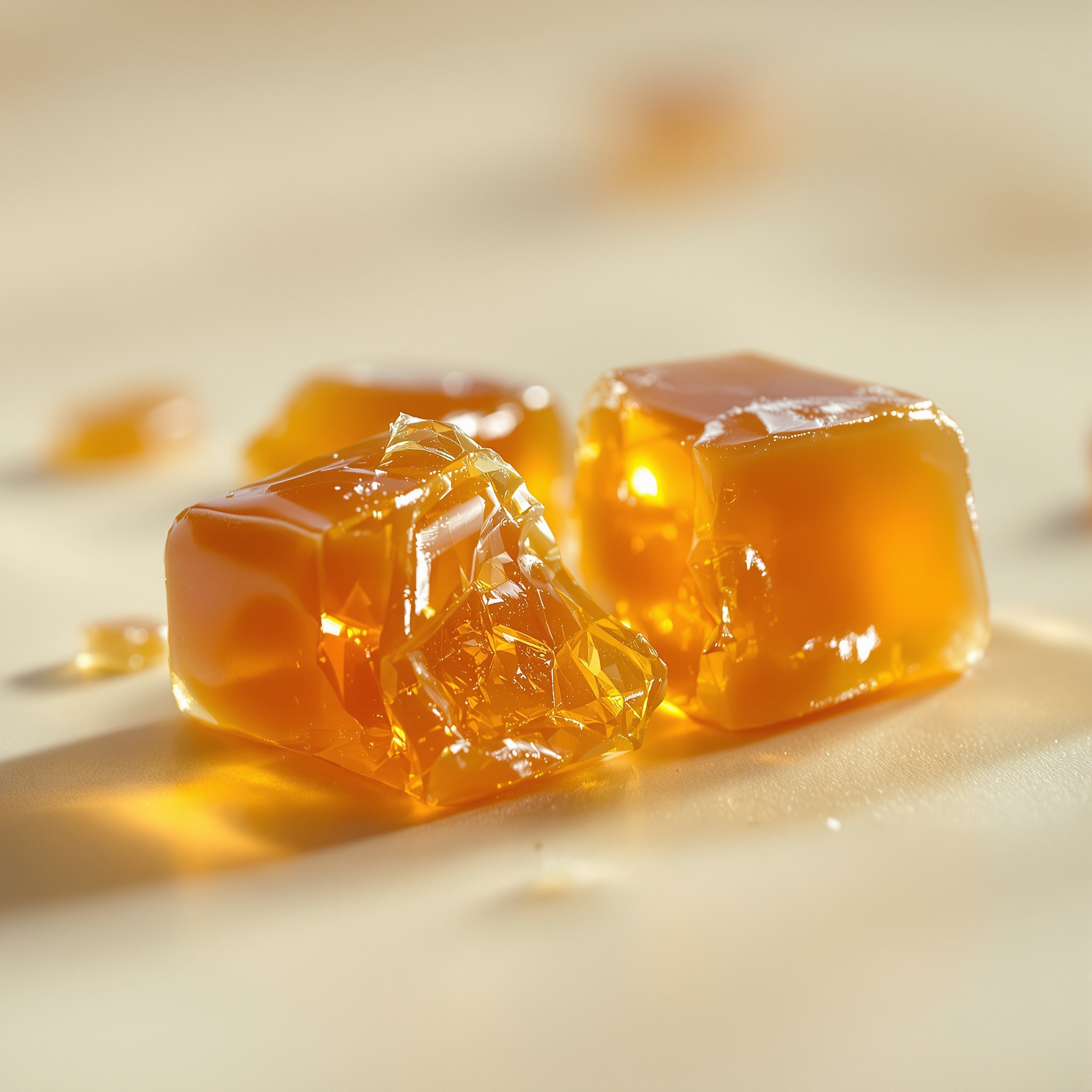
Sugar burnt golden and turned to butter
What it is
A gourmand accord recreating the scent of cooked sugar. In food, caramel forms when sugar is heated past its melting point and browns; in perfume it is reconstructed from aroma-chemicals, notably ethyl maltol and furanones, which carry the burnt-sugar, cotton-candy smell, often rounded with vanilla and milky lactones.
How it smells
Warm, sweet and buttery, like molten toffee, dulce de leche and candyfloss. It opens with a toasted, slightly nutty caramelized edge, then settles into a creamy, almost milky sweetness. Concentrated, it reads sticky and dense; in trace amounts it simply rounds and warms a blend.
In perfumery
A heart-to-base note central to modern gourmands, supplying cozy edible warmth and body. It pairs with vanilla, tonka, coffee, praline and patchouli. Landmark mass-market gourmands built their fame partly on caramel and ethyl maltol's cotton-candy effect, layering it over benzoin and musk.
Good to know
The modern gourmand category was sparked in the early 1990s, and ethyl maltol, the molecule behind much perfume caramel, smells so intensely of candyfloss that perfumers dose it sparingly. Overdone, a fragrance tips from appetizing into a syrupy fairground sweetness that quickly turns cloying.

Cedar
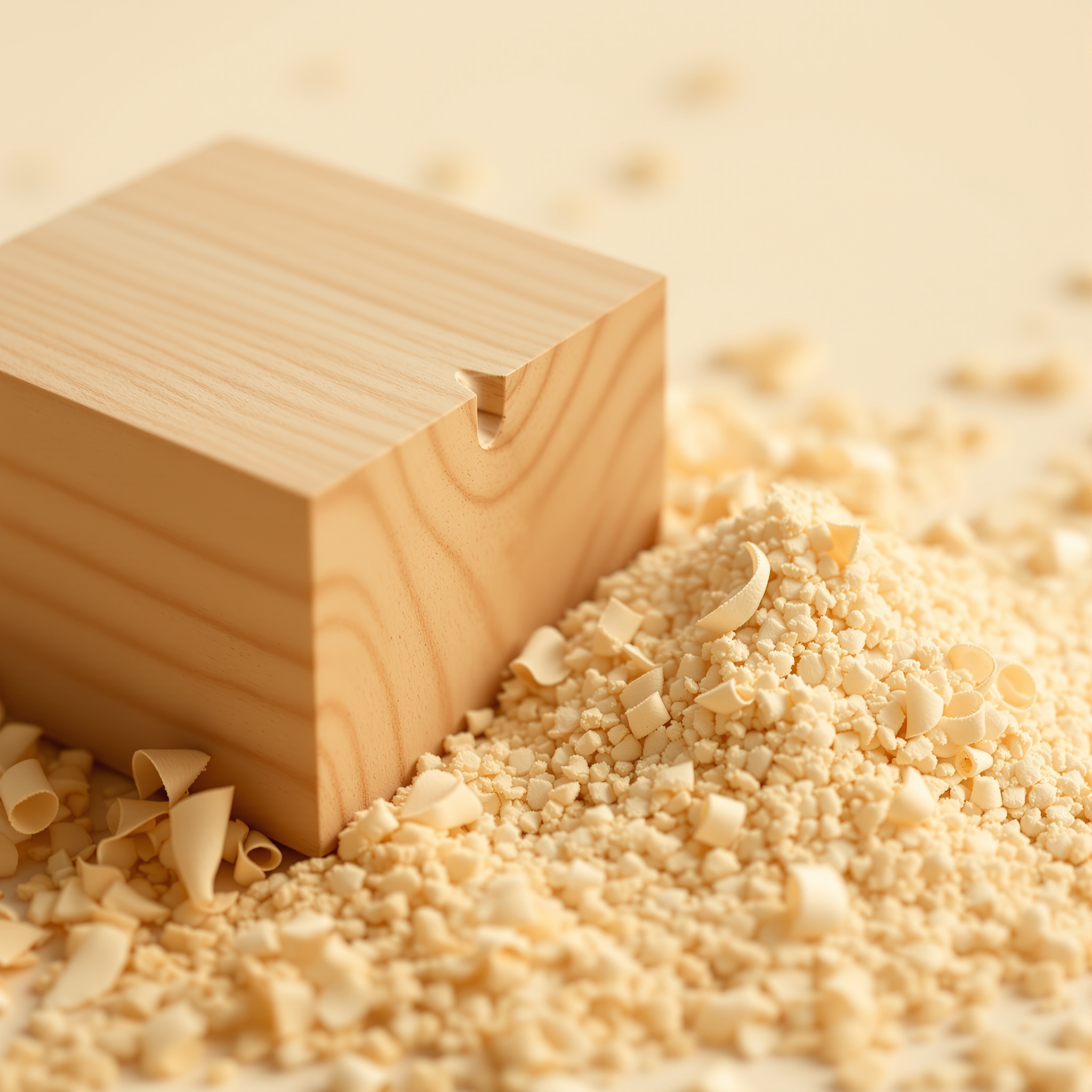
Dry sharpened pencils and sun-warmed timber
What it is
Cedar in perfumery comes mainly from the heartwood of Atlas cedar (Cedrus atlantica) and, more commonly, the aromatically similar Virginia and Texas "cedars" of the Juniperus genus. Wood chips and sawmill shavings are steam-distilled into an oil rich in cedrol and cedrene, the molecules carrying the scent.
How it smells
Dry, woody and resinous, recalling freshly sharpened pencils and cedar-lined closets. Atlas cedar leans warm, smoky and balsamic; Virginia cedar reads sharper and cleaner. It opens crisp and pencil-like, then settles into a soft, sawdust-warm, faintly sweet timber that holds for hours.
In perfumery
A workhorse heart and base note prized for its smooth woody backbone and fixative power. It anchors chypres, fougeres and modern woods, pairing with vetiver, rose, citrus and amber. Cedar lends a signature plummy-woody core to spiced floral-woods and threads through countless unisex woods.
Good to know
Most perfumery "cedar" is not botanical cedar at all but juniper; true Cedrus and the unrelated Juniperus share a name through scent, not lineage. Cedarwood oil was burned in ancient Egyptian embalming and used to scent tombs, coffins and ships' timbers.
Fragrance Character
The first hour is a statement: dense rose layered with violet and a bruised-fruit sweetness from the strawberry that reads richer than it does bright. As the Turkish rose settles into the heart, the oud rises to meet it, dry and slightly medicinal against the floral softness. By drydown, cedar and amber sharpen the base while the vanilla and benzoin melt it back into the skin, leaving a resinous, powdery warmth that sits close but never entirely disappears.
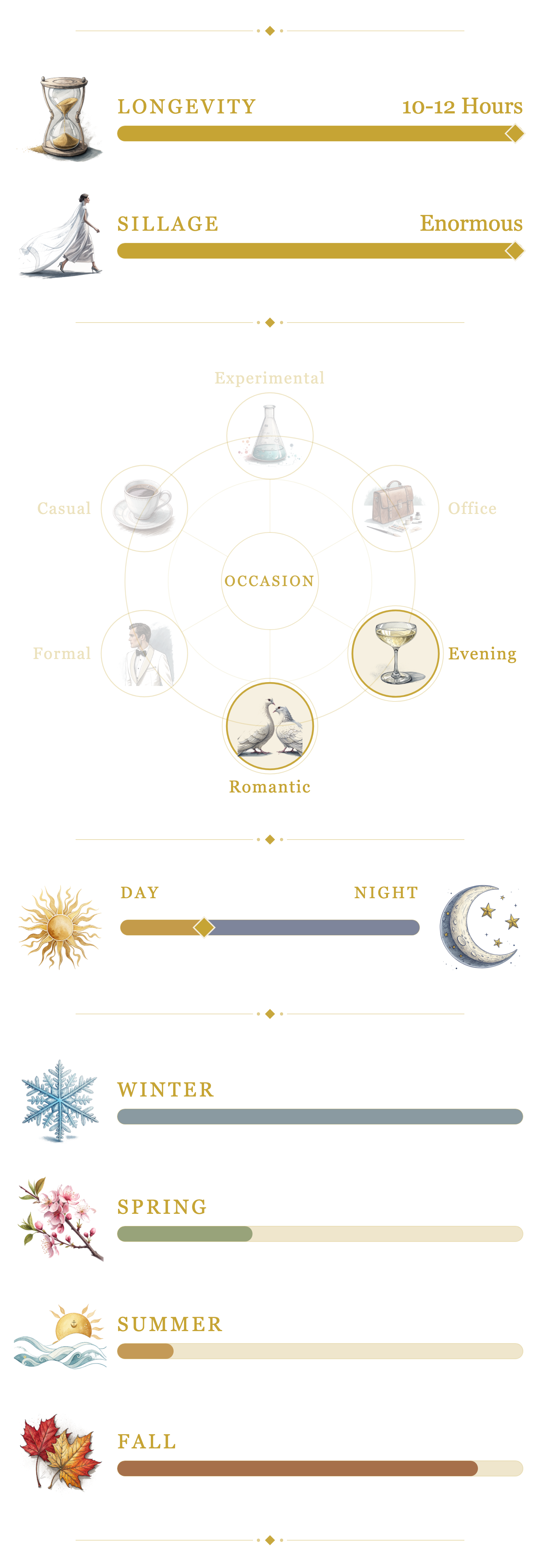
Best Worn
This belongs to winter and late-autumn evenings out, its dense rose and dark oud worn close through low-lit, intimate hours where the scent lingers long after you have left.
Why the Oud Satin Mood Decant
Its opening hour is polarising enough, and its sillage considerable enough, that wearing it once on skin is the only way to know whether this much sweetness over this much oud is your register.
Official Notes
Bulgarian Rose · Violet · Strawberry · Turkish Rose · Agarwood (Oud) · Vanilla · Amber · Benzoin · Caramel · Cedar
Explore more: Ultra-Niche Perfume Decants · All Fragrance Decants
Choose options
The Vibe
Select your decant size

You are selecting a decant size, not the full bottle