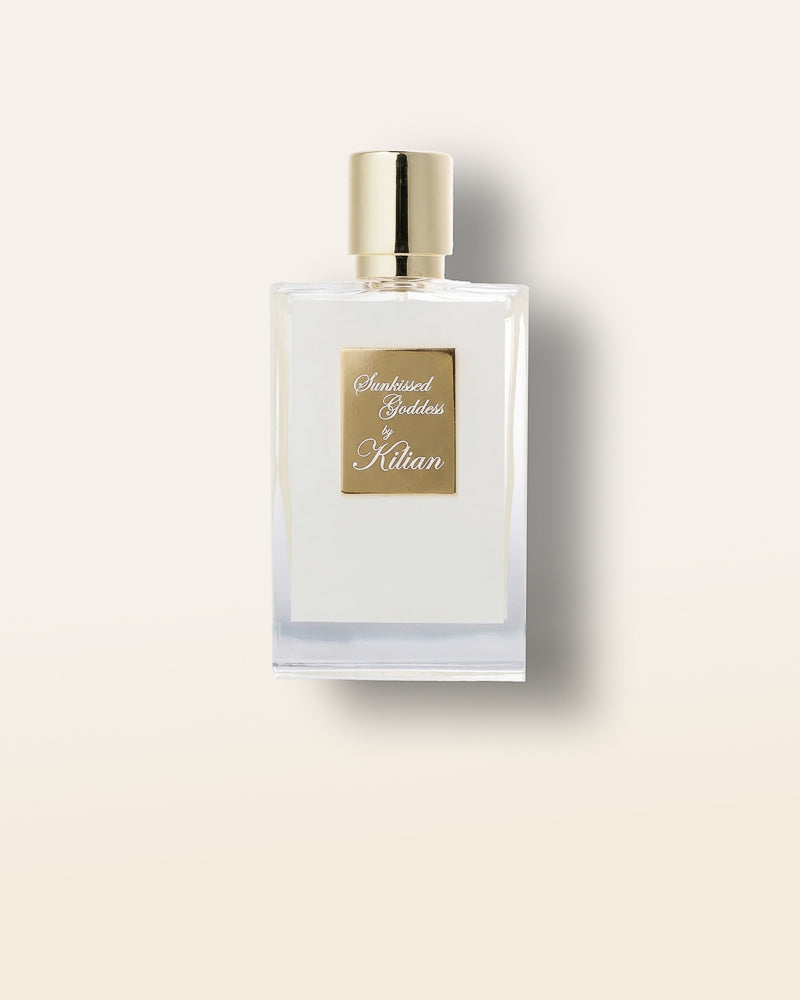
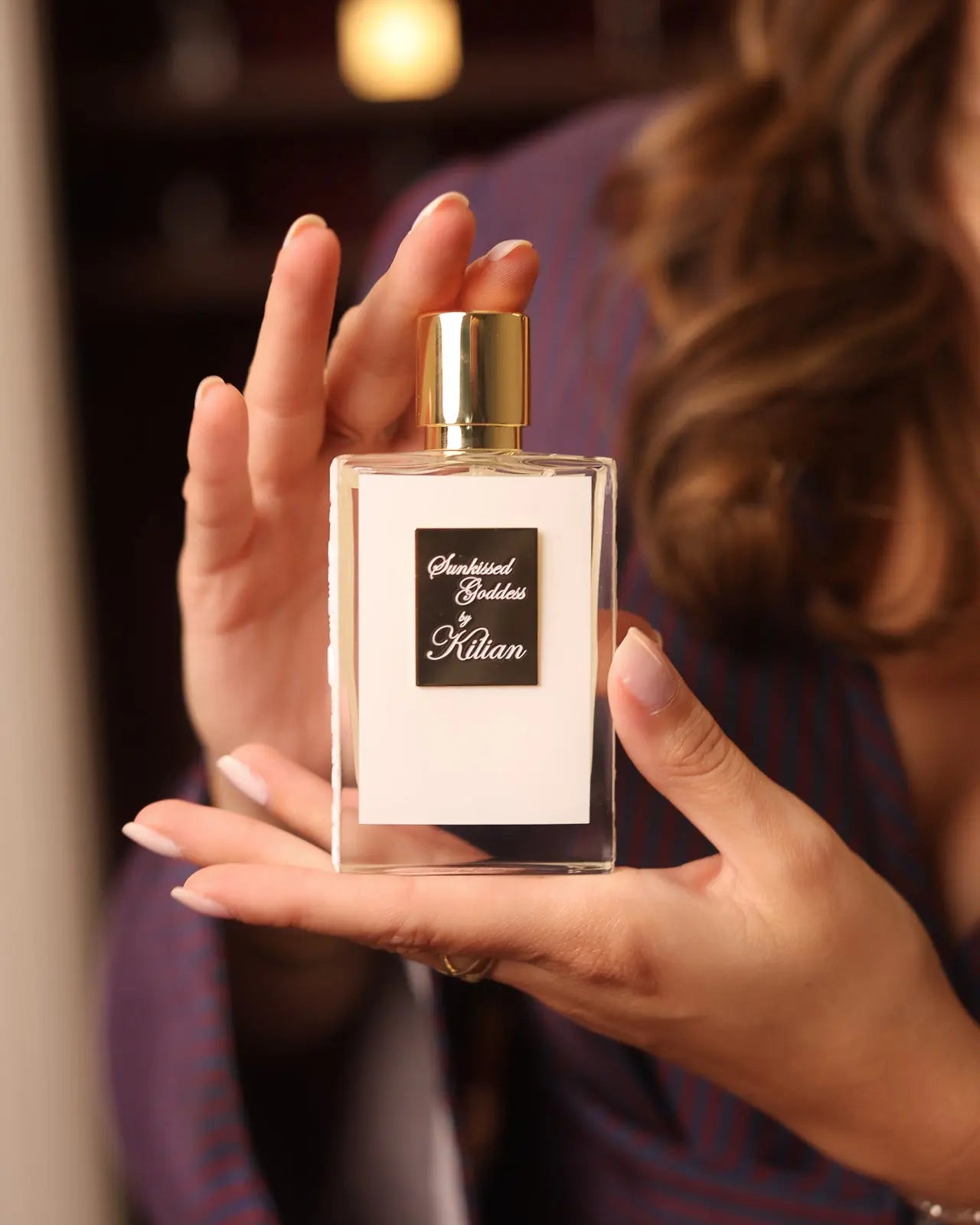

Kilian Paris - Sunkissed Goddess
Neroli and bergamot break open in a clean coastal brightness, then immediately surrender to a dense, almost carnal white floral accord, tiare and tuberose saturated with ylang-ylang, anchored by coconut, heliotrope, and a slow-burning labdanum that keeps the whole thing from drifting into sunscreen territory.
The Nose
Composed by Calice Becker for Kilian Paris, also behind Dior J'adore, By Kilian Beyond Love and By Kilian Back to Black.
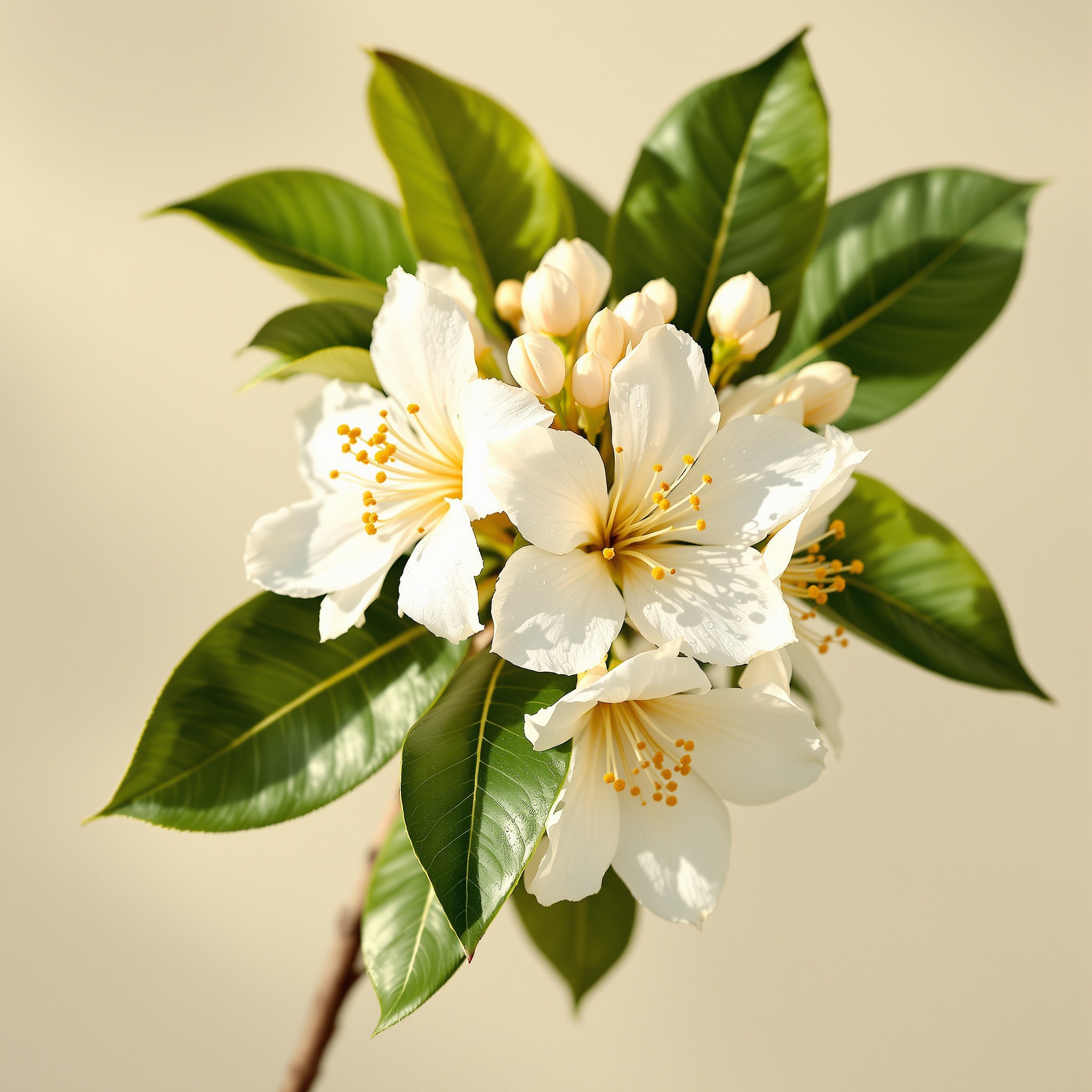
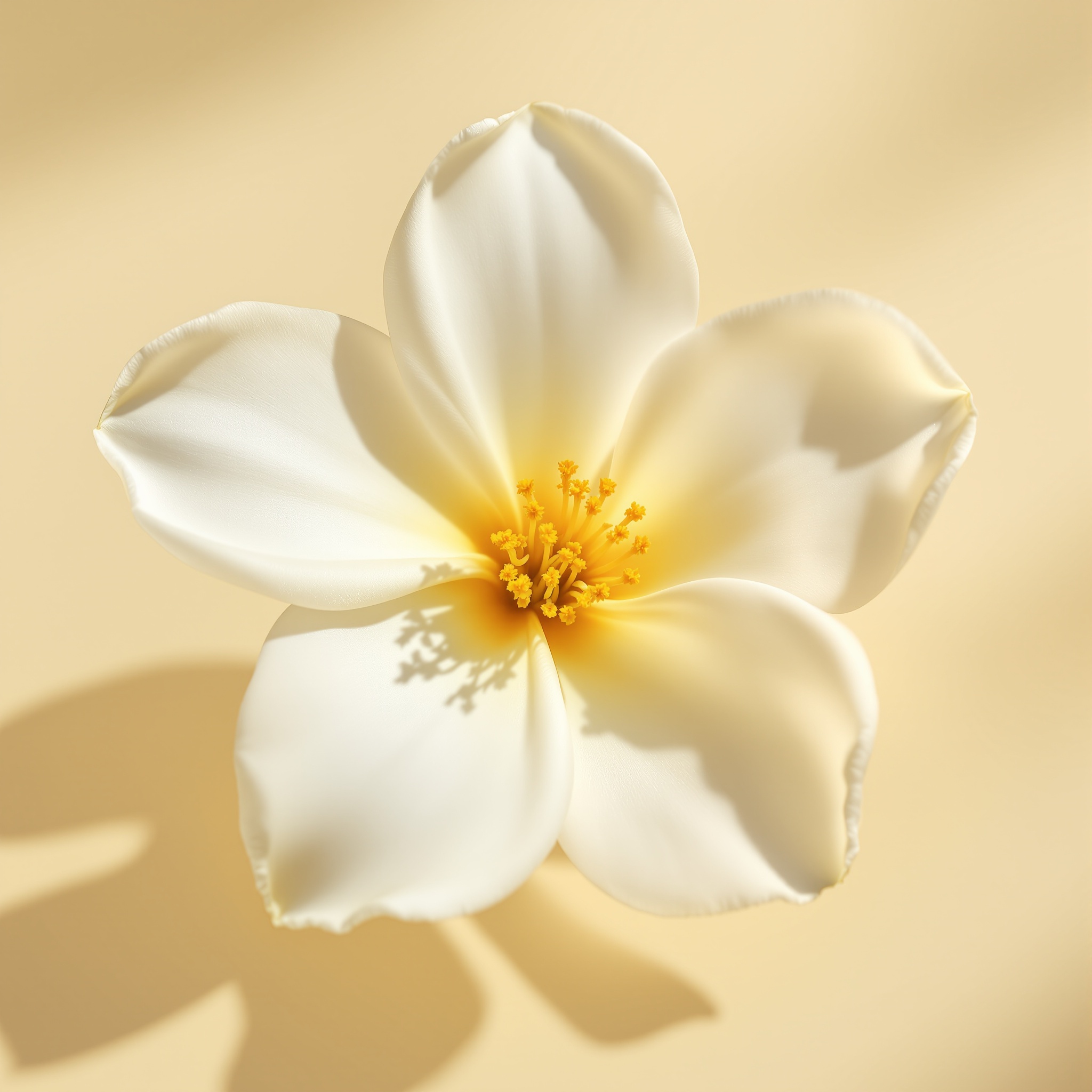
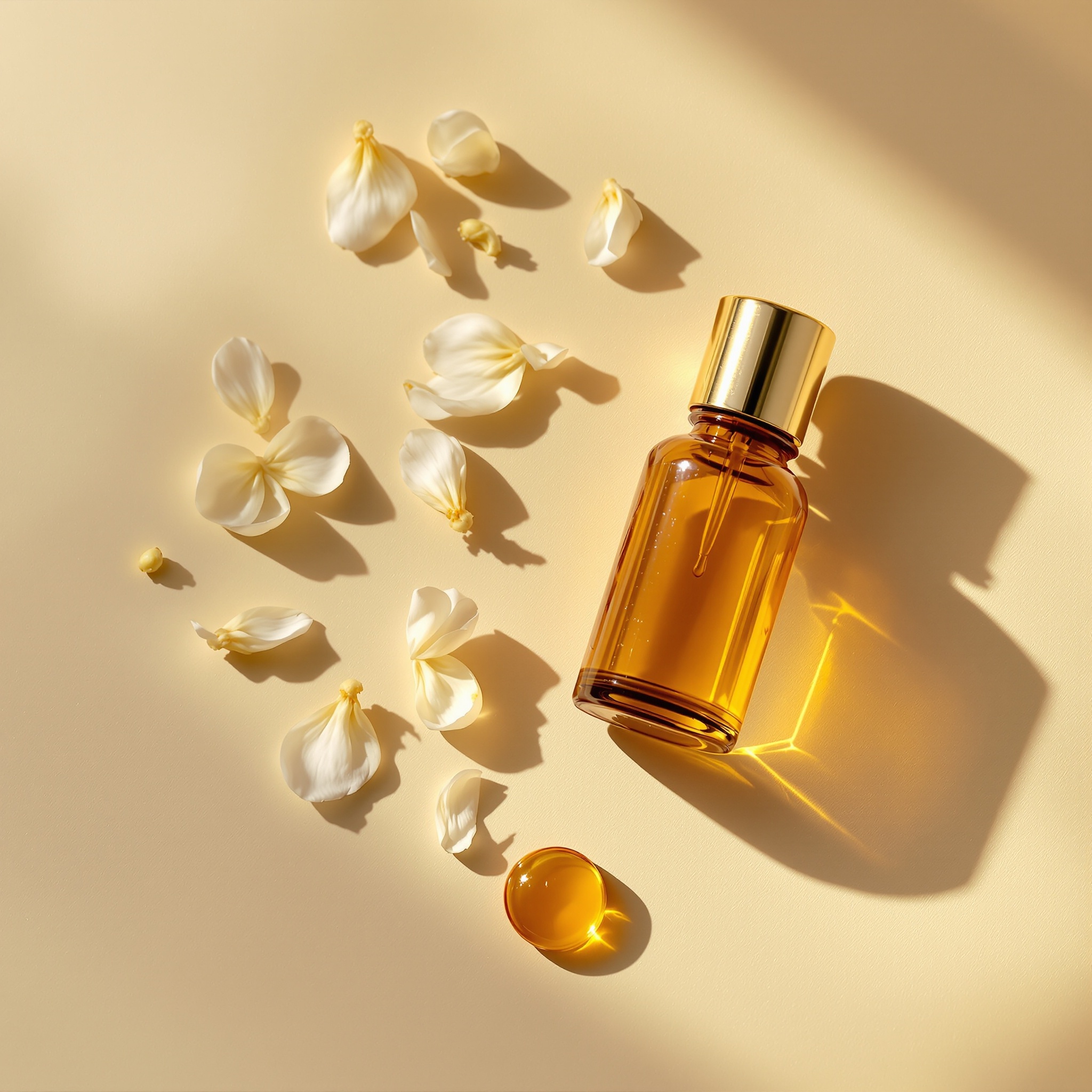
Neroli
Bittersweet orange blossom distilled into white light
What it is
Neroli is the steam-distilled essential oil of the fresh white flowers of the bitter orange tree, Citrus aurantium subspecies amara, also called bigarade or Seville orange. Blossoms are hand-picked at dawn and distilled the same day. Tunisia, Morocco and Egypt are the major sources.
How it smells
Bright, clean and floral with a green, faintly bitter edge and a honeyed metallic shimmer often likened to freshly ironed linen. It opens crisp and citrus-cool, then settles into soft, waxy petal warmth, far fresher and lighter than the heady orange blossom absolute from the same tree.
In perfumery
A top-to-heart note prized for lift and radiance in colognes and florals. It pairs with bergamot, petitgrain, jasmine and musk, and anchors the classic eau de cologne structure. It shines in bright neroli-forward colognes and sun-drenched citrus-floral compositions.
Good to know
The name traces to Anne Marie Orsini, seventeenth-century princess of Nerola near Rome, who scented her gloves and bathwater with the oil and made it fashionable across Europe. Distilling one kilo of neroli takes roughly a tonne of hand-picked blossoms, keeping it among perfumery's costlier naturals.
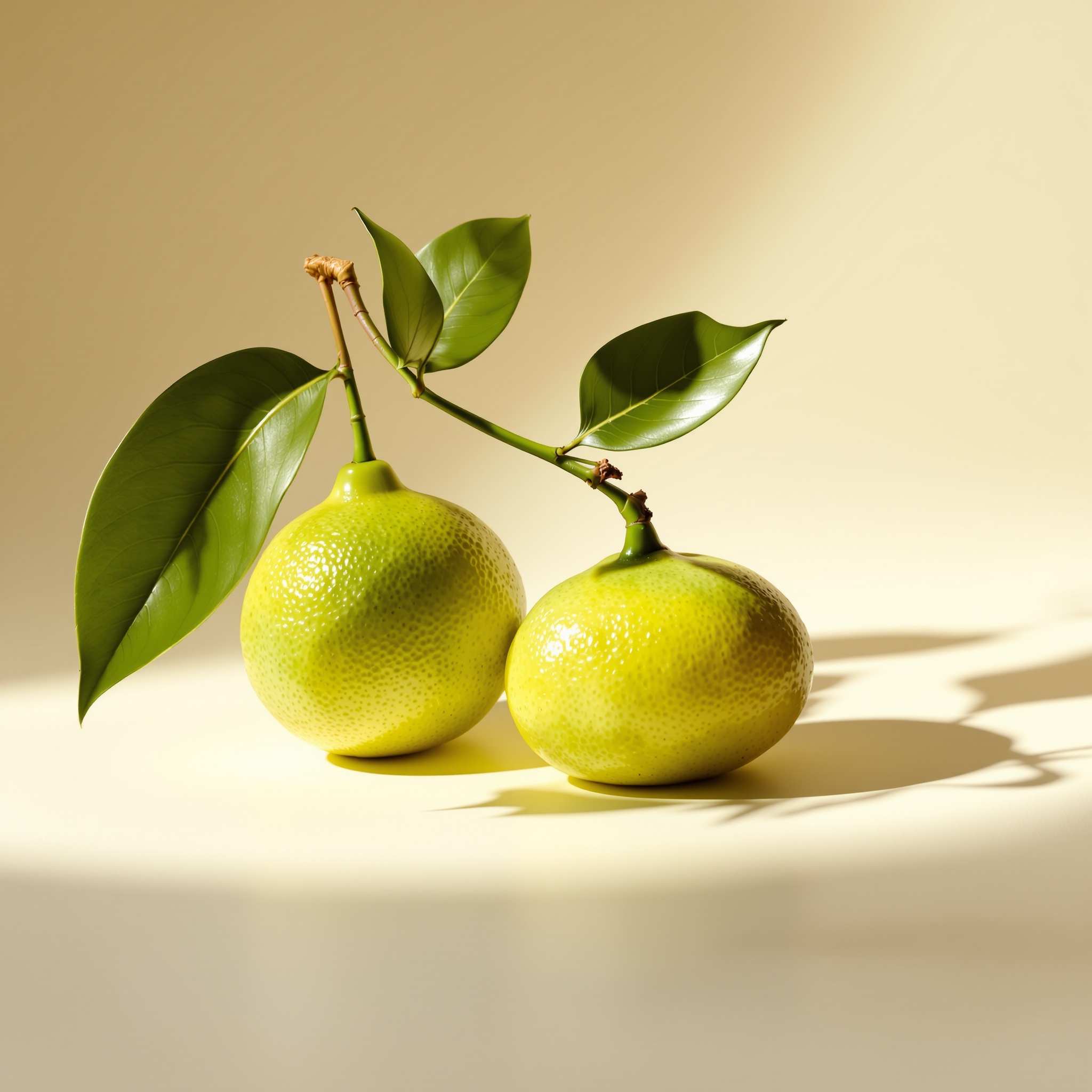
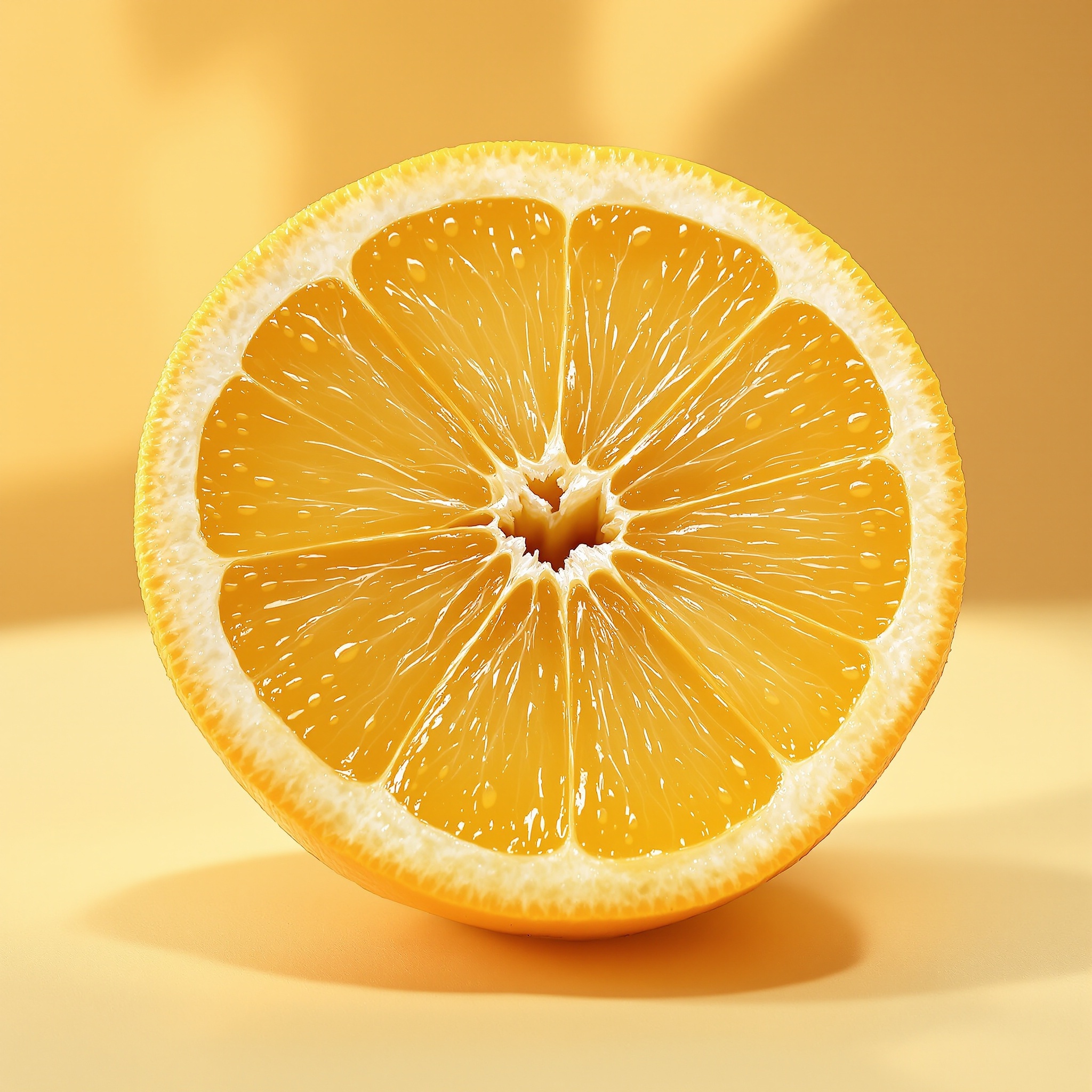
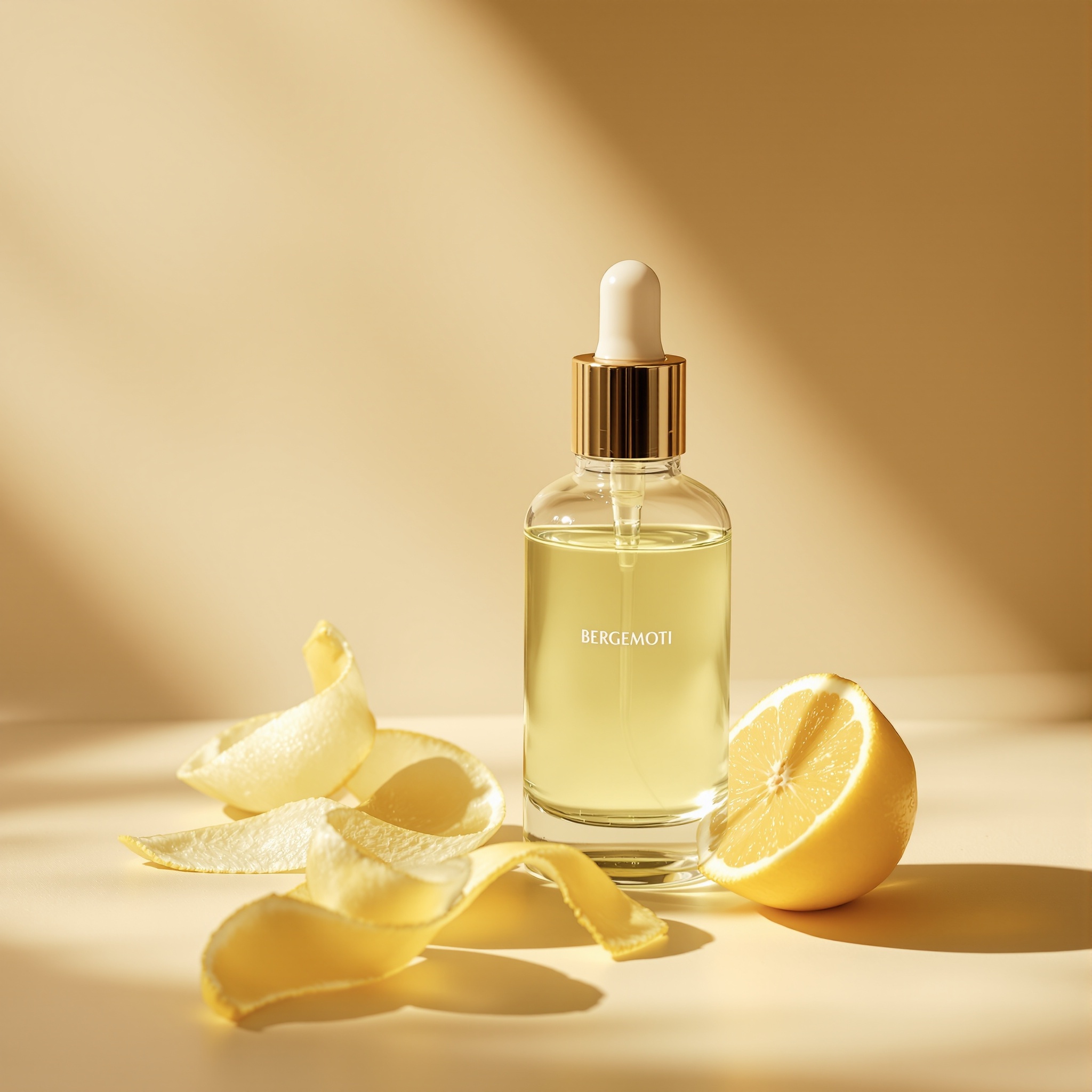
Bergamot
Sparkling citrus light with a bittersweet edge
What it is
Bergamot is a small citrus fruit, Citrus bergamia, grown almost entirely along the Calabrian coast of southern Italy. The aromatic oil sits in glands in the rind of the unripe green-yellow fruit and is cold-pressed mechanically from the peel rather than distilled, preserving its fresh brightness.
How it smells
Bright, zesty and green, a sweet citrus sparkle softened by a floral, almost tea-like smoothness. Underneath runs a faintly bitter, balsamic warmth that sets it apart from lemon or orange. It flashes lively on opening, then fades quickly into a soft, slightly spicy hum.
In perfumery
The classic top note, bergamot adds freshness and lift while blending sharp citrus into the heart. It defines eau de cologne and the fougère family, harmonizing with lavender, neroli and oakmoss. It opens countless modern fresh-floral compositions, and its oil gives Earl Grey tea its scent.
Good to know
Natural bergamot oil contains bergapten, a furocoumarin that makes skin highly sensitive to sunlight and can cause burns. Modern perfumery uses bergapten-free (FCF) oil to meet IFRA safety limits, so most contemporary bergamot in fragrance is purified rather than raw cold-pressed oil.
Tiare Flower
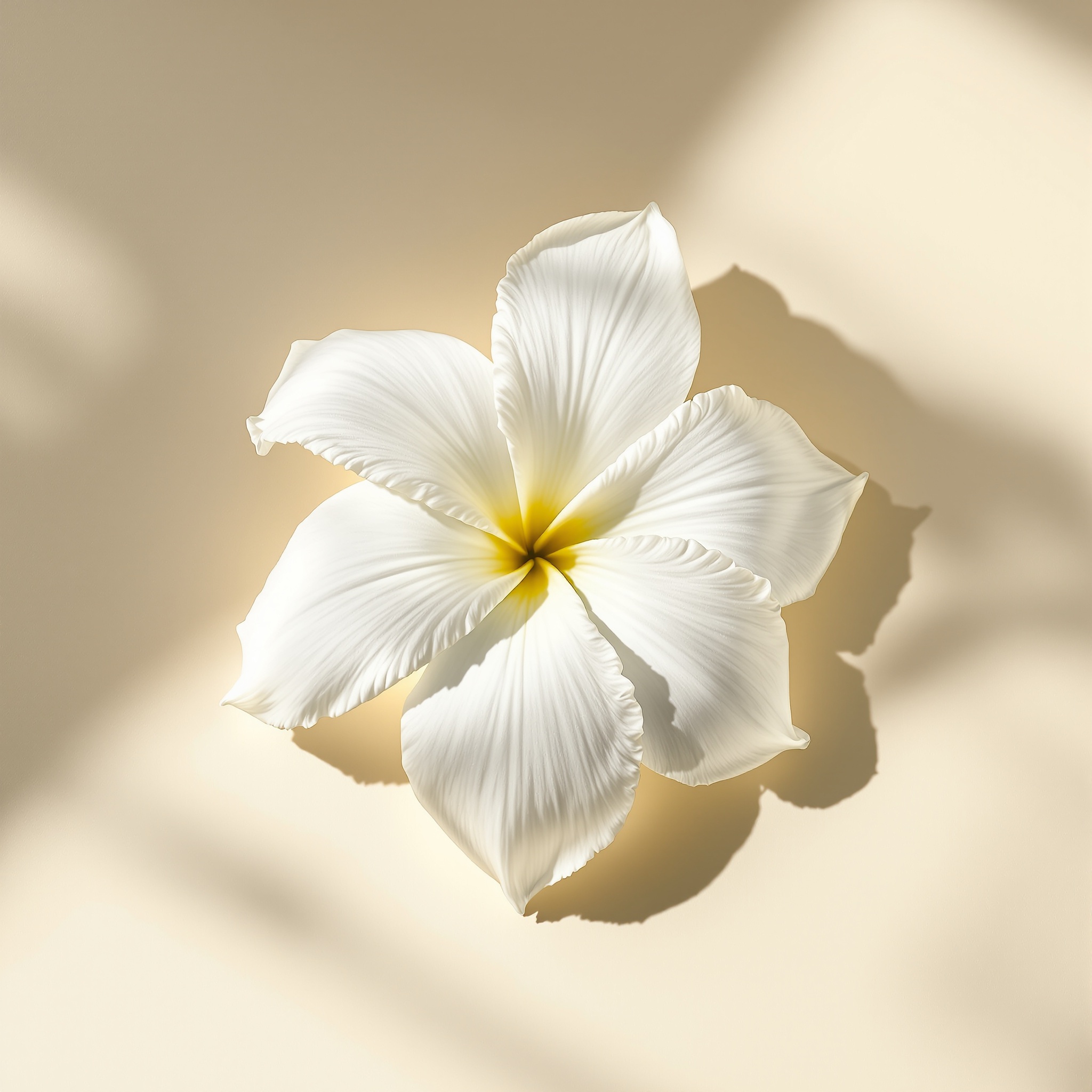
Tahiti's white gardenia, sun-warmed and coconut-soft
What it is
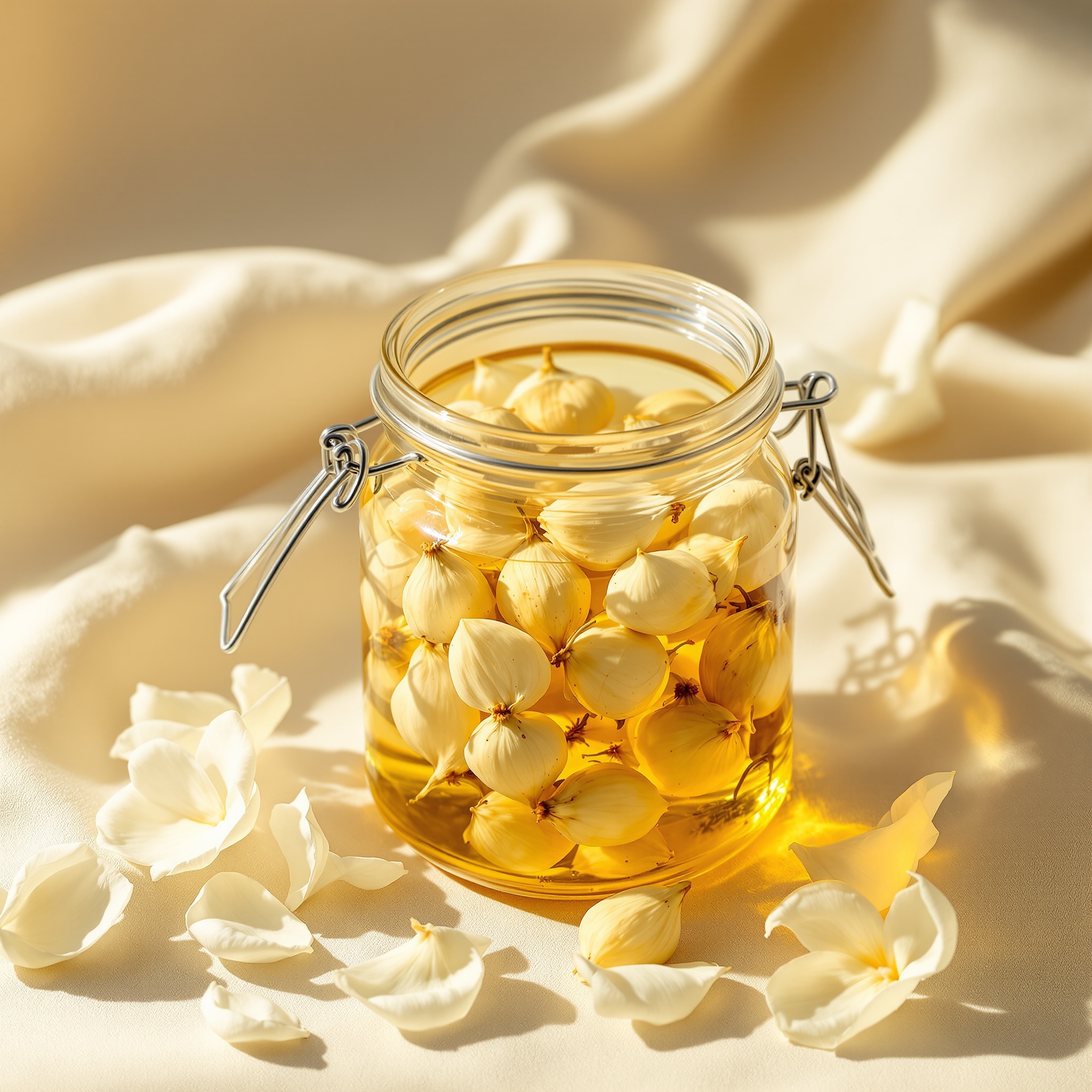
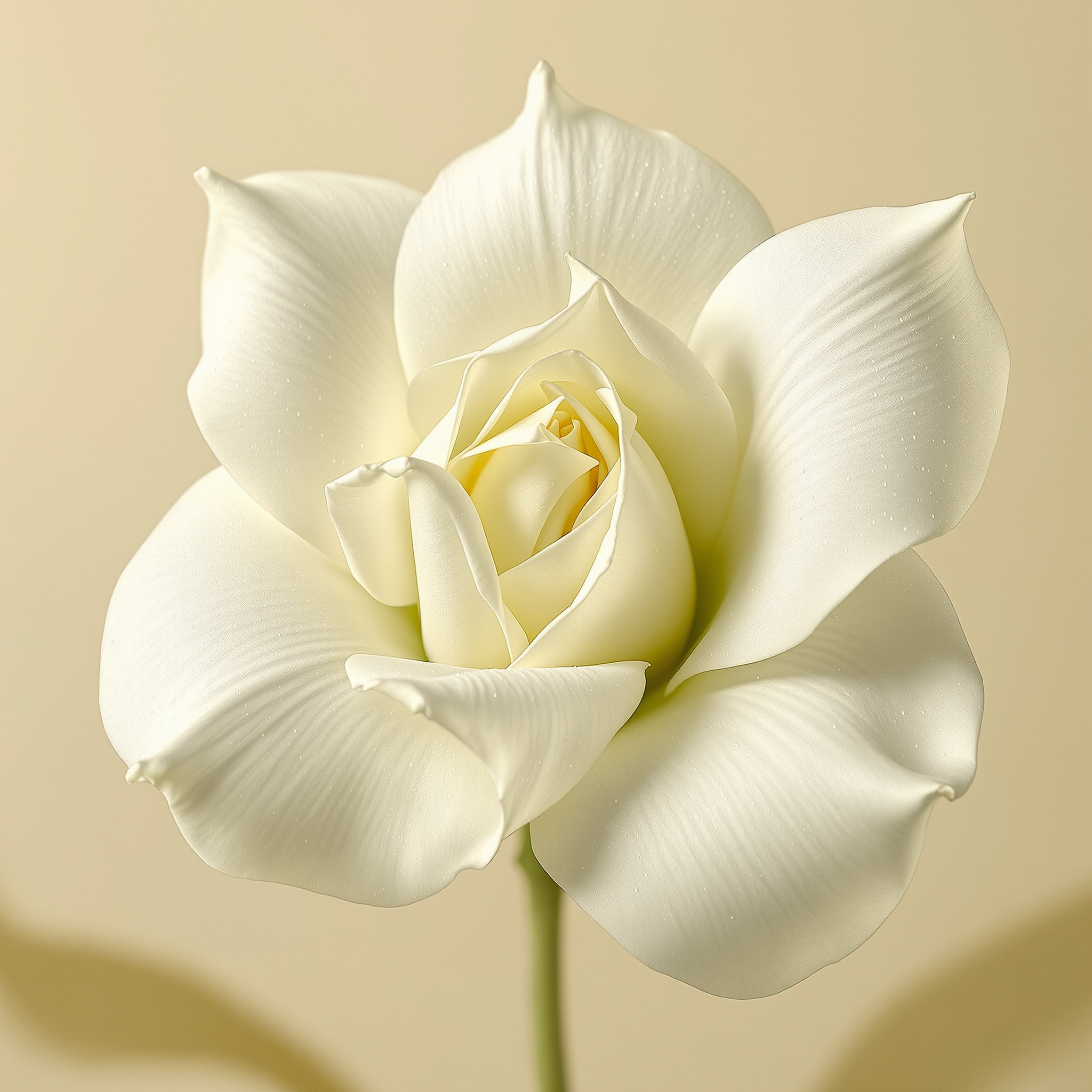
Tiare is the flower of Gardenia taitensis, a shrub of French Polynesia and the floral emblem of Tahiti. Its white star-shaped blooms are too fragile for steam distillation, so unopened buds are macerated in refined coconut oil for at least fifteen days, yielding the scented monoi base.
How it smells
A warm, creamy white floral carrying a clear coconut-lactonic undertone. Softer, buttery and rounder than common gardenia, it reads less green and less sharp. An almost edible, vanilla-adjacent sweetness opens it, drying toward solar warmth that suggests heated skin rather than cold petals.
In perfumery
Used as a heart note for tropical, solar and beachy compositions, tiare brings milky softness and a holiday glow. It pairs naturally with coconut, ylang-ylang, jasmine and salt accords. Ormonde Jayne Tiare, built on real Tahitian monoi oil, showcases its sunlit creaminess.
Good to know
There is no conventional tiare essential oil; the flower yields too little for distillation, so perfumes use coconut-infused monoi or lab reconstructions. Monoi de Tahiti is a protected Appellation d'Origine since 1992, requiring at least fifteen Polynesian tiare flowers per litre of refined coconut oil.
Ylang-Ylang
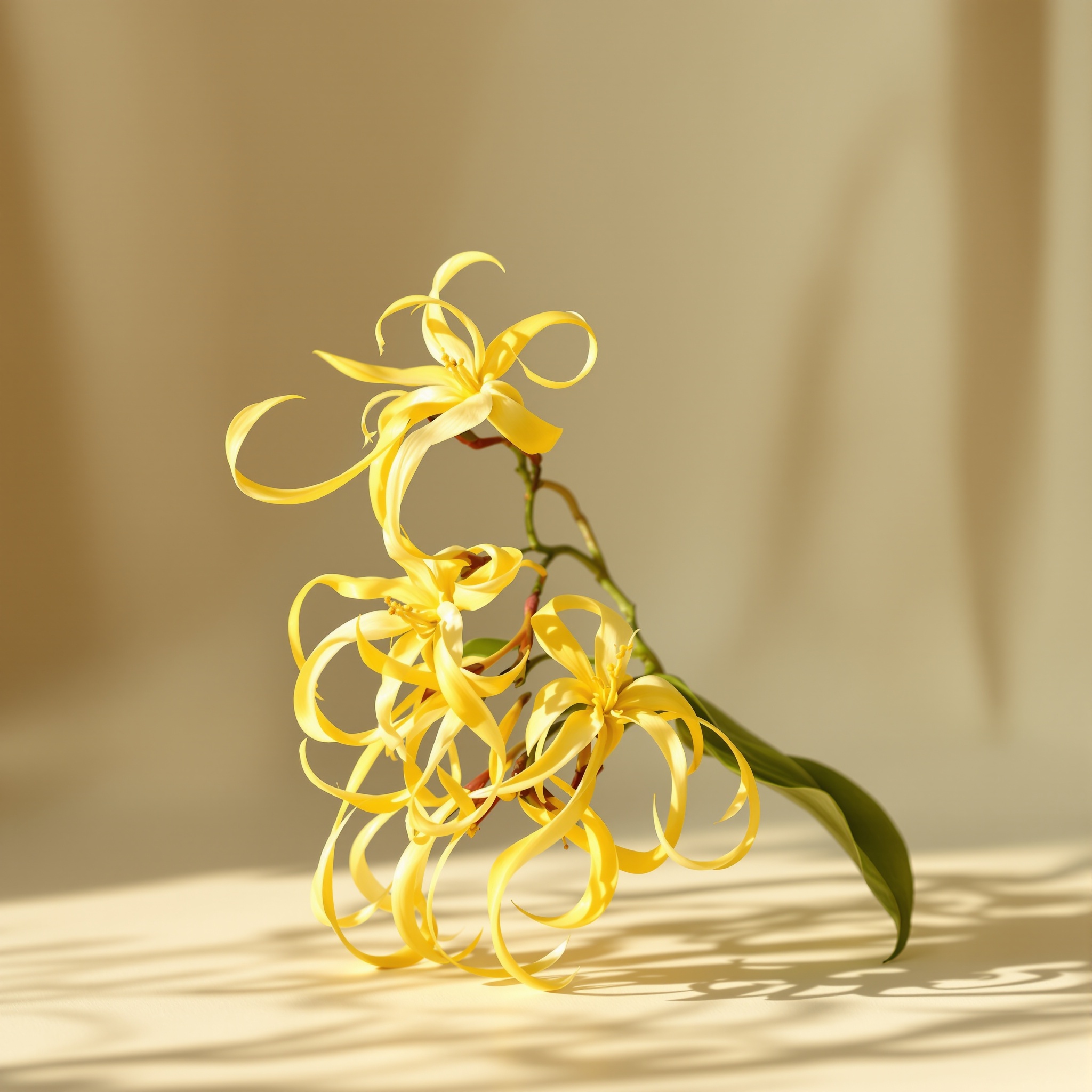
Sun-warmed tropical bloom, banana-cream and jasmine
What it is
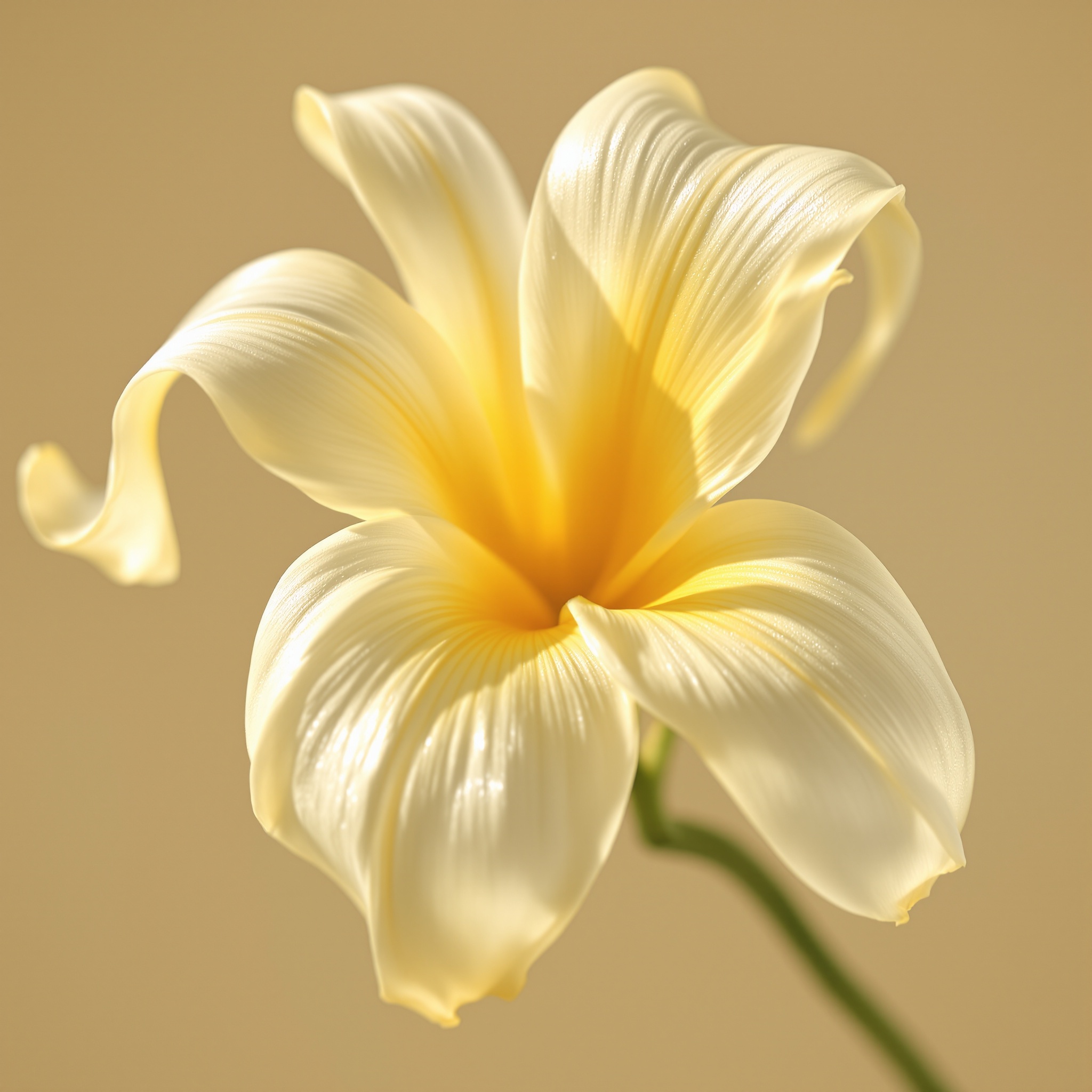
The drooping yellow star-shaped flower of Cananga odorata, a tropical tree native to Southeast Asia and now grown mainly in the Comoros, Madagascar and Mayotte. Hand-picked blossoms are steam-distilled for fifteen to twenty hours, the run siphoned off in stages into grades from Extra to Third.
How it smells
Creamy, heady and warm: jasmine-like florals over a soft banana-custard sweetness, threaded with rubber, clove and narcissus. The Extra fraction is bright, fruity and spicy on top; later grades turn deeper, fattier and more medicinal, drying down to a rounded, slightly waxy floral.
In perfumery
A heart-note workhorse adding tropical richness and lift to floral and oriental compositions, bridging jasmine, rose and tuberose while softening citrus tops. It forms part of the floral bouquet of the great aldehydic classics, drives many a legendary floral, and underpins countless solar tiare blends.
Good to know
The name traces to the Tagalog ilang-ilang, commonly glossed as flower of flowers, reaching European perfumery via Spanish. In Indonesia the blossoms are traditionally scattered over the beds of newlyweds. A single tree fruits for decades, with the most fragrant flowers picked at dawn while still cool.
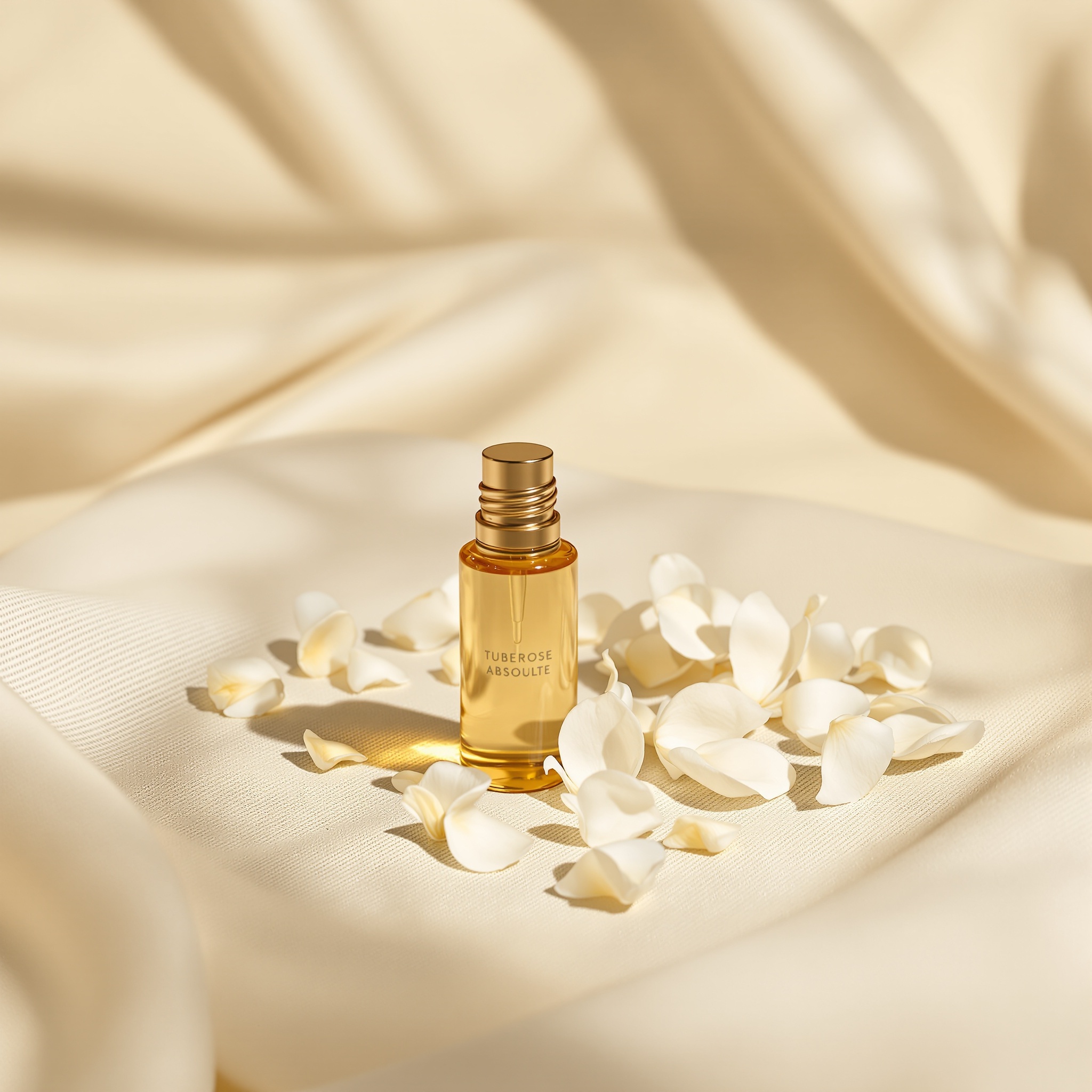
Tuberose
Carnal white flower that opens after dark
What it is
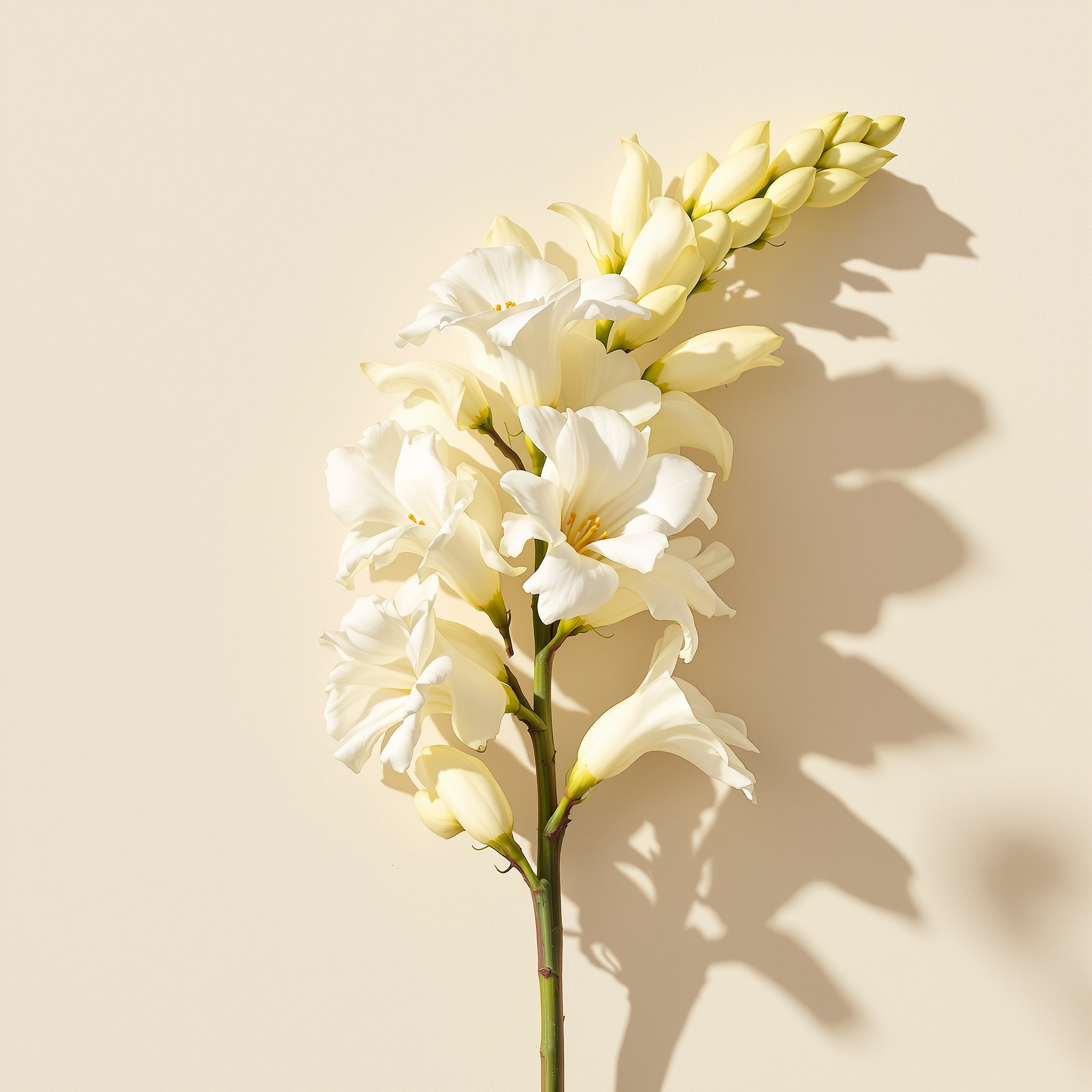
The waxy white flower of Polianthes tuberosa, a bulb native to Mexico and now grown chiefly in India and Egypt. Historically captured by enfleurage onto fat; today the picked blossoms are solvent-extracted to a concrete, which is then washed with alcohol to yield the absolute.
How it smells
A heady, creamy white floral with a buttery lactonic richness, green sappy edges and a mentholated coolness on top. Beneath runs a warm, almost fleshy and indolic depth tinged with eugenol spice, giving tuberose its famously narcotic, sometimes overwhelming character.
In perfumery
A powerful heart note prized for its diffusive, three-dimensional presence, often built around gardenia, jasmine, orange blossom and coconut-lactonic accords. It defines bold white florals and the great tuberose soliflores, the benchmark by which others are judged.
Good to know
Tuberose absolute is among the costliest florals, with sources citing roughly 6,000 to 8,000 kilograms of fresh flowers for a single kilogram of absolute. The blossoms keep releasing scent after picking, the very property that once made the slow enfleurage method worthwhile.
Jasmine
The heady white flower at perfumery's beating heart
What it is
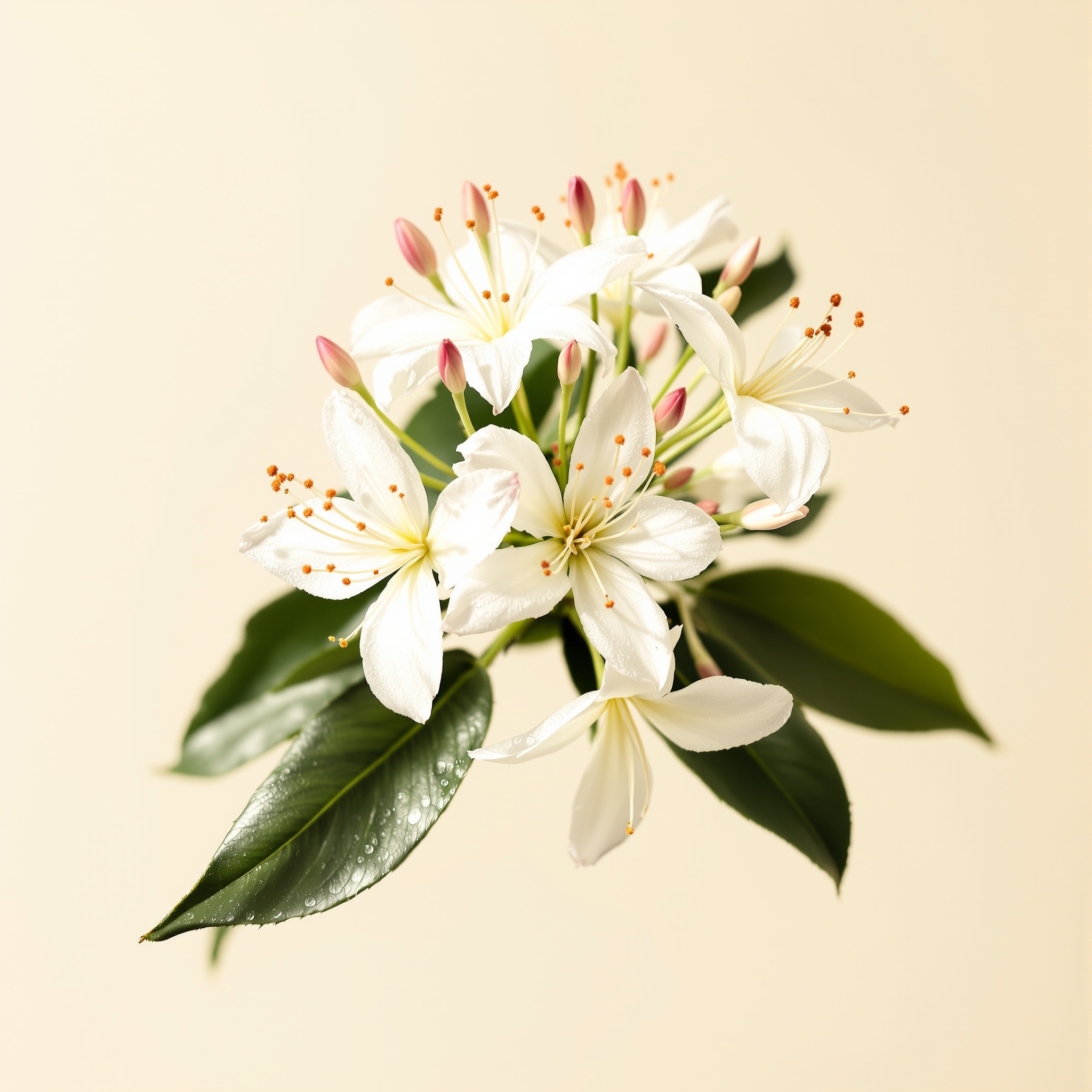
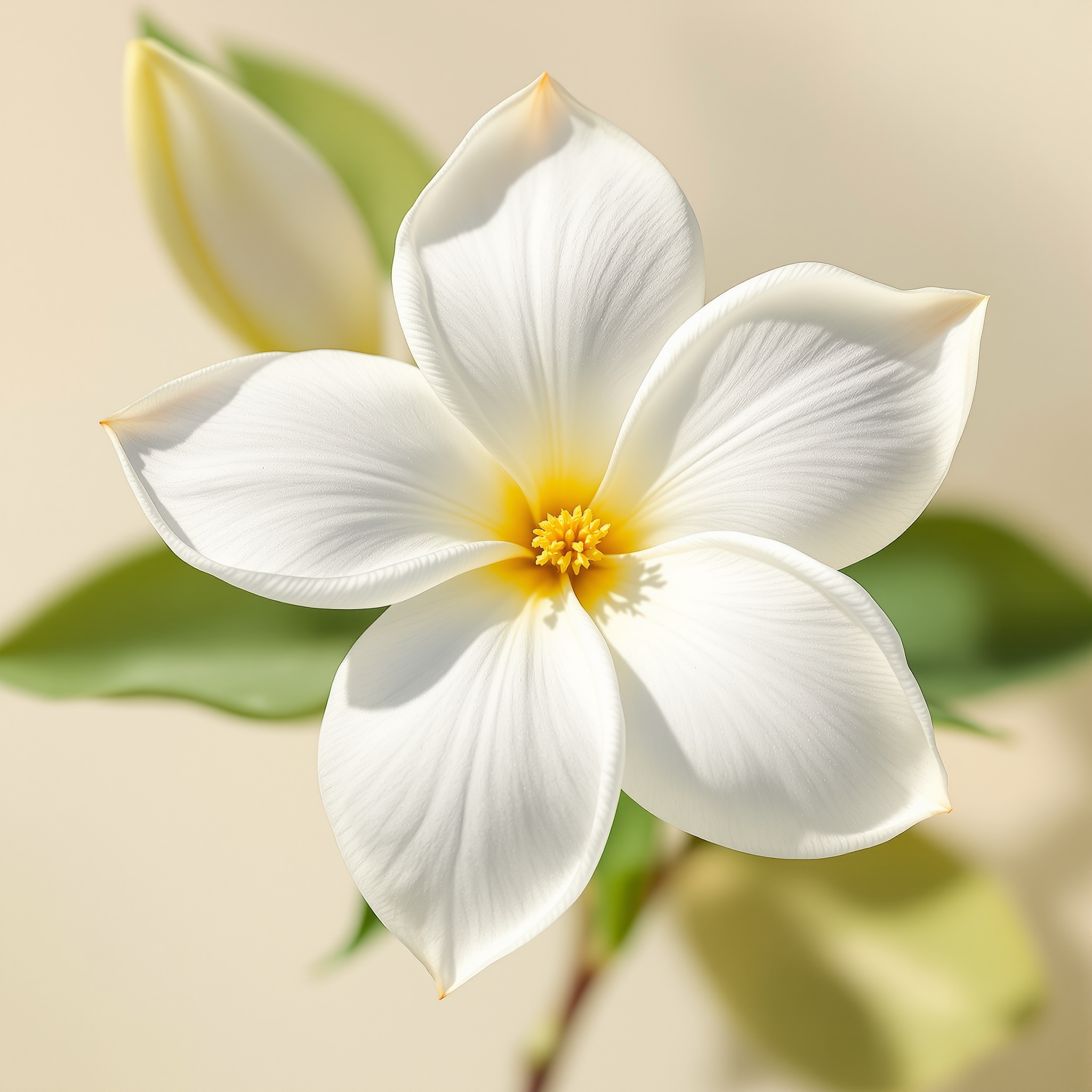
Jasmine is the blossom of climbing shrubs in the olive family, chiefly Jasminum grandiflorum, grown in Egypt, India and Morocco, plus Jasminum sambac from India. The fragile flowers are hand-picked at dawn, solvent-extracted with hexane into a waxy concrete, then washed with ethanol to yield the absolute.
How it smells
A warm, lush white floral, sweet and honeyed with an animalic underside. Sambac leans fruity, tea-like and dense; grandiflorum reads creamier and greener on top. Both carry a heady, narcotic richness over a green-fruity opening, drying to a soft, skin-warm, faintly mushroomy-musky base.
In perfumery
A heart-note cornerstone, bridging citrus tops and woody bases while lending volume, sensuality and rounded floral body. It pairs with rose, tuberose, ylang-ylang, sandalwood and musk. Jasmine anchors many of the great classic florals and can stand alone as a radiant soliflore.
Good to know
Roughly eight thousand hand-picked flowers yield a single gram of absolute, ranking natural jasmine among the costliest perfume materials. Much of its depth comes from indole, a molecule smelling of mothballs or decay when concentrated, yet radiant and living in the trace amounts the flower naturally holds.
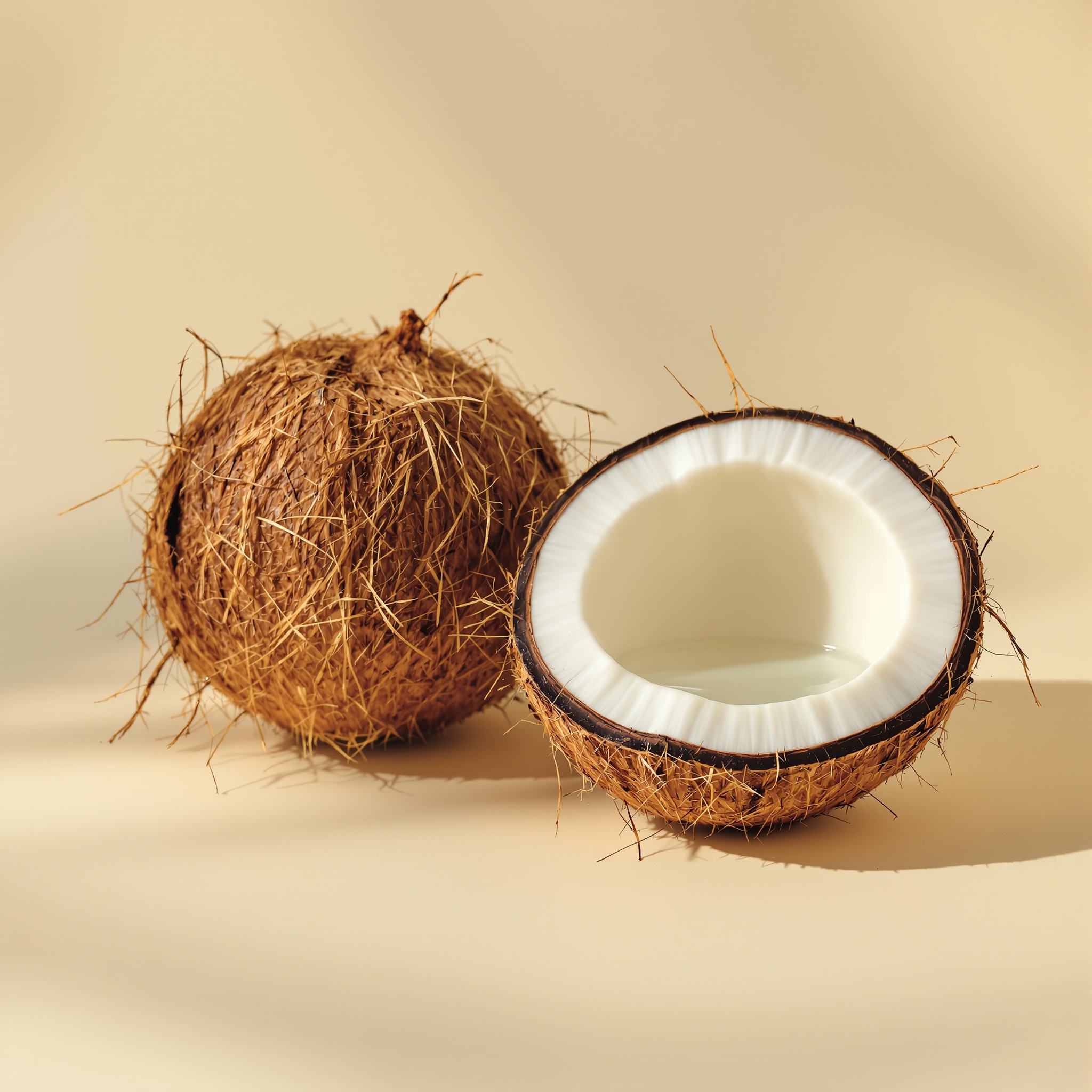
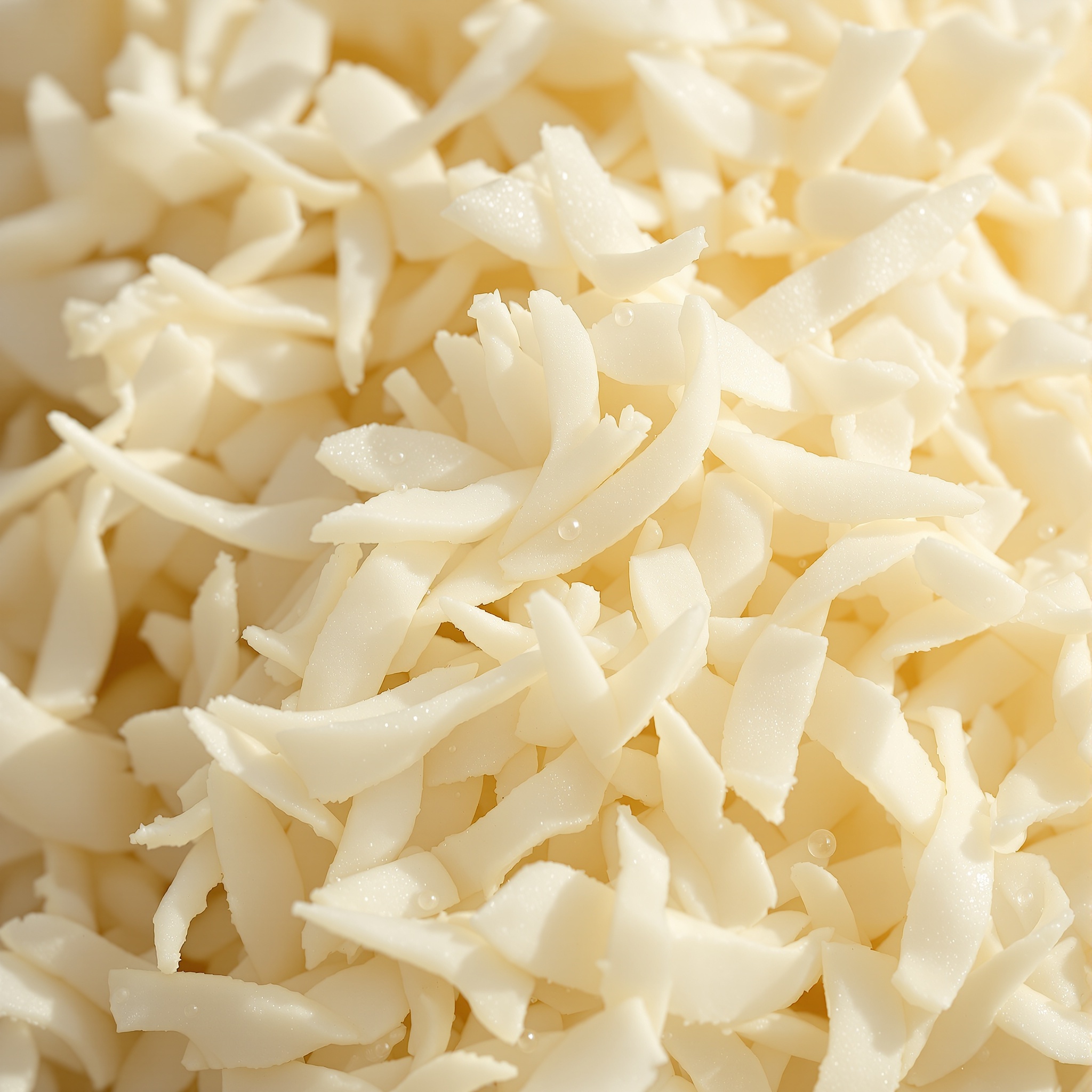
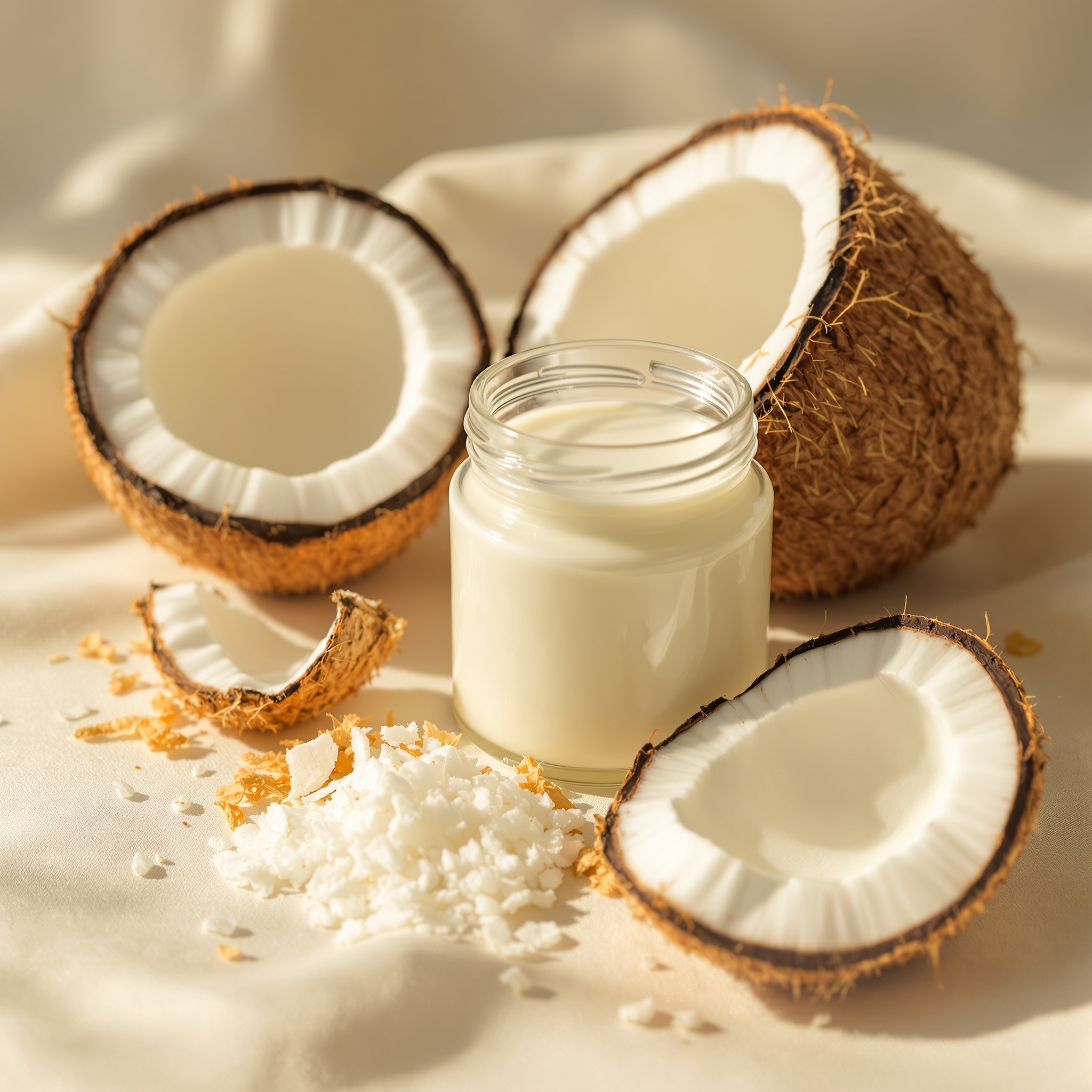
Coconut
Creamy sun-warm tropical sweetness on skin
What it is
A scent drawn from the fruit of the coconut palm, Cocos nucifera, of tropical coastlines. The aroma comes mainly from lactones in the white flesh; since cold-pressed coconut oil carries little smell, perfumery relies on isolated lactones, chiefly gamma-nonalactone, and synthetic accords.
How it smells
Creamy, milky and sweet with a soft nutty warmth, the smell of suntan lotion and fresh coconut flesh. It carries a faintly buttery, almost waxy richness and a tropical, slightly toasted edge. The effect is rounded and lush rather than sharp, fading to a soft sun-cream warmth.
In perfumery
A heart note bringing creamy tropical volume and a beachy, gourmand softness. It pairs with vanilla, tiare, ylang-ylang, frangipani and tonka in monoi and solar accords. Coconut defines summer solar scents and the coconut-vanilla heart of countless beach fragrances.
Good to know
Gamma-nonalactone, the molecule behind the classic coconut note, is nicknamed aldehyde C-18 even though it is a lactone, not an aldehyde, a quirk of early perfumery naming. Pure coconut oil smells nearly neutral, so almost every coconut perfume is a reconstruction.
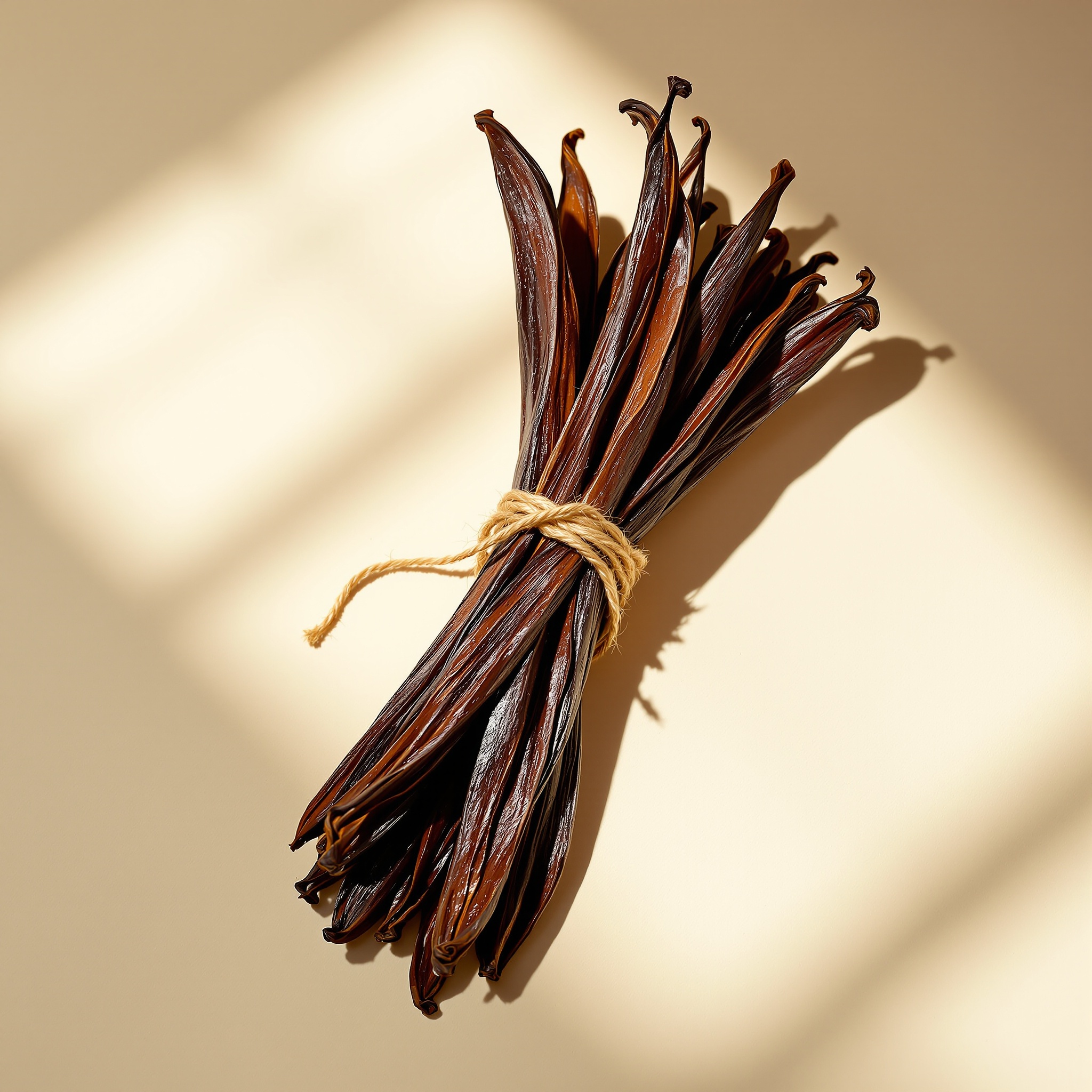
Vanilla
The warm sweet heart of comfort itself
What it is
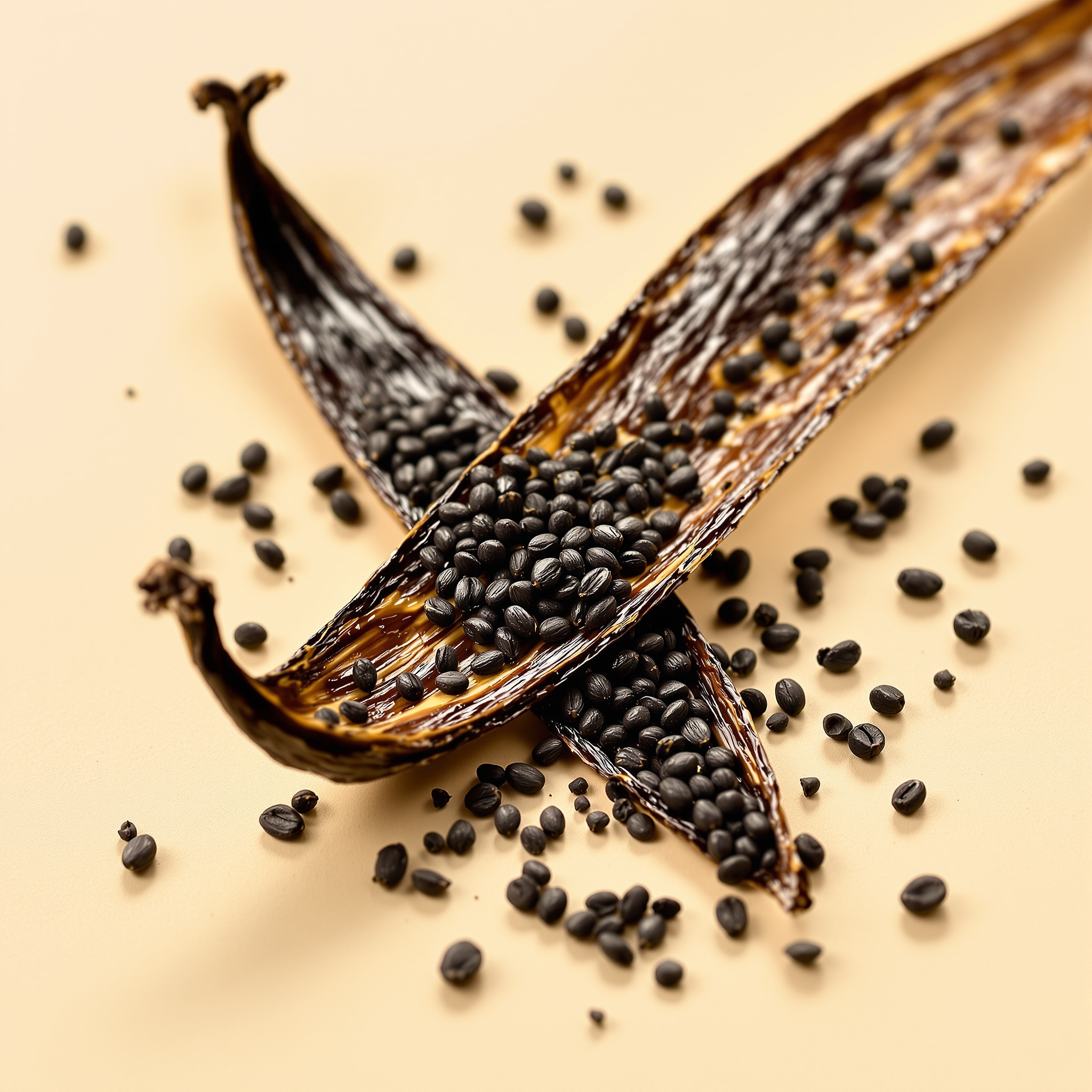
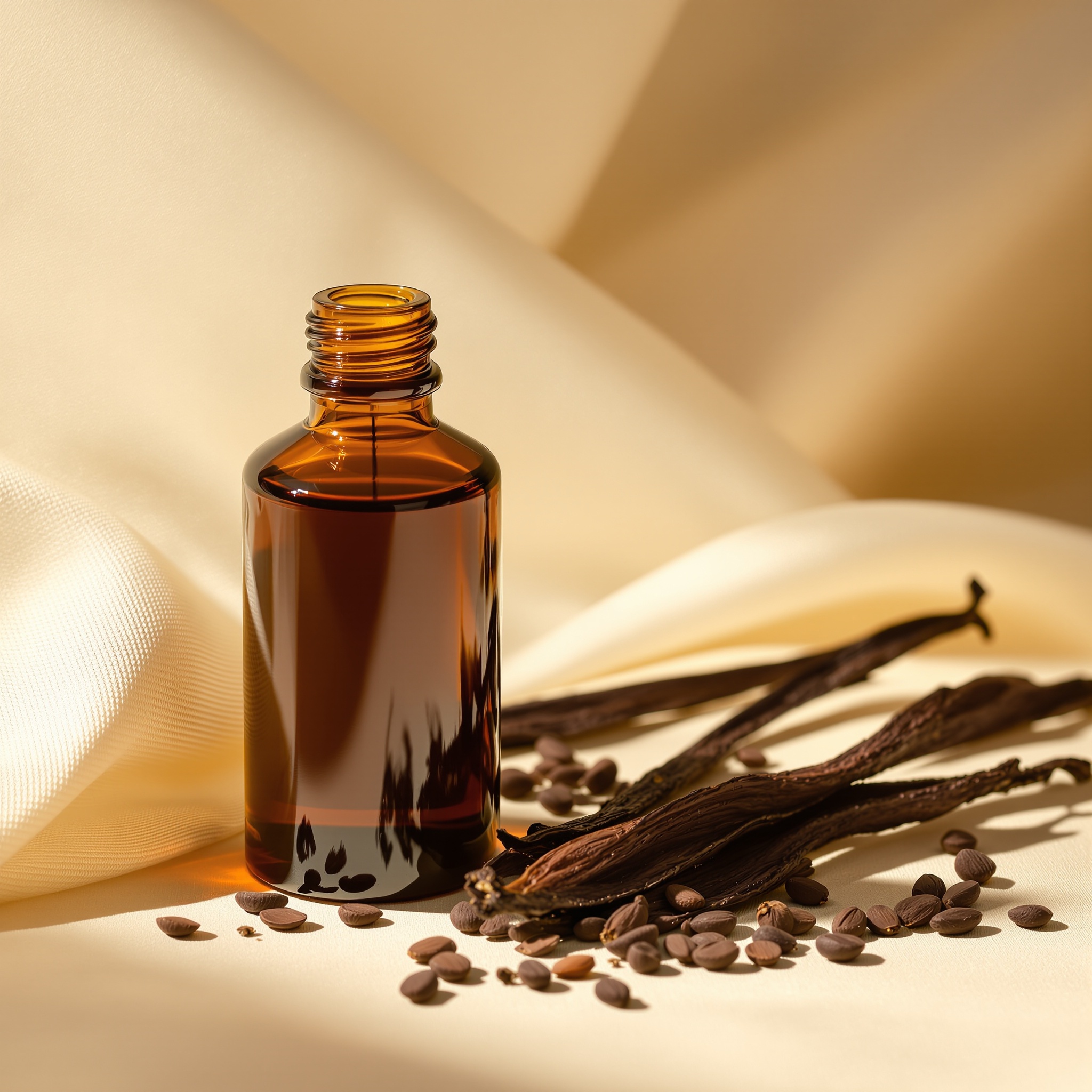
Vanilla comes from the cured seed pods of Vanilla planifolia, a climbing orchid native to Mexico now grown mainly in Madagascar, Réunion and Tahiti. Green pods are picked unripe, then blanched, sweated in the sun and slow-dried over months until they darken and develop their aroma and vanillin.
How it smells
Sweet, warm and creamy, with a balsamic depth recalling custard, caramel and dried fruit, a faint smoky tobacco-like edge sitting underneath. It opens soft and gourmand, then dries into a powdery resinous warmth that clings close to skin and reads richer than synthetic vanillin alone.
In perfumery
A base note prized for richness and lasting warmth, vanilla rounds sharp edges and anchors oriental and gourmand compositions. It pairs naturally with tonka, amber, sandalwood and spice. Many of the most enduring oriental and tobacco fragrances build their core around it.
Good to know
Vanilla ranks among the costliest spices because each orchid flower opens for one day and must be hand-pollinated, a technique devised in 1841 by Edmond Albius, a twelve-year-old enslaved boy on Réunion. Most commercial vanilla flavor now relies on synthetic vanillin.
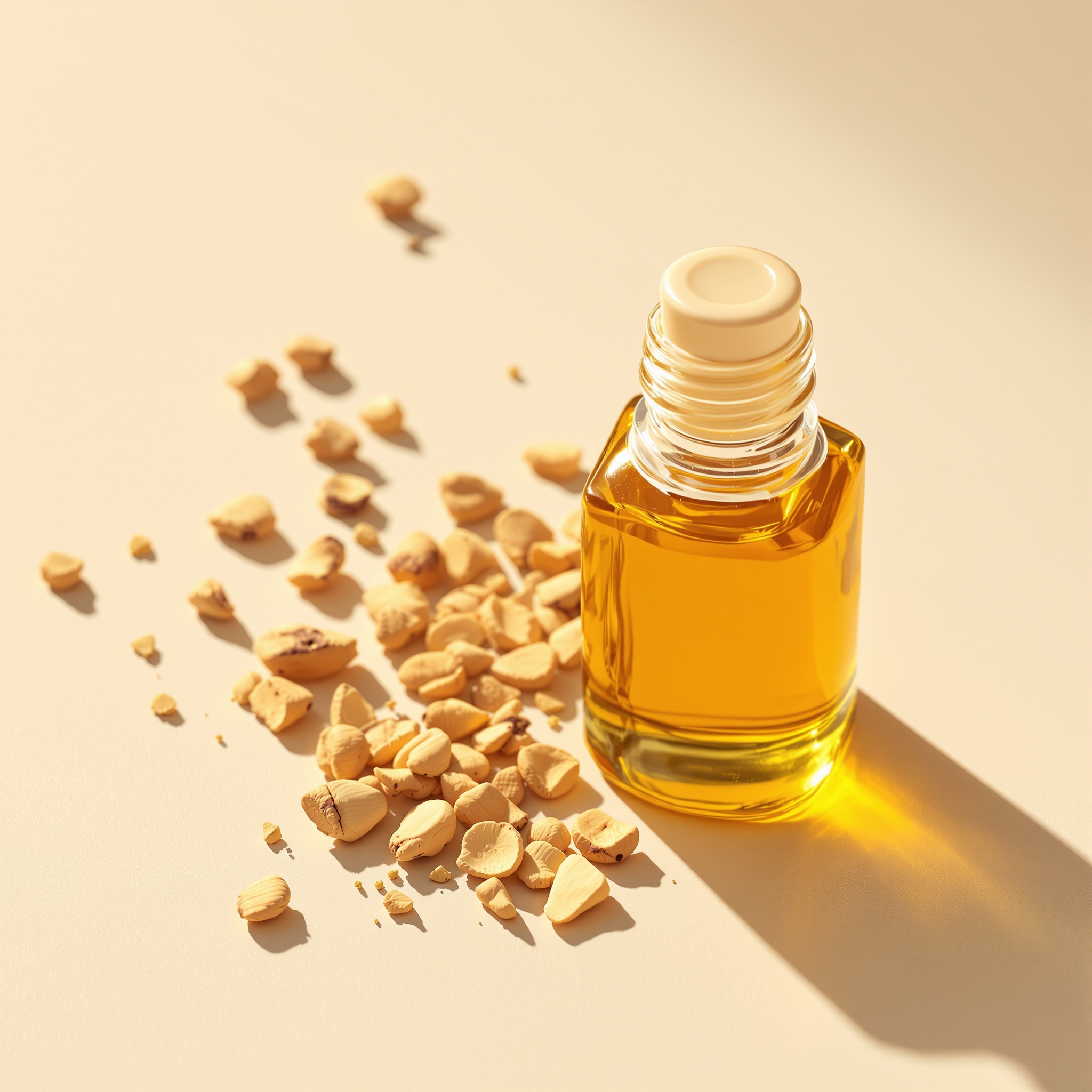
Guaiac Wood
Smoldering rosewood from the arid Gran Chaco
What it is
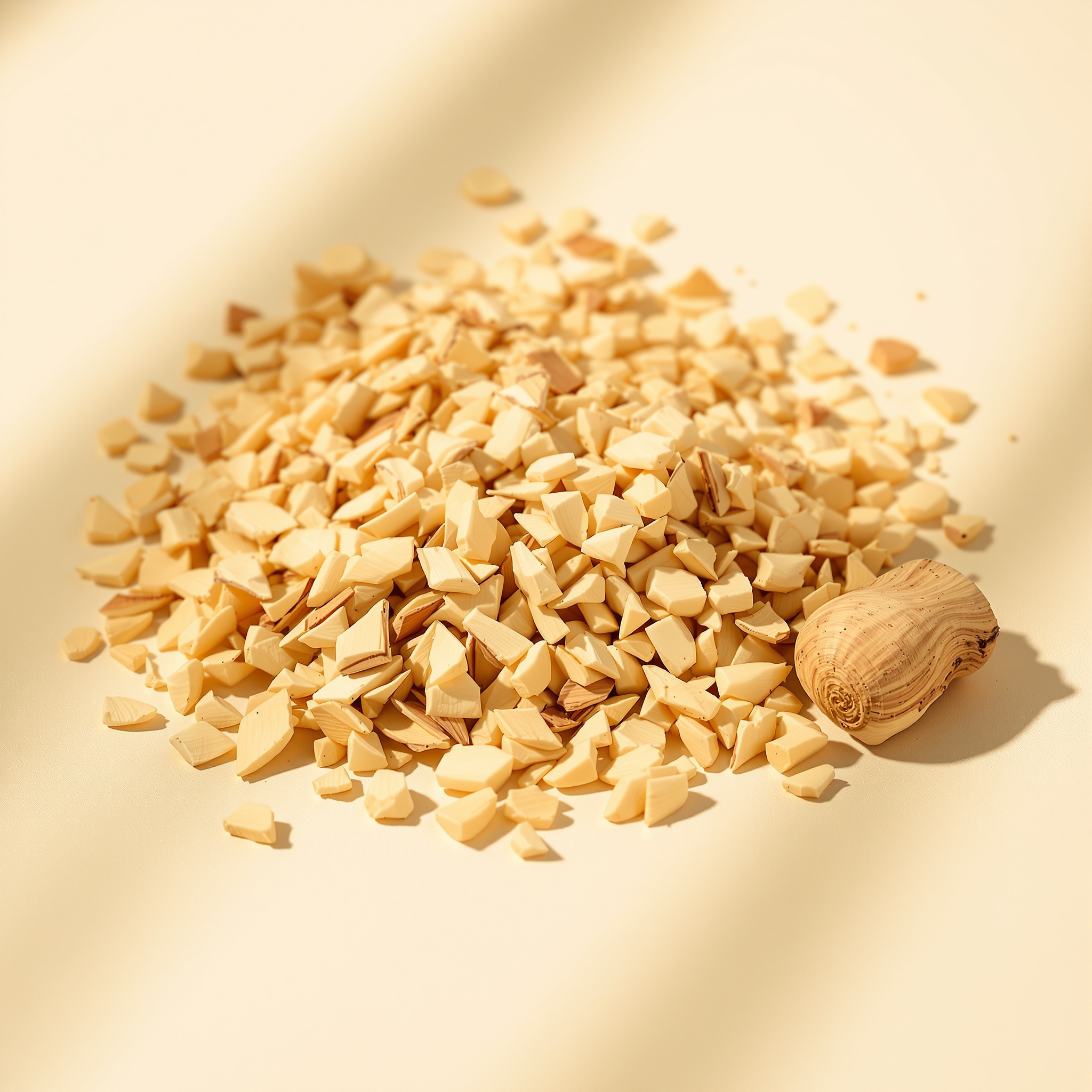
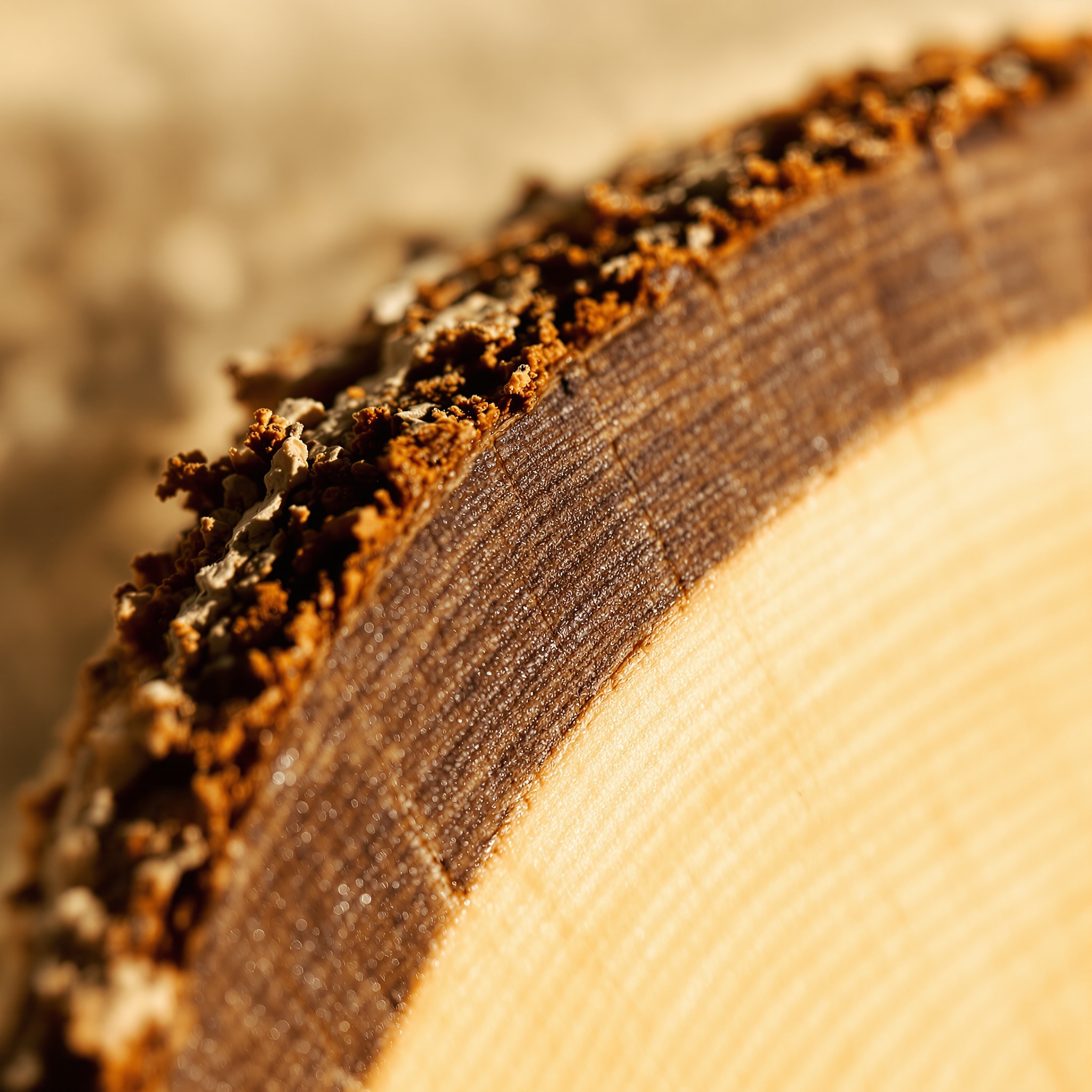
Guaiac wood oil comes from Bulnesia sarmientoi, a slow-growing hardwood of the Gran Chaco across Paraguay, Argentina and Bolivia. Chipped heartwood and sawdust are steam-distilled into a pale amber, waxy oil that solidifies at room temperature and melts close to skin warmth.
How it smells
Warm, smoky and balsamic, like a smoldering ember rather than open flame. A soft, sweet woodiness carries a distinct tea-rose facet, with powdery, peppery and faintly tar-like nuances. It dries down rounded and quietly creamy, blurring the line between wood and gentle incense.
In perfumery
A base note valued as much for fixative power as for scent, extending and grounding a blend. It rounds rough woods and smoky leathers, pairing with rose, vetiver and tobacco. Its hushed smokiness threads through many modern niche woody and oud-style compositions.
Good to know
Bulnesia sarmientoi has been on CITES Appendix II since 2010, so logs, extracts and oil need permits as overharvesting threatens the species. Sold as Argentine lignum vitae, it is a substitute for true lignum vitae, the unrelated Guaiacum genus listed by CITES decades earlier.
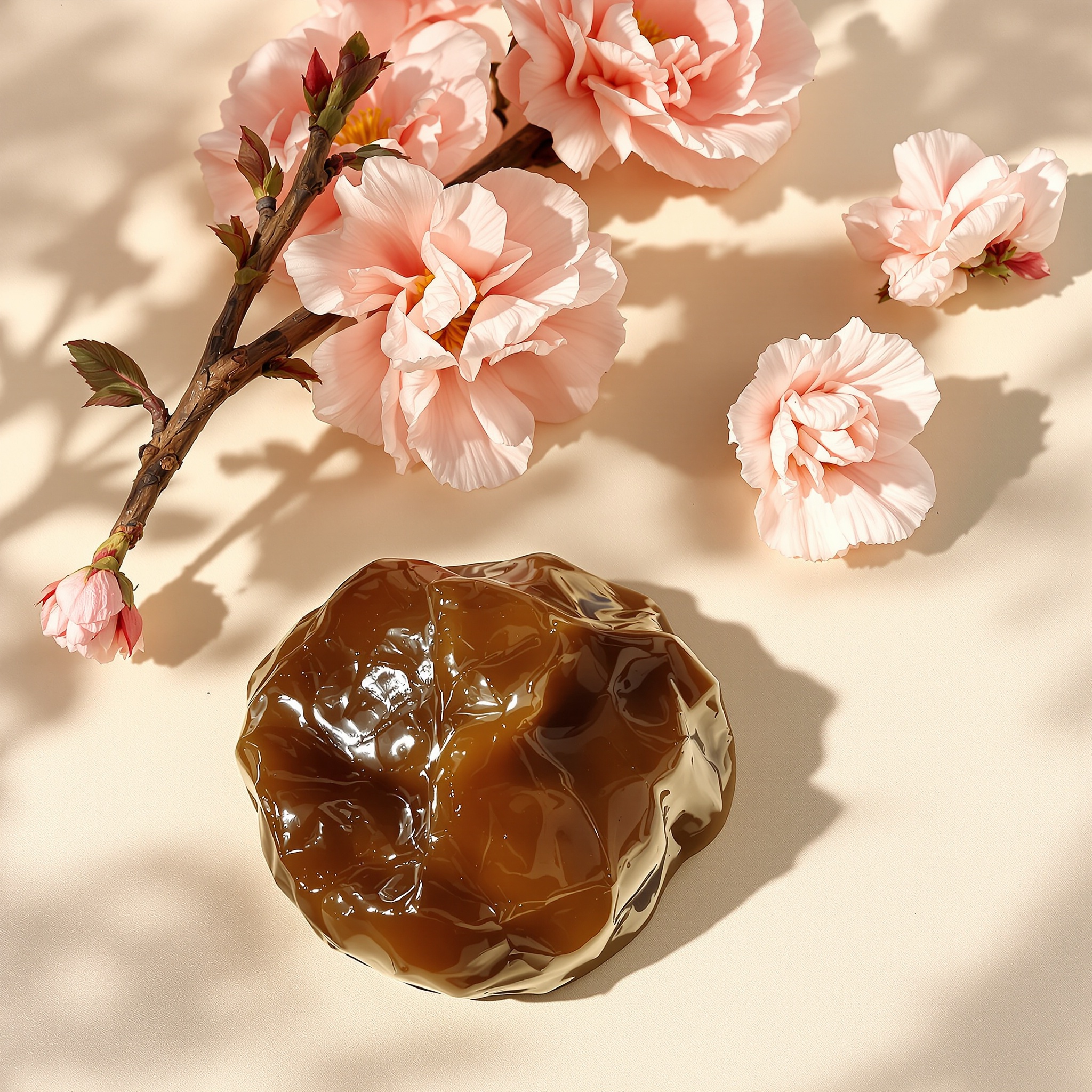
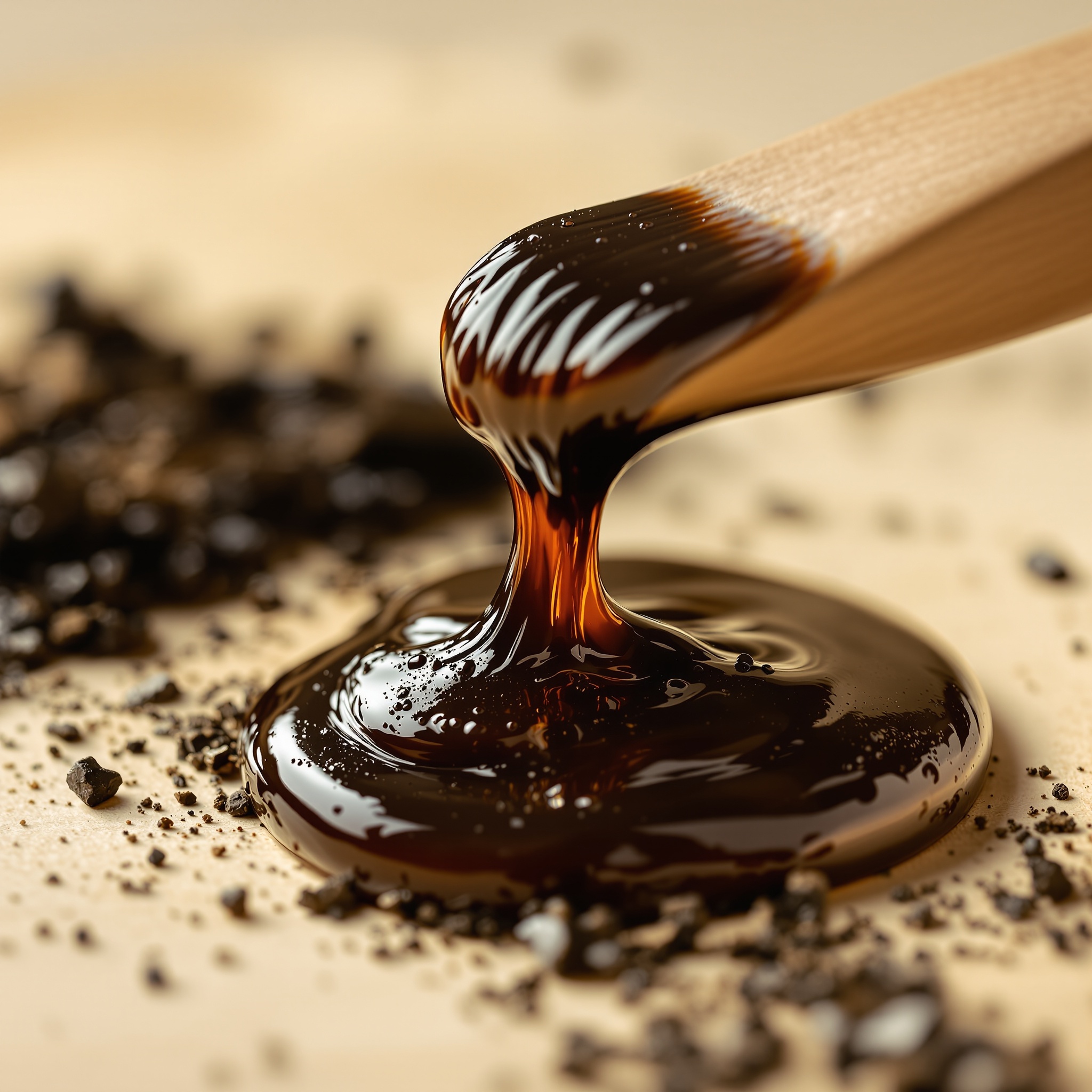
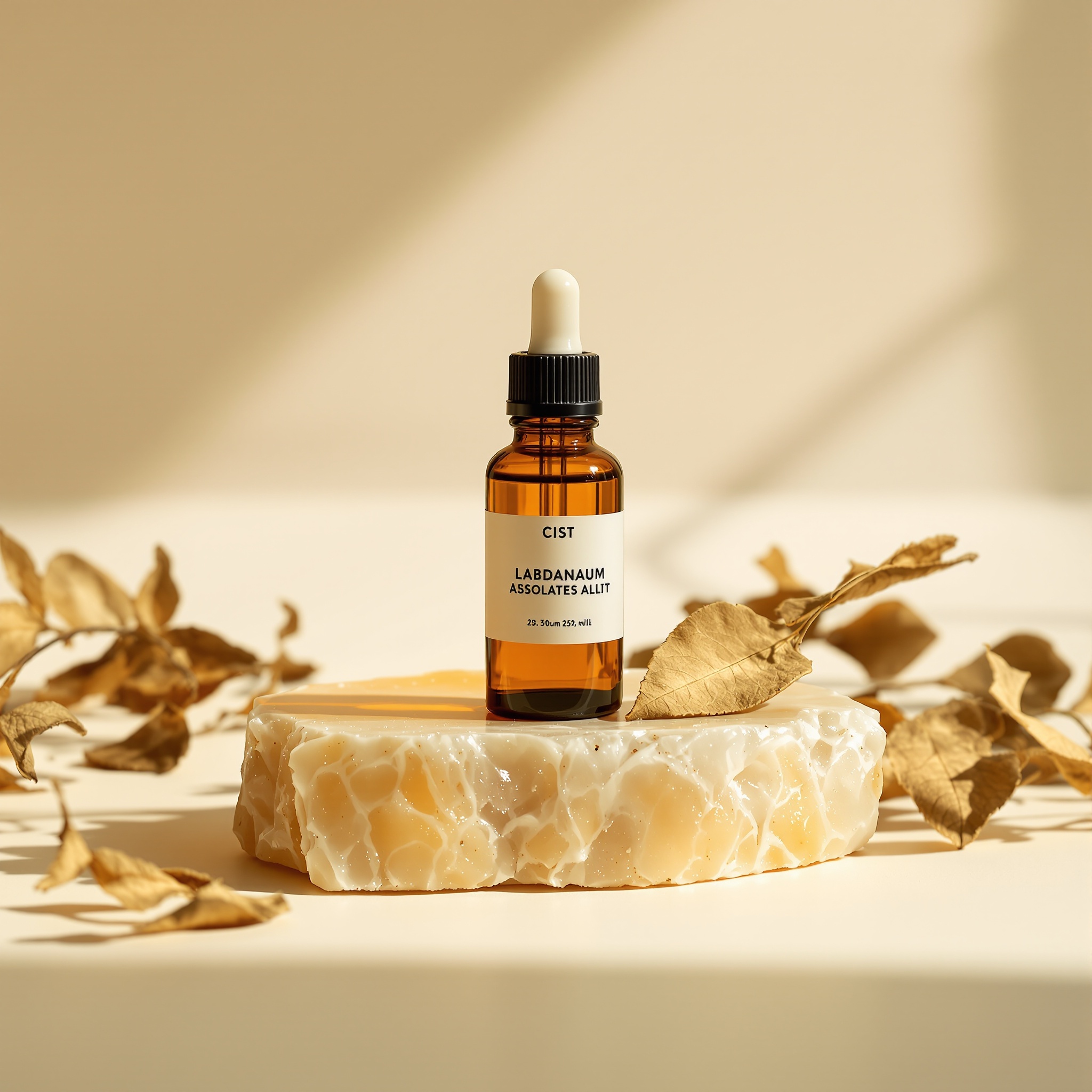
Labdanum
Sticky amber resin scraped from sun-baked rockrose
What it is
Labdanum is a dark, sticky resin from the rockrose shrub Cistus ladanifer, native to the western Mediterranean. The plant exudes a fragrant gum on its leaves and twigs in summer heat; branches are boiled or scraped to recover the crude resin, which is then solvent-extracted into absolute and resinoid.
How it smells
Deep, warm and balsamic with leathery, animalic and faintly sweet facets that read as soft amber. Dried-fruit, honey, smoke and pine undertones run through it. It opens resinous and almost ambergris-like, then dries into a brown tobacco-and-leather warmth that lingers for hours.
In perfumery
A foundational base note and the natural backbone of most amber accords, usually built with vanilla and benzoin. A strong fixative, it deepens chypres, orientals and leathers and pairs with rose, oakmoss and incense. It underpins many golden-age oriental classics and countless amber compositions.
Good to know
In antiquity labdanum was combed from the matted beards and thighs of goats and sheep that had browsed through cistus thickets, then raked off with a toothed tool called a ladanisterion. It is one of the oldest aromatic materials, predating distillation by millennia.
Heliotrope
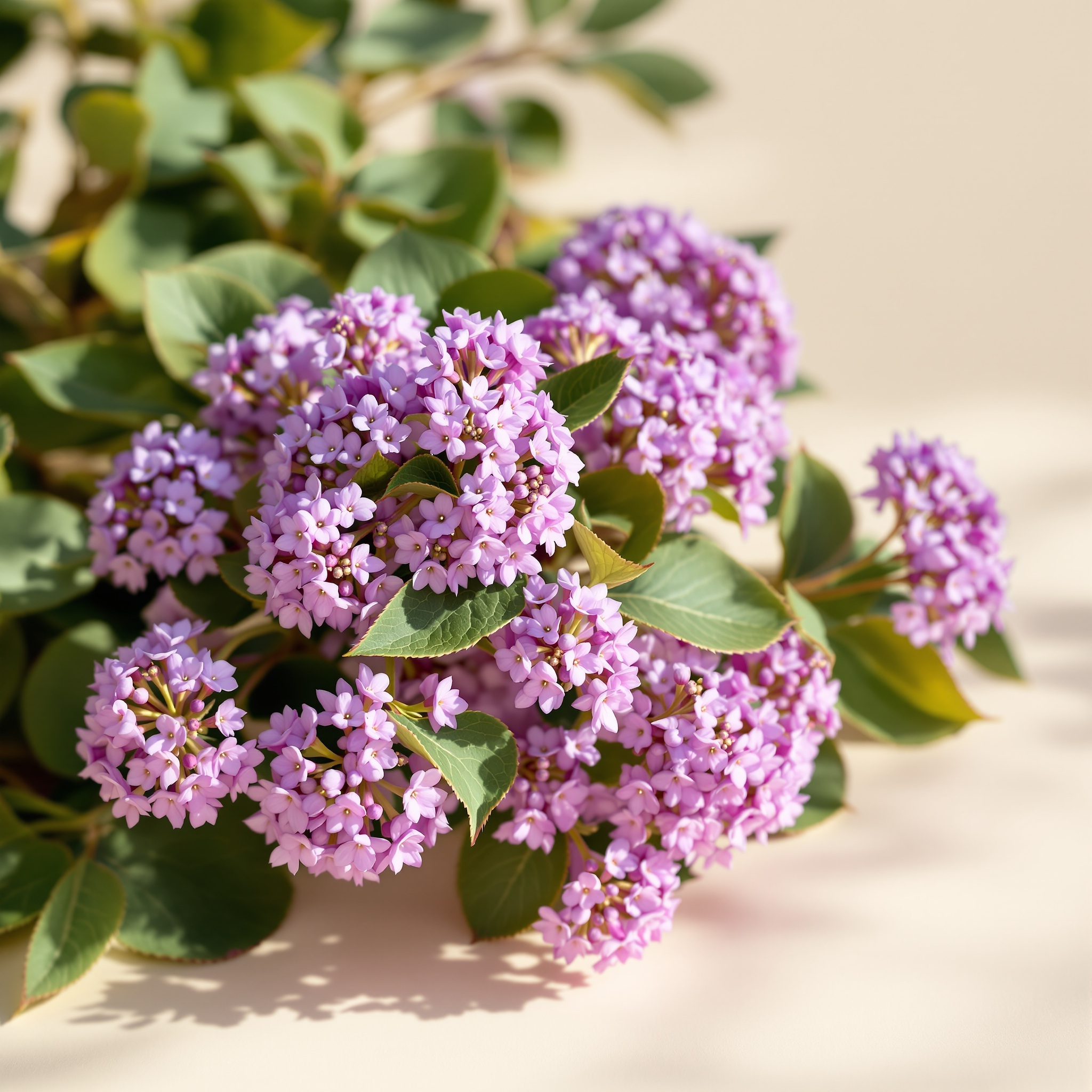
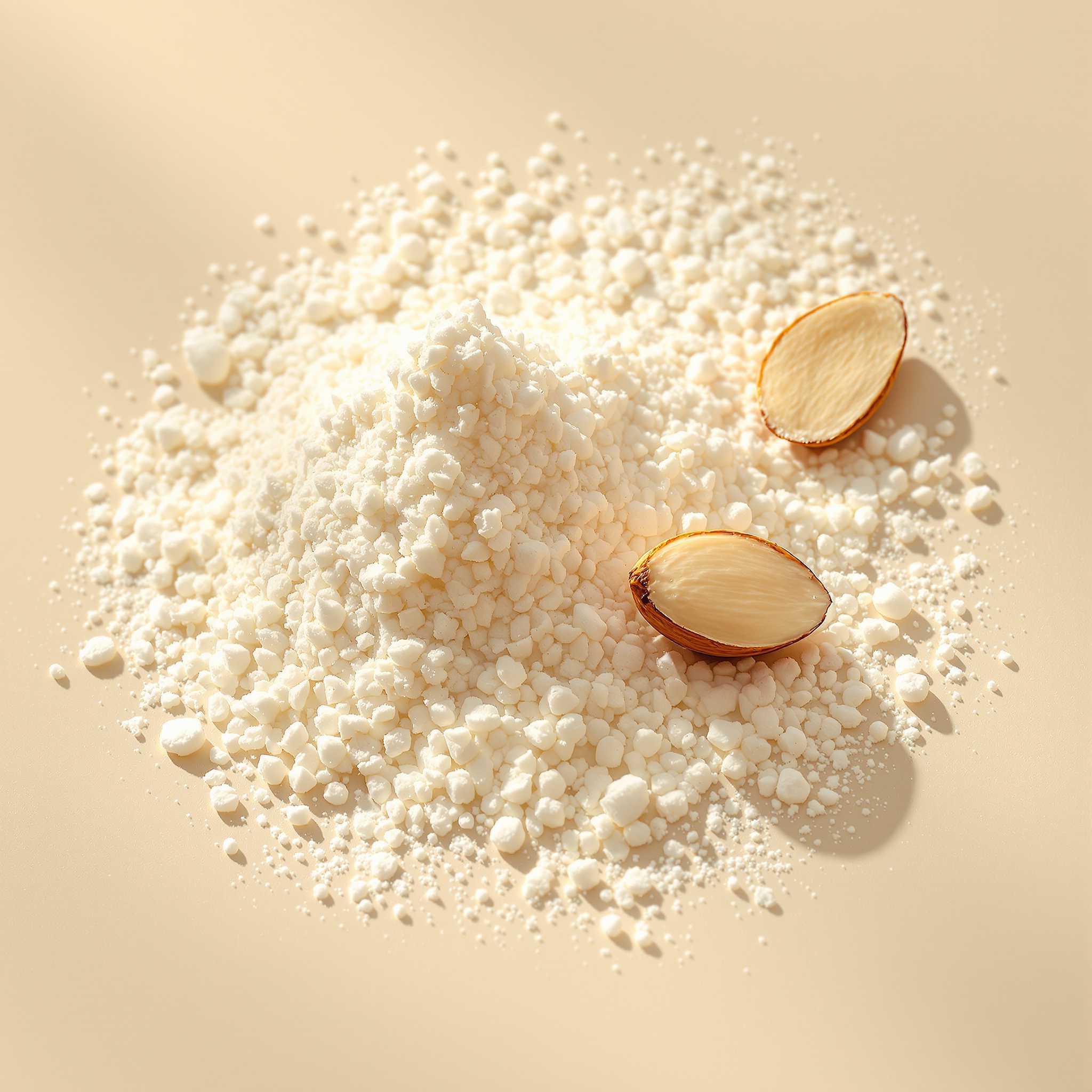
Powdered almonds, marzipan and warm vanilla skin
What it is
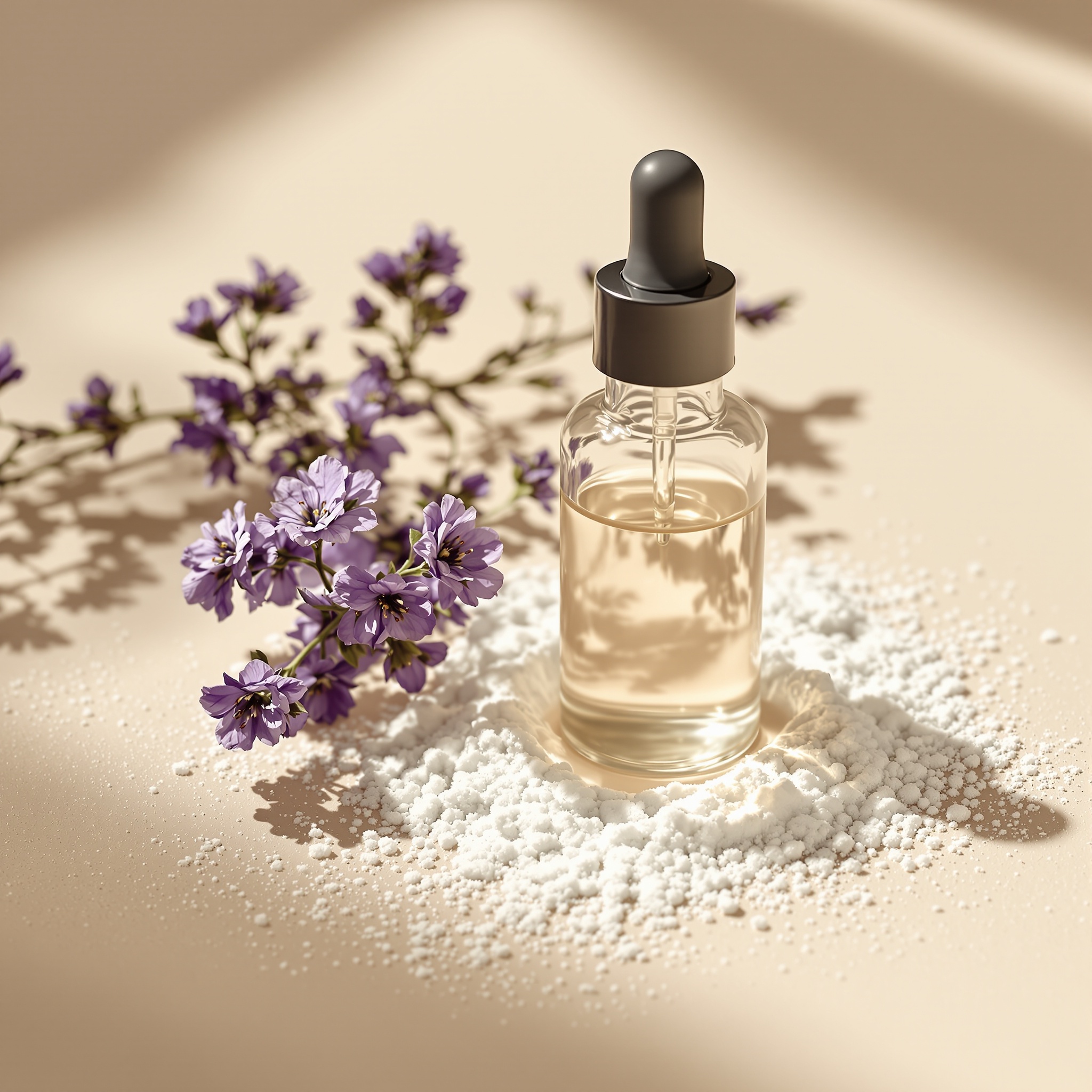
Heliotrope is named for Heliotropium arborescens, a purple garden flower, but the perfumery note is essentially synthetic. Its signature comes from heliotropin (piperonal), an aroma molecule first prepared in the 1860s and historically made from safrole or isosafrole, since the living flower yields no usable extract.
How it smells
Soft, sweet and powdery, dominated by bitter almond and marzipan with a creamy vanilla heart and a faint cherry-and-anise lift. It feels cosmetic and pillowy, like meringue dusted with face powder, opening tender and drying into a warm, milky, slightly spiced softness.
In perfumery
A heart-to-base note adding powdery sweetness, almond comfort and vintage softness. It pairs with vanilla, tonka, violet, iris and cherry, and underpins many gourmand and powdery florals. The classic heliotrope-and-anise showcases are early-twentieth-century powdery florals where it meets aniseed.
Good to know
Piperonal was christened heliotropin because its odor mimicked the flower, not because it was drawn from it, making it one of the oldest synthetics still in continuous use. It also flavors confectionery and once served as a fixative in fougeres before tighter usage limits arrived.
Synthetic Musk
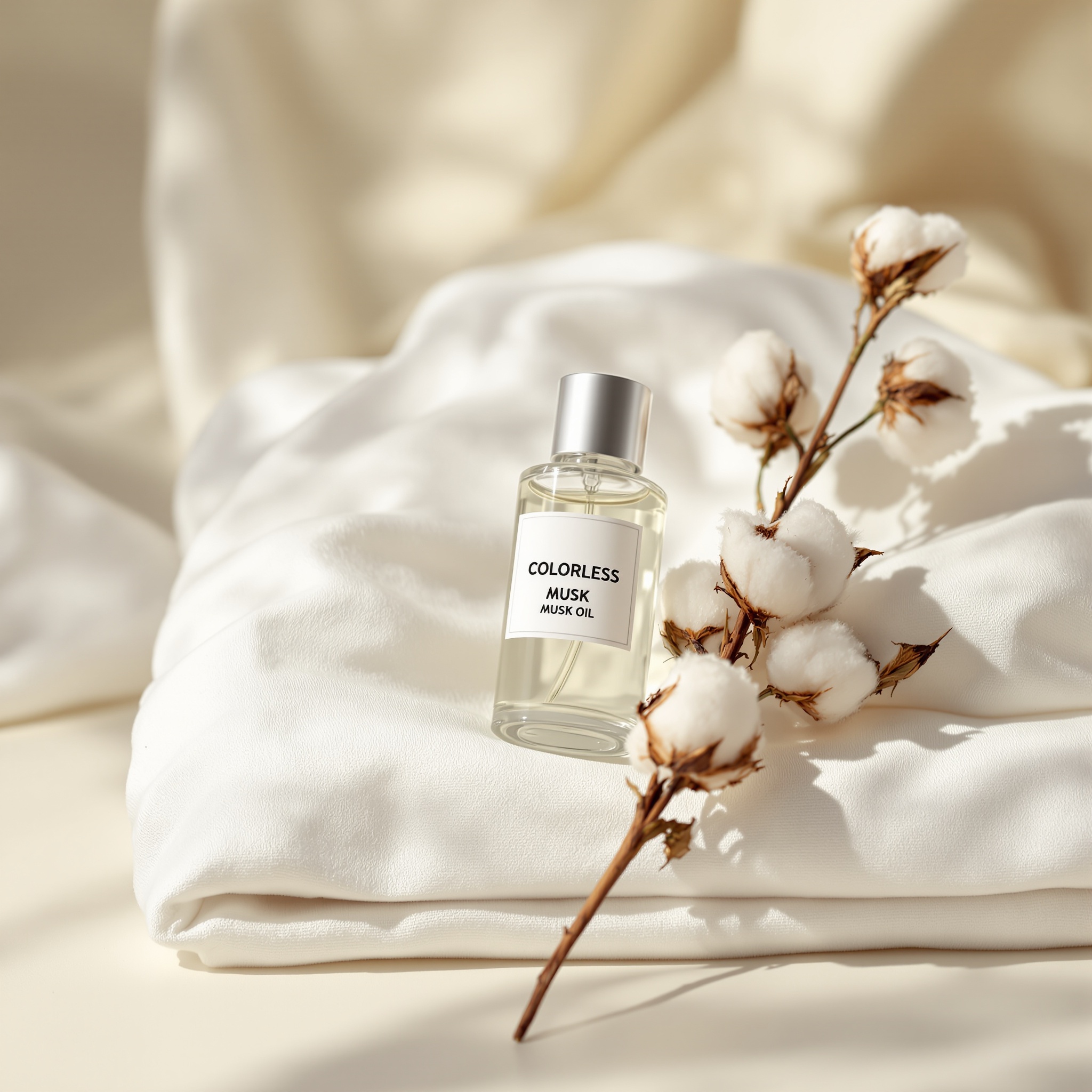
The clean lab musk in nearly everything
What it is
Lab-made musk molecules created to replace animal-derived deer musk. The familiar workhorses are Galaxolide, Habanolide and ethylene brassylate, spanning the polycyclic and biodegradable macrocyclic families, after the old nitro musks were largely restricted over persistence and toxicity concerns.
How it smells
Clean, soft and radiant, with none of the fecal animalic edge of raw deer musk. Galaxolide is sweet, round and floral-woody; Habanolide leans metallic and waxy, the so-called hot-iron musk; ethylene brassylate is soft and powdery. Together they read as fresh laundry, warm skin and airy powder.
In perfumery
Nearly all musk in modern fragrance is synthetic. These molecules anchor base notes, lend lasting power and supply the clean white-musk drydown of countless designer scents. Inexpensive, free of CITES restrictions and ethical relative to deer musk, they made musk universal across fine fragrance and detergent alike.
Good to know
White musk and synthetic musk are one family, the laundered counterpoint to animalic deer musk. Some polycyclic musks raise persistence and bioaccumulation concerns, pushing the industry toward biodegradable macrocyclics. None carry the living, sweet-animalic depth of genuine Tonkin deer musk.
Fragrance Character
The opening is luminous and briefly sharp, citrus cutting through the heat before the white florals take full possession of the composition. At the heart, tiare and tuberose press close together, dense and tropical, with ylang-ylang lending a faintly rubbery richness that prevents any sweetness from turning thin. The drydown is skin-close and warm, coconut and labdanum softening into musky vanilla, wearing like something absorbed rather than applied.

Best Worn
High summer evenings and warm spring nights, when the air already carries a trace of heat and the setting is somewhere between ease and occasion.
Why the Sunkissed Goddess Decant
The coconut-tiare-tuberose axis is full and immersive, and sampling first confirms whether its particular brand of tropical richness suits your skin chemistry before committing to a full bottle at Kilian's price point.
Official Notes
Neroli · Bergamot · Tiare Flower · Ylang-Ylang · Tuberose · Jasmine · Coconut · Vanilla · Guaiac Wood · Labdanum · Heliotrope · Musk
Explore more: Ultra-Niche Perfume Decants · All Fragrance Decants
Choose options
The Vibe
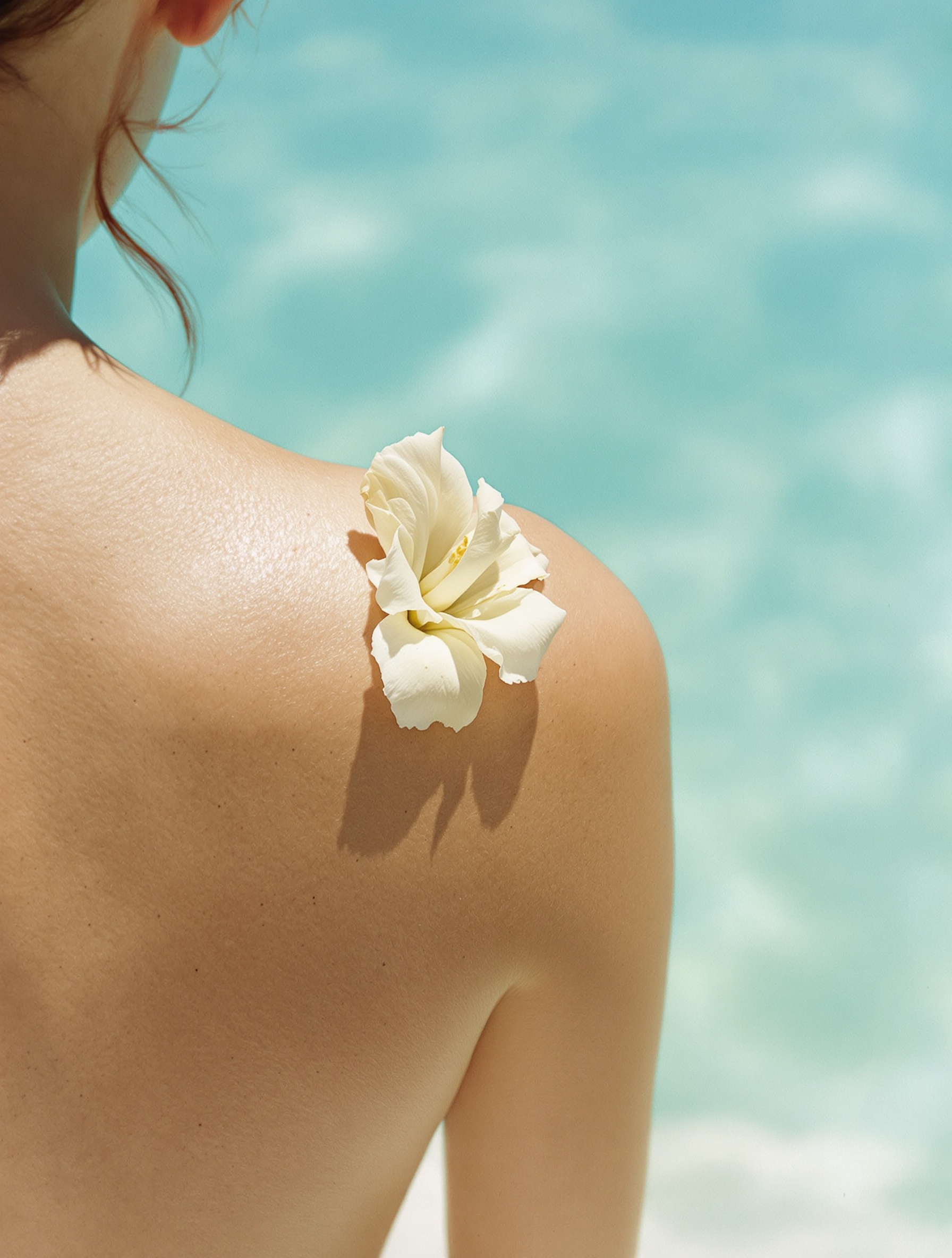
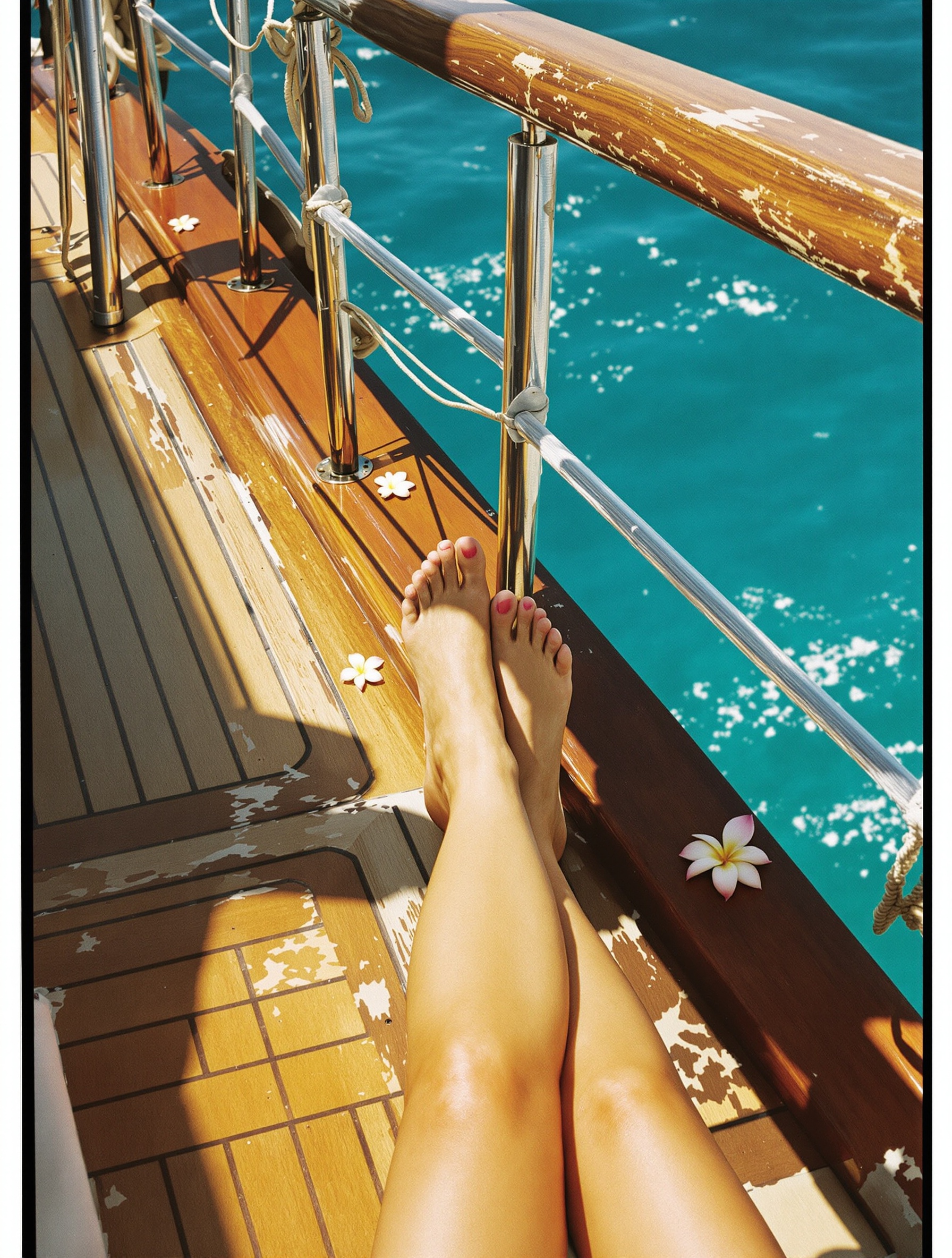
Select your decant size

You are selecting a decant size, not the full bottle