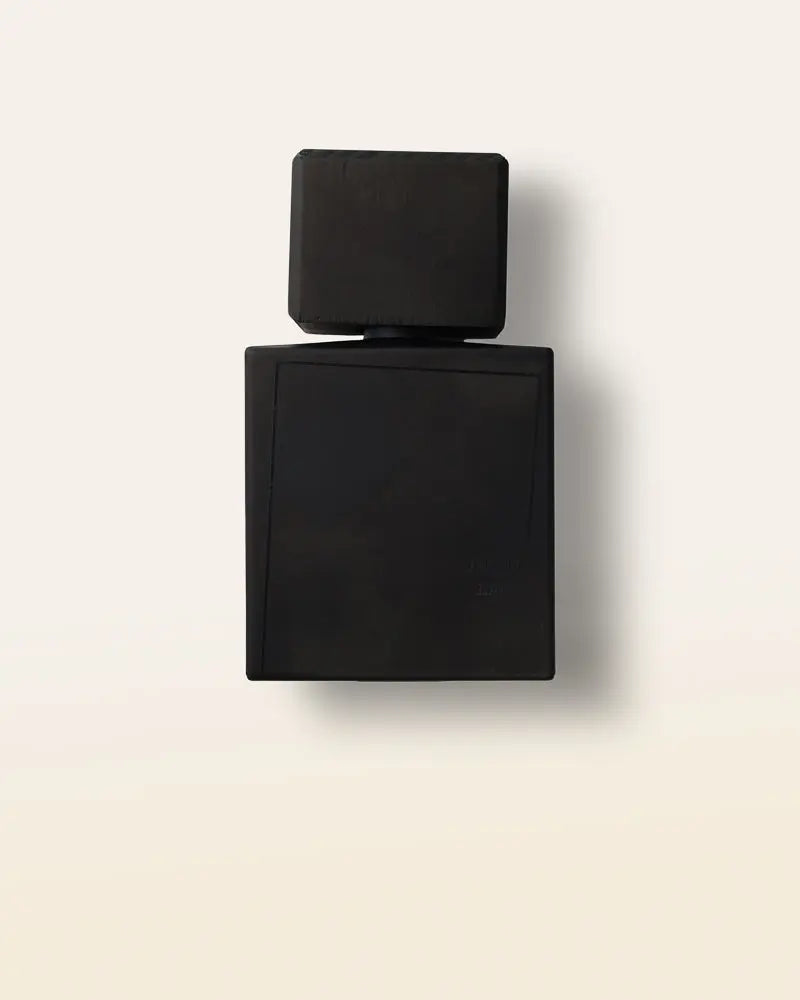

Filippo Sorcinelli - LAVS
LAVS opens on a charge of black pepper and cardamom, resinous and sharp before jasmine steadies the composition into something deeper and more ceremonial. Cloves and elemi pull it toward incense territory, while opoponax, oakmoss, and palisander rosewood anchor it in a dark, woody smoke that lingers well past the first hour.
The Nose
Composed by Filippo Sorcinelli, the founding nose of UNUM, also behind UNUM Rosa Nigra, UNUM Opus 1144 and UNUM Io Non Ho Mani Che Mi Accarezzino Il Volto.


Amber
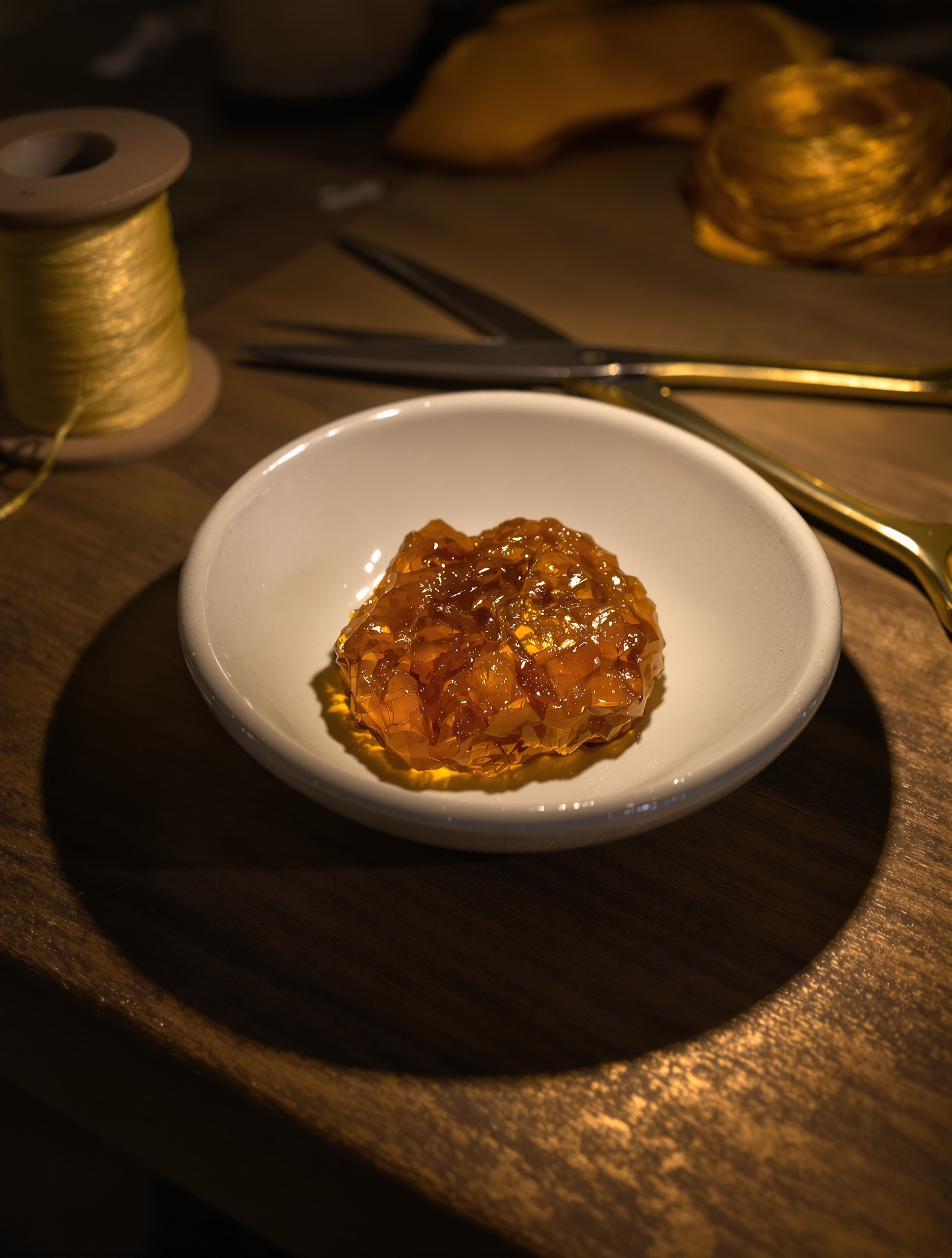
Golden resin glowing warm
A soft, resinous glow built from labdanum, benzoin, and vanilla, sweet but dusky, like sun-warmed tree sap with a hint of incense smoke. It radiates a cozy, golden heat that wraps close to the skin and lingers.


Aromatic
Crushed herbs in cool air
The green, camphorous coolness of lavender, rosemary, sage, and thyme, like herbs bruised between the fingers. It feels clean, invigorating, and a touch austere, the crisp backbone of a classic barbershop freshness.


Warm Spicy
Glowing embers of the spice drawer
The rounded heat of cinnamon, clove, and nutmeg, dry and slightly resinous, like a baking pantry rather than a sharp kitchen. It creates a flushed, enveloping warmth that feels intimate and cool-weather, hugging the skin from within.


Balsamic
Warm resin and sweet amber
A warm, syrupy richness of tree resins and golden amber, soft and slightly sweet with a vanillic, almost honeyed glow. It feels enveloping and slow, settling into the skin like candlelight, comforting and faintly sacred.


Fresh Spicy
Cool bite of cracked pepper
The crisp, tingling lift of pink pepper, cardamom, and ginger, peppery and almost effervescent rather than warm. It adds a bright, faceted sparkle and a clean prickle that feels modern, airy, and invigorating.


Woody
Dry grain of cut timber
The smell of cedar shavings, sandalwood, and dry vetiver roots, a sanded, resinous warmth with a faint pencil-box rasp. It feels grounded and composed, the quiet backbone that makes a scent read as serious and lasting.


Black Pepper
Dry heat that prickles and sharpens
What it is
The dried unripe berry of Piper nigrum, a tropical climbing vine grown in India, Vietnam, Indonesia and Madagascar. Green peppercorns are sun-dried until black and wrinkled, then steam-distilled to an essential oil; a cleaner, more diffusive material is obtained instead by CO2 extraction.
How it smells
Sharp, dry and warm-spicy with a crisp peppery bite that tingles the nose, wrapped in a fresh terpenic, woody-resinous tone and a faint citrus lift. The distilled oil reads bright and airy; the CO2 extract is rounder, warmer and closer to a freshly cracked peppercorn.
In perfumery
A top note adding lift, sparkle and a spicy snap to fresh, woody and fougere compositions, and a foil for rose, vetiver and amber in the heart. Some compositions build an entire scent around its dry, radiant crackle over cedar and woods.
Good to know
The prickly heat of whole pepper comes largely from piperine, a non-volatile compound that does not carry into the distilled oil, so black pepper essential oil smells aromatic but is not pungent on the tongue. Pepper was once so valued it served as currency and rent.


Cardamom
Green spice cracking open with citrus heat
What it is
Cardamom is the dried seed pod of Elettaria cardamomum, a tall perennial in the ginger family native to the forests of southern India and now widely farmed in Guatemala. The small green pods are hand-picked before fully ripe and dried; the cracked seeds are steam-distilled for their oil.
How it smells
Bright, green and spicy-fresh, with a cool eucalyptus-camphor lift over warm peppery sweetness. There are facets of lemon peel, pine resin and a faint smoky breadiness, like cracked pods in chai. It opens sharp and effervescent, then settles into a soft, balsamic warmth.
In perfumery
A top-to-heart spice adding sparkle and an airy, modern coolness, it bridges citrus openings and woody-amber bases without the heaviness of clove or cinnamon. It pairs with bergamot, rose, leather and oud, and is the defining spark of many a modern aromatic and woody-leather scent.
Good to know
Cardamom ranks among the world's most expensive spices, behind only saffron and vanilla, because every pod is hand-harvested at a precise unripe stage. India and Guatemala dominate supply, and the green pods rapidly lose aroma once cracked, so distillers work quickly.


Jasmine
The heady white flower at perfumery's beating heart
What it is
Jasmine is the blossom of climbing shrubs in the olive family, chiefly Jasminum grandiflorum, grown in Egypt, India and Morocco, plus Jasminum sambac from India. The fragile flowers are hand-picked at dawn, solvent-extracted with hexane into a waxy concrete, then washed with ethanol to yield the absolute.
How it smells
A warm, lush white floral, sweet and honeyed with an animalic underside. Sambac leans fruity, tea-like and dense; grandiflorum reads creamier and greener on top. Both carry a heady, narcotic richness over a green-fruity opening, drying to a soft, skin-warm, faintly mushroomy-musky base.
In perfumery
A heart-note cornerstone, bridging citrus tops and woody bases while lending volume, sensuality and rounded floral body. It pairs with rose, tuberose, ylang-ylang, sandalwood and musk. Jasmine anchors many of the great classic florals and can stand alone as a radiant soliflore.
Good to know
Roughly eight thousand hand-picked flowers yield a single gram of absolute, ranking natural jasmine among the costliest perfume materials. Much of its depth comes from indole, a molecule smelling of mothballs or decay when concentrated, yet radiant and living in the trace amounts the flower naturally holds.


Elemi
Frankincense's bright, lemon-peppered cousin
What it is
Elemi is an oleoresin from Canarium luzonicum, a tall tropical tree native to the Philippines, in the same Burseraceae family as frankincense. Tappers cut shallow incisions in the bark; the tree weeps a soft white gum that yellows in air, which is then steam-distilled into a pale essential oil.
How it smells
Bright and resinous, opening with a sharp lemon-and-pine zing over green, peppery freshness. Beneath the citrus lift sits a warm, balsamic, dill-and-fennel spiciness with faint incense smoke. It dries down soft, woody and slightly sweet, far lighter than its frankincense relatives.
In perfumery
Used as a top-to-heart note that adds sparkle, lift and a resinous backbone while bridging citrus to woods and incense. It pairs with frankincense, lavender, myrrh and spices, giving oriental and incense compositions a fresh, terpenic glow without heaviness or smoke.
Good to know
The name is often traced to an Arabic phrase meaning roughly as above, so below, and elemi was a fixture in Renaissance healing balms and varnishes long before perfumery. Its high yield from resin, around fifteen to twenty-five percent oil, keeps it relatively affordable among naturals.


Labdanum
Sticky amber resin scraped from sun-baked rockrose
What it is
Labdanum is a dark, sticky resin from the rockrose shrub Cistus ladanifer, native to the western Mediterranean. The plant exudes a fragrant gum on its leaves and twigs in summer heat; branches are boiled or scraped to recover the crude resin, which is then solvent-extracted into absolute and resinoid.
How it smells
Deep, warm and balsamic with leathery, animalic and faintly sweet facets that read as soft amber. Dried-fruit, honey, smoke and pine undertones run through it. It opens resinous and almost ambergris-like, then dries into a brown tobacco-and-leather warmth that lingers for hours.
In perfumery
A foundational base note and the natural backbone of most amber accords, usually built with vanilla and benzoin. A strong fixative, it deepens chypres, orientals and leathers and pairs with rose, oakmoss and incense. It underpins many golden-age oriental classics and countless amber compositions.
Good to know
In antiquity labdanum was combed from the matted beards and thighs of goats and sheep that had browsed through cistus thickets, then raked off with a toothed tool called a ladanisterion. It is one of the oldest aromatic materials, predating distillation by millennia.


Cloves
Warm pinpricks of dark, resinous spice
What it is
The dried unopened flower buds of Syzygium aromaticum, an evergreen tree native to Indonesia's Maluku Islands and now grown in Madagascar, Zanzibar and Sri Lanka. Buds are picked before they bloom, sun-dried to deep brown, then steam-distilled into clove bud oil rich in eugenol.
How it smells
Hot, sweet and woody-spicy, with a sharp medicinal bite and a faint floral roundness. The top is almost peppery and numbing, recalling dental antiseptic, before drying into a warm, balsamic, slightly fruity base. Eugenol gives that signature tingling, carnation-like edge.
In perfumery
A heart and base accent adding warmth, spice and an old-fashioned carnation effect, paired with rose, ylang, vanilla and ambery resins. Several classic spicy compositions open with clove, and it underpins countless spicy-oriental and carnation compositions.
Good to know
Cloves once drove global trade wars; the Dutch burned whole groves to corner supply. Eugenol is restricted by IFRA as a skin sensitiser, so modern perfumers dose natural clove oil sparingly or reach for purified eugenol fractions instead.


Coriander
Green seed warmth turning soft and woody
What it is
The dried ripe seeds of Coriandrum sativum, an annual herb in the carrot family grown across Eastern Europe, Russia and India. Crushed seeds are steam-distilled into an essential oil dominated by linalool. The fresh leaf, called cilantro, smells entirely different and is rarely used in perfume.
How it smells
Warm, sweet and softly spicy, with a peppery, woody lift and a faint citrus-floral edge from its high linalool content. It opens fresh and green-aromatic, then dries into a rounded, slightly aldehydic warmth recalling lavender, rosewood and a hint of gingerbread.
In perfumery
A top-to-heart note adding freshness, spice and lavender-like roundness to fougeres and aromatic men's scents, paired with bergamot, lavender, geranium and ambery bases. Coriander is a classic heart note in many vintage citrus-aromatic and spicy compositions.
Good to know
Coriander is among the oldest cultivated spices, with seeds recovered from Egyptian tombs including Tutankhamun's. Because the seed oil runs up to seventy percent linalool, it gives perfumers a natural, gentler-smelling source of that molecule than the isolated synthetic.


Opoponax
Sweet myrrh purring honey, balsam and old wood
What it is
Known as sweet myrrh, opoponax is the oleo-gum-resin of Commiphora species, chiefly Commiphora guidottii, from Somalia and Ethiopia. The tapped bark exudes a sap that hardens into reddish tears, which are steam-distilled to an oil or solvent-extracted to a resinoid and absolute.
How it smells
Sweeter and rounder than true myrrh, with honeyed, balsamic warmth and a faint effervescent lift on opening. Beneath runs a dusty, slightly animalic, mushroom-tinged depth and dry old-wood character. Less medicinal and sharp than myrrh, closer to benzoin but drier and more powdery.
In perfumery
A base note and soft fixative giving amber accords their honeyed, balsamic glow, it can also lend a sweet lift higher in a chypre. Pairs with labdanum, vanilla, incense and rose. It is a signature thread through classic orientals and powdery amber compositions.
Good to know
The trade name is loosely applied. Historical opoponax came from an unrelated parsley-family plant, Opopanax chironium of the Mediterranean, whereas today's perfumery material is almost always a Commiphora resin — so the single word can name two botanically distinct things.


Oakmoss
The damp green soul of the forest floor
What it is
Oakmoss is not a true moss but a lichen, Evernia prunastri, growing on oak and other deciduous bark across temperate Europe, notably the Balkans, France and Morocco. The harvested thalli are solvent-extracted into a dark, viscous concrete and absolute, the raw materials used in perfumery.
How it smells
Deeply earthy and forest-green, with damp bark, wet stone and a leathery, inky undertone. A dry, faintly bitter mossiness carries marine and tar-like facets. The effect is shadowy rather than fresh, evoking the cool floor beneath old trees after rain has soaked the ground.
In perfumery
A base note and the backbone of the chypre family, lending structure, depth and a vintage signature. It pairs classically with bergamot, labdanum and patchouli. It defines the great peach-spiced chypres and the green core of classic galbanum florals, plus countless mossy fougères and masculines.
Good to know
Oakmoss extracts contain atranol and chloroatranol, potent skin allergens the EU effectively banned in 2017. IFRA now requires reduced-allergen, low-atranol versions, capping these molecules to trace levels, which has quietly reshaped how the classic chypre smells in reformulated modern perfumes.


Palisander Rosewood
Creamy rose-wood with a peachy glow
What it is
Essential oil of bois de rose, from Aniba rosaeodora, a tree of the laurel family native to the Amazon basin of Brazil, Peru and the Guianas. The name comes from the rosy scent of the freshly cut wood. Oil is steam-distilled from heartwood chips, with leaf distillation now allowing harvest without felling.
How it smells
Sweet, rosy and woody, soft and creamy from its very high linalool content, with a peachy, faintly spicy undertone. More floral than cedarwood and lighter than sandalwood, it opens fresh and slightly camphoraceous before settling into a smooth, warm, balsamic woodiness that feels rounded rather than dry.
In perfumery
A heart note that bridges florals and woods, contributing natural linalool, brightness and a creamy lift. It pairs with rose, jasmine, vetiver and citrus in chypres and woody florals. Brazilian rosewood oil was historically a core ingredient of many of the great aldehydic florals.
Good to know
Overharvesting for its linalool nearly drove Aniba rosaeodora to extinction, and it is now on CITES Appendix II, tightly restricting trade. Genuine rosewood oil is roughly 70 to 90 percent linalool, among the richest natural sources, though much is now replaced by ho wood oil or synthetic linalool.


Amber
A warm resinous glow built, not harvested
What it is
Amber is not one ingredient but a perfumer's accord, most often blending labdanum (a sticky resin from the Mediterranean rockrose shrub Cistus ladanifer), benzoin and vanilla, sometimes with tonka or Peru balsam. Despite the name, it has no link to fossilized tree amber, which stays odorless on skin.
How it smells
Warm, soft and balsamic, a powdery sweetness sitting over dry resin. It opens honeyed and faintly animalic from labdanum, then settles into rounded golden warmth recalling beeswax, tobacco and worn leather, threaded with a quiet smoky, incense-like undertone that lingers close to the skin.
In perfumery
A base note prized for warmth, depth and long persistence, anchoring oriental and amber compositions. It pairs naturally with vanilla, patchouli, sandalwood and spices. The sweet vanilla-amber template is a perfumery classic, while drier, resin-forward and herbal readings show its other face.
Good to know
The word once meant ambergris, the waxy intestinal secretion of sperm whales, fueling centuries of confusion among three unrelated things: fossil tree amber, whale ambergris and the resin accord. Modern amber bases are wholly plant and synthetic, leaning on molecules like Ambroxan rather than any animal source.


Tonka Bean
Warm almond-vanilla sweetness with a hay-tobacco shadow
What it is
Tonka bean is the cured seed of Dipteryx odorata, a tall South American legume tree of Venezuela, Brazil and Guyana. Shelled seeds are soaked in alcohol, then dried for weeks until coumarin frosts their surface. Perfumers use a solvent-extracted absolute drawn from these cured beans.
How it smells
A warm, sweet bouquet of vanilla and bitter almond, threaded with hay, dried tobacco and toasted nuts. The opening recalls caramelized custard; the drydown turns powdery and faintly boozy, with cinnamon and cut clover. Rounder and hazier than vanilla, softer and less sharp than almond.
In perfumery
A base and heart material prized for warmth, sweetness and soft persistence. It bridges gourmand, oriental and fougère accords, pairing with vanilla, lavender, amber and tobacco. Tonka and its coumarin shaped the very first fougère, and underpin the sweet drydown of countless oriental-gourmand blends.
Good to know
Tonka owes most of its scent to coumarin, which the FDA banned as a food additive in 1954 after hepatotoxicity appeared in animal studies at high doses. So tonka is effectively illegal in American kitchens, yet remains entirely legal, and widely loved, in fine fragrance.
Fragrance Character
The opening strikes hard, pepper and cardamom crackling against a thread of jasmine that reads more solemn than floral. Elemi and cloves push the heart into liturgical resin, labdanum adding a thick, animalic warmth beneath. The drydown belongs to opoponax and oakmoss, a slow, balsamic fade that sits close to the skin like worn velvet, tonka rounding the edges without sweetening.


Longevity
how long it stays on skin
This gauge reads the expected wear time, how many hours the fragrance keeps speaking on skin before it fades. A marker near the low end means a few fleeting hours, while a marker pushed to the far end promises a scent still present from morning into night.


Sillage
the size of its scent trail
This reads how far the fragrance reaches beyond you and the trail it leaves behind. Low sits soft against the skin, an intimate whisper noticed only up close; high climbs through moderate and strong toward enormous, filling a room and lingering in the air after you have left it.


Experimental
For the bold and curious
Unconventional, boundary-pushing scents for someone who wants to provoke a reaction and stand apart. Suited to artistic, challenging compositions: inky tar, rubber, fermented fruit, metallic or animalic facets that defy easy liking. On this wheel a glowing coin means it rewards the adventurous nose, a dim one means it plays things safe.


Office
Polished but never overpowering
Close-quarters professional settings where a scent should be noticed only by those near you. Suited to restrained, clean compositions with modest projection: tidy citrus, soft musk, pale woods that read competent and considerate. On this wheel a glowing coin means it works in shared workspaces, a dim one means it carries too far.


Evening
After dark, turned up
Dinners, drinks, and nights out when a fragrance can deepen and project with confidence. Suited to richer, warmer compositions: ambers, resins, smoky woods, or plush florals that bloom under low light. On this wheel a glowing coin means the scent comes alive after sundown, a dim one means it stays better suited to daytime.


Romantic
Close enough to be felt
Intimate moments and date nights meant to draw someone nearer. Suited to warm, sensual compositions that hum against skin: creamy florals, vanilla, soft musk, a touch of spice or amber that invites closeness. On this wheel a glowing coin means it sets an alluring mood, a dim one means it leans more practical than seductive.


Formal
Refined for the occasion that matters
Weddings, ceremonies, galas, and dressed-up affairs that call for composure and elegance. Suited to polished, structured scents with quiet authority: smooth woods, refined florals, soft leather, nothing loud or playful. On this wheel a glowing coin means it carries the right gravitas, a dim one means it feels too casual for the room.


Casual
Easy comfort for unhurried days
Everyday wear with no agenda: errands, coffee, friends, a slow weekend. Suited to soft, approachable scents that feel clean and natural, like fresh citrus, light woods, or a gentle skin warmth. On this wheel a glowing coin means the fragrance fits these laid-back moments, a dim one means it asks for more.


Day to Night
where its mood naturally falls
This slider reads the hour the fragrance was made for. A marker to the left leans luminous and bright, easy in daylight and open air; slide it right and the character turns deeper and warmer, the kind of presence that belongs to evening and candlelit rooms.


Winter
Warmth that carries through cold air
Cold air mutes and slows a fragrance, so winter rewards the dense and the warm: resins, smoke, vanilla, leather, and ambered spice that radiate heat against the chill. The bar shows how strongly this particular scent holds up and glows in cold weather.


Spring
Fresh blooms in mild, rising warmth
Mild, humid air lifts lighter compositions beautifully, so spring favors dewy florals, green stems, soft powder, and transparent citrus that feel alive rather than heavy. The bar shows how well this particular scent matches that fresh, gently warming season.


Summer
Bright and airy in real heat
Heat amplifies and projects scent hard, so summer calls for cool, crisp, breathable things: sharp citrus, salty marine air, aromatic herbs, and watery freshness that refresh instead of cloy. The bar shows how comfortably this particular scent wears in real warmth.


Fall
Spiced warmth for cooling days
As temperatures drop, richer materials read clearly without smothering, so autumn suits dry woods, warm spice, tobacco, amber, and golden fruit that feel cozy and contemplative. The bar shows how naturally this particular scent settles into crisp, cooling days.
Best Worn
For the coldest autumn nights and the depth of winter, a fragrance for dressed-up, refined occasions and the kind of solitary evening the adventurous wear for its own sake, its resinous incense commanding quiet.
Why the LAVS Decant
LAVS is dense and resinous enough that a full bottle is a serious commitment; a decant lets you gauge how that heavy, incense-and-oakmoss core behaves across a full wearing before investing.
Official Notes
Black Pepper · Cardamom · Jasmine · Elemi · Labdanum · Cloves · Coriander · Opoponax · Oakmoss · Palisander Rosewood · Amber · Tonka Bean
Explore more: Ultra-Niche Perfume Decants · All Fragrance Decants
Choose options
The Vibe
Select your decant size

You are selecting a decant size, not the full bottle