


Ex Nihilo - Blue Talisman Extrait
Blue Talisman Extrait by Ex Nihilo opens with pear and bergamot, turns to orange blossom and jasmine sambac, and dries down to amberwood, ambrofix™, sandalwood, musk and vanilla.
The Nose
Composed by Jordi Fernandez for Ex Nihilo, also behind Explicite, Outcast Blue and Gold Immortals.
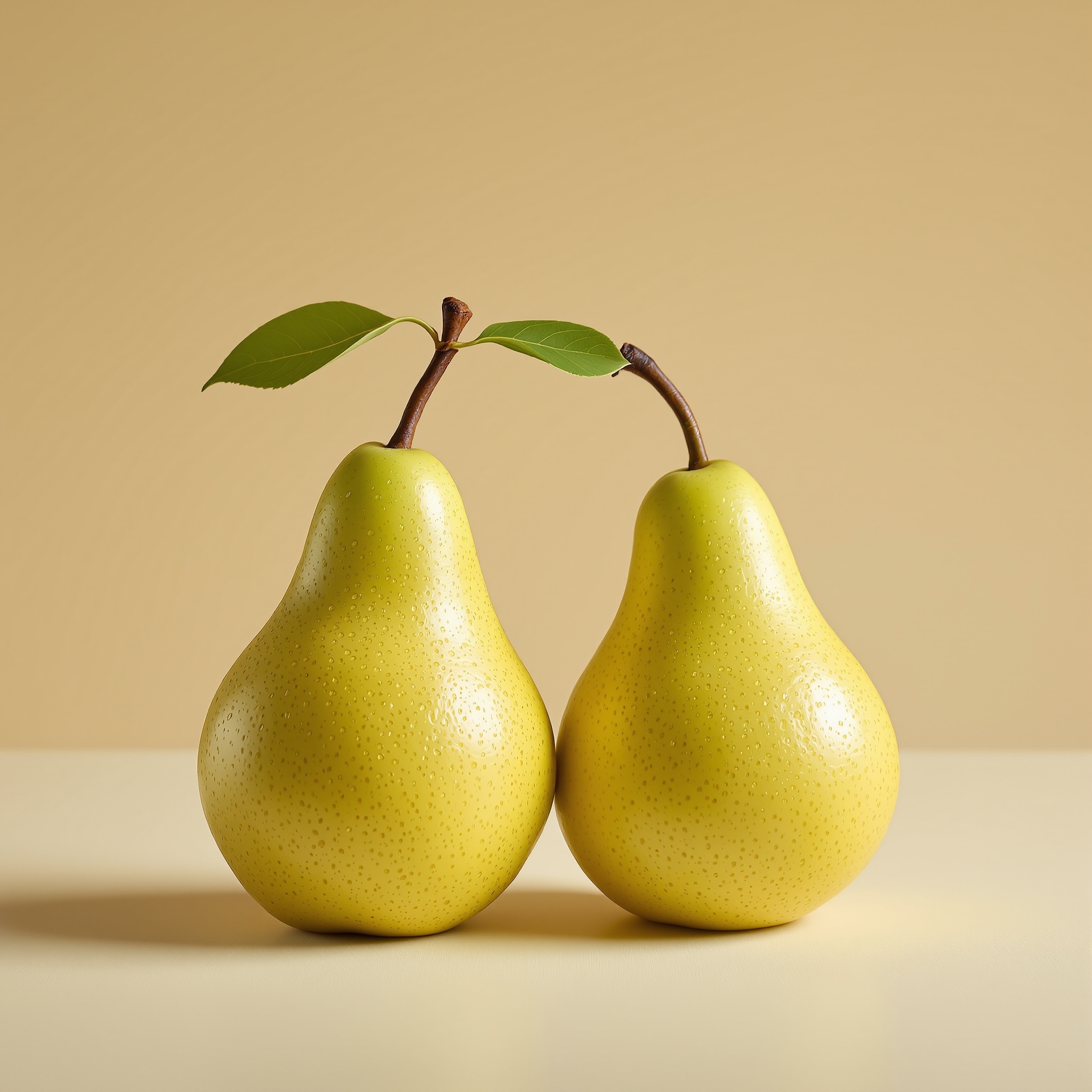
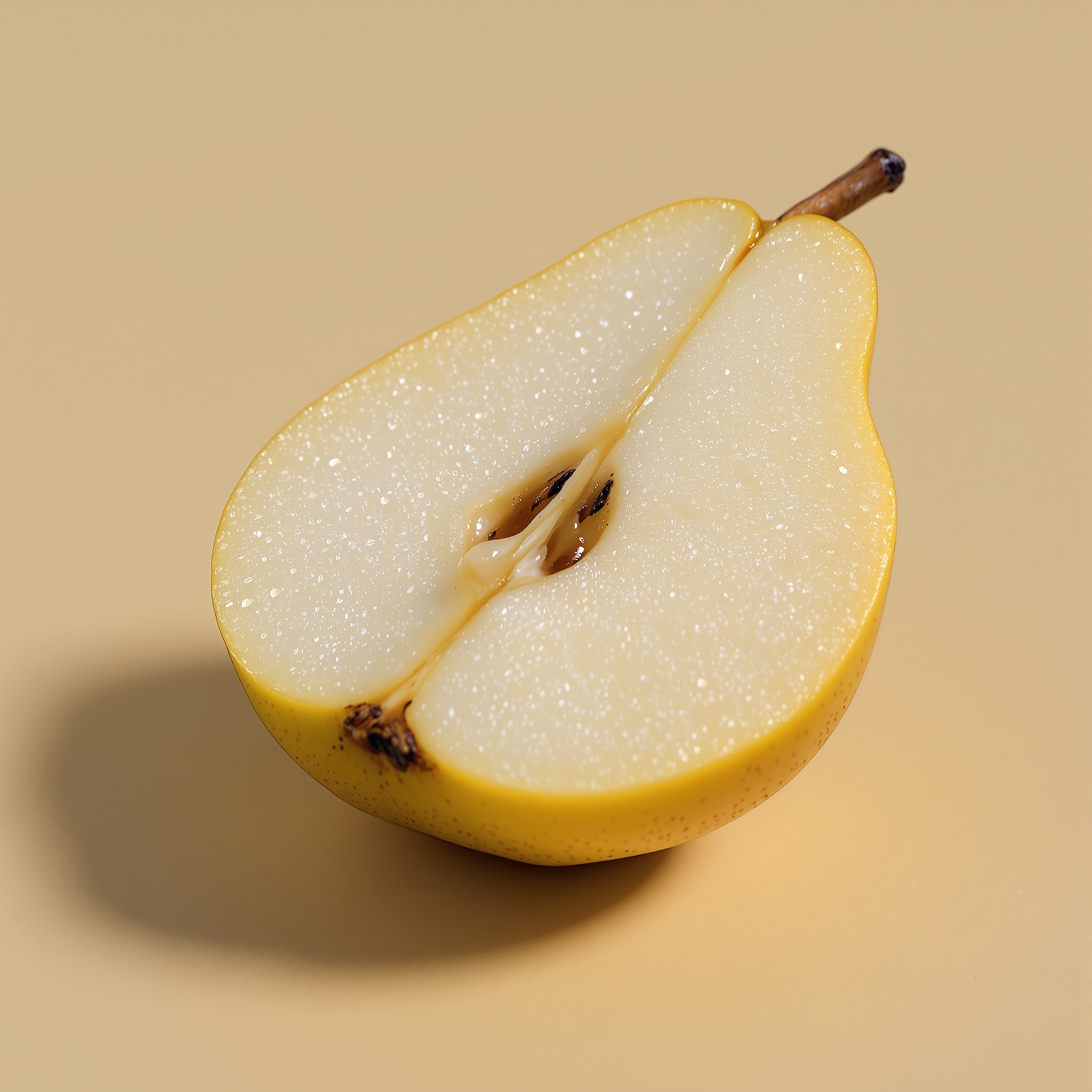
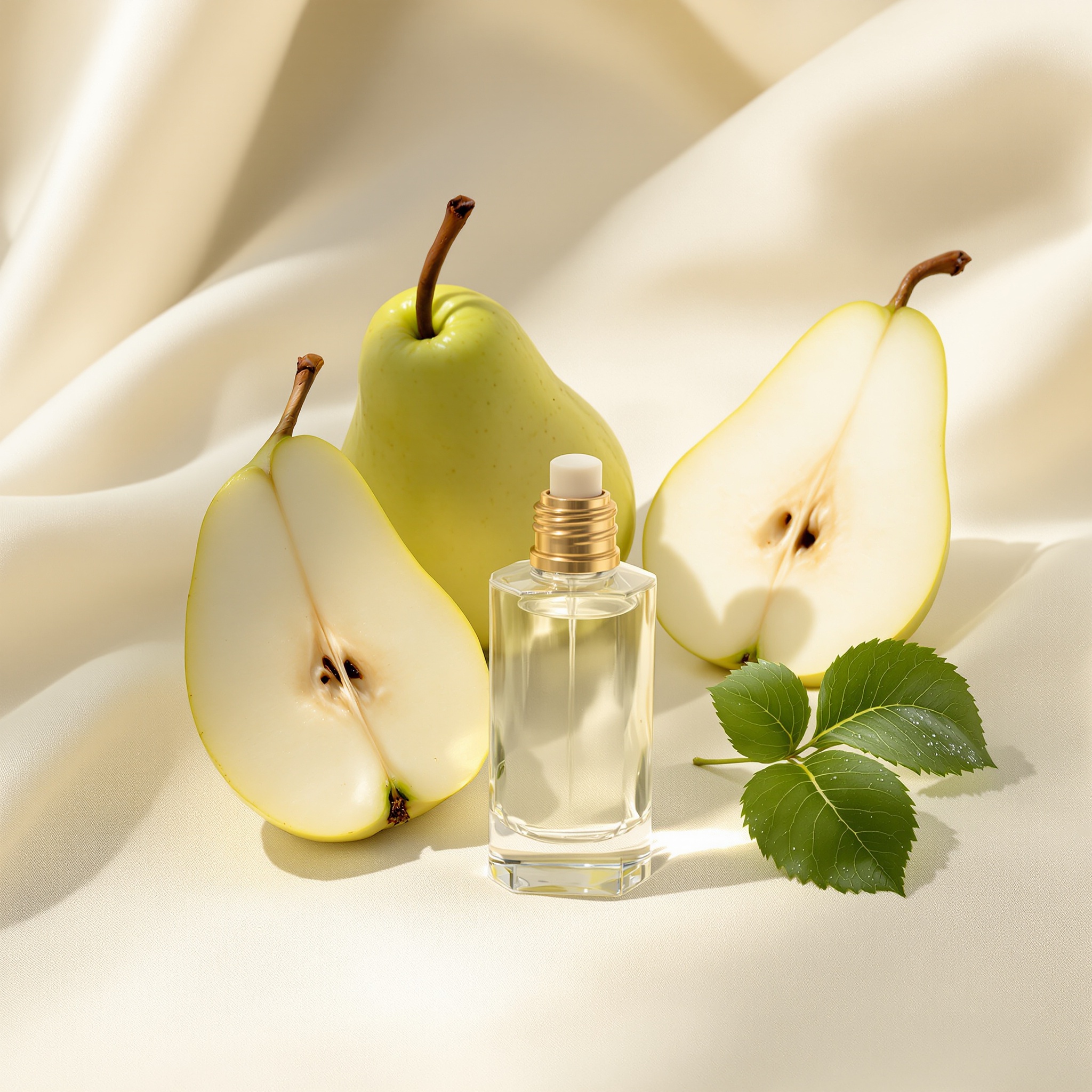
Synthetic Pear
The clean, bright, lab-built pear of mainstream perfumery
What it is
Like every pear note, this is an accord rather than an extract — but here it is composed from purpose-made aroma chemicals, chiefly fruity esters and pear-type acetates such as the material commonly sold under names like Frutene. These molecules are synthesized to deliver the pear effect directly, with no botanical sourcing required. It is the standard, widely-used way perfumery renders pear today.
How it smells
Crisp, juicy, and unmistakably pear, with a bright, candied, slightly green sparkle. Compared with the natural construction it reads cleaner and more linear — a precise, high-definition snap of fruit rather than a soft, shifting impression. The signal is louder and more consistent, which is exactly what most compositions want from it.
In perfumery
It is a workhorse top and heart note across mainstream and commercial fragrance, adding instant freshness and approachable sweetness to fruity-florals, fresh musks, and gourmands. The esters are easy to dose, diffusive, and blend predictably with countless other materials. Because they are reliable and forgiving, they appear in everything from fine fragrance to functional products like soaps and detergents.
Good to know
This is the ubiquitous, economical option: synthetic pear is cheap, abundant, and identical batch to batch, with none of the seasonal variation of naturals. That consistency and low cost are genuine strengths, not flaws — they make pear available at any price point and ensure a perfume smells the same year after year. Choosing synthetic pear is a practical, honest formulation decision, simply a different path than the rare all-natural one.
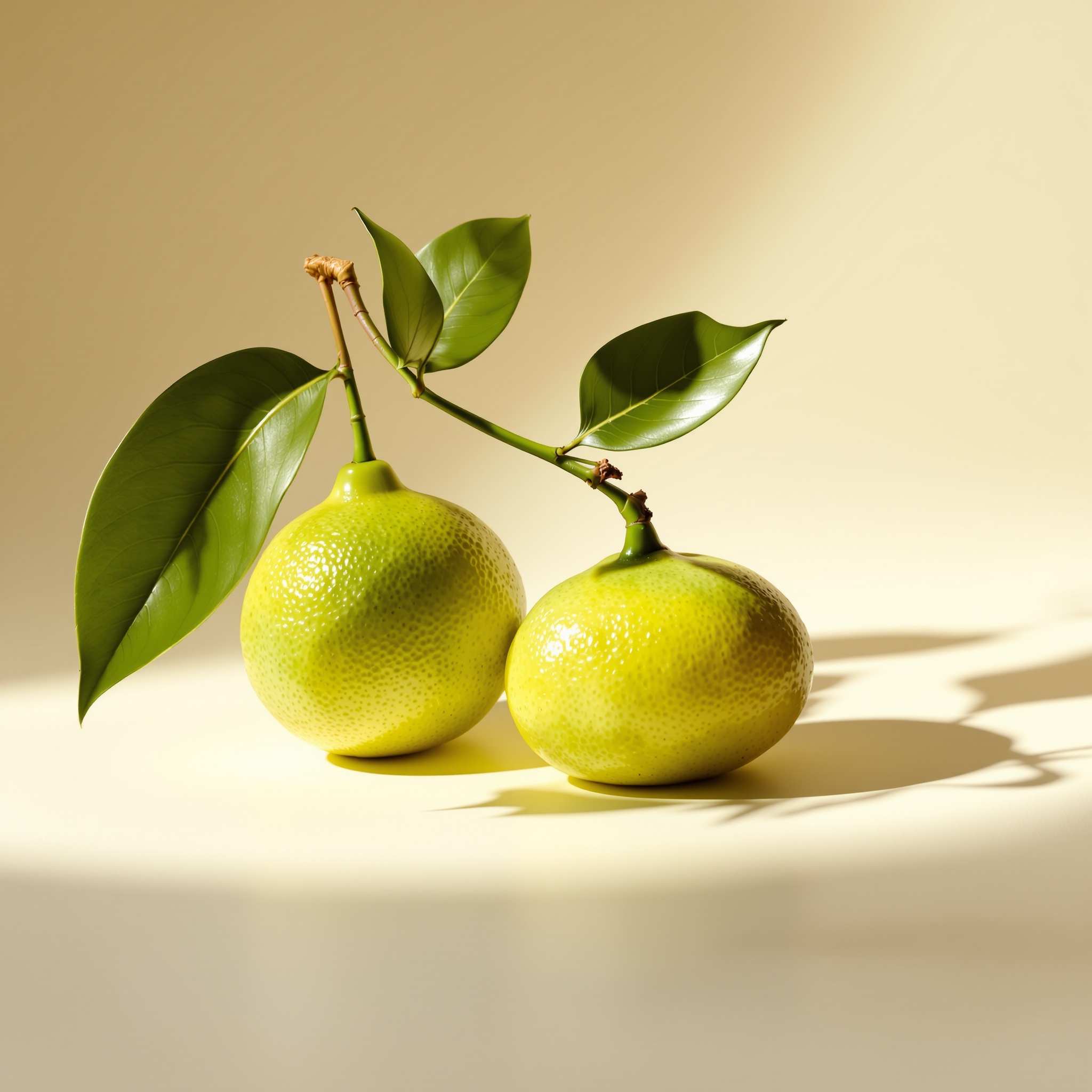
Bergamot
Sparkling citrus light with a bittersweet edge
What it is
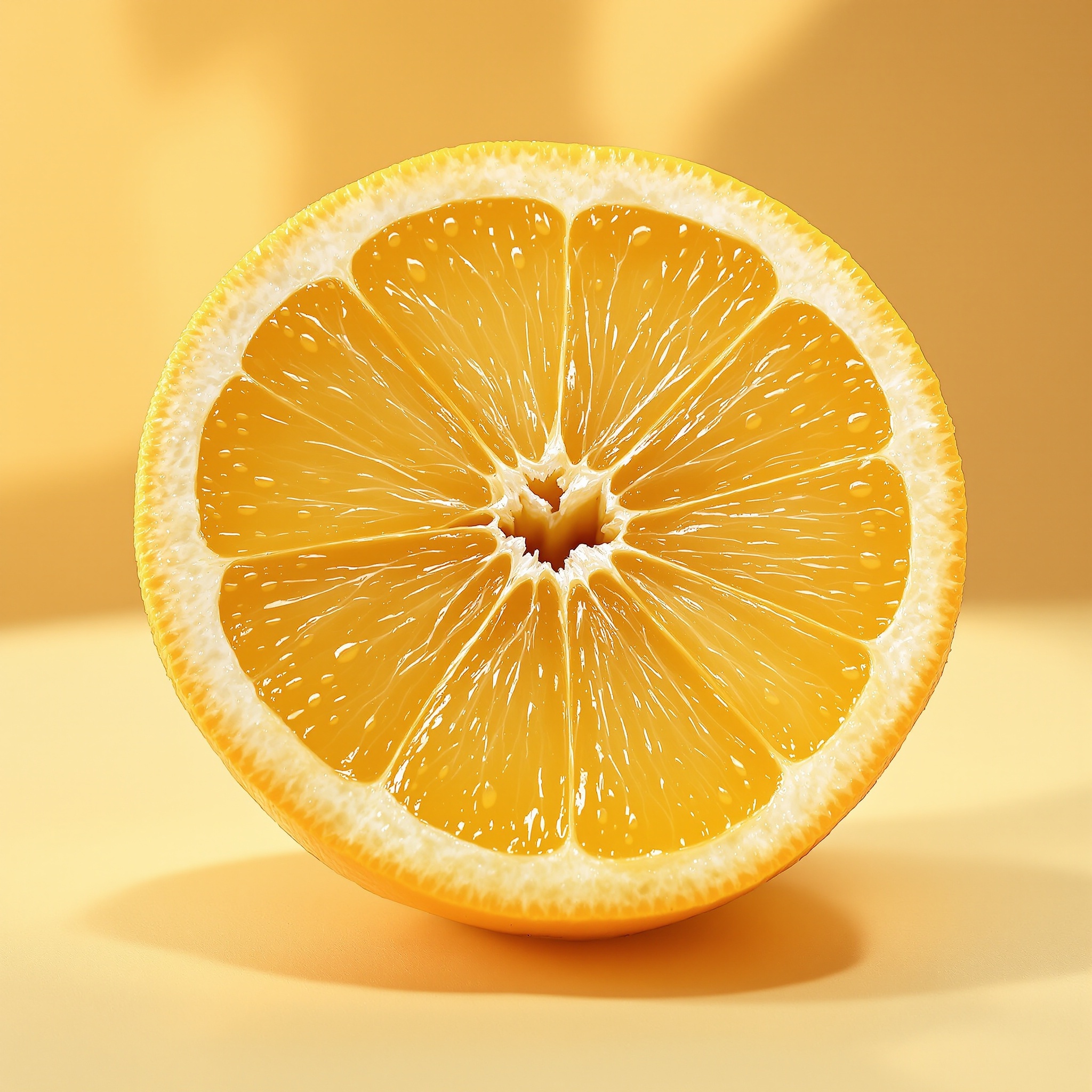
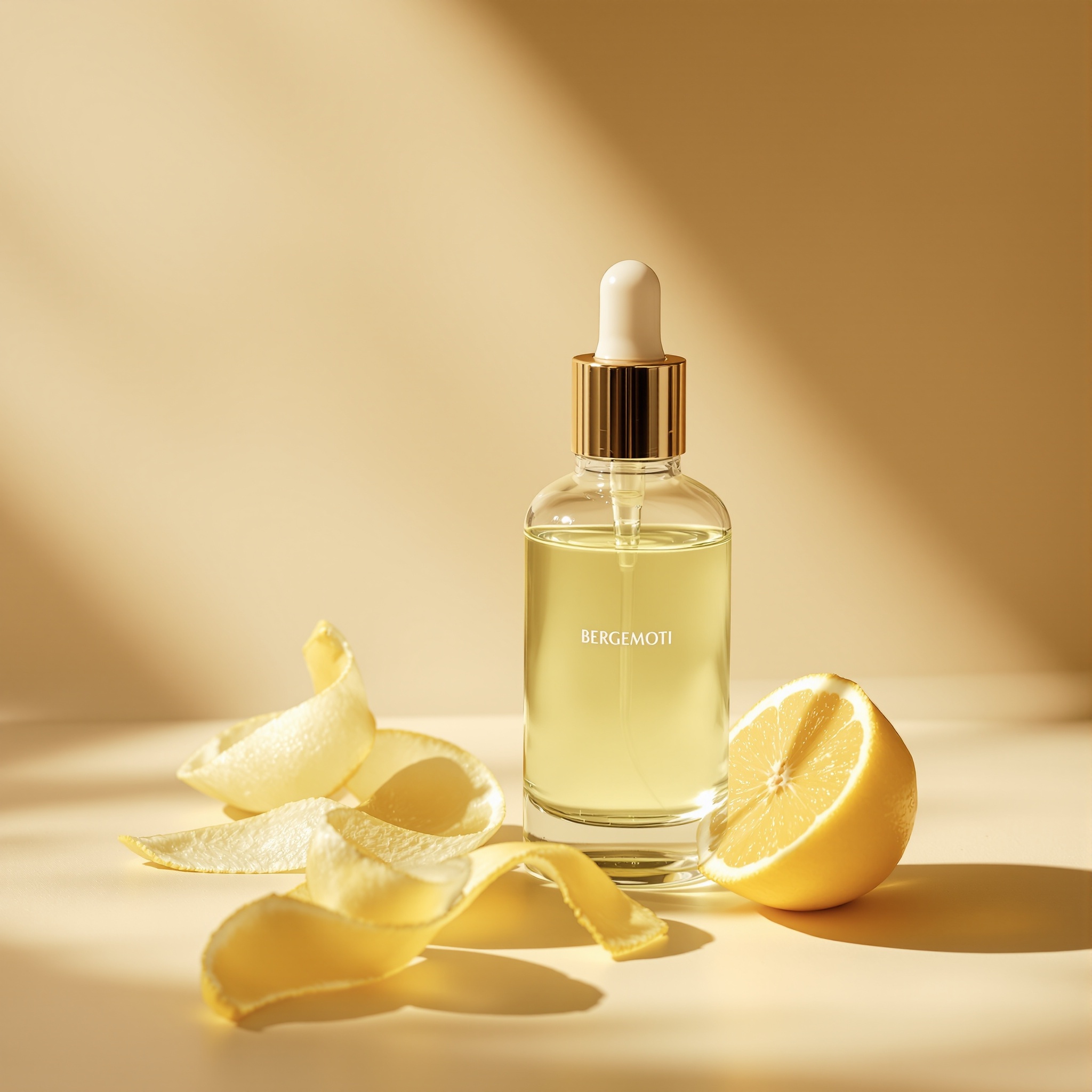
Bergamot is a small citrus fruit, Citrus bergamia, grown almost entirely along the Calabrian coast of southern Italy. The aromatic oil sits in glands in the rind of the unripe green-yellow fruit and is cold-pressed mechanically from the peel rather than distilled, preserving its fresh brightness.
How it smells
Bright, zesty and green, a sweet citrus sparkle softened by a floral, almost tea-like smoothness. Underneath runs a faintly bitter, balsamic warmth that sets it apart from lemon or orange. It flashes lively on opening, then fades quickly into a soft, slightly spicy hum.
In perfumery
The classic top note, bergamot adds freshness and lift while blending sharp citrus into the heart. It defines eau de cologne and the fougère family, harmonizing with lavender, neroli and oakmoss. It opens countless modern fresh-floral compositions, and its oil gives Earl Grey tea its scent.
Good to know
Natural bergamot oil contains bergapten, a furocoumarin that makes skin highly sensitive to sunlight and can cause burns. Modern perfumery uses bergapten-free (FCF) oil to meet IFRA safety limits, so most contemporary bergamot in fragrance is purified rather than raw cold-pressed oil.
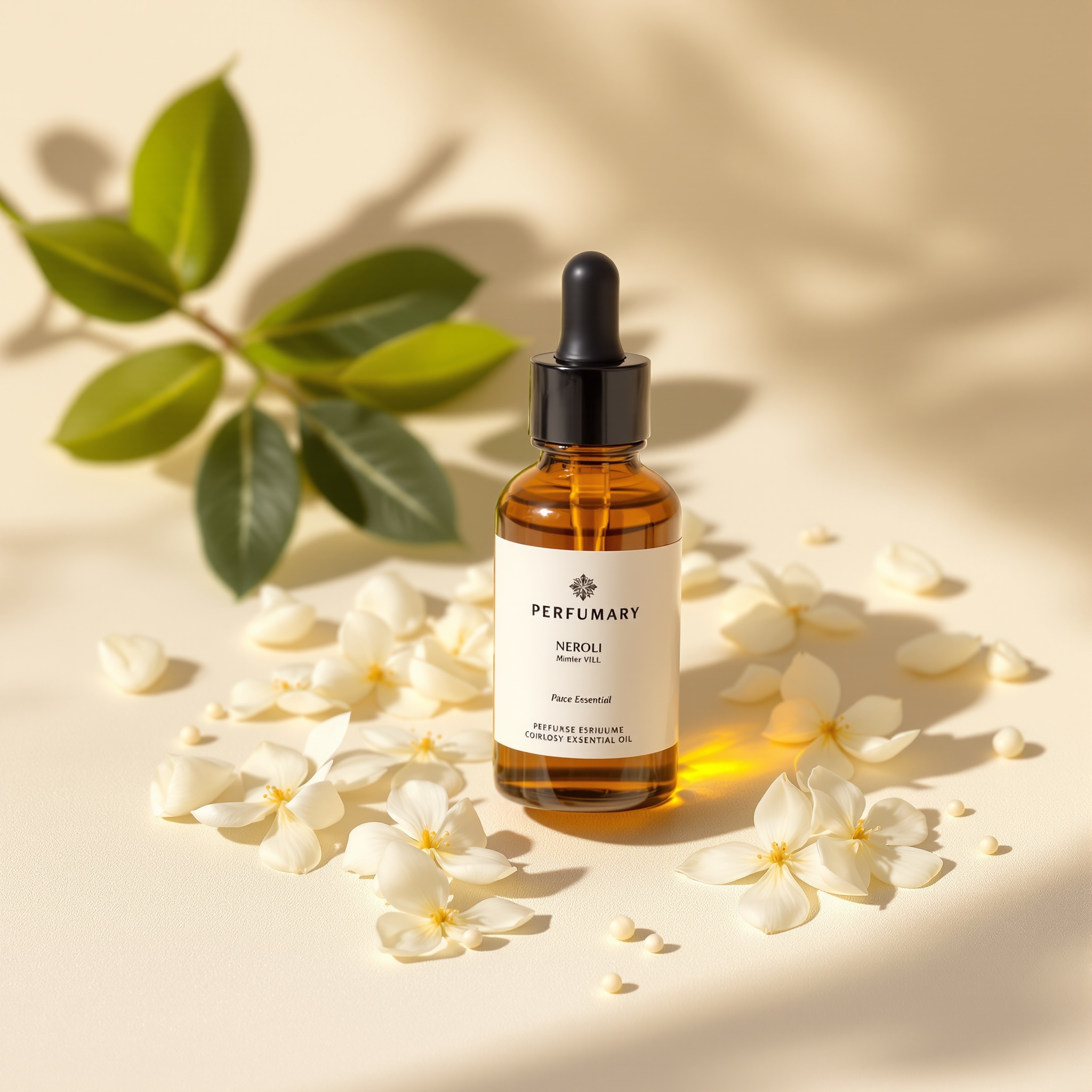
Orange Blossom
White petals between honey and bitter green
What it is
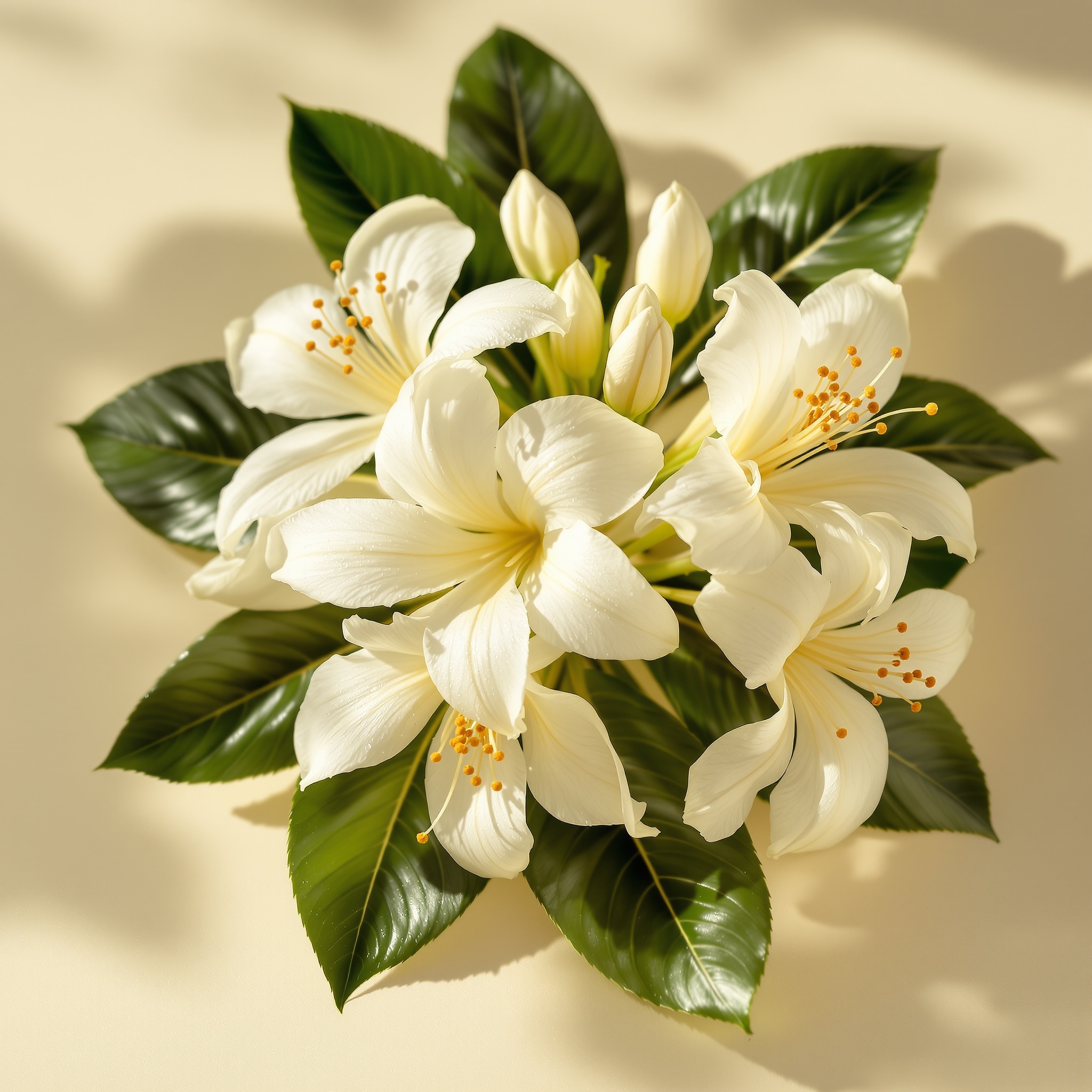
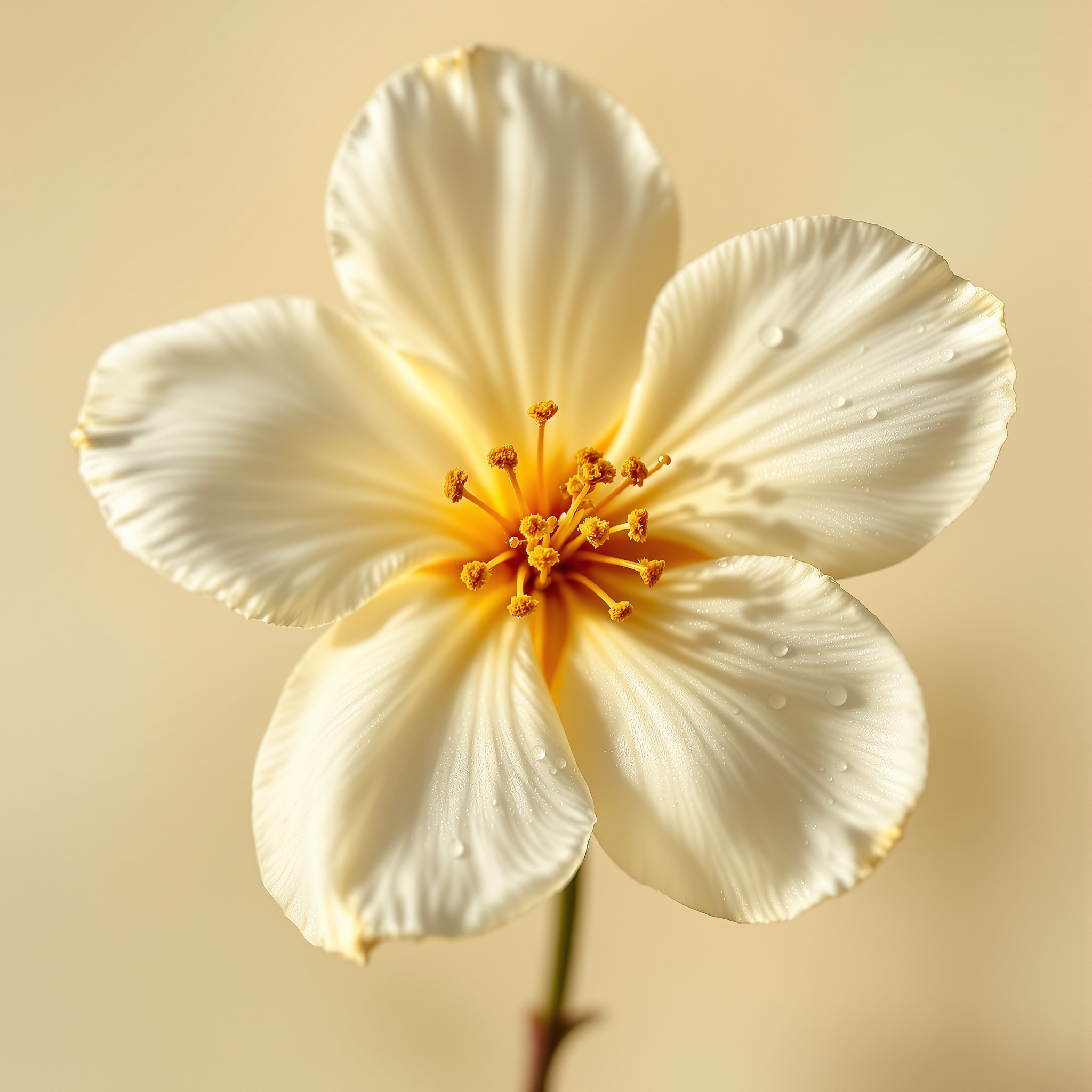
The flower of the bitter orange tree, Citrus aurantium, grown mainly in Tunisia, Morocco and across the Mediterranean. Hand-picked white blossoms yield two materials: neroli, steam-distilled from the fresh flowers, and orange blossom absolute, solvent-extracted from the same petals into a richer, waxy concrete and then absolute.
How it smells
A sweet white floral with honeyed nectar at its core, lifted by a clean bitter-green edge and a faint metallic coolness. Neroli reads brighter and slightly soapy; the absolute is warmer, more animalic and indolic, carrying a soft, almost musky depth underneath the sweetness.
In perfumery
A heart note bridging citrus tops and floral or musky bases, adding radiance and fresh sweetness. It anchors classic colognes and modern florals alike, from diffusive, sparkling neroli accords to the plush, indolic blossom threading through bold white florals.
Good to know
Neroli reportedly takes its name from Anna Maria de La Tremoille, 17th-century Princess of Nerola near Rome, who scented her gloves, gloves and bathwater with the oil. Distilling one kilogram of neroli takes roughly a tonne of freshly picked blossoms, making it costly.
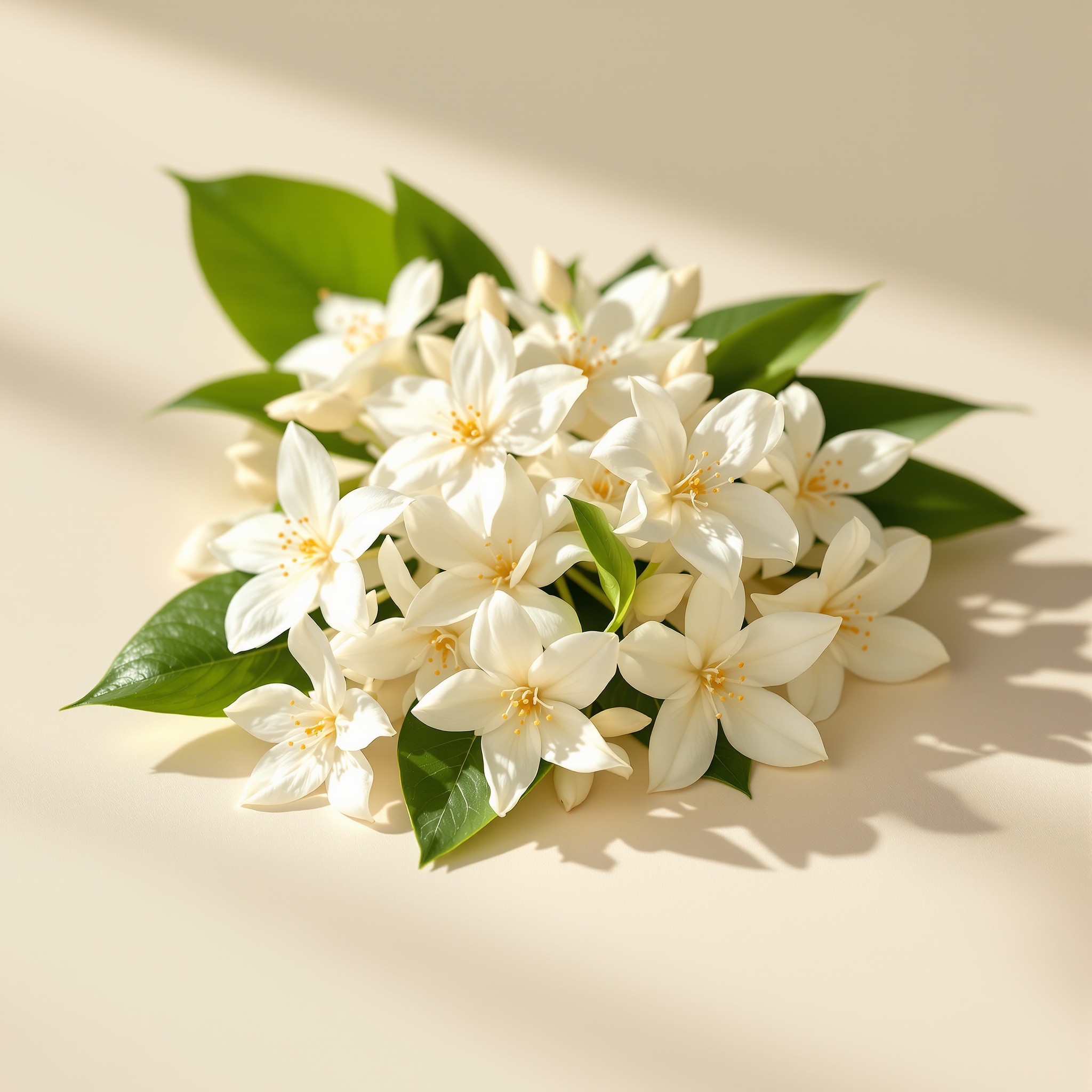
Jasmine Sambac
The white flower of warm Eastern nights
What it is
Jasmine Sambac is a climbing shrub, Jasminum sambac, in the olive family, cultivated in India, China and the Philippines. Its small white flowers open after dusk and are hand-picked before dawn, when scent peaks. Solvent extraction yields a waxy concrete, washed with alcohol into the absolute.
How it smells
Brighter, greener and more tea-like than grandiflorum jasmine, with less fruity heaviness. It opens crisp and slightly waxy, almost banana-tinged, then deepens into warm indolic sweetness. That indole carries an animalic, narcotic undertone that turns heady up close yet stays clear and luminous.
In perfumery
A heart note prized for lift and body, blending with rose, tuberose, sandalwood and green tea accords. It anchors white-floral bouquets and rounds sharp citrus. Some night-blooming soliflores build almost entirely on Sambac, and it threads through countless tea-floral compositions.
Good to know
Sambac is the Philippine national flower, sampaguita, strung into garlands and used to scent Chinese jasmine tea. Because the blooms are tiny and picked by hand nightly across a long season, the absolute ranks among the costliest florals in a perfumer's palette.
Amberwood
Synthetic amber that glows dry and woody
What it is
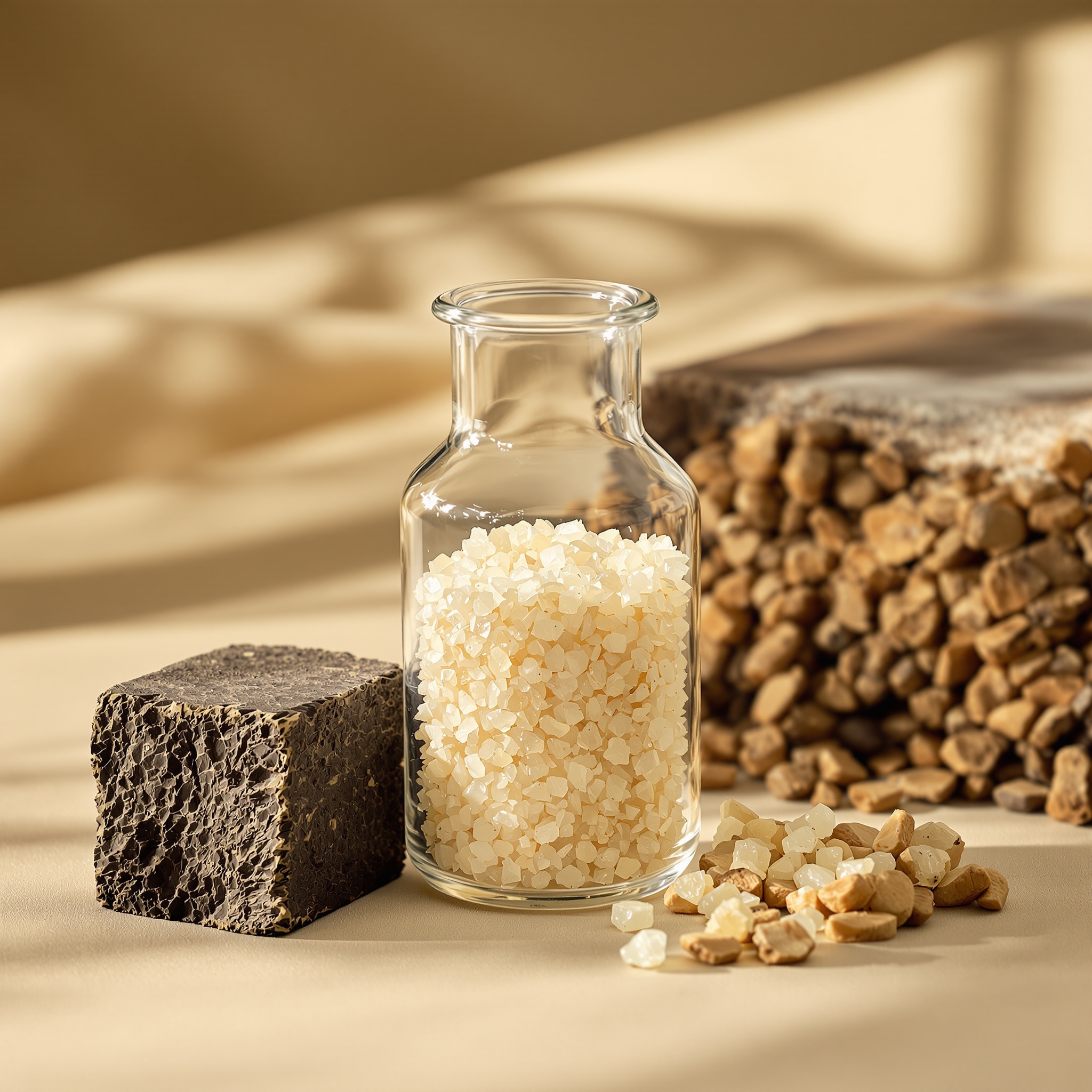
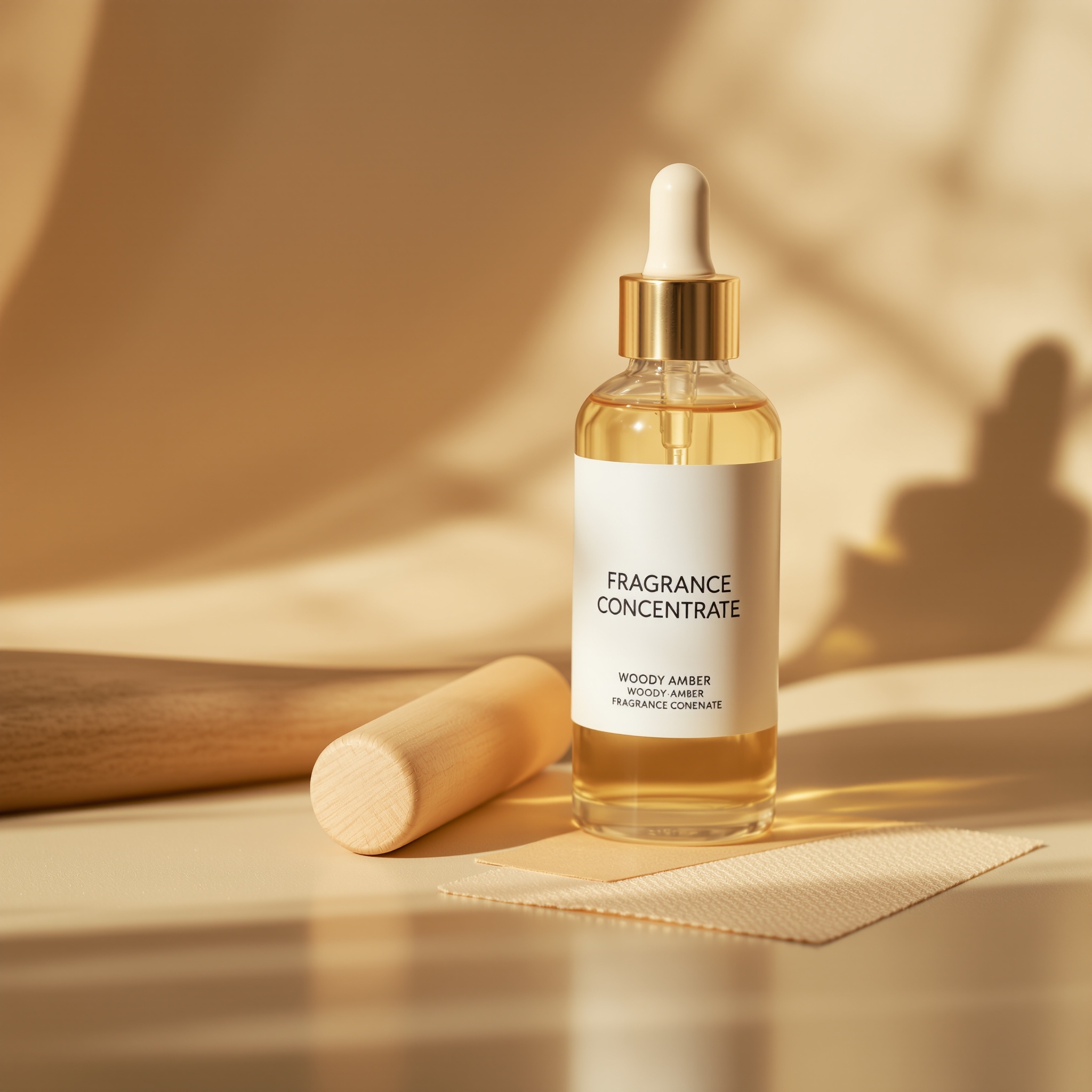
Amberwood is not a plant but a perfumer's term for a family of synthetic woody-amber aroma chemicals, and the name of specific captives such as Amberwood F (Boisambrene Forte). These molecules emerged as stable, affordable substitutes for natural ambergris and scarce precious woods.
How it smells
Dry, warm and radiant: a woody-amber glow with musky, slightly mineralic and faintly salty facets recalling ambergris. It reads smooth and abstract rather than sweet, with a velvety transparency. It barely shifts over time, instead spreading a soft, persistent woody halo across the skin.
In perfumery
A base note and fixative giving lasting power, diffusion and a clean amber-wood backbone. It blends seamlessly with Iso E Super, ambroxan, musks and rose. This woody-amber accord drives countless contemporary scents, from designer ambers to the dry, transparent woods of modern niche releases.
Good to know
Amberwood materials have no link to fossilized tree amber, which is essentially odorless. The name borrows amber's warm image while the molecules deliver a dependable, sustainable stand-in for endangered ambergris and rare woods, which is why so many modern perfumes share a similar amber-wood signature.
Ambrofix™
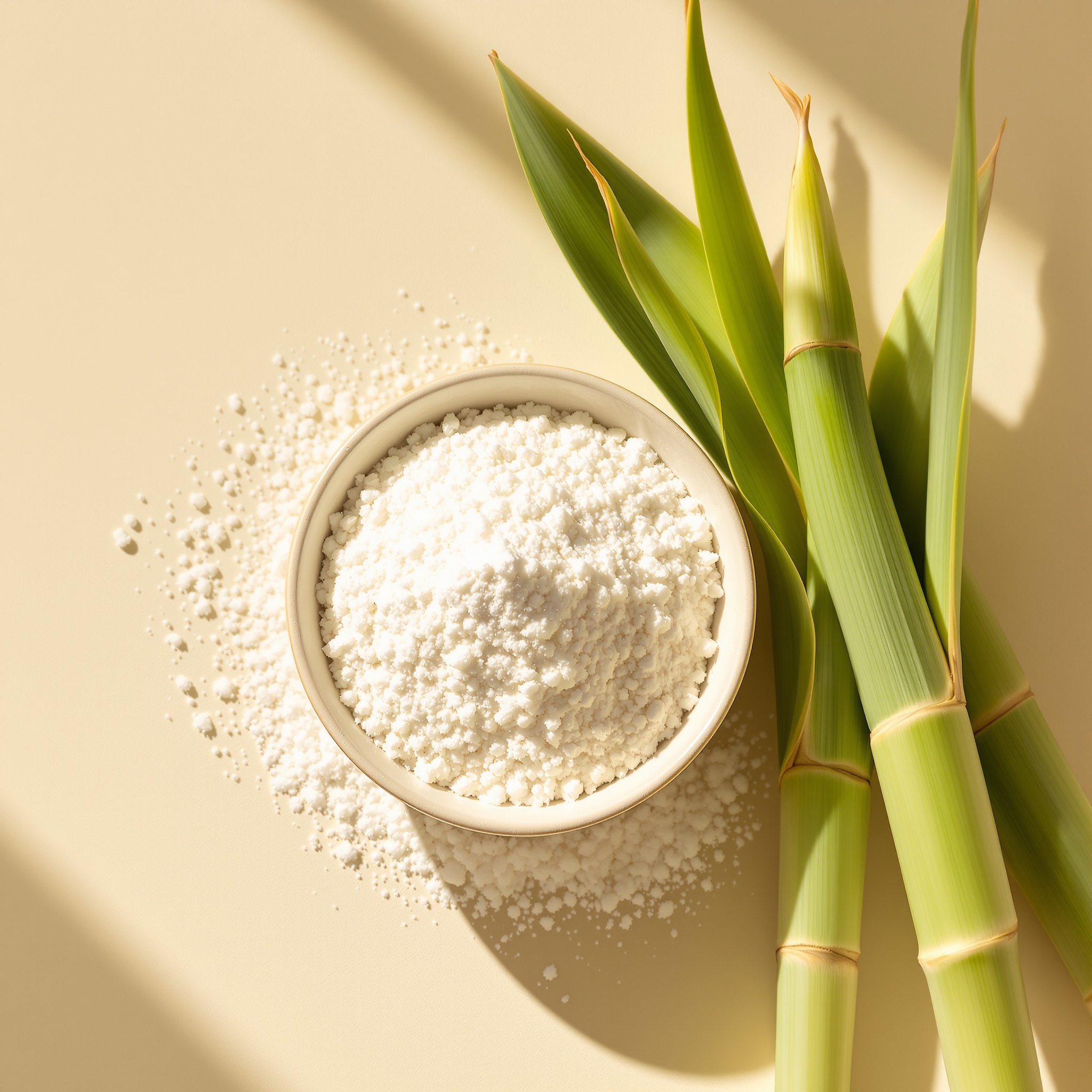
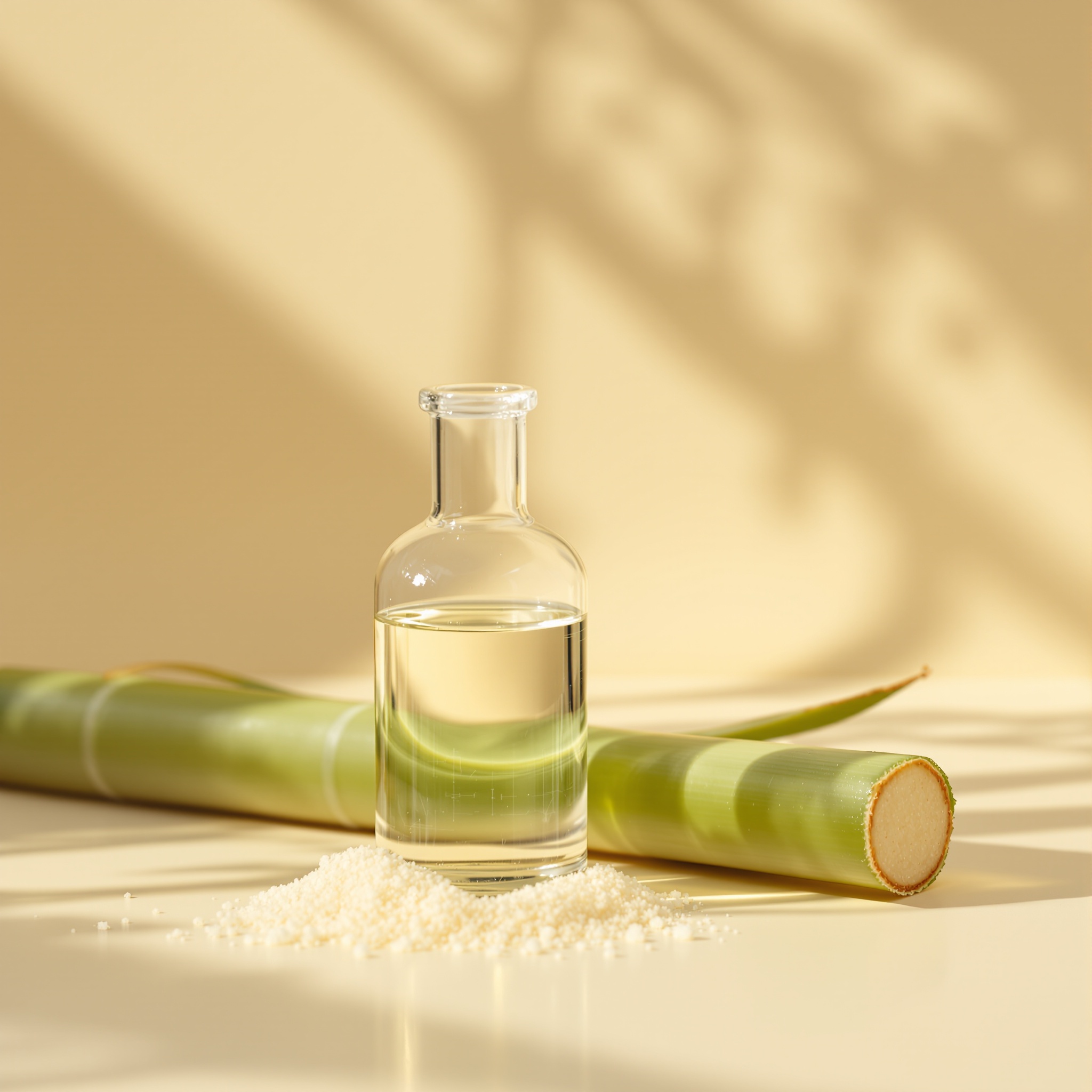
Ambergris warmth fermented from sugarcane
What it is
A Givaudan-trademarked aroma-molecule, (-)-Ambrox (CAS 6790-58-5), the same ambroxide compound that gives ambergris its scent. Rather than harvesting whale secretion or processing clary sage, Givaudan ferments sustainably sourced sugarcane into homofarnesol, then converts it enzymatically into the finished crystalline material.
How it smells
Dry, warm and ambery-woody with a clean musky undertone, mirroring ambergris and the structurally identical Ambroxan. It reads as a smooth, slightly mineral, skin-like radiance with subtle salty and tobacco facets, low in obvious sweetness, more transparent glow than heavy resin.
In perfumery
A versatile base material delivering diffusion, warmth and a velvety amber-woody drydown that boosts longevity and projection. It pairs with woods, musks, florals and salty notes. Ambrox-type molecules drive modern ambery signatures, most famously the minimalist scents built almost entirely on an overdose of Ambroxan.
Good to know
Givaudan introduced this biotech version in 2019. It is readily biodegradable with 100% renewable carbon, and the fermentation route requires roughly a hundred times less land per kilogram than the earlier method, sidestepping both whale-derived ambergris and clary-sage synthesis.
Sandalwood
Creamy meditative woods that breathe in slowly
What it is
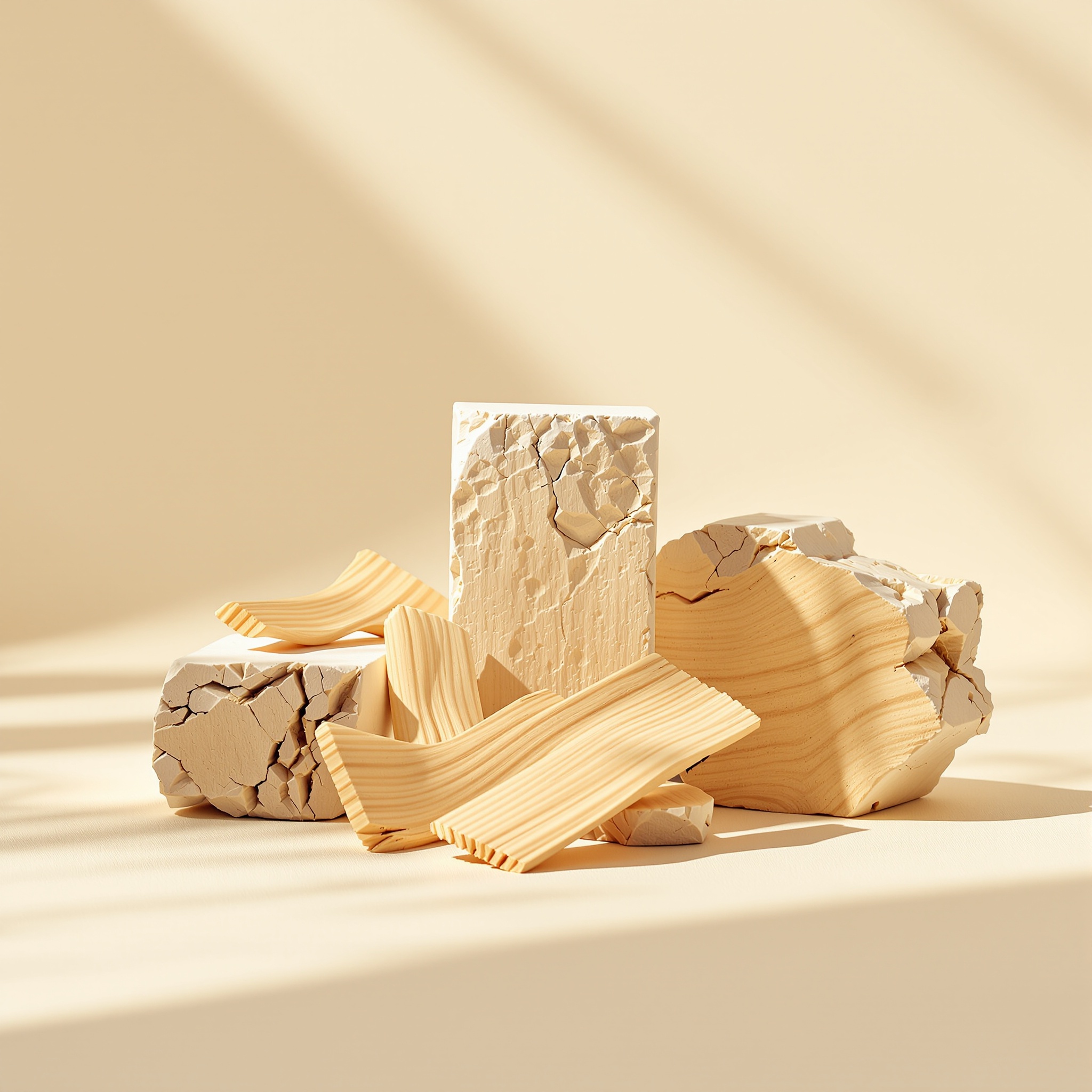
Sandalwood oil is steam-distilled from the heartwood and roots of slow-growing Santalum trees, classically Santalum album of Mysore, India. As the wild Indian source neared collapse, plantations of the same species in tropical Western Australia now supply much of the world's perfumery-grade oil.
How it smells
Soft, creamy and milky, with a smooth woody warmth and a faintly sweet, rosy, almost buttery edge. It carries no sharpness, only a rounded balsamic depth. It stays remarkably steady on skin, glowing quietly for hours rather than opening and drying in distinct stages.
In perfumery
A base note valued as both scent and fixative, sandalwood lends creaminess, warmth and a meditative softness that binds compositions together. It pairs beautifully with rose, jasmine, vetiver and spice. Many meditative woody and incense fragrances celebrate it at their heart.
Good to know
Genuine Mysore sandalwood was so overharvested that India tightened export controls and the wild tree became vulnerable, with oil prices reported around two thousand dollars per kilogram. Plantations of Santalum album grown near Kununurra in Western Australia now sustainably recreate the original creamy profile.
Synthetic Musk
The clean lab musk in nearly everything
What it is
Lab-made musk molecules created to replace animal-derived deer musk. The familiar workhorses are Galaxolide, Habanolide and ethylene brassylate, spanning the polycyclic and biodegradable macrocyclic families, after the old nitro musks were largely restricted over persistence and toxicity concerns.
How it smells
Clean, soft and radiant, with none of the fecal animalic edge of raw deer musk. Galaxolide is sweet, round and floral-woody; Habanolide leans metallic and waxy, the so-called hot-iron musk; ethylene brassylate is soft and powdery. Together they read as fresh laundry, warm skin and airy powder.
In perfumery
Nearly all musk in modern fragrance is synthetic. These molecules anchor base notes, lend lasting power and supply the clean white-musk drydown of countless designer scents. Inexpensive, free of CITES restrictions and ethical relative to deer musk, they made musk universal across fine fragrance and detergent alike.
Good to know
White musk and synthetic musk are one family, the laundered counterpoint to animalic deer musk. Some polycyclic musks raise persistence and bioaccumulation concerns, pushing the industry toward biodegradable macrocyclics. None carry the living, sweet-animalic depth of genuine Tonkin deer musk.
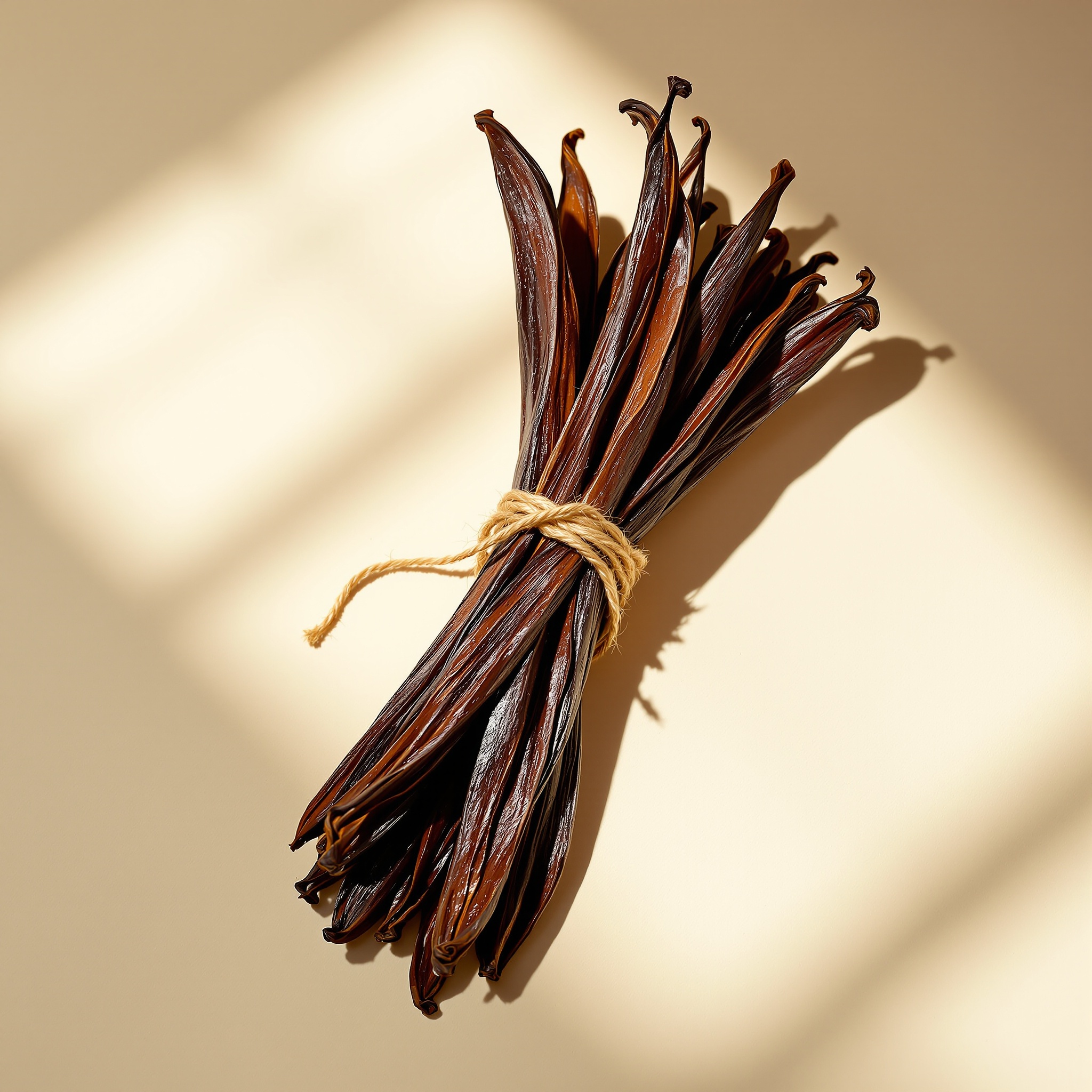
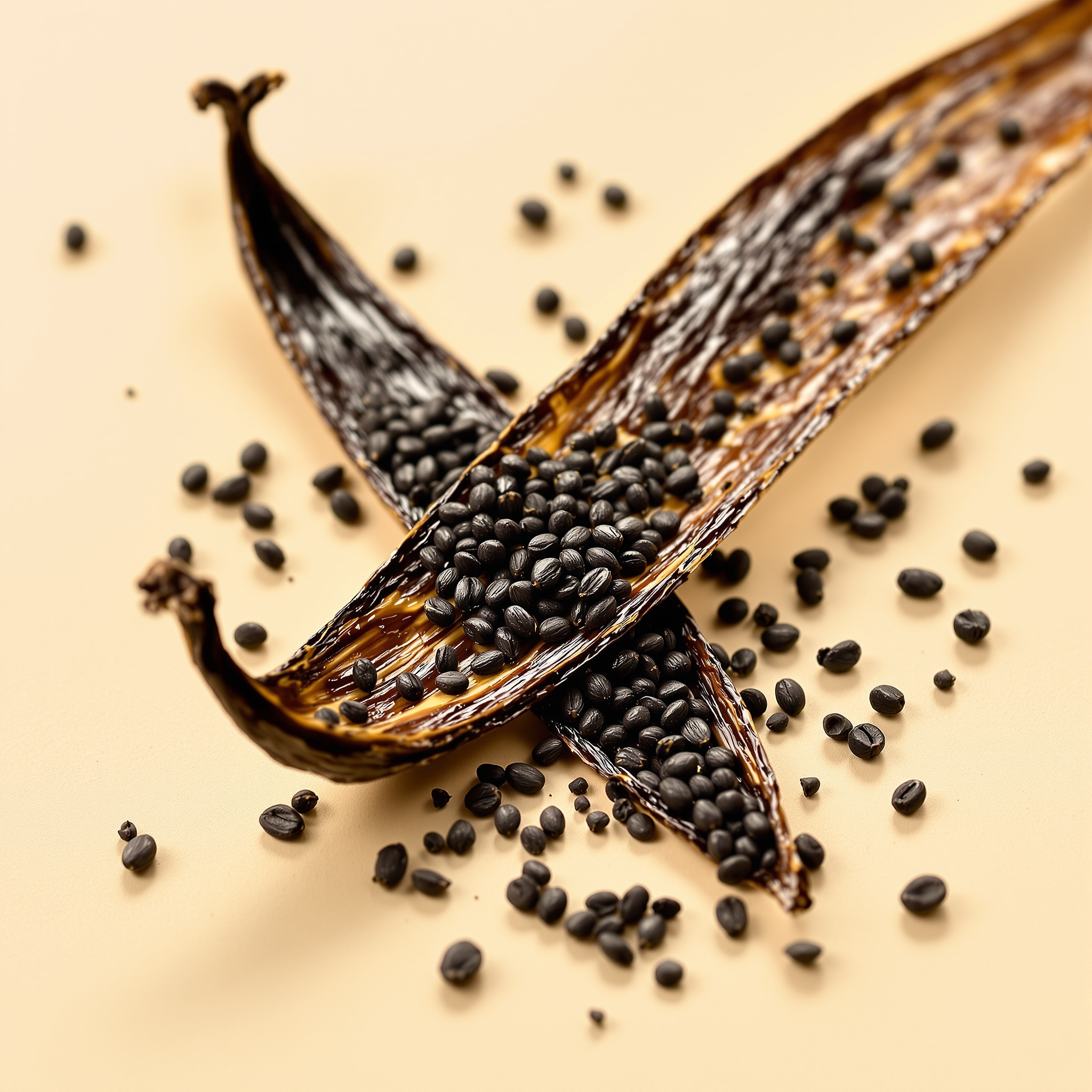
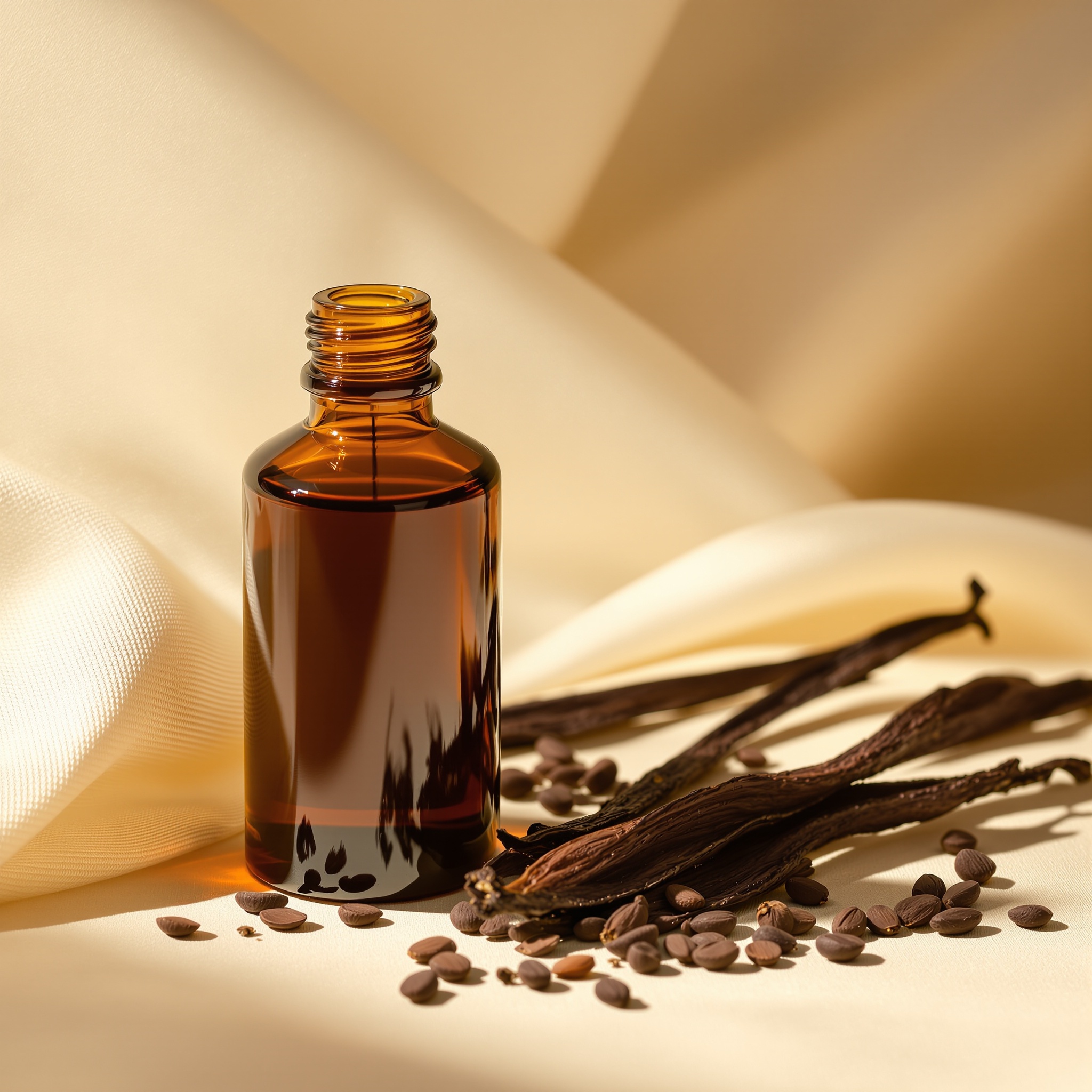
Vanilla
The warm sweet heart of comfort itself
What it is
Vanilla comes from the cured seed pods of Vanilla planifolia, a climbing orchid native to Mexico now grown mainly in Madagascar, Réunion and Tahiti. Green pods are picked unripe, then blanched, sweated in the sun and slow-dried over months until they darken and develop their aroma and vanillin.
How it smells
Sweet, warm and creamy, with a balsamic depth recalling custard, caramel and dried fruit, a faint smoky tobacco-like edge sitting underneath. It opens soft and gourmand, then dries into a powdery resinous warmth that clings close to skin and reads richer than synthetic vanillin alone.
In perfumery
A base note prized for richness and lasting warmth, vanilla rounds sharp edges and anchors oriental and gourmand compositions. It pairs naturally with tonka, amber, sandalwood and spice. Many of the most enduring oriental and tobacco fragrances build their core around it.
Good to know
Vanilla ranks among the costliest spices because each orchid flower opens for one day and must be hand-pollinated, a technique devised in 1841 by Edmond Albius, a twelve-year-old enslaved boy on Réunion. Most commercial vanilla flavor now relies on synthetic vanillin.
Fragrance Character
A floral-fruity composition led by pear and bergamot, resting on amberwood and ambrofix™.
Best Worn
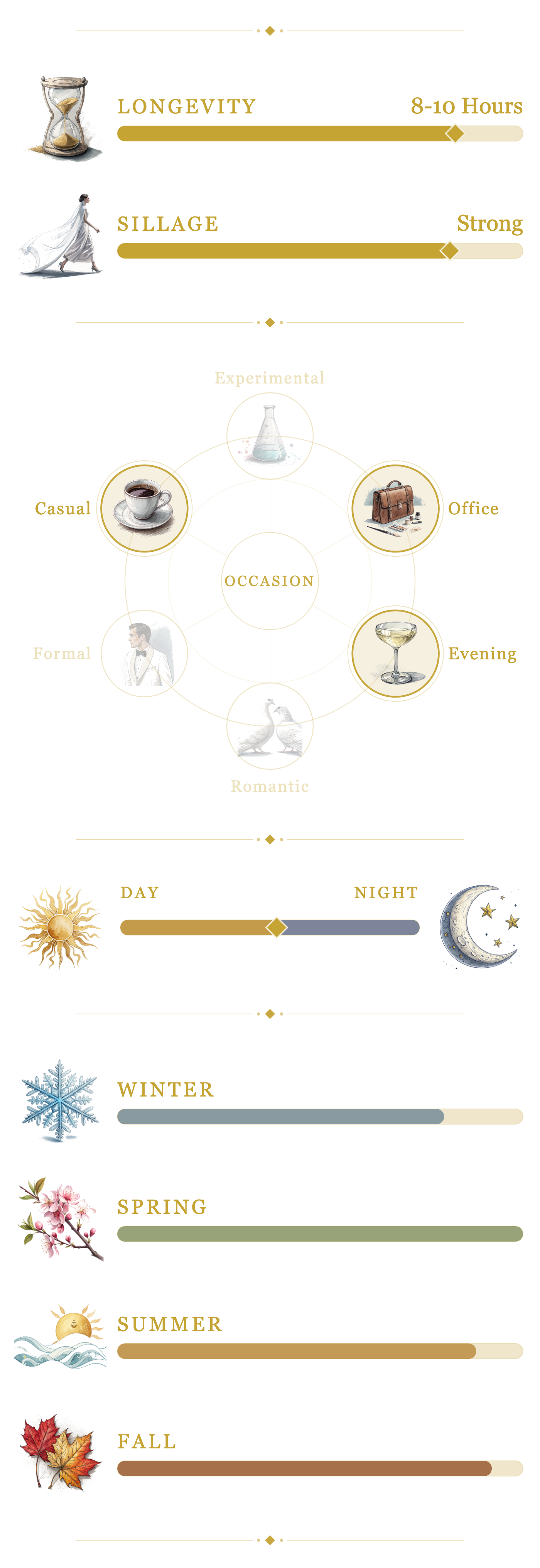
Year-round wear, at home in romantic, evening moments, for those who favour floral and fruity fragrances.
Why the Blue Talisman Extrait Decant
A decant is the considered way to live with Blue Talisman Extrait across a few wears before the full bottle.
Official Notes
Pear · Bergamot · Orange Blossom · Jasmine Sambac · Amberwood · Ambrofix™ · Sandalwood · Musk · Vanilla
Explore more: Ultra-Niche Perfume Decants · All Fragrance Decants
Choose options
The Vibe


Select your decant size

You are selecting a decant size, not the full bottle