

Byredo - Bal D'Afrique Absolu
Bal d'Afrique Absolu is a richer take on Byredo's cult fresh-floral, bright bergamot, lemon and blackcurrant over powdery violet and a touch of praline, deepened by black amber, cedar and vetiver.
The Story
Byredo's Absolu concentration keeps the airy, vintage-Parisian feel of the original Bal d'Afrique but adds warmth and weight, sweeter praline and a darker amber-wood base for more presence and longevity.
The Nose
Composed by Jérôme Epinette for Byredo, also behind Gypsy Water, Super Cedar and Black Saffron.
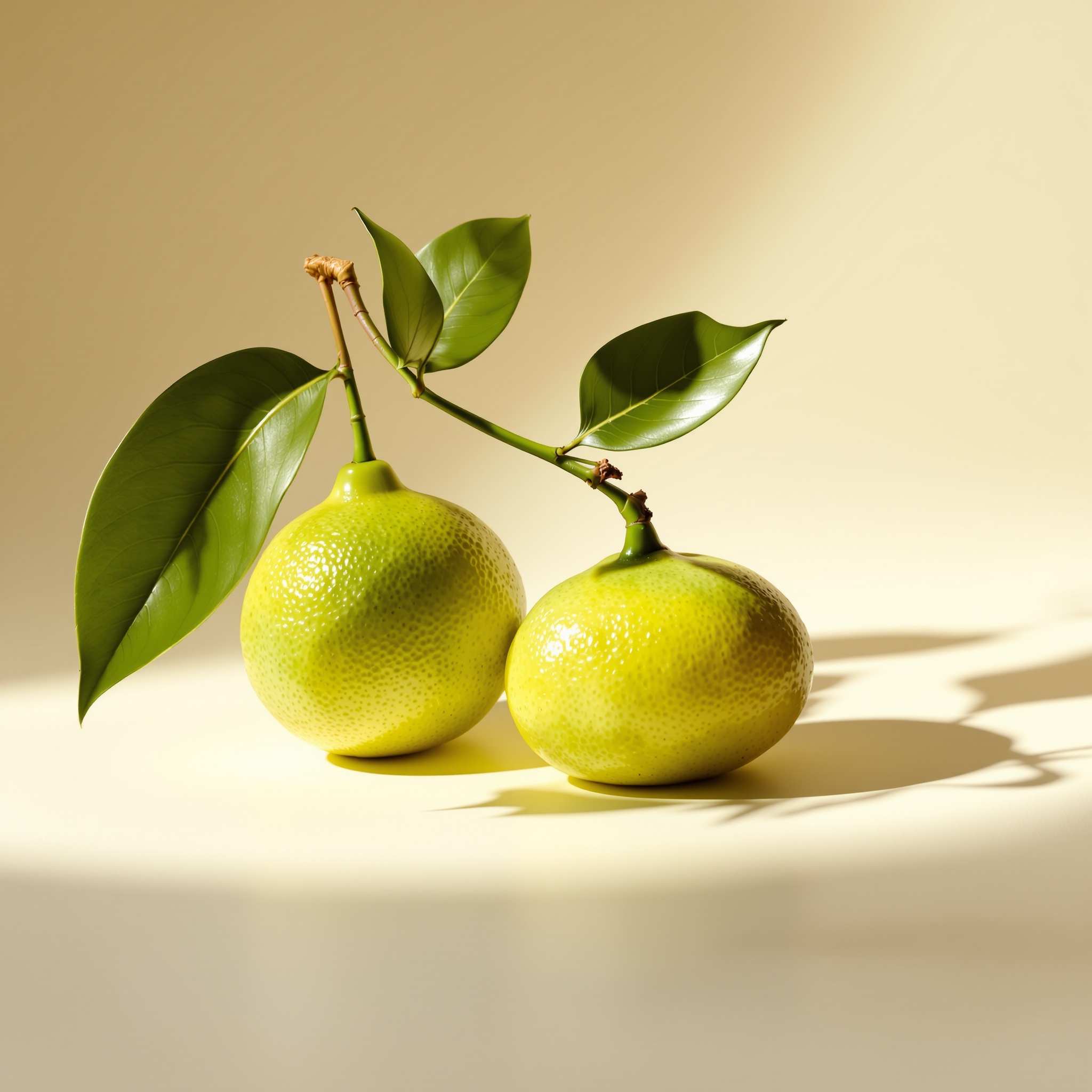
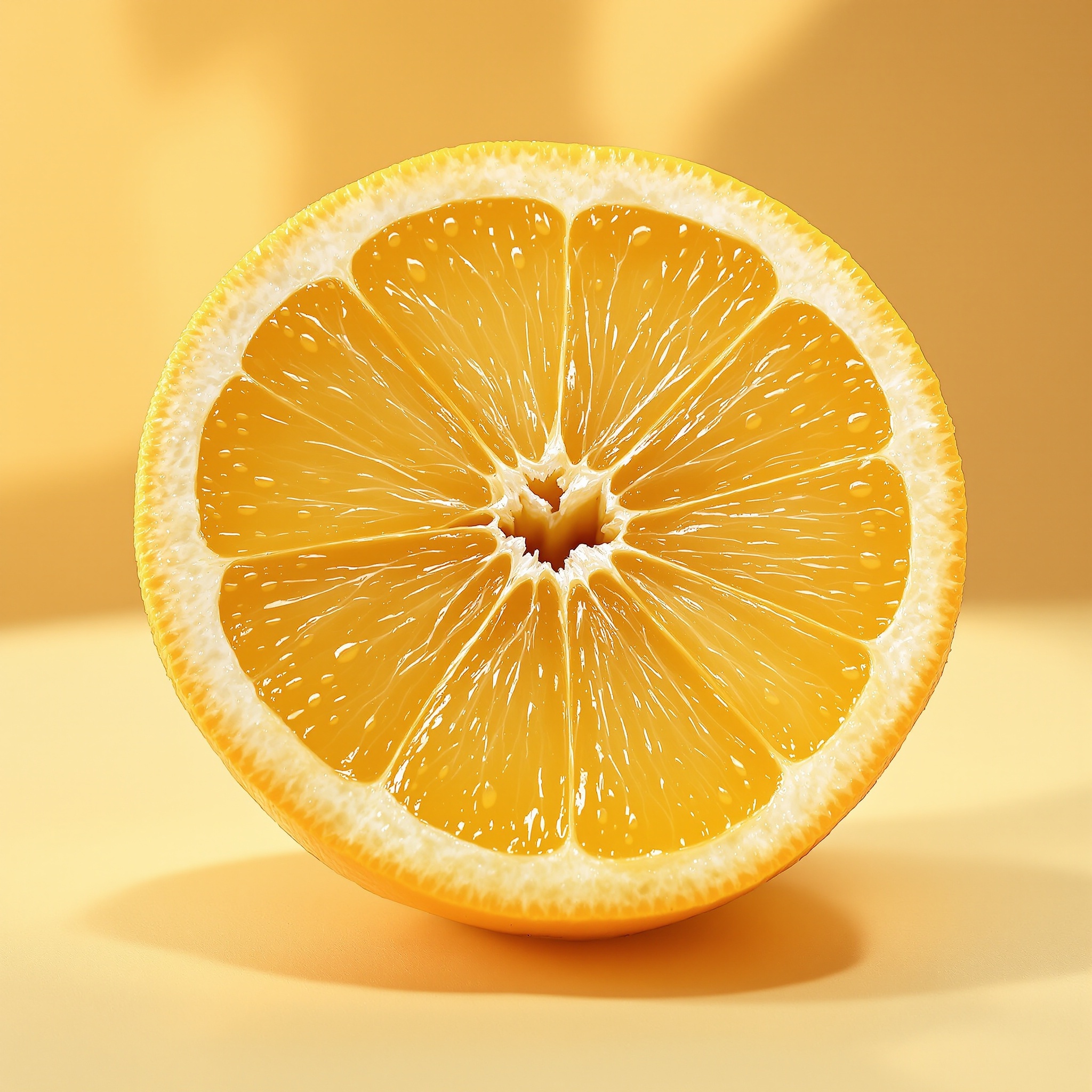
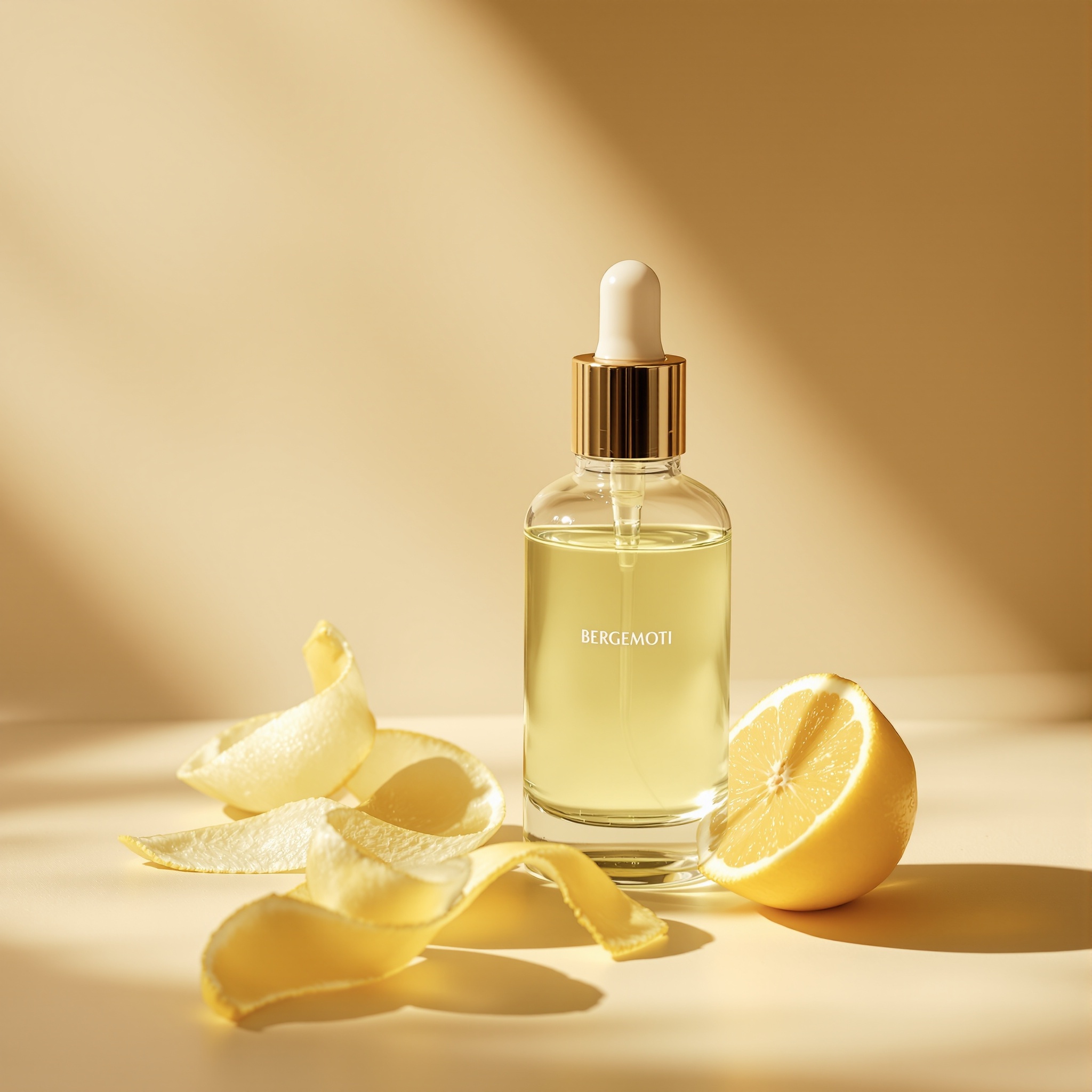
Bergamot
Sparkling citrus light with a bittersweet edge
What it is
Bergamot is a small citrus fruit, Citrus bergamia, grown almost entirely along the Calabrian coast of southern Italy. The aromatic oil sits in glands in the rind of the unripe green-yellow fruit and is cold-pressed mechanically from the peel rather than distilled, preserving its fresh brightness.
How it smells
Bright, zesty and green, a sweet citrus sparkle softened by a floral, almost tea-like smoothness. Underneath runs a faintly bitter, balsamic warmth that sets it apart from lemon or orange. It flashes lively on opening, then fades quickly into a soft, slightly spicy hum.
In perfumery
The classic top note, bergamot adds freshness and lift while blending sharp citrus into the heart. It defines eau de cologne and the fougère family, harmonizing with lavender, neroli and oakmoss. It opens countless modern fresh-floral compositions, and its oil gives Earl Grey tea its scent.
Good to know
Natural bergamot oil contains bergapten, a furocoumarin that makes skin highly sensitive to sunlight and can cause burns. Modern perfumery uses bergapten-free (FCF) oil to meet IFRA safety limits, so most contemporary bergamot in fragrance is purified rather than raw cold-pressed oil.
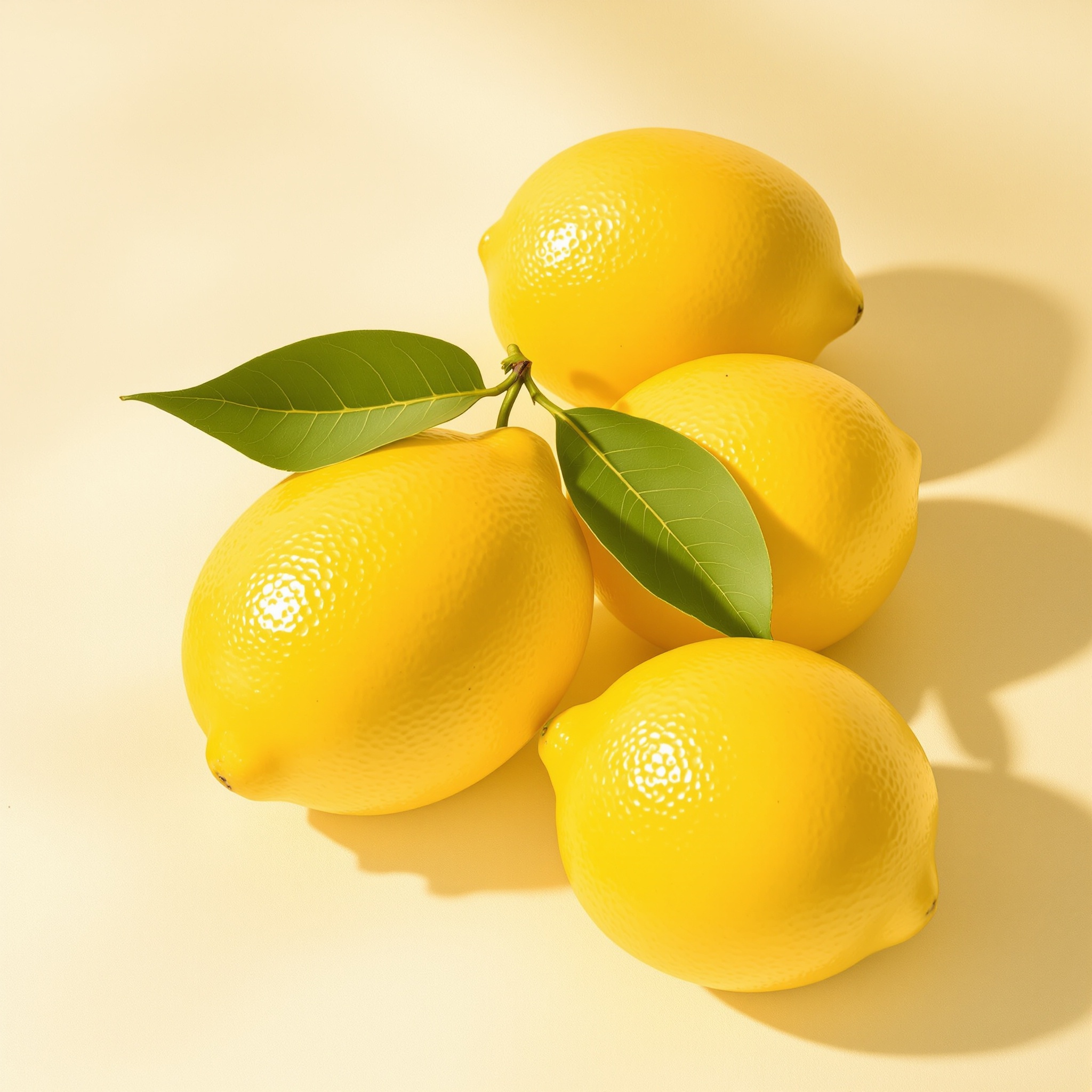
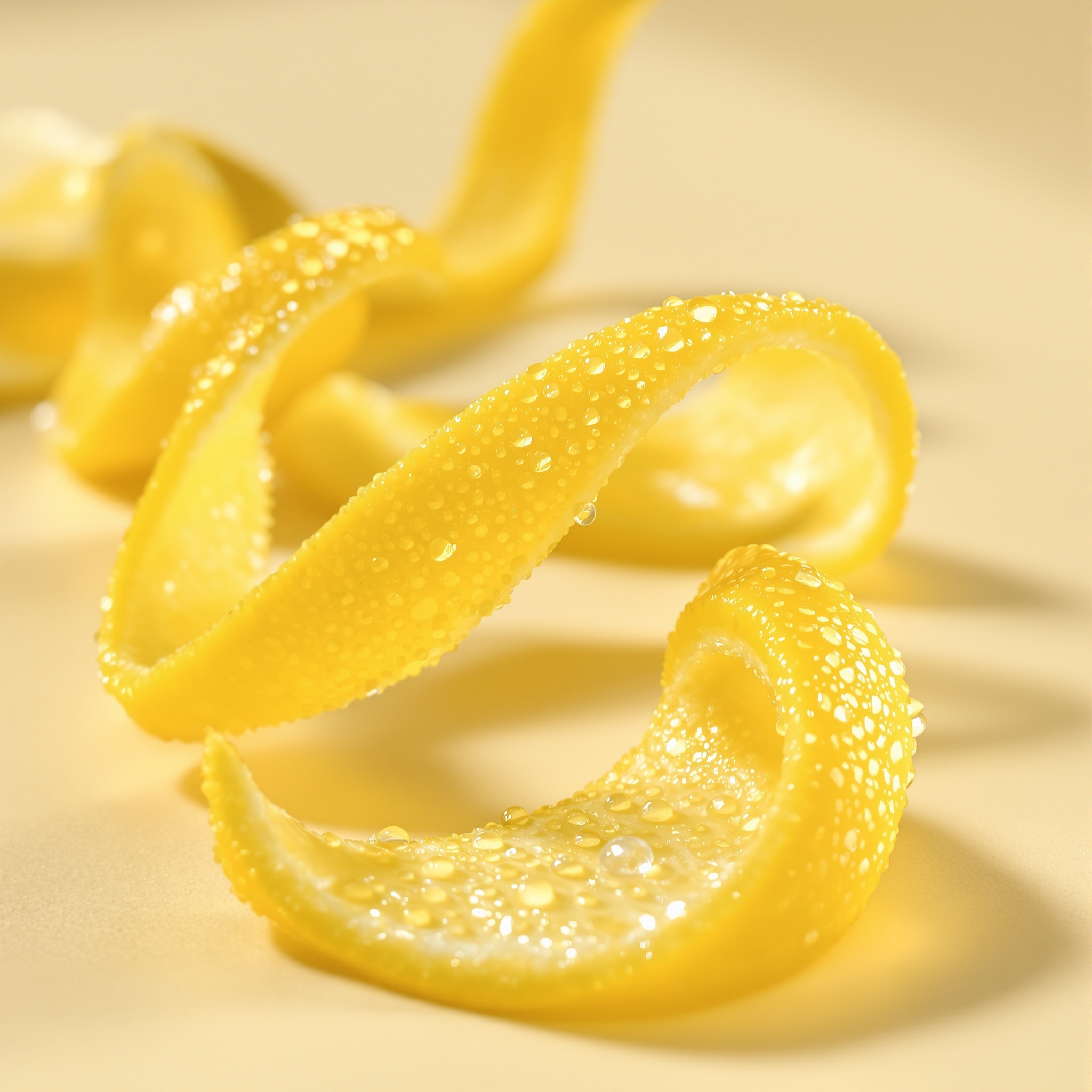
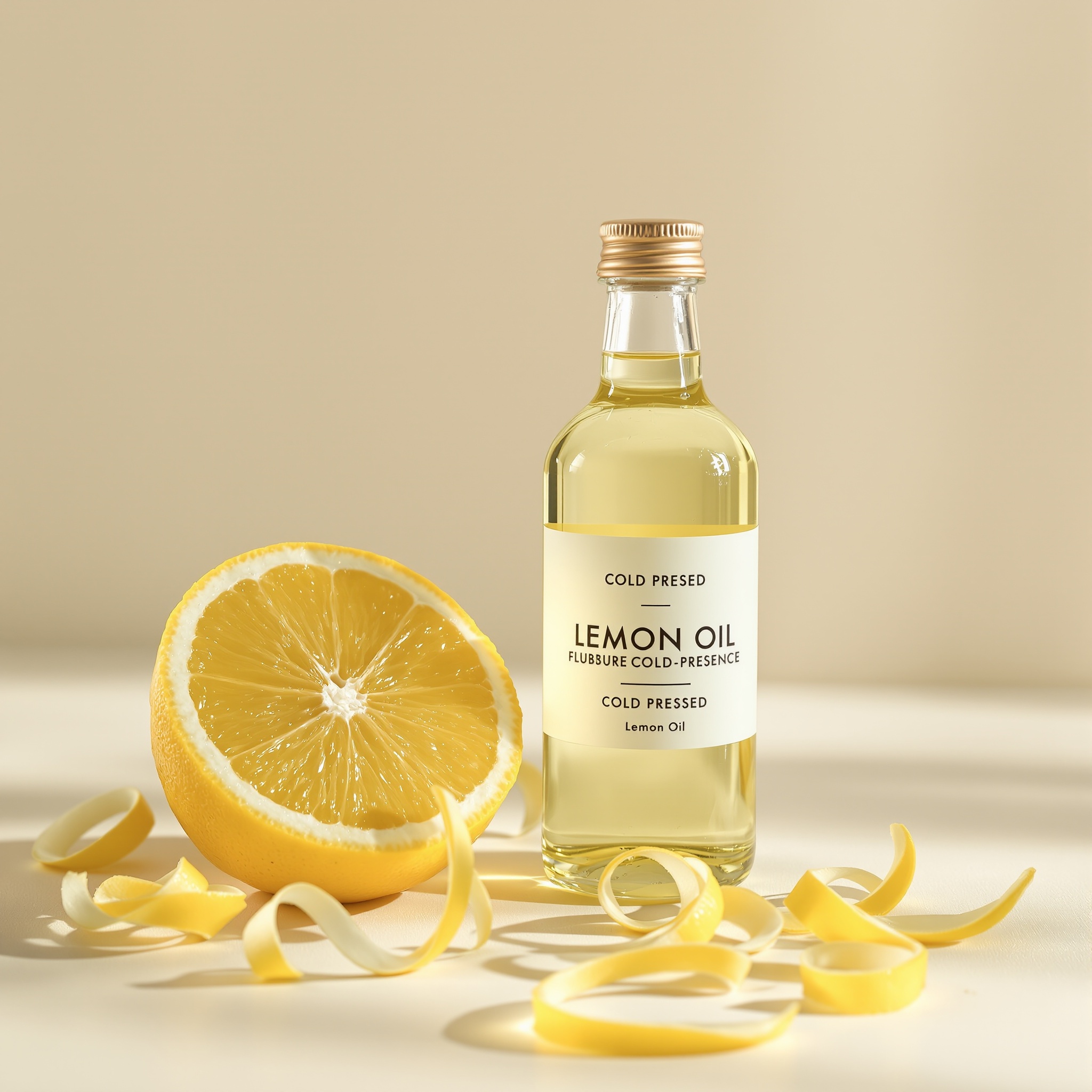
Lemon
Cold yellow zest snapping into bright sun
What it is
Lemon is the fruit of Citrus limon, a small evergreen tree grown around the Mediterranean, especially Sicily and Calabria, and in California. The aromatic oil sits in tiny glands in the colored peel and is cold-pressed mechanically from the rind, a squeezing and scraping rather than distillation.
How it smells
Sharp, juicy and instantly recognizable, a cold bright zest with sparkling sourness. The opening is tart, green and effervescent, driven by limonene and citral; beneath sits a faint sweet pith and a clean, slightly waxy peel facet. It is fleeting, fading within minutes.
In perfumery
A classic top note prized for lift, freshness and instant cleanliness, it powers the eau de cologne tradition alongside bergamot, neroli and petitgrain. Because it evaporates fast, it is often reinforced with citral. It defines the great classic colognes and the bright, sparkling opening of countless fresh fragrances.
Good to know
Cold-pressed lemon oil contains photosensitizing furocoumarins that can trigger sun-induced skin burns, so perfumers often use a furocoumarin-free version. It also oxidizes quickly, turning harsh and turpentine-like, which is why citrus fragrances are notoriously hard to keep stable in the bottle.
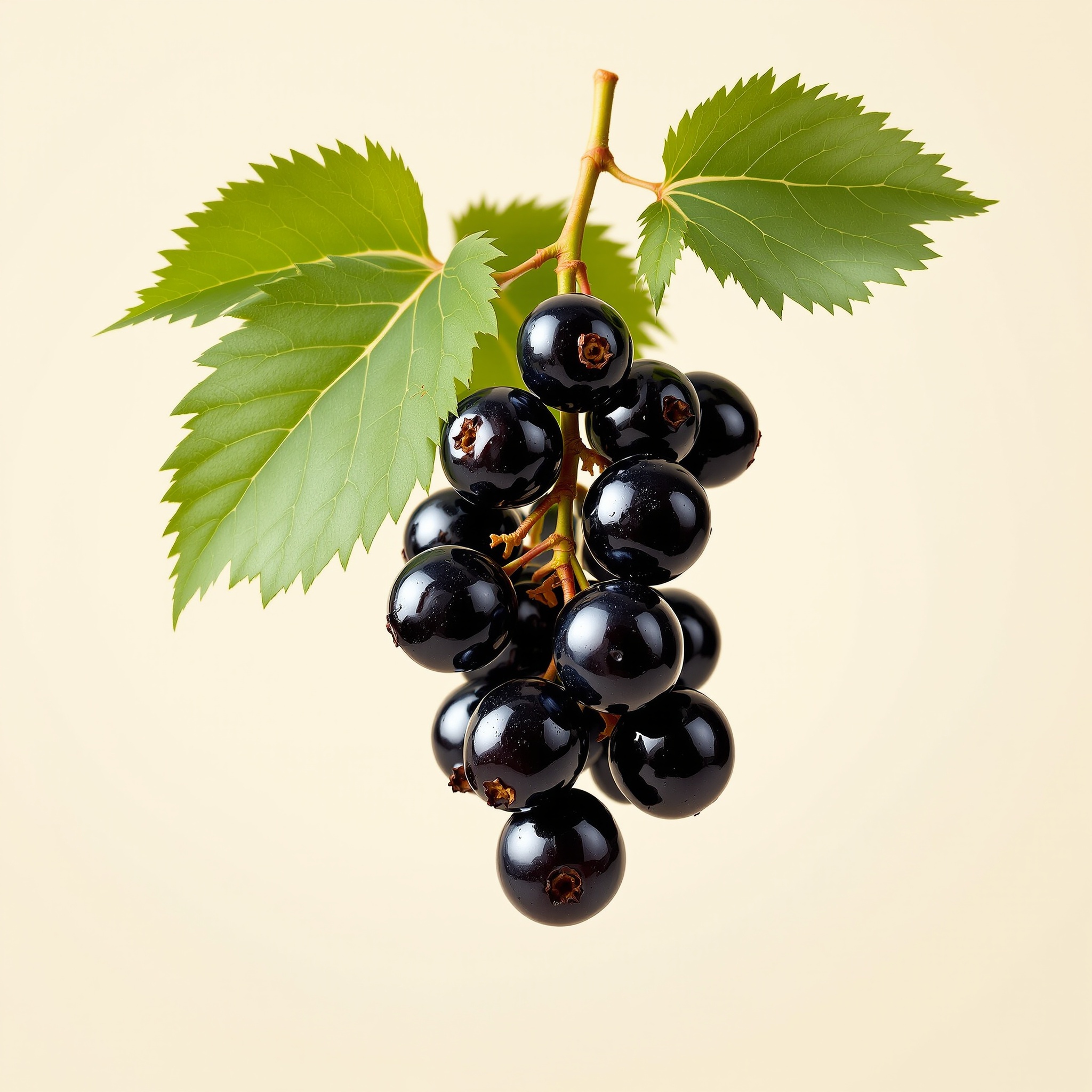
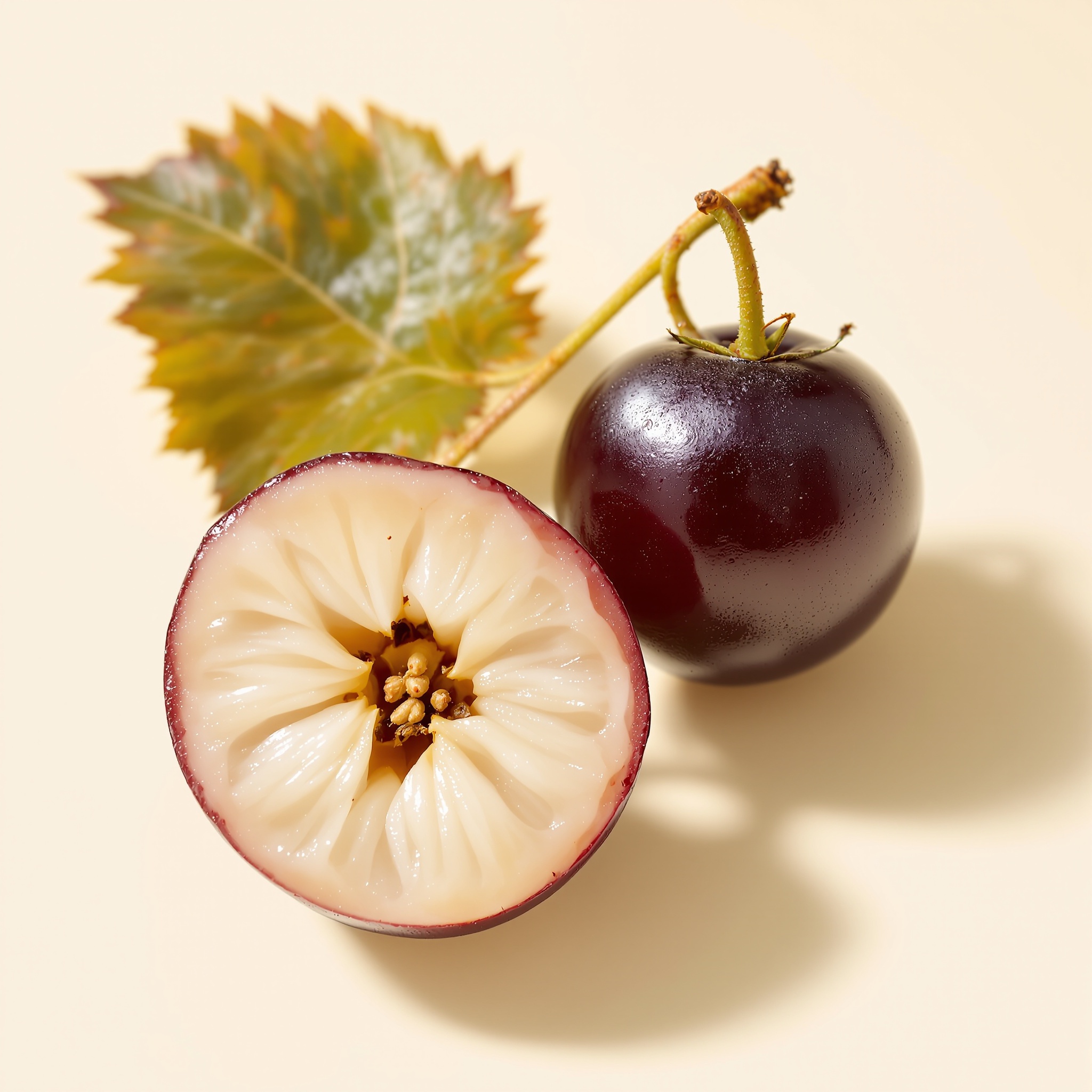
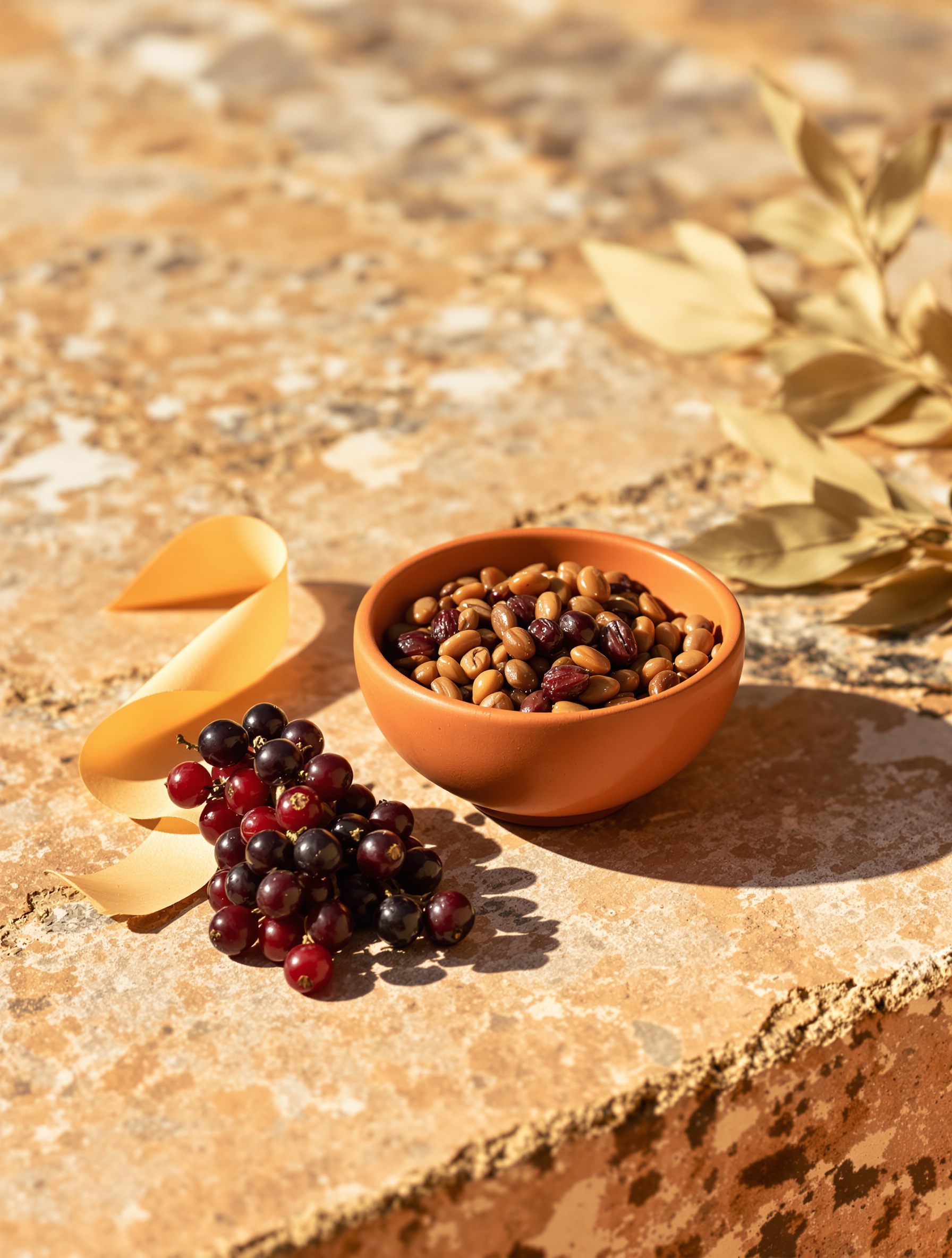
Blackcurrant
Tart cassis with a wild, animalic snarl
What it is
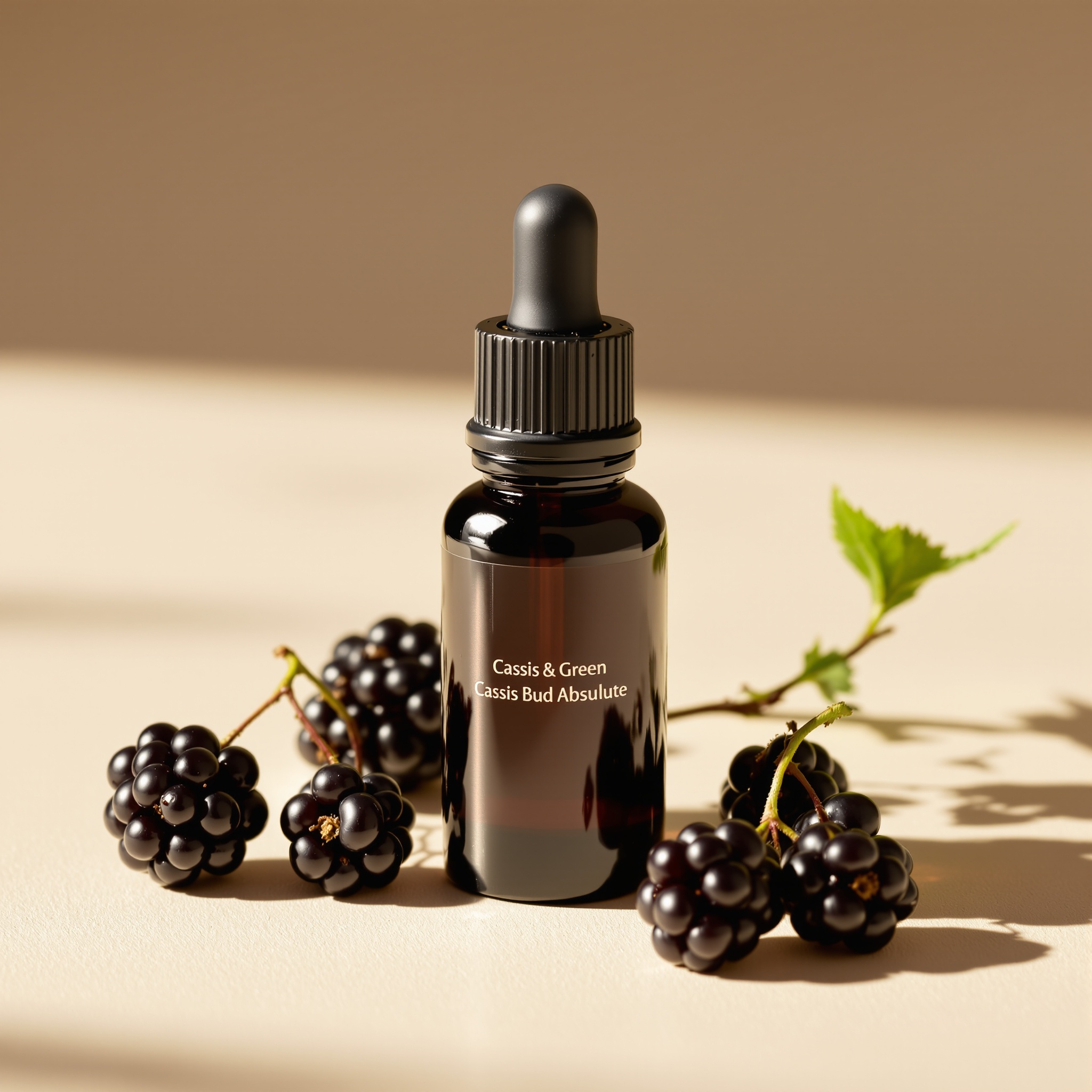
From Ribes nigrum, a small deciduous shrub grown across Europe, notably Burgundy. Perfumery rarely uses the berry; the prized material is cassis bud absolute, hexane-extracted from the resinous leaf buds, often supplemented by sulphur-containing aroma molecules that capture the fruit's pungent tartness.
How it smells
Sharply fruity and tart, the bud absolute carries a green, leafy, almost catty pungency with a sweat-like, sulphurous bite beneath the berry sweetness. The effect is wild and unmistakable: ripe blackcurrant fruit edged with green sap and a faintly animalic growl.
In perfumery
A top note delivering tart fruit and a bracing green realism that lifts a composition. It sharpens rose and adds bite to fruity-floral and chypre accords. Cassis is a classic chypre opening and a recurring jolt in modern fruity perfumes.
Good to know
The catty, sulphurous facet comes from trace thiols so potent they register at parts per trillion, the same molecule family behind the scent of cat spray and certain Sauvignon Blanc wines. A drop of cassis bud absolute goes a very long way.
Violet
Powdery purple petals that vanish as you reach
What it is
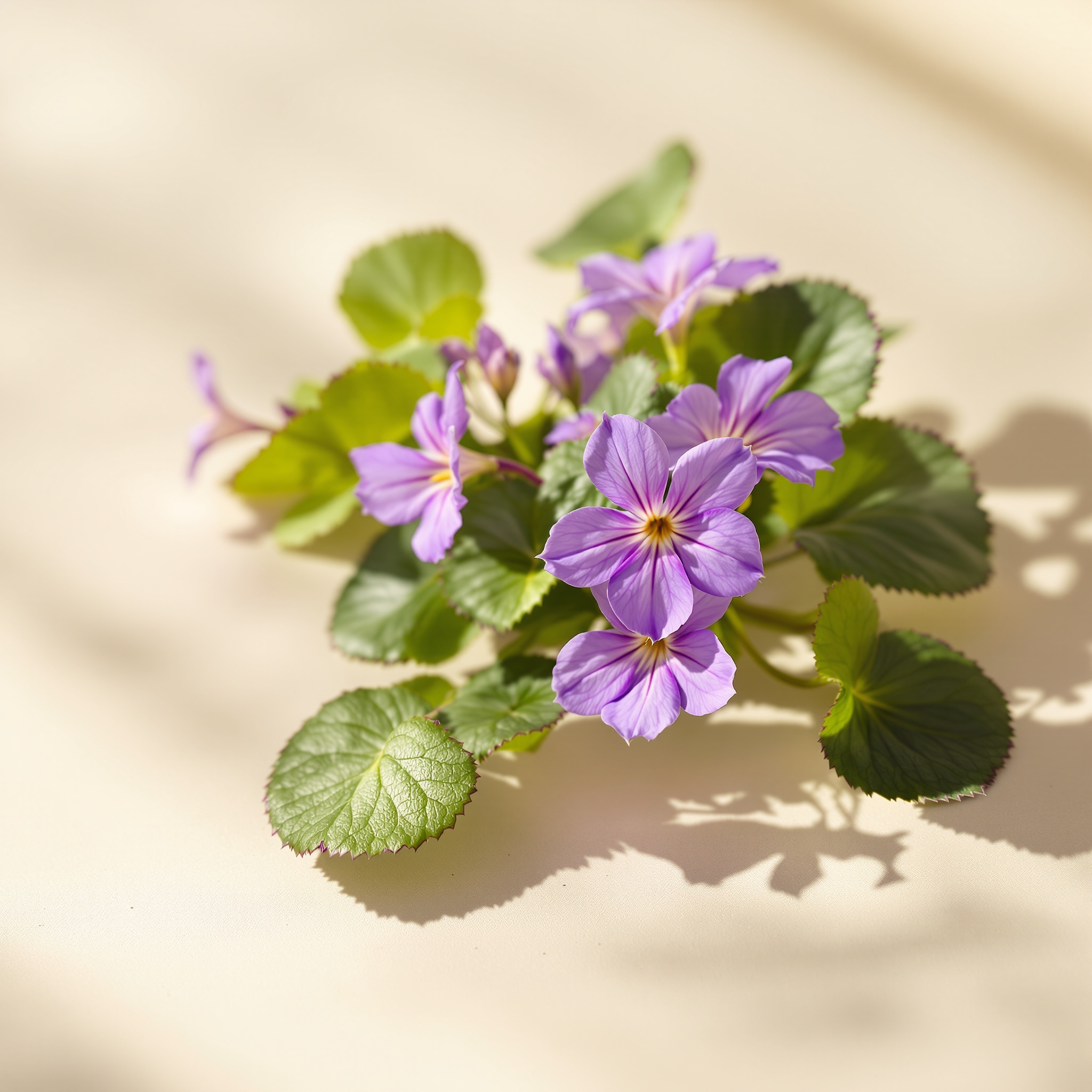
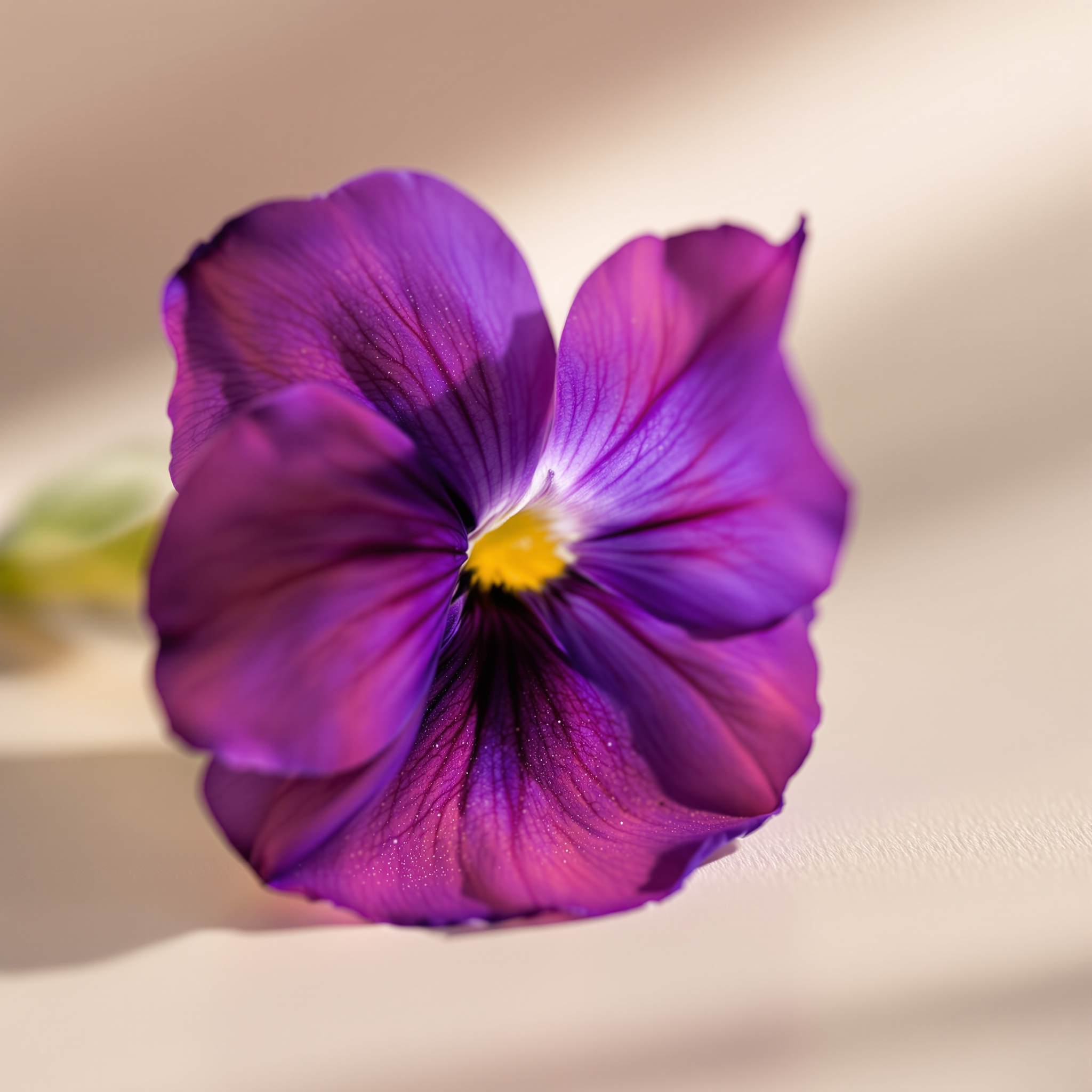
The violet flower comes from Viola odorata, with Parma and Victoria types favored historically. Natural flower oil is extraordinarily rare and barely produced today, so the modern violet note is built largely from ionones, aroma-chemicals first synthesized in 1893 by Tiemann and Krüger from citral and acetone.
How it smells
Soft, powdery and cool, with a sweet, sugar-dusted candied facet and a faintly watery, green edge. Ionones lend a curious quality that seems to fade and return as the nose tires. It reads tender and nostalgic, recalling Parma violet sweets, face powder and crushed petals.
In perfumery
A heart note giving powdery softness and a retro, romantic character. It pairs with iris, rose, leather and almond, and tempers sweetness into restraint. It centers classic violet soliflores and the candied makeup-box theme of fragrances built around violet-sweet nostalgia.
Good to know
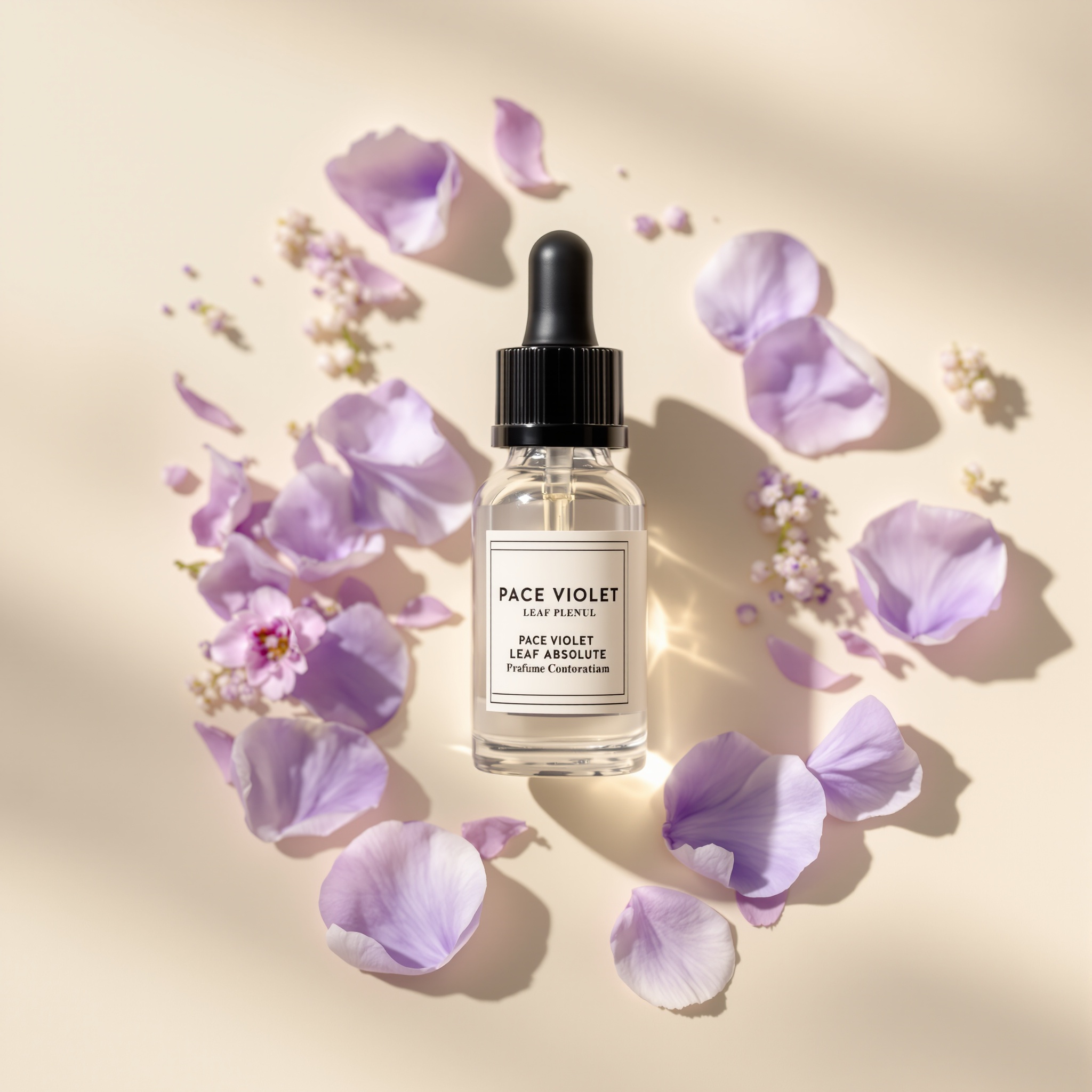
The flower note differs from violet leaf, a green, cucumber-and-hay absolute extracted from the leaves. Ionones quickly saturate the olfactory receptors, so the scent appears to disappear then return as the nose recovers, an effect often cited as a textbook case of olfactory fatigue.
Synthetic Musk
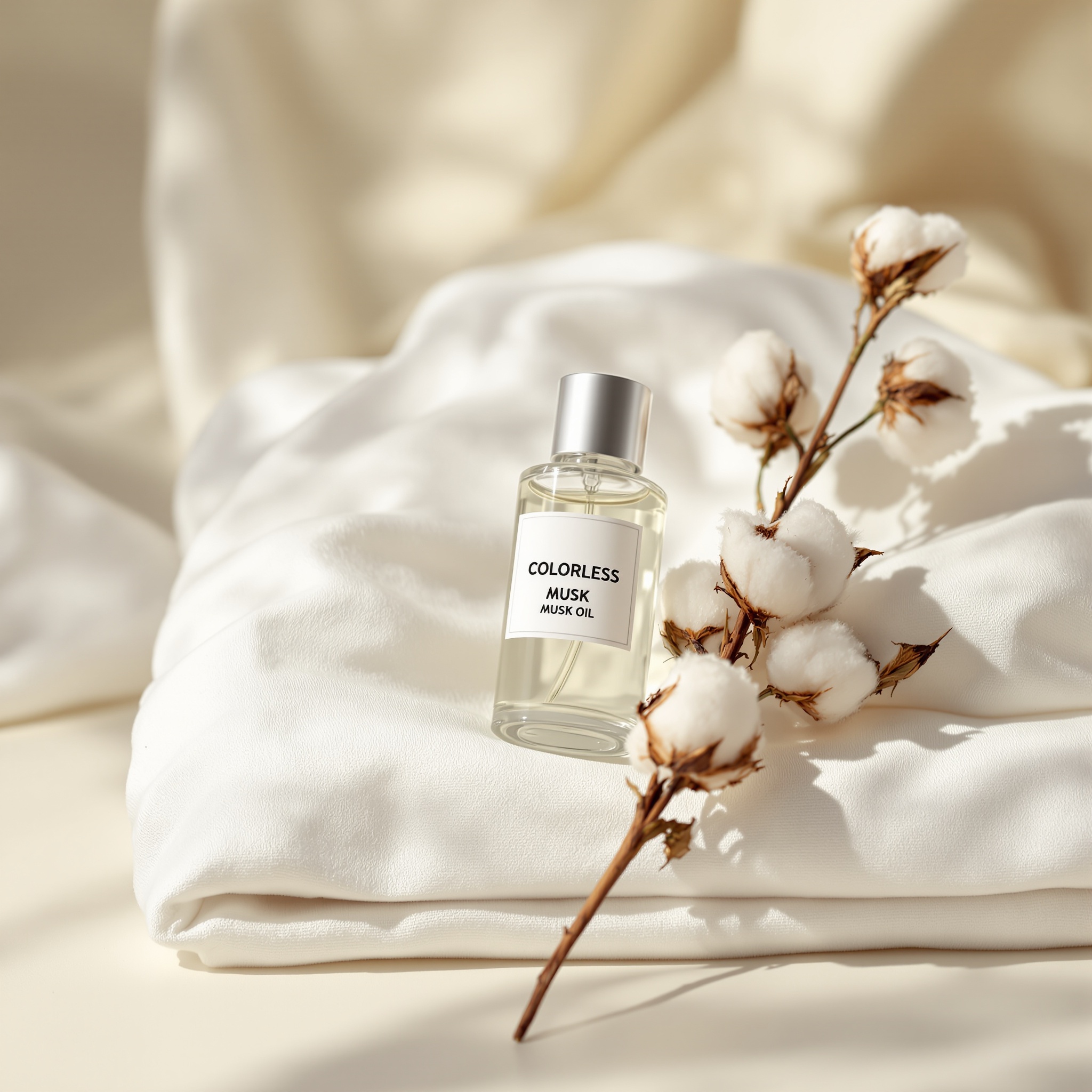
The clean lab musk in nearly everything
What it is
Lab-made musk molecules created to replace animal-derived deer musk. The familiar workhorses are Galaxolide, Habanolide and ethylene brassylate, spanning the polycyclic and biodegradable macrocyclic families, after the old nitro musks were largely restricted over persistence and toxicity concerns.
How it smells
Clean, soft and radiant, with none of the fecal animalic edge of raw deer musk. Galaxolide is sweet, round and floral-woody; Habanolide leans metallic and waxy, the so-called hot-iron musk; ethylene brassylate is soft and powdery. Together they read as fresh laundry, warm skin and airy powder.
In perfumery
Nearly all musk in modern fragrance is synthetic. These molecules anchor base notes, lend lasting power and supply the clean white-musk drydown of countless designer scents. Inexpensive, free of CITES restrictions and ethical relative to deer musk, they made musk universal across fine fragrance and detergent alike.
Good to know
White musk and synthetic musk are one family, the laundered counterpoint to animalic deer musk. Some polycyclic musks raise persistence and bioaccumulation concerns, pushing the industry toward biodegradable macrocyclics. None carry the living, sweet-animalic depth of genuine Tonkin deer musk.
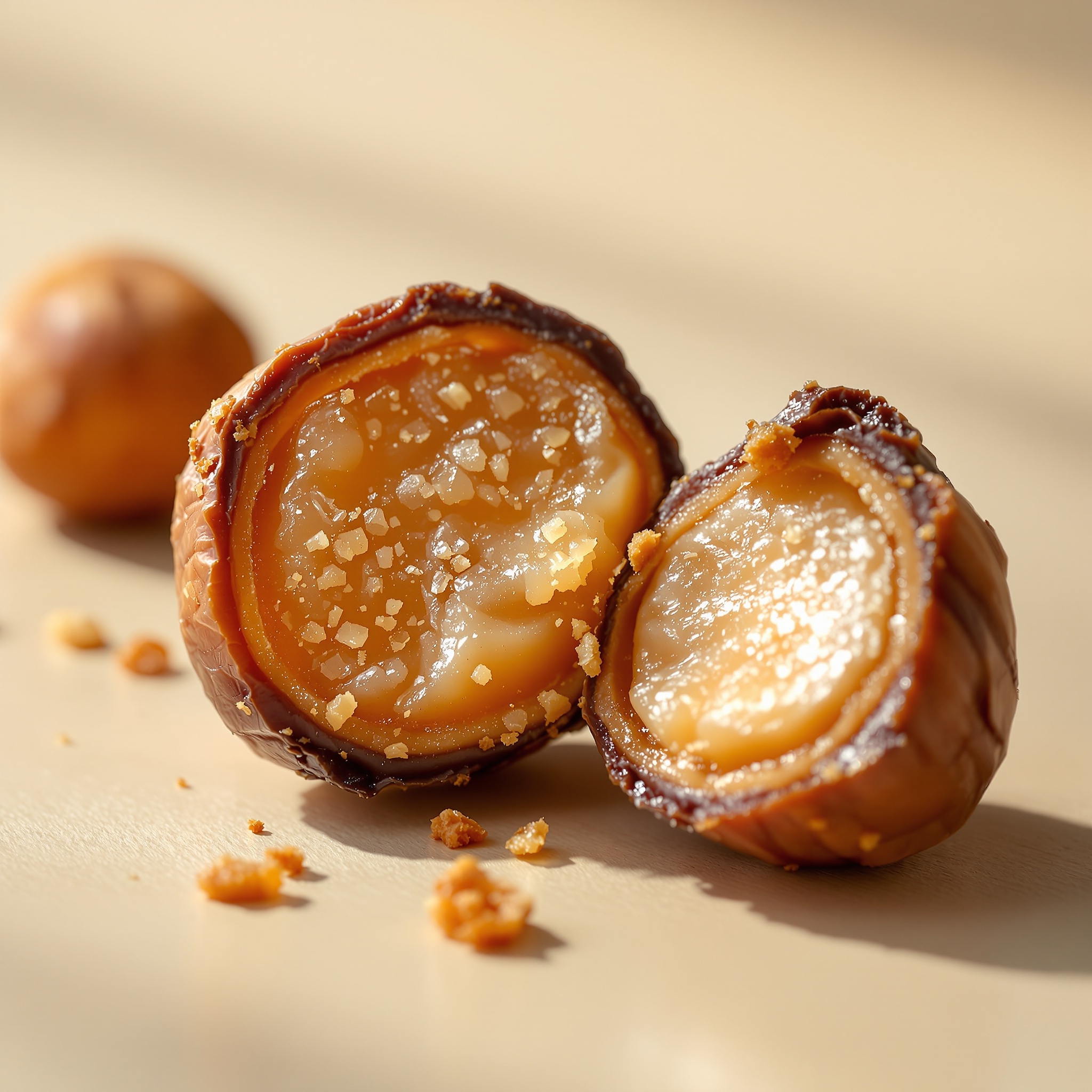
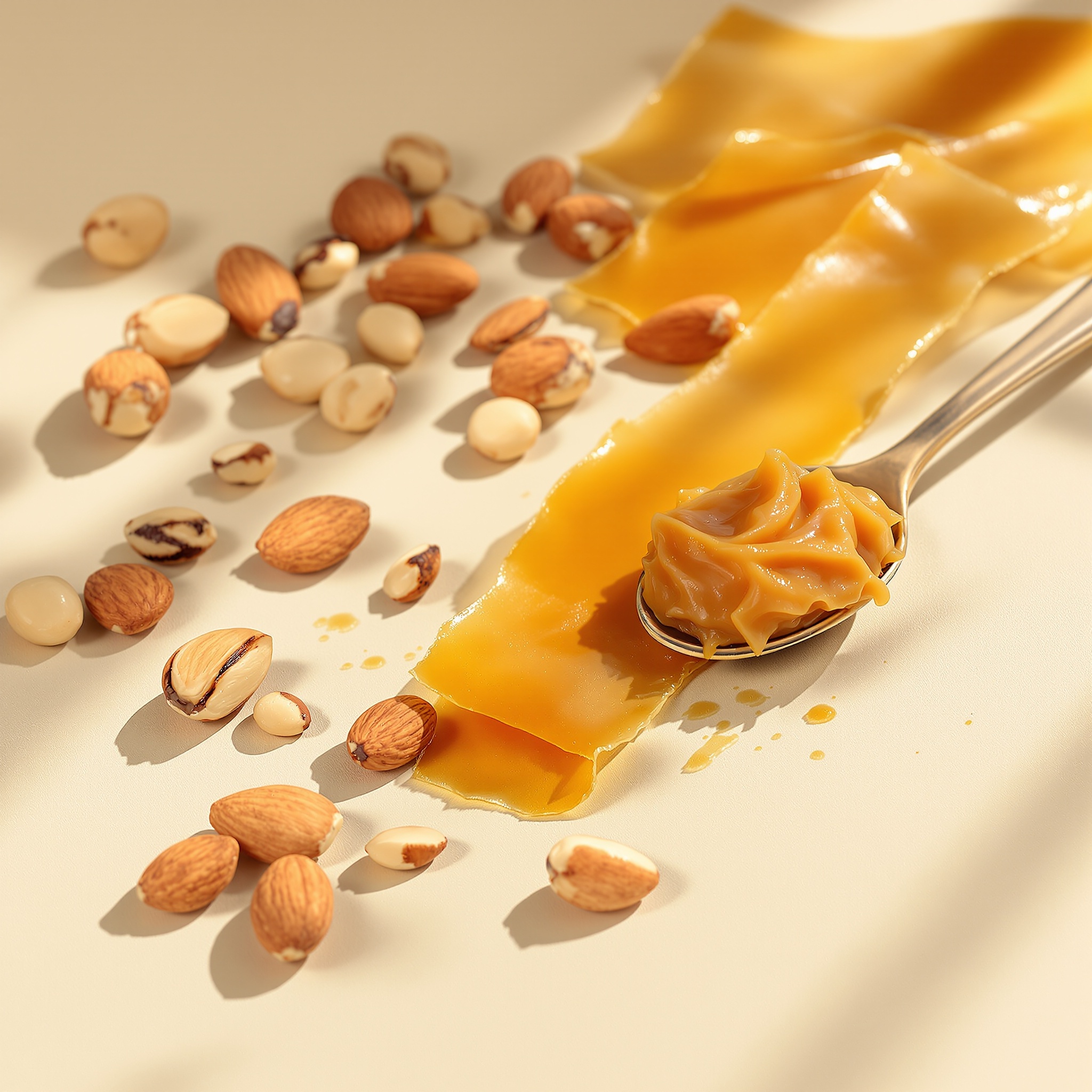
Praline
Caramelized nuts folded warm into sugar
What it is
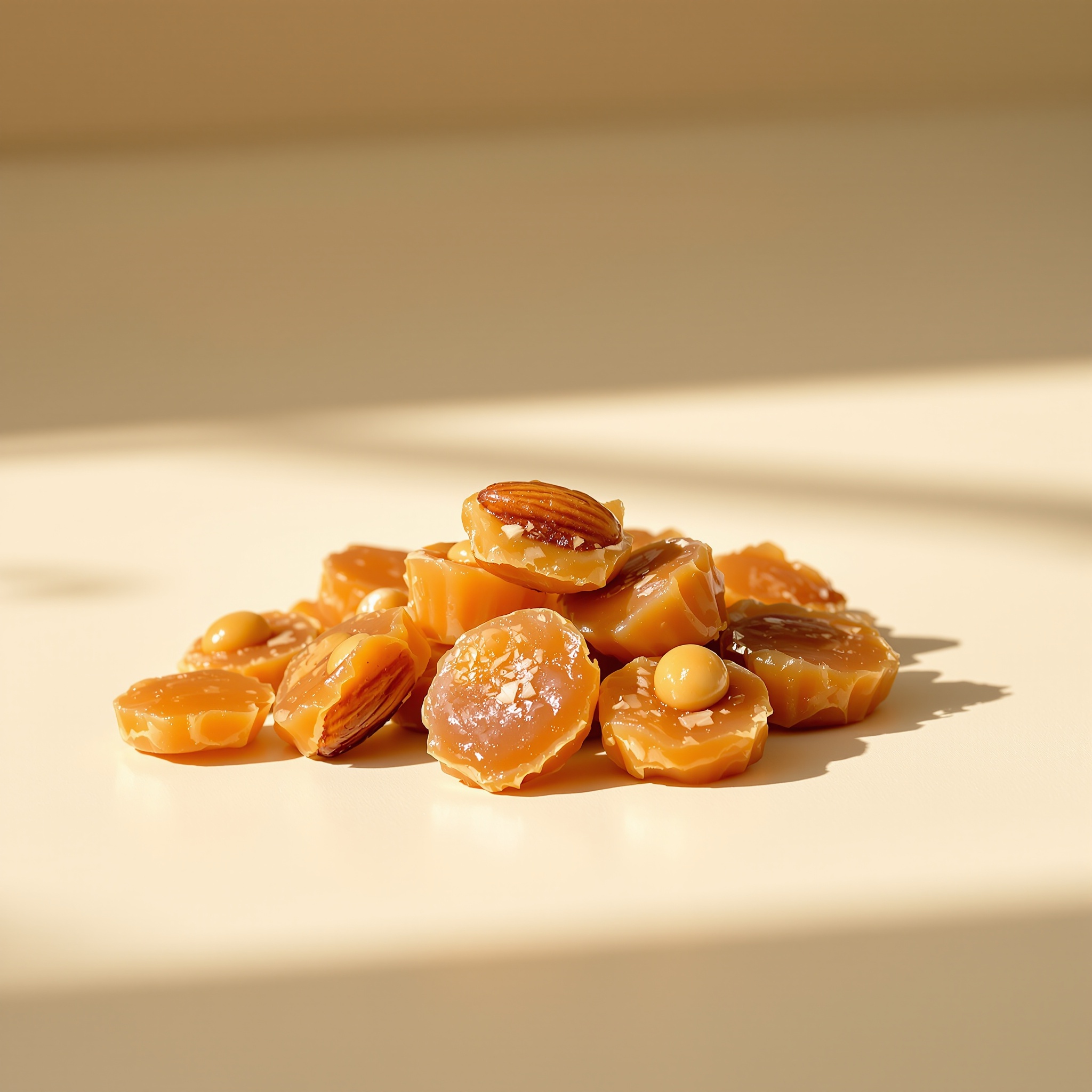
Praline is not a plant but a confectionery accord recreating roasted almonds or hazelnuts cooked in caramelized sugar. Because real praline yields no oil, perfumers build it synthetically, combining caramel molecules such as ethyl maltol with nutty, buttery lactones and toasted Maillard-reaction aroma chemicals into one edible accord.
How it smells
A warm, toasted sweetness sitting between burnt sugar and roasted nut. The opening reads as crisp caramel and almond skin; the heart softens into buttery hazelnut and milk chocolate. The drydown turns cozy and faintly powdery, rounder and less sharp than pure caramel.
In perfumery
A heart-to-base gourmand pillar adding edible nutty warmth and roundness. It pairs with vanilla, tonka, coffee, and woods to anchor dessert compositions. A landmark praline-and-patchouli accord popularized it, and toasted nut sweetness now runs through countless modern gourmands.
Good to know
The confection traces to a 17th-century recipe credited to Clement Lassagne, cook to the French diplomat Cesar, Duke of Choiseul, Count of Plessis-Praslin, whose name it carries. American pralines later swapped almonds for pecans and added cream, producing a softer, fudgier candy.
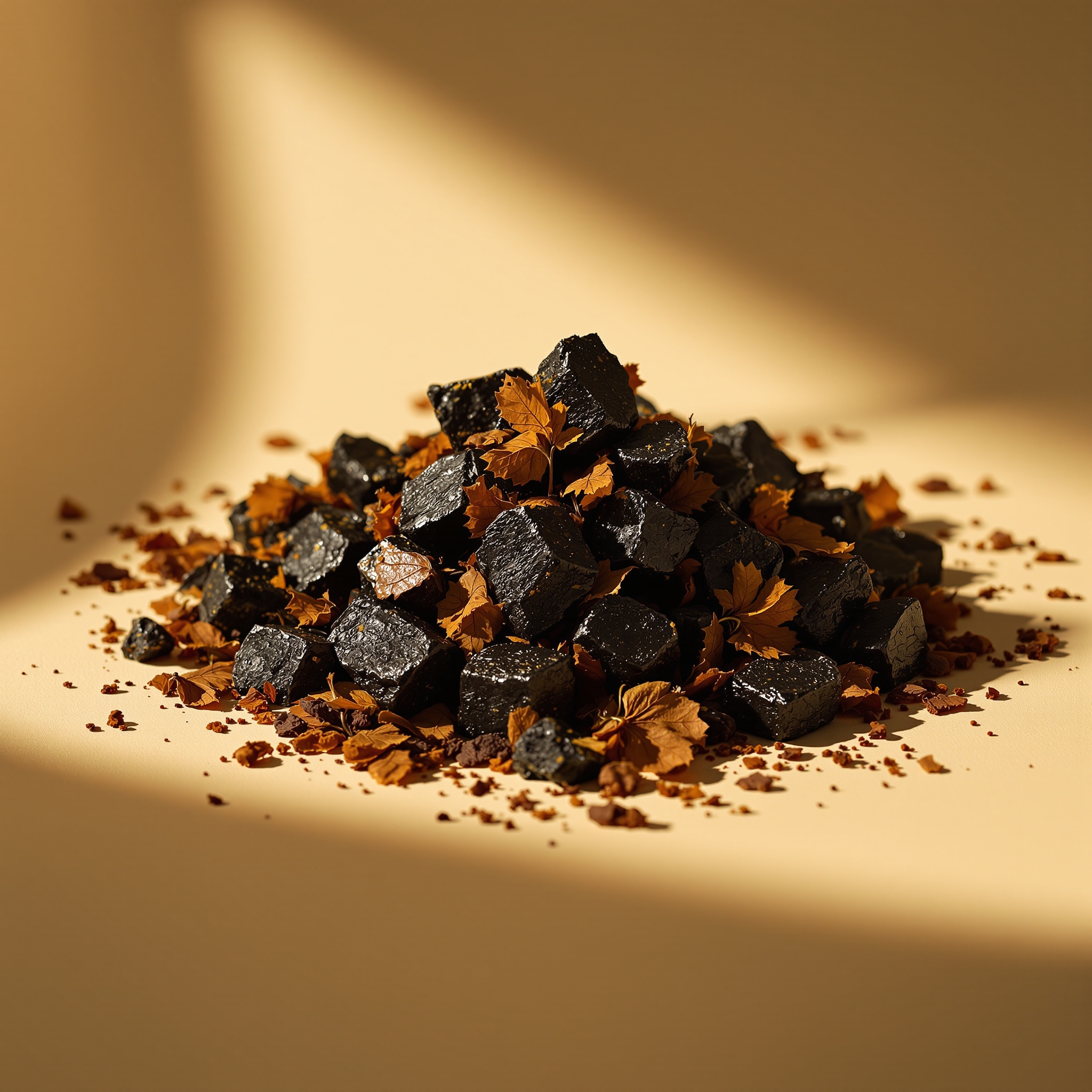
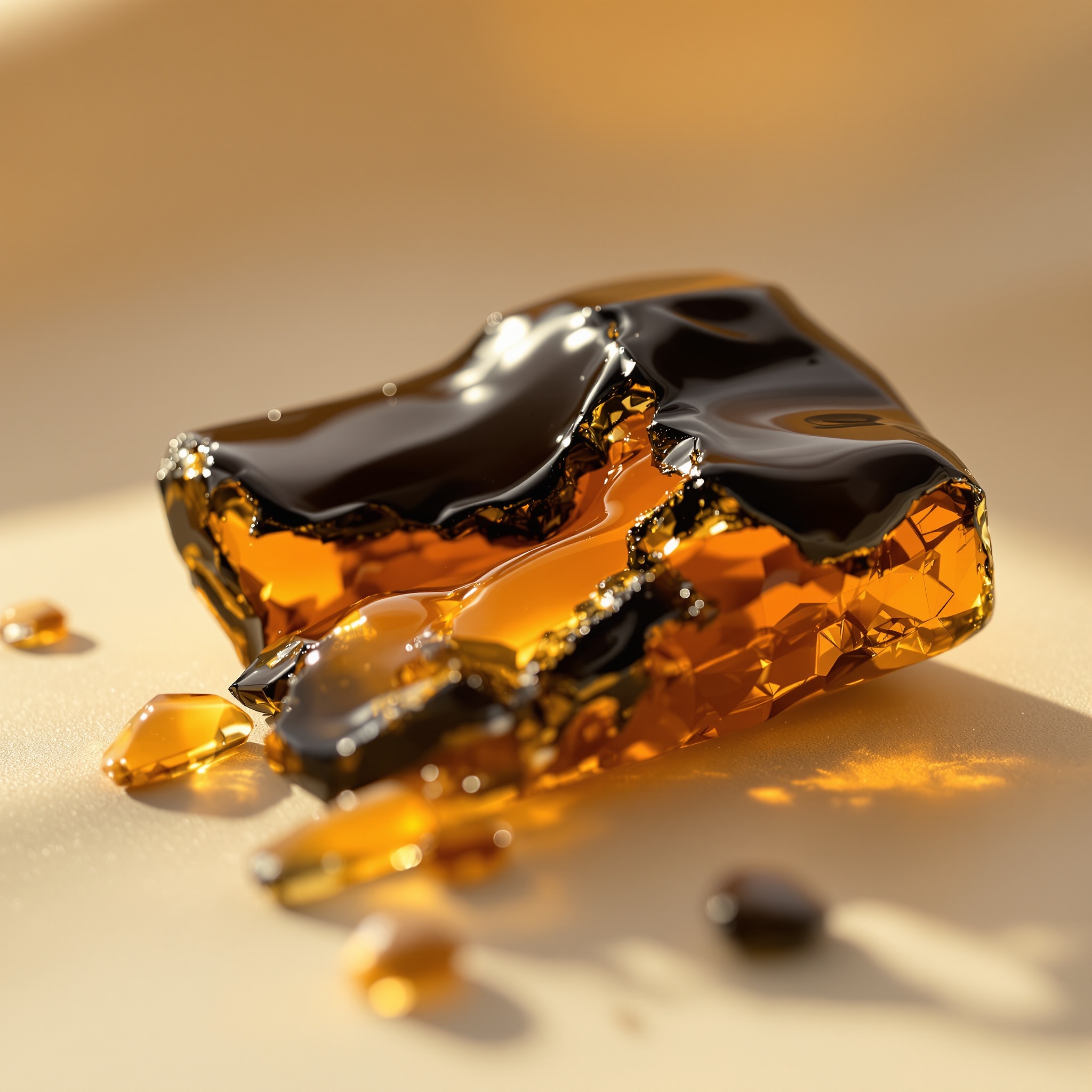
Black Amber
Resinous warmth pulled down into shadow
What it is
Black amber is not a single raw material but a constructed accord, a darkened cousin of the classic amber base. Perfumers build it from labdanum, benzoin and vanilla, then deepen it with smoky incense, patchouli, dark woods and resins so the warmth reads shadowed rather than golden.
How it smells
Warm, resinous and sweet at the core, yet smudged with smoke, earth and dry wood. The familiar amber glow turns dusky and balsamic, threaded with leathery, incense-tinged facets. It sits heavier and more nocturnal than ordinary amber, sweetness wrapped in soot and patchouli.
In perfumery
A base-note signature giving long-lasting depth and a brooding, skin-warm character. It pairs with oud, incense, rose, leather and spices across amber and oriental compositions. The name flags a darker register, steering an amber fragrance toward smoke, resin and shadow rather than golden sweetness.
Good to know
Because amber here names a fantasy accord rather than fossilized tree resin or true ambergris, no two houses build black amber identically. The same listed note can read as vanilla and incense in one bottle and tarry patchouli and dark resin in another.
Cedarwood
Dry pencil shavings and sun-warmed timber
What it is
An essential oil steam-distilled from the wood, shavings and sawdust of several conifers. Main sources are Virginia cedar and Texas cedar, both junipers, plus the true Atlas and Himalayan cedars of the Cedrus genus. The fragrant oil concentrates in the heartwood and sawmill byproduct.
How it smells
Dry, woody and warm, the archetype of freshly sharpened pencils and a cedar closet. Virginia cedar is pencil-like and balsamic; Atlas cedar is softer, sweeter, almost honeyed-resinous. Across types runs a clean, slightly smoky, faintly camphoraceous tone that dries to a smooth, sappy warmth.
In perfumery
A versatile heart-to-base note giving dry woody structure, lift and a backbone for other materials. It pairs with vetiver, sandalwood, rose, citrus and incense. Cedar shapes the smoky drydown of woody-floral builds and countless modern woody-amber bases.
Good to know
The cedar of pencils and storage chests is usually botanically a juniper, not a true Cedrus. Cedar-derived molecules like Cedramber and Iso E Super power a huge share of contemporary woody fragrances, making cedarwood one of perfumery's most quietly ubiquitous building blocks.
Vetiver
Cool damp earth pulled from tangled roots
What it is
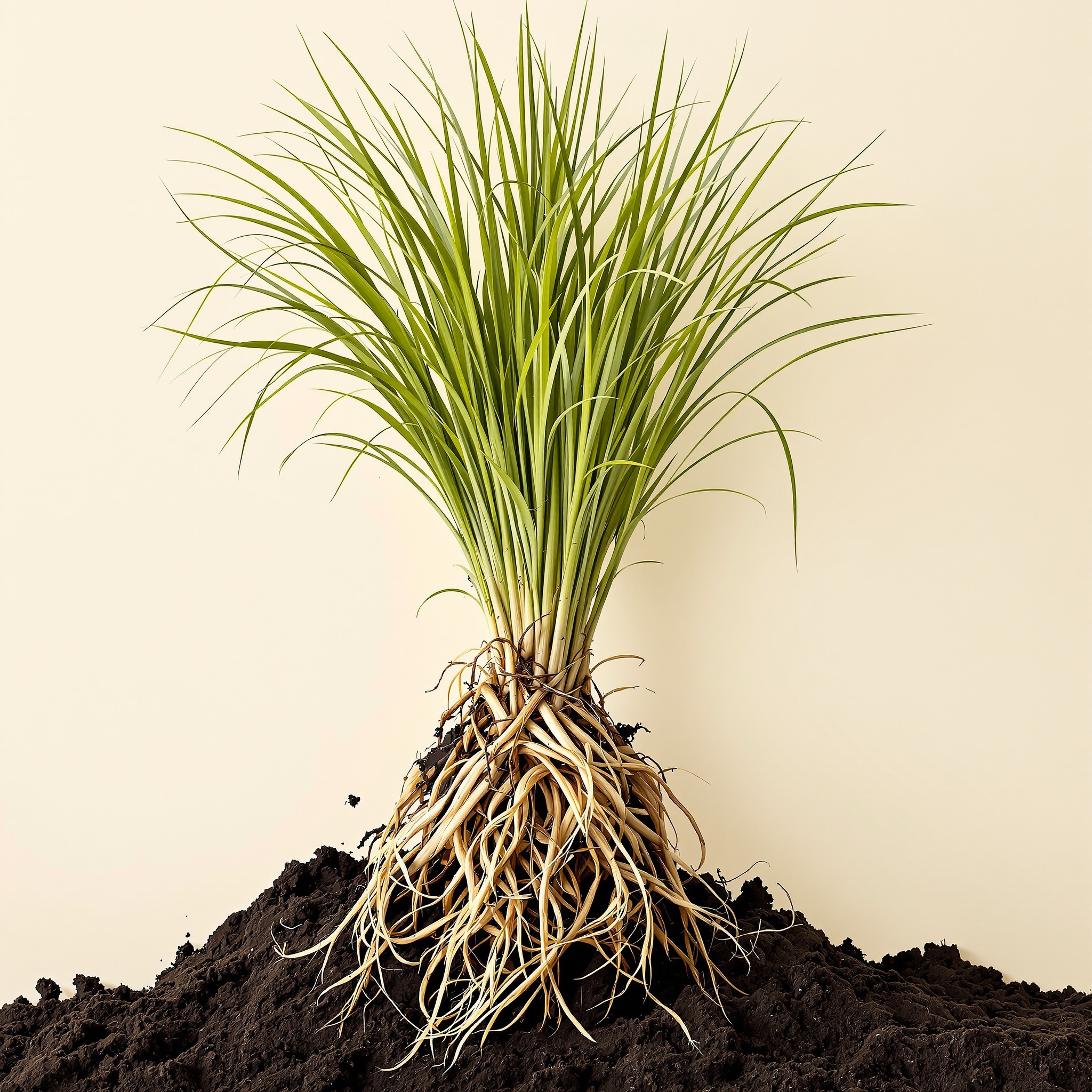
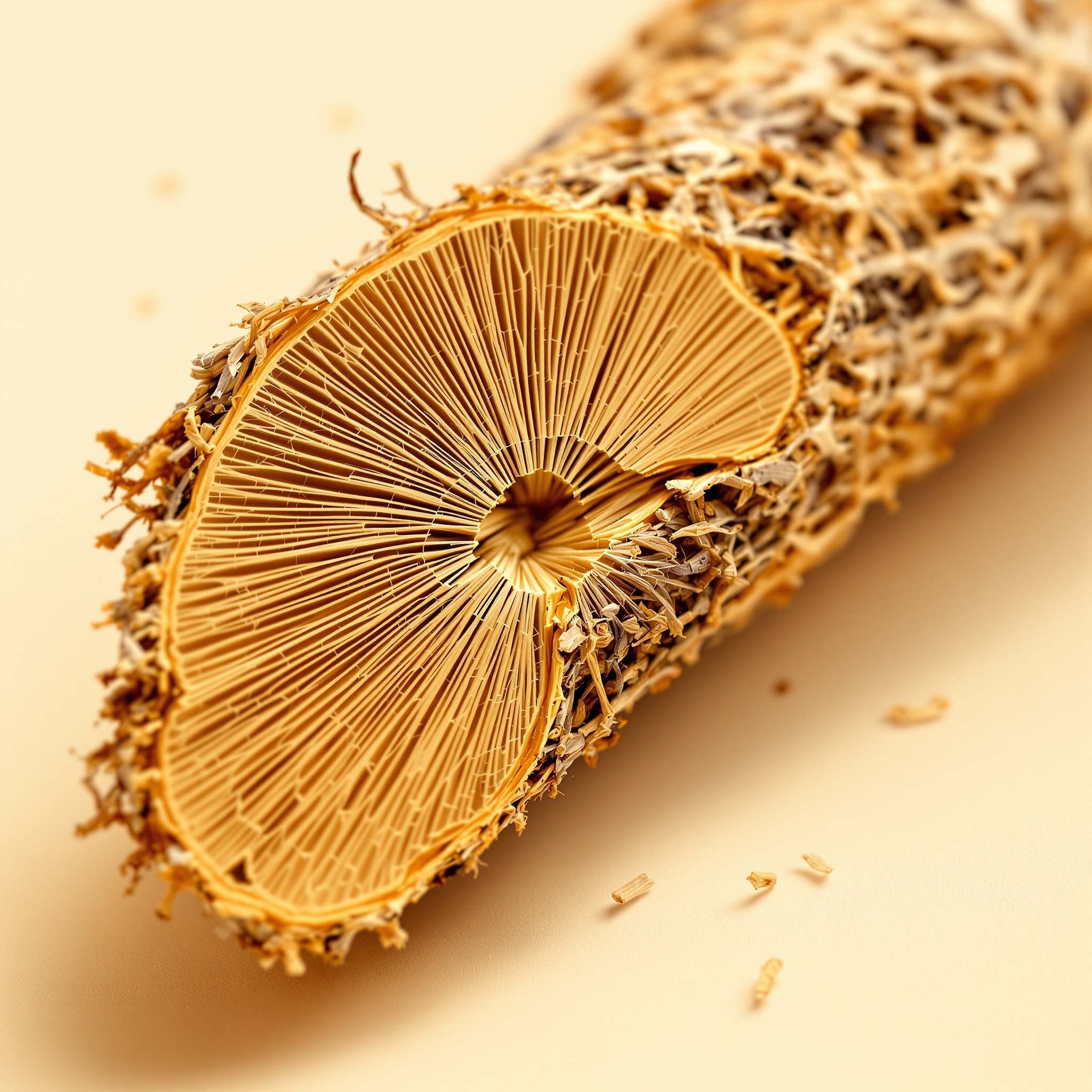
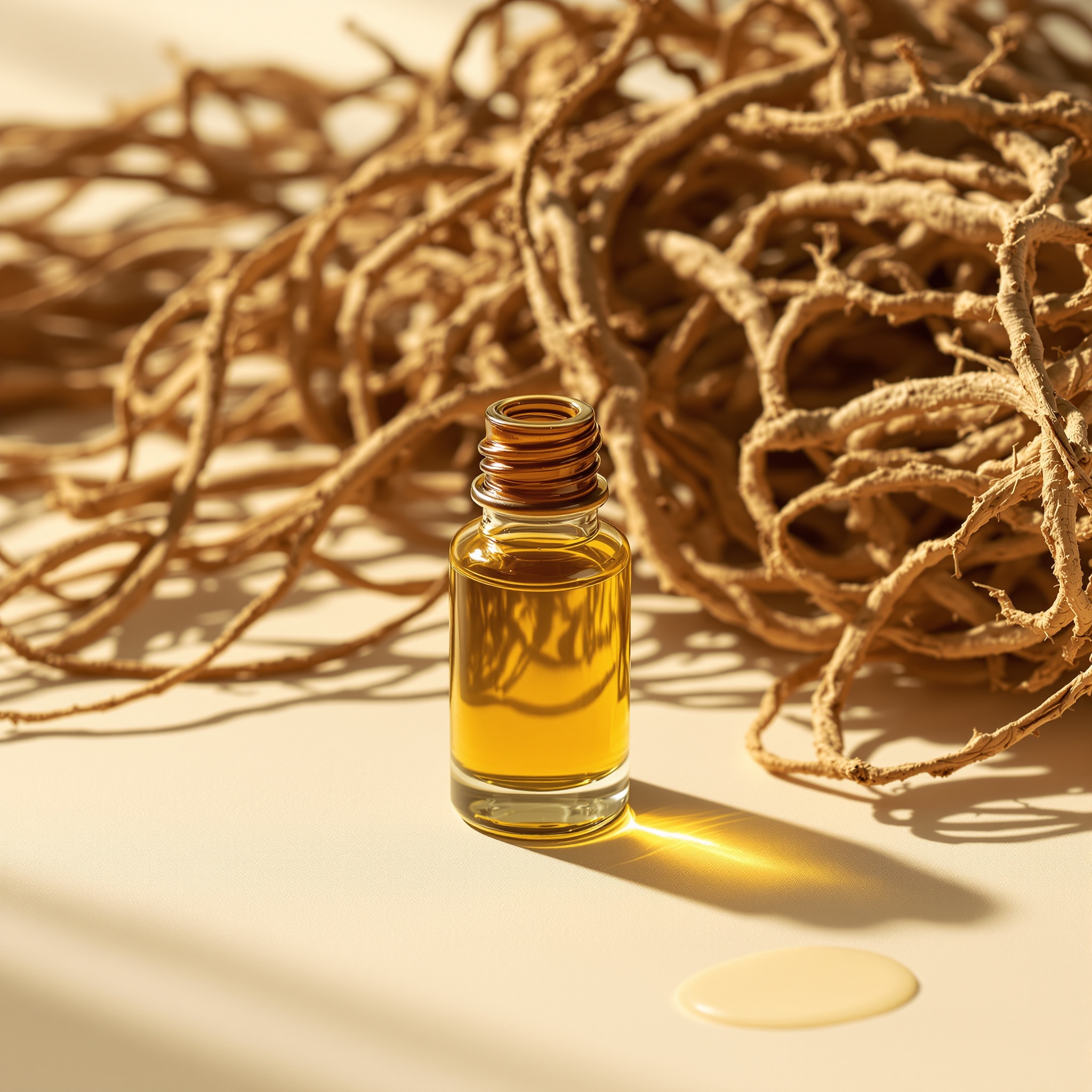
Vetiver is a tall tropical bunchgrass, Chrysopogon zizanioides, native to India and now grown mainly in Haiti, Java, and Réunion. The prized part is its dense network of fibrous underground roots, which are dug up, washed, dried, and steam-distilled into a thick amber-green essential oil.
How it smells
Cool, damp earth and freshly cut grass over a woody, rooty base. Haitian oil reads smooth, smoky, and faintly hazelnut-sweet; Java leans darker and more leathery. Beneath sit dry cedar, grapefruit-like bitterness, and a persistent green minerality that lingers for hours as it dries down.
In perfumery
A base note valued for tenacity, grounding earthiness, and natural fixative power. It anchors chypres and fougères, pairing with citrus, leather, and tobacco. Many vetiver soliflores are built around it, while its smokier, ashier side is showcased beside cypress and cedar.
Good to know
Haiti supplies roughly half the world's vetiver oil, most of it grown by smallholder farmers. The same deep roots that perfume a bottle are planted on hillsides worldwide as living barriers, gripping soil against erosion and stabilizing slopes where little else will hold.
Fragrance Character
Citrus and cassis open it fresh and slightly tart; violet and praline give a soft, powdery-sweet heart; and black amber, cedar and vetiver ground it with a warm, woody depth.
Best Worn
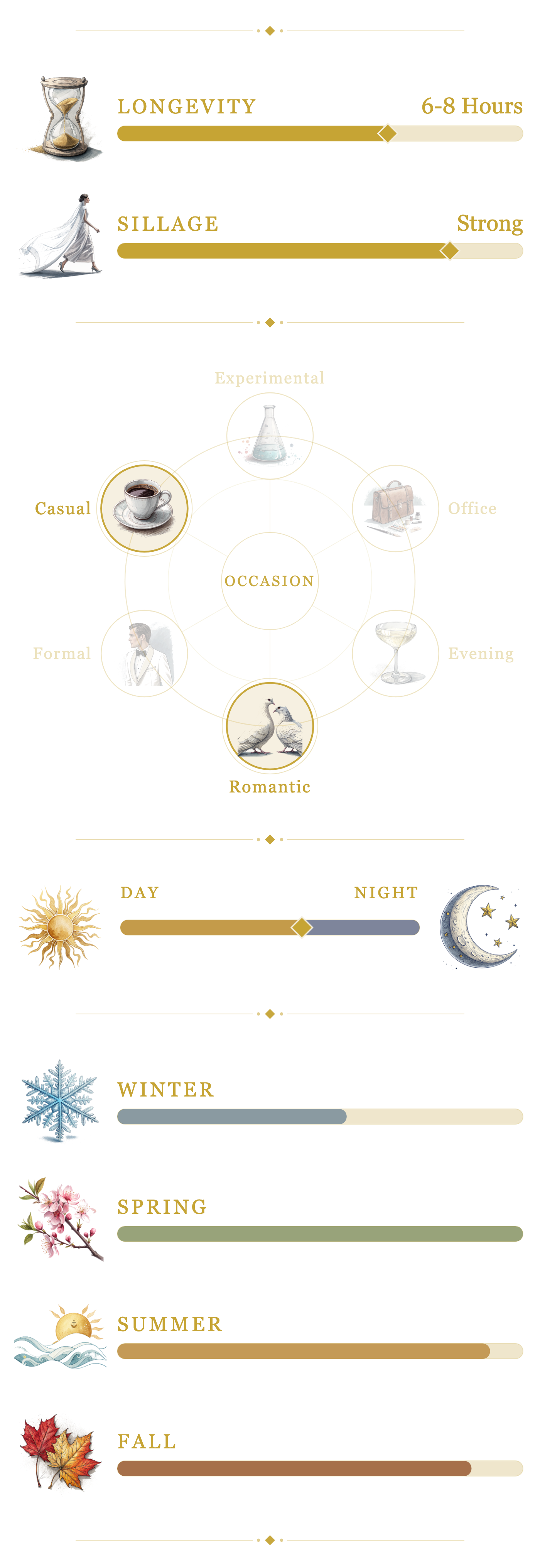
Spring and summer days, an easy, chic fresh-woody for relaxed daylight hours and moments worn close, powdery-sweet violet over a warm woody base.
Why the Bal d'Afrique Absolu Decant
A warmer, richer Bal d'Afrique, a decant lets you weigh it against the original before committing.
Official Notes
Bergamot · Lemon · Blackcurrant · Violet · Musk · Praline · Black Amber · Cedarwood · Vetiver
Explore more: Ultra-Niche Perfume Decants · All Fragrance Decants
Choose options
The Vibe



Select your decant size

You are selecting a decant size, not the full bottle