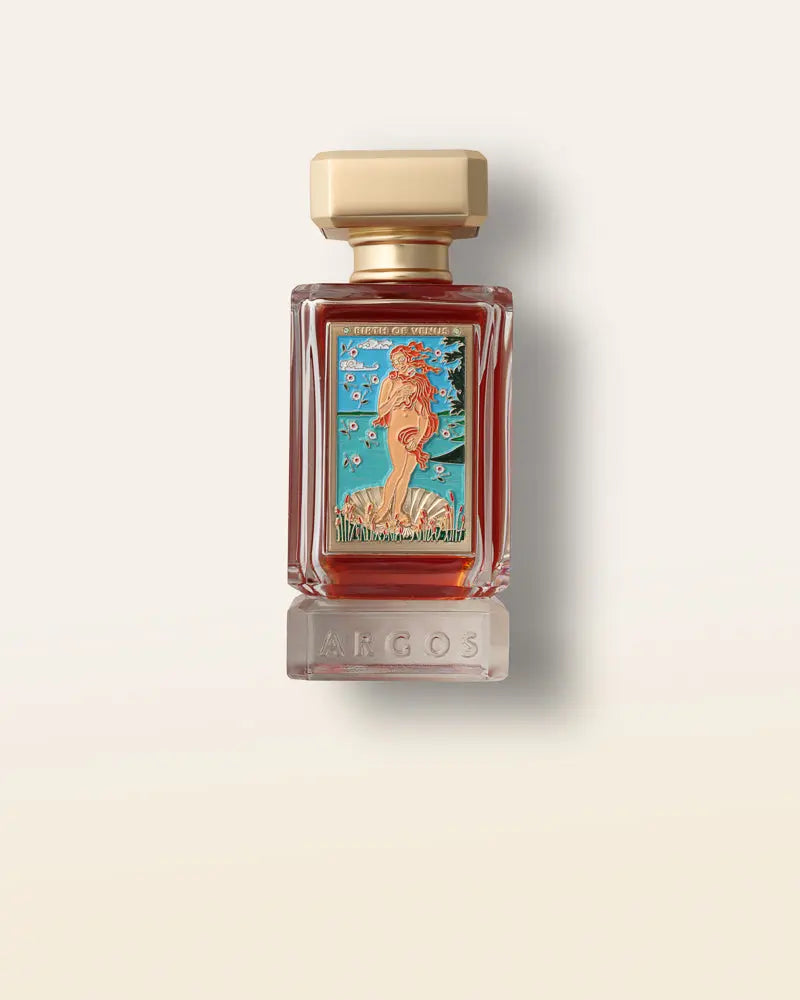


Argos - Birth of Venus
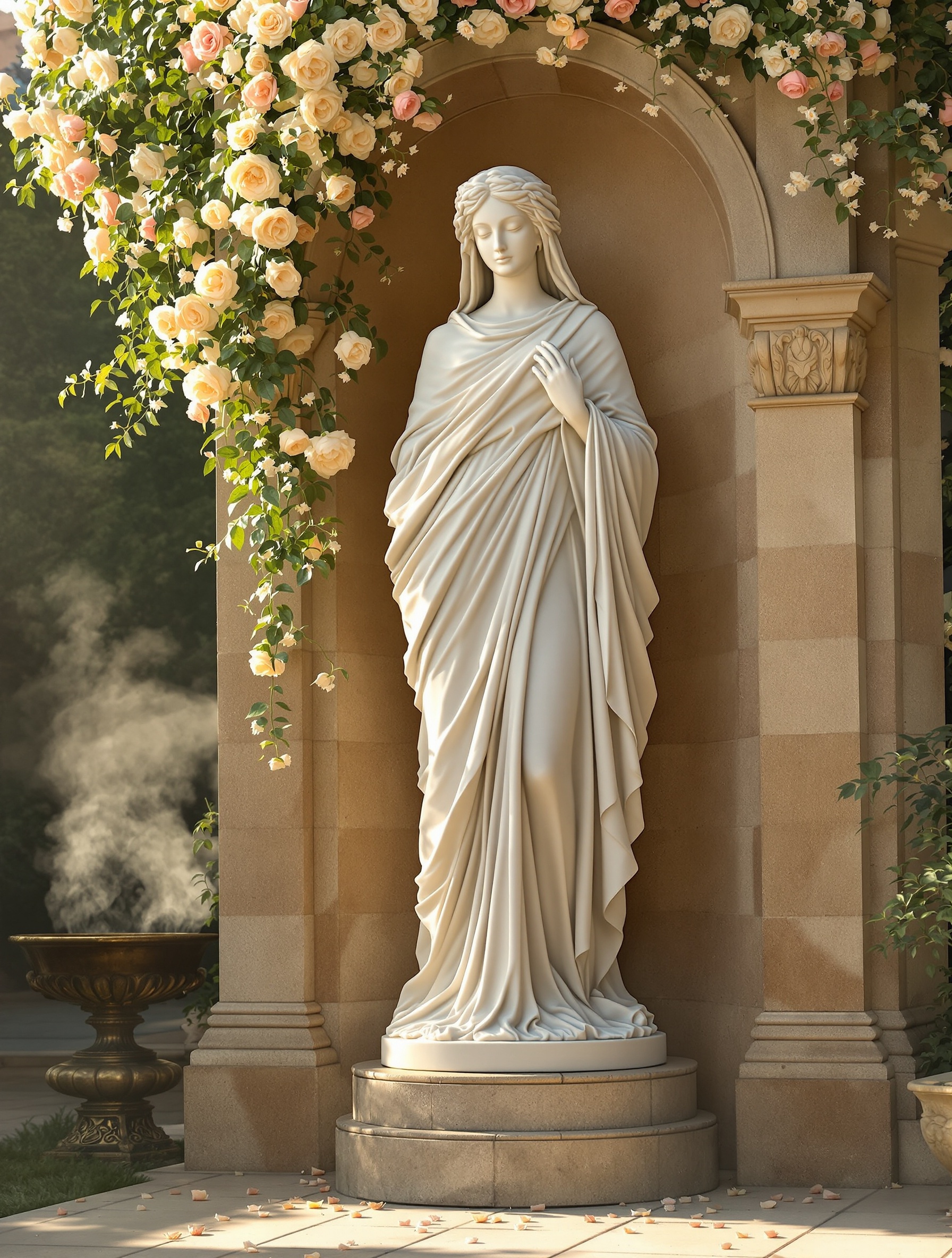
Birth of Venus is a luminous fruity-floral, peach, grapefruit and orange blossom over raspberry, rose and jasmine with a whisper of chocolate, settling into creamy amber, Mysore sandalwood and cashmere woods.
The Story
Argos imagines the goddess rising from the sea foam as a radiant, feminine bouquet: juicy fruit and white flowers over a soft, creamy wood base, pretty, polished and effortlessly wearable.
The Nose
Composed by Christian Petrovich, founder of Argos, also behind Triumph of Bacchus, Adonis Awakens and Bacio Immortale.
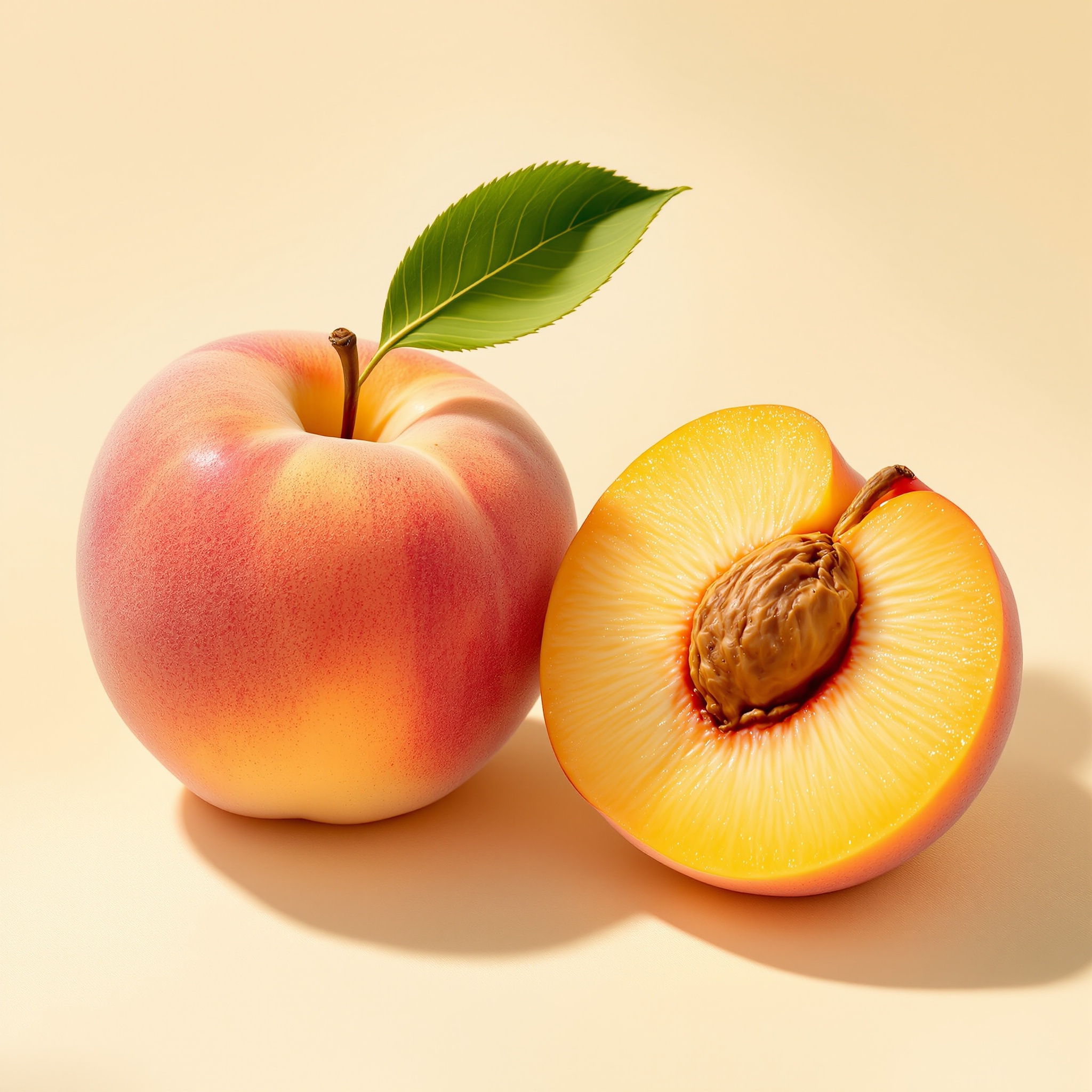
Synthetic Peach
The lab-built peach behind nearly every fruity scent
What it is
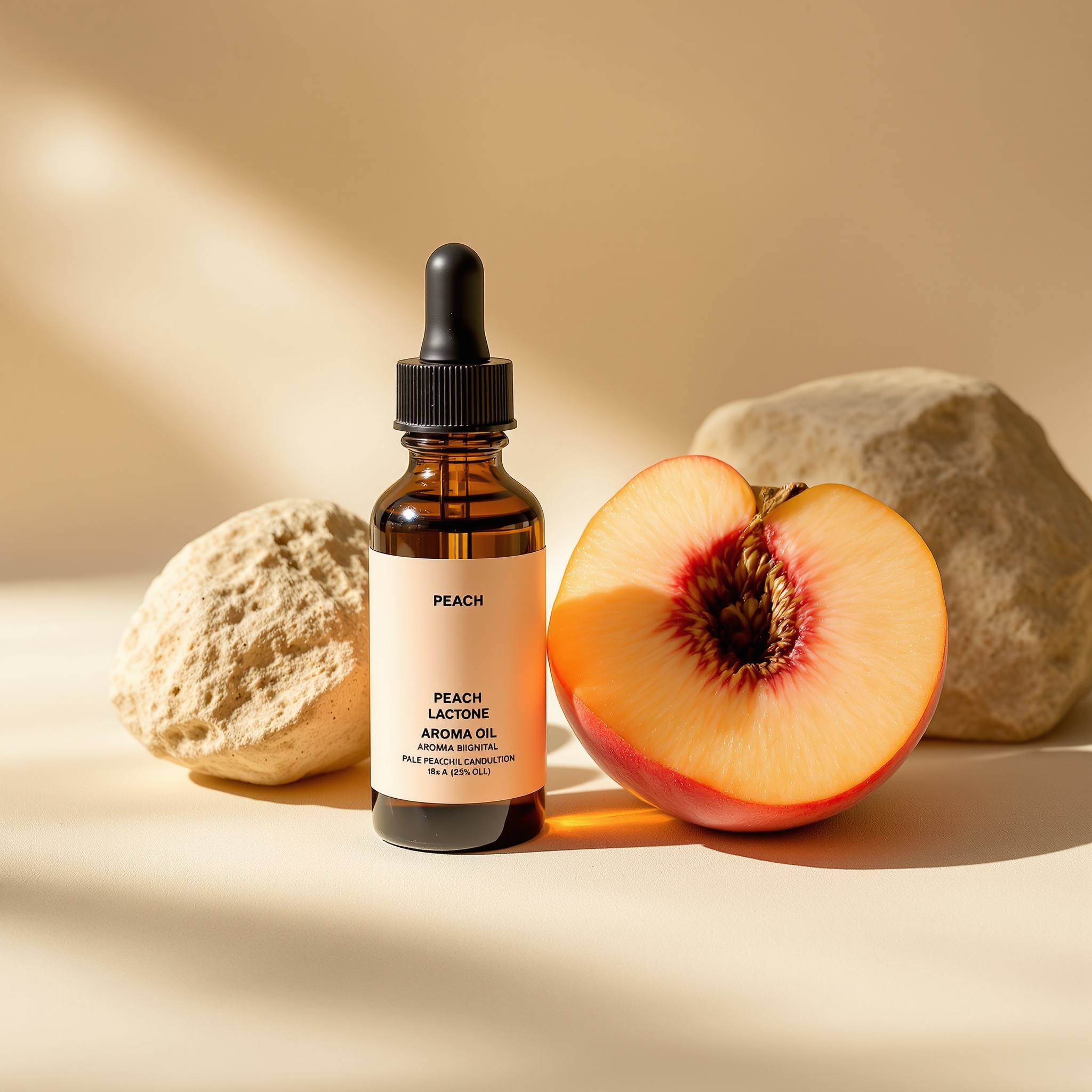
Since no usable peach oil exists in nature, mainstream perfumery reaches instead for a single workhorse molecule: gamma-undecalactone, long known as aldehyde C14 or simply 'peach aldehyde,' often rounded out with related lactones. These are pure aroma-chemicals made in the lab, not drawn from any fruit. One material does most of the work that an all-natural version needs a whole bouquet of extracts to achieve.
How it smells
Instantly and unmistakably peach — sweet, creamy, slightly buttery, with that recognizable canned-fruit roundness. Compared with the natural accord it is brighter, cleaner and more linear, smelling of peach and little else, holding the same shape from first spray to dry-down. It is the crisp, confident, cartoon-clear version of the fruit.
In perfumery
This is the ubiquitous peach, woven into countless fruity, floral and gourmand compositions across every price tier. A few drops fold softness and fruit into a blend reliably, which is why it is a default building block rather than a luxury. It pairs effortlessly with rose, white flowers, vanilla and musks to give that polished modern sweetness.
Good to know
None of this is a criticism — synthetics are clean, potent, inexpensive and identical batch to batch, which is exactly why they dominate. The accord lasts longer and projects harder than any natural reconstruction, at a fraction of the cost. What it trades away is the shifting, slightly floral, less-than-perfect complexity that comes only from building the fruit out of real botanicals.
Orange Blossom
White petals between honey and bitter green
What it is
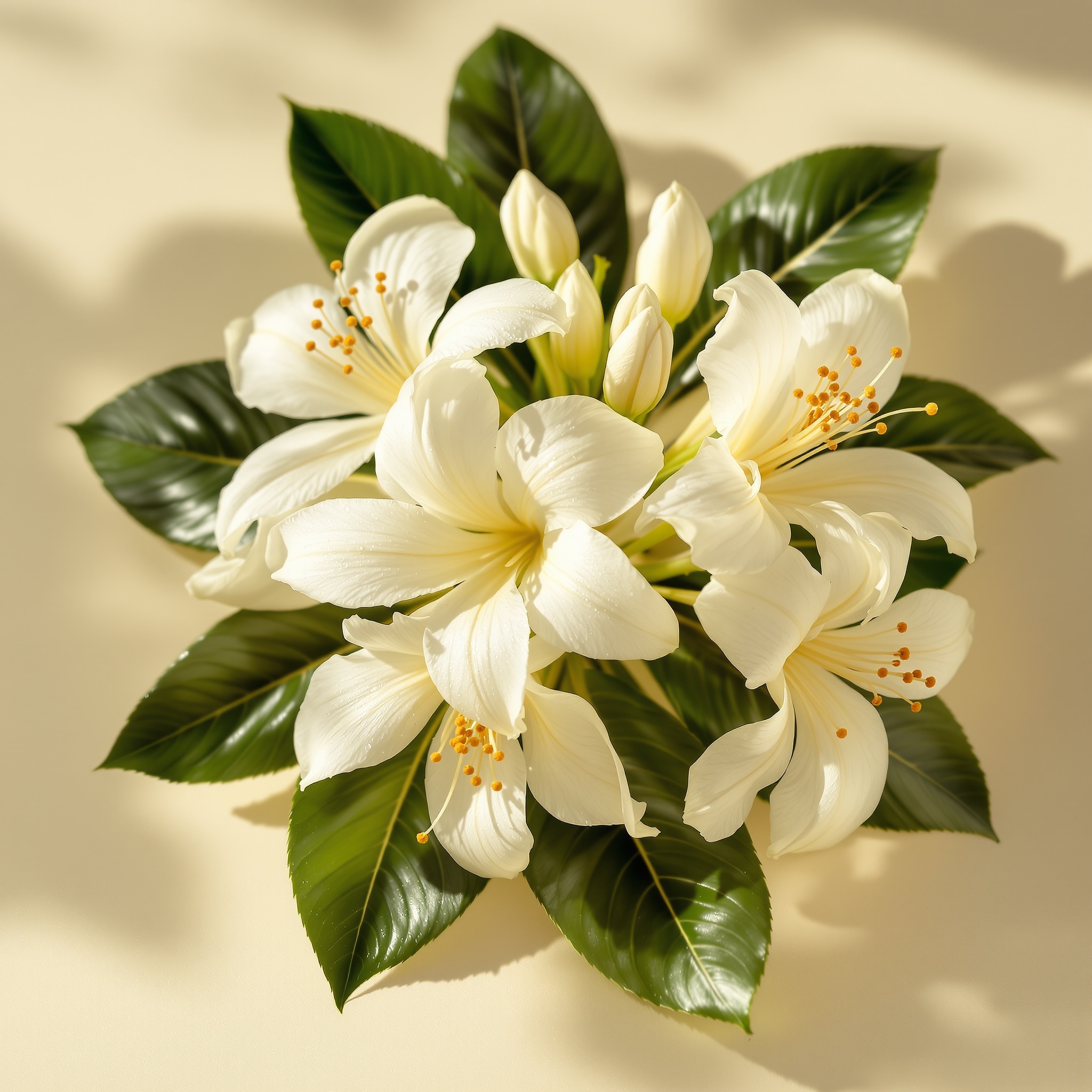
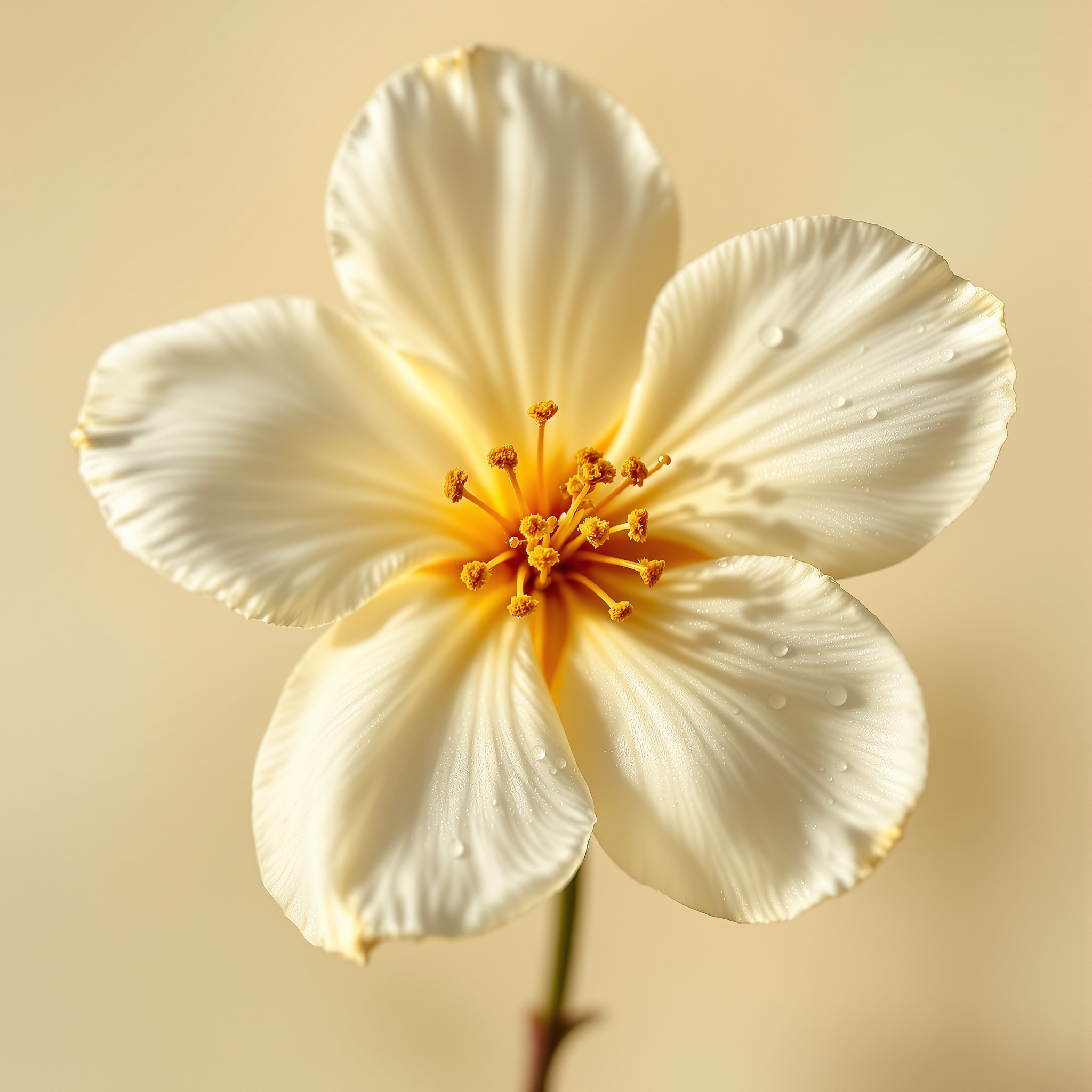
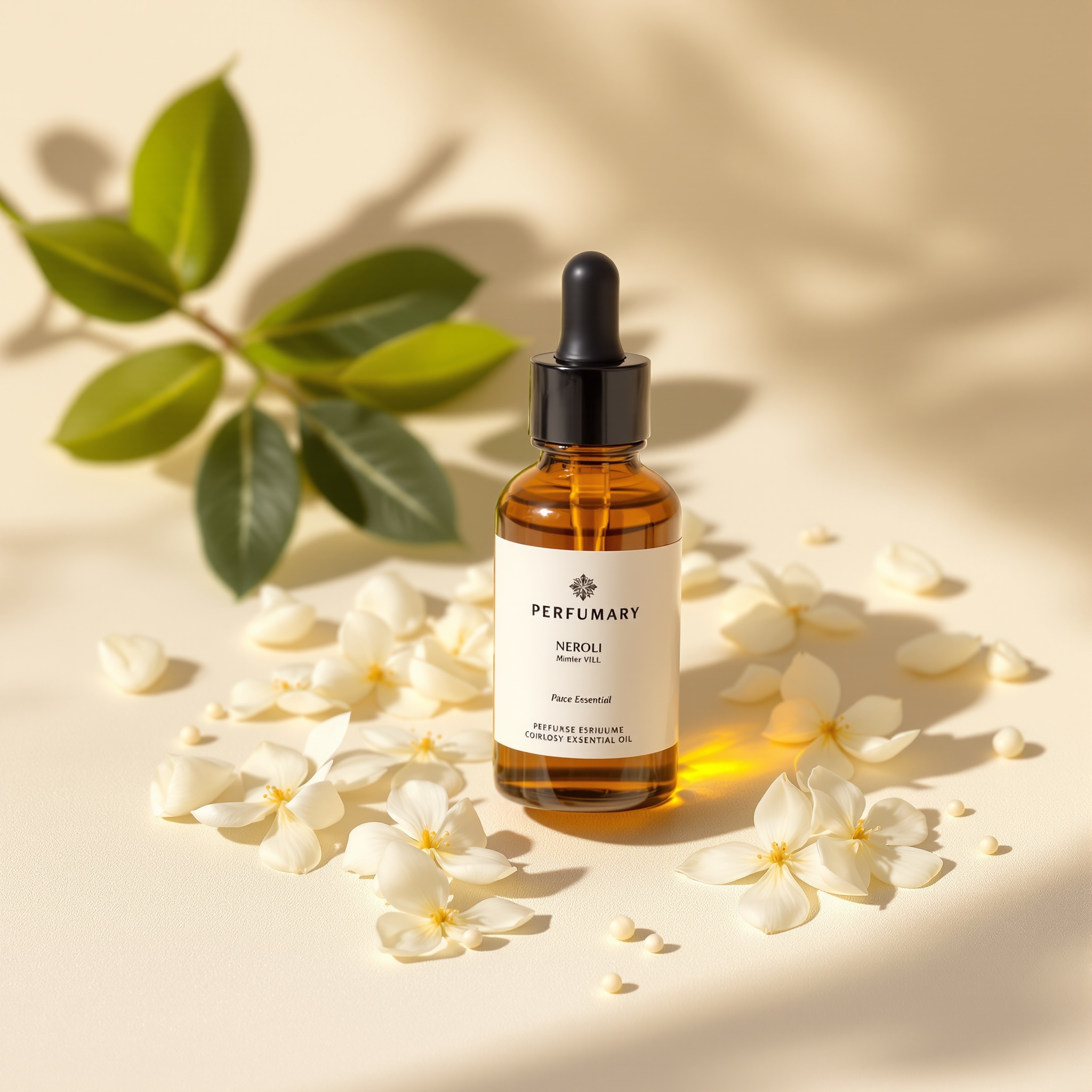
The flower of the bitter orange tree, Citrus aurantium, grown mainly in Tunisia, Morocco and across the Mediterranean. Hand-picked white blossoms yield two materials: neroli, steam-distilled from the fresh flowers, and orange blossom absolute, solvent-extracted from the same petals into a richer, waxy concrete and then absolute.
How it smells
A sweet white floral with honeyed nectar at its core, lifted by a clean bitter-green edge and a faint metallic coolness. Neroli reads brighter and slightly soapy; the absolute is warmer, more animalic and indolic, carrying a soft, almost musky depth underneath the sweetness.
In perfumery
A heart note bridging citrus tops and floral or musky bases, adding radiance and fresh sweetness. It anchors classic colognes and modern florals alike, from diffusive, sparkling neroli accords to the plush, indolic blossom threading through bold white florals.
Good to know
Neroli reportedly takes its name from Anna Maria de La Tremoille, 17th-century Princess of Nerola near Rome, who scented her gloves, gloves and bathwater with the oil. Distilling one kilogram of neroli takes roughly a tonne of freshly picked blossoms, making it costly.
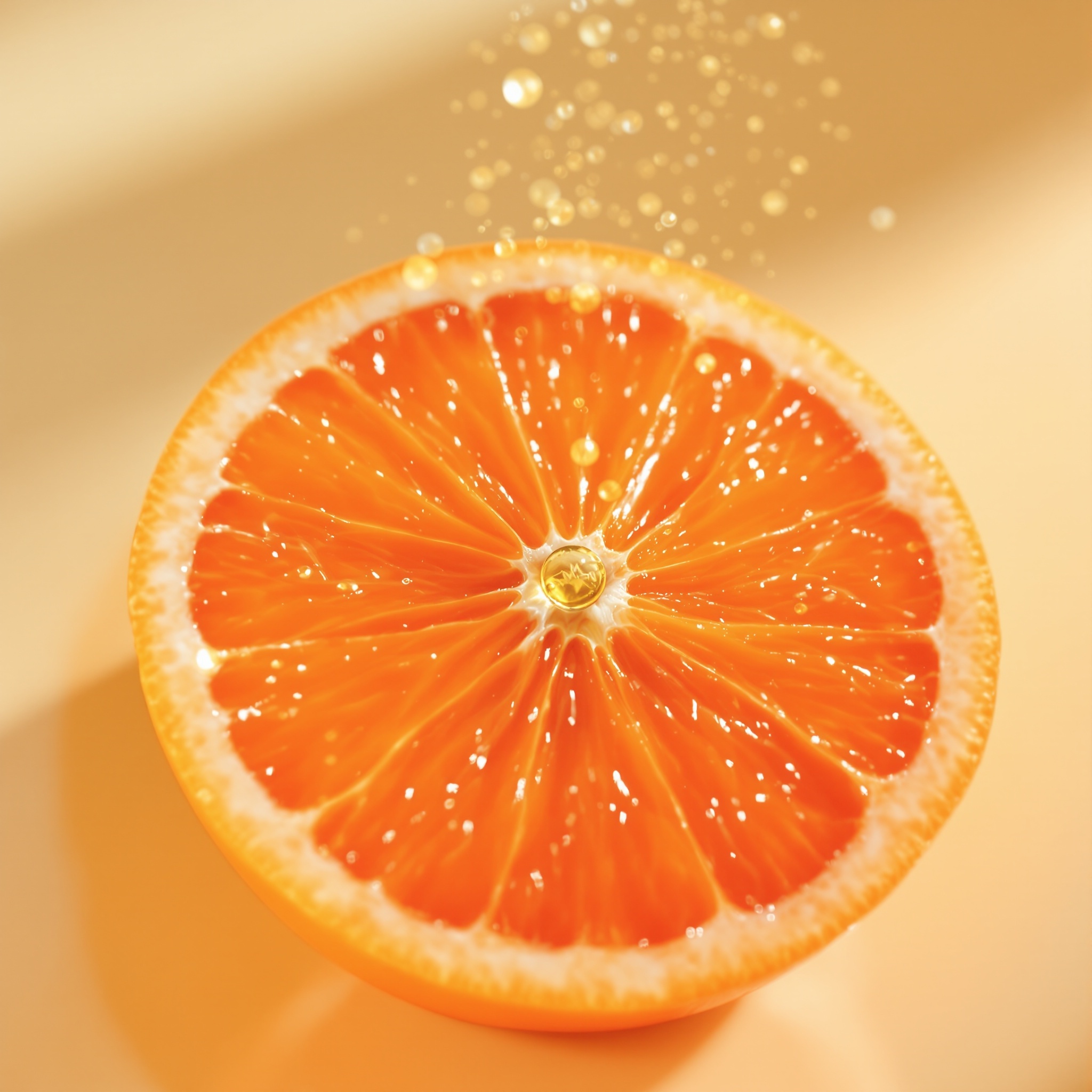
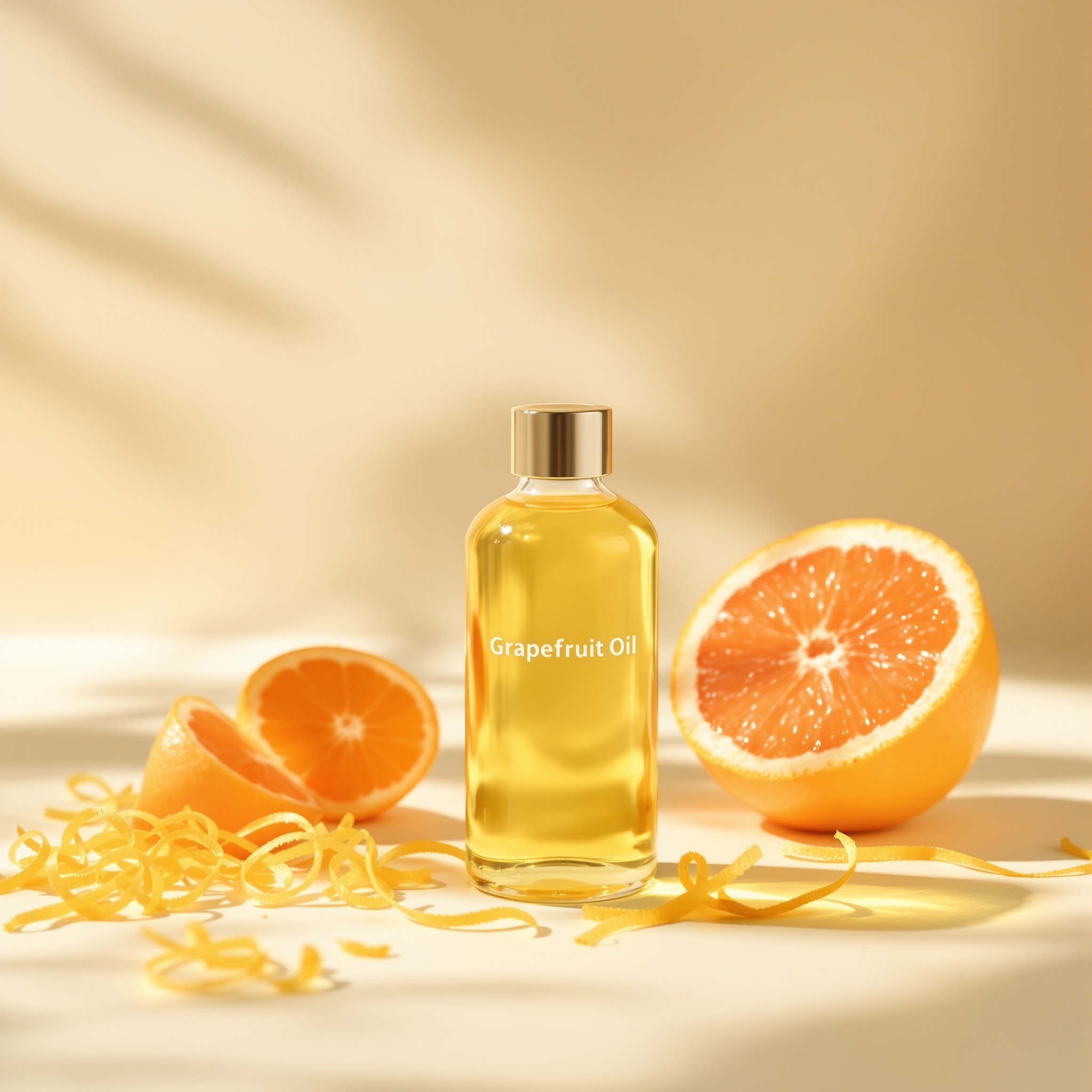
Grapefruit
Bitter-bright citrus burst with a sulfurous tang
What it is
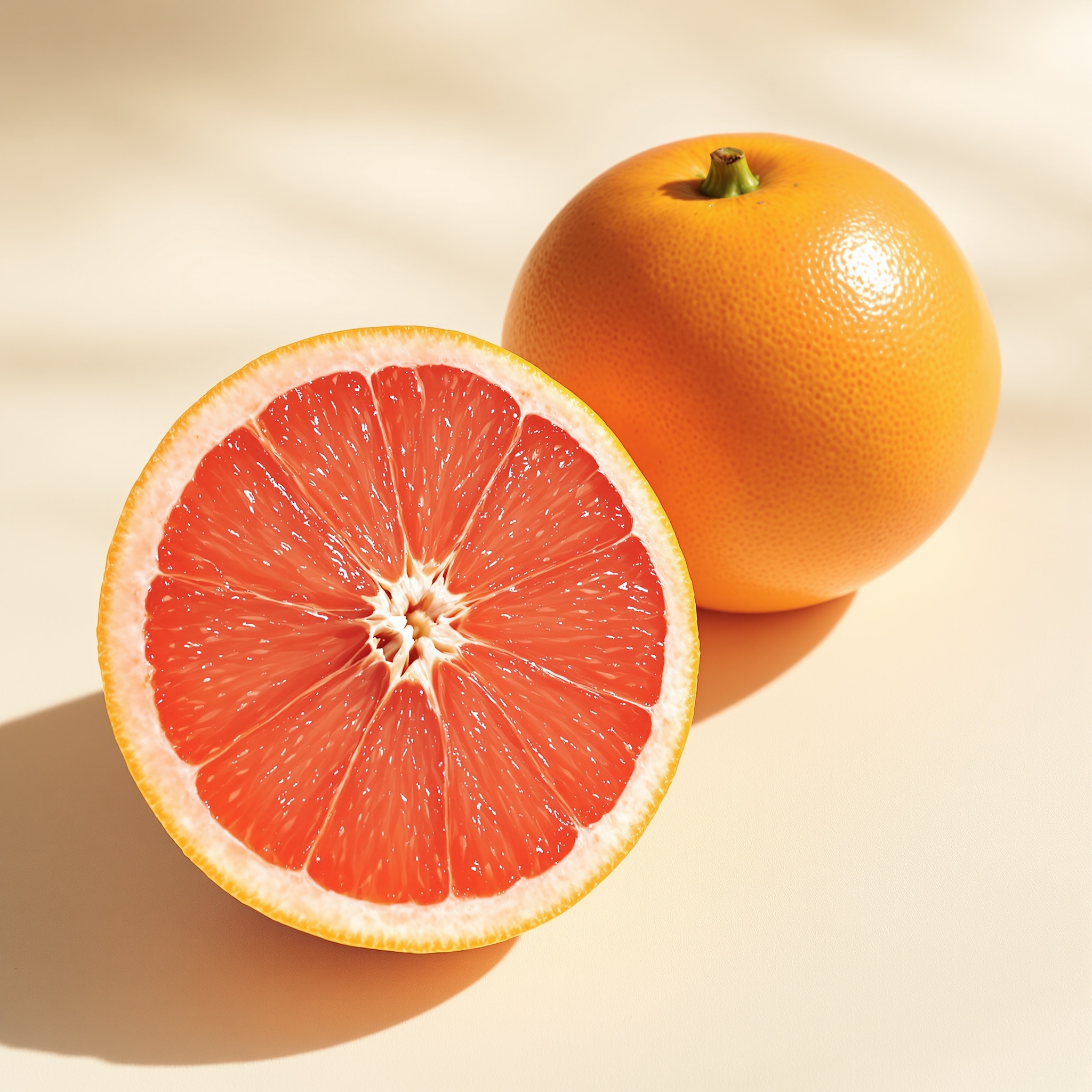
Grapefruit oil is cold-pressed from the peel of Citrus paradisi, a large subtropical citrus that arose as a natural hybrid of pomelo and sweet orange in the Caribbean. Mechanical expression ruptures oil glands in the rind, releasing a fragrant oil rich in limonene with trace nootkatone and sulfur compounds.
How it smells
Sharp, juicy and effervescent: tart citrus with a distinctive bitter rind edge and a faintly sweaty, sulfurous tang that reads as true grapefruit. It opens with a fizzy, mouth-watering brightness, then fades quickly, leaving a clean, slightly soapy and bitter-green impression behind.
In perfumery
A top note delivering an instant burst of freshness and a modern, slightly bitter sparkle, pairing with neroli, mint, vetiver and woody-amber bases. It is the bright opening of countless citrus-forward colognes, pomelo-themed eaux and many contemporary sport and unisex scents.
Good to know
Grapefruit's signature smell comes mostly from trace molecules: nootkatone and grapefruit mercaptan (1-p-menthene-8-thiol), the latter detectable at parts-per-billion levels. The oil is phototoxic from furocoumarins, so it is often used in furocoumarin-free form or capped under fragrance-safety guidelines.
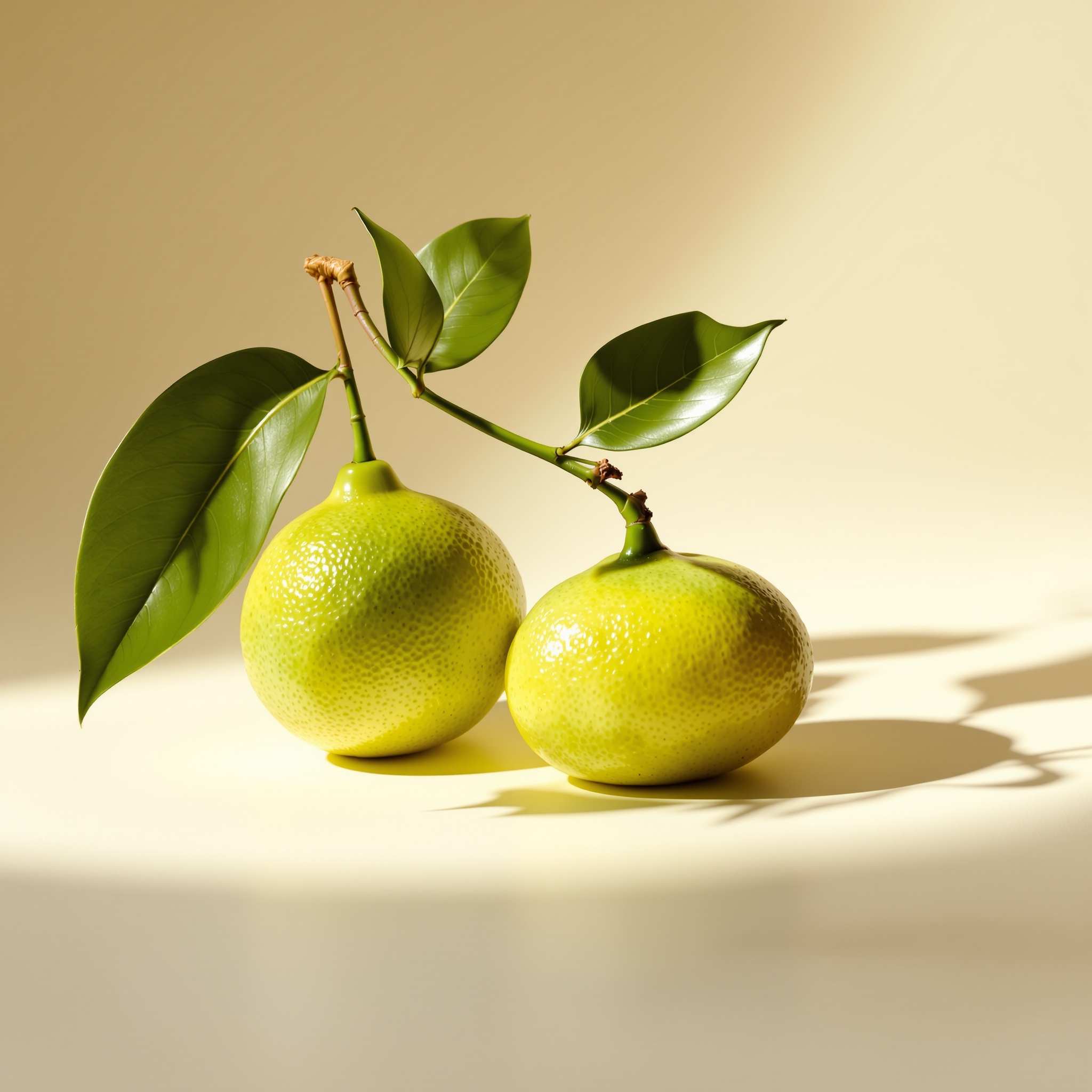
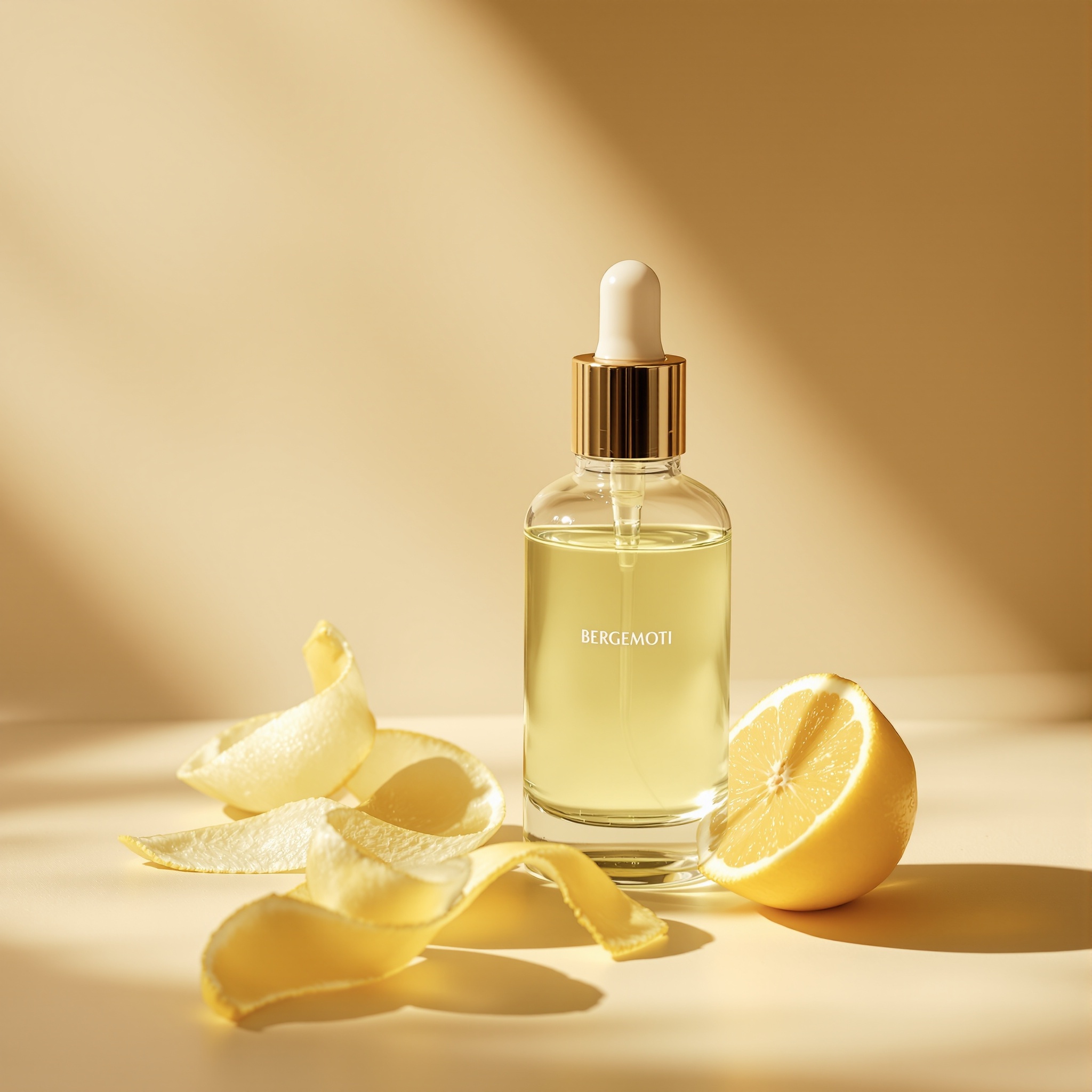
Bergamot
Sparkling citrus light with a bittersweet edge
What it is
Bergamot is a small citrus fruit, Citrus bergamia, grown almost entirely along the Calabrian coast of southern Italy. The aromatic oil sits in glands in the rind of the unripe green-yellow fruit and is cold-pressed mechanically from the peel rather than distilled, preserving its fresh brightness.
How it smells
Bright, zesty and green, a sweet citrus sparkle softened by a floral, almost tea-like smoothness. Underneath runs a faintly bitter, balsamic warmth that sets it apart from lemon or orange. It flashes lively on opening, then fades quickly into a soft, slightly spicy hum.
In perfumery
The classic top note, bergamot adds freshness and lift while blending sharp citrus into the heart. It defines eau de cologne and the fougère family, harmonizing with lavender, neroli and oakmoss. It opens countless modern fresh-floral compositions, and its oil gives Earl Grey tea its scent.
Good to know
Natural bergamot oil contains bergapten, a furocoumarin that makes skin highly sensitive to sunlight and can cause burns. Modern perfumery uses bergapten-free (FCF) oil to meet IFRA safety limits, so most contemporary bergamot in fragrance is purified rather than raw cold-pressed oil.
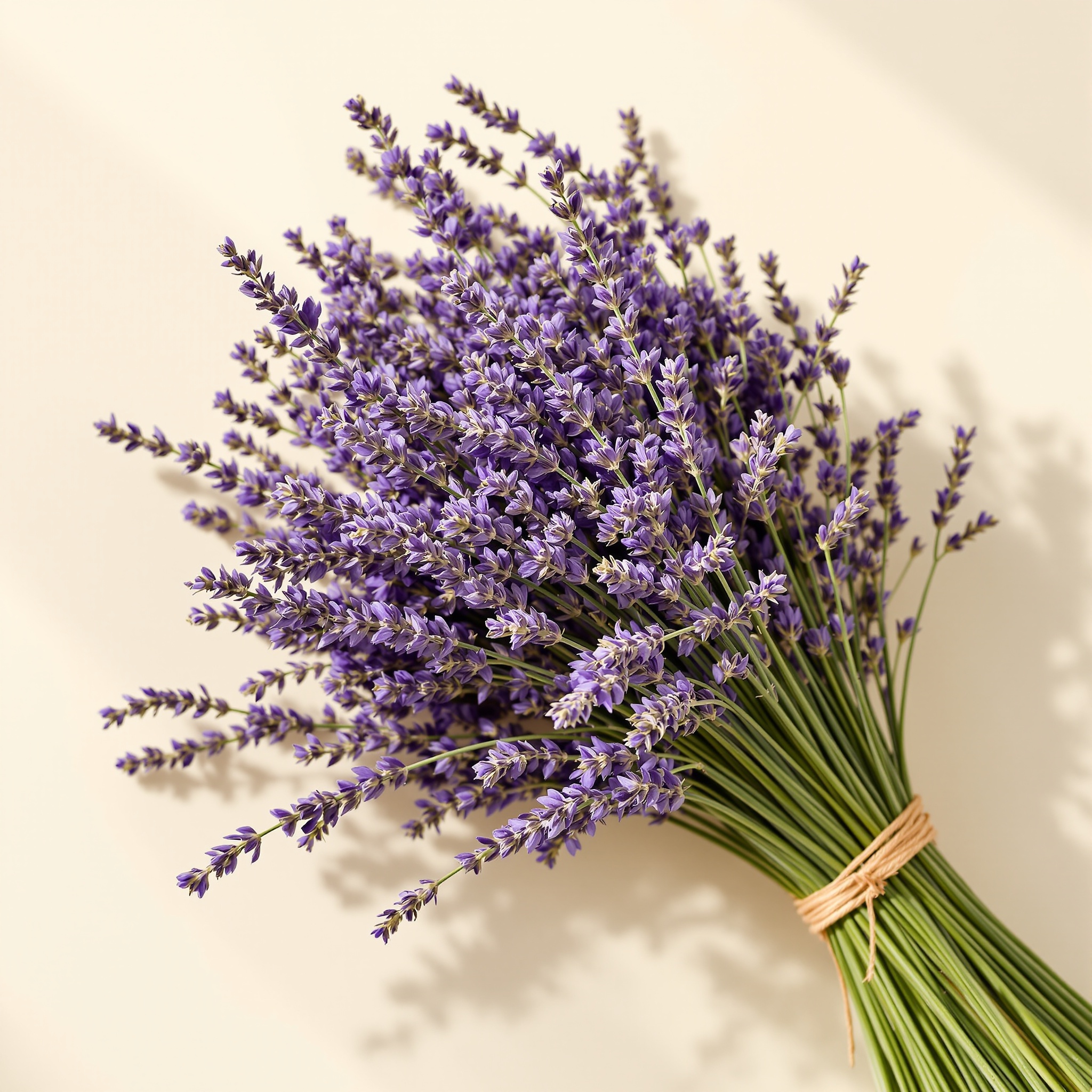
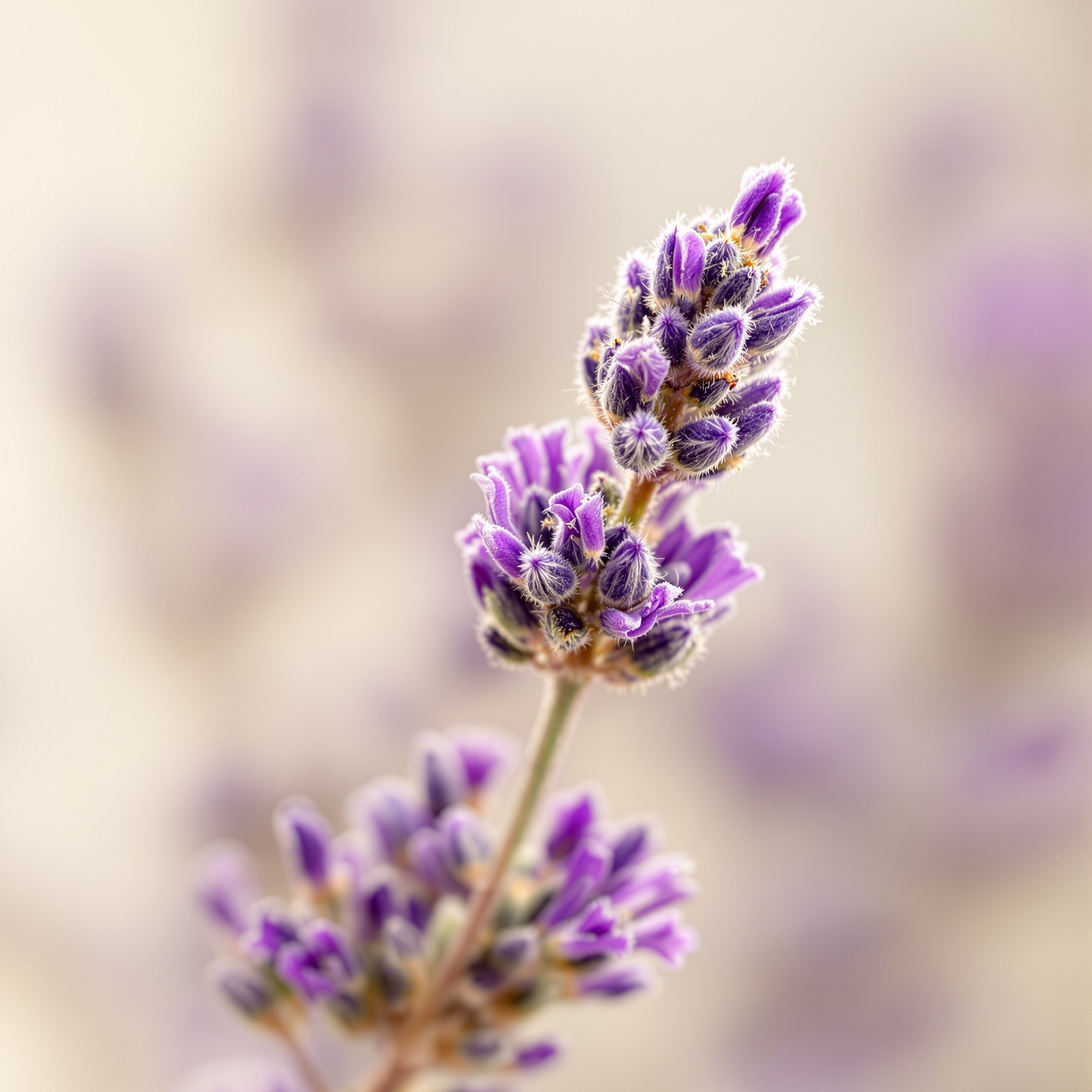
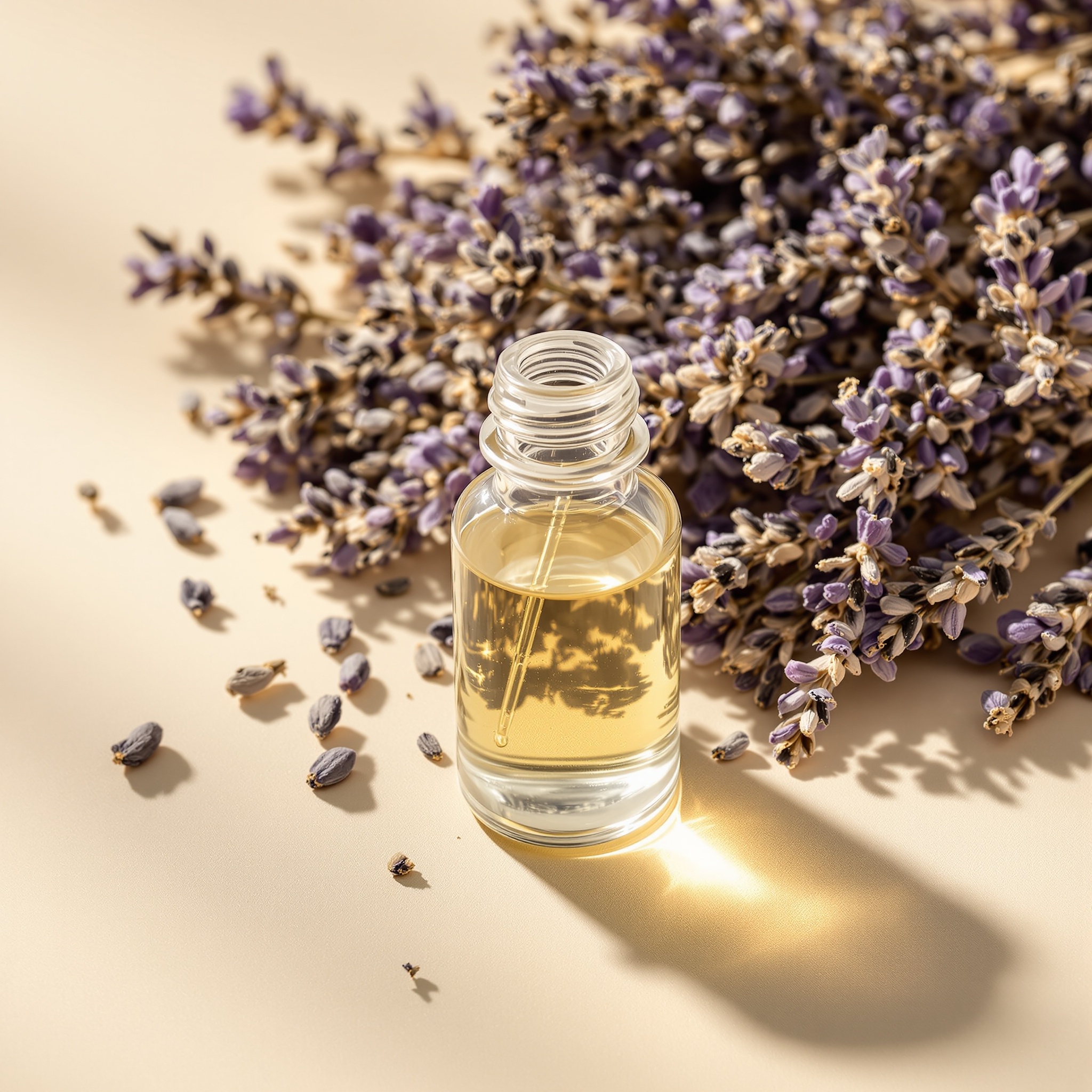
Lavender
Cool herbal blue from a sunlit hillside
What it is
Lavender is a woody Mediterranean shrub in the mint family, mainly Lavandula angustifolia, grown across Provence and Bulgaria. The flowering tops are cut at peak bloom and steam-distilled, the purple spikes yielding a pale essential oil; solvent extraction of the flowers gives a darker, richer absolute.
How it smells
Clean, herbal and aromatic, with a cool camphor lift over soft floral sweetness. The opening is sharp, green, almost minty; the dry-down warms into hay, faint vanilla and a powdery, slightly fruity calm. True angustifolia smells rounder and sweeter than the harsher lavandin hybrid.
In perfumery
A top-to-heart note and the backbone of the fougere family, pairing with oakmoss, coumarin and tonka in barbershop accords. It also softens citrus colognes and bright florals. It anchors the great pioneering aromatic fougeres and countless aromatic masculine scents.
Good to know
Provence lavender fields draw millions of visitors, yet much commercial oil is actually lavandin, a sterile hybrid yielding far more per hectare. A spreading bacterial disease, phytoplasma decline spread by sap-sucking planthoppers, has pushed true angustifolia plantings higher into cooler mountain altitudes.
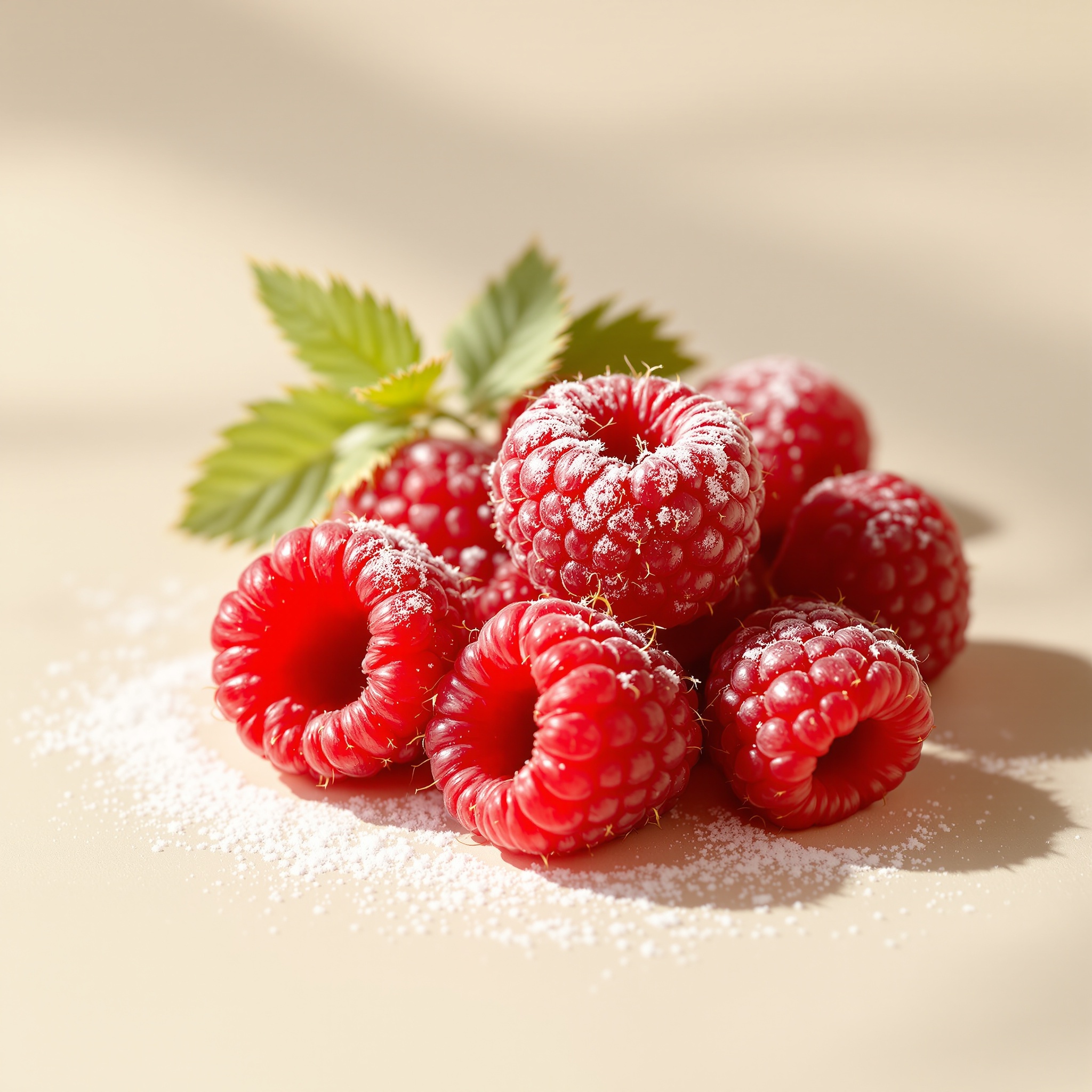
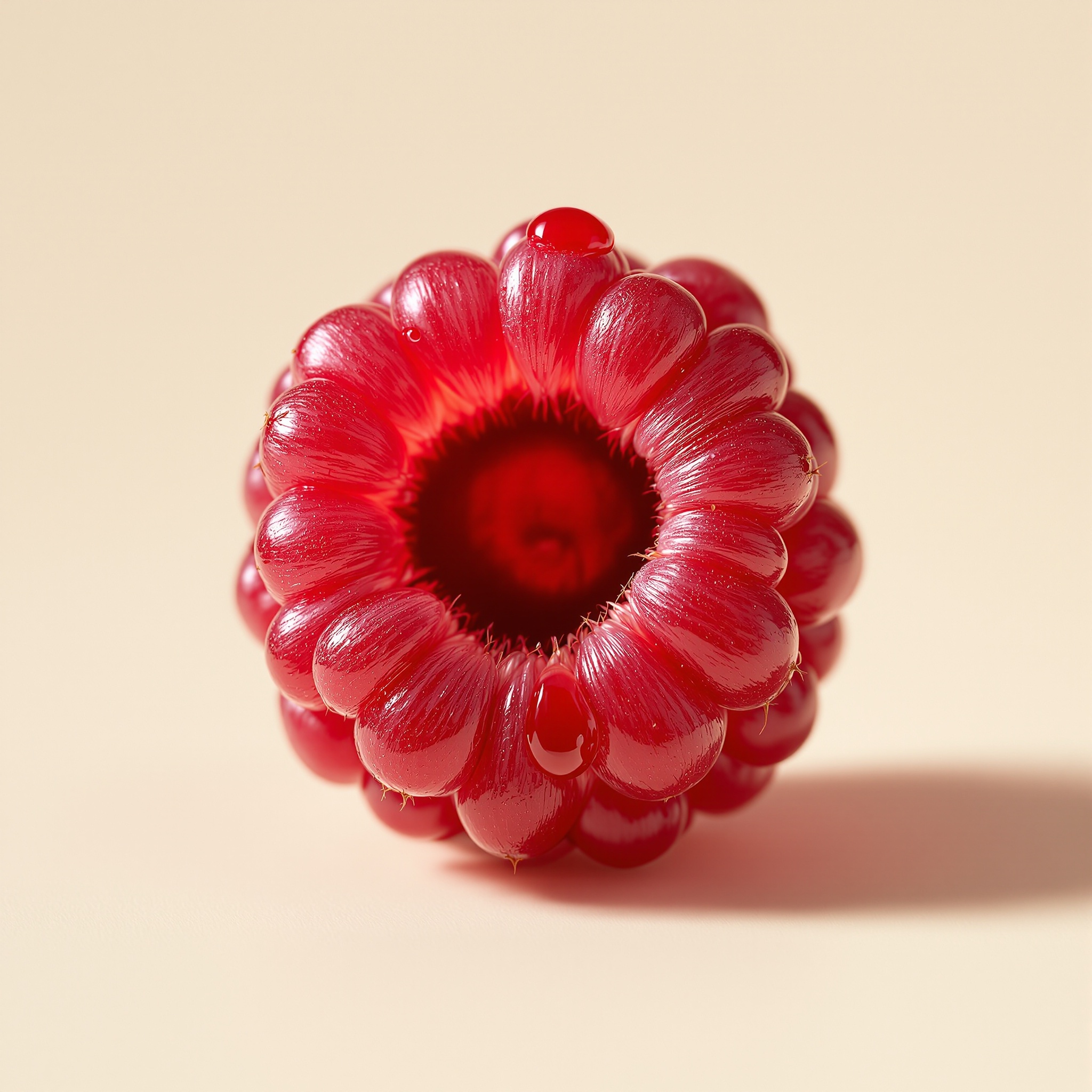
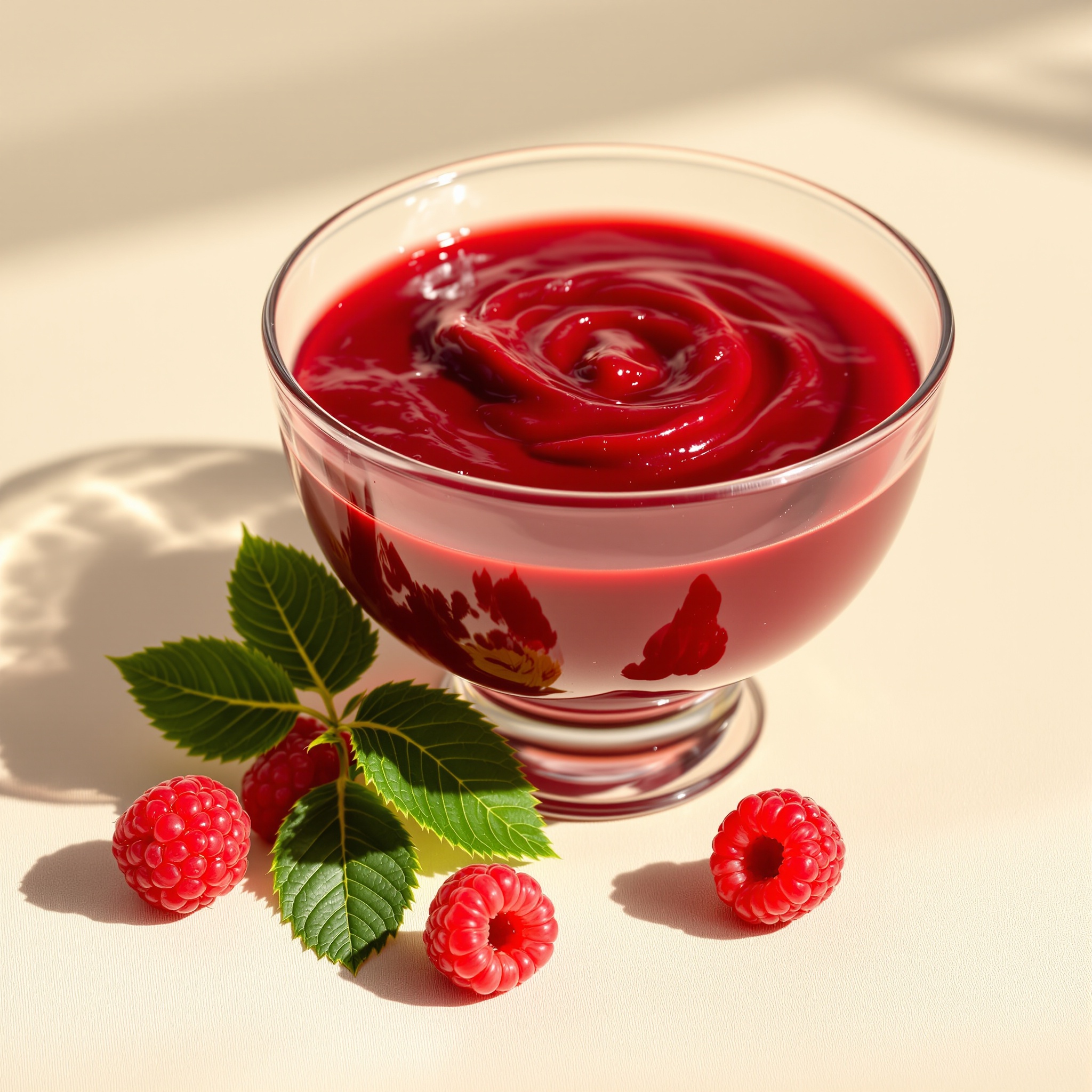
Synthetic Raspberry
Lab-built raspberry, bright, clean, everywhere
What it is
The everyday raspberry of modern perfumery is a synthetic accord, not an extract, since the fruit yields no usable oil. Its backbone is raspberry ketone, the aroma chemical that most defines the berry, rounded out with fruity esters that add juiciness and lift. These materials are made in the lab to a fixed specification, so every batch smells the same.
How it smells
Instantly recognizable as raspberry: bright, sweet, and a little candied, with a clean fruity sparkle on top. It reads more linear and more vivid than a natural reconstruction, holding its shape from first spray to dry-down. There is a pleasant juiciness to it, though it can tip toward a confected, jammy character at higher doses.
In perfumery
This is the workhorse raspberry found across mainstream and commercial fragrance, from fruity-florals to gourmands. It blends cleanly with rose, patchouli, vanilla, and white musks, reliably delivering a pop of berry without surprises. Its strength, stability, and low cost make it the default choice wherever a raspberry note is wanted.
Good to know
There is nothing dishonest about it: synthetics are clean, bright, consistent, and inexpensive, which is exactly why they dominate. The trade-off is character, since the lab version can smell flatter and more uniform than a fruit conjured from naturals. For most perfumery, that predictable brightness is precisely the point.
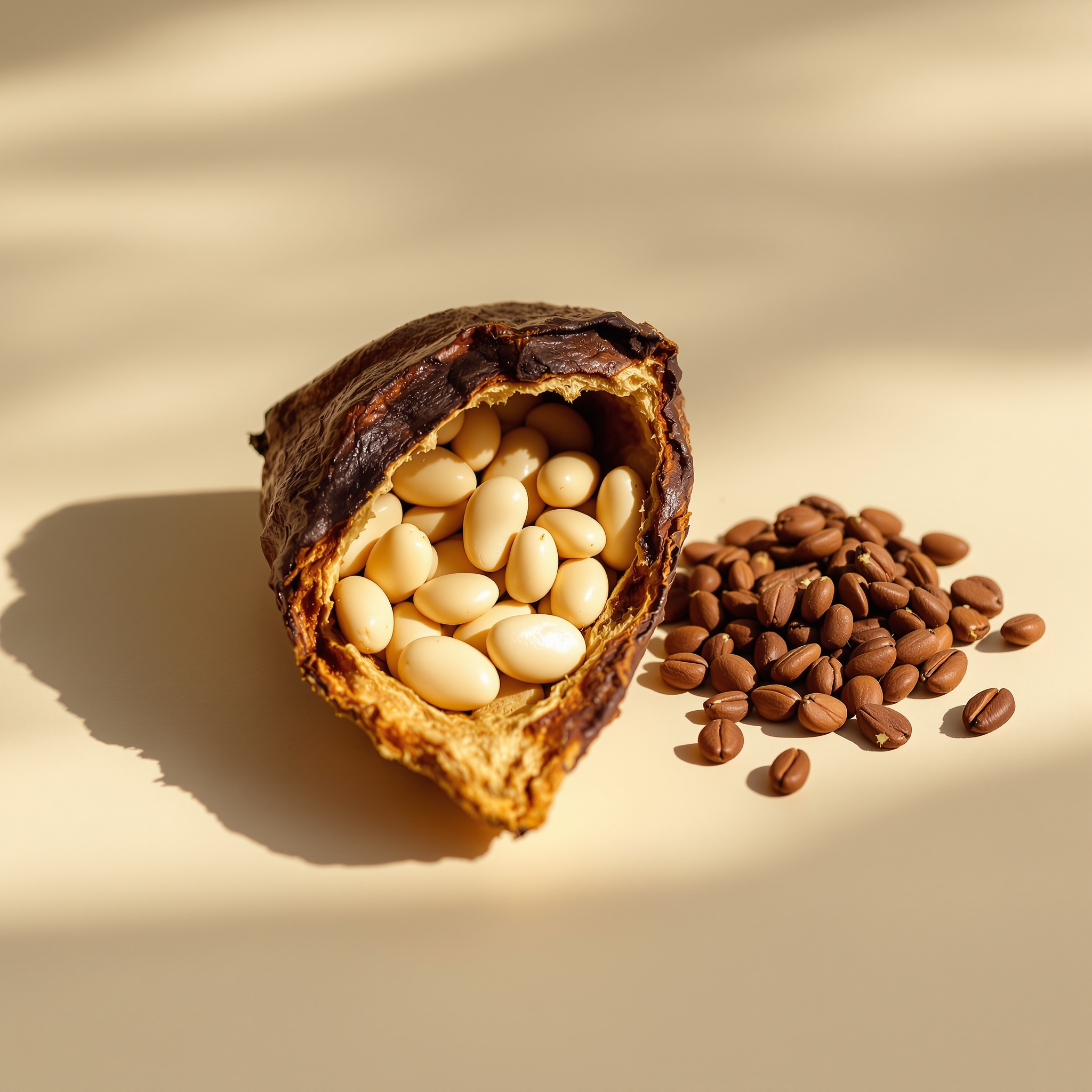
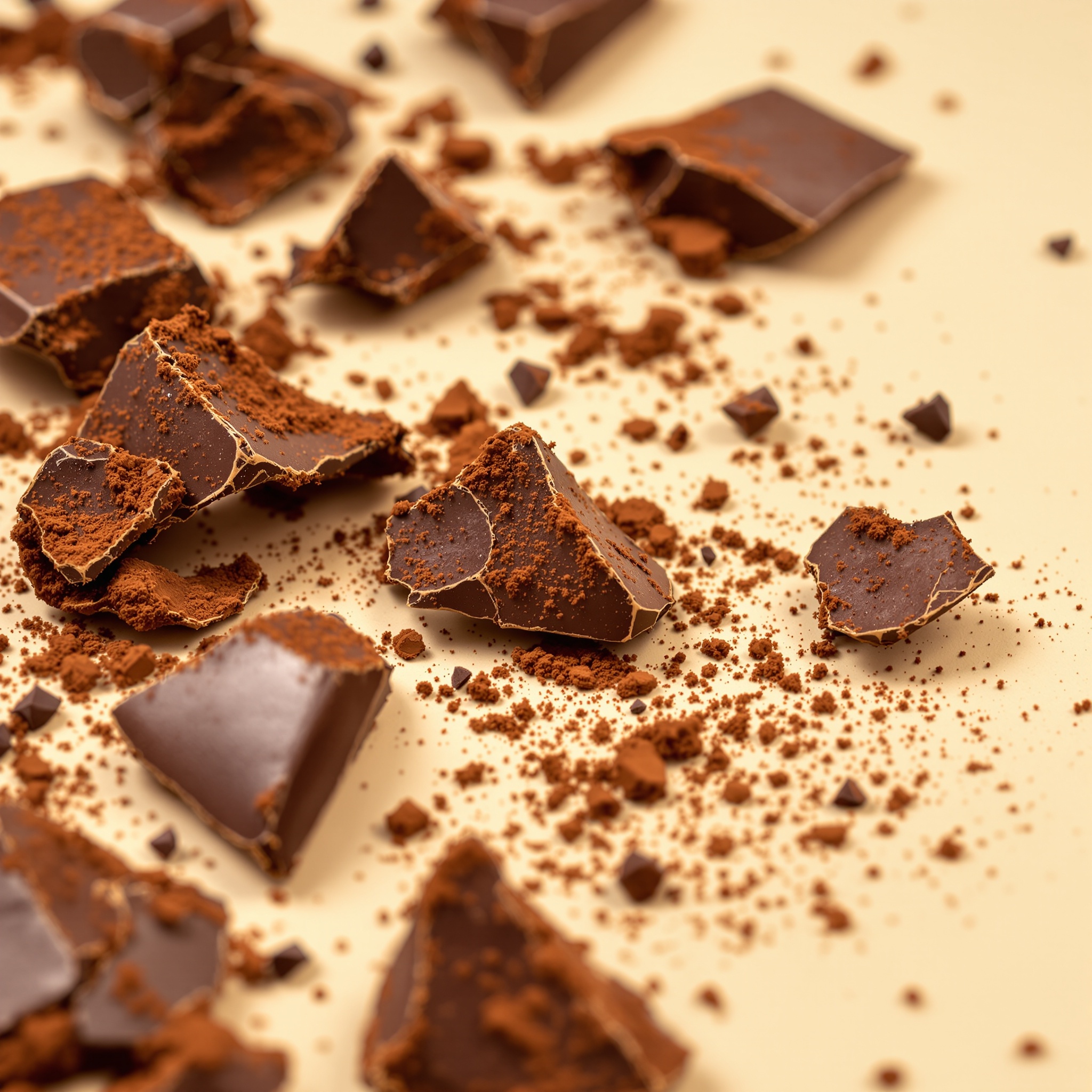
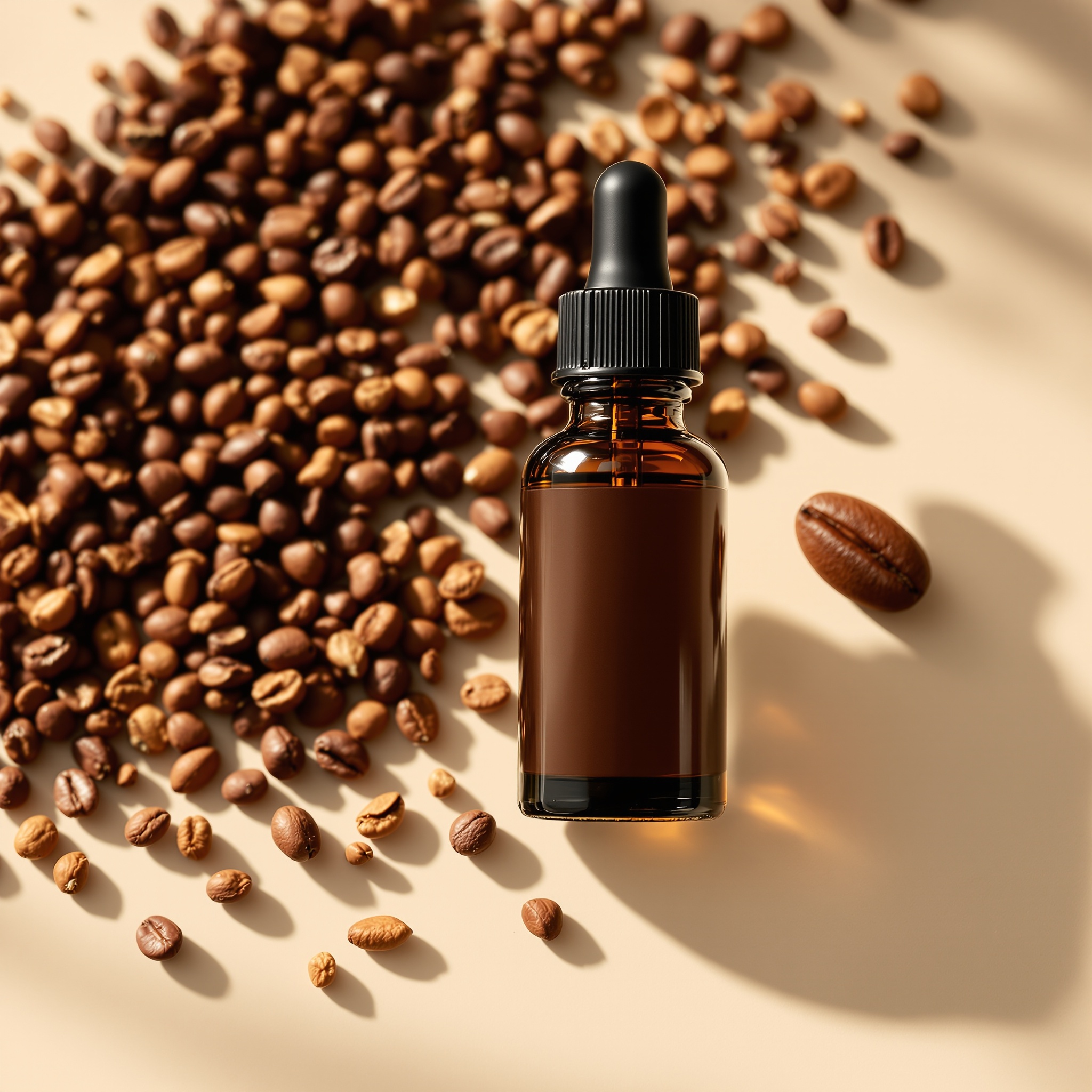
Chocolate
Roasted cacao melting dark and bittersweet
What it is
Derived from the seeds of Theobroma cacao, a tropical tree native to the upper Amazon basin of South America and now cultivated mainly in West Africa. Fermented, dried and roasted beans are ground into cocoa mass; perfumery uses cocoa absolute solvent-extracted from roasted nibs, alongside reconstructed accords.
How it smells
Deep, dry and bitter like high-percentage dark chocolate, roasted and faintly powdery rather than sugary. Toasted, nutty and earthy facets surface alongside coffee and a dusty cocoa-powder edge. It can lean creamy as milk chocolate or stay austere and cacao-bitter.
In perfumery
A base-to-heart gourmand note adding rich warmth, depth and edible comfort. It pairs with vanilla, coffee, patchouli, rose, orange and tonka, and powers landmark fruity-gourmand and dark-amber compositions, plus countless cocoa-forward gourmands.
Good to know
Cocoa absolute is dominated by pyrazines, the same roasted-nutty molecules formed in coffee and bread crust. The genus name Theobroma means food of the gods, and raw cocoa absolute smells far more bitter and savory than any sweet candy bar.
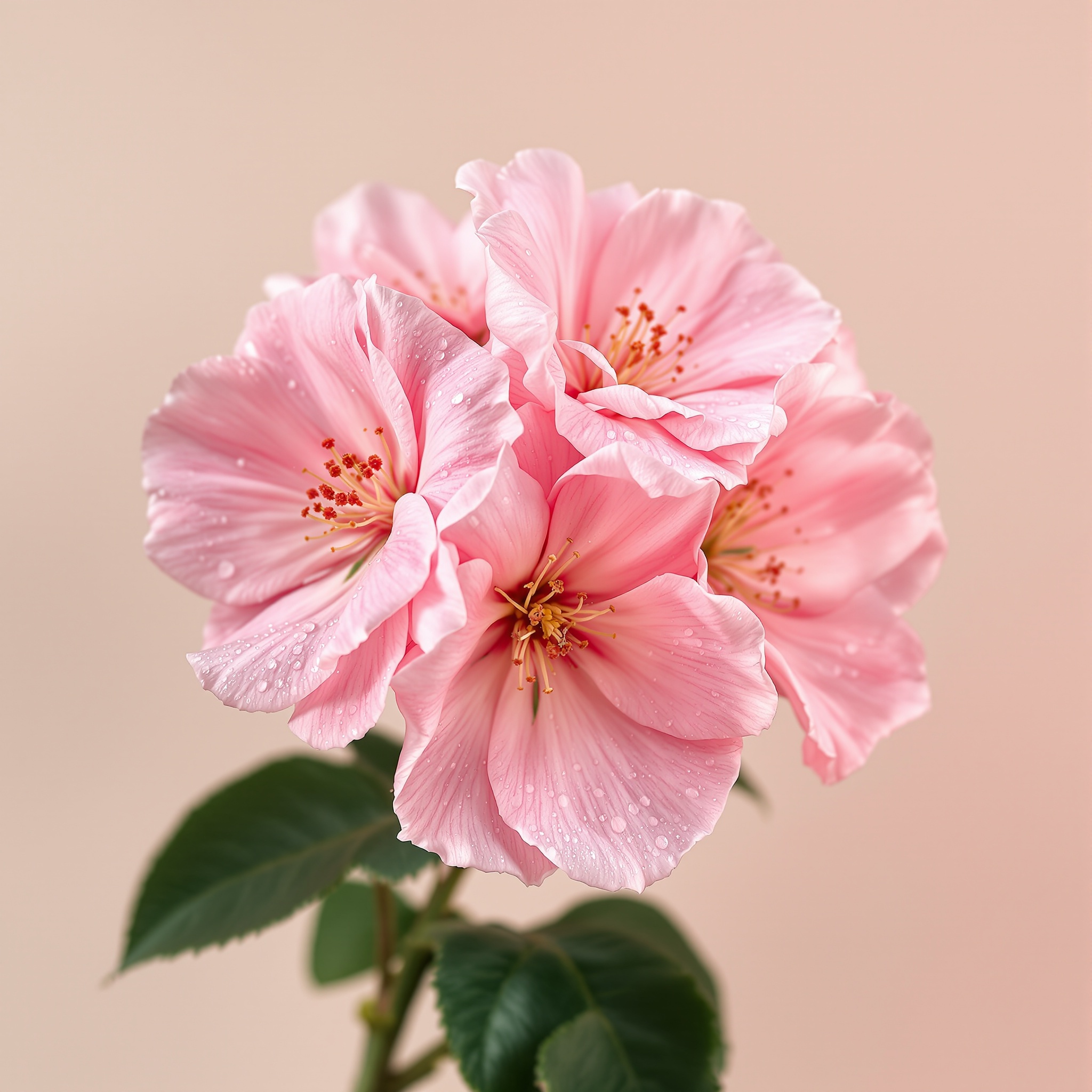
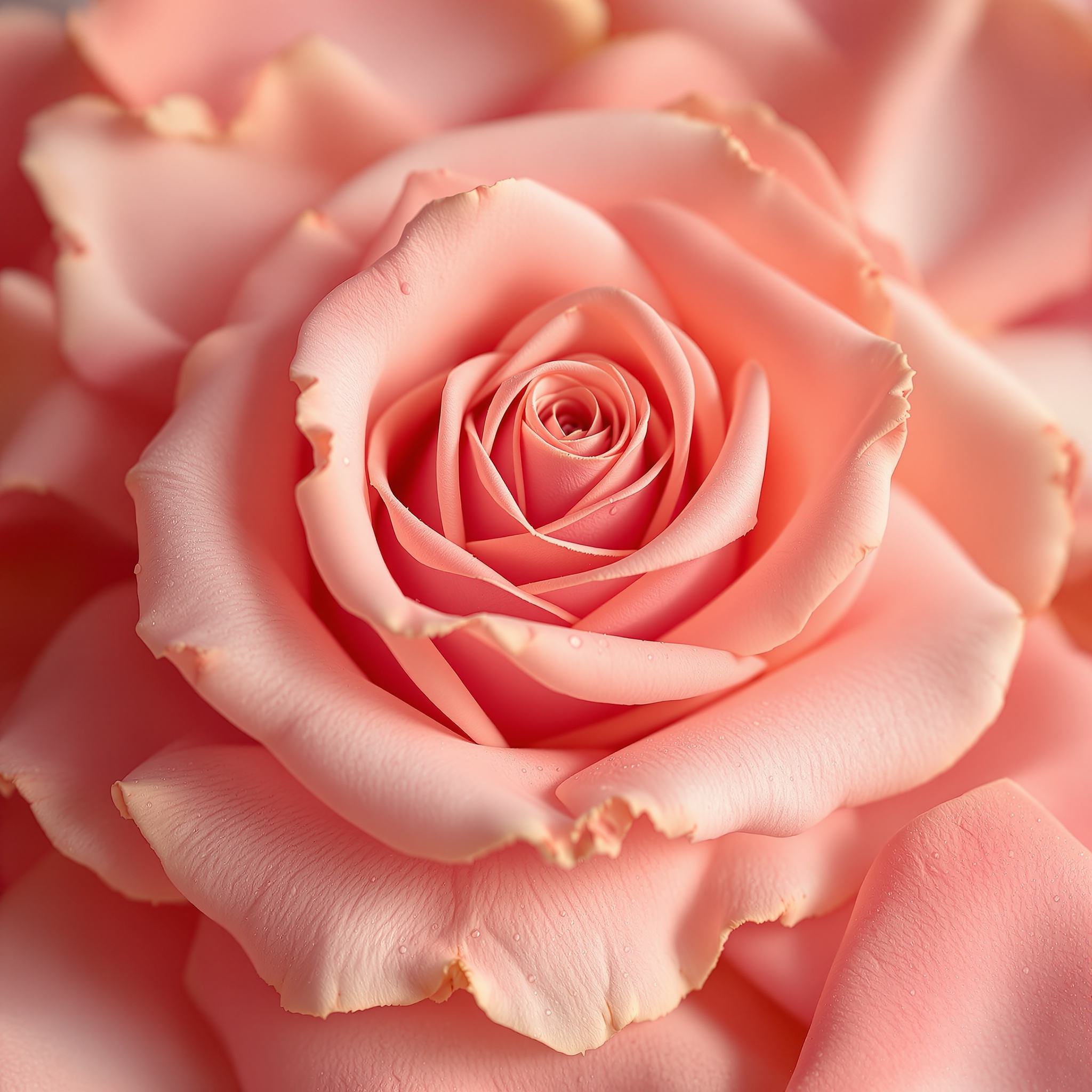
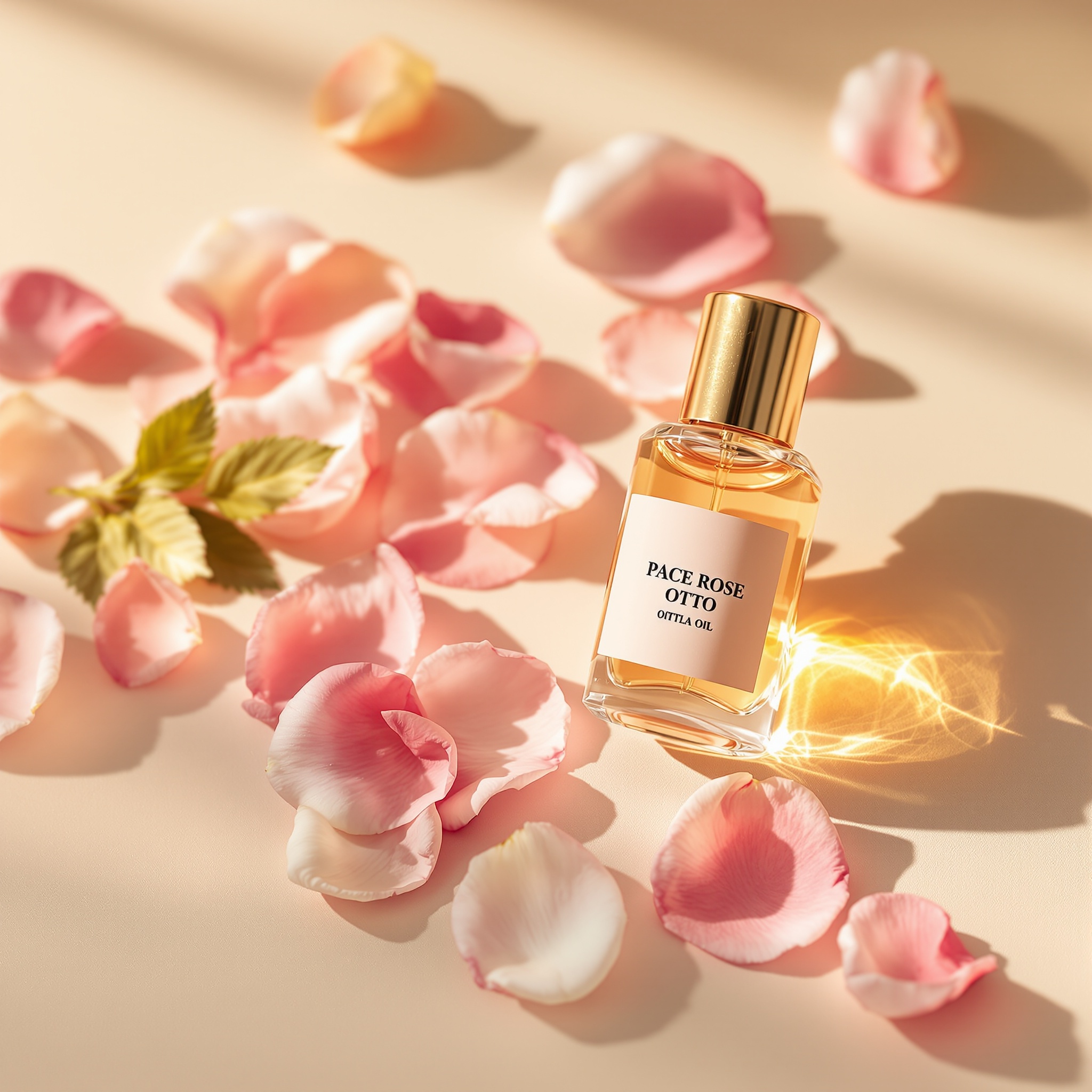
Rose
The queen of flowers, fresh and endlessly deep
What it is
Perfumery rose comes mainly from two species: Rosa damascena, grown in Bulgaria's Valley of Roses and in Turkey, and Rosa centifolia from Grasse. Petals are picked at dawn, then either steam-distilled into rose otto or solvent-extracted into a deeper, redder absolute via a waxy concrete.
How it smells
Rich, fresh and unmistakably floral, with honeyed sweetness and a green, dewy lift. Beneath sit spicy, fruity and faintly tea-like facets, and in the absolute a darker, jammy depth. Rose otto opens crisp and bright; the absolute reads warmer, smokier and more sensual.
In perfumery
A heart note of extraordinary range, rose adds body, freshness and natural floral richness, blending with almost anything. It anchors the chypre and floral families and pairs with oud, patchouli and violet. It is the showpiece of countless classic floral and chypre compositions.
Good to know
It takes roughly three to four thousand kilograms of hand-picked petals to distill a single kilogram of rose otto, which helps explain why the oil can rival precious metals in price. Picking happens at dawn, before the sun burns off the most fragrant compounds.
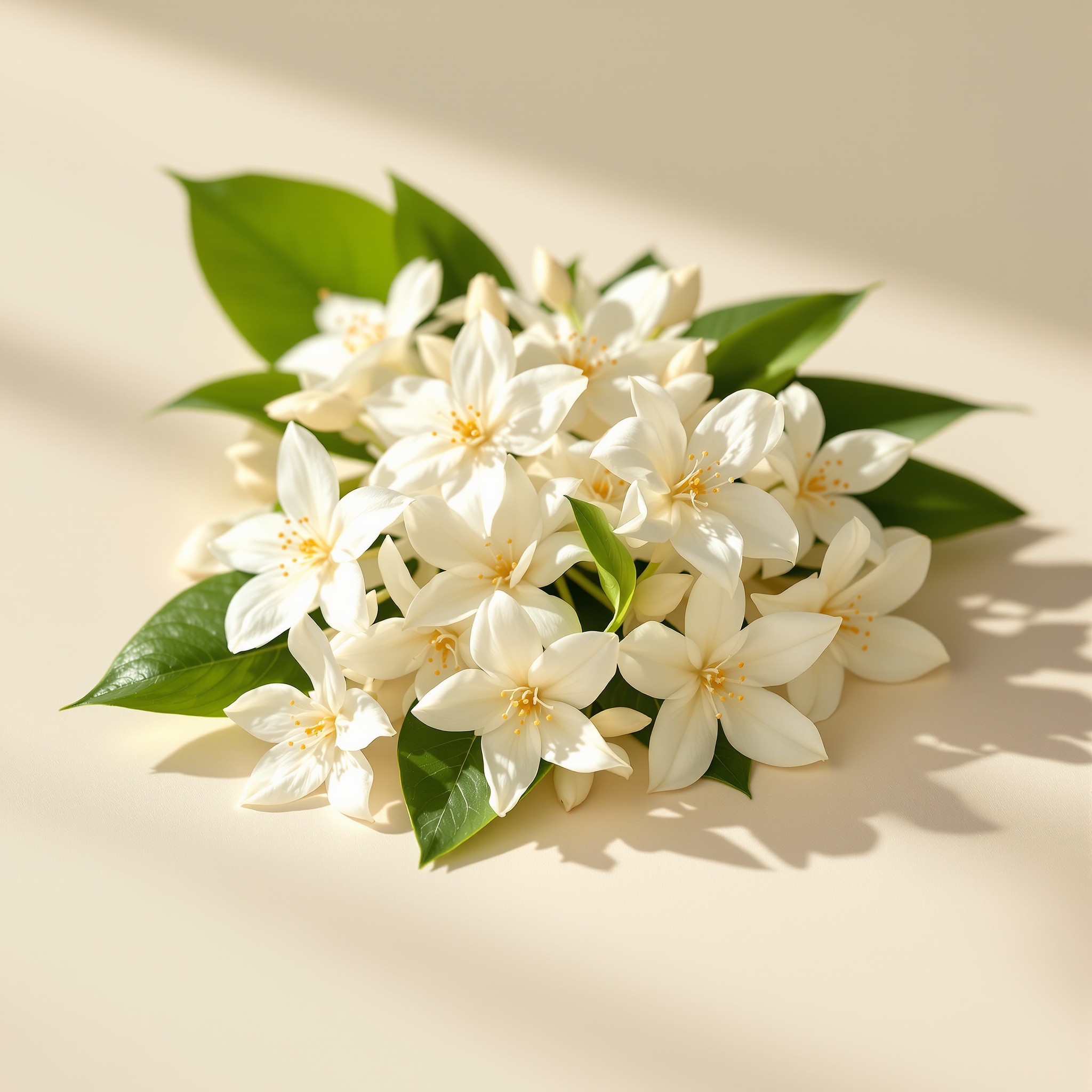
Jasmine Sambac
The white flower of warm Eastern nights
What it is
Jasmine Sambac is a climbing shrub, Jasminum sambac, in the olive family, cultivated in India, China and the Philippines. Its small white flowers open after dusk and are hand-picked before dawn, when scent peaks. Solvent extraction yields a waxy concrete, washed with alcohol into the absolute.
How it smells
Brighter, greener and more tea-like than grandiflorum jasmine, with less fruity heaviness. It opens crisp and slightly waxy, almost banana-tinged, then deepens into warm indolic sweetness. That indole carries an animalic, narcotic undertone that turns heady up close yet stays clear and luminous.
In perfumery
A heart note prized for lift and body, blending with rose, tuberose, sandalwood and green tea accords. It anchors white-floral bouquets and rounds sharp citrus. Some night-blooming soliflores build almost entirely on Sambac, and it threads through countless tea-floral compositions.
Good to know
Sambac is the Philippine national flower, sampaguita, strung into garlands and used to scent Chinese jasmine tea. Because the blooms are tiny and picked by hand nightly across a long season, the absolute ranks among the costliest florals in a perfumer's palette.
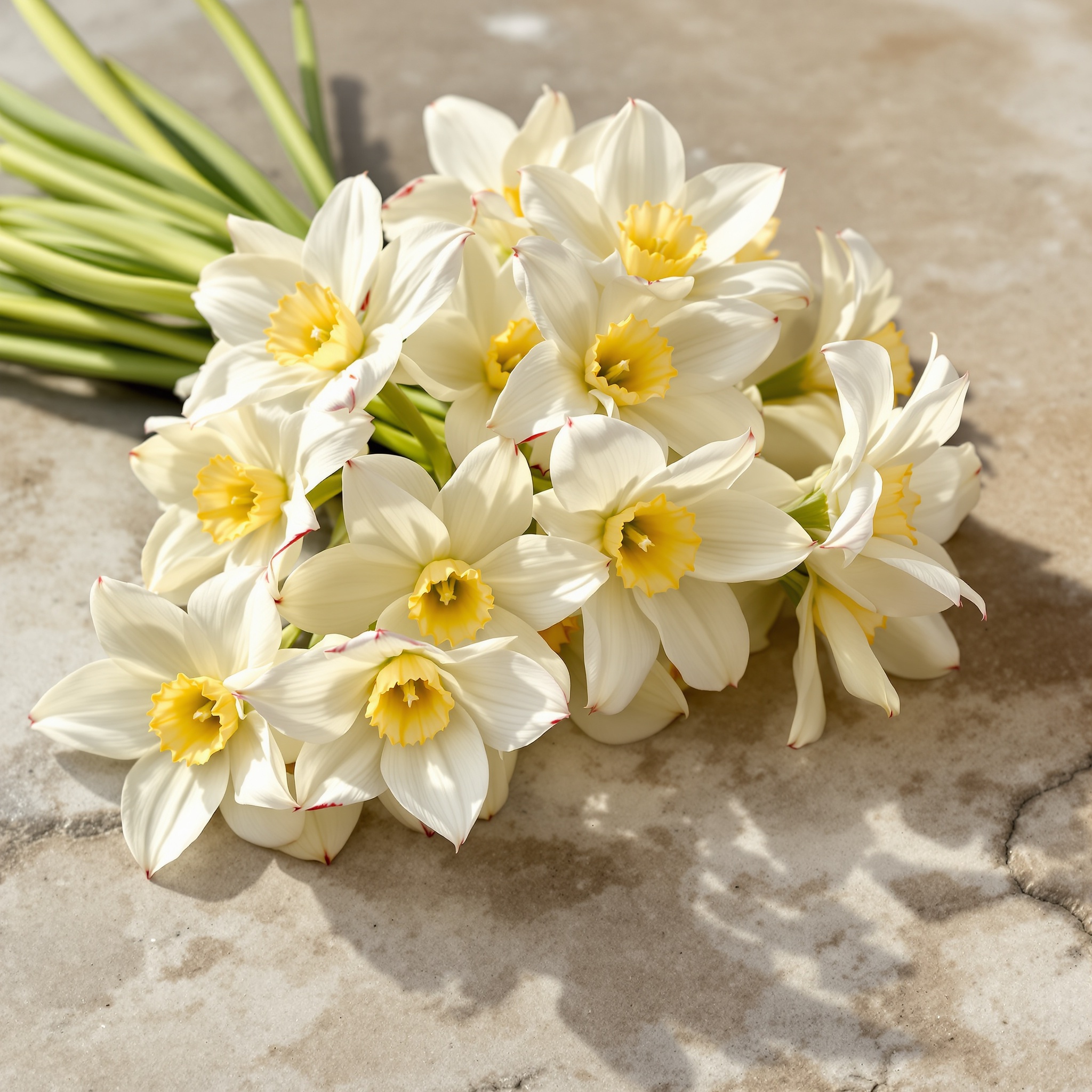
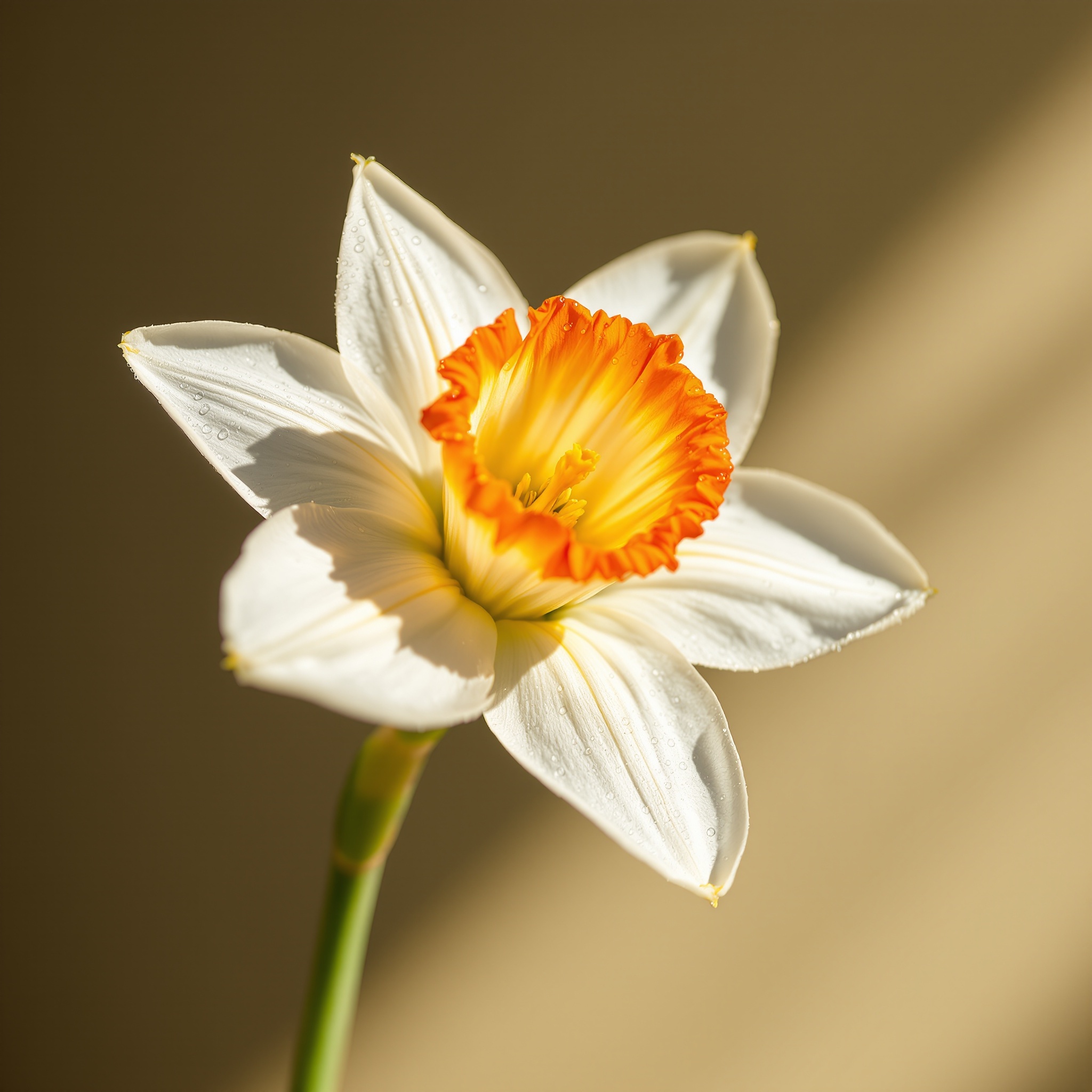
Narcissus
Hay, honey and a green animal hush
What it is
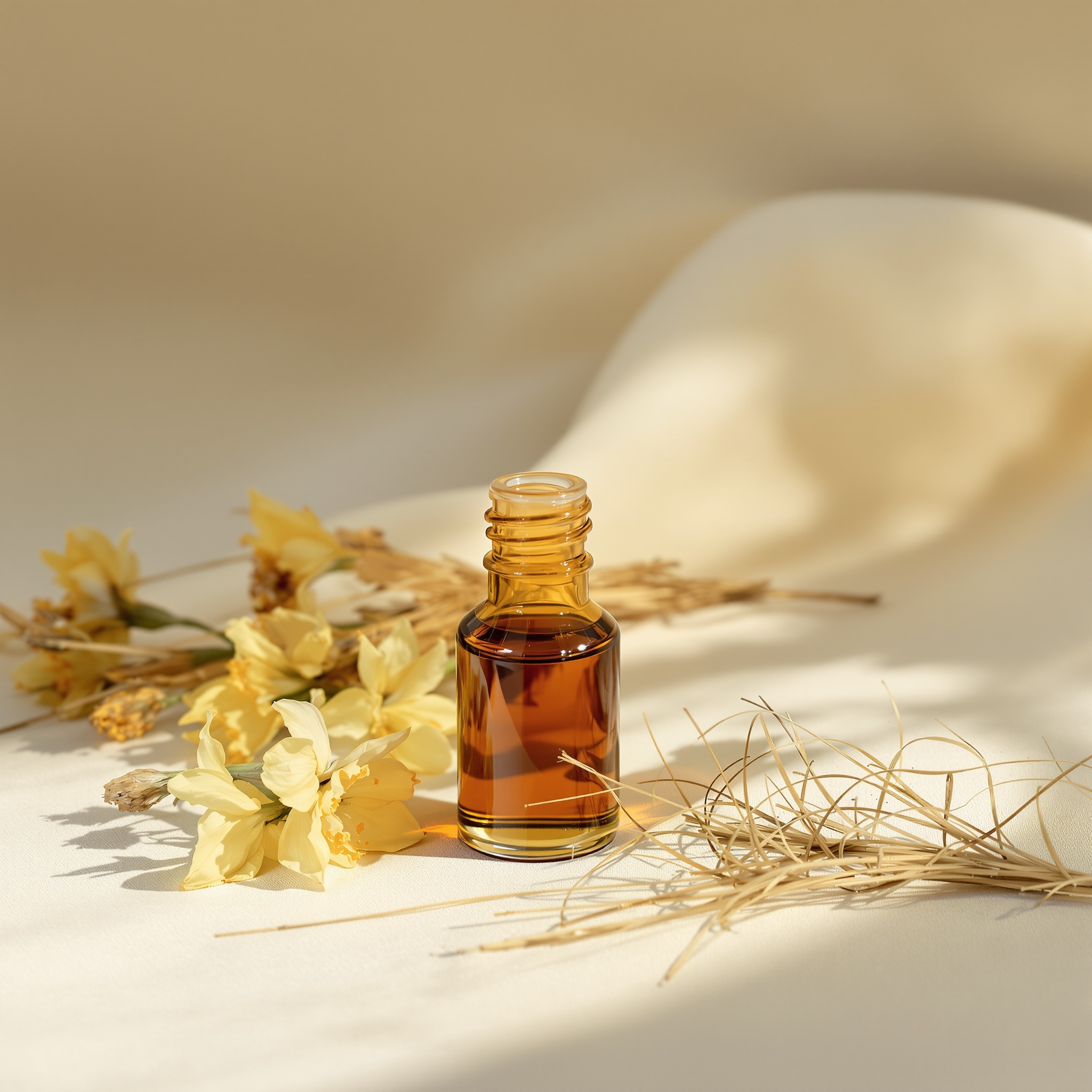
An absolute extracted from the flowers of Narcissus poeticus, a daffodil-family bulb. For perfumery it is hand-harvested from high meadows on France's Aubrac plateau in Auvergne, after crops moved there from the Grasse area mid-century. Blooms are solvent-extracted into a concrete, then alcohol-washed to a thick dark absolute.
How it smells
Green and floral over a heady, narcotic depth: bruised petals, fresh hay and tobacco, with honeyed, faintly fecal facets from indole. It opens grassy and herbal, then dries into something earthy, leathery and mossy, far darker and stranger than the bright daffodil might suggest.
In perfumery
A heart note adding green narcotic richness and a hay-like, mossy depth that deepens chypres and florals. It pairs with jasmine, oakmoss, leather and immortelle. Its black, animalic facet anchors several dark vintage florals and threads through classic leathery chypres.
Good to know
Narcissus absolute is among the costliest florals: flowers are hand-mown with a comb during a few spring weeks and yield very little oil. The name likely comes not from the drowning Greek youth but from Greek narke, numbness, for the flower's narcotic, head-spinning scent.
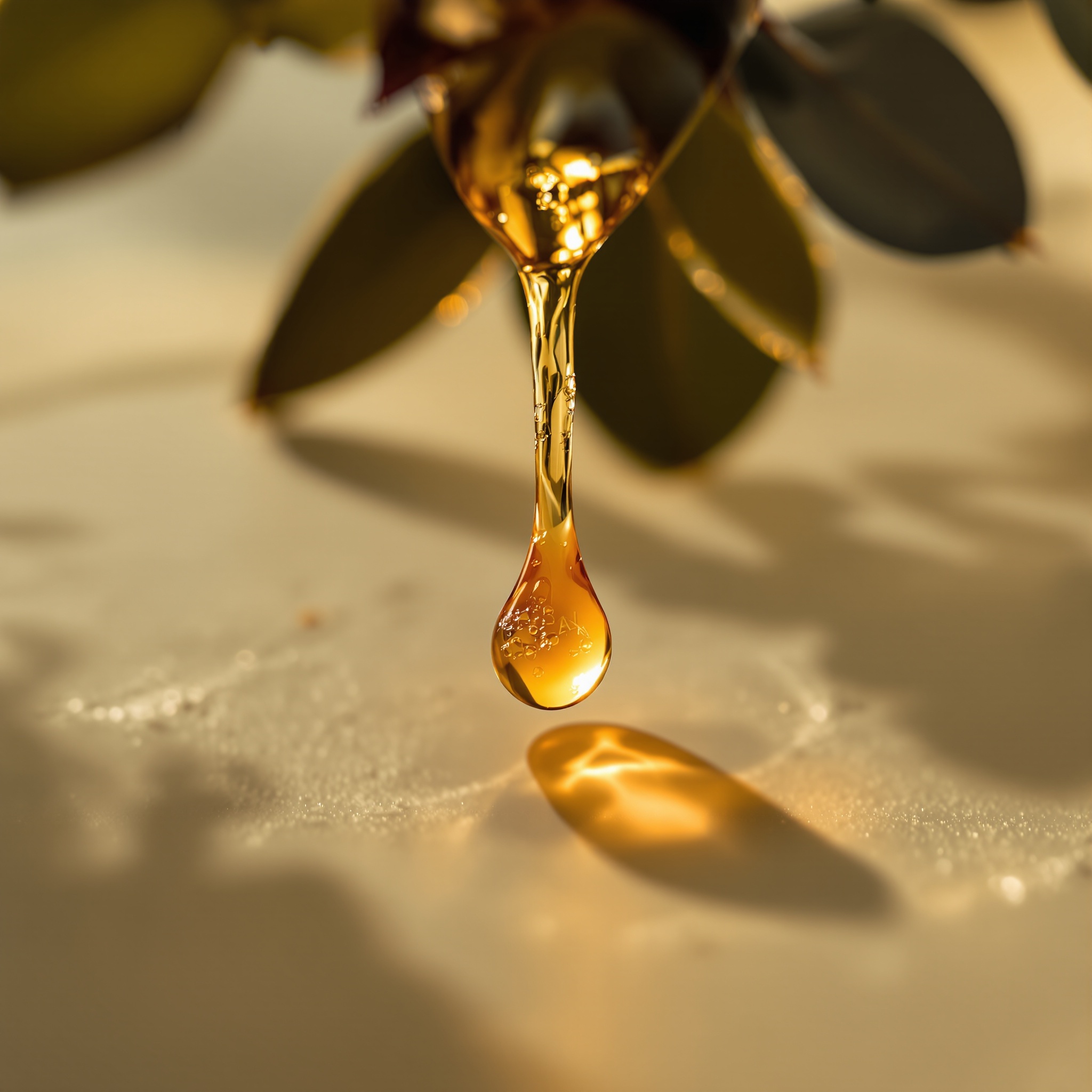
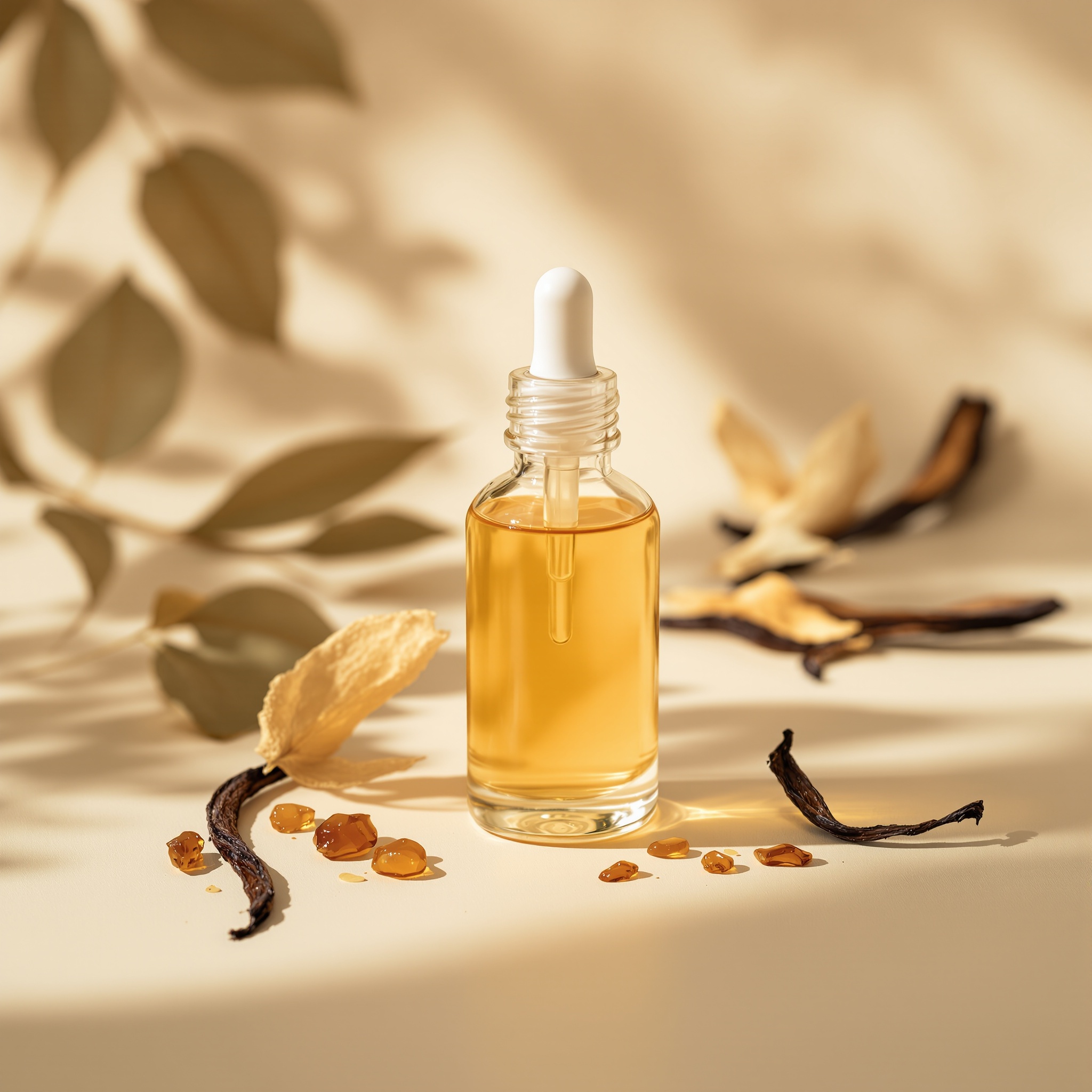
Amber
A warm resinous glow built, not harvested
What it is
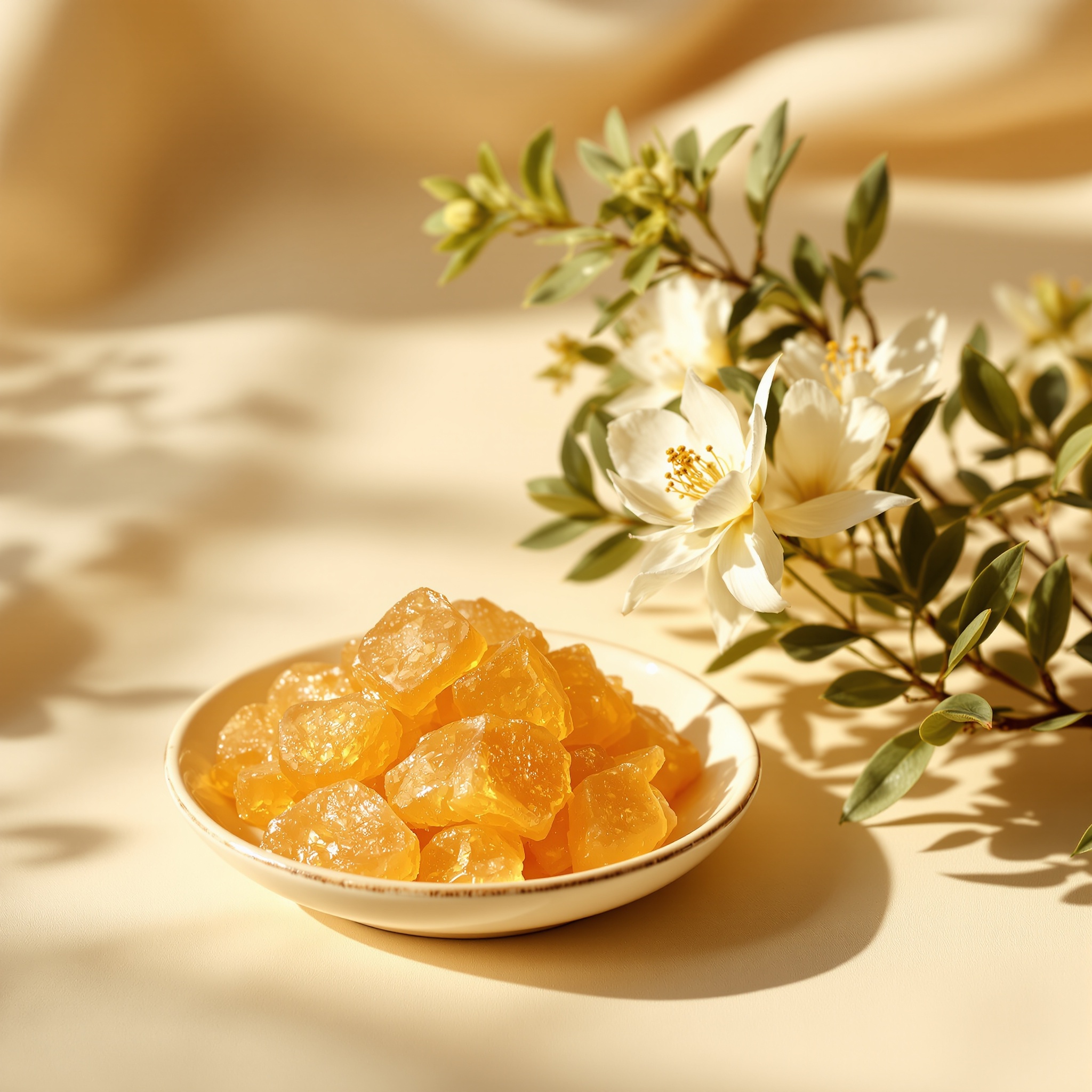
Amber is not one ingredient but a perfumer's accord, most often blending labdanum (a sticky resin from the Mediterranean rockrose shrub Cistus ladanifer), benzoin and vanilla, sometimes with tonka or Peru balsam. Despite the name, it has no link to fossilized tree amber, which stays odorless on skin.
How it smells
Warm, soft and balsamic, a powdery sweetness sitting over dry resin. It opens honeyed and faintly animalic from labdanum, then settles into rounded golden warmth recalling beeswax, tobacco and worn leather, threaded with a quiet smoky, incense-like undertone that lingers close to the skin.
In perfumery
A base note prized for warmth, depth and long persistence, anchoring oriental and amber compositions. It pairs naturally with vanilla, patchouli, sandalwood and spices. The sweet vanilla-amber template is a perfumery classic, while drier, resin-forward and herbal readings show its other face.
Good to know
The word once meant ambergris, the waxy intestinal secretion of sperm whales, fueling centuries of confusion among three unrelated things: fossil tree amber, whale ambergris and the resin accord. Modern amber bases are wholly plant and synthetic, leaning on molecules like Ambroxan rather than any animal source.
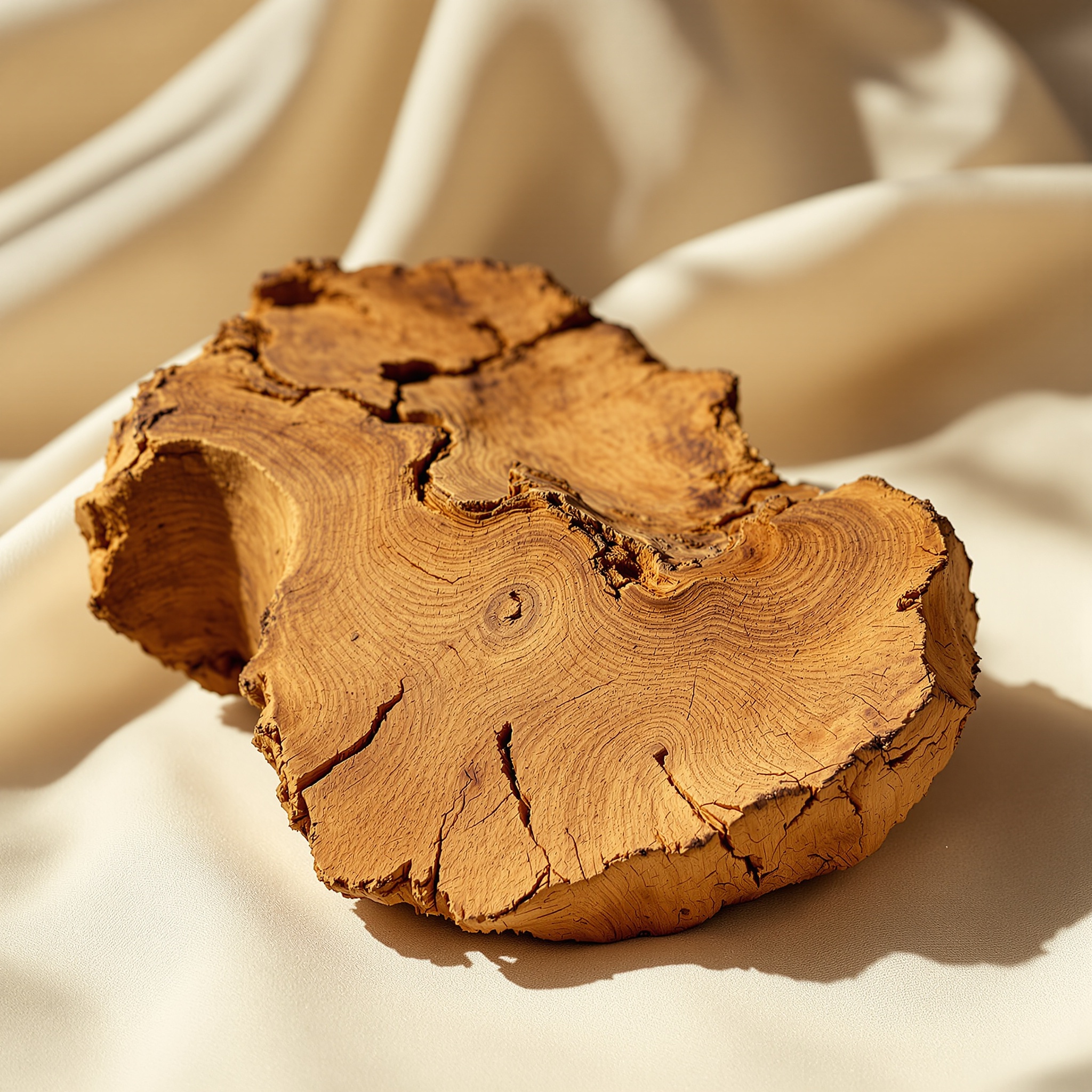
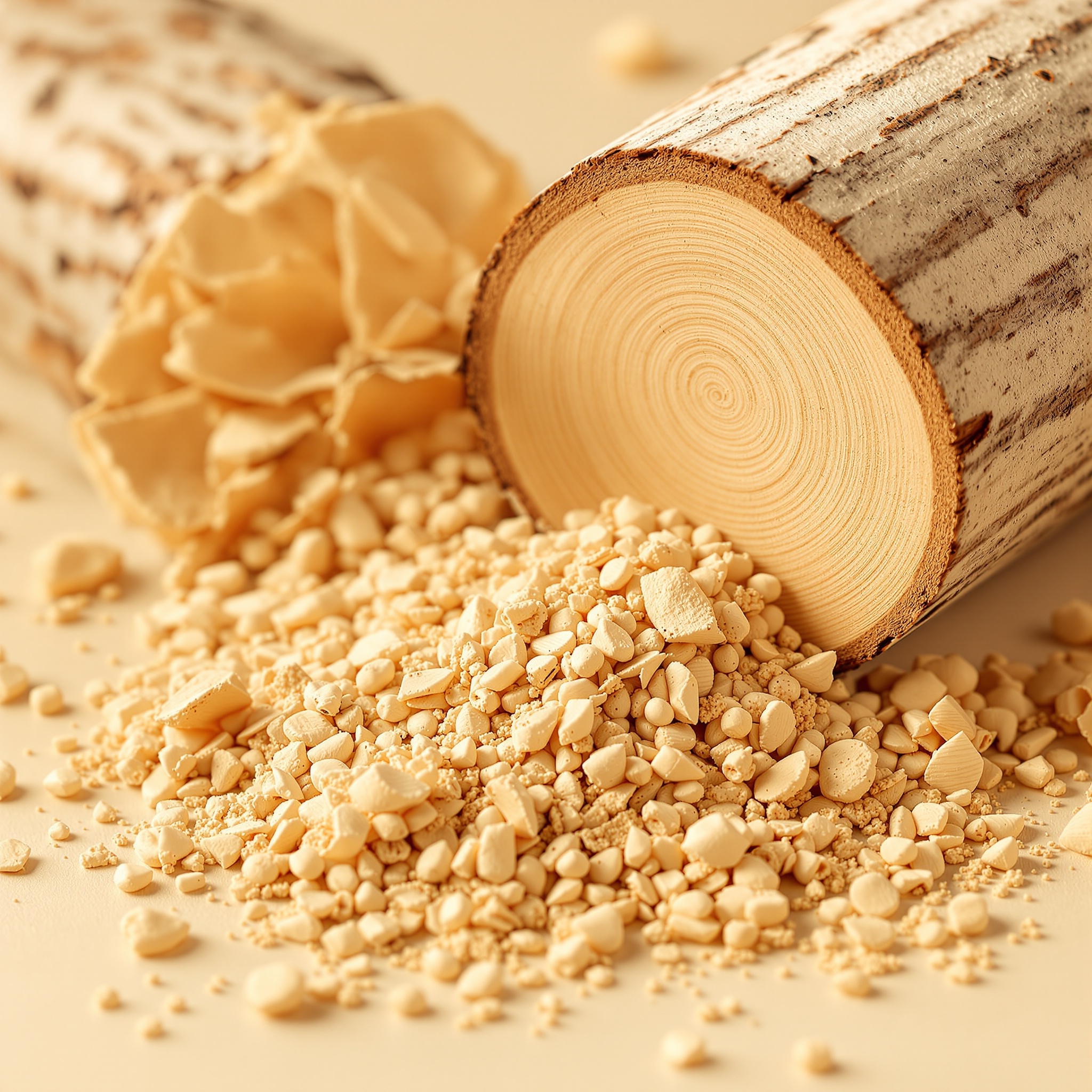
Mysore Sandalwood
The creamy gold standard of fragrant wood
What it is
Heartwood of Santalum album, a slow-growing semi-parasitic tree historically prized from the Mysore region of Karnataka, India. The dense inner wood and roots are chipped and steam-distilled. Fragrant oil concentrates only in mature heartwood, developing meaningfully after roughly thirty years of growth.
How it smells
Soft, creamy and milky, with a rounded woody-sweet body and a faint sour-buttery edge that turns almost lactic. Warm rosy and balsamic facets sit underneath. It opens smooth and unfolds slowly, drying into a quiet, skin-like, persistent woodiness without sharpness or smoke.
In perfumery
A base note valued for long, smooth tenacity and its power to fix and round other materials. It pairs with rose, jasmine, violet and oud. Mysore-rich sandalwood defines the great vintage milky-woody orientals and lends a creamy woody heart to countless smooth, skin-like compositions.
Good to know
Indian sandalwood was over-harvested nearly to collapse; standing trees and trade fall under strict Indian government license and auction control. Genuine aged Mysore oil has grown rare and costly, pushing perfumers toward plantation-grown Australian Santalum album and synthetics like Javanol.
Cashmere Wood
A made-up wood that smells of warm skin
What it is
A fantasy note with no botanical source: no cashmere tree exists. The scent is the synthetic molecule Cashmeran, chemically DPMI, first made in 1968 by John Hall at IFF. It is a polycyclic ketone built entirely through laboratory chemistry, a solid melting near room temperature.
How it smells
Soft, diffusive and warm, sitting between woody and musky. Dry blond wood and clean white musk are wrapped in spicy, balsamic, faintly vanillic warmth, with an old-paper and pine-resin edge. In trace amounts it reads salty and abstract, like sun-warmed skin.
In perfumery
A workhorse base note prized for radiance and long wear, lending a velvety wool-like haze that smooths sharp edges and stretches a composition. It pairs with amber, iris, rose and white musks, and anchors Donna Karan Black Cashmere alongside countless modern woody-musk scents.
Good to know
Brands often dress Cashmeran up as Cashmere Wood, Cashmere Musk or Blond Woods on note pyramids to sound natural, though no such plant exists. It is so self-sufficient that perfumers use it as a near-finished accord alone, blurring the line between molecule and material.
Vetiver
Cool damp earth pulled from tangled roots
What it is
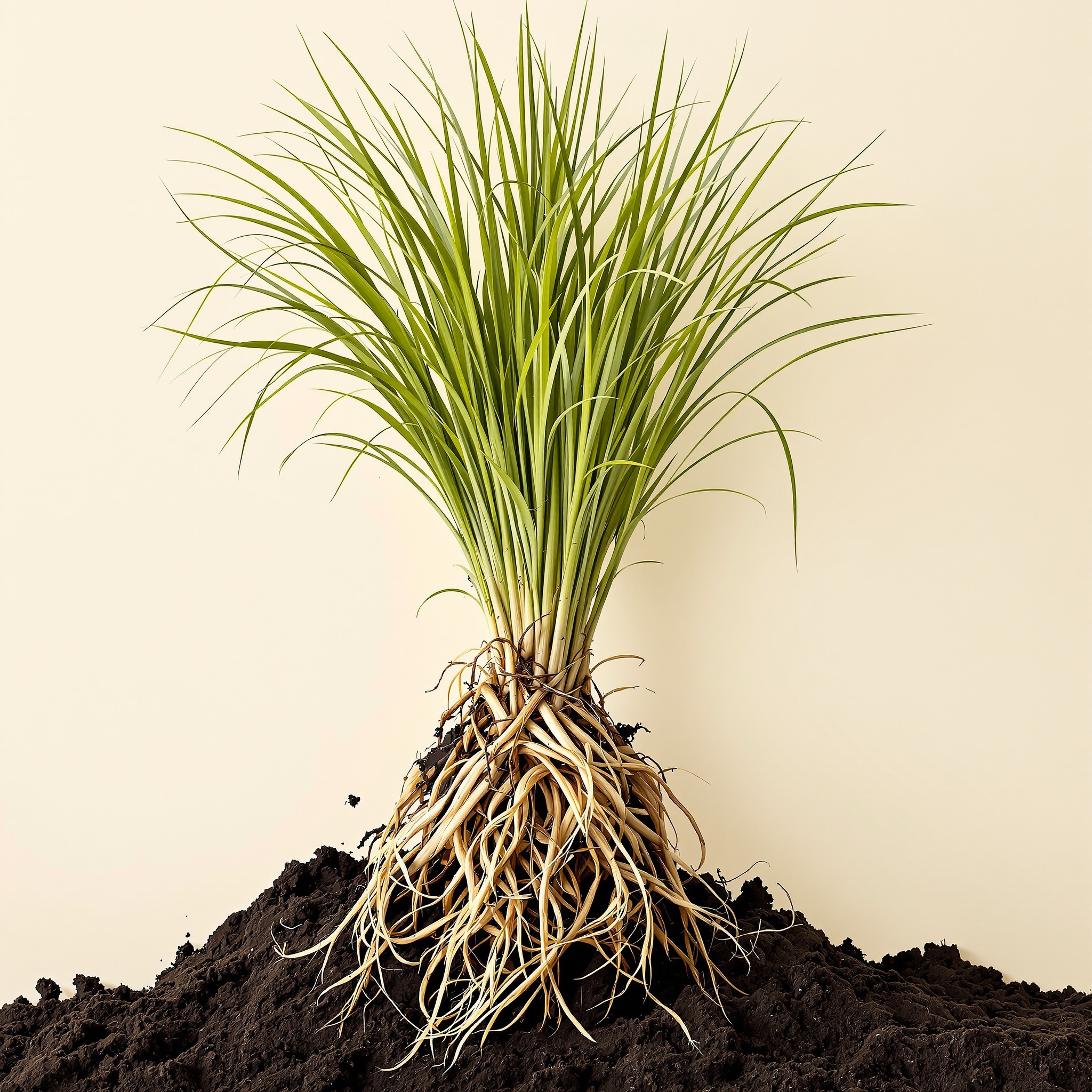
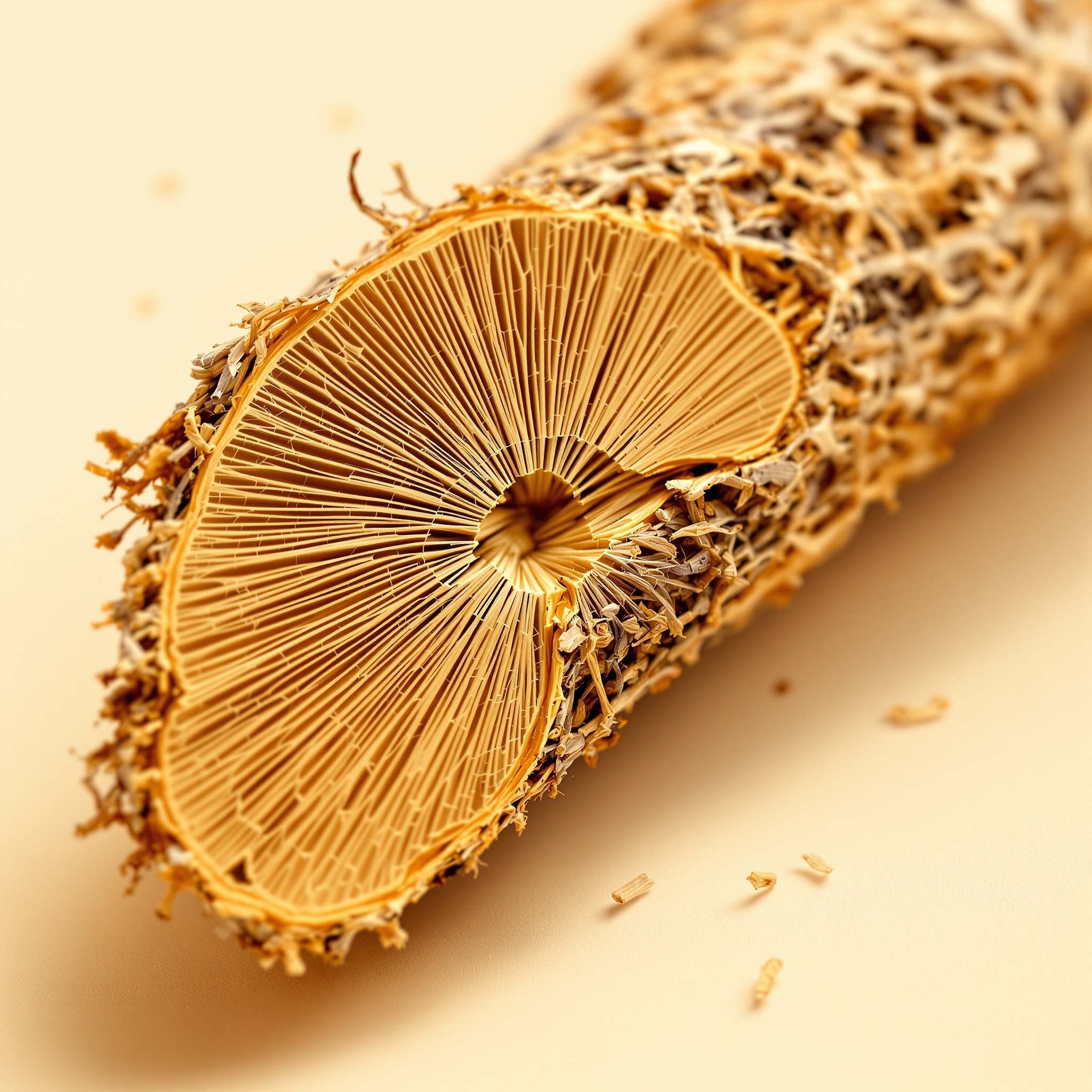
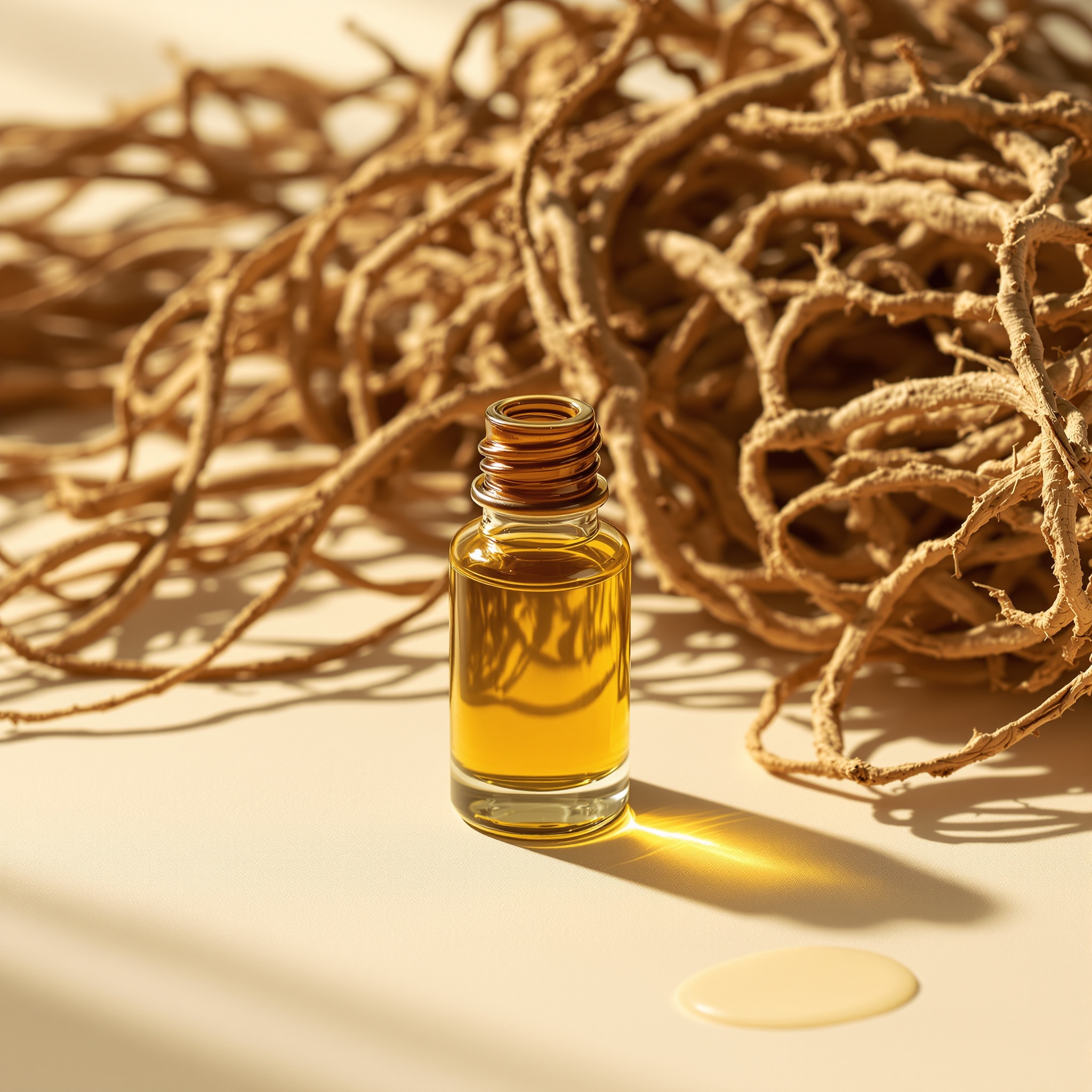
Vetiver is a tall tropical bunchgrass, Chrysopogon zizanioides, native to India and now grown mainly in Haiti, Java, and Réunion. The prized part is its dense network of fibrous underground roots, which are dug up, washed, dried, and steam-distilled into a thick amber-green essential oil.
How it smells
Cool, damp earth and freshly cut grass over a woody, rooty base. Haitian oil reads smooth, smoky, and faintly hazelnut-sweet; Java leans darker and more leathery. Beneath sit dry cedar, grapefruit-like bitterness, and a persistent green minerality that lingers for hours as it dries down.
In perfumery
A base note valued for tenacity, grounding earthiness, and natural fixative power. It anchors chypres and fougères, pairing with citrus, leather, and tobacco. Many vetiver soliflores are built around it, while its smokier, ashier side is showcased beside cypress and cedar.
Good to know
Haiti supplies roughly half the world's vetiver oil, most of it grown by smallholder farmers. The same deep roots that perfume a bottle are planted on hillsides worldwide as living barriers, gripping soil against erosion and stabilizing slopes where little else will hold.
Fragrance Character
Peach, grapefruit and orange blossom open it bright and juicy; raspberry, rose, jasmine and a hint of chocolate sweeten the heart; and amber, sandalwood and cashmere woods give a smooth, creamy drydown.
Best Worn
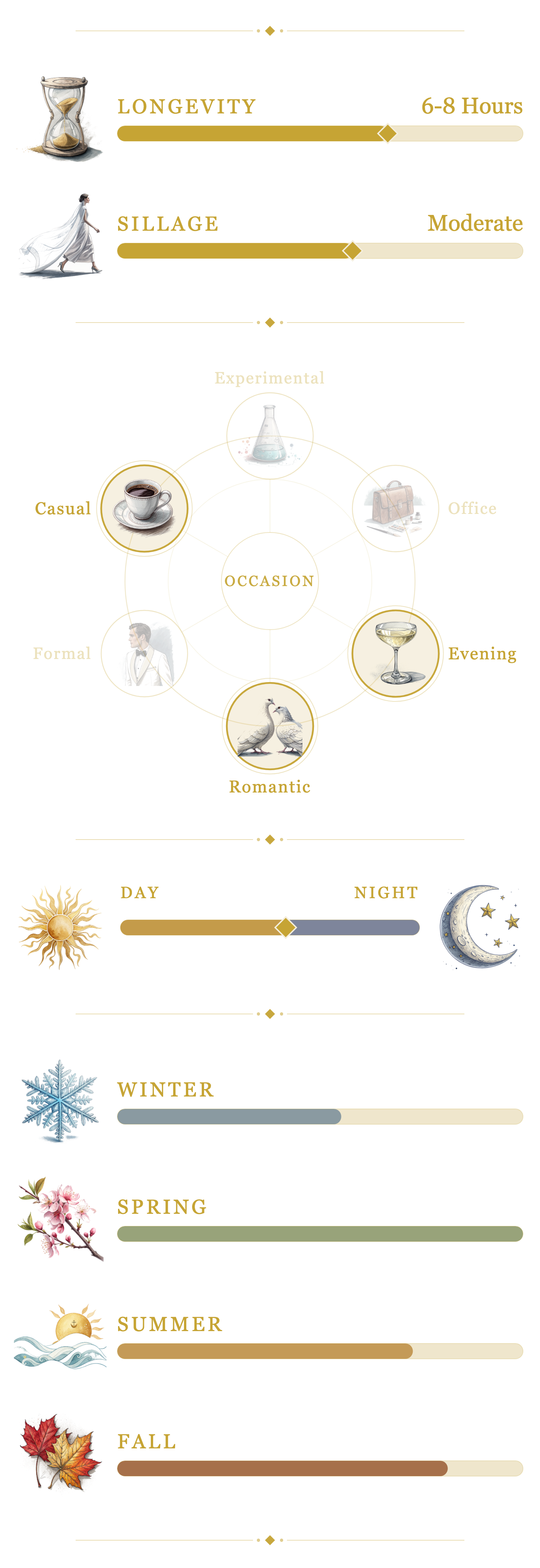
Spring and warm weather, casual to evening, a radiant fruity-floral for romantic, daytime wear.
Why the Birth of Venus Decant
A pretty, creamy fruity-floral, a decant is an easy way to test it before a full bottle.
Official Notes
Peach · Orange Blossom · Grapefruit · Bergamot · Lavender · Raspberry · Chocolate · Rose · Jasmine Sambac · Narcissus · Amber · Mysore Sandalwood · Cashmere Wood · Vetiver
Explore more: Ultra-Niche Perfume Decants · All Fragrance Decants
Choose options
The Vibe


Select your decant size

You are selecting a decant size, not the full bottle