


Amouage - Decision
Decision opens sharp and resolute, cardamom, bergamot and pink pepper over a smoky heart of frankincense, juniper and myrrh, before settling into a warm, confident base of vanilla, cedar and patchouli.
The Story
Amouage frames Decision as exactly that: a fragrance of conviction. Quentin Bisch pairs cool, resinous incense with a spiced, vanillic warmth, producing something both austere and inviting, incense for the decisive.
The Nose
Composed by Quentin Bisch for Amouage, also behind Parfums de Marly Delina, Carolina Herrera Good Girl and Mugler Angel Muse.

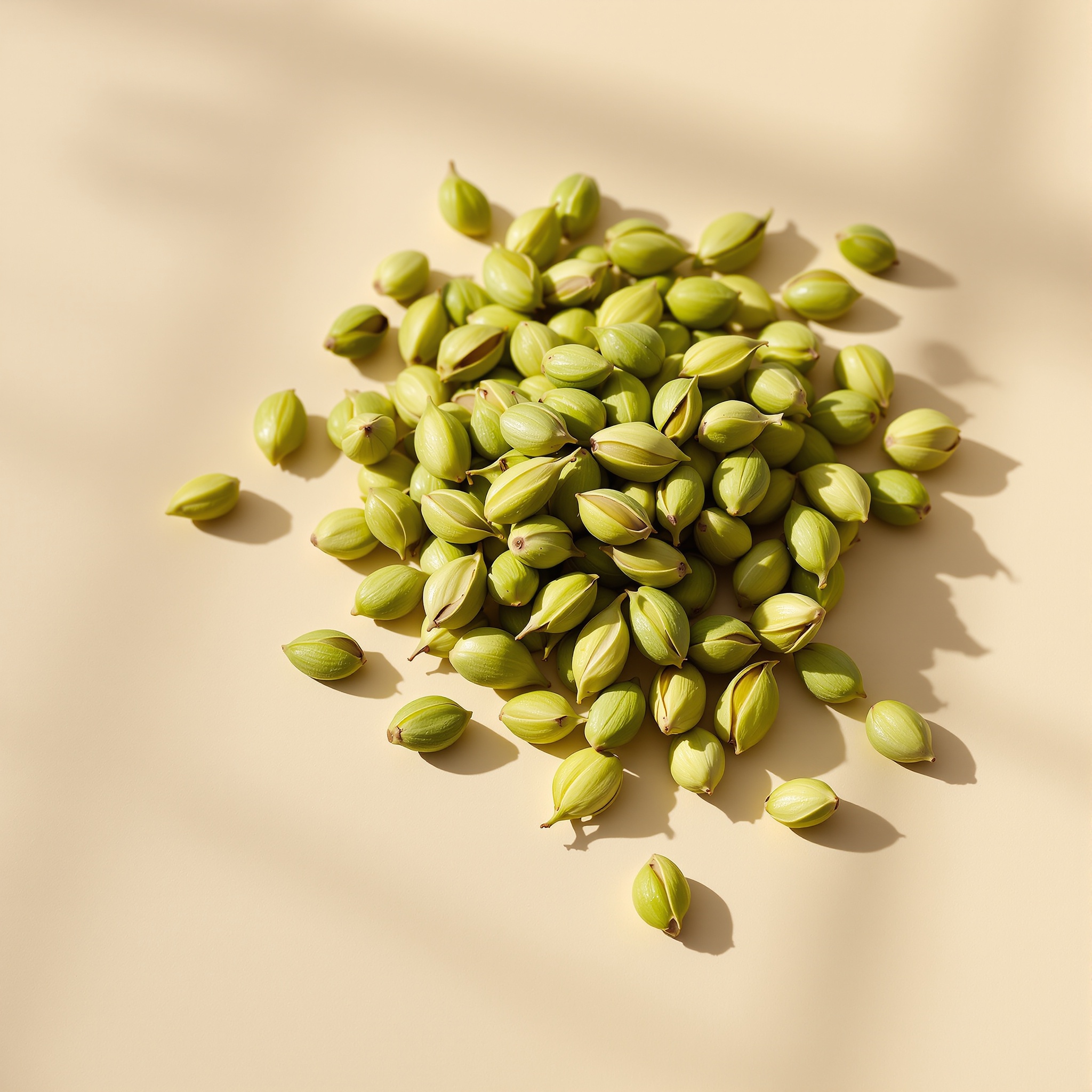
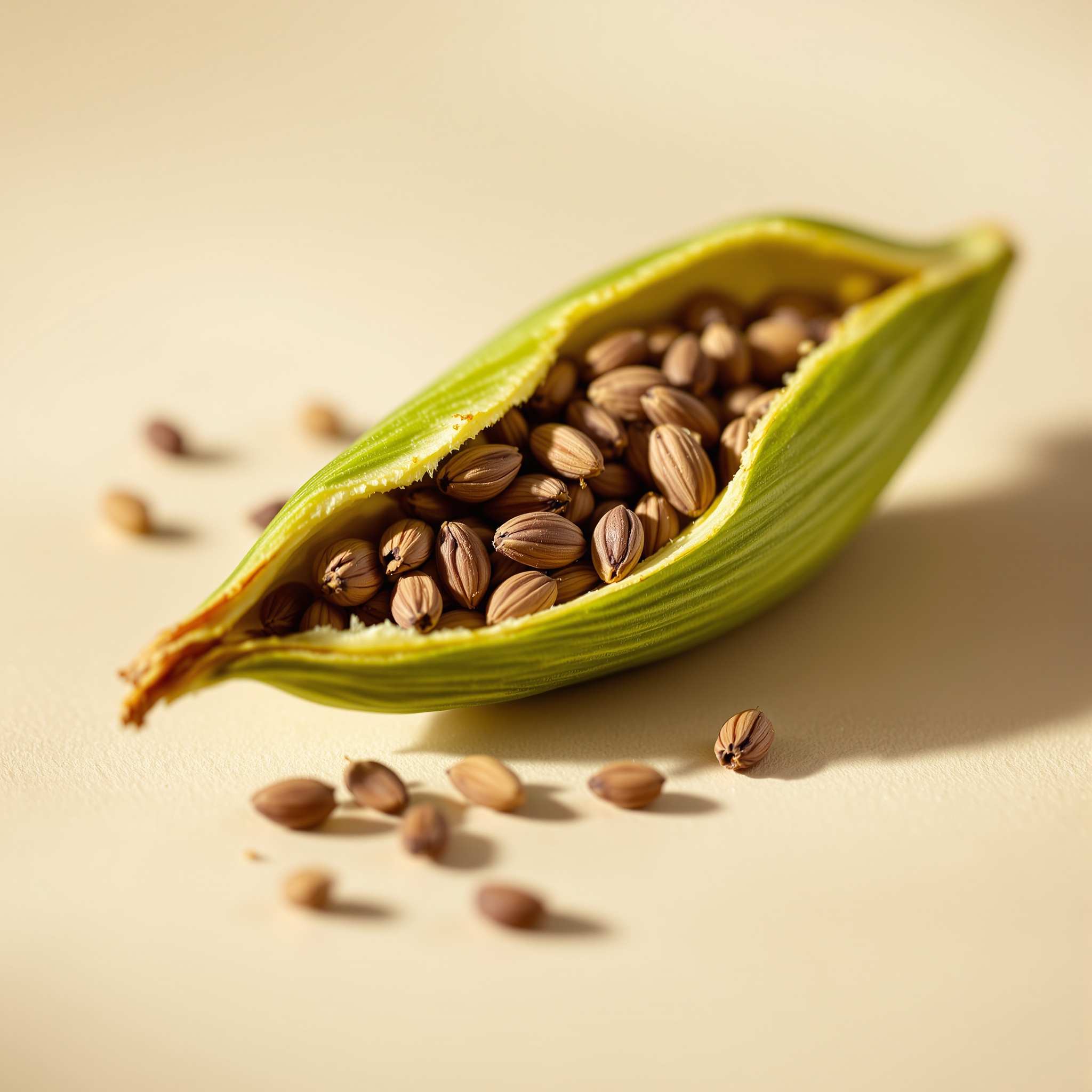
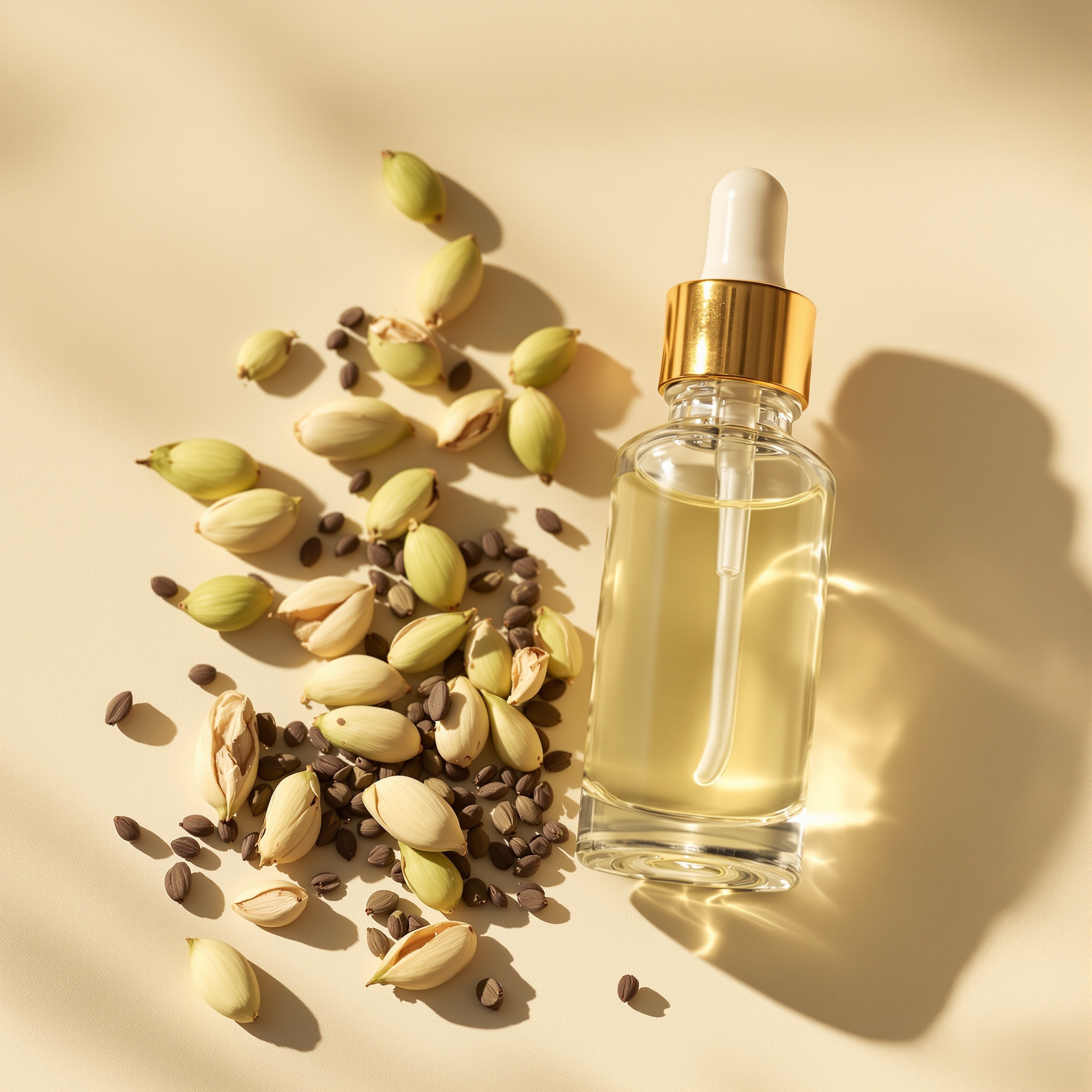
Cardamom
Green spice cracking open with citrus heat
What it is
Cardamom is the dried seed pod of Elettaria cardamomum, a tall perennial in the ginger family native to the forests of southern India and now widely farmed in Guatemala. The small green pods are hand-picked before fully ripe and dried; the cracked seeds are steam-distilled for their oil.
How it smells
Bright, green and spicy-fresh, with a cool eucalyptus-camphor lift over warm peppery sweetness. There are facets of lemon peel, pine resin and a faint smoky breadiness, like cracked pods in chai. It opens sharp and effervescent, then settles into a soft, balsamic warmth.
In perfumery
A top-to-heart spice adding sparkle and an airy, modern coolness, it bridges citrus openings and woody-amber bases without the heaviness of clove or cinnamon. It pairs with bergamot, rose, leather and oud, and is the defining spark of many a modern aromatic and woody-leather scent.
Good to know
Cardamom ranks among the world's most expensive spices, behind only saffron and vanilla, because every pod is hand-harvested at a precise unripe stage. India and Guatemala dominate supply, and the green pods rapidly lose aroma once cracked, so distillers work quickly.
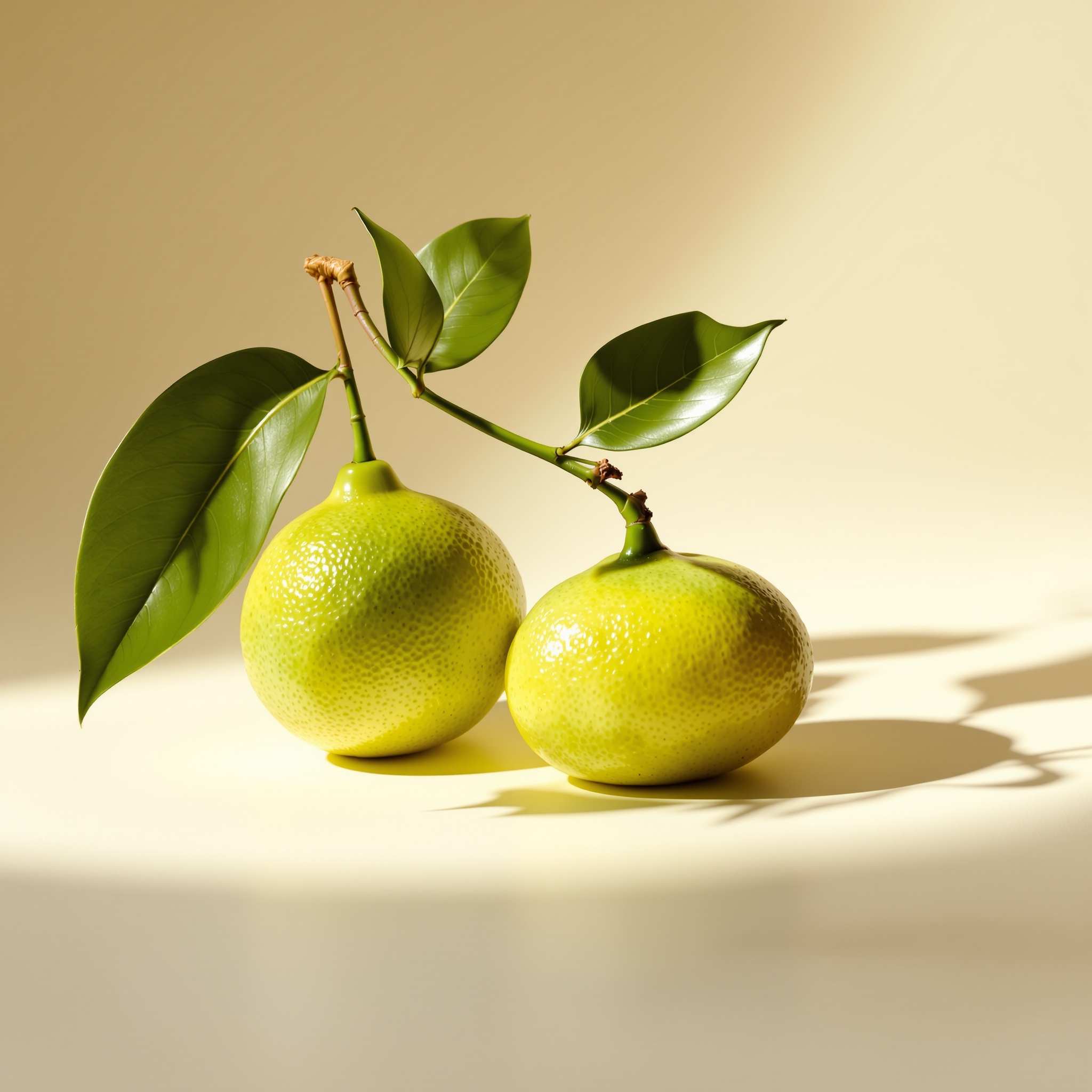
Bergamot
Sparkling citrus light with a bittersweet edge
What it is
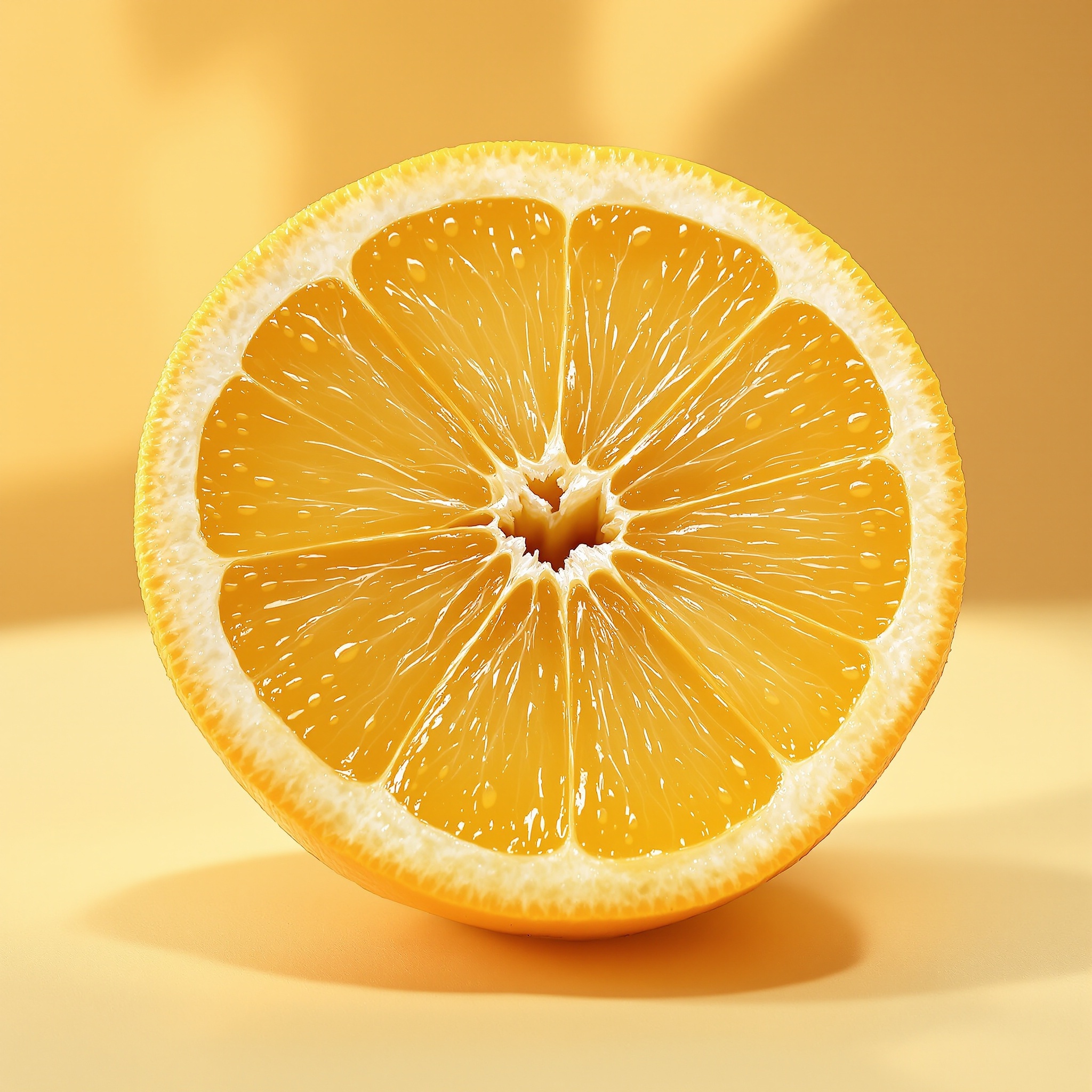
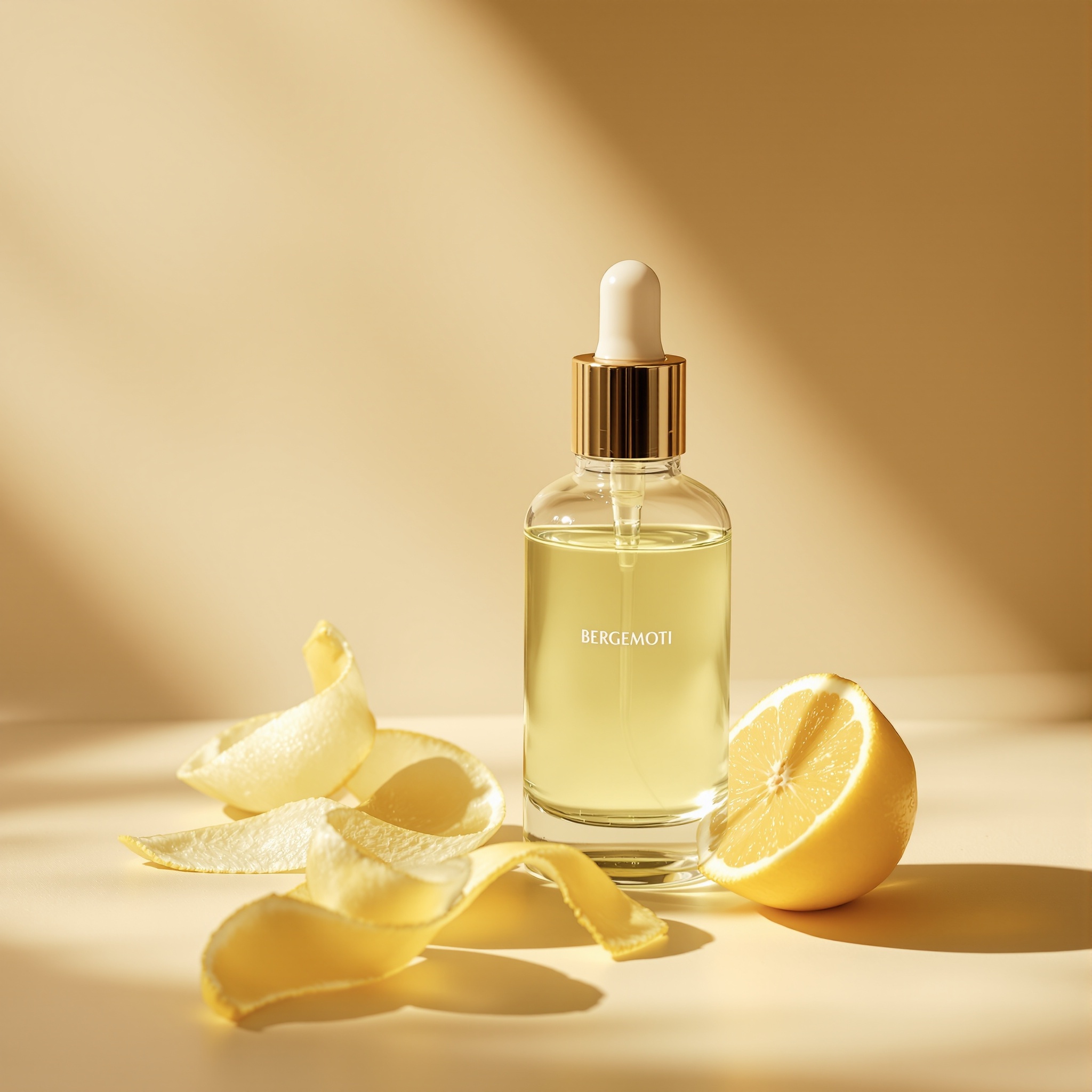
Bergamot is a small citrus fruit, Citrus bergamia, grown almost entirely along the Calabrian coast of southern Italy. The aromatic oil sits in glands in the rind of the unripe green-yellow fruit and is cold-pressed mechanically from the peel rather than distilled, preserving its fresh brightness.
How it smells
Bright, zesty and green, a sweet citrus sparkle softened by a floral, almost tea-like smoothness. Underneath runs a faintly bitter, balsamic warmth that sets it apart from lemon or orange. It flashes lively on opening, then fades quickly into a soft, slightly spicy hum.
In perfumery
The classic top note, bergamot adds freshness and lift while blending sharp citrus into the heart. It defines eau de cologne and the fougère family, harmonizing with lavender, neroli and oakmoss. It opens countless modern fresh-floral compositions, and its oil gives Earl Grey tea its scent.
Good to know
Natural bergamot oil contains bergapten, a furocoumarin that makes skin highly sensitive to sunlight and can cause burns. Modern perfumery uses bergapten-free (FCF) oil to meet IFRA safety limits, so most contemporary bergamot in fragrance is purified rather than raw cold-pressed oil.
Pink Pepper
Bright rosy berries with a sparkling spice fizz
What it is
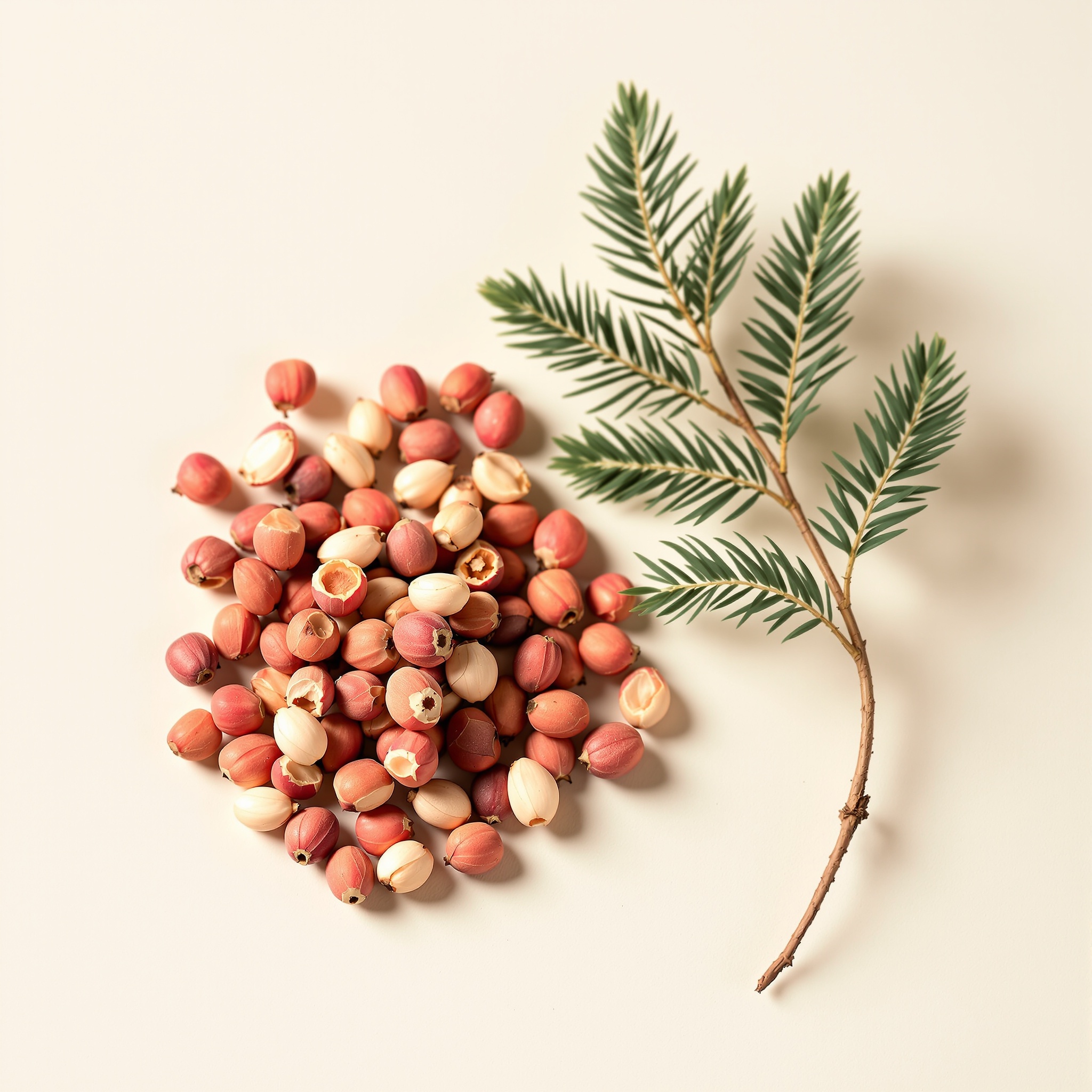
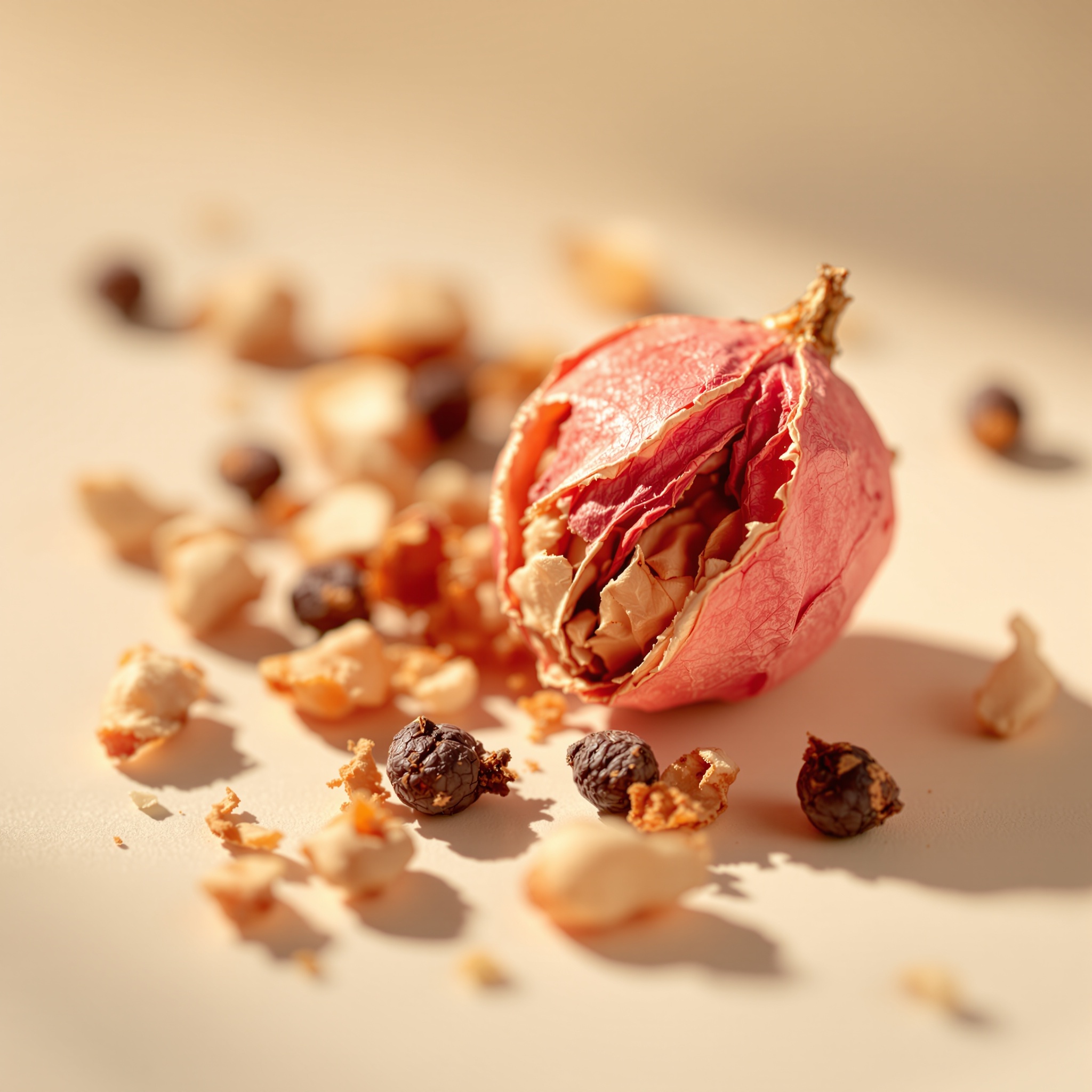
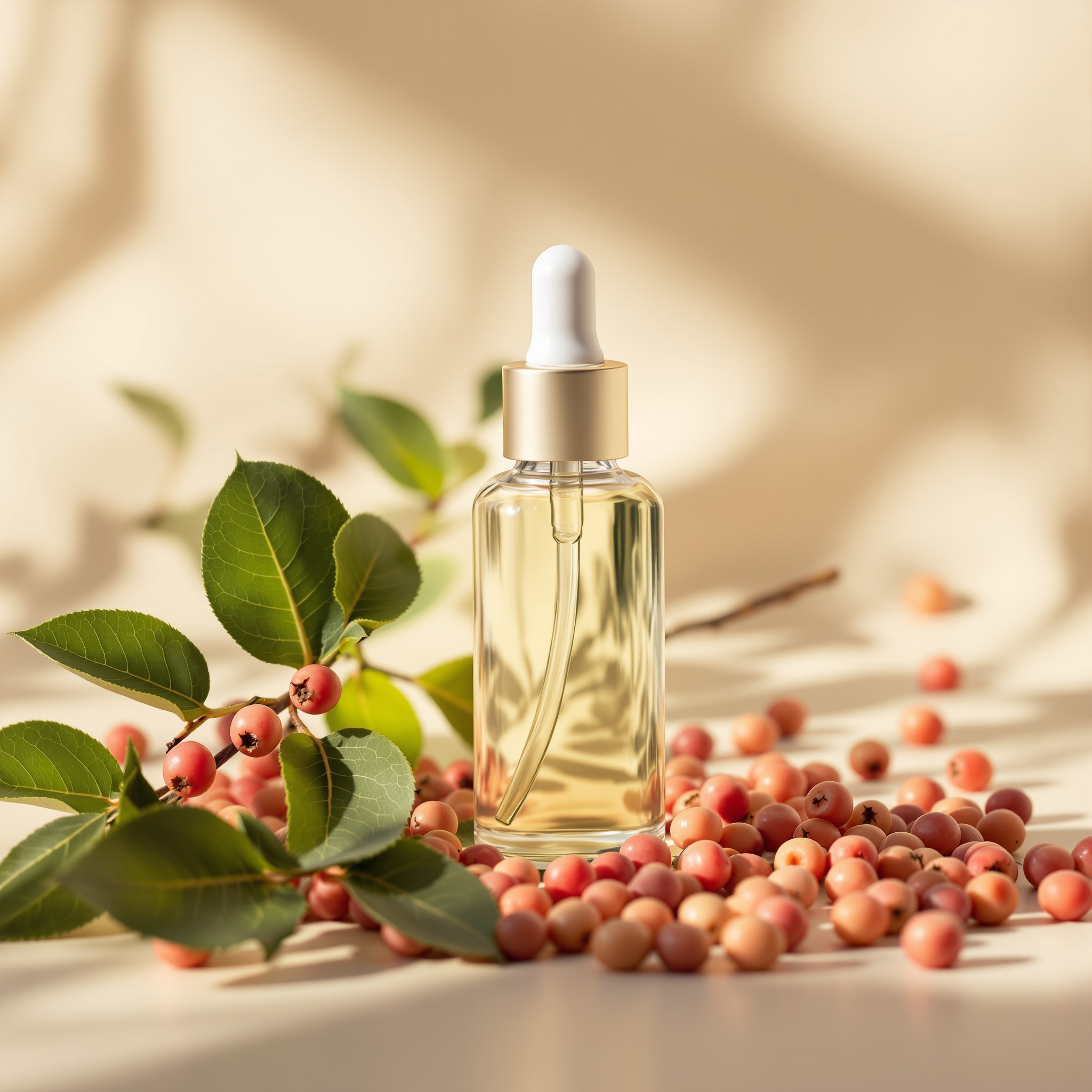
Pink pepper is the dried berry of the Peruvian pepper tree Schinus molle, native to the Andes and a member of the cashew family Anacardiaceae, not a true pepper. The rose-colored berries are steam-distilled or CO2-extracted into an oil dominated by alpha-phellandrene, limonene and pinene.
How it smells
Bright, dry and sparkling, more rosy and fruity than black pepper, with only a soft prickle of spice. Crushed-berry, juniper-like resin and faint citrus facets give a fizzy, airy lift. It flashes peppery on top, then fades quickly into a gentle warm spiciness.
In perfumery
A favoured top-to-heart note that adds effervescent spice and a rosy glow without heat or bite. It brightens florals, freshens woods and ambers, and pairs with rose, bergamot and patchouli. Its sparkle opens many modern scents, notably the tea-and-bergamot top of bright fruity-floral bombs.
Good to know
Despite the name, these berries are botanically unrelated to true pepper, Piper nigrum; the resemblance is purely aromatic. As an Anacardiaceae cousin of cashew and mango, Schinus can trigger reactions in people sensitive to that family, so culinary use of the berries is best in moderation.
Frankincense
Sacred smoke distilled from desert tree tears
What it is
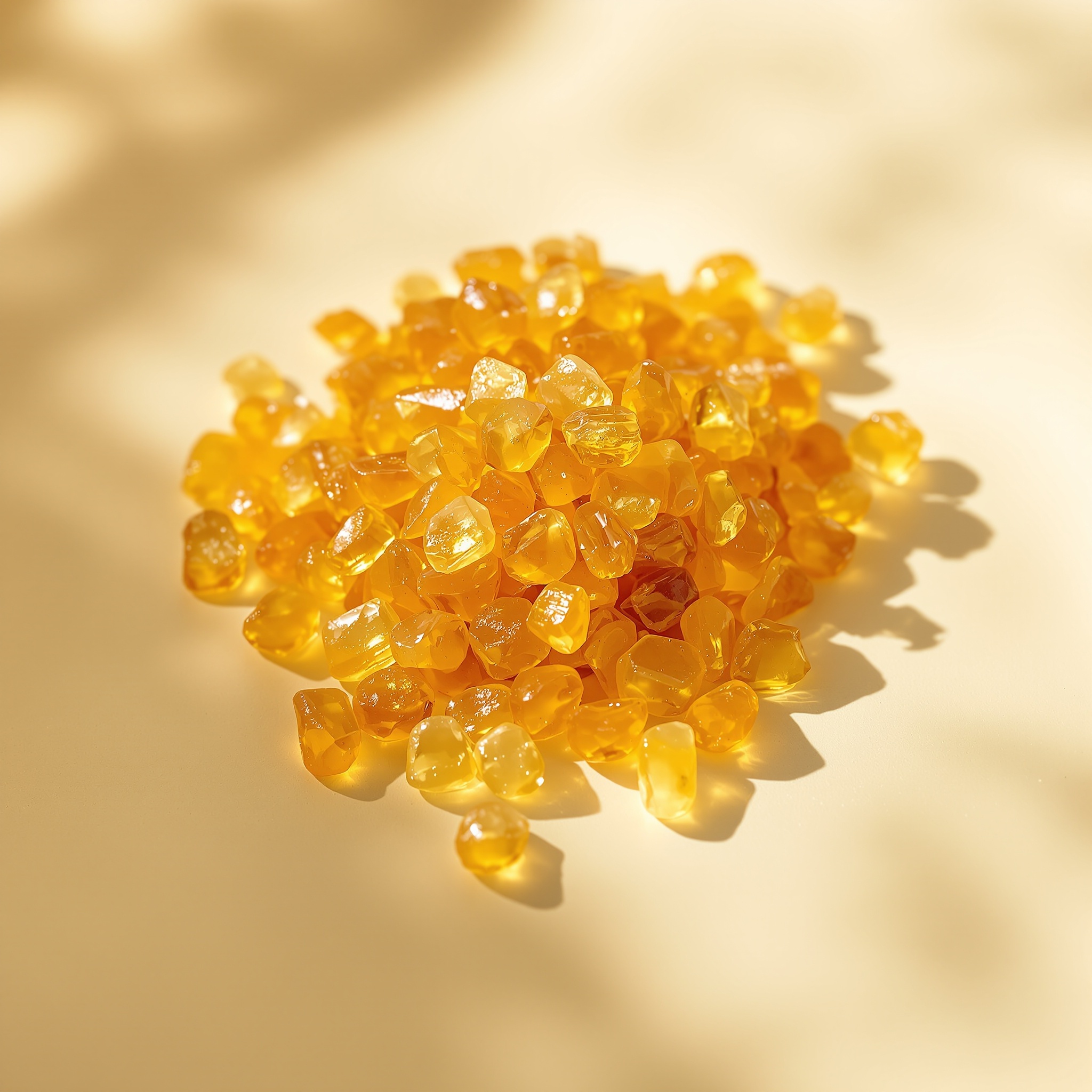
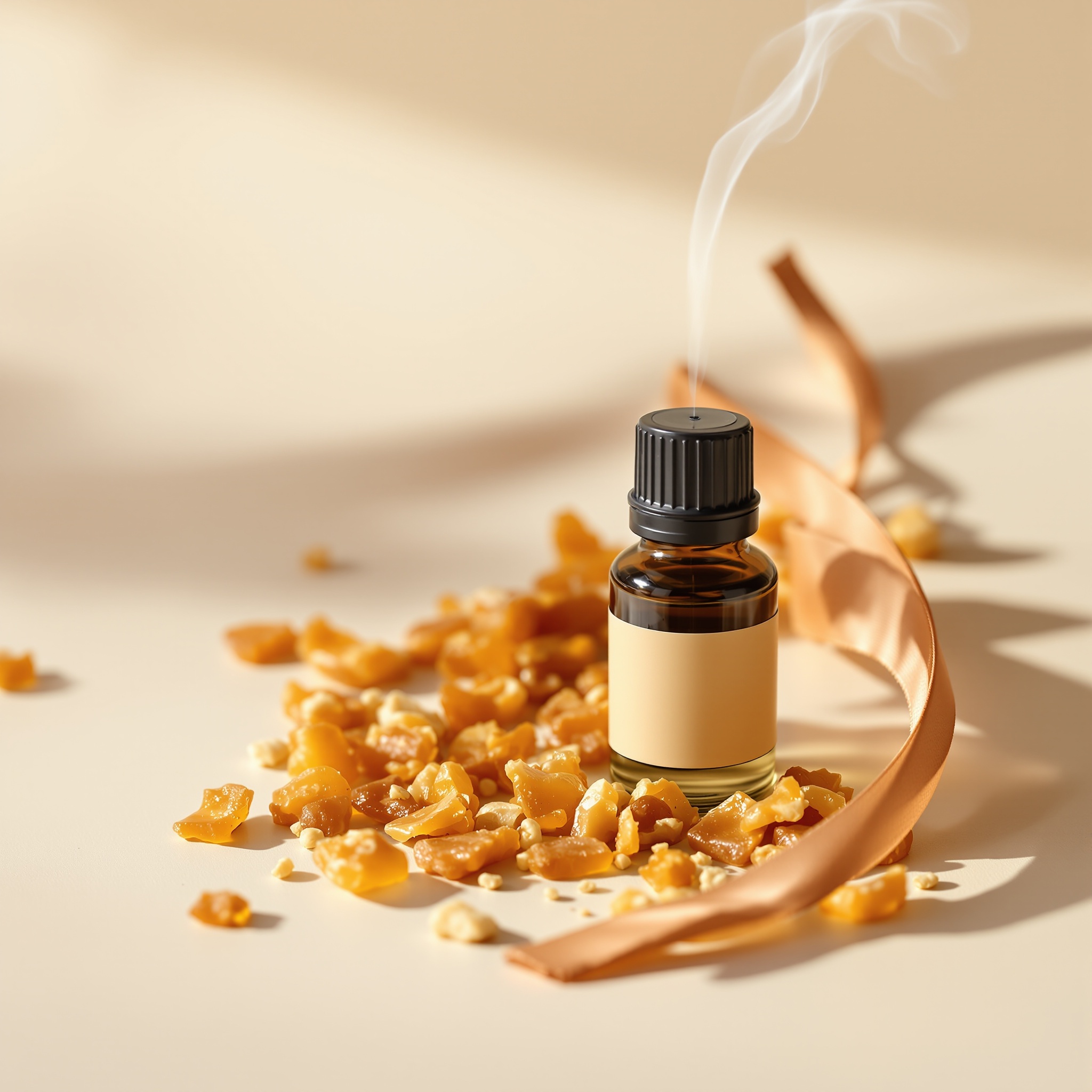
Frankincense, or olibanum, is the dried gum resin of Boswellia trees, with Boswellia sacra of Oman, Yemen and Somalia among the most prized. The bark is scored and weeps a milky sap that hardens over weeks into golden tears, later steam-distilled or solvent-extracted for perfumery.
How it smells
Fresh, resinous and luminous, with a clean coniferous-citrus brightness from alpha-pinene and limonene over a dry, balsamic woody base. It carries a cool, peppery, almost lemony lift, then settles into the warm, dusty incense smoke familiar from churches and temples.
In perfumery
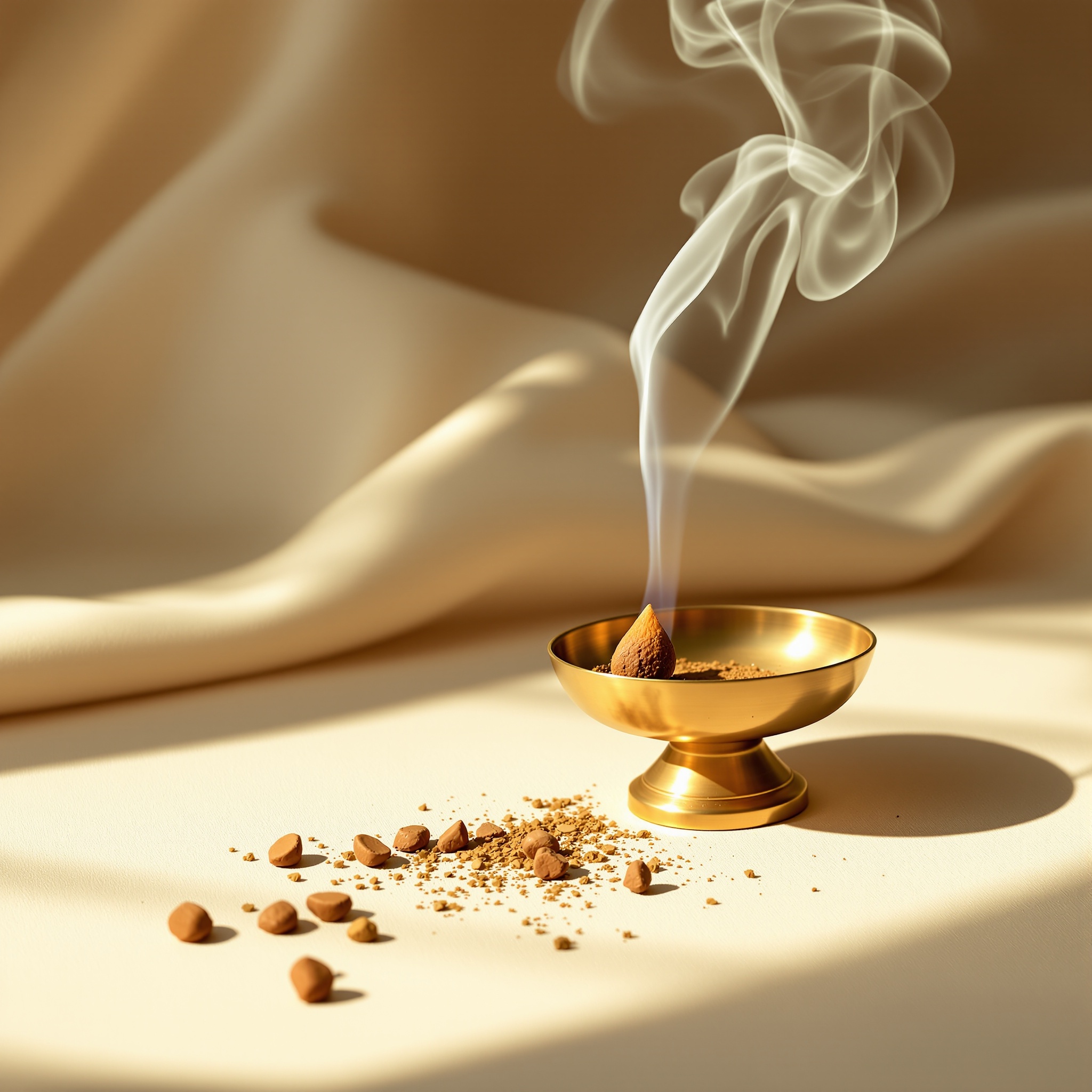
Used in heart and base, it adds a meditative, smoky resinous spine and a soaring transparency. It pairs with myrrh, rose, oud and labdanum, and lifts heavy oriental accords. It centers many incense-built compositions and defines the cathedral-incense theme.
Good to know
Frankincense has been traded for over five thousand years and once moved along Arabian incense routes at prices rivaling gold. Wild Boswellia populations are now declining from over-tapping, drought and grazing, raising real concern over the long-term sustainability of the harvest.
Juniper Berries
Resinous blue berries that breathe gin and pine forest
What it is
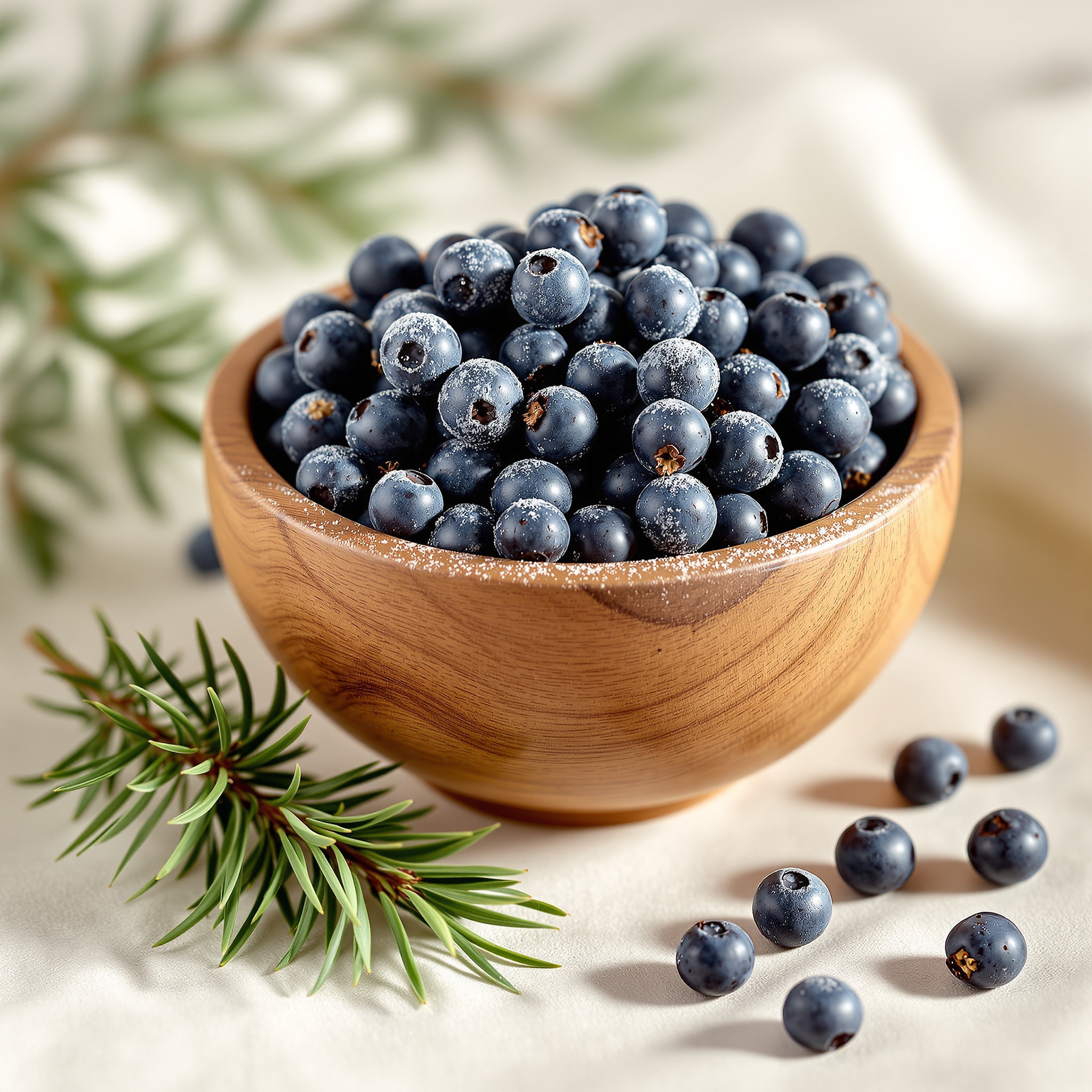
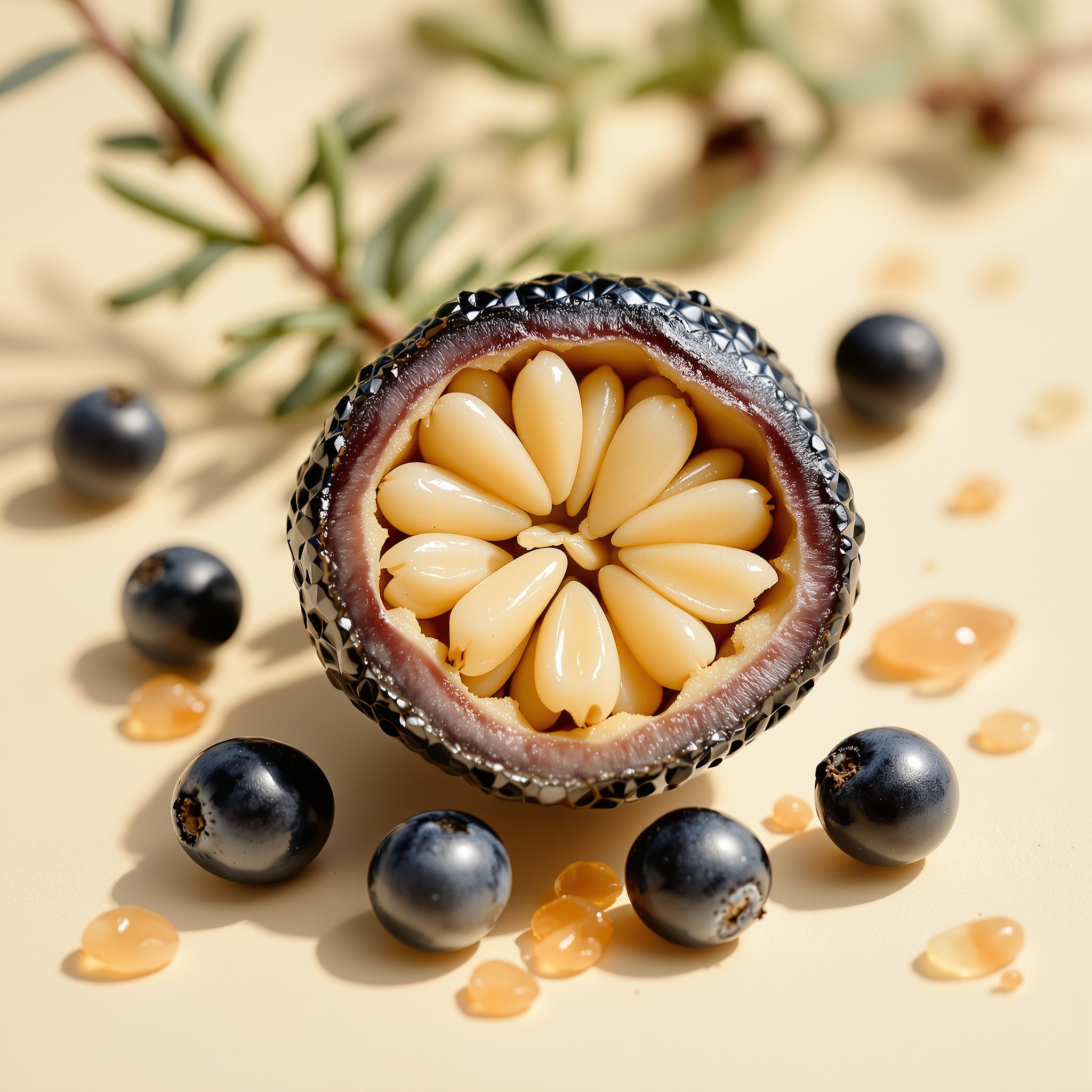
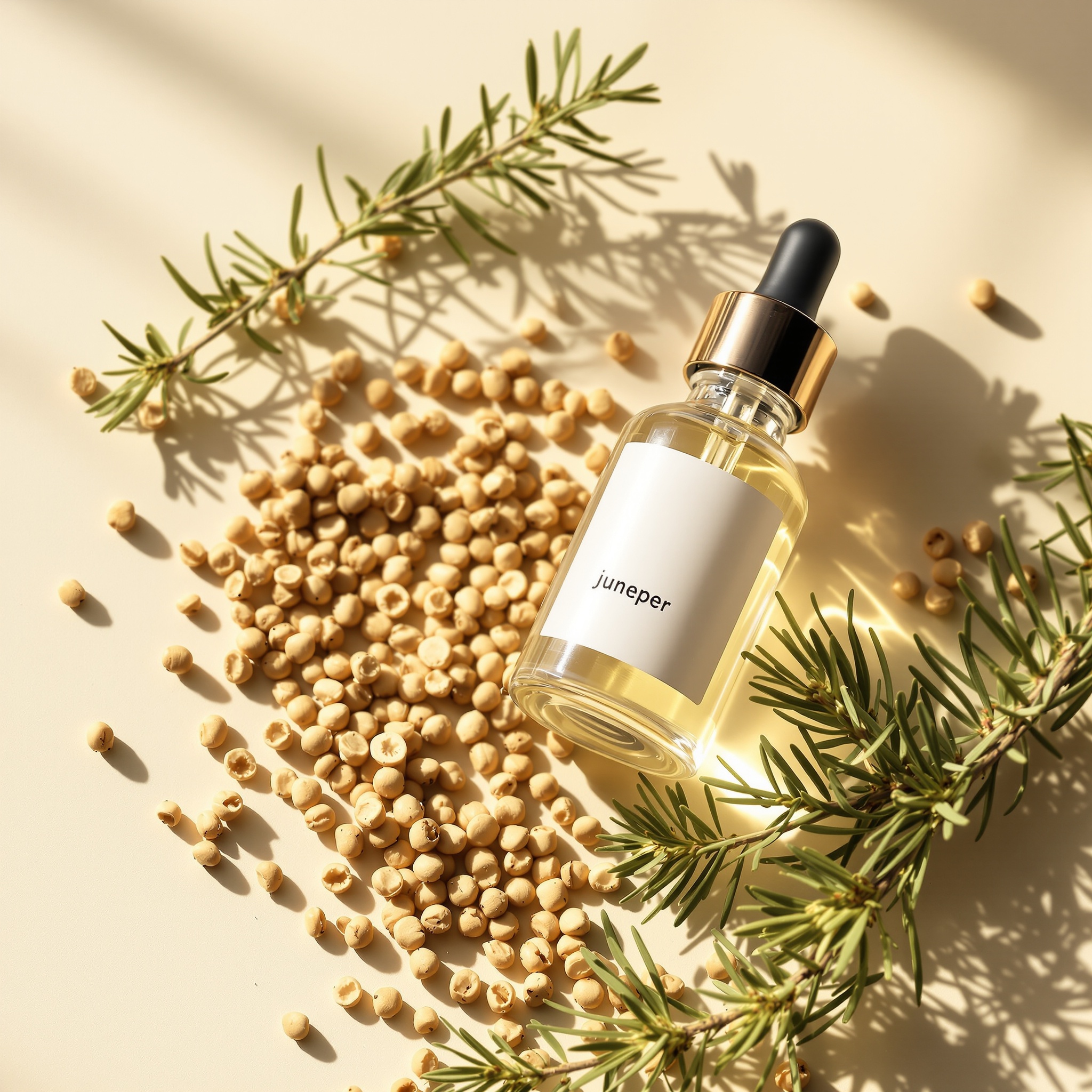
The seed cones of Juniperus communis, an evergreen conifer of northern-hemisphere heaths and mountains. The fleshy blue-black berry-like cones ripen over two to three years. Dried, then steam-distilled, they yield a pale essential oil, the same berry that flavors gin.
How it smells
Crisp, dry and resinous: green pine needles, fresh-cracked pepper and a cool turpentine bite over balsamic warmth. The opening reads gin-like and aromatic, almost minty, then settles into woody, slightly camphorous resin with a faint sweet, sappy undertone.
In perfumery
A top-to-heart note prized in fougeres, chypres and aromatic colognes for crisp, herbal lift. It pairs with lavender, vetiver, cardamom and citrus. Juniper berry threads through the tops of countless gin-toned, aromatic-woody compositions.
Good to know
Juniper has perfumed ritual for millennia; branches were burned as fumigant in plague-era hospitals and sickrooms. The plant is dioecious, so only female bushes bear the aromatic cones, and slow multi-year ripening leaves green and ripe berries sharing one branch.
Myrrh
Bitter resin smoke from a wounded desert tree
What it is
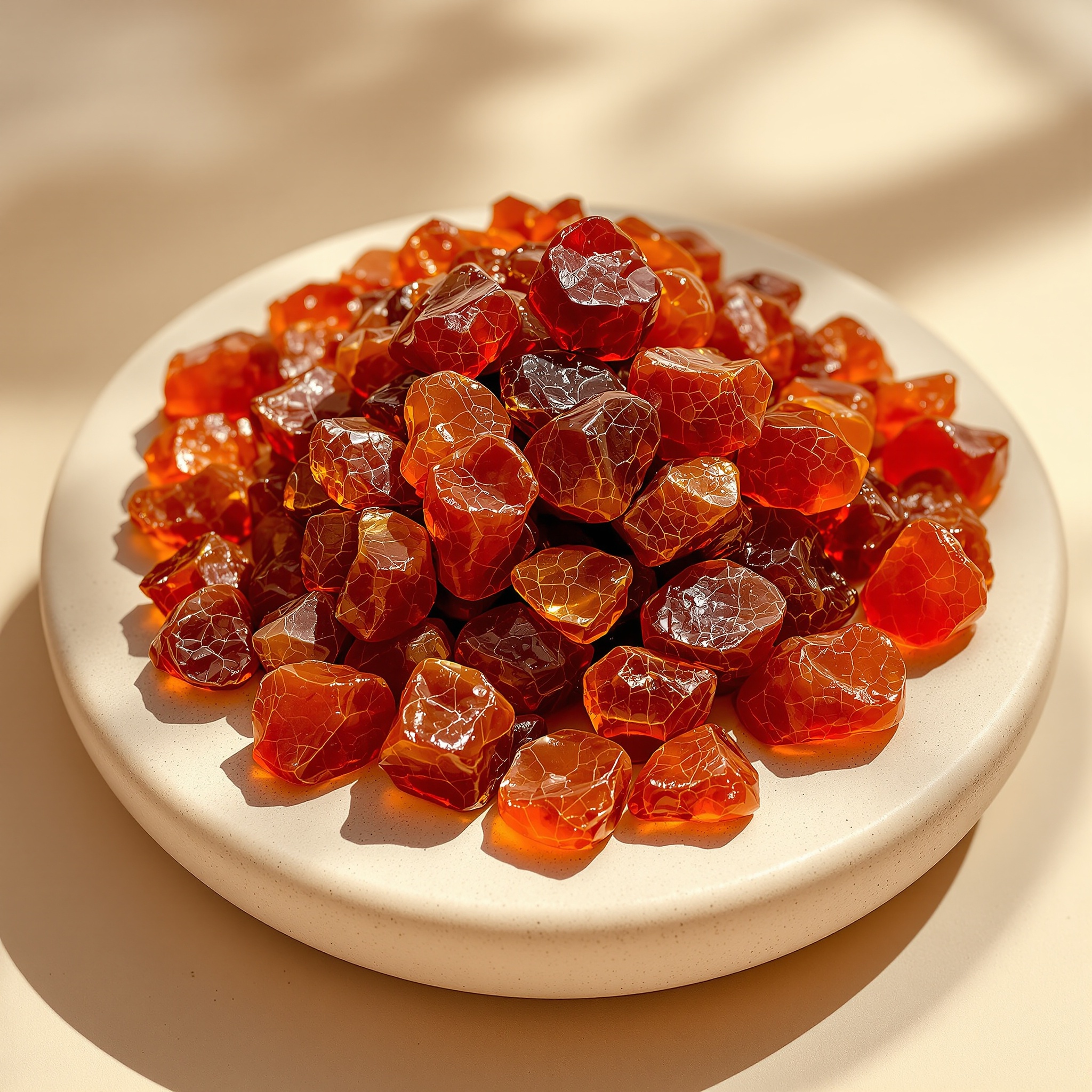
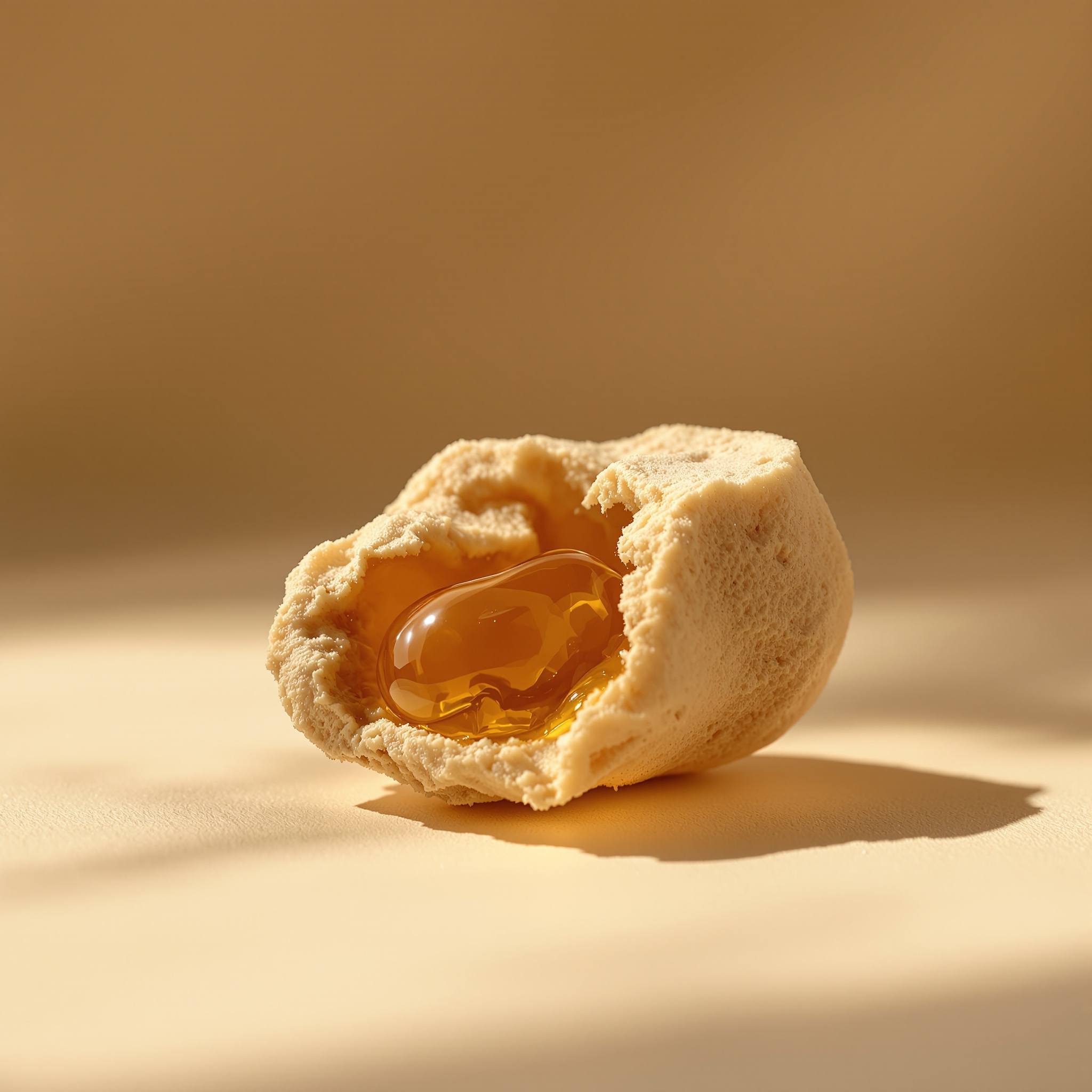
An oleo-gum-resin from thorny Commiphora myrrha shrubs of the Horn of Africa and the Arabian Peninsula. Harvesters wound the bark; the tree weeps a pale sap that hardens into reddish-brown tears. These are steam-distilled to an essential oil or solvent-extracted to a darker resinoid.
How it smells
Cool, bitter and resinous on opening, with a medicinal, almost band-aid sharpness over dry earth and licorice. It warms into smoky balsam, soft leather and a faint mushroom-mossy depth, drying down dusty, sweet-bitter and meditative — slower and darker than frankincense.
In perfumery
A base note bringing smoky depth, resinous body and a churchy gravity to orientals, chypres and incense compositions. Pairs naturally with frankincense, rose, labdanum and benzoin. It anchors meditative myrrh-forward incense scents and gives backbone to countless amber and incense accords.
Good to know
One of the oldest traded aromatics, myrrh was burned in Egyptian temples, used in embalming and named among the Magi's gifts. Its name derives from a Semitic root meaning bitter. Wild harvesting and overgrazing now threaten several Commiphora populations across the Horn of Africa.
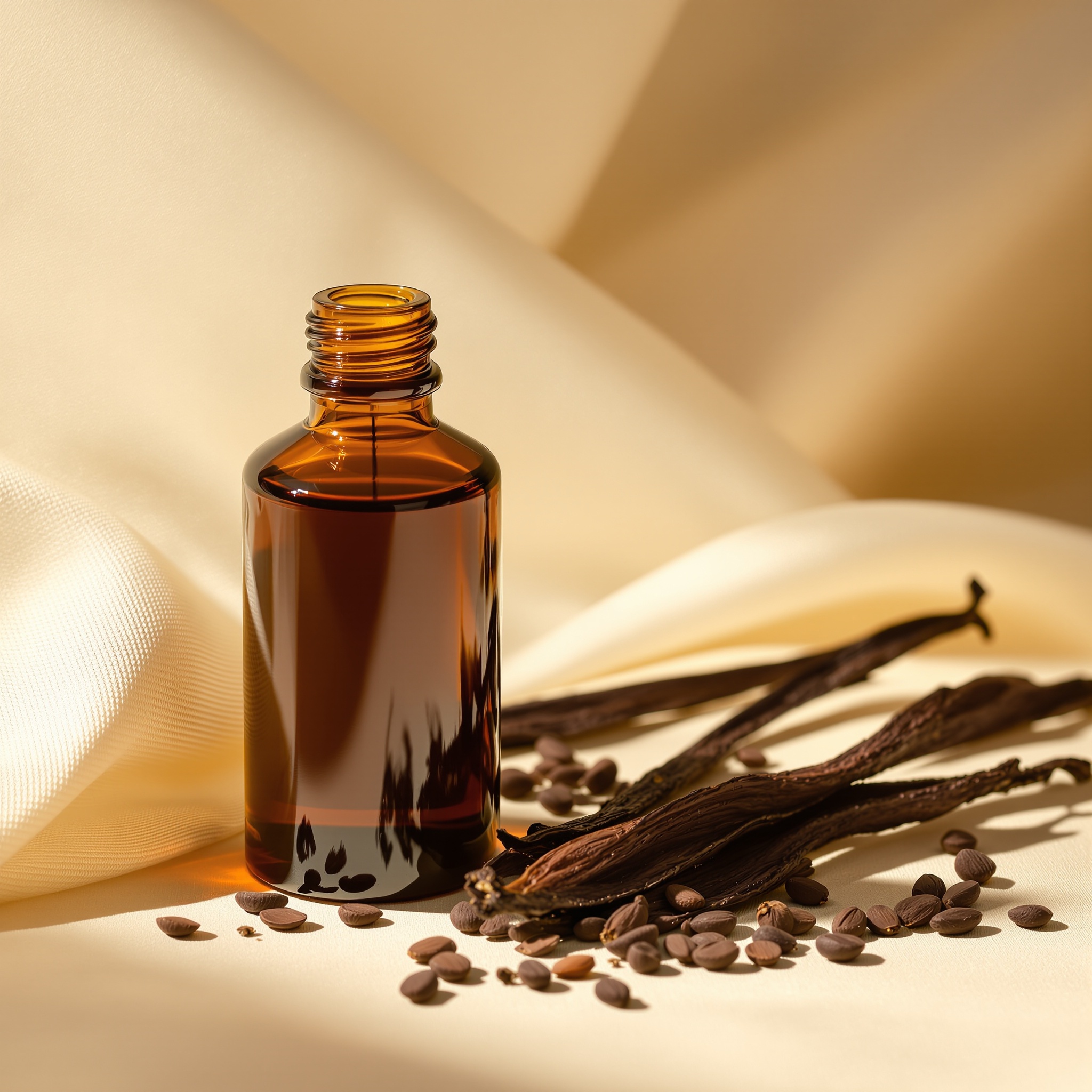
Vanilla
The warm sweet heart of comfort itself
What it is
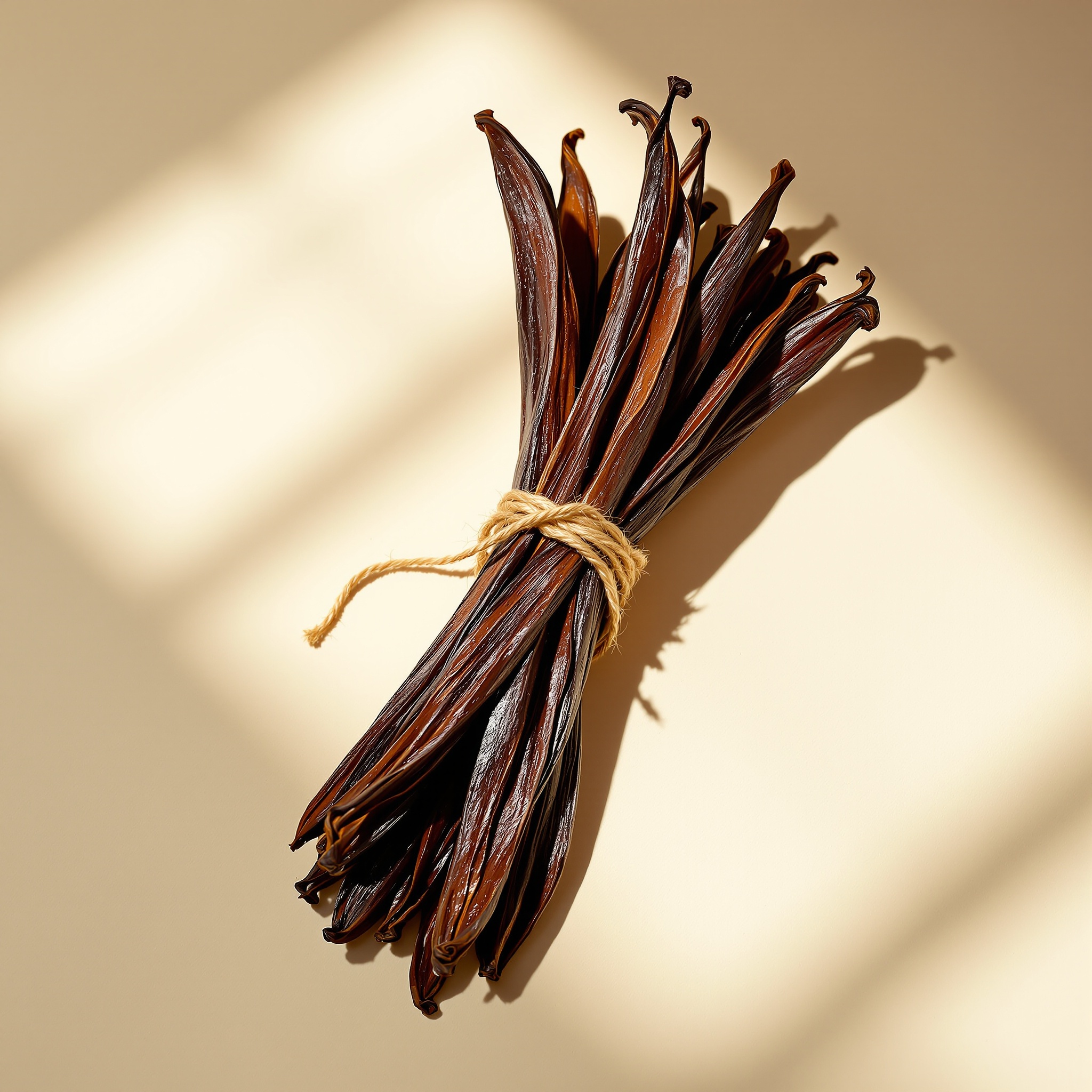
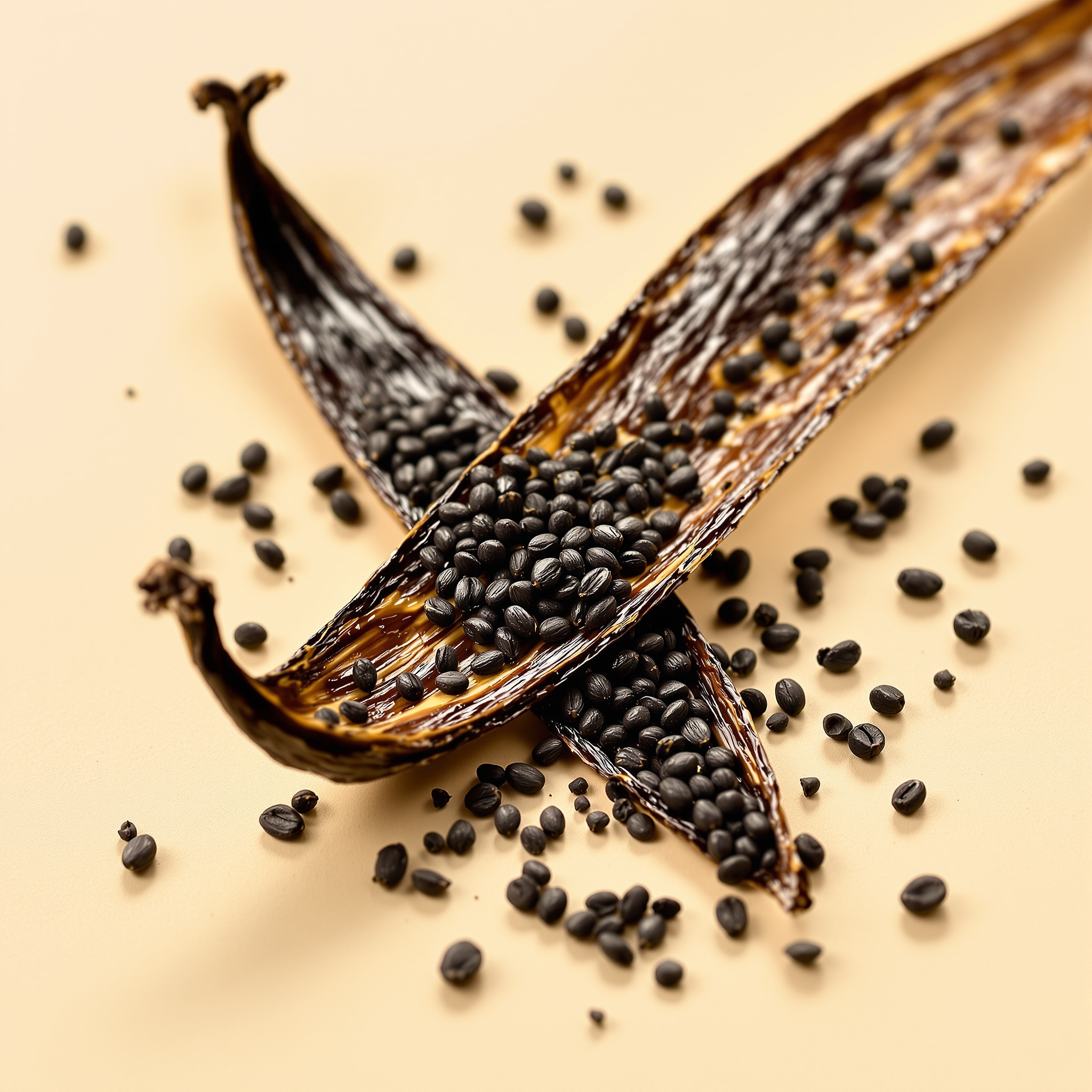
Vanilla comes from the cured seed pods of Vanilla planifolia, a climbing orchid native to Mexico now grown mainly in Madagascar, Réunion and Tahiti. Green pods are picked unripe, then blanched, sweated in the sun and slow-dried over months until they darken and develop their aroma and vanillin.
How it smells
Sweet, warm and creamy, with a balsamic depth recalling custard, caramel and dried fruit, a faint smoky tobacco-like edge sitting underneath. It opens soft and gourmand, then dries into a powdery resinous warmth that clings close to skin and reads richer than synthetic vanillin alone.
In perfumery
A base note prized for richness and lasting warmth, vanilla rounds sharp edges and anchors oriental and gourmand compositions. It pairs naturally with tonka, amber, sandalwood and spice. Many of the most enduring oriental and tobacco fragrances build their core around it.
Good to know
Vanilla ranks among the costliest spices because each orchid flower opens for one day and must be hand-pollinated, a technique devised in 1841 by Edmond Albius, a twelve-year-old enslaved boy on Réunion. Most commercial vanilla flavor now relies on synthetic vanillin.
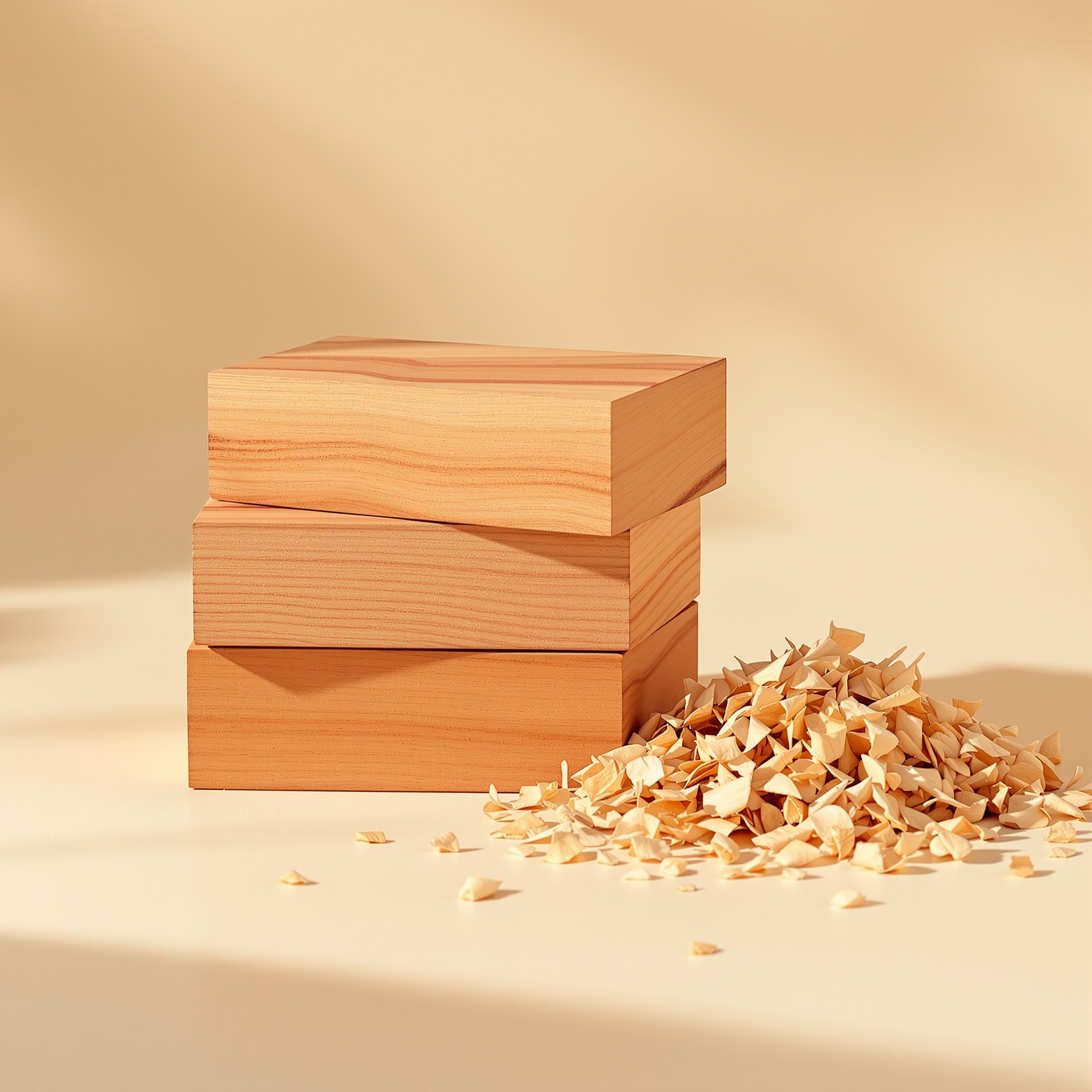
Cedarwood
Dry pencil shavings and sun-warmed timber
What it is
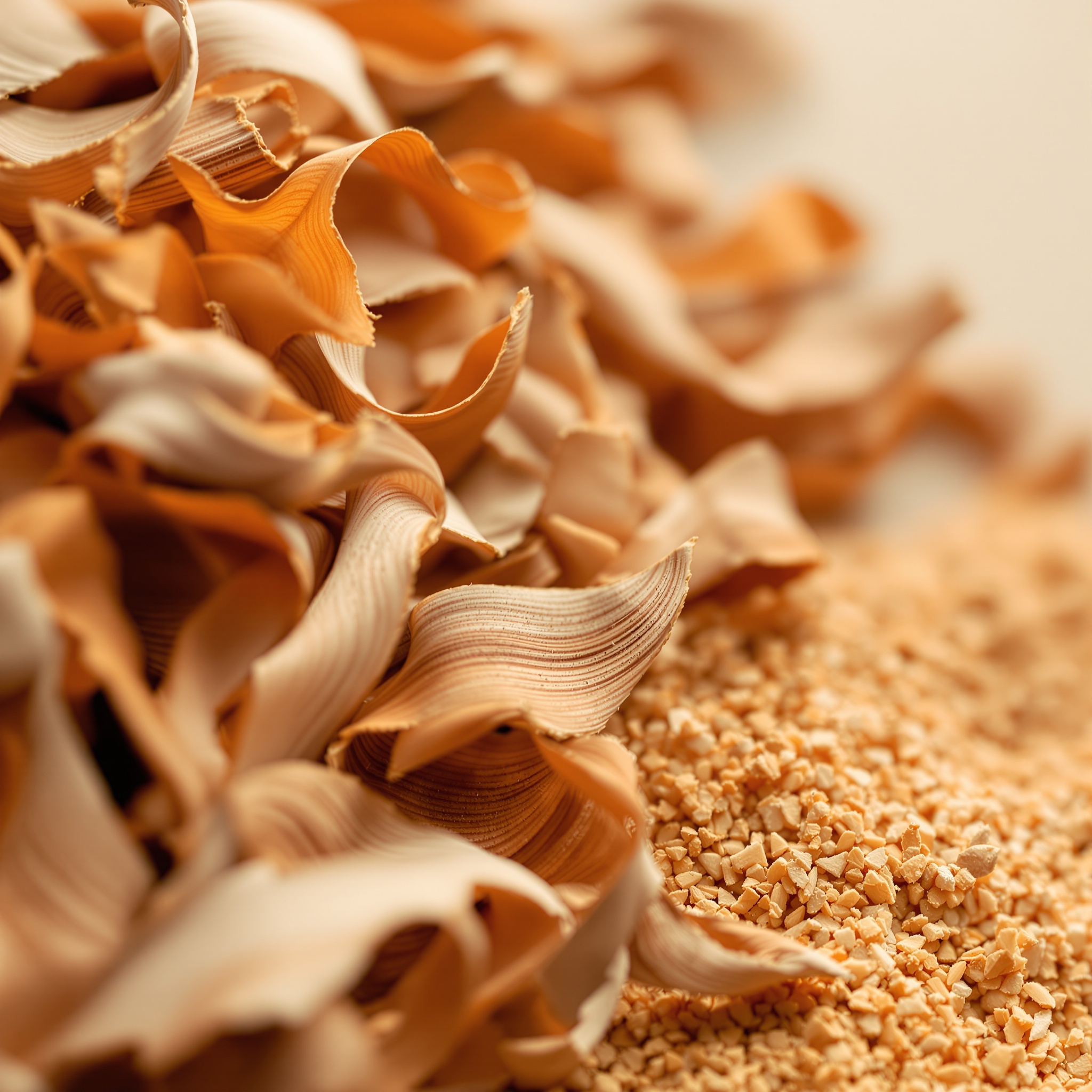
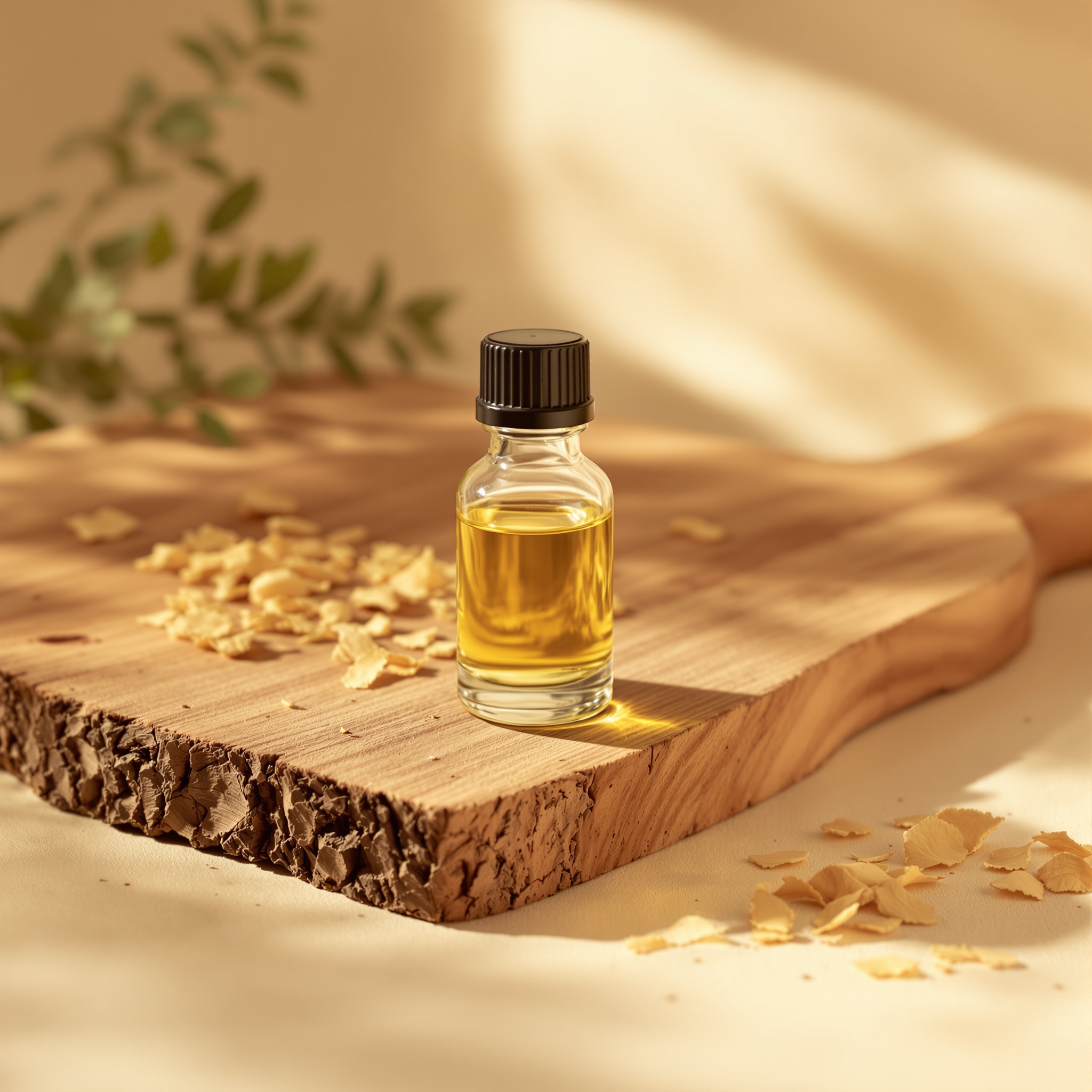
An essential oil steam-distilled from the wood, shavings and sawdust of several conifers. Main sources are Virginia cedar and Texas cedar, both junipers, plus the true Atlas and Himalayan cedars of the Cedrus genus. The fragrant oil concentrates in the heartwood and sawmill byproduct.
How it smells
Dry, woody and warm, the archetype of freshly sharpened pencils and a cedar closet. Virginia cedar is pencil-like and balsamic; Atlas cedar is softer, sweeter, almost honeyed-resinous. Across types runs a clean, slightly smoky, faintly camphoraceous tone that dries to a smooth, sappy warmth.
In perfumery
A versatile heart-to-base note giving dry woody structure, lift and a backbone for other materials. It pairs with vetiver, sandalwood, rose, citrus and incense. Cedar shapes the smoky drydown of woody-floral builds and countless modern woody-amber bases.
Good to know
The cedar of pencils and storage chests is usually botanically a juniper, not a true Cedrus. Cedar-derived molecules like Cedramber and Iso E Super power a huge share of contemporary woody fragrances, making cedarwood one of perfumery's most quietly ubiquitous building blocks.
Patchouli
Damp earth and dark wood after rain
What it is
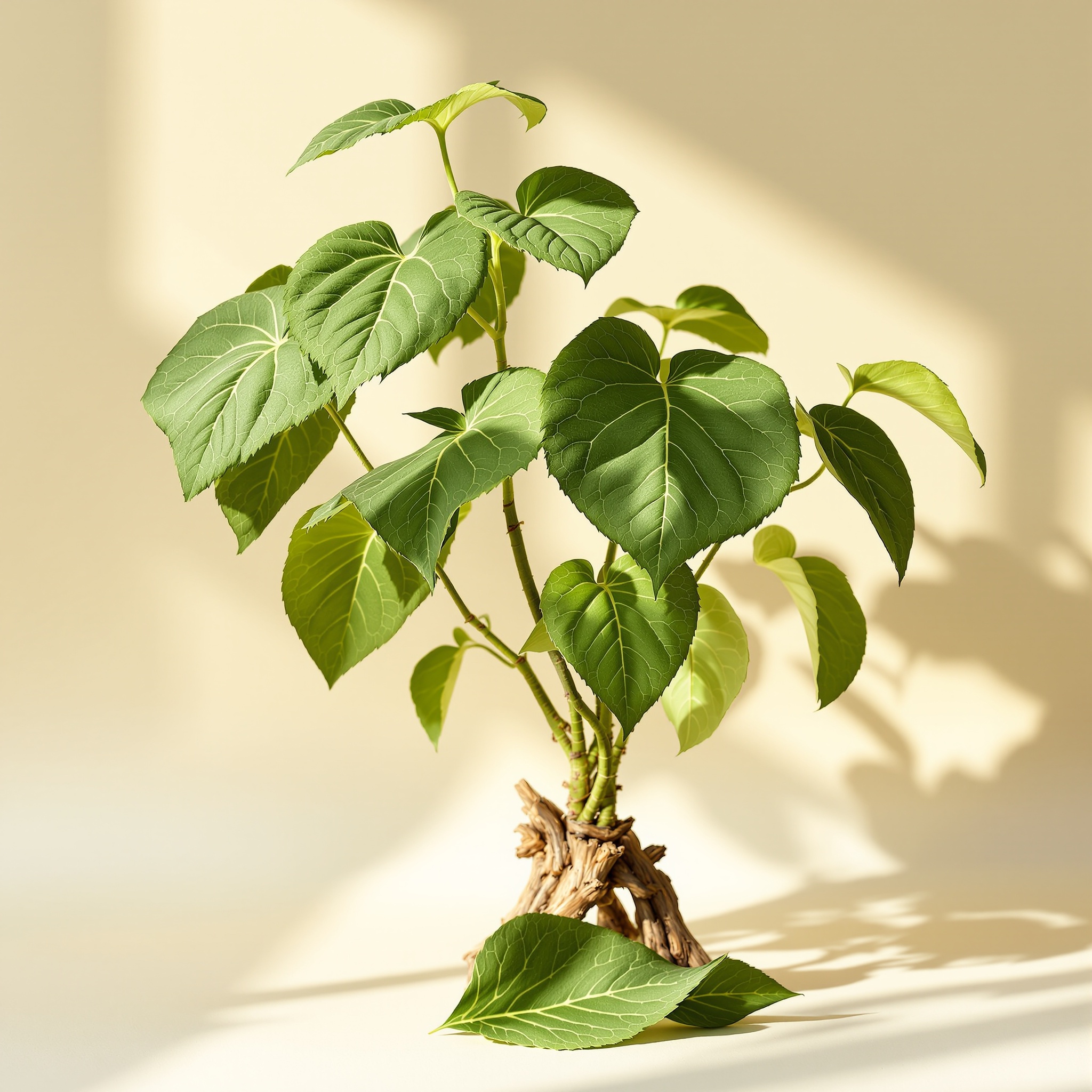
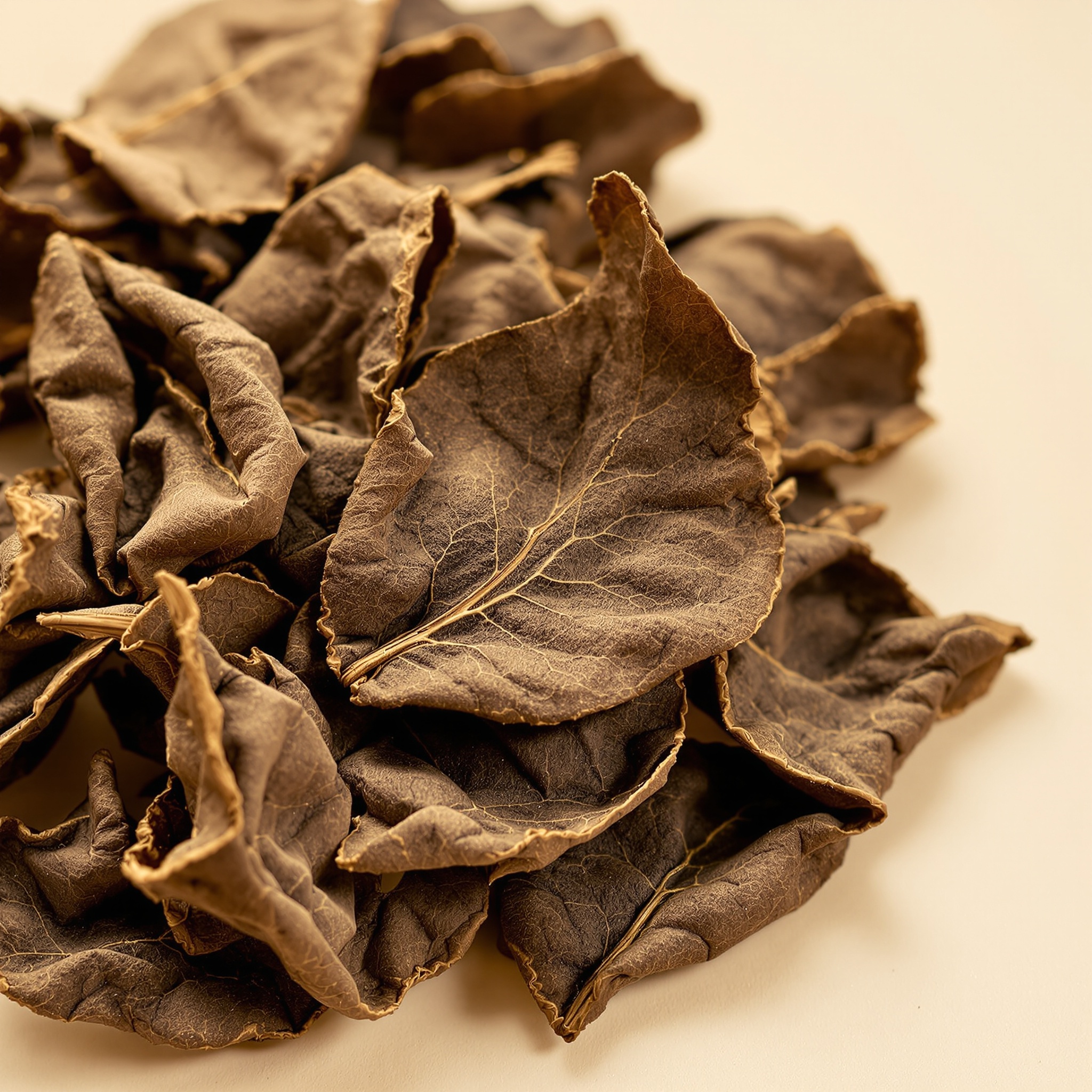
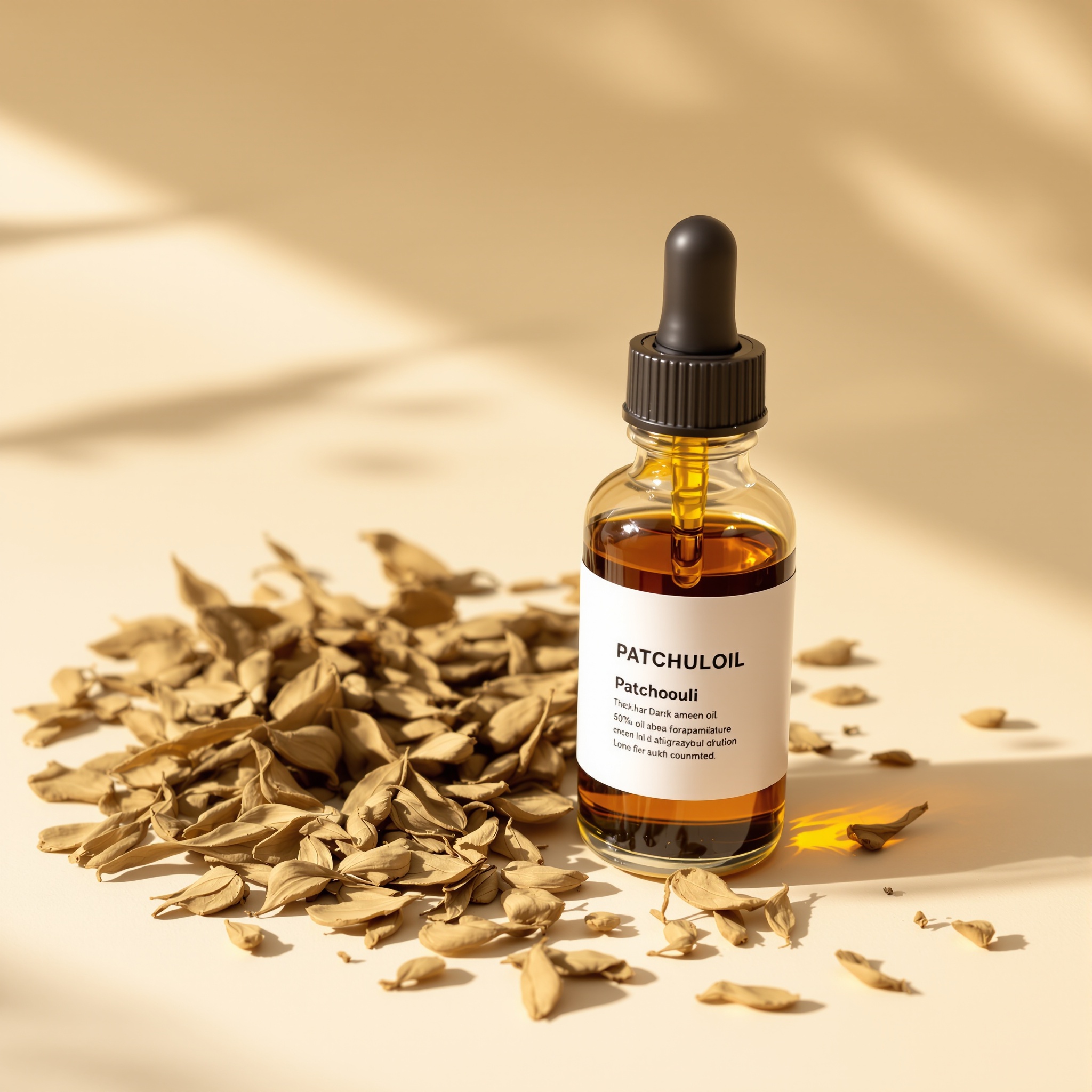
Patchouli comes from Pogostemon cablin, a leafy bush in the mint family native to tropical Asia and grown mainly in Indonesia, India and Sri Lanka. The harvested leaves are dried and lightly cured or fermented, then steam-distilled or hydrodistilled into a thick, dark essential oil.
How it smells
Deeply earthy and woody, like damp forest floor, wet soil and old cellars, threaded with a winey, slightly sweet darkness. Fresh oil can read sharp, almost camphorous and green; with age it rounds into chocolate, leather and dried-fruit warmth that clings for hours.
In perfumery
A base note and powerful fixative, patchouli anchors a composition and lengthens its wear. It forms the backbone of chypres and orientals, pairing with rose, vetiver, labdanum and vanilla. It defines many gourmand-oriental blends and carries the woody-balsamic heart of plush chypre accords.
Good to know
In the 19th century, real Kashmiri shawls were packed with dried patchouli leaves to repel moths in transit, so Europeans learned to recognise genuine imports by smell. Unlike most essential oils, patchouli improves with age, deepening and mellowing over years much like wine.
Fragrance Character
A bright, peppery-citrus opening gives way to dry frankincense and gin-like juniper, myrrh adding balsamic depth. Vanilla, cedar and patchouli warm the long drydown.
Best Worn
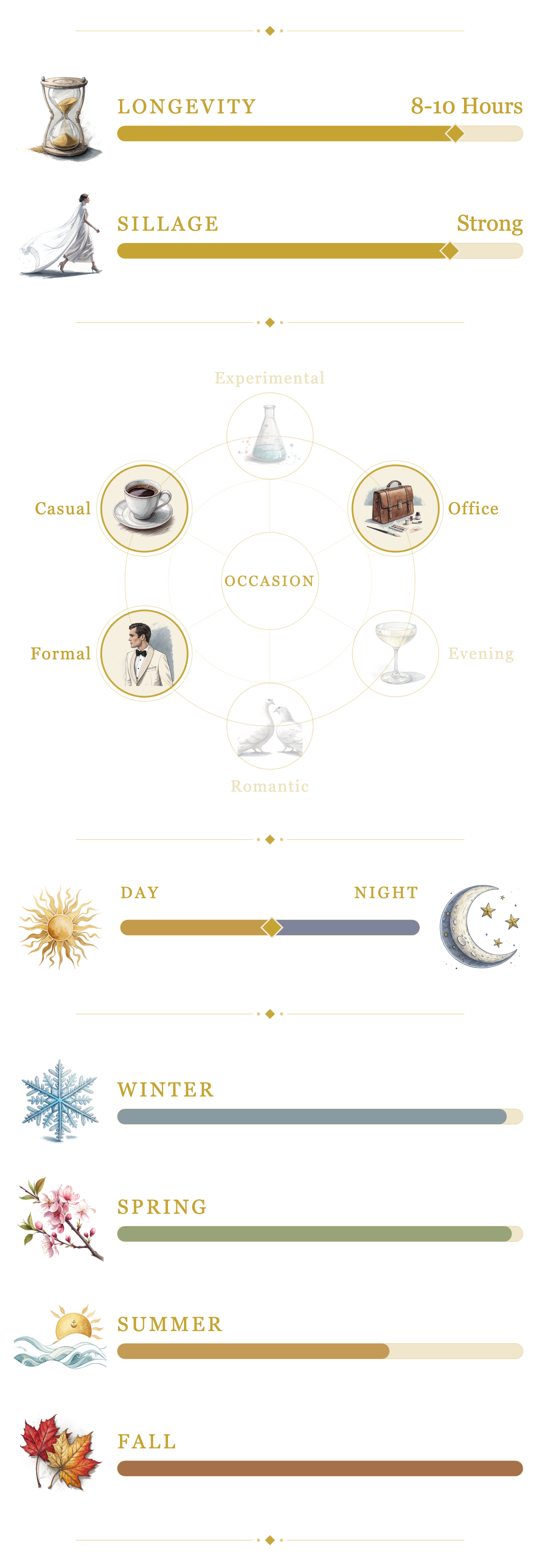
Cool weather and transitional spring, from formal to casual, an incense fragrance with enough warmth to wear anywhere you want gravitas.
Why the Decision Decant
A potent Amouage incense, a decant lets you test its enormous, serious projection before the full bottle.
Official Notes
Cardamom · Bergamot · Pink Pepper · Frankincense · Juniper Berries · Myrrh · Vanilla · Cedarwood · Patchouli
Explore more: Ultra-Niche Perfume Decants · All Fragrance Decants
Choose options
The Vibe



Select your decant size

You are selecting a decant size, not the full bottle