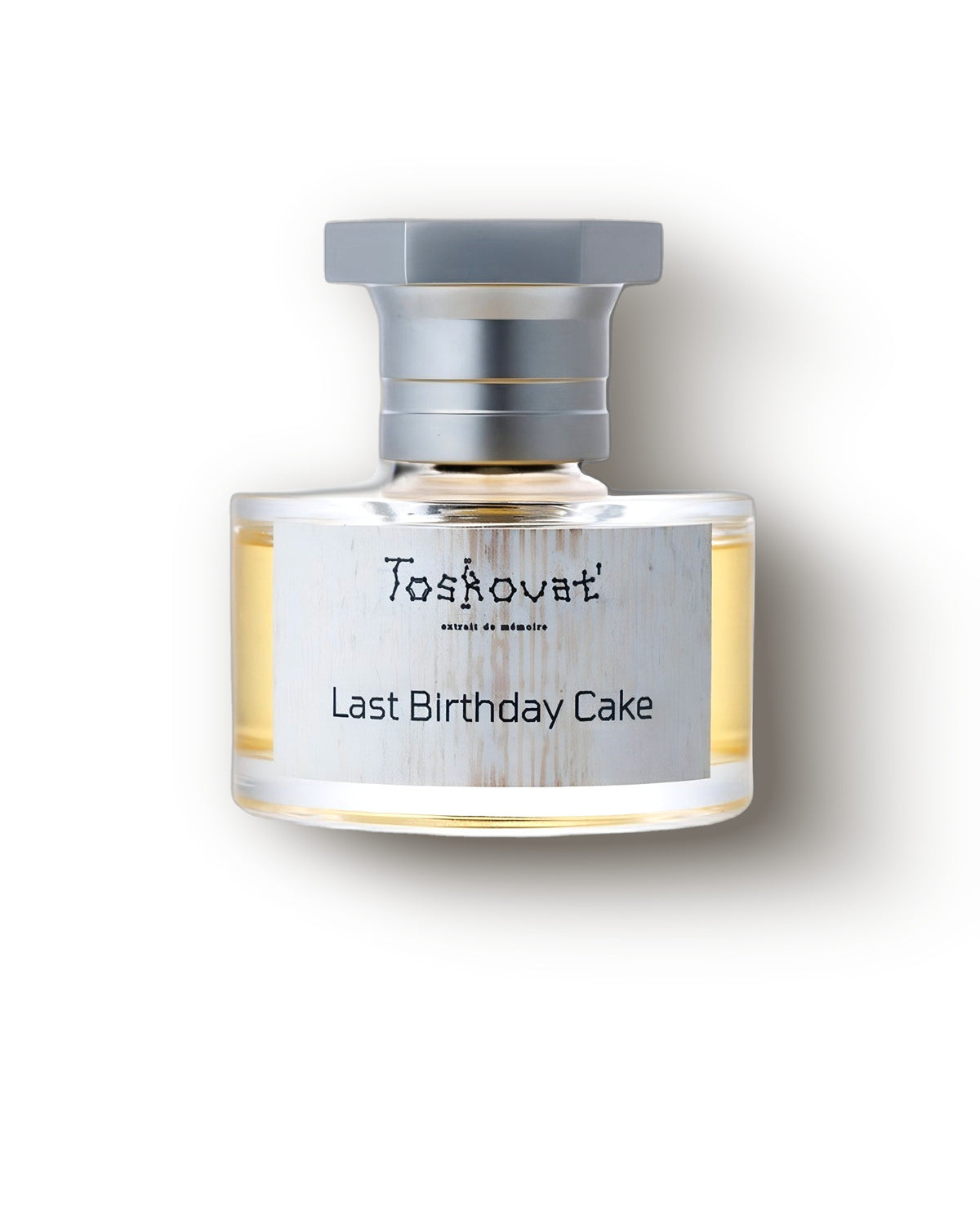
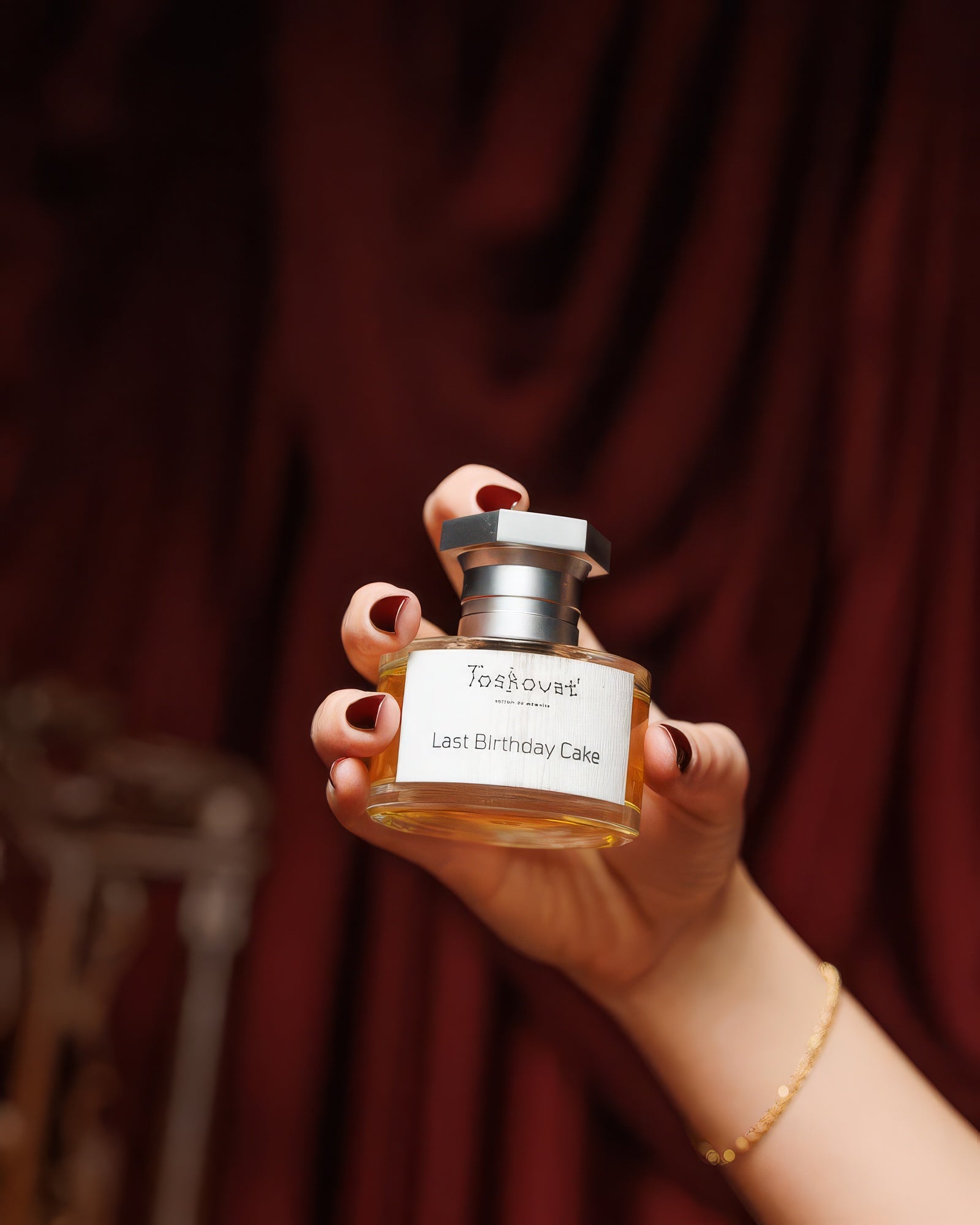
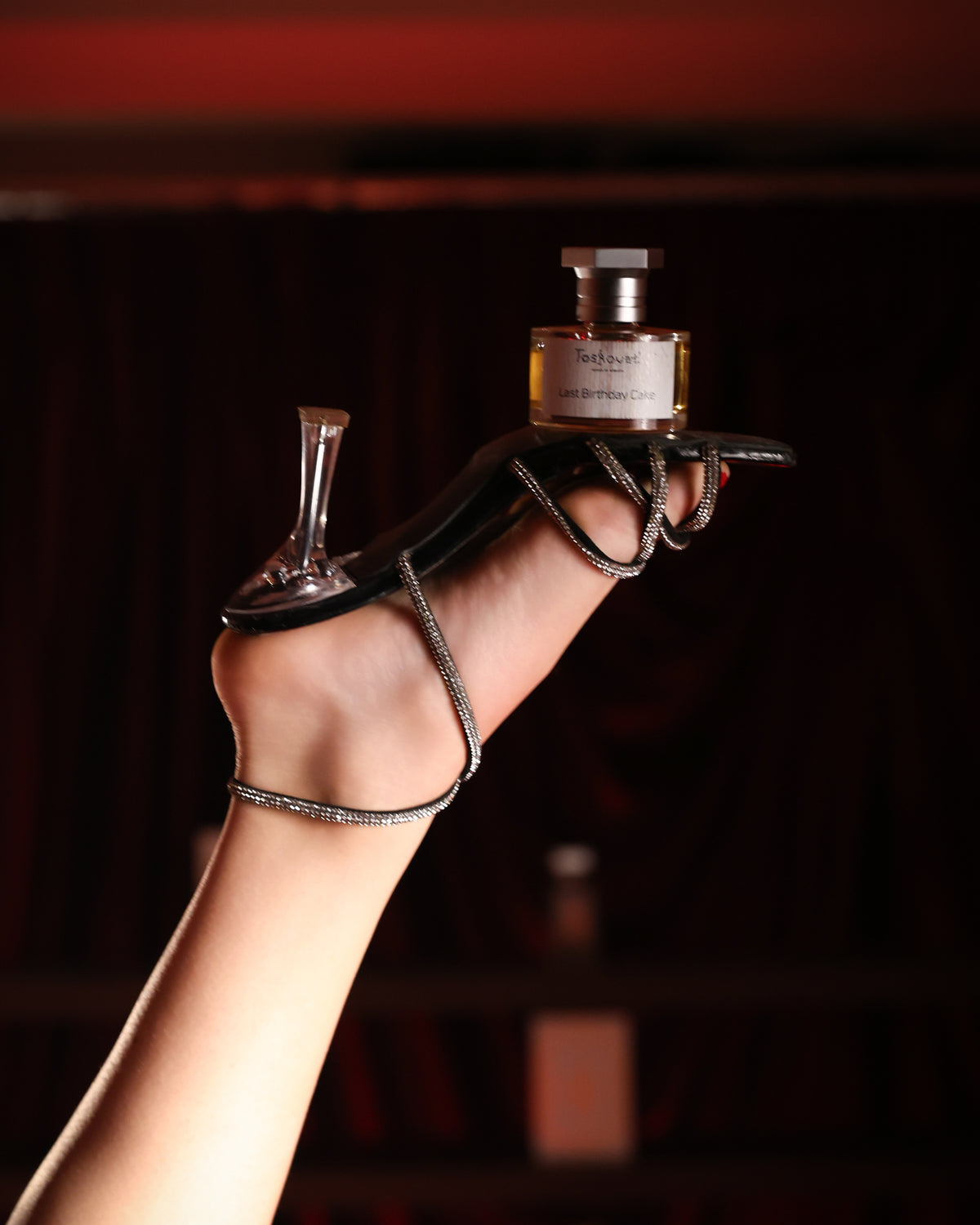

Toskovat
Last Birthday Cake
스토리
이 향은 분명히 케이크 향이 아닙니다. 무언가 어긋난 생일의 향입니다. 모티프는 고요해진 놀이공원입니다. 회전목마는 멈추고 사탕 노점은 문을 닫았으며, 유년은 이미 끝나 그 냄새만이 아직 주위를 맴돕니다.


앰버
달콤해질 때까지 데운 레진
라브다넘, 벤조인, 바닐라가 한데 녹아든, 달콤하지만 어스름한 향입니다. 햇볕에 말랑해진 나무 수액에 인센스 연기가 한 줄기 스며든 듯합니다. 앰버는 반짝이지도, 소리치지도 않습니다. 피부 가까이 머물며 몇 시간이고 온기를 내뿜습니다.


스위트
뭐라 이름 붙이기 힘든 따뜻한 설탕 향
카라멜, 허니, 솜사탕. 이 셋 사이를 맴돌 뿐 어느 하나에도 정착하지 않는 달콤함입니다. 이것이 구르망의 끌림, 누군가를 의도한 것보다 더 가까이 다가오게 만드는 힘입니다. 따뜻하고 부드러우며, 먹을 수 있는 것에서 딱 반 걸음 모자란 향입니다.


스모키
그을린 나무와 피어오르는 잉걸불
타는 나무, 은근히 타들어 가는 인센스, 남은 재의 건조하고 그을린 향으로, 때로는 타르처럼 끈적하고 때로는 가늘고 잿빛으로 흩날립니다. 음울하고 분위기 있는 인상으로, 꺼져 가는 불과 그 마지막 숨결을 실어 나르는 서늘한 공기의 흐름을 떠올리게 합니다.


바닐라
숙성된 깍지, 크림 아래 은근한 술 향
아이싱이 아니라 숙성한 깍지의 향입니다. 이곳의 달콤함은 커스터드 같고 발사믹하며, 그 아래에 어둡고 술 같은 기운이 깔려 있어 설탕보다는 럼과 장작 연기에 가깝습니다. 위에 놓인 모든 것을 데우고, 날카로운 모서리를 무디게 하며, 향 전체의 흐름을 느긋하게 늦춥니다.

웜 스파이시
향신료 서랍에서 빛나는 잉걸불
시나몬, 클로브, 넛맥의 둥근 열기로, 날카로운 주방이 아니라 빵 굽는 팬트리처럼 건조하고 살짝 레진 같은 향입니다. 살결을 안에서부터 감싸 안는 듯, 친밀하고 쌀쌀한 계절에 어울리는 발그레한 온기를 자아냅니다.


우디
잘라낸 목재의 마른 결
시더 대팻밥, 샌달우드, 마른 베티버 뿌리의 향으로, 사포로 다듬은 듯한 수지 어린 온기에 희미한 연필갑의 거친 결이 더해집니다. 단단하고 차분한 인상으로, 향을 진중하고 오래 남는 것으로 만들어 주는 고요한 골격입니다.


눈부신 빛
눈이 빛에 익숙해지기 전의 새하얀 한순간
원료 소개
원료가 아니라 하나의 감각, 곧 밝음이 눈을 압도하는 백열의 순간입니다. 알데하이드가 반짝임을 흩뿌리고, 오조닉 분자는 탁 트인 하늘로 읽히며, 그 아래로 햇빛 속 강철 같은 가느다란 메탈릭한 결이 흐릅니다. 눈부심을 똑바로 바라볼 때의 느낌 그대로의 냄새입니다.
향 구성 속에서
피부 위에서 터지듯 폭발한 뒤, 곁의 모든 것을 더 차갑고 맑게 보이게 하는 베일로 얇아집니다. 플로럴에는 얼음 같은 후광이 드리워집니다. 과하면 비누 같고 날카롭게 째지지만, 제대로 다루면 나머지 향이 스며들어 빛나는 텅 빈 공간이 됩니다.


우유
피부와 데운 크림의 따뜻한 포근함
원료 소개
우유를 증류해 향수 원료를 얻지는 않으며, 그 향은 재구성됩니다. 조향사들은 지방이 분해될 때 생기는 크리미한 분자인 락톤을 부드러운 머스크, 에틸 말톨, 벤조인과 섞어 따뜻한 유제품과 깨끗한 사람 피부의 냄새를 흉내 냅니다.
향의 느낌
막이 앉기 시작한 데운 우유나 잠든 아기의 숨결처럼 부드럽고 따뜻하며 가볍게 달콤합니다. 락톤에서 오는 코코넛 기운의 크리미함으로 열린 뒤, 파우더리하고 은은하게 애니멀릭한 온기로 가라앉으며 끓인 우유 같은 여운으로 마무리됩니다.
조향에서의 역할
더 날카로운 원료들의 모서리를 둥글게 다듬는 하트와 베이스의 악센트입니다. 샌달우드, 무화과, 아몬드, 로즈, 따뜻한 스파이스와 잘 어울립니다. 흔히 라이스 푸딩에 비유되는 Kenzo Amour가 대표적인 예이며, 락톤은 수많은 스킨 센트 구르망을 떠받칩니다.
알아두면 좋은 점
우유를 크리미하게 만드는 바로 그 락톤이 피치, 살구, 코코넛에도 자연적으로 들어 있어, 밀키한 향수는 자꾸만 핵과류 쪽으로 흘러갑니다. 끓인 우유를 차가운 유제품과 구별 짓는 탄 카라멜의 결은 바로 열이 더하는 것입니다.

심지
불꽃이 꺼진 뒤의 숨결
원료 소개
막 꺼진 불꽃의 냄새를, 방이 그 불꽃을 기억해 내기 전 반 초 사이에 붙잡았습니다. 까만 불씨로 타 버린 면의 마른 그을음, 천장을 향해 풀려 오르는 서늘한 연기 한 줄기, 그리고 그 아래로 따뜻하고 말랑해진 왁스의 둥근 단맛이 깔립니다. 어둠이 내려앉고 열기는 아직 채 가시지 않은 채, 방금까지 불이 타고 있었던 냄새가 희미하게 밴 고요가 남습니다.
향 구성 속에서
향의 끝자락에서 정적처럼 작용합니다. 인센스나 버치 타르가 지닌 모닥불의 무게 없이, 드라이하고 잿빛 어린 스모크를 남깁니다. 꿀 같은 비즈왁스 곁에서는 그슬린 회색의 속삭임으로 머뭅니다. 향이 커지는 순간이 아니라 고요해지는 순간을 위해 만들어졌습니다.


인스턴트 코코아
로스팅한 코코아, 설탕이 닿기 전까지는 쌉쌀하게
원료 소개
초콜릿의 시작은 꼬투리 속 흰 과육에 싸인 원두입니다. 그늘을 좋아하는 아메리카 원산의 나무로, 지금은 대부분 서아프리카에서 재배됩니다. 발효하고, 건조하고, 로스팅하면 아무것도 더하지 않아도 앱솔루트에서 초콜릿 향이 납니다.
향의 느낌
건조하고 로스팅된, 가루처럼 보송한 향으로, 코코아 파우더나 얇게 깎아 낸 다크 초콜릿을 닮았습니다. 첫인상은 쌉쌀하고, 그 뒤로 커피, 견과, 축축한 흙이 이어지며, 파우더리한 갈색의 온기로 잦아들어 몇 시간 동안 피부 가까이 머뭅니다.
조향에서의 역할
하트에서 베이스에 걸쳐 작용하며, 구르망을 설탕처럼 달게 만들지 않으면서도 먹음직스럽게 만드는 노트입니다. 바닐라, 통카, 패출리, 오렌지, 칠리와 어울립니다. 단맛을 더하면 핫초콜릿 쪽으로 기울고, 그대로 두면 쌉쌀함을 유지합니다.
알아두면 좋은 점
마야와 아즈텍 사람들은 카카오를 쌉쌀하게, 거품을 내고 향신료를 더해 마셨으며 신성하게 여겼습니다. 설탕은 수백 년 뒤 유럽과 함께 들어왔습니다. 원료 자체는 한 번도 그 단맛을 입지 않았습니다.

스파티필룸
초록빛 물의 서늘한 숨결
원료 소개
스파티필룸 오일이라는 것은 존재하지 않습니다. 여기서 만나는 것은 향으로 다시 지은 실내 식물입니다. 넓은 잎 위로 피어난 창백한 숟가락 모양의 꽃, 물기 어린 하얀빛에 거의 미네랄에 가까운 느낌이 있고, 그 사이로 갓 자른 줄기의 싱그러운 탄력이 스칩니다. 비 온 뒤 그늘진 방의 느낌 그대로의 향입니다.
향 구성 속에서
조향사들은 실제 릴리가 지닌 밀랍 같은 질감과 나팔 같은 존재감 없이 화이트 플로럴을 원할 때 이 노트를 씁니다. 더 화사한 꽃들이 날카롭게 째지지 않도록 잡아 주며, 독주자라기보다는 다른 모든 것을 감싸는 서늘한 공기로 작용합니다.


비터 아몬드
위험의 속삭임을 품은 마지팬의 달콤함
원료 소개
생 비터 아몬드를 으깨면 시안화수소가 발생합니다. 마지판 같은 향의 정체는 벤즈알데히드로, 이 알맹이는 물론 살구와 복숭아 씨, 체리 씨 속에도 숨어 있는 분자입니다.
향의 느낌
달콤하고 고소하며 틀림없는 마지판 향으로, 체리 씨의 서늘하고 쌉쌀한 느낌과 아마레토의 뉘앙스가 스칩니다. 고소함 아래로 은은한 파우더리함이 깔려 있습니다. 밝게 다가왔다가 부드럽고 크리미하게 드라이다운됩니다.
조향에서의 역할
조향사들은 이것을 하트에 두는데, 디저트로 치우치지 않으면서 구르망의 역할을 해내고 바닐라, 통카, 파우더리한 아이리스와도 자연스럽게 어울립니다. 헬리오트로핀과 짝을 이루면 다크 구르망 오리엔탈 향수의 중심에 자리한 마지판 체리 향을 빚어냅니다.
알아두면 좋은 점
추리 소설이 맞힌 것이 하나 있습니다. 시안화물은 흔히 아몬드 냄새가 난다고 묘사된다는 점입니다. 하지만 향수병 속에서 맡는 향은 시안화물이 아닙니다. 증류나 합성 과정에서 독소는 제거되고 향기로운 부분만 남습니다.
코르크
지중해 숲에서 햇볕에 데워진 마른 나무껍질
원료 소개
코르크 오일이라는 것은 사실상 존재하지 않습니다. 코르크참나무 껍질은 향을 거의 내놓지 않기 때문에, 이 노트는 우디하고 모시하며 어시한 분자들을 엮어 조향사가 재구성한 것입니다.
향의 느낌
달콤함보다 질감이 앞서는 드라이한 나무 향으로, 광을 낸 목재보다는 와인 마개의 스펀지 같은 단면에 가깝습니다. 그 아래로 어시하고 먼지 같은 미네랄의 면모와 조용한 스파이스가 자리합니다. 햇볕 아래 놓아둔 나무껍질처럼 소박하고 매트합니다.
조향에서의 역할
하트나 베이스에 쓰이며, 향수 같기보다 자연스럽게 읽히는 드라이하고 종이 같은 질감을 더합니다. 오크모스, 베티버, 부드러운 플로럴, 앰버리한 우디 노트와 잘 어울립니다. 와인 저장고를 주제로 한 향과 조용하고 절제된 우디 구조를 이끌어 갑니다.
알아두면 좋은 점
코르크참나무는 약 9년마다 손으로 껍질을 벗겨 내는데, 나무는 그저 껍질을 다시 키워 내며 한 번도 베어지지 않은 채 두 세기 동안 이를 되풀이합니다. 전 세계 공급량의 약 절반을 포르투갈이 생산합니다.


몰트
갓 구운 흑빵처럼 따뜻하게 볶은 곡물
원료 소개
보리를 물에 불려 싹을 틔운 뒤 가마에서 말려 발아를 멈추는데, 그 과정에서 생겨나는 당분이 곧 이 향입니다. 향수는 곡물을 아예 건너뛰고, 말톨로 그 볶은 곡물의 냄새를 다시 짓습니다.
향의 느낌
구수하고 곡물 같은 향입니다. 맥아 우유, 껍질이 바삭한 흑빵, 비스킷에 카라멜이 밑에 깔리고, 발효에서 오는 고소한 맥주 같은 결이 더해집니다. 아늑하고, 솔직히 먹음직스럽습니다. 날카로운 로스팅이나 스모크로 흐르지 않고 잔잔한 곡물의 온기로 잦아듭니다.
조향에서의 역할
구르망의 낮은 층에 자리하며, 달콤한 컴포지션이 사탕이 아닌 음식처럼 느껴지게 하는 빵 같은 온기를 더합니다. 커피, 코코아, 타바코와 잘 어울리며, 가장 큰 역할은 술기운 어린 위스키 어코드를 깊게 하는 일입니다.
알아두면 좋은 점
위스키와 맥주는 맥아 제조 위에 세워지며, 가마 설정 하나가 옅은 라거용 맥아와 거의 검게 볶은 곡물을 가릅니다. 구수한 향은 마이야르 갈변에서 나오는데, 빵 덩이에 껍질을 입히는 것과 같은 반응입니다.


아르마냑
코냑보다 드라이하고 어두운, 소박한 가스코뉴 브랜디
원료 소개
코냑은 구리 단식 증류기에서 두 번 증류됩니다. 아르마냑은 연속식 증류기를 한 번만 거쳐 더 낮은 도수로 나오며, 가스코뉴 와인의 개성을 더 많이 품고 있습니다. 차이는 오직 그 한 번의 증류에 있습니다.
향의 느낌
처음에는 프룬과 말린 무화과, 이어서 호두와 오렌지 껍질, 타닌감 있는 오크가 알코올의 따뜻한 열기 위로 올라옵니다. 충분히 오래 숙성하면 타바코와 레더, 셰리를 닮은 너티한 랑시오가 모습을 드러냅니다. 말끔하게 다듬어진 쪽은 코냑입니다.
조향에서의 역할
탑에서는 술기운이 감돌다가 말린 과일과 나무 향으로 가라앉습니다. 통카, 바닐라, 타바코, 플럼, 짙은 우디 노트가 그 곁에서 잘 어울립니다. 구르망 베이스 위에서는 오크통의 쌉쌀함이 단맛을 끊어 내어, 더 건조하고 레더에 가까운 인상을 남깁니다.
알아두면 좋은 점
아르마냑 오일은 존재하지 않습니다. 코냑에는 와인 앙금에서 증류한 오일이 있지만, 아르마냑은 매번 처음부터 조합해 만들어야 합니다. 술 자체도 아르마냑은 단일 빈티지로 병입되는 반면, 코냑은 거의 언제나 블렌드입니다.

슈톨렌 케이크
눈처럼 덮인 설탕 아래, 구워 낸 케이크 속살
원료 소개
어떤 증류기에서도 케이크는 나오지 않습니다. 이 어코드는 vanillin, 그리고 카라멜과 구운 밀가루 향을 내는 분자들로 조립하며, 여기에 슈톨렌처럼 과일과 향신료를 넣은 빵이 기대는 아몬드 마지팬의 면모를 위해 heliotropin과 benzaldehyde를 더합니다.
향의 느낌
먼저 버터와 설탕, 이어서 따뜻하고 밀가루 내음이 나며 은은하게 우유 같은 케이크 속살이 다가옵니다. 그 아래에는 체리와 아몬드의 파우더리함을 품은 마지팬이 깔리고, 슈톨렌의 모습일 때는 두껍게 덮인 슈가 파우더 아래로 럼에 적신 건포도, 설탕에 조린 과일 껍질, 따뜻한 향신료가 자리합니다.
조향에서의 역할
구르망 계열의 하트와 베이스에 자리해 단맛을 포근함으로 누그러뜨립니다. 카라멜, 말린 과일, 밀크나 플로럴과 겹치면, 소박한 스펀지케이크부터 과일을 듬뿍 넣은 묵직한 크리스마스 빵까지 디저트 향을 이끌어 갑니다.
알아두면 좋은 점
1992년 Olivier Cresp가 Thierry Mugler의 Angel에 ethyl maltol을 듬뿍 부어 넣었을 때, 이 분자는 이미 1960년대부터 식품에 향을 입히고 있었습니다. 그 단 한 번의 출시로 먹을 수 있는 노트가 비로소 인정받는 소재가 되었고, 이후의 모든 케이크, 카라멜, 프랄린 어코드는 이 향수에 얼마간 빚을 지고 있습니다.


흑설탕
팬 위에서 짙게 졸아든 설탕
원료 소개
차이는 오로지 당밀 하나에 있습니다. 사탕수수를 정제할 때 당밀을 남겨 두거나, 정제가 끝난 흰 결정에 나중에 다시 섞어 입힙니다. 조리한 설탕은 증류기에 아무것도 내주지 않기 때문에, 이 노트는 maltol과 ethyl maltol로 만듭니다.
향의 느낌
평범한 설탕보다 더 촉촉하고 깊으며 토피처럼 진하고, 럼과 리코리스 쪽으로 기우는 당밀의 톡 쏘는 결을 지닙니다. 처음에는 달고 카라멜라이즈된 향이, 이어서 스모키하고 살짝 탄 향이 올라옵니다. 솜사탕이 아닙니다. 뜨거운 팬에서 짙어져 가는 시럽입니다.
조향에서의 역할
구르망의 베이스에 무게를 싣는 노트이자, 수많은 구르망이 사탕처럼 달기보다 불에 익힌 듯 느껴지는 이유입니다. 바닐라, 통카, 럼, 타바코, 커피와 어울리며, maltol의 그을린 가장자리가 대부분의 프랄린 어코드를 떠받칩니다.
알아두면 좋은 점
희석하지 않은 ethyl maltol을 맡으면 그야말로 솜사탕 그 자체이고, 워낙 강렬해서 조향사들은 속삭이듯 극히 적은 양으로 다룹니다. 식품 첨가물로도 쓰이는데, 미량만 넣어도 무엇이든 실제보다 달게 느껴집니다.


바닐라 커스터드
조리대 위에서 식어 가는, 달걀 향이 도는 따뜻한 바닐라 크림
원료 소개
단일 원료가 아니라, 우유와 설탕, 달걀노른자로 익힌 디저트의 냄새를 내도록 설계한 어코드입니다. 단맛은 vanillin과 바닐라 앱솔루트가 맡고, 나머지는 크리미한 락톤과 미량의 달걀 같은 황 분자가 채웁니다.
향의 느낌
진하고 부드러우며 먹음직스러워, 갓 부어 식혀 두는 바닐라 커스터드 같습니다. 달콤한 바닐라와 따뜻한 버터가 벨벳 같은 크리미함과 만나고, 희미한 카라멜과 둥글게 감싸는 달걀의 온기가 더해집니다. 날카롭게 달기보다 걸쭉하고 포근합니다.
조향에서의 역할
하트에서 베이스에 걸친 노트로, 현대 구르망의 등뼈입니다. 설탕만으로는 묽어질 자리에 몸집을 더하고, 우디 노트와 앰버를 부드럽게 합니다. Jovoy의 Fire At Will이 바로 이 노트 위에서 움직이며, 바닐라를 달걀노른자처럼 읽힐 때까지 걸쭉하게 끌어올립니다.
알아두면 좋은 점
이 향 속의 달걀은 황 화학에서 나옵니다. 고농도에서는 거칠고 썩은 냄새를 풍기는 바로 그 분자들이, 미량에서는 따뜻하고 익힌 듯한 애니멀릭한 인상으로 바뀝니다. 순수한 바닐라로는 결코 닿을 수 없는 밑바닥이 바로 여기에 있습니다.

통카 빈
건초와 타바코의 그림자가 드리운 따뜻한 아몬드 바닐라의 달콤함
원료 소개
남미 콩과 나무의 씨앗을 껍질을 벗겨 알코올에 담갔다가, 표면에 쿠마린이 서리처럼 결정으로 맺힐 때까지 몇 주 동안 말립니다. 서리가 앉은 이 콩이 바로 조향사들이 쓰는 앱솔루트가 됩니다.
향의 느낌
먼저 바닐라와 비터 아몬드, 이어서 건초, 말린 타바코, 그리고 구운 듯한 무언가가 뒤따릅니다. 오프닝은 카라멜화된 커스터드에 가깝고, 드라이다운은 시나몬과 갓 벤 클로버를 품은 채 파우더리하고 술기운 어린 쪽으로 흐릅니다. 바닐라보다 아련하고, 아몬드보다 부드럽습니다.
조향에서의 역할
하트와 베이스 사이에 자리해, 날카로워지지 않으면서 달콤함을 더합니다. 라벤더, 앰버, 타바코 모두 통카와 잘 어울립니다. 이 씨앗에서 처음 추출된 쿠마린은 푸제르 계열을 일구었지만, 1882년의 원조 푸제르는 합성 쿠마린으로 만들어졌습니다.
알아두면 좋은 점
통카 향의 대부분은 쿠마린에서 나옵니다. 미국 식품 당국은 고용량의 쿠마린이 실험동물의 간을 손상시킨 것을 확인하고 1954년에 이를 금지했습니다. 그래서 통카빈은 미국 주방에서는 사실상 불법이지만, 피부에 뿌리는 것은 완전히 합법입니다.


벤조인
칼집을 낸 나무에서 흘러내린 따뜻한 바닐라 발삼
원료 소개
벤조인은 저절로 흘러나오지 않습니다. 라오스, 베트남, 수마트라에서 누군가 스티락스 나무의 껍질에 상처를 내면, 그 상처에서 수지가 배어 나와 몇 달에 걸쳐 붉은빛 눈물 모양으로 굳습니다.
향의 느낌
달콤하고 따뜻하며 틀림없는 바닐라 향이 나고, 그 아래로 파우더리한 앰버의 부드러움이 깔립니다. 시암 벤조인은 더 둥글고 크리미하며, 수마트라 벤조인은 더 스모키하고 시나몬 같은 알싸함이 있습니다. 피부 위에 두면 거의 카라멜처럼 변합니다.
조향에서의 역할
픽서티브와 감미료 역할을 동시에 하는 베이스 노트로, 앰버 어코드에 은은한 빛을 주고 나머지 컴포지션을 흔들림 없이 붙잡아 둡니다. 라브다넘, 통카, 인센스 곁에서 날카로운 모서리를 부드럽게 다듬습니다.
알아두면 좋은 점
벤젠이라는 단어가 바로 여기서 나왔습니다. 화학자들이 이 수지의 이름을 따서 벤조산이라 불렀고, 벤젠은 다시 그 산에서 이름을 얻었습니다. 수지 자체의 이름은 '자바의 프랑킨센스'를 뜻하는 아랍어 구절 luban jawi가 닳고 닳아 변한 것입니다.
스위트 클로버
아몬드와 바닐라의 달콤함이 스민, 햇볕에 말린 건초
원료 소개
마르기 전까지는 별다른 일이 일어나지 않습니다. 작은 노란 꽃이 달린 키 큰 줄기의 이 야생 콩과 식물은 풀이 마르는 동안 coumarin을 만들어 내고, 그 말린 풀에서 앱솔루트를 얻습니다. 다만 대부분의 향수는 대신 합성 coumarin을 씁니다.
향의 느낌
햇볕 아래 말라 가는 초원입니다. 아몬드, 갓 벤 풀, 크리미한 바닐라의 온기가 함께합니다. 적게 쓰면 건초가 되고, 양을 늘리면 너티하고 발사믹하며 구르망해져 통카와 우드러프 바로 곁에 자리합니다.
조향에서의 역할
설탕처럼 달아지지 않으면서 달콤함과 둥근 결을 더하며, 하트에서 베이스까지 작용합니다. 플로럴에는 몸집을, 푸제르에는 온기를 주고, 프레시한 탑 노트에서 우디 노트로 내려가는 건초의 다리를 놓습니다. 라벤더, 통카, 오크모스, 타바코가 그 곁을 지킵니다.
알아두면 좋은 점
곰팡이 핀 스위트 클로버 건초를 먹은 소들이 내출혈로 병들었습니다. 그 원인을 추적한 끝에 dicoumarol을 찾아냈고, dicoumarol에서 warfarin이 나왔습니다. 향수병 속 건초밭의 단맛은 피를 묽게 하는 약의 조상인 셈입니다.


밧줄 목걸이
엮은 섬유의 건조한 무게
원료 소개
목에 바싹 두른 굵게 꼰 끈의 냄새입니다. 살짝 기름기 밴 생 대마와 황마, 건초 같은 단맛, 그리고 엮은 것이라면 무엇에나 내려앉는 고운 잿빛 먼지가 함께합니다. 사려 놓은 밧줄은 따뜻한 방에서도 그늘을 품습니다. 이름을 붙이기 전에 먼저 느껴지는 노트입니다.
향 구성 속에서
향수를 뿌린 것이 아니라 몸에 걸친 것처럼 느끼게 합니다. 건초, 말린 타바코, 따뜻한 스킨 머스크 곁에서는 볕에 바래고 손으로 만든 듯 읽히며, 매끈하게 다듬어진 컴포지션을 다시 몸 쪽으로 끌어당겨 드러난 어깨와 여름의 방, 여러 해 곁에 지녀 온 물건들을 떠올리게 합니다.


체호프의 총
피할 수 없는 스모크의 예고
원료 소개
숨을 멈춘 한순간, 무대에 오른 것은 무엇 하나 그냥 놓이지 않는다는 생각에서 빚어낸 향입니다. 손끝에 닿는 차가운 청강, 기계유의 미끈한 막, 부싯돌의 건조한 미네랄 자극, 그리고 그 아래로 한 시간 전 옆방에서 총성이 울린 듯 아주 가느다란 유황 한 줄기가 감돕니다. 온통 긴장과 절제, 벽난로 선반 위에서 말없이 번뜩이는 장전된 물건입니다.
향 구성 속에서
더 따뜻한 원료들 아래로 차가운 등뼈처럼 흐르며, 그것들이 가라앉도록 두지 않습니다. 인센스와 레더를 날카롭게 벼리고, 부드러운 머스크를 경계하는 눈빛으로 바꿔 놓습니다. 홀로 쓰면 준엄하고, 겹쳐 쓰면 컴포지션이 시작한 자리에서 끝나지 않으리라 약속하는 금속의 번뜩임이 됩니다.


스티락스
무두질한 가죽, 시나몬, 따뜻한 살결
원료 소개
스위트검 나무, 즉 Liquidambar에 상처를 내면 회색의 끈적한 발삼이 흘러나옵니다. 이 발삼이 스토락스라고도 불리는 스티락스인데, 헷갈리게도 벤조인을 내는 Styrax 속과는 아무 관련이 없습니다.
향의 느낌
달콤하고 따뜻하며 발사믹하고, 레더와 스모크, 약간의 시나몬이 어우러집니다. 그 아래로는 거의 바닐라 같은, 피부처럼 따뜻한 기운이 흐릅니다. 은은한 약재 느낌으로 시작해, 무두질한 가죽처럼 앰버 향을 띠며 피부에 달라붙듯 드라이다운됩니다.
조향에서의 역할
조향사들은 이를 베이스에 두어 포뮬러를 제자리에 붙잡고, 레더 그 자체를 만들어 냅니다. 앰버와 인센스 사이로 흘려보내면, 클래식 레더와 시프레 향수의 따뜻하고 동물적인 이면이 드러납니다.
알아두면 좋은 점
사원에서는 수천 년 동안 이를 태워 왔고, 그 이유는 향을 맡아 보면 알 수 있습니다. 모든 발삼 가운데 사람의 냄새처럼 읽히는 것은 바로 이것입니다. 교회의 연기가 아니라 따뜻한 살결입니다.


스킨
내 살결을 조금 더 또렷하게
원료 소개
추출할 수 있는 피부 오일은 없기에 이 노트는 조립해 만듭니다. 부드러운 화이트 머스크와 Ambroxan, 약간의 아이리스나 스웨이드, 그리고 체온을 더하는 쿠민 한 꼬집이 재료입니다. 목표는 깨끗한 피부이지, 결코 땀이 아닙니다.
향의 느낌
부드럽고 따뜻하며 은은하게 파우더리해, 샤워하고 한 시간쯤 지난 목덜미 같습니다. 살짝 솔티하고 살짝 우유 같으며, 그 아래로 머스크가 낮게 울립니다. 오프닝이라 할 만한 것이 거의 없습니다. 그저 그 자리에 머물며 은은히 빛납니다.
조향에서의 역할
그 위에 놓인 모든 것을 뿌린 향이 아니라 몸에 걸친 향처럼 느끼게 하는 베이스이며, 바로 그것이 핵심입니다. 아이리스, 스웨이드, 바닐라, 머스크가 여기에 기댑니다. 시향지에 뿌리면 아무 향도 없는 것처럼 느껴질 수 있습니다.
알아두면 좋은 점
스킨 센트는 사라져 버리기로 악명이 높습니다. 특정 머스크 분자를 전혀 맡지 못하는 코도 있어서, 어떤 사람에게는 뚜렷한 어코드가 다른 사람에게는 거의 느껴지지 않습니다. 나머지는 저마다의 체온이 채웁니다.

톨루 발삼
시나몬, 바닐라, 그리고 천천히 번지는 앰버의 온기
원료 소개
나무껍질에 V자 홈을 내면 나무가 갈색의 끈적한 레진을 흘리고, 이 레진은 공기와 닿으며 굳습니다. 이것이 톨루 발삼으로, 콜롬비아의 콩과 나무에서 채취해 레지노이드나 앱솔루트로 정제합니다.
향의 느낌
따뜻하고 달콤하며 부드럽고, 바닐라와 말린 꿀 사이로 시나몬이 스며 있습니다. 은은한 플로럴 엣지와 함께 레진처럼 열린 뒤, 몇 시간에 걸쳐 카라멜화된 설탕, 오래된 나무, 잘 숙성된 타바코로 천천히 가라앉습니다. 날카로운 구석은 어디에도 없습니다.
조향에서의 역할
두 가지 일을 동시에 하는 베이스 노트입니다. 달콤함을 더하고 향을 붙잡아, 앰버, 오리엔탈, 구르망 어코드에 지속력을 부여합니다. 바닐라, 벤조인, 라브다넘, 타바코와 자연스럽게 어울립니다.
알아두면 좋은 점
이름은 콜롬비아의 톨루(Tolú), 그리고 스페인 연대기에 기록되기 훨씬 전부터 이 레진을 쓰던 톨루 사람들에게서 유래했습니다. 조향은 뒤늦게 찾아왔습니다. 이 발삼은 그전에 여러 세대에 걸쳐 기침 시럽과 목캔디에 쓰였습니다.


인센스
달궈진 숯에 레진이 닿을 때의 향
원료 소개
지금 맡고 있는 것은 상태의 변화, 곧 레진이 열을 만나는 순간입니다. 이 레진은 대개 올리바넘으로, 오만과 아프리카의 뿔 지역에서 자라는 Boswellia 나무가 흘린 눈물입니다. 조향사들은 라브다넘과 스티락스로 그 효과를 둥글게 다듬습니다.
향의 느낌
처음에는 서늘하고 건조하며, 테레빈유로 느껴질 만큼 날카롭습니다. 이어 스모크가 찾아옵니다. 후추 같고, 재 같으며, 은은하게 달콤합니다. 돌로 지은 교회 같은 분위기가 감돌아 비누 같고 은은하게 그린하며, 피부 가까이에 머뭅니다.
조향에서의 역할
방 안의 침묵과 같은 방식으로 작용합니다. 하트에서 베이스까지 이어지며 플로럴을 식히고, 우디를 날카롭게 다듬고, 그렇지 않았다면 그저 풍성하기만 했을 오리엔탈과 시프레 구조에 의식(儀式)의 무게를 더합니다.
알아두면 좋은 점
누군가 몸에 뿌리기 훨씬 전부터, 이 연기는 고대에서 가장 값비싼 수입품 가운데 하나였습니다. 아라비아의 대상로를 따라 지중해 곳곳의 신전으로 옮겨졌고, 그곳에서는 태우는 것 자체가 목적이었습니다. 향기가 곧 제물이었습니다.
밀기울 앱솔루트
제분소가 밀에서 쓸어 낸 것
원료 소개
제분 과정에서 밀알의 겉껍질이 벗겨집니다. 버려지는 이 껍질을 용매에 담그면 브랜 앱솔루트를 얻는데, 그 향은 빵 한 덩이보다 밀가루를 빻는 방의 냄새에 가깝습니다.
향의 느낌
따뜻하고 건조하며 너티해, 볶은 곡물이나 빵 껍질의 밑면 같습니다. 그러다 뜻밖의 것이 떠오릅니다. 살구와 건초, 곡물 껍질에서는 누구도 기대하지 않는 말린 과일의 단맛입니다. 처음부터 끝까지 곡물의 결이 이어지고, 결코 설탕처럼 달지 않습니다.
조향에서의 역할
하트에서 베이스에 걸쳐 질감을 맡습니다. 바닐라, 통카, 밀크 노트, 부드러운 머스크 아래에 깔려 빵, 오트밀, 라이스 푸딩 어코드에 베이커리의 온기와 진짜 곡물의 까슬한 질감을 더하되, 결코 앞에 나서지 않습니다.
알아두면 좋은 점
향수 하나를 이끌어 갈 원료로 기대해서는 안 됩니다. 브랜은 발산력이 거의 없으며, 조향사들은 제빵사가 소금을 쓰듯 이 원료를 써서 주변의 모든 것이 한층 제 맛을 내게 합니다.
파피루스
햇살이 내리쬐는 강변의 건조한 갈대와 잉크
원료 소개
나일강 습지에서 자라는 거대한 사초로, 이집트인들은 이를 가르고 눌러 얇은 판으로 만든 뒤 그 위에 글을 썼습니다. 이 식물에서는 쓸 만한 오일이 나오지 않아, 그 향은 조합해서 만들어 내야 합니다.
향의 느낌
뒤편에 스모크와 잉크가 깔린, 드라이하고 종이 같은 우디함입니다. 잘라 낸 갈대, 오래된 문서, 오후 내내 볕에 달궈진 풀이 떠오릅니다. 시더보다 더 메마르고 미네랄적이며, 가느다란 그린 허브의 결 위로 레진 같은 쌉쌀함이 얹힙니다.
조향에서의 역할
드라이한 스모크와 군더더기 없는 현대적인 우디함을 더하는 베이스 노트로, 베티버를 길게 이어 주거나 그 자리를 대신하는 경우가 많습니다. 인센스, 시더, 시트러스, 레더와 어울리며, 종이 같은 질감을 지닌 현대 우디 향수 한 계열 전체를 떠받칩니다.
알아두면 좋은 점
파피루스라는 이름이 붙은 향이 실제로 이집트의 그 식물에서 온 경우는 드뭅니다. 조향사들은 대신 인도에 자라는 근연종의 뿌리를 증류한 사이프리올을 쓰기 때문에, 이름은 나일강을 가리키지만 향은 마디아프라데시에서 옵니다.
향의 캐릭터
처음부터 비터 아몬드와 타 버린 초 심지가 인스턴트 코코아를 날카롭게 벼려, 과자보다는 눌어붙은 설탕에 가까운 인상을 줍니다. 아르마냑과 바닐라 커스터드가 중심을 부드럽게 하지만, 벤조인과 통카가 모호함을 놓지 않아 따뜻하면서도 은은하게 약품 같은 인상이 이어집니다. 인센스, 톨루 발삼, 파피루스가 남은 설탕을 흡수하면서 향은 피부 가까이 내려앉고, 건조하고 레진 같으며 조용히 불안한 무언가를 남깁니다.


지속력
살결 위에 머무는 시간
모래시계는 지속 시간을 보여 줍니다. 향이 사라지기 전까지 몇 시간 동안 이야기를 이어 가는지를 뜻합니다. 막대가 출발점을 겨우 벗어난다면 스치듯 지나가는 몇 시간이고, 끝까지 채워진다면 아침부터 저녁까지 이어집니다. 약속이 아닌 일반적인 기준으로 보시기 바랍니다. 지성 피부는 건성 피부보다 향을 훨씬 오래 붙잡아 둡니다.


실라주
향이 남기는 자취의 크기
실라주는 프랑스어로 배가 지나간 뒤 남는 물결, 곧 항적을 뜻하며, 이 지표가 재는 것이 바로 그것입니다. 향이 몸에 머물지 않고 공간에 얼마나 닿는지를 나타냅니다. 낮은 쪽은 가까운 사람만 알아차리는 속삭임이고, '매우 강함'은 방을 가득 채우고, 자리를 떠난 뒤에도 계속 채워 나갑니다.


실험적
환심이 아닌 도발을 위해 만든 향
어떤 향수는 사랑받기 위해 만들어집니다. 이 향수들은 논쟁을 부르기 위해 만들어졌습니다. 잉크 같은 타르, 뜨거운 고무, 상하기 시작한 과일, 꽃을 기대한 자리에 놓인 금속과 털. 도발하는 향이면 동전이 환히 빛나고, 무난한 길을 택한 향이면 흐려지는데, 때로는 그것이 바로 의도이기도 합니다.


오피스
단정하되 결코 과하지 않게
함께 쓰는 공간에서 향은 곧 매너입니다. 이 거리에서는 책상 건너편 사람에게 닿고 거기서 멈춰야 합니다. 단정한 시트러스, 부드러운 머스크, 옅은 나무 향처럼 모두 유능하고 사려 깊게 느껴지는 향입니다. 동전이 환히 빛나면 누구도 향 이야기를 꺼낼 필요가 없다는 뜻이고, 흐릿하면 향이 멀리 퍼진다는 뜻입니다.


이브닝
해가 진 뒤, 향이 깊어지는 시간
저녁 식사, 한잔의 술, 길게 이어지는 밤. 어스름한 조명 아래서 앰버, 레진, 스모키한 나무 향은 점잖음을 벗어 던지고, 풍성한 플로럴은 마침내 피어납니다. 동전이 환히 빛나면 바로 이 시간을 기다려 온 향이라는 뜻이고, 흐릿하면 낮 동안 이미 제 몫을 다했다는 뜻입니다.


로맨틱
느낄 만큼 가까이
향은 테이블 너머로 자신을 알리는 대신 살결 위에서 은은히 울릴 수도 있습니다. 여기서 말하는 결이 바로 그것입니다. 크리미한 플로럴, 바닐라, 부드러운 머스크, 한 줄기 스파이스처럼, 누군가 몸을 기울이게 만들 만큼 따뜻한 향입니다. 그런 분위기를 자아내는 향이면 동전이 환히 빛나고, 유혹보다 실용에 가까우면 흐려집니다.


포멀
격식을 갖춘 자리의 조용한 위엄
결혼식, 예식, 모두가 구두까지 신경 쓴 자리. 이곳에서 통하는 것은 볼륨이 아니라 구조입니다. 매끄러운 나무 향, 절제된 플로럴, 부드러운 레더. 동전이 환히 빛나면 저녁 내내 흐트러짐 없는 자세를 지킨다는 뜻이고, 흐릿하면 그 자리에 비해 너무 캐주얼하다는 뜻입니다.


캐주얼
느긋한 하루의 편안함
볼일, 커피, 딱히 갈 곳 없는 느긋한 토요일. 누구에게 잘 보일 필요가 없으니 부드럽고 편안한 향이 어울립니다. 신선한 시트러스, 가벼운 나무 향, 살결에서 피어나는 약간의 온기. 동전이 환히 빛나면 그 모든 것에 어울린다는 뜻이고, 흐릿하면 더 화려한 밤을 원하는 향이라는 뜻입니다.


낮과 밤
그 분위기가 자연히 머무는 자리
해에서 달까지 이어지는 막대로, 향이 어느 시간을 위해 만들어졌는지를 보여 줍니다. 금빛으로 남은 부분이 많을수록 한낮과 바깥 공기에 속한 향입니다. 푸른빛이 해 쪽으로 멀리 거슬러 올라올수록 향은 더 깊고 따뜻해집니다. 저녁, 촛불, 조명을 낮춘 방의 향입니다.


겨울
찬 공기를 가로질러 닿는 온기
찬 공기는 향을 누그러뜨리고 더디게 만듭니다. 그래서 겨울은 레진, 스모크, 바닐라, 레더, 앰버 기운이 도는 스파이스처럼 짙고 따뜻한 향의 계절입니다. 이 막대는 이 향이 추위 속에서 옅어지지 않고 빛을 내며 얼마나 잘 맞서는지를 보여 줍니다.


봄
부드럽게 오르는 온기 속 싱그러운 꽃
온화하고 촉촉한 공기는 가벼운 조합을 들어 올립니다. 그래서 이 계절은 이슬 맺힌 플로럴, 푸른 줄기, 부드러운 파우더, 속이 비칠 듯 투명한 시트러스의 몫입니다. 무겁기보다 살아 있는 향입니다. 초록빛이 막대를 따라 멀리 뻗을수록 이 향은 그런 날씨에 더 편안하게 어울립니다.


여름
무더위 속에서도 밝고 가볍게
더위가 향을 대신 퍼뜨려 주기 때문에, 잘못 고른 향수는 한낮이 되기도 전에 견딜 수 없어집니다. 살아남는 것은 서늘하고 숨 쉴 틈이 있는 향입니다. 날카로운 시트러스, 소금기 어린 공기, 아로마틱한 허브, 물. 물리게 하지 않고 기분을 상쾌하게 하는 것들입니다. 여기서 막대가 짧다면 선선한 계절을 위해 아껴 두라는 뜻입니다.


가을
서늘해지는 날의 향신료 어린 온기
공기가 식으면 풍성한 원료들이 더는 답답하게 짓누르지 않고 또렷하게 드러나기 시작합니다. 마른 나무, 따뜻한 스파이스, 타바코, 앰버, 황금빛으로 익은 과일. 향수가 사색에 잠기는 계절입니다. 막대는 이 향이 선선하게 식어 가는 날들에 얼마나 자연스럽게 스며드는지에 따라 채워집니다.
추천 착용 시기
추운 밤, 실내에서도, 겨울 공기를 가르며 움직일 때도 좋습니다. 달콤함 아래 불붙은 도화선을 원하는 분을 위한 향입니다.
옵션 선택
분위기


노즈

David-Lev Jipa-Slivinschi
창립자 겸 조향사
부쿠레슈티를 기반으로 활동하는 루마니아 사람으로, 영화 작업을 하다 조향으로 왔고 2022년 Toskovat'를 설립했습니다. Toskovat' Inexcusable Evil, Toskovat' Age of Innocence, Toskovat' Anarchist A_, Toskovat' In the Belly of the Beast, Adi ale Van Gethsemane를 조향했습니다.
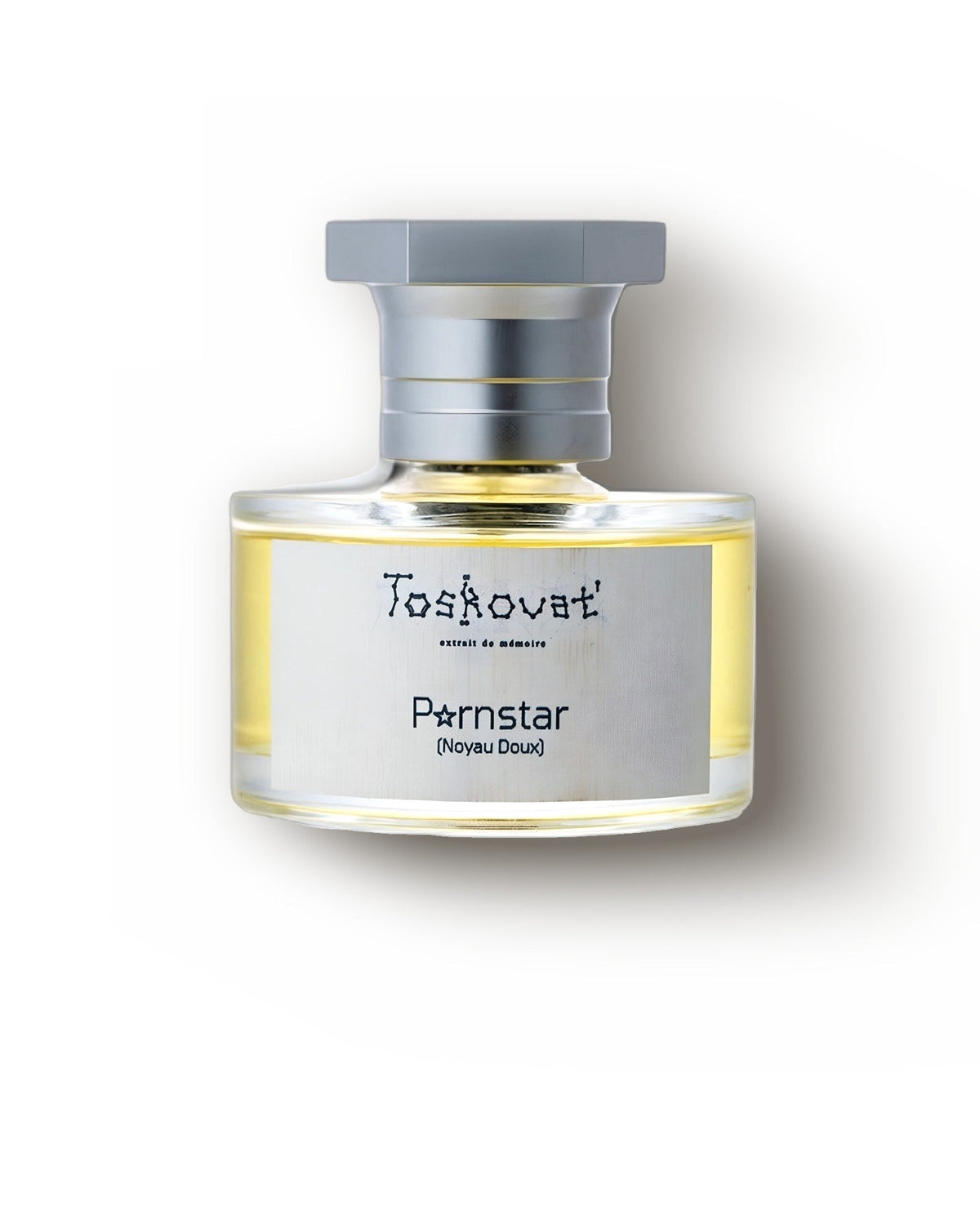
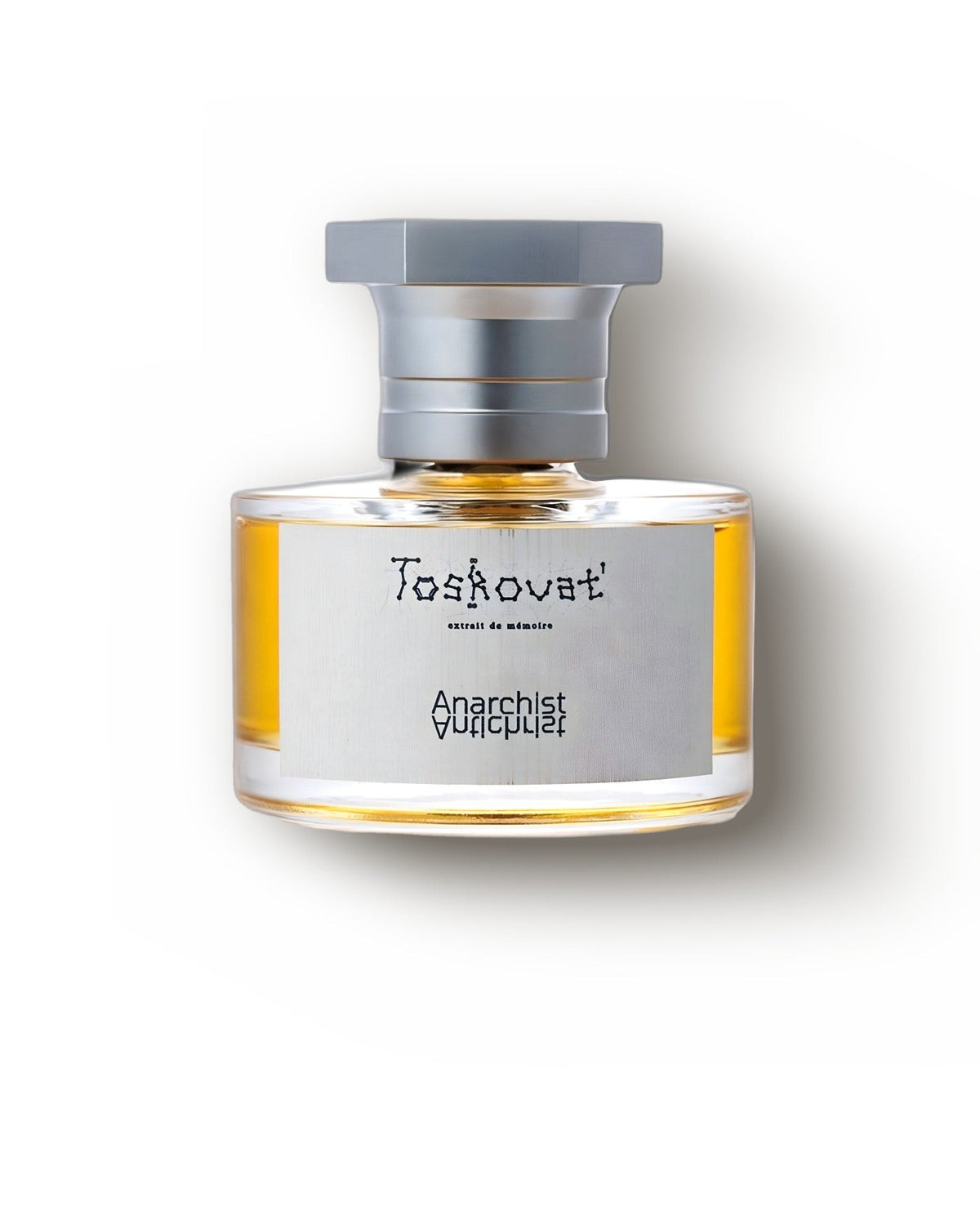
이 조향사의 다른 작품Inexcusable EvilPornstar (Noyau Doux)Anarchist A♭
메종

단편 소설로서의 향수. 화약과 차가운 요오드, 그을린 설탕이 대부분의 하우스라면 결코 활자로 옮기지 않을 이야기를 들려줍니다.
Toskovat의 향은 내가 봐도 되는 영화였을까 싶은 장면처럼 다가옵니다. 차가운 금속성 공기, 스모크, 왁스, 그리고 언제나 그림자를 뒤에 달고 오는 구르망한 달콤함. 향이 무언가를 말해 주기를 바라는 사람들을 위한 컨셉추얼 엑스트레이며, 확산력은 대개 그 발상의 강도만큼 나아갑니다.
- 출신
- 부쿠레슈티, 루마니아
- 설립
- 2022
- 대표 향
- 콘셉추얼 엑스트레, Inexcusable Evil

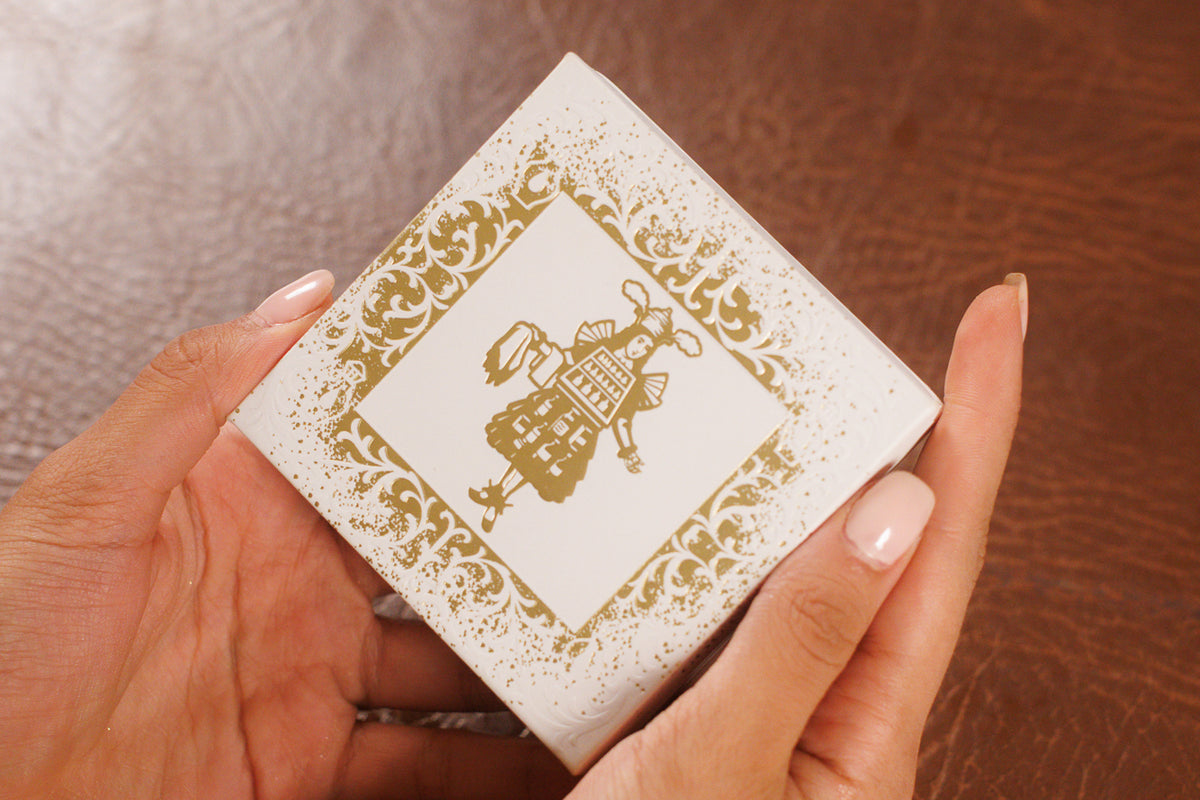
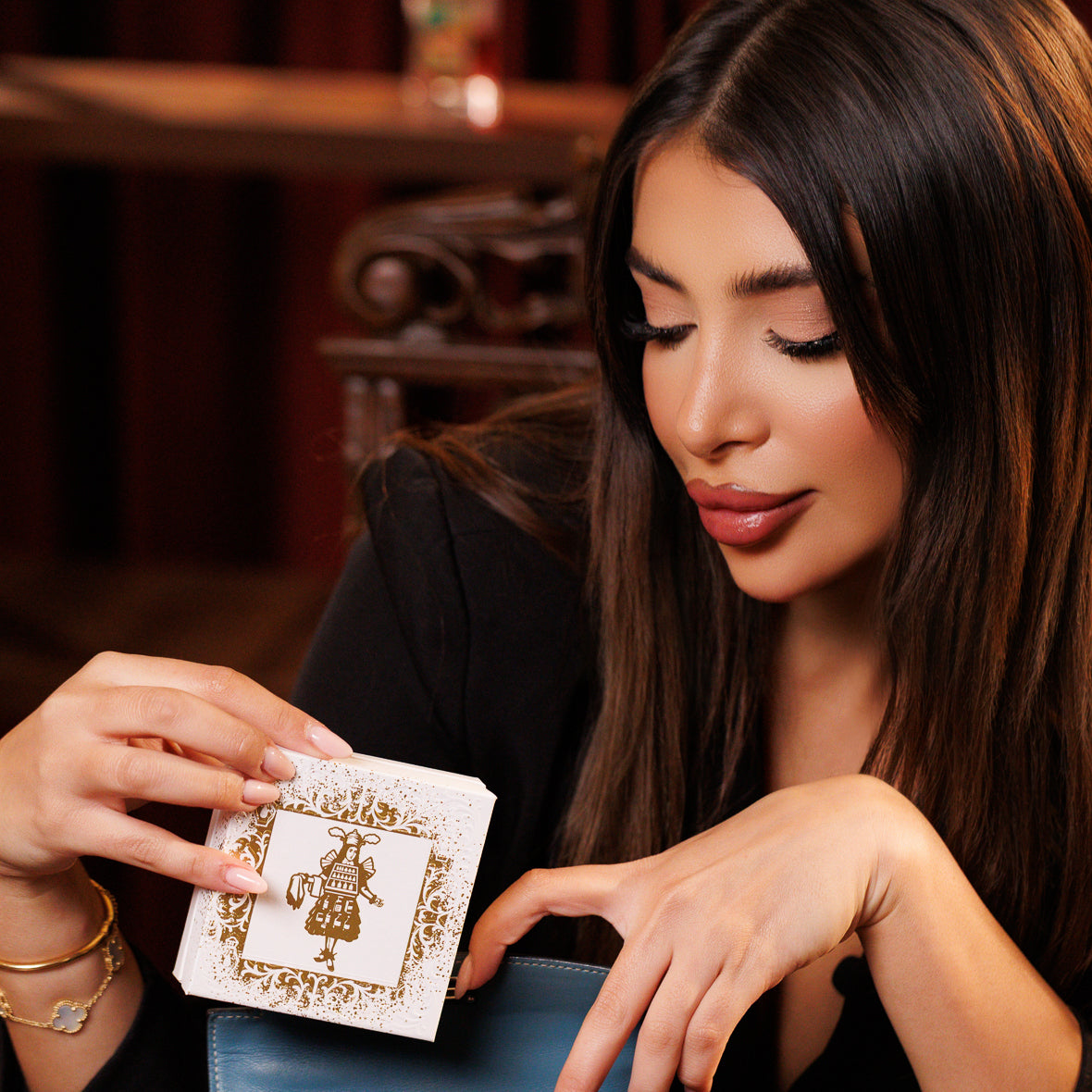
모든 디캔트
오리지널 보틀에서 문 앞까지
정품 플라콘을 정가에, 하우스에서 직접 구입합니다.
의료용 등급 Socorex 주사기가 플라콘에서 정확한 밀리리터를 곧바로 뽑아냅니다.
금박 상자에 담아 DHL에 인계하며, 관세는 모두 지불된 상태입니다. 디캔트가 만들어지는 과정
Toskovat의 다른 향
이런 향도 추천합니다