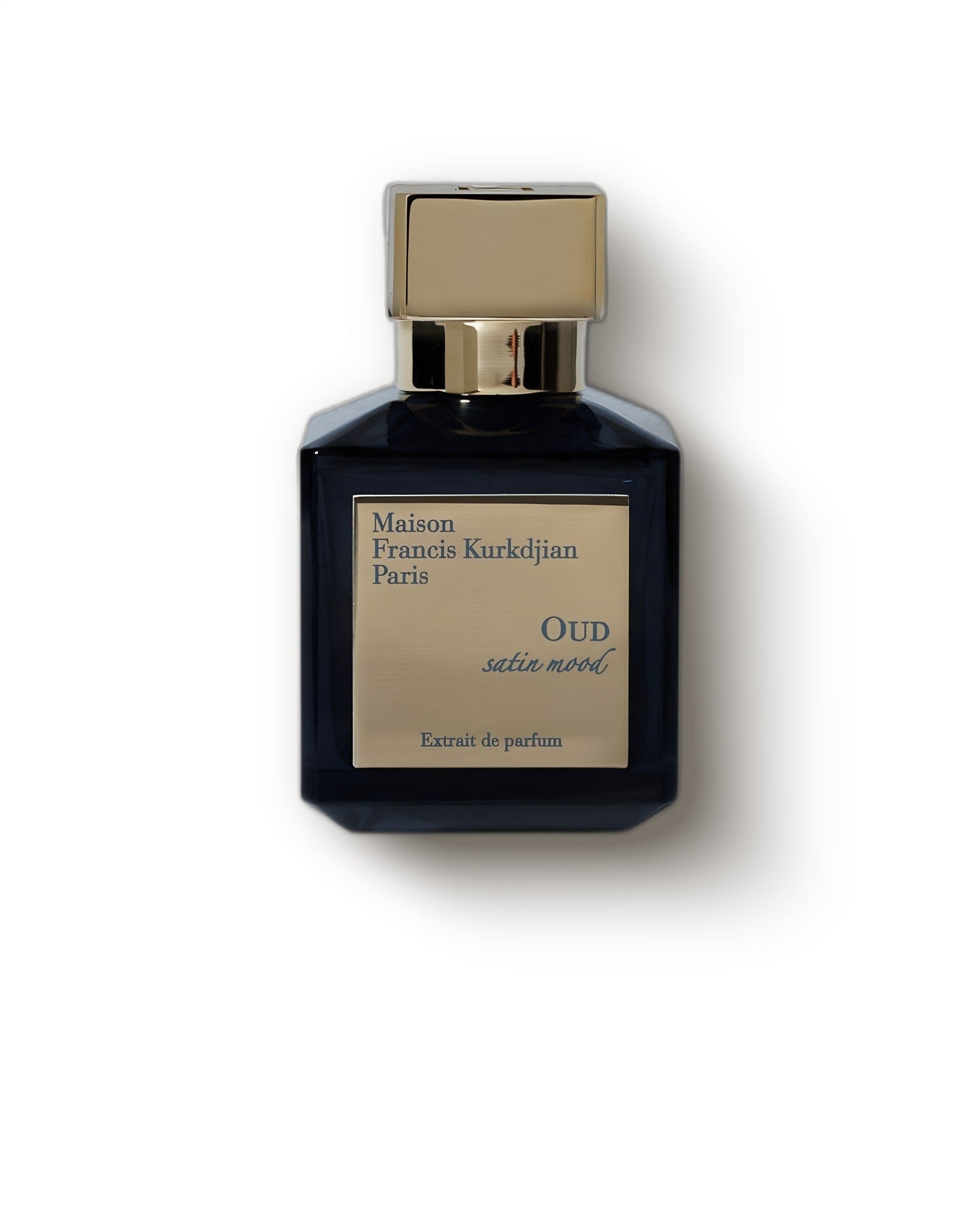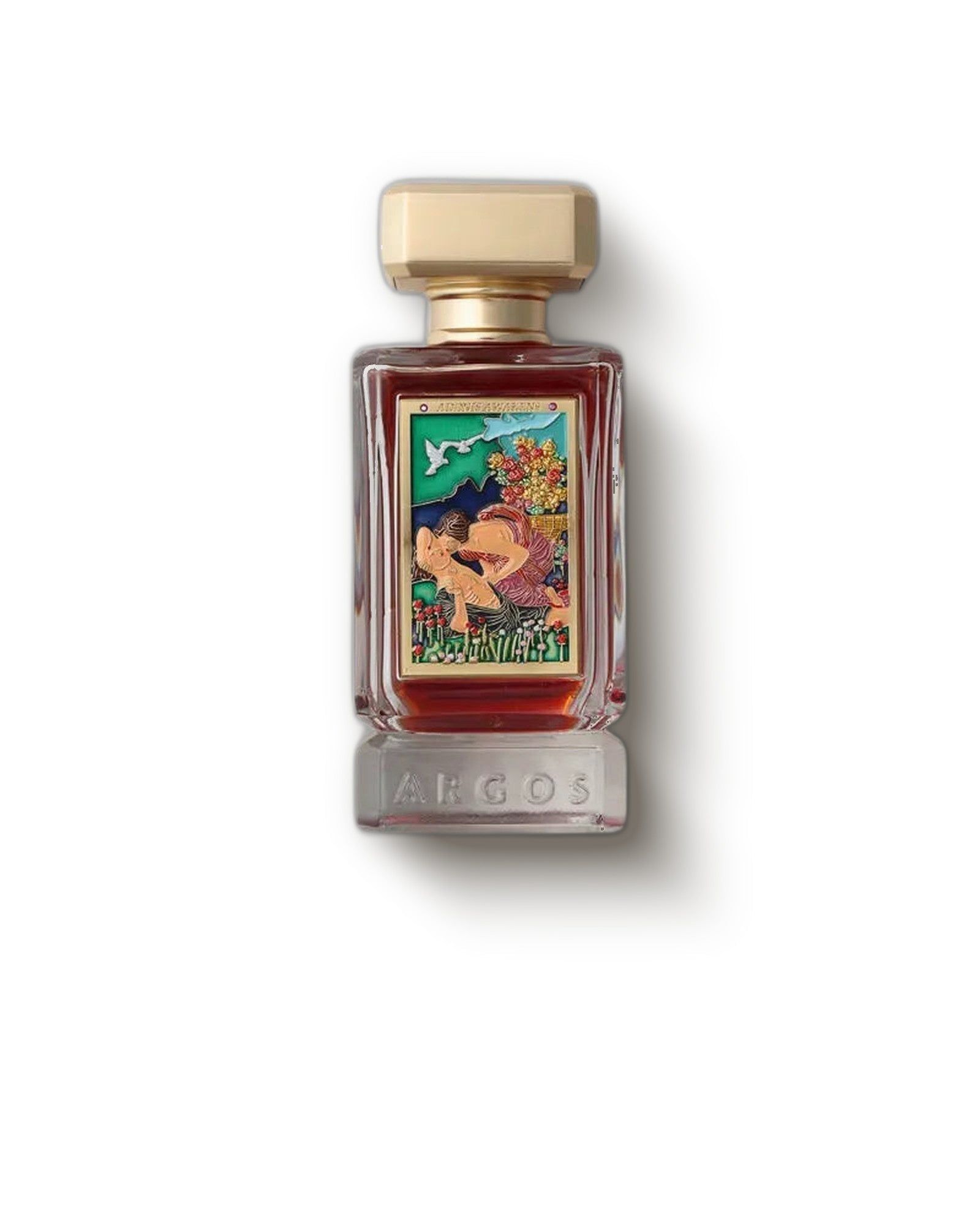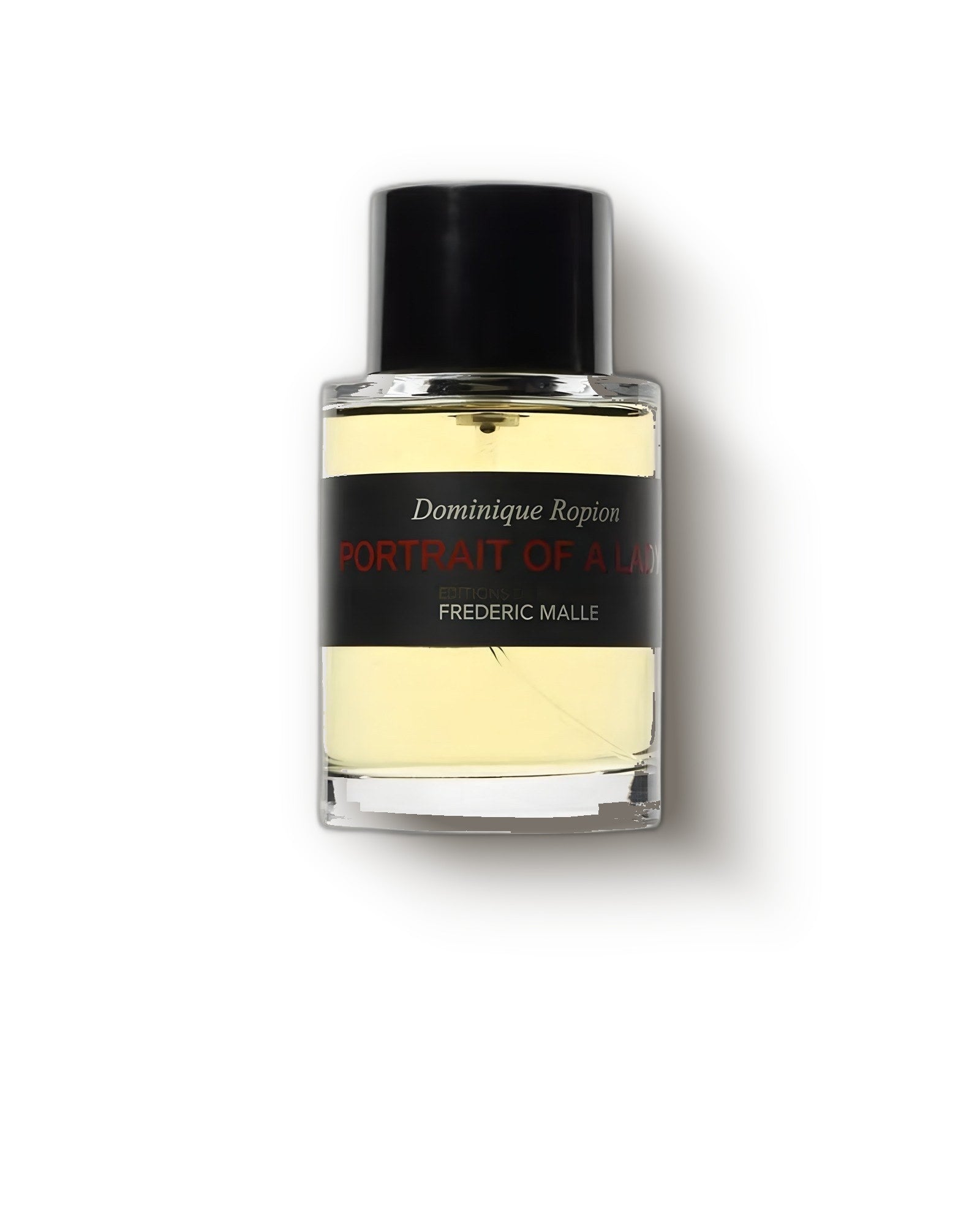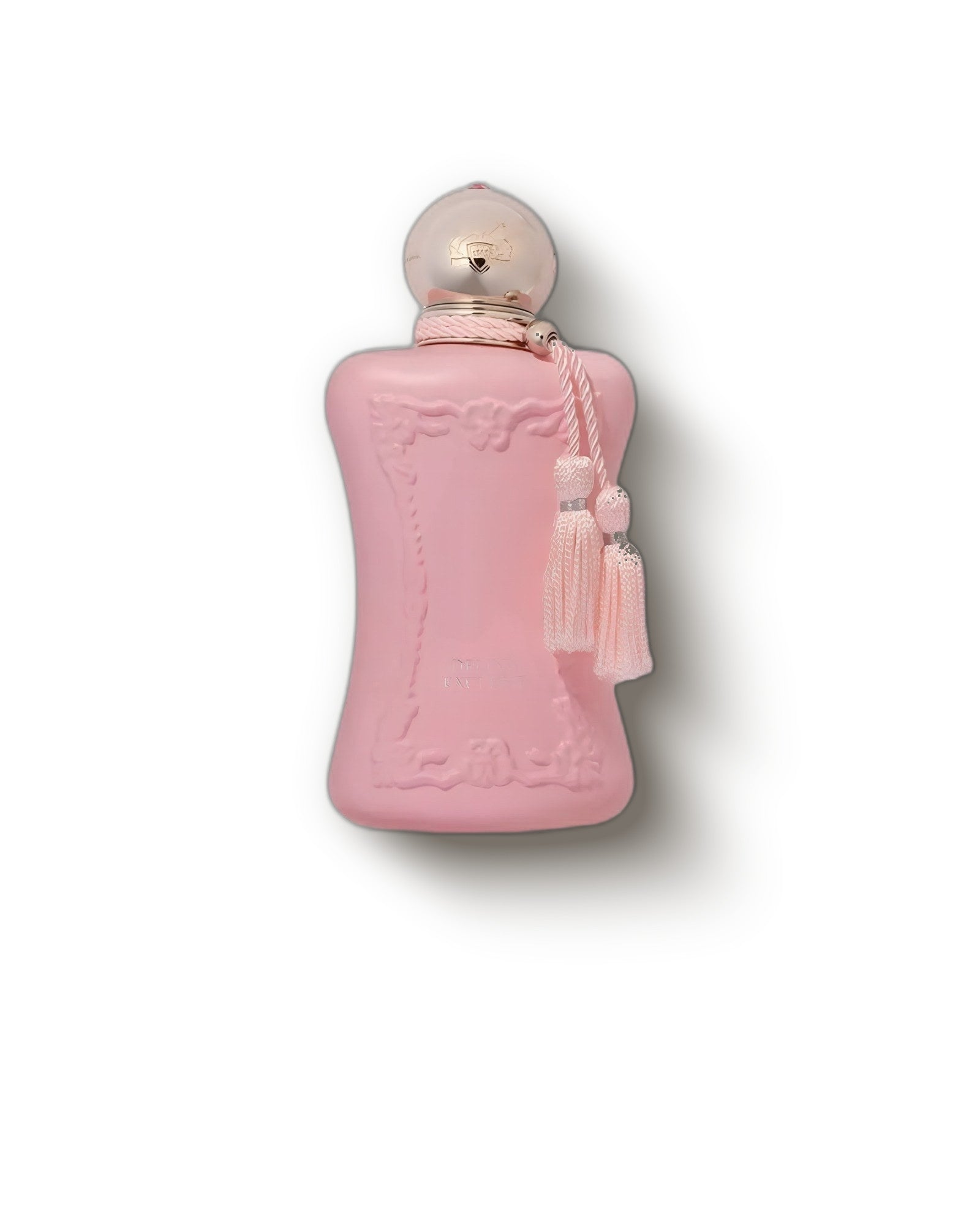

Amouage
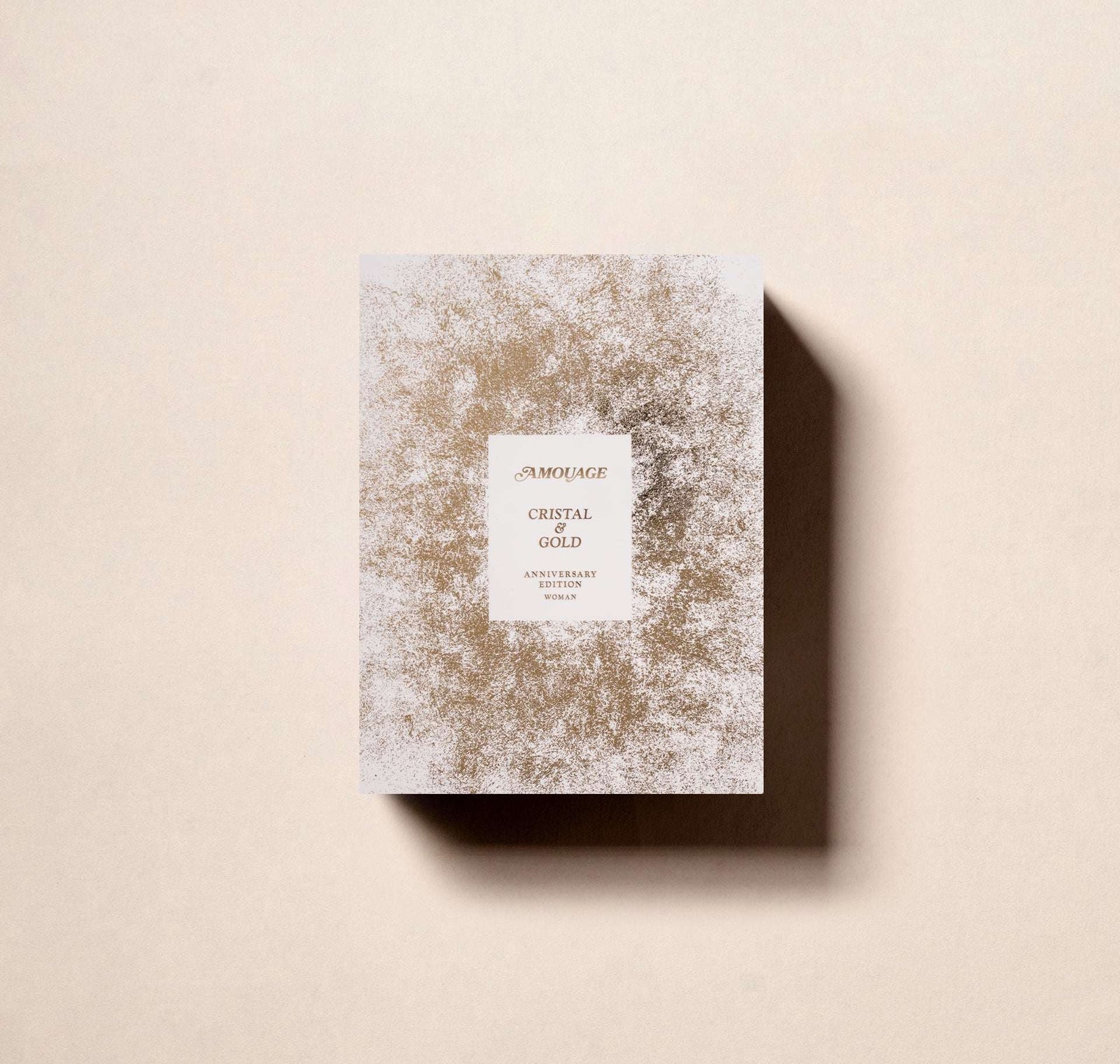
Cristal & Gold Woman
A História
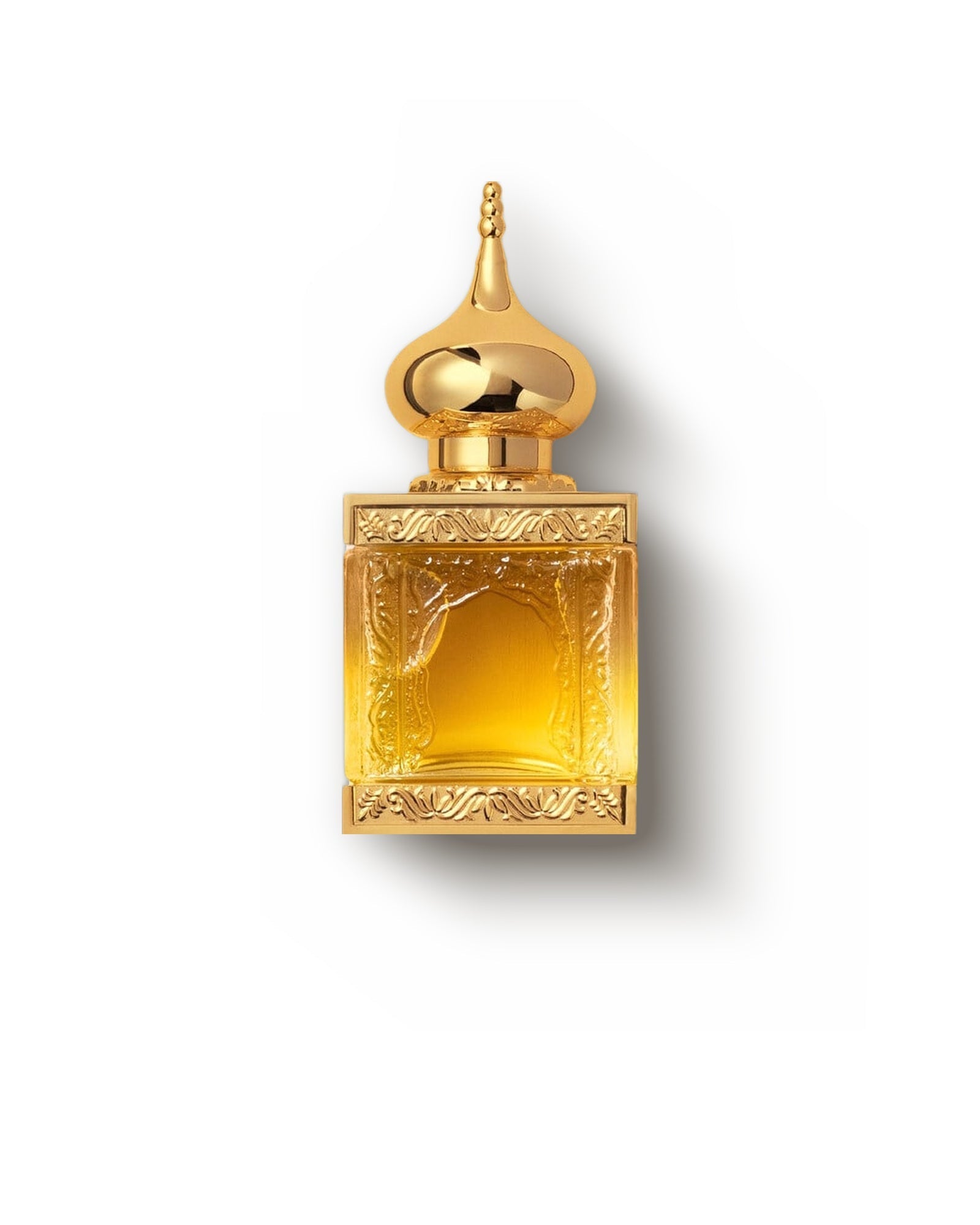
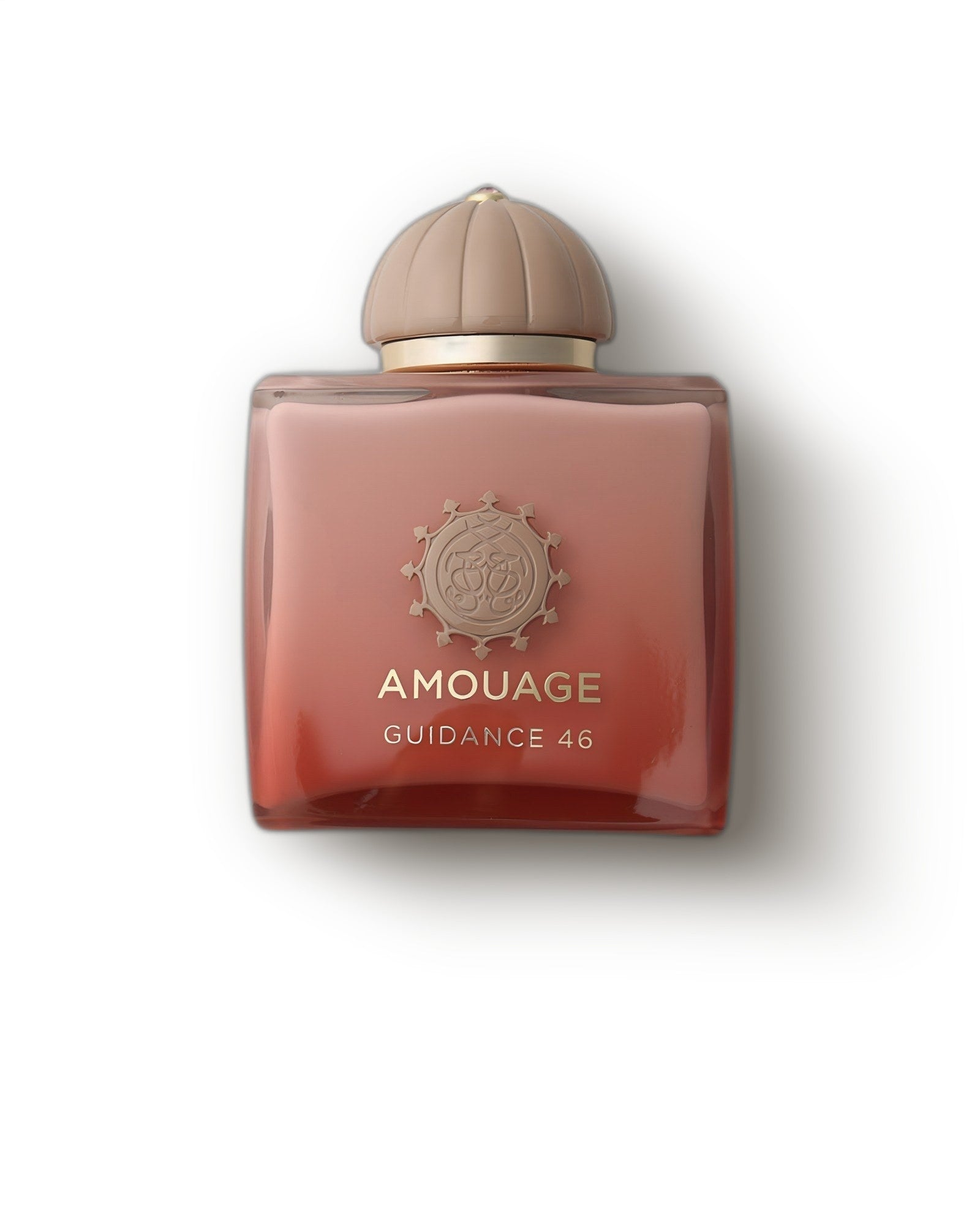
Para seu quadragésimo aniversário, a Amouage olhou para trás em vez de para frente: os moldes originais do frasco de 1983 foram encontrados nas adegas da Cristallerie Waltersperger, na Normandia, e 500 frascos foram soprados à mão a partir deles em cristal, com detalhes banhados a ouro. Alexandra Carlin retrabalhou o Gold Woman de 1983 de Guy Robert para ele, e a substituição na base é todo o argumento, baunilha e âmbar onde o Man tem guaiaco e patchouli.


Aldeídico
brilho de sabão e leveza fresca
Uma claridade efervescente e abstrata que evoca roupa lavada, o calor do ferro de passar e uma borbulha quase de champanhe que sobe da pele. Acrescenta uma luminosidade aérea e ensaboada e uma elegância retrô, elevando as flores a algo polido e radiante.


Empoado
o silêncio macio da pele perfumada
Uma maciez aveludada e levemente seca de raiz de íris, violeta e talco fino, como pó de arroz ou linho limpo aquecido pela pele. Sente-se íntimo, refinado e nostálgico, embaçando o perfume em uma névoa gentil e acolchoada.


Rosa
pétalas de veludo, mel e espinho
O aroma em camadas de pétalas verdadeiras, orvalhado e frutado no topo, com um coração mais profundo, denso e amelado e uma leve mordida verde e apimentada. Sente-se atemporal e emocional, ora delicado, ora imponente, conforme se revela.


Fresco
ar limpo depois de água gelada
Um brilho nítido e transparente que sugere água fria, pele lavada e ar aberto, muitas vezes com um toque cítrico ou aquático. Sente-se limpo e sem peso, refrescando na hora e descomplicado, como sair de casa depois da chuva.


Âmbar
resina dourada com brilho quente
Um brilho macio e resinoso construído com labdano, benjoim e baunilha, doce e sombreado, como seiva de árvore aquecida pelo sol com um toque de fumaça de incenso. Irradia um calor dourado e acolhedor que se aninha junto à pele e permanece.


Floral Branco
flores inebriantes, narcóticas e cremosas
Pétalas exuberantes e cremosas que ficam inebriantes e quase narcóticas, com uma doçura indólica e madura, debruada de verde e um toque de fruta passada. Sente-se sensual e entorpecente, o tipo de flor que preenche um cômodo e permanece sobre a pele quente.


Aldeídos
Frescor ceroso e cintilante, que construiu a perfumaria moderna
O que é
Uma família de moléculas orgânicas; na perfumaria o termo designa geralmente os aldeídos alifáticos graxos, cadeias carbônicas de aproximadamente oito a treze átomos, rotuladas pelo comprimento, como C-10 ou C-12. Identificados pela primeira vez no óleo de rosa e na casca de cítricos, hoje são produzidos quase inteiramente de forma sintética.
Como cheira
Brilhantes, abstratos e efervescentes. Os aldeídos graxos remetem ao encerado, ao sabonete e à vela, com facetas metálicas, cítricas e florais, evocando roupa limpa, ferro quente e casca de laranja. Projetam-se intensamente no topo e depois elevam e arejam tudo que está abaixo, como luz cintilante.
Na perfumaria
Notas de topo usadas em doses mínimas para adicionar radiância, volume e brilho limpo acima dos florais. C-10, C-11 e C-12 formam o clássico trio aldeidico. Eles definem o cintilante nevoso dos grandes florais aldeidicos, os modelos que fundaram toda uma família de perfumes.
Curiosidade
Sua fama é em parte fruto do acaso: segundo relatos, um perfumista superdosou os aldeídos em um teste de 1921, e o cliente escolheu exatamente aquela amostra superdosada. A mesma família de aldeídos é liberada quando a chama de uma vela é apagada, sendo a origem daquele odor encérado.


Neroli
Flor de laranjeira agridoce destilada em luz branca
O que é
O neroli é o óleo essencial obtido por destilação por arraste de vapor das flores brancas frescas da laranjeira-azeda, Citrus aurantium subespécie amara, também chamada de bigarade ou laranja de Sevilha. As flores são colhidas à mão ao amanhecer e destiladas no mesmo dia. Tunísia, Marrocos e Egito são as principais fontes.
Como cheira
Brilhante, limpo e floral, com uma borda verde e levemente amarga e um brilho metálico e mel, frequentemente comparado ao linho recém-passado. Abre crocante e fresco com um toque cítrico, depois se assenta em uma quentura suave e cerosa de pétalas, muito mais fresco e leve do que o absoluto de flor de laranjeira da mesma árvore.
Na perfumaria
Uma nota de topo a coração valorizada pela elevação e radiância em colônias e florais. Combina com bergamota, petitgrain, jasmim e almíscar, e ancora a estrutura clássica da eau de cologne. Brilha em colônias neroli-forward luminosas e composições cítrico-florais banhadas de sol.
Curiosidade
O nome remonta a Anne Marie Orsini, princesa do século XVII de Nerola, que perfumava suas luvas e água do banho com o óleo, tornando-o moda em toda a Europa. Destilar um quilo de neroli requer cerca de uma tonelada de flores colhidas à mão, mantendo-o entre os naturais mais caros da perfumaria.


Petitgrain
Verde agridoce de folhas de laranjeira esmagadas
O que é
Petitgrain é o óleo essencial destilado a vapor das folhas e galhos jovens da laranjeira-amarga, Citrus aurantium, com a preciosa variedade bigarade cultivada no Paraguai. O nome, que significa grãozinho, remete à época em que os destiladores utilizavam os minúsculos frutos verdes e imaturos da árvore antes de passarem a usar a folhagem.
Como cheira
Fresco, verde e floral-amadeirado, com uma amargura de caule partido e uma luminosidade limpa de folha cítrica. A abertura é afiada e úmida, quase herbácea, com uma suave doçura de flor de laranjeira herdada do neroli. Ao secar, torna-se mais suave e levemente saponáceo, deixando uma folhosidade fresca e levemente amarga.
Na perfumaria
Uma nota clássica de topo a coração, o petitgrain acrescenta frescor verde vibrante e uma assinatura natural de colônia, fazendo a ponte entre os cítricos e os florais. Combina com neroli, lavanda, bergamota e alecrim em eaux de cologne e fougères, e ajuda a construir a espinha verde-amarga de inúmeras colônias aromáticas.
Curiosidade
Uma única laranjeira-amarga pode fornecer três matérias-primas distintas para a perfumaria: o petitgrain de suas folhas, o neroli de suas flores e o óleo bigarade extraído da casca de seu fruto. Cada um cheira de forma marcadamente diferente, tornando a laranjeira-amarga uma das plantas mais generosas na paleta de um perfumista.


Olíbano
Fumaça sagrada destilada das lágrimas de árvores do deserto
O que é
O frankincense, ou olíbano, é a goma-resina seca das árvores Boswellia, com a Boswellia sacra de Omã, Iêmen e Somália entre as mais valorizadas. A casca é incisada e exsuda uma seiva leitosa que endurece ao longo de semanas em lágrimas douradas, posteriormente destiladas por arraste de vapor ou extraídas por solvente para uso em perfumaria.
Como cheira
Fresco, resinoso e luminoso, com uma vivacidade conífera-cítrica limpa proveniente do alfa-pineno e do limoneno sobre uma base amadeirada seca e balsâmica. Carrega uma elevação fresca, apimentada e quase lemônica, depois se assenta na fumaça de incenso quente e empoeirada familiar das igrejas e templos.
Na perfumaria
Utilizado no coração e no fundo, adiciona uma espinha resinosa defumada e meditativa e uma transparência soairosa. Combina com mirra, rosa, oud e labdano, e eleva pesados acordos orientais. Centraliza muitas composições de incenso e define o tema de incenso de catedral.
Curiosidade
O frankincense é comercializado há mais de cinco mil anos e outrora percorria as rotas de incenso da Arábia a preços rivalizando com o ouro. As populações selvagens de Boswellia estão agora em declínio devido ao sangramento excessivo, à seca e ao pastoreio, levantando sérias preocupações sobre a sustentabilidade de longo prazo da colheita.


Bergamota
Luz cítrica cintilante com um toque agridoce
O que é
A bergamota é um pequeno fruto cítrico, Citrus bergamia, cultivado quase exclusivamente ao longo do litoral calabrês, no sul da Itália. O óleo aromático concentra-se nas glândulas da casca do fruto ainda verde-amarelado e é extraído mecanicamente a frio da casca, sem destilação, preservando assim toda a sua frescura brilhante.
Como cheira
Brilhante, viva e verde, com uma cintilação cítrica adocicada suavizada por uma delicadeza floral, quase semelhante ao chá. Sob essa camada corre um calor levemente amargo e balsâmico que a distingue do limão e da laranja. Ela explode com vivacidade na abertura e desvanece rapidamente num murmúrio suave e levemente apimentado.
Na perfumaria
A nota de topo clássica por excelência, a bergamota adiciona frescor e leveza, integrando o cítrico afiado ao coração da fragrância. Define a família da eau de cologne e dos fougères, harmonizando-se com lavanda, neroli e musgo de carvalho. Abre inúmeras composições floral-frescas modernas, e seu óleo confere ao chá Earl Grey o seu aroma característico.
Curiosidade
O óleo natural de bergamota contém bergapteno, uma furocumarina que torna a pele altamente sensível à luz solar e pode causar queimaduras. A perfumaria moderna utiliza óleo sem bergapteno (FCF) para atender aos limites de segurança da IFRA, por isso a maior parte da bergamota contemporânea em fragrâncias é purificada, e não o óleo bruto extraído a frio.


Rosa
A rainha das flores, fresca e de profundidade inesgotável
O que é
A rosa de perfumaria provém principalmente de duas espécies: Rosa damascena, cultivada no Vale das Rosas da Bulgária e na Turquia, e Rosa centifolia de Grasse. As flores são colhidas de antes do nascer do sol até a manhã e depois ou destiladas a vapor em rosa otto ou extraídas com solvente em um absoluto mais profundo e avermelhado, via uma cera concreta.
Como cheira
Rica, fresca e inconfundivelmente floral, com doçura mel e um toque verde e úmido como orvalho. Por baixo há facetas apimentadas, frutadas e levemente de chá; no absoluto, uma profundidade mais escura e compotada. O rosa otto abre crocante e brilhante; o absoluto é mais quente, defumado e sensual.
Na perfumaria
Uma nota de coração de alcance extraordinário, a rosa acrescenta corpo, frescor e riqueza floral natural, combinando com quase tudo. Ancora as famílias chypre e floral e combina com oud, patchouli e violeta. É a peça central de incontáveis composições florais e chypre clássicas.
Curiosidade
São necessários aproximadamente três a quatro mil quilogramas de flores colhidas à mão para destilar um único quilograma de otto de rosa, o que ajuda a explicar por que o óleo pode rivalizar com metais preciosos em preço. A colheita acontece de antes do nascer do sol até a manhã, antes que o sol evapore os compostos mais aromáticos.


Jasmim
A flor branca inebriante no coração pulsante da perfumaria
O que é
O jasmim é a flor de arbustos trepadeiros da família das oliváceas, principalmente Jasminum grandiflorum, cultivado no Egito, na Índia e em Marrocos, além de Jasminum sambac proveniente da Índia. As flores delicadas são colhidas à mão de antes do nascer do sol até a manhã, extraídas por solvente com hexano em um concreto ceroso, depois lavadas com etanol para produzir o absoluto.
Como cheira
Uma floral branca quente e exuberante, doce e melada com um lado animal. O sambac inclina-se para o frutado, o caráter de chá e a densidade; o grandiflorum é mais cremoso e verde no topo. Ambos carregam uma riqueza intensa e narcótica sobre uma abertura verde-frutada, secando para uma base macia, quente como a pele e levemente almiscarada-terrosa.
Na perfumaria
Uma pedra fundamental da nota de coração, fazendo a ponte entre os topos cítricos e as bases amadeiradas, conferindo volume, sensualidade e corpo floral arredondado. Combina com rosa, tuberose, ylang-ylang, sândalo e almíscar. O jasmim ancora muitas das grandes florais clássicas e pode brilhar sozinho como um soliflore radiante.
Curiosidade
Cerca de cinco mil flores colhidas à mão rendem um único grama de absoluto, colocando o jasmim natural entre os materiais de perfumaria mais caros. Grande parte de sua profundidade vem do indol, uma molécula que cheira a bolas de naftalina ou decomposição quando concentrada, mas que é radiante e viva nas quantidades residuais que a flor naturalmente contém.


Heliotrope
Amêndoas em pó, marzipã e pele morna de baunilha
O que é
O heliotropo recebe o nome de Heliotropium arborescens, uma flor de jardim roxa, mas a nota de perfumaria é essencialmente sintética. Sua assinatura vem da heliotropina (piperonaldeído), uma molécula aromática preparada pela primeira vez na década de 1860 e historicamente obtida do safrol ou isosafrol, já que a flor viva não oferece extrato utilizável.
Como cheira
Suave, doce e empoudrado, dominado por amêndoa amarga e marzipã com um coração cremoso de baunilha e um leve toque de cereja e anis. Tem um caráter cosmético e almofadado, como suspiro polvilhado com pó de arroz, abrindo-se delicado e secando em uma suavidade quente, leitosa e levemente especiada.
Na perfumaria
Uma nota de coração a fundo que adiciona doçura empoudrada, conforto de amêndoa e suavidade vintage. Combina com baunilha, tonka, violeta, íris e cereja, e serve de base a muitos florais gourmand e empoudrados. Os clássicos de heliotropo e anis são florais empoudrados do início do século XX, onde ele encontra a semente de anis.
Curiosidade
O piperonaldeído foi batizado de heliotropina porque seu odor imitava a flor, e não porque era extraído dela, tornando-o um dos sintéticos mais antigos ainda em uso contínuo. Também aromatiza confeitaria e já serviu como fixador em fougères antes que limites de uso mais rigorosos fossem estabelecidos.


Ylang-Ylang
Flor tropical aquecida pelo sol, creme de banana e jasmim
O que é
A flor em forma de estrela amarela e pendente do Cananga odorata, uma árvore tropical nativa do Sudeste Asiático, hoje cultivada principalmente nas Comores, em Madagascar e em Mayotte. As flores colhidas à mão são destiladas a vapor por quinze a vinte horas, com o produto sifado em etapas em frações que vão de Extra a Terceira.
Como cheira
Cremoso, intenso e quente: florais que remetem ao jasmim sobre uma doçura suave de creme de banana, entremeada por borracha, cravo e narciso. A fração Extra é brilhante, frutada e apimentada no topo; as frações posteriores tornam-se mais profundas, mais gordurosas e ligeiramente medicinais, secando em um floral arredondado e levemente ceroso.
Na perfumaria
Um ingrediente versátil de coração que acrescenta riqueza tropical e leveza a composições florais e orientais, fazendo a ponte entre jasmim, rosa e tuberosa enquanto suaviza as notas de saída cítricas. Integra o bouquet floral dos grandes clássicos aldeídicos, impulsiona muitos florais lendários e sustenta inúmeras blends solares de tiaré.
Curiosidade
O nome remonta ao tagalo ilang-ilang, geralmente traduzido como flor das flores, chegando à perfumaria europeia via espanhol. Na Indonésia, as flores são tradicionalmente espalhadas sobre as camas de recém-casados. Uma única árvore produz por décadas, e as flores mais perfumadas são colhidas ao amanhecer, ainda frescas.


Raiz de Orris
Violeta em pó e fresca extraída de raízes pacientes
O que é
O rizoma da íris, principalmente Iris pallida e Iris germanica, cultivadas principalmente na Toscana e em Marrocos. Após o florescimento, a raiz é desenterrada, limpa à mão, depois seca e envelhecida de três a cinco anos para que seus compostos aromáticos se formem, antes de ser moída e destilada a vapor em manteiga de orris cerosa.
Como cheira
Fresca, seca e em pó, com uma delicada doçura semelhante à violeta envolta em uma qualidade levemente terrosa de cenoura e camurça. Lembra algo prateado e quase comestível, como pétalas de íris sobre pão fresco ou pó de arroz. Refinada e contida, ela persiste como uma névoa suave e cosmética.
Na perfumaria
Um material de coração a fundo valorizado por sua elegância em pó e difusão discreta, contribuindo com as irotas que conferem uma assinatura de violeta-camurça. Combina com rosa, violeta, couro e almíscar. Define a assinatura de íris em pó de inúmeros masculinos modernos e clássicos de íris em destaque.
Curiosidade
O envelhecimento de anos necessário para desenvolver as irotas torna o orris um dos materiais naturais mais caros da perfumaria: a manteiga de orris refinada pode atingir dezenas de milhares de dólares por quilograma, pois centenas de quilos de raiz rendem mal um quilo. O aroma vive na raiz, não na flor da íris.


Âmbar
Um brilho resinoso e quente construído, não colhido
O que é
O âmbar não é um ingrediente único, mas um acorde de perfumista, composto com maior frequência de lábdano (uma resina pegajosa do arbusto mediterrâneo Cistus ladanifer), benjoim e baunilha, às vezes com tonka ou bálsamo-do-peru. Apesar do nome, não possui qualquer relação com o âmbar fóssil de árvore, que permanece inodoro sobre a pele.
Como cheira
Quente, suave e balsâmico, uma doçura em pó sobre resina seca. Abre mel e levemente animalic a partir do lábdano, depois se assenta em uma suave quentura dourada que evoca cera de abelha, tabaco e couro envelhecido, perpassada por um discreto sub tom defumado e como de incenso que persiste próximo à pele.
Na perfumaria
Uma nota de fundo valorizada pela quentura, profundidade e longa persistência, ancorandocomposições orientais e de âmbar. Combina naturalmente com baunilha, patchouli, sândalo e especiarias. O modelo doce de baunilha e âmbar é um clássico da perfumaria, enquanto leituras mais secas, com resina em destaque e herbáceas revelam sua outra faceta.
Curiosidade
A palavra designava antes o âmbar-cinza, a secreção intestinal cerosa do cachalote, alimentando séculos de confusão entre três coisas completamente distintas: o âmbar fóssil de árvore, o âmbar-cinza de baleia e o acorde de resina. As bases modernas de âmbar são integralmente vegetais e sintéticas, apoiadas em moléculas como o Ambroxan, sem qualquer fonte animal.


Civeta
Calor animal que faz as flores desabrocharem de forma indecente
O que é
Uma pasta glandular da civeta africana, um mamífero noturno semelhante a um gato que a secreta de uma bolsa perineal, historicamente raspada à mão e tinturada em álcool. A perfumaria moderna usa em vez disso a civetona sintética, uma cetona de anel largo cuja estrutura macrocíclica foi elucidada por Leopold Ruzicka em 1926.
Como cheira
Bruta e não diluída, é chocantemente fecal, pungente e indólica, com bordas de escatol e manteiga azeda. Diluída a traços, torna-se quente, melada e levemente couro, com um zumbido de tabaco e uma radiância semelhante à pele. A mudança de repulsiva a sedutora acontece inteiramente pela diluição.
Na perfumaria
Um fixador de nota de fundo valorizado pela radiância e pelo calor carnal, conferindo às florais um brilho vivo e semelhante à pele. Clássica ao lado do jasmim e da rosa em chypres animais e orientais. Traços de civet moldaram muitas florais aldeídicas vintage e orientais âmbar antes de a civetona sintética deslocar o material natural.
Curiosidade
A criação tradicional de civetas em cativeiro mantinha os animais em condições cruéis para colher a pasta, impulsionando uma mudança quase total para a civetona sintética por razões éticas. A civeta da perfumaria não tem relação com a civeta-das-palmeiras-asiática por trás do café kopi luwak, uma espécie completamente diferente.


Baunilha Bourbon
A vagem curada mais profunda e cremosa das plantações insulares
O que é
A baunilha Bourbon é a vagem de semente curada da orquídea Vanilla planifolia, cultivada em Madagascar, Reunião e nas Comores, as ilhas historicamente chamadas de grupo Bourbon. As flores polinizadas à mão produzem vagens verdes que são branqueadas, suadas e lentamente secas ao sol por meses para desenvolver seu aroma.
Como cheira
Rica, escura e cremosa, com um calor alcoólico de rum e passa e uma doçura balsâmica suave, mais profunda que a baunilha comum. Sob o creme repousam facetas sutis de tabaco, ameixa e especiaria amadeirada. Desdobra-se lentamente na pele e persiste como uma doçura suave e envolvente.
Na perfumaria
Uma nota de fundo e fixador versátil que acrescenta calor, corpo e doçura comestível. Ancora orientais e gourmands e harmoniza com tonka, benjoim e sândalo. A baunilha forma o núcleo rico das composições orientais clássicas e o drydown sobremesa dos gourmands modernos.
Curiosidade
A baunilha é a segunda especiaria mais cara depois do açafrão, pois cada flor abre por apenas um dia e precisa ser polinizada à mão em poucas horas. O nome indica geografia, não uísque, embora as vagens Bourbon curadas carreguem uma profundidade naturalmente alcoólica e levemente fermentada proveniente de sua cura.


Vetiver
Terra úmida e fresca extraída de raízes entrelaçadas
O que é
O vetiver é uma alta gramínea tropical, Chrysopogon zizanioides, nativa da Índia e cultivada principalmente no Haiti, em Java e na Reunião. A parte nobre é sua densa rede de raízes fibrosas subterrâneas, que são desenterradas, lavadas, secas e destiladas a vapor para produzir um espesso óleo essencial âmbar-esverdeado.
Como cheira
Terra fria e úmida com grama recém-cortada sobre uma base amadeirada e radicular. O óleo haitiano é suave, defumado e levemente adocicado, com notas de avelã; o de Java é mais escuro e couro. Por baixo há cedro seco, um amargor lembrando toranja e uma mineralidade verde persistente que permanece por horas ao secar.
Na perfumaria
Uma nota de fundo valorizada pela tenacidade, pelo enraizamento terroso e pelo poder fixador natural. Ancora chypres e fougères, combinando com cítricos, couro e tabaco. Muitos soliflores de vetiver são construídos ao redor dele, enquanto seu lado mais defumado e cinzento é exaltado ao lado de cipreste e cedro.
Curiosidade
O Haiti fornece cerca de metade do óleo de vetiver mundial, cultivado em grande parte por pequenos agricultores. As mesmas raízes profundas que perfumam um frasco são plantadas em encostas ao redor do mundo como barreiras vivas, segurando o solo contra a erosão e estabilizando taludes onde quase nada mais se sustenta.


Labdano
Resina âmbar pegajosa raspada da esteva tostada pelo sol
O que é
O lábdano é uma resina escura e pegajosa proveniente do arbusto esteva Cistus ladanifer, nativo do Mediterrâneo ocidental. A planta exsuda uma goma perfumada em suas folhas e ramos durante o calor do verão; os galhos são fervidos ou raspados para recuperar a resina bruta, que é então extraída com solvente em absoluto e resinóide.
Como cheira
Profundo, quente e balsâmico, com facetas couroadas, animalic e levemente doces que remetem ao âmbar suave. Notas de fruta seca, mel, fumaça e pinho perpassam-no. Abre resinoso e quase como âmbar-cinza, depois seca em uma quentura de tabaco e couro castanho que persiste por horas.
Na perfumaria
Uma nota de fundo fundamental e a espinha dorsal natural da maioria dos acordes de âmbar, geralmente construídos com baunilha e benjoim. Um fixador potente, aprofunda chypres, orientais e couros, combinando com rosa, musgo de carvalho e incenso. Sustenta muitos clássicos orientais da era dourada e inúmeras composições de âmbar.
Curiosidade
Na Antiguidade, o lábdano era penteado das barbas e coxas emaranhadas de cabras e ovelhas que pastavam entre os arbustos de cistus, depois recolhido com um instrumento dentado chamado ladanisterion. É um dos materiais aromáticos mais antigos, precedendo a destilação em milênios.


Sândalo
Madeiras cremosas e meditativas que respiram lentamente
O que é
O óleo de sândalo é destilado a vapor do cerne e das raízes das árvores Santalum de crescimento lento, classicamente o Santalum album de Mysore, Índia. À medida que a fonte indiana silvestre se aproximava do colapso, plantações da mesma espécie no oeste tropical da Austrália passaram a fornecer grande parte do óleo de grau perfumaria mundial.
Como cheira
Suave, cremoso e leitoso, com uma quentura amadeirada e lisa e uma borda levemente doce, rosada e quase amanteigada. Não carrega qualquer aspereza, apenas uma profundidade balsâmica arredondada. Permanece notavelmente estável sobre a pele, brilhando suavemente por horas, sem abrir e secar em etapas distintas.
Na perfumaria
Uma nota de fundo valorizada tanto como aroma quanto como fixador, o sândalo empresta cremosidade, quentura e uma suavidade meditativa que une as composições. Combina lindamente com rosa, jasmim, vetiver e especiarias. Muitas fragrâncias amadeiradas meditativas e de incenso o celebram como coração.
Curiosidade
O sândalo genuíno de Mysore foi tão superexplorado que a Índia endureceu os controles de exportação e a árvore silvestre tornou-se vulnerável, com preços do óleo reportados em torno de dois mil dólares por quilograma. As plantações de Santalum album cultivadas perto de Kununurra, no oeste da Austrália, agora recriam de forma sustentável o perfil cremoso original.
Caráter da Fragrância
Os aldeídos dominam, depois o empoado, depois a rosa. É mais fresco e mais luminoso do que o Man, com floral branco e âmbar logo atrás, e um fio animálico que nunca assume o controle.


Durabilidade
quanto tempo permanece na pele
Este medidor indica o tempo de uso esperado, quantas horas o perfume continua falando na pele antes de se esvair. Um marcador perto do extremo baixo significa algumas horas fugazes, enquanto um marcador empurrado para o extremo oposto promete um aroma ainda presente da manhã à noite.


Sillage
o tamanho do seu rastro
Isto indica até onde o perfume alcança além de você e o rastro que deixa para trás. Baixo se assenta macio contra a pele, um sussurro íntimo percebido apenas de perto; alto sobe pelo moderado e forte rumo ao enorme, preenchendo um cômodo e permanecendo no ar depois que você já saiu.


Experimental
para os ousados e curiosos
Aromas não convencionais que desafiam fronteiras, para quem quer provocar uma reação e se destacar. Combina com composições artísticas e desafiadoras: alcatrão tintado, borracha, fruta fermentada, facetas metálicas ou animálicas que recusam o agrado fácil. Nesta roda, uma moeda acesa significa que ele recompensa o nariz aventureiro; uma apagada significa que ele joga na segurança.


Escritório
polido, mas nunca dominador
Ambientes profissionais de proximidade, onde um aroma deve ser notado apenas por quem está perto de você. Combina com composições contidas e limpas, de projeção modesta: cítrico discreto, almíscar suave, madeiras claras que se leem competentes e atenciosas. Nesta roda, uma moeda acesa significa que ele funciona em espaços compartilhados; uma apagada significa que se espalha longe demais.


Noite
depois do anoitecer, com intensidade
Jantares, drinques e noites fora, quando um perfume pode aprofundar e projetar com confiança. Combina com composições mais ricas e quentes: âmbares, resinas, madeiras esfumaçadas ou flores aveludadas que desabrocham sob a luz baixa. Nesta roda, uma moeda acesa significa que o aroma ganha vida depois do pôr do sol; uma apagada significa que ele se sai melhor de dia.


Romântico
perto o bastante para ser sentido
Momentos íntimos e encontros pensados para aproximar alguém. Combina com composições quentes e sensuais que vibram contra a pele: flores cremosas, baunilha, almíscar suave, um toque de especiaria ou âmbar que convida à proximidade. Nesta roda, uma moeda acesa significa que ele cria um clima sedutor; uma apagada significa que pende mais para o prático do que para o sedutor.


Formal
refinado para a ocasião que importa
Casamentos, cerimônias, galas e eventos a rigor que pedem compostura e elegância. Combina com aromas polidos e estruturados, de autoridade silenciosa: madeiras lisas, flores refinadas, couro macio, nada estridente ou brincalhão. Nesta roda, uma moeda acesa significa que ele carrega a gravidade certa; uma apagada significa que parece casual demais para o ambiente.


Casual
conforto fácil para dias sem pressa
Uso cotidiano sem agenda: tarefas, café, amigos, um fim de semana sem pressa. Combina com aromas macios e acessíveis que parecem limpos e naturais, como cítrico fresco, madeiras leves ou um calor suave de pele. Nesta roda, uma moeda acesa significa que o perfume cabe nesses momentos despojados; uma apagada significa que ele pede mais.


Do Dia à Noite
onde seu clima naturalmente pousa
Este controle indica a hora para a qual o perfume foi feito. Um marcador à esquerda pende para o luminoso e brilhante, à vontade na luz do dia e ao ar livre; deslize para a direita e o caráter fica mais profundo e quente, o tipo de presença que pertence à noite e aos cômodos iluminados por velas.


Inverno
calor que atravessa o ar frio
O ar frio abafa e desacelera um perfume, então o inverno recompensa o denso e o quente: resinas, fumaça, baunilha, couro e especiaria ambarina que irradiam calor contra o frio. A barra mostra com que força este aroma em particular se sustenta e brilha no tempo gelado.


Primavera
flores frescas no calor brando que sobe
O ar ameno e úmido eleva lindamente as composições mais leves, então a primavera favorece flores orvalhadas, talos verdes, pó suave e cítrico transparente que parecem vivos em vez de pesados. A barra mostra quão bem este aroma em particular combina com essa estação fresca e gentilmente aquecida.


Verão
brilhante e arejado no calor de verdade
O calor amplifica e projeta o aroma com força, então o verão pede coisas frescas, nítidas e respiráveis: cítrico afiado, ar marinho salgado, ervas aromáticas e um frescor aquático que refresca em vez de enjoar. A barra mostra com que conforto este aroma em particular se usa no calor real.


Outono
calor especiado para os dias que esfriam
Conforme as temperaturas caem, materiais mais ricos se leem com clareza sem sufocar, então o outono combina com madeiras secas, especiaria quente, tabaco, âmbar e fruta dourada que parecem aconchegantes e contemplativos. A barra mostra com que naturalidade este aroma em particular se acomoda aos dias nítidos e frescos.
Uso Ideal
Feito para as noites e para o frio, e decididamente sofisticado. Este não é um perfume diurno, nem finge ser.
Escolher opções
A atmosfera


O Nariz

Alexandra Carlin
Perfumista
Alexandra Carlin formou-se no ISIPCA e entrou na Symrise em 2007, mudando-se para a IFF em Paris como perfumista sênior de alta perfumaria em 2024. Coassinou Amouage Honour Woman com Violaine Collas e compôs Amouage Honour 43 Woman, BDK Parfums Velvet Tonka, BDK Parfums 312 Saint-Honoré e Ferrari Red Power.
Mais deste narizCristal & Gold Man
A Maison

Olíbano e rosa em escala real, provados sem o salto de fé que um frasco cheio exige.
A Amouage não faz nada baixo. Cada frasco parece construído para um ambiente que é preciso merecer, com pé direito alto, incenso no ar e luz entrando por algo precioso. A casa despeja olíbano, rosa e Oud como se tivesse um suprimento infinito, e o resultado se projeta forte e dura muito, sem nunca soar alto por soar.
- Origem
- Mascate, Omã
- Fundação
- 1983
- Conhecida por
- Olíbano, rosa, Oud
Mais de Amouage
Você também pode gostar