Bidzina Kanchaveli
Hate
故事
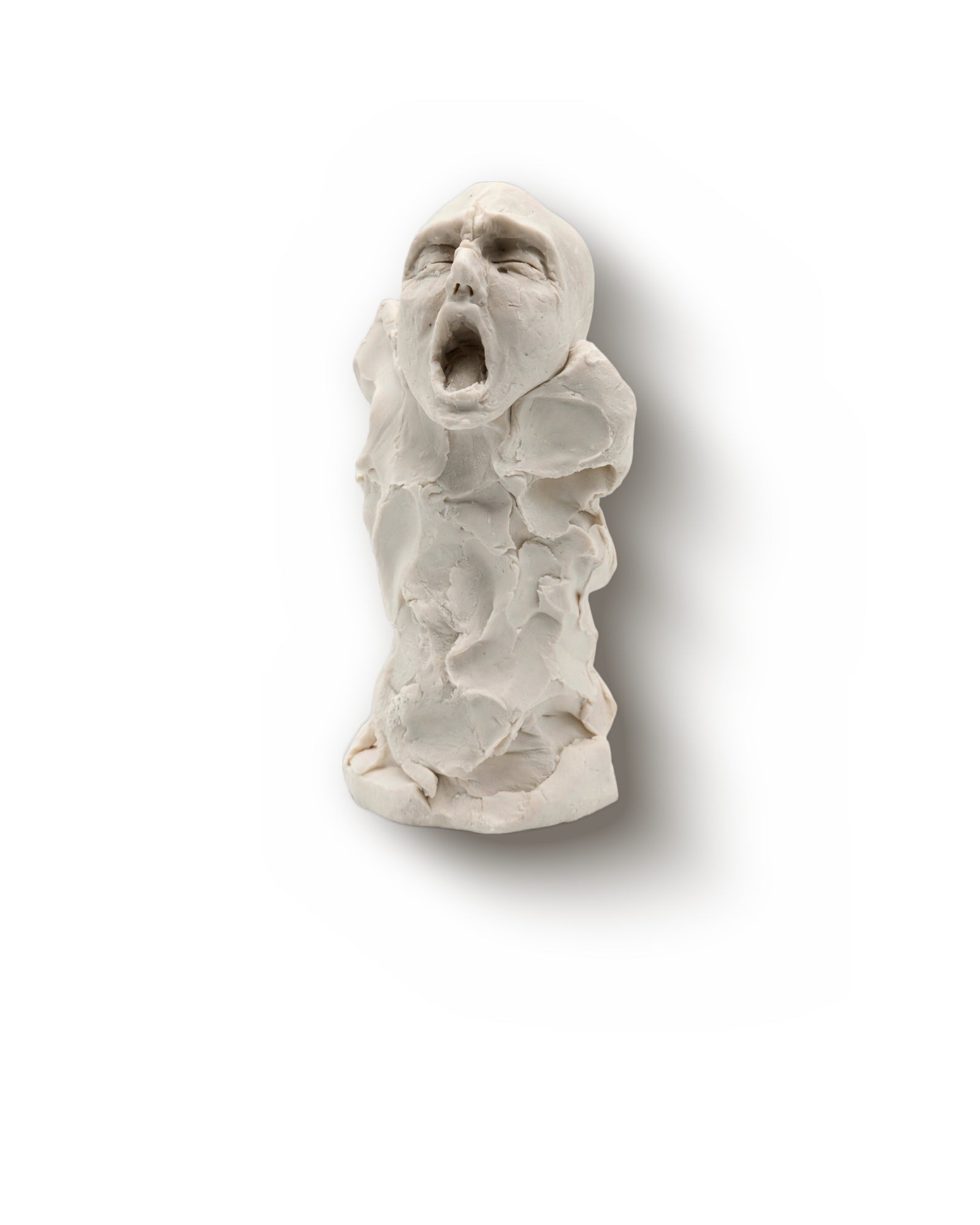
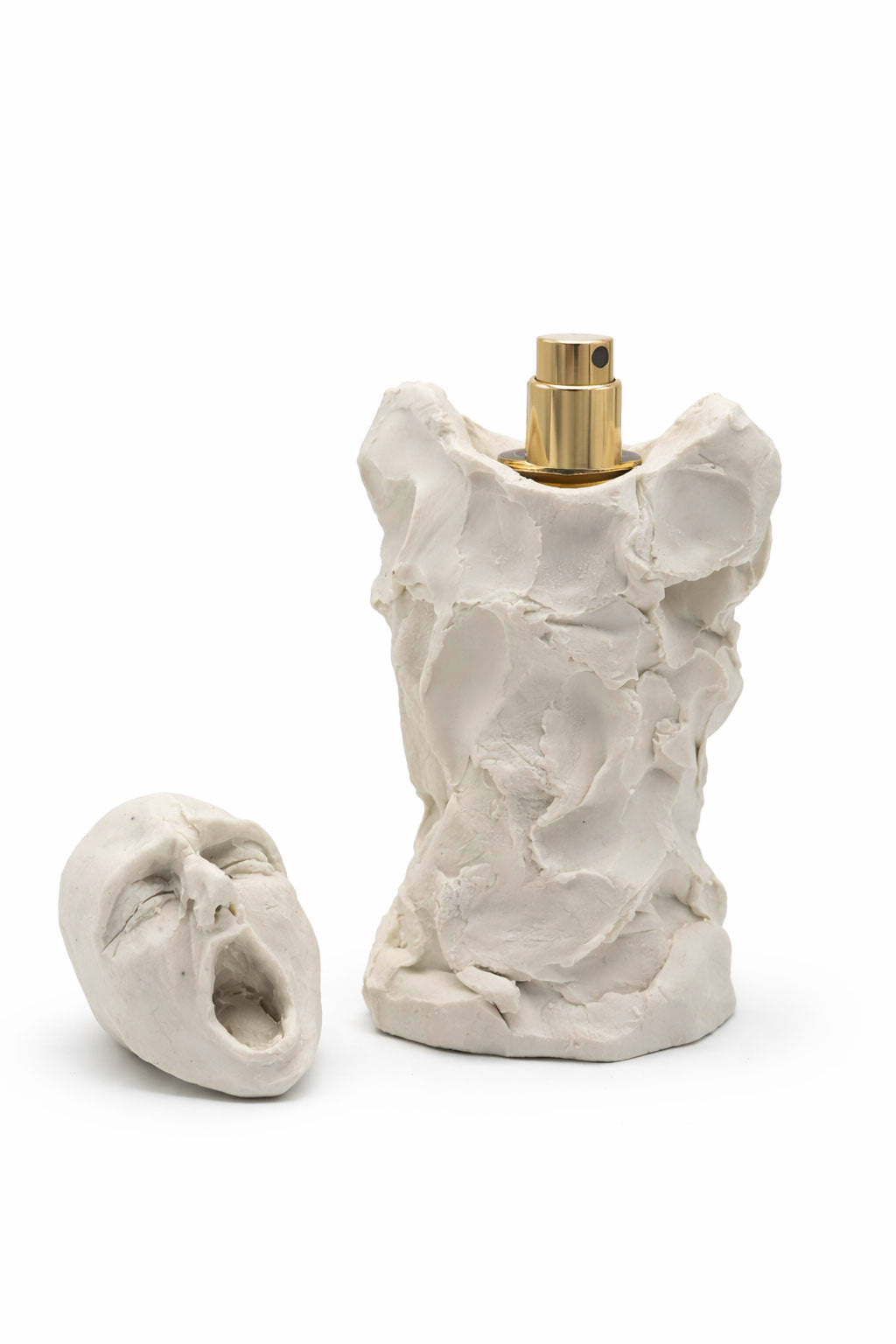
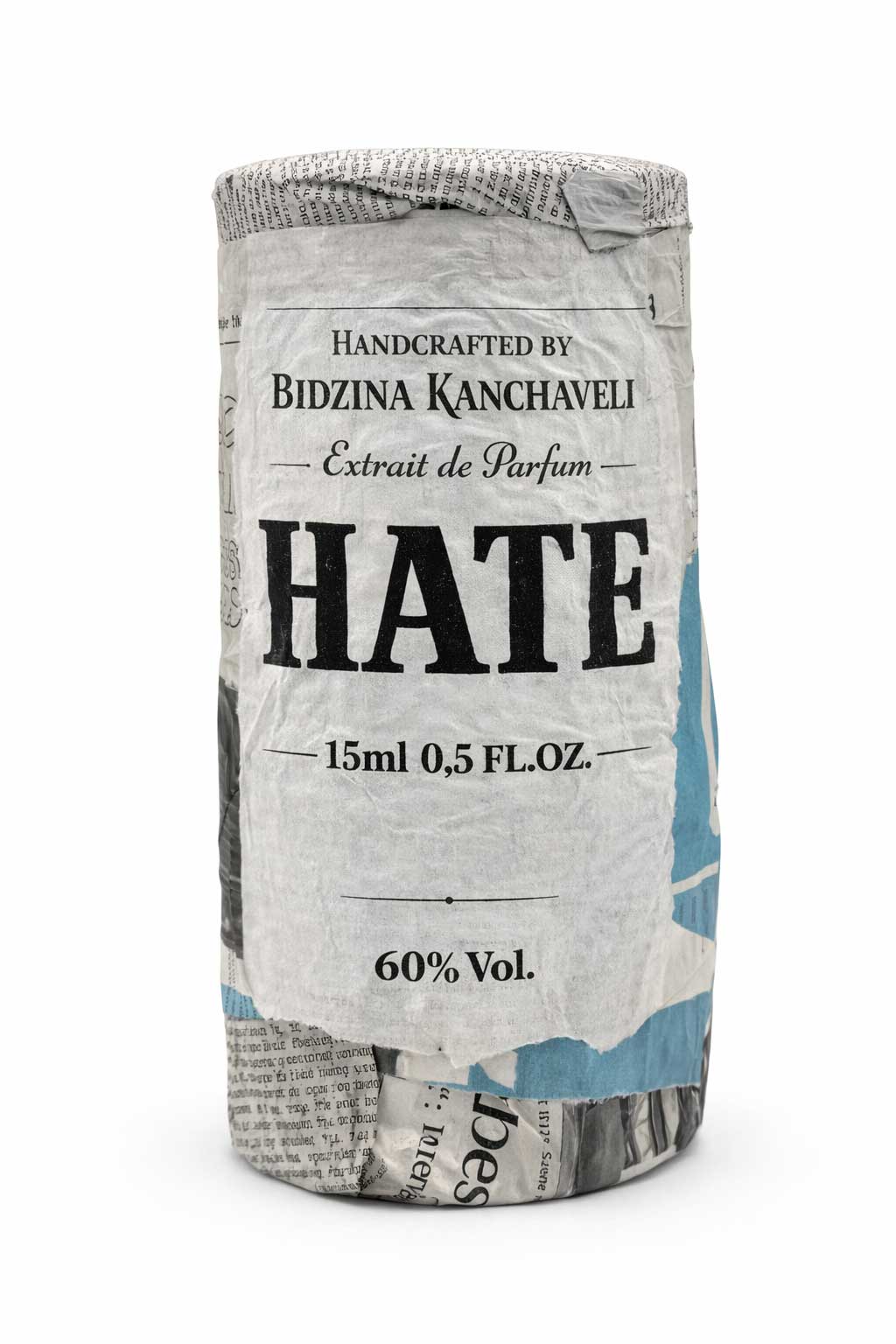
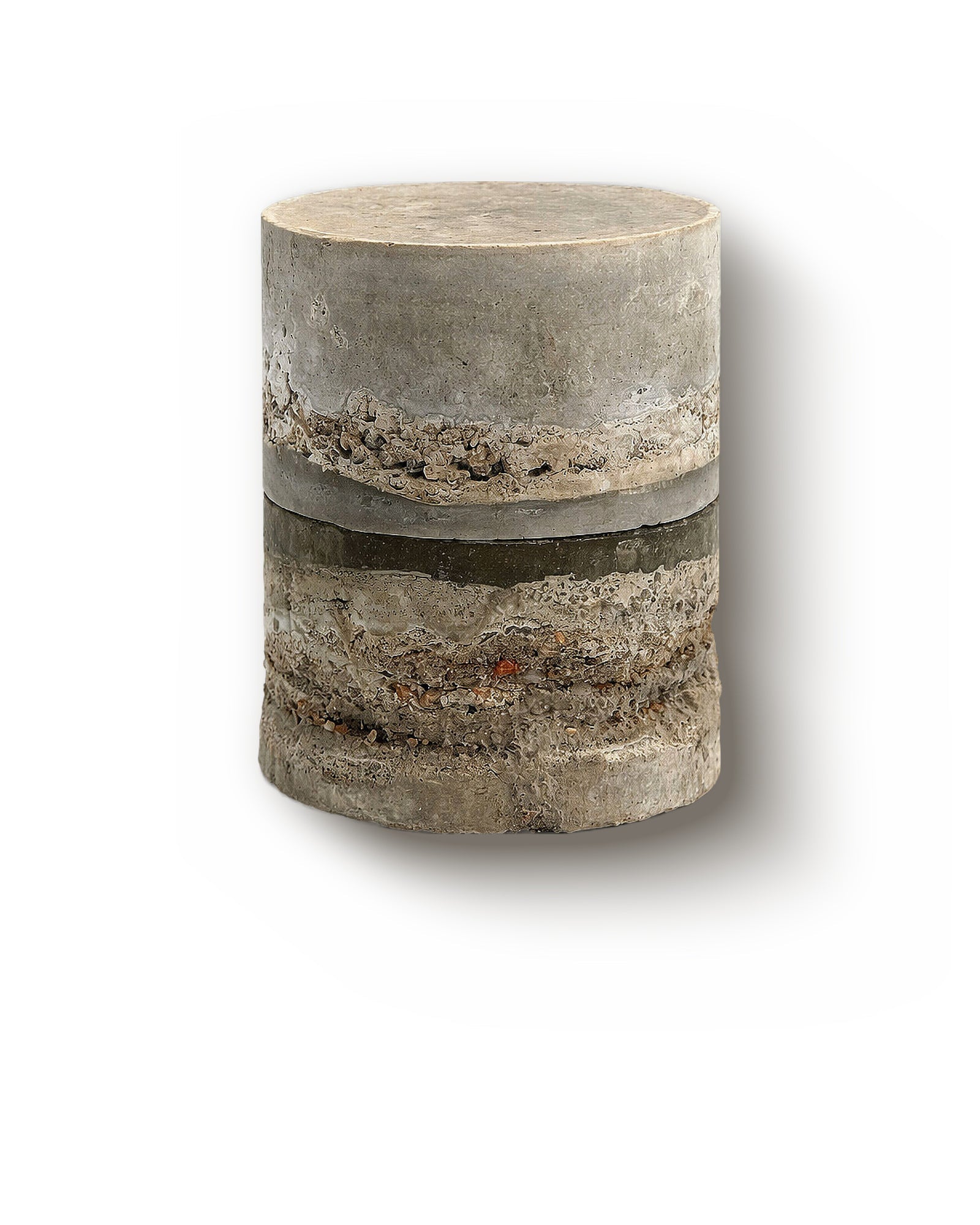
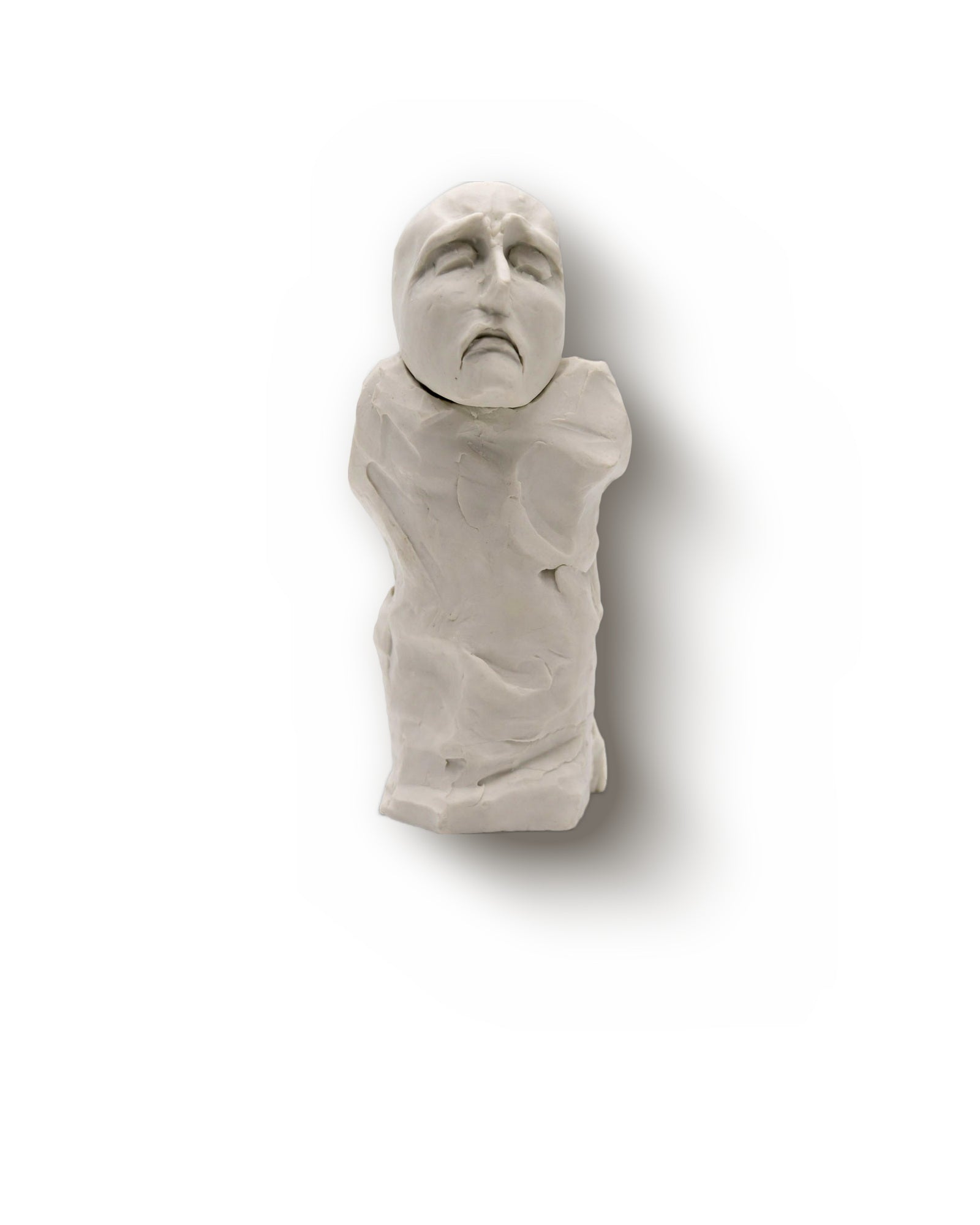
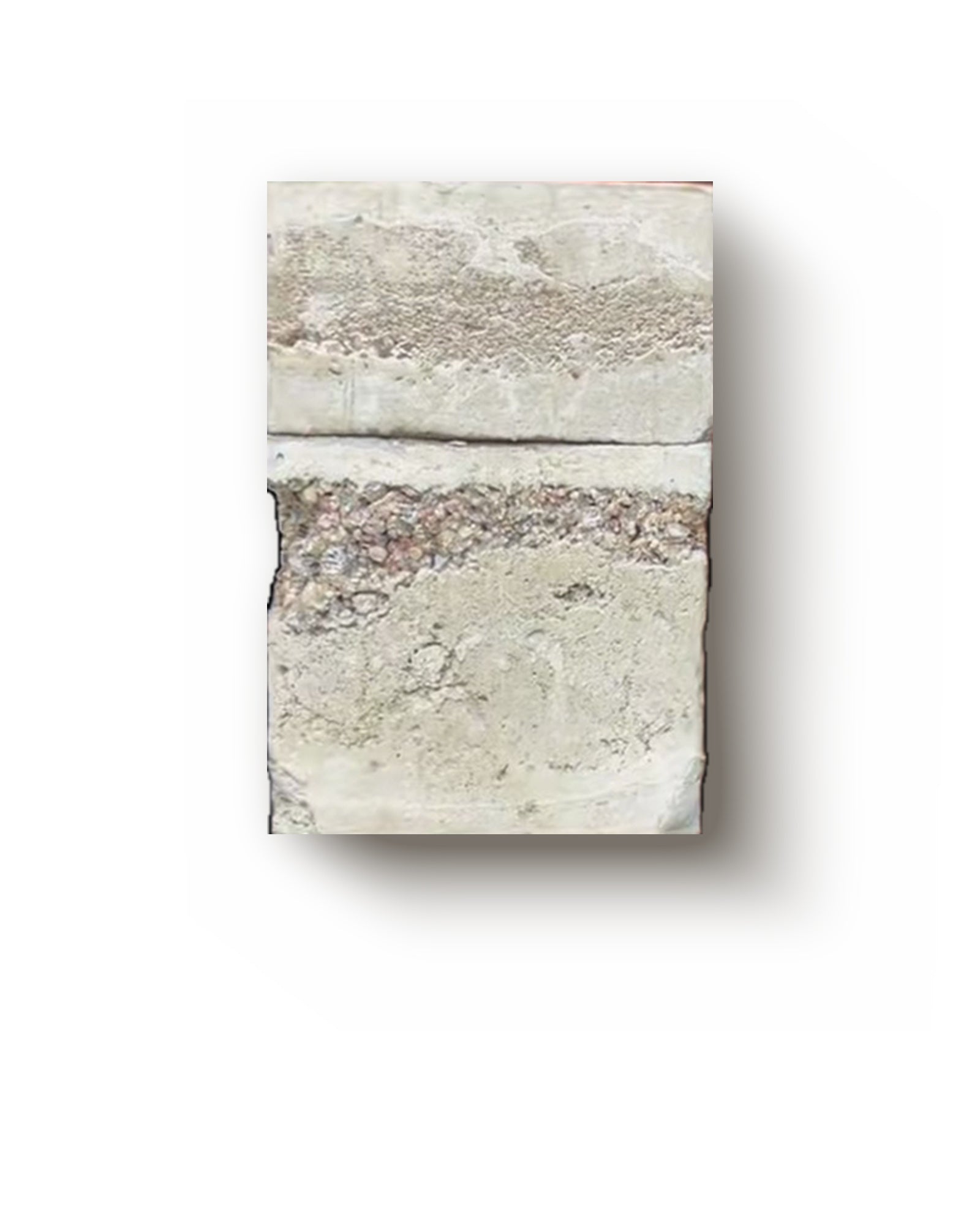
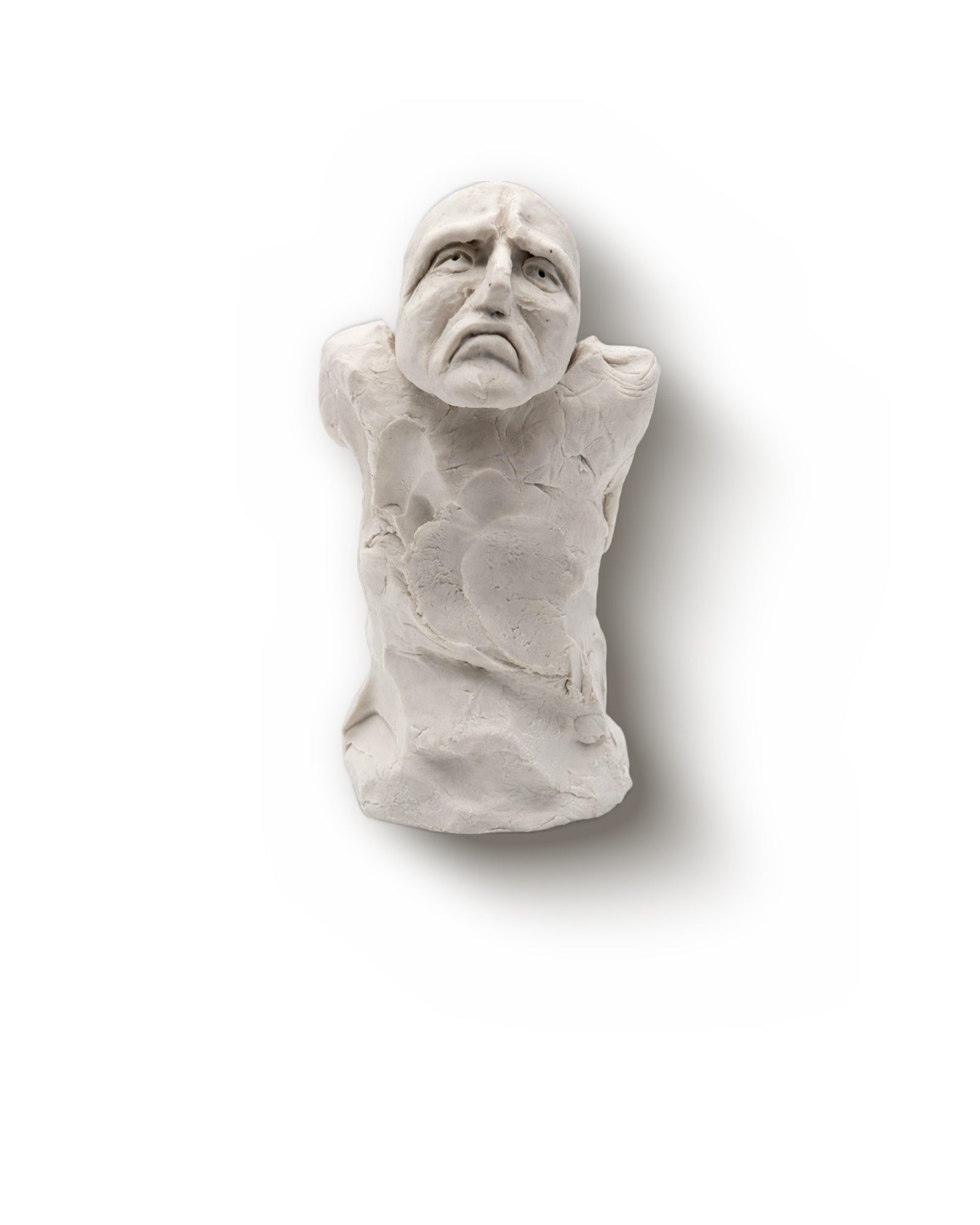
关于 Hate,Kanchaveli 写道,这是一款天然带有毒性的气息,不带任何合成的印象,是取自自然的、鲜活的原始毒素。他明确表示,它拒绝带来即时的愉悦,而是要求嗅觉去适应,对许多人而言,这将是一种前所未遇的体验。他说,随之而来的,是从刺激到着迷的转变。每一瓶都是手工制作的瓷器雕塑,编号且独一无二。


动物气息
温暖的肌肤、麝香与力量感
一种粗犷、体温般的麝香气息,读得出肌肤、发丝与皮毛,时而甜润带粉,时而锐利而隐含野性。它原始而亲昵,模糊了香水与佩戴者之间的界限。


温暖辛香
香料抽屉里灼灼的余烬
肉桂、丁香与肉豆蔻那圆润的热度,干燥而略带树脂,宛如烘焙储物柜,而非锐利的厨房。它营造出一份泛红、包裹的温暖,亲昵而宜于冷天,自内而外拥住肌肤。


麝香感
洁净肌肤的温暖气息
一种柔软、略带动物气息的温暖,闻来如洁净的肌肤与新晾干的衣物,亲昵而微甜。它在香气之下静静低吟,赋予一份感性、第二层肌肤般的贴近,显得私密而绵长。


动物调
香氛深处那道温暖而贴肤的低吟
原料简介
动物调是一类温暖、近似体香的协调,历史上来源于麝香鹿腺体、灵猫香、河狸香(castoreum)和抹香鲸的龙涎香。如今,由于原始原料受到限制或禁止,它们几乎完全以香气分子和植物来源重建,如麝葵(ambrette)和劳丹脂(labdanum)。
气味描述
温暖的光谱:麝香柔软贴肤;灵猫香微量时锐利而带粪感,稀释后却如丝绒;河狸香带皮革与烟熏;龙涎香则咸甜而带海洋气息。合而言之,它们在洁净与污秽的边界上,暗示着皮毛、呼吸、汗味与亲密。
在调香中的运用
融入基调以增添深度和活生生的人体温度,令一款香氛散发出佩戴感而非喷洒感。它们驱动着伟大动物调东方香的肉欲核心,以及经典动物调西普调和皮革调的灵魂。
延伸知识
真正的麝香曾需要猎杀雄性麝香鹿以取其腺体;该物种现已受《濒危野生动植物种国际贸易公约》(CITES)保护,天然麝香贸易被明令禁止。现代动物调几乎全部采用合成或植物来源,这是香水行业以科学取代残忍的一个早期且持久的范例。


辛香调
唤醒香氛的温热爆裂感
原料简介
辛香调是一类复合香调,而非单一原料,由多种香料植物构成:丁香花蕾、肉桂树皮、黑胡椒浆果、肉豆蔻种子、豆蔻荚果和生姜根茎。香气通过水蒸气蒸馏或超临界CO₂萃取干燥部位获得,或以丁香酚、桂醛等合成香原料重现。
气味描述
温暖、干燥而刺激,鼻尖略有灼热感。胡椒清脆锐利,丁香带药感且令感觉麻痹,肉桂甜美木质,肉豆蔻尘土气息浓郁。香调开场明亮而带劲,随后挥发性边缘消散,沉淀为圆润的琥珀暖意。
在调香中的运用
通常作为中调或前调点缀,增添活力、对比感与温度。它将柑橘前调引渡至木质琥珀底调,同时激活花香调与东方调。与玫瑰、琥珀、皮革和烟草搭配相宜。胡椒丁香香料研究及20世纪伟大辛香东方调均以此为核心。
延伸知识
中世纪香料贸易使这些原料按重量计比黄金更为珍贵,推动了改变世界版图的航海探索。丁香酚和桂醛被列为皮肤致敏剂,IFRA对其用量有严格上限,促使调香师转向更温和的合成辛香分子。
香气个性
动物气息的开场落在辛香的基调之上,由麝香托住。没有明亮的前调可供躲藏,也没有甜味来缓冲落地,这正是它第一印象如此两极的原因。


留香
它在肌肤上停留多久
这道量表读取预期的佩戴时长,即香气在肌肤上诉说多少小时方才消散。标记靠近低端意味数小时的短暂,标记推至远端则承诺一款从清晨持续到夜晚仍在的香气。


留痕
它香气尾迹的幅度
这读取香气在你之外延伸多远,以及它留下的尾迹。低端贴肤而柔,是只在近处可闻的亲密低语;高端则经由适中、强劲攀向庞大,弥漫满室,在你离去后仍萦绕于空气之中。


先锋
为大胆而好奇之人
非常规、突破界限的气息,献给那些想引发反应、卓尔不群之人。适合艺术化、富有挑战的构成:墨黑焦油、橡胶、发酵果实、金属或动物般的面相,皆不易讨喜。在这枚转盘上,亮起的金币意味它能回报勇于探索的嗅觉,黯淡则意味它行事稳妥。


办公
精致而绝不喧宾夺主
近距离的职场场合,香气应只被身旁之人察觉。适合克制、洁净、扩散适度的构成:整洁柑橘、柔和麝香、淡雅木香,读来干练而体贴。在这枚转盘上,亮起的金币意味它适用于共享办公空间,黯淡则意味它飘散得过远。


夜晚
入夜之后,渐入佳境
晚宴、小酌与夜游,香气可在此自信地深化与扩散。适合更丰盈、更温暖的构成:琥珀、树脂、烟熏木香,或在幽光下绽放的丰润花香。在这枚转盘上,亮起的金币意味香气在日落后焕发生机,黯淡则意味它更宜于日间。


浪漫
近到足以被感知
为拉近彼此距离而设的亲密时刻与约会之夜。适合温暖、感性、在肌肤上低吟的构成:奶香花朵、香草、柔和麝香,以及一抹邀人靠近的香料或琥珀。在这枚转盘上,亮起的金币意味它能营造诱人的氛围,黯淡则意味它偏向实用而非诱惑。


正式
为重要场合而精致
婚礼、典礼、晚宴与盛装场合,需要从容与优雅。适合精致、有结构、带着静默威仪的气息:温润木香、考究花香、柔软皮革,毫不张扬或俏皮。在这枚转盘上,亮起的金币意味它具备恰当的庄重,黯淡则意味它对这场合而言过于随性。


日常
悠闲日子里轻松的舒适
无关场合的日常佩戴:跑腿、喝咖啡、会友、慵懒的周末。适合柔软、亲和、读来洁净自然的气息,如清新柑橘、轻盈木香,或一缕温柔的肌肤暖意。在这枚转盘上,亮起的金币意味香气契合这些悠闲时刻,黯淡则意味它另有所求。


昼夜
其气质自然归属的时辰
这枚滑块读取香气为之而生的时辰。标记偏左,意味通透而明亮,在日光与户外空气中轻松自如;向右滑去,气质便转为更深沉、更温暖,那是一种属于夜晚与烛光房间的存在感。


冬
穿透冷空气的温暖
冷空气会削弱并放缓香气,因此冬天偏爱浓密而温暖之物:树脂、烟熏、香草、皮革与琥珀辛香,在寒意中辐射热度。这道刻度显示这款特定香气在寒冷天气中支撑得有多强、生辉得有多盛。


春
和煦渐暖中新绽的花朵
温和湿润的空气将更轻盈的构成托举得极美,因此春天偏爱带露花香、青翠茎叶、柔软粉感与透明柑橘,显得鲜活而非沉重。这道刻度显示这款特定香气与这清新、缓缓回暖的季节有多契合。


夏
真正暑热中的明亮与空灵
高温会强烈放大并扩散香气,因此夏天需要清凉、清脆、可呼吸之物:锐利柑橘、咸涩海风、芳香草本与水感清新,令人神清气爽而不腻人。这道刻度显示这款特定香气在真正的暑热中佩戴有多舒适。


秋
为转凉之日而生的辛香暖意
随着气温下降,更丰盈的原料读来清晰而不窒闷,因此秋天适合干燥木香、温暖香料、烟草、琥珀与金色果香,显得惬意而引人沉思。这道刻度显示这款特定香气融入清冷转凉之日时有多么自然。
最佳佩戴时刻
为寒冷天气与深夜而生,在气味尚未沉淀之前,最好没有人站得太近。第一次穿着,与其当作一个决定,不如当作一场实验。
选择选项
氛围


调香师
香氛世家

一款香水,从一种情绪内部谱写而成,瓶身由手工浇铸。
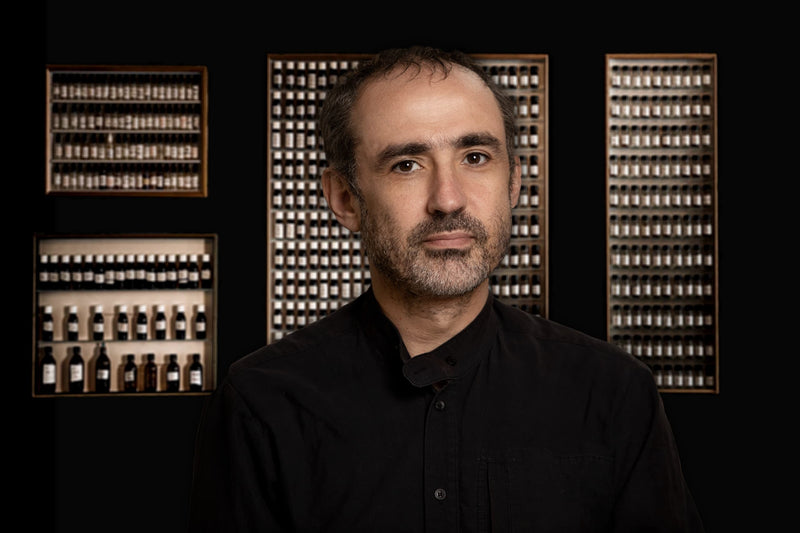
Bidzina Kanchaveli 是一位格鲁吉亚艺术家兼电影人,工作室设在柏林。他从单一情绪状态出发构建每一款浓香精,而非围绕香调金字塔。每只瓶子都以手工拉坯烧制成瓷,或以混凝土浇铸而成,让器物与香气浑然一体。
- 产地
- 德国柏林
- 代表作
- Emotions 与 Colour 系列
Bidzina Kanchaveli 的其他香水
您可能也喜欢