Ensar Oud
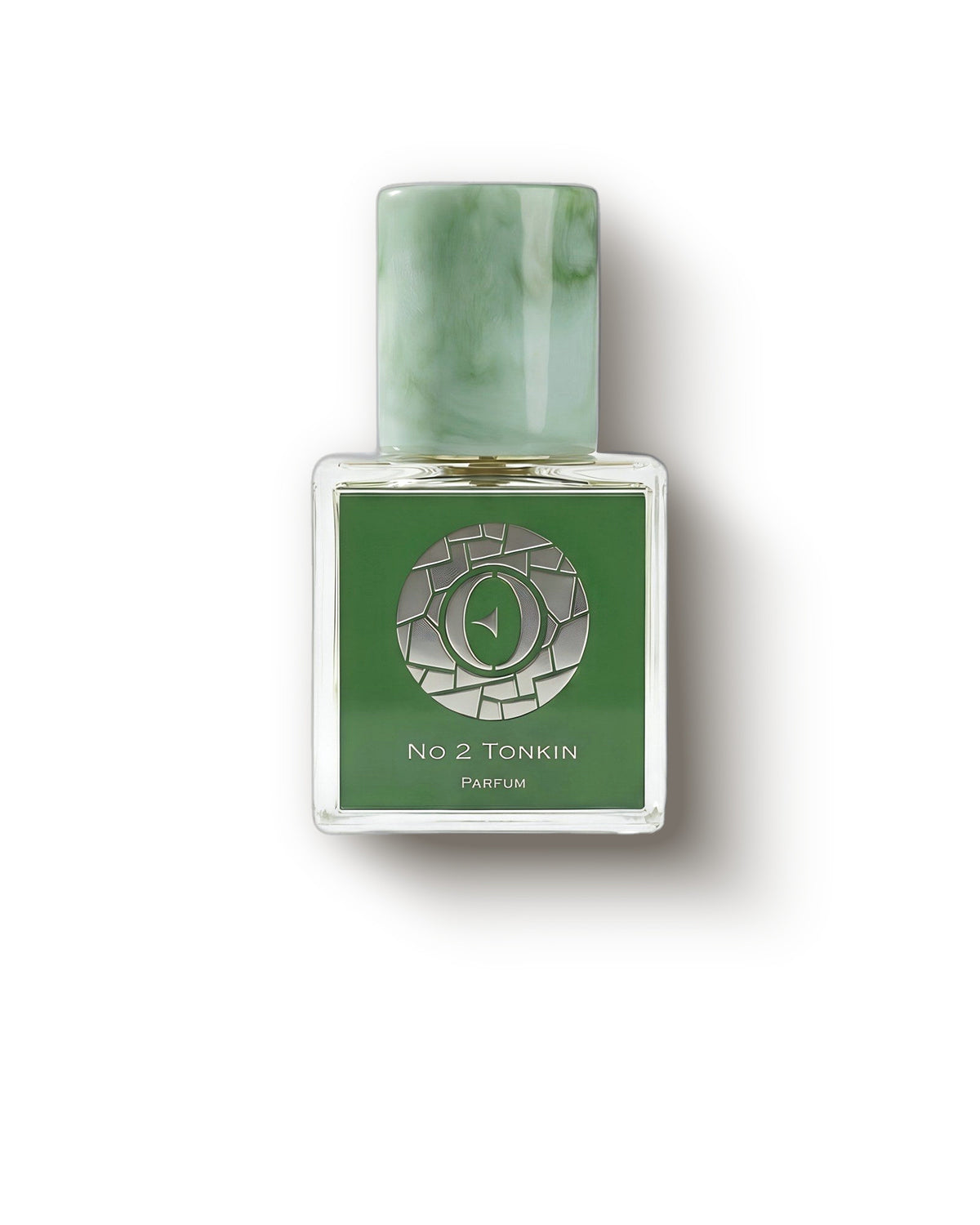
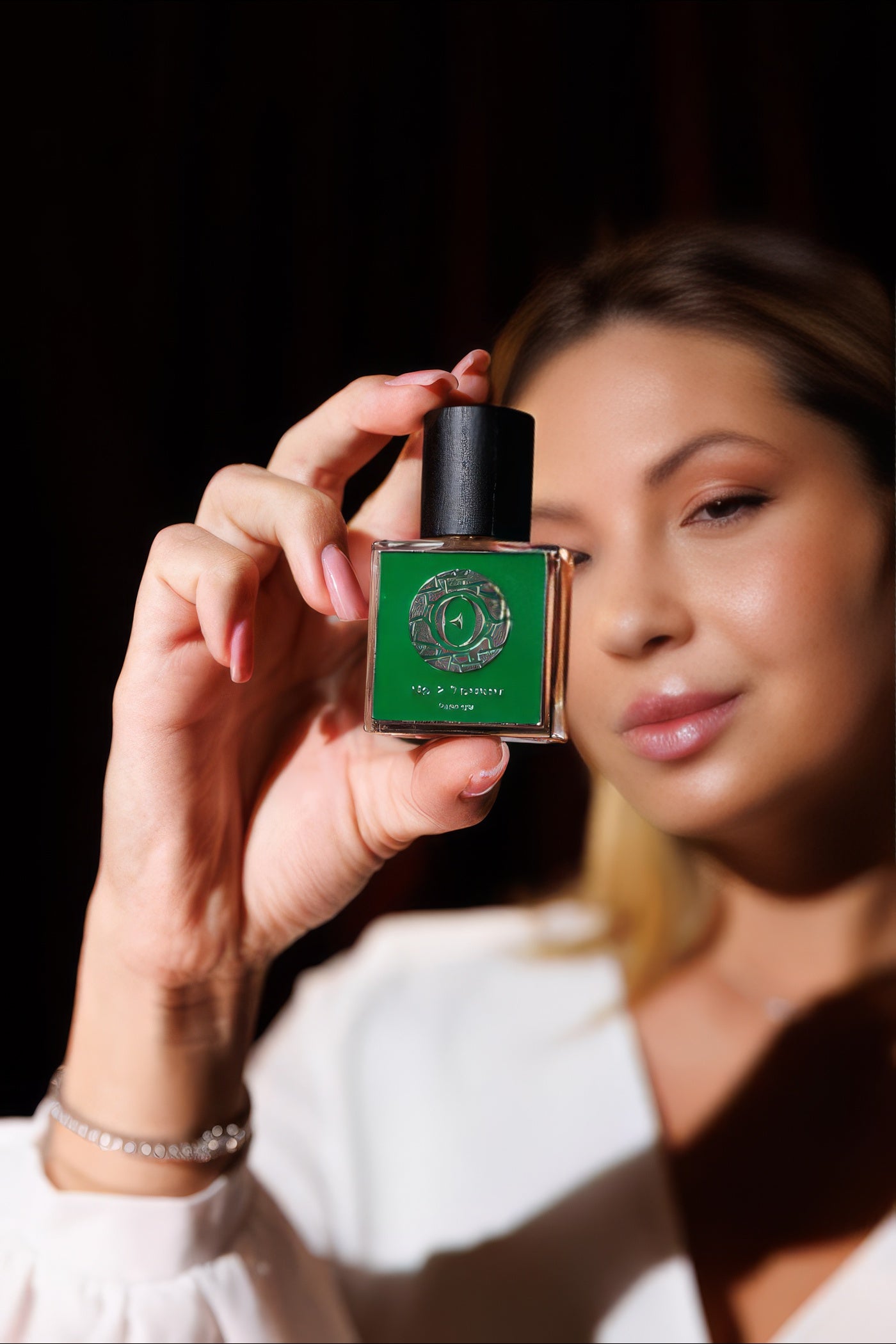
EO2 Tonkin
La Storia
EO2 è costruito sul muschio di Tonkin, più luminoso e pulito dei gradi mongolo o tibetano, accostato a sandalo Mysore e oud. Ha la struttura di un profumo moderno e porta il peso di una materia prima animalica allo stato grezzo.


Speziato
Una bancarella di spezie all'aria aperta
Pepe nero, cardamomo e bacche di pimento, secchi più che dolci, con un calore che pizzica in cima al naso prima ancora che tu abbia finito di inspirare. Non resta mai in sordina sotto qualcos'altro. La spezia alza la temperatura di qualunque cosa le venga messa accanto.


Legnoso
La grana secca del legno tagliato
L'odore di trucioli di cedro, sandalo e radici secche di vetiver, un calore levigato e resinoso con un lieve graffio da astuccio di matite. Trasmette solidità e compostezza: è la spina dorsale silenziosa che fa apparire un profumo serio e duraturo.


Animalico
Pelle, pelliccia e qualcosa di non del tutto domato
Una muschiosità grezza, calda come il corpo, che evoca pelle, capelli e pelliccia, a volte dolce e cipriata, a volte pungente e vagamente ferina. Nella sua forma migliore non si capisce dove finisca il profumo e dove cominci chi lo indossa. Quando è al massimo, è il motivo per cui alcuni si tirano indietro.


Muschio
pelle calda, morbida e aderente
Un tepore morbido, simile alla pelle, che profuma di pulito e lievemente cipriato, come braccia nude scaldate dal sole o bucato appena asciugato. Vibra basso e vicino, smussando le note più taglienti e lasciando una scia quieta e intima, quasi come la tua stessa pelle amplificata.
Pepe di Sichuan
Spezia agrumata e luminosa con una punta di formicolio
Cos'è
Non è affatto un grano di pepe. I gusci rossicci vengono da un albero della famiglia degli agrumi, parente più stretto del limone che del pepe nero, e si usa solo il guscio, distillato o estratto con CO2.
Come odora
Scorza di pompelmo su una spezia calda e rosata, che frizza più che bruciare. Sotto c'è un'ombra metallica, vagamente di vetiver. Nel cibo il guscio fa vibrare la lingua; in profumeria ciò che arriva è la scorza, non l'intorpidimento.
In profumeria
I profumieri lo usano in testa per effervescenza e slancio, una moderna scintilla pepata che ha aperto moltissime fragranze unisex contemporanee. Si accorda bene con agrumi, rosa, vetiver e incenso.
Da sapere
Il formicolio non è né sapore né calore. La molecola che lo provoca eccita le fibre nervose del tatto leggero nella pelle circa cinquanta volte al secondo, così il cervello registra una vera vibrazione.

Pepe Rosa
Bacche rosate e luminose con un'effervescenza speziata
Cos'è
Non è pepe. Le bacche rosate provengono da un albero sudamericano che non ha alcun legame botanico con il rampicante del pepe; vengono essiccate e poi distillate in corrente di vapore o estratte con CO2.
Come odora
Più rosato e fruttato del pepe nero, con appena un pizzico di calore. Bacche schiacciate, una resina che ricorda il ginepro, un guizzo di agrumi. Brilla in apertura e sparisce in fretta, lasciando dietro di sé una speziatura calda e delicata.
In profumeria
I profumieri lo scelgono quando una composizione ha bisogno di spezia senza calore. Stende un'effervescenza rosata sui floreali, rinfresca legni e ambre e si sposa bene con bergamotto e patchouli. Quell'effervescenza è una firma del fruttato-floreale moderno.
Da sapere
La famiglia a cui appartiene davvero è quella dell'anacardio, così vicina che chi reagisce ad anacardi o mango a volte reagisce anche a queste bacche. Meglio saperlo prima di usarle in cucina.


Cedro
Matite secche appena temperate e legno scaldato dal sole
Cos'è
La maggior parte del cedro usato in profumeria non è cedro. È ginepro, dagli alberi della Virginia e del Texas, distillato in corrente di vapore da trucioli e scarti di segheria. Il vero cedro dell'Atlante esiste ed è impiegato, ma è la fonte minore.
Come odora
Matite appena temperate, poi l'interno di un armadio rivestito di cedro. Quello dell'Atlante tende al caldo, al fumoso e al balsamico; quello della Virginia è più netto e pulito. In entrambi i casi si assesta in un morbido tepore di segatura e resta lì per ore.
In profumeria
Un vero cavallo di battaglia. Dà alle composizioni legnose la loro spina dorsale e tiene fermi i materiali più leggeri, a suo agio accanto a vetiver, rosa, agrumi e ambra. Il suo cuore legnoso, con un accento di prugna, attraversa gran parte dei legnosi unisex moderni.
Da sapere
Gli imbalsamatori egizi versavano l'olio di cedro nel corpo invece di bruciarlo, e il legno di cedro rivestiva le tombe e i sarcofagi destinati, nelle loro intenzioni, a durare più di loro. I veri cedri e i ginepri condividono il nome per l'odore, non per parentela.
Coriandolo
Una spezia che non sa affatto di foglie di coriandolo
Cos'è
Stessa pianta, due odori. Il seme maturo, una volta essiccato, è caldo e legnoso; la foglia fresca, venduta come prezzemolo cinese, è tutt'altra cosa e non entra quasi mai in un profumo. All'alambicco va solo il seme frantumato.
Come odora
Caldo e dolce in apertura, con uno slancio pepato e una spruzzata di agrumi. Poi si arrotonda: lavanda, legno di rosa, un lieve calore di pan di zenzero, più vicino a una fougère che a un portaspezie.
In profumeria
I profumieri lo collocano tra testa e cuore per freschezza, speziatura e una rotondità simile alla lavanda, accanto a bergamotto, lavanda, geranio e fondi ambrati. È una classica nota di cuore negli agrumati aromatici vintage ed è ovunque nelle fougère.
Da sapere
Gli archeologi hanno trovato semi di coriandolo sigillati nella tomba di Tutankhamon: è una delle spezie più antiche che qualcuno si sia preso la briga di coltivare. L'olio è composto soprattutto da linalolo, e offre ai profumieri una fonte di quell'odore più rotonda e gentile della molecola isolata.
Cumino
La spezia che ha l'odore di una persona
Cos'è
In cucina è una spezia. Distillato, si trasforma in qualcosa di più vicino a un corpo. I semi a forma di mezzaluna contengono cuminaldeide, un unico composto che svolge entrambi i ruoli: il cibo e la carne.
Come odora
Caldo, polveroso e verde in apertura, poi inconfondibilmente pelle. Una traccia si legge come il tepore che sale da una clavicola. Un po' di più ed è una camicia indossata due giorni di fila. Sotto c'è qualcosa di nocciolato e stranamente rassicurante.
In profumeria
I profumieri lo dosano in frazioni di punto percentuale, nel cuore, dove mette un battito carnale sotto rosa, cuoio, labdano e fiori d'arancio. Riscalda diversi classici orientali. Una goccia di troppo sbilancia l'intera formula.
Da sapere
La cuminaldeide è così vicina a un composto del sudore umano da non lasciare nessuno indifferente: stessa pelle, stessa dose, e c'è chi vi sente intimità e chi un corpo non lavato.


Tè Nero
Foglie secche, tannino e un soffio di fumo
Cos'è
Foglie appassite, arrotolate e poi lasciate ossidare fino in fondo: è questo che le rende nere e porta l'odore dall'erbaceo al cupo. La Cina lo fa da secoli. L'assoluta di tè autentica è rara, per questo la profumeria la ricostruisce.
Come odora
Secco e astringente, come il sapore della terza tazza della stessa teiera. Sotto si avvertono fieno e cuoio consunto, con una morbidezza di rosa e gelsomino tenuta a freno dalla cipria. Si apre nitido e arioso, poi si fa quieto, fumoso e legnoso.
In profumeria
Una nota di cuore che fa da freno: il suo tannino taglia la dolcezza e impedisce a un floreale di diventare sciropposo. Gli agrumi la sollevano, i legni la sostengono, e la maggior parte delle fragranze moderne al tè è una variazione di questo equilibrio.
Da sapere
Due molecole fanno quasi tutto il lavoro. Il theaspirane stende una luminosità di ribes nero su un bordo verde e fresco; il tabanone porta tabacco e qualcosa che ricorda la ghianda. Iononi e legno di guaiaco completano intorno a loro la parte cipriata e quella legnosa.

Elicriso
Fieno arso dal sole, venato di sciroppo d'acero e curry
Cos'è
I giardinieri chiamano questo arbusto mediterraneo argentato pianta del curry, e basta schiacciare una foglia per capire il perché del soprannome. I suoi piccoli capolini gialli si distillano in corrente di vapore per ottenerne un olio, oppure si estraggono con solventi per ricavarne un'assoluta.
Come odora
Camomilla essiccata e paglia calda, poi una pungenza di foglia di curry che non ti aspetti. Segue la dolcezza: sciroppo d'acero bruciato, caramello, un soffio di tabacco. Si chiude mielato e speziato di fieno greco, con qualcosa di vagamente medicinale sotto.
In profumeria
Lavora nel cuore e nel fondo, dove il suo calore di tabacco e liquore si accorda con naturalezza a legni, cuoio e ambra. I profumieri lo contrappongono alla lavanda quando vogliono che la dolcezza si legga come contrasto e non come dessert.
Da sapere
Il nome significa, alla lettera, sempreviva: recisi ed essiccati, i fiori conservano forma e colore per anni, e per questo si guadagnarono un posto nelle antiche corone funebri. Le rese sono minime in entrambi i casi, perciò l'elicriso figura tra i naturali più costosi.


Otto di Rosa Georgiana
La damascena del Caucaso, luminosa di sole e limpida come il miele
Cos'è
Rosa di Damasco coltivata nelle valli del Caucaso e distillata anziché estratta con solventi: tutta la differenza sta qui. L'otto conserva la testa cristallina del fiore; l'assoluto, la sua profondità scura e confetturata. Quella della Georgia risulta insolitamente limpida.
Come odora
Brillante, calda e accesa dall'interno: una rosa damascena limpida e mielata, con una cipria muschiata al di sotto e in testa uno slancio verde, quasi di geranio. Nel fondo senti l'arbusto intero, foglie e steli compresi.
In profumeria
I profumieri la usano per portare la luce del giorno in una miscela scura: accanto a oud o muschio alleggerisce invece di ispessire. Poche gocce risultano pulite e floreali, mentre una mano più pesante la rende vellutata e cipriata senza offuscarla.
Da sapere
Un vero otto si rapprende in una stanza fresca, intorno ai 20 °C, e torna liquido nel palmo della mano: è uno dei modi per capire che non è stato allungato. Per una sola oncia servono centinaia di libbre di fiori.


Ribes Nero
Cassis aspro con un ringhio selvatico e animalico
Cos'è
La profumeria ignora quasi sempre la bacca. La materia che conta è l'assoluta di gemme di ribes nero, estratta dalle gemme fogliari appiccicose e resinose dell'arbusto, di solito sostenuta da molecole solforate che portano lo scatto aspro del frutto.
Come odora
Acuto, aspro, inconfondibilmente viola, poi qualcosa di selvatico lo attraversa: una pungenza verde, fogliosa, vagamente sudata, più vicina al gatto che al frutto. Bacca matura con un ringhio alle spalle.
In profumeria
Una nota di testa con gli artigli. Taglia la dolcezza, affila la rosa e dà a un fruttato-floreale qualcosa contro cui fare forza. La classica apertura chypre parte da qui, e ancora oggi apre con uno scossone le composizioni fruttate moderne.
Da sapere
Il lato felino viene da tioli che il tuo naso coglie in parti per mille miliardi, la stessa famiglia dietro la marcatura del gatto maschio e un bicchiere di Sauvignon Blanc. I profumieri dosano il ribes nero a gocce, non a millilitri.


Zibetto
Calore animale che fa sbocciare i fiori in modo indecente
Cos'è
Una pasta raschiata da una sacca sotto la coda dello zibetto africano, un animale notturno simile a un gatto, poi messa in tintura nell'alcol. Oggi quasi tutto lo zibetto della profumeria è civetone, prodotto in laboratorio.
Come odora
Non diluito è sconvolgente: fecale, indolico, più stalla sporca che profumo. In traccia diventa mielato e cuoioso, caldo come la pelle, con un basso ronzio di tabacco. Il passaggio da repellente a seducente avviene interamente attraverso la diluizione.
In profumeria
I profumieri lo usano in tracce, come nota di fondo e fissativo, perché gelsomino e rosa sembrino sbocciare su un corpo vivo anziché stare in un flacone. Gli chypre e gli orientali animalici se ne nutrono.
Da sapere
In Etiopia, su piccola scala, ci sono ancora animali tenuti in gabbia e raschiati per ottenerlo, decenni dopo che il laboratorio lo ha reso superfluo. E non è lo zibetto delle palme dietro il caffè kopi luwak: stessa famiglia, animale diverso.

Gelsomino Sambac
Gelsomino verde come il tè, che si schiude dopo il tramonto
Cos'è
I fiori si aprono dopo il tramonto, quando il loro profumo è più intenso, perciò i raccoglitori li prendono ancora in boccio al mattino presto, prima che si schiudano. L'estrazione con solvente dà una concreta cerosa, e lavandola con l'alcol si ottiene l'assoluta.
Come odora
Più verde e più vicino al tè rispetto al grandiflorum, e molto meno fruttato. Parte nitido e un po' ceroso, con una sfumatura quasi di banana, poi si scalda in una dolcezza indolica. Quell'indolo è la sua parte animale: inebriante da vicino, eppure luminoso.
In profumeria
Una nota di cuore che dà ai bouquet di fiori bianchi il loro corpo e il loro slancio. Funziona con rosa, tuberosa, sandalo e tè verde, arrotonda gli agrumi taglienti, e alcuni soliflore notturni sono costruiti quasi solo su di esso.
Da sapere
È la sampaguita, il fiore nazionale delle Filippine, intrecciata in ghirlande e usata per profumare il tè cinese. Fiori minuscoli raccolti a mano ogni mattina per una lunga stagione collocano l'assoluta tra i floreali più costosi.

Muschio di Tonkin
Calore animale mielato che resta addosso per giorni
Cos'è
Ogni altro muschio naturale si misura su questo. Il Tonkin prende il nome dalle montagne del Vietnam settentrionale, e ciò che circola oggi è materiale vecchio, conservato per decenni e quasi impossibile da verificare per chi è fuori dal settore.
Come odora
Vellutato e dal sangue caldo, avvolto in qualcosa di mielato e ceroso che sconfina nel cioccolato, con una chiusura cipriata come il camoscio. Ha un morso, inconfondibilmente animale, ma suadente più che tagliente. Una goccia si sente per giorni.
In profumeria
Dosato in frazioni minime, agisce da fissativo: salda note estranee tra loro in un unico accordo luminoso e spinge la durata di una composizione verso i giorni. Se è usato bene non senti mai il muschio, solo un profumo che non ti lascia andare.
Da sapere
Il muschio bianco della maggior parte degli elenchi di ingredienti è una molecola di laboratorio, volutamente pulita e monocorde. Tra quelli veri, il Tonkin è il più dolce e il più affine ai floreali, mentre il mongolo risulta più calmo e più tagliente, quello del Kashmir più asciutto.


Cera d'Api
Cera dorata e mielosa, il calore dell'alveare
Cos'è
Le api operaie secernono la cera per costruire il favo, e il favo conserva tutto ciò che vi accade dentro. Estratta con solventi, la cera diventa un assoluto color oro scuro che porta ancora con sé miele, polline e propoli.
Come odora
Prima il miele, poi l'odore di una candela appena spenta. Sotto c'è fieno, un po' di tabacco e qualcosa di lievemente animale che viene dalla propoli. Dorato, ceroso, rotondo, e più caldo di quanto queste parole lascino intendere.
In profumeria
Dal cuore al fondo, dove arrotonda un floreale e addensa un'ambra con qualcosa di molto simile a una consistenza tattile. Fiori d'arancio, elicriso, tabacco e labdano sono i suoi vicini abituali. Le maison di nicchia spesso lo usano grezzo e lasciano che l'alveare si senta.
Da sapere
Le api consumano circa otto chili di miele per produrre un chilo di cera, e cento chili di quella cera si riducono a un solo chilo di assoluta. Ben poco arriva mai in un flacone.


Sandalo
Legno cremoso, estirpato con tutte le radici
Cos'è
L'olio più ricco si trova nelle radici, quindi l'albero intero viene sradicato, anziché abbattuto, e distillato in corrente di vapore. Mysore, nell'India meridionale, era la fonte classica, finché decenni di tagli eccessivi non hanno spinto gli alberi selvatici sull'orlo della scomparsa.
Come odora
Latte e legno caldo, con un lato rosato, quasi burroso, e nulla di tagliente. Ciò che sorprende è quanto poco si muova: nessuna apertura brillante, nessun colpo di scena nel fondo, solo lo stesso bagliore quieto per ore.
In profumeria
Svolge un doppio ruolo: come odore e come fissativo che tiene al suo posto la rosa o il gelsomino. Il sandalo viene anche classificato per qualità, e il durame vecchio più scuro, denso e carico di resina ha un nome tutto suo: carne rossa.
Da sapere
Un durame che valga la pena di raccogliere impiega circa trent'anni a formarsi. Oggi le piantagioni della stessa specie nell'Australia Occidentale forniscono la maggior parte dell'olio mondiale, vicino alla chimica dell'antico Mysore anche se non proprio alla sua cremosità.

Castoreo
Pelle di castoro affumicata con una punta di aspirina
Cos'è
In sostanza, marcatura del territorio. È la secrezione delle sacche castoree del castoro, essiccate dai cacciatori e lavorate in tintura o assoluta, anche se ciò che senti oggi in quasi ogni flacone è la versione sintetica.
Come odora
Cuoio scuro e catramoso con un bordo medicinale, come fumo di betulla che sale da un cappotto bagnato. Sotto c'è dolcezza: frutta secca, fieno, una traccia di vaniglia. Diluiscilo abbastanza e il ringhio diventa camoscio caldo.
In profumeria
Ancora il fondo e regge tutto ciò che sta sopra: la pelle conciata di un profumo di cuoio, il fumo di un cuoio di Russia, la lunga scia di un vecchio orientale. Si accompagna a catrame di betulla, labdano, muschio di quercia e tabacco.
Da sapere
I castori si nutrono di corteccia di salice e di pioppo, ricca di salicina, il composto all'origine dell'aspirina, e si sente: un filo fresco, quasi medicinale, sotto tutto quel cuoio. Da tempo è usato anche come aromatizzante.


Legno di Agar Kepi Selvatico
Legno di agar papuano dalla terra dei fiumi intorno a Kepi
Cos'è
Legno di agar raccolto intorno a Kepi, la cittadina fluviale nel cuore della regione di Mappi, nel sud di Papua, in Indonesia, e distillato in piccoli lotti artigianali. Il legno di agar della Papua è in gran parte Gyrinops e Aquilaria filaria, non l'Aquilaria malaccensis del subcontinente, e in questa regione si produce oud solo dalla fine del Novecento.
Come odora
Verde e indomito, apre su terra bagnata e sottobosco prima che emerga un afrore erbaceo fermentato, con fungo, caffè scuro e sopra un bordo vaporoso, quasi metallico. Meno dolce dell'oud cambogiano e meno fecale dell'hindi, ma più selvatico di entrambi, e resta inquieto sulla pelle per ore.
In profumeria
Una materia da intenditori, distillata in quantità minime, più che un ingrediente commerciale. La sua asprezza verde e selvatica è proprio il punto: si usa quando una composizione deve sembrare un luogo più che un profumo, e le basta pochissimo spazio per dominarla.
Da sapere
L'oud papuano proviene da una filiera giovane e strettamente gestita, e le rese sono spesso una frazione di punto percentuale: il distillato autentico è quindi scarso e costoso. Il legno resinoso di Papua si forma lentamente e in modo irregolare, così un distillatore può lavorare la raccolta di un'intera stagione e riempire comunque solo poche fiale. Tutto ciò che viene venduto come oud papuano a un prezzo di grande distribuzione è un accordo, non l'olio.
Carattere Olfattivo
I primi minuti crepitano di spezie, con il coriandolo e i due pepi che tagliano il cedro, prima che il cuore si ammorbidisca in otto di rosa georgiana, gelsomino sambac e tè nero. Zibetto e castoreo affiorano con costanza nella fase centrale, trascinando i fiori verso qualcosa di umido, caldo e vagamente selvatico. Nel fondo, muschio di Tonkin e cera d'api sigillano tutto in una resina densa, aderente alla pelle, che persiste per ore senza annunciarsi.


Persistenza
quanto a lungo resta sulla pelle
La clessidra indica la durata sulla pelle: per quante ore la fragranza continua a parlare prima di svanire. Una barra che si stacca appena dall'inizio significa poche ore fugaci. Una che corre per tutta la lunghezza ti accompagna dal mattino alla sera. Consideralo un valore tipico, non una promessa. La pelle grassa trattiene il profumo molto più a lungo di quella secca.


Scia
l'ampiezza della sua scia
Sillage è la parola francese per la scia di una nave, ed è esattamente ciò che misura questo indicatore: quanta parte del profumo raggiunge la stanza invece di restare su di te. Basso è un sussurro che colgono solo gli amici più stretti. Enorme riempie la stanza, e continua a riempirla anche dopo che l'hai lasciata.


Sperimentale
Nato per provocare, non per piacere
Alcuni profumi sono fatti per piacere. Questi sono fatti per far discutere: catrame inchiostrato, gomma calda, frutta sul punto di guastarsi, metallo e pelliccia dove ti aspettavi dei fiori. La moneta si illumina per un profumo che provoca e si affievolisce per uno che gioca sul sicuro, e a volte è proprio questo lo scopo.


Ufficio
Curato, senza mai sovrastare la stanza
In una stanza condivisa, il profumo è una questione di buone maniere. A questa distanza dovrebbe raggiungere la persona dall'altra parte della scrivania e fermarsi lì: agrumi ordinati, muschio morbido, legni chiari, tutto con un'aria competente e rispettosa. Una moneta luminosa significa che nessuno dovrà farlo notare. Una spenta significa che viaggia lontano.


Sera
Dopo il tramonto, quando si fa più profondo
Cena, drink, la notte che si allunga. È nella luce soffusa che ambre, resine e legni fumosi smettono di essere educati, e che un floreale sontuoso finalmente sboccia. Una moneta luminosa significa che aspetta proprio quest'ora. Una spenta significa che ha dato il meglio di sé alla luce del giorno.


Romantico
Abbastanza vicino da farsi sentire
Una fragranza può vibrare sulla pelle invece di annunciarsi dall'altra parte del tavolo. È questo il registro: fiori cremosi, vaniglia, muschio morbido, un filo di spezia, abbastanza caldi da far avvicinare qualcuno. La moneta si illumina quando un profumo crea quell'atmosfera e si affievolisce quando è più pratico che seducente.


Formale
Autorevolezza discreta in una sala elegante
Un matrimonio, una cerimonia, una sala in cui tutti hanno pensato alle proprie scarpe. Qui conta la struttura, non il volume: legni levigati, fiori disciplinati, cuoio morbido. Una moneta luminosa significa che mantiene il portamento per tutta la sera. Una spenta significa che è troppo informale per quella sala.


Casual
Comodità serena per giornate senza fretta
Commissioni, un caffè, un sabato lento senza dover essere da nessuna parte. Qui niente deve fare colpo su nessuno, quindi serve qualcosa di morbido e disinvolto: agrumi freschi, legni leggeri, un po' di tepore che sale dalla pelle. Una moneta luminosa dice sì a tutto questo. Una spenta significa che la fragranza chiede una serata più importante.


Dal Giorno alla Sera
dove si colloca naturalmente il suo carattere
Una barra che va dal sole alla luna e indica l'ora per cui la fragranza è stata creata. Più resta dorata, più il profumo appartiene alla luce del giorno e all'aria aperta. Più il blu si spinge indietro verso il sole, più diventa profondo e caldo: sera, lume di candela, stanze in penombra.


Inverno
Calore che attraversa l'aria fredda
L'aria fredda smorza una fragranza e la rallenta, per questo l'inverno appartiene al denso e al caldo: resina, fumo, vaniglia, cuoio, spezie ambrate. La barra indica quanto bene questo profumo resiste, risplendendo contro il gelo invece di assottigliarsi.


Primavera
Fioriture fresche in un tepore mite e crescente
L'aria mite e umida solleva una composizione leggera, per questo la stagione appartiene a fiori rugiadosi, steli verdi, cipria morbida e agrumi trasparenti. Vivi più che pesanti. Più il verde avanza lungo la barra, più questo profumo si trova a suo agio con quel clima.


Estate
Luminoso e arioso anche quando fa davvero caldo
Il caldo proietta il profumo al posto tuo, per questo quello sbagliato diventa insopportabile già a mezzogiorno. Ciò che resiste è fresco e respirabile: agrumi taglienti, aria salmastra, erbe aromatiche, acqua. Cose che rinfrescano invece di stuccare. Qui una barra corta significa: tienilo per i mesi più freschi.


Autunno
Tepore speziato per giornate che si fanno fresche
Quando l'aria si rinfresca, i materiali ricchi smettono di soffocare e cominciano a leggersi con chiarezza: legni secchi, spezie calde, tabacco, ambra, frutta diventata dorata. È la stagione in cui il profumo si fa contemplativo. La barra si riempie in base a quanto naturalmente questo profumo si adatta alle giornate limpide che si fanno più fresche.
Quando Indossarlo
Ideale per le giornate fresche e raccolte dell'autunno e del pieno inverno, da indossare la sera da chi è a proprio agio con una fragranza apertamente animalica.
Scegli le opzioni
L’atmosfera


Il Naso
Composto internamente.
La Maison

Oud artigianale puro, la vera materia resinosa, versata dalla bottiglia originale nella tua fiala.
Ensar Oud tratta l'agarwood come un vignaiolo tratta un unico versante di vigne antiche. Sono estratti densi, lenti, profondamente seri, costruiti attorno a oud invecchiati, ambra grigia e muschi animalici di cui la maggior parte delle persone ha soltanto letto. Una goccia sboccia per ore, passando dal fumo alla resina a qualcosa di caldo e vicino alla pelle.
- Origine
- New York, Stati Uniti
- Fondazione
- 2004, come Oriscent
- Nota per
- Oud di grado Sultani, muschio vero

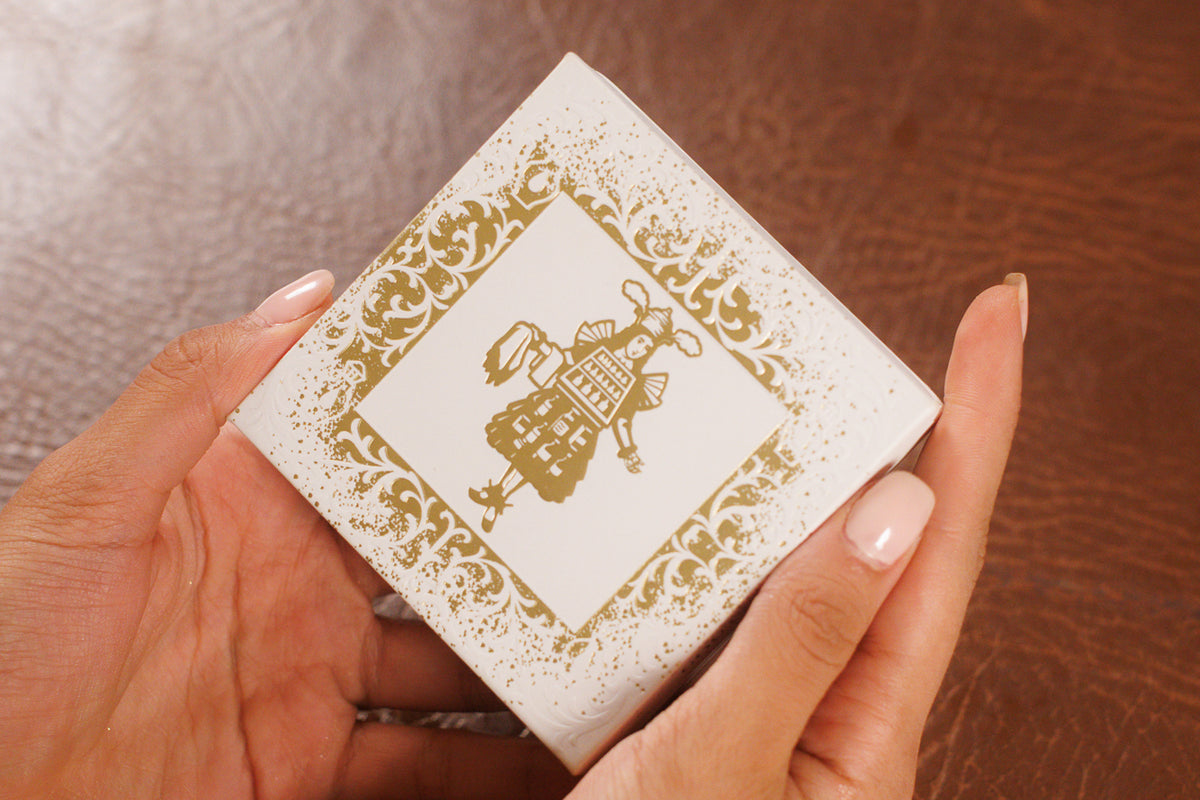
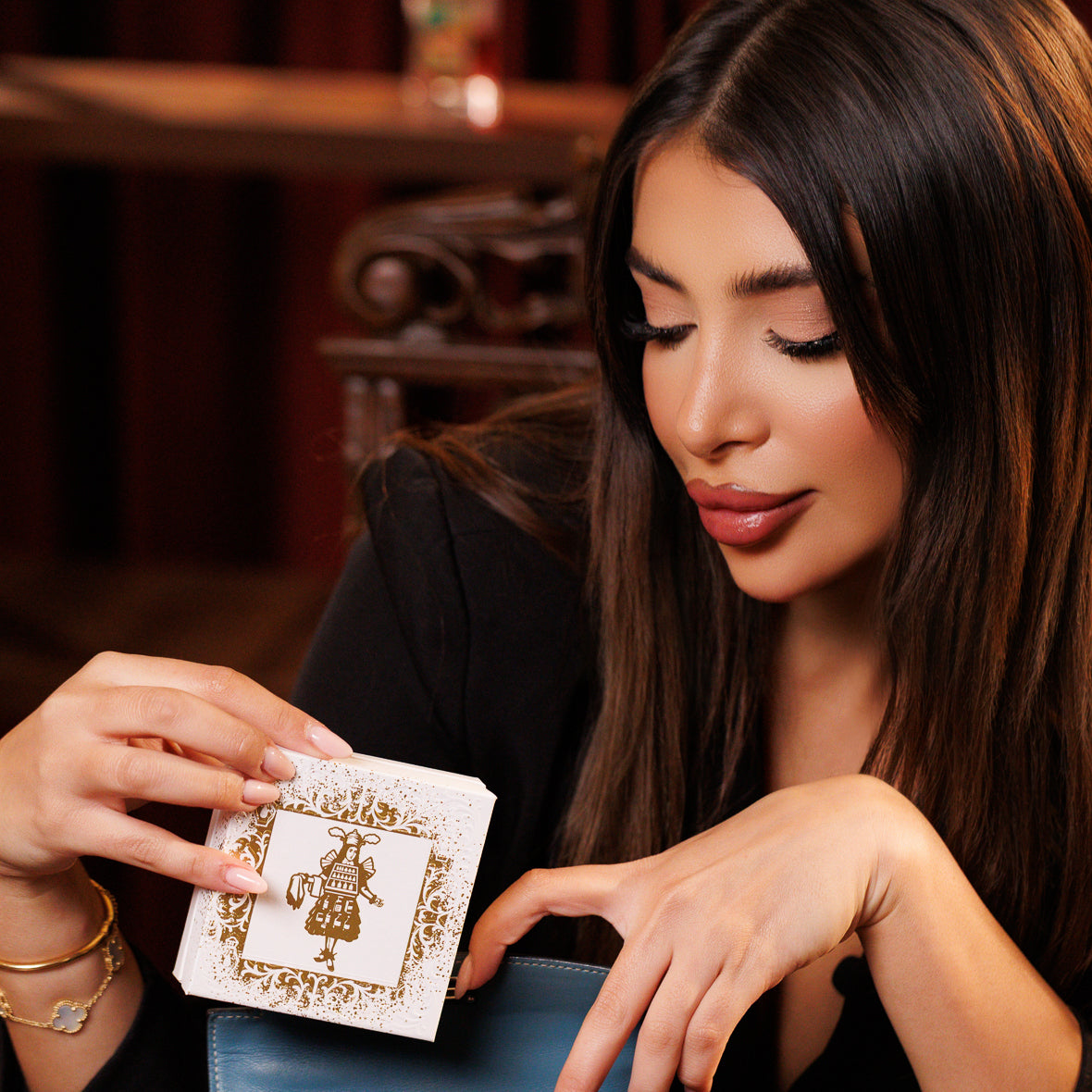
OGNI DECANT
Dal flacone originale fino alla tua porta
Acquistiamo il flacone originale a prezzo pieno, direttamente dalla maison.
Una siringa Socorex di grado medicale preleva i millilitri esatti direttamente dal flacone.
Riposto nel cofanetto impresso a caldo e affidato a DHL, con ogni dazio già pagato. Come nasce un decant
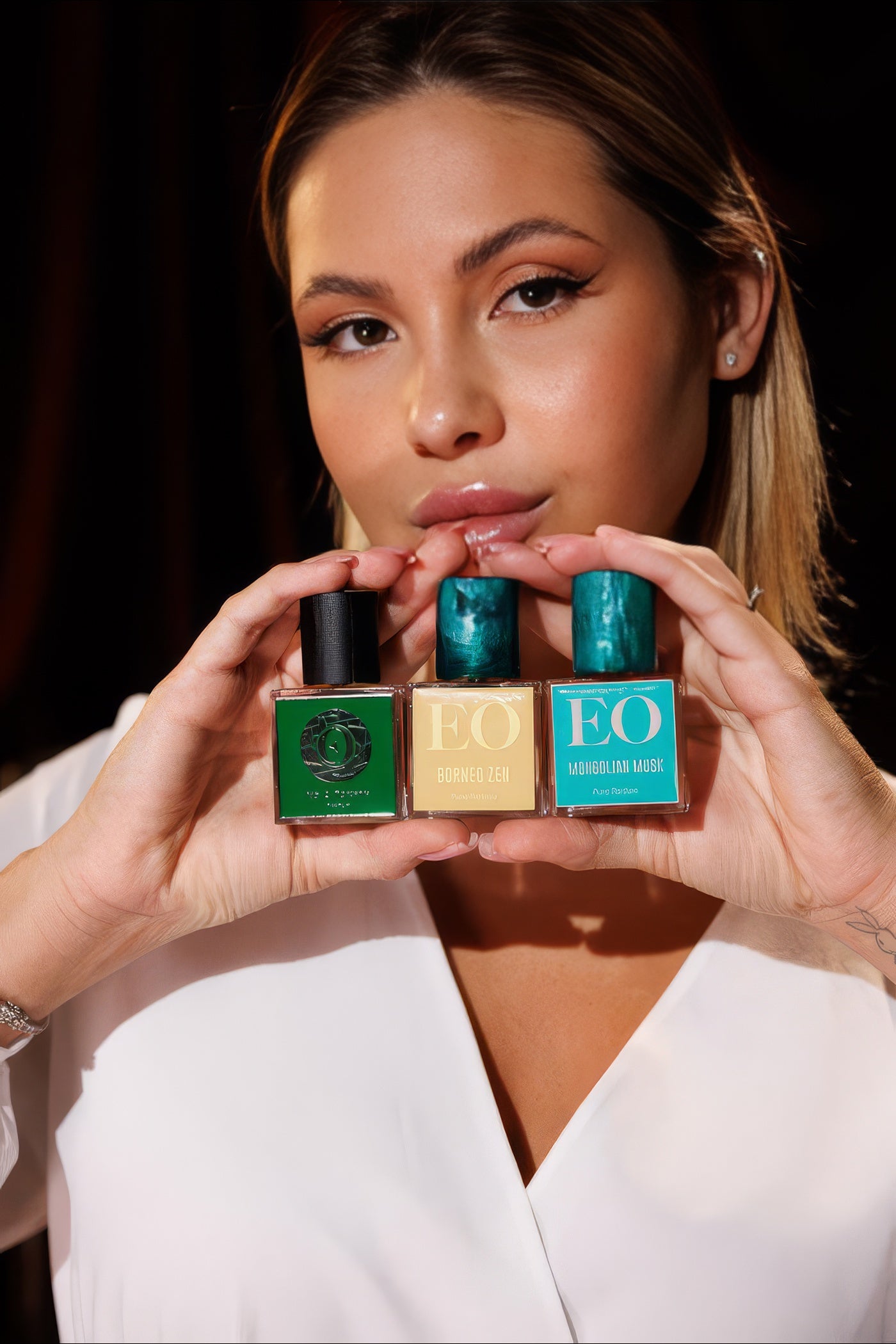
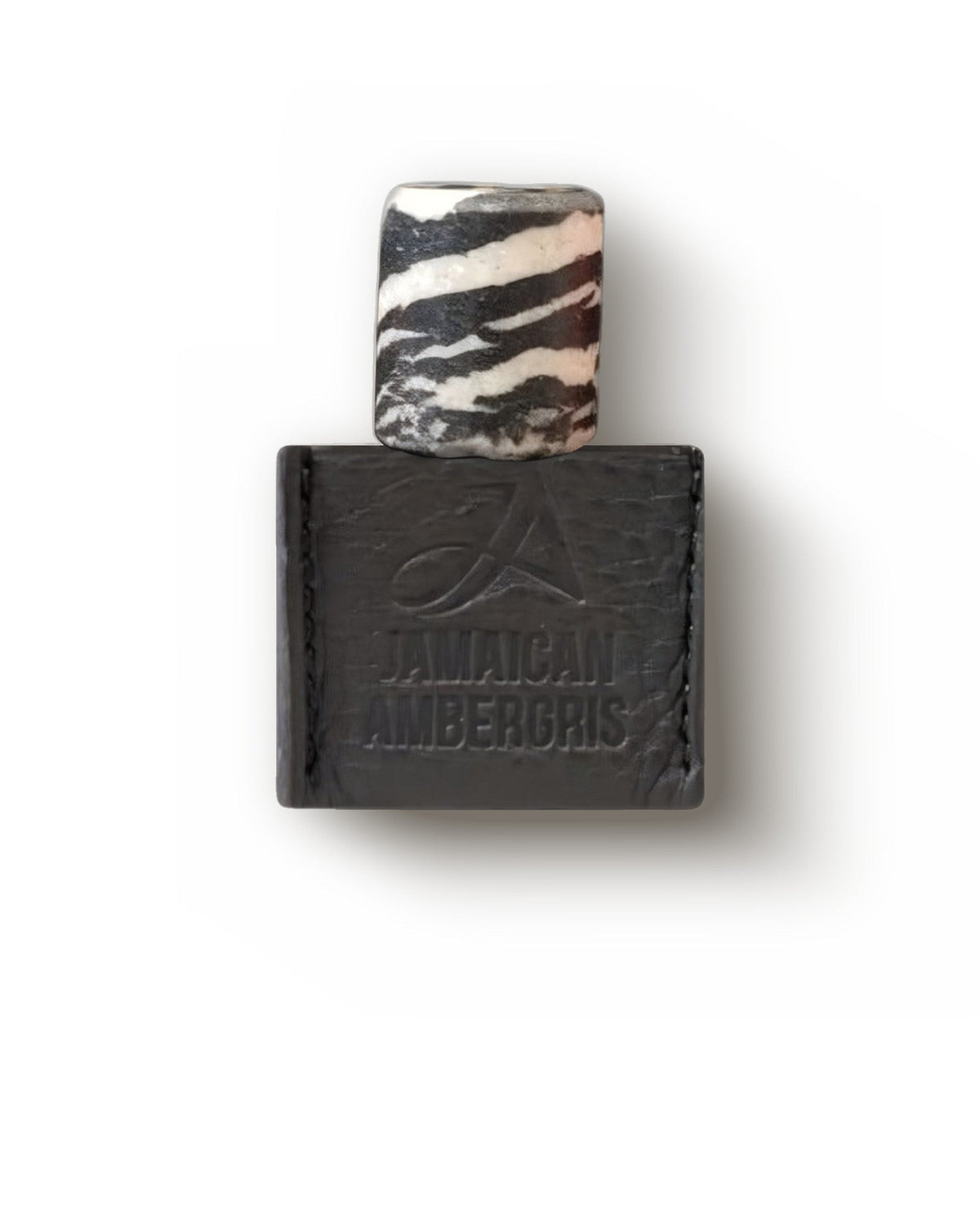
Altri profumi Ensar Oud
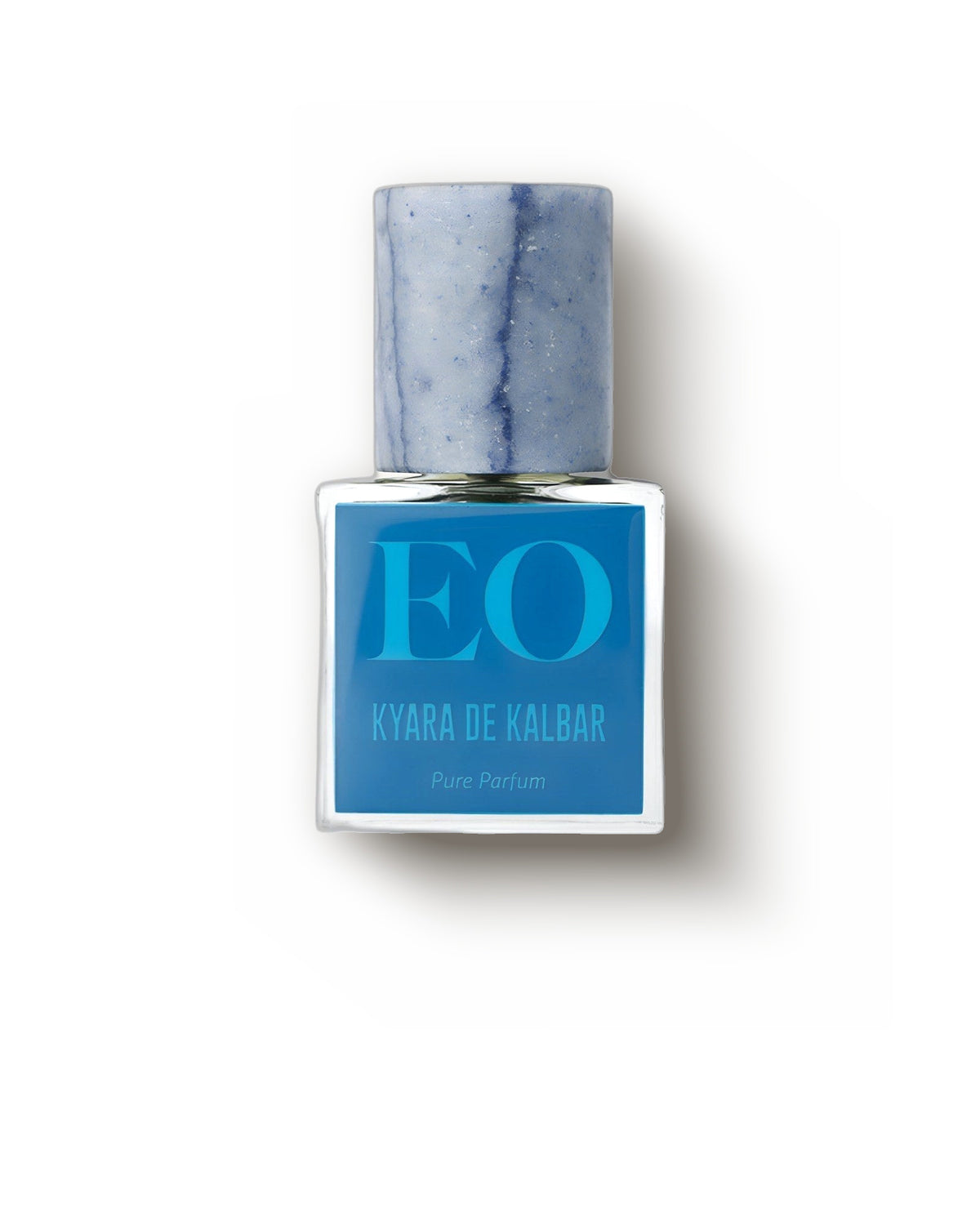
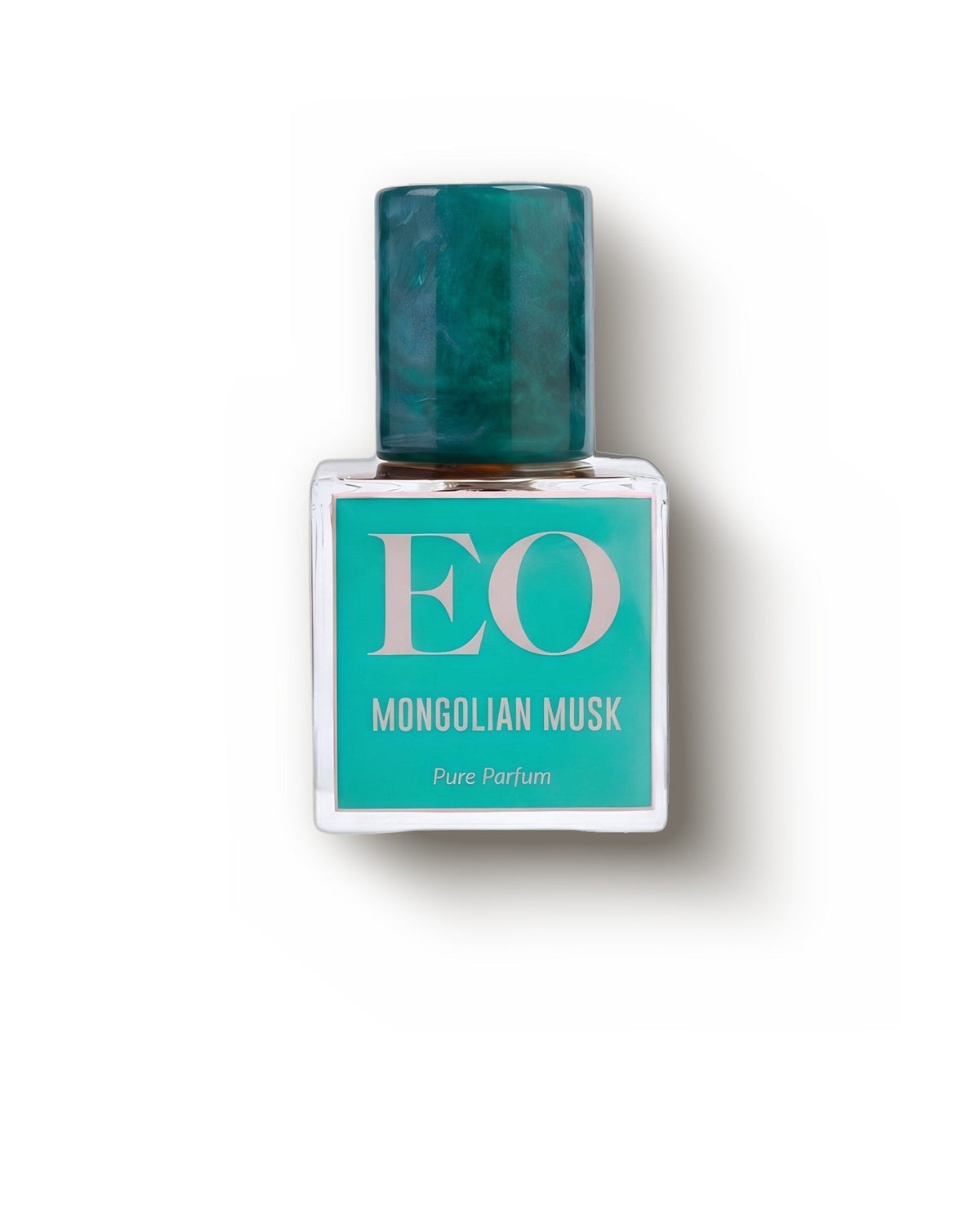
Potrebbe piacerti anche