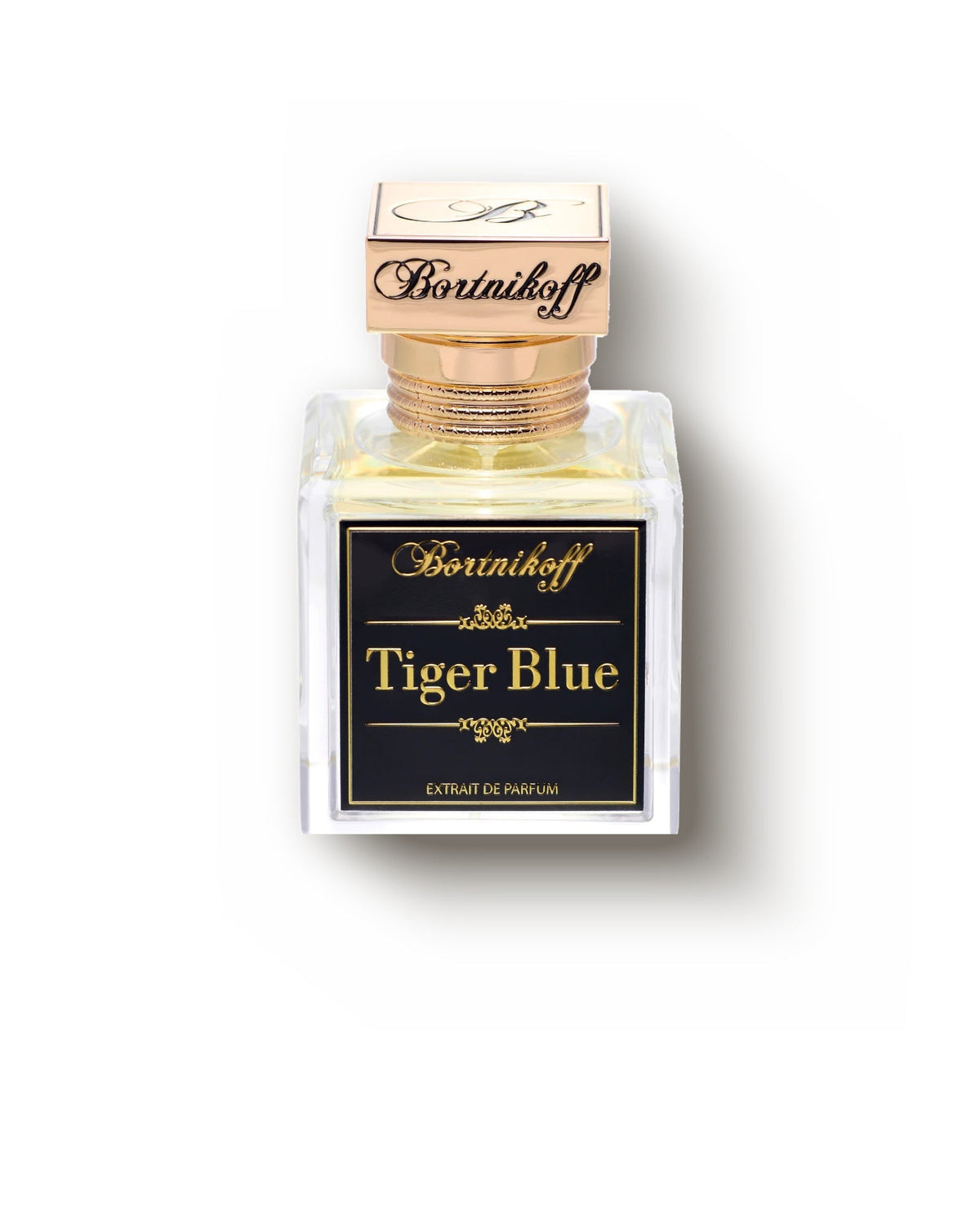
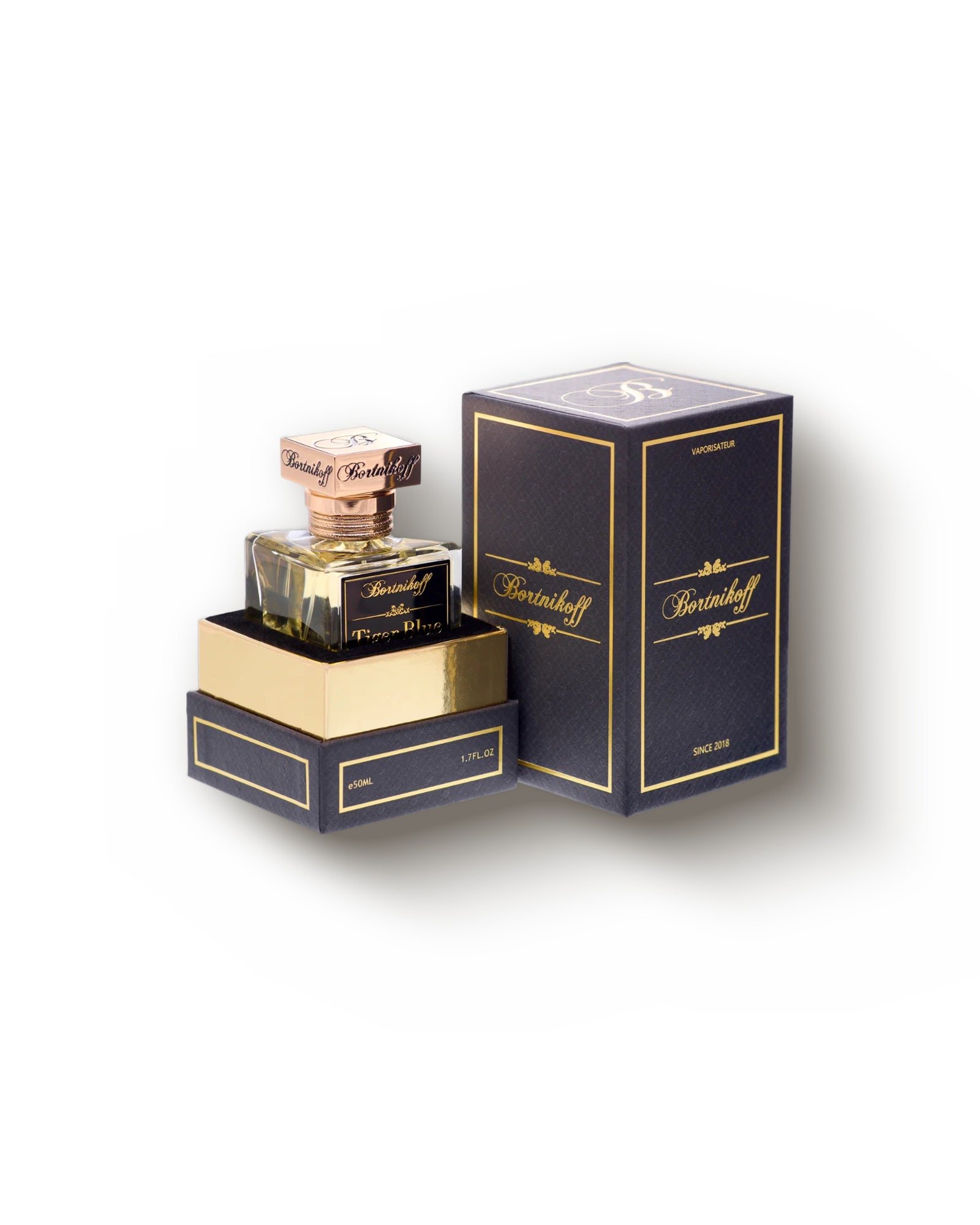
Bortnikoff
Tiger Blue
Die Geschichte
Tiger Blue ist ein Extrait de Parfum von Bortnikoff, dem von Dmitry Bortnikoff gegründeten Haus mit Sitz in Thailand, und die Marke weist es als Zusammenarbeit zwischen ihm und Christian Carbonnel aus. Es gehört zur Entry Level Collection und ist eine Komposition aus Zitrus und Ingwer, nicht die dichte Oud-Arbeit, für die das Haus bekannt ist.


Zitrus
Die erste helle Zitrusfrische des Morgens
Die saftige, schalenfrische Helligkeit von Zitrone, Bergamotte und Orangenschale, herb und sprudelnd mit einer klaren bitteren Kante. Sie öffnet einen Duft mit sofortigem Auftrieb und Funkeln, frisch und belebend, und verfliegt rasch wie Sonnenlicht auf Wasser.


Frisch-würzig
Kühler Biss von zerstoßenem Pfeffer
Rosa Pfeffer, Kardamom und Ingwer: Würze, die prickelt statt wärmt. Sie perlt weit oben in einem Duft, trocken und facettenreich, näher an zerstoßenen Pfefferkörnern und einer aufgebrochenen Kardamomkapsel als an allem, was in einer Küche köchelt. Strahlend, nie behaglich.


Süß
Warmer Zucker, den man nicht ganz benennen kann
Karamell, Honig, gesponnener Zucker: eine Süße, die zwischen allen dreien schwebt und sich nie für eins entscheidet. Das ist der Sog des Gourmands, das, was jemanden näher heranrücken lässt, als er vorhatte, warm und weich und nur einen halben Schritt vom Essbaren entfernt.


Pudrig
Sanfte Stille gepflegter Haut
Eine samtige, leicht trockene Weichheit aus Iriswurzel, Veilchen und feinem Talk, wie Gesichtspuder oder sauberes, von der Haut gewärmtes Leinen. Sie wirkt intim, kultiviert und nostalgisch und lässt einen Duft zu einem sanften, weich gepolsterten Dunst verschwimmen.


Blumig
Ein ganzer Garten, nie nur eine Blüte
Nicht eine Blume, sondern der Eindruck vieler, meist Rose, Jasmin und Orangenblüte, die sich aneinanderlehnen, bis keine mehr einzeln zu erkennen ist. Süß, taufrisch, leicht pudrig, mit Nektar darunter. Genau das meint man, wenn ein Parfum nach Blumen riecht und man nicht sagen kann, nach welchen.


Amber
Harz, so lange erwärmt, bis es süß wird
Labdanum, Benzoe und Vanille, zu etwas Süßem und doch Dämmrigem verschmolzen, wie Baumharz, das in der Sonne weich geworden ist, durchzogen von einer dünnen Rauchfahne aus Weihrauch. Amber funkelt nicht und ist nicht laut. Er liegt nah an der Haut und gibt stundenlang Wärme ab.


Vanille
Fermentierte Schote, likörartig unter der Sahne
Fermentierte Schoten, keine Zuckerglasur. Die Süße ist hier puddingartig und balsamisch, mit etwas Dunklem, Alkoholischem darunter, näher an Rum und Holzrauch als an Zucker. Sie wärmt alles darüber, stumpft scharfe Kanten ab und verlangsamt das Ganze.


Grapefruit
Bitter-helle Zitrusexplosion mit schwefligem Anklang
Was es ist
Das Öl sitzt in der Schale, nicht im Fruchtfleisch: Druck lässt die Öldrüsen platzen, und es fließt kalt heraus. Die Frucht selbst war ein Zufall, eine spontane Kreuzung aus Pomelo und Süßorange, die in der Karibik auftauchte.
Wie es riecht
Herb und prickelnd, mit einer bitteren Schalenkante und darunter etwas leicht Verschwitztem, Schwefligem, und genau das lässt sie nach Grapefruit statt nach Orange riechen. Sie verfliegt schnell und hinterlässt eine saubere, seifige, bitter-grüne Spur.
In der Parfümerie
Parfumeure nutzen sie für den Auftakt, den kalten Frischeschwall, bevor irgendetwas anderes ankommt. Sie passt gut zu Neroli und Minze und wird über Vetiver oder einer holzig-ambrierten Basis modern und trocken.
Gut zu wissen
Fast der gesamte Charakter steckt in Spuren: Grapefruitmercaptan, das die Nase schon bei einem Bruchteil eines Teils pro Billion wahrnimmt, und Nootkaton. Das Öl macht die Haut außerdem lichtempfindlich, deshalb wird es meist entsprechend bereinigt oder niedrig dosiert.


Zitrone
Kalte gelbe Schale, die knackend ins helle Sonnenlicht springt
Was es ist
Ausgepresst, nicht destilliert: Die farbige Schale wird gequetscht und abgeschabt, bis die Drüsen ihr Öl hergeben. Argentinien presst am meisten, Sizilien liefert die klassische Parfümeriequalität. Die weiße Blüte des Baums ist eine völlig andere Note.
Wie es riecht
Herb, grün und prickelnd, ganz kalte Schale und eine Säure, bei der einem das Wasser im Mund zusammenläuft, darunter ein Hauch süßes Mark und eine wachsige Kante von der Schale selbst. Genieß sie schnell: Nach wenigen Minuten ist sie verflogen.
In der Parfümerie
Sie trägt die Tradition des Eau de Cologne und eröffnet zusammen mit Bergamotte, Neroli und Petitgrain einen Duft in vollem Sonnenlicht. Weil sie so schnell verfliegt, verstärken Parfumeure sie mit Citral.
Gut zu wissen
Kaltgepresste Zitrone enthält Furocumarine, durch die die Haut in der Sonne leicht verbrennt, deshalb greifen Parfumeure oft zu einer davon befreiten Qualität. Außerdem verdirbt sie im Flakon und oxidiert in Richtung Terpentin, weshalb sich Zitrusdüfte nur schwer stabilisieren lassen.


Ingwer
Frisches, pfeffriges Prickeln mit faseriger Wärme
Was es ist
Keine Wurzel, wie auch immer der Gemüsehändler ihn nennt, sondern ein verdickter unterirdischer Spross. Parfumeure verwenden ihn auf zwei Arten: wasserdampfdestilliert als ätherisches Öl oder mit CO2 extrahiert, und die beiden lassen sich nicht gegeneinander austauschen.
Wie es riecht
Hell und trocken, ein prickelndes Funkeln aus Zitrone und Kiefer, dahinter Pfeffer und darunter eine faserige, erdige Wärme. Nichts von der Süße gekochten Ingwers. Der CO2-Extrakt ist runder und saftiger, näher an einem frisch durchgebrochenen Rhizom.
In der Parfümerie
Er wirkt zwischen Kopf und Herz, weckt Zitrusnoten, gibt Hölzern Biss und bewahrt aquatische und Fougère-Strukturen davor, flach zu werden. Wenn ein frischer, pfeffriger Duft einen Puls hat, steckt meist Ingwer dahinter.
Gut zu wissen
Ingwer blüht im Anbau kaum. Jede Pflanze wächst aus einem Stück einer anderen, und so ist der Ingwer der Welt nahezu ein einziger enormer Klon, seit fünftausend Jahren entlang der Handelswege von Hand zu Hand gereicht.


Veilchen
Pudrige lila Blütenblätter, die verschwinden, sobald man nach ihnen greift
Was es ist
Fast kein Veilchen in der Parfümerie stammt von Veilchen. Die Blüte gibt so wenig her, dass ihr Absolue selten und teuer ist, deshalb komponieren natürliche Parfumeure die Note aus Iriswurzel und Boronia, deren eigene Moleküle aus der Ionon-Familie den Puder tragen, und fügen das Blütenabsolue hinzu, wenn sie können. Gängiges Veilchen wird aus Iononen aufgebaut, Aromachemikalien, die in den 1890er-Jahren erstmals im Labor hergestellt wurden.
Wie es riecht
Weich, kühl und pudrig, mit einer zuckerbestäubten, kandierten Süße und einer dünnen grünen Feuchte dahinter. Es wirkt zart und nostalgisch: Parma-Veilchen-Bonbons, Gesichtspuder, in der Tasche zerdrückte Blütenblätter.
In der Parfümerie
Im Herzen leistet es etwas Ungewöhnliches: Es nimmt der Süße den Zucker und lässt Puder zurück. Iris, Rose, Leder und Mandel neigen sich ihm zu, und Veilchen-Soliflores tragen es wie einen alten Schminkkoffer.
Gut zu wissen
Ionone sättigen die Rezeptoren schnell, sodass der Duft zu verschwinden scheint und zurückkehrt, sobald sich deine Nase erholt: das Lehrbuchbeispiel der Parfümerie für olfaktorische Ermüdung. Veilchenblatt ist ein ganz anderer Stoff, grün und gurkenkühl.


Magnolie
Zitronig-cremige Blütenblätter, die über einem südlichen Garten atmen
Was es ist
Eine uralte Blume. Magnolien blühten schon im Zeitalter der Dinosaurier, und ihre Blütenblätter sind robust genug, um die Käfer zu überstehen, die sie bestäuben. Das Absolue stammt aus frischen Blütenblättern.
Wie es riecht
Zitronenschale und Sahne, angesiedelt zwischen Zitrus und Teerose. Es öffnet spritzig, wird weich zu milchigem Blütenblatt, grünem Stängel und einer leichten Gewürznelken-Wärme, um dann klar und leicht fruchtig abzutrocknen. Leichter auf den Beinen als Jasmin.
In der Parfümerie
Parfumeure greifen im Herzen darauf zurück, wenn eine weiße Blume leicht bleiben soll: taufrisch und leuchtend, ohne die indolische Schwere von Tuberose oder Gardenie. Sie harmoniert mühelos mit Zitrus, Pfingstrose, Lilie und weichen Moschusnoten.
Gut zu wissen
Das Absolue ist selten und teuer in der Extraktion, daher wird die Magnolie in den meisten gängigen Flakons aus Duftchemikalien aufgebaut, ein Porträt statt eines Fotos. Natürliche Parfumeure gewinnen sie aus der Blüte selbst, als Absolue oder als destilliertes Blütenöl.

Amber
Ein warmes, harziges Leuchten, komponiert, nicht geerntet
Was es ist
Es gibt keinen Amberbaum. Parfumeure setzen den Geruch aus Labdanum zusammen, dem klebrigen Harz, das eine mediterrane Zistrose in der Sommerhitze absondert, dazu Benzoe und Vanille. Das versteinerte Harz in Museumsvitrinen ist auf der Haut geruchlos.
Wie es riecht
Zuerst honigartig und leicht animalisch, dann setzt er sich zu einer goldenen, pudrigen Wärme: Bienenwachs, alter Tabak, getragenes Leder, darunter ein Faden Rauch. Er bleibt nah an der Haut, statt den Raum zu füllen.
In der Parfümerie
Er sitzt in der Basis und hält alles darüber an seinem Platz, weshalb sich orientalische Kompositionen so stark auf ihn stützen. Vanille und Patschuli treiben ihn ins Süße; mehr Harz, Gewürz und trockene Kräuter ins Strenge.
Gut zu wissen
Das Wort bezeichnete einst Ambra, das wachsartige Sekret des Pottwals, und die Verwirrung hat sich nie ganz gelegt. Die Branche verwendet Amber heute für zwei Dinge: diesen Harzakkord, fast immer pflanzlich und synthetisch, und die Ambra-Ersatzstoffe wie Ambroxan.


Labdanum
Klebriges Amberharz, abgeschabt von sonnendurchglühter Zistrose
Was es ist
Eine mediterrane Zistrose schwitzt im Sommer ein Harz durch ihre Blätter, so dunkel und klebrig, dass es dir die Finger zusammenkleben würde. Die Sammler kochen die Zweige aus oder schaben sie ab, um es zu gewinnen, und extrahieren das Rohharz dann zu Absolue und Resinoid.
Wie es riecht
Balsamische Wärme, dann Leder, Trockenfrüchte, Honig und ein Kringel Rauch. In der Eröffnung liegt etwas fast Ambraartiges. Stunden später hat es sich zu braunem Tabak und getragener Haut gesetzt und ist immer noch da.
In der Parfümerie
Nimm Labdanum heraus, und die meisten Amberakkorde fallen in sich zusammen; es ist das Fundament, auf dem Vanille und Benzoe aufbauen. Es fixiert eine Formel, gibt Chypres und Lederdüften ihre Tiefe und verträgt sich gut mit Rose, Eichenmoos und Weihrauch.
Gut zu wissen
Bevor es Destillation gab, gab es Ziegen. Die Herden weideten den ganzen Sommer im Zistrosengestrüpp, das Harz verfilzte sich in ihren Bärten und Schenkeln, und die Hirten kämmten es heraus. Labdanum gehört zu den ältesten aromatischen Stoffen, die noch heute verwendet werden.


Ambra
Im Meer gereiftes Walgold, das warme Salzluft atmet
Was es ist
Dies ist echte Ambra, das Material, dem Ambroxan nachempfunden wurde. Vielleicht einer von hundert Pottwalen bildet sie: eine wachsartige Masse im Darm, die vermutlich die Tintenfischschnäbel umhüllt, die er nicht verdauen kann. Ausgeschieden kann sie jahrelang im Meer treiben und in Sonne und Salz reifen, bevor sie an Land gespült wird.
Wie es riecht
Frisch vom Wal ist sie fäkal und marin. Durch Jahre auf See gereift, wird sie süß, animalisch und sanft mineralisch, ganz Tabak, trockene Meeresalgen und altes Holz. Sie wirkt weniger wie ein Geruch als wie Wärme, Diffusion und Atem.
In der Parfümerie
Parfumeure verarbeiten sie traditionell als Tinktur: Die geriebenen Stücke werden monatelang in Alkohol angesetzt, bis die Flüssigkeit gereift ist. In einer Basis verlangsamt sie alles, verleiht eine hautähnliche Strahlkraft und lässt die Noten um sie herum aufblühen und länger halten.
Gut zu wissen
Heute wird sie gefunden statt gewonnen: Stücke werden an Küsten angespült oder treibend auf dem Meer entdeckt. Beurteilt werden sie größtenteils nach der Farbe, von frischem Schwarz über Grau bis Weiß, und die hellsten, am längsten gereiften Stücke sind wegen ihrer Süße am begehrtesten.


Moschus
Ein Wort für zwei grundverschiedene Materialien
Was es ist
Hinter dem Namen stehen zwei Dinge. Eine Familie synthetischer Moschusstoffe, geschaffen für Wärme und Weichheit, leistet heute den Großteil der Arbeit in der Parfümerie. Hirschmoschus ist der ältere Weg, seit Langem in Parfum und Räucherwerk verwendet und heute streng kontrolliert, weil Moschustiere geschützt sind.
Wie es riecht
Hirschmoschus ist aus der Nähe animalisch und schwer und wird warm, süß und strahlend hautähnlich, sobald er bis zu einem Flüstern verdünnt ist. Die synthetischen Varianten sind sauberer: heiß gebügeltes Leinen, warme Baumwolle, Haut statt Fell.
In der Parfümerie
Moschus ist der Boden, auf dem eine Komposition steht: Er fixiert, was darüber liegt, verlängert die Tragedauer und schenkt jenes Leuchten einer zweiten Haut. Unter einem Litschi- oder Rosenduft liegt oft einer, der die Frucht an Ort und Stelle hält, lange nachdem sie hätte verblassen sollen.
Gut zu wissen
Ein und derselbe Flakon kann an dir strahlend riechen und an der nächsten Person nach fast nichts. Sehr viele Menschen können bestimmte synthetische Moschusstoffe überhaupt nicht riechen, eine Eigenheit namens spezifische Anosmie.

Vanille
Fermentierte Orchideenschoten, Eiercreme und ein Hauch von Rauch
Was es ist
Die grünen Schoten riechen nach fast nichts, wenn sie von der Orchideenranke kommen. Der Duft wird gemacht, nicht gefunden: Monate des Blanchierens, Schwitzens in der Sonne und langsamen Trocknens, bevor sich das Vanillin zeigt. Zuerst Mexiko, heute Madagaskar.
Wie es riecht
Zuerst Pudding und Karamell, dann etwas Dunkleres darunter: Trockenfrüchte und ein feiner Faden Tabakrauch. Beim Trocknen wird sie pudrig und bleibt dicht an der Haut. Echte, fermentierte Vanille wirkt tiefer als Vanillin allein.
In der Parfümerie
Parfumeure nutzen sie, um Kanten abzurunden. Was zu scharf, zu grün oder zu streng ist, bekommt durch eine Vanillebasis Wärme und Körper. Deshalb verankert sie, neben Tonkabohne, Amber, Sandelholz und Gewürzen, viele orientalische und Gourmand-Kompositionen.
Gut zu wissen
Jede Blüte öffnet sich für einen einzigen Tag. Verstreicht er ungenutzt, entsteht keine Schote, deshalb wird die gesamte Vanille von Hand bestäubt, mit einem Kunstgriff, den der zwölfjährige Edmond Albius, ein versklavter Junge auf Réunion, erfand. Das meiste Vanillearoma ist heute synthetisch.


Benzoe
Warmer Vanillebalsam, den ein angezapfter Baum vergießt
Was es ist
Benzoe fließt nicht von selbst. Jemand ritzt die Rinde eines Styraxbaums in Laos, Vietnam oder auf Sumatra an, und aus der Wunde sickert ein Gummiharz, das über Monate zu rötlichen Tränen aushärtet.
Wie es riecht
Süß, warm, unverkennbar vanillig, mit einer pudrigen Amberweichheit darunter. Siam-Benzoe ist runder und cremiger; Sumatra-Benzoe wirkt rauchiger, mit einem Biss von Zimt. Auf der Haut wird sie mit der Zeit fast karamellig.
In der Parfümerie
Eine Basisnote, die zugleich fixiert und süßt: Sie verleiht Amber-Akkorden ihr Leuchten und hält den Rest der Komposition ruhig. Neben Labdanum, Tonkabohne und Weihrauch mildert sie scharfe Kanten.
Gut zu wissen
Das Wort Benzol hat hier seinen Ursprung. Chemiker benannten die Benzoesäure nach diesem Harz, und das Benzol erhielt seinen Namen von der Säure. Der Name des Harzes selbst ist eine abgeschliffene arabische Wendung: luban jawi, Weihrauch aus Java.
Duftcharakter
Der Auftakt ist Grapefruit und Zitrone über süßem, fast kandiertem Ingwer, und der Ingwer trägt weiter als die Zitrusnoten. Veilchen und Magnolie bringen in der Mitte einen pudrigen Auftrieb, Amber und Labdanum darunter eine weiche, harzige Wärme. Er klingt vanillig und moschusartig statt holzig aus, sauber und süß auf der Haut.


Haltbarkeit
wie lange er auf der Haut bleibt
Die Sanduhr zeigt die Tragedauer: wie viele Stunden der Duft spricht, bevor er verklingt. Ein Balken, der kaum über den Anfang hinauskommt, bedeutet ein paar flüchtige Stunden. Einer, der die ganze Länge ausfüllt, trägt vom Morgen bis in den Abend. Nimm das als typischen Wert, nicht als Versprechen. Fettige Haut hält Duft weit länger als trockene.


Sillage
die Größe seiner Duftspur
Sillage ist das französische Wort für das Kielwasser eines Schiffs, und genau das misst diese Anzeige: wie viel vom Duft in den Raum gelangt, statt bei dir zu bleiben. Niedrig ist ein Flüstern, das nur enge Freunde wahrnehmen. Enorm füllt den Raum und füllt ihn weiter, nachdem du gegangen bist.


Experimentell
Zum Provozieren gemacht, nicht zum Gefallen
Manche Parfums sind dafür gemacht, gemocht zu werden. Diese sind dafür gemacht, dass man über sie streitet: tintiger Teer, heißes Gummi, Frucht, die gerade kippt, Metall und Fell, wo du Blüten erwartet hättest. Die Münze leuchtet bei einem Duft, der provoziert, und wird matt bei einem, der auf Nummer sicher geht, und manchmal ist genau das gewollt.


Büro
Gepflegt und nie lauter als der Raum
Duft ist eine Frage der Umgangsformen, wenn man sich einen Raum teilt. Auf diese Distanz sollte er die Person am Schreibtisch gegenüber erreichen und dort haltmachen: aufgeräumte Zitrusnoten, weicher Moschus, helle Hölzer, alles kompetent und rücksichtsvoll. Eine leuchtende Münze bedeutet, dass niemand etwas sagen muss. Eine matte bedeutet, dass er weit trägt.


Abend
Nach Einbruch der Dunkelheit, wenn er an Tiefe gewinnt
Abendessen, Drinks, die Nacht, die lang wird. Im gedämpften Licht hören Amber, Harze und rauchige Hölzer auf, höflich zu sein, und ein opulenter Blumenduft blüht endlich auf. Eine leuchtende Münze bedeutet, dass er genau auf diese Stunde wartet. Eine matte bedeutet, dass er bei Tageslicht seine beste Arbeit geleistet hat.


Romantisch
Nah genug, um gespürt zu werden
Ein Duft kann auf der Haut summen, statt sich über den ganzen Tisch hinweg anzukündigen. Genau darum geht es hier: cremige Blüten, Vanille, weicher Moschus, ein Hauch Würze, warm genug, dass sich jemand näher heranbeugt. Die Münze leuchtet, wenn ein Duft diese Stimmung schafft, und wird matt, wenn er eher praktisch als verführerisch ist.


Festlich
Leise Souveränität in festlicher Runde
Eine Hochzeit, eine Zeremonie, ein Raum, in dem sich alle Gedanken über ihre Schuhe gemacht haben. Hier zählt Struktur, nicht Lautstärke: glatte Hölzer, disziplinierte Blüten, weiches Leder. Eine leuchtende Münze bedeutet, dass er den ganzen Abend Haltung bewahrt. Eine matte bedeutet, dass er für diesen Rahmen zu lässig ist.


Lässig
Unbeschwerter Komfort für Tage ohne Eile
Besorgungen, Kaffee, ein gemächlicher Samstag ohne Termine. Hier muss niemand beeindruckt werden, also passt alles Weiche und Unkomplizierte: frische Zitrusnoten, leichte Hölzer, ein wenig Wärme, die von der Haut aufsteigt. Eine leuchtende Münze sagt Ja zu alldem. Eine matte bedeutet, dass der Duft nach einem größeren Abend verlangt.


Vom Tag in die Nacht
wo seine Stimmung ganz natürlich hingehört
Ein Balken von der Sonne bis zum Mond, der die Stunde anzeigt, für die der Duft gemacht wurde. Je mehr davon golden bleibt, desto mehr gehört der Duft dem Tageslicht und der freien Luft. Je weiter das Blau zur Sonne zurückreicht, desto tiefer und wärmer wird er: Abend, Kerzenlicht, gedämpfte Räume.


Winter
Wärme, die durch kalte Luft trägt
Kalte Luft dämpft einen Duft und bremst ihn, deshalb gehört der Winter dem Dichten und Warmen: Harz, Rauch, Vanille, Leder, ambrierte Würze. Der Balken zeigt, wie gut sich dieser Duft dagegen behauptet: ob er der Kälte entgegenglüht, statt in ihr dünn zu werden.


Frühling
Frische Blüten in milder, steigender Wärme
Milde, feuchte Luft trägt eine leichte Komposition nach oben, deshalb gehört diese Jahreszeit taufrischen Blüten, grünen Stängeln, weichem Puder und durchscheinenden Zitrusnoten. Lebendig statt schwer. Je weiter das Grün auf dem Balken reicht, desto angenehmer trägt sich dieser Duft bei diesem Wetter.


Sommer
Hell und luftig, auch bei echter Hitze
Hitze übernimmt die Projektion für dich, deshalb wird das falsche Parfum bis Mittag unerträglich. Was besteht, ist kühl und luftig: scharfe Zitrusnoten, Salzluft, aromatische Kräuter, Wasser. Dinge, die erfrischen, statt zu erdrücken. Ein kurzer Balken bedeutet hier: Heb ihn für kühlere Monate auf.


Herbst
Würzige Wärme für kühler werdende Tage
Wenn die Luft abkühlt, hören die reichen Materialien auf zu erdrücken und treten klar hervor: trockene Hölzer, warme Würze, Tabak, Amber, golden gewordene Frucht. Es ist die Jahreszeit, in der Parfum nachdenklich wird. Der Balken füllt sich danach, wie selbstverständlich sich dieser Duft in klare, kühler werdende Tage einfügt.
Trageempfehlung
Frühling und Sommer, tagsüber, besonders an warmen Nachmittagen. Er passt ins Büro, zu Besorgungen und lässigen Wochenenden und eignet sich für alle, die Zitrus mit etwas Süße und Gewicht dahinter suchen.
Optionen auswählen
Die Stimmung


Die Nase

Dmitry Bortnikoff
Gründer und Parfumeur
Von Beruf Architekt, der sich der Destillation zuwandte. Er war 2013 Mitgründer von Feel Oud, wo Adlerholz- und Sandelholzöle destilliert werden, und startete 2018 Bortnikoff in Thailand. Die Parfums sind zu 95 bis 100 Prozent natürlich. Er komponierte Bortnikoff Oud Maximus und Bortnikoff Sayat Nova sowie gemeinsam mit Rajesh Balkrishnan Bortnikoff Santa Sangre.
Mehr von dieser NaseOud MaximusMusk KhabibMusk Cologne

Chris Maurice
Meisterparfumeur
Sein vollständiger Name lautet Christian Maurice Carbonnel, und je nach Marke zeichnet er als Chris Maurice oder als Christian Carbonnel. Er ist die dritte Generation des 1925 gegründeten Familienunternehmens Carbonnel, in dessen eigenem Labor er ausgebildet wurde. Er komponierte Xerjoff Erba Pura, Xerjoff Alexandria II, Xerjoff More Than Words und Nishane Nefs.
Die Maison

Echtes Oud, echte Ambra. Extraits in kleinen Chargen aus lebendigen Materialien.
Dmitry Bortnikoff baut auf die langsame, handwerkliche Art, aus Naturalien, an die die meisten Hersteller schlicht nicht herankommen. Echtes indisches Oud, honigsüße Rosen direkt in Sandelholz destilliert, und viele Öle, hauseigen destilliert mit Techniken des neunzehnten Jahrhunderts. Das Ergebnis fühlt sich lebendig auf der Haut an, warm und ein wenig widerspenstig.
- Herkunft
- Thailand
- Gegründet
- 2018
- Bekannt für
- Echte Animalics, kleine Chargen

JEDES DECANT
Vom Originalflakon bis an Ihre Tür
Wir kaufen den Originalflakon zum vollen Ladenpreis, direkt beim Haus.
Eine Socorex-Spritze in Medizinqualität nimmt die exakten Milliliter direkt aus dem Flakon.
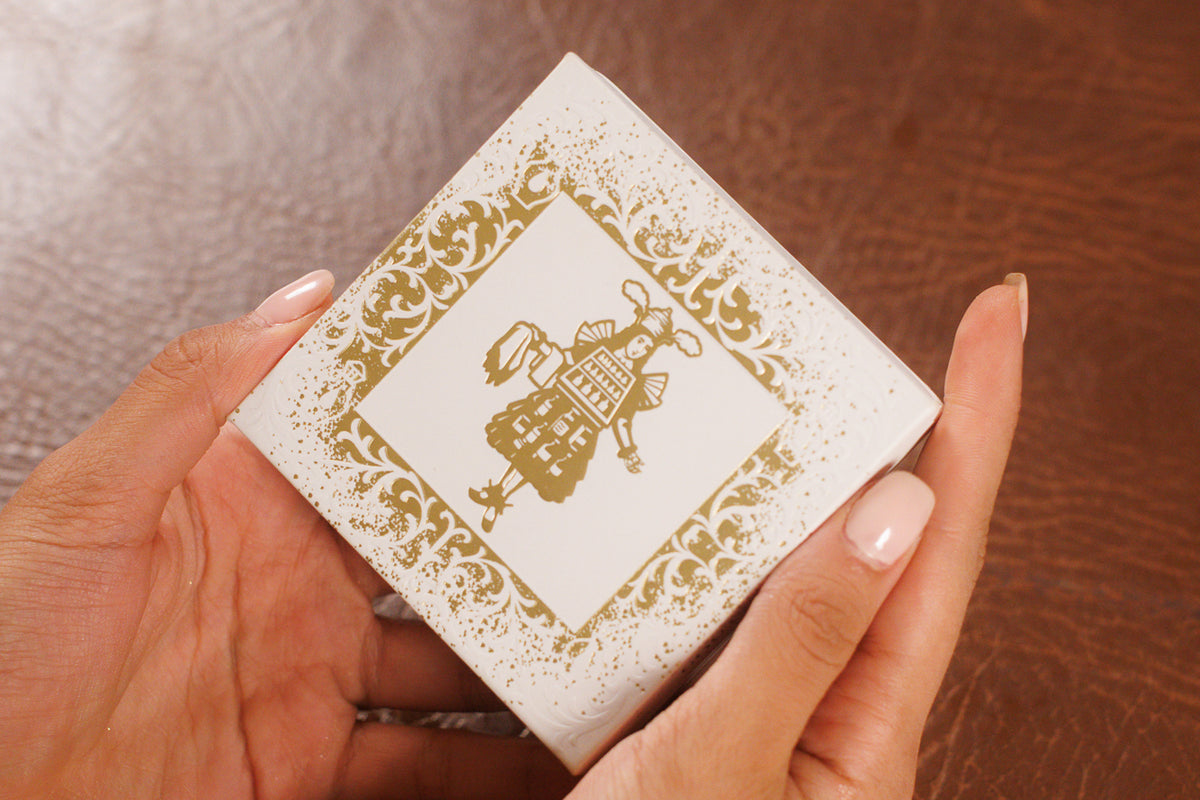
In die heißfolienveredelte Schachtel gepackt und an DHL übergeben, alle Zölle bereits bezahlt. Wie ein Decant entsteht
Mehr von Bortnikoff
Das könnte Ihnen auch gefallen