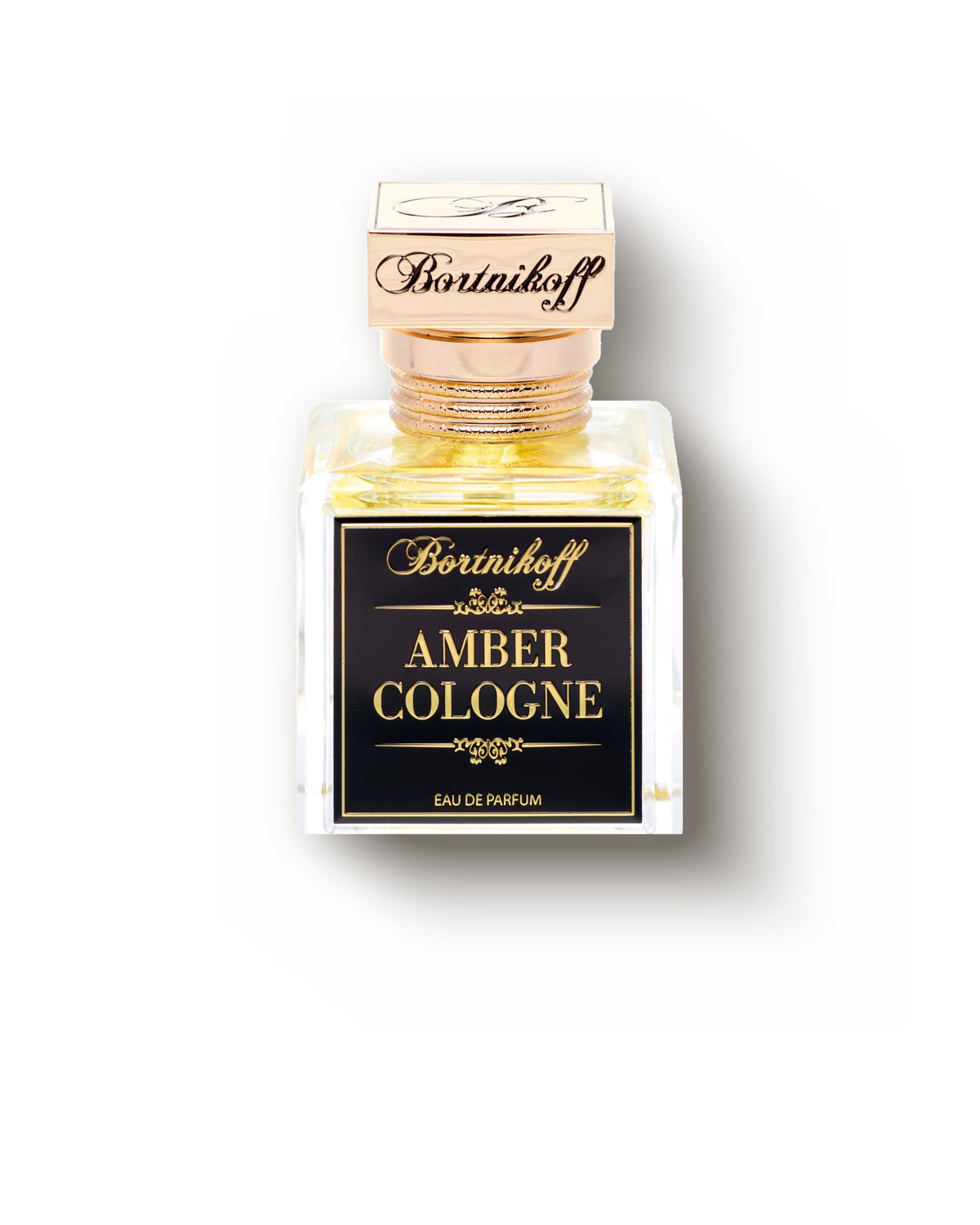
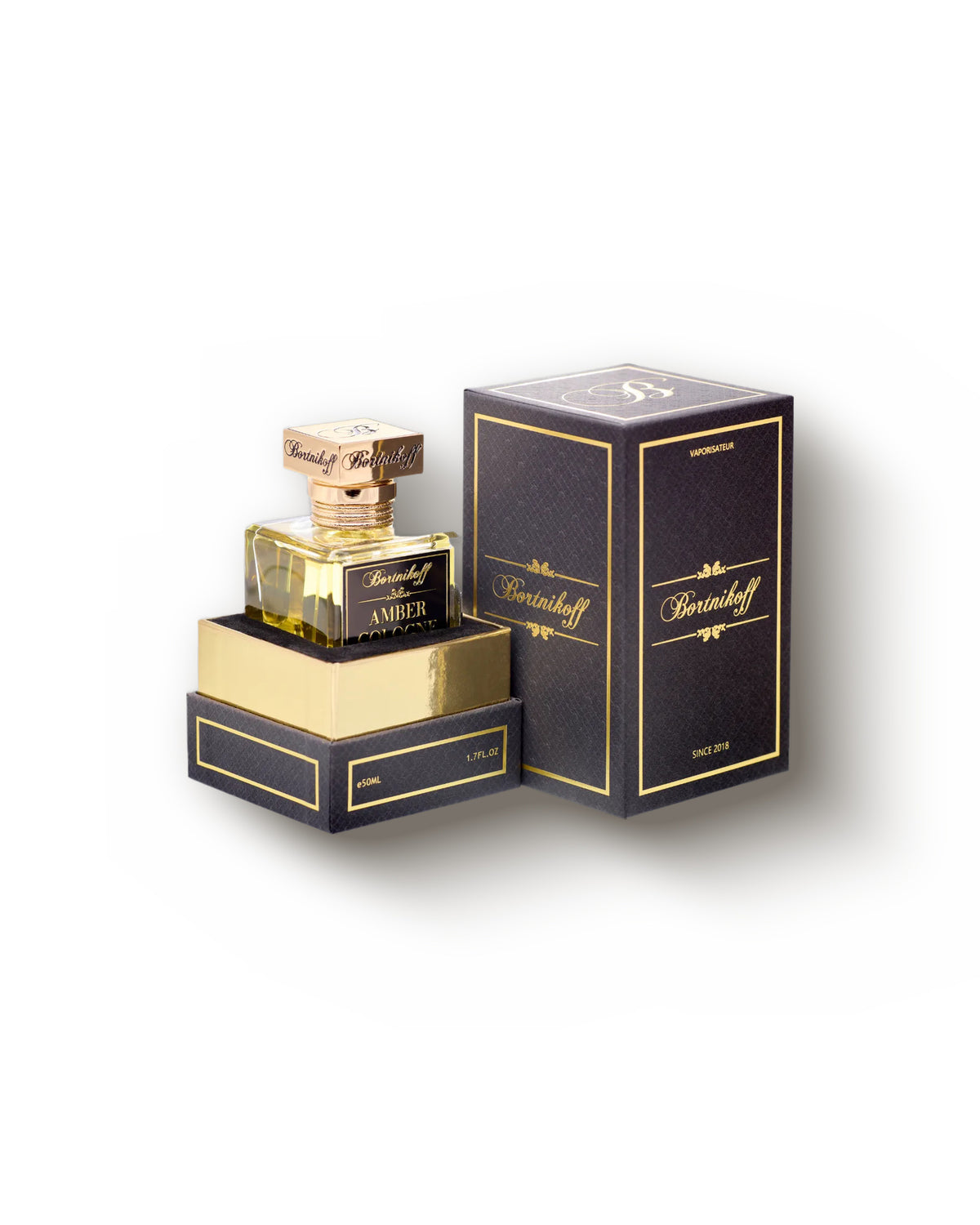
Bortnikoff
Amber Cologne
Die Geschichte
Amber Cologne gehört zur 3rd Collection von Bortnikoff, dem Haus, das Dmitry Bortnikoff 2018 in Thailand gründete, nachdem er ein Unternehmen zur Destillation von Adlerholz- und Sandelholzölen mitgegründet hatte. Der Duft markiert das zitrische Ende des Katalogs: ein weiter Grapefruit-Auftakt über der grauen und braunen Ambra, die der Hersteller aufführt.


Zitrus
Die erste helle Zitrusfrische des Morgens
Die saftige, schalenfrische Helligkeit von Zitrone, Bergamotte und Orangenschale, herb und sprudelnd mit einer klaren bitteren Kante. Sie öffnet einen Duft mit sofortigem Auftrieb und Funkeln, frisch und belebend, und verfliegt rasch wie Sonnenlicht auf Wasser.


Frisch
Leuchtende Pflanzenöle, die in offene Luft aufsteigen
Frische aus echten Pflanzenölen, ob kalte Zitrusschale, zerdrückte Minze und Kräuter, Kampfer oder Koniferennadeln. Sie wirkt hell, scharf und aromatisch und hebt den Auftakt so, wie sich ein Raum verändert, wenn du das Fenster öffnest, bevor sie rasch verfliegt.


Blumig
Ein ganzer Garten, nie nur eine Blüte
Nicht eine Blume, sondern der Eindruck vieler, meist Rose, Jasmin und Orangenblüte, die sich aneinanderlehnen, bis keine mehr einzeln zu erkennen ist. Süß, taufrisch, leicht pudrig, mit Nektar darunter. Genau das meint man, wenn ein Parfum nach Blumen riecht und man nicht sagen kann, nach welchen.


Holzig
Trockene Maserung von geschnittenem Holz
Der Duft von Zedernspänen, Sandelholz und trockenen Vetiverwurzeln, eine geschliffene, harzige Wärme mit einem leicht kratzigen Hauch von Federmäppchen. Er wirkt geerdet und gefasst, das stille Rückgrat, das einen Duft ernsthaft und beständig wirken lässt.


Salzig
mineralische Salzlake auf nackter Haut
Eine mineralische, salzige Würze, die an sonnenwarme Haut nach dem Schwimmen erinnert oder an die Kruste getrockneter Gischt. Sie bringt eine herzhafte, fast essbare Note mit, von der man nicht genug bekommt, intim und nackt, schwebend zwischen Körper und Ozean.


Vanille
Fermentierte Schote, likörartig unter der Sahne
Fermentierte Schoten, keine Zuckerglasur. Die Süße ist hier puddingartig und balsamisch, mit etwas Dunklem, Alkoholischem darunter, näher an Rum und Holzrauch als an Zucker. Sie wärmt alles darüber, stumpft scharfe Kanten ab und verlangsamt das Ganze.

Bergamotte
Funkelndes Zitruslicht mit einem bitteren Einschlag
Was es ist
Niemand isst Bergamotte. Sie ist sauer, voller Kerne und enttäuschend, und fast die gesamte Weltproduktion wächst auf einem einzigen Küstenstreifen Kalabriens, angebaut allein für das Öl, das kalt aus ihrer grünen Schale gepresst wird.
Wie es riecht
In der ersten Sekunde Zeste und grünes Licht, dann etwas Runderes als Zitrone: eine blumige, teeartige Weichheit über einer leicht bitteren Wärme. Sie verfliegt schnell. Zurück bleibt ein leises, leicht würziges Summen.
In der Parfümerie
Sie prägt das Eau de Cologne und sitzt neben Lavendel und Eichenmoos an der Spitze fast jedes Fougère. Parfumeure wollen die erste helle Sekunde, die sie schenkt, und ihr Öl ist es auch, das Earl Grey nach Earl Grey riechen lässt.
Gut zu wissen
Was sie funkeln lässt, kann auch verbrennen. Bergamotte enthält Bergapten, das die Haut überempfindlich gegen Sonnenlicht macht, deshalb halten Parfumeure die Dosis niedrig oder greifen zu einer Qualität, aus der das Molekül entfernt wurde.


Zitrone
Kalte gelbe Schale, die knackend ins helle Sonnenlicht springt
Was es ist
Ausgepresst, nicht destilliert: Die farbige Schale wird gequetscht und abgeschabt, bis die Drüsen ihr Öl hergeben. Argentinien presst am meisten, Sizilien liefert die klassische Parfümeriequalität. Die weiße Blüte des Baums ist eine völlig andere Note.
Wie es riecht
Herb, grün und prickelnd, ganz kalte Schale und eine Säure, bei der einem das Wasser im Mund zusammenläuft, darunter ein Hauch süßes Mark und eine wachsige Kante von der Schale selbst. Genieß sie schnell: Nach wenigen Minuten ist sie verflogen.
In der Parfümerie
Sie trägt die Tradition des Eau de Cologne und eröffnet zusammen mit Bergamotte, Neroli und Petitgrain einen Duft in vollem Sonnenlicht. Weil sie so schnell verfliegt, verstärken Parfumeure sie mit Citral.
Gut zu wissen
Kaltgepresste Zitrone enthält Furocumarine, durch die die Haut in der Sonne leicht verbrennt, deshalb greifen Parfumeure oft zu einer davon befreiten Qualität. Außerdem verdirbt sie im Flakon und oxidiert in Richtung Terpentin, weshalb sich Zitrusdüfte nur schwer stabilisieren lassen.
Weiße Grapefruit
Die ursprüngliche, bitterste Grapefruit
Was es ist
Kaltgepresstes Öl aus der Schale der hellfleischigen Sorten von Citrus paradisi, der Marsh-Gruppe und ihrer Verwandten. Es sind die älteren Sorten, auf denen der Ruf der Frucht gründete, bevor die roten Sorten den Markt übernahmen. Die Schale wird mechanisch ausgepresst, sodass die Öldrüsen in ihrer äußeren Schicht aufbrechen.
Wie es riecht
Die schärfste und trockenste Ausprägung der Frucht: herbe, prickelnde Zitrusfrische mit ausgeprägt bitterer Schalennote und jenem vollen, schwefligen, leicht schweißigen Einschlag, der Grapefruit erst zu Grapefruit macht. Darunter liegt weit weniger Süße als bei den rosa Sorten, und der Ausklang ist sauber, grün und ein wenig seifig.
In der Parfümerie
Das Mittel der Wahl, wenn eine Komposition Grapefruit als scharfen Akzent statt als Frucht braucht: Sie schneidet durch Amber- und holzig-moschusartige Basen, schärft Vetiver und Minze und gibt Colognes einen belebenden Auftakt. Ihre Bitterkeit ist der eigentliche Zweck, deshalb wird sie selten abgemildert.
Gut zu wissen
Weiße Grapefruit ist die ältere Sortengruppe, keine mindere; der Handelsname bezieht sich auf die Farbe des Fruchtfleischs. Ihre Signatur verdankt sie Spurenmolekülen, vor allem Nootkatone und Grapefruit-Mercaptan, das schon bei einem Bruchteil eines Billionstels wahrnehmbar ist. Wie bei Zitrusölen üblich ist sie phototoxisch und in der Dosierung entsprechend begrenzt.


Rosa Grapefruit
Die süßere, rötere Hälfte der Grapefruit
Was es ist
Öl, kaltgepresst aus der Schale der rosa und roten Sorten von Citrus paradisi, der Ruby-Red-Gruppe und ihrer Nachkommen, deren Fruchtfleisch Lycopin und Beta-Carotin enthält, anders als bei den älteren weißen Sorten. Das Pigment steckt in der Frucht und nicht in der Schale, doch die Sorten unterscheiden sich auch in der Chemie ihrer Schale, und die gepressten Öle sind nicht austauschbar.
Wie es riecht
Weicher und runder als weiße Grapefruit, mit mehr saftiger Süße und spürbar weniger von der bitteren Schärfe der Schale. Der schwefelige Einschlag, der Grapefruit unverwechselbar macht, ist noch da, tritt aber zurück, eingehüllt in eine beerig getönte Fruchtigkeit. Sie wirkt eher reif als scharf.
In der Parfümerie
Die freundlichere Grapefruit, eingesetzt, wo eine Zitruseröffnung strahlen soll, ohne aggressiv zu sein. Sie passt ganz selbstverständlich zu Rose, Pfingstrose und roten Beeren und verleiht blumigen Kompositionen, an denen sich eine bittere weiße Grapefruit reiben würde, ein modernes Funkeln.
Gut zu wissen
Rosa und rote Grapefruit sind Sortenunterschiede innerhalb einer Art, keine eigenen Früchte, und im Handel werden die Namen recht frei verwendet. Wie die meisten kaltgepressten Zitrusschalenöle enthält das Öl Furocumarine und ist phototoxisch; deshalb wird es unterhalb der Sicherheitsgrenzwerte für Duftstoffe dosiert oder in furocumarinfreier Form verwendet.


Süße Orange
Sonnendurchflutete Zeste, direkt aus der Schale gepresst
Was es ist
Das Öl wird kalt aus der Schale gepresst, nie destilliert. Der Großteil des weltweiten Angebots ist ein Nebenprodukt des Frühstücks: Die Saftindustrie presst die Frucht aus, und die weggeworfene Schale ist genau das, was der Parfumeur haben will.
Wie es riecht
Saftig und sofort erkennbar: reifes Orangenfruchtfleisch mit Brausepulver-Prickeln und einer grünen Bitterkeit, die sich dahinter versteckt. Sie tritt rund und sonnig auf, bleibt nicht lange und hinterlässt eine weiche, wachsige Süße statt der scharfen Säure der Zitrone.
In der Parfümerie
Eine Kopfnote, die so essbar wirkt wie die Frucht selbst und Zitrusnoten abrundet, die sonst schneiden würden. Sie eröffnet Eaux de Cologne und fühlt sich neben Neroli, Gewürznelke, Zimt und Vanille wohl, wenn ein Gourmand Auftrieb braucht.
Gut zu wissen
Bergamotte verursacht im Sonnenlicht Verbrennungen auf der Haut. Die Süßorange, aus derselben Art Schale gepresst, enthält von diesem Molekül fast nichts, ein sonniger Tag ist also kein Risiko. Sie zählt außerdem zu den erschwinglichsten Naturstoffen überhaupt.


Kardamom
Grünes Gewürz, das mit Zitrushitze aufbricht
Was es ist
Die Kapseln werden vor der Reife gepflückt, und das heißt: von Hand. Ein Verwandter des Ingwers aus den Wäldern Südindiens, heute vielfach in Guatemala angebaut. Destilliert werden die Samen im Inneren.
Wie es riecht
Knack eine auf, und du bekommst eine kühle Eukalyptus-Frische über warmem Pfeffer, Zitronenschale und etwas Kiefernharz. Darin liegt auch etwas Rauchig-Brotiges, der Duft von Chai. Zuerst scharf und prickelnd, dann weich und balsamisch.
In der Parfümerie
Er sitzt zwischen Kopf und Herz, ein Gewürzfunkeln, das kühl bleibt und eine Komposition von Zitrus zu holzigem Amber übergehen lässt, ohne die Schwere von Nelke oder Zimt. Rose, Leder und Oud vertragen sich alle gut mit ihm.
Gut zu wissen
Die Kapsel ist eine Verpackung. Geschlossen hält sie das Öl intakt; aufgebrochen entweicht das Aroma sofort, weshalb Destillateure schnell arbeiten und gemahlener Kardamom nur ein Schatten der ganzen Kapsel ist.


Frangipani
Tropische Blütenblätter, die Kokos und Mandelcreme atmen
Was es ist
Fünf wächsartige Blütenblätter an einem kleinen Tropenbaum, Plumeria, der im gesamten Pazifikraum, in der Karibik und in Indien wächst. Lösungsmittel oder CO2 heben den Duft gepflückter Blüten in ein Absolue, das nur wenige Parfumeure je verwenden.
Wie es riecht
Kokosnuss- und Mandelcreme, dahinter reifer Pfirsich, und eine grüne, würzige Kante, die es vor Sirupigkeit bewahrt. Milchiger und sonniger als Jasmin oder Tuberose, und bei weitem nicht so indolisch. Es riecht wie Wärme auf der Haut.
In der Parfümerie
Im Herzen übernimmt es die Aufgabe von Sonnenlicht und macht eine Komposition cremig. Kokosnuss, Ylang, Jasmin, Sandelholz und Vanille stehen ihm zur Seite, und wenn ein Duft nach heißer Haut am Strand riecht, liegt es meist daran.
Gut zu wissen
Die Ausbeuten sind winzig, weshalb echtes Frangipani-Absolue selten und teuer ist: Gängiges Frangipani ist meist eine Rekonstruktion, während natürliche Häuser sparsam das Absolue oder den CO2-Extrakt selbst verwenden. Der Name stammt von einer römischen Renaissance-Familie, an deren berühmtes Handschuhparfum der Duft erinnern soll.

Jasmin Sambac
Teegrüner Jasmin, der sich nach Einbruch der Dunkelheit öffnet
Was es ist
Die Blüten öffnen sich nach Einbruch der Dunkelheit, dann duften sie am stärksten, deshalb werden sie am frühen Morgen als Knospen gepflückt, bevor sie sich entfalten. Die Lösungsmittelextraktion ergibt ein wachsartiges Concrète, und daraus wäscht Alkohol das Absolute aus.
Wie es riecht
Grüner und teeartiger als Grandiflorum-Jasmin und viel weniger fruchtig. Er beginnt knackig und etwas wachsig, fast mit einem Hauch Banane, und wird dann zu warmer, indolischer Süße. Dieses Indol ist das Tier in ihm: betörend aus der Nähe und trotzdem leuchtend.
In der Parfümerie
Eine Herznote, die weißen Blütenbouquets Körper und Auftrieb gibt. Sie passt zu Rose, Tuberose, Sandelholz und grünem Tee, rundet scharfe Zitrusnoten ab, und manche nachtblühenden Soliflores bauen auf kaum etwas anderem auf.
Gut zu wissen
Das ist Sampaguita, die Nationalblume der Philippinen, zu Girlanden aufgefädelt und zum Aromatisieren von chinesischem Tee verwendet. Winzige Blüten, über eine lange Saison jeden Morgen von Hand gepflückt, machen das Absolute zu einem der teuersten Blütenrohstoffe.


Virginia-Zedernholz
Trockene Wärme von Bleistiftspänen aus der Virginischen Rotzeder
Was es ist
Gar keine Zeder, sondern ein Wacholder, der im Osten der Vereinigten Staaten wild wächst. Das Öl wird mit Wasserdampf aus Sägespänen und Verschnitt der Sägewerke destilliert, aus demselben Holz, aus dem früher Bleistifte gefertigt wurden.
Wie es riecht
Weich, trocken und sauber, süßer, als du es von einem Holz erwartest, mit einer balsamischen Kante. Am Ende riecht es nach einem Zedernholzschrank, runder und sanfter als die schärferen Atlas- und Texas-Zedernöle.
In der Parfümerie
Eine Basis- und Herznote mit tragender Aufgabe: trockenes Rückgrat, fixierendes Gewicht, das Fundament unter Chypres und Fougères. Kristallines Cedrol wird daraus isoliert, wenn ein Parfumeur diese Holzigkeit sauber und ohne die Rinde haben will.
Gut zu wissen
Als Nebenprodukt der Sägewerke zählt dieses Öl zu den am reichlichsten verfügbaren Naturstoffen der Parfümerie. Das Holz selbst meiden Motten, und deshalb wurden Wäschetruhen und Schrankauskleidungen daraus gefertigt.


Sandelholz
Cremiges Holz, mitsamt der Wurzel ausgegraben
Was es ist
Das reichste Öl sitzt in den Wurzeln, deshalb wird der ganze Baum nicht gefällt, sondern ausgegraben und wasserdampfdestilliert. Mysore in Südindien war die klassische Quelle, bis jahrzehntelanger Raubbau die wilden Bäume an den Rand des Verschwindens brachte.
Wie es riecht
Milch und warmes Holz, mit einem rosigen, fast buttrigen Rand und ohne jede Schärfe. Was viele überrascht, ist, wie wenig es sich bewegt: kein strahlender Auftakt, kein Drama im Drydown, nur stundenlang dasselbe stille Leuchten.
In der Parfümerie
Es wirkt doppelt: als Duft und als Fixativ, das Rose oder Jasmin an ihrem Platz hält. Sandelholz wird außerdem nach Güteklassen sortiert, und das dunkelste, dichteste, harzreichste alte Kernholz trägt einen eigenen Namen: „rotes Fleisch“.
Gut zu wissen
Kernholz, das sich zu ernten lohnt, braucht rund dreißig Jahre, um sich zu bilden. Plantagen derselben Art in Westaustralien liefern heute den Großteil des weltweiten Öls, chemisch nah am alten Mysore, wenn auch nicht ganz so cremig.


Graue Ambra
Das lang gereifte, tabakig-marine Herz des Walgolds
Was es ist
Ein Pottwal bildet eine wachsartige Masse um unverdauliche Tintenfischschnäbel und scheidet sie im Meer aus; Sonne, Salz und Zeit lassen sie über Jahre oder Jahrzehnte reifen. Grau ist die mittlere Stufe: über das rohe Schwarz hinaus, aber noch nicht zum erschöpften Weiß verwittert.
Wie es riecht
Nasser Stein, Gischt, sonnenwarmes Treibholz und eine trockene Tabakblattsüße, die eher gereift als zuckrig wirkt. Dann der berühmte Teil: eine Wärme, die weniger nach Tier als nach sauberer Haut riecht und deine eigene Haut leise nach sich selbst duften lässt.
In der Parfümerie
Fixateur und Diffusor zugleich, verlängert sie das Leben eines Duftes und wirft dabei jede andere Note in einem salzigen, sonnenhellen Strahlenkranz nach außen. Handwerkliche Häuser verwenden eine echte Tinktur in hoher Konzentration, keinen Tropfen synthetisches Ambroxid.
Gut zu wissen
Schwarze Ambra riecht noch nach Stall; weiße hat durch das Altern den größten Teil ihres Charakters verloren. In Grau treffen sich beide. Sie wird an der Flutlinie aufgelesen, nicht einem Wal entnommen, und dennoch sind Besitz und Verkauf in den Vereinigten Staaten und in Indien verboten.
Braune Ambra
Im Meer gereiftes Walgold, das warme Salzluft atmet
Was es ist
Vielleicht einer von hundert Pottwalen bildet sie: eine wachsartige Masse im Darm, die vermutlich die Tintenfischschnäbel umhüllt, die er nicht verdauen kann. Ausgeschieden treibt sie jahrelang im Meer und reift in Sonne und Salz, bevor sie an Land gespült wird.
Wie es riecht
Frisch vom Wal ist sie fäkal und marin. Jahre später ist sie süß, animalisch, sanft mineralisch, ganz Tabak, trockene Meeresalgen und altes Holz. Sie wirkt weniger wie ein Geruch als wie Wärme, Diffusion und Atem.
In der Parfümerie
In einer Basis verlangsamt sie alles und verleiht eine hautähnliche Strahlkraft. Fast jede Ambranote ist Ambroxan, der synthetische Stoff, der um das Molekül gebaut ist, das das Meer hervorbringt; echte Tinkturen überleben in Maßanfertigungen und alten Flakons.
Gut zu wissen
In den Vereinigten Staaten, wo der Wal geschützt ist, ist das Sammeln oder Verkaufen verboten, doch manche Länder lassen Strandgänger behalten, was angespült wird. Felsbrockengroße Klumpen wurden für Hunderttausende von Dollar verkauft, daher der Beiname „schwimmendes Gold“.


Oud aus Sri Lanka
Bortnikoffs eigenes sri-lankisches Adlerholz, grün und würzig
Was es ist
Sri-lankisches Adlerholz entsteht nicht in Aquilaria, sondern in Walla Patta, Gyrinops walla, einem schlanken Baum der Feuchtzonenwälder der Insel. Bortnikoff führt dieses Öl als sein eigenes, „Oud from Sri Lanka (by Bortnikoff)“, und laut Haus werden viele der Öle in seinen Parfums im eigenen Haus destilliert.
Wie es riecht
Das helle, säuerlich-fruchtige Gesicht des Ouds. Es öffnet grün und fast tropisch, Frangipani und kühlende Mimose über einer leichten salzigen Kante, dann eine trockene Würze irgendwo zwischen Zimt und rosa Pfeffer. Darunter klares Harz, niemals Funk.
In der Parfümerie
Hier liegt es in der Basis neben Bouya Oud und Vanille, unter einer weiten Komposition aus Grapefruit und Jasmin. Sein grüner Auftrieb und sein klares Harz geben den Zitrusnoten einen warmen Boden, ohne sie zu beschweren, sodass das Oud hinter dem Sandelholz bleibt, statt zu führen.
Gut zu wissen
Keines der beiden Ouds in diesem Parfum ist Aquilaria: Sein Partner, Bouya, wird aus Aetoxylon destilliert, einem Baum aus Borneo aus derselben Pflanzenfamilie wie Adlerholz. Wenn dir Hindi-Oud zu stallig und Cambodi zu süß ist, solltest du den sri-lankischen Stil probieren.


Bouya Oud
Gar keine Aquilaria, sondern ihr Vetter, das Krokodilholz
Was es ist
Bouya oder Gaharu Buaya wird aus Aetoxylon sympetalum destilliert, einem Baum, der nur im Westen Borneos vorkommt, in Kalimantan ebenso wie in Sarawak. Er gehört zur selben botanischen Familie wie Adlerholz, den Thymelaeaceae, aber zu einer anderen Gattung und ist daher kein Oud im strengen Sinn. Buaya heißt auf Indonesisch Krokodil, ein Name, der meist auf die Sumpfwälder zurückgeführt wird, in denen der Baum wächst.
Wie es riecht
Dunkel und ledrig, mit einer Facette von Schuhcreme, einer warmen Süße, die leicht an gebackenes Brot erinnert, und einer klaren blumigen Aufhellung, die echtes Adlerholz nicht kennt. Es bleibt linear, wo echtes Oud sich wandelt, und wird bitter, wenn man es zu stark erhitzt.
In der Parfümerie
Eingesetzt als Mischkomponente und Streckmittel, nicht als Solist: Es liefert eine dunkle, ledrige Holzigkeit zu einem Bruchteil der Kosten von Aquilaria-Öl, und seine blumige Kante kann in einer Komposition wirklich nützlich sein. Parfumeure, die es ehrlich beim Namen nennen, sagen dir genau, was in der Flasche ist.
Gut zu wissen
Aetoxylon wird regelmäßig als minderwertiges Oud verkauft, daher rührt sein schlechter Ruf; unter seinem wahren Namen ist es ein legitimer Rohstoff mit eigenem Charakter. Erwarte Leder und Blüten, nicht die fermentierte Tiefe einer echten Adlerholz-Destillation.

Vanille
Fermentierte Orchideenschoten, Eiercreme und ein Hauch von Rauch
Was es ist
Die grünen Schoten riechen nach fast nichts, wenn sie von der Orchideenranke kommen. Der Duft wird gemacht, nicht gefunden: Monate des Blanchierens, Schwitzens in der Sonne und langsamen Trocknens, bevor sich das Vanillin zeigt. Zuerst Mexiko, heute Madagaskar.
Wie es riecht
Zuerst Pudding und Karamell, dann etwas Dunkleres darunter: Trockenfrüchte und ein feiner Faden Tabakrauch. Beim Trocknen wird sie pudrig und bleibt dicht an der Haut. Echte, fermentierte Vanille wirkt tiefer als Vanillin allein.
In der Parfümerie
Parfumeure nutzen sie, um Kanten abzurunden. Was zu scharf, zu grün oder zu streng ist, bekommt durch eine Vanillebasis Wärme und Körper. Deshalb verankert sie, neben Tonkabohne, Amber, Sandelholz und Gewürzen, viele orientalische und Gourmand-Kompositionen.
Gut zu wissen
Jede Blüte öffnet sich für einen einzigen Tag. Verstreicht er ungenutzt, entsteht keine Schote, deshalb wird die gesamte Vanille von Hand bestäubt, mit einem Kunstgriff, den der zwölfjährige Edmond Albius, ein versklavter Junge auf Réunion, erfand. Das meiste Vanillearoma ist heute synthetisch.
Duftcharakter
Der Auftakt ist eine breite, feuchte Zitrusnote: Bergamotte und Zitrone mit weißer wie rosa Grapefruit, Süßorange und einem trockenen Hauch Kardamom. Jasmin Sambac und Frangipani machen ihn früh weicher, darunter zieht sich eine salzige Wärme wie von sonnengewärmter Haut. Im Ausklang wird es cremig: Sandelholz, Virginia-Zedernholz, Vanille, das Oud bleibt im Hintergrund, statt zu führen.


Haltbarkeit
wie lange er auf der Haut bleibt
Die Sanduhr zeigt die Tragedauer: wie viele Stunden der Duft spricht, bevor er verklingt. Ein Balken, der kaum über den Anfang hinauskommt, bedeutet ein paar flüchtige Stunden. Einer, der die ganze Länge ausfüllt, trägt vom Morgen bis in den Abend. Nimm das als typischen Wert, nicht als Versprechen. Fettige Haut hält Duft weit länger als trockene.


Sillage
die Größe seiner Duftspur
Sillage ist das französische Wort für das Kielwasser eines Schiffs, und genau das misst diese Anzeige: wie viel vom Duft in den Raum gelangt, statt bei dir zu bleiben. Niedrig ist ein Flüstern, das nur enge Freunde wahrnehmen. Enorm füllt den Raum und füllt ihn weiter, nachdem du gegangen bist.


Experimentell
Zum Provozieren gemacht, nicht zum Gefallen
Manche Parfums sind dafür gemacht, gemocht zu werden. Diese sind dafür gemacht, dass man über sie streitet: tintiger Teer, heißes Gummi, Frucht, die gerade kippt, Metall und Fell, wo du Blüten erwartet hättest. Die Münze leuchtet bei einem Duft, der provoziert, und wird matt bei einem, der auf Nummer sicher geht, und manchmal ist genau das gewollt.


Büro
Gepflegt und nie lauter als der Raum
Duft ist eine Frage der Umgangsformen, wenn man sich einen Raum teilt. Auf diese Distanz sollte er die Person am Schreibtisch gegenüber erreichen und dort haltmachen: aufgeräumte Zitrusnoten, weicher Moschus, helle Hölzer, alles kompetent und rücksichtsvoll. Eine leuchtende Münze bedeutet, dass niemand etwas sagen muss. Eine matte bedeutet, dass er weit trägt.


Abend
Nach Einbruch der Dunkelheit, wenn er an Tiefe gewinnt
Abendessen, Drinks, die Nacht, die lang wird. Im gedämpften Licht hören Amber, Harze und rauchige Hölzer auf, höflich zu sein, und ein opulenter Blumenduft blüht endlich auf. Eine leuchtende Münze bedeutet, dass er genau auf diese Stunde wartet. Eine matte bedeutet, dass er bei Tageslicht seine beste Arbeit geleistet hat.


Romantisch
Nah genug, um gespürt zu werden
Ein Duft kann auf der Haut summen, statt sich über den ganzen Tisch hinweg anzukündigen. Genau darum geht es hier: cremige Blüten, Vanille, weicher Moschus, ein Hauch Würze, warm genug, dass sich jemand näher heranbeugt. Die Münze leuchtet, wenn ein Duft diese Stimmung schafft, und wird matt, wenn er eher praktisch als verführerisch ist.


Festlich
Leise Souveränität in festlicher Runde
Eine Hochzeit, eine Zeremonie, ein Raum, in dem sich alle Gedanken über ihre Schuhe gemacht haben. Hier zählt Struktur, nicht Lautstärke: glatte Hölzer, disziplinierte Blüten, weiches Leder. Eine leuchtende Münze bedeutet, dass er den ganzen Abend Haltung bewahrt. Eine matte bedeutet, dass er für diesen Rahmen zu lässig ist.


Lässig
Unbeschwerter Komfort für Tage ohne Eile
Besorgungen, Kaffee, ein gemächlicher Samstag ohne Termine. Hier muss niemand beeindruckt werden, also passt alles Weiche und Unkomplizierte: frische Zitrusnoten, leichte Hölzer, ein wenig Wärme, die von der Haut aufsteigt. Eine leuchtende Münze sagt Ja zu alldem. Eine matte bedeutet, dass der Duft nach einem größeren Abend verlangt.


Vom Tag in die Nacht
wo seine Stimmung ganz natürlich hingehört
Ein Balken von der Sonne bis zum Mond, der die Stunde anzeigt, für die der Duft gemacht wurde. Je mehr davon golden bleibt, desto mehr gehört der Duft dem Tageslicht und der freien Luft. Je weiter das Blau zur Sonne zurückreicht, desto tiefer und wärmer wird er: Abend, Kerzenlicht, gedämpfte Räume.


Winter
Wärme, die durch kalte Luft trägt
Kalte Luft dämpft einen Duft und bremst ihn, deshalb gehört der Winter dem Dichten und Warmen: Harz, Rauch, Vanille, Leder, ambrierte Würze. Der Balken zeigt, wie gut sich dieser Duft dagegen behauptet: ob er der Kälte entgegenglüht, statt in ihr dünn zu werden.


Frühling
Frische Blüten in milder, steigender Wärme
Milde, feuchte Luft trägt eine leichte Komposition nach oben, deshalb gehört diese Jahreszeit taufrischen Blüten, grünen Stängeln, weichem Puder und durchscheinenden Zitrusnoten. Lebendig statt schwer. Je weiter das Grün auf dem Balken reicht, desto angenehmer trägt sich dieser Duft bei diesem Wetter.


Sommer
Hell und luftig, auch bei echter Hitze
Hitze übernimmt die Projektion für dich, deshalb wird das falsche Parfum bis Mittag unerträglich. Was besteht, ist kühl und luftig: scharfe Zitrusnoten, Salzluft, aromatische Kräuter, Wasser. Dinge, die erfrischen, statt zu erdrücken. Ein kurzer Balken bedeutet hier: Heb ihn für kühlere Monate auf.


Herbst
Würzige Wärme für kühler werdende Tage
Wenn die Luft abkühlt, hören die reichen Materialien auf zu erdrücken und treten klar hervor: trockene Hölzer, warme Würze, Tabak, Amber, golden gewordene Frucht. Es ist die Jahreszeit, in der Parfum nachdenklich wird. Der Balken füllt sich danach, wie selbstverständlich sich dieser Duft in klare, kühler werdende Tage einfügt.
Trageempfehlung
Frühling und Sommer, vom Morgen bis in den frühen Abend. Eher für Büro, Reisen und warme Tage als für festliche Abende. Er steht allen; wer ihn trägt, beschreibt ihn durchweg als vollkommen unisex.
Optionen auswählen
Die Stimmung


Die Nase

Dmitry Bortnikoff
Gründer und Parfumeur
Von Beruf Architekt, der sich der Destillation zuwandte. Er war 2013 Mitgründer von Feel Oud, wo Adlerholz- und Sandelholzöle destilliert werden, und startete 2018 Bortnikoff in Thailand. Die Parfums sind zu 95 bis 100 Prozent natürlich. Er komponierte Bortnikoff Oud Maximus und Bortnikoff Sayat Nova sowie gemeinsam mit Rajesh Balkrishnan Bortnikoff Santa Sangre.
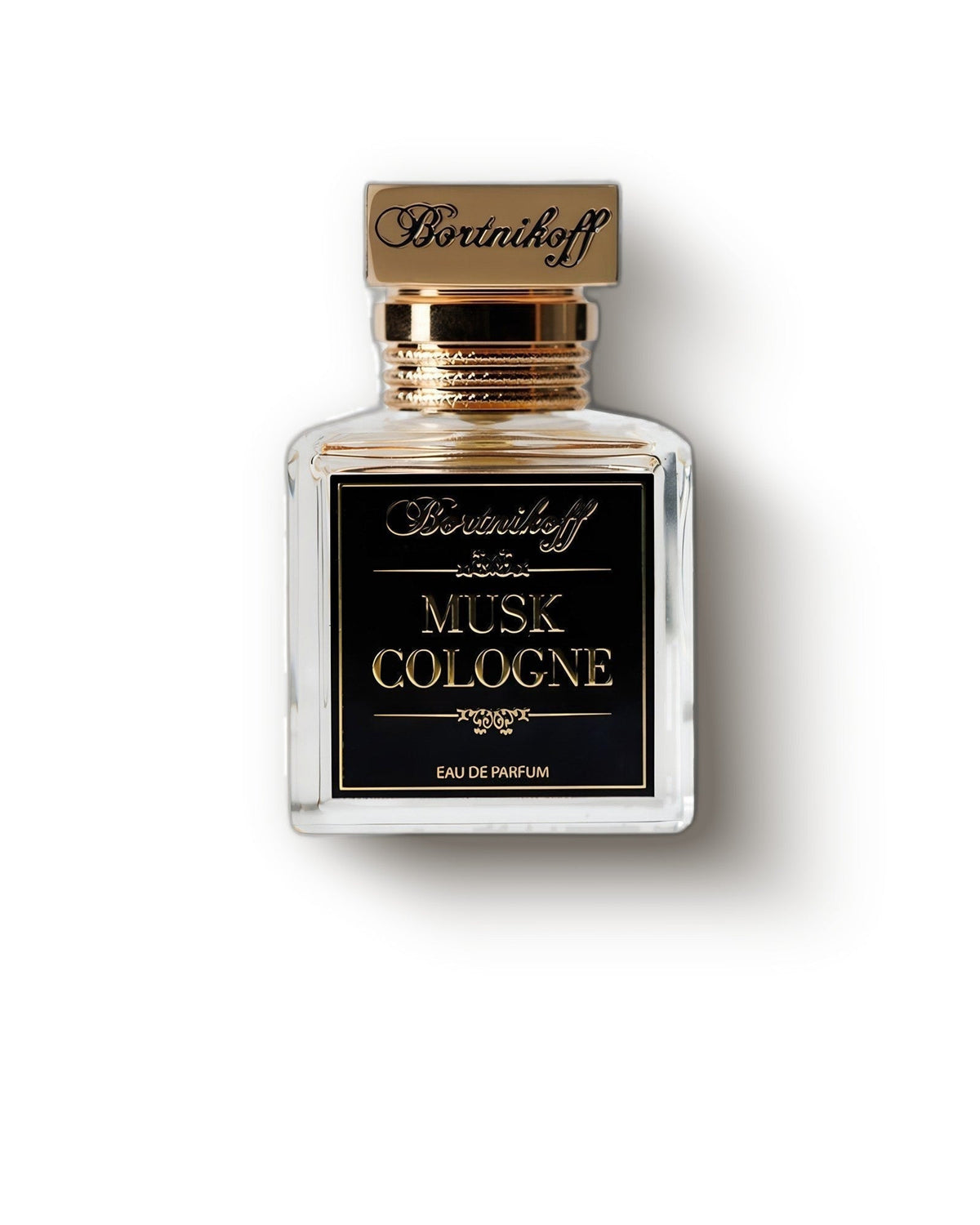
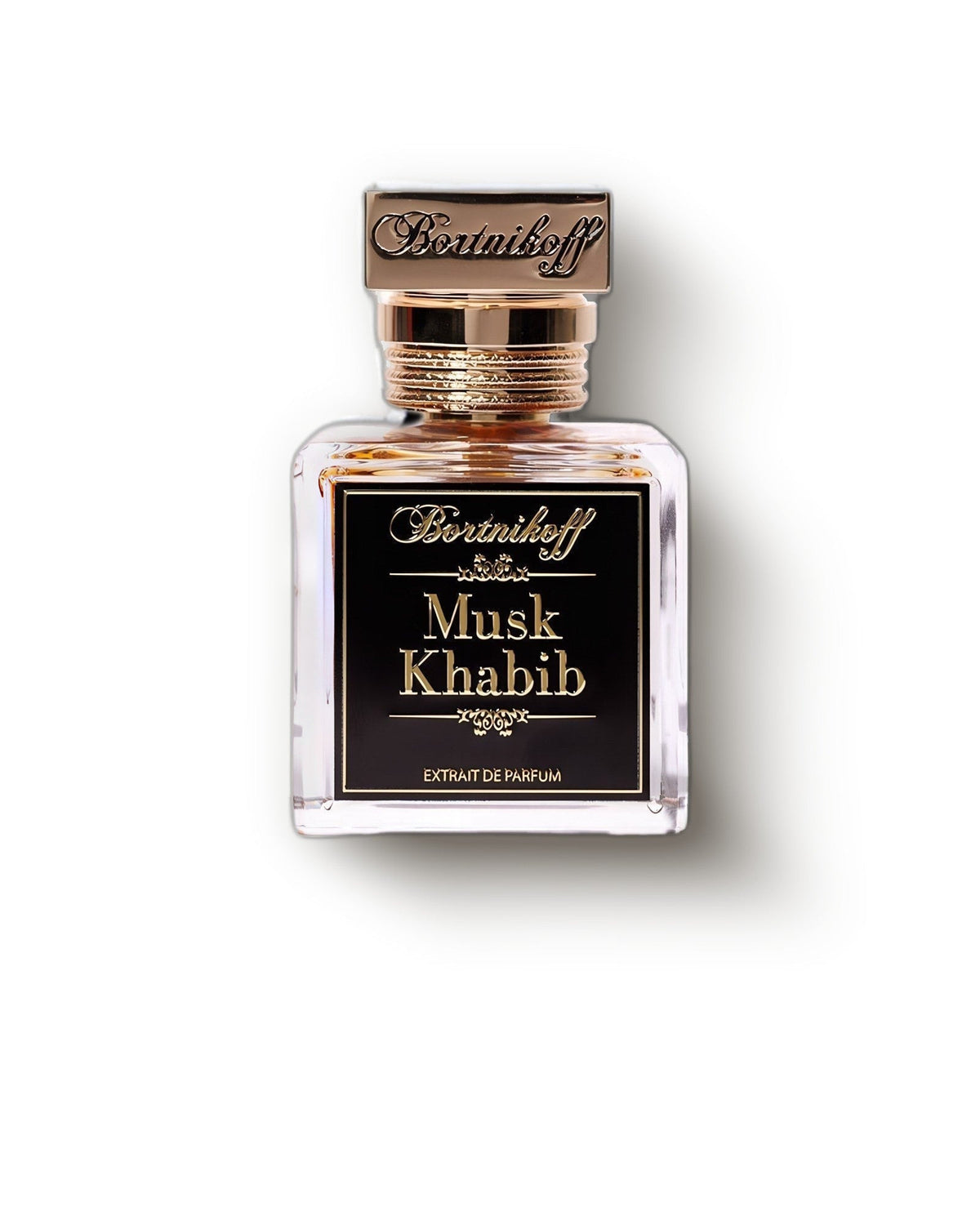
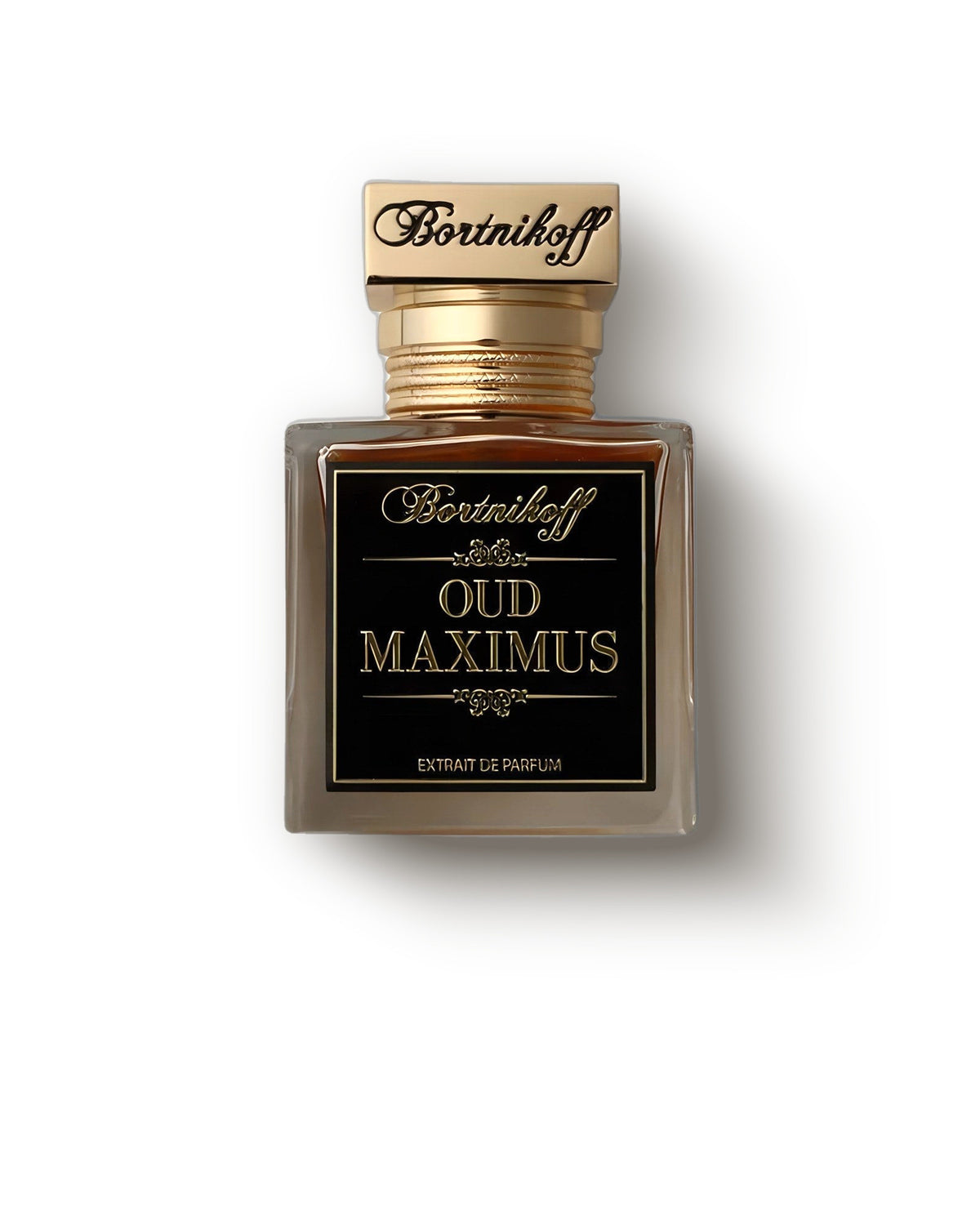
Mehr von dieser NaseOud MaximusMusk KhabibMusk Cologne
Die Maison

Echtes Oud, echte Ambra. Extraits in kleinen Chargen aus lebendigen Materialien.
Dmitry Bortnikoff baut auf die langsame, handwerkliche Art, aus Naturalien, an die die meisten Hersteller schlicht nicht herankommen. Echtes indisches Oud, honigsüße Rosen direkt in Sandelholz destilliert, und viele Öle, hauseigen destilliert mit Techniken des neunzehnten Jahrhunderts. Das Ergebnis fühlt sich lebendig auf der Haut an, warm und ein wenig widerspenstig.
- Herkunft
- Thailand
- Gegründet
- 2018
- Bekannt für
- Echte Animalics, kleine Chargen

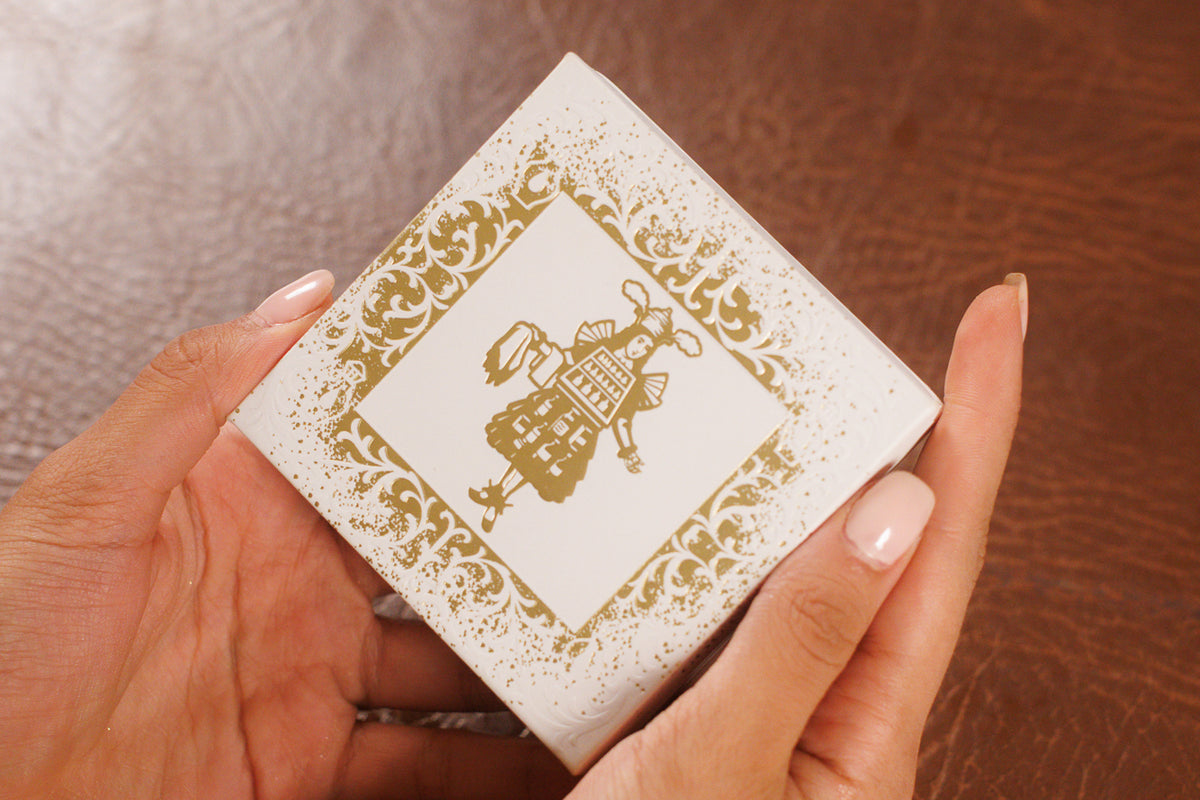
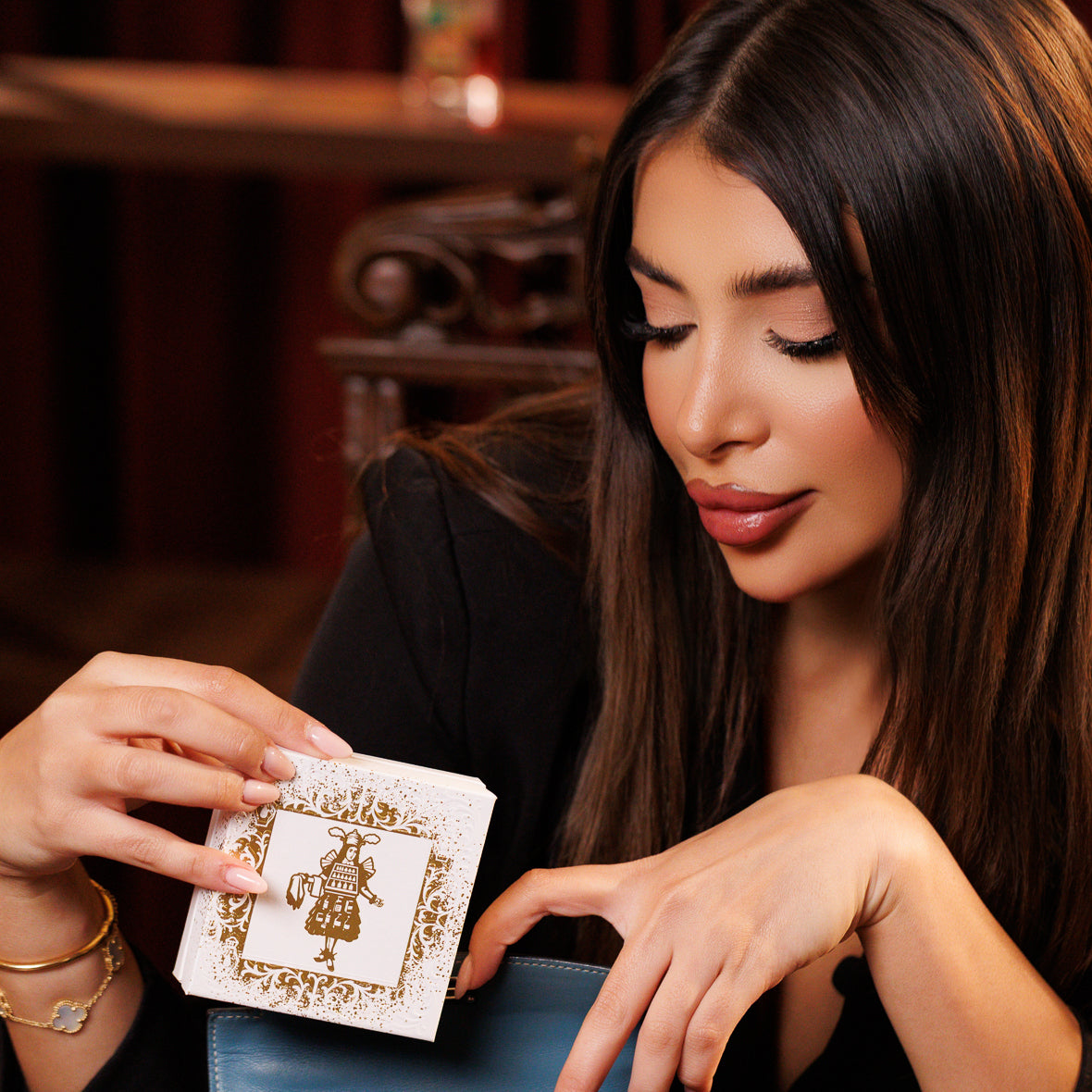
JEDES DECANT
Vom Originalflakon bis an Ihre Tür
Wir kaufen den Originalflakon zum vollen Ladenpreis, direkt beim Haus.
Eine Socorex-Spritze in Medizinqualität nimmt die exakten Milliliter direkt aus dem Flakon.
In die heißfolienveredelte Schachtel gepackt und an DHL übergeben, alle Zölle bereits bezahlt. Wie ein Decant entsteht
Mehr von Bortnikoff

Das könnte Ihnen auch gefallen