Bortnikoff
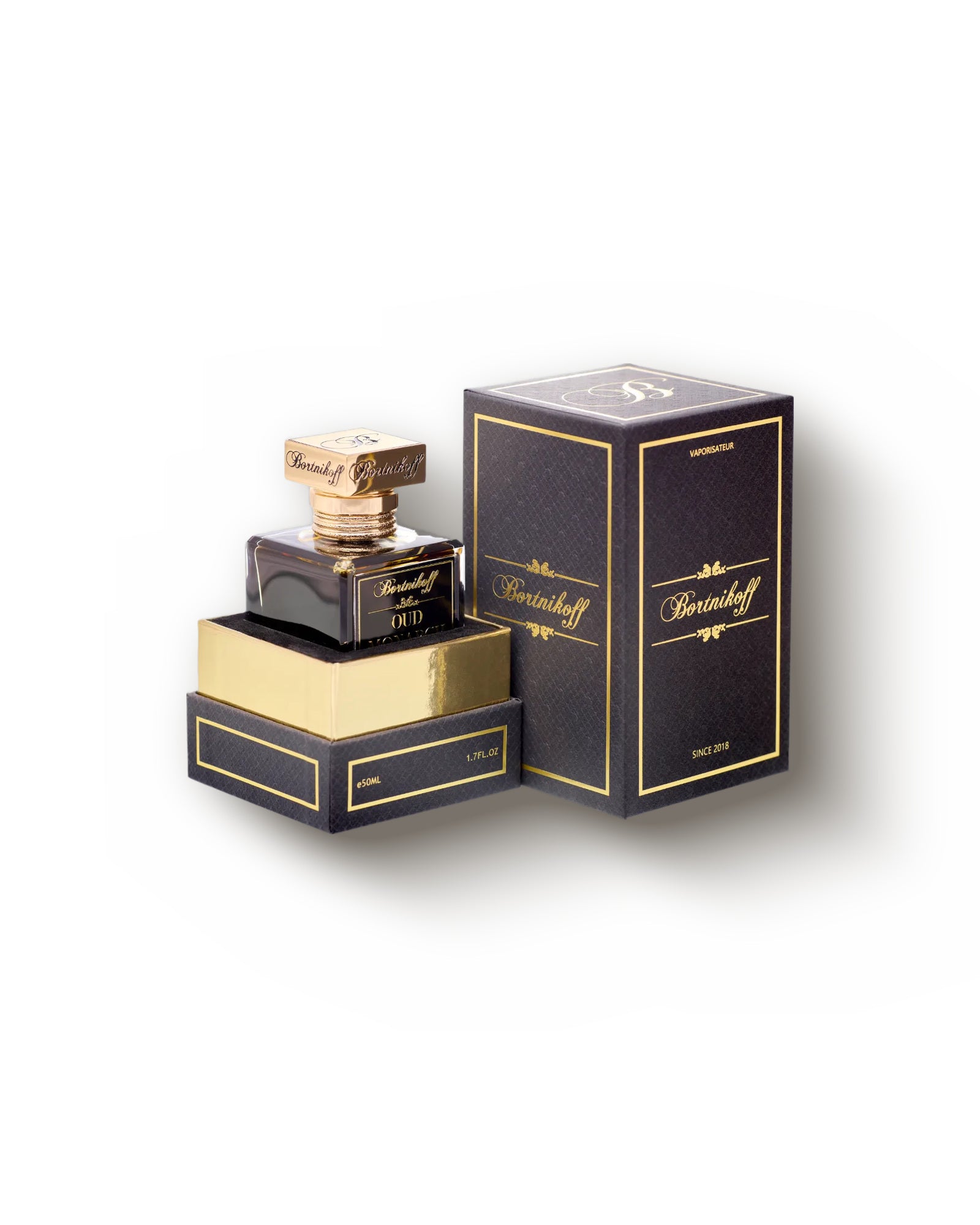
Oud Monarch
Die Geschichte
Oud Monarch ist das Extrait de Parfum von Bortnikoff, dem Haus, das Dmitry Bortnikoff 2018 in Thailand gründete, nachdem er die Adlerholz-Destillerie Feel-Oud mitgegründet hatte. Die Basis nennt zwei getrennte Adlerholzöle, Oud Merauke und Oud co Chang, und stellt ihnen Kakao gegenüber, statt den Rauch in den Vordergrund zu rücken.


Oud
Was ein Baum bildet, wenn er verwundet wird
Ein dichtes, harziges Holz, das warm und leicht medizinisch duftet, mit einer ledrigen, animalisch gefärbten Rauchigkeit und darunter einer süßen, fast stallartigen Note. Es wirkt uralt und grüblerisch und hüllt die Haut in etwas Dichtes, still Mächtiges.


Holzig
Trockene Maserung von geschnittenem Holz
Der Duft von Zedernspänen, Sandelholz und trockenen Vetiverwurzeln, eine geschliffene, harzige Wärme mit einem leicht kratzigen Hauch von Federmäppchen. Er wirkt geerdet und gefasst, das stille Rückgrat, das einen Duft ernsthaft und beständig wirken lässt.


Blumig
Ein ganzer Garten, nie nur eine Blüte
Nicht eine Blume, sondern der Eindruck vieler, meist Rose, Jasmin und Orangenblüte, die sich aneinanderlehnen, bis keine mehr einzeln zu erkennen ist. Süß, taufrisch, leicht pudrig, mit Nektar darunter. Genau das meint man, wenn ein Parfum nach Blumen riecht und man nicht sagen kann, nach welchen.


Gourmand
essbare Süße, zum Anbeißen gut
Eine dessertartige Wärme aus natürlichen Materialien wie Vanille, Tonka, Benzoe sowie Honig- oder Kakao-Absolues, der Duft von gekochtem Zucker statt von Zucker selbst. Sie wirkt behaglich und tröstlich und hüllt dich in etwas Weiches, Süßes, beinahe Essbares.

Warm-würzig
Glimmende Glut aus der Gewürzschublade
Die runde Hitze von Zimt, Nelke und Muskat, trocken und leicht harzig, eher eine Vorratskammer voller Backgewürze als eine scharfe Küche. Sie erzeugt eine gerötete, einhüllende Wärme, die intim wirkt und nach kühlem Wetter verlangt, und umarmt die Haut von innen.


Animalisch
Haut, Fell und etwas nicht ganz Gezähmtes
Eine rohe, körperwarme Moschusnote, die nach Haut, Haar und Fell riecht, mal süß und pudrig, mal scharf und leicht wild. Im besten Fall kannst du nicht sagen, wo das Parfum aufhört und die Person beginnt, die es trägt. In ihrer stärksten Form ist sie der Grund, warum manche Menschen zurückweichen.


Magnolie
Zitronig-cremige Blütenblätter, die über einem südlichen Garten atmen
Was es ist
Eine uralte Blume. Magnolien blühten schon im Zeitalter der Dinosaurier, und ihre Blütenblätter sind robust genug, um die Käfer zu überstehen, die sie bestäuben. Das Absolue stammt aus frischen Blütenblättern.
Wie es riecht
Zitronenschale und Sahne, angesiedelt zwischen Zitrus und Teerose. Es öffnet spritzig, wird weich zu milchigem Blütenblatt, grünem Stängel und einer leichten Gewürznelken-Wärme, um dann klar und leicht fruchtig abzutrocknen. Leichter auf den Beinen als Jasmin.
In der Parfümerie
Parfumeure greifen im Herzen darauf zurück, wenn eine weiße Blume leicht bleiben soll: taufrisch und leuchtend, ohne die indolische Schwere von Tuberose oder Gardenie. Sie harmoniert mühelos mit Zitrus, Pfingstrose, Lilie und weichen Moschusnoten.
Gut zu wissen
Das Absolue ist selten und teuer in der Extraktion, daher wird die Magnolie in den meisten gängigen Flakons aus Duftchemikalien aufgebaut, ein Porträt statt eines Fotos. Natürliche Parfumeure gewinnen sie aus der Blüte selbst, als Absolue oder als destilliertes Blütenöl.


Frangipani
Tropische Blütenblätter, die Kokos und Mandelcreme atmen
Was es ist
Fünf wächsartige Blütenblätter an einem kleinen Tropenbaum, Plumeria, der im gesamten Pazifikraum, in der Karibik und in Indien wächst. Lösungsmittel oder CO2 heben den Duft gepflückter Blüten in ein Absolue, das nur wenige Parfumeure je verwenden.
Wie es riecht
Kokosnuss- und Mandelcreme, dahinter reifer Pfirsich, und eine grüne, würzige Kante, die es vor Sirupigkeit bewahrt. Milchiger und sonniger als Jasmin oder Tuberose, und bei weitem nicht so indolisch. Es riecht wie Wärme auf der Haut.
In der Parfümerie
Im Herzen übernimmt es die Aufgabe von Sonnenlicht und macht eine Komposition cremig. Kokosnuss, Ylang, Jasmin, Sandelholz und Vanille stehen ihm zur Seite, und wenn ein Duft nach heißer Haut am Strand riecht, liegt es meist daran.
Gut zu wissen
Die Ausbeuten sind winzig, weshalb echtes Frangipani-Absolue selten und teuer ist: Gängiges Frangipani ist meist eine Rekonstruktion, während natürliche Häuser sparsam das Absolue oder den CO2-Extrakt selbst verwenden. Der Name stammt von einer römischen Renaissance-Familie, an deren berühmtes Handschuhparfum der Duft erinnern soll.


Rose de Mai
Die honigsüße Mairose aus Grasse
Was es ist
Die hundertblättrige Rose der Provence, jedes Jahr im Mai einige Wochen lang rund um Grasse von Hand gepflückt. Die frischen Blüten kommen in ein Lösungsmittel, das ein wachsartiges Concrète herauslöst; das Concrète wird mit Alkohol gewaschen und ergibt das Absolue.
Wie es riecht
Runder und weicher als die Damaszener Rose, honigsüß und konfitürenhaft, durchzogen von grünem Blatt und einer Fruchtigkeit von Litschi und Birne. Sie trocknet zu einer warmen Honigwachs-Süße ab, mit Pollen bestäubt, ohne den scharfen metallischen Biss.
In der Parfümerie
Im Herzen eingesetzt, eher für Strahlkraft als für Volumen, lässt sie einen Blumenduft wie von innen erleuchtet wirken. Parfumeure kombinieren sie mit Jasmin, Veilchen und Eichenmoos, und die Ernte aus Grasse beliefert viele der französischen Couture-Häuser.
Gut zu wissen
Rund 600 Kilogramm frisch gepflückter Blüten ergeben ein Kilogramm Absolue. Bei diesem Verhältnis, den wenigen Wochen im Mai und der kleinen Anbaufläche um Grasse bleibt echte Rose de Mai einer der kostspieligsten Naturstoffe der Parfümerie.


Himalaya-Rose
Rosenotto aus dem Hochgebirge, taufrisch, wo andere Rosen marmeladig werden
Was es ist
Dieselbe Art Damaszener Rose wie in Bulgarien, angebaut dort, wo die Nächte kalt sind und die Luft dünn ist. Langsames Reifen auf Himalaya-Terrassen in Nepal und Nordindien ergibt ein wasserdampfdestilliertes Otto, blassgolden im Fläschchen, keine Absolue.
Wie es riecht
Eine frisch geschnittene Rose, keine in Konfitüre eingelegte. Das Damaszener Herz ist da, honigsüß und leicht würzig, doch ein knackiger grüner Stängel und eine zitronige Helligkeit verleihen ihr Auftrieb. Luftig, hoch im Ton, in ihrer Frische fast wässrig.
In der Parfümerie
Parfumeure greifen zu ihr, wenn eine Rose lebendig statt konserviert wirken soll: Tau auf einem Oud, Auftrieb in einem Chypre. Rund drei bis vier Tonnen ganzer Blüten ergeben ein einziges Kilo Öl, daher wird sie tropfenweise dosiert.
Gut zu wissen
Neben den klassischen Ottos wirkt es am leichtesten und grünsten, Klarheit dort, wo sie honigsüße Tiefe haben. Naturmaterialien wie dieses verflüchtigen sich auf der Haut schneller als ein synthetischer Rosenakkord, tragen jedoch eine Komplexität, die kein einzelnes Molekül nachahmen kann.


Zimt
Süße Rindenwärme, die glüht, statt zu brennen
Was es ist
Wert hat nur die innere Rinde. Streifen werden vom Baum geschält, zu Stangen eingerollt und dann wasserdampfdestilliert. Der echte Zimt aus Sri Lanka ist der feine; der gröbere, preiswertere Cassia-Zimt füllt die meisten Gewürzgläser in der Küche.
Wie es riecht
Warm, trocken und süß, mit einem roten Glühen durch Zimtaldehyd und einer nelkenartigen Kante dahinter. Echter Zimt duftet runder und leicht blumig; Cassia beißt. Im Ausklang wird er holzig und balsamisch, mit einem Hauch Leder.
In der Parfümerie
Eine Herznote und der Grund, warum sich Gourmands und orientalische Düfte wie ein warmer Raum anfühlen. Zimt harmoniert mit Vanille, Amber, Rose, Apfel und Tabak, und der ganze Kunstgriff heißt Zurückhaltung: Ein Hauch schenkt Glut, ein Quäntchen mehr sticht.
Gut zu wissen
Die Niederländer verbrannten einst ihre eigenen Vorräte, um den Preis hochzuhalten, damals, als diese Rinde mehr wert war als Gold und sich ihretwegen die Eroberung Ceylons lohnte. Die heutige Vorsicht ist nüchterner: Zimtaldehyd sensibilisiert die Haut, daher ist die Dosis begrenzt.


Tabak
Getrocknetes Blatt, das zu Honig und Heu reift
Was es ist
Hier brennt nichts. Das Blatt wird zuerst getrocknet und fermentiert, dann mit Lösungsmitteln zu einem dunklen, klebrigen Absolue extrahiert, und was dabei herauskommt, riecht nach Heu und Honig statt nach Aschenbecher.
Wie es riecht
Warm, trocken, süß: gereiftes Heu und Pfeifentabak, dahinter Honig, Trockenfrüchte und eine Spur Kakao. Ein grüner, ledriger Biss zu Beginn wird weicher und geht in etwas Ambriertes, Balsamisches über, manchmal mit einem pudrigen Blütenrand.
In der Parfümerie
Er sitzt vom Herzen abwärts, wo sich Vanille, Tonka, Honig und Leder an ihn schmiegen. Gib ihm Vanille, und du bekommst die süße, essbare Sorte; gib ihm Leder und Gewürze, und du bekommst die dunkle, trockene.
Gut zu wissen
Eine lebende Tabakpflanze riecht scharf und grün. Alles Süße im Absolue entsteht erst beim Trocknen und Fermentieren. Echtes Absolue ist teuer und in manchen Märkten eingeschränkt, deshalb werden viele Tabaknoten aus Cumarin und Heu nachgebaut.


Oud Merauke
Papuas tiefe Erde, Kakao und nasser Wald
Was es ist
Oud aus Merauke im äußersten Südosten von Indonesisch-Papua, vor allem aus Aquilaria filaria destilliert, wobei auch Gyrinops-Holz mit auftaucht. Papua wurde erst in den letzten Jahrzehnten für Adlerholz erschlossen, und sein dichtes, ligninreiches Holz verlangt lange Einweichzeiten und eine harte Destillation, bevor es überhaupt Öl freigibt.
Wie es riecht
Balsamisch und dunkel, mit einem Auftakt aus Zitrus und einer säuerlichen Pflaumenkante über dem Petrichor des nassen Dschungels, für den die Region in Oud-Kreisen bekannt ist. Darunter liegen ein reichhaltiges, kakaoartiges Oleoresin und eine tiefe, erdige Basis. Öle aus Aquilaria filaria fallen besonders dunkel und schwer aus, während das Gyrinops-Holz derselben Wälder kühler und grüner ausfällt und mehr nach Kiefer duftet.
In der Parfümerie
Eine Basisnote im wahrsten Sinne, von handwerklichen Häusern geschätzt für den festen Boden, den sie unter eine Komposition legt. Ihr Charakter aus Kakao und nasser Erde passt ganz natürlich zu Patschuli, Vetiver, dunklem Harz und Rose, und sie liefert Tiefe, wo ein leichteres Öl aus dem Archipel einfach verfliegen würde.
Gut zu wissen
Merauke ist eine Herkunft innerhalb Papuas, kein Synonym dafür, und die beiden dort wachsenden Gattungen riechen recht unterschiedlich, frag also, von welchem Baum ein Öl stammt. Die Destillation in Papua ist jung und noch klein im Umfang, und gutes, harzreiches Holz fällt ungleichmäßig an, was echtes Merauke-Öl knapp hält.

Oud co Chang
Karamell und Kakao von der Insel vor Trat
Was es ist
Oud aus Koh Chang, der großen Insel vor der Provinz Trat im Golf von Thailand nahe der kambodschanischen Grenze, wo die thailändischen und die Khmer-Adlerholzländer aufeinandertreffen. Bortnikoff schreibt dieses Öl Feel-Oud zu, dem Destillateur von Adlerholz und Sandelholz, den Dmitry Bortnikoff 2013 mitgegründet hat, und führt es schlicht als Oud co Chang.
Wie es riecht
Deutlich süß, mit Karamell und einer Kakaonuance unter Trockenfrüchten und weichem Leder. Das Holz darunter ist warm und harzig, und je länger es getragen wird, desto wurzeliger und erdiger wird es.
In der Parfümerie
In Oud Monarch teilt es sich die Basis mit Oud Merauke aus Papua, eingerahmt von Kakao, Vanille und Labdanum. Sein eigener Kakaoton kommt dem Kakao auf halbem Weg entgegen, was dazu beiträgt, das Oud-Paar glatt und dunkel statt rauchig oder medizinisch zu halten.
Gut zu wissen
Bortnikoff führt dieses Öl schlicht als Oud co Chang, während Oud Maximus ein Oud Purple co Chang verwendet; das Haus schreibt beide Feel-Oud zu. Hier, so das Haus, wird das Oud von Blüten und seltenen Gewürzen eingerahmt, die seine natürliche Intensität mildern.


Kakao
Gerösteter Kakao, bitter, bis der Zucker kommt
Was es ist
Schokolade beginnt als Bohne in einer Schote, eingebettet in weißes Fruchtfleisch, an einem schattenliebenden Baum aus Amerika, der heute vor allem in Westafrika angebaut wird. Fermentiert, getrocknet und geröstet ergibt sie ein Absolue, das ganz ohne Zusatz nach Schokolade duftet.
Wie es riecht
Trocken, geröstet und staubig, wie Kakaopulver oder hauchdünn gehobelte dunkle Schokolade. Zu Beginn bitter, dahinter Kaffee, Nuss und feuchte Erde, dann trocknet es zu einer pudrigen braunen Wärme ab, die stundenlang nah an der Haut bleibt.
In der Parfümerie
Von Herz bis Basis: die Note, die einen Gourmand essbar macht, ohne ihn zuckrig werden zu lassen. Sie verbindet sich mit Vanille, Tonka, Patschuli, Orange und Chili. Gesüßt driftet sie Richtung Trinkschokolade; pur bleibt sie bitter.
Gut zu wissen
Maya und Azteken tranken ihn bitter, aufgeschäumt und gewürzt und hielten ihn für heilig. Der Zucker kam erst Jahrhunderte später mit den Europäern. Der Rohstoff selbst hat ihn nie angenommen.


Zibeth
Tierische Wärme, die Blumen unanständig erblühen lässt
Was es ist
Eine Paste, die aus einer Drüsentasche unter dem Schwanz der Afrikanischen Zibetkatze geschabt wird, eines nachtaktiven, katzenähnlichen Tiers, und dann in Alkohol als Tinktur angesetzt wird. Fast aller Zibet in der Parfümerie ist heute Civetone, im Labor hergestellt.
Wie es riecht
Unverdünnt ist er schockierend: fäkal, indolisch, eher verschmutzter Stall als Parfum. In Spuren wird er honigartig und ledrig, warm wie Haut, mit einem tiefen Tabaksummen. Der Wandel von abstoßend zu verführerisch geschieht allein durch Verdünnung.
In der Parfümerie
Parfumeure setzen ihn in Spuren ein, als Basis und Fixativ, damit Jasmin und Rose riechen, als wüchsen sie auf einem lebendigen Körper, statt in einem Flakon zu stehen. Animalische Chypres und Orientalen leben davon.
Gut zu wissen
In Äthiopien werden dafür noch immer Tiere in Käfigen gehalten und abgeschabt, in kleinem Umfang, Jahrzehnte nachdem das Labor das überflüssig gemacht hat. Und es ist nicht der Palmenroller hinter dem Kopi-Luwak-Kaffee: dieselbe Familie, ein anderes Tier.

Castoreum
Rauchiges Biberfell mit einem Anflug von Aspirin
Was es ist
Im Grunde eine Reviermarkierung. Das Sekret aus den Drüsensäcken des Bibers, von Fallenstellern getrocknet und zu einer Tinktur oder einem Absolue verarbeitet, auch wenn du heute in fast jedem Flakon die synthetische Version riechst.
Wie es riecht
Dunkles, teeriges Leder mit einer medizinischen Kante, wie Birkenrauch, der von einem nassen Mantel aufsteigt. Darunter liegt Süße: Trockenfrüchte, Heu, ein Hauch Vanille. Weit genug verdünnt, wird das Knurren zu warmem Wildleder.
In der Parfümerie
Es verankert die Basis und hält alles darüber: die Haut eines Lederdufts, den Rauch eines Juchtenleder-Stils, den langen Nachhall eines alten Orientalen. Es gesellt sich zu Birkenteer, Labdanum, Eichenmoos und Tabak.
Gut zu wissen
Biber leben von Weiden- und Pappelrinde, reich an Salicin, der Verbindung hinter Aspirin, und das schlägt durch: ein kühler, fast medizinischer Faden unter all dem Leder. Seit Langem wird es auch als Aromastoff verwendet.


Labdanum
Klebriges Amberharz, abgeschabt von sonnendurchglühter Zistrose
Was es ist
Eine mediterrane Zistrose schwitzt im Sommer ein Harz durch ihre Blätter, so dunkel und klebrig, dass es dir die Finger zusammenkleben würde. Die Sammler kochen die Zweige aus oder schaben sie ab, um es zu gewinnen, und extrahieren das Rohharz dann zu Absolue und Resinoid.
Wie es riecht
Balsamische Wärme, dann Leder, Trockenfrüchte, Honig und ein Kringel Rauch. In der Eröffnung liegt etwas fast Ambraartiges. Stunden später hat es sich zu braunem Tabak und getragener Haut gesetzt und ist immer noch da.
In der Parfümerie
Nimm Labdanum heraus, und die meisten Amberakkorde fallen in sich zusammen; es ist das Fundament, auf dem Vanille und Benzoe aufbauen. Es fixiert eine Formel, gibt Chypres und Lederdüften ihre Tiefe und verträgt sich gut mit Rose, Eichenmoos und Weihrauch.
Gut zu wissen
Bevor es Destillation gab, gab es Ziegen. Die Herden weideten den ganzen Sommer im Zistrosengestrüpp, das Harz verfilzte sich in ihren Bärten und Schenkeln, und die Hirten kämmten es heraus. Labdanum gehört zu den ältesten aromatischen Stoffen, die noch heute verwendet werden.


Vanille
Fermentierte Orchideenschoten, Eiercreme und ein Hauch von Rauch
Was es ist
Die grünen Schoten riechen nach fast nichts, wenn sie von der Orchideenranke kommen. Der Duft wird gemacht, nicht gefunden: Monate des Blanchierens, Schwitzens in der Sonne und langsamen Trocknens, bevor sich das Vanillin zeigt. Zuerst Mexiko, heute Madagaskar.
Wie es riecht
Zuerst Pudding und Karamell, dann etwas Dunkleres darunter: Trockenfrüchte und ein feiner Faden Tabakrauch. Beim Trocknen wird sie pudrig und bleibt dicht an der Haut. Echte, fermentierte Vanille wirkt tiefer als Vanillin allein.
In der Parfümerie
Parfumeure nutzen sie, um Kanten abzurunden. Was zu scharf, zu grün oder zu streng ist, bekommt durch eine Vanillebasis Wärme und Körper. Deshalb verankert sie, neben Tonkabohne, Amber, Sandelholz und Gewürzen, viele orientalische und Gourmand-Kompositionen.
Gut zu wissen
Jede Blüte öffnet sich für einen einzigen Tag. Verstreicht er ungenutzt, entsteht keine Schote, deshalb wird die gesamte Vanille von Hand bestäubt, mit einem Kunstgriff, den der zwölfjährige Edmond Albius, ein versklavter Junge auf Réunion, erfand. Das meiste Vanillearoma ist heute synthetisch.
Duftcharakter
Der Auftakt ist cremig und tropisch, Frangipani und Magnolie, noch bevor irgendein Holz erscheint. Rose de Mai, Himalaya-Rose, Zimt und Tabak wärmen die Mitte. Der Kakao in der Basis wirkt staubig und dunkel, näher an Bitterschokolade als an Zucker, und hält die beiden Ouds weich statt medizinisch. Wer ihn trägt, berichtet von einer warmen animalischen Kante, die im Drydown hervortritt.


Haltbarkeit
wie lange er auf der Haut bleibt
Die Sanduhr zeigt die Tragedauer: wie viele Stunden der Duft spricht, bevor er verklingt. Ein Balken, der kaum über den Anfang hinauskommt, bedeutet ein paar flüchtige Stunden. Einer, der die ganze Länge ausfüllt, trägt vom Morgen bis in den Abend. Nimm das als typischen Wert, nicht als Versprechen. Fettige Haut hält Duft weit länger als trockene.


Sillage
die Größe seiner Duftspur
Sillage ist das französische Wort für das Kielwasser eines Schiffs, und genau das misst diese Anzeige: wie viel vom Duft in den Raum gelangt, statt bei dir zu bleiben. Niedrig ist ein Flüstern, das nur enge Freunde wahrnehmen. Enorm füllt den Raum und füllt ihn weiter, nachdem du gegangen bist.


Experimentell
Zum Provozieren gemacht, nicht zum Gefallen
Manche Parfums sind dafür gemacht, gemocht zu werden. Diese sind dafür gemacht, dass man über sie streitet: tintiger Teer, heißes Gummi, Frucht, die gerade kippt, Metall und Fell, wo du Blüten erwartet hättest. Die Münze leuchtet bei einem Duft, der provoziert, und wird matt bei einem, der auf Nummer sicher geht, und manchmal ist genau das gewollt.


Büro
Gepflegt und nie lauter als der Raum
Duft ist eine Frage der Umgangsformen, wenn man sich einen Raum teilt. Auf diese Distanz sollte er die Person am Schreibtisch gegenüber erreichen und dort haltmachen: aufgeräumte Zitrusnoten, weicher Moschus, helle Hölzer, alles kompetent und rücksichtsvoll. Eine leuchtende Münze bedeutet, dass niemand etwas sagen muss. Eine matte bedeutet, dass er weit trägt.


Abend
Nach Einbruch der Dunkelheit, wenn er an Tiefe gewinnt
Abendessen, Drinks, die Nacht, die lang wird. Im gedämpften Licht hören Amber, Harze und rauchige Hölzer auf, höflich zu sein, und ein opulenter Blumenduft blüht endlich auf. Eine leuchtende Münze bedeutet, dass er genau auf diese Stunde wartet. Eine matte bedeutet, dass er bei Tageslicht seine beste Arbeit geleistet hat.


Romantisch
Nah genug, um gespürt zu werden
Ein Duft kann auf der Haut summen, statt sich über den ganzen Tisch hinweg anzukündigen. Genau darum geht es hier: cremige Blüten, Vanille, weicher Moschus, ein Hauch Würze, warm genug, dass sich jemand näher heranbeugt. Die Münze leuchtet, wenn ein Duft diese Stimmung schafft, und wird matt, wenn er eher praktisch als verführerisch ist.


Festlich
Leise Souveränität in festlicher Runde
Eine Hochzeit, eine Zeremonie, ein Raum, in dem sich alle Gedanken über ihre Schuhe gemacht haben. Hier zählt Struktur, nicht Lautstärke: glatte Hölzer, disziplinierte Blüten, weiches Leder. Eine leuchtende Münze bedeutet, dass er den ganzen Abend Haltung bewahrt. Eine matte bedeutet, dass er für diesen Rahmen zu lässig ist.


Lässig
Unbeschwerter Komfort für Tage ohne Eile
Besorgungen, Kaffee, ein gemächlicher Samstag ohne Termine. Hier muss niemand beeindruckt werden, also passt alles Weiche und Unkomplizierte: frische Zitrusnoten, leichte Hölzer, ein wenig Wärme, die von der Haut aufsteigt. Eine leuchtende Münze sagt Ja zu alldem. Eine matte bedeutet, dass der Duft nach einem größeren Abend verlangt.


Vom Tag in die Nacht
wo seine Stimmung ganz natürlich hingehört
Ein Balken von der Sonne bis zum Mond, der die Stunde anzeigt, für die der Duft gemacht wurde. Je mehr davon golden bleibt, desto mehr gehört der Duft dem Tageslicht und der freien Luft. Je weiter das Blau zur Sonne zurückreicht, desto tiefer und wärmer wird er: Abend, Kerzenlicht, gedämpfte Räume.


Winter
Wärme, die durch kalte Luft trägt
Kalte Luft dämpft einen Duft und bremst ihn, deshalb gehört der Winter dem Dichten und Warmen: Harz, Rauch, Vanille, Leder, ambrierte Würze. Der Balken zeigt, wie gut sich dieser Duft dagegen behauptet: ob er der Kälte entgegenglüht, statt in ihr dünn zu werden.


Frühling
Frische Blüten in milder, steigender Wärme
Milde, feuchte Luft trägt eine leichte Komposition nach oben, deshalb gehört diese Jahreszeit taufrischen Blüten, grünen Stängeln, weichem Puder und durchscheinenden Zitrusnoten. Lebendig statt schwer. Je weiter das Grün auf dem Balken reicht, desto angenehmer trägt sich dieser Duft bei diesem Wetter.


Sommer
Hell und luftig, auch bei echter Hitze
Hitze übernimmt die Projektion für dich, deshalb wird das falsche Parfum bis Mittag unerträglich. Was besteht, ist kühl und luftig: scharfe Zitrusnoten, Salzluft, aromatische Kräuter, Wasser. Dinge, die erfrischen, statt zu erdrücken. Ein kurzer Balken bedeutet hier: Heb ihn für kühlere Monate auf.


Herbst
Würzige Wärme für kühler werdende Tage
Wenn die Luft abkühlt, hören die reichen Materialien auf zu erdrücken und treten klar hervor: trockene Hölzer, warme Würze, Tabak, Amber, golden gewordene Frucht. Es ist die Jahreszeit, in der Parfum nachdenklich wird. Der Balken füllt sich danach, wie selbstverständlich sich dieser Duft in klare, kühler werdende Tage einfügt.
Trageempfehlung
Herbst und Winter, ab dem späten Nachmittag. Er passt zu Abendessen, Abenden in der Stadt und kaltem Wetter ganz allgemein, wirkt unisex und eignet sich für alle, die trockeneres, rauchigeres Oud sonst eher abschreckt.
Optionen auswählen
Die Stimmung


Die Nase

Dmitry Bortnikoff
Gründer und Parfumeur
Von Beruf Architekt, der sich der Destillation zuwandte. Er war 2013 Mitgründer von Feel Oud, wo Adlerholz- und Sandelholzöle destilliert werden, und startete 2018 Bortnikoff in Thailand. Die Parfums sind zu 95 bis 100 Prozent natürlich. Er komponierte Bortnikoff Oud Maximus und Bortnikoff Sayat Nova sowie gemeinsam mit Rajesh Balkrishnan Bortnikoff Santa Sangre.
Mehr von dieser NaseOud MaximusMusk KhabibMusk Cologne
Die Maison

Echtes Oud, echte Ambra. Extraits in kleinen Chargen aus lebendigen Materialien.
Dmitry Bortnikoff baut auf die langsame, handwerkliche Art, aus Naturalien, an die die meisten Hersteller schlicht nicht herankommen. Echtes indisches Oud, honigsüße Rosen direkt in Sandelholz destilliert, und viele Öle, hauseigen destilliert mit Techniken des neunzehnten Jahrhunderts. Das Ergebnis fühlt sich lebendig auf der Haut an, warm und ein wenig widerspenstig.
- Herkunft
- Thailand
- Gegründet
- 2018
- Bekannt für
- Echte Animalics, kleine Chargen

JEDES DECANT
Vom Originalflakon bis an Ihre Tür
Wir kaufen den Originalflakon zum vollen Ladenpreis, direkt beim Haus.
Eine Socorex-Spritze in Medizinqualität nimmt die exakten Milliliter direkt aus dem Flakon.
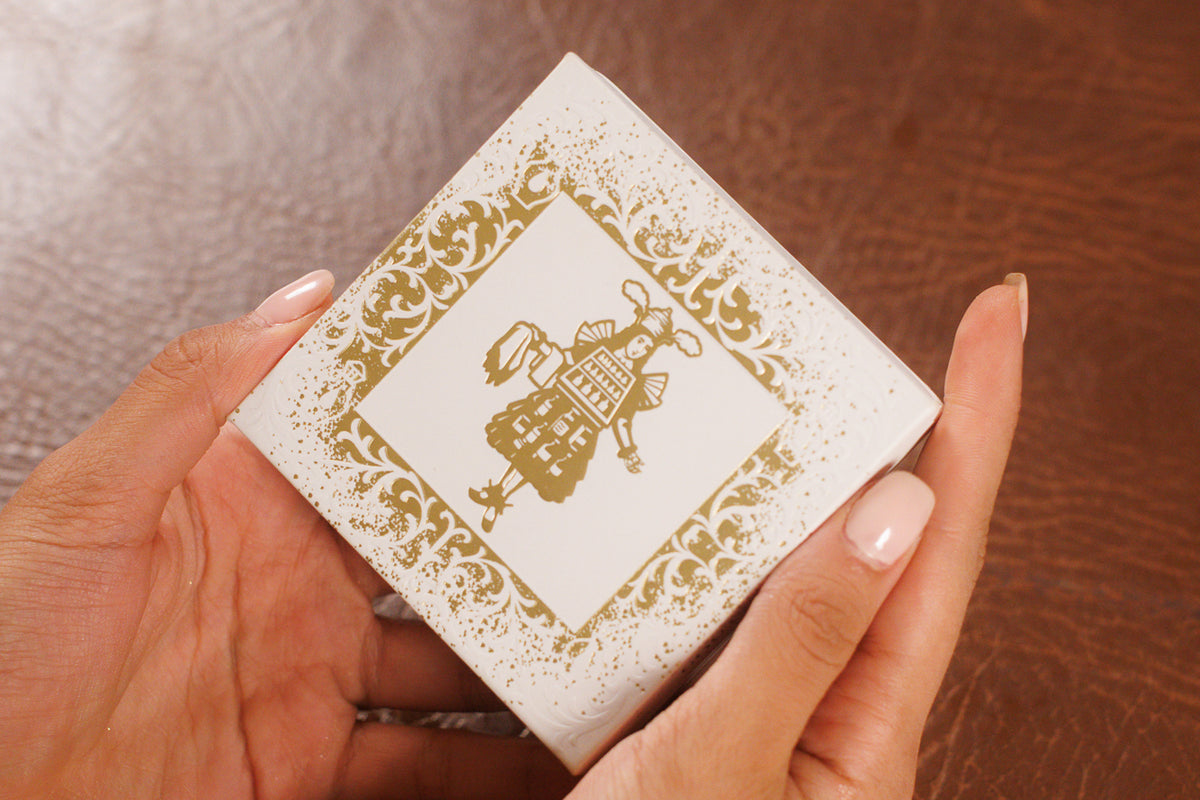
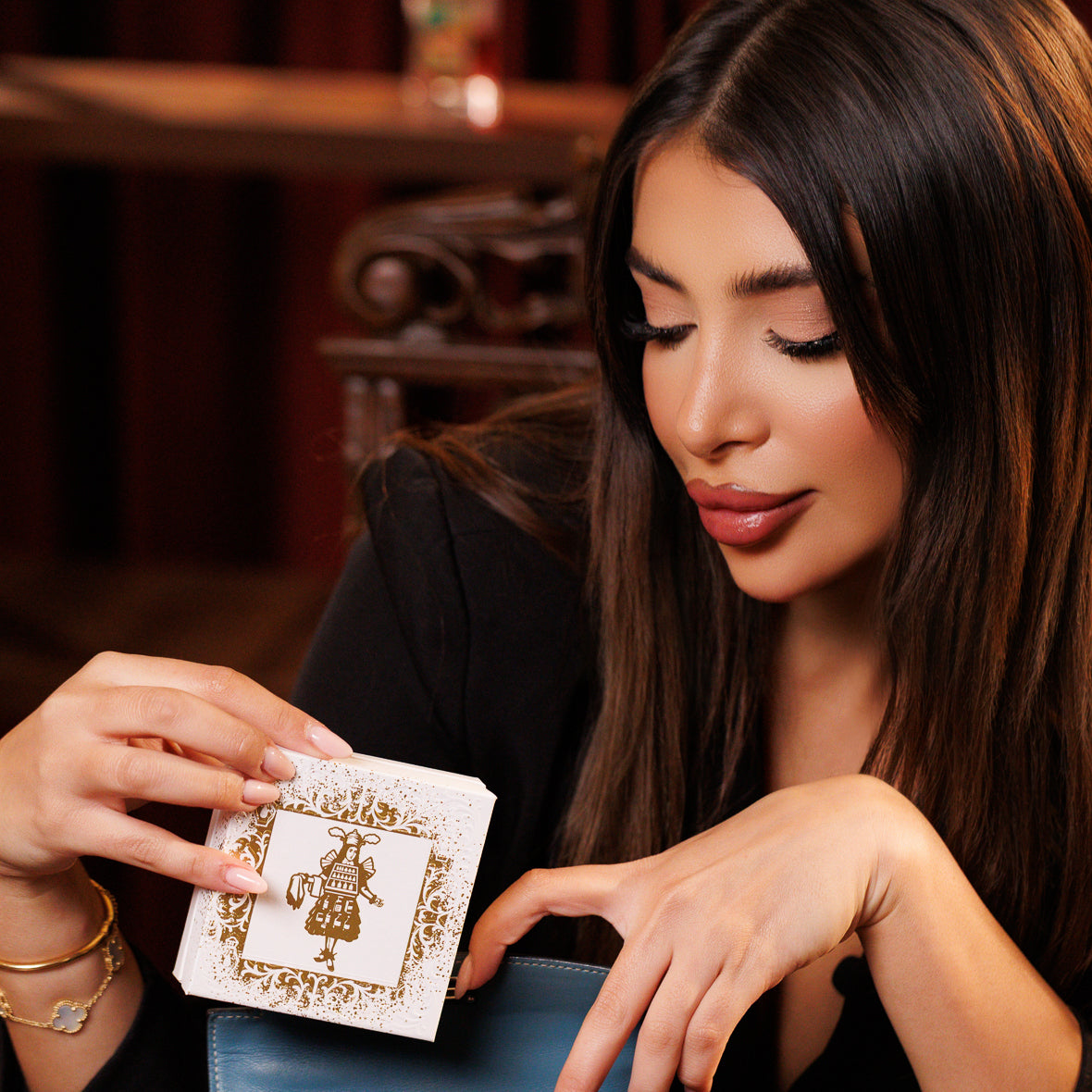
In die heißfolienveredelte Schachtel gepackt und an DHL übergeben, alle Zölle bereits bezahlt. Wie ein Decant entsteht
Mehr von Bortnikoff
Das könnte Ihnen auch gefallen