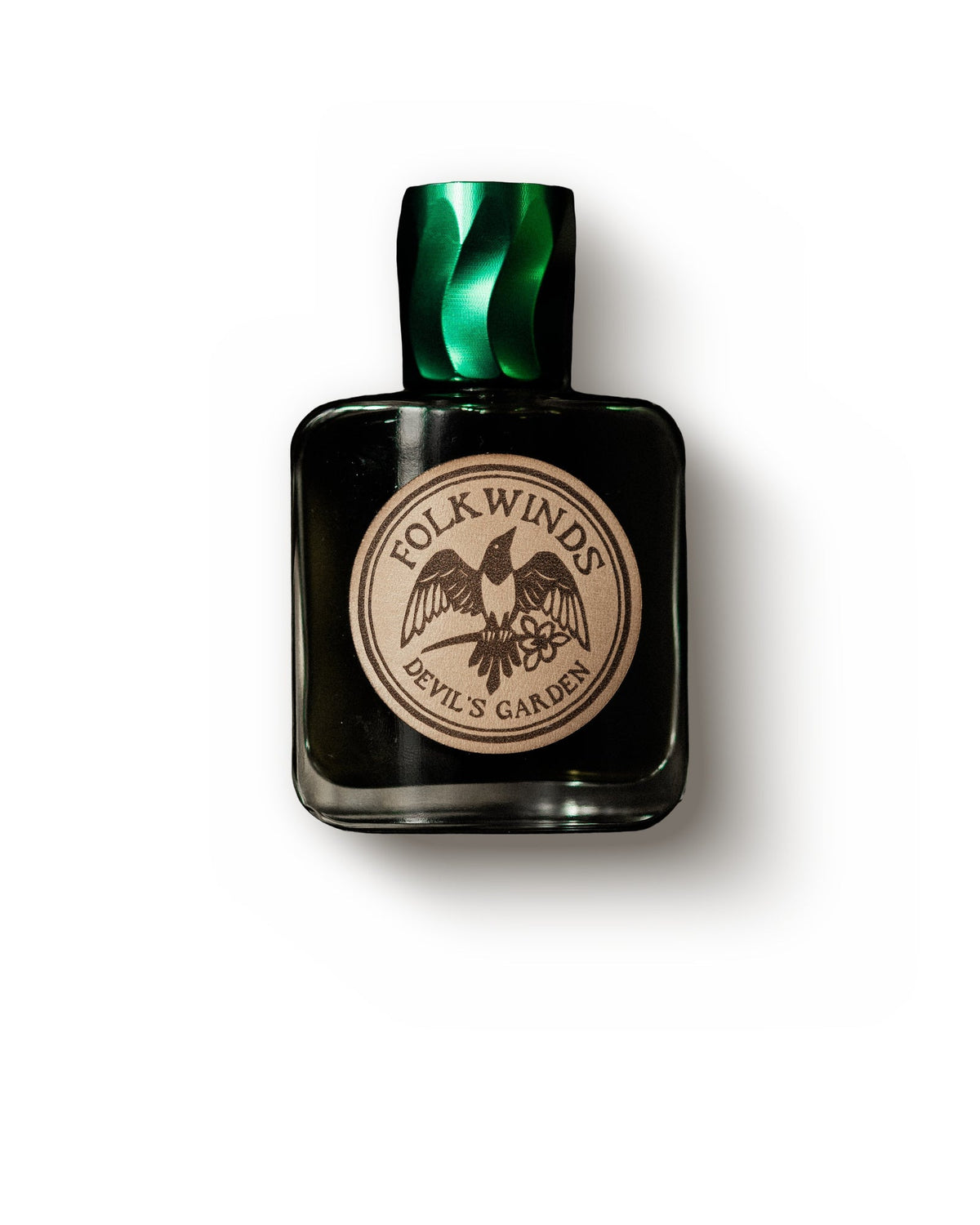
Folkwinds
Devil's Garden
The Story
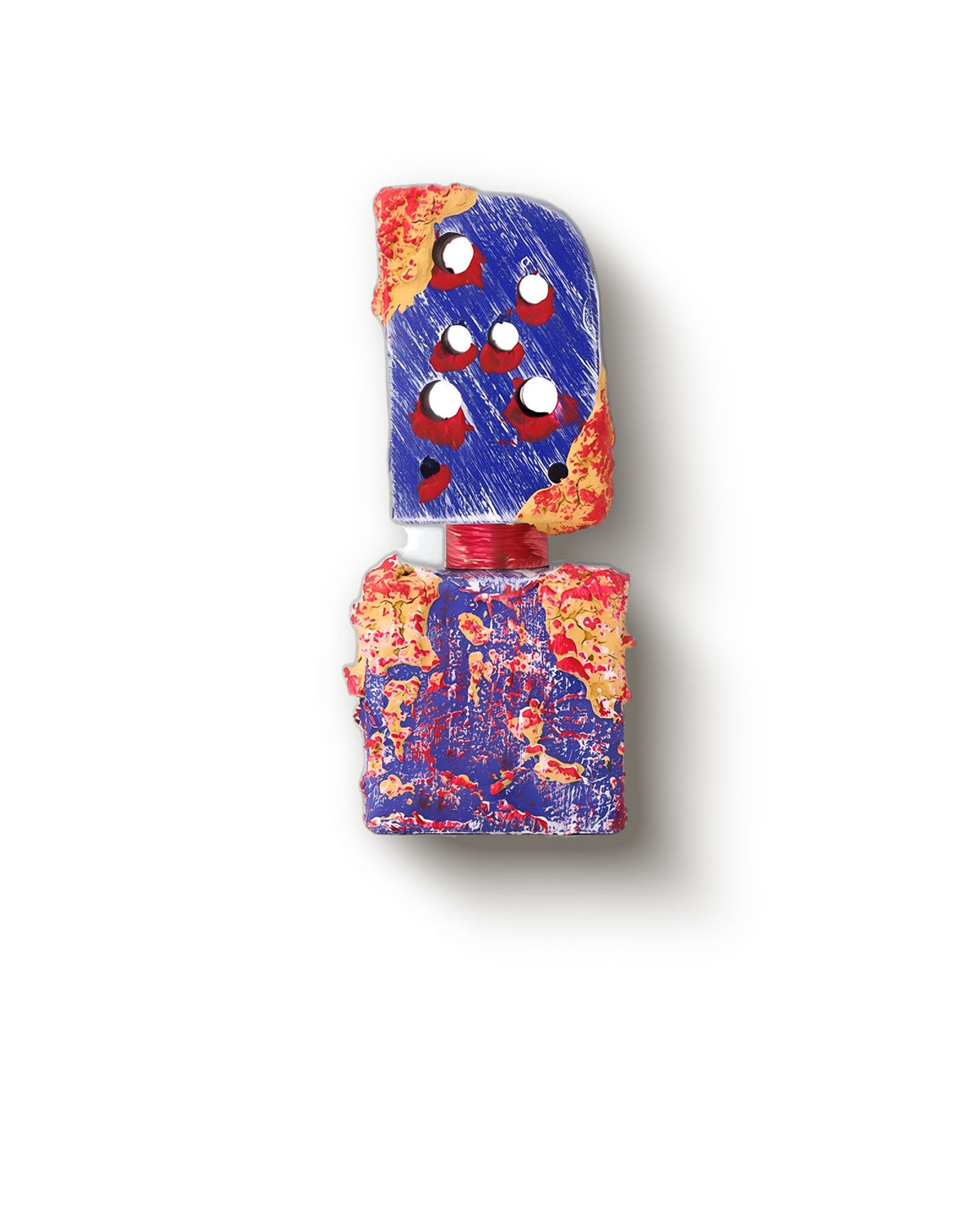
Devil's Garden is a perfume of place. Dr. Rajesh Balkrishnan sourced its materials from the glaciated Himalayas and North America's most barren deserts, and Jono Bornstein of Folkwinds wove them into a scent that holds extreme heat and extreme cold at once. It is the sequel to Sleepy Hollow, their first collaboration.


Aromatic
Crushed herbs in cool air
The green, camphorous coolness of lavender, rosemary, sage, and thyme, like herbs bruised between the fingers. It feels clean, invigorating, and a touch austere, the crisp backbone of a classic barbershop freshness.


Woody
Dry grain of cut timber
The smell of cedar shavings, sandalwood, and dry vetiver roots, a sanded, resinous warmth with a faint pencil-box rasp. It feels grounded and composed, the quiet backbone that makes a scent read as serious and lasting.


Earthy
Damp soil after the rain
The mineral smell of wet ground, and of beets pulled straight from the dirt with the soil still on them. Cool, raw and faintly bitter, it grounds a fragrance with the dark, humid breath of the forest floor.


Fresh Spicy
Cool bite of cracked pepper
Pink pepper, cardamom and ginger, spice that prickles rather than warms. It fizzes near the top of a fragrance, dry and faceted, closer to crushed peppercorns and a split cardamom pod than to anything simmering in a kitchen. Bright, never comforting.


Balsamic
Tree sap gone thick and golden
Tree resins and golden amber, thickened to syrup and touched with vanilla. It does not sparkle or move; it settles, warming the skin the way candlelight warms a room, and it stays there long after the top notes have gone quiet.


Green
Sap on your hands after weeding
Snap a stem and this is what comes off: sappy, cool, a little bitter, more vegetable than floral. Cut grass, bruised leaves, the inside of a hedge after the shears. Nothing here is sweet.


Citrus
First bright zest of morning
The juicy, rind-snapping brightness of lemon, bergamot, and orange peel, tart and effervescent with a clean bitter edge. It opens a scent with instant lift and sparkle, fresh and energizing, evaporating quickly like sunlight on water.


Citron
The ancient knobbly citrus of dry, green light
What it is
Older than almost any citrus in cultivation, and the lemon's ancestor. Cut one open and there is barely any juice, just thick, knobbly, leathery rind, which is exactly where the oil lives. Cold-pressed, it is called cedrat.
How it smells
Lemon, but rounder and less acid, with a velvety weight behind the zest and a dry bitterness at the end. There is a small floral lift in there too. Polished is the word, where lemon is simply sharp.
In perfumery
A top note for colognes and modern citrus accords, brighter and drier than lemon, at home with neroli, petitgrain and green herbs. Under its French name, cedrat, it has a whole genre of fragrances named after it.
Good to know
One variety barely bothers with flesh, splitting instead into a cluster of yellow fingers. Buddha's hand, it is called, and across Asia it is used in religious offerings rather than eaten.


Rose
Dewy sweetness over a green, peppery bite
What it is
Most perfumery rose is one of two: damascena from Bulgaria and Turkey, centifolia from Grasse. Whole blossoms are picked by hand from before sunrise until about ten thirty, then distilled into otto or solvent-extracted into absolute.
How it smells
Fresh, honeyed, green at the edges, with something dewy still on it. Spice and fruit sit underneath, and in the absolute a jammy darkness. Otto opens crisp and bright; absolute is warmer, smokier, closer to skin.
In perfumery
Rose behaves less like one note than a whole palette. It carries a perfume alone or vanishes into a chypre, turns dark against oud and patchouli, goes powdery beside violet, and holds a floral heart together.
Good to know
The two extractions are not the same bargain. Otto takes three to four thousand kilograms of blossoms to yield one kilogram of oil. Absolute, pulled out with solvent, gets there on roughly a seventh of the flowers.


Artemisia
Silver-leaved dry-ground scrub, cool, bitter and camphor-bright
What it is
A whole genus, not one plant: almost 500 species in the daisy family, from common mugwort and absinthe wormwood to the sagebrush of western North America and kitchen tarragon. Most grow in dry ground, many with leaves furred silver-white.
How it smells
Cool camphor and a minty, cedar-leaf freshness arrive first, loud and diffusive. Then it dries toward bitter green herbs with a faint mineral edge, while a soft bittersweet warmth settles underneath. The opening projects hard; the trail stays quieter.
In perfumery
A top note, used for lift and diffusion. In fougeres it freshens the lavender, coumarin and oakmoss frame; in chypres its bitterness plays against the labdanum and patchouli beneath. Aromatic masculine compositions and colognes use it too, in small doses.
Good to know
Sagebrush is not a true sage: kitchen sage belongs to the mint family. Many artemisia oils do share one compound with it, thujone, toxic in quantity, and some also irritate or sensitise skin, so industry limits keep them to traces.


Timur
Bright citrus spice with a tingling edge
What it is
Not a peppercorn at all. The reddish husks come from a tree in the citrus family, closer kin to a lemon than to black pepper, and only the husk is used, distilled or taken with CO2.
How it smells
Grapefruit zest over a warm rosy spice, fizzing rather than burning. There is a metallic, faintly vetiver shadow underneath. In food the husk makes your tongue buzz; in perfume what carries over is the zest, not the numbness.
In perfumery
Perfumers use it up top for fizz and lift, a modern peppery sparkle that has opened a great many contemporary unisex scents. It plays well with citrus, rose, vetiver and incense.
Good to know
The tingle is neither taste nor heat. The molecule behind it excites the light-touch nerve fibers in your skin at roughly fifty times a second, so the brain reports a genuine vibration.


Patchouli
Damp earth and dark wood after rain
What it is
Nobody guesses mint, but that is the family: a leafy bush whose leaves are dried and left to cure, close to fermenting, before distillation pulls out an oil thick and dark as syrup.
How it smells
Wet soil, forest floor, an old cellar, with a winey sweetness underneath. Young oil can come at you sharp and green, almost camphorous. Aged oil goes the other way, into chocolate and leather, and stays put for hours.
In perfumery
Almost nothing holds a composition down like it. Chypres and orientals are built on that anchor, and a few drops under rose, vetiver or labdanum will hold the whole thing on skin for hours.
Good to know
Nineteenth-century Kashmiri shawls travelled packed in dried patchouli leaves to keep moths off, and Europeans learned to tell a real one by smell alone. The oil improves with age, which almost no essential oil does, mellowing like wine.


Mitti Attar
Fired clay distilled straight into sandalwood oil
What it is
Kannauj distillers fire discs of river clay in a kiln, break them up, and simmer the shards in copper stills. The steam is caught not in water but in a waiting receiver of sandalwood oil.
How it smells
Hot dust the moment rain lands on it, then something rounder underneath. Give it ten minutes and the sandalwood surfaces, creamy and dry, and the earth settles into it like water into a terracotta cup.
In perfumery
A heart and base material, dosed low, that gives a composition ground to stand on. It sits well under vetiver, rose and amber, and it will pull a bright floral toward dusk and wet stone.
Good to know
Nothing in the still was ever alive, so this attar has no harvest season. As sandalwood grew scarce and costly, some distillers catch the vapour in liquid paraffin instead, and that version smells thinner and flatter.


Tuberose
Carnal white flower that opens after dark
What it is
Cut a tuberose and it carries on. The waxy white flower keeps making scent for hours after picking, which is why perfumers once laid blossoms on trays of cold fat to catch it. Solvents do that job now.
How it smells
Creamy and buttery, with a cool mentholated snap on top and green sap beneath. Stay with it and something almost fleshy surfaces, warm and indolic, faintly clove-spiced. This is the flower people call too much.
In perfumery
It sits in the heart and pushes outward, three-dimensional in a way few florals manage. Gardenia, jasmine, orange blossom and coconut round it off. The great tuberose soliflores are still the benchmark everyone else is measured against.
Good to know
Six to eight thousand kilos of fresh flowers go into one kilo of absolute. Picture a field, then a small bottle. That ratio is why tuberose sits among the most costly florals in perfumery.


Amyris
Caribbean wood that whispers like soft sandalwood
What it is
The branches are so loaded with oil that people once lit them as torches, which is where candlewood and torchwood come from. Fallen, aged wood is distilled slowly into a soft heartwood oil sold as West Indian sandalwood.
How it smells
Dry, soft and low-volume: clean cedar-like woodiness with a faint balsamic warmth and a peppery wisp of smoke. Next to true sandalwood it is thinner and much less creamy, a little oily, happy to sit underneath everything else.
In perfumery
Base-note plumbing: an affordable fixative that holds lighter materials down and stretches the woods. It goes with citrus, lavender, cedar and sandalwood, and props up more colognes and soliflores than ever list it.
Good to know
West Indian sandalwood is a sales name, nothing more. The tree is a Caribbean relative of citrus and shares almost no chemistry with Santalum, which costs many times more, and the two smell alike only from a distance.


White Ambergris
Salt, skin and driftwood, bleached pale
What it is
White is where the journey ends. A waxy mass forms in the gut of a sperm whale, drifts for years, and sun and saltwater bleach it from black toward dusty white, oxidizing near-odorless ambrein into something fragrant.
How it smells
Soft, sweet and marine, the most rounded of the grades. Clean skin, warm musk, tobacco and sea air over a velvety mineral sweetness. Whatever fecal edge the fresher, darker pieces carry has weathered out of it.
In perfumery
Used as a tincture, it works less like a note than like a light behind the others, adding warmth, diffusion and a skin-close glow while making everything around it last. Ambroxan now reproduces the core of that effect.
Good to know
Nothing is taken from a whale: every piece is picked off a beach, often years after it was expelled. The law does not always follow that logic, and the United States bars the trade outright.


Sandalwood Absolute
Creamy wood, pulled up by the roots
What it is
The richest material sits in the roots, so the whole tree is pulled up rather than felled. For an absolute, the wood is extracted with solvent instead of being steam-distilled into oil. Mysore in southern India was the classic source, until decades of overcutting pushed the wild trees to the edge.
How it smells
Milk and warm wood, with a rosy, almost buttery edge and nothing sharp at all. What surprises people is how little it moves: no bright opening, no dry-down drama, just the same quiet glow for hours.
In perfumery
It works twice over: as a smell, and as a fixative that holds rose or jasmine in place. Sandalwood is also graded, and the darkest, densest, most resin-heavy old heartwood carries its own name: red meat.
Good to know
A heart worth taking takes about thirty years to form. Plantations of the same species in Western Australia now supply most of the world's oil, close to the old Mysore chemistry if not quite its creaminess.


Agarwood
The wounded heartwood where oud begins
What it is
Wound an Aquilaria tree and it fights back, flooding the injury with resin until the pale, odourless wood turns dense. Burn that or distil it and you have oud. The two words name one thing at different stages.
How it smells
On a charcoal burner it goes warm and sweet, woody smoke threaded with resin and spice. The best wood drifts toward honey, incense and a cool camphor lift. Younger wood is greener, sharper, closer to fermented damp earth.
In perfumery
Most of it never becomes perfume: it is burned as wood, from Gulf bakhoor to Japanese incense. Aquilaria is CITES listed, so trade is regulated rather than closed, and much of today's oil comes from inoculated plantation trees.
Good to know
Grade is weight: the most resin-soaked pieces sink in water, which is why East Asian names for it mean sinking incense. The rarest, kyara, is cooler and sweeter than the rest, treated as almost sacred and priced accordingly.


Nagarmotha
A marsh weed's root, smoked earth and pepper
What it is
A marsh sedge, cousin to papyrus, whose value is entirely underground. The dried tubers are steam-distilled, in poor yield, into an oil dark and thick enough to pour slowly. Cypriol is the name it trades under.
How it smells
Woody, earthy, dry to the point of austere, with a peppery bite that comes from rotundone, the same molecule that makes black pepper and Syrah taste of pepper. Smoke and leather run through it. Nothing here is sweet.
In perfumery
A base note with a smoky spine, used to ground a composition and often standing in for patchouli. It sits well with iris, ionones, oakmoss, labdanum and frankincense, and gives modern dark woods much of their dry smoke.
Good to know
In India it is a weed, dug out of wet ground, and yet this is what perfumers turn to when real agarwood is out of reach. The tubers also have a long life in Ayurvedic medicine.


Copal
Bright citrus incense, smoky sacred resin
What it is
Given long enough, this would be amber. Copal is fresh resin, tapped from torchwood trees across Mexico and Central America, hardening on the bark into pale tears that are burned whole or extracted for perfumery.
How it smells
Lighter than frankincense and much brighter, with a citrus-pine sparkle over soft sweet wood. White grades come out almost lemony; the darker oro runs warmer and faintly smoky. Set alight it turns clean and piney, then vanishes fast.
In perfumery
Its job is transparency. Copal works in the heart and base beside palo santo and dry woods, keeping a ceremonial smoke accord airy where the heavier resins would turn it dense.
Good to know
The Maya and the Aztec burned copal as an offering and it still smokes in ceremonies today, millennia later. The word itself is Nahuatl: copalli, incense.
Fragrance Character
Green at first, cool through the middle, warm and resinous by the end. Citron and artemisia open sharp and herbal with rose in the background. Timur adds a fizzy, peppery tingle, then patchouli and mitti attar turn it earthy, like dry clay, with tuberose kept low. Agarwood, nagarmotha and copal finish it over sandalwood absolute, dry and bittersweet.


Longevity
how long it stays on skin
The hourglass reads wear time: how many hours the fragrance keeps speaking before it fades. A bar that barely leaves the start means a few fleeting hours. One that runs the full length carries from morning into evening. Treat it as typical, not promised. Oily skin holds scent far longer than dry.


Sillage
the size of its scent trail
Sillage is French for a ship's wake, and that is exactly what this measures: how much of the scent reaches the room instead of staying on you. Low is a whisper only close friends catch. Enormous fills the room, then keeps filling it after you leave.


Experimental
Built to provoke, not to please
Some perfumes are made to be liked. These are made to be argued about: inky tar, hot rubber, fruit on the turn, metal and fur where you expected flowers. The coin glows for a scent that provokes and dims for one that plays it safe, which is sometimes the point.


Office
Polished, and never louder than the room
Scent is manners in a shared room. At this range it should reach the person across the desk and stop there: tidy citrus, soft musk, pale woods, all of it reading competent and considerate. A glowing coin means nobody has to mention it. A dim one means it travels.


Evening
After dark, when it deepens
Dinner, drinks, the night that runs long. Low light is where ambers, resins and smoky woods stop being polite, and where a plush floral finally blooms. A glowing coin means it is waiting for exactly this hour. A dim one means it did its best work in daylight.


Romantic
Close enough to be felt
A fragrance can hum against skin instead of announcing itself across a table. That is the register here: creamy florals, vanilla, soft musk, a thread of spice, warm enough to make someone lean in. The coin glows when a scent sets that mood and dims when it is more practical than seductive.


Formal
Quiet authority in a dressed-up room
A wedding, a ceremony, a room where everyone has thought about their shoes. What works here is structure, not volume: smooth woods, disciplined florals, soft leather. A glowing coin means it holds its posture all evening. A dim one means it is too casual for the room.


Casual
Easy comfort for unhurried days
Errands, coffee, a slow Saturday with nowhere to be. Nothing here has to impress anyone, so the fit is soft and easy: fresh citrus, light woods, a little warmth off the skin. A glowing coin says yes to all that. A dim one means the fragrance is asking for a bigger night.


Day to Night
where its mood naturally falls
A bar running from sun to moon, reading the hour the fragrance was made for. The more of it that stays gold, the more the scent belongs to daylight and open air. The further the blue reaches back toward the sun, the deeper and warmer it turns: evening, candlelight, low rooms.


Winter
Warmth that carries through cold air
Cold air mutes a fragrance and slows it down, which is why winter belongs to the dense and the warm: resin, smoke, vanilla, leather, ambered spice. The bar reads how well this one pushes back, glowing against the chill instead of thinning out in it.


Spring
Fresh blooms in mild, rising warmth
Mild, humid air lifts a light composition, so the season belongs to dewy florals, green stems, soft powder and citrus you can see through. Alive rather than heavy. The further the green runs along the bar, the more comfortably this one wears in that weather.


Summer
Bright and airy in real heat
Heat does the projecting for you, which is why the wrong perfume turns unbearable by noon. What survives is cool and breathable: sharp citrus, salt air, aromatic herbs, water. Things that refresh instead of cloy. A short bar here means save it for cooler months.


Fall
Spiced warmth for cooling days
As the air cools, the rich materials stop smothering and start reading clearly: dry woods, warm spice, tobacco, amber, fruit gone golden. It is the season perfume turns contemplative. The bar fills according to how naturally this one settles into crisp, cooling days.
Best Worn
Cool spring and autumn days, from morning into early evening, on walks and long, unhurried lunches. Wear it when you want herbal, earthy woods with a bitter edge instead of sweetness.
حدِّد الخيارات
الأجواء


الأنف
Jono Bornstein
مؤسِّس وعَطّار
مؤسِّس Folkwinds وعَطّارها، أطلقها عام 2022 لإبراز المواد العطرية في أميركا الشمالية. يعمل بمواد طبيعية بنسبة تتجاوز 90 بالمئة ومصدرها أميركي، في Folkwinds American Pharaoh وFolkwinds Cloud Illusions وFolkwinds Santi Ana وFolkwinds Jasper No Kodo وFolkwinds Smoke Jumping.
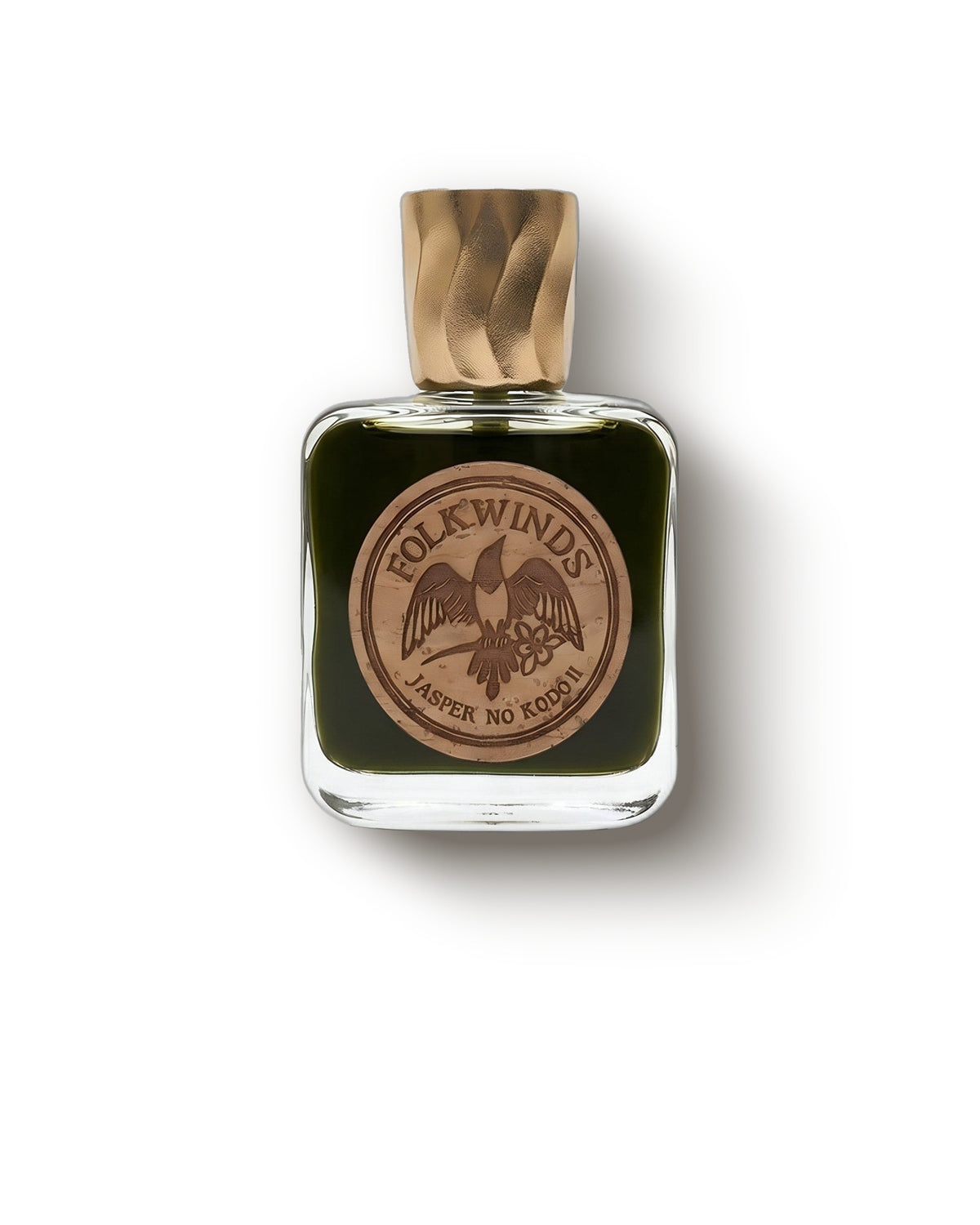
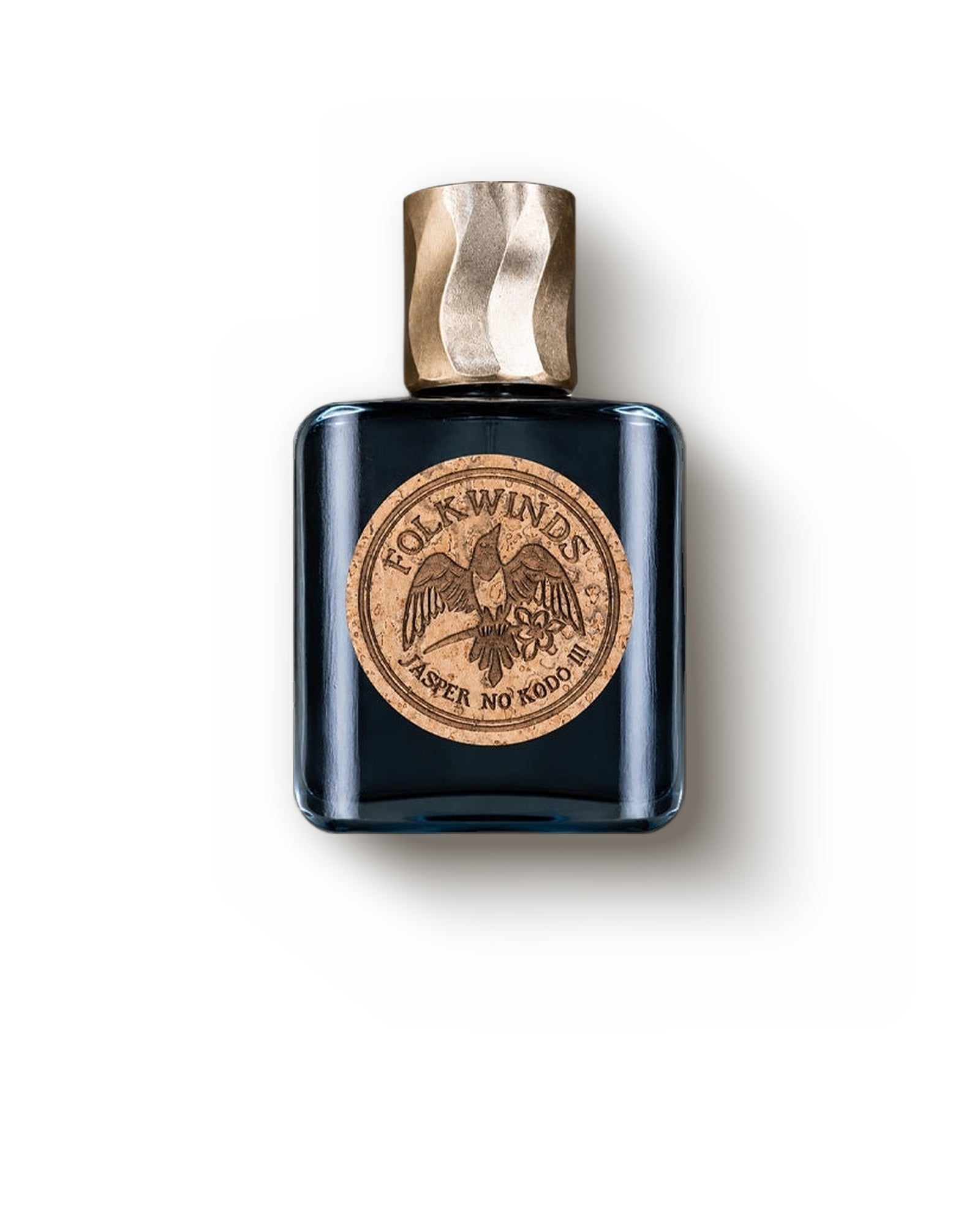
المزيد من هذا الأنفJasper No Kodo 2Jasper no Kodō IIIThrough the Looking Glass
الدار

عطارة طبيعية مبنية في معظمها على مواد أميركية، كثير منها مُستخلَص مزدوجًا.
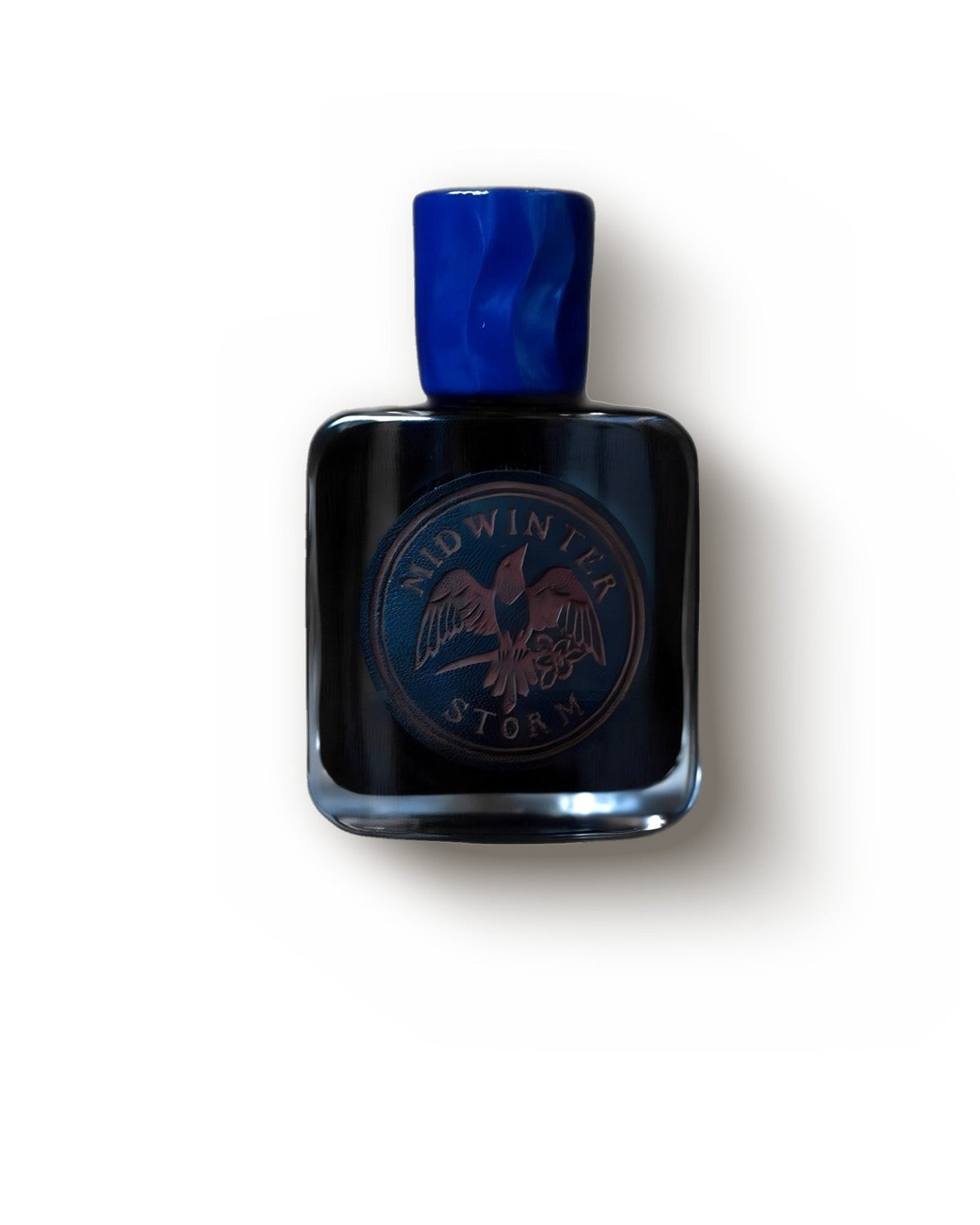
رائحة Folkwinds كطرف غابة بعد أن مرّ بها الطقس. تركيبات طبيعية بنسبة تفوق 90%، من العنبر الأبيض ومسك الغزال إلى مطلقات الزهور وخشب الصندل، تميل إلى الغريب الجميل لا إلى المهذّب. توقّع فاكهة مخمّرة، وراتنجات باردة، ولحاءً رطباً، ودخاناً، وOrris من الكثافة بحيث يُقرأ كملمس لا كنوتة. بعض العطور تعود في نسخ مُعاد صياغتها ومرقّمة، مثل Jasper no Kodō II وIII، وأخرى إصدارات محدودة ثابتة، مثل Midwinter Storm بخمسين زجاجة فقط.
- تشتهر بـ
- مواد طبيعية مصدرها أميركي، استخلاصات مزدوجة، وخشب العود

المزيد من Folkwinds
قد يعجبك أيضاً