

Argos
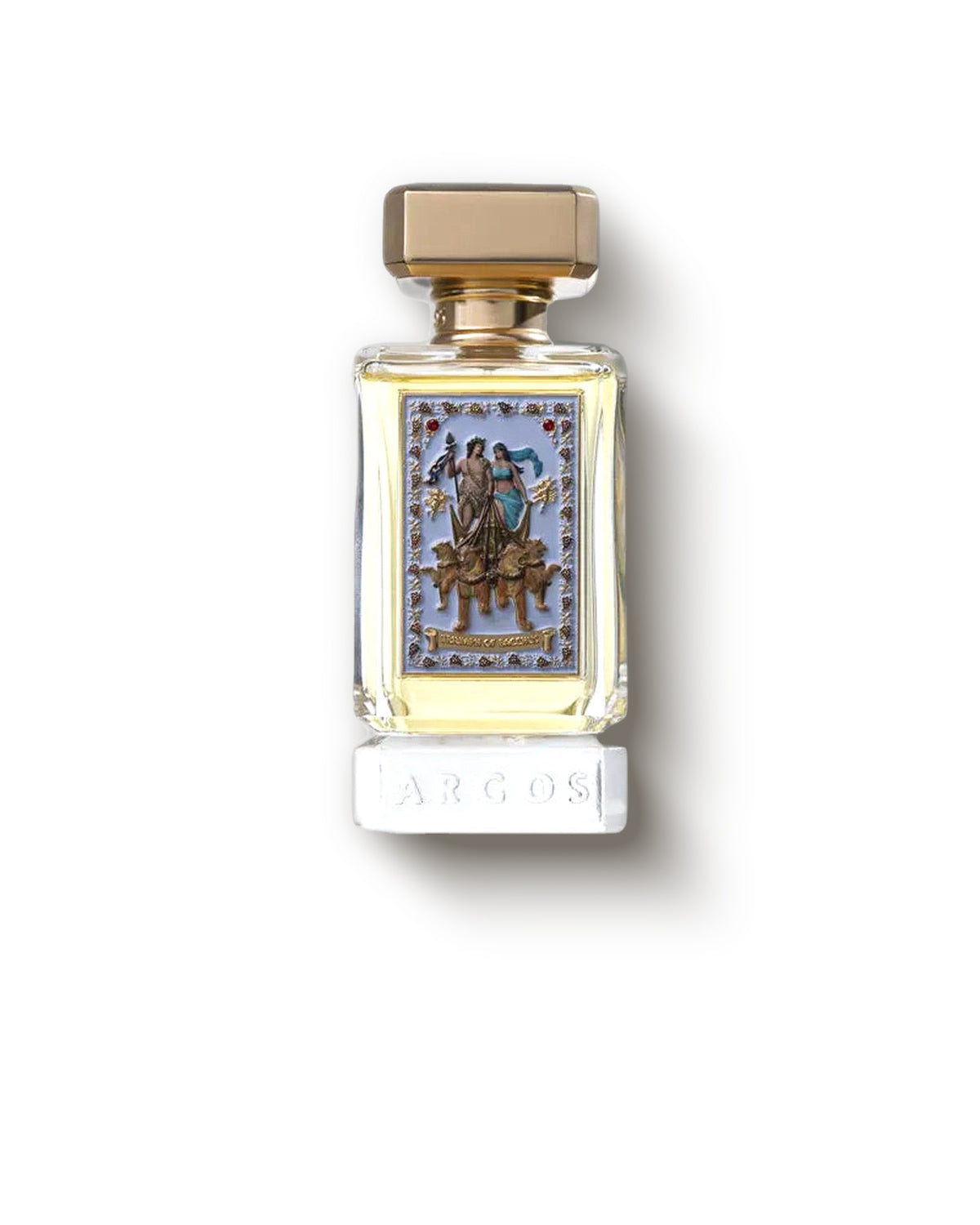
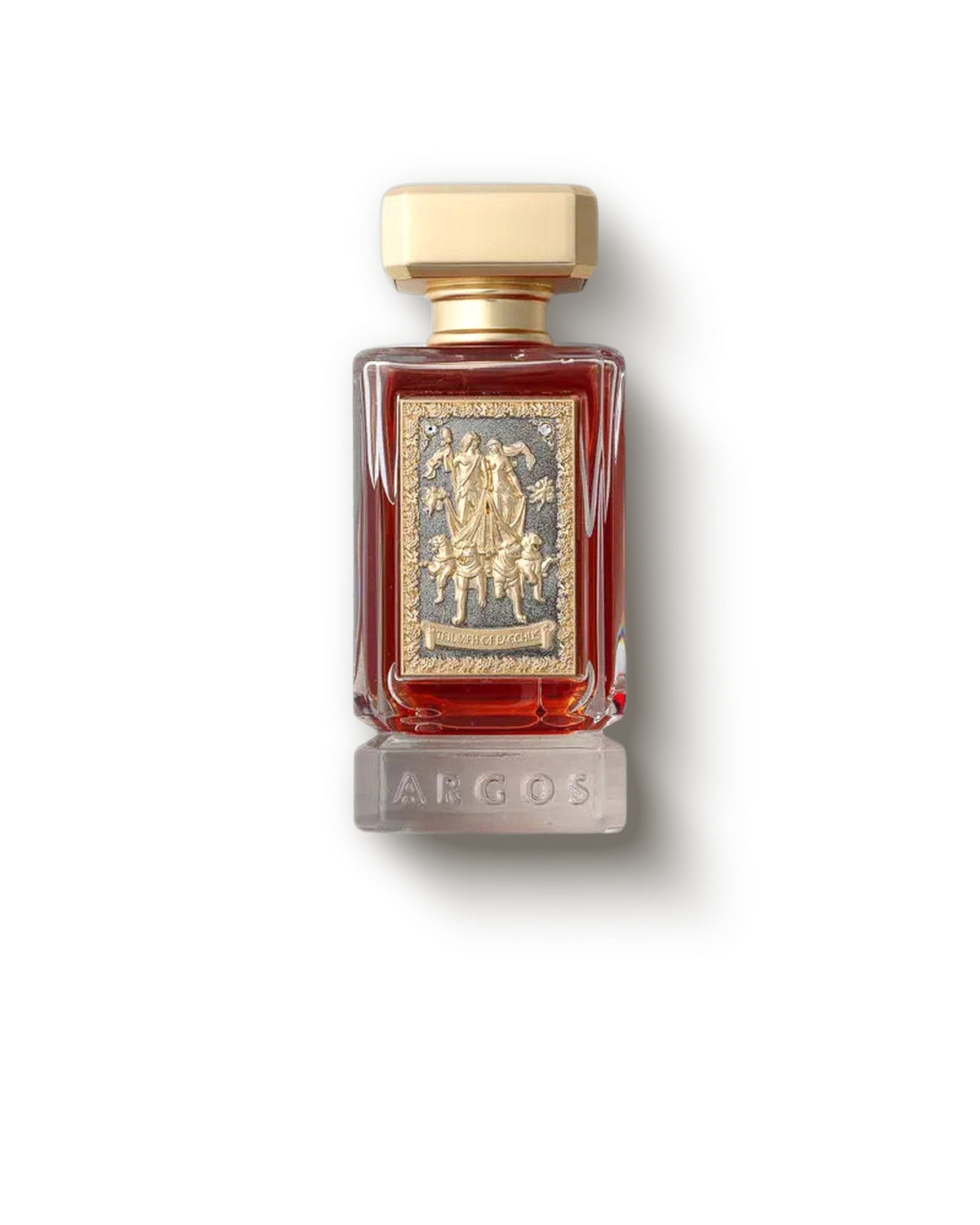
Triumph of Bacchus
Triumph of Bacchus 是一場醉人的果香饗宴,白桃、青蘋果與一抹蘭姆酒交織於番紅花之上,沉降入大地氣息的廣藿香、岩蘭草、零陵香豆與茉莉花心,最終落於溫暖的琥珀樹脂底調之中。
香氛故事
Argos 以一款豐盈醉人的果木調向酒神致敬:頂調為熟美的果園水果與蘭姆酒,中調為帶有甜意的大地廣藿香,尾韻散發閃耀琥珀光芒,令人歡欣雀躍,回味無窮。
調香師
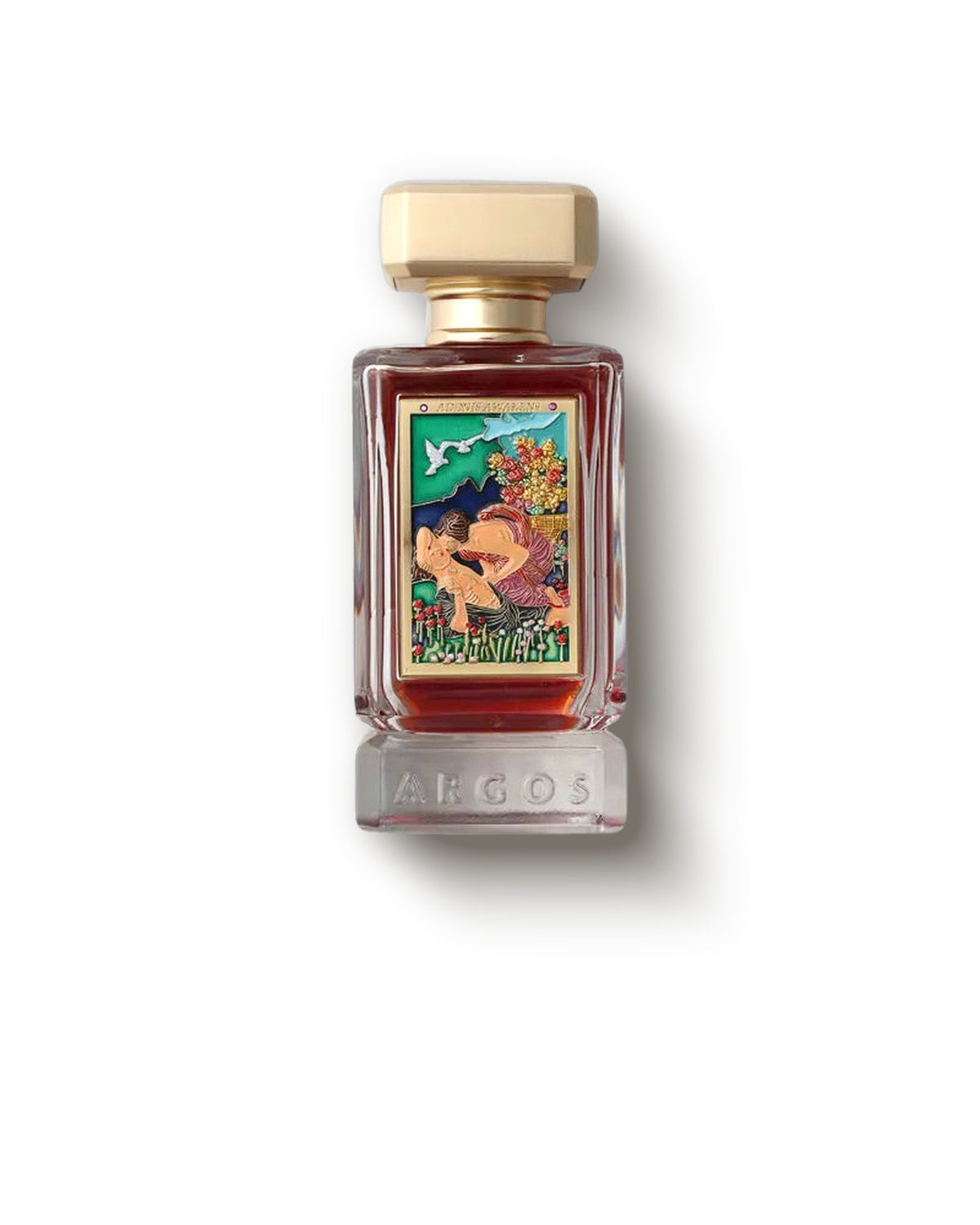
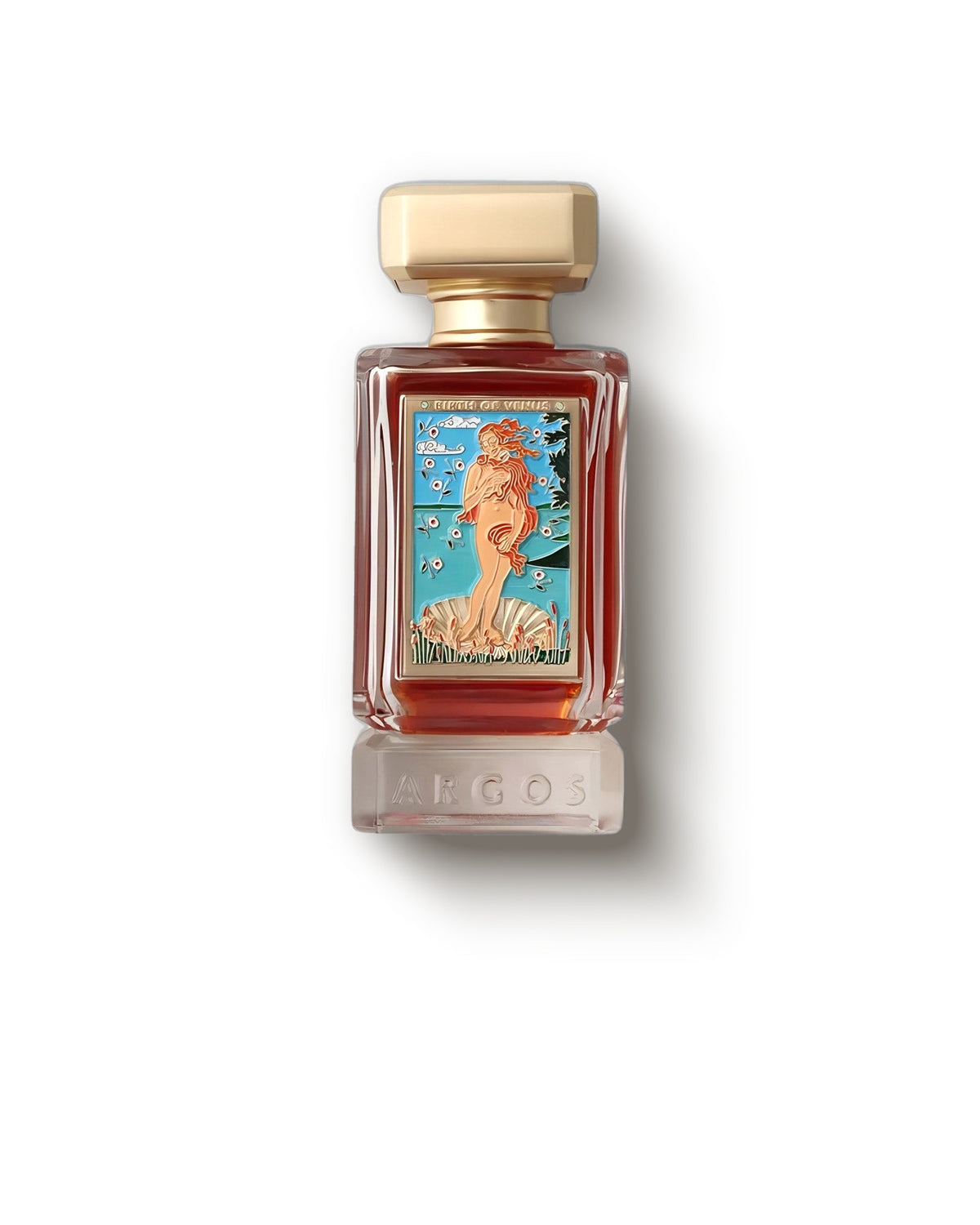
由 Argos 創始人 Christian Petrovich 親手調製,其代表作亦涵蓋 Adonis Awakens 與 Birth of Venus。


香草
奶潤香草莢浸潤於暖意
熟成香草莢那柔軟如卡士達般的甜美,醇厚帶香脂感,奶香之下透著一絲微醺而煙燻的幽深。它撫慰人心、貼膚溫暖,是一抹溫柔的光暈,將所觸及的一切撫平、撫圓。


甜香
肌膚上可食的暖意
一種圓潤的糖感,讓人聯想到焦糖、蜂蜜或棉花糖,卻無任何一者獨佔主導。它讀來撫慰而縱情享樂,是那份令香氣顯得柔軟、誘人、幾乎可口的美食調牽引。


果香
果園裡多汁的成熟
水蜜桃、梨、蘋果或莓果那多汁的甜美,柔軟帶露,帶著花蜜般的成熟,有別於尖銳的柑橘。它帶來俏皮而令人垂涎的圓潤,洋溢著青春、多汁而輕快的氣息。


菸草
乾葉、蜜糖與煙氣
乾燥的金色葉片浸潤於蜂蜜、乾草與一絲煙氣之中,香甜而隱約發酵,宛如剛開封的菸斗罐。它陽剛而帶生活痕跡,溫暖而引人沉思,喚起皮椅與緩慢的秋日傍晚。


溫暖辛香
香料抽屜裡閃耀的餘燼
肉桂、丁香與肉荳蔻那圓潤的熱度,乾燥而略帶樹脂感,宛如烘焙中的食櫥,而非尖銳的廚房。它營造出一股泛紅而包覆的暖意,親密而適於寒冷季節,自內而外擁抱肌膚。


木質
鋸開木材的乾燥紋理
雪松刨花、檀香與乾燥岩蘭草根的氣息,一股經砂磨的樹脂暖意,襯著一絲鉛筆盒般的粗糲。它沉穩而從容,是令香氣顯得莊重而持久的靜默骨幹。


白桃
The lab-built peach behind nearly every fruity scent
What it is
Since no usable peach oil exists in nature, mainstream perfumery reaches instead for a single workhorse molecule: gamma-undecalactone, long known as aldehyde C14 or simply 'peach aldehyde,' often rounded out with related lactones. These are pure aroma-chemicals made in the lab, not drawn from any fruit. One material does most of the work that an all-natural version needs a whole bouquet of extracts to achieve.
How it smells
Instantly and unmistakably peach — sweet, creamy, slightly buttery, with that recognizable canned-fruit roundness. Compared with the natural accord it is brighter, cleaner and more linear, smelling of peach and little else, holding the same shape from first spray to dry-down. It is the crisp, confident, cartoon-clear version of the fruit.
In perfumery
This is the ubiquitous peach, woven into countless fruity, floral and gourmand compositions across every price tier. A few drops fold softness and fruit into a blend reliably, which is why it is a default building block rather than a luxury. It pairs effortlessly with rose, white flowers, vanilla and musks to give that polished modern sweetness.
Good to know
None of this is a criticism — synthetics are clean, potent, inexpensive and identical batch to batch, which is exactly why they dominate. The accord lasts longer and projects harder than any natural reconstruction, at a fraction of the cost. What it trades away is the shifting, slightly floral, less-than-perfect complexity that comes only from building the fruit out of real botanicals.


青蘋果
Lab-built apple, bright and everywhere
What it is
An accord of aroma-chemicals rather than any part of the fruit, since usable natural apple oil does not exist. It leans on fruity esters, chiefly a green-apple molecule often called Manzanate, supported by isoamyl acetate and related esters. These are precise, single-note synthetics blended to spell out apple, the workhorse approach across mainstream perfumery.
How it smells
Clearly, instantly apple: crisp, juicy and vivid, often tilted toward tart green apple with a sweet candied lift. Compared with the all-natural version it is sharper, brighter and more linear, holding one confident shape rather than drifting. Clean and legible, it reads as apple from the first sniff with no guesswork.
In perfumery
A staple in fruity florals, fresh aquatics, shampoos, body care and countless commercial scents needing a recognizable fruit note. It plugs in easily, plays well with florals and musks, and gives reliable top-note sparkle. Because the molecules are well understood, perfumers can dial the green or candied character with precision.
Good to know
This is the ubiquitous, everyday route, and none of that is a flaw: synthetics are clean, stable, inexpensive and consistent from batch to batch. They survive harsh bases and detergents where delicate naturals would fade or shift. The trade-off is character; you gain dependability and low cost, but lose the softer, breathing nuance of an all-natural build.


蘭姆酒
Boozy warmth of barrel-aged sugarcane and caramelized spice
What it is
Rum is a spirit distilled from sugarcane, either fresh-pressed juice or molasses, then aged in oak. In perfumery it is never a single extract but a built accord, reconstructed from molecules such as ethyl maltol, rum ether, vanillin and oak lactones to mimic the drink.
How it smells
Sweet, dark and heady: caramelized sugar and molasses up front, threaded with vanilla, dried fruit and a warm alcoholic lift. Oak aging adds woody, slightly smoky depth. As it settles, the boozy sweetness softens into toffee, spice and a leathery, tobacco-tinged warmth.
In perfumery
Rum works as a top-to-heart accord, contributing gourmand sweetness, warmth and a boozy character. It pairs naturally with tobacco, vanilla, tonka, cinnamon and dark woods. It can be folded into a spiced base, or set against cacao and cardamom for a darker gourmand effect.
Good to know
There is no true rum essential oil; the note is always a composed accord, so its intensity and style vary widely between houses. Rum ether, a core building block, is a fruity-boozy material also used in food flavoring, blurring the line between perfumery and confectionery.


番紅花
Crimson threads breathing leather, honey and dry hay
What it is
Saffron is the dried stigma of Crocus sativus, a purple autumn-flowering crocus in the iris family. Each bloom yields just three slender crimson threads, plucked by hand. The dried threads are steeped into a tincture or solvent-extracted into an absolute to capture their aromatic oil for perfumery.
How it smells
Warm and dry at first, with hay, honey and toasted bread, then a metallic, leathery edge driven by the molecule safranal. Beneath runs a bittersweet, faintly medicinal earthiness and a soft rubbery warmth. It opens spicy and golden, drying into suede, tobacco and dusty amber.
In perfumery
Saffron works in the heart, bridging spice and leather and lending a glowing, reddish warmth. It pairs classically with rose, oud, amber and tobacco. Whole leathery accords can be built around it, and it is often wed to rose for a rich, spiced-floral effect.
Good to know
Saffron is the costliest spice on earth, dearer by weight than gold. A single kilogram demands roughly 150,000 hand-picked flowers and many days of stooped labor. Most perfumery saffron is reconstructed from synthetic safranal or saffron bases, since the natural extract is too rare and expensive to use widely.


廣藿香
Damp earth and dark wood after rain
What it is
Patchouli comes from Pogostemon cablin, a leafy bush in the mint family native to tropical Asia and grown mainly in Indonesia, India and Sri Lanka. The harvested leaves are dried and lightly cured or fermented, then steam-distilled or hydrodistilled into a thick, dark essential oil.
How it smells
Deeply earthy and woody, like damp forest floor, wet soil and old cellars, threaded with a winey, slightly sweet darkness. Fresh oil can read sharp, almost camphorous and green; with age it rounds into chocolate, leather and dried-fruit warmth that clings for hours.
In perfumery
A base note and powerful fixative, patchouli anchors a composition and lengthens its wear. It forms the backbone of chypres and orientals, pairing with rose, vetiver, labdanum and vanilla. It defines many gourmand-oriental blends and carries the woody-balsamic heart of plush chypre accords.
Good to know
In the 19th century, real Kashmiri shawls were packed with dried patchouli leaves to repel moths in transit, so Europeans learned to recognise genuine imports by smell. Unlike most essential oils, patchouli improves with age, deepening and mellowing over years much like wine.


岩蘭草
Cool damp earth pulled from tangled roots
What it is
Vetiver is a tall tropical bunchgrass, Chrysopogon zizanioides, native to India and now grown mainly in Haiti, Java, and Réunion. The prized part is its dense network of fibrous underground roots, which are dug up, washed, dried, and steam-distilled into a thick amber-green essential oil.
How it smells
Cool, damp earth and freshly cut grass over a woody, rooty base. Haitian oil reads smooth, smoky, and faintly hazelnut-sweet; Java leans darker and more leathery. Beneath sit dry cedar, grapefruit-like bitterness, and a persistent green minerality that lingers for hours as it dries down.
In perfumery
A base note valued for tenacity, grounding earthiness, and natural fixative power. It anchors chypres and fougères, pairing with citrus, leather, and tobacco. Many vetiver soliflores are built around it, while its smokier, ashier side is showcased beside cypress and cedar.
Good to know
Haiti supplies roughly half the world's vetiver oil, most of it grown by smallholder farmers. The same deep roots that perfume a bottle are planted on hillsides worldwide as living barriers, gripping soil against erosion and stabilizing slopes where little else will hold.


零陵香豆
Warm almond-vanilla sweetness with a hay-tobacco shadow
What it is
Tonka bean is the cured seed of Dipteryx odorata, a tall South American legume tree of Venezuela, Brazil and Guyana. Shelled seeds are soaked in alcohol, then dried for weeks until coumarin frosts their surface. Perfumers use a solvent-extracted absolute drawn from these cured beans.
How it smells
A warm, sweet bouquet of vanilla and bitter almond, threaded with hay, dried tobacco and toasted nuts. The opening recalls caramelized custard; the drydown turns powdery and faintly boozy, with cinnamon and cut clover. Rounder and hazier than vanilla, softer and less sharp than almond.
In perfumery
A base and heart material prized for warmth, sweetness and soft persistence. It bridges gourmand, oriental and fougère accords, pairing with vanilla, lavender, amber and tobacco. Tonka and its coumarin shaped the very first fougère, and underpin the sweet drydown of countless oriental-gourmand blends.
Good to know
Tonka owes most of its scent to coumarin, which the FDA banned as a food additive in 1954 after hepatotoxicity appeared in animal studies at high doses. So tonka is effectively illegal in American kitchens, yet remains entirely legal, and widely loved, in fine fragrance.


茉莉
The heady white flower at perfumery's beating heart
What it is
Jasmine is the blossom of climbing shrubs in the olive family, chiefly Jasminum grandiflorum, grown in Egypt, India and Morocco, plus Jasminum sambac from India. The fragile flowers are hand-picked at dawn, solvent-extracted with hexane into a waxy concrete, then washed with ethanol to yield the absolute.
How it smells
A warm, lush white floral, sweet and honeyed with an animalic underside. Sambac leans fruity, tea-like and dense; grandiflorum reads creamier and greener on top. Both carry a heady, narcotic richness over a green-fruity opening, drying to a soft, skin-warm, faintly mushroomy-musky base.
In perfumery
A heart-note cornerstone, bridging citrus tops and woody bases while lending volume, sensuality and rounded floral body. It pairs with rose, tuberose, ylang-ylang, sandalwood and musk. Jasmine anchors many of the great classic florals and can stand alone as a radiant soliflore.
Good to know
Roughly eight thousand hand-picked flowers yield a single gram of absolute, ranking natural jasmine among the costliest perfume materials. Much of its depth comes from indole, a molecule smelling of mothballs or decay when concentrated, yet radiant and living in the trace amounts the flower naturally holds.


菸草
Dried leaf curing into honey and hay
What it is
The cured leaf of Nicotiana tabacum, a tall broad-leaved plant in the nightshade family. For perfumery the dried, fermented leaves are solvent-extracted to a dark concrete and absolute. Unburned and unsmoked, the leaf gives a sweet hay-like aroma rather than the smell of cigarette smoke.
How it smells
Warm, sweet and dry: cured hay and pipe tobacco laced with honey, dried fruit and a faint cocoa. There is a leathery, slightly herbal-green bite up top that settles into a soft, ambery, balsamic warmth, sometimes carrying a powdery floral nuance.
In perfumery
A heart-to-base note giving warmth, sweetness and a lived-in depth, often paired with vanilla, tonka, leather, honey and spice. It headlines tobacco-centered scents, often built around vanilla or sweet spice, and shades countless oriental and fougere compositions from beneath.
Good to know
The sweet, fruity, hay-like character of the absolute comes from curing and fermentation, not the living leaf, which smells sharp and green. Authentic tobacco absolute is expensive and restricted in some markets, so many modern tobacco accords are reconstructed from coumarin, hay and spice notes instead.


琥珀
A warm resinous glow built, not harvested
What it is
Amber is not one ingredient but a perfumer's accord, most often blending labdanum (a sticky resin from the Mediterranean rockrose shrub Cistus ladanifer), benzoin and vanilla, sometimes with tonka or Peru balsam. Despite the name, it has no link to fossilized tree amber, which stays odorless on skin.
How it smells
Warm, soft and balsamic, a powdery sweetness sitting over dry resin. It opens honeyed and faintly animalic from labdanum, then settles into rounded golden warmth recalling beeswax, tobacco and worn leather, threaded with a quiet smoky, incense-like undertone that lingers close to the skin.
In perfumery
A base note prized for warmth, depth and long persistence, anchoring oriental and amber compositions. It pairs naturally with vanilla, patchouli, sandalwood and spices. The sweet vanilla-amber template is a perfumery classic, while drier, resin-forward and herbal readings show its other face.
Good to know
The word once meant ambergris, the waxy intestinal secretion of sperm whales, fueling centuries of confusion among three unrelated things: fossil tree amber, whale ambergris and the resin accord. Modern amber bases are wholly plant and synthetic, leaning on molecules like Ambroxan rather than any animal source.


邁索爾檀香
The creamy gold standard of fragrant wood
What it is
Heartwood of Santalum album, a slow-growing semi-parasitic tree historically prized from the Mysore region of Karnataka, India. The dense inner wood and roots are chipped and steam-distilled. Fragrant oil concentrates only in mature heartwood, developing meaningfully after roughly thirty years of growth.
How it smells
Soft, creamy and milky, with a rounded woody-sweet body and a faint sour-buttery edge that turns almost lactic. Warm rosy and balsamic facets sit underneath. It opens smooth and unfolds slowly, drying into a quiet, skin-like, persistent woodiness without sharpness or smoke.
In perfumery
A base note valued for long, smooth tenacity and its power to fix and round other materials. It pairs with rose, jasmine, violet and oud. Mysore-rich sandalwood defines the great vintage milky-woody orientals and lends a creamy woody heart to countless smooth, skin-like compositions.
Good to know
Indian sandalwood was over-harvested nearly to collapse; standing trees and trade fall under strict Indian government license and auction control. Genuine aged Mysore oil has grown rare and costly, pushing perfumers toward plantation-grown Australian Santalum album and synthetics like Javanol.


麝香
The clean lab musk in nearly everything
What it is
Lab-made musk molecules created to replace animal-derived deer musk. The familiar workhorses are Galaxolide, Habanolide and ethylene brassylate, spanning the polycyclic and biodegradable macrocyclic families, after the old nitro musks were largely restricted over persistence and toxicity concerns.
How it smells
Clean, soft and radiant, with none of the fecal animalic edge of raw deer musk. Galaxolide is sweet, round and floral-woody; Habanolide leans metallic and waxy, the so-called hot-iron musk; ethylene brassylate is soft and powdery. Together they read as fresh laundry, warm skin and airy powder.
In perfumery
Nearly all musk in modern fragrance is synthetic. These molecules anchor base notes, lend lasting power and supply the clean white-musk drydown of countless designer scents. Inexpensive, free of CITES restrictions and ethical relative to deer musk, they made musk universal across fine fragrance and detergent alike.
Good to know
White musk and synthetic musk are one family, the laundered counterpoint to animalic deer musk. Some polycyclic musks raise persistence and bioaccumulation concerns, pushing the industry toward biodegradable macrocyclics. None carry the living, sweet-animalic depth of genuine Tonkin deer musk.


香草
The warm sweet heart of comfort itself
What it is
Vanilla comes from the cured seed pods of Vanilla planifolia, a climbing orchid native to Mexico now grown mainly in Madagascar, Réunion and Tahiti. Green pods are picked unripe, then blanched, sweated in the sun and slow-dried over months until they darken and develop their aroma and vanillin.
How it smells
Sweet, warm and creamy, with a balsamic depth recalling custard, caramel and dried fruit, a faint smoky tobacco-like edge sitting underneath. It opens soft and gourmand, then dries into a powdery resinous warmth that clings close to skin and reads richer than synthetic vanillin alone.
In perfumery
A base note prized for richness and lasting warmth, vanilla rounds sharp edges and anchors oriental and gourmand compositions. It pairs naturally with tonka, amber, sandalwood and spice. Many of the most enduring oriental and tobacco fragrances build their core around it.
Good to know
Vanilla ranks among the costliest spices because each orchid flower opens for one day and must be hand-pollinated, a technique devised in 1841 by Edmond Albius, a twelve-year-old enslaved boy on Réunion. Most commercial vanilla flavor now relies on synthetic vanillin.
香氛個性
桃香、蘋果與蘭姆酒共同構成甜蜜而醉人的開篇;廣藿香與岩蘭草以大地深度將其紮根;零陵香豆與茉莉花增添溫暖;琥珀、木質與樹脂以金燦的光芒畫下完美句點。
最佳佩戴時機
深秋的夜晚最適合這款香氛,在燭光搖曳的晚宴中輕輕佩戴,空氣中帶著入季後的第一絲涼意,氣氛傾向於豐盈醇厚。它適合浪漫而講究儀式感的人,那種身著羊毛大衣翩然而至、離去後留下溫暖樹脂印記、香氣在最後一杯酒舉起後仍久久縈繞的人。
為何選擇 Triumph of Bacchus 分裝
這是一款多汁醉人、廣受喜愛的香氛,分裝讓您在入手整瓶之前,盡情感受其果香與蘭姆酒的魅力。
官方香調
白桃 · 青蘋果 · 蘭姆酒 · 番紅花 · 廣藿香 · 岩蘭草 · 零陵香豆 · 茉莉 · 菸草 · 琥珀 · 邁索爾檀香 · 麝香 · 香草
相關內容: 野獸模式:擴散力最強的小眾香水 · 最佳小眾藏紅花香水 · 最佳小眾琥珀調香水
選擇選項


氛圍
選擇您的分裝容量
您正在選購分裝容量,而非完整原瓶