
The Antagonist
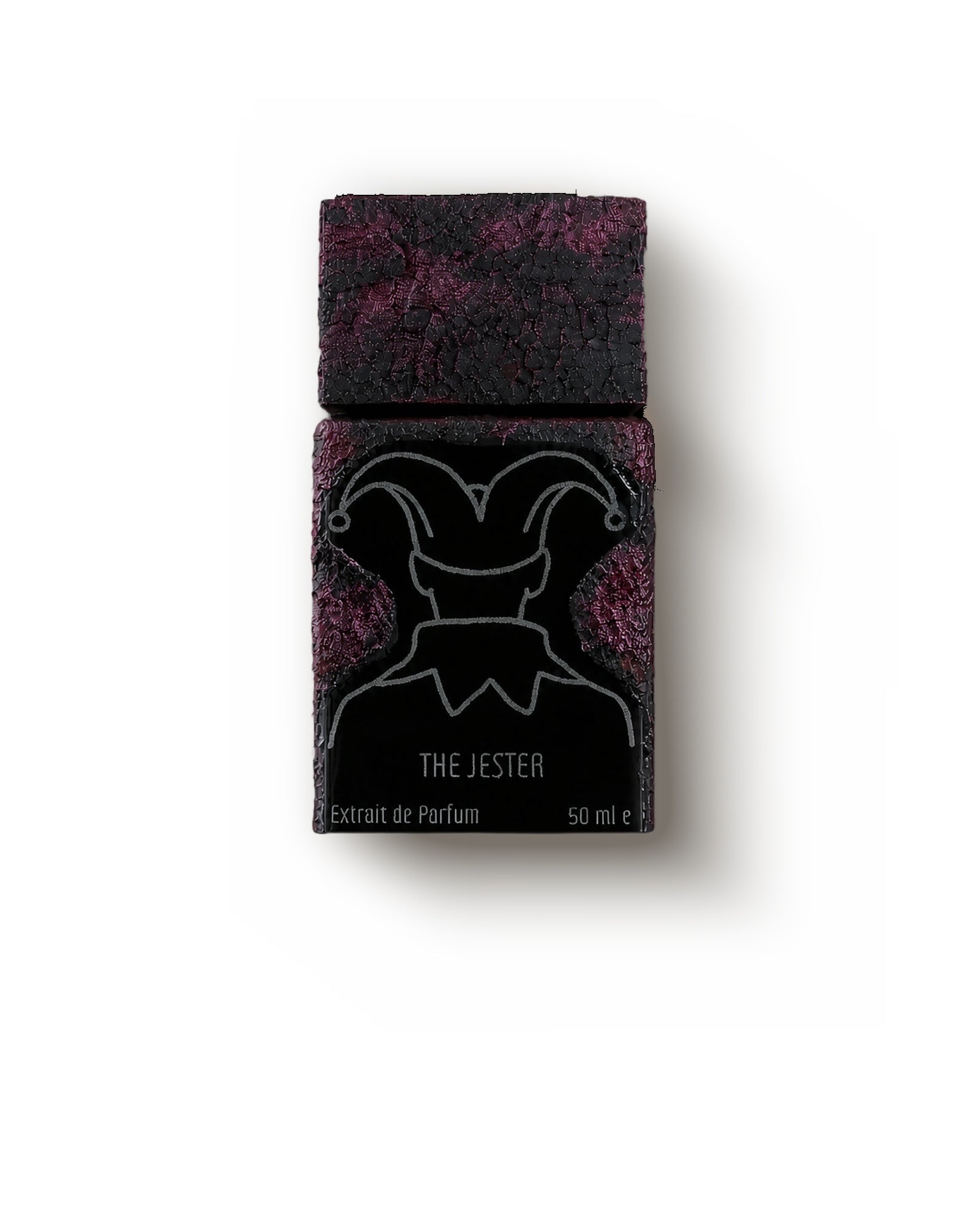
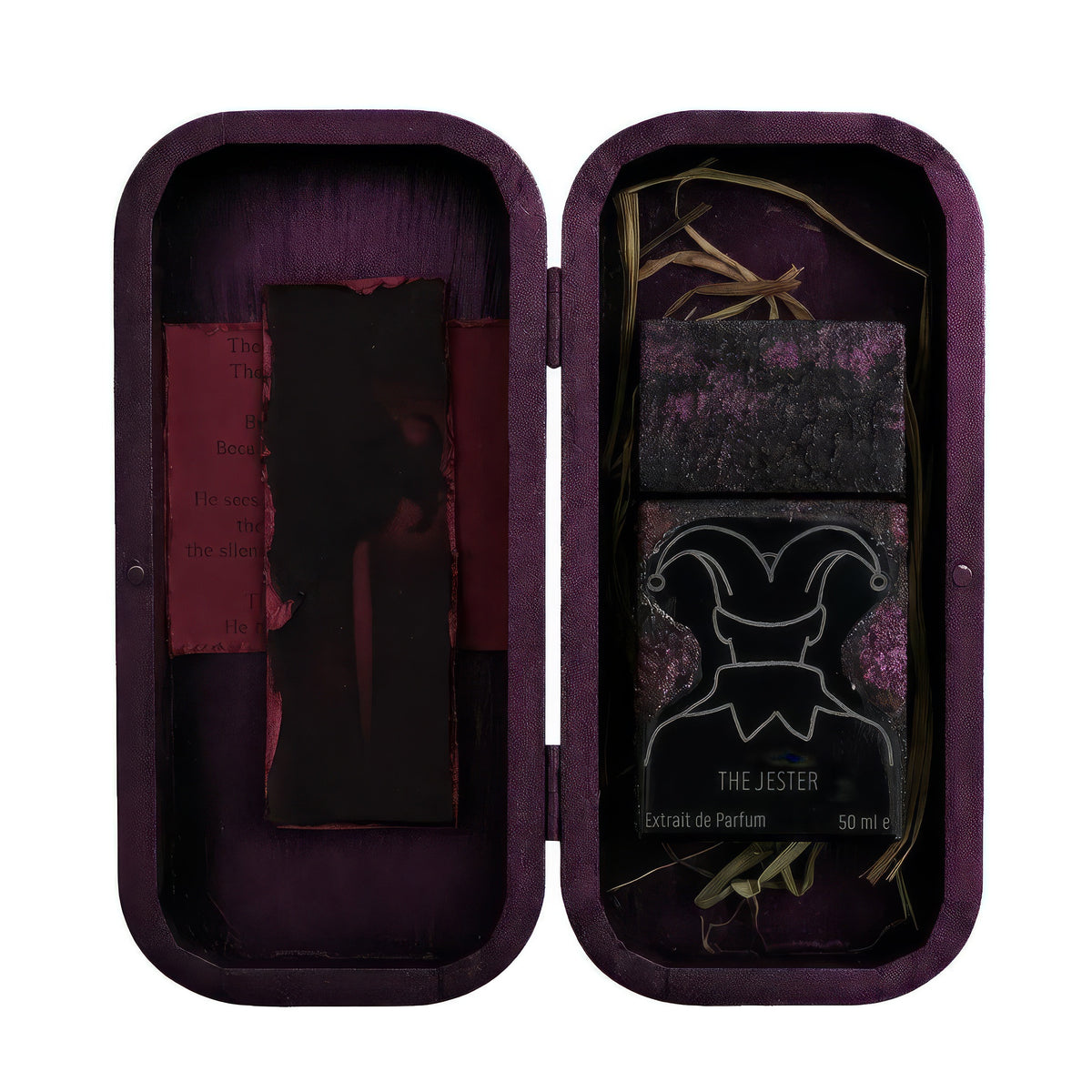
The Jester
Hikaye
The Jester, WHO AM I koleksiyonunda The Lover, The Stranger ve The Void'in ardından dördüncü sıradadır. Ev anonim çalışır ve bunu gerçekten uygular: manifesto, kim olduğumun önemi yok diyerek açılır ve hiçbir sürümde bir parfümöre kredi verilmez. Romanya'da küçük partiler halinde, belirtilen yüzde 50 parfüm yağı oranıyla elle yapılır; bu gerçek bir extrait yoğunluğudur.


Deri
tabaklanmış post, duman ve ten
Tabaklanmış postun kuru, dumanlı kokusu; huş katranı, tütün ve hafif acımsı bir pürüzle keskinleşir. Kendinden emin ve yıllanmış bir his verir; çok sevilen bir ceketi, süet eldivenleri ve tende sessiz bir otorite duygusunu çağrıştırır.


Tütün
kurutulmuş yaprak, bal ve duman
Balda, samanda ve bir fısıltı dumanda dinlendirilmiş kurutulmuş altın yapraklar; açık bir pipo kutusu gibi tatlı ve hafif fermente. Erkeksi ve yaşanmış bir his verir; deri koltukları ve yavaş ilerleyen sonbahar akşamlarını çağrıştıran, sıcak ve düşünceli.


Sıcak Baharatlı
baharat çekmecesinin parlayan korları
Tarçının, karanfilin ve hindistan cevizinin yuvarlak sıcaklığı; keskin bir mutfaktan çok fırınlanan bir kiler gibi kuru ve hafif reçineli. Kızarmış, sarıp sarmalayan bir sıcaklık yaratır; mahrem ve soğuk havalara yakışan, teni içeriden saran.


Odunsu
kesilmiş kerestenin kuru dokusu
Sedir talaşının, sandal ağacının ve kuru vetiver köklerinin kokusu; hafif bir kalem kutusu pürüzüyle zımparalanmış, reçineli bir sıcaklık. Yere basan ve dingin bir his verir; bir kokuyu ciddi ve kalıcı kılan sessiz omurgadır.


Meyveli
olgun meyve bahçesinin sulu tazeliği
Şeftalinin, armudun, elmanın ya da çileğin sulu tatlılığı; keskin narenciyeden farklı olarak çiy düşmüş, nektar benzeri bir olgunlukla yumuşak. Oyuncu, ağız sulandıran bir yuvarlaklık getirir; genç, sulu ve neşeli bir his verir.


Dumanlı
yanmış odun ve yükselen korlar
Yanan odunun, için için tüten tütsünün ve geride kalan külün kuru, kavrulmuş kokusu; kimi zaman katransı, kimi zaman ince ve grimsi. Düşünceli ve atmosferik bir his verir; sönmekte olan bir ateşi ve son nefesini taşıyan serin bir hava akımını çağrıştırır.


Deri
Tabaklanmış deri, duman ve hayvansal sıcaklık
Nedir
Deri tek bir bileşen değil, bir akorttur: deri uçucu yağı diye bir şey yoktur. Parfümörler kokusunu huş katranı ve cade (dumanlı damıtılmış odunlar), styrax ve labdanum reçineleri, izobutil kinolin ve modern safralein tipi moleküllerden yeniden inşa eder; bu bileşenler, tarihsel olarak ham derileri işlemede kullanılan tanenler ve yağları çağrıştırır.
Nasıl kokar
Dumanlı, kuru ve hayvani; yumuşak yeni süetten katranlı eski eyere uzanan geniş bir yelpazede. Huş katranı versiyonları isli ve fenolik, neredeyse kamp ateşi ve yara bandı gibi; daha yumuşak süet akortları ise pudralı, çiçeksi ve cilde yakın sıcaklık verir. Destekleyici reçinelere bağlı olarak acı-yeşil, küllü ya da tatlı bir yöne kayabilir.
Parfümeride kullanımı
Derinlik, yapı ve cismani bir kenar katan taban nota imzası; gül, menekşe, tütün, oud ve çiçeksi kalp notalarıyla çifter çifter gider. Büyük Rus derisi ve sert kuru deri tarzlarında ikonik bir yer tutar; her biri akordun farklı bir yüzüdür.
Bilinmesi gereken
Tür, kitap ciltlerinin ve botların huş katranıyla işlendiği Rusya'da doğdu; klasik Rus derisi stili o kokuyu çağrıştırır. Gerçek tabak yağları büyük ölçüde güvenlik gerekçesiyle kısıtlandığından günümüzün deri kokulları neredeyse tamamen akıllıca sentetik yeniden yapılandırmanın eseridir.


Tütün
Bal ve samana dönüşen kurutulmuş yaprak
Nedir
The cured leaf of Nicotiana tabacum, a tall broad-leaved plant in the nightshade family. For perfumery the dried, fermented leaves are solvent-extracted to a dark concrete and absolute. Unburned and unsmoked, the leaf gives a sweet hay-like aroma rather than the smell of cigarette smoke.
Nasıl kokar
Warm, sweet and dry: cured hay and pipe tobacco laced with honey, dried fruit and a faint cocoa. There is a leathery, slightly herbal-green bite up top that settles into a soft, ambery, balsamic warmth, sometimes carrying a powdery floral nuance.
Parfümeride kullanımı
A heart-to-base note giving warmth, sweetness and a lived-in depth, often paired with vanilla, tonka, leather, honey and spice. It headlines tobacco-centered scents, often built around vanilla or sweet spice, and shades countless oriental and fougere compositions from beneath.
Bilinmesi gereken
The sweet, fruity, hay-like character of the absolute comes from curing and fermentation, not the living leaf, which smells sharp and green. Authentic tobacco absolute is expensive and restricted in some markets, so many modern tobacco accords are reconstructed from coumarin, hay and spice notes instead.


Ahududu
Reçelimsi bir kalbe sahip parlak bir meyve pırıltısı
Nedir
Reçelimsi bir kalbe sahip parlak bir meyve notası. Ahududu, en karanlık kompozisyona bile canlılık ve oyunbazlık katar.
Nasıl kokar
Tatlı ve canlı; yumuşak, reçelimsi bir derinliğin üzerinde ekşi bir parıltı. Ciltte sıcak, gül tonlu bir meyvemsiliğe oturur.
Parfümeride kullanımı
Ahududu; parlaklığının gölgeyi yardığı gül, patchouli ve koyu odunları sever. Az bir miktarı bütün bir karışımı canlandırmaya yeter.
Bilinmesi gereken
Ahududu, çevresindeki notalara bağlı olarak ferah ya da reçelimsi bir yöne kayabilir. Ud ve tütsü karşısında zengin ve neredeyse likör gibi bir hal alır.


Siyah Nar
Ekşi yakut taneler, taze ve tatlı-acı
Nedir
Nar, Punica granatum'un mücevher gibi tohumlu meyvesidir; Akdeniz ve Orta Doğu'ya özgü bir çalıdır. Her yakut aril, çıtırdayan bir tohumun etrafında ekşi meyve suyu barındırır. Kullanılabilir bir esansiyel yağ bulunmadığından parfümeri notası, meyveli ve yeşil aroma moleküllerinden yeniden inşa edilmiş bir fantezi akordudur.
Nasıl kokar
Şekerli olmaktan ziyade parlak, sulu bir ekşilik; şarabı andıran kırmızı meyve kenarıyla taze ve hafifçe buruktur. En üstte sulu, neredeyse metalik bir tazelik, kalpte kızılcık-ahududu keskinliği ve akoru tatlımsı olmaktan alıkoyan kuru, tanenli bir acılık hissedilir.
Parfümeride kullanımı
Nar, meyveli-çiçeksi ve chypre kompozisyonlara pırıltılı bir ekşilik katarak gülü, şakayığı ve narenciyeyi canlandırır; altta patchouli veya miskle uyum sağlar. Gülü keskinleştirdiği koyu, baharatlı-güllü kompozisyonların merkezinde yer alır ve pek çok modern meyveli-güllü kokuya mücevhervari bir meyvelilik katar.
Bilinmesi gereken
Gerçek nar neredeyse kokusuzdur; dolayısıyla bu nota gerçek bir koku yerine renk ve ekşilik sunar. Adı, Latince'deki "tohumlu elma" ifadesinden gelir. Meyve daha sonra Fransızca adını, grenade'ı, silaha vermiştir; erken dönem askerler bu silahın yuvarlak, tohum dolu meyveye benzediğini düşünüyordu.


Baharatlı Kırmızı Şarap
Sıcak şarap, karanfil ve portakal kabuğu
Nedir
Ham bir malzeme değil, bir yeniden inşadır: tarçın, karanfil, yıldız anason ve narenciye kabuğuyla ısıtılmış kırmızı şarap. Parfümörler bunu sıcak baharatın üzerine şarap laktonları ve üzüm esterlerinden inşa eder, çünkü gerçek şarap damıtıldığı anda ilginç olan her şeyini kaybeder.
Nasıl kokar
Aynı anda hem meyveli hem alkollü; karanfilin sıcaklığı ve parlak bir portakal kabuğu ipliğiyle kesilen koyu meyve tatlılığı. Altındaki hafif bir ekşilik taninin yerini tutar ve her şeyin sıcak elma şarabı tatlılığına dönüşmesini engeller.
Parfümeride kullanımı
Gurme ile baharatlı arasında durur, ikisine de tam olarak ait olmadan. Bir deriyi ısıtmak ya da koyu bir meyveye gidecek bir yer vermek için kullanışlıdır ve neredeyse her zaman bir kış etkisi olarak okunur.
Bilinmesi gereken
Alkollü izlenim, alkolden çok esterlerden gelir; etanolün kendisi bir parfüm kuruduğunda çok az koku verir. Şarap olarak okuduğunuz şey, onu çağrıştıracak şekilde düzenlenmiş meyve ve baharattır.


Siyah ÇAy
Saman ve tütünle demlenen tannik sıcaklık
Nedir
Çin genelinde uzun süredir yetiştirilen Camellia sinensis'in tam oksitlenmiş yapraklarıdır. Toplanan yapraklar soldurulur, yuvarlanır, tam olarak oksitlenir ve kurutulur; bu işlem rengini ve aromasını derinleştirir. Parfümeri, nadir çay absolüleri ve CO2 ekstrelerinden yararlanır; ancak bu nota çoğunlukla aroma kimyasallarından bir akor olarak yeniden inşa edilir.
Nasıl kokar
Buruk ve sıcak; pudramsi ionone'larla yumuşatılmış gül ve yasemin arasında bir yerde konumlanır. Kurumuş yaprakların acılığı, tannik bir kuruluk üzerinde saman, tütün ve kullanılmış deri izleri taşır. Keskin ve hafif açılır, ardından dumanlı, odunsu bir dinginliğe yerleşir.
Parfümeride kullanımı
Kompozisyonları dengeleyen çok yönlü bir kalp notası; tannik kenarı tatlılığı pudramsi bir zarafetle ve hafifletici bir dinginlikle dengeler. Ionone, theaspirane, tabanone ve guaiac odunundan inşa edilen bu nota turunçgil, çiçekli ve odunlarla uyum içindedir; pek çok modern çay kokusunu tanımlar.
Bilinmesi gereken
Gerçek çay ekstreleri uzman doğal malzeme tedarikçilerinden temin edilebilir; ancak gerçek extrelerin azlığı ve maliyeti nedeniyle çay notalarının büyük çoğunluğu yeniden yapılandırmadan ibarettir. 1970'lerin başında çay uçucu bileşenlerinde tespit edilen theaspirane keskin metalik tanen sağlarken tabanone sıcak bir tütün-meşe palamudu nüansı katar.


Karabiber
Batıp keskinleştiren kuru bir sıcaklık
Nedir
Hindistan, Vietnam, Endonezya ve Madagaskar'da yetişen tropik tırmanıcı bir sarmaşık olan Piper nigrum'un kurutulmuş, tam olgunlaşmamış meyvesidir. Yeşil biberin taneleri güneşte kurutularak siyah ve kırışık hale gelir; ardından buharla damıtılarak uçucu yağ elde edilir. Daha temiz ve daha yayıcı bir materyal ise CO2 ekstraksiyonuyla elde edilir.
Nasıl kokar
Burnu tıngırdatan keskin ve kuru bir baharatlılık, taze terpenik, odunsu-reçineli bir ton ve hafif bir narenciye yükselmesiyle sarmalanmış sıcak bir yapıdadır. Damıtılmış yağ parlak ve hafif; CO2 ekstresi ise daha yuvarlak, daha sıcak ve taze çekilmiş karabibere daha yakındır.
Parfümeride kullanımı
Taze, odunsu ve fougère kompozisyonlara canlılık, parıltı ve baharatlı bir çıtırtı katan bir üst nota olup kalp bölgesinde gül, vetiver ve amber için tamamlayıcı bir unsurdur. Bazı kompozisyonlar tüm kokuyu sedir ve odunlar üzerindeki kuru, ışıltılı bu çıtırtı etrafında inşa eder.
Bilinmesi gereken
Bütün biberin batıcı sıcaklığı büyük ölçüde, damıtılmış yağa geçmeyen uçucu olmayan bir bileşik olan piperinden kaynaklanır; bu nedenle kara biber uçucu yağı aromatik koksa da dilde keskin değildir. Biber, bir zamanlar para birimi ve kira ödemesi olarak kullanılacak kadar değerliydi.


Balmumu Mumlar
Altın ballı balmumu, kovanın sıcaklığı
Nedir
Balmumu, işçi bal arıları (Apis mellifera) tarafından karın bezlerinden salgılanarak petek inşa etmek için kullanılır. Parfümeri için ham balmumu çözücüyle ekstrakte edilerek absolü elde edilir; bu koyu altın renkli yarı katı madde, arıların çalışması sırasında petek içinde hapsolmuş artık bal, propolis ve polenden kaynaklanan aromatikleri taşır.
Nasıl kokar
Sıcak, tatlı ve animalik; bal zenginliği balmumu mum facetinin üzerinden öne çıkar. Altında propolisten gelen çiçeksi ve hafifçe fekal alt tonlarla birlikte saman benzeri, tütün tını olan bir derinlik yatar. Altın, mumsu ve yuvarlak olarak hissedilir; petek, yeni söndürülmüş mumlar ve güneşin ısıttığı balmumunu çağrıştırır.
Parfümeride kullanımı
Ballı sıcaklık, animalik yuvarlılık ve çiçeksilerle amberleri yumuşatan kremsi mumsu doku katan bir kalp-dip notasıdır. Portakal çiçeği, ölümsüz çiçek (immortelle), tütün ve labdanum ile uyum içindedir. Niche kompozisyonlar çoğunlukla ham, kovan karakterini tam güçte ön plana çıkarır.
Bilinmesi gereken
Balmumu absolüsü pahalıdır; zira ham balmumu yüzde birden az absolü verir, dolayısıyla bir kilo absolü için yaklaşık yüz kilo balmumu gerekmektedir. Arılar ise bir kilo balmumu üretmek için yaklaşık sekiz kilo bal tüketir; bu da nadirliği ve fiyatını daha da artırır.


Kadife Perdeler
Yıkanmış pamuğun temiz parıltısı
Nedir
Kumaş, hasatla elde edilen bir materyal değil, taze yıkanmış ve ip üzerinde kurutulmuş tekstili çağrıştırmak amacıyla oluşturulmuş soyut bir akorttur. Parfümörler bunu aldehitler, beyaz miskler, yumuşak iris ve temiz ambrette'ten; pamuk, keten ve ılık ütülenmiş kumaşı çağrıştıran bir miktar nişasta ve pudralı çiçeksilerden oluşturur.
Nasıl kokar
Hafif, yumuşak ve lekesiz bir his verir: ütülenmiş bir pamuk gömlek, güneşte kurutulmuş bir çarşaf, ketene değen ütünün hafif sıcaklığı. Hafif pudralı ve tatlıca temiz bir karakteriyle serin, kolalı bir kenardan ciltle bütünleşen, neredeyse ağırlıksız bir konfora yerleşir.
Parfümeride kullanımı
Kumaş notaları, kompozisyonlara taze çamaşır gibi samimi bir temizlik katar ve çiçeksileri misklere bağlar. Iso E Super ve beyaz miskler üzerine dayanır; pamuk çiçeği, iris, lavanta ve amber ile eşleşir. Çamaşır ilhamı alınmış ve temiz cilt kokularının sayısız örneği neredeyse tamamen bu etkiyle inşa edilmiştir.
Bilinmesi gereken
Kumaşın çıkarılabilir bir kokusu yoktur. Temiz çamaşır olarak okunan şey büyük ölçüde yirminci yüzyılda deterjanların içine eklenen sentetik miskler ve aldehitlerin kokusudur; bu durum dünya genelinde insanların burunlarını söz konusu moleküllerle temizliği özdeşleştirmesi için koşullandırmıştır.


Eskimiş Parşömen
Kuru kağıt, toz ve kapalı odalar
Nedir
Parşömen, kağıttan çok önce belgeler için kullanılan, gerilip kazınmış, tabaklanmamış hayvan derisidir. Bir nota olarak damıtılabilir herhangi bir şeyden çok, eski kağıdın ve saklandığı odaların kokusunu temsil eder.
Nasıl kokar
Kuru, hafifçe tatlı ve tozlu; kağıdımsı bir düzlük ve bir zamanlar hayvan olduğunun izini taşır. İçinde vanilya vardır ve bu bir izlenim değil, gerçek bir kimyadır: yaşlanan kağıt, ligini parçalandıkça vanilin açığa çıkarır.
Parfümeride kullanımı
Yaşlılığı, kütüphaneleri ve arşivleri çağrıştırır ve deri ile tütüne dinlenecek sessiz bir köşe sunar. Genellikle içinde biraz vanilin bulunan odunsu amber malzemelerden kurulur, bazen altındaki cilt için bir dokunuş kastoreum eklenir.
Bilinmesi gereken
Eski kitap kokusu gerçekten ölçülebilir bir şeydir ve restoratörler bunu bir belgenin durumunu dokunmadan değerlendirmek için kullanır. Burnunuz aslında kimyasal bozulmayı okur.


Sandal Ağacı
Creamy meditative woods that breathe in slowly
Nedir
Sandalwood oil is steam-distilled from the heartwood and roots of slow-growing Santalum trees, classically Santalum album of Mysore, India. As the wild Indian source neared collapse, plantations of the same species in tropical Western Australia now supply much of the world's perfumery-grade oil.
Nasıl kokar
Soft, creamy and milky, with a smooth woody warmth and a faintly sweet, rosy, almost buttery edge. It carries no sharpness, only a rounded balsamic depth. It stays remarkably steady on skin, glowing quietly for hours rather than opening and drying in distinct stages.
Parfümeride kullanımı
A base note valued as both scent and fixative, sandalwood lends creaminess, warmth and a meditative softness that binds compositions together. It pairs beautifully with rose, jasmine, vetiver and spice. Many meditative woody and incense fragrances celebrate it at their heart.
Bilinmesi gereken
Genuine Mysore sandalwood was so overharvested that India tightened export controls and the wild tree became vulnerable, with oil prices reported around two thousand dollars per kilogram. Plantations of Santalum album grown near Kununurra in Western Australia now sustainably recreate the original creamy profile.


Patchouli
Yağmur sonrası ıslak toprak ve koyu odun
Nedir
Patchouli comes from Pogostemon cablin, a leafy bush in the mint family native to tropical Asia and grown mainly in Indonesia, India and Sri Lanka. The harvested leaves are dried and lightly cured or fermented, then steam-distilled or hydrodistilled into a thick, dark essential oil.
Nasıl kokar
Deeply earthy and woody, like damp forest floor, wet soil and old cellars, threaded with a winey, slightly sweet darkness. Fresh oil can read sharp, almost camphorous and green; with age it rounds into chocolate, leather and dried-fruit warmth that clings for hours.
Parfümeride kullanımı
A base note and powerful fixative, patchouli anchors a composition and lengthens its wear. It forms the backbone of chypres and orientals, pairing with rose, vetiver, labdanum and vanilla. It defines many gourmand-oriental blends and carries the woody-balsamic heart of plush chypre accords.
Bilinmesi gereken
In the 19th century, real Kashmiri shawls were packed with dried patchouli leaves to repel moths in transit, so Europeans learned to recognise genuine imports by smell. Unlike most essential oils, patchouli improves with age, deepening and mellowing over years much like wine.


Safran
Deri, bal ve kuru saman kokan kızıl iplikler
Nedir
Safran, süsen familyasından mor sonbahar çiçeği olan Crocus sativus'un kurutulmuş stigmasıdır. Her çiçek, elle koparılan yalnızca üç ince kırmızı iplik verir. Kurutulmuş iplikler bir tentür içinde beklertilir ya da aromasını parfümeriye kazandırmak için solvent ekstraksiyonuyla absolüye dönüştürülür.
Nasıl kokar
İlk önce sıcak ve kuru; saman, bal ve kızarmış ekmek, ardından safranal molekülünün tetiklediği metalik ve dericil bir kenar. Altında acı-tatlı, hafif tıbbi bir topraklılık ve yumuşak kauçuksu bir sıcaklık akar. Baharatlı ve altın renkli açılır; süet, tütün ve tozlu ambere kurur.
Parfümeride kullanımı
Safran, baharat ile deri arasında köprü kurarak parlayan, kızılımsı bir sıcaklık katan kalp notasında çalışır. Klasik olarak gül, oud, amber ve tütünle eşleşir. Tüm dericil akordlar onun etrafında inşa edilebilir; zengin, baharatlı-çiçeksi bir etki için sıklıkla gülle birleştirilir.
Bilinmesi gereken
Safran, altından da pahalı olan dünyanın en maliyetli baharatıdır. Bir kilogram için yaklaşık 150.000 elle toplanan çiçek ve uzun günlerce süren eğilip-kalkma emeği gerekir. Çoğu parfümeri safranı, doğal ekstrakt çok nadir ve pahalı olduğundan, sentetik safranal veya safran bazlarıyla yeniden oluşturulur.


Sedir Ağacı
Kuru kalem talaşı ve güneşte ısınmış kereste
Nedir
Çeşitli iğne yapraklı ağaçların odunu, talaşı ve testere tozundan buharla damıtılan bir uçucu yağdır. Başlıca kaynaklar, her ikisi de ardıçtan olan Virginia sediri ile Texas sedirinin yanı sıra Cedrus cinsinden gerçek Atlas ve Himalaya sedirleridir. Aromatik yağ, özodun ile testere atığı içinde yoğunlaşır.
Nasıl kokar
Kuru, odunsu ve sıcak; taze bilenen kalem ve bir sedir dolabının arketipini çizer. Virginia sediri kalem benzeri ve balsamiktir; Atlas sediri daha yumuşak, tatlı ve neredeyse ballı reçinenin sınırındadır. Tüm türlerde ortak olan temiz, hafif dumanlı, hafif kafurlu bir ton, pürüzsüz ve özlü bir sıcaklıkta kurur.
Parfümeride kullanımı
Diğer malzemelere kuru odunsu yapı, kaldıraç ve bir omurga sunan çok yönlü bir kalp-dip notasıdır. Vetiver, sandal ağacı, gül, sitrus ve tütsü ile eşleşir. Sedir, odunsu-çiçeksi yapıların dumanlı kurumasını ve sayısız modern odunsu-amber bazını şekillendirir.
Bilinmesi gereken
Kalem ve depolama sandıklarındaki sedir botanik açıdan genellikle gerçek bir Cedrus değil, bir ardıçtır. Cedramber ve Iso E Super gibi sedirden türeyen moleküller çağdaş odunsu parfümlerin büyük payını üstlenmekte; bu da cediri parfümerinin en sessiz ama en yaygın yapı taşlarından biri kılmaktadır.


Yanmış Tütsü
Reçine ve közden kıvrılan kutsal duman
Nedir
Parfümeride tütsü genellikle olibanum anlamına gelir, Umman, Somali ve Etiyopya'daki Boswellia ağaçlarının yağ-sakız-reçinesi. Kabuk kesilir, sertleşerek amber gözyaşlarına dönüşen sütsü bir öz sızdırır ve bunlar buharla damıtılarak esansiyel yağa ya da çözücüyle ekstrakte edilerek absolüye dönüştürülür. Karışımlara sık sık labdanum ve stiraks eklenir.
Nasıl kokar
Serin, kuru ve reçinemsi, dumanlı ve biberli bir sıcaklığın üzerinde keskin bir narenciye çam canlılığı taşır. Temiz bir kilise havası hissi vardır: balsamik, hafif sabunumsu, belli belirsiz yeşil. Parlak ve terebentin tazeliğiyle açılır, ardından cilde yakın kalan, meditatif, kül tatlısı bir odunsuluğa yerleşir.
Parfümeride kullanımı
Derin düşünceye çağıran, dumanlı reçinemsi karakteriyle değer gören, kalpten dip notaya uzanan bir malzemedir. Çiçeksileri serinletir, odunsuları keskinleştirir ve oryantal ile şipr akorlara ritüel bir ağırlık kazandırır. Büyük kilise tütsüsü kokularını ve pek çok meditatif niş kompozisyonun soğuk, mineral tütsüsünü tanımlar.
Bilinmesi gereken
Günlük bir zamanlar ağırlığınca altın değerindeydi, kadim Arap kervan yollarıyla Akdeniz çevresindeki ve daha ötesindeki tapınaklara taşınırdı. Yabani Boswellia toplulukları bugün aşırı kesim, otlatma ve iklim baskısı yüzünden tehdit altında, bu da sürdürülebilir hasat ve kesim kotalarına yönelik ilgiyi artırıyor.


Kadim Meşe
Fıçı yapımcısının sıcak tahta damarı
Nedir
Quercus cinsindeki meşe ağaçlarının odunu; Avrupa ve Kuzey Amerika'nın sert odunlarındandır. Aroma esas olarak özodundan elde edilir; odun talaşlarının damıtılması veya solvent ekstraksiyonuyla yakalanır ya da şarap ve viski fıçılarının kavrulmuş meşe tahtalarından ilham alınarak vanilin ve meşe laktonları gibi aroma kimyasallarıyla yeniden kurgulanır.
Nasıl kokar
Kuru, odunsu ve hafifçe tatlı; odun kavurulduğunda sıcak ve vanilik bir hal alan talaş damarıyla. İşlenmemiş haliyle kalem talaşını ve serin kabuğu çağrıştırır; fıçıda eskitilmiş ya da tütsülenmiş haliyle fındıklı, tanik ve hafifçe içkili bir karakter kazanır, deriye ve kavrulmuş hindistan cevizine yaklaşır.
Parfümeride kullanımı
Yapıya, kuruluk ve fıçı sıcaklığında bir omurga katan bir baz ve orta nota. Odunsu, deri, içkili ve gourmand akortları çapa noktası oluşturur; vanilya, tütün, viski ve amberle uyum sağlar. Fıçı-mahzen kompozisyonlarını ve viski temalı pek çok parfümü tanımlar.
Bilinmesi gereken
Eskitilmiş bir içkinin vanilya tatlılığının büyük bölümü meşeden gelir: fıçının içinin yakılması, odunun ligninini kendi başına vanilyayı tatlandıran molekül olan vaniline dönüştürür. Tek bir meşe ağacının tahtası fıçı tahtası olarak kesilebilmeden önce olgunlaşması yüz yılı rahatlıkla aşabilir.
Koku Karakteri
Baştan sona deri öndedir, tütün hemen arkasındadır, sıcak baharat ve odunsular ortayı doldurur, sertleşmesini önleyecek kadar da koyu meyve vardır.


Kalıcılık
tende ne kadar süre kaldığı
Bu gösterge beklenen kullanım süresini okur; kokunun solmadan önce tende kaç saat konuşmayı sürdürdüğünü. Alt uca yakın bir işaret birkaç kısacık saat demektir; uca itilmiş bir işaretse sabahtan geceye dek hâlâ orada olan bir koku vaat eder.


Sillage
bıraktığı kokunun izinin genişliği
Bu, kokunun sizden ne kadar uzağa ulaştığını ve geride bıraktığı izi okur. Düşük, tene yumuşakça yaslanır; yalnızca yakından fark edilen mahrem bir fısıltıdır. Yüksek ise orta ve güçlüden devasaya doğru tırmanır; bir odayı doldurur ve siz ayrıldıktan sonra havada kalır.


Deneysel
cesur ve meraklı olanlar için
Bir tepki uyandırmak ve farklı durmak isteyen biri için sıra dışı, sınırları zorlayan kokular. Sanatsal, meydan okuyan kompozisyonlara yakışır: mürekkebsi katran, lastik, fermente meyve, kolay sevilmeye direnen metalik ya da animalik yönler. Bu çarkta parlayan bir madeni para, kokunun maceracı burnu ödüllendirdiğini; sönük bir tanesi temkinli oynadığını gösterir.


Ofis
cilalı ama asla bunaltmayan
Bir kokunun yalnızca yakınınızdakilerce fark edilmesi gereken yakın mesafeli profesyonel ortamlar. Ölçülü yayılımı olan ölçülü, temiz kompozisyonlara yakışır: derli toplu narenciye, yumuşak misk, soluk odunlar; yetkin ve düşünceli okunan. Bu çarkta parlayan bir madeni para, kokunun paylaşılan çalışma alanlarında işe yaradığını; sönük bir tanesi fazla uzağa taşıdığını gösterir.


Akşam
karanlık çökünce sesini yükselten
Bir kokunun güvenle derinleşip yayılabildiği akşam yemekleri, içkiler ve dışarıda geçen geceler. Daha zengin, daha sıcak kompozisyonlara yakışır: amberler, reçineler, dumanlı odunlar ya da loş ışıkta açan tüylü çiçekler. Bu çarkta parlayan bir madeni para, kokunun gün batımından sonra canlandığını; sönük bir tanesi gündüze daha yakıştığını gösterir.


Romantik
hissedilecek kadar yakın
Birini daha da yaklaştırmak için kurgulanmış mahrem anlar ve buluşma geceleri. Tene karşı mırıldanan sıcak, şehvetli kompozisyonlara yakışır: kremamsı çiçekler, vanilya, yumuşak misk, yakınlığa davet eden bir tutam baharat ya da amber. Bu çarkta parlayan bir madeni para, kokunun büyüleyici bir hava kurduğunu; sönük bir tanesi baştan çıkarıcıdan çok pratik kaldığını gösterir.


Resmî
önem taşıyan anlar için rafine
Soğukkanlılık ve zarafet isteyen düğünler, törenler, galalar ve şık davetler. Sessiz bir otoriteye sahip cilalı, yapılı kokulara yakışır: pürüzsüz odunlar, rafine çiçekler, yumuşak deri; gürültülü ya da oyuncu hiçbir şey. Bu çarkta parlayan bir madeni para, kokunun doğru ağırlığı taşıdığını; sönük bir tanesi ortam için fazla günlük kaldığını gösterir.


Günlük
telaşsız günler için rahat bir konfor
Hiçbir niyeti olmayan gündelik kullanım: alışveriş, kahve, arkadaşlar, ağır geçen bir hafta sonu. Taze narenciye, hafif odunlar ya da nazik bir ten sıcaklığı gibi temiz ve doğal hissettiren yumuşak, ulaşılabilir kokulara yakışır. Bu çarkta parlayan bir madeni para, kokunun bu rahat anlara uyduğunu; sönük bir tanesi daha fazlasını istediğini gösterir.


Gündüzden Geceye
ruh hâlinin doğal olarak nereye düştüğü
Bu kaydırıcı, kokunun yaratıldığı saati okur. Sola yaslanan bir işaret ışıltılı ve parlaktır, gün ışığında ve açık havada rahattır; sağa kaydırdıkça karakter derinleşip ısınır, akşama ve mum ışığıyla aydınlanmış odalara ait türden bir varlığa dönüşür.


Kış
soğuk havada taşınan bir sıcaklık
Soğuk hava bir kokuyu kısar ve yavaşlatır, bu yüzden kış yoğun ve sıcak olanı ödüllendirir: reçineler, duman, vanilya, deri ve serinliğe karşı ısı yayan amberli baharat. Bu çubuk, bu kokunun soğuk havada ne kadar güçlü durduğunu ve parladığını gösterir.


İlkbahar
yükselen ılık havada taze açan çiçekler
Ilık, nemli hava daha hafif kompozisyonları güzelce yükseltir, bu yüzden ilkbahar çiy düşmüş çiçekleri, yeşil sapları, yumuşak pudrayı ve ağır değil canlı hissettiren saydam narenciyeyi sever. Bu çubuk, bu kokunun o taze, hafifçe ısınan mevsime ne kadar yakıştığını gösterir.


Yaz
gerçek sıcakta parlak ve havadar
Sıcaklık kokuyu güçlü biçimde yükseltip yayar, bu yüzden yaz serin, diri, nefes alan şeyler ister: keskin narenciye, tuzlu deniz havası, aromatik otlar ve bunaltmak yerine ferahlatan sulu bir tazelik. Bu çubuk, bu kokunun gerçek sıcakta ne kadar rahat taşındığını gösterir.


Sonbahar
serinleyen günler için baharatlı sıcaklık
Sıcaklık düştükçe daha zengin malzemeler boğmadan net okunur, bu yüzden sonbahar kuru odunlara, sıcak baharata, tütüne, ambere ve sımsıcak, düşünceli hissettiren altın meyveye yakışır. Bu çubuk, bu kokunun diri, serinleyen günlere ne kadar doğal oturduğunu gösterir.
En İyi Ne Zaman Sürülür
Akşamlar, soğuk havalar ve biraz drama taşıyan mekanlar için. %50 yağ oranında doğru miktar çok küçük bir uygulamadır.
Seçenekleri belirleyin
Atmosfer


Burun
Bu marka, parfümörünün adını açıklamıyor.
Maison

Karşıtlıklar üzerine çalışan ve sabrı, ilk koku kağıdı sıkışından çok daha fazla ödüllendiren bir ev.
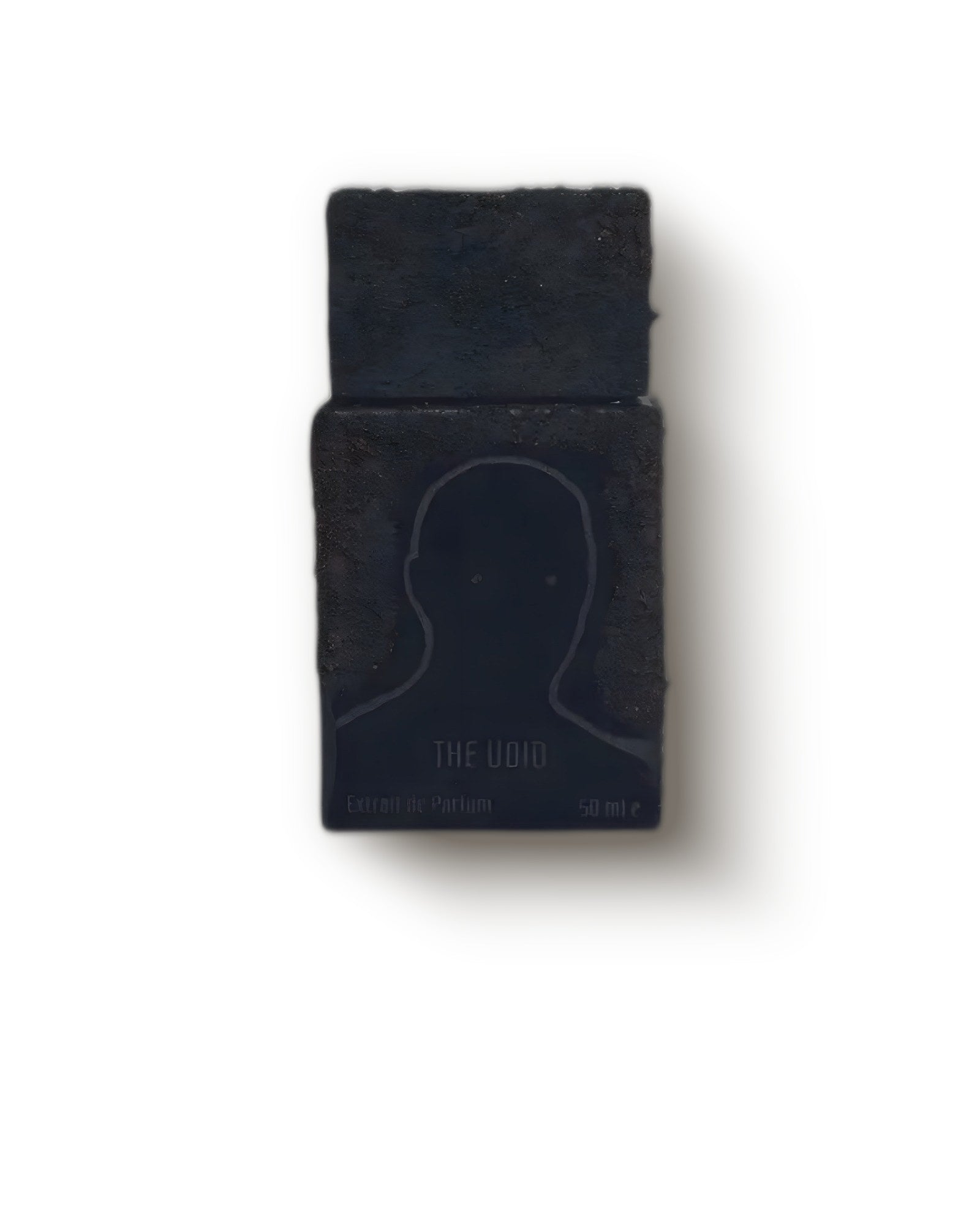
The Antagonist, cilde yakın duran ve saatler sonra sizi şaşırtan, karanlık, reçineli ve tuhaf biçimde ağırlıksız kompozisyonlar kurar. The Void bunların en tanınmışıdır ve bu evin neden üç dakikada değil, tam bir gün boyunca yaşanmaya değer olduğunun iyi bir örneğidir.
- Öne çıkanlar
- The Void, karanlık reçineler
The Antagonist evinden diğer parfümler
Bunlar da ilginizi çekebilir