

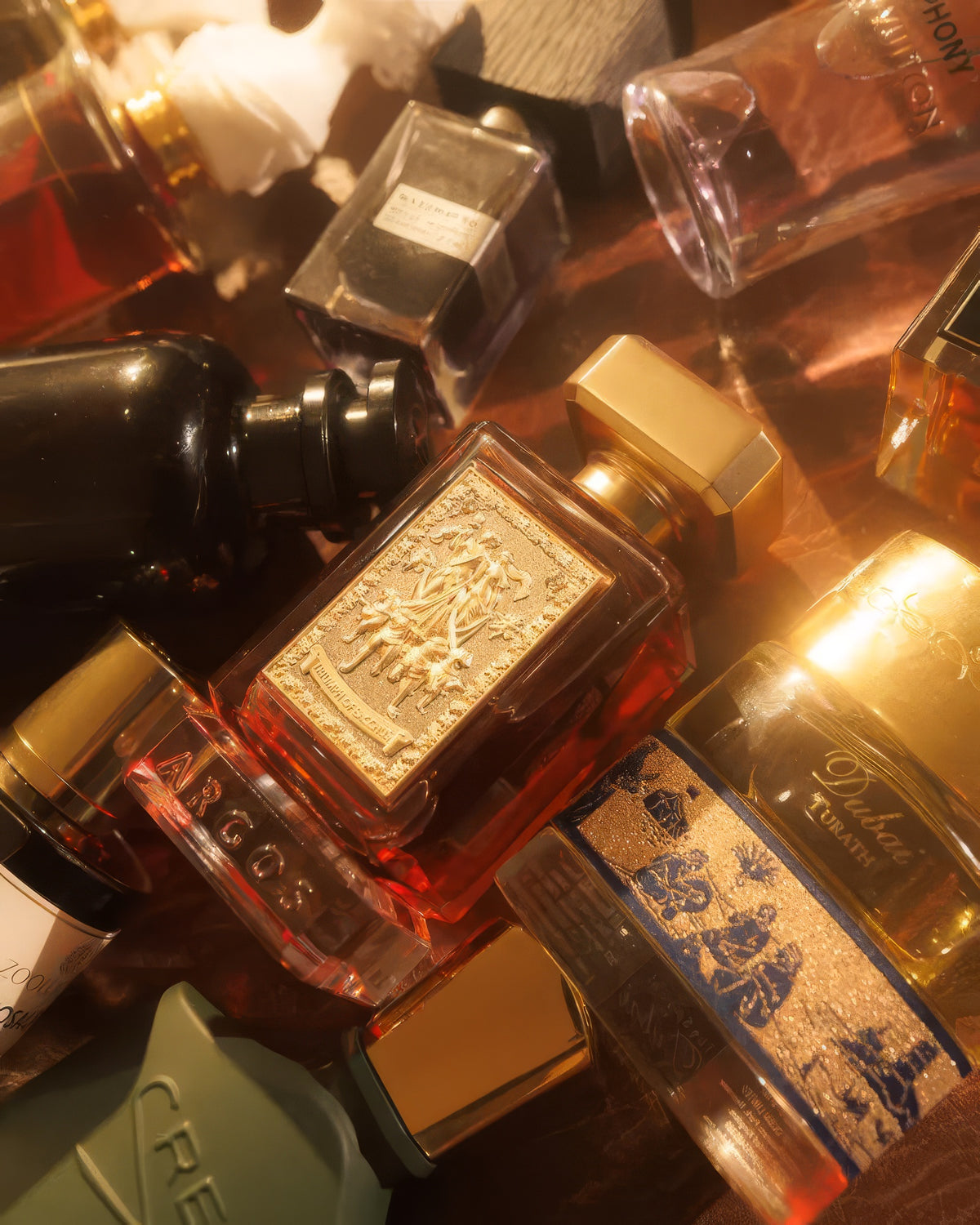

Argos
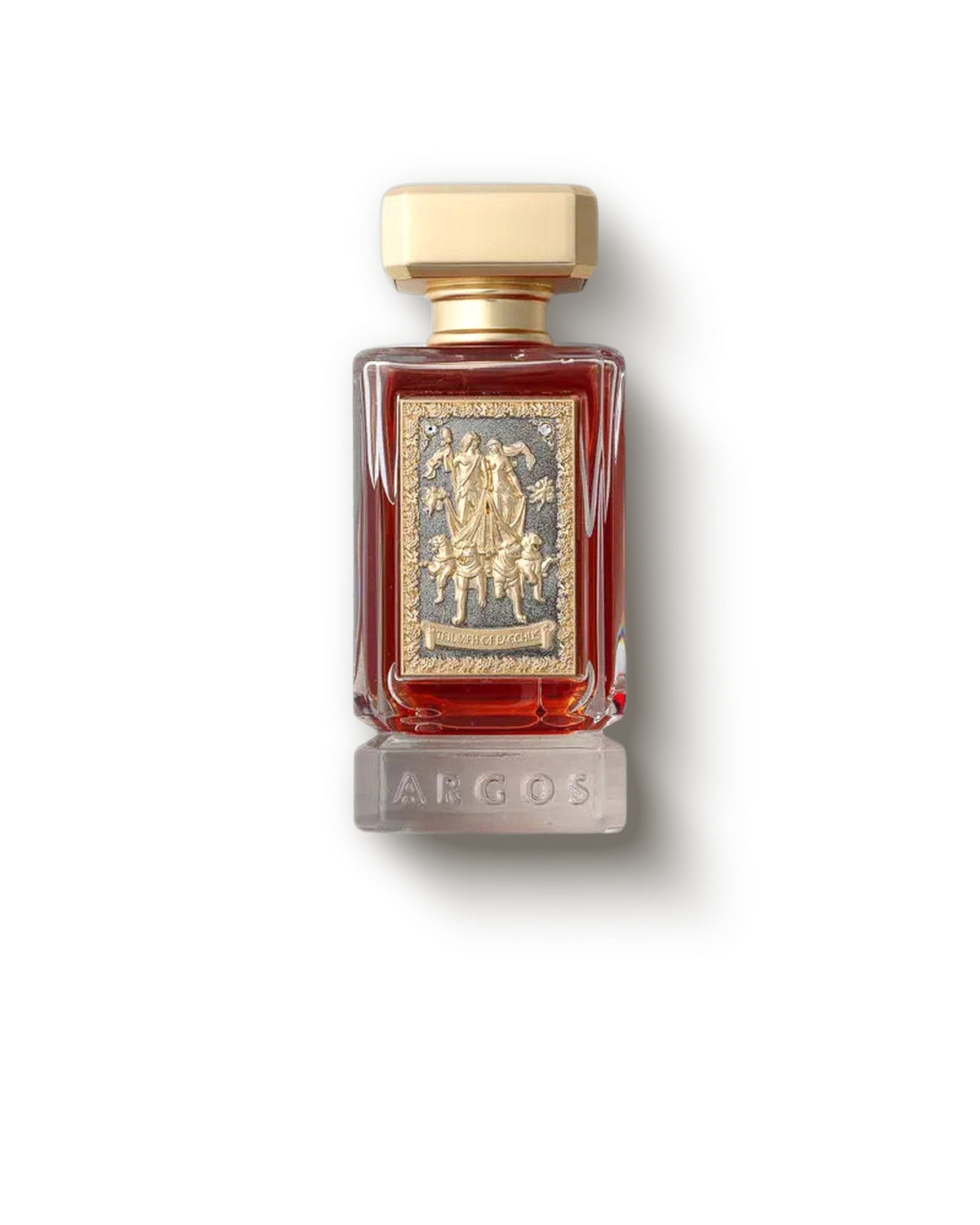
Triumph of Bacchus
Hikaye
Triumph of Bacchus, şarap ve coşkunun Roma tanrısının adını taşır, ve kompozisyon bu adı harfiyen alır: olgun meyve bahçesi meyveleri üzerinde safran ve rom, tütün ve Mysore sandal ağacı. Bu, Argos'u İtalyan şişe serisine taşıyan çıkış oldu.


Vanilya
Olgunlaştırılmış çubuk, kremanın altında likörümsü
Kürlenmiş vanilya kabukları, şekerleme değil. Buradaki tatlılık muhallebimsi ve balsamik, altında karanlık ve alkolümsü bir şey var; şekerden çok rom ve odun dumanına yakın. Üzerindeki her şeyi ısıtır, sivri kenarları yumuşatıp bütünü yavaşlatır.


Tatlı
Adını tam koyamadığınız sıcak bir şeker
Karamel, bal, pamuk şekeri: üçü arasında asılı kalan, hiçbirine tam yerleşmeyen bir tatlılık. Bu, gurme çekimin ta kendisi; insanı istemeden biraz daha yaklaştıran, sıcak, yumuşak ve yenilecek kadar az eksik kalan o şey.


Meyveli
Şeftali kabuğu, limon kabuğu değil
Şeftali, armut, elma, çilek: bu, kabuktan değil etten gelen bir tatlılık; narenciye keskin ve incedir, burası ise çiy gibi taze ve nektar yüklü. Genç ve hafifçe açgözlü durur; bileğinizden süzülüyormuş gibi hissedebileceğiniz türden bir olgunluktur.


Tütün
kurutulmuş yaprak, bal ve duman
Balda, samanda ve bir duman fısıltısında dinlenmiş kurutulmuş altın yapraklar, açık bir pipo kutusu gibi tatlı ve hafifçe fermente. Erkeksi ve yaşanmış hissettirir, sıcak ve düşünceli: yıllarca içinde sigara içilmiş bir oda.

Sıcak Baharatlı
Baharat çekmecesinin parlayan korları
Tarçının, karanfilin ve hindistan cevizinin yuvarlak sıcaklığı; keskin bir mutfaktan çok fırınlanan bir kiler gibi kuru ve hafif reçineli. Kızarmış, sarıp sarmalayan bir sıcaklık yaratır; mahrem ve soğuk havalara yakışan, teni içeriden saran.


Odunsu
Kesilmiş kerestenin kuru dokusu
Sedir talaşının, sandal ağacının ve kuru vetiver köklerinin kokusu; hafif bir kalem kutusu pürüzüyle zımparalanmış, reçineli bir sıcaklık. Yere basan ve dingin bir his verir; bir kokuyu ciddi ve kalıcı kılan sessiz omurgadır.
Beyaz Şeftali
Tüylü kabuk ve krema, işin içinde hiç meyve yok
Nedir
Bir şeftaliyi sıksanız elinizde yalnızca ıslak bir karmaşa kalır, bu yüzden nota her zaman kurulur. Laktonlara dayanır, ve piyasa hâlâ bunlardan birini aldehit C-14 olarak satar; oysa bu bir aldehit değildir ve hiç olmamıştır.
Nasıl kokar
Önce tüylü kabuk, sonra et: kremsi, biraz tereyağlı, aşırı olgunluğun eşiğinde tatlı. Laboratuvarda kurulan bir şeftali parlak okunur ve yerinde durur. Doğallara yaslanan biri daha buğulu, daha çiçeksi ve çaya yakındır, kuruduğunda hareket eder.
Parfümeride kullanımı
Kalpte devreye girer, gül ve beyaz çiçekleri odunlara, ambere ve miske taşır. Osmanthus burada bir kısayoldur: bu çiçek aynı laktonları kendi başına üretir, bu yüzden tek başına kayısı ve şeftali kokar.
Bilmekte fayda var
Laktonlar inatçıdır, bu yüzden şeftali nasıl kurgulanırsa kurgulansın kalıcı olur. Bunlardan biri artık sentezlenmek yerine mayalanabiliyor; hint yağı mayaya besleniyor, bu da o versiyonun doğal sayılmasına yetiyor.

Yeşil Elma
İçinde hiç elma olmayan bir elma
Nedir
Bir elmayı sıkarsanız meyve suyu alırsınız, parfüm değil. Elma yağı yoktur, absolüsü yoktur, damıtılacak hiçbir şey yoktur; bu yüzden her elma notası kurgulanır: çoğu elde meyveli esterlerle, tamamen botanik olanlarda ise Roma papatyası ve davana ile.
Nasıl kokar
Soğuk, ekşimsi ve yeşil; bir ısırıkta kırılan kabuğun çıtırtısı, ardında şekerlenmiş bir iz. Ester kurgusu parlak ve tek, belirgin bir şekli korur. Papatya kurgusu ise daha bulanık, ballı, bahçeden çok elma şırasına yakın.
Parfümeride kullanımı
Bir iz, meyveli çiçeksileri, chypreleri, akuatikleri ve gurmanları yükseltir; gül, misk ve hafif odunların yanında. Esterlerle yeşil ve şekerli yön hassas biçimde ayarlanabilir. Botaniklerle ise tüm akor elle yeniden dengelenir.
Bilmekte fayda var
Hiçbir yol meyvenin kendisi değildir, bu yüzden dürüst fark özgünlükten çok kararlılıktır. Ester ile kurulan elma sabunda, ısıda ve deterjanda hayatta kalır ve birebir tekrarlanır. Botanik olanı maliyetlidir, hasatla değişir, sessizce konuşur ve nadir kalır.


Rom
Koyu melas ve meşe, içkili bir vuruşla
Nedir
Rom, taze sıkılmış şeker kamışı suyu ya da melas damıtılarak elde edilen ve meşe fıçıda olgunlaştırılan bir spirittir. Parfümcülükte tek bir ekstrakt olarak kullanılmaz; içkiyi taklit etmek için etil maltol, rom eteri, vanilin ve meşe laktonları gibi moleküllerden yeniden inşa edilmiş bir akordur.
Nasıl kokar
Önce yanık şeker ve melas, ardından sıcak bir alkol iğneliği. Vanilya ve kuru meyve araya girer, meşe hafif bir duman katar; bütün bu yapı toffee, baharat ve eski tütüne doğru çöker.
Parfümeride kullanımı
Bir gurmede üstlerde yer alır ve aşağı doğru inerken tütünü, vanilyayı, tonkayı ve tarçını ısıtır. Şeker yerine kakao ve kakule ile eşleştirildiğinde kompozisyon daha koyu, daha kuru ve daha yetişkin bir hâle bürünür.
Bilmekte fayda var
Akorun omurgası olan rom eteri, tatlı ve fırın ürünlerine de aroma katar; bu yüzden bir parfüm ile bir tatlı arasındaki çizgi incelir. Her parfüm evi kendi romunu kurduğundan, hiçbiri birbirinin aynısı kokmaz.

Safran
Deri, bal ve kuru saman kokan kızıl iplikler
Nedir
Her sonbahar çiğdemi çiçeğinin içinde üç kızıl iplik bulunur ve her biri elle çekilip alınır. Kurutulan bu stigmalar bir tentürde bekletilir veya bir absolüye dönüştürülür. Tedarik zincirinin tamamı bundan ibarettir.
Nasıl kokar
Önce saman, bal ve sıcak kızarmış ekmek; ardından altında safranal molekülünün işi olan metalik, dericil bir yön belirir. Süete, tütüne ve tozlu ambere doğru kurur, kenarlarında bir acılık taşır.
Parfümeride kullanımı
Kalp notasında yaşar, kızılımsı bir parıltıyla parlar; baharat ile deri arasındaki menteşedir. Parfümörler onu güle o kadar sık eşlerler ki bu birleşim başlı başına bir tür haline gelmiştir, tüm bir deri akoru yalnızca onun üzerine kurulabilir.
Bilmekte fayda var
Bir kilogram safran, elle toplanan yaklaşık 150.000 çiçeğe ve günlerce süren eğilip kalkma emeğine mal olur; bu yüzden neredeyse hiçbiri parfümeriye ulaşmaz. Safran notalarının çoğu, gerçek safran yerine sentetik safranalden kurulur.


Paçuli
Yağmur sonrası ıslak toprak ve koyu odun
Nedir
Kimse nane familyasından tahmin etmez, ama öyledir: yaprakları kurutulup fermantasyona yakın bir şekilde dinlendirilen yapraklı bir çalı; damıtma ise şurup kadar koyu ve yoğun bir yağ çıkarır.
Nasıl kokar
Islak toprak, orman zemini, eski bir mahzen; altında şarabımsı bir tatlılık. Taze yağ sert ve yeşil gelebilir, neredeyse kâfurlu. Yaşlanmış yağ tam tersi yöne gider, çikolata ve deriye döner, saatlerce yerinde durur.
Parfümeride kullanımı
Bir kompozisyonu onun kadar tutan neredeyse hiçbir şey yoktur. Şiprler ve oryantaller bu çapa üzerine kurulur; gül, vetiver ya da labdanumun altına birkaç damla, tüm kompozisyonu ciltte saatlerce tutar.
Bilmekte fayda var
On dokuzuncu yüzyılda Keşmir şalları güve düşmesin diye kurutulmuş paçuli yapraklarıyla paketlenip taşınırdı; Avrupalılar gerçeğini yalnızca kokusundan ayırt etmeyi öğrendi. Yağ, neredeyse hiçbir esansiyel yağın yapamadığı gibi, yaşlandıkça şarap gibi yumuşayarak gelişir.


Vetiver
Dolaşık köklerden çekilen serin, nemli toprak
Nedir
Değer taşıyan her şey toprağın altındadır. Vetiver uzun boylu tropikal bir çimen olarak büyür, ama parfüm kökünde yaşar: kazılıp yıkanan, kurutulan ve buharla damıtılarak koyu amber-kahverengi bir yağa dönüşen yoğun, lifli bir kök ağı.
Nasıl kokar
Kuru odun üzerinde serin nemli toprak ve taze kesilmiş çimen. Haiti yağı daha yumuşak akar ve hafifçe fındık gibi tatlıdır; Java daha karanlık, daha dumanlı, daha derilidir. İkisinin de altında acı bir greyfurt kenarı ve saatlerce süren yeşil, mineral bir iz vardır.
Parfümeride kullanımı
Parfümörler onu formülü sabitlemek için kullanır, bu yüzden fougère ve chypre yapılar ona başvurur. Narenciye, deri ve tütün üstünde iyi durur. Küllü yönünü öne çıkarınca servi ve sedirin yanında sertleşir.
Bilmekte fayda var
Haiti, dünya vetiver yağı üretiminin yaklaşık yarısını karşılar; bunun büyük bölümü küçük çiftçiler tarafından üretilmektedir. Bir şişeyi kokulandıran aynı derin kökler, dünya genelinde yamaçlara dikilerek erozyona karşı toprağı tutan ve başka hiçbir şeyin tutunmakta güçlük çekeceği eğimli arazileri dengeleyen canlı bariyerler oluşturur.

Tonka Fasulyesi
Saman-tütün gölgesiyle sıcak badem-vanilya tatlılığı
Nedir
Güney Amerika'ya özgü bir baklagil ağacının kabuğu soyulmuş tohumları alkole bırakılır, ardından yüzeylerinde kumarin kırağı gibi billurlaşana dek haftalarca kurutulur. Parfümörlerin kullandığı absolü, o kırağı tutmuş fasulyeden elde edilir.
Nasıl kokar
Önce vanilya ve acı badem, ardından kuru ot, kurutulmuş tütün ve kavrulmuş bir şey. Açılış karamelize muhallebiye yakındır; kuruma pudramsı ve içkiyi andıran bir hal alır, içinde tarçın ve biçilmiş yonca vardır. Vanilyadan daha puslu, bademden daha yumuşak.
Parfümeride kullanımı
Kalp ve dip arasında, keskinleşmeden tatlandırır. Lavanta, amber ve tütünle iyi anlaşır. İlk kez bu tohumdan çıkarılan kumarin, fougère ailesini kurmuştur; ancak 1882'deki orijinali sentetik versiyonuyla yapılmıştır.
Bilmekte fayda var
Tonka, kokusunun büyük bölümünü kumarine borçludur; kumarin, yüksek dozların deney hayvanlarının karaciğerine zarar verdiği görülünce Amerikalı gıda düzenleyicileri tarafından 1954'te yasaklanmıştır. Fasulye bir ABD mutfağında fiilen yasadışıdır, cilt üzerinde ise tamamen yasaldır.

Yasemin
Parfümerinin çarpan kalbindeki baş döndürücü beyaz çiçek
Nedir
Toplama gün doğmadan önce başlar ve sabaha kadar elle sürer. Çiçekler damıtmaya elverişli olmayacak kadar hassastır; bu nedenle çözücü, yağlarını mumsu bir betona dönüştürür, ardından alkol bu betondan absolüyü yıkayarak ayırır.
Nasıl kokar
Tatlı, ağır ve ballıdır; altında hafifçe hayvansı bir iz taşır. Sambac yeşil, çay benzeri ve ışıltılı okunur; grandiflorum daha meyvemsi, daha kremsi ve ciltte daha ağırdır. İkisi de sıcak ve yumuşak bir dip nota bırakır; yalnızca yakından fark edilen mantarsı bir misk notasıyla.
Parfümeride kullanımı
Kalp notasına yerleştirildiğinde, narenciye açılışını alttaki odunsu notalara bağlar ve her ikisine de hacim katar. Gül, sümbülteber, sandal ağacı ve miskle çok iyi uyum sağlar. Pek çok parfüm, başka hiçbir şeye gerek kalmadan sadece yasemin üzerine kurulur.
Bilmekte fayda var
Bir gram absolü için yaklaşık beş bin elle toplanmış çiçek gerekir; bu da onu parfümerinin en maliyetli hammaddeleri arasına yerleştirir. Derinliğinin bir bölümü indolden gelir: bu molekül yoğun hâlde çürümüş gibi kokar, ancak çiçeğin taşıdığı iz miktarında ışıltılı bir hâle bürünür.
Tütün
Bal ve samana dönüşen kurutulmuş yaprak
Nedir
Hiçbir şey yanmıyor. Yaprak önce kürlenir ve fermente edilir, ardından çözücüyle koyu, yapışkan bir absolüye dönüştürülür; ortaya çıkan koku kül tablasından değil, samandan ve baldan gelir.
Nasıl kokar
Sıcak, tatlı ve kuru: bal, kuru meyve ve hafif kakaoyla tatlandırılmış kürlenmiş saman ve pipo tütünü. Üstte yerleşik, yumuşak, amberli, balzamik bir sıcaklığa çöken deri gibi, hafifçe bitkisel-yeşil bir ısırma vardır; zaman zaman pudralı çiçeksi bir nüans da taşır.
Parfümeride kullanımı
Kalpten dibe uzanır; vanilya, tonka, bal ve deri ona hep yapışır. Vanilya verirseniz tatlı, yenilebilir türünü; deri ve baharat verirseniz karanlık, kuru türünü elde edersiniz.
Bilmekte fayda var
Canlı tütün bitkisi keskin ve yeşil kokar. Absolüdeki her tatlı yön kürleme ve fermantasyon sırasında oluşur. Gerçek absolü pahalıdır ve bazı pazarlarda kısıtlanmıştır, bu yüzden pek çok tütün notası kumarin ve samandan yeniden kurulur.


Amber
Hasat edilmeyen, kurgulanan sıcak ve reçineli bir parıltı
Nedir
Amber ağacı yoktur. Parfümörler bu kokuyu, Akdeniz kaya gülünün yaz sıcağında sızdırdığı yapışkan reçine olan labdanumdan, aselbent ve vanilyayla birlikte oluştururlar. Müze vitrinlerindeki fosilleşmiş reçine ise ciltte kokusuzdur.
Nasıl kokar
Sıcak, yumuşak ve balsamik; kuru reçinin üzerinde pudralı bir tatlılık. Labdanum'dan gelen ballı ve hafif hayvani notalarla açılır, ardından balmumu, tütün ve eskimiş deriyi anımsatan yuvarlak, altın sarısı bir sıcaklığa oturur; cildi uzun süre terk etmeyen sessiz, dumanlı bir tütsü alt tonuyla örülür.
Parfümeride kullanımı
Dipte durur ve üzerindeki her şeyi yerinde tutar; oryantal kompozisyonların ona bu denli güvenmesinin nedeni de budur. Vanilya ve paçuli onu tatlı yönde iterken; daha fazla reçine, baharat ve kuru otlar onu sade ve kuru bir yöne çeker.
Bilmekte fayda var
Bu sözcük bir zamanlar ambergris'i, yani sperm balinalarının balmumsu salgısını ifade ediyordu ve bu karışıklık hiçbir zaman tam olarak giderilmedi. Ticarette artık amber iki şey için kullanılıyor: neredeyse her zaman bitkisel ve sentetik olan bu reçine akoru ve Ambroxan gibi ambergris ikameleri.


Mysore Sandal Ağacı
Kökleriyle birlikte sökülen kremamsı öz odun
Nedir
Hasat kökünden sökmek demektir: yağ en zengin biçimde köklerde bulunur, bu nedenle Karnataka'da ağacın tamamı topraktan çıkarılır. Öz odun beş ile on yaş arasında oluşmaya başlar, ama alınmaya değer bir öz odun otuz yaşa daha yakındır.
Nasıl kokar
Bıçkı tahtası üzerinde krema ve ılık süt, neredeyse laktik hale gelen ekşi tereyağlı bir kenarla. Altında gülsü ve balsamik bir şey oturur. Asla sertleşmez, asla duman gibi kokmaz; saatlerce cilde sessiz ve yakın biçimde yerleşir.
Parfümeride kullanımı
Parfümörler onu bir karışımı bir arada tutmak için kullanır: sert kenarları yuvarlar ve üzerindeki her şeyin daha uzun sürmesini sağlar. Gül, yasemin, menekşe ve ud onun karşısında yumuşar. Büyük vintage sütlü-odunsu oryantaller onun üzerine kurulur.
Bilmekte fayda var
Hint sandal ağacı aşırı hasatla neredeyse tükeneceği noktaya geldi; dikili ağaçlar ve ticaret, sıkı Hint devlet lisansı ve açık artırma denetimine tabidir. Gerçek eskitilmiş Mysore yağı giderek nadir ve pahalı hale gelmiş; parfümörleri plantasyonda yetiştirilmiş Avustralya Santalum album'una ve Javanol gibi sentetiklere yöneltmiştir.


Misk
Sıcak ten kadar yumuşak, temiz sentetik misk
Nedir
Bu parfümde misk sentetiktir: herhangi bir hayvansal malzeme değil, modern misk molekülleri. Aile geniştir; temiz ve tatlı Galaxolide'den makrosiklik misklere uzanır ve yumuşaklığı, tutarlılığı ve kalıcılığı için seçilen modern parfümerinin omurgasını oluşturur.
Nasıl kokar
Temiz, yumuşak ve sessizce sıcak: sıcak ütülenmiş keten, taze pamuk, kürk değil ten. Bazı miskler tatlı ve hafif meyvemsi, bazıları pudramsı bir yöne kayar, ama hepsi tene yakın yerleşip orada kalan pürüzsüz, yuvarlak bir sıcaklığı paylaşır.
Parfümeride kullanımı
Misk, bir kompozisyonun üzerine bastığı zemindir: üstünde duran her şeyi sabitler, kalıcılığı uzatır ve o ikinci ten parıltısını katar. Sentetik miskler bunu partiden partiye büyük bir tutarlılıkla yapar; keskin kenarları yumuşatır ve bir kokuyu kuruma evresinin derinliklerine kadar taşır.
Bilmekte fayda var
İlk sentetik misk tesadüfen bulundu: 1888'de patlayıcılar üzerinde çalışan kimyager Albert Baur, bileşiklerinden birinin misk koktuğunu fark etti. Parfümörlerin bugün kullandığı miskler, yumuşaklıkları ve kalıcılıkları için seçilen daha sonraki, rafine kuşaklardır.

Vanilya
Olgunlaştırılmış orkide çubukları, muhallebi ve belli belirsiz duman
Nedir
Yeşil kapsüller, orkide asmasından neredeyse kokusuz halde koparılır. Koku bulunmaz, yaratılır: vanilin belirene dek aylarca süren haşlama, güneşte terletme ve ağır ağır kurutma. Önce Meksika, şimdi Madagaskar.
Nasıl kokar
Önce muhallebi ve karamel, ardından altında daha karanlık bir şey: kuru meyve ve ince bir tütün dumanı ipliği. Kuruduğunda pudralaşır ve cilde yakın durur. Gerçek kürlenmiş vanilya, salt vanilinden daha derin okunur.
Parfümeride kullanımı
Parfümörler onu köşeleri yumuşatmak için kullanır. Fazla keskin, fazla yeşil, fazla sade olan her şey bir vanilya tabanından sıcaklık ve gövde alır; bu yüzden vanilya, tonka, amber, sandal ağacı ve baharatla birlikte pek çok oryantal ve gurme kompozisyonun temelini oluşturur.
Bilmekte fayda var
Her çiçek yalnızca bir gün açar. O günü kaçırırsanız kapsül oluşmaz; bu yüzden hepsi el ile tozlaklanır, bu yöntemi Réunion'da köle olarak çalıştırılan on iki yaşındaki bir çocuk olan Edmond Albius bulmuştur. Bugün vanilya aromasının çoğu sentetiktir.
Koku Karakteri
Şeftali, elma ve rom tatlı, alkolü çağrıştıran bir açılış yapar; paçuli ve vetiver bunu toprak derinliğiyle dengeler; tonka ve yasemin sıcaklık katar; amber, odunlar ve reçineler ise altın bir kapanışla tamamlar.


Kalıcılık
tende ne kadar süre kaldığı
Kum saati kullanım süresini okur: kokunun solmadan önce kaç saat konuşmayı sürdürdüğünü. Başlangıçtan pek ayrılmayan bir çubuk, birkaç kısa saat anlamına gelir. Sonuna kadar uzanan bir çubuksa sabahtan akşama kadar taşır. Bunu bir vaat değil, tipik bir gösterge olarak okuyun. Yağlı ten, kuru tenden çok daha uzun süre kokuyu tutar.


Sillage
bıraktığı koku izinin genişliği
Sillage, Fransızcada bir geminin arkasında bıraktığı iz anlamına gelir ve tam olarak bunu ölçer: kokunun sizde kalmak yerine odaya ne kadar yayıldığını. Düşük, yalnızca yakın dostların fark ettiği bir fısıltıdır. Muazzam ise odayı doldurur ve siz çıktıktan sonra da doldurmayı sürdürür.


Deneysel
Hoşa gitmek için değil, kışkırtmak için yapıldı
Bazı parfümler sevilmek için yapılır. Bunlar tartışılmak için yapılmıştır: mürekkep gibi katran, sıcak kauçuk, dönmeye başlamış meyve, çiçek beklerken çıkan metal ve kürk. Kışkırtan bir koku için madeni para parlar, güvenli oynayan biri için söner; ki bu bazen tam da amaçtır.


Ofis
Özenli ve asla ortamın önüne geçmeyen
Koku, paylaşılan bir odada görgü kurallarıdır. Bu ölçekte masanın karşısındaki kişiye ulaşmalı ve orada durmalıdır: derli toplu narenciye, yumuşak misk, soluk odunlar; hepsi yetkin ve düşünceli okunur. Parlayan bir madeni para, kimsenin bundan söz etmesine gerek kalmadığını gösterir. Sönük bir tanesi ise kokunun daha uzağa taşıdığını gösterir.


Akşam
Karanlık çökünce, derinleştiğinde
Akşam yemeği, içkiler, uzayıp giden gece. Loş ışık, amberlerin, reçinelerin ve dumanlı odunların nezaketi bıraktığı, gür bir çiçeğin nihayet açıldığı yerdir. Parlayan bir madeni para, kokunun tam da bu saati beklediğini gösterir; sönük olan ise en iyi işini gün ışığında yaptığını.


Romantik
Hissedilecek kadar yakın
Bir koku, masanın karşısına duyurmak yerine tene karşı mırıldanabilir. Buradaki ton budur: kremsi çiçekler, vanilya, yumuşak misk, bir tutam baharat, birini yaklaşmaya ikna edecek kadar sıcak. Bu havayı kuran bir koku için madeni para parlar; baştan çıkarıcıdan çok pratik kalan bir koku için söner.


Resmî
Herkesin şık giyindiği bir salonda sessiz bir otorite
Bir düğün, bir tören, herkesin ayakkabısını düşündüğü bir oda. Burada işe yarayan hacim değil, yapıdır: pürüzsüz odunlar, disiplinli çiçekler, yumuşak deri. Parlayan bir madeni para, kokunun akşam boyunca duruşunu koruduğunu gösterir. Sönük bir tanesi ise ortam için fazla gündelik kaldığını gösterir.


Günlük
Telaşsız günler için zahmetsiz bir rahatlık
İşler, kahve, hiçbir yere yetişmeniz gerekmeyen acelesiz bir Cumartesi. Burada kimseyi etkilemeye gerek yok, o yüzden uyum yumuşak ve rahat olsun: taze narenciye, hafif odunlar, tenden yayılan biraz sıcaklık. Parlayan bir madeni para bunların hepsine evet der. Sönük bir tanesi ise kokunun daha büyük bir gece istediğini gösterir.


Gündüzden Geceye
ruh hâlinin kendiliğinden yöneldiği yer
Güneşten aya uzanan bir çubuk, kokunun hangi saate ait olduğunu okur. Ne kadar altın renkte kalırsa, koku o kadar gün ışığına ve açık havaya aittir. Mavi, güneşe doğru ne kadar geri uzanırsa, koku o kadar derinleşip ısınır: akşam, mum ışığı, loş odalar.


Kış
Soğuk havada bile yayılan bir sıcaklık
Soğuk hava bir kokuyu kısar ve yavaşlatır, bu yüzden kış yoğun ve sıcak olanı ödüllendirir: reçineler, duman, vanilya, deri ve serinliğe karşı ısı yayan amberli baharat. Bu çubuk, bu kokunun soğuk havada ne kadar güçlü durduğunu ve parladığını gösterir.


İlkbahar
Yükselen ılık havada taze açan çiçekler
Ilık, nemli hava daha hafif kompozisyonları güzelce yükseltir, bu yüzden ilkbahar çiy düşmüş çiçekleri, yeşil sapları, yumuşak pudrayı ve ağır değil canlı hissettiren saydam narenciyeyi sever. Bu çubuk, bu kokunun o taze, hafifçe ısınan mevsime ne kadar yakıştığını gösterir.


Yaz
Gerçek sıcaklarda parlak ve havadar
Sıcaklık kokuyu sizin adınıza yayar, bu yüzden yanlış parfüm öğleye kadar dayanılmaz hale gelir. Hayatta kalan serin ve nefes alan olandır: keskin narenciye, tuzlu deniz havası, aromatik otlar, su. Bunaltmak yerine ferahlatan şeyler. Burada kısa bir çubuk, bu kokuyu daha soğuk aylara saklamak gerektiğini gösterir.


Sonbahar
Serinleyen günler için baharatlı sıcaklık
Sıcaklık düştükçe daha zengin malzemeler boğmadan net okunur, bu yüzden sonbahar kuru odunlara, sıcak baharata, tütüne, ambere ve sımsıcak, düşünceli hissettiren altın meyveye yakışır. Bu çubuk, bu kokunun diri, serinleyen günlere ne kadar doğal oturduğunu gösterir.
En İyi Kullanım Zamanı
Hava karardıktan sonra, yemek ve mumların eşliğinde; şarap kızılı zenginliği, akşam yavaşladığında kendini kanıtlar. Yünlü havalarda eve dönüş yürüyüşüne kadar sürer.
Seçenekleri belirleyin
Atmosfer


Burun

Christian Petrovich
Kurucu ve parfümör
2014'te kurduğu Yunan mitolojisi evi Argos'un kendi kendini yetiştirmiş kurucusu ve burnu. Eski bir manken ve oyuncu olan Petrovich, kokuları Grasse'taki özel bir laboratuvarda ürettiriyor. En bilinenleri: Argos Triumph of Bacchus, Argos Pallas Athene, Argos Danae, Argos Birth of Venus.
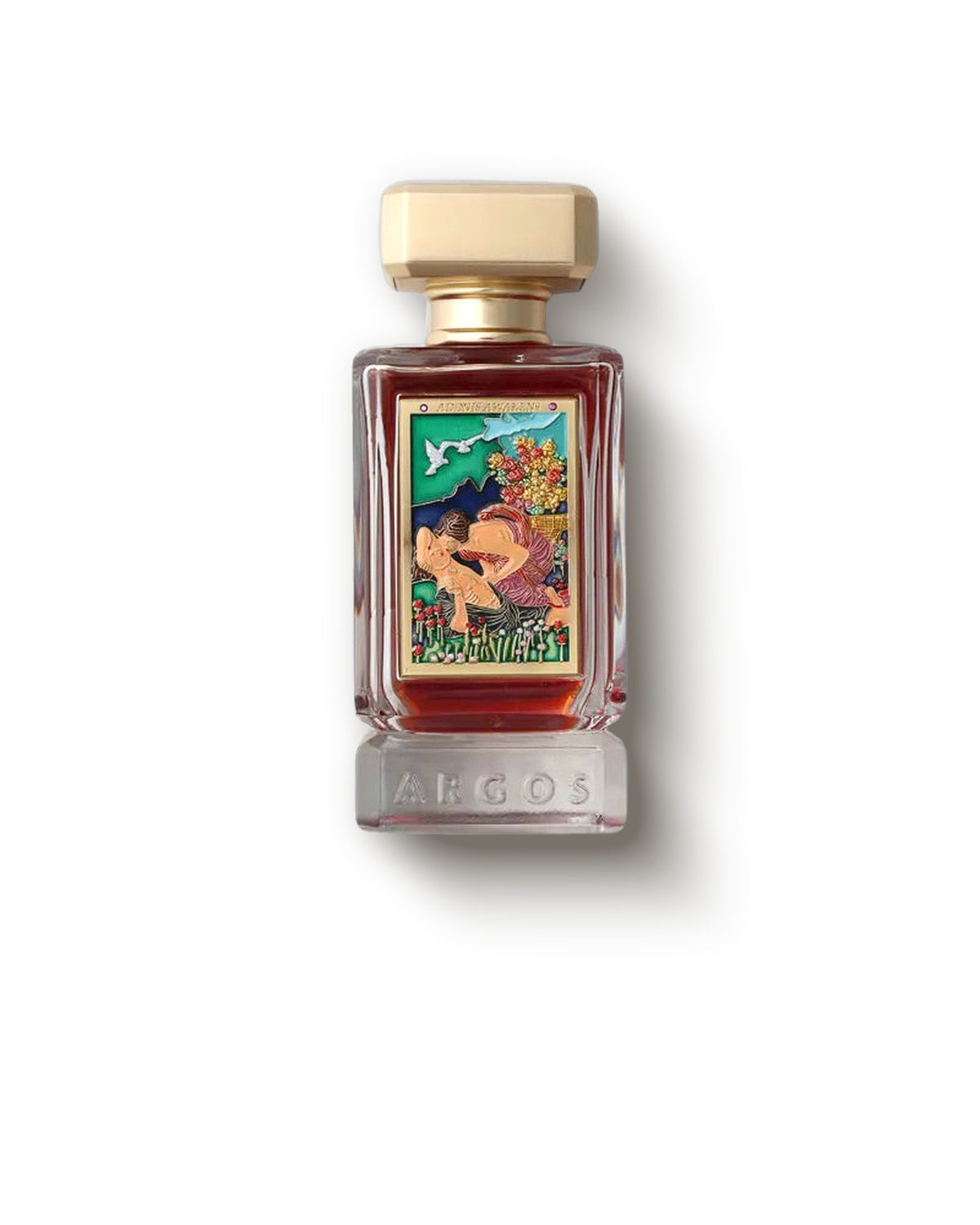
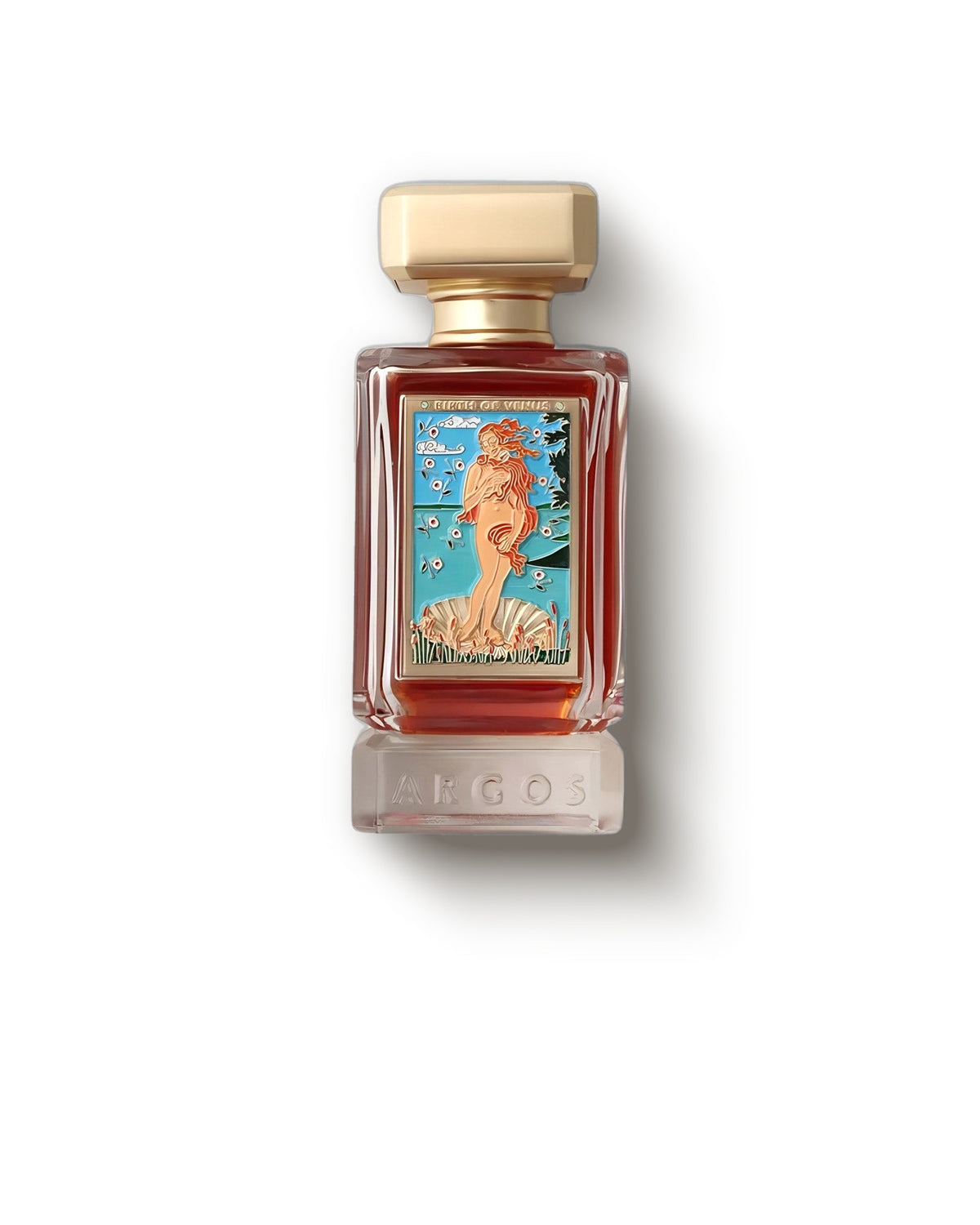
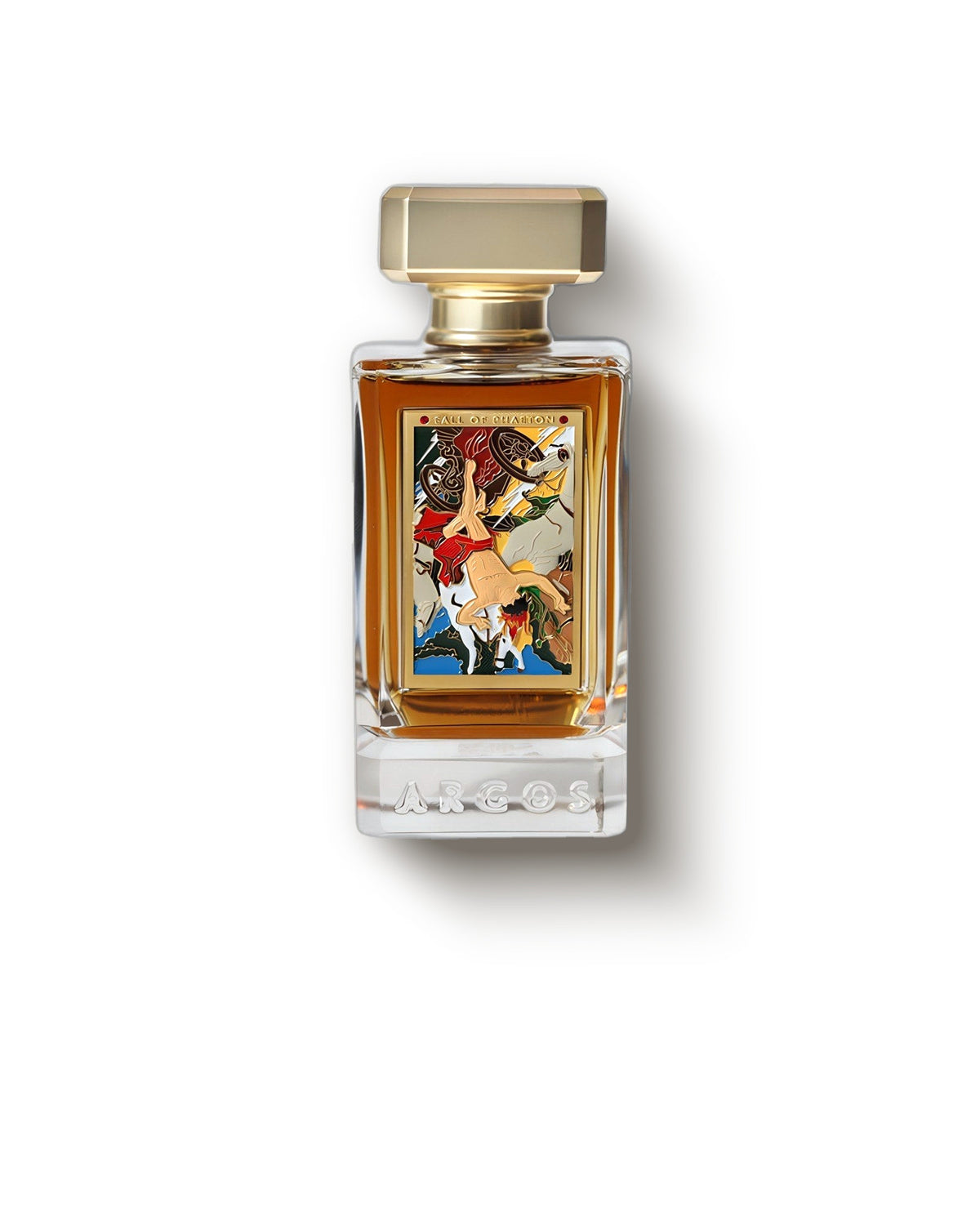
Bu burundan daha fazlasıAdonis AwakensBirth of VenusTriumph of Bacchus Extrait
Maison

Greko Romen görkemi: mermer, mit ve ballı amber; dramın kendi yerini kazanmasına izin veren dekantlarda.
Argos kokuları minyatür mitler gibi kurar; her biri kokuya dökülmüş eski bir hikayenin sahnesidir. Parlak, güneşin yaktığı açılışlar daha sıcak ve daha sefih bir şeye dönüşür: üstte meyve ve çiçekler, altında reçineler, cilt ve ahşap. Birini giymek bir nota piramidinden çok bir tabloya adım atmak gibi hissettirir.
- Köken
- Dallas, ABD
- Öne çıkanlar
- Triumph of Bacchus, Adonis Awakens

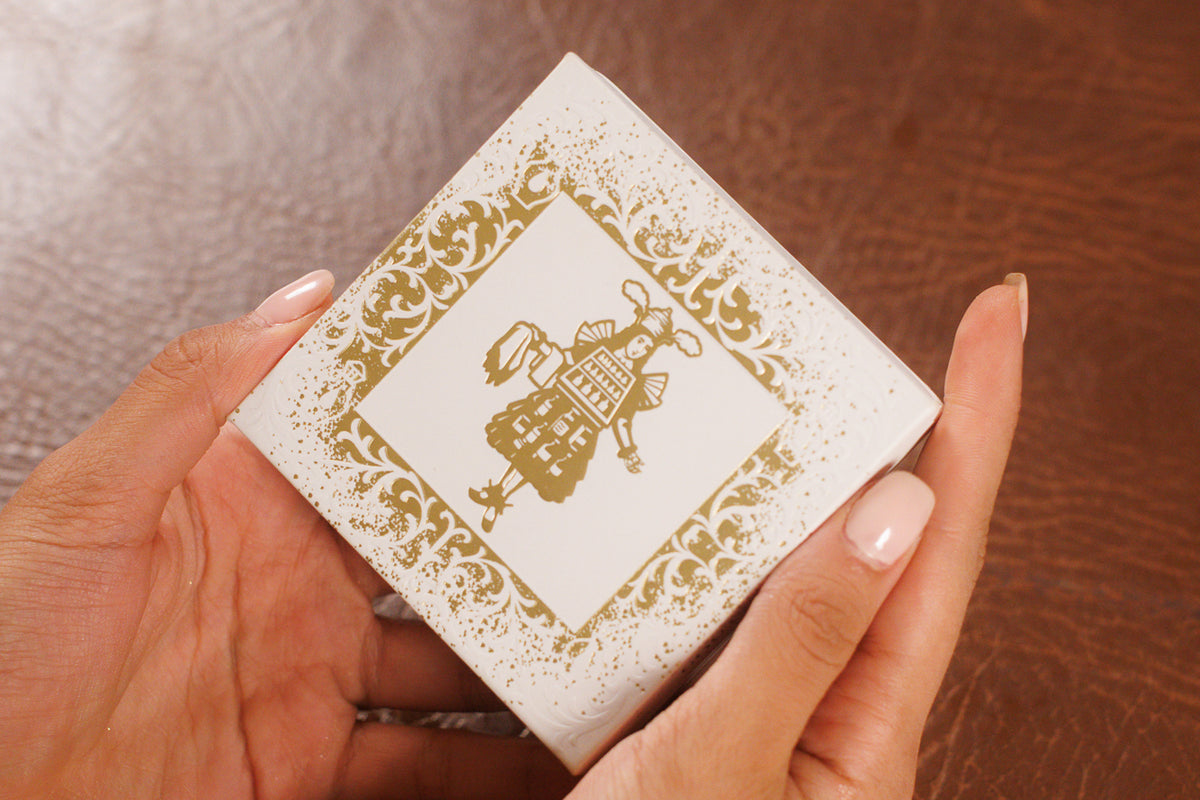
HER DEKANT
Orijinal şişeden kapınıza
Orijinal flakonu perakende fiyatından, doğrudan evden satın alırız.
Tıbbi sınıf bir Socorex şırınga, tam mililitreyi doğrudan flakondan çeker.
Sıcak yaldız baskılı kutusuna yerleştirilir ve tüm gümrük vergileri önceden ödenmiş olarak DHL'e teslim edilir. Bir dekant nasıl hazırlanır
Argos evinden diğer parfümler
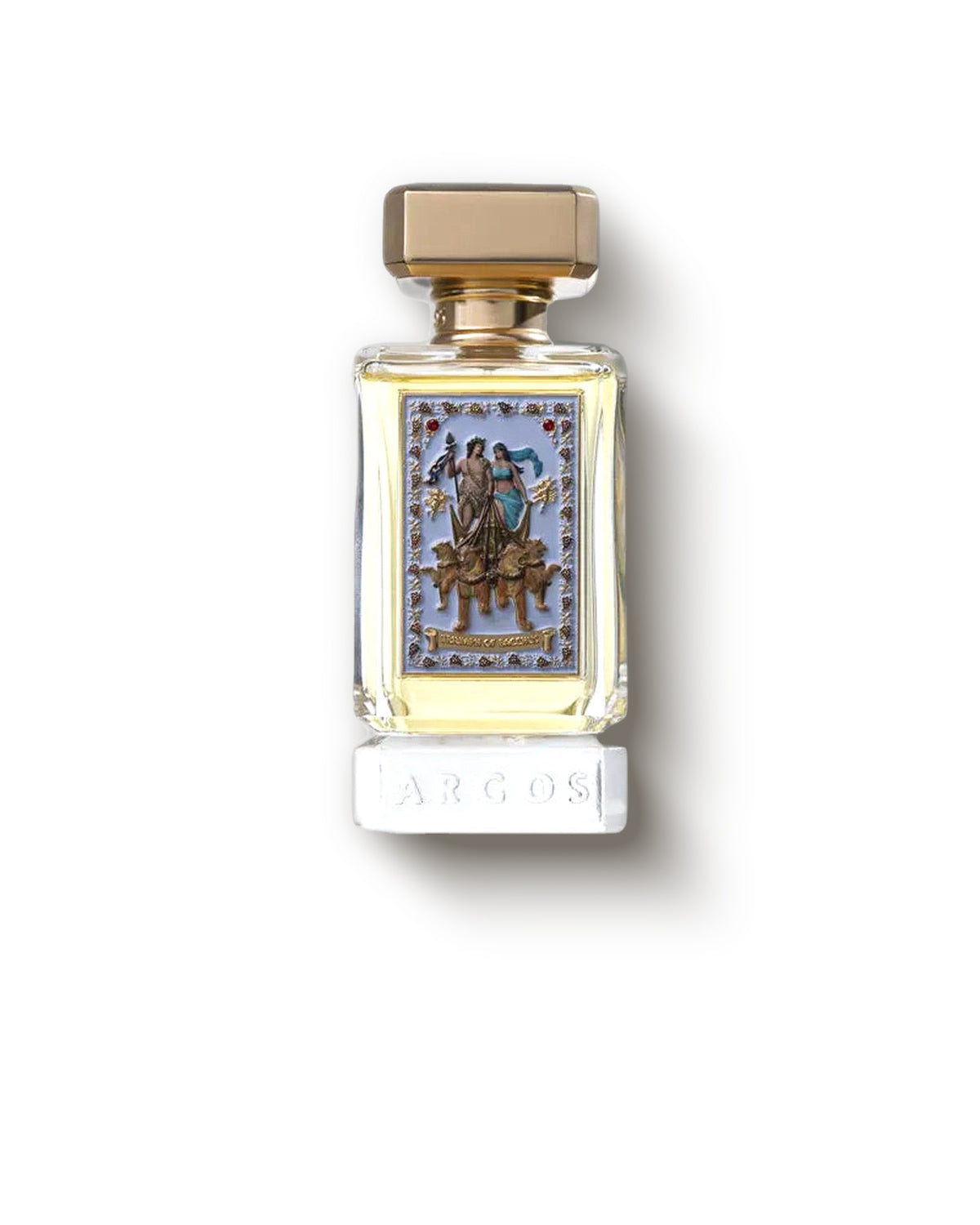
Bunlar da ilginizi çekebilir