

Tauer Perfumes
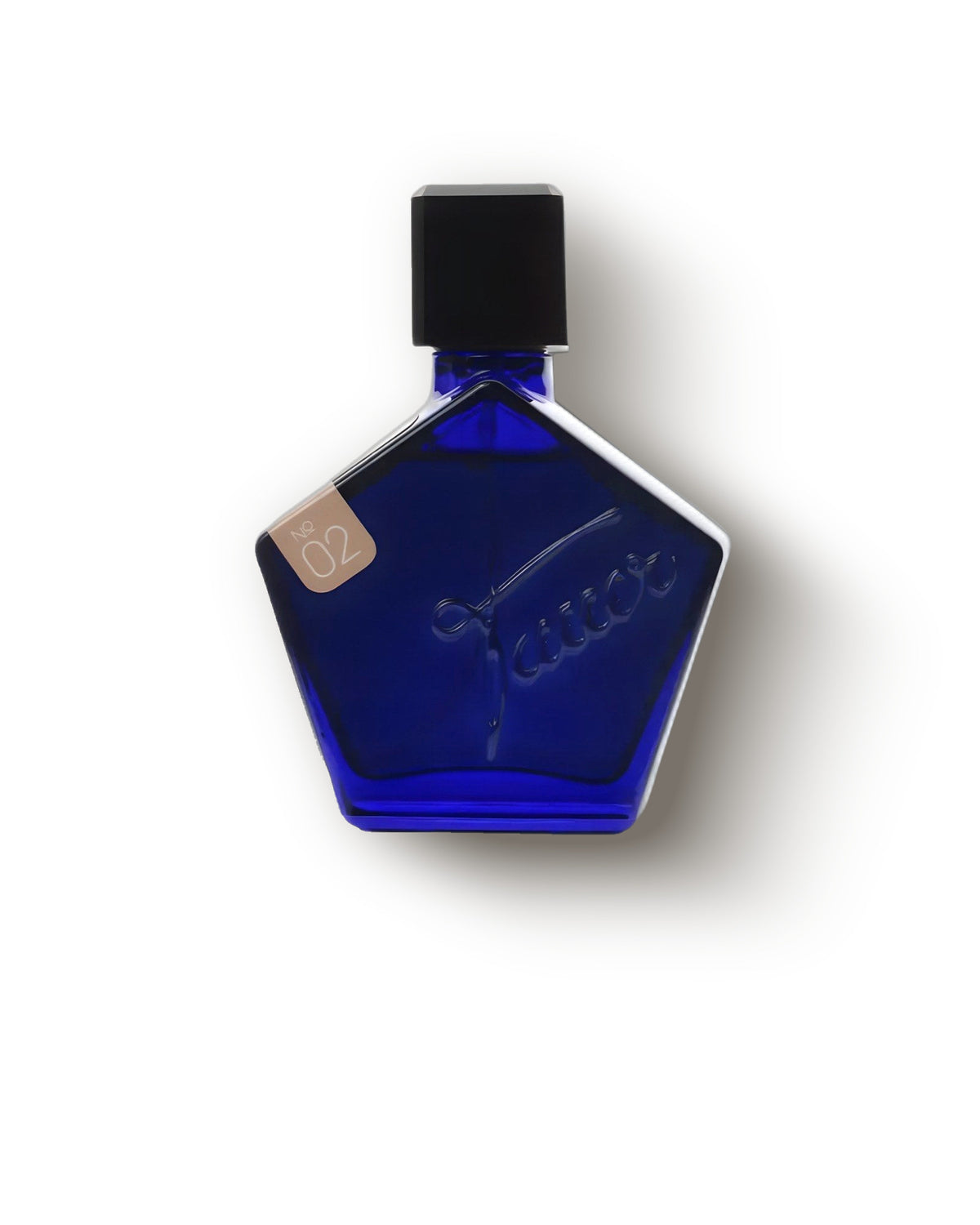
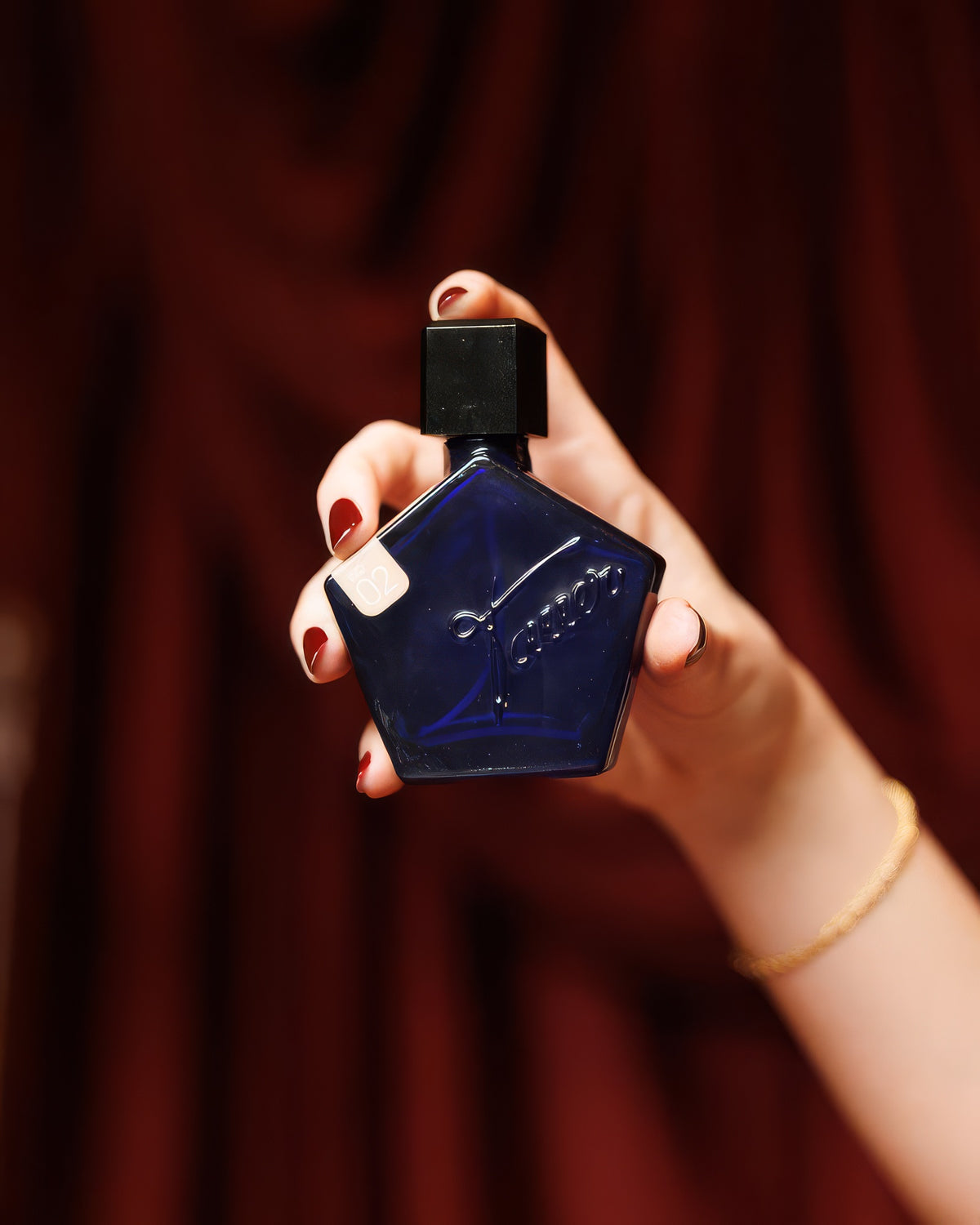
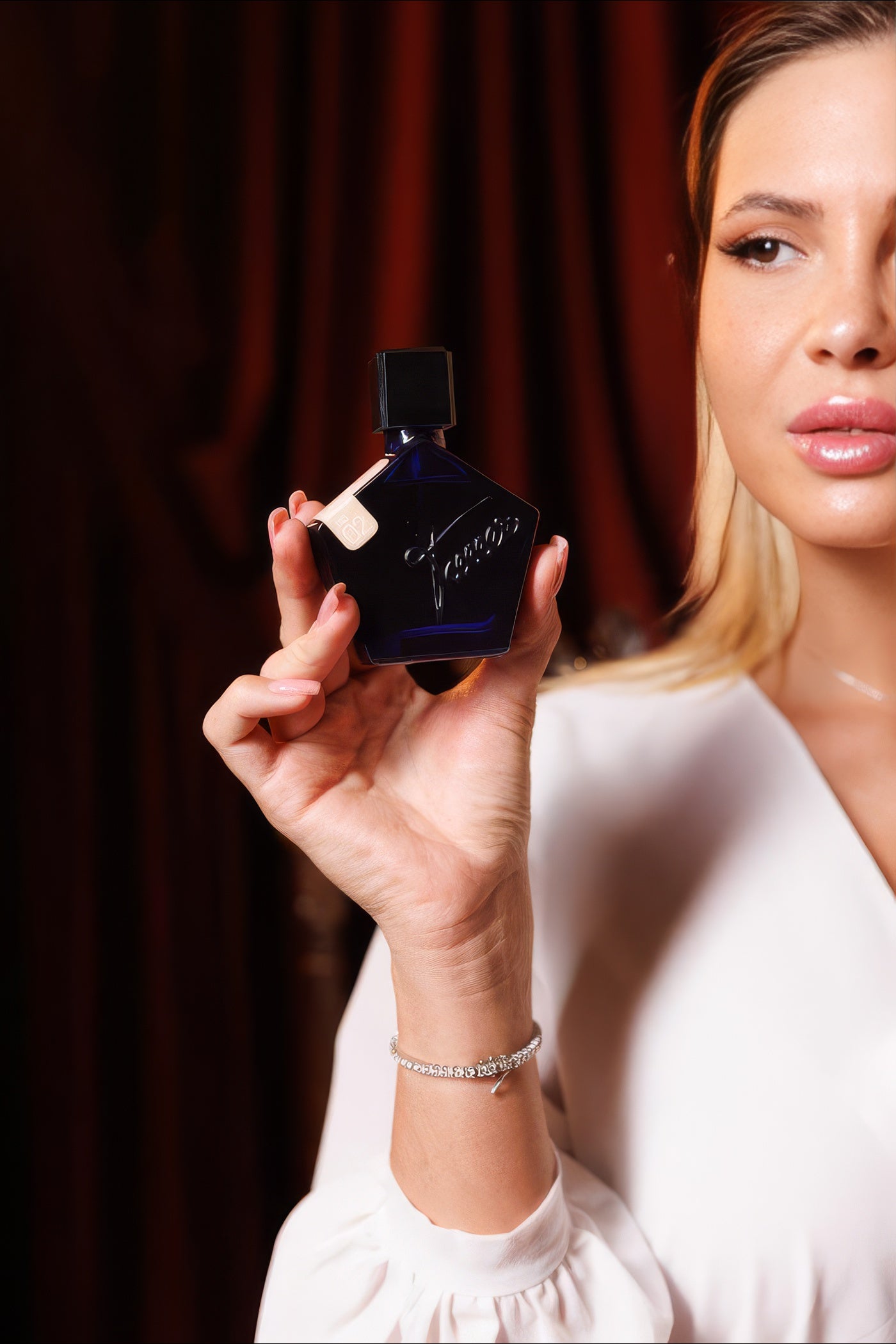
L’Air du Désert Marocain
The Story
Andy Tauer has described the image behind this precisely: a hotel bed in Marrakech in the early evening, with a dry wind carrying in the desert and the spice of the streets below. It grew out of his earlier Le Maroc Pour Elle and became the scent that made his name.


Woody
Dry grain of cut timber
The smell of cedar shavings, sandalwood, and dry vetiver roots, a sanded, resinous warmth with a faint pencil-box rasp. It feels grounded and composed, the quiet backbone that makes a scent read as serious and lasting.


Aromatic
Crushed herbs in cool air
The green, camphorous coolness of lavender, rosemary, sage, and thyme, like herbs bruised between the fingers. It feels clean, invigorating, and a touch austere, the crisp backbone of a classic barbershop freshness.


Amber
Resin warmed until it goes sweet
Labdanum, benzoin and vanilla melted together into something sweet but dusky, like tree sap gone soft in the sun with a thread of incense smoke through it. Amber does not sparkle or shout. It sits close to the skin and gives off heat for hours.


Fresh Spicy
Cool bite of cracked pepper
Pink pepper, cardamom and ginger, spice that prickles rather than warms. It fizzes near the top of a fragrance, dry and faceted, closer to crushed peppercorns and a split cardamom pod than to anything simmering in a kitchen. Bright, never comforting.


Earthy
Damp soil after the rain
The mineral smell of wet ground, and of beets pulled straight from the dirt with the soil still on them. Cool, raw and faintly bitter, it grounds a fragrance with the dark, humid breath of the forest floor.


Soft Spicy
the mild end of the spice rack
Something spice-dusted, cooling on a counter. Clove, nutmeg and powdered cinnamon with all the heat gone out of them, worn down into a low warm hum that stays close to the skin and asks nothing of anyone. Comfort, not fire.


Coriander
Spice that smells nothing like cilantro
What it is
Same plant, two smells. The ripe seed dries warm and woody; the fresh leaf, sold as cilantro, is another thing entirely and almost never sees a perfume. Only the crushed seed goes to the still.
How it smells
Warm and sweet up front, with a peppery lift and a squeeze of citrus. Then it rounds out: lavender, rosewood, a faint gingerbread warmth that sits closer to a fougere than a spice rack.
In perfumery
Perfumers slot it between top and heart for freshness, spice and a lavender-like roundness, alongside bergamot, lavender, geranium and ambery bases. It is a classic heart in vintage citrus-aromatics and all over the fougeres.
Good to know
Archaeologists found coriander seeds sealed in Tutankhamun's tomb, one of the oldest spices anyone bothered to farm. The oil is mostly linalool, which gives perfumers a rounder, gentler source of that smell than the isolated molecule.


Cumin
The spice that smells like a person
What it is
Cook with it and it is a kitchen spice. Distil it and it turns into something closer to a body. The crescent-shaped seeds carry cuminaldehyde, one compound doing both jobs: the food and the flesh.
How it smells
Hot, dusty and green at the top, then unmistakably skin. A trace reads as warmth off a collarbone. A little more and it is a shirt worn two days running. Underneath sits something nutty and oddly comforting.
In perfumery
Perfumers keep it to fractions of a percent, at the heart, where it puts a carnal pulse under rose, leather, labdanum and orange blossom. It warms several oriental classics. One drop too many tips the whole formula.
Good to know
Cumin's sweaty warmth sits close enough to the smell of skin that nobody is neutral about it: the same skin, the same dose, and one person reads intimate while the next reads unwashed.


Petitgrain
Bittersweet green of crushed orange leaves
What it is
One bitter orange tree yields three different perfumery materials. Petitgrain is the leaves and young twigs, steam-distilled; neroli comes from the blossom and bigarade from the peel. Most petitgrain in the world is distilled in Paraguay.
How it smells
Snap a green stem and smell your fingers. Sharp, dewy, almost herbal, with the orange blossom sweetness it inherits from neroli sitting underneath. It dries smoother and faintly soapy, leaving a cool bitter leafiness.
In perfumery
Cologne is built on it. Petitgrain gives the bitter-green spine that keeps a citrus opening from collapsing into sweetness, and it runs with neroli, lavender, bergamot and rosemary through fougeres too.
Good to know
The name means little grain, left over from a time when distillers used the tree's tiny unripe green fruits instead of the leaves. The fruit was abandoned, the name stuck.


Labdanum
Sticky amber resin scraped from sun-baked rockrose
What it is
A Mediterranean rockrose sweats gum through its leaves in summer, dark and sticky enough to glue your fingers together. Harvesters boil or scrape the branches to get it off, then extract that crude gum into absolute and resinoid.
How it smells
Balsamic warmth, then leather, dried fruit, honey and a curl of smoke. There is something almost ambergris-like in the opening. Hours later it has settled into brown tobacco and worn skin, still going.
In perfumery
Take labdanum out and most amber accords collapse; it is what vanilla and benzoin get built on. It fixes a formula in place, gives chypres and leathers their depth, and sits well with rose, oakmoss and incense.
Good to know
Before there was distillation, there were goats. Herds browsed through cistus scrub all summer, the gum matted into their beards and thighs, and shepherds combed it out. Labdanum is one of the oldest aromatic materials still in use.


Jasmine
The heady white flower at perfumery's beating heart
What it is
Picking runs by hand in the dark, from before first light into the morning. The blossoms are too fragile to distill, so solvent lifts their oil into a waxy concrete, and alcohol washes the absolute out of that.
How it smells
Sweet, heavy and honeyed, with something faintly animal underneath. Sambac reads green, tea-like and luminous; grandiflorum is fruitier, creamier, heavier on the skin. Both dry down warm and soft, with a mushroomy musk you notice only up close.
In perfumery
Put it in the heart and it ties a citrus opening to the woods underneath, adding volume to both. Rose, tuberose, sandalwood and musk all take it well. Plenty of perfumes are built on jasmine and nothing else.
Good to know
Roughly six thousand hand-picked blossoms go into one gram of absolute, among the costliest materials in perfumery. Part of its depth is indole, which smells like decay when concentrated and turns radiant at the trace the flower carries.


Cedar
Dry sharpened pencils and sun-warmed timber
What it is
Most perfumery cedar is not cedar. It is juniper, from the Virginia and Texas trees, steam-distilled from chips and sawmill shavings. True Atlas cedar exists and is used, but it is the smaller source.
How it smells
Freshly sharpened pencils, then the inside of a cedar-lined closet. Atlas leans warm, smoky and balsamic; Virginia reads sharper and cleaner. Either way it settles into soft sawdust warmth and stays there for hours.
In perfumery
A workhorse. It gives woody compositions their backbone and holds lighter materials in place, sitting comfortably beside vetiver, rose, citrus and amber. Its plummy-woody core runs through most modern unisex woods.
Good to know
Egyptian embalmers poured cedar oil into the body rather than burning it, and cedar timber lined the tombs and coffins they meant to outlast them. The true cedars and the junipers share a name through smell, not lineage.


Vetiver
Cool damp earth pulled from tangled roots
What it is
Everything worth having is underground. Vetiver grows as a tall tropical grass, but the perfume lives in its roots, a dense fibrous mat that gets dug up, washed, dried and steam-distilled into a thick amber-brown oil.
How it smells
Cool damp soil and cut grass over dry wood. Haitian oil runs smoother and faintly hazelnut-sweet; Java is darker, smokier, more leathery. Underneath both, a bitter grapefruit edge and a green mineral streak that holds for hours.
In perfumery
Perfumers use it to hold a formula down, which is why fougères and chypres reach for it. Citrus, leather and tobacco sit well on top. Push its ashier side forward and it turns severe beside cypress and cedar.
Good to know
The same roots that end up in a bottle get planted on hillsides to hold the soil, gripping ground where nothing else will. Haiti supplies about half the world's vetiver oil, most of it grown on smallholder farms.


Ambergris Accord
Warm salt skin built without the whale
What it is
True ambergris forms in the gut of a sperm whale, and trading it is restricted or illegal in several countries. So the effect gets rebuilt: ambroxan and its relatives, usually with labdanum, ambrette and a salty mineral edge.
How it smells
Warm, salty and skin-like, closer to a glow than to a smell. Driftwood and tobacco run through it, a mineral sweetness, an animal warmth that never turns fecal the way raw ambergris does. It diffuses rather than projects.
In perfumery
A base material that buys radiance and hold, slowing the evaporation of everything lighter above it. Labdanum, incense, leather, woods and musks all take it. It is what gives so many modern ambers their salty, breathing quality.
Good to know
Ambroxan, the workhorse of these accords, has never been near a whale. It is made from sclareol out of clary sage, and is one of the molecules that forms naturally as ambergris breaks down in sun and seawater.
Fragrance Character
Cumin cuts through petitgrain and coriander in the first minutes, sharp, animalic and dusty as dry heat. In the heart, labdanum and jasmine thicken the texture, grounding the spice in dark resin while the dry woods add a faint smokiness. The drydown belongs entirely to the base: cedar, vetiver and the ambergris accord settle into a dense, earthy amber that sits close to the skin but never fully retreats, leaving a trail that lingers for hours after the projection has softened.


Longevity
how long it stays on skin
The hourglass reads wear time: how many hours the fragrance keeps speaking before it fades. A bar that barely leaves the start means a few fleeting hours. One that runs the full length carries from morning into evening. Treat it as typical, not promised. Oily skin holds scent far longer than dry.


Sillage
the size of its scent trail
Sillage is French for a ship's wake, and that is exactly what this measures: how much of the scent reaches the room instead of staying on you. Low is a whisper only close friends catch. Enormous fills the room, then keeps filling it after you leave.


Experimental
Built to provoke, not to please
Some perfumes are made to be liked. These are made to be argued about: inky tar, hot rubber, fruit on the turn, metal and fur where you expected flowers. The coin glows for a scent that provokes and dims for one that plays it safe, which is sometimes the point.


Office
Polished, and never louder than the room
Scent is manners in a shared room. At this range it should reach the person across the desk and stop there: tidy citrus, soft musk, pale woods, all of it reading competent and considerate. A glowing coin means nobody has to mention it. A dim one means it travels.


Evening
After dark, when it deepens
Dinner, drinks, the night that runs long. Low light is where ambers, resins and smoky woods stop being polite, and where a plush floral finally blooms. A glowing coin means it is waiting for exactly this hour. A dim one means it did its best work in daylight.


Romantic
Close enough to be felt
A fragrance can hum against skin instead of announcing itself across a table. That is the register here: creamy florals, vanilla, soft musk, a thread of spice, warm enough to make someone lean in. The coin glows when a scent sets that mood and dims when it is more practical than seductive.


Formal
Quiet authority in a dressed-up room
A wedding, a ceremony, a room where everyone has thought about their shoes. What works here is structure, not volume: smooth woods, disciplined florals, soft leather. A glowing coin means it holds its posture all evening. A dim one means it is too casual for the room.


Casual
Easy comfort for unhurried days
Errands, coffee, a slow Saturday with nowhere to be. Nothing here has to impress anyone, so the fit is soft and easy: fresh citrus, light woods, a little warmth off the skin. A glowing coin says yes to all that. A dim one means the fragrance is asking for a bigger night.


Day to Night
where its mood naturally falls
A bar running from sun to moon, reading the hour the fragrance was made for. The more of it that stays gold, the more the scent belongs to daylight and open air. The further the blue reaches back toward the sun, the deeper and warmer it turns: evening, candlelight, low rooms.


Winter
Warmth that carries through cold air
Cold air mutes a fragrance and slows it down, which is why winter belongs to the dense and the warm: resin, smoke, vanilla, leather, ambered spice. The bar reads how well this one pushes back, glowing against the chill instead of thinning out in it.


Spring
Fresh blooms in mild, rising warmth
Mild, humid air lifts a light composition, so the season belongs to dewy florals, green stems, soft powder and citrus you can see through. Alive rather than heavy. The further the green runs along the bar, the more comfortably this one wears in that weather.


Summer
Bright and airy in real heat
Heat does the projecting for you, which is why the wrong perfume turns unbearable by noon. What survives is cool and breathable: sharp citrus, salt air, aromatic herbs, water. Things that refresh instead of cloy. A short bar here means save it for cooler months.


Fall
Spiced warmth for cooling days
As the air cools, the rich materials stop smothering and start reading clearly: dry woods, warm spice, tobacco, amber, fruit gone golden. It is the season perfume turns contemplative. The bar fills according to how naturally this one settles into crisp, cooling days.
Best Worn
Crisp, dry cold is its natural climate, the cedar smoke and amber reading best against winter air. One morning spray is still present at midnight.
Choose options
The Vibe


The Nose

Andy Tauer
Founder and perfumer
Swiss chemist who taught himself perfumery and founded Tauer Perfumes in Zurich in 2005, still mixing and bottling in small batches. Known for Tauer L'Air du Desert Marocain, Tauer Lonestar Memories, Tauer Incense Rosé and Tauer PHI Une Rose de Kandahar.
The Maison
One perfumer, one bench, and some of the most quoted indie scents ever made.
Andy Tauer composes and bottles everything himself in Zurich, which is why the house feels so consistent and so personal. L’Air du Désert Marocain is the one everyone arrives for, a dry cedar and ambery incense that reads like heat coming off stone, and it is still the benchmark for the whole indie category.
- Origin
- Zurich, Switzerland
- Founded
- 2005
- Known for
- L’Air du Désert Marocain

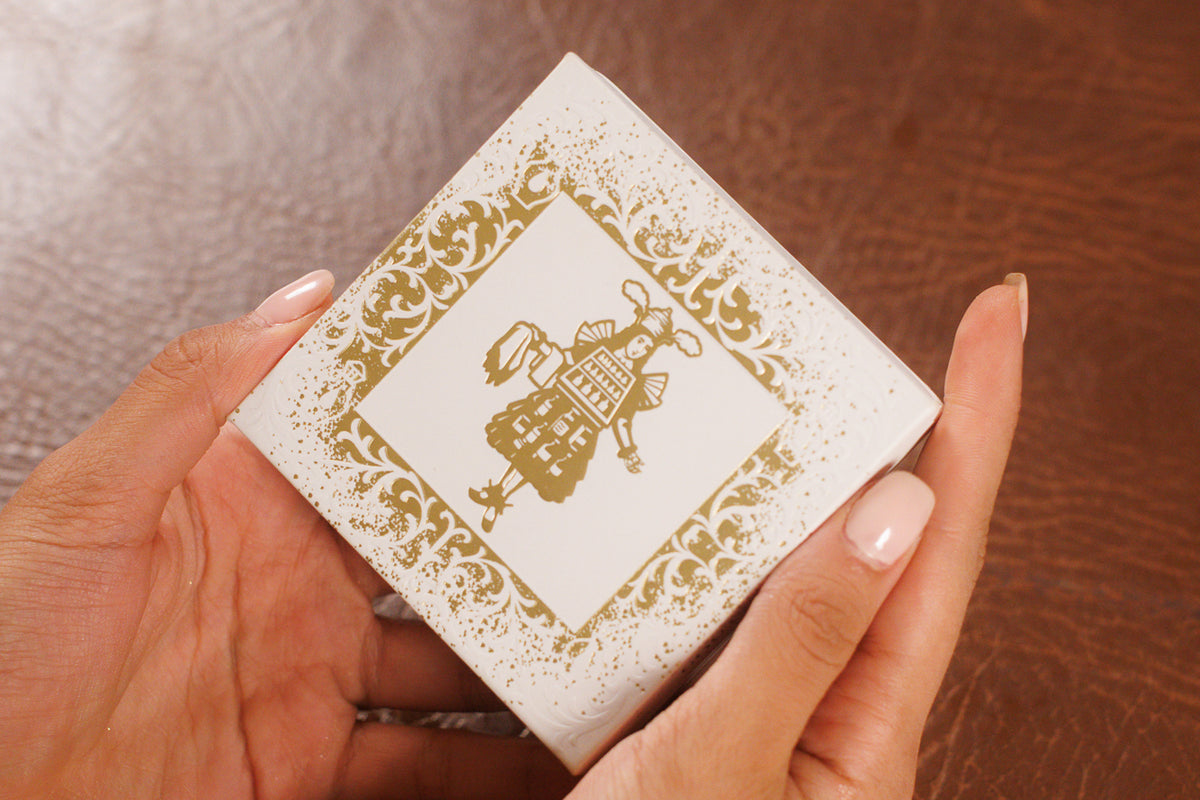
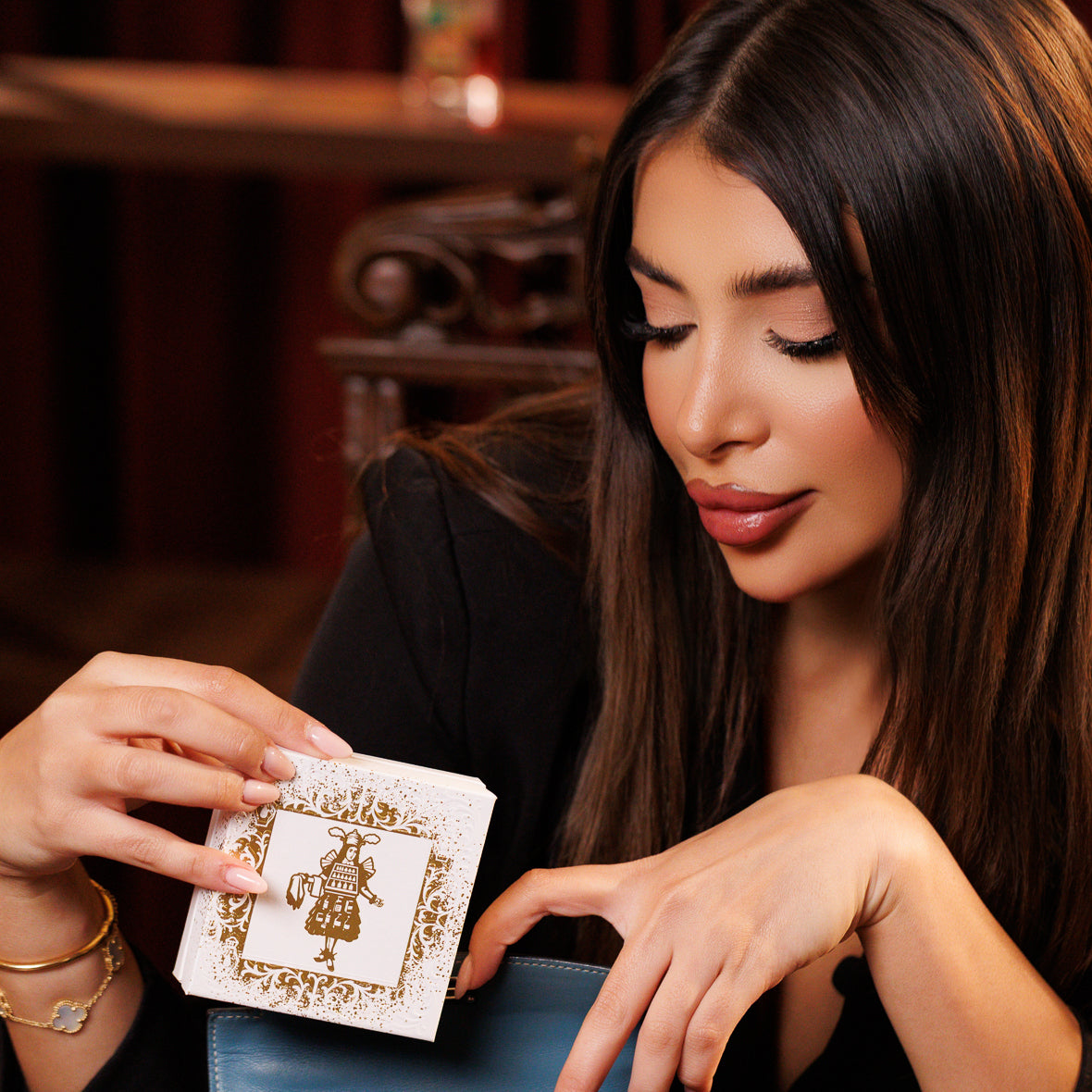
EVERY DECANT
From the original bottle to your door
We buy the original flacon at full retail price, direct from the house.
A medical grade Socorex syringe takes the exact millilitres straight from the flacon.
Packed into the hot foiled box and handed to DHL, every duty already paid. How a decant is made
Similar fragrances
You may also like