Bidzina Kanchaveli
Envy
物語
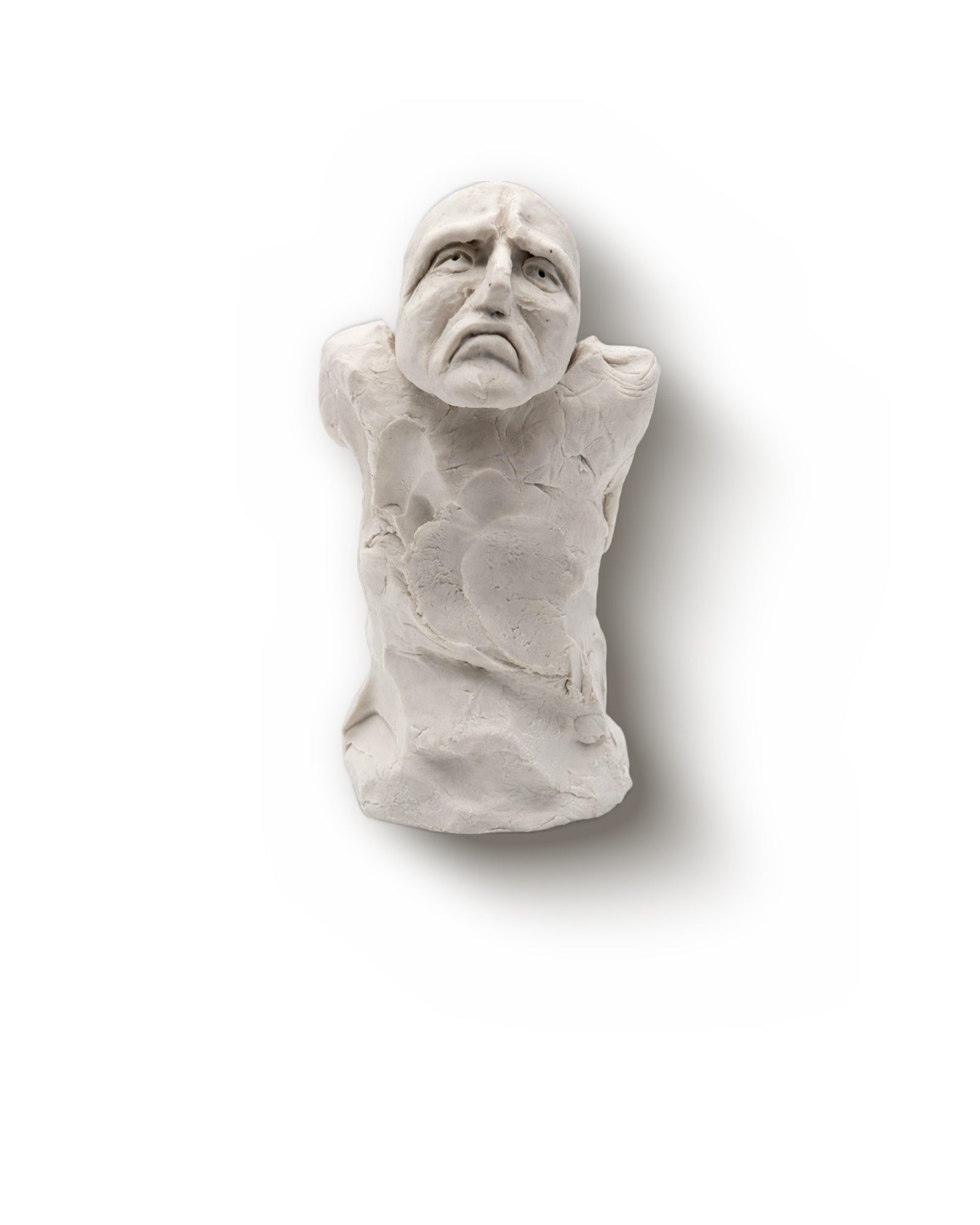
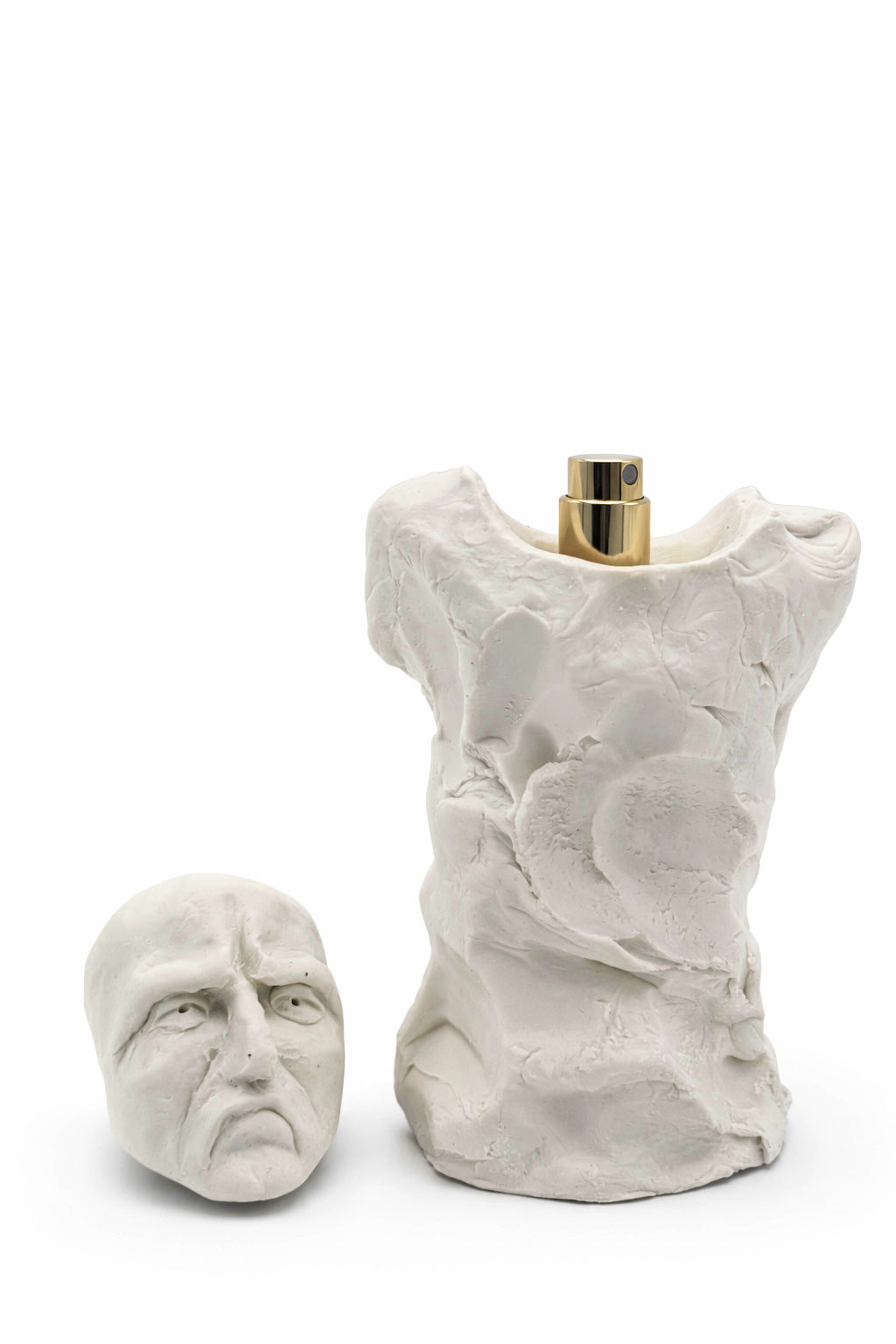
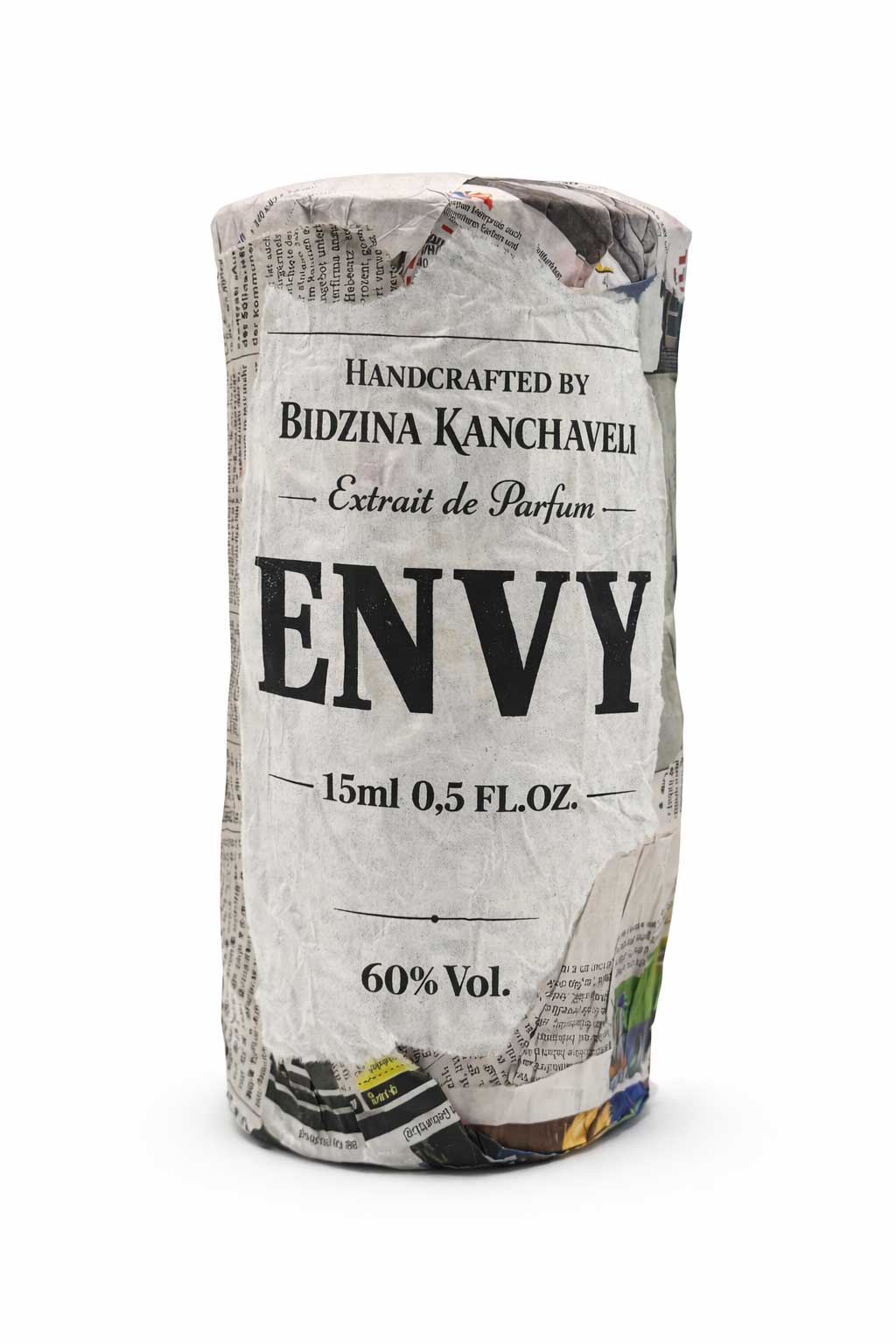
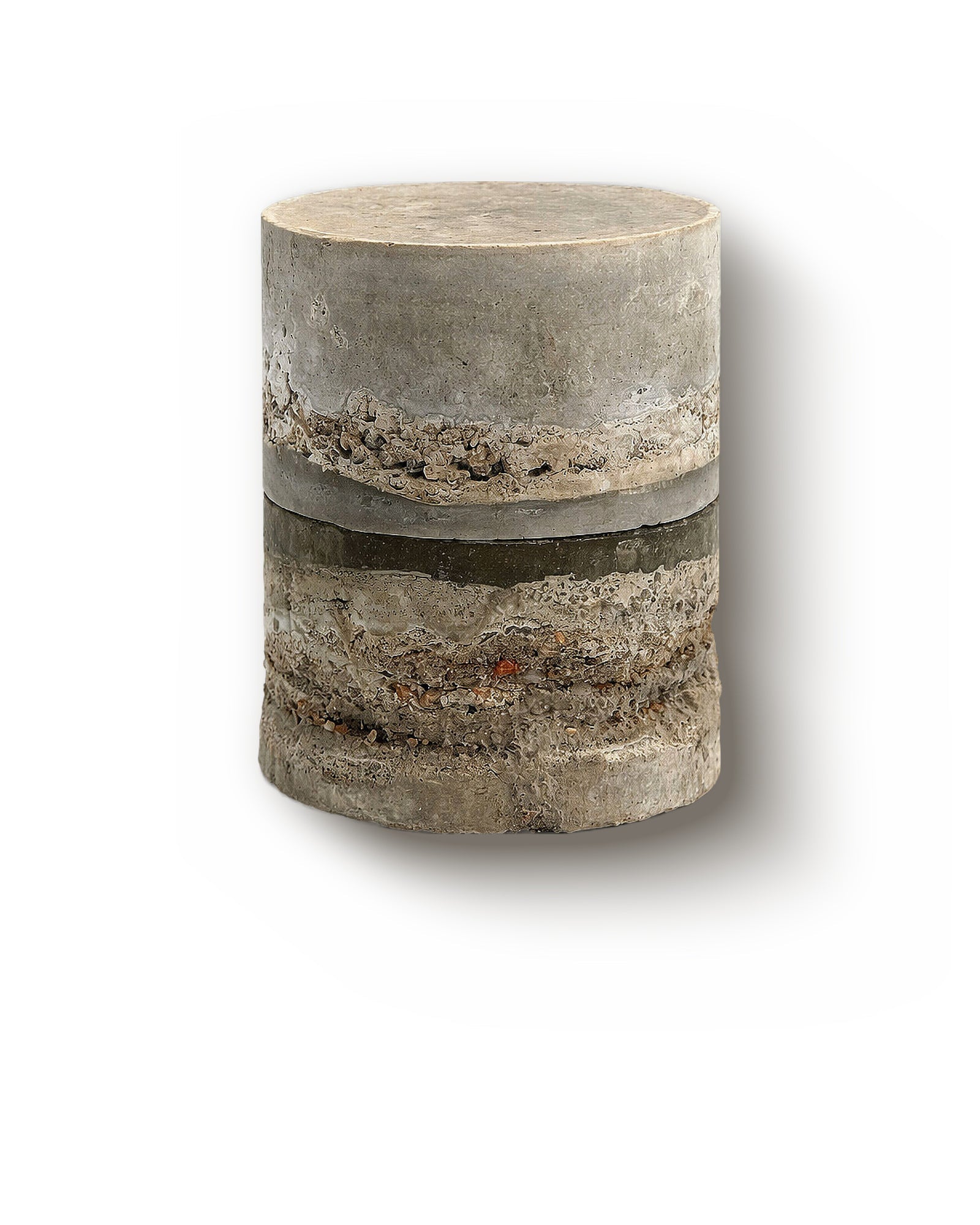
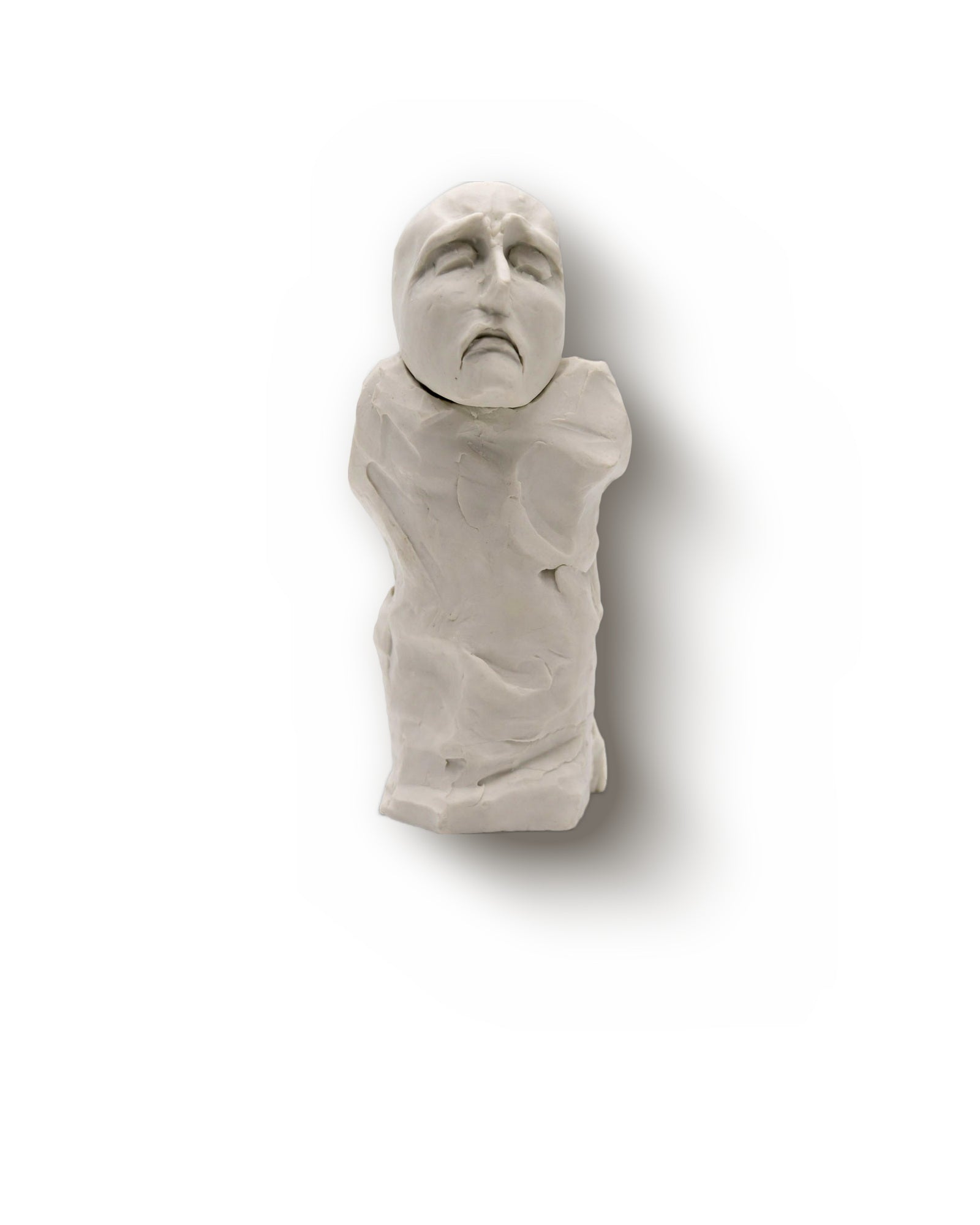
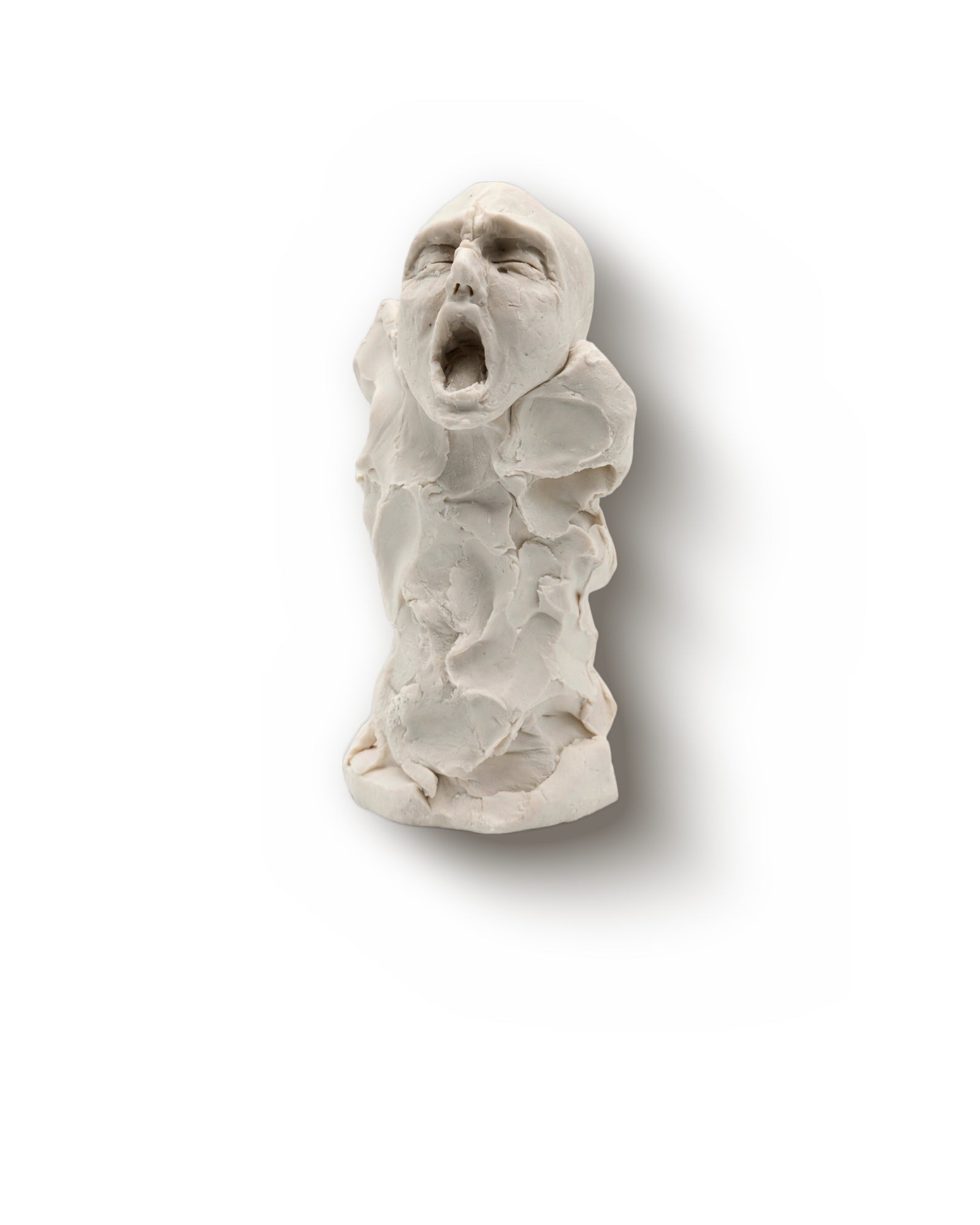
Envyはスパイシーでアニマリック、レザリーな香りであり、遅れて訪れるように作られている。最初は控えめだが、やがて着実に存在感を増し、無視しがたくなっていく。Kanchaveliは、この香りはほんの一瞬しか知覚されず期待どおりにはならないと綴り、その直後に何かが欠けているように感じられる、その微妙な隙間が鼻を再びそこへ引き戻すのだと言う。その魅力は、そもそも存在していなかったはずの何かが欠けていると感じることから生まれるのだと彼は語る。ボトルはすべて手作りの磁器彫刻で、番号入りの一点物である。


レザー
なめした革、煙と素肌
なめした革の乾いた燻りの香りに、バーチタール、タバコ、かすかな苦い擦れが縁取りを添えます。自信に満ち着古されたような気配で、愛用の上着、スエードの手袋、そして肌に宿る静かな威厳を呼び起こします。


アニマリック
温かな肌、ムスク、そして筋肉
肌や髪、毛皮を思わせる体温のようなムスキーさ。ときに甘くパウダリーに、ときに鋭く野性的に揺れ動きます。原初的で親密な気配が、香りと纏う人との境界を溶かしてゆきます。


ウォームスパイシー
スパイス棚に灯る残り火
シナモン、クローブ、ナツメグの、乾いてわずかに樹脂的なまろやかな熱気。鋭い台所というより、焼き菓子の漂う食料棚のようです。火照ったような包み込む温もりを生み、親密で寒い季節を思わせ、肌を内側から抱きしめます。


スモーキー
焦げた木と立ちのぼる残り火
燃える木、燻るお香、漂う灰の、乾いた焦げた香り。ときにタールのように、ときにかすかに灰色にたなびきます。思索的で雰囲気に満ち、消えゆく火と、その最後の息を運ぶ冷たい空気の流れを呼び起こします。


スパイシーノート
香りを目覚めさせる、温かいパチパチとした刺激
素材について
単一素材ではなくアコードのカテゴリーで、クローブの蕾、シナモンバーク、ブラックペッパーの実、ナツメグの種、カルダモンのさや、ジンジャーの根茎などのスパイス植物から構築されます。香りは乾燥した部位の水蒸気蒸留またはCO2抽出、あるいはオイゲノールやシンナムアルデヒドなどのアロマケミカルで再現されます。
香りについて
温かく、乾いていて、鼻にほのかな熱感のある刺激があります。ペッパーはシャープでクリスプ、クローブは薬のようでしびれる感覚、シナモンは甘くウッディー、ナツメグはダスティー。ブレンドは明るくピリッと開き、揮発性のエッジが消えると丸みのあるアンバーのような温かさに落ち着きます。
調香における役割
通常はハートまたはトップのアクセントとして、エネルギー、コントラスト、温かさを加えます。シトラスのトップをウッディーアンバーのベースへとつなぎ、フローラルやオリエンタルに活気を与えます。ローズ、アンバー、レザー、タバコとの相性が良く、ペッパーとクローブのスパイス系作品や20世紀の偉大なスパイシーオリエンタルにその個性が輝きます。
知っておきたいこと
中世のスパイス貿易ではこれらの素材が重量あたり金よりも価値があり、世界地図を塗り替えた航海を駆り立てました。クローブのオイゲノールとシンナムアルデヒドは皮膚感作物質として指定されており、IFRAはその使用を制限し、調香師をより穏やかな合成スパイス分子へと誘導しています。


アニマルノート
フレグランスの奥底に潜む、温かく肌に寄り添うグロウル
素材について
アニマルノートとは、歴史的にはジャコウジカの腺、シベット、ビーバーのカストリウム、マッコウクジラのアンバーグリスから抽出されてきた、温かく体に近いアコードの総称です。現在ではほぼ全てがアンブレットやラブダナムなどの植物源や合成香料分子から再現されており、オリジナルの素材は規制または禁止されています。
香りについて
温もりのスペクトラムです。ムスクは柔らかく肌のように、シベットは微量だと鋭く排泄物的で希釈するとビロードのように、カストリウムはレザーとスモーキーに、アンバーグリスはソルティースイートでマリンに。合わさることで、毛並み、吐息、汗、そしてクリーンとダーティの境界線上の親密さを暗示します。
調香における役割
ベースに組み込まれ、香りをスプレーしたものではなく身に纏ったものとして感じさせる深みと生きた人間の温もりをもたらします。偉大なアニマリックオリエンタルや、クラシックなアニマリックシプレおよびレザーのカルナルな核心を担います。
知っておきたいこと
本物のムスクはかつてオスのジャコウジカを腺のために殺すことを必要としましたが、この種は現在CITESで保護されており、天然ムスクの取引は禁止されています。現代のアニマリック素材は実質的に全て合成または植物由来であり、香水業界が残酷さを化学に置き換えた、早期かつ持続的な事例です。


レザー
なめし革、スモーク、アニマルな温もり
素材について
Leatherはひとつの原料ではなくアコードで、レザーのエッセンシャルオイルというものは存在しない。調香師はバーチタールとカード(スモーキーな蒸留木材素材)、スチラックスとラブダナムの樹脂、イソブチルキノリン、そして現代のサフラレン型分子を用いて再現し、歴史的に皮なめしに使われたタンニンとオイルを香りとして模倣している。
香りについて
スモーキーで乾いたアニマリックな香り、柔軟な新しいスエードから焦げ付くような古い馬具まで幅広い表情を持つ。バーチタール系はすすけたフェノール質で、ほとんど焚き火と絆創膏のような印象を与え、柔らかなスエードアコードはパウダリーでフローラル、肌に溶け込むような温もりに転じる。支えとなる樹脂によってビターグリーン、灰、または甘さへと傾くこともある。
調香における役割
深み、構造、官能的なエッジを与えるベースノートのシグネチャーで、ローズ、バイオレット、タバコ、ウード、フローラルハートとの相性が良い。偉大なロシアンレザースタイルや荒々しいドライレザースタイルは象徴的な存在であり、それぞれがアコードの異なる側面を示している。
知っておきたいこと
このジャンルはロシアで生まれた。書籍の装丁やブーツにバーチタールが使われていたことに由来し、クラシックなロシアンレザーのスタイルはその香りを呼び起こす。本物のなめしオイルは安全上の理由でほぼ全て規制されたため、現代のレザー系香水は巧みな合成的再構築の賜物といえる。
フレグランスの個性
レザーが終始主導し、その下にはアニマルな温もりがあり、トップには温かなスパイス、全体を通してスモーキーな糸が流れる。開きは仕上がりよりも静かで、その抑制は欠点ではなく構成そのものである。


持続性
肌にとどまる時間の長さ
この目盛りは、香りが消えゆくまでに肌の上でどれほどの時間語りかけ続けるか、その持続の目安を読み解きます。低い側にある印は数時間のはかなさを、遠くまで振れた印は朝から夜まで寄り添い続ける香りであることを約束します。


シヤージュ
香りの残す軌跡の大きさ
これは、香りが身を越えてどこまで届き、どのような跡を残すかを読み解きます。低い側では肌にそっと寄り添い、間近でしか気づかれない密やかなささやきとなります。高い側では中程度から強さを経て豊かな広がりへと昇り、部屋を満たし、立ち去ったあとも空気のなかに残り香をとどめます。


エクスペリメンタル
大胆で、好奇心に満ちた方へ
型にとらわれず境界を押し広げる香り。反応を引き出し、他とは一線を画したいと願う方のために。墨を思わせるタールやラバー、発酵した果実、メタリックやアニマリックな表情など、容易には好まれない芸術的で挑戦的な構成がよく似合います。この円盤では、輝く印は冒険心に応える香りであることを、淡い印は穏やかで安心できる方向性であることを示します。


オフィス
洗練されながら、けっして過剰にならず
互いの距離が近い仕事の場では、香りはすぐそばにいる人だけに気づかれるべきものです。整った柑橘、柔らかなムスク、淡いウッドなど、控えめで清潔感があり、ほどよい広がりにとどまる構成がよく似合い、有能で思いやりのある印象を与えます。この円盤では、輝く印は共有の空間でも調和することを、淡い印は香りが届きすぎてしまうことを示します。


イブニング
宵が訪れ、香りが満ちてゆく
ディナーや一杯のグラス、夜の外出。香りが深まり、自信をもって広がる時間です。アンバーや樹脂、スモーキーなウッド、淡い光のもとで開花するふくよかなフローラルなど、より豊かで温かみのある構成がよく似合います。この円盤では、輝く印はその香りが日没とともに息づくことを、淡い印は昼の時間によりふさわしいことを示します。


ロマンティック
そっと感じられる距離で
誰かをそばへ引き寄せる、親密なひとときやデートの夜のために。クリーミーなフローラル、ヴァニラ、柔らかなムスク、ほのかなスパイスやアンバーなど、肌の上でやさしく息づき、近さを誘う温かく官能的な構成がよく似合います。この円盤では、輝く印は心惹かれる雰囲気を生み出すことを、淡い印は艶やかさよりも実直さに傾くことを示します。


フォーマル
大切な場にふさわしい、洗練された佇まい
結婚式や式典、ガラ、装いを正す特別な集い。落ち着きと優雅さが求められる場面です。なめらかなウッド、上品なフローラル、柔らかなレザーなど、静かな威厳をたたえた磨き抜かれた構成がよく似合い、声高なものや遊び心の勝ったものは控えます。この円盤では、輝く印はその場にふさわしい品格を備えていることを、淡い印はその空間にはくだけすぎていることを示します。


カジュアル
ゆったりとした一日に寄り添う、心地よい香り
用事を済ませ、コーヒーを片手に、友と過ごし、のんびりとした週末を楽しむ。気負いのない日常に纏う香りです。みずみずしい柑橘や軽やかなウッド、肌にそっと宿るような穏やかな温もりなど、清潔で自然体な印象の香りがよく似合います。この円盤では、輝く印はその香りがこうした寛いだ時間に寄り添うことを、淡い印はもう少し改まった場面を求めることを示します。


昼から夜へ
香りがもっとも映える時間
この目盛りは、その香りがどの時刻のために生まれたのかを読み解きます。左に寄るほど澄んで明るく、陽の光や外気のなかで軽やかに香ります。右へ滑らせるほど表情は深く温かみを増し、夕暮れや燭の灯る室内にふさわしい存在感へと移ろいます。


冬
冷たい空気を貫いて届く温もり
冷たい空気は香りを和らげ、ゆるやかにします。だからこそ冬には、密度の高い温かなものが映えます。樹脂、スモーク、ヴァニラ、レザー、アンバーを纏ったスパイスが、寒さに抗うように熱を放ちます。このバーは、その香りが寒さのなかでどれほど力強く保たれ、輝くかを示します。


春
やわらかに高まる温もりのなか、花ひらく瑞々しさ
穏やかで湿りを帯びた空気が、軽やかな構成を美しく引き立てます。春には、露を含んだフローラル、青々とした茎、柔らかなパウダー、透明感のある柑橘など、重さよりも生命感を感じさせる香りがよく似合います。このバーは、その香りが瑞々しく緩やかに暖まる季節にどれほど寄り添うかを示します。


夏
本物の暑さのなかで、明るく軽やかに
暑さは香りを強く際立たせ、広げます。だからこそ夏には、涼やかで澄んだ風通しのよいものがふさわしく、鋭い柑橘、潮の香りを帯びたマリン、芳しいハーブ、みずみずしい清涼感が、重さではなく爽やかさをもたらします。このバーは、その香りが真の暑さのなかでどれほど心地よく纏えるかを示します。


秋
冷たくなる日々に寄り添う、スパイスの温もり
気温が下がるにつれ、豊かな素材が重くなりすぎることなく澄んで香ります。乾いたウッド、温かなスパイス、タバコ、アンバー、黄金色の果実が心を落ち着かせ、思索へと誘います。このバーは、その香りが澄んで冷たさを増す日々にどれほど自然に溶け込むかを示します。
おすすめの着用シーン
夜と涼しい季節に、衣服の上よりも肌の上で。ゆっくりと立ち上がるその過程が、行き着く先を持てる場所で。
オプションを選択
雰囲気


調香師
メゾン

ひとつの感情の内側から生まれる一つの香り、手作業で成形されたフラコンに込めて。
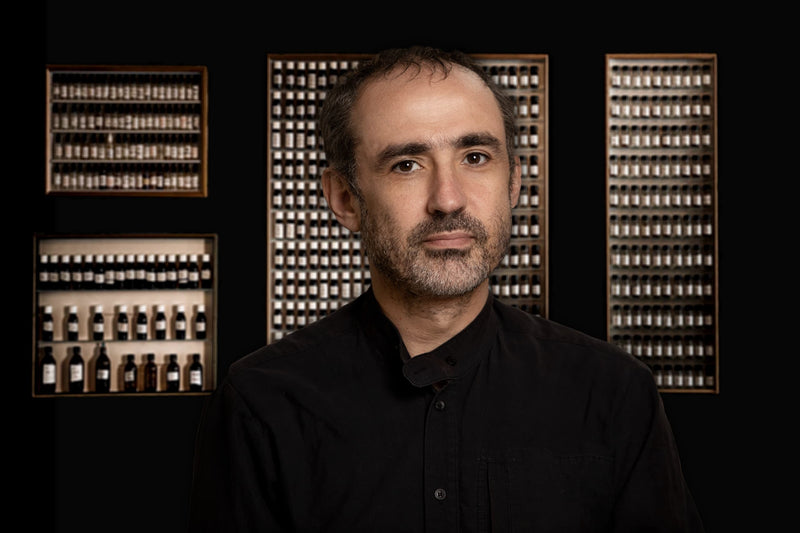
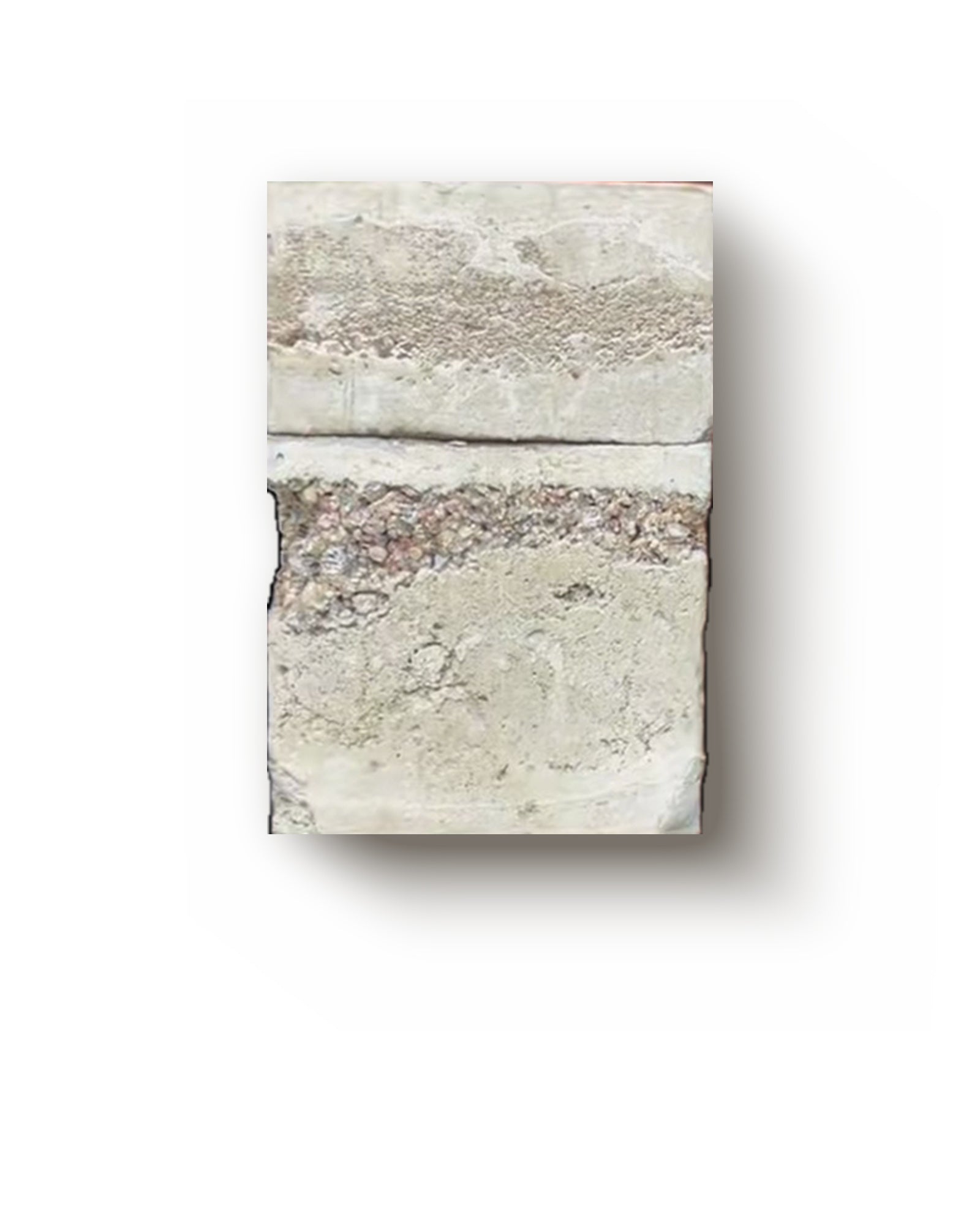
Bidzina Kanchaveliは、ベルリンのアトリエを拠点とするジョージア出身のアーティスト兼映画監督で、ノートピラミッドではなく一つの感情状態の内側から、それぞれのエクストレを組み立てていく。ボトルはすべて磁器のろくろ成形か、コンクリートの鋳造による手作業で、器と香りが一体のものとして生まれる。
- 起源
- ドイツ、ベルリン
- 代表作
- The Emotionsシリーズ, Colourシリーズ
Bidzina Kanchaveli の他の香り
こちらもおすすめ