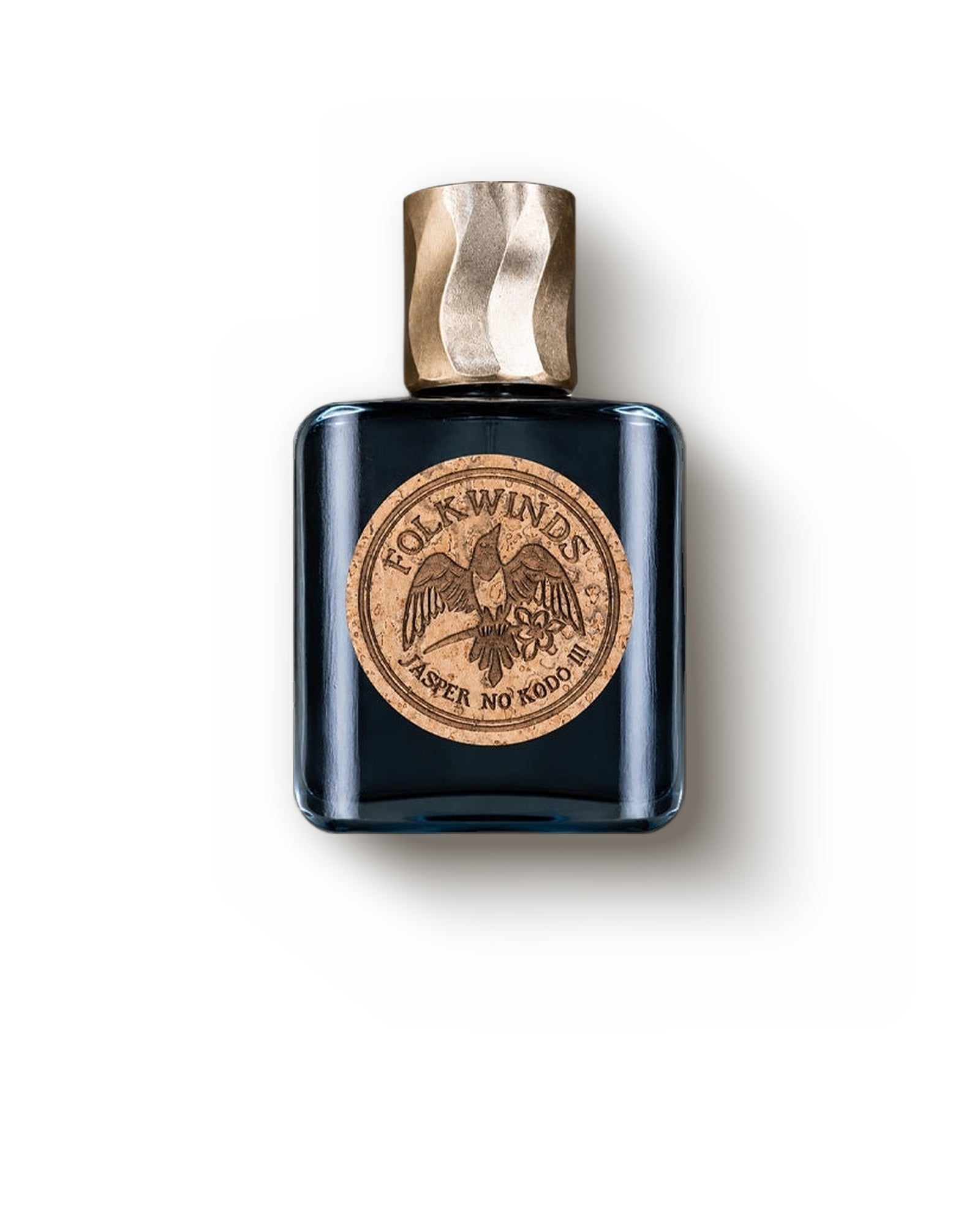
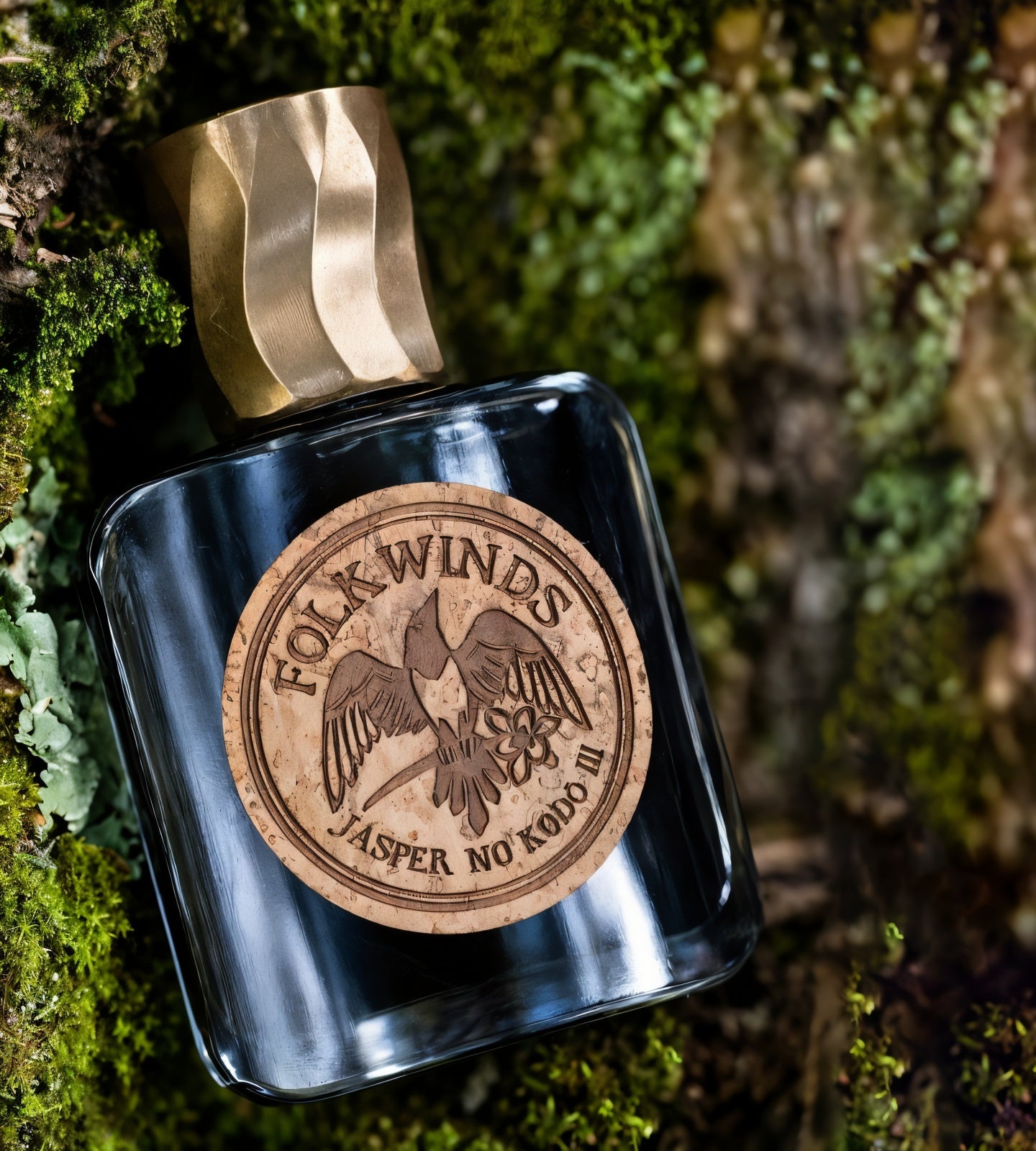
Folkwinds
Jasper no Kodō III
La Storia
Jono Bornstein definisce Jasper no Kodō la stella polare della maison, un tentativo di racchiudere le Montagne Rocciose canadesi in un flacone, e questo è il terzo tentativo. Nelle sue stesse parole, la formula è stata ricostruita da zero in nome della chiarezza, più calma e più fresca della seconda versione, e nuovamente incentrata sull'equilibrio tra conifere e incenso che l'aveva resa efficace fin dall'inizio.


Legnoso
la grana asciutta del legno tagliato
L'odore di trucioli di cedro, sandalo e radici secche di vetiver, un calore levigato e resinoso con un lieve graffio da astuccio di matite. Risulta radicato e composto, la spina dorsale silenziosa che fa leggere un profumo come serio e duraturo.


Verde
foglie spezzate e steli recisi
Il profumo tagliente e linfoso di foglie spezzate, steli recisi ed erba pestata, fresco e lievemente amaro con una freschezza viva e vibrante. Risulta vivace e all'aria aperta, come un giardino appena potato, grezzo e inconfondibilmente vivo.


Oud
legno scuro e resinoso di profondità
Un legno denso e resinoso dal profumo caldo e lievemente balsamico, con una fumosità cuoiosa e dai toni animali e un fondo dolce, quasi rustico. Risulta antico e cupo, avvolgendo la pelle in qualcosa di spesso e silenziosamente potente.


Fruttato
la vampa succosa del frutteto maturo
La dolcezza succulenta di pesca, pera, mela o frutti di bosco, morbida e rugiadosa con una maturità nettarina ben distinta dall'asprezza degli agrumi. Porta una rotondità giocosa e acquolinosa che risulta giovanile, succosa e spensierata.


Aromatico
erbe spezzate nell'aria fresca
La freschezza verde e canforata di lavanda, rosmarino, salvia e timo, come erbe stropicciate tra le dita. Risulta pulito, tonificante e un po' austero, la spina dorsale nitida di una classica freschezza da barbiere.


Balsamico
resina calda e ambra dolce
Una ricchezza calda e sciropposa di resine d'albero e ambra dorata, morbida e lievemente dolce con un bagliore vanigliato, quasi mielato. Risulta avvolgente e lento, posandosi sulla pelle come luce di candela, confortante e vagamente sacro.


More Selvatiche
Succo di bacche scure con un tocco selvatico
Cos'è
Una nota di bacche scure con un tocco selvatico da siepe. La mora porta profondità dove i frutti più leggeri portano luce.
Come odora
Succosa e scura, polpa dolce con una buccia aspra e una lieve ombra di violetta. Risulta più matura e più cupa delle sue cugine rosse.
In profumeria
La mora approfondisce i floreali e dona a legni e oud una fruttuosità lussureggiante, color vino scuro. Si esprime al meglio nelle composizioni ricche e notturne.
Da sapere
La mora mantiene la sua profondità fino al cuore della fragranza, lasciando nel fondo un caldo tepore di frutta scura.
Boronia
Copale
Palo Santo


Bacche di Ginepro
Bacche blu resinose che respirano gin e foresta di pini
Cos'è
I coni di semi di Juniperus communis, una conifera sempreverde delle brughiere e delle montagne dell'emisfero boreale. I coni carnosi blu-neri, simili a bacche, maturano nell'arco di due o tre anni. Essiccati e poi distillati in corrente di vapore, producono un olio essenziale pallido: la stessa bacca che aromatizza il gin.
Come odora
Fresco, secco e resinoso: aghi di pino verdi, pepe appena schiacciato e un freddo morso di trementina su un calore balsamico. L'apertura richiama il gin, è aromatica, quasi mentolata; poi si stabilizza in una resina legnosa e leggermente canforata con un flebile sottofondo dolce e legnoso.
In profumeria
Una nota di testa-cuore apprezzata nei fougère, nei chypré e nelle colonie aromatiche per la sua freschezza erbacea. Si abbina a lavanda, vetiver, cardamomo e agrumi. La bacca di ginepro percorre le aperture di innumerevoli composizioni aromatico-legnose dal tono ginepro.
Da sapere
Il ginepro profuma i riti da millenni: i rami venivano bruciati come fumigante negli ospedali e nelle stanze dei malati durante le epidemie di peste. La pianta è dioica, quindi solo gli arbusti femminili producono i coni aromatici, e la lenta maturazione pluriennale lascia sulla stessa ramificazione bacche verdi e mature insieme.
Tsuga Canadese


Assoluta di Abete Canadese
Una foresta fredda respirata alle prime luci dell'alba
Cos'è
Le fragranze di abete provengono dai veri abeti del genere Abies, in particolare dall'abete balsamico (Abies balsamea) e dall'abete bianco europeo. Aghi e giovani rametti vengono distillati in corrente di vapore per ottenere un olio chiaro, oppure estratti con solvente per ricavare un assoluto denso e scuro di balsamo di abete.
Come odora
L'olio distillato è luminoso, verde e resinoso, legnoso e quasi fruttato, con una freschezza conifera pulita che ricorda gli aghi di albero di Natale schiacciati. L'assoluto è più profondo e dolce, simile a una confettura e intensamente balsamico, con un calore leggermente affumicato e sfumato di cumarina che persiste a lungo.
In profumeria
Nota di testa e cuore nella versione distillata, e base tenace nell'assoluto, l'abete costruisce accordi forestali, fougère e aromatico-legnosi. Si abbina a cedro, lavanda, muschio di quercia e incenso, e ancora composizioni conifere dense come Slumberhouse Norne e molte fragranze legnose da clima freddo.
Da sapere
Il balsamo di abete, la resina oleosa estratta dalle vescicole della corteccia dell'abete balsamico, era storicamente apprezzato come Canada balsam, un cemento cristallino per vetrini e lenti microscopiche grazie al suo indice di rifrazione analogo al vetro crown. Le stesse foreste fornivano resina sia alla scienza che al profumo.


Timo Selvatico di Montagna
Erba mediterranea assolata, tagliente e medicinale
Cos'è
Il timo è un piccolo arbusto mediterraneo legnoso, Thymus vulgaris, della famiglia della menta, coltivato nel sud della Francia, in Spagna e nel Nord Africa. Le sommità fogliate in fiore vengono distillate in corrente di vapore, spesso dopo parziale essiccazione, in un olio essenziale ricco di fenoli, principalmente timolo con una quota di carvacrolo.
Come odora
Intensamente erbaceo, verde e aromatico, con un morso fenolico-medicinale tagliente dovuto al timolo e un bordo caldo, leggermente speziato e canforato. In apertura risulta secco, pepato e pulito, poi si assesta in un tepore erbaceo-legnoso più morbido che richiama la garrigue riscaldata dal sole e il timo da cucina.
In profumeria
Una nota di testa-cuore che contribuisce freschezza, slancio erbaceo e complessità aromatica. Acuisce le fougères e i chypres aromatici accanto a lavanda, rosmarino e muschio di quercia, e arricchisce gli stili da barbiere e maschili. Una firma erbacea classica nelle composizioni fougère e aromatiche-fresche costruite intorno alle erbe provenzali.
Da sapere
Il timo esiste in diversi chemotipi, piante identiche nell'aspetto ma che producono oli differenti a seconda del suolo, dell'altitudine e del clima. Il chemotipo a timolo odora tagliente e medicinale, mentre i tipi a linalolo e geraniolo sono più morbidi e dolci, così la stessa specie può variare notevolmente a seconda dell'origine.


Agarwood Kyen Verde
Agarwood resinoso e profondo, fumoso e discretamente animalico
Cos'è
Il cuore oscuro della profumeria all'oud, apprezzato per la sua profondità e la sua ombra. Poche note portano tanta presenza in una dose così piccola.
Come odora
Carattere di agarwood resinoso e profondo. Fumoso, scuro e discretamente animalico man mano che si posa sulla pelle.
In profumeria
Una nota di fondo imponente che ancora rosa, spezie, ambra e incenso. Dona a una composizione peso, mistero e una notevole persistenza.
Da sapere
L'oud ricompensa la pazienza. Il fumo si ammorbidisce con le ore e una dolcezza calda e cuoiata emerge nel fondo.


Bacche di Sambuco Selvatiche
Il delicato fiore bianco crema dell'albero di sambuco
Cos'è
Il fiore di sambuco è il merlettato fiore bianco crema dell'albero di sambuco, Sambucus nigra, originario dell'Europa e dell'Asia occidentale. Le capolature piatte sbocciano all'inizio dell'estate. Poiché il delicato profumo resiste alla distillazione, la profumeria si affida principalmente all'analisi dell'headspace e a ricostruzioni, con assolute o infusioni realizzate occasionalmente per lavori naturali.
Come odora
Morbido, fresco e delicatamente dolce: uva moscato e sciroppo di pera intrecciati con un'aura floreale verde e lievemente cremosa. C'è un tocco di nettare mielato, un sussurro di pungenza felina e una trasparenza fresca e rugiadosa, come una siepe in fiore in una calda mattina.
In profumeria
Il fiore di sambuco apporta una vivace scintilla verde-floreale e nettarea alle composizioni estive e frutti-floreali, abbinandosi a uva moscato, pera, litchi, muschio bianco e altri fiori delicati. Àncora gli accordi in stile fiori di sambuco e uva spina e conferisce un tocco floreale e succoso a molte fragranze fresche contemporanee.
Da sapere
Gli stessi fiori vengono macerati nella cordiale di fiori di sambuco e nel liquore di sambuco, quindi la nota porta con sé un'eco intrinseca di bevande estive. Il sambuco crudo, compresi i frutti acerbi e le parti verdi della pianta, contiene composti cianogenici ed è lievemente tossico se non cotto.


Ninfea Blu
La sacra ninfea dei faraoni e dei sogni
Cos'è
Il loto blu è la Nymphaea caerulea, la ninfea azzurra egiziana, un fiore dai petali a stella radicato nel fango del Nilo e degli stagni del Nord e dell'Est Africa. I fiori vengono estratti con solvente con esano in un concreto, poi lavati con etanolo in un absolue denso e scuro che preserva i loro delicati composti aromatici.
Come odora
Dolce e mielata con una floralità acquatica e verde e morbide note fruttate simili al litchi, orlate da un calore terroso e leggermente speziato e da una struttura cerosa e polverosa. Si apre fresca e acquatica come uno stagno all'alba, poi secca in note resinose e balsamiche, più meditative che luminose.
In profumeria
Una nota di cuore apprezzata per un carattere floreale esotico che unisce freschezza acquatica e dolcezza calda, solitamente dosata sotto il cinque per cento data la sua intensità. Rara e costosa, compare nelle composizioni niche e negli accordi ambra-incenso costruiti attorno a temi egizi antichi e meditativi.
Da sapere
Gli antichi Egizi veneravano il fiore come simbolo di rinascita e del sole, raffigurandolo sulle pareti delle tombe e macerandolo nel vino per il suo lieve effetto psicoattivo. Si apre all'alba e si chiude al tramonto, un ciclo quotidiano che lo legava ai miti della resurrezione.
Legno di Tigre Selvatico
Agarwood resinoso e profondo, fumoso e discretamente animalico
Cos'è
Il cuore oscuro della profumeria all'oud, apprezzato per la sua profondità e la sua ombra. Poche note portano tanta presenza in una dose così piccola.
Come odora
Carattere di agarwood resinoso e profondo. Fumoso, scuro e discretamente animalico man mano che si posa sulla pelle.
In profumeria
Una nota di fondo imponente che ancora rosa, spezie, ambra e incenso. Dona a una composizione peso, mistero e una notevole persistenza.
Da sapere
L'oud ricompensa la pazienza. Il fumo si ammorbidisce con le ore e una dolcezza calda e cuoiata emerge nel fondo.


Assoluta di Sacra Verde
Fumo sacro distillato dalle lacrime di un albero del deserto
Cos'è
L'incenso, o olibano, è la resina gommosa essiccata degli alberi Boswellia, con Boswellia sacra dell'Oman, Yemen e Somalia tra le più pregiate. La corteccia viene incisa e piange una linfa lattiginosa che si indurisce in settimane in lacrime dorate, successivamente distillate in corrente di vapore o estratte con solvente per la profumeria.
Come odora
Fresca, resinosa e luminosa, con una brillantezza conifero-citrina pulita data da alfa-pinene e limonene su una base legnosa secca e balsamica. Porta un tocco fresco, pepato e quasi limoniato, poi si stabilizza nel caldo fumo d'incenso polveroso familiare delle chiese e dei templi.
In profumeria
Utilizzato in cuore e fondo, aggiunge una spina resinosa affumicata e meditativa e una trasparenza sopraelevata. Si abbina a mirra, rosa, oud e labdano, alleggerendo i pesanti accordi orientali. Centra molte composizioni costruite sull'incenso e definisce il tema dell'incenso da cattedrale.
Da sapere
L'incenso viene commerciato da oltre cinquemila anni e un tempo percorreva le rotte dell'incenso arabiche a prezzi che rivaleggiavano con l'oro. Le popolazioni selvatiche di Boswellia stanno ora declinando a causa del sovrasfruttamento, della siccità e del pascolo, sollevando seria preoccupazione per la sostenibilità a lungo termine del raccolto.
Legno Di Giada


Ambra Grigia Bianca
Tesoro marino curato dal sole, il grado più pallido e raro
Cos'è
Il grado più pregiato dell'ambra grigia, una massa cerosa formata nell'intestino del capodoglio ed espulsa per derivare in mare. Anni di sole e acqua salata sbiancano il grumo dal nero verso il bianco polveroso e ossidano l'ambreina, un triterpene quasi inodore, nell'ambroxide e nell'ambrinolo, che ne costituiscono il profumo.
Come odora
Morbida, dolce e marina, la più raffinata e ben equilibrata tra i gradi dell'ambra grigia. Evoca pelle pulita, muschio caldo, tabacco e aria di mare su una dolcezza minerale vellutata. Pallida e leggermente polverosa, ha perso il bordo animale e fecale dei pezzi più freschi e più scuri.
In profumeria
Una nota di fondo radiosa e fissativo, usata come tintura che conferisce calore, diffusione e un bagliore simile alla pelle, allungando al contempo altri materiali. Si abbina a rosa, agrumi e labdano; i classici d'epoca e gli orientali di vecchia scuola vi facevano affidamento prima che l'Ambroxan ne riproducesse sinteticamente il carattere essenziale.
Da sapere
L'ambra grigia bianca invecchiata è il grado più raro e costoso, con quotazioni di migliaia di dollari al chilogrammo. Raccolta unicamente raccogliendo i pezzi arenati sulle spiagge, viene ottenuta senza danneggiare le balene, eppure il suo commercio è vietato in alcuni Paesi, tra cui gli Stati Uniti, perché il capodoglio è una specie protetta.
Assoluta Di Ago Di Pino
Carattere Olfattivo
Legni e note verdi guidano l'apertura, con un agarwood verde al centro, resinoso piuttosto che di stalla, mentre le bacche selvatiche impediscono alla testa di diventare austera, su una base balsamica di conifere.


Persistenza
quanto a lungo resta sulla pelle
Questo indicatore legge la durata attesa, quante ore la fragranza continua a parlare sulla pelle prima di svanire. Un indicatore vicino al minimo segnala poche ore fugaci, mentre uno spinto all'estremo promette un profumo ancora presente dal mattino fino a sera.


Sillage
l'ampiezza della sua scia
Questo legge quanto la fragranza si estende oltre te e la scia che lascia dietro di sé. Un valore basso si posa morbido contro la pelle, un sussurro intimo percepito solo da vicino; uno alto sale attraverso il moderato e il forte verso l'enorme, riempiendo una stanza e indugiando nell'aria dopo che te ne sei andato.


Sperimentale
per i temerari e i curiosi
Profumi non convenzionali, che spingono i confini, per chi vuole provocare una reazione e distinguersi. Adatto a composizioni artistiche e provocatorie: catrame inchiostrato, gomma, frutto fermentato, sfaccettature metalliche o animaliche che sfidano il gusto facile. Su questa ruota una moneta luminosa indica che ricompensa il naso avventuroso, una spenta che gioca sul sicuro.


Ufficio
curato ma mai invadente
Ambienti professionali a distanza ravvicinata in cui un profumo dovrebbe essere percepito solo da chi ti sta accanto. Adatto a composizioni contenute e pulite con una proiezione modesta: agrumi ordinati, muschio morbido, legni pallidi dal tono competente e premuroso. Su questa ruota una moneta luminosa indica che funziona negli spazi condivisi, una spenta che si propaga troppo.


Sera
dopo il tramonto, a volume più alto
Cene, drink e serate fuori in cui una fragranza può approfondirsi e proiettare con sicurezza. Adatto a composizioni più ricche e calde: ambre, resine, legni fumosi o fiori sontuosi che sbocciano nella luce soffusa. Su questa ruota una moneta luminosa indica che il profumo prende vita dopo il tramonto, una spenta che resta più adatto al giorno.


Romantico
abbastanza vicino da farsi sentire
Momenti intimi e serate a due pensati per avvicinare qualcuno. Adatto a composizioni calde e sensuali che vibrano contro la pelle: fiori cremosi, vaniglia, muschio morbido, un tocco di spezia o ambra che invita alla vicinanza. Su questa ruota una moneta luminosa indica che crea un'atmosfera seducente, una spenta che pende più verso il pratico che il seduttivo.


Formale
raffinato per l'occasione che conta
Matrimoni, cerimonie, gala e occasioni eleganti che richiedono compostezza e raffinatezza. Adatto a profumi levigati e strutturati con una quieta autorità: legni lisci, fiori raffinati, cuoio morbido, nulla di chiassoso o giocoso. Su questa ruota una moneta luminosa indica che porta la giusta gravità, una spenta che risulta troppo casual per l'occasione.


Casual
comodità serena per giornate senza fretta
Da portare ogni giorno senza un programma: commissioni, caffè, amici, un weekend lento. Adatto a profumi morbidi e accessibili, puliti e naturali, come agrumi freschi, legni leggeri o un gentile tepore di pelle. Su questa ruota una moneta luminosa indica che la fragranza si addice a questi momenti rilassati, una spenta che chiede qualcosa di più.


Dal Giorno alla Sera
dove cade naturalmente il suo umore
Questo cursore legge l'ora per cui la fragranza è stata creata. Un indicatore a sinistra tende al luminoso e brillante, a suo agio nella luce del giorno e all'aria aperta; spostalo a destra e il carattere si fa più profondo e caldo, il tipo di presenza che appartiene alla sera e alle stanze illuminate dalle candele.


Inverno
calore che attraversa l'aria fredda
L'aria fredda smorza e rallenta una fragranza, perciò l'inverno premia il denso e il caldo: resine, fumo, vaniglia, cuoio e spezie ambrate che irradiano calore contro il gelo. La barra mostra con quanta forza questo profumo regge e risplende nel freddo.


Primavera
fioriture fresche in un tepore mite e crescente
L'aria mite e umida solleva splendidamente le composizioni più leggere, perciò la primavera predilige fiori rugiadosi, steli verdi, cipria morbida e agrumi trasparenti dal tono vivo più che pesante. La barra mostra quanto bene questo profumo si accordi a quella stagione fresca e dolcemente tiepida.


Estate
brillante e arioso nel vero caldo
Il calore amplifica e proietta il profumo con forza, perciò l'estate richiede cose fresche, nitide e ariose: agrumi taglienti, aria marina salata, erbe aromatiche e freschezza acquosa che rinfrescano invece di stuccare. La barra mostra con quanta naturalezza questo profumo si porti nel vero tepore.


Autunno
tepore speziato per giornate che si raffreddano
Quando le temperature scendono, i materiali più ricchi si leggono con chiarezza senza soffocare, perciò l'autunno si addice a legni secchi, spezie calde, tabacco, ambra e frutta dorata dal tono accogliente e contemplativo. La barra mostra quanto naturalmente questo profumo si adagi nelle giornate nitide e fresche.
Quando Indossarlo
Pensato per le giornate fredde e terse e per i luoghi in quota: è la creazione più adatta alla luce del giorno che la maison produca, con conifere e incenso che si leggono puliti, non pesanti, all'aria aperta.
Scegli le opzioni
L’atmosfera


Il Naso
Jono Bornstein
Fondatore e profumiere
Fondatore e profumiere di Folkwinds, nata nel 2022 per dare risalto alle materie aromatiche nordamericane. Lavora per oltre il 90 per cento con materiali naturali e di provenienza americana, su Folkwinds American Pharoah, Folkwinds Cloud Illusions, Folkwinds Santi Ana, Folkwinds Jasper No Kodo e Folkwinds Smoke Jumping.
Altro da questo nasoJasper No Kodo 2Midwinter Storm
La Maison

Profumeria di raccolta: erbe selvatiche, resine e legni raccolti prima di essere distillati.
Folkwinds profuma come il margine di una foresta dopo il passaggio del maltempo. Materie prime realmente raccolte a mano e registri di oud sovrapposti, che tendono allo strano e al bello più che al garbato. Aspettati frutta fermentata, resine fredde, corteccia umida, fumo, e un orris così denso da leggersi come una texture invece che come una nota. Le tirature variano da un lotto all'altro, e questo fa parte del senso.
- Nota per
- Naturali raccolti a mano, oud sovrapposto
Altri profumi Folkwinds
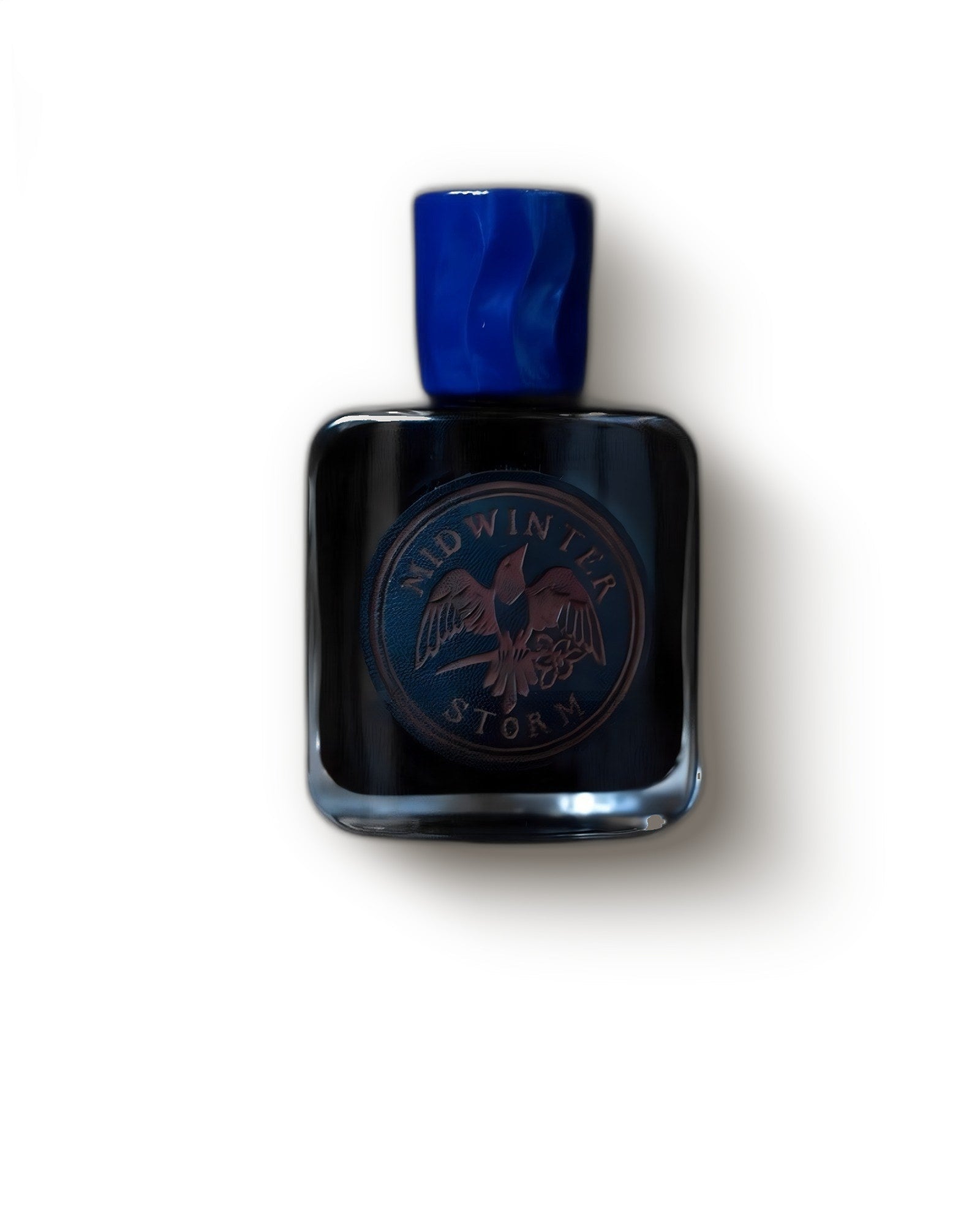
Potrebbe piacerti anche