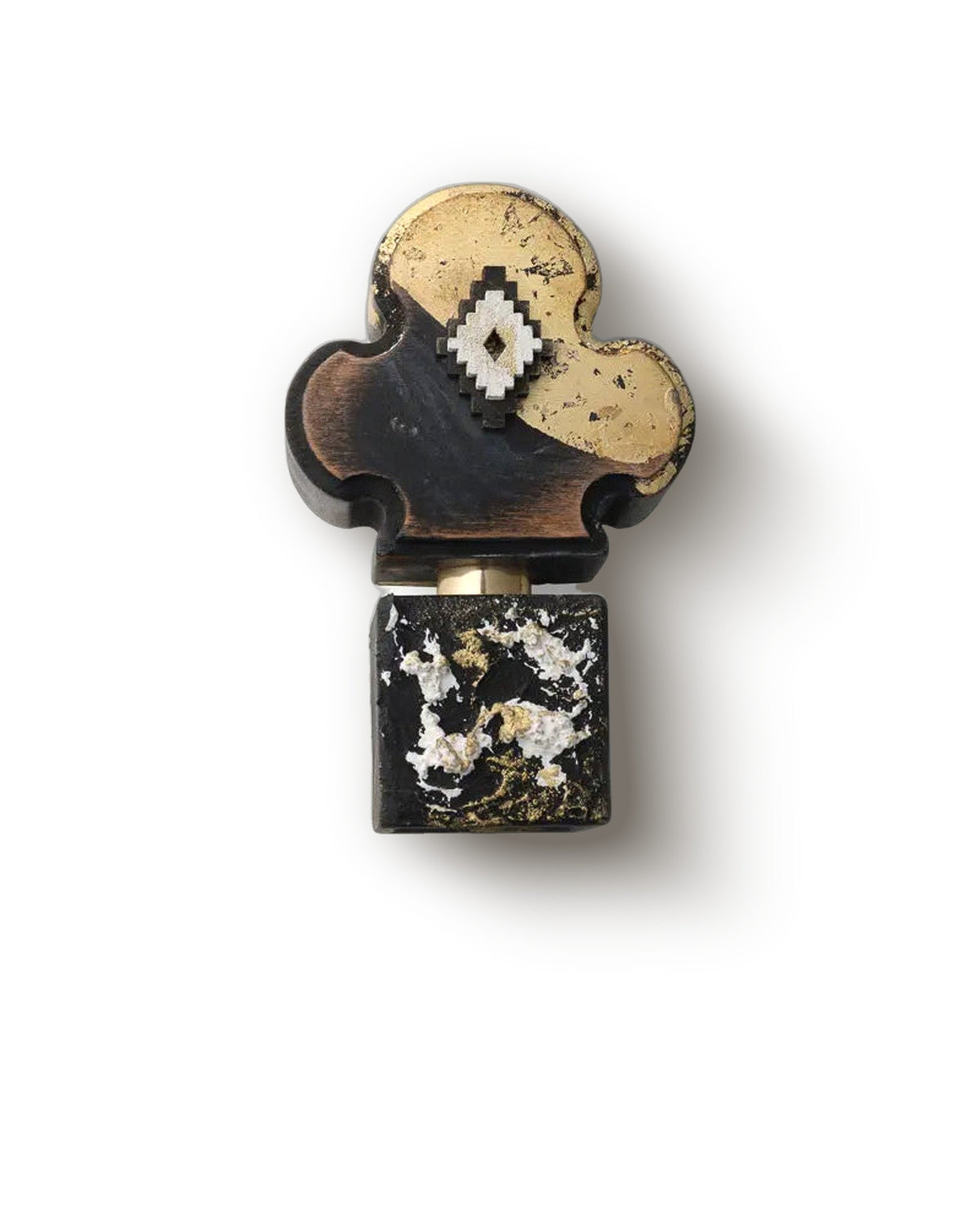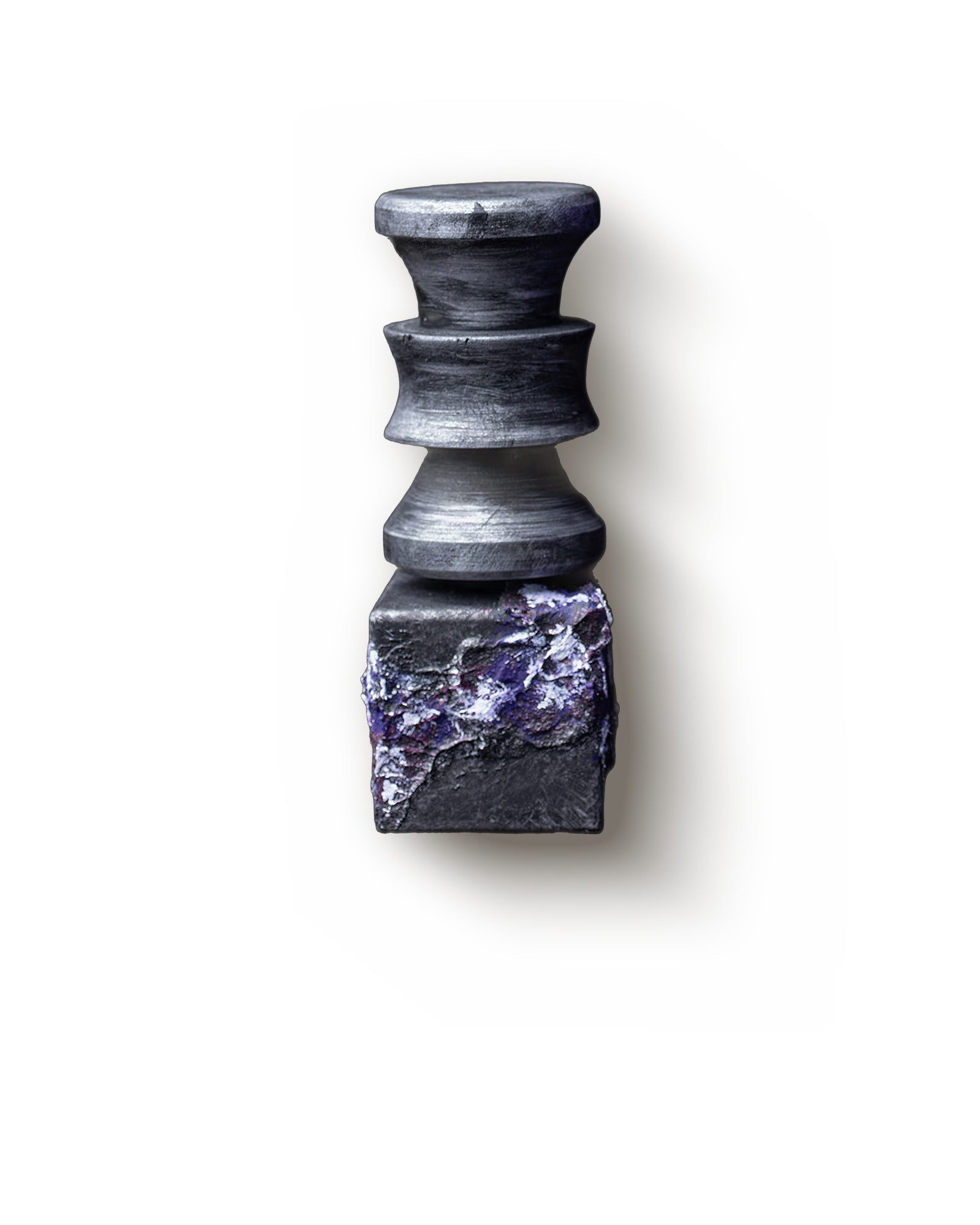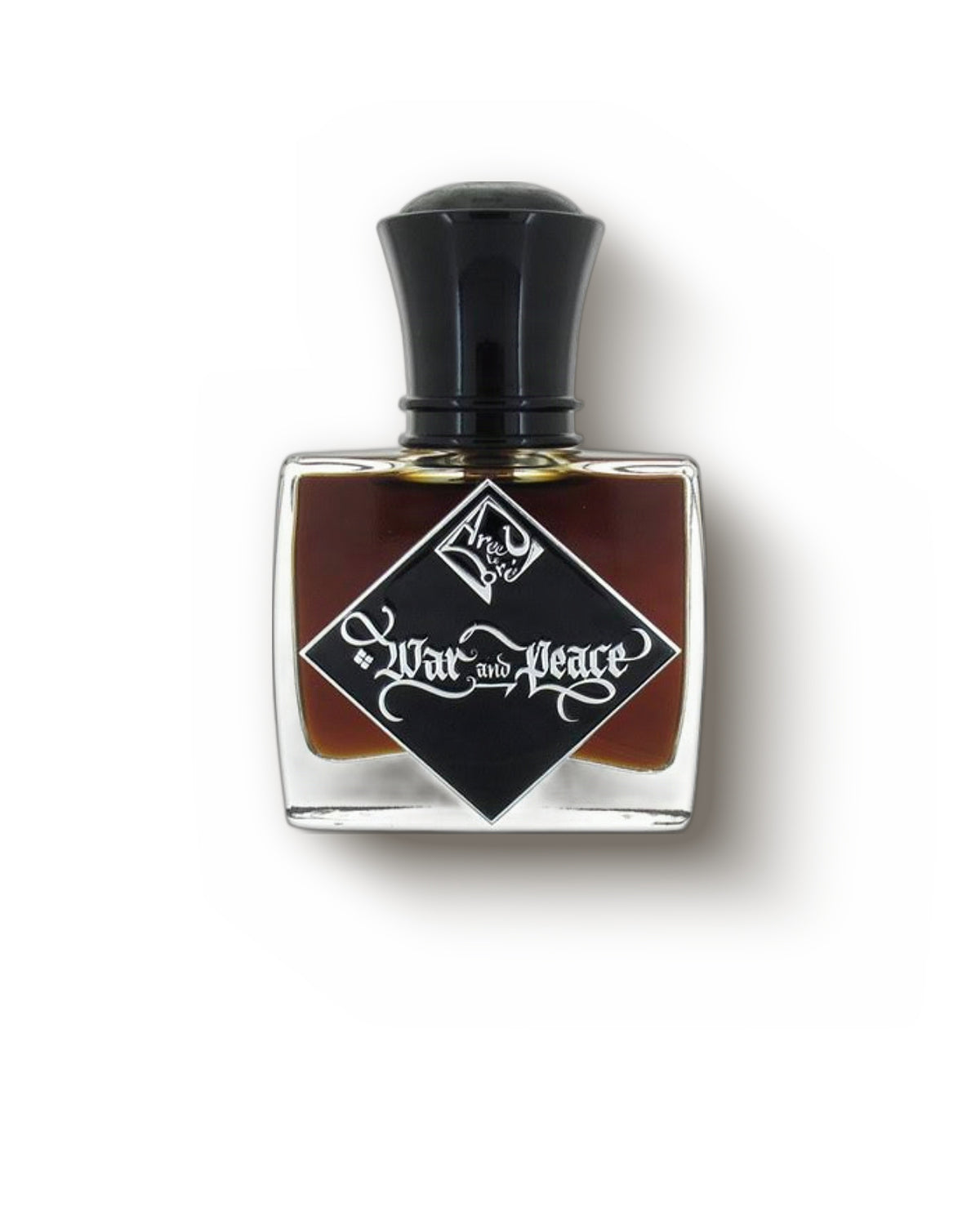
Areej Le Doré
War and Peace
The Story
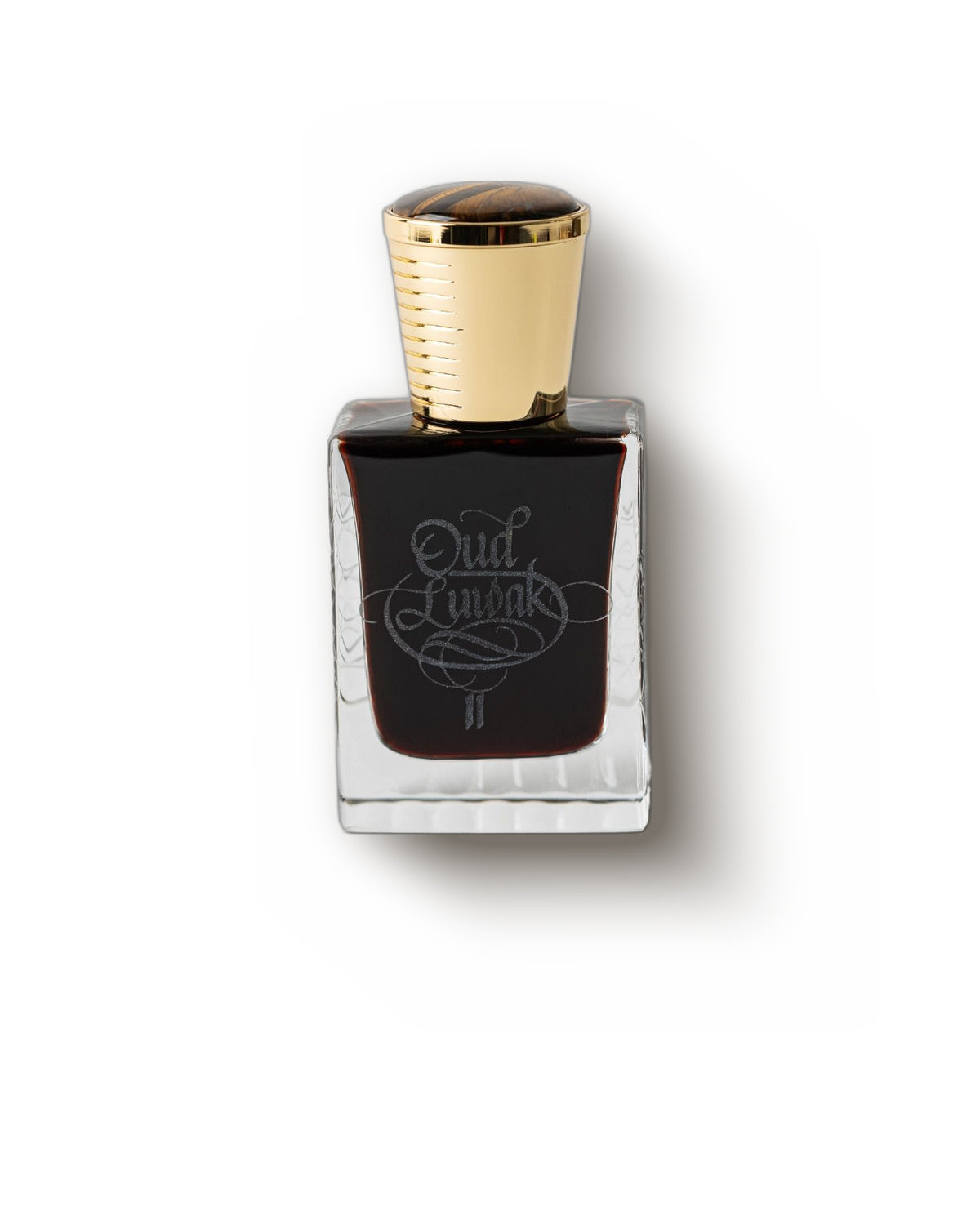
War and Peace is the 2019 original from Areej Le Doré's fifth collection, built by Russian Adam around a co-absolute of wild Siberian deer musk, ambergris and castoreum he made himself. It sold out fast. War and Peace II followed, slightly sweeter, more resinous and less powdery, so this one is the more powdery.


Animalic
Skin, fur and something not quite tame
A raw, body-warm muskiness that reads of skin, hair and fur, sometimes sweet and powdery, sometimes sharp and faintly feral. At its best you cannot tell where the perfume stops and the wearer starts. At its strongest, it is the reason some people back away.


Powdery
Soft hush of dressed skin
A velvety, slightly dry softness of iris root, violet, and fine talc, like face powder or clean linen warmed by skin. It feels intimate, refined, and nostalgic, blurring a fragrance into a gentle, cushioned haze.


Musky
Warm breath of clean skin
A soft, slightly animalic warmth that smells like clean skin and freshly dried laundry, intimate and faintly sweet. It hums quietly underneath a fragrance, a second skin that only registers when someone is already standing close enough to catch it.


Amber
Resin warmed until it goes sweet
Labdanum, benzoin and vanilla melted together into something sweet but dusky, like tree sap gone soft in the sun with a thread of incense smoke through it. Amber does not sparkle or shout. It sits close to the skin and gives off heat for hours.


Leathery
smoke-cured hide and dark suede
A smoky, tannic richness that smells of tanned hide, worn saddles and birch tar, sometimes softened toward suede. It is assertive and animalic, the smell of polished boots and dim interiors, a note that has clearly been somewhere before it reached you.


Rose
Velvet petals, honey and thorn
Dewy and fruity on top, then a jammy, honeyed heart with a green peppery bite underneath. Very little of it is distilled flower. A rose accord is built, and a good one can smell more like a rose than the rose does.


Earthy
Damp soil after the rain
The mineral smell of wet ground, and of beets pulled straight from the dirt with the soil still on them. Cool, raw and faintly bitter, it grounds a fragrance with the dark, humid breath of the forest floor.


Amber Resin
Fossil tree resin, dry distilled into smoky incense
What it is
Tree resin buried for millions of years, until its molecules crosslinked into a hard, glassy solid. Baltic succinite, which yields succinic acid when distilled, is the classic deposit, and Myanmar and the Dominican Republic hold others.
How it smells
A raw lump is nearly mute, giving off a thin pine note only when rubbed. Powdered and steeped in alcohol for months, it turns faintly camphorous, lemony and incense-like. Dry distilled, it goes dark: pine tar, smoke, dry leather, balsam.
In perfumery
Rare as a raw material. Natural perfumers tincture the powdered stone or dry distil it, and use the result as a dry, smoky incense accent over rose, orris and woods rather than as a main note.
Good to know
Almost no perfume listing amber contains this fossil; that golden warmth is an accord of labdanum, benzoin and vanilla. The dark oil distilled out of the stone is a separate material again, sold as amber resin oil.


Ruh Gulab
The honeyed, gulkand-rich soul of Kannauj rose
What it is
Rooh gulab means the soul of the rose, and Kannauj has been drawing it for centuries in copper deg and bhapka stills. Let those rose vapors condense into sandalwood instead of water and you have attar gulab.
How it smells
The most edible rose in the palette: honeyed, jammy, faintly fermented, like gulkand, the rose-petal preserve, folded into warm milk. Clove and saffron warmth underneath, dewy green petal on top. Other roses float. This one sits low and thick.
In perfumery
It is the rose that stands next to Hindi oud and sandalwood without being erased, the reason perfumers reach for it in their richest oud-rose builds. In attar form the sandalwood stretches its trail and rounds the fermented edge.
Good to know
Taif rose carries a sharp ginger-citrus spice; Bulgarian is sweet, powdery and clean; Indian gulab is the jammiest and most fermented of the three. Hand-distilled, it varies by harvest, and true single-origin bottles are sold by the drop.


Taif Rose
A Hejaz mountain rose, dark and peppery
What it is
The thirty-petalled Damask rose, grown on terraced slopes above Taif in western Saudi Arabia. Picking starts before sunrise and runs on into the morning, while the oil is highest, and the blossoms go straight to copper stills.
How it smells
Darker than any European rose: jammy and wine-rich at first, clove-like pepper at the edges, drying into something warm and faintly leathery. Almost none of the dewy softness of Bulgarian otto. Altitude and dry heat did that.
In perfumery
A heart note for when a rose needs weight. Attars layer it with oud, saffron and amber; Western chypres set it against patchouli and oakmoss. It is what you reach for when the soft version will not carry.
Good to know
Several tons of hand-picked blossoms make a single kilogram of oil, and the harvest lasts a few weeks in spring. Miss the window and there is no Taif rose that year. It is sold by the gram.


Indian Patchouli
Damp earth and dark cocoa, aged like wine
What it is
Patchouli leaves come off a bushy relative of mint. They are dried, baled and left to cure before they reach the still, and that fermented rest is what Indian material is bought for: thick, rust-colored oil with depth.
How it smells
Damp forest floor, wet soil after rain and old wood, layered with a dry cocoa-and-leather undertone. The Indian style leans darker and mustier than Indonesian, opening sharp and camphoraceous, then settling into something sweet, balsamic, almost winey.
In perfumery
It works as a fixative, holding everything else down. This is the dark spine of the 1970s chypres and the earth beneath most sweet gourmands, the weight that keeps a sugary top from floating off.
Good to know
Almost alone among essential oils, it improves in the bottle. Fresh from the still it smells harsh and green; a few years round it out, sweeter and smoother, so distillers cellar their best material like wine.


Orris Root
Cool powdery violet wrung from patient roots
What it is
The iris flower gives nothing. Everything is in the rhizome, which comes out of the ground green and acrid, then waits three to five years before grinding and distillation turn it into a waxy butter.
How it smells
Cool, dry and powdery, a violet sweetness with something rooty behind it, carrot and suede. It reads silvery and almost edible, iris over warm rice powder, and it never raises its voice. Think makeup rather than bouquet.
In perfumery
Perfumers use it from heart to base for the irones, the molecules that read as violet and suede at once. It sits well with rose, violet, leather and musk, and it is the powder in most iris-forward masculines.
Good to know
Hundreds of kilos of root come down to barely one kilo of butter, and the years of waiting cannot be hurried, which puts orris among the most expensive naturals a perfumer can reach for.


Deer Musk
Goatish when raw, warm bare skin once aged
What it is
The musk pod is a pouch beneath the skin of the male musk deer's belly. Its reddish-brown paste dries into dark, crumbly grains, which are steeped in alcohol for eighteen months or more to make the tincture perfumers use.
How it smells
Neat, it is rank and fatty, closer to a billy goat than a perfume, and perfumers note a black-coffee darkness. Thinned and matured in alcohol, it turns sweet, earthy and warm, with the intimate smell of bare skin.
In perfumery
A base material worked in drops. It steadies the more volatile notes above it, gives a blend roundness and fullness, and keeps it wearing far longer. It sits most naturally with oud, ambergris, castoreum and rose.
Good to know
The word itself is anatomy. Musk runs back through Greek and Persian to the Sanskrit muska, small testicle, because the pod was thought to resemble one. And a whole pod, skin included, rarely weighs more than thirty grams.


Ambergris
Sea-aged whale gold breathing warm salt air
What it is
Perhaps one sperm whale in a hundred makes it: a waxy mass in the gut, thought to coat the squid beaks it cannot digest. Expelled, it drifts for years, curing in sun and salt before washing ashore.
How it smells
Fresh from the whale it is fecal and marine. Years later it is sweet, animalic, softly mineral, all tobacco and dry seaweed and old wood. It reads less as an odor than as warmth, diffusion and breath.
In perfumery
In a base it slows everything down and lends skin-like radiance. Almost every ambergris note is Ambroxan, the synthetic built around the molecule the sea makes; real tinctures survive in bespoke work and old bottles.
Good to know
Collecting or selling it is illegal in the United States, where the whale is protected, though some countries let a beachcomber keep what washes up. Boulder-sized lumps have sold for hundreds of thousands of dollars, hence floating gold.


Castoreum
Smoky beaver hide with an aspirin edge
What it is
Territory marking, essentially. The secretion from a beaver's castor sacs, dried by trappers and worked into a tincture or absolute, though what you smell in almost any bottle today is the synthetic version.
How it smells
Dark, tarry leather with a medicinal edge, like birch smoke off a wet coat. Underneath there is sweetness: dried fruit, hay, a smear of vanilla. Dilute it far enough and the growl turns to warm suede.
In perfumery
It anchors the base and holds everything above it: the hide of a leather scent, the smoke of a Russian-leather style, the long tail of an old oriental. It keeps company with birch tar, labdanum, oakmoss and tobacco.
Good to know
Beavers live on willow and poplar bark, thick with salicin, the compound behind aspirin, and it carries through: a cool, almost medicinal thread under all that leather. It has long been a flavouring material as well.


Indian Oakmoss
The damp green soul of the forest floor
What it is
Not a moss at all, but a lichen. Indian oakmoss is chharila, a lichen gathered from trees and rocks in the Himalayan foothills and long used in Indian attars; European oakmoss is its cousin, scraped off oak bark. Solvents turn the harvested growth into a dark, viscous concrete, then the absolute perfumers actually use.
How it smells
Wet stone, damp bark and something inky and leathery underneath, dry and faintly bitter. This is not fresh green: it is the cool floor beneath old trees after rain has soaked the ground.
In perfumery
The backbone of the chypre: a base note that gives a fragrance its shadow and its spine, classically under bergamot, beside labdanum and patchouli. Anything described as mossy, vintage or green-masculine is usually leaning on it.
Good to know
Oakmoss carries two allergens, atranol and chloroatranol, potent enough that the EU banned them from cosmetics outright. Perfumers use stripped grades now, but it was the earlier cap on the extract that changed how the classic chypre smells.


Indonesian Vetiver
Cool damp earth pulled from tangled roots
What it is
Everything worth having is underground. Vetiver grows as a tall tropical grass, but the perfume lives in its roots, a dense fibrous mat that gets dug up, washed, dried and steam-distilled into a thick amber-brown oil.
How it smells
Cool damp soil and cut grass over dry wood. Haitian oil runs smoother and faintly hazelnut-sweet; Java is darker, smokier, more leathery. Underneath both, a bitter grapefruit edge and a green mineral streak that holds for hours.
In perfumery
Perfumers use it to hold a formula down, which is why fougères and chypres reach for it. Citrus, leather and tobacco sit well on top. Push its ashier side forward and it turns severe beside cypress and cedar.
Good to know
The same roots that end up in a bottle get planted on hillsides to hold the soil, gripping ground where nothing else will. Haiti supplies about half the world's vetiver oil, most of it grown on smallholder farms.


Synthetic Civet
Civet's dark growl, rebuilt from lab molecules
What it is
Civet assembled at the bench from single materials. Its backbone is civetone, the molecule behind natural civet's musky smell, whose structure Ružička worked out in the 1920s. Today it usually starts from oleic acid split out of palm oil.
How it smells
Diluted, civetone is clean and dry: sweet, powdery musk with a murmur of animal. Skatole brings the dung, sharp with a mothball edge, turning oddly floral as it thins. What goes missing is the fatty depth of real paste.
In perfumery
Skatole, indole and sometimes phenylacetic acid are layered over civetone to rebuild the paste. Civetone works at hundredths of a percent as a fixative. A lab base does not drift between batches, so the perfumer controls how much bite remains.
Good to know
Natural civet varies with the animal's diet, fades when stored badly and has long been cut with honey or butter. The lab version holds steady, one reason a naturals-led house might still list it, even beside vintage civet.


Amber Resin Oil
Fossil amber broken by heat into smoky oil
What it is
Fossil tree resin, tens of millions of years old, heated without air in a closed retort past 200°C. A dark oil distils off, acid crystals gather in the neck, and black pitch stays behind. Apothecaries called it oleum succini.
How it smells
Burnt, never sweet: smoke, tar, grease and a whiff of kerosene, near kin to juniper tar. Beneath: dry wood, leather and a pine-balsam edge. None of the honey the word amber promises, and it lingers stubbornly.
In perfumery
A base note and fixative, prized for staying power. It lays smoky, dry depth under agarwood, benzoin, cistus, cedar and rose. Rectified, it thins to a pale yellow oil smelling of green pine needles.
Good to know
Three materials share one name. Unheated amber barely smells; the amber accord contains no fossil at all. Only this oil is drawn from the stone. Safety data is thin, and repeated contact may sensitize skin: dilute well, patch-test first.
Fragrance Character
It opens dry and faintly smoky, the ancient amber resin more dust than sweetness. Ruh Gulab and Taif Rose arrive under a thick layer of orris root, with patchouli darkening them. Then the deer musk, ambergris and castoreum take over with synthetic civet, turning it dense, musky and leathery, while vetiver and oakmoss keep the finish dry for hours.


Longevity
how long it stays on skin
The hourglass reads wear time: how many hours the fragrance keeps speaking before it fades. A bar that barely leaves the start means a few fleeting hours. One that runs the full length carries from morning into evening. Treat it as typical, not promised. Oily skin holds scent far longer than dry.


Sillage
the size of its scent trail
Sillage is French for a ship's wake, and that is exactly what this measures: how much of the scent reaches the room instead of staying on you. Low is a whisper only close friends catch. Enormous fills the room, then keeps filling it after you leave.


Experimental
Built to provoke, not to please
Some perfumes are made to be liked. These are made to be argued about: inky tar, hot rubber, fruit on the turn, metal and fur where you expected flowers. The coin glows for a scent that provokes and dims for one that plays it safe, which is sometimes the point.


Office
Polished, and never louder than the room
Scent is manners in a shared room. At this range it should reach the person across the desk and stop there: tidy citrus, soft musk, pale woods, all of it reading competent and considerate. A glowing coin means nobody has to mention it. A dim one means it travels.


Evening
After dark, when it deepens
Dinner, drinks, the night that runs long. Low light is where ambers, resins and smoky woods stop being polite, and where a plush floral finally blooms. A glowing coin means it is waiting for exactly this hour. A dim one means it did its best work in daylight.


Romantic
Close enough to be felt
A fragrance can hum against skin instead of announcing itself across a table. That is the register here: creamy florals, vanilla, soft musk, a thread of spice, warm enough to make someone lean in. The coin glows when a scent sets that mood and dims when it is more practical than seductive.


Formal
Quiet authority in a dressed-up room
A wedding, a ceremony, a room where everyone has thought about their shoes. What works here is structure, not volume: smooth woods, disciplined florals, soft leather. A glowing coin means it holds its posture all evening. A dim one means it is too casual for the room.


Casual
Easy comfort for unhurried days
Errands, coffee, a slow Saturday with nowhere to be. Nothing here has to impress anyone, so the fit is soft and easy: fresh citrus, light woods, a little warmth off the skin. A glowing coin says yes to all that. A dim one means the fragrance is asking for a bigger night.


Day to Night
where its mood naturally falls
A bar running from sun to moon, reading the hour the fragrance was made for. The more of it that stays gold, the more the scent belongs to daylight and open air. The further the blue reaches back toward the sun, the deeper and warmer it turns: evening, candlelight, low rooms.


Winter
Warmth that carries through cold air
Cold air mutes a fragrance and slows it down, which is why winter belongs to the dense and the warm: resin, smoke, vanilla, leather, ambered spice. The bar reads how well this one pushes back, glowing against the chill instead of thinning out in it.


Spring
Fresh blooms in mild, rising warmth
Mild, humid air lifts a light composition, so the season belongs to dewy florals, green stems, soft powder and citrus you can see through. Alive rather than heavy. The further the green runs along the bar, the more comfortably this one wears in that weather.


Summer
Bright and airy in real heat
Heat does the projecting for you, which is why the wrong perfume turns unbearable by noon. What survives is cool and breathable: sharp citrus, salt air, aromatic herbs, water. Things that refresh instead of cloy. A short bar here means save it for cooler months.


Fall
Spiced warmth for cooling days
As the air cools, the rich materials stop smothering and start reading clearly: dry woods, warm spice, tobacco, amber, fruit gone golden. It is the season perfume turns contemplative. The bar fills according to how naturally this one settles into crisp, cooling days.
Best Worn
Autumn and winter evenings, at dinner or on a late night out, by someone already at home in heavy animalics who wants powder and leather over the sweeter War and Peace 2.
Choisir les options
L’Atmosphère


Le Nez
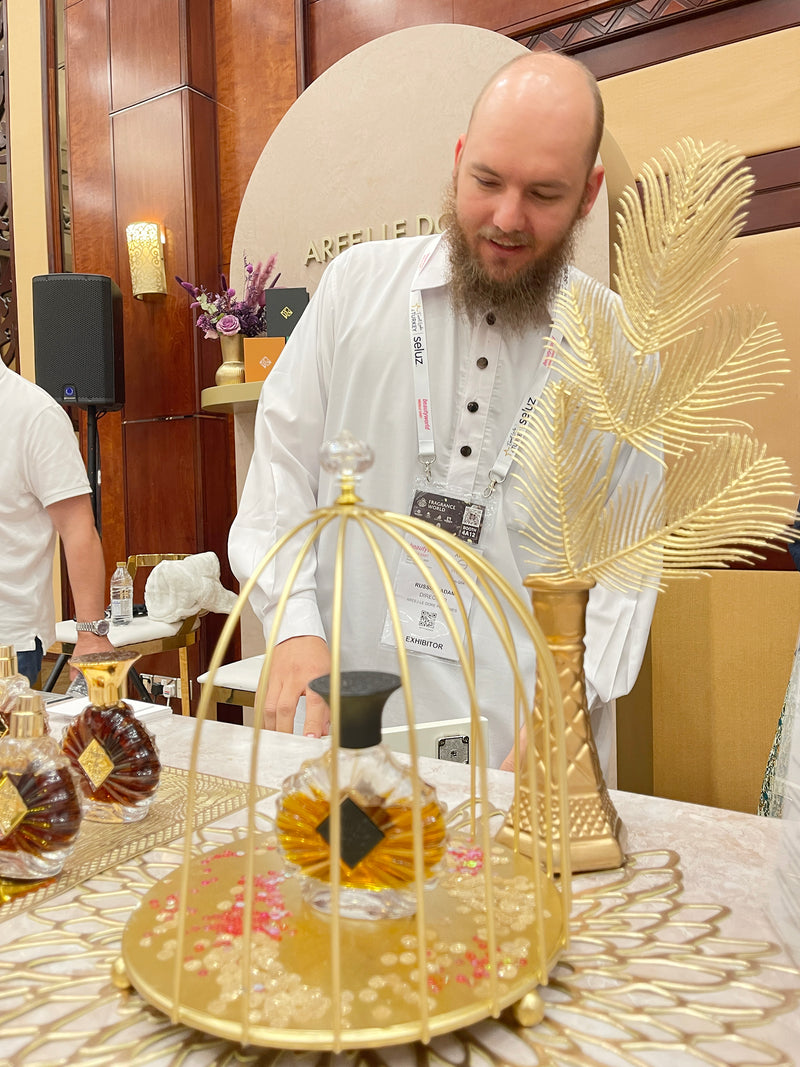
Russian Adam
Fondateur et parfumeur
Distillateur devenu parfumeur. Il a dirigé la distillerie Feel Oud, où il faisait cuire ses propres huiles de bois d'agar et de santal, et il les assemble aujourd'hui en petits lots numérotés sous le nom d'Areej Le Doré : Siberian Musk, Russian Oud, War and Peace et Ottoman Empire.
Plus de ce nezAl MajmuaWar and Peace 2Nepalese Patchouli
La Maison

Des orientaux vintage bâtis sur du musc véritable, de l'oud vieilli et de l'ambre gris, décantés tant que les originaux existent encore.
Russian Adam travaille principalement avec des matières naturelles et vintage, de la vraie mousse de chêne, des attars distillés à la main, des matières animales vieillies et de l'ambre gris précieux, si bien que porter l'un de ces parfums tient moins de la vaporisation que de l'ouverture d'un tiroir rempli de trésors d'un autre temps. Les lots sont minuscules, numérotés, et reviennent rarement sous la même forme une fois épuisés.
- Origine
- Indonésie
- Fondée
- 2017
- Réputée pour
- Le musc de cerf, l'oud vieilli, l'ambre gris

Autres parfums Areej Le Doré
Vous aimerez aussi