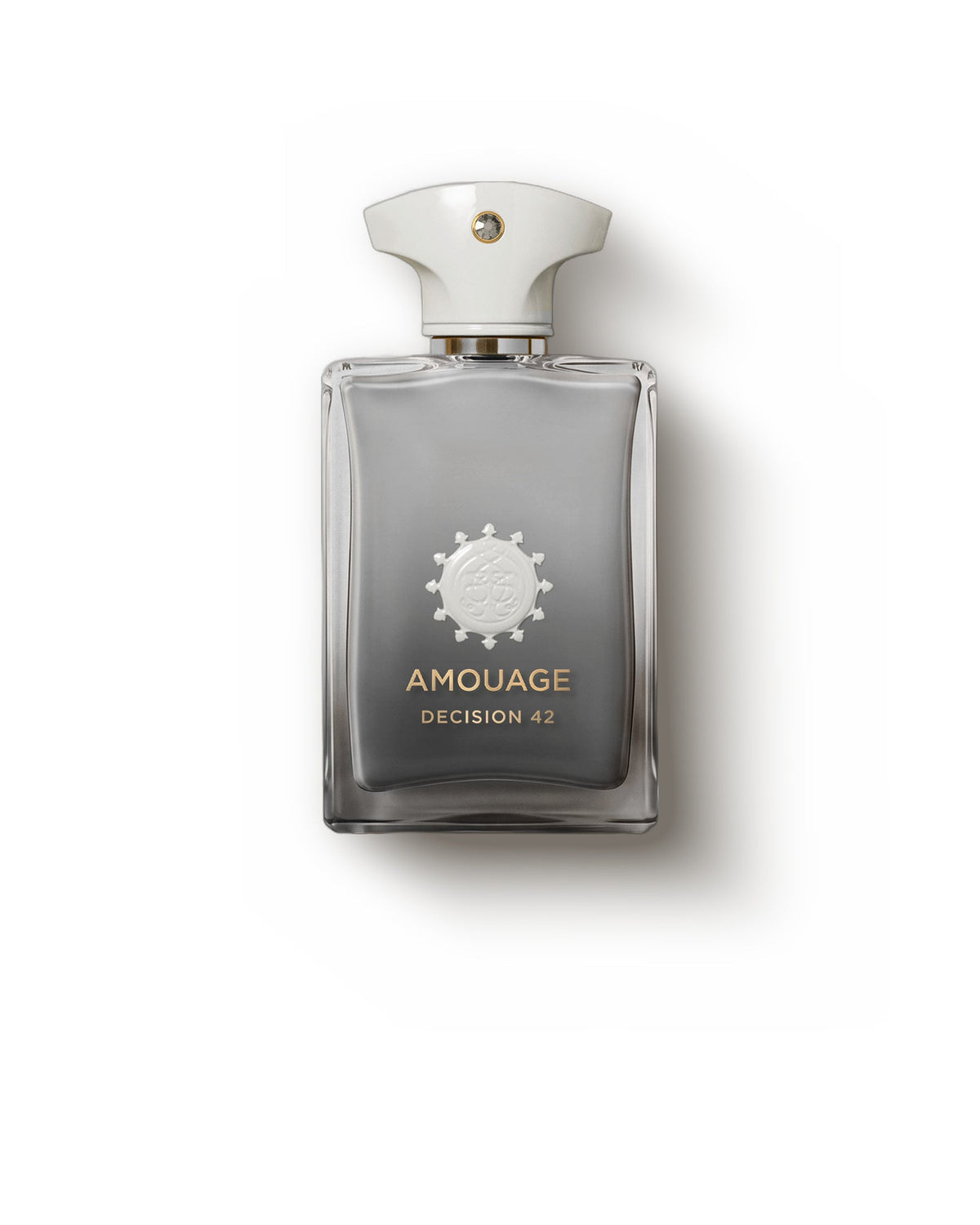
Amouage
Decision 42
The Story
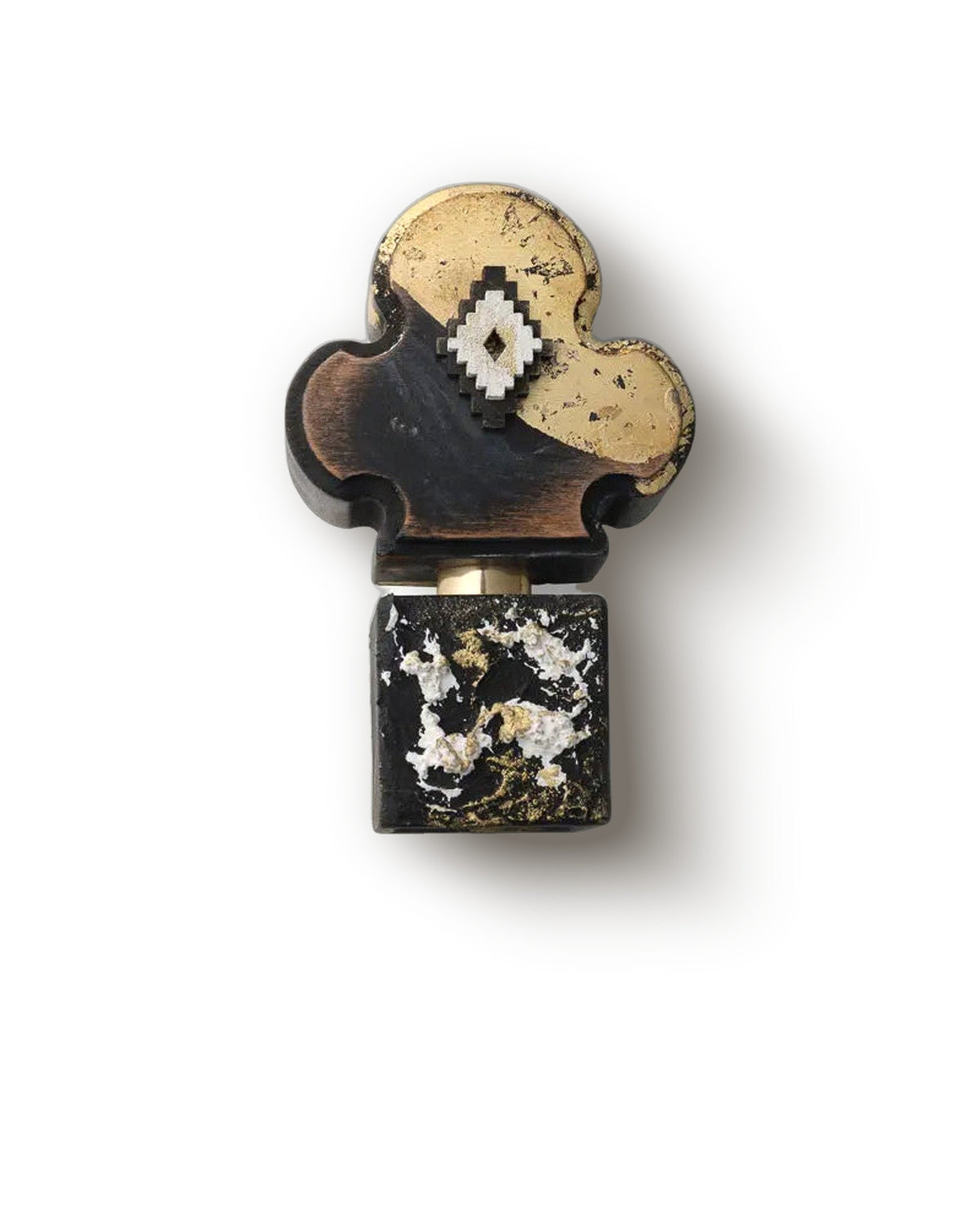
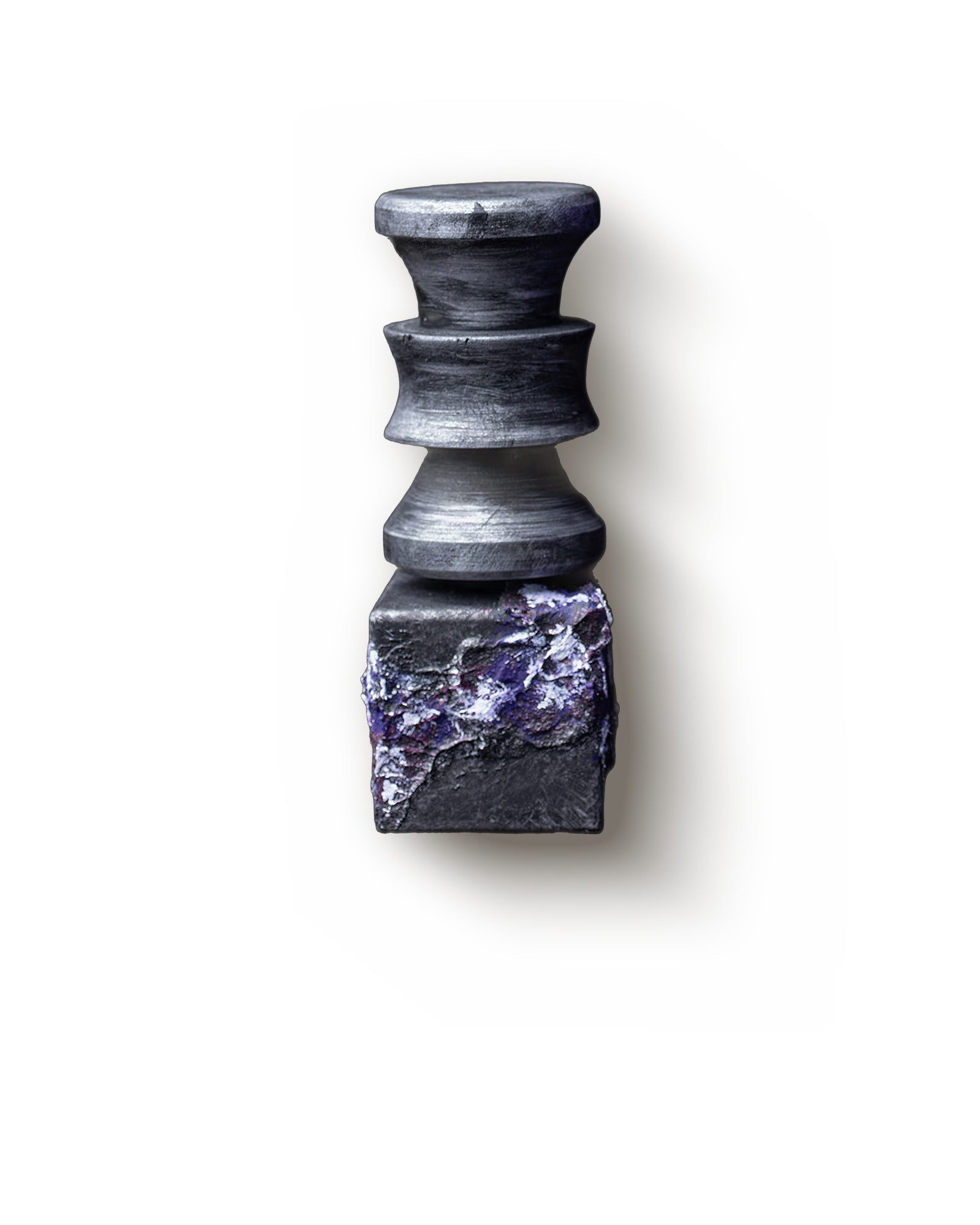
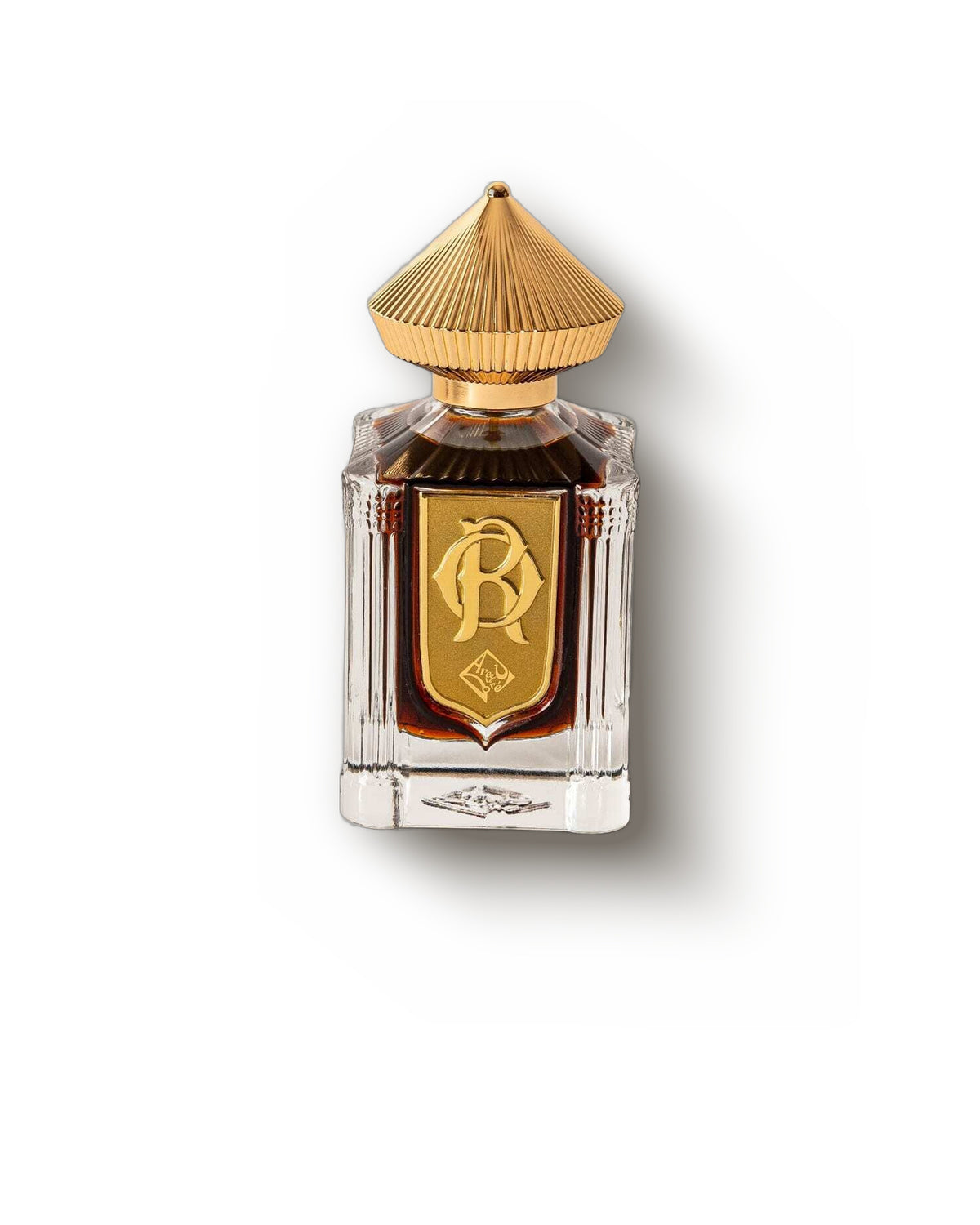
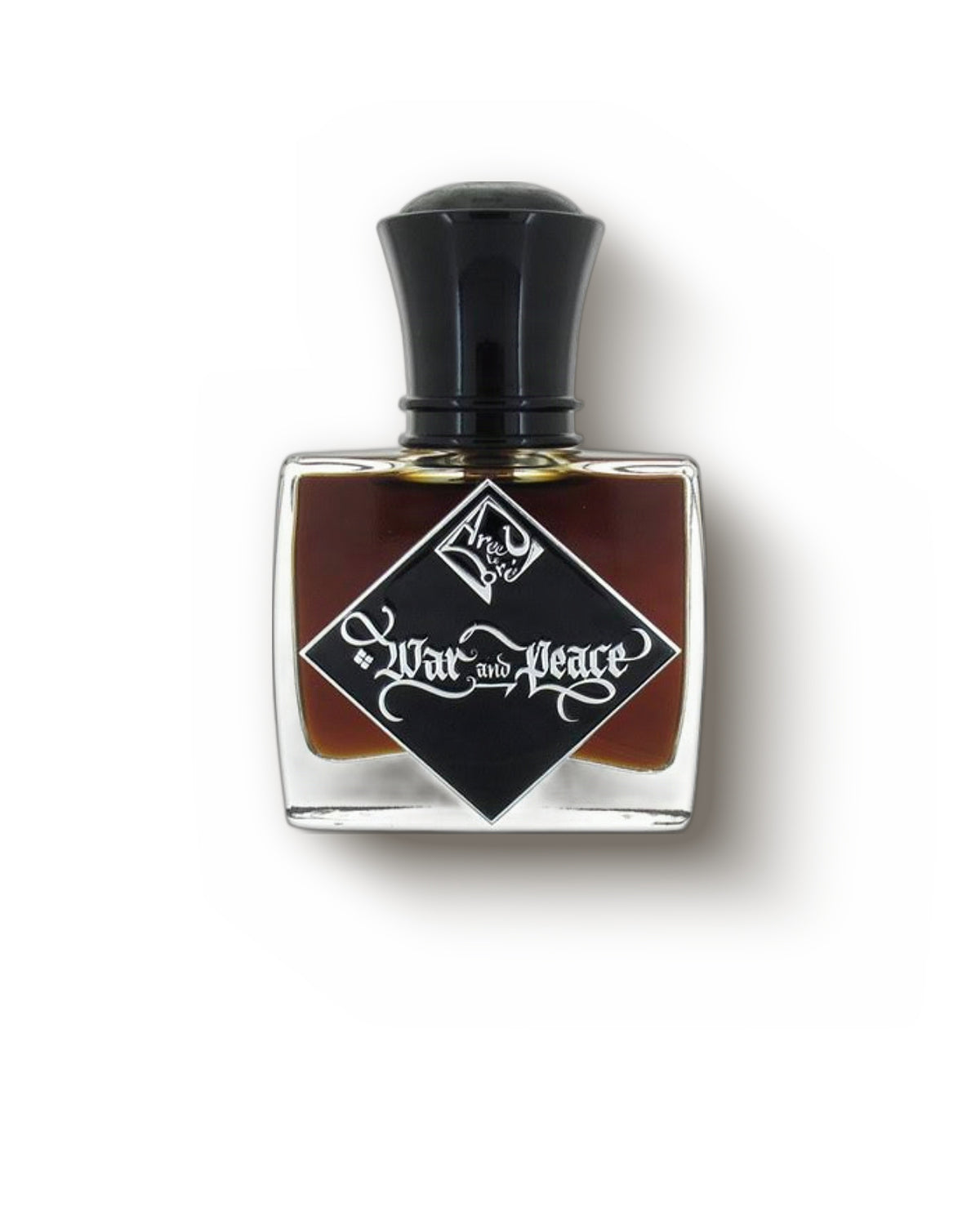
Decision 42 is the 2026 extrait of Decision, one of Amouage's Exceptional Extraits, at 42% concentration. Quentin Bisch keeps its question, whether lightning destroys a juniper tree or pushes it toward a deeper life, and makes it more urgent: sharper spice in the strike, a smokier juniper, a warmer base.


Woody
Dry grain of cut timber
The smell of cedar shavings, sandalwood, and dry vetiver roots, a sanded, resinous warmth with a faint pencil-box rasp. It feels grounded and composed, the quiet backbone that makes a scent read as serious and lasting.


Warm Spicy
Glowing embers of the spice drawer
The rounded heat of cinnamon, clove, and nutmeg, dry and slightly resinous, like a baking pantry rather than a sharp kitchen. It creates a flushed, enveloping warmth that feels intimate and cool-weather, hugging the skin from within.


Amber
Resin warmed until it goes sweet
Labdanum, benzoin and vanilla melted together into something sweet but dusky, like tree sap gone soft in the sun with a thread of incense smoke through it. Amber does not sparkle or shout. It sits close to the skin and gives off heat for hours.


Aromatic
Crushed herbs in cool air
The green, camphorous coolness of lavender, rosemary, sage, and thyme, like herbs bruised between the fingers. It feels clean, invigorating, and a touch austere, the crisp backbone of a classic barbershop freshness.


Fresh Spicy
Cool bite of cracked pepper
Pink pepper, cardamom and ginger, spice that prickles rather than warms. It fizzes near the top of a fragrance, dry and faceted, closer to crushed peppercorns and a split cardamom pod than to anything simmering in a kitchen. Bright, never comforting.


Vanilla
Cured pod, boozy under the cream
Cured pods, not frosting. The sweetness here is custardy and balsamic, with something dark and boozy under it, closer to rum and woodsmoke than to sugar. It warms everything above it, blunting sharp edges and slowing the whole thing down.


Balsamic
Tree sap gone thick and golden
Tree resins and golden amber, thickened to syrup and touched with vanilla. It does not sparkle or move; it settles, warming the skin the way candlelight warms a room, and it stays there long after the top notes have gone quiet.


Pink Pepper
Bright rosy berries with a spice fizz
What it is
It is not pepper. The rose-colored berries come from a South American tree with no botanical link to the pepper vine at all, dried and then steam-distilled or extracted with CO2.
How it smells
Rosier and fruitier than black pepper, with only a prickle of heat. Crushed berries, a juniper-ish resin, a flick of citrus. It flashes on the opening and is gone quickly, leaving a gentle warm spiciness behind.
In perfumery
Perfumers reach for it when a composition needs spice without heat. It puts a rosy fizz over florals, freshens woods and ambers, and sits well with bergamot and patchouli. The fizz is a signature of the modern fruity-floral.
Good to know
The family it actually belongs to is the cashews, close enough that people who react to cashew or mango sometimes react to these berries too. Worth knowing before you cook with them.


Bergamot
Sparkling citrus light with a bitter edge
What it is
Nobody eats bergamot. It is sour, seedy and disappointing, and almost the whole world's supply grows on one strip of Calabrian coast, farmed purely for the oil pressed cold from its green rind.
How it smells
Zest and green light in the first second, then something rounder than lemon: a floral, tea-like smoothness sitting on a faintly bitter warmth. It burns off fast. What stays behind is a quiet, slightly spiced hum.
In perfumery
It defines eau de cologne, and sits on top of nearly every fougère alongside lavender and oakmoss. Perfumers want the first bright second it gives, and the oil is also what makes Earl Grey smell like Earl Grey.
Good to know
The thing that makes it sparkle can also burn. Bergamot carries bergapten, which leaves skin hypersensitive to sunlight, so perfumers either keep the dose low or reach for a grade with the molecule stripped out.


Cardamom
Green spice cracking open with citrus heat
What it is
Pickers take the pods before they ripen, which means doing it by hand. A ginger relative from the forests of southern India, now farmed widely in Guatemala. The seeds inside are what gets distilled.
How it smells
Crack one and you get cool eucalyptus lift over warm pepper, lemon peel and a little pine resin. There is a smoky breadiness in it too, the smell of chai. Sharp and effervescent first, then soft and balsamic.
In perfumery
It sits between top and heart, a spice sparkle that stays cool, letting a composition move from citrus into woody amber without the weight of clove or cinnamon. Rose, leather and oud all take it well.
Good to know
The pod is packaging. Sealed, it keeps the oil intact; cracked, the aroma starts escaping straight away, which is why distillers work fast and why pre-ground cardamom is a ghost of the whole pod.


Neroli
Bittersweet orange blossom distilled into white light
What it is
One flower, two perfumes. Steam the fresh blossoms of the bitter orange and you get neroli; wash them in solvent and you get orange blossom absolute, heavier and sweeter. Both go in the day they are picked.
How it smells
Clean and green with a honeyed metallic shimmer, closer to freshly ironed linen than to anything sugary. It opens cool and citrus-crisp, then softens into waxy petal warmth. A bitter edge keeps it from turning sweet.
In perfumery
Colognes are built on it. It gives the top of a fragrance somewhere to go, opening outward instead of sitting still, with bergamot and petitgrain either side and jasmine and musk underneath.
Good to know
Neroli carries the name of a seventeenth-century princess of Nerola who scented her gloves and her bathwater with it until half of Europe copied her. It still takes about a tonne of hand-picked blossom to make one kilo.


Cinnamon
Sweet bark heat, glowing rather than stinging
What it is
Only the inner bark is worth anything. Strips are peeled from the tree, curled into quills, then steam-distilled. Sri Lanka's true cinnamon is the delicate one; the coarser, lower-priced cassia is what fills most kitchen jars.
How it smells
Warm, dry and sweet, with a red glow from cinnamaldehyde and a clove-like edge behind it. True cinnamon smells rounder and faintly floral; cassia bites. The dry-down goes woody and balsamic, with a whisper of leather.
In perfumery
A heart note, and the reason gourmands and orientals feel like a warm room. It works with vanilla, amber, rose, apple and tobacco, and the whole trick is restraint: a touch gives glow, a fraction more gives sting.
Good to know
The Dutch once burned their own stockpiles to keep the price up, back when this bark outvalued gold and Ceylon was worth conquering for it. Modern caution is duller: cinnamaldehyde sensitizes skin, so the dose is capped.


Frankincense
Golden tears hardened on a cut trunk
What it is
A scored Boswellia bleeds a milky sap that hardens over weeks into golden tears. The sacra trees of Oman and Somalia give the most prized resin. Steam or solvent turns the tears into oil.
How it smells
Brighter than you expect from something called incense: cool, lemony, almost pine-fresh, with a peppery lift. Underneath it is dry and balsamic, and it ends in the warm dusty smoke you already know.
In perfumery
It does something odd for a resin: it makes heavy things lighter. Sitting in the heart and base, it opens up oud, labdanum and thick oriental accords, and gives rose a cool, quiet space to stand in.
Good to know
The trees are in trouble. Wild Boswellia stands are thinning under over-tapping, drought and grazing, and the long-term supply of a resin the world has burned for thousands of years is now a real question.


Juniper
Resinous blue cones that breathe gin and pine
What it is
It is not a berry. Juniper's blue-black beads are cones on an evergreen, and they ripen over two or three years, green and ripe sharing one branch. Dried and steam-distilled, they give the oil that flavors gin.
How it smells
Crisp and dry: green needles, cracked pepper and a cold turpentine bite over something balsamic. The opening is gin in a glass, almost minty, before it settles into woody, camphorous resin with a faint sappy sweetness underneath.
In perfumery
A top-to-heart note that cools a blend down. Fougeres, chypres and aromatic colognes lean on it for herbal snap, usually alongside lavender, vetiver, cardamom and citrus, where it keeps the sweetness dry and the opening bracing.
Good to know
Only the female bushes bear cones, so half of any stand is no use to a picker. Long before gin, juniper branches were burned as a fumigant in plague-era hospitals and sickrooms, trusted to clean the air.


Myrrh
Bitter resin smoke from a wounded desert tree
What it is
Cut the bark of a thorny desert shrub in the Horn of Africa or Arabia and it bleeds. The pale sap hardens on the branch into reddish-brown tears, steam-distilled into oil or solvent-extracted into a darker resinoid.
How it smells
Cool and bitter at first, medicinal enough to recall a fresh bandage, over dry earth and licorice. Then it warms: smoky balsam, soft leather, a mushroomy damp underneath. Slower and darker than frankincense, and dustier.
In perfumery
Perfumers keep it low in the blend, where it gives incense, amber and chypre compositions their gravity, the churchy weight under rose, labdanum and benzoin. Where frankincense lifts a composition, myrrh holds it down.
Good to know
Its name comes from a Semitic root meaning bitter. Egypt burned it in temples and packed it into the bodies of the dead. Overgrazing and hard tapping are now thinning the wild stands that supply it.


Sandalwood
Creamy wood, pulled up by the roots
What it is
The richest oil sits in the roots, so the whole tree is pulled up and steam-distilled rather than felled. Mysore in southern India was the classic source, until decades of overcutting pushed the wild trees to the edge.
How it smells
Milk and warm wood, with a rosy, almost buttery edge and nothing sharp at all. What surprises people is how little it moves: no bright opening, no dry-down drama, just the same quiet glow for hours.
In perfumery
It works twice over: as a smell, and as a fixative that holds rose or jasmine in place. Sandalwood is also graded, and the darkest, densest, most resin-heavy old heartwood carries its own name: red meat.
Good to know
A heart worth taking takes about thirty years to form. Plantations of the same species in Western Australia now supply most of the world's oil, close to the old Mysore chemistry if not quite its creaminess.


Rectified Pine Tar
Tarred rigging smoke with a resinous sweetness
What it is
Resinous pine wood is stacked in a kiln closed nearly airtight and burned very slowly, so it chars instead of flaming and the tar runs off. For perfume, the volatile oil of that tar is distilled again with steam: rectification.
How it smells
Smoky and burnt, yet the smoothest of the wood tars, with enough sweetness to round it and a balsamic, resinous body over a conifer trace and a leather facet. Close to the tarred rigging of an old ship.
In perfumery
A base note that adds smoke without heavy, burnt weight, in leather, incense, chypre and tobacco accords. Diluted to 10% or 1% first, since neat it swamps a formula. In Decision 42 it makes Amouage's juniper darker and smokier.
Good to know
Crude wood tars carry polynuclear aromatic hydrocarbons, so IFRA bars crude birch and cade tars from perfume and allows only rectified oils under strict PAH limits. Perfumers buy pine tar rectified too; the crude tar still coats rope and boats.


Patchouli
Damp earth and dark wood after rain
What it is
Nobody guesses mint, but that is the family: a leafy bush whose leaves are dried and left to cure, close to fermenting, before distillation pulls out an oil thick and dark as syrup.
How it smells
Wet soil, forest floor, an old cellar, with a winey sweetness underneath. Young oil can come at you sharp and green, almost camphorous. Aged oil goes the other way, into chocolate and leather, and stays put for hours.
In perfumery
Almost nothing holds a composition down like it. Chypres and orientals are built on that anchor, and a few drops under rose, vetiver or labdanum will hold the whole thing on skin for hours.
Good to know
Nineteenth-century Kashmiri shawls travelled packed in dried patchouli leaves to keep moths off, and Europeans learned to tell a real one by smell alone. The oil improves with age, which almost no essential oil does, mellowing like wine.


Cedarwood
Dry pencil shavings and sun-warmed timber
What it is
The cedar in your pencil and your closet is usually a juniper. Virginia and Texas cedar both are; only Atlas and Himalayan cedars are true Cedrus. The oil is steam-distilled from heartwood chips and sawmill dust.
How it smells
Freshly sharpened pencils, and the inside of a cedar chest. Virginia leans pencil-dry and balsamic; Atlas is sweeter, almost honeyed. Both carry a clean, faintly camphor-cool smoke that settles into sappy warmth.
In perfumery
A heart-to-base workhorse: dry structure other materials can lean on. It sits well with vetiver, rose, citrus and incense, and it is the smoke in the drydown of countless modern woody-ambers.
Good to know
Cedar rarely appears alone. Its molecules, reworked in the lab, form the backbone of a great many contemporary woody fragrances, which is why so much of the modern woody shelf smells faintly of a sharpened pencil.


Vanilla
Cured orchid pods, custard and faint smoke
What it is
Green pods come off the orchid vine smelling of almost nothing. The scent is made, not found: months of blanching, sweating in the sun and slow drying before the vanillin appears. Mexico first, Madagascar now.
How it smells
Custard and caramel up front, then something darker underneath: dried fruit and a thread of tobacco smoke. It turns powdery as it dries and sits close to the skin. Real cured vanilla reads deeper than vanillin alone.
In perfumery
Perfumers use it to round off edges. Anything too sharp, too green, too austere gets warmth and body from a vanilla base, which is why it anchors many oriental and gourmand builds alongside tonka, amber, sandalwood and spice.
Good to know
Every flower opens for one day. Miss it and there is no pod, so all of it is pollinated by hand, a trick devised by Edmond Albius, a twelve-year-old enslaved boy on Réunion. Most vanilla flavour today is synthetic.


Labdanum
Sticky amber resin scraped from sun-baked rockrose
What it is
A Mediterranean rockrose sweats gum through its leaves in summer, dark and sticky enough to glue your fingers together. Harvesters boil or scrape the branches to get it off, then extract that crude gum into absolute and resinoid.
How it smells
Balsamic warmth, then leather, dried fruit, honey and a curl of smoke. There is something almost ambergris-like in the opening. Hours later it has settled into brown tobacco and worn skin, still going.
In perfumery
Take labdanum out and most amber accords collapse; it is what vanilla and benzoin get built on. It fixes a formula in place, gives chypres and leathers their depth, and sits well with rose, oakmoss and incense.
Good to know
Before there was distillation, there were goats. Herds browsed through cistus scrub all summer, the gum matted into their beards and thighs, and shepherds combed it out. Labdanum is one of the oldest aromatic materials still in use.
Fragrance Character
Pink pepper, cardamom and cinnamon open sharp and hot under a bright flash of bergamot and neroli. Juniper follows, darker and smokier than in Decision, with frankincense, myrrh and the tarry edge of rectified pine tar, while sandalwood rounds out the middle. The base settles into labdanum and vanilla over patchouli and cedarwood, warm, slightly sweet and slow to leave the skin.


Longevity
how long it stays on skin
The hourglass reads wear time: how many hours the fragrance keeps speaking before it fades. A bar that barely leaves the start means a few fleeting hours. One that runs the full length carries from morning into evening. Treat it as typical, not promised. Oily skin holds scent far longer than dry.


Sillage
the size of its scent trail
Sillage is French for a ship's wake, and that is exactly what this measures: how much of the scent reaches the room instead of staying on you. Low is a whisper only close friends catch. Enormous fills the room, then keeps filling it after you leave.


Experimental
Built to provoke, not to please
Some perfumes are made to be liked. These are made to be argued about: inky tar, hot rubber, fruit on the turn, metal and fur where you expected flowers. The coin glows for a scent that provokes and dims for one that plays it safe, which is sometimes the point.


Office
Polished, and never louder than the room
Scent is manners in a shared room. At this range it should reach the person across the desk and stop there: tidy citrus, soft musk, pale woods, all of it reading competent and considerate. A glowing coin means nobody has to mention it. A dim one means it travels.


Evening
After dark, when it deepens
Dinner, drinks, the night that runs long. Low light is where ambers, resins and smoky woods stop being polite, and where a plush floral finally blooms. A glowing coin means it is waiting for exactly this hour. A dim one means it did its best work in daylight.


Romantic
Close enough to be felt
A fragrance can hum against skin instead of announcing itself across a table. That is the register here: creamy florals, vanilla, soft musk, a thread of spice, warm enough to make someone lean in. The coin glows when a scent sets that mood and dims when it is more practical than seductive.


Formal
Quiet authority in a dressed-up room
A wedding, a ceremony, a room where everyone has thought about their shoes. What works here is structure, not volume: smooth woods, disciplined florals, soft leather. A glowing coin means it holds its posture all evening. A dim one means it is too casual for the room.


Casual
Easy comfort for unhurried days
Errands, coffee, a slow Saturday with nowhere to be. Nothing here has to impress anyone, so the fit is soft and easy: fresh citrus, light woods, a little warmth off the skin. A glowing coin says yes to all that. A dim one means the fragrance is asking for a bigger night.


Day to Night
where its mood naturally falls
A bar running from sun to moon, reading the hour the fragrance was made for. The more of it that stays gold, the more the scent belongs to daylight and open air. The further the blue reaches back toward the sun, the deeper and warmer it turns: evening, candlelight, low rooms.


Winter
Warmth that carries through cold air
Cold air mutes a fragrance and slows it down, which is why winter belongs to the dense and the warm: resin, smoke, vanilla, leather, ambered spice. The bar reads how well this one pushes back, glowing against the chill instead of thinning out in it.


Spring
Fresh blooms in mild, rising warmth
Mild, humid air lifts a light composition, so the season belongs to dewy florals, green stems, soft powder and citrus you can see through. Alive rather than heavy. The further the green runs along the bar, the more comfortably this one wears in that weather.


Summer
Bright and airy in real heat
Heat does the projecting for you, which is why the wrong perfume turns unbearable by noon. What survives is cool and breathable: sharp citrus, salt air, aromatic herbs, water. Things that refresh instead of cloy. A short bar here means save it for cooler months.


Fall
Spiced warmth for cooling days
As the air cools, the rich materials stop smothering and start reading clearly: dry woods, warm spice, tobacco, amber, fruit gone golden. It is the season perfume turns contemplative. The bar fills according to how naturally this one settles into crisp, cooling days.
Best Worn
Autumn and winter nights bring out its smoke and spice best. It suits dressed-up dinners and late evenings out, and anyone who likes their incense with real bite.
Optionen auswählen
Die Stimmung


Die Nase

Quentin Bisch
Parfumeur
Parfumeur bei Givaudan mit Sitz in Paris. Er verbrachte ein Jahr als Assistenzparfumeur bei Robertet in Grasse unter Michel Almairac und wurde anschließend an der Givaudan Perfumery School ausgebildet. Zu seinen Arbeiten zählen Parfums de Marly Delina, Chloé Nomade, Ex Nihilo Fleur Narcotique und Mugler Angel Muse.
Mehr von dieser NaseGuidance 46Delina ExclusifValaya
Die Maison

Weihrauch und Rose im königlichen Maßstab, probierbar ohne den Vertrauensvorschuss, den ein ganzer Flakon verlangt.
Amouage kennt keine Zurückhaltung. Jeder Flakon wirkt wie gemacht für einen Raum, in den man sich erst hineinarbeiten muss, hohe Decken, Weihrauch in der Luft und Licht, das durch etwas Kostbares fällt. Das Haus schüttet Weihrauch, Rose und Oud aus, als hätte es einen endlosen Vorrat, und das Ergebnis trägt groß und hält lange, ohne je um seiner selbst willen laut zu werden.
- Herkunft
- Maskat, Oman
- Gegründet
- 1983
- Bekannt für
- Frankincense, Rose, Oud

Mehr von Amouage
Das könnte Ihnen auch gefallen