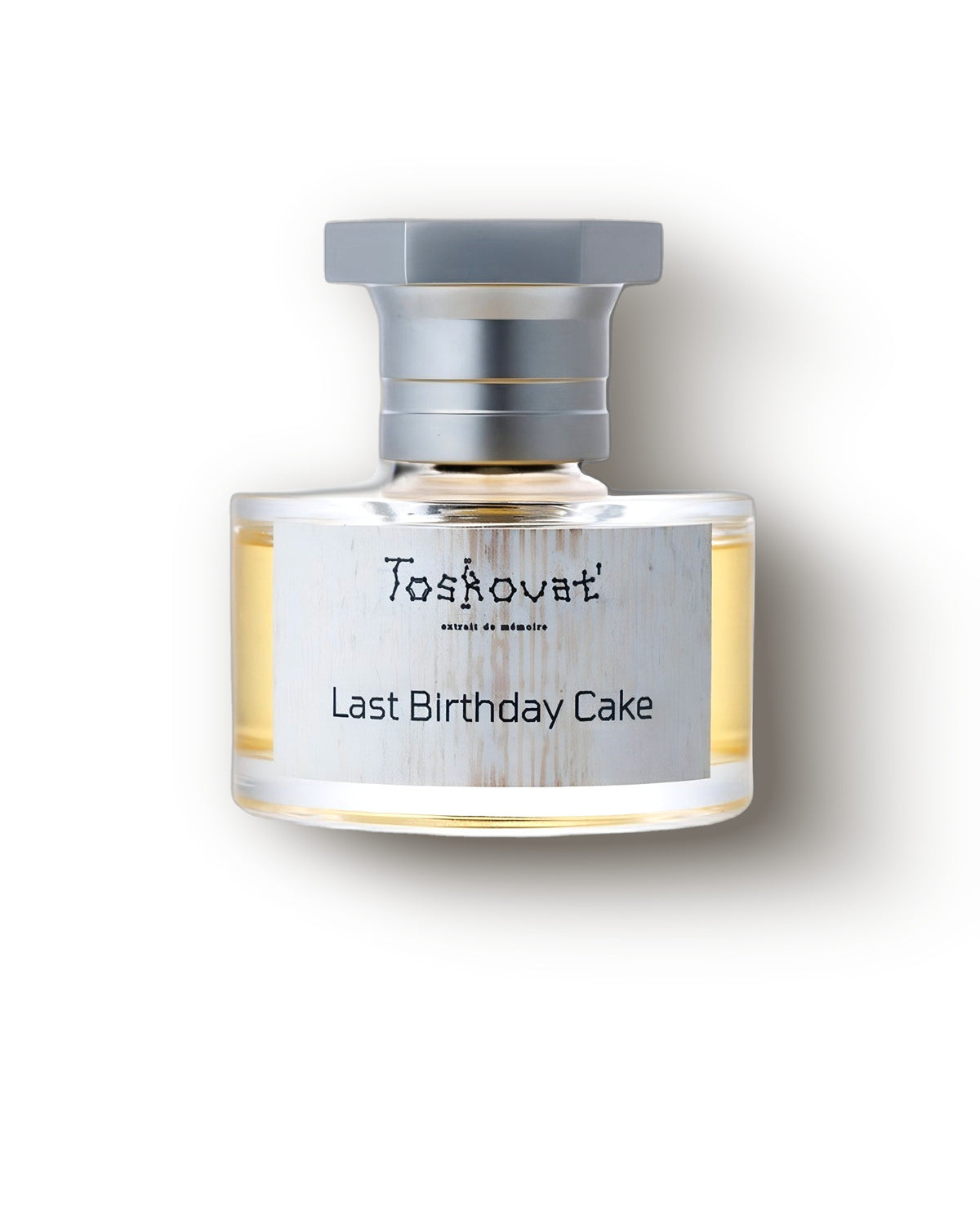
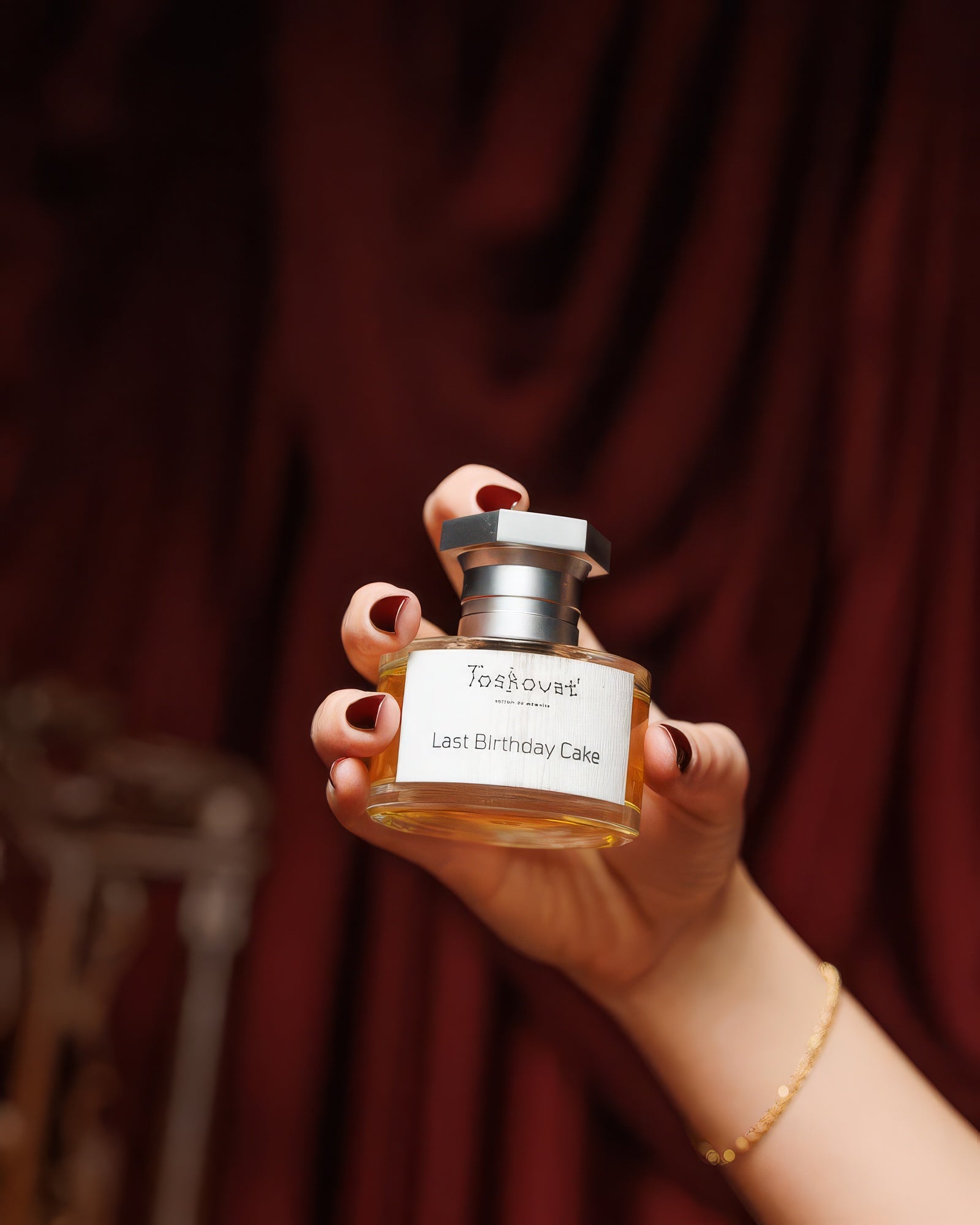
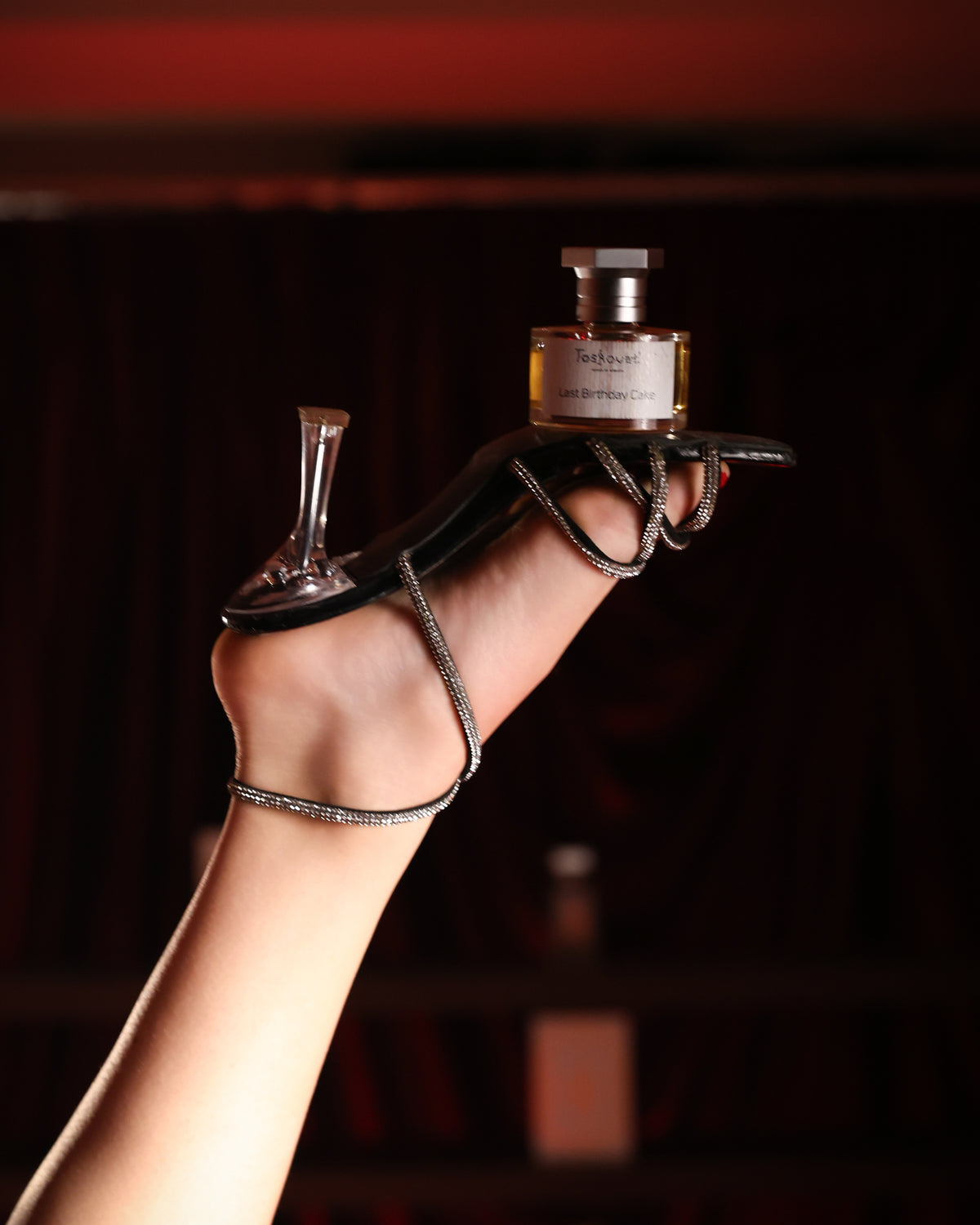

Toskovat
Last Birthday Cake
История
Это подчёркнуто не аромат торта, а день рождения, в котором что-то не так. Отсылка здесь к затихшей ярмарке: карусели остановились, сахарные лавки закрыты, детство уже закончилось, и в воздухе остался только его запах.


Амбра
Смола, согретая до сладости
Лабданум, бензоин и ваниль сплавляются во что-то сладкое, но приглушённое, будто древесная смола, размягчённая солнцем, с ниткой ладанного дыма внутри. Амбра не искрится и не заявляет о себе громко: она держится близко к коже и источает тепло часами.


Сладость
Тёплый сахар, которому трудно подобрать название
Карамель, мёд, сахарная вата: сладость, которая парит между всеми тремя и никогда не останавливается на одной. Это и есть гурманская притягательность: то, что заставляет подойти ближе, чем собирался, тёплое, мягкое и на полшага от съедобного.


Дым
Обугленное дерево и взлетающие искры
Сухой обугленный запах горящего дерева, тлеющего ладана и оседающего пепла, то смолистый, то лёгкий и серый. Сумрачный и атмосферный аромат, навевающий угасающий огонь и прохладный поток воздуха, несущий его последнее дыхание.


Ваниль
Вяленый стручок с хмельной ноткой под сливками
Вызревшие стручки, а не глазурь. Сладость здесь заварная и бальзамическая, а под ней скрывается что-то тёмное и хмельное, ближе к рому и древесному дыму, чем к сахару. Она согревает всё, что выше, смягчает острые края и замедляет всё вокруг.

Тёплые специи
Тлеющие угольки из ящика с пряностями
Округлый жар корицы, гвоздики и мускатного ореха, сухой и слегка смолистый, скорее как пекущая кладовая, чем резкая кухня. Он создаёт разлитое, обволакивающее тепло, ощущающееся интимным и зимним, обнимающее кожу изнутри.


Древесина
Сухие волокна распиленной древесины
Запах кедровой стружки, сандала и сухих корней ветивера, шлифованное смолистое тепло с лёгкой шероховатостью пенала для карандашей. Заземлённый и собранный аромат, тихий хребет, делающий композицию серьёзной и стойкой.


Слепящий свет
Белая секунда до того, как глаза привыкнут
Что это такое
Не материал, а ощущение: добела раскалённый миг, когда яркость подавляет глаз. Альдегиды дают мерцание, озоновые молекулы читаются как открытое небо, а тонкая металлическая грань пробивается снизу, будто сталь на солнце. Пахнет так, как ощущается взгляд в слепящий свет.
В композиции
На коже он детонирует, затем истончается в вуаль, из-за которой всё вокруг кажется холоднее и яснее. Цветочные ноты получают ледяной ореол. При избытке он становится мыльным и резким; в верной же пропорции это пустое пространство, в которое светится всё остальное.


Молоко
Тёплое утешение кожи и подогретых сливок
Что это такое
Молоко не перегоняют для парфюмерии, его запах воссоздают. Парфюмеры смешивают лактоны, сливочные молекулы, образующиеся при распаде жиров, с мягкими мускусами, этилмальтолом и бензоином, имитируя тёплые молочные продукты и чистую человеческую кожу.
Как пахнет
Мягкое, тёплое и слегка сладкое, как подогретое молоко, затягивающееся плёнкой, или дыхание спящего младенца. Открывается лёгкой сливочностью с оттенком кокоса от лактонов, затем оседает в пудровое, чуть анималистичное тепло с чистым, мягко карамелизованным финалом, напоминающим кипячёное молоко.
В парфюмерии
Акцент сердца и базы, который смягчает более резкие материалы. Сочетается с сандаловым деревом, инжиром, миндалём, розой и тёплыми специями. Kenzo Amour, который часто сравнивают с рисовым пудингом, служит его лучшей иллюстрацией, а лактоны лежат в основе бесчисленных гурманских ароматов кожи.
Полезно знать
Те же лактоны, что делают молоко сливочным, естественно встречаются в персике, абрикосе и кокосе, поэтому молочные парфюмы часто уходят в сторону косточковых фруктов. Сахарные реакции под действием тепла добавляют ту варёную, слегка пригоревше-карамельную грань, которая отличает кипячёное молоко от холодного.

Фитиль
Дыхание после огня
Что это такое
Фитиль хранит запах только что погашенного пламени, пойманный в те полсекунды, пока комната ещё не вспомнила о нём. Здесь сухая гарь хлопка, сгоревшего до чёрного уголька, одна нить холодного дыма, раскручивающаяся к потолку, и под ней округлая сладость воска, ставшего тёплым и податливым. Это приходящая темнота, жар ещё тикает в воздухе, тишина, которая чуть пахнет тем, что горела.
В композиции
В финале аромата он работает как затишье: сухой, пепельный дым без костровой тяжести ладана или берёзового дёгтя. Рядом с медовым пчелиным воском он остаётся серым подпалённым шёпотом. Создан для момента, когда аромат затихает, а не звучит громко.


Растворимое какао
Обжаренное какао, горькое, пока не появится сахар
Что это такое
Шоколад начинается как боб в стручке, окружённый белой мякотью, на теневыносливом американском дереве, которое сегодня выращивают в основном в Западной Африке. Его ферментируют, сушат, обжаривают, и абсолют пахнет шоколадом без каких-либо добавок.
Как пахнет
Сухой, обжаренный и пыльный, как какао-порошок или тонко наструганный тёмный шоколад. Горький вначале, с оттенками кофе, орехов и влажной земли позади, высыхающий до пудровой коричневой теплоты, которая держится на коже часами.
В парфюмерии
От сердца к базе, эта нота делает гурманский аромат съедобным без превращения его в сахарный. Сочетается с ванилью, тонка, пачули, апельсином и чили. Подсластите её, и она склоняется к питьевому шоколаду; оставьте её нетронутой, и она останется горькой.
Полезно знать
Майя и ацтеки пили его горьким, вспененным и пряным и считали его священным. Сахар пришёл с Европой веками позже. Сам материал его так и не перенял.

Спатифиллум
Прохладное дыхание зелёной воды
Что это такое
Спатифиллум представляет собой концептуальную цветочную ноту, выстроенную вокруг растения Spathiphyllum, бледного соцветия в форме ложки, что поднимается над широкими зелёными листьями в неподвижном воздухе комнат. Как нота он читается мягким и светящимся, а не дурманящим: водянистая белизна, прошитая щелчком свежесрезанного стебля и прохладной, почти минеральной свежестью лилии, никогда не видевшей полного солнца. Здесь нет сладости, за которой стоило бы гнаться, и нет пудры, в которую можно осесть, только тихая прозрачность, которая пахнет так, как ощущается затенённая комната после дождя.
В композиции
Парфюмеры берут спатифиллум, когда им нужна белая цветочная нота без воска и трубного зова настоящих лилий. Он открывает аромат зелёной прохладой, задаёт спокойное и слегка водянистое сердце и придаёт неторопливую ясность, которая не даёт более ярким цветам звучать пронзительно. Он естественно сочетается с росистыми лепестками, корнями ветивера, мягкими мускусами и чистыми альдегидами, где выступает не столько солистом, сколько прохладным воздухом вокруг других нот, удерживая весь аккорд открытым и безмятежным.


Горький миндаль
Сладость марципана с лёгким намёком на опасность
Что это такое
Раздавленный сырой горький миндаль выделяет цианистый водород. Запах марципана даёт бензальдегид, молекула, которая скрывается в этих ядрах, а также в абрикосовых, персиковых и вишнёвых косточках.
Как пахнет
Сладкий, ореховый, безошибочно марципановый, с прохладной остротой вишнёвой косточки и намёком на амаретто. Под орехом лежит лёгкая пудровость. Появляется ярко и высыхает во что-то мягкое и сливочное.
В парфюмерии
Парфюмеры держат его в сердце, где он выполняет гурманскую работу, не превращаясь в десерт, и легко сочетается с ванилью, бобами тонка и пудровым ирисом. В паре с гелиотропином он создаёт марципаново-вишнёвый центр тёмных гурманских восточных ароматов.
Полезно знать
В одном детективные романы правы: цианид часто описывают как пахнущий миндалём. Но то, что вы чувствуете во флаконе, не цианид. Перегонка или синтез удаляют токсин и оставляют только ароматную часть.
Пробка
Сухая, прогретая солнцем кора средиземноморской рощи
Что это такое
Масла пробкового дуба, по сути, не существует. Кора пробкового дуба выделяет очень мало аромата, поэтому эта нота — парфюмерная реконструкция, собранная из древесных, мшистых и землистых молекул.
Как пахнет
Мягкая сухая древесность, более фактурная, чем сладкая, вызывающая в памяти пористую поверхность винной пробки. Под деревом лежат землистые, чуть пыльные и минеральные грани с тихим пряным теплом. Ощущение деревенское и матовое, скорее прогретая солнцем кора, чем полированная или смолистая древесина.
В парфюмерии
Используется в сердце или базе, чтобы придать сухую природную древесность и осязаемую, бумажную текстуру. Она легко сочетается с дубовым мхом, ветивером, мягкими цветочными нотами и амбровыми древесными, усиливая деревенские или винно-погребные темы. Она держит композиции, выстроенные вокруг португальских пейзажей и сдержанных, джентльменских древесных структур.
Полезно знать
Кору пробкового дуба снимают вручную примерно раз в девять лет, и дерево просто отращивает её заново, так что оно способно давать кору два столетия, не будучи срубленным. Португалия производит примерно половину мировых поставок.


Солод
Тёплое обжаренное зерно, как свежий тёмный хлеб
Что это такое
Солод получают из зерна, чаще всего ячменя: его замачивают в воде для прорастания, затем высушивают или обжаривают в печи, чтобы остановить рост и одновременно развить сахара и аромат. Парфюмерная нота передаёт этот запах обжаренных злаков; её воссоздают ароматическими веществами вроде мальтола, а не перегоняют из самого зерна.
Как пахнет
Поджаристый и зерновой, как тёплое солодовое молоко, тёмный хлеб с хрустящей коркой и печенье, с мягкой карамельной сладостью снизу и лёгким ореховым, почти пивным оттенком брожения. Он ощущается уютным и съедобным, подсыхая в спокойную злаковую теплоту, а не в резкую обжарку или дым.
В парфюмерии
В гурманских ароматах она держится на заднем плане, добавляя хлебную теплоту, которая делает сладкую композицию похожей на еду, а не на конфеты. К ней тянутся кофе, какао и табак, но главная её работа: углублять хмельные аккорды виски.
Полезно знать
Соложение лежит в основе и виски, и пива, где температура сушки определяет всё, от светлого лагерного солода до почти чёрного обжаренного зерна. Поджаристый аромат рождается из реакции Майяра при сушке, той же химии, что румянит тост и образует корку на выпекаемом хлебе.


Арманьяк
Деревенский гасконский бренди, суше и темнее, чем коньяк
Что это такое
Коньяк дважды дистиллируют в медных кубах. Арманьяк проходит через колонную установку лишь раз, получается слабее и сохраняет больше гасконского вина. Вся разница в одном лишнем проходе.
Как пахнет
Сначала чернослив и сушёный инжир, затем грецкий орех, апельсиновая цедра и терпкий дуб над тёплым спиртовым жаром. При долгой выдержке приходят табак, кожа и ореховое, похожее на херес рансио. Коньяк здесь самый утончённый.
В парфюмерии
Хмельная на старте, она оседает в сухофруктах и дереве. Тонка, ваниль, табак, слива и тёмная древесина хорошо соседствуют с ней. На гурманской базе горечь бочки срезает сладость, оставляя что-то более сухое и кожаное.
Полезно знать
Масла арманьяка не существует. У коньяка оно есть, его дистиллируют из винного осадка; арманьяк каждый раз составляют заново, с нуля. Сам напиток разливают как отдельные винтажи, тогда как коньяк почти всегда купаж.

Штоллен
Печёный мякиш под снежной шапкой сахара
Что это такое
Никакая дистилляция не даёт аромата пирога. Этот аккорд собирают из ванилина, карамели и молекул подрумяненной муки, а также гелиотропина и бензальдегида для миндально-марципановой грани, на которую опирается такой фруктовый, пряный кекс, как штоллен.
Как пахнет
Сначала сливочное масло и сахар, затем сам мякиш: тёплый, мучнистый, слегка молочный. Под ним лежит марципан с вишнёво-миндальной пудровостью, а в штоллене к этому добавляются изюм, пропитанный ромом, цукаты и тёплые специи под слоем сахарной пудры.
В парфюмерии
Аккорд сердца и базы, центральный для гурманских ароматов: его наслаивают с карамелью, молоком, фруктами или цветами, чтобы обратить сладость в уют. Он держит на себе десертные ароматы и бесчисленные композиции в духе праздничного торта и пекарни в сладком нишевом сегменте.
Полезно знать
Этилмальтол, молекула, дающая аккорду засахаренный подъём сахарной ваты, ароматизировал продукты питания с 1960-х годов, прежде чем парфюмер Olivier Cresp встроил его в знаковый выпуск 1992 года, аромат, которому широко приписывают рождение современного гурманского жанра и признание съедобных нот в высокой парфюмерии.


Коричневый сахар
Сахар, потемневший на сковороде
Что это такое
Коричневый сахар представляет собой рафинированный белый сахар, покрытый патокой, либо частично очищенный тростниковый сахар, который сохраняет свою патоку естественным образом. В парфюмерии его воссоздают аккордом, поскольку варёный сахар не даёт экстракта. Запах обеспечивают ароматические вещества с гранями карамелизованного сахара и патоки, обычно во главе с мальтолом и этилмальтолом.
Как пахнет
Глубже и влажнее обычного сахара, с ирисочной насыщенностью и патоковой терпкостью, уходящей в сторону рома и лакрицы. Открывается сладко и карамелизованно, затем раскрывает дымные, чуть подгорелые и смолистые грани. Менее засахаренный, чем сахарная вата, ближе к сиропу, темнеющему на горячей сковороде.
В парфюмерии
Тяжесть в базе гурманских композиций, и причина, по которой многие из них ощущаются варёными, а не засахаренными. Она сочетается с ванилью, бобами тонка, ромом, табаком и кофе; горелая грань мальтола держит на себе большинство пралиновых аккордов.
Полезно знать
Мальтол и этилмальтол, молекулы, стоящие за этой нотой, служат ещё и пищевыми добавками, усиливающими воспринимаемую сладость и позволяющими производителям сократить реальный сахар. Этилмальтол в несколько раз сильнее и применяется в сильном разведении; в чистом виде он безошибочно пахнет сахарной ватой и тёплой карамелью.


Ванильный заварной крем
Тёплый яичный ванильный крем, остывающий на столе
Что это такое
Гурманский аккорд, а не отдельный ингредиент, выстроенный так, чтобы пахнуть заварным кремом, десертом из молока, сахара и яичных желтков. Парфюмеры собирают его из ванилина и абсолюта ванили, наслоённых на сливочные лактоны и следовые серные молекулы с яичным оттенком, которые дают насыщенность за пределами простой сладости.
Как пахнет
Насыщенный, мягкий и съедобный, как только что разлитый ванильный заварной крем, оставленный остывать. Сладкая ваниль и тёплое сливочное масло встречаются с бархатистой сливочностью, с лёгкой карамелью и округлой яичной теплотой. Он ощущается густым и утешительным, а не сахарно-резким.
В парфюмерии
От сердца до базы, и опора современного гурмана: она придаёт телесность там, где один сахар звучал бы жидко, и смягчает древесные и амбровые ноты. На ней держится Jovoy Fire At Will, ваниль, сгущённая до состояния желтка.
Полезно знать
Яичная грань, делающая заварной крем убедительным, происходит из химии серы. Те же молекулы, что в высокой концентрации пахнут резко и гнилостно, в следовых дозах оборачиваются тёплыми, варёными и анималическими, добавляя ту насыщенную изнанку, до которой одна лишь ванильная сладость никогда бы не дотянулась.

Бобы тонка
Тёплая миндально-ванильная сладость с тенью сена и табака
Что это такое
Очищенные семена южноамериканского бобового дерева вымачивают в спирте, а затем неделями сушат, пока кумарин не выкристаллизуется на их кожуре, словно иней. Именно из этих заиндевевших бобов получают абсолю, с которым работают парфюмеры.
Как пахнет
Сначала ваниль и горький миндаль, затем сено, сушёный табак и что-то поджаренное. Начало близко к карамелизованному заварному крему; по мере высыхания аромат становится пудровым и хмельным, с корицей и скошенным клевером. Туманнее ванили, мягче миндаля.
В парфюмерии
Между сердцем и базой тонка добавляет сладости, но не становится резкой. С ней отлично ладят лаванда, амбра и табак. Кумарин, впервые выделенный именно из этого семени, породил семейство фужеров, хотя в оригинале 1882 года использовалась синтетическая версия.
Полезно знать
Большей частью своего аромата тонка обязана кумарину, который американские пищевые регуляторы запретили в 1954 году, после того как высокие дозы повредили печень лабораторных животных. На кухне в США эти бобы фактически вне закона, а на коже совершенно легальны.


Бензоин
Тёплый ванильный бальзам, выплаканный надрезанным деревом
Что это такое
Бензоин не течёт сам по себе. Кто-то надрезает кору стираксового дерева в Лаосе, Вьетнаме или на Суматре, и рана источает камедь, которая месяцами застывает в красноватые слёзы.
Как пахнет
Сладкий, тёплый, безошибочно ванильный, с пудровой амбровой мягкостью в глубине. Сиамский бензоин круглее и сливочнее; суматранский дымнее, с коричной остротой. Оставшись на коже, он становится почти карамелизованным.
В парфюмерии
Базовая нота, которая работает одновременно фиксатором и подсластителем: придаёт амбровым аккордам свечение и удерживает остальную композицию на месте. Рядом с лабданумом, бобами тонка и ладаном она сглаживает острые грани.
Полезно знать
Отсюда происходит слово «бензол». Химики назвали бензойную кислоту в честь этой смолы, а бензол получил имя от кислоты. Само же название смолы восходит к истёртому временем арабскому выражению luban jawi, «яванский ладан».
Донник
Высушенное на солнце сено, подслащённое миндалём и ванилью
Что это такое
Дикое бобовое растение, Melilotus officinalis, растущее по умеренной Европе и Азии высокими стеблями с мелкими жёлтыми цветками. Его цветки и листья богаты кумарином, который развивается по мере высыхания растения. Высушенная трава даёт абсолют, хотя большинство ароматов используют вместо него более чистый синтетический кумарин.
Как пахнет
Мягкий, сладкий и сенный, запах залитого солнцем луга, подсыхающего летом. Кумарин даёт миндаль, свежескошенную траву и кремовую ванильную теплоту. В малых дозах он подсказывает только что срезанное сено; в концентрации становится гурманским, ореховым и бальзамическим, стоящим рядом с бобами тонка и ясменником.
В парфюмерии
Мягкий модификатор сердца и базы, подслащивающий и округляющий композиции без сахаристости. Он придаёт телесность цветочным аккордам, теплоту фужерам и сенный мост между свежими верхними нотами и древесными базами. Он сочетается с лавандой, бобами тонка, дубовым мхом и табаком и лежит в основе классических семейств фужер и шипр.
Полезно знать
Заплесневелое сено донника вызывало у скота внутренние кровотечения. Это привело к дикумаролу, а от дикумарола появился варфарин. Сенная сладость в вашем флаконе является предком препарата, разжижающего кровь.


Верёвочное ожерелье
Сухой вес сплетённого волокна
Что это такое
«Верёвочное ожерелье» не цветок и не смола, а идея, переданная запахом: аромат толстого плетёного шнура, надетого вплотную к горлу. Он читается как сырое пеньковое и джутовое волокно, чуть промасленное, с сенной сладостью и тонкой серой пылью, что оседает на всём плетёном, оставленном на воздухе. Снизу проходит нота погребной прохлады, та, какую свёрнутая верёвка хранит даже в тёплой комнате. Эффект сухой, тактильный и тихо деревенский, скорее фактура, чем парфюм, нота, которую ощущаешь кожей прежде, чем назовёшь.
В композиции
Она придаёт аромату ощущение того, что его носят, а не распыляют. На фоне сена, сушёного табака и тёплого кожного мускуса она читается выгоревшей на солнце и рукотворной, возвращая отполированную композицию к телу: обнажённые плечи, летние комнаты, вещи, которые годами носят при себе.


Чеховское ружьё
Обещание неизбежного дыма
Что это такое
Задержанное дыхание, аромат, выстроенный на мысли, что ничто внесённое не бывает праздным. Холодная воронёная сталь под кончиками пальцев, плёнка машинного масла, сухой минеральный укус кремня, а под ними тончайший завиток серы, будто выстрел прогремел в соседней комнате час назад. Всё это напряжение и сдержанность: заряженный предмет на каминной полке, немой и блестящий.
В композиции
Она проходит под более тёплыми материалами холодным хребтом и не даёт им улечься, обостряя ладан и кожу и делая мягкие мускусы настороженными. Носимая одна, она сурова. В сочетании с другими нотами она становится отблеском металла, обещающим, что композиция не закончится там, где началась.


Стиракс
Выделанная кожа, корица и тепло тела
Что это такое
Если надрезать амбровое дерево Liquidambar, оно выделяет серый липкий бальзам. Это стиракс, он же сторакс, и, как ни странно, он не имеет отношения к роду Styrax, который даёт бензоин.
Как пахнет
Сладкий, тёплый и бальзамический, с кожей, дымом и каплей корицы. В глубине звучит почти ванильное, согретое кожей тепло. Открывается слегка медицинской нотой, а в финале становится амбровым и стойким, словно выдубленная шкура.
В парфюмерии
Парфюмеры держат её в базе, где она скрепляет формулу и сама несёт кожаный характер. Пропустите её через амбру и ладан, и вы получите тёплую, животную изнанку классических кожаных и шипровых ароматов.
Полезно знать
Храмы жгли его тысячелетиями, и причина в самом запахе: среди всех бальзамов именно этот пахнет человеком. Тёплая кожа, а не церковный дым.


Кожа тела
Ваша собственная кожа, слегка усиленная
Что это такое
Кожного масла для экстракции не существует, поэтому этот аккорд полностью сконструирован: мягкие белые мускусы, Ambroxan, немного ириса или замши, щепотка кумина для тепла тела. Цель: чистая кожа, никогда пот.
Как пахнет
Мягкий, тёплый и чуть пудровый, как затылок через час после душа. Слегка солёный, слегка молочный, с тихим гулом мускуса внизу. Верхней части почти нет. Он просто есть, тихо мерцая.
В парфюмерии
База, которая заставляет всё, что выше, ощущаться надетым, а не распылённым, в этом всё её назначение. На неё опираются ирис, замша, ваниль и мускус. На бумаге, при пробе, она может показаться вообще ничем.
Полезно знать
Ароматы для кожи славятся тем, что могут пропадать. Некоторые люди совсем не чувствуют определённые молекулы мускуса, поэтому аккорд, отчётливый на одном человеке, почти неразличим на другом. Остальное довершает тепло вашей собственной кожи.

Толуанский бальзам
Корица, ваниль и неспешное амбровое тепло
Что это такое
Сделайте V-образный надрез на коре, и дерево «истекает» коричневой липкой смолой, застывающей на воздухе. Это толуанский бальзам: его собирают с бобового дерева в Колумбии и перерабатывают в резиноид или абсолют.
Как пахнет
Тёплый, сладкий и мягкий: корица, вплетённая в ваниль и сушёный мёд. Открывается смолисто, с лёгкой цветочной гранью, затем часами оседает в карамелизированный сахар, старое дерево и выдержанный табак. Ничего резкого.
В парфюмерии
Базовая нота, которая выполняет две задачи сразу: подслащивает и удерживает, придавая амбровым, восточным и гурманским аккордам стойкость. Ваниль, бензоин, лабданум и табак её естественная компания.
Полезно знать
Назван в честь Толу в Колумбии и народа толу, который использовал смолу задолго до того, как о ней написал любой испанский хронист. Парфюмерия пришла поздно: сначала бальзам поколениями служил в сиропах от кашля и леденцах от боли в горле.


Ладан
Запах смолы, упавшей на раскалённые угли
Что это такое
В парфюмерии под ладаном (incense) обычно подразумевается олибанум: олео-гумми-смола деревьев Boswellia из Омана, Сомали и Эфиопии. Кора надрезается, выделяет молочистый экссудат, застывающий янтарными слезами; их подвергают паровой дистилляции для получения эфирного масла или экстракции растворителем для получения абсолюта. В смеси нередко добавляют лабданум и стиракс.
Как пахнет
Прохладный, сухой и смолистый, с острой цитрусово-хвойной взлётной нотой над дымной, перечной теплотой. Присутствует чистое «церковное» качество: бальзамическое, слегка мыльное, едва зелёное. Открывается ярко и свежо, как скипидар, затем оседает в медитативную, пепельно-сладкую древесность, сохраняющуюся близко к коже.
В парфюмерии
Материал сердца-базы, ценимый за созерцательный, дымно-смолистый характер. Охлаждает флорали, заостряет дерева и придаёт ритуальную весомость ориентальным и шипровым аккордам. Определяет великие «церковные» ароматы и холодный, минеральный ладан многих медитативных нишевых композиций.
Полезно знать
Задолго до того, как его начали носить, этот дым был одним из самых дорогих товаров древности. Его везли по аравийским караванным путям в храмы по всему Средиземноморью, где смысл был именно в сжигании: аромат и был приношением.
Абсолю отрубей
То, что мельница сметает с зерна пшеницы
Что это такое
При помоле с пшеничного зерна снимают оболочку. Если вымочить этот отброшенный слой в растворителе, получится абсолю отрубей, который пахнет не столько хлебом, сколько помещением, где делают муку.
Как пахнет
Тёплый, сухой и ореховый, как поджаренное зерно или изнанка хлебной корки. Затем проступает нечто странное: абрикос и сено, сухофруктовая сладость, которой никто не ждёт от оболочки зерна. Всюду зернистость, никогда сахаристость.
В парфюмерии
Акцент сердца и базы, обогащающий гурманские и древесно-злаковые композиции и придающий им пекарскую теплоту и природную фактуру. Он сочетается с ванилью, бобами тонка, молочными нотами и мягкими мускусами и углубляет уют поджаренного зерна за современными аккордами хлеба, овсянки и рисового пудинга, не перекрывая их.
Полезно знать
Не ждите от него выразительного аромата. Отруби почти не проецируются; парфюмеры обращаются к ним так, как повар обращается к соли, чтобы всё вокруг стало более похожим на себя.
Папирус
Сухой тростник и чернила вдоль залитой солнцем реки
Что это такое
Гигантская осока из нильских болот, которую египтяне расщепляли и прессовали в листы для письма. Растение не даёт масла, пригодного для парфюмерии, поэтому его запах приходится создавать искусственно.
Как пахнет
Сухая, бумажная древесность с дымными, землистыми и едва уловимыми чернильными гранями, напоминающими срезанный тростник, старую бумагу и тёплую, пропечённую солнцем траву. Звучит более засушливо и минерально, чем кедр, с тонкой смолистой горечью на фоне чистого, слегка зелёного травяного оттенка.
В парфюмерии
Базовая нота, привносящая сухую, дымную структуру и современную минималистичную древесность; нередко дополняет или заменяет ветивер. Прекрасно сочетается с ладаном, кедром, цитрусовыми и кожей. Служит основой многих современных нишевых древесных композиций, построенных вокруг сухого, бумажного дыма.
Полезно знать
Нота, которую называют «папирус», редко имеет отношение к египетскому растению. Вместо него парфюмеры используют сиприоль, дистиллированный из корней индийского родственника, так что название отсылает к Нилу, а запах приходит из Мадхья-Прадеша.
Характер аромата
Открытие плотное и слегка едкое: горький миндаль и запах тлеющего фитиля с самого начала заостряют растворимое какао, так что эффект читается скорее как подпалённый сахар, нежели кондитерское изделие. Арманьяк и ванильный крем смягчают центр, однако бензоин и тонка сохраняют двусмысленность: тепло, но с едва уловимым медикаментозным оттенком. Аромат оседает близко к коже, а ладан, толуанский бальзам и папирус поглощают то, что осталось от сахара, оставляя нечто сухое, смолистое и тихо тревожное.


Стойкость
как долго он держится на коже
Песочные часы показывают время ношения: сколько часов аромат продолжает звучать, прежде чем угаснуть. Полоска, едва отступившая от начала, означает всего несколько мимолётных часов. Та, что тянется на всю длину, несёт аромат с утра до вечера. Воспринимайте это как типичное значение, а не обещание: жирная кожа удерживает аромат гораздо дольше, чем сухая.


Шлейф
размах его ароматного следа
Шлейф, по-французски «след корабля на воде», это ровно то, что измеряется здесь: сколько аромата достигает комнаты, а не остаётся на вас. Слабый — это шёпот, который слышат только близкие друзья. Огромный заполняет комнату и продолжает её заполнять после того, как вы уже ушли.


Эксперимент
Создан, чтобы провоцировать, а не нравиться
Одни ароматы созданы, чтобы их любили. Эти созданы, чтобы о них спорили: чернильный дёготь, горячая резина, фрукт на грани порчи, металл и мех там, где ждали цветов. Монета светится для аромата, который провоцирует, и гаснет для того, что играет наверняка, а иногда в этом и есть смысл.


Офис
Отточенный и никогда не громче окружающих
Аромат — это этикет в общем помещении. На этой дистанции он должен долетать до человека за соседним столом и на этом останавливаться: опрятный цитрус, мягкий мускус, светлая древесина, всё это звучит уместно и тактично. Светящаяся монета означает, что никому не придётся о нём упомянуть. Тусклая значит, что он разносится дальше.


Вечер
После заката, когда аромат становится глубже
Ужины, напитки и вечерние выходы, когда аромат может углубиться и уверенно звучать. Подходит более насыщенным тёплым композициям: амбре, смолам, дымной древесине или пышным цветам, расцветающим в приглушённом свете. На этом круге светящаяся монета означает, что аромат оживает после заката, а тусклая, что он больше подходит дневному времени.


Свидание
Достаточно близко, чтобы почувствовать
Аромат может тихо гудеть на коже, а не заявлять о себе через весь стол. Именно этот регистр здесь: сливочные цветы, ваниль, мягкий мускус, нить специй, достаточно тёплые, чтобы заставить кого-то придвинуться ближе. Монета светится, когда аромат создаёт такое настроение, и гаснет, когда он скорее практичен, чем соблазнителен.


Торжество
Спокойная уверенность в торжественной обстановке
Свадьба, церемония, зал, где каждый успел подумать о своей обуви. Здесь работает структура, а не громкость: гладкая древесина, сдержанные цветы, мягкая кожа. Светящаяся монета означает, что аромат держит осанку весь вечер. Тусклая значит, что он слишком повседневен для такого зала.


Повседневность
Лёгкий комфорт неспешных дней
Дела, кофе, неторопливая субботняя лень, когда некуда спешить. Здесь никому не нужно производить впечатление, поэтому подходит мягкое и лёгкое: свежий цитрус, лёгкая древесина, немного тепла от кожи. Светящаяся монета говорит «да» всему этому. Тусклая означает, что аромат просит вечера покрупнее.


От дня к ночи
куда естественно клонится его настроение
Полоса, идущая от солнца к луне, показывает час, для которого создан аромат. Чем больше в ней остаётся золота, тем больше аромат принадлежит дневному свету и открытому воздуху. Чем дальше синий тянется обратно к солнцу, тем глубже и теплее становится характер: вечер, свет свечей, приглушённые комнаты.


Зима
Тепло, что пробивается сквозь холодный воздух
Холодный воздух приглушает и замедляет аромат, поэтому зима вознаграждает плотное и тёплое: смолы, дым, ваниль, кожу и амбровые специи, которые источают жар наперекор холоду. Шкала показывает, насколько сильно именно этот аромат держится и светится в морозную погоду.


Весна
Свежие соцветия в мягком нарастающем тепле
Мягкий влажный воздух прекрасно поднимает лёгкие композиции, поэтому весне идут росистые цветы, зелёные стебли, мягкая пудра и прозрачный цитрус, ощущающиеся живыми, а не тяжёлыми. Шкала показывает, насколько хорошо именно этот аромат совпадает с этим свежим, мягко согревающимся сезоном.


Лето
Яркий и воздушный даже в настоящую жару
Жара сама создаёт шлейф, поэтому неподходящий парфюм к полудню становится невыносимым. Выживает то, что прохладно и дышит: резкий цитрус, солёный морской воздух, ароматные травы, вода. То, что освежает, а не приторно обволакивает. Короткая полоска здесь означает: отложите этот аромат до более прохладных месяцев.


Осень
Пряное тепло для остывающих дней
С падением температуры более насыщенные материалы читаются ясно, не подавляя, поэтому осени идут сухая древесина, тёплые специи, табак, амбра и золотистые фрукты, ощущающиеся уютными и созерцательными. Шкала показывает, насколько естественно именно этот аромат вписывается в хрусткие остывающие дни.
Когда носить
Холодная ночь, в помещении или на ходу сквозь зимний воздух, для того, кто хочет сладости с горящим фитилём под ней.
Выберите параметры
Атмосфера


Нос

David-Lev Jipa-Slivinschi
Основатель и парфюмер
Румын из Бухареста, пришедший в парфюмерию из кино и основавший Toskovat' в 2022 году. Он создал Toskovat' Inexcusable Evil, Toskovat' Age of Innocence, Toskovat' Anarchist A_, Toskovat' In the Belly of the Beast и Adi ale Van Gethsemane.
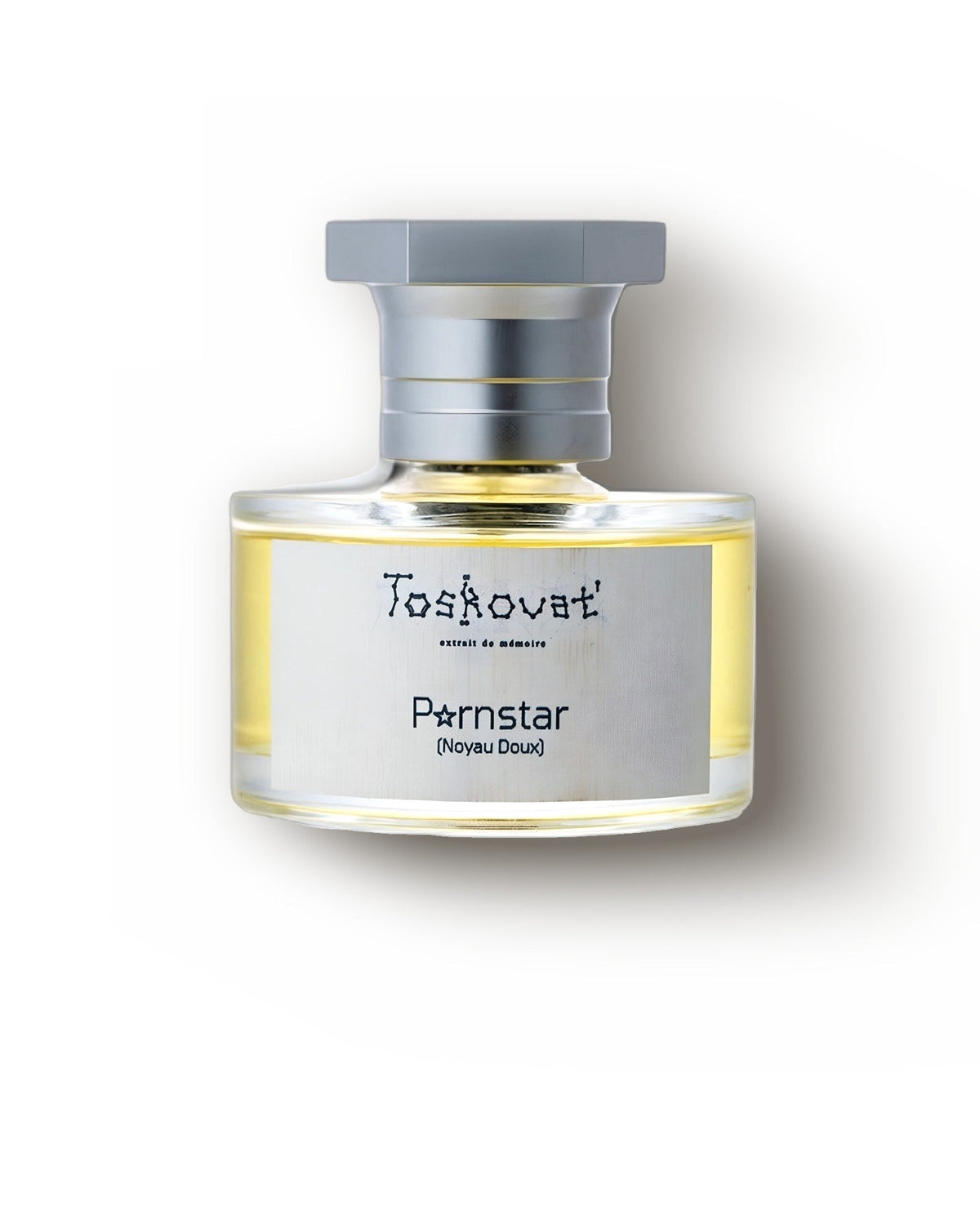
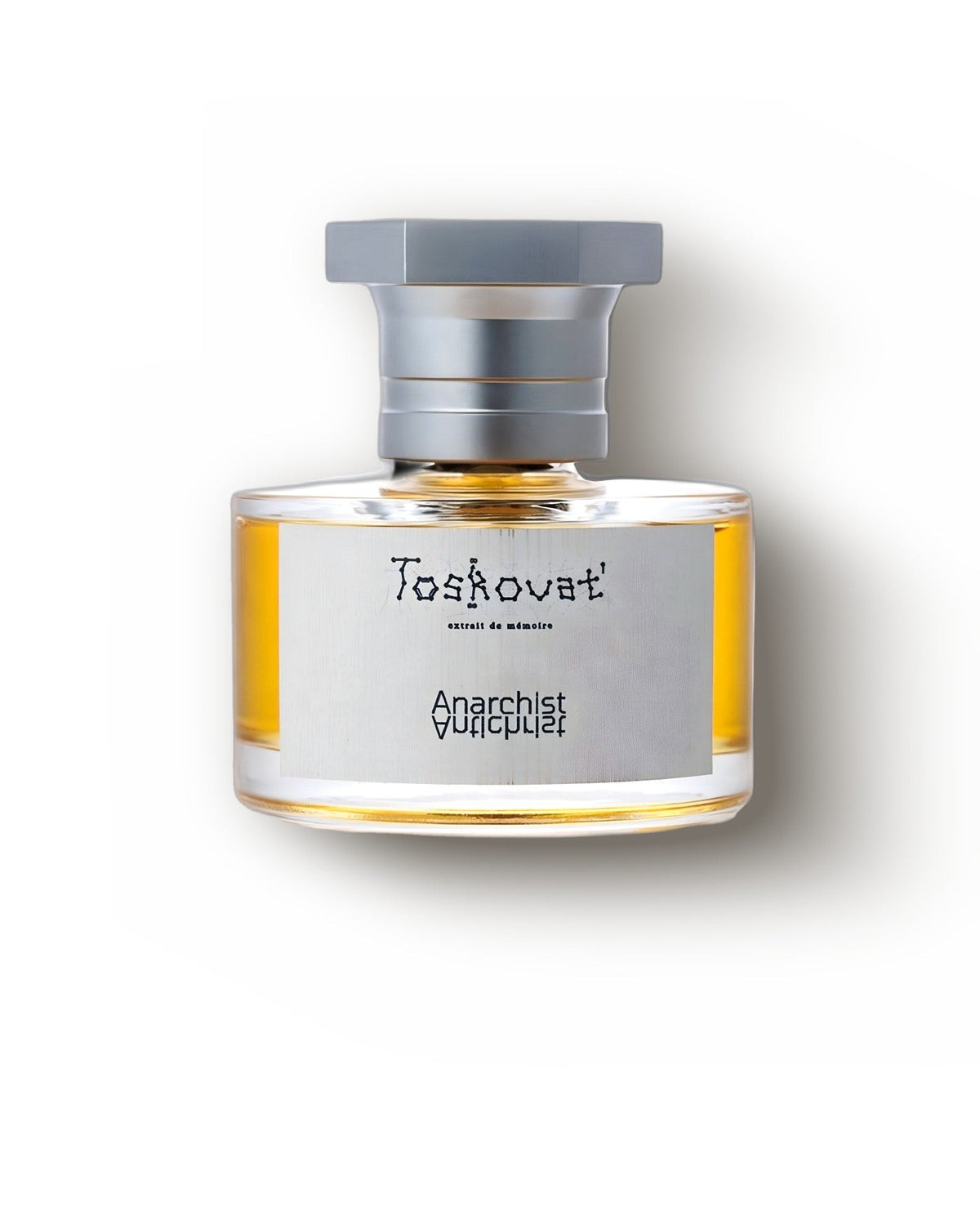
Ещё от этого носаInexcusable EvilPornstar (Noyau Doux)Anarchist A♭
Дом

Парфюмерия как короткая проза. Порох, холодный йод и жжёный сахар рассказывают истории, которые большинство домов никогда бы не напечатало.
Аромат Toskovat похож на сцену из фильма, который вам, возможно, не полагалось смотреть. Холодный металлический воздух, дым, воск и гурманская сладость, за которой всегда стоит тень. Это концептуальные экстраиты для тех, кто хочет, чтобы аромат что-то говорил, и шлейф здесь обычно соответствует силе самой идеи.
- Происхождение
- Бухарест, Румыния
- Основан
- 2022
- Известен
- Концептуальные экстраиты, Inexcusable Evil

КАЖДЫЙ ДЕКАНТ
От оригинального флакона до вашей двери
Мы покупаем оригинальный флакон по полной розничной цене напрямую у дома.
Шприц Socorex медицинского класса берёт точные миллилитры прямо из флакона.
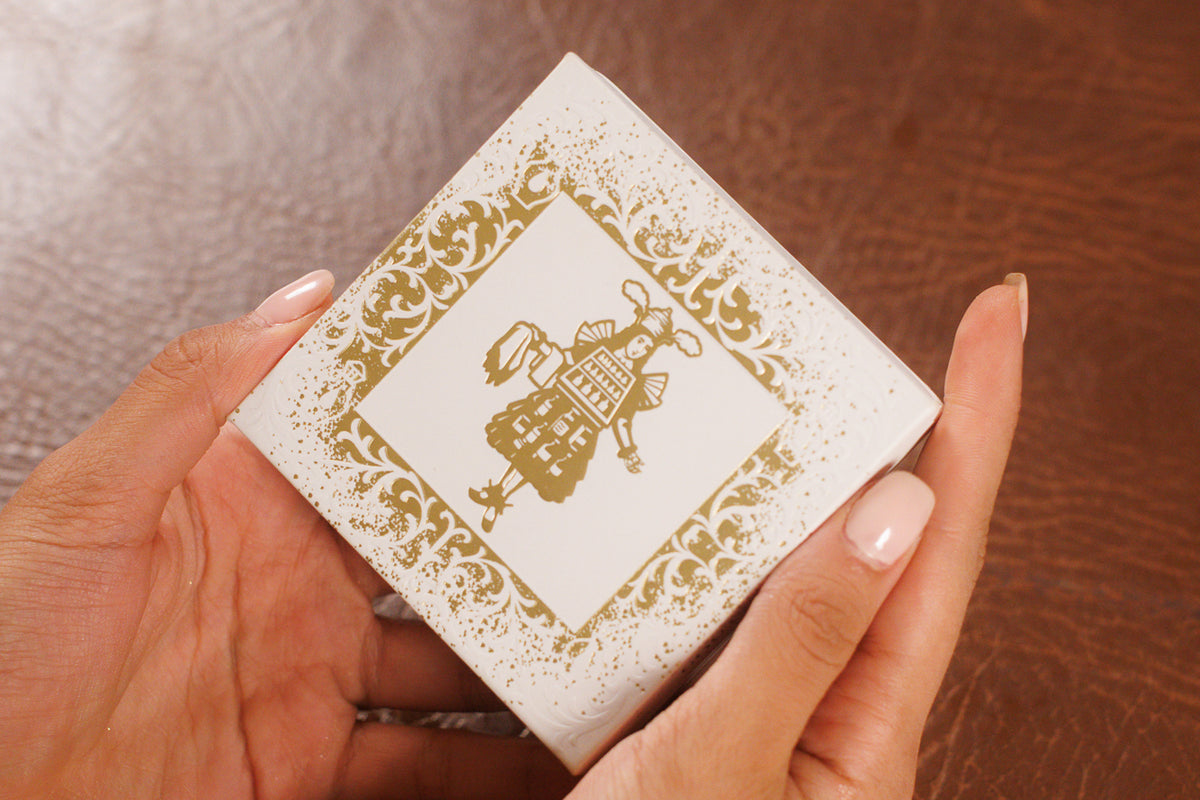
Уложен в коробку с горячим тиснением и передан DHL, все пошлины уже оплачены. Как создаётся декант
Ещё от Toskovat
Вам также может понравиться