

The Antagonist
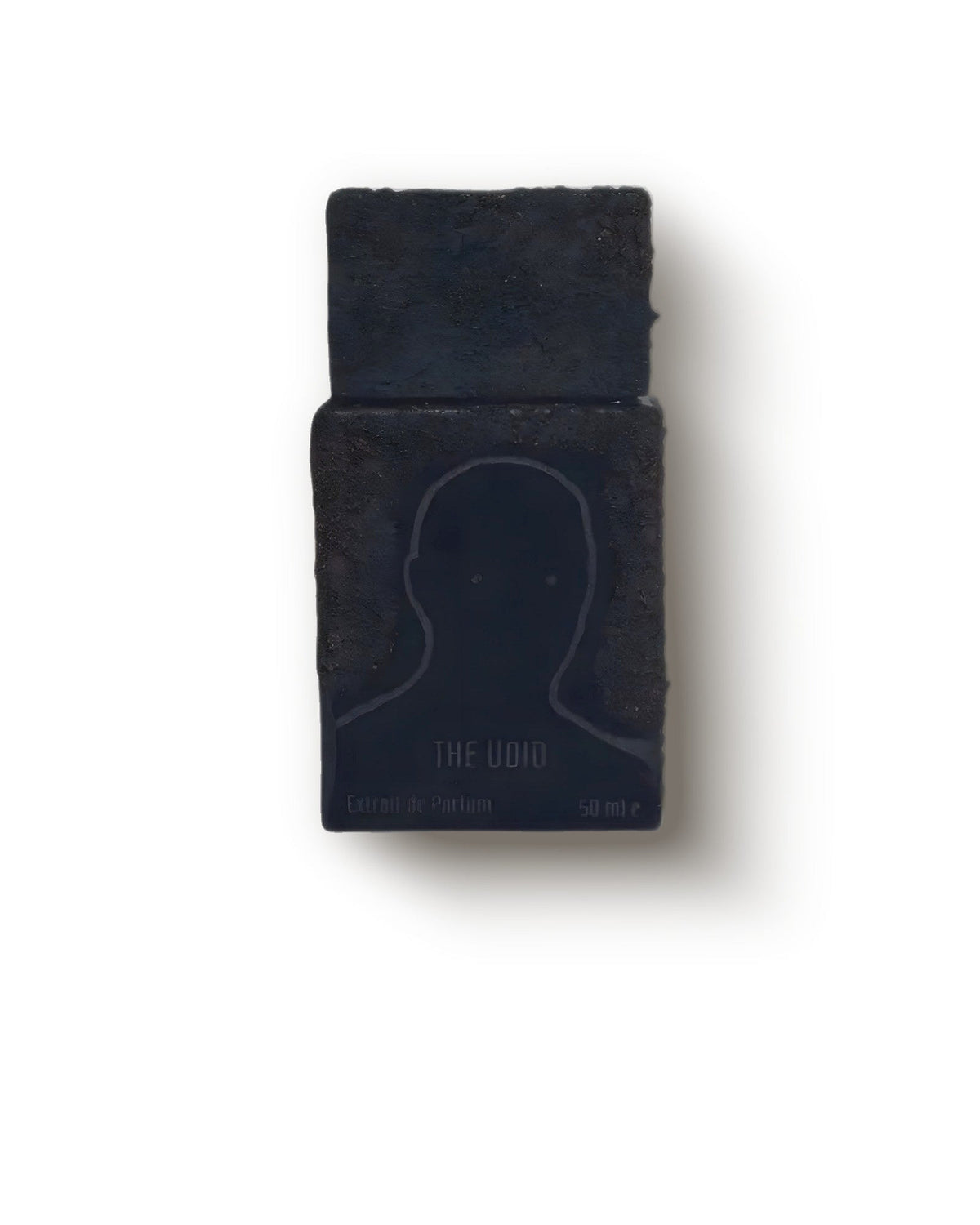
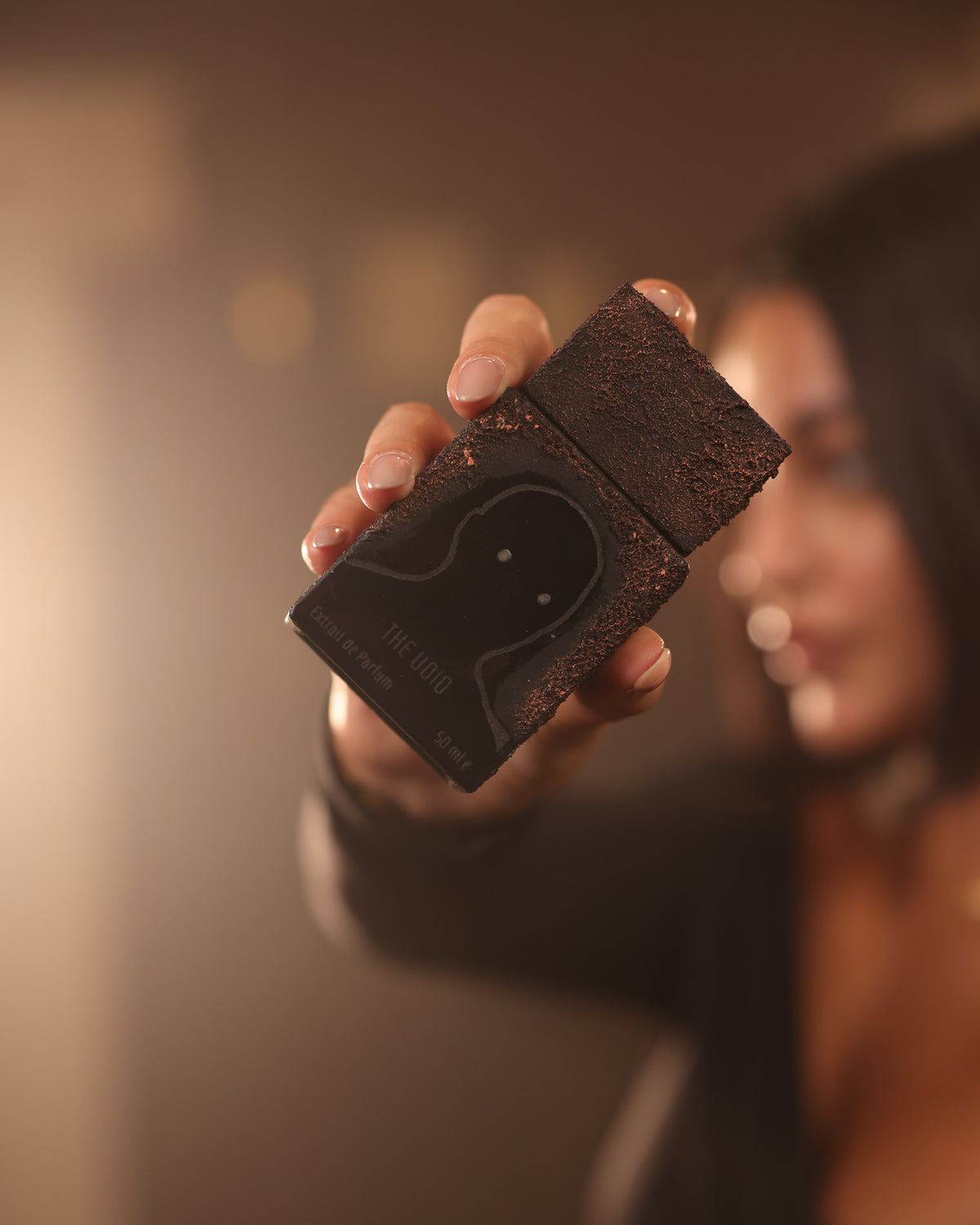
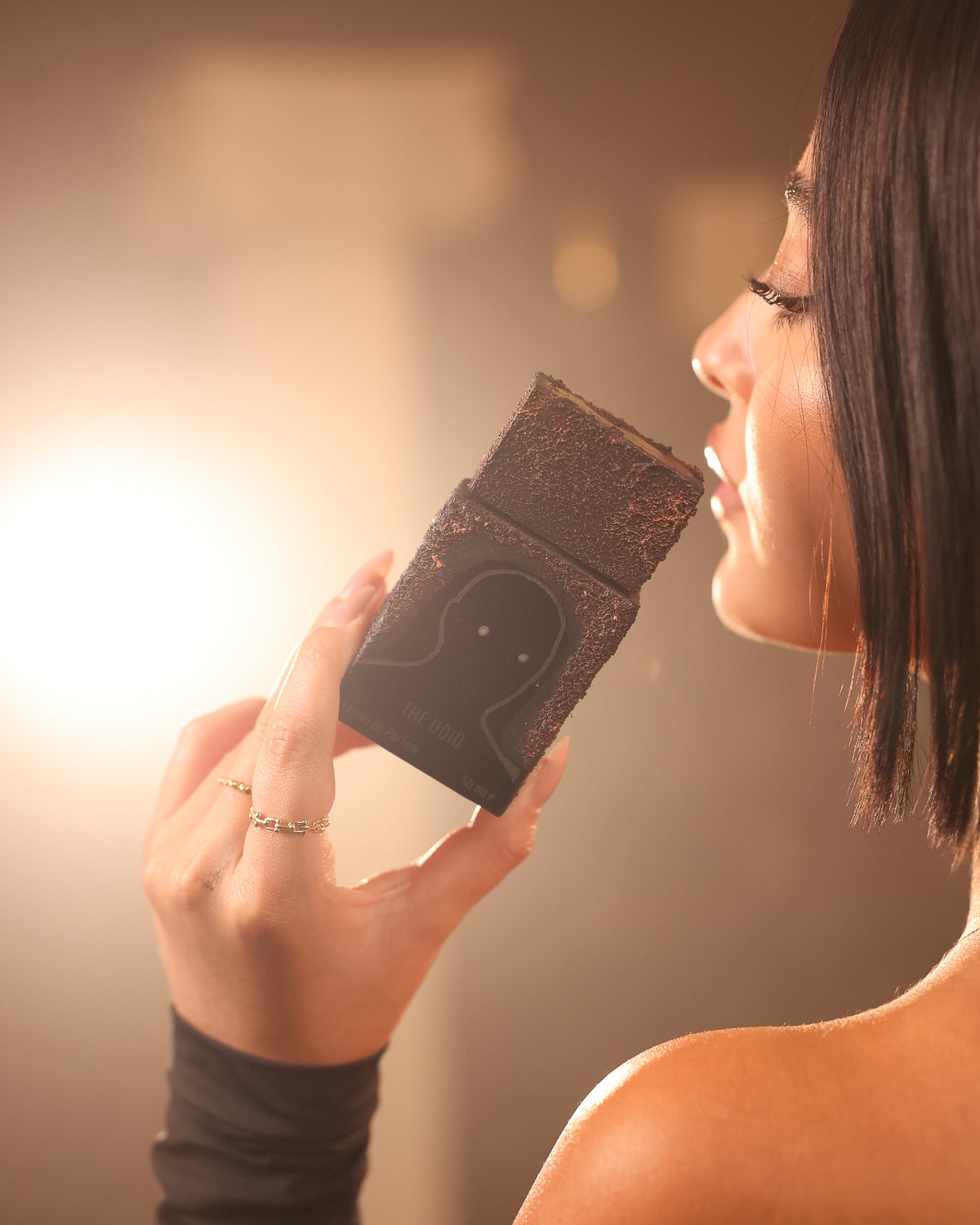
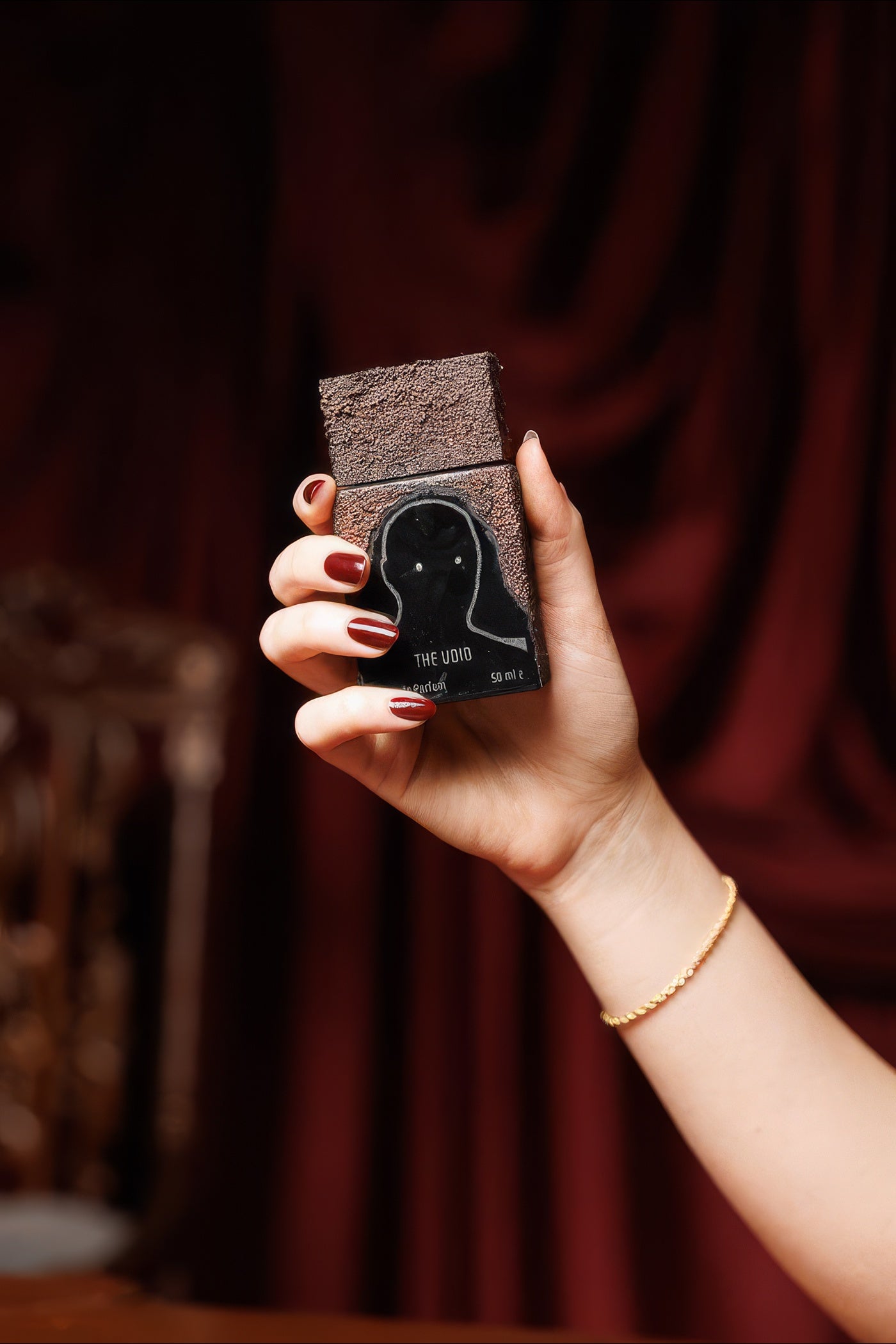
The Void
A História
The Void é o terceiro capítulo de uma coleção escrita como uma história, depois de The Lover e The Stranger, e é o que vai mais longe. É construído sobre gasolina, pólvora, carvão, cinzas e borracha, a partir da premissa de que a destruição é onde o devir começa.


Esfumaçado
Madeira carbonizada e brasas que sobem
O cheiro seco e chamuscado de lenha queimando, incenso em brasa e cinza que persiste, ora alcatroado, ora tênue e cinzento. É soturno e atmosférico, e evoca uma fogueira que se apaga e uma corrente de ar frio levando seu último sopro.


Aromático
Ervas amassadas no ar fresco
O frescor verde e canforado da lavanda, do alecrim, da sálvia e do tomilho, como ervas amassadas entre os dedos. Transmite limpeza e vigor, com um toque austero: a espinha dorsal nítida do frescor clássico de barbearia.


Cannabis
névoa verde, herbal e de reputação levemente duvidosa
Uma resinosidade verde e penetrante, herbal e levemente almiscarada, com bordas esfumaçadas e apimentadas e um toque de feno seco. Sente-se enevoado e rebelde, acrescentando um calor narcótico e ligeiramente sujo, entre a erva recém-esmagada e a fumaça que arde devagar.


Amadeirado
O veio seco da madeira cortada
O cheiro de aparas de cedro, sândalo e raízes secas de vetiver, um calor resinoso de madeira lixada com um leve arranhar de estojo de lápis. Transmite firmeza e compostura: é a espinha dorsal discreta que faz um perfume soar sério e duradouro.


Metálico
Aço frio e sangue vivo
Um brilho frio que não é o metal em si, que é inodoro, mas o que a pele libera ao toque de uma moeda ou de uma lâmina. Agudo e quase mineral, empresta uma frieza limpa e moderna: o fio de uma faca, o interior de uma lata, revigorante e levemente elétrico.


Gasolina
Vapores adocicados sobre asfalto quente e borracha
O que é
Nunca gasolina de verdade, que é tóxica e volátil. A nota é projetada: isoparafinas brilhantes como solvente, facetas emborrachadas e fenólicas, uma doçura mineral, tudo voltado a um cheiro que a maioria das pessoas aprecia e poucas admitem.
Como cheira
Aguda e química, uma rajada doce de solvente sobre borracha morna, asfalto quente e metal. Algo levemente narcótico se ergue no topo antes de secar num calor esfumaçado e alcatroado. Em partes iguais repelente e difícil de parar de cheirar.
Na perfumaria
Um acento provocador de topo a coração na perfumaria de nicho e de vanguarda, atalho para maquinário, velocidade e aspereza urbana. Couro, borracha, incenso e notas metálicas o sustentam. Fragrâncias inteiras foram construídas apenas sobre combustível e asfalto.
Vale saber
Aquele toque doce de que todos gostam em segredo vem em grande parte do benzeno e de seus parentes, que são cancerígenos e limitados pelos órgãos reguladores nos combustíveis exatamente por isso. O acorde mantém a emoção e deixa a química no tanque.


Fumaça
Cinzas frias e uma fogueira a dois campos de distância
O que é
Ninguém destila fumaça. Ela é montada: casca de bétula queimada lentamente até virar alcatrão, óleo de cade, madeira de guaiaco, um pouco de chá lapsang souchong e fenóis como o guaiacol, que o nariz classifica como queimado.
Como cheira
Brasas já frias e papel chamuscado. Pende para o alcatroado e o coriáceo, ou para o resinoso como o incenso, ou para o doce de uma fogueira. Acre no início, vai se consumindo até um calor seco que se agarra como fumaça num casaco de lã.
Na perfumaria
Os perfumistas a trabalham na base, onde ela faz o que a sombra faz numa pintura. Couro, oud, vetiver, incenso e madeiras secas ficam mais escuros e mais distantes com um pouco de fumaça por trás.
Vale saber
O material mais convincente de todos, o alcatrão de bétula, contém substâncias cancerígenas em suas qualidades brutas, por isso seu uso é rigorosamente limitado. O que vai para o frasco hoje é uma versão retificada e depurada, reforçada por fenóis sintéticos.


Pólvora
Fumaça, enxofre e o chamuscado de um fósforo riscado ao vento
O que é
Nada aqui cresce. A pólvora negra é salitre, carvão e enxofre, e nenhum deles é matéria-prima da perfumaria, então o cheiro precisa ser reconstruído: moléculas de fósforo queimado e sulfurosas, bétula alcatroada, madeiras esfumaçadas e um traço de metal quente.
Como cheira
Agudo e acre na abertura, como um fósforo recém-riscado: enxofre, metal quente, cinzas. Por baixo, madeira carbonizada e uma borda mineral de sílex. O dry-down é fumaça morna e papel chamuscado, nunca chama aberta.
Na perfumaria
Os perfumistas a usam pela tensão. Um fio sob couro, oud, vetiver ou açafrão dá gume a um perfume que, de outro modo, seria apenas escuro. Em excesso, tudo cheira a queimado em vez de perigoso.
Vale saber
Fogos de artifício cheiram mais a sais metálicos vaporizados e enxofre do que a pólvora. Em busca desse efeito, os perfumistas recorrem ao alcatrão de bétula, e é por isso que perfumes esfumaçados tantas vezes derivam para fogueira e couro velho, queiram ou não.


Notas Amadeiradas
Madeira serrada, aparas de lápis, casca quente
O que é
Não um único material, mas uma prateleira inteira: sândalo, cedro, vetiver, guaiaco, patchouli, além dos âmbares amadeirados de laboratório que os prolongam. Raízes, cascas e cerne, destilados a vapor ou extraídos com solvente, ao lado de moléculas construídas do nada.
Como cheira
Seco de um lado, cremoso do outro. O cedro soa afiado como lápis, o sândalo leitoso, o vetiver terroso e úmido, o guaiaco doce e esfumaçado. Juntos, cheiram a madeira serrada e casca aquecida pelo sol, ancorando tudo o que se constrói por cima.
Na perfumaria
Sobretudo coração e fundo. As madeiras dão a espinha dorsal a uma composição: estrutura, permanência, algo em que florais e âmbares se apoiem. O registro seco de cedro e vetiver conduz grande parte do que foi lançado neste século.
Vale saber
A maior parte do amadeirado vem de laboratório, em parte porque o sândalo e o pau-rosa foram colhidos em excesso até virarem espécies protegidas. O Iso E Super tornou-se tão dominante que uma fragrância foi construída em torno dele, quase puro: discreto de perto, luminoso na pele.

Cannabis
Fumaça verde subindo do chão úmido da floresta
O que é
Os perfumistas não podem usar os compostos psicoativos da resina, e nem tentam. O aroma é reconstruído a partir de aromoquímicos verdes, defumados e herbáceos, por vezes com a ajuda do aroma legal do cânhamo, para capturar a folha, o caule e o broto em combustão.
Como cheira
Verde, defumado e sujo, com uma borda herbácea ácida. Terra úmida e folhas esmagadas por baixo, sálvia, manjericão e resina de pinho por cima, com uma picada apimentada permeando tudo. Algumas versões permanecem vegetais; outras se consomem em brasa como um baseado aceso.
Na perfumaria
No coração, ele trabalha ao lado do vetiver, patchouli, cedro e pimenta-preta, que o mantêm sugestivo em vez de literal. Levado longe demais, ele se anuncia; contido, lê-se como alguém que esteve ao ar livre.
Vale saber
A nota de fragrância não contém THC e é totalmente legal; trata-se de uma ilusão olfativa montada a partir de terpenos e sintéticos, não extraída da planta. Os perfumes de cannabis cresceram como uma tendência reconhecida, com vários lançamentos marcados para a data 4/20 da cannabis como uma referência bem-humorada.
Notas Metálicas
Arrepio frio e elétrico de aço golpeado e sangue
O que é
O metal não pode ser destilado, então este é construído. Aldeídos e cetonas fazem o trabalho frio, afiados por um traço do que faz o sangue cheirar a ferro, mais um toque de sílex riscado.
Como cheira
Frio, cortante, elétrico. Como uma moeda mantida sobre a língua, ou ferro sobre a pele úmida. Abre quase sabonetoso pelos aldeídos, esfria rumo ao aço molhado, mostra uma borda acobreada e então seca limpo e inorgânico.
Na perfumaria
Um acento de topo ou de coração que traz um frio aos florais e âmbares, ao lado de rosa, folha de violeta e incenso. Os velhos florais aldeídicos cintilam com ele; a perfumaria de nicho moderna o usa para dar aresta.
Vale saber
Os predadores rastreiam presas feridas por essa mesma molécula. O trans-4,5-epoxi-(E)-2-decenal é detectado em frações de parte por trilhão, entre os odorantes mais potentes que se conhece, e por isso algumas gotas invisíveis podem esfriar uma composição inteira.


Incenso
O cheiro da resina caindo sobre o carvão em brasa
O que é
O que você sente é uma mudança de estado: a resina encontrando o calor. Em geral, a resina é o olíbano, vertido em lágrimas pelas árvores Boswellia de Omã e do Chifre da África, e os perfumistas arredondam o efeito com ládano e estoraque.
Como cheira
Fresco e seco no início, agudo a ponto de lembrar terebintina, e então chega a fumaça: apimentada, acinzentada, levemente doce. Tem algo de igreja de pedra, um quê de sabão e um toque verde, e permanece rente à pele.
Na perfumaria
Age como o silêncio age numa sala. Do coração ao fundo, refresca os florais, afia as madeiras e deposita um peso de ritual em estruturas orientais e chypre que, sem ele, soariam apenas opulentas.
Vale saber
Muito antes de alguém usá-la na pele, esta fumaça estava entre as importações mais caras da Antiguidade. Seguia pelas rotas de caravanas da Arábia até templos em torno do Mediterrâneo, onde queimá-la era o objetivo: o aroma era a oferenda.


Carvão
Brasas fumegantes, cinza fria, escuridão mineral
O que é
Nada é queimado para fazer isto. A nota é reconstruída, não extraída: fuligem, alcatrão e mineral frio montados a partir de aromoquímicos, em busca do cheiro de uma rocha que já foi floresta pantanosa prensada ao longo de milhões de anos.
Como cheira
O acorde se lê escuro, seco e poeirento, como brasas fumegantes e um fogo recém-apagado. Abre com fumaça fuliginosa e cinzenta sobre um fio mineral frio, quase metálico, depois assenta num carvão terroso e áspero. Menos doce que o incenso, mais duro e mais enferrujado que a fumaça de lenha.
Na perfumaria
Coração e fundo, onde empresta aspereza e uma tensão industrial sombria. Combina bem com incenso, couro, alcatrão e madeiras secas.
Vale saber
A perfumaria sintética nasceu no alcatrão de hulha. Em 1868, William Perkin, o químico dos corantes de alcatrão de hulha, sintetizou a cumarina, um dos primeiros materiais aromáticos feitos em laboratório. A nota esfumaçada hoje chamada carvão é uma invenção à parte, muito posterior.

Cinzas
Brasas frias, poeira mineral e fumaça que se esvai
O que é
A cinza é o que resta quando não resta mais nada, e não pode ser destilada. Os perfumistas recorrem a materiais de fumaça, alcatrão de bétula, cade, guaiacol, e então retiram tudo o que é quente e resinoso até restar apenas o cinzento.
Como cheira
Seca, esfumaçada e levemente amarga, como uma lareira na manhã seguinte. Há madeira queimada e carvão frio, um fio mineral de giz e a poeira ligeiramente metálica das brasas apagadas. Lê-se austera e desolada, sem doçura nem resina para arredondá-la.
Na perfumaria
Uma nota de fundo de atmosfera, não de beleza. Vetiver, cedro e alcatrão de bétula a empurram ainda mais para o frio; jasmim ou incenso a aquecem de volta, se você a quiser habitável. As casas de nicho a usam para construir ruínas.
Vale saber
A cinza fria quase não tem cheiro. O que o nariz lê como cinza é o resíduo de fumaça que fica preso nela, lignina quebrada pelo calor, as mesmas moléculas que perfumam os alimentos defumados.

Borracha
Pneu novo e látex morno, esfumaçado e viciante
O que é
Ninguém sangra uma árvore para isto. A nota é montada: alcatrão de bétula e guaiacol para a fumaça, sintéticos de couro para a parte vulcanizada, nada disso perto de um seringal.
Como cheira
Amarga, seca e empoada: uma câmara de ar de bicicleta, o interior de um carro novo, um balão encostado no rosto. Há fuligem nela, e uma doçura tênue, e depois ela esquenta em algo macio e de couro, como pele.
Na perfumaria
Funciona melhor como um acento de coração para fundo, dando à composição um contorno escuro e esfumaçado sem se anunciar. Baunilha, alcatrão, couro e incenso são sua companhia habitual, e numa fórmula bem construída você percebe a textura, não a borracha.
Vale saber
Colocado ao lado de chá lapsang esfumaçado e baunilha, um acorde de pneu novo pode transformar um cheiro industrial em um perfume de conforto.


Ar de Porão
O silêncio sob o assoalho
O que é
A quietude guardada no subsolo, onde nenhum vento se move há anos. Ar frio e levemente úmido, poeira de giz sobre uma prateleira, a borda mineral e molhada do concreto que nunca seca por completo, um sussurro verde de algo que cresce no escuro. Um cômodo que se lembra de ter sido fechado.
Na composição
Fica em posição baixa sob acordes mais luminosos, e seu frio de concreto úmido afia raízes terrosas e musgo de carvalho, enquanto sua poeira suaviza tudo o que for polido demais. Em excesso, o perfume inteiro fica frio e abandonado. É uma nota para perfumes que querem parecer encontrados, e não fabricados.

Olíbano
Lágrimas douradas endurecidas em um tronco cortado
O que é
Uma Boswellia com a casca riscada sangra uma seiva leitosa que endurece ao longo de semanas em lágrimas douradas. As Boswellia sacra de Omã e da Somália dão a resina mais valorizada. Vapor ou solvente transformam as lágrimas em óleo.
Como cheira
Mais luminoso do que você espera de algo chamado incenso: fresco, alimonado, quase com frescor de pinho, com um impulso apimentado. Por baixo é seco e balsâmico, e termina na fumaça morna e empoeirada que você já conhece.
Na perfumaria
Faz algo estranho para uma resina: deixa as coisas pesadas mais leves. No coração e no fundo, abre espaço no oud, no ládano e nos acordes orientais densos, e dá à rosa um lugar fresco e silencioso onde se apoiar.
Vale saber
As árvores estão em apuros. As populações selvagens de Boswellia estão rareando com a sangria excessiva, a seca e o pastoreio, e o abastecimento de longo prazo de uma resina que o mundo queima há milhares de anos virou uma dúvida real.

Mirra
Fumaça de resina amarga de uma árvore do deserto ferida
O que é
Quando se corta a casca de um arbusto espinhoso do deserto, no Chifre da África ou na Arábia, ele sangra. A seiva clara endurece no galho em lágrimas castanho-avermelhadas, destiladas a vapor para dar óleo ou extraídas com solvente para dar um resinoide mais escuro.
Como cheira
Fresca e amarga no início, medicinal a ponto de lembrar um curativo novo, sobre terra seca e alcaçuz. Depois se aquece: bálsamo esfumaçado, couro macio, uma umidade de cogumelo por baixo. Mais lenta e mais escura que o olíbano, e mais empoeirada.
Na perfumaria
Os perfumistas a mantêm na base da mistura, onde ela dá gravidade às composições de incenso, âmbar e chypre, aquele peso de igreja sob a rosa, o ládano e o benjoim. Onde o olíbano eleva uma composição, a mirra a mantém no chão.
Vale saber
Seu nome vem de uma raiz semítica que significa amargo. O Egito a queimava nos templos e a colocava dentro dos corpos dos mortos. Hoje, o sobrepastoreio e a sangria agressiva das árvores estão rareando as populações selvagens que a fornecem.
Caráter da Fragrância
Abre alto e químico, gasolina e fumaça cortando o ar com uma clareza quase agressiva. O coração se aprofunda em algo mais estranho: resina de cannabis e notas metálicas pressionam o incenso e o carvão, industriais e rituais ao mesmo tempo. No fundo, cinzas e borracha recuam devagar, deixando o olíbano e a mirra envolverem a pele em algo escuro, silencioso e discretamente sagrado.


Durabilidade
quanto tempo permanece na pele
A ampulheta indica o tempo de duração: quantas horas a fragrância continua falando antes de se apagar. Uma barra que mal sai do início significa poucas horas fugazes. Uma que percorre toda a extensão vai da manhã até a noite. Considere isso um valor típico, não uma promessa. Pele oleosa segura o perfume por muito mais tempo que pele seca.


Sillage
o tamanho do seu rastro
Sillage é a palavra francesa para o rastro de um navio, e é exatamente isso que se mede aqui: quanto do perfume chega ao ambiente em vez de ficar em você. Baixo é um sussurro que só os amigos próximos percebem. Enorme preenche o ambiente e continua preenchendo depois que você sai.


Experimental
Feito para provocar, não para agradar
Alguns perfumes são feitos para agradar. Estes são feitos para gerar discussão: alcatrão escuro como tinta, borracha quente, fruta passando do ponto, metal e pelo onde você esperava flores. A moeda se acende para um aroma que provoca e se apaga para um que joga na segurança, o que às vezes é justamente a ideia.


Escritório
Refinado, e nunca mais alto que o ambiente
Num espaço compartilhado, perfume é questão de boas maneiras. Nesse nível, ele deve alcançar a pessoa do outro lado da mesa e parar por aí: cítrico comportado, almíscar suave, madeiras claras, tudo transmitindo competência e consideração. Uma moeda acesa significa que ninguém vai precisar comentar. Uma apagada significa que ele vai longe.


Noite
Depois que escurece, quando ganha profundidade
Jantar, drinques, a noite que se estende. Na luz baixa, âmbares, resinas e madeiras esfumaçadas deixam de ser educados, e um floral aveludado enfim desabrocha. Uma moeda acesa significa que ele espera exatamente por esta hora. Uma apagada significa que ele rendeu o seu melhor durante o dia.


Romântico
Perto o bastante para ser sentido
Uma fragrância pode vibrar junto à pele em vez de se anunciar do outro lado da mesa. É esse o registro aqui: florais cremosos, baunilha, almíscar suave, um fio de especiaria, quentes o bastante para fazer alguém se aproximar. A moeda se acende quando um aroma cria esse clima e se apaga quando ele é mais prático do que sedutor.


Formal
Autoridade discreta em um ambiente de gala
Um casamento, uma cerimônia, um salão em que todos pensaram bem nos sapatos. O que funciona aqui é estrutura, não volume: madeiras lisas, florais disciplinados, couro macio. Uma moeda acesa significa que ele mantém a postura a noite toda. Uma apagada significa que é casual demais para a ocasião.


Casual
Conforto tranquilo para dias sem pressa
Tarefas do dia a dia, um café, um sábado lento sem ter aonde ir. Aqui nada precisa impressionar ninguém, então o que combina é macio e descomplicado: cítrico fresco, madeiras leves, um pouco de calor vindo da pele. Uma moeda acesa diz sim a tudo isso. Uma apagada significa que a fragrância está pedindo uma noite mais especial.


Do Dia à Noite
onde seu clima se encaixa naturalmente
Uma barra que vai do sol à lua e indica a hora para a qual a fragrância foi feita. Quanto mais a barra continua dourada, mais o aroma pertence à luz do dia e ao ar livre. Quanto mais o azul avança de volta em direção ao sol, mais profundo e quente ele fica: noite, luz de velas, ambientes à meia-luz.


Inverno
Calor que atravessa o ar frio
O ar frio abafa um perfume e o desacelera, e é por isso que o inverno pertence ao denso e ao quente: resina, fumaça, baunilha, couro, especiaria ambarada. A barra mostra o quanto este resiste, brilhando contra o frio em vez de se diluir nele.


Primavera
Flores frescas no calor ameno que começa a subir
O ar ameno e úmido eleva uma composição leve, então a estação pertence aos florais orvalhados, talos verdes, pó suave e cítricos translúcidos. Vivos em vez de pesados. Quanto mais o verde avança pela barra, mais confortável é usá-lo nesse clima.


Verão
Luminoso e leve no calor de verdade
O calor faz a projeção por você, e é por isso que o perfume errado fica insuportável antes do meio-dia. O que sobrevive é fresco e respirável: cítrico afiado, ar salgado, ervas aromáticas, água. Coisas que refrescam em vez de enjoar. Uma barra curta aqui significa: guarde-o para os meses mais frescos.


Outono
Calor especiado para os dias que esfriam
Quando o ar esfria, os materiais ricos param de sufocar e passam a se revelar com clareza: madeiras secas, especiaria quente, tabaco, âmbar, fruta que ficou dourada. É a estação em que o perfume se torna contemplativo. A barra se preenche conforme a naturalidade com que este se acomoda aos dias secos e cada vez mais frios.
Melhor Ocasião de Uso
Uma fragrância para os meses mais frios e as horas mais tardias, usada por quem acha as saídas noturnas convencionais agradáveis demais.
Escolher opções
A atmosfera


O Nariz
Esta casa não revela o nome de seu perfumista.
A Maison

Uma maison que trabalha em contrastes, e recompensa a paciência mais do que o primeiro borrifo no blotter.
The Antagonist constrói composições escuras, resinosas e estranhamente leves, que se mantêm próximas à pele e surpreendem horas depois. The Void é o mais conhecido deles, e ilustra bem por que essa maison merece ser vivida por um dia inteiro, e não julgada em três minutos.
- Origem
- Romênia
- Conhecida por
- The Void, resinas escuras

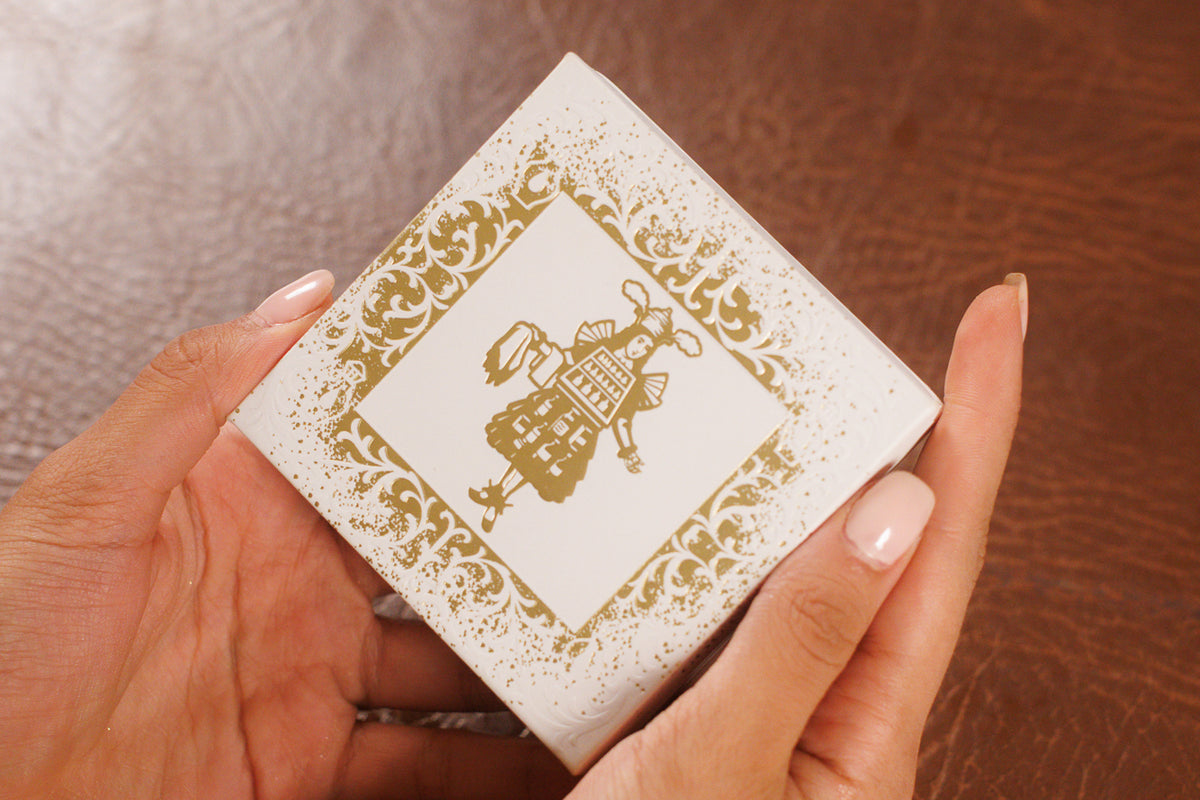
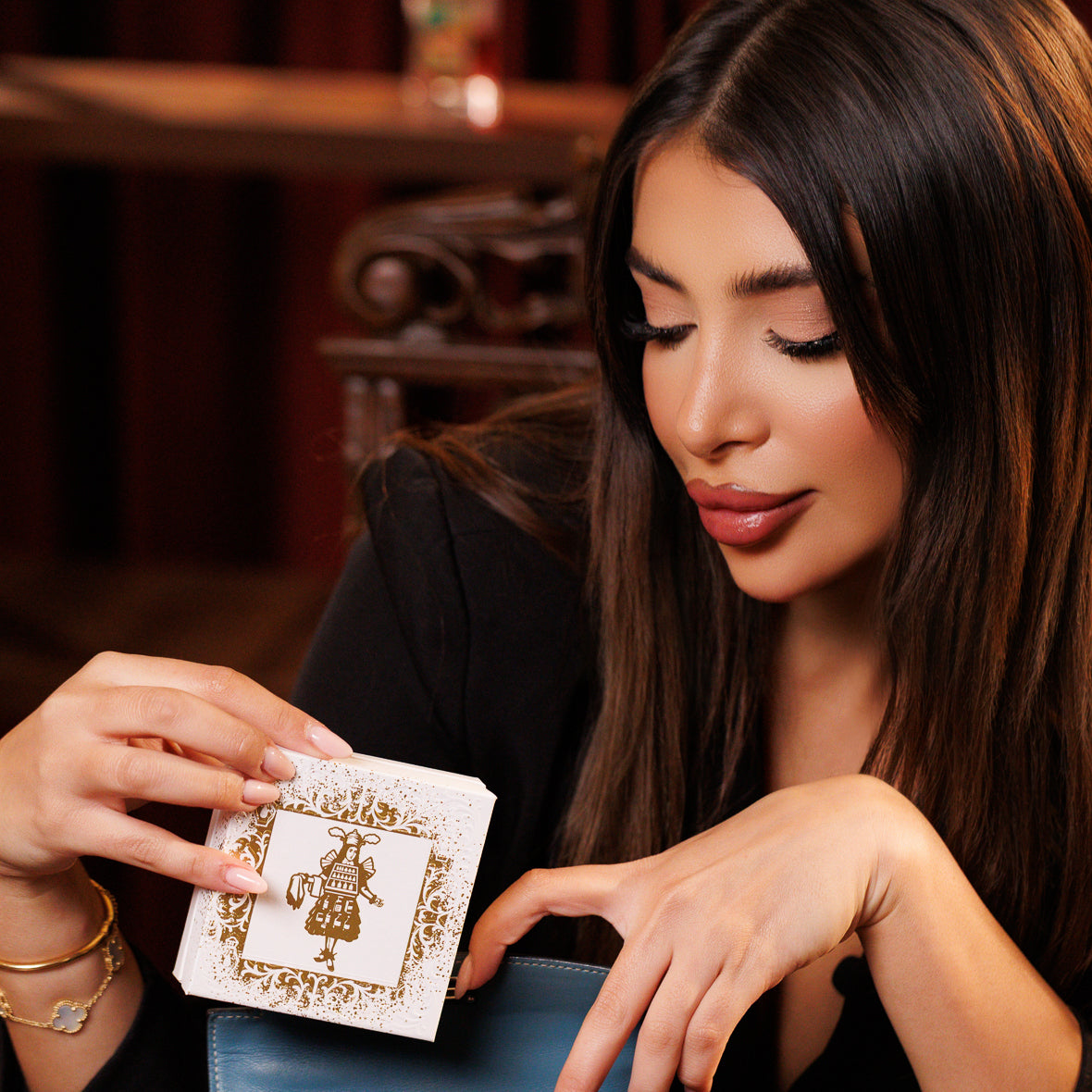
CADA DECANT
Do frasco original até a sua porta
Compramos o flacon original a preço de tabela, direto da casa.
Uma seringa Socorex de grau médico retira os mililitros exatos direto do flacon.
Guardado na caixa com gravação a quente e entregue à DHL, com todos os impostos já pagos. Como um decant é feito
Mais de The Antagonist
Você também pode gostar