Lost Tribe
Be Mine
القصة
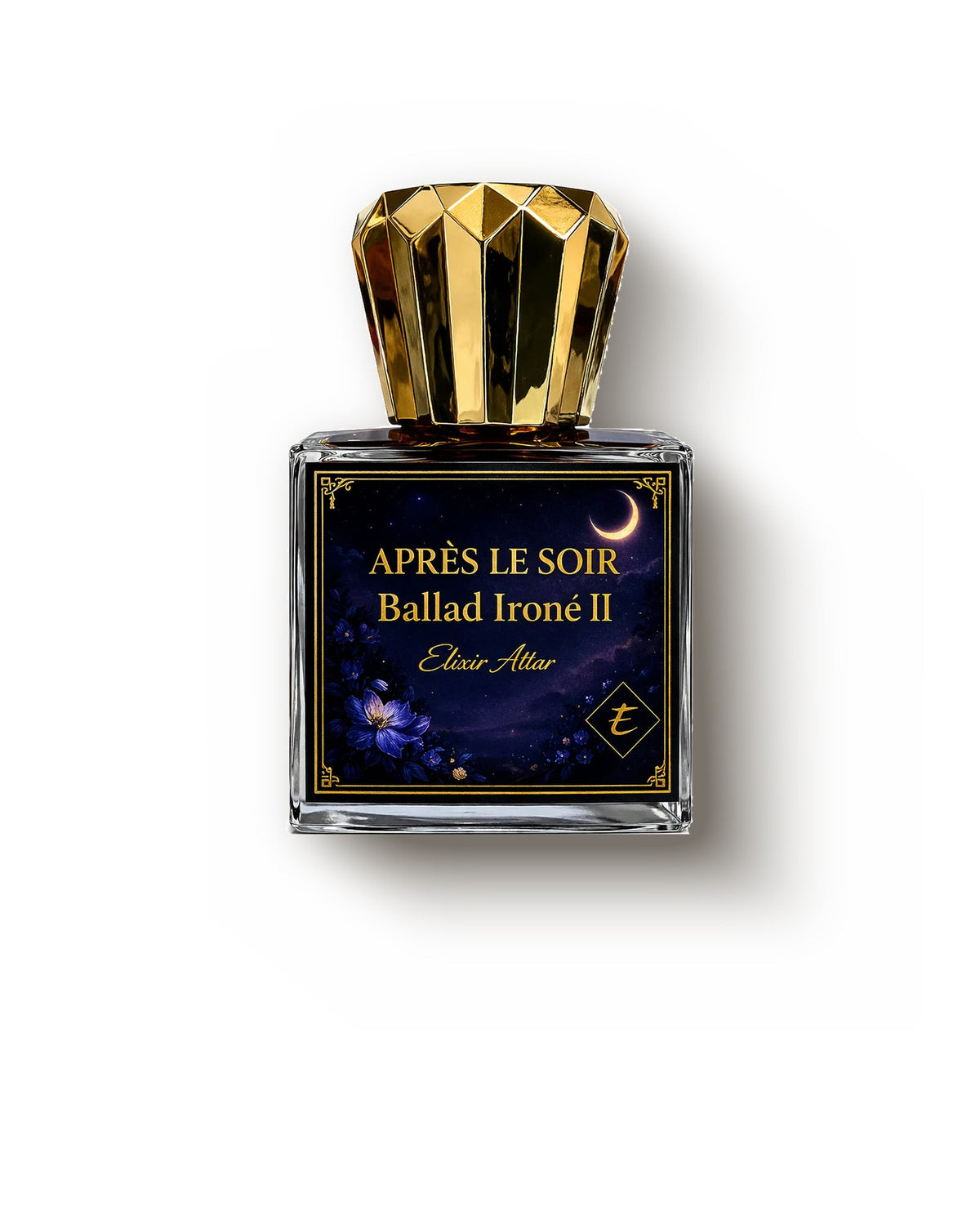
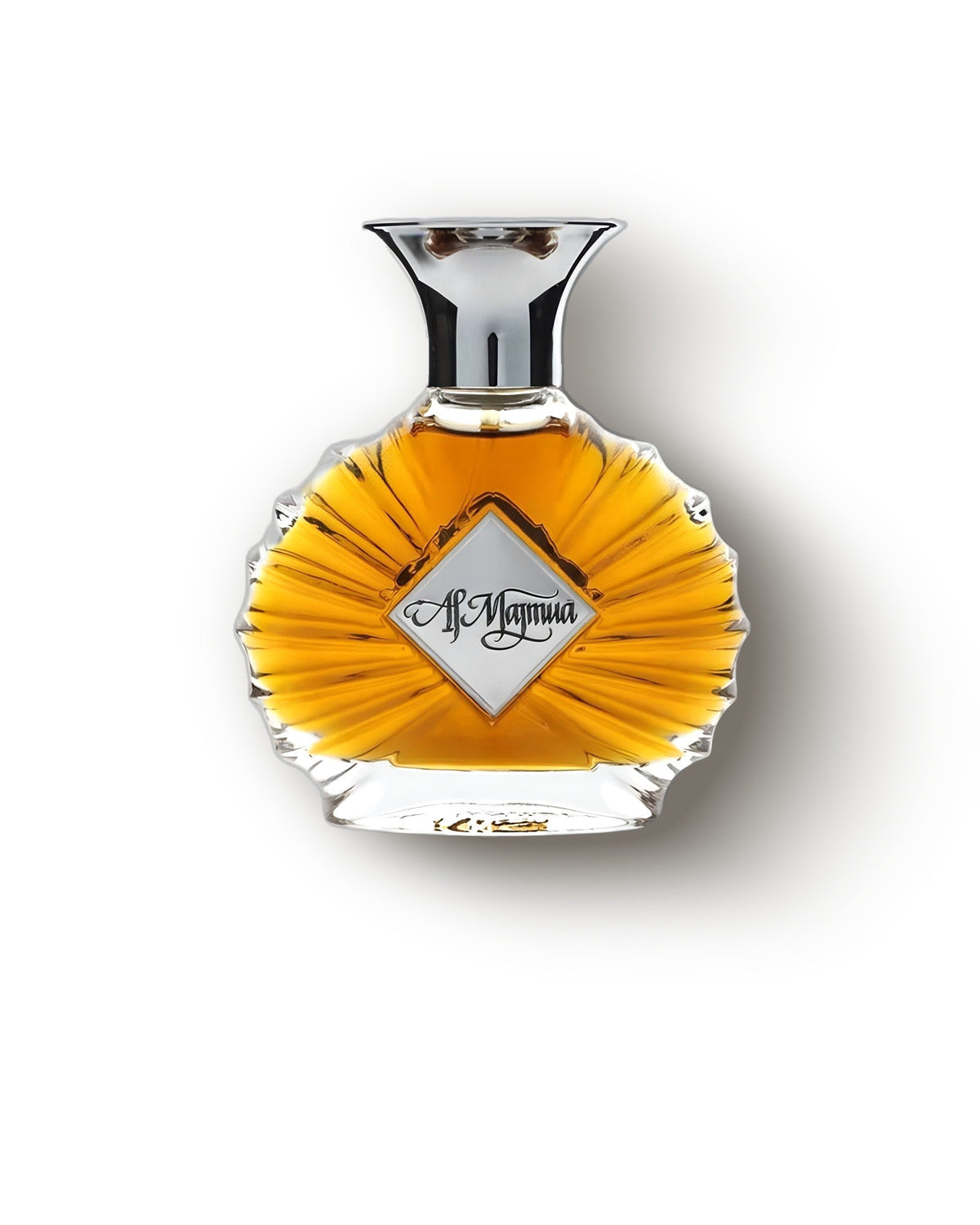
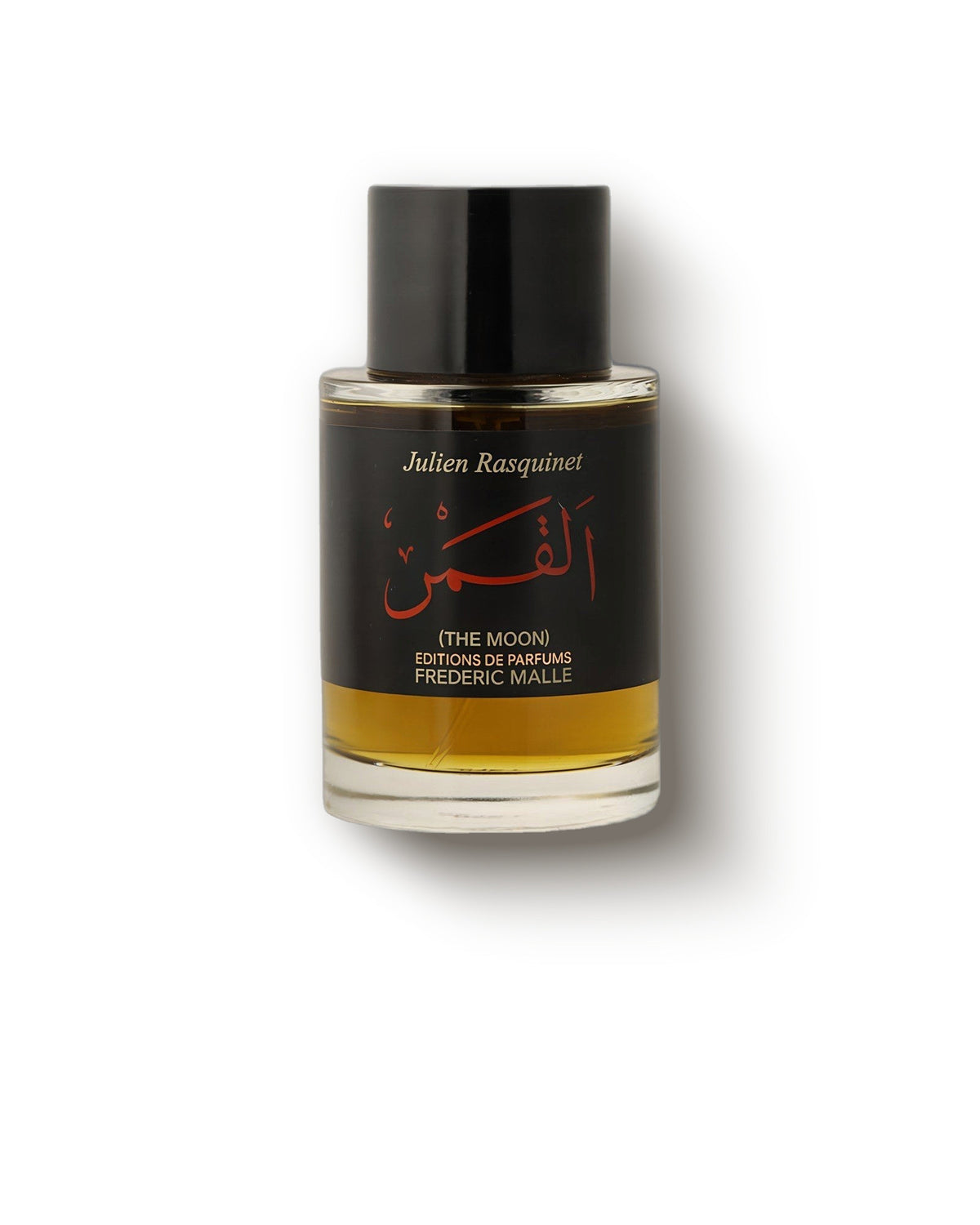
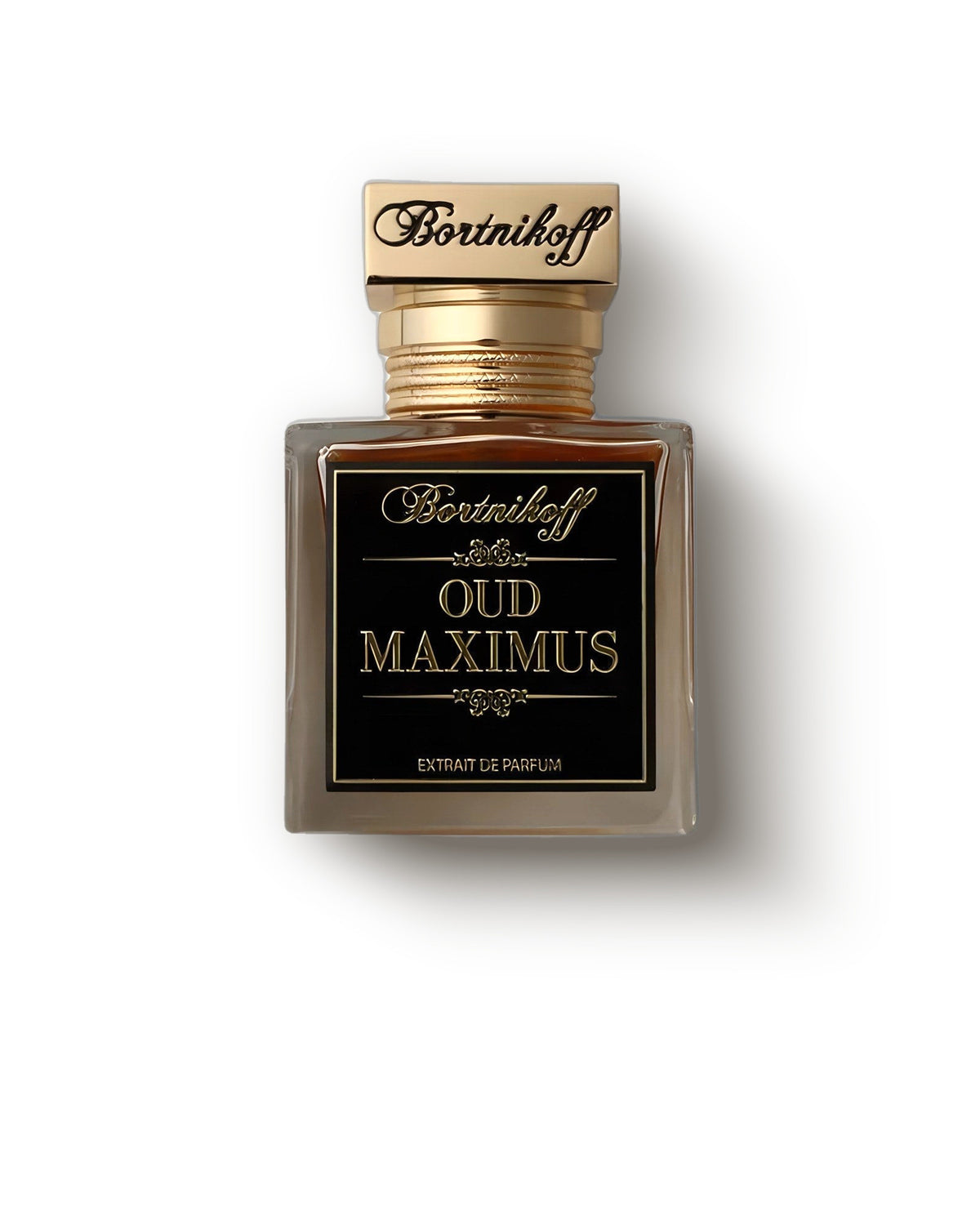
Be Mine إصدار خاص بعيد الحب أطلقته Lost Tribe في متجرها الخاص في فبراير 2026، إلى جانب عطر مرافق يحمل اسم St Valentine. تذكر الدار النيويوركية افتتاحية من الكشمش الأسود ودهن الورد فوق نوعين من العود، وتقول إن كل زجاجة سعة 15 ml تحمل أكثر من غرام من ذلك المزيج العودي.


خشبي
عروق جافة في خشب مقطوع
رائحة نشارة خشب الأرز وخشب الصندل وجذور الفيتيفر الجافة، دفء راتنجي مصقول بخشونة خافتة كخشونة علبة الأقلام. إحساس راسخ متّزن، والعمود الفقري الهادئ الذي يجعل العطر يبدو جادّاً طويل الثبات.


العود
ما تصنعه الشجرة حين تُجرَح
خشب كثيف راتنجي، دافئ الرائحة وفيه مسحة دوائية خفيفة، تسري فيه دخانية جلدية تشوبها نبرة حيوانية، وتحتها نفحة حلوة فجّة تكاد تذكّر بالحظيرة. يبدو عريقاً متجهّماً، يلفّ البشرة بشيء كثيف ذي قوة هادئة.


سوسن
بودرة باردة فوق تربة ندية
بودرية باردة فضّية، بطابع جذري زبدي يميل قليلاً إلى الجزر، وهمسة من التربة الرطبة. أنيقة ومتحفّظة، تكاد تكون حزينة، كبودرة وجه ناعمة وجلد السويد ممدودين فوق شيء ترابي هادئ.


الورد
بتلات مخملية، عسل وشوك
ندية وفاكهية في المقدّمة، ثم قلب كالمربّى معسول تسري تحته لسعة فلفلية خضراء. والقليل جداً منها زهرٌ مقطَّر، فأكورد الورد يُبنى بناءً، والجيّد منه قد تفوح منه رائحة الورد أكثر مما تفوح من الوردة نفسها.


مسكي
نَفَس دافئ من بشرة نظيفة
دفء ناعم فيه لمسة حيوانية خفيفة، رائحته كبشرة نظيفة وغسيل جفّ للتوّ، حميمي وحلو على نحو خافت. يدندن بهدوء تحت العطر، بشرةً ثانية لا تُلحَظ إلا حين يقف أحدهم قريباً بما يكفي لالتقاطها.


فاكهي
قشرة خوخ، لا قشر ليمون
خوخ، كمثرى، تفاح، توت: هذه حلاوة اللبّ لا القشر، ندية مثقلة بالرحيق حيث الحمضيات حادّة ونحيلة. طابعها فتيّ وفيه شيء من الشراهة، نضج يكاد المرء يحسّه يسيل على معصمه.


كشمش أسود
كشمش أسود لاذع بزمجرة حيوانية برّية
ما هو
يتجاهل عالم العطور الثمرة في الغالب. فالمادة التي تهمّ هي مطلق براعم الكشمش الأسود، المستخلَص من براعم الأوراق اللزجة الراتنجية في الشجيرة، ويُعزَّز عادةً بجزيئات كبريتية تحمل لسعة الثمرة الحامضة.
كيف تبدو رائحته
حادّ وحامض وأرجوانيّ بلا لبس، ثم يشقّه شيء متوحّش: حدّة خضراء ورقية تشوبها رائحة عرق خفيفة، أقرب إلى القطّ منها إلى الفاكهة. ثمرة ناضجة من خلفها زمجرة.
في عالم العطور
نوتة مقدّمة لها مخالب. تشقّ الحلاوة، وتمنح الورد حدّةً، وتمنح العطر الفاكهي الزهري شيئاً يقاومه. من هنا تبدأ افتتاحية الشيبر الكلاسيكية، وما زالت تفتتح التركيبات الفاكهية الحديثة بهزّة.
جدير بالمعرفة
تأتي نفحته القططية من ثيولات يلتقطها الأنف بتركيز أجزاء في التريليون، وهي العائلة ذاتها الكامنة وراء رذاذ ذكور القطط وكأس من نبيذ سوفينيون بلان. ويضيف العطّارون الكشمش الأسود بالقطرات، لا بوحدات ml.


تفاح
تفاحٌ لا تفاح فيه
ما هو
عصر التفاحة يعطي عصيراً لا عطراً. فلا زيت تفاح، ولا مطلق، ولا شيء يُقطَّر، ولذلك تُركَّب كل نوتة تفاح تركيباً: من إسترات فاكهية عند أغلب العطّارين، ومن البابونج الروماني والدافانا عند من يعملون بالمواد النباتية وحدها.
كيف تبدو رائحته
بارد وحامض وأخضر، كطقطقة القشرة وهي تنكسر تحت العضّة، ووراءه شيء مُسكَّر. التركيبة القائمة على الإسترات مشرقة وتحافظ على شكل واحد واضح. أما تركيبة البابونج فأكثر ضبابية وعسلية، أقرب إلى شراب التفاح المخمّر منها إلى البستان.
في عالم العطور
أثر ضئيل منها يرفع العطور الفاكهية الزهرية والشيبر والمائية والحلويّاتية، إلى جانب الورد والمسك والأخشاب الخفيفة. مع الإسترات يمكن ضبط الخضرة والحلاوة السكّرية بدقة. ومع المواد النباتية يُعاد توازن الأكورد كله باليد.
جدير بالمعرفة
لا هذا الطريق ولا ذاك هو الثمرة نفسها، لذا فالفرق الصادق هو الثبات لا الأصالة. التفاح المبني على الإسترات يصمد أمام الصابون والحرارة والمنظفات، ويتكرر مطابقاً لنفسه. أما النباتي فمكلف، يتبدّل مع الحصاد، صوته خافت، ويبقى نادراً.


دهن الورد الجورجي
الورد الدمشقي المشمس، الصافي كالعسل، من القوقاز
ما هو
ورد دمشقي يُزرع في وديان القوقاز ويُقطَّر بدلاً من أن يُستخلص بالمذيبات، وهنا يكمن الفرق كله. فالدهن يحفظ قمّة الزهرة البلّورية، والمطلق يحفظ عمقها الداكن الشبيه بالمربّى. ويخرج الورد الجورجي صافياً على نحو غير مألوف.
كيف تبدو رائحته
مشرق ودافئ ومضاء من الداخل: ورد دمشقي عسلي صافٍ تحته بودرة مسكية، وفي القمة انتعاش أخضر يكاد يذكّر بإبرة الراعي. وفي مرحلة الجفاف تحضر الشجيرة كلها، بأوراقها وسيقانها.
في عالم العطور
يستعمله العطّارون لإدخال ضوء النهار إلى مزيج داكن: فإلى جانب العود أو المسك يرفع التركيبة ولا يُثقلها. قطرات قليلة منه تبدو نظيفة زهرية، أما اليد الأسخى فتجعله مخملياً بودرياً دون أن تعكّر صفاءه.
جدير بالمعرفة
دهن الورد الحقيقي يتجمّد في غرفة باردة، عند نحو 20 درجة مئوية، ثم يذوب من جديد في راحة اليد، وتلك إحدى طرق التحقق من أنه لم يُخفَّف. ومئات الأرطال من الأزهار تذهب في أوقية واحدة.


الجيرانيوم
وردة بسيقان خضراء ونعناع مسحوق
ما هو
إبرة الراعي التي يعرفها العطّار ليست من جنس الجيرانيوم أصلاً، بل من جنس البيلارغونيوم، ورائحة الورد تسكن أوراقها وسيقانها، وهي الجزء الذي يدخل جهاز التقطير.
كيف تبدو رائحته
ما إن تُسحق ورقة منها حتى يفوح الورد، لكنه ورد ما زالت ساقه متصلة به: أخضر، نضِر، فلفلي قليلاً، تبرّده لمسة نعناعية. ويسري فيه الليمون وحلاوة بودرية.
في عالم العطور
تعمل في القلب جسراً بين العطور الزهرية وعطور الفوجير، وحافتها العشبية هي السبب في أن كثيراً منها ينتهي في عطور تُسوَّق للرجال. ويتآلف معها الورد والنعناع والقرنفل والبرغموت والفيتيفر.
جدير بالمعرفة
تشترك إبرة الراعي والورد في مركّب citronellol، ولهذا تستطيع إبرة الراعي أن تحلّ محلّ جزء من أكورد الورد بكلفة أدنى بكثير. أما محصول بوربون من جزيرة ريونيون، الذي كان المعيار يوماً، فقد تضاءل مع انتقال الزراعة إلى مصر والصين.


مسك الليتشي والورد
كلمة واحدة لمادتين مختلفتين تماماً
ما هو
يندرج تحت هذا الاسم شيئان. عائلة من المسك الاصطناعي صُمّمت لتحمل الدفء والنعومة، وهي التي تؤدي معظم العمل في صناعة العطور اليوم. أما مسك الغزال فهو الطريق الأقدم، ولا تزال صناعة الأدهان العطرية التقليدية تقوم عليه.
كيف تبدو رائحته
مسك الغزال حيواني وثقيل عن قرب، ثم يصير دافئاً حلواً مشعّاً كالبشرة ما إن يُخفَّف حتى يغدو همساً. أما أنواع المسك الاصطناعي فأنظف: كتّان خرج للتوّ من تحت المكواة، وقطن دافئ، وبشرة لا فرو.
في عالم العطور
المسك هو الأرضية التي تقف عليها التركيبة: يثبّت ما فوقه، ويطيل مدة البقاء، ويضيف ذلك التوهج الشبيه ببشرة ثانية. وكثيراً ما يكمن مسك تحت عطر الليتشي أو الورد، فيُبقي الفاكهة في مكانها طويلاً بعد أن كان يُفترض أن تتلاشى.
جدير بالمعرفة
قد تفوح الزجاجة الواحدة بإشراق على شخص، ولا يكاد يُشمّ منها شيء على الشخص التالي. فعدد كبير من الناس لا يستطيع شمّ بعض أنواع المسك الاصطناعي إطلاقاً، وهي ظاهرة غريبة تُعرف بفقدان الشمّ النوعي.


دهن الورد الأحمر
ثلاثة آلاف كيلوغرام من الأزهار، لكيلوغرام واحد من الزيت
ما هو
ورد دمشقي يُقطف من قبيل الشروق حتى منتصف الصباح، ويُقطَّر بالبخار في غضون ساعات من مغادرته الحقل. ويُزرع معظم ما يُعرف في السوق بدهن الورد في وادي الورد في بلغاريا وفي إسبارطة في تركيا.
كيف تبدو رائحته
منعش ندي في البداية، أخضر بلمسة ليمونية وحافة متبّلة، ثم يتعمّق نحو حلاوة البتلات مع نبرة خفية شمعية تذكّر بالقرنفل والشاي. أكثر إشراقاً واخضراراً وأغنى بالتوابل من مطلق الورد، الذي يحتفظ بالثقل العسلي الذي يتركه التقطير وراءه.
في عالم العطور
حجر أساس بين نوتات القلب. يمنح العطور الزهرية والشيبر والشرقية قوامها ورومانسيتها، وهو الورد في أدهان الورد والعود الشرق أوسطية، كما هو الورد في عطور الشيبر الفرنسية القديمة سواءً بسواء.
جدير بالمعرفة
إن تُركت القارورة في حرارة دون 22 درجة مئوية تقريباً، تجمّد جزء منها وتكوّنت فيه رقائق بلورية شاحبة. تلك هي مادة الستيروبتين، شمع يكاد يكون عديم الرائحة ينتقل من البتلات؛ ويكفي تدفئتها في راحة اليد لتعود صافية من جديد.


نوتكا
خشب من ساحل المحيط الهادئ يخبّئ في داخله الجريب فروت
ما هو
ليس السرو المتوسطي، على عكس ما يوحي الاسم. ينمو في الغابات المطيرة المعتدلة على ساحل شمال المحيط الهادئ، ويحمل اسمه من مضيق نوتكا، ويُستخرج الزيت من خشبه لا من أوراقه الطرية.
كيف تبدو رائحته
يفتح بخشب داكن يذكّر بالأقلام، جافاً ومائلاً إلى المرارة، يبقى في عمق الأنف. ثم يرتفع منه شيء غير متوقع: وميض من قشر الجريب فروت. ويجفّ في خاتمة بودرية وراتنجية.
في عالم العطور
حيث يرفع السرو المتوسطي افتتاحية ثم يرحل، يغوص هذا في العمق. يحافظ العطّارون على جرعة منخفضة منه ويتركونه يحمل القاعدة، خشب جاف قادر على حمل الحمضيات وخشب الأرز في نفَس واحد.
جدير بالمعرفة
الجزيء الذي يجعل رائحة الجريب فروت جريب فروت اكتُشف في هذا الخشب أولاً. استخلص الكيميائيون Nootkatone من قلب الخشب وسمّوه باسم الشجرة، ثم وجدوا المادة نفسها بعد ذلك بقليل في قشر الحمضيات.
أترج
حمضيات عتيقة وعرة القشرة، بضوء أخضر جاف
ما هو
أقدم من كل الحمضيات المزروعة تقريباً، وهو سلف الليمون. إذا شُقّت ثمرته لم يكد يُعثر فيها على عصير، بل على قشرة سميكة متعرّجة جلدية الملمس، وفيها بالضبط يكمن الزيت. ويُسمّى زيته المعصور على البارد cedrat.
كيف تبدو رائحته
كالليمون، لكنه أكثر استدارة وأقل حموضة، مع ثقل مخملي خلف القشر ومرارة جافة في الختام. وفيه أيضاً لمسة زهرية صغيرة ترفعه. «مصقول» هي الكلمة المناسبة، بينما الليمون حادّ لا أكثر.
في عالم العطور
نوتة مقدّمة لعطور الكولونيا وأكوردات الحمضيات الحديثة، أكثر إشراقاً وجفافاً من الليمون، ويجد راحته مع النيرولي والبيتيغرين والأعشاب الخضراء. وباسمه الفرنسي cedrat، سُمّيت فئة كاملة من العطور.
جدير بالمعرفة
ثمة صنف منه لا يكاد يُعنى باللبّ، بل ينقسم إلى عنقود من الأصابع الصفراء. يُسمّى «يد بوذا»، ويُستخدم في أنحاء آسيا قرباناً في الطقوس الدينية بدل أن يُؤكل.


غاردينيا مستخلصة بالدهن
زهرة بيضاء كريمية بقلب من الفطر
ما هو
شجيرة دائمة الخضرة لامعة الأوراق من فصيلة البن، أصلها الصين واليابان، تحمل أزهاراً بيضاء شمعية تأبى أن تتخلى عن زيتها. لذا يقرأ العطّارون الهواء المحيط بالزهرة الحية، ويعيدون بناءه من الياسمين والتوبيروز والمواد العطرية الكيميائية.
كيف تبدو رائحته
غنية وكريمية، حلاوة الياسمين ممدودة فوق ثراء التوبيروز، تفتتح بانتعاش أخضر يكاد يكون زبدياً. وفي صميمها يكمن الجزء الغريب: وجه من الفطر وجوز الهند، لحميّ ومالح قليلاً، يمنع الحلاوة من أن تصير مسكّرة.
في عالم العطور
يستخدمها العطّارون في القلب، حيث تمنح التركيبات الزهرية البيضاء والاستوائية قواماً مخملياً. تنسجم مع التوبيروز واليلانغ يلانغ والياسمين وجوز الهند، وتتصدّر عطور الزهرة الواحدة المبنية بالكامل حولها.
جدير بالمعرفة
مطلق الغاردينيا الحقيقي يكاد لا يوجد تجارياً: فالزهرة تعطي أقل من أن يكون استخلاصها مجدياً اقتصادياً، ولذا فإن كل نوتة غاردينيا تقريباً هي إعادة بناء. ويكاد يكون مؤكداً أن الغاردينيا التي تصل إلى الأنف لم تقترب يوماً من زهرة غاردينيا.

ياسمين سامباك
ياسمين أخضر كالشاي يتفتّح بعد حلول الظلام
ما هو
تتفتّح الأزهار بعد حلول الظلام، وحينها تبلغ رائحتها أقصى قوتها، لذا يقطفها العمّال براعمَ في الصباح الباكر قبل أن تنفتح. ويعطي الاستخلاص بالمذيب كونكريت شمعياً، وغسل هذا الكونكريت بالكحول يعطي المطلق.
كيف تبدو رائحته
أكثر خضرة وأقرب إلى الشاي من ياسمين grandiflorum، وأقل فاكهية بكثير. يبدأ حادّاً وشمعياً قليلاً، مع مسحة تكاد تكون من الموز، ثم يدفأ في حلاوة إندولية. ومركّب indole هو ما يمنحه جانبه الحيواني: مُسكِر عن قرب، ومع ذلك يبقى مضيئاً.
في عالم العطور
نوتة قلب تمنح باقات الأزهار البيضاء جسدها وارتفاعها. تنسجم مع الورد والتوبيروز وخشب الصندل والشاي الأخضر، وتُليّن حدّة الحمضيات، وبعض عطور الزهرة الواحدة المستوحاة من أزهار الليل تكاد لا تُبنى إلا عليها.
جدير بالمعرفة
هذا هو السامباغيتا، الزهرة الوطنية للفلبين، يُنظم في أكاليل ويُستخدم لتعطير الشاي الصيني. أزهار دقيقة تُقطف باليد كل صباح على مدى موسم طويل، وهذا ما يضع مطلقها بين أغلى المواد الزهرية.


أوسمانثوس
مشمش وجلد ناعم في زهرة ذهبية صغيرة
ما هو
أزهار صغيرة برتقالية ذهبية تُعطّر بها الصين شايها ونبيذها منذ قرون. تُجمع باليد، وتُستخلص بالمذيب في خلاصة شمعية، ثم تُغسل لتصير المطلق الذي يشتريه العطّارون.
كيف تبدو رائحته
المشمش أولاً، ناضجاً يكاد يكون كالمربّى، ثم الخوخ والشاي الأسود. وبعد دقيقة يظهر جلد السويد، ناعماً ودخانياً قليلاً، كرائحة قفّاز طال ارتداؤه. ويجفّ نحو الزبيب لا نحو السكّر.
في عالم العطور
نوتة قلب تقف تماماً بين الفاكهة والزهرة والجلد، ولهذا تستطيع أن تُحلّي التركيبة دون أي سكّر فيها. تنسجم معها بطبيعة الحال أكوردات الشاي الأسود والورد والمشمش، وكذلك الجلد الحقيقي.
جدير بالمعرفة
يلزم نحو طنّ من هذه الأزهار الدقيقة لصنع كيلوغرام واحد من المطلق. وترتبط الشجرة هناك بقمر الحصاد وبالحب، وهو معنى كبير لزهرة بهذا الصغر.

خشب الورد
خشب ورد كريمي بتوهّج خوخي
ما هو
خشب الورد في عالم العطور هو bois de rose، شجرة أمازونية من فصيلة الغار يفوح خشبها المقطوع حديثاً برائحة الورد. وليس هو الباليساندر الذي يُصنع منه الأثاث وظهور الغيتارات، فتلك شجرة مختلفة تماماً.
كيف تبدو رائحته
حلو ووردي وكريمي لا جاف، بمسحة خوخية ولمسة كافورية خفيفة في الافتتاحية. أخفّ من خشب الصندل، وأكثر زهرية من خشب الأرز. وفي الختام يبدو دافئاً بلسمياً مستديراً.
في عالم العطور
نوتة قلب تقع بين الزهور والأخشاب، فتضيء الاثنين معاً. يتآلف معها الورد والياسمين والفيتيفر والحمضيات، وقد اعتمد كثير من العطور الزهرية الألدهيدية الكبرى على زيت خشب الورد البرازيلي.
جدير بالمعرفة
لا تكاد نبتة تحمل من Linalool أكثر منها: فقد وصلت نسبته في الزيت إلى تسعين بالمئة، وقطع الأشجار طلباً لهذا الجزيء أفنى تجمّعاتها البرية. ومعظم زيت خشب الورد اليوم يأتي من أوراق تُقطَّر من أشجار تُترك قائمة.

خشب اليشم
سرو جاف بنعومة الحليب الدافئ
ما هو
لا توجد شجرة اسمها خشب اليشم. الاسم تجاري، والزيت الذي يحمله يُقطَّر بالبخار من صنوبر السرو الأبيض، وهو شجر مخروطي منتشر في الداخل الأسترالي الجاف.
كيف تبدو رائحته
خشب جاف تعلوه نعومة غير متوقّعة، حليبية، أقرب إلى الحليب الدافئ منها إلى النسغ الطازج. بلسمي في العمق، بالكاد حلو. أقرب أقربائه على الرفّ السرو الأزرق، ومن خلفه خشب الصندل ولحاء ماسويا.
في عالم العطور
يعمل من القاعدة مثبِّتاً، يمسك التركيبة معاً دون أن يُعلن عن نفسه. تلائمه أكوردات البخور والدخان، وكذلك مكان إلى جانب خشب العود. وكثيراً ما يحلّ محلّ السرو الأزرق بكلفة أقل.
جدير بالمعرفة
يعرف الأستراليون هذه الشجرة خشباً للبناء لا عطراً. يصمد لبّ خشبها أمام النمل الأبيض، وهو أثر يُعزى إلى مركّبات sesquiterpenes في الخشب، ويُنشر في أنحاء البلاد كلها ألواحاً للأرضيات وأعمدةً للأسوار.

ورد بلغاري
نسيم الفجر الطازج من وادي الورود
ما هو
ورد دمشقي يُزرع حول كازانلاك، في الوادي الذي سمّته بلغاريا باسم الورد. ثلاثة إلى أربعة أطنان من الأزهار تدخل الإنبيق من أجل كيلوغرام واحد من دهن الورد. أما الاستخلاص بالمذيبات فيعطي مطلقًا أحمر داكنًا.
كيف تبدو رائحته
نديّ ومشرق كالليمون في البداية، ثم عسل، ثم توابل مخملية في العمق. هو الأصفى بين الوردين الدمشقيين الكبيرين. ومع الوقت يطفو دفء يشبه القرنفل، ومعه شيء شمعي قريب من الشاي الأسود.
في عالم العطور
الشفافية هي ما يطلبه منه العطّارون: يحافظ على شكله إلى جانب الباتشولي أو العود أو خشب الصندل أو نوتة فاكهية كالليتشي، ومعظم عطور الورد الكبرى تستند إليه.
جدير بالمعرفة
يمتد القطاف ثلاثة أسابيع أو أربعة، من منتصف مايو إلى يونيو، وهذا هو العام كله. يخرج القاطفون قبل الشروق لأن حرارة النهار تُطيّر الزيت. وإذا حُفظ دهن الورد في مكان بارد تبلور داخل الزجاجة.

زيت خشب الأرز العطري
برادة أقلام رصاص جافة وخشب دفّأته الشمس
ما هو
الأرز الذي في أقلام الرصاص وخزائن الملابس هو في الغالب عرعر. فأرز فرجينيا وأرز تكساس كلاهما كذلك، ولا يُعدّ أرزاً حقيقياً من جنس Cedrus إلا أرز الأطلس وأرز الهيمالايا. ويُقطَّر الزيت بالبخار من رقائق قلب الخشب ونشارة المناشر.
كيف تبدو رائحته
أقلام رصاص مبريّة للتوّ، وجوف صندوق من خشب الأرز. يميل أرز فرجينيا إلى جفاف القلم وإلى طابع بلسمي، أما أرز الأطلس فأحلى، يكاد يكون عسلياً. ويحمل كلاهما دخاناً نظيفاً فيه برودة كافورية خفيفة، يستقر في دفء مشبع بالنُّسغ.
في عالم العطور
مادة يُعتمد عليها من القلب إلى القاعدة: بنية جافة تستند إليها المواد الأخرى. ينسجم مع الفيتيفر والورد والحمضيات والبخور، وهو الدخان في ختام عدد لا يُحصى من العطور الخشبية العنبرية الحديثة.
جدير بالمعرفة
نادراً ما يظهر الأرز وحده. فجزيئاته، بعد أن يُعاد تشكيلها في المختبر، تُشكّل العمود الفقري لعدد كبير من العطور الخشبية المعاصرة، ولهذا تحمل معظم العطور الخشبية الحديثة أثراً خفيفاً من رائحة قلم رصاص مبريّ.


بورت أوكسفورد
خشب دافئ كالزنجبيل من سرو كاذب
ما هو
أرز بالاسم فقط. بورت أورفورد هو في الحقيقة سرو كاذب لا صلة له بشجر التنوب، وينمو بريًا على شريط ساحلي واحد يمتد نحو 175 ميلاً حيث تتقابل ولايتا أوريغون وكاليفورنيا.
كيف تبدو رائحته
لا شبه له بشجرة عيد الميلاد. رائحة الخشب جافة ونظيفة، دافئة بالطريقة التي يكون الزنجبيل الطازج دافئًا بها، مع لمسة عشبية خضراء من الشمر في الخلفية، وخالية من حلاوة التنوب الراتنجية اللزجة.
في عالم العطور
يستخلصه العطّارون من الخشب، بالتقطير بالبخار من نفايات المناشير والجذوع لا من الإبر أو الأغصان. وهذا ما يجعله نوتة قاعدة لا نوتة مقدّمة خضراء: بنية خشب الأرز الجافة، محمولة بلمسة من التوابل.
جدير بالمعرفة
عفن مائي يقتل هذه الأشجار، وينتقل عبر التراب الرطب العالق بالعجلات والأحذية والحوافر. وتغلق الغابات في نطاق انتشاره طرقها خلال الأشهر الممطرة وتغسل المركبات عند البوابة.


خزامى
زرقة عشبية باردة من تلة مشمسة
ما هو
تُقطع القمم المزهرة في ذروة الإزهار وتُحمل مباشرة إلى الإنبيق، فتُسلم السنابل الأرجوانية زيتاً شاحباً. أما الاستخلاص بالمذيبات فيُعطي بدلاً من ذلك مطلقاً أغمق لوناً. ومعظم الإنتاج يأتي من بروفانس وبلغاريا.
كيف تبدو رائحته
حادّ وأخضر في البداية، يكاد يكون نعناعياً، مع نفحة كافورية باردة ترتفع فوق حلاوة زهرية ناعمة. ثم يدفأ في مرحلة الجفاف ليصير تبناً وفانيليا خافتة وسكينة بودرية. والخزامى الحقيقية أكثر استدارةً وحلاوةً من الهجين لافاندين.
في عالم العطور
إذا اجتمعت مع طحلب البلوط وCoumarin والتونكا وُلد الفوجير، البنية المستوحاة من صالونات الحلاقة التي تقف وراء عدد لا يُحصى من العطور الرجالية ذات الطابع العطري العشبي. وتمتد الخزامى من المقدّمة إلى القلب، فتُبرّد الأزهار المشرقة وتُليّن عطور الكولونيا الحمضية.
جدير بالمعرفة
حقول بروفانس التي يلتقط لها السياح الصور هي في معظمها لافاندين، وهو هجين عقيم يُعطي زيتاً أكثر بكثير في الهكتار الواحد. أما الخزامى الحقيقية فتنحسر صعوداً نحو أعالي التلال: فقد دفع مرض بكتيري تنقله حشرات ماصّة للنسغ زراعتَها إلى ارتفاعات أبرد.


عود سومطرة
عود داكن وترابي من الغرب البركاني
ما هو
عود يُقطَّر في سومطرة، الجزيرة الغربية الطويلة من القوس الإندونيسي، ويُستخرج أساسًا من نوعي Aquilaria malaccensis و Aquilaria microcarpa. تربته هي غابة مطيرة منخفضة على تربة بركانية تحت رطوبة دائمة، وهذا الأصل يظهر أثره في الزيت بوضوح. سومطرة واحدة من عدة مناطق إندونيسية متمايزة لإنتاج العود، إلى جانب كاليمانتان في بورنيو وبابوا في الشرق البعيد، وهي الأكثر عرضة للخلط مع غيرها: فالزيت الذي يوصف بأنه إندونيسي فقط يكون غالبًا من كاليمانتان، ولا يشبه هذا الزيت في رائحته على الإطلاق.
كيف تبدو رائحته
أعمق وأكثر رسوخًا من الطراز البورنيوي الخفيف، ويفتح برائحة رطبة وحيوانية تذكّر بأرض الغابة الرطبة والدُبال ولمسة تخمّر بدلاً من الكافور. وتحته تكمن خشبية راتنجية داكنة، حلوة بهدوء لا فاكهية، مع خيط طبي خفيف يسري في الرائحة كلها. وهو الأكثر ترابية بين زيوت الأرخبيل والأبطأ في التصاعد عن البشرة.
في عالم العطور
يُستخدم لإعطاء الثقل والعمق التربي في قاعدة التركيبة، بينما تمنح زيوت كاليمانتان الأخف رفعًا يعلو بها. عمقه الرطب والحيواني يثبّت العنبر والورد والراتنج دون الشحنة البرازية التي تحملها زيوت الهند، وهذا ما يجعله مفضّلاً لدى العطّارين الطبيعيين الذين يريدون للعود أن يقرأ كغابة لا كحظيرة. القليل منه يكفي ويدوم طويلاً.
جدير بالمعرفة
إندونيسيا ليست عودًا واحدًا. الطابع الكافوري الأزرق الذي يُنسب عادة إلى هذا البلد ينتمي في الحقيقة إلى كاليمانتان في بورنيو؛ أما زيت سومطرة فهو أدكن وأكثر ترابية، وزيت بابوا أكثر اخضرارًا وعشبية. والمحصول ضئيل والتقطير يستغرق أيامًا، لذا يُصنع عود سومطرة الأصيل ذو المنشأ الواحد في دفعات حرفية صغيرة.

عود ناتونا
حلاوة هواء البحر من أقصى شمال إندونيسيا
ما هو
عود من جزر ناتونا، أرخبيل صغير في بحر الصين الجنوبي يقع بين شبه جزيرة الملايو وبورنيو، ويمثّل أقصى نقطة شمالية في جزر رياو الإندونيسية. وهو عود جزري بالمعنى الحرفي، يُقطَّر من أشجار تنمو في مدى هواء البحر المالح على بقعة أرض متناثرة بعيدة عن مصادر الغابات المطيرة الكبرى، ولذلك يبقى المعروض منه محدودًا بالمقابل.
كيف تبدو رائحته
يصف المقطّرون فتحة حلوة ومالحة بخفة تحمل رائحة البحر فعلًا، محمولة بالحمضيات ولمسة زهرية بيضاء ناعمة تُشبَّه غالبًا بالياسمين. ويبقى القلب مشرقًا ونظيفًا لا متخمّرًا، وتنتهي القاعدة بلمسة فانيليا هادئة تشبه البخور فوق خشب باهت. وهو من بين الزيوت الإندونيسية الأكثر سهولة والأقل حيوانية.
في عالم العطور
يُقدَّر بصفته عودًا رافعًا، يُستخدم حيث تحتاج التركيبة إلى بنية خشب العود دون ثقله. وإشراقه المالح يتناسق طبيعيًا مع أكوردات الحمضيات والبحر والزهور البيضاء، ويمنع العنبر من أن يصبح ثقيلًا. ولأن طابعه رقيق لا طاغٍ، يُوضع غالبًا إلى جانب عود أدكن يوفّر العمق تحته.
جدير بالمعرفة
ناتونا أرض إندونيسية لكنها أقرب إلى بورنيو وشبه جزيرة الملايو من جافا، ويعكس الزيت هذا الموقع الوسيط: فلا هو بالطراز الكافوري لكاليمانتان ولا بالطراز الترابي لسومطرة. والمعروض الجزري محدود ويُستخدم الاسم أحيانًا بتساهل، لذا يصبح مصدر العود هنا أكثر أهمية منه في المناشئ القارية.
صندل اللبّ الأسود
أقدم درجات خشب الصندل الهندي وأدكنها
ما هو
اللحم الأسود هو الاسم التجاري لأعلى وأقدم درجات خشب الصندل Santalum album: قلب الخشب والجذر الداكن المشبّع بالزيت من أشجار تُركت قائمة لعقود طويلة، حيث يكون قلب الخشب قد اسودّ من الذهبي الباهت إلى البني العميق مع تراكم Santalol. ويعدّ المقطّرون الجذر أفضل جزء في الشجرة، وهذه هي المادة التي بنت شهرة ميسور، منطقة كارناتاكا التي جاء منها هذا الخشب.
كيف تبدو رائحته
يفعل كل ما تفعله الدرجة القياسية، لكن بشكل أبطأ وأكثف وأعمق. فالحلاوة القشدية الحليبية ما تزال حاضرة، وكذلك اللمسة الزبدية الحامضة، لكنهما تكمنان تحت دكنة راتنجية كثيفة، بعمق جلدي ودخاني خفيف لا تملكه أخشاب القلب الفتيّة أبدًا. تفتح بهدوء وتتكشف على مدى ساعات.
في عالم العطور
مادة قاعدية تُستخدم بكميات صغيرة من أجل الثقل والثبات لا من أجل نوتة الصندل المميّزة بذاتها. فهي تثبّت وتُنعّم كل ما فوقها، وهي الشريك التقليدي للعود والورد والمسك المعتّق في المزج العربي، حيث تبدو درجات المزارع الباهتة رقيقة بالمقارنة.
جدير بالمعرفة
تصف لغة التصنيف في خشب الصندل الخشب نفسه، لا رأي البائع: فـ«black meat» يعني قلب الخشب القديم الداكن وجذره، ولا توجد شجرة مزارع بلغت من العمر ما يكفي لإنتاجه. وقد خضع الصندل الهندي لحماية وترخيص صارمين منذ عقود بعد أن كاد ينهار بسبب الإفراط في الحصاد، لذا يتداول الخشب المعمّر الأصيل اليوم بشكل شبه كامل كمخزون قديم.


صندل كيرالا 1953
زيت صندل هندي عتيق، معتّق في القنينة
ما هو
تسمية الدار لزيت Santalum album معتّق من كيرالا، على الساحل الجنوبي الغربي للهند إلى جانب كارناتاكا، يحمل تاريخ 1953. خشب الصندل من المواد الطبيعية القليلة التي تتحسّن بالفعل داخل الزجاج، والزيت المحفوظ لهذه المدة الطويلة مادة مختلفة عن التقطير الطازج لنفس الخشب.
كيف تبدو رائحته
أكثر استدارة وهدوءًا من أي زيت جديد. عقود في القارورة أذابت تمامًا الحدة الحامضية الزبدية في المقدّمة، تاركة حلاوة لبنية ناعمة، ووسطًا ورديًا بلسميًا دافئًا، وخشبية جافة تكاد تكون بودرية في القاعدة. لا حدة فيه على الإطلاق؛ رائحته أقرب إلى البشرة منها إلى الخشب.
في عالم العطور
يُستخدم كما تُستخدم أي مادة عتيقة دائمًا، بحذر وكمركز للتركيبة لا كنوتة داعمة. نعومته تجعله قاعدة مثالية للورد والبنفسج والياسمين، وهو يثبّت الأكورد دون أن يضيف إليه أي حدة من عنده.
جدير بالمعرفة
تاريخ مدوّن على زيت صندل هو بقدر ما يخص التقطير يخص التخزين أيضًا، ولا يقف خلفه سوى سجل البائع نفسه. تتشارك كيرالا وكارناتاكا نفس النوع ونفس الوضع المحمي؛ والفارق بين قارورة كهذه وقارورة حديثة هو عمر الشجرة التي جاءت منها والعقود التي تلت ذلك.


مسك منغولي حلو
شوكولاتة وغبار وهمهمة حيوانية دافئة
ما هو
مسك غزال من أبرد أطراف موطنه: الجبال المكسوّة بالغابات حيث تلتقي منغوليا بجنوب سيبيريا. ويقيّمه العطّارون قياساً إلى مسك تونكين، المادة الفيتنامية التي يُقاس بها كل مسك آخر.
كيف تبدو رائحته
أحلى مما يُتوقَّع، يكاد يكون شوكولاتياً، وتحته تراب وراتنج ودفء رملي جاف قريب من العنبر الرمادي. أكثر عكارةً من رقّة مسك تونكين الزهرية، وألين من الدرجة السيبيرية الوحشية. يلازم البشرة ولا يعلو فوقها.
في عالم العطور
أثرٌ ضئيل منه يُثبّت كل ما فوقه لساعات، ويمنح المزيج ثقلاً قاتماً لصيقاً بالبشرة. وتقرنه الدور التي تعمل بمواد طبيعية خالصة بالعود، فيلاقي عمودُه الترابي الدخانَ في منتصف الطريق.
جدير بالمعرفة
يكاد كل ما يُباع اليوم باسم المسك يكون اصطناعياً لا صلة له بأي غزال، ولهذا لا تكشف الكلمة إلا القليل حين ترد في قائمة النوتات. يبقى مسك تونكين هو المعيار، أما درجات التايغا فتبدو أخشن وأقرب إلى رائحة الحظيرة.


سوسن 80% Irones
بنفسج بودري بارد، سوسن بعد إزالة الدهن منه
ما هو
لا شيء هنا أتى من بقرة. زبدة السوسن تتصلّب مثلها، لكنها في الحقيقة جذر السوسن، وأغلب وزنها دهن بلا رائحة. اغسل هذا الدهن وثمانون بالمئة من المتبقي يكون Irones.
كيف تبدو رائحته
بارد وجاف، أقرب إلى بودرة الوجه والجزر المقشور منه إلى أي زهرة، مع بنفسج يتوارى خلف جلد السويد. لا حلاوة فيه على الإطلاق. قطرة واحدة بهذا التركيز تحوّل تركيبة كاملة إلى فضي اللون.
في عالم العطور
يستخدمه العطّارون بكميات ضئيلة جدًا وتظل رائحته حاضرة. زبدة السوسن العادية تحتوي على ثمانية إلى خمسة عشر بالمئة من Irones، فهذا يحمل خمسة إلى عشرة أضعاف تلك النسبة. يمنح الورد وخشب الصندل عمودًا باردًا من جلد السويد.
جدير بالمعرفة
احفر الجذمور وستجد رائحته خضراء وحادة، لا شبه بينها وبين هذا. مركبات Irones ليست موجودة بعد. تتكوّن على مدى ثلاث إلى خمس سنوات من التجفيف بينما تتأكسد ببطء مركبات عديمة الرائحة في الجذر.

جذر القُسط
دفء الشعر والبشرة، حيواني ومُقلق
ما هو
نبات شوكي من الهيمالايا، تُعرف جذوره في الهند باسم «كوث»، تُجفَّف وتُعتَّق، ثم تُقطَّر بالبخار أو تُستخلص بالمذيب فتعطي زيتاً كثيفاً داكناً لا تكاد رائحته تشبه النبات في شيء.
كيف تبدو رائحته
شعر غير مغسول، وفروة رأس، وصوف ملبوس، وتحتها ترابية دهنية. يجد بعضهم تحت هذه النفحة الفجّة جانباً جافاً من جذر السوسن والبنفسج، ويصفها آخرون بكلب مبلول أو جلد قديم. كثيف، بطيء التلاشي، وحلو قليلاً في الختام.
في عالم العطور
في القاعدة، كان يجعل عطر الشيبر أو العطر الجلدي يبدو كأن أحداً قد ارتداه من قبل. واليوم يلجأ العطّارون إلى بدائل آمنة مُعاد تركيبها مثل Costus Oliffac للحصول على البصمة الشبيهة بالشعر نفسها.
جدير بالمعرفة
تخلّى عنه عالم العطور عام 2006، حين صُنّف الزيت الطبيعي مُحسِّساً للبشرة بدرجة تمنع استخدامه. والنبات على أي حال محمي ومهدَّد بالانقراض بشدة، بعد أن استُنزف بسبب جذوره ذاتها التي صنعت فرادته.


Valspice
قرنفل ودخان نار المخيم في جزيء واحد
ما هو
الاسم يعِد برفّ بهارات، لكن لا بذرة هنا ولا شجرة. Valspice اسم تجاري لمادة الكريوسول، جزيء واحد يصنعه الكيميائيون من الأوجينول الموجود في القرنفل أو من الفانيلين.
كيف تبدو رائحته
توقّع الدخان أولًا. نار مخيم بردت، لحم مدخّن، ثم قرنفل ونفحة فانيليا حلوة في الخلفية، مع جلد ولمسة طبية خفيفة على الأطراف. دافئ، لكنه لا يشبه بودرة جوزة الطيب الجافة على الإطلاق.
في عالم العطور
يستخدمه العطّارون بكميات ضئيلة، حيث يجعل الجلد يبدو مدبوغًا، والتبغ مشتعلًا، والقهوة محمّصة لا مجرد مرة. قطرة منه تضيف أيضًا خشونة إلى الزهري الأبيض. وإذا أُفرط في استخدامه، صارت كل الروائح كرائحة المطهّر.
جدير بالمعرفة
احتراق الخشب يمزّق اللجنين، وهذا واحد من الأجزاء المتطايرة منه. نفس الجزيء موجود في برميل بوربون محروق، وفي شعير آيلاي المجفف بالتيرف، وفي بيت التدخين. على شريحة الاختبار يستمر لأيام.

أرز الأطلس
خشب جبلي جاف وبلسم حلو وراتنج دافئ
ما هو
أرز حقيقي، وجبليّ أيضاً: يأتي من سلاسل الأطلس المرتفعة في المغرب والجزائر. يُقطَّر زيته بالبخار من الرقائق والقُصاصات ونشارة الخشب، وهي في معظمها ما فرغت منه تجارة الأخشاب.
كيف تبدو رائحته
دافئ وجاف بجوهر بلسمي حلو، ترفعه لمسة كافورية ودخانية خفيفة فوق قاعدة ترابية. أحلى وأكثر راتنجيةً من لذعة برادة أقلام الرصاص الجافة في أرز فرجينيا. ويجفّ نظيفاً ثابتاً.
في عالم العطور
عمادٌ لا يكلّ في القاعدة، يمنح البنية والجفاف وشيئاً تتمسّك به بقية النوتات. يستقرّ تحت الورد والفيتيفر والباتشولي وطحلب البلوط واللابدانوم، ويحمل من الأسفل تركيبات الشيبر والشرقي الخشبي.
جدير بالمعرفة
أرز الأطلس مهدَّد بالانقراض اليوم في موطنه الأصلي، وغاباته تتقلّص. إنها حالة نادرة يكون فيها الخيار المسؤول هو المادة المتبقّية: فضلات مناشر الخشب، لا شجرة قائمة.
طابع العطر
الافتتاحية تبدو فاكهية ووردية على الورق، كشمش أسود وتفاح فوق دهنَي ورد، مع أن عددًا من مرتديه يذكرون أنهم لم يكادوا يلاحظوا تلك الفاكهة. ما يليها جاف: خشب الأرز وخشب الورد وسوسن طباشيري جذري، ثم العود، وصندلان، وجذر القُسط. تصف التقارير ارتداءً خطيًا بانتشار ثابت.


الثبات
كم يبقى على البشرة
تقرأ الساعة الرملية مدة البقاء: كم ساعة يظل العطر يتحدّث قبل أن يخفت. الشريط الذي بالكاد يغادر البداية يعني ساعات قليلة عابرة، والذي يمتد على طوله كاملاً يحمل العطر من الصباح إلى المساء. يُرجى اعتبار ذلك تقديراً معتاداً لا وعداً، فالبشرة الدهنية تحتفظ بالعطر مدة أطول بكثير من البشرة الجافة.


الانتشار
اتّساع الأثر الذي يتركه
كلمة Sillage الفرنسية، أي الانتشار، تعني في الأصل الأثر الذي تخلّفه السفينة في الماء، وهذا بالضبط ما يقيسه هذا المؤشر: مقدار ما يبلغ الغرفة من العطر بدل أن يبقى على البشرة. المنخفض همسة لا يلتقطها إلا الأصدقاء المقرّبون. أما الهائل فيملأ الغرفة، ثم يظلّ يملؤها بعد المغادرة.


تجريبي
صُنع ليستفزّ، لا ليُرضي
بعض العطور صُنعت لتُحَبّ. أما هذه فصُنعت ليُختلَف عليها: قطران كالحبر، ومطاط ساخن، وفاكهة على وشك الفساد، ومعدن وفرو حيث كان المتوقَّع أزهاراً. تتوهج العملة للعطر الذي يستفزّ، وتخفت للعطر الذي يؤثر السلامة، وهذا أحياناً هو المقصود بالضبط.


العمل
مصقول، لا يعلو صوته على المكان أبداً
في الغرفة المشتركة، العطر مسألة لياقة. عند هذا المستوى ينبغي أن يبلغ الشخص الجالس على الجانب الآخر من المكتب ويتوقف عنده: حمضيات مرتّبة، ومسك ناعم، وأخشاب فاتحة، وكلّها توحي بالكفاءة ومراعاة الآخرين. العملة المضيئة تعني أن أحداً لن يضطر إلى التعليق عليه. والباهتة تعني أنه يسافر أبعد من ذلك.


مسائي
بعد حلول الظلام، حين يزداد عمقاً
عشاء، ومشروبات، وليلة تمتدّ طويلاً. في الضوء الخافت تكفّ العنبريات والراتنجات والأخشاب الدخانية عن التأدّب، وفيه تتفتح أخيراً الأزهار المخملية الوافرة. العملة المضيئة تعني أنه ينتظر هذه الساعة بالذات. والباهتة تعني أنه قدّم أفضل ما لديه في ضوء النهار.


رومانسي
قريبٌ بما يكفي ليُحَسّ به
يمكن للعطر أن يدندن على البشرة بدل أن يُعلن عن نفسه عبر الطاولة. هذا هو المقام هنا: أزهار كريمية، وفانيليا، ومسك ناعم، وخيط من التوابل، ودفء يكفي ليجعل أحدهم يقترب. تتوهج العملة حين يصنع العطر هذا الجوّ، وتخفت حين يكون عملياً أكثر منه مُغرياً.


رسمي
هيبةٌ هادئة في قاعة متأنّقة
زفاف، ومراسم، وغرفة فكّر فيها الجميع في أحذيتهم. ما ينجح هنا هو البنية لا الصخب: أخشاب ناعمة، وأزهار منضبطة، وجلد ليّن. العملة المضيئة تعني أنه يحافظ على قوامه طوال المساء. والباهتة تعني أنه غير رسمي أكثر مما يليق بالمكان.


غير رسمي
راحة سهلة لأيام على مهلها
مشاوير، وقهوة، وسبت متمهّل بلا مواعيد. لا شيء هنا مطالب بإبهار أحد، لذا يكون الاختيار ليّناً سهلاً: حمضيات منعشة، وأخشاب خفيفة، وقليل من الدفء المنبعث من البشرة. العملة المضيئة تقول نعم لكل ذلك. والباهتة تعني أن العطر يطلب ليلة أكبر.


من النهار إلى الليل
حيث يستقرّ مزاجه بطبيعته
شريط يمتد من الشمس إلى القمر، يقرأ الساعة التي صُنع العطر من أجلها. كلما بقي منه ذهبياً أكثر، ازداد انتماء العطر إلى ضوء النهار والهواء الطلق. وكلما امتدّ الأزرق عائداً نحو الشمس، صار أعمق وأدفأ: مساء، وضوء شموع، وغرف خافتة الإضاءة.


الشتاء
دفءٌ يشقّ طريقه في الهواء البارد
يكتم الهواء البارد العطر ويبطئه، ولهذا ينتمي الشتاء إلى الكثيف والدافئ: الراتنج، والدخان، والفانيليا، والجلد، والتوابل العنبرية. يقرأ الشريط مدى قدرة هذا العطر على المقاومة، متوهجاً في وجه البرد بدل أن يرقّ فيه.


الربيع
أزهارٌ ندِيّة في دفءٍ هادئ يتصاعد
يرفع الهواء المعتدل الرطب التركيبة الخفيفة، لذا ينتمي هذا الموسم إلى الأزهار المندّاة، والسيقان الخضراء، والبودرة الناعمة، والحمضيات الشفافة. عطور حيّة لا ثقيلة. وكلما امتدّ الأخضر على الشريط، ازداد ارتياح هذا العطر في ذلك الطقس.


الصيف
مشرقٌ ورائق في حرٍّ حقيقي
الحرارة تتكفّل بنشر العطر، ولهذا يصبح العطر الخطأ لا يُطاق بحلول الظهر. ما يصمد هو البارد الذي يتنفّس: حمضيات حادة، وهواء مالح، وأعشاب عطرية، وماء. أشياء تُنعش بدل أن تُتخم. والشريط القصير هنا يعني أن الأفضل ادّخاره للأشهر الأبرد.


الخريف
دفءٌ متبّل لأيامٍ تبرد
مع برودة الهواء، تكفّ المواد الغنية عن الخنق وتبدأ في الظهور بوضوح: أخشاب جافة، وتوابل دافئة، وتبغ، وعنبر، وفاكهة صارت ذهبية. إنه الموسم الذي يصبح فيه العطر تأمّلياً. ويمتلئ الشريط بقدر ما يستقرّ هذا العطر بسلاسة في الأيام المنعشة الآخذة في البرودة.
الأنسب للارتداء
الأفضل في الطقس البارد وبعد ذهاب النور. يناسب من يريد العود والسوسن بدلًا من الحلاوة، ورائحته أكثر تقشفًا مما يوحي به الاسم.
حدِّد الخيارات
الأجواء


الأنف
Mathew Schmuelian
مؤسِّس وعَطّار
مؤسِّس Lost Tribe وعَطّارها، انتقل من جمع المواد الطبيعية الحِرفية إلى نقع مسكه الخاص عام 2022، وصدر عمله الأول Lost Tribe Hope You Like It في نحو ست عشرة زجاجة. ركّب Lost Tribe Sultry Sambac وLost Tribe Smoky Bear وLost Tribe Prince of Persia.
المزيد من هذا الأنفNeon PalmsVanilla Waves V2 Extra MuskLost Lotus
الدار

قبيلة صغيرة، مسك حقيقي، بلا تنازلات، تُعبَّأ ما دامت الأصول متوفّرة.
تصنع Lost Tribe عطوراً معاشة وعالية الصوت، من النوع الذي يصل قبلك ويبقى بعد رحيلك. ثمّة نزعة إلى الإفراط تسري في الدار كلها، من فاكهة استوائية مشبعة بالشمس إلى فانيليا كثيفة الراتنج إلى عود نادر مبني على Kinam معتّق.
- تشتهر بـ
- مواد طبيعية بأقصى حدّ، وKinam معتّق

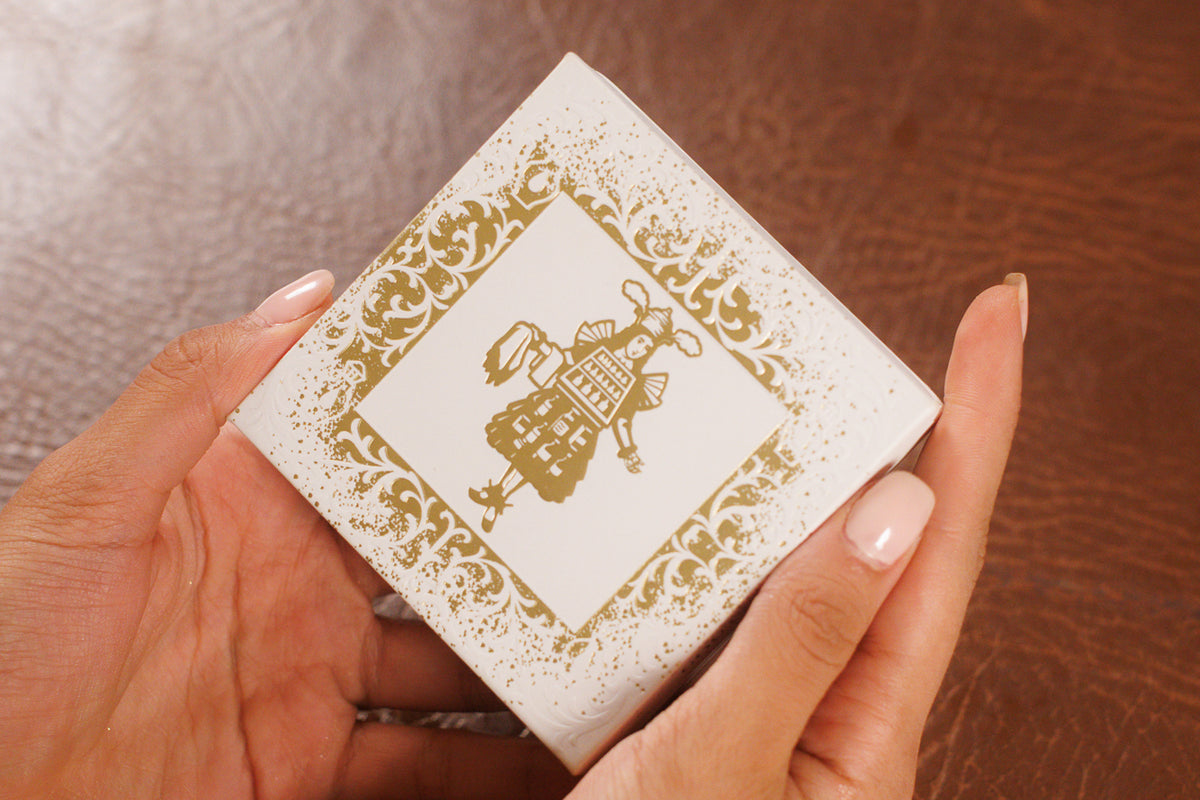
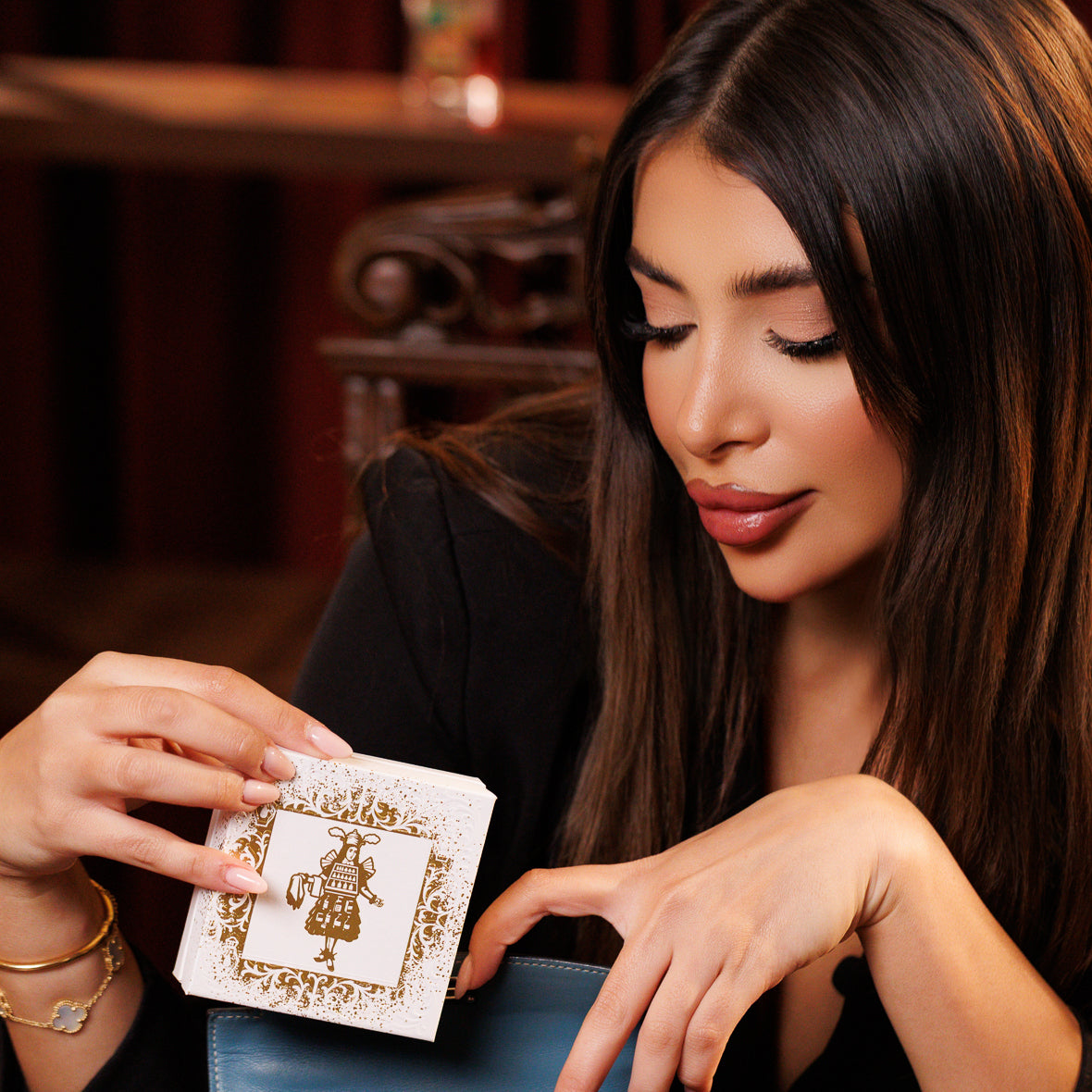
كل ديكانت
من الزجاجة الأصلية إلى باب منزلك
نشتري القارورة الأصلية بسعر التجزئة الكامل مباشرة من الدار.
محقنة Socorex طبية الدرجة تسحب المليلترات بدقة من القارورة مباشرة.
توضع في العلبة المطبوعة بالرقائق الذهبية وتُسلّم إلى DHL، وكل الرسوم مدفوعة سلفاً. كيف يُحضَّر الديكانت
المزيد من Lost Tribe
قد يعجبك أيضاً