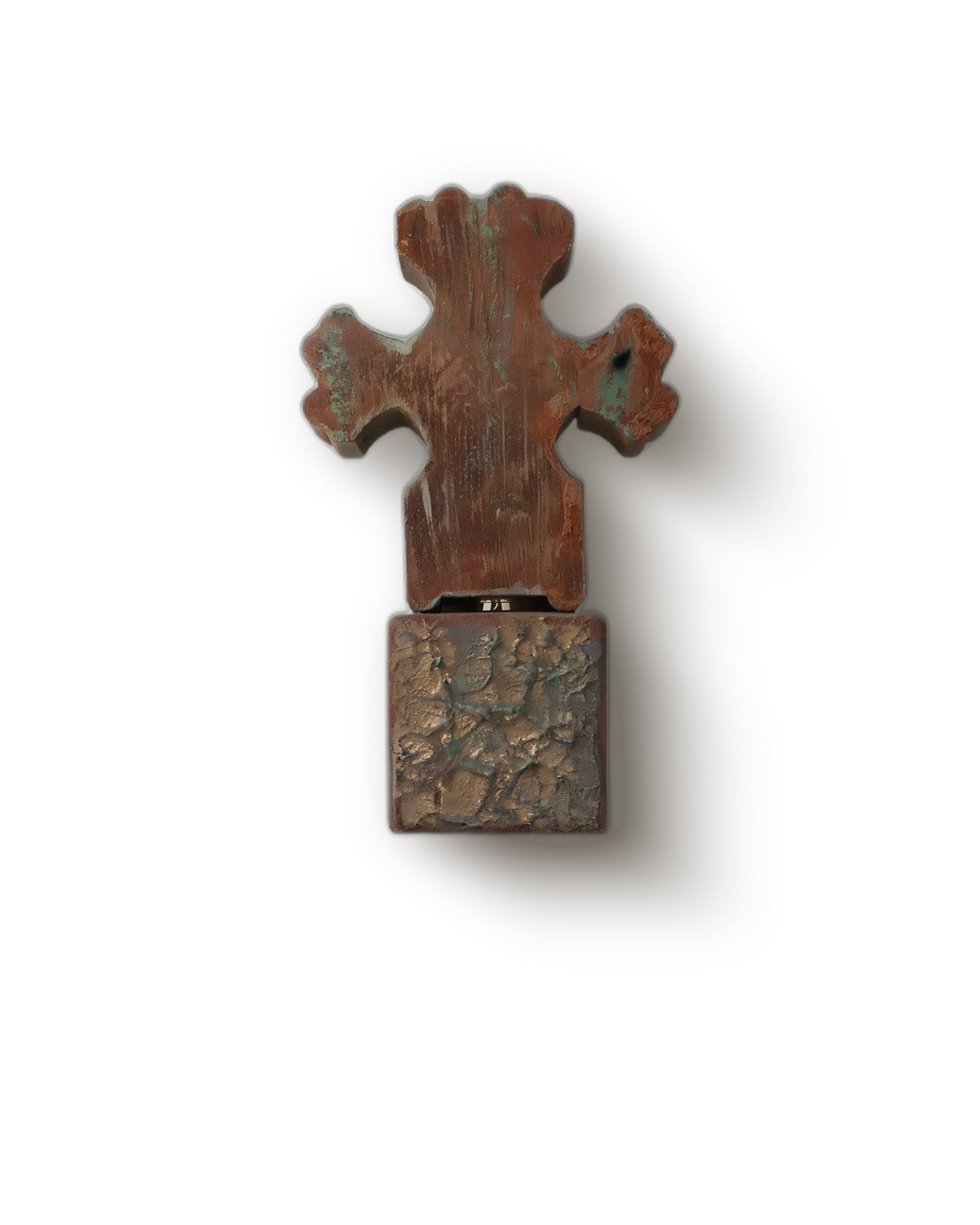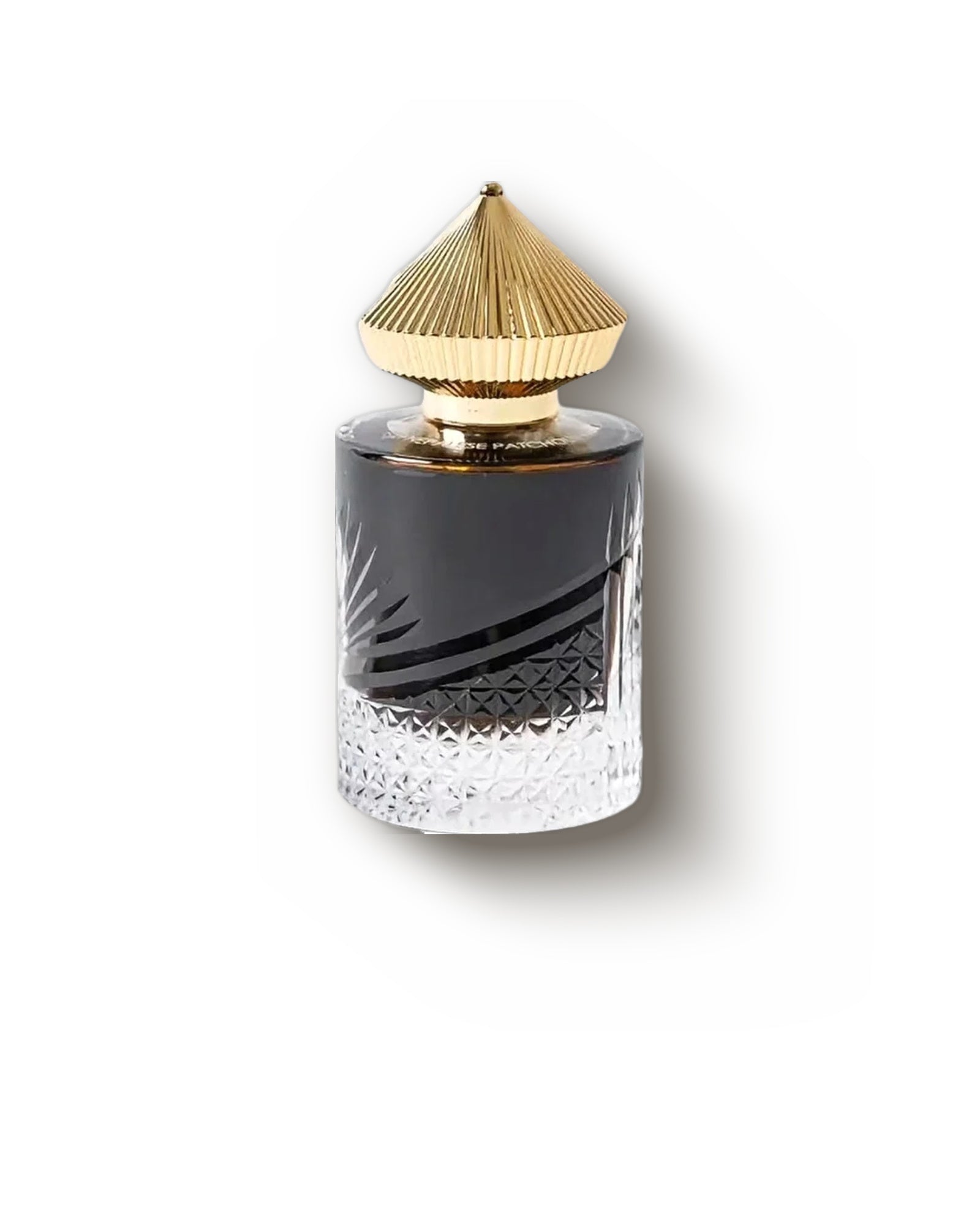
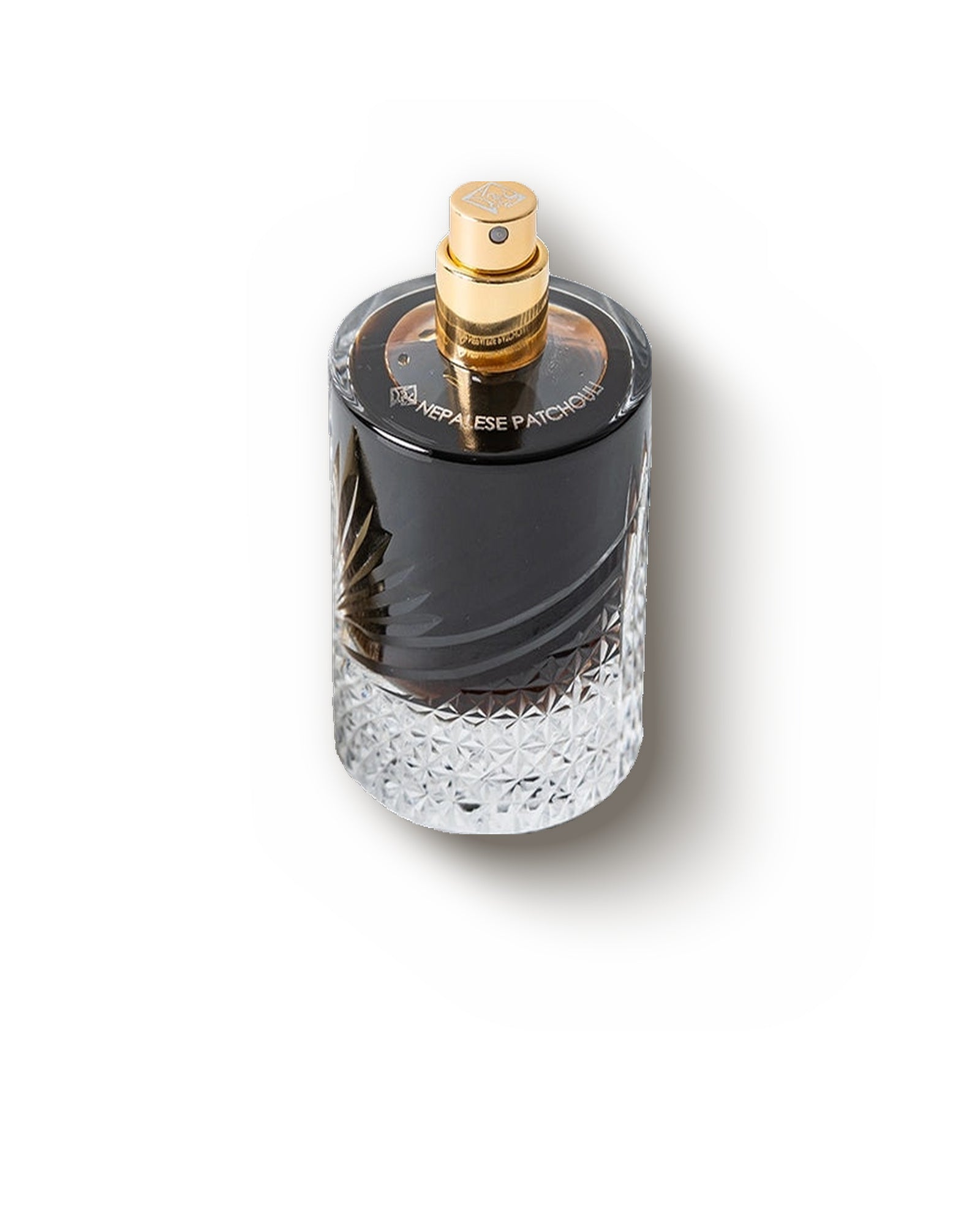
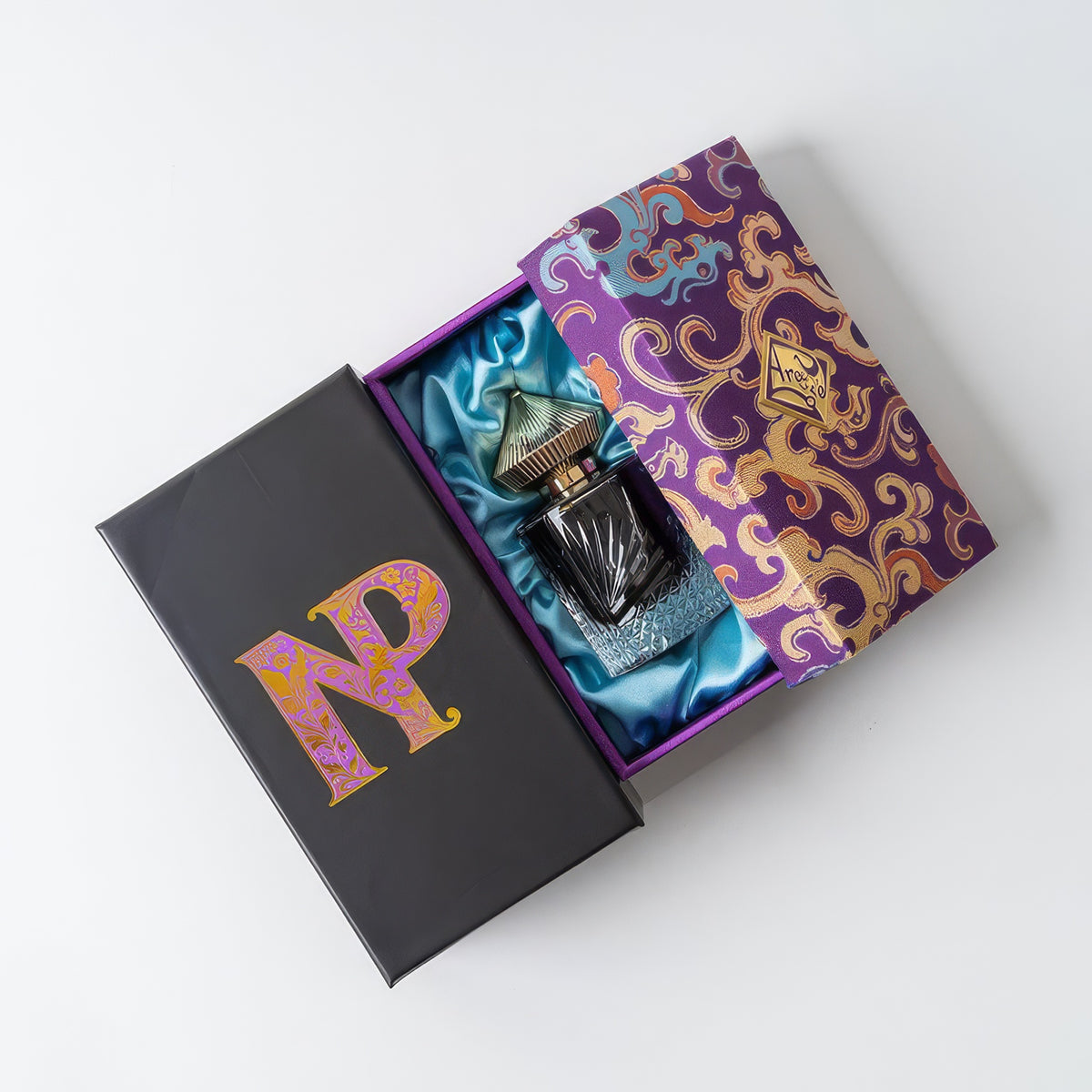


Areej Le Doré
Nepalese Patchouli
Hikaye
Russian Adam bunu bir yapı etrafında değil, tek bir malzeme etrafında inşa etti. Marka bunu Nepal'in sisli dağlarından gelen, derin ve son derece çok yönlü, en nadir patchouli yağlarından biri olarak tanımlıyor ve bunun geleneksel bir patchouli kokusu değil, hammaddenin kendisini ortaya çıkarmak için yapılmış bir kompozisyon olduğunu açıkça belirtiyor. Dip nota asıl unsurdur: kara yer mantarı, orris, yabani Sibirya geyiği miski ve Etiyopya misk kedisinden oluşan, ultrason ve vakum infüzyonuyla hazırlanan ve tüm parfümün üzerine kurulduğu taşıyıcı olarak kullanılan bir ortak tentür.


Patchouli
nemli toprak ve koyu kakao
Nemli toprağı, kuru odunu ve hafif acı-tatlı bir kakaoyu andıran derin, topraksı bir karanlık; serin, neredeyse kâforlu bir keskinlikle. Yere bağlayan ve biraz gizemli bir his verir; dokunduğu her şeye ağırlık ve gölge katar.


Topraksı
yağmurdan sonra nemli toprak
Islak toprağın, çamurdan çekilmiş kök sebzelerin ve bahçede yeni alt üst edilmiş pancarın mineralli kokusu. Serin, ham ve hafif acımsı; bir kokuyu orman tabanının karanlık, nemli soluğuyla yere bağlar.


Pudralı
giyinmiş tenin yumuşak sessizliği
İris kökünün, menekşenin ve ince talkın kadifemsi, hafif kuru yumuşaklığı; yüz pudrası ya da tenin ısıttığı temiz keten gibi. Mahrem, rafine ve nostaljik bir his verir; bir kokuyu yumuşak, yastıklı bir buğuya bulandırır.


Animalik
Sıcak cilt, misk ve kas
Ten, saç ve kürkü andıran ham, vücut sıcaklığında bir misk; kimi zaman tatlı ve pudralı, kimi zaman keskin ve hafif yabani. İlkel ve mahrem bir his verir, parfümle onu taşıyan kişi arasındaki çizgiyi bulanıklaştırır.


Çiçeksi
yumuşacık tam açmış taçyapraklar
Açan çiçeklerin yuvarlak, çiy düşmüş kokusu; pudralı, nektar benzeri bir parıltıyla yumuşak ve hafif tatlı. Romantik ve narin bir his verir; ilkbahar sonunda bir bahçeyi ve tende hafifliği çağrıştırır.


Yosunlu
nemli orman tabanı ve ağaç kabuğu
Gölgeli kabuk üzerindeki yeşil yosunun nemli, topraksı kokusu; serin, odunsu bir derinlikle hafif acımsı ve mürekkepsi. Bir kokuyu orman tabanının gölgesine bağlar; yağmurdan ıslanmış bir ormanı içine çekmek gibi eski, hüzünlü bir zarafet katar.


Leylak
Serin bir ilkbahar çiçeği, altında yeşil bir sap
Nedir
Leylak, geç ilkbaharda yalnızca birkaç hafta çiçek açan dayanıklı bir çalı olan Syringa vulgaris'in çiçeğidir. Çiçek damıtmaya neredeyse hiç yağ vermez, bu yüzden parfümeride kullanılan leylağın neredeyse tamamı bitkiden elde edilmek yerine parfümör tarafından başka malzemelerden yeniden inşa edilir.
Nasıl kokar
Ferah, serin ve pudralı; altında yeşil, neredeyse sulu bir sapla hafif bir çiçeksi tatlılık. Hafif bir acılık ve hafif bir badem dokunuşu onu şekerimsi olmaktan alıkoyar. Gül sıcak, yasemin ağırken, leylak havadar ve biraz hüzünlü kalır.
Parfümeride kullanımı
Leylak, hasat edilmekten çok inşa edilir; genellikle terpineol, sinnamik alkol ve heliotropin etrafında, eser miktarda indol ile. İlkbahar çiçeklerine ve eski bahçe nostaljisi katan solgun, serin kompozisyonlara aittir; sümbül, menekşe ve yeşil notalarla kolayca harmanlanır.
Bilinmesi gereken
Doğal bir leylak yağının bulunmayışı, parfümerinin en eski hayal kırıklıklarından biridir. Onu yakalamak için hem enfleurage hem de modern headspace analizi kullanılmıştır ve sonuç her zaman bir yorumdan ibarettir. Kokladığınız şey, hafızadan resmedilmiş bir leylak portresidir.


Sümbül
Soğuk bahar çiçekleri, yeşil, ballı ve narkotik
Nedir
Doğu Akdeniz kökenli soğanlı bir bahar bitkisi olan Hyacinthus orientalis'in yoğun çiçek salkımıdır; Hollanda'da yoğun biçimde yetiştirilir. Gerçek bir absolü taze çiçeklerden çözücüyle ekstrakte edilebilir, ancak bu hem nadir hem de maliyetlidir; bu nedenle modern kullanımın neredeyse tamamında sentetik yeniden yapılandırmalar kullanılır.
Nasıl kokar
Yoğun biçimde yeşil ve yapraklı, serin ve sulu bir tazelik taşır; keskin yeşil-ballı bir tatlılık ve baş döndürücü, narkotik bir floral kalp ipliği ile örülüdür. Toprak altını çağrıştıran, hafifçe soğanlı bir alt ton onu dengeler. Açılış crisp ve özlü gelir, ardından yumuşak, indolik floral bir sıcaklığa oturur.
Parfümeride kullanımı
Yeşil, bahar gibi bir hacim ve yükseliş katan kalp notasıdır; galbanum, nergis, gül ve menekşe yaprağıyla sıklıkla eşleştirilir. Klasik yeşil florallerin şekillenmesine katkıda bulunmuş; yağmur sonrası erken bahar bahçesi akordunu tanımlayan o serin, çiğ dokuyu sunar.
Bilinmesi gereken
Karakteristik yeşil-ballı keskinlik büyük ölçüde fenilasetaldehitten gelir; absolüde yalnızca yüzde birlik bir oran oluşturmasına karşın son derece düşük konsantrasyonlarda dahi algılanabilir. Gerçek sümbül yağı yasaklayıcı derecede pahalı olduğundan parfümörler bu notayı, o aldehidin daha kararlı asetali olan PADMA gibi moleküllerden yeniden inşa eder.


Blue Lotus
Firavunların ve düşlerin kutsal su zambağı
Nedir
Mavi lotus, Kuzey ve Doğu Afrika'daki Nil çamurunda ve göletlerde kök salan, yıldız yapraklı bir çiçek olan Nymphaea caerulea, yani mavi Mısır su zambağıdır. Çiçekler, hekzan kullanılarak bir konkreye çözücüyle ekstrakte edilir; ardından etanolle yıkanarak hassas aromatik bileşiklerini koruyan koyu ve yoğun bir absolüye dönüştürülür.
Nasıl kokar
Tatlı ve ballı, yeşil ve sulu bir çiçeksi karaktere sahiptir; yumuşak meyvemsi, liçi benzeri alt tonlar taşır; hafif toprak ve baharat sıcaklığı ile mumsu pudralı bir omurga eşlik eder. Açılışı şafak vakti bir göl kadar serin ve su kokuludur; kuruma aşamasında reçineli ve balsamik bir yapıya bürünür; parlak değil, meditasyon çağrıştıran bir karakterdir.
Parfümeride kullanımı
Akvifik tazelik ile sıcak tatlılığı köprüleyen egzotik çiçeksi karakteriyle değer gören bir kalp notasıdır; gücü nedeniyle genellikle yüzde beşin altında dozlanır. Nadir ve pahalı olması nedeniyle niche kompozisyonlarda ve antik Mısır ile meditasyon temalarının ekseninde kurulu amber-tütsü akordlarında karşımıza çıkar.
Bilinmesi gereken
Antik Mısırlılar bu çiçeği yeniden doğuşun ve güneşin simgesi olarak kutsar, mezar duvarlarına işler ve hafif psikоaktif etkisinden yararlanmak için şaraba daldırırlardı. Gündoğumuyla açılıp günbatımıyla kapanan bu günlük döngü, onu diriliş mitolojisine bağlıyordu.


Nepal Patchoulisi
Serin Himalaya toprağı, menekşe gölgeli ve yavaş açılan
Nedir
Nepal patchoulisi, Himalaya eteklerinin yüksek kesimlerinde yetişen Pogostemon cablin bitkisinden damıtılan bir yağdır; burada soğuk geceler ve ince dağ havası bitkinin büyümesini yavaşlatır. Yapraklar damıtılmadan önce fermente edilip kurutulur ve elde edilen yağ, dünyanın büyük kısmını besleyen Endonezya malzemesine göre çok daha kıttır.
Nasıl kokar
Tatlıdan çok topraksı ve dokulu; nemli orman tabanı derinliği gelmeden önce yeşil ve neredeyse mineral bir açılışla başlar. Sıradan patchouli çikolatamsı ve yoğunlaşırken, Nepal yağı serin ve çok yönlü kalır; menekşemsi gölgeler, ıslak kök ve saatlerce açılmaya devam eden kuru, odunsu bir pürüz taşır.
Parfümeride kullanımı
Yağın içinde yüzden fazla aromatik molekül bulunur; bu yüzden bir temel görevi görmek yerine bir kompozisyonu tek başına taşıyabilir. Parfümörler, patchoulinin gölge değil konu olmasını istedikleri yerlerde onu kullanır ve pudralı ile menekşemsi yönlerini ortaya çıkaran orris ile serin çiçeksi notalarla eşleştirirler.
Bilinmesi gereken
Patchouli, zamanla gelişen ender malzemelerden biridir. Yeni damıtılmış yağ sert ve yeşildir; birkaç yıl sonra bu sertlik yatışır ve tatlılık derinleşir. Yüksek rakımdan yapılan hasatlar, tam da yükseklik ve yavaş büyümenin ürettiği karmaşıklık için değerlidir.


Orris Tereyağı
Sabırlı toprağa köklenen pudralı menekşe
Nedir
Orris, başlıca Toskana tepelerinde yetişen Iris pallida'nın rizomundan elde edilen bir aroma malzemesidir. Kökler hasat edilir, kurutulur ve üç ila altı yıl bekletilir; bu sürede enzimler yavaş yavaş irone geliştirir. Ardından öğütülüp buharla damıtılarak mumsu, fildişi renkli orris yağı (orris butter) elde edilir.
Nasıl kokar
Serin ve pudralı bir menekşe kokusu; süet benzeri, neredeyse yenilebilir bir havuç-ham un yönü taşır. Tatlıdan çok kuru bir his verir; pudra, yumuşak deri ve nemli toprağı çağrıştırır. Hem çiçeksi hem köklü hissettiren gümüşi, hafif metalik bir parlaklık taşır.
Parfümeride kullanımı
Keskin çiçeksileri ve odunsu notaları yumuşatan, pudralı bir kaldıraç sağlayan kalp ve dip malzemesidir. Menekşe, gül, iris yaprağı ve ambrette ile eşleşir. Rafine pudralı-iris ve aldehitli-çiçeksi kompozisyonların tamamının tanımlayıcı malzemesidir.
Bilinmesi gereken
Orris, parfümerideki en pahalı doğal hammaddeler arasında yer alır. Bir ton bekletilmiş rizomdan yalnızca yaklaşık iki kilogram orris yağı elde edilir; yüksek irone içerikli kaliteler ise kilogramı yüz bin doları aşabilir. Bu maliyetin arkında, herhangi bir koku geliştirmeden önce yıllarca bekleme zorunluluğu yatmaktadır.


Mısır Menekşe Yaprağı
Ezilmiş ot ve salatalık kokan serin yeşil yaprak
Nedir
Tatlı menekşe olan Viola odorata'nın yapraklarından elde edilen bir absolüdür; başta Fransa'nın Grasse bölgesinde ve Mısır'da yetiştirilir. Taze yapraklar çözücüyle yıkanarak mumsu bir beton oluşturulur, ardından alkol ekstraksiyonuyla koyu yeşil renkli bir sıvıya dönüştürülür. Yaklaşık bir ton yapraktan bir kilogramın altında absolü elde edilir.
Nasıl kokar
Çiçeksi değil, canlı, yeşil ve sulu. Ezilmiş yaprak ve biçilmiş çimen kokusuyla açılır; soğuk bir salatalık keskinliği ve hafif metalik bir kenar taşır. Yerleştikçe kuru, hafifçe deri ve toprak kokulu bir yön ortaya çıkar; şekerlenmiş mor çiçeğin kendisinden çok daha serttir.
Parfümeride kullanımı
Yeşil tazelik ve şeffaf deri tonu için değer gören bir tepe-kalp notasıdır. İris, gül, salatalık ve deriyle bir araya gelir; fougèreleri serinletir. Klasik yeşil-deri kompozisyonların imza notasıdır; pek çok menekşe yaprağı açılımı sentetik metil oktin karbonat da kullanır.
Bilinmesi gereken
Karakteri tek bir iz molekülden kaynaklanır: violet leaf aldehyde veya cucumber aldehyde olarak da bilinen (2E,6Z)-nonadienal. Yaklaşık yüzde bir oranında bulunmasına karşın kokunun büyük bölümünü o taşır. Aynı bileşik, taze kesilmiş salatalığa yeşil kokusunu veren şeyin tam olarak kendisidir.


Rus Meşe Yosunu
Orman zemininin nemli yeşil ruhu
Nedir
Oakmoss gerçek bir yosun değil, Evernia prunastri türünden bir likendir; ılıman iklimin hâkim olduğu Avrupa'da, özellikle Balkanlar, Fransa ve Fas'ta meşe ve diğer yaprak döken ağaçların kabuğu üzerinde yetişir. Hasat edilen tallus kısımları çözücü ekstraksiyonuyla koyu, viskoz bir konkrete ve absolüye dönüştürülür; bunlar parfümeride kullanılan ham maddelerdir.
Nasıl kokar
Derin biçimde topraklı ve orman yeşili; ıslak kabuk, ıslak taş ve dericiye, mürekkebe benzer bir alt ton. Kuru, hafif acı bir yosunluk deniz ve katran benzeri yönler taşır. Etki ferah değil, gölgeli ve karanlıktır; yağmur yağdıktan sonra yaşlı ağaçların altındaki serin zemini çağrıştırır.
Parfümeride kullanımı
Dip nota ve chypre ailesinin omurgasıdır; yapıya, derinliğe ve vintage bir imzaya katkıda bulunur. Bergamot, labdanum ve patchouli ile klasik bir uyum içindedir. Büyük şeftali-baharat chypre'lerini ve klasik galbanum florallerin yeşil özünü tanımlar; sayısız yosunlu fougère ve maskülen kompozisyonun da temelini oluşturur.
Bilinmesi gereken
Oakmoss ekstreleri, AB'nin 2017'de fiilen yasakladığı güçlü cilt alerjenleri olan atranol ve kloratranol içerir. IFRA artık bu molekülleri iz düzeylere indiren düşük alerjenleli, düşük atranol versiyonlarını zorunlu kılmaktadır; bu durum, yeniden formüle edilmiş modern parfümlerde klasik chypre'nin sessiz sedasız nasıl değiştiğini açıklar.


Siyah Trüf
Nemli toprak, mahzen taşı ve hafifçe hayvansı bir şey
Nedir
Siyah trüf; meşe ve fındık ağaçlarının kökleriyle simbiyoz halinde toprağın altında büyüyen, kışın olgunlaşan ve eğitilmiş köpekler tarafından bulunan bir mantarın meyve gövdesidir. Aromasının büyük bölümü dimetil sülfür ve androstenondan gelir; bu ikincisi aynı zamanda memelilerde bulunan bir feromondur.
Nasıl kokar
Derin, nemli ve lezzetli: ıslak toprak, mahzen taşı ve mantar, altında hafifçe hayvansı bir şey sezilir. İçinde bir tatlılık da vardır; şekerden çok kakao ya da fındığa yakın. Koklanmaktan çok hissedilir; bir odayı sessizce doldurur ve kolayca tanımlanmaya direnir.
Parfümeride kullanımı
Trüf, parfümeri malzemesi olarak nadir ve pahalıdır; baskın bir nota olarak değil, tentürler içinde kullanılır. Odunları ve kökleri kuru değil de canlı hissettiren topraksı, hafifçe erotik bir derinlik katar. Çok küçük bir miktar, tüm bir tabanı değiştirmeye yeter.
Bilinmesi gereken
Trüf aroması uçuculuğuyla bilinir ve ne ısıya ne de zamana iyi dayanır; bu yüzden şefler onu son anda çiğ olarak rendeler. Onu parfüm için yakalamak genellikle taze mantarı doğrudan parfüm tabanına emdirmek anlamına gelir; yavaş ve maliyetli bir süreç.


Orris Root
Sabırlı köklerden sıkılmış serin, pudralı menekşe
Nedir
Başta Toskana ve Fas'ta yetiştirilen Iris pallida ve Iris germanica türlerinin rizomudur. Çiçeklenmeden sonra kök sökülerek elle temizlenir, koku bileşikleri oluşacak şekilde üç ila beş yıl kurutulup bekletilir; ardından öğütülerek buharla damıtılarak mumsu orris yağı elde edilir.
Nasıl kokar
Serin, kuru ve pudralı; hafif toprak ve süet kalitesinin üzerine sarılmış narin menekşe benzeri bir tatlılıkla. Gümüşi ve neredeyse yenilebilir görünür; taze ekmek ya da pirinç tozu üzerindeki süsen taç yapraklarını andırır. Rafine ve ölçülü, yumuşak makyaj benzeri bir sis olarak uzun süre kalır.
Parfümeride kullanımı
Menekşe-süet imzası veren ironları sayesinde pudralı zarafeti ve sessiz yayılımıyla değer gören kalp-dip malzemesi. Gül, menekşe, deri ve miskle eşleşir. Sayısız modern erkek parfümünün ve süsen ağırlıklı klasiklerin pudralı-süsen imzasını tanımlar.
Bilinmesi gereken
İronların gelişmesi için gereken yıllarca süren olgunlaşma, orris kökünü parfümerinin en pahalı doğallarından biri yapar: rafine orris yağı kilogram başına on binlerce dolara ulaşabilir, zira yüzlerce kilo kökten yalnızca bir kilo elde edilir. Koku, süsen çiçeğinde değil, kökte yaşar.


Yabani Sibirya Geyik Miski
Taiga'nın geyiğinden Cabardine miski
Nedir
Sibirya, Moğolistan ve Rusya Uzak Doğu'sunun boreal taygasında yaşayan erkek Sibirya misk geyiği Moschus moschiferus'un kurutulmuş bezi miski. Tarihsel olarak Cabardine adıyla ticareti yapılan bu misk, değerli Tonquin ile Assam ve Nepal türleriyle birlikte gerçek geyik miskinin bölgesel kalitelerinden biridir.
Nasıl kokar
Ham haliyle kesenin içinden alındığında son derece hayvani, amonyaklı ve dışkımsal; neredeyse şaşırtıcı. Aylarca tincture haline getirilip olgunlaştırıldığında, bu his pudralı bir ışıltı ve cilt sıcaklığıyla sıcak, hafifçe deri, kuru-odunsu bir miskie dönüşür. Uzmanlar onu Tonquin'in bir kademe altına koyar: daha kaba, daha az yuvarlak, daha az ballı ve tatlı.
Parfümeride kullanımı
Tarihsel olarak bir fiksatif ve hayvani kalp olarak, harmanlamadan önce aylarca alkol içinde tincture haline getirilerek kullanılırdı. Cabardine, kıyaslama Tonquin kalitesinden daha düşük muskone içeriği ve daha sert bir kenara sahipti; bu yüzden daha ucuza satıldı; bununla birlikte, doğal geyik miskinin büyük fougère ve oryantallerin temelini oluşturduğu dönemde olağanüstü fiyatlar biçildi.
Bilinmesi gereken
Moschus moschiferus, 1979'dan bu yana CITES kapsamında; çoğu popülasyon şimdi Ek I'de yer alıyor. Her bez yalnızca yaklaşık yirmi beş gram verir; dolayısıyla kilogram başına otuz ila kırk erkek ölmekte, ayrımcı olmayan tuzaklar nedeniyle çok daha fazlası hayatını kaybetmektedir. Gerçek Sibirya miskine yalnızca vintage şişelerde ve birkaç tamamen doğal artizanal evde rastlanır; neredeyse her modern parfüm bunun yerine sentetik misk kullanır.


Etiyopya Misk Kedisi
Çiçekleri müstehcen açtıran hayvansal sıcaklık
Nedir
Afrika misk kedisi adıyla da bilinen, gece aktif kedi benzeri bir memelinin perine kesesinden salgıladığı, tarihsel olarak elle kazınıp alkolde tinktur hâline getirilen bezsel bir pastadır. Modern parfümeride bunun yerine, makrosiklik yapısı 1926'da Leopold Ruzicka tarafından aydınlatılan büyük halkalı bir keton olan sentetik sivetone kullanılır.
Nasıl kokar
Ham ve seyreltilmemiş hâliyle şok edici biçimde fekal, keskin ve indolik; skatol ve ekşi tereyağı kenarlarıyla. İz miktarlara seyreldiğinde sıcak, ballı ve hafif derisi andıran bir hal alır; tütün vızıltısı ve cilt benzeri bir ışıma kazanır. Tiksindirici ile büyüleyici arasındaki geçiş, tamamen seyreltme aracılığıyla gerçekleşir.
Parfümeride kullanımı
Işıma ve tensel sıcaklık için değer gören bir dip nota fiksatifidir; florallere canlı, cilde özgü bir ışıltı katar. Hayvansı chypre'lerde ve oryantallerde jasmine ve gül ile klasik bir ikili oluşturur. İz civet, sentetik sivetone doğal malzemenin yerini almadan önce pek çok vintage aldehidik floral ve amberlı oryantali şekillendirdi.
Bilinmesi gereken
Geleneksel civet üretimi, pastayı elde etmek için hayvanları zalimce kafes koşullarında tutuyordu; bu etik gerekçe, sentetik sivetone'a neredeyse tam geçişi beraberinde getirdi. Parfümerideki civet, tamamen ayrı bir tür olan kopi luwak kahvesinin arkasındaki Asya palm misk kedisiyle ilgisizdir.
Koku Karakteri
Sıcak değil, serin ve buğulu açılır; solgun çiçeksi notaların altında hayvansı bir misk şimdiden titreşir. Ardından patchouli komutayı ele alır; topraksı ve dokulu ama rafine, yeşil, odunsu ve mineral yönlerini açar. Orris tereyağı onu pudralı bir yumuşaklığa büründürür, menekşe yaprağı yeşil bir kenar katar ve Rus meşe yosunu onu orman tabanına çeker. Dip nota nemli, köklü ve animaliktir; trüf ve misk kedisi patchouliyi bastırmak yerine destekler.


Kalıcılık
tende ne kadar süre kaldığı
Bu gösterge beklenen kullanım süresini okur; kokunun solmadan önce tende kaç saat konuşmayı sürdürdüğünü. Alt uca yakın bir işaret birkaç kısacık saat demektir; uca itilmiş bir işaretse sabahtan geceye dek hâlâ orada olan bir koku vaat eder.


Sillage
bıraktığı kokunun izinin genişliği
Bu, kokunun sizden ne kadar uzağa ulaştığını ve geride bıraktığı izi okur. Düşük, tene yumuşakça yaslanır; yalnızca yakından fark edilen mahrem bir fısıltıdır. Yüksek ise orta ve güçlüden devasaya doğru tırmanır; bir odayı doldurur ve siz ayrıldıktan sonra havada kalır.


Deneysel
cesur ve meraklı olanlar için
Bir tepki uyandırmak ve farklı durmak isteyen biri için sıra dışı, sınırları zorlayan kokular. Sanatsal, meydan okuyan kompozisyonlara yakışır: mürekkebsi katran, lastik, fermente meyve, kolay sevilmeye direnen metalik ya da animalik yönler. Bu çarkta parlayan bir madeni para, kokunun maceracı burnu ödüllendirdiğini; sönük bir tanesi temkinli oynadığını gösterir.


Ofis
cilalı ama asla bunaltmayan
Bir kokunun yalnızca yakınınızdakilerce fark edilmesi gereken yakın mesafeli profesyonel ortamlar. Ölçülü yayılımı olan ölçülü, temiz kompozisyonlara yakışır: derli toplu narenciye, yumuşak misk, soluk odunlar; yetkin ve düşünceli okunan. Bu çarkta parlayan bir madeni para, kokunun paylaşılan çalışma alanlarında işe yaradığını; sönük bir tanesi fazla uzağa taşıdığını gösterir.


Akşam
karanlık çökünce sesini yükselten
Bir kokunun güvenle derinleşip yayılabildiği akşam yemekleri, içkiler ve dışarıda geçen geceler. Daha zengin, daha sıcak kompozisyonlara yakışır: amberler, reçineler, dumanlı odunlar ya da loş ışıkta açan tüylü çiçekler. Bu çarkta parlayan bir madeni para, kokunun gün batımından sonra canlandığını; sönük bir tanesi gündüze daha yakıştığını gösterir.


Romantik
hissedilecek kadar yakın
Birini daha da yaklaştırmak için kurgulanmış mahrem anlar ve buluşma geceleri. Tene karşı mırıldanan sıcak, şehvetli kompozisyonlara yakışır: kremamsı çiçekler, vanilya, yumuşak misk, yakınlığa davet eden bir tutam baharat ya da amber. Bu çarkta parlayan bir madeni para, kokunun büyüleyici bir hava kurduğunu; sönük bir tanesi baştan çıkarıcıdan çok pratik kaldığını gösterir.


Resmî
önem taşıyan anlar için rafine
Soğukkanlılık ve zarafet isteyen düğünler, törenler, galalar ve şık davetler. Sessiz bir otoriteye sahip cilalı, yapılı kokulara yakışır: pürüzsüz odunlar, rafine çiçekler, yumuşak deri; gürültülü ya da oyuncu hiçbir şey. Bu çarkta parlayan bir madeni para, kokunun doğru ağırlığı taşıdığını; sönük bir tanesi ortam için fazla günlük kaldığını gösterir.


Günlük
telaşsız günler için rahat bir konfor
Hiçbir niyeti olmayan gündelik kullanım: alışveriş, kahve, arkadaşlar, ağır geçen bir hafta sonu. Taze narenciye, hafif odunlar ya da nazik bir ten sıcaklığı gibi temiz ve doğal hissettiren yumuşak, ulaşılabilir kokulara yakışır. Bu çarkta parlayan bir madeni para, kokunun bu rahat anlara uyduğunu; sönük bir tanesi daha fazlasını istediğini gösterir.


Gündüzden Geceye
ruh hâlinin doğal olarak nereye düştüğü
Bu kaydırıcı, kokunun yaratıldığı saati okur. Sola yaslanan bir işaret ışıltılı ve parlaktır, gün ışığında ve açık havada rahattır; sağa kaydırdıkça karakter derinleşip ısınır, akşama ve mum ışığıyla aydınlanmış odalara ait türden bir varlığa dönüşür.


Kış
soğuk havada taşınan bir sıcaklık
Soğuk hava bir kokuyu kısar ve yavaşlatır, bu yüzden kış yoğun ve sıcak olanı ödüllendirir: reçineler, duman, vanilya, deri ve serinliğe karşı ısı yayan amberli baharat. Bu çubuk, bu kokunun soğuk havada ne kadar güçlü durduğunu ve parladığını gösterir.


İlkbahar
yükselen ılık havada taze açan çiçekler
Ilık, nemli hava daha hafif kompozisyonları güzelce yükseltir, bu yüzden ilkbahar çiy düşmüş çiçekleri, yeşil sapları, yumuşak pudrayı ve ağır değil canlı hissettiren saydam narenciyeyi sever. Bu çubuk, bu kokunun o taze, hafifçe ısınan mevsime ne kadar yakıştığını gösterir.


Yaz
gerçek sıcakta parlak ve havadar
Sıcaklık kokuyu güçlü biçimde yükseltip yayar, bu yüzden yaz serin, diri, nefes alan şeyler ister: keskin narenciye, tuzlu deniz havası, aromatik otlar ve bunaltmak yerine ferahlatan sulu bir tazelik. Bu çubuk, bu kokunun gerçek sıcakta ne kadar rahat taşındığını gösterir.


Sonbahar
serinleyen günler için baharatlı sıcaklık
Sıcaklık düştükçe daha zengin malzemeler boğmadan net okunur, bu yüzden sonbahar kuru odunlara, sıcak baharata, tütüne, ambere ve sımsıcak, düşünceli hissettiren altın meyveye yakışır. Bu çubuk, bu kokunun diri, serinleyen günlere ne kadar doğal oturduğunu gösterir.
En İyi Ne Zaman Sürülür
Sonbahar ve kış, nemli serin hava, akşamlar ve yakın birliktelikler için. Yayılımı oda dolduran değil, samimiden ortaya doğrudur; bu denli yoğun bir kompozisyon için bu bir özelliktir.
Seçenekleri belirleyin
Atmosfer


Burun
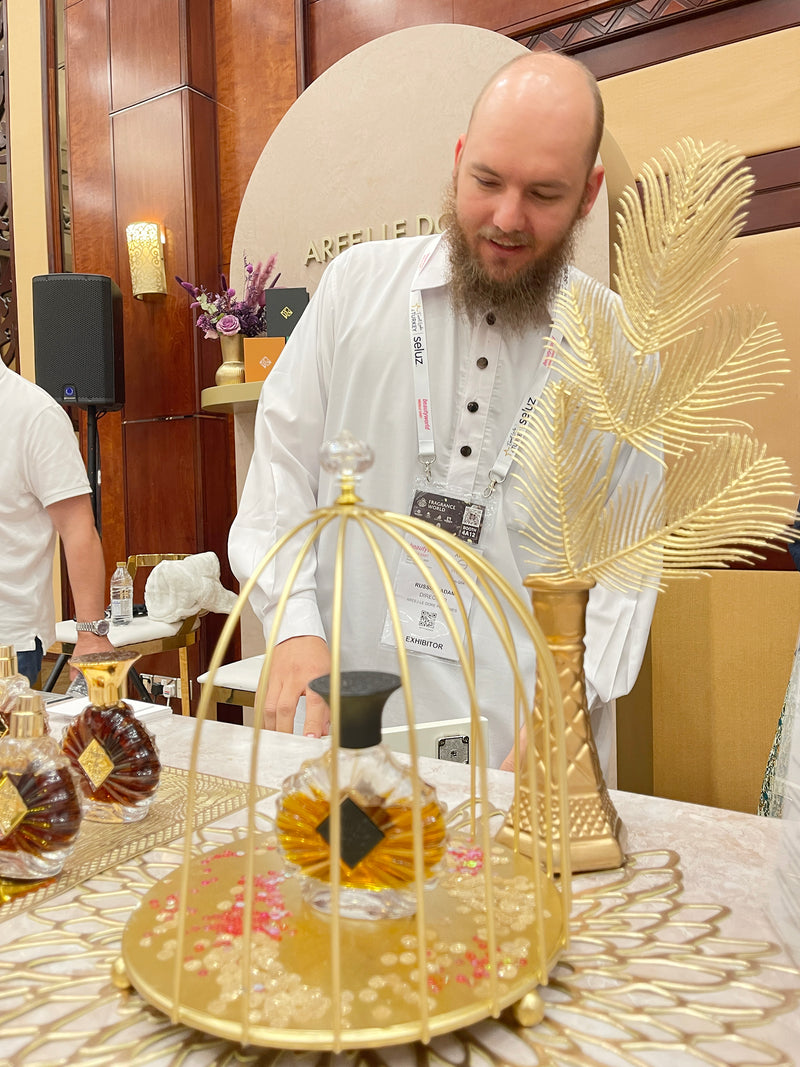
Russian Adam
Kurucu ve parfümör
Güneydoğu Asya'da çalışan bir Rus damıtıcı. Kendi öd ağacı ve sandal ağacı yağlarını pişirdiği Feel Oud damıtımevini yürütüyor ve bunları Areej Le Dore adı altında küçük, numaralı partiler halinde harmanlıyor: Siberian Musk, Russian Oud, War and Peace ve Ottoman Empire.
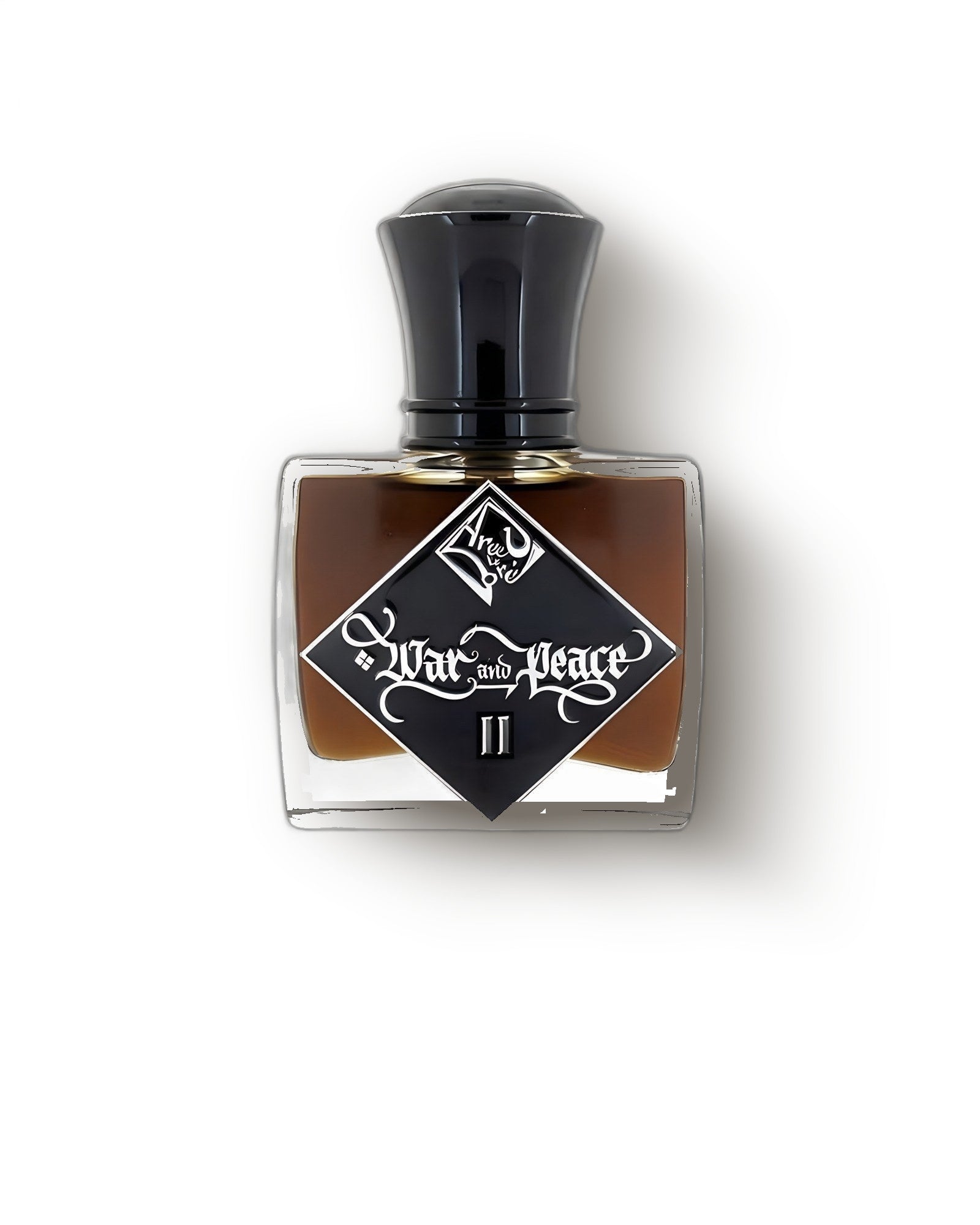
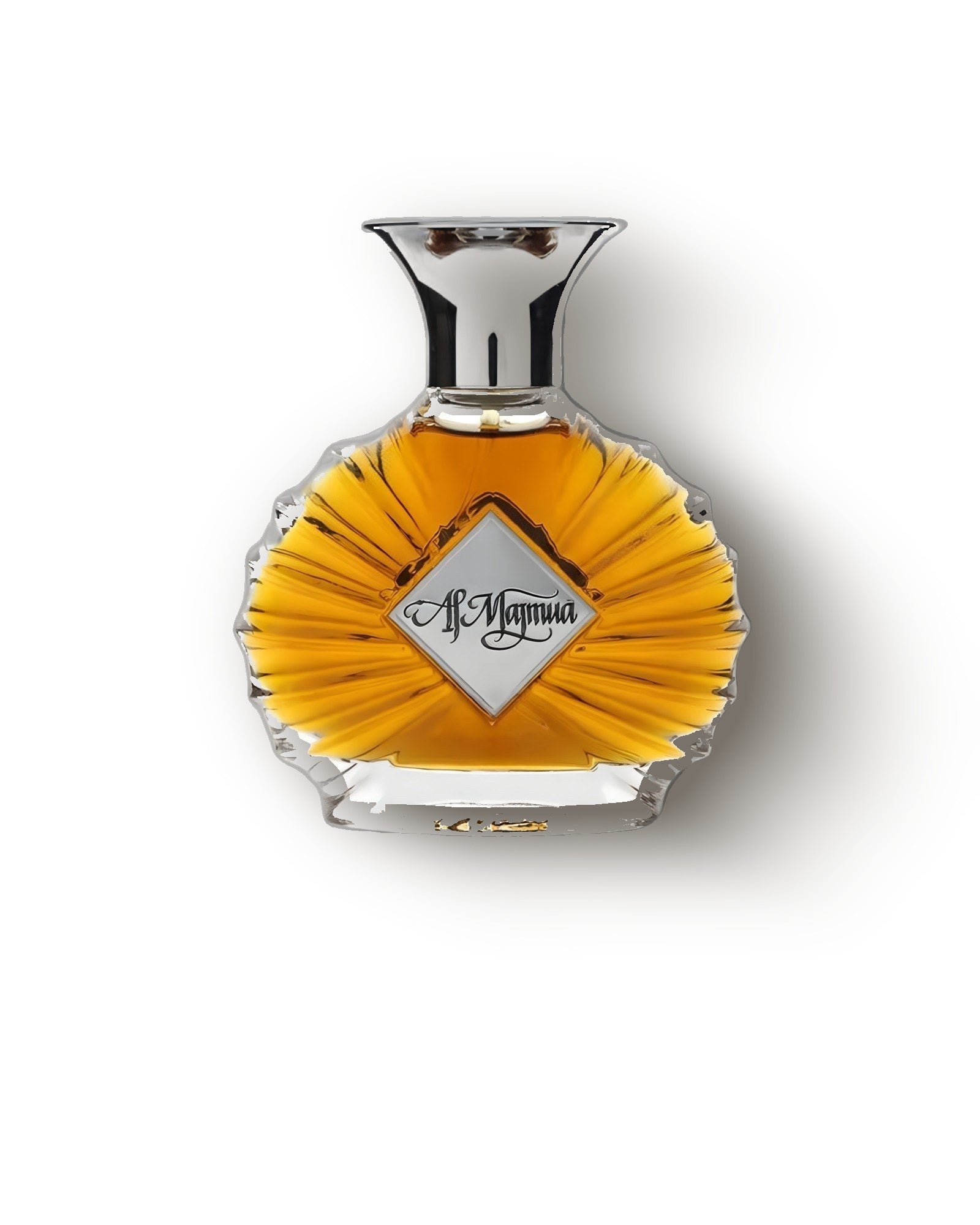
Bu burundan daha fazlasıAl MajmuaWar and Peace 2
Maison

Gerçek misk, yaşlandırılmış ud ve ambergris üzerine kurulu vintage oryantaller, orijinalleri hala varken dekantlanıyor.
Russian Adam yalnızca doğal ve vintage malzemelerle çalışır; gerçek meşe yosunu, elde damıtılmış attarlar, yaşlandırılmış animalikler ve değerli ambergris. Bu yüzden bunlardan birini taşımak bir koku sıkmaktan çok, eski dünyaya ait hazinelerle dolu bir çekmeceyi açmaya benzer. Partiler çok küçüktür, numaralıdır ve tükendikten sonra nadiren aynı biçimde geri döner.
- Köken
- Tayland
- Kuruluş
- 2016
- Öne çıkan
- Geyik miski, yaşlandırılmış ud, ambergris
Areej Le Doré evinden diğer parfümler
Bunlar da ilginizi çekebilir