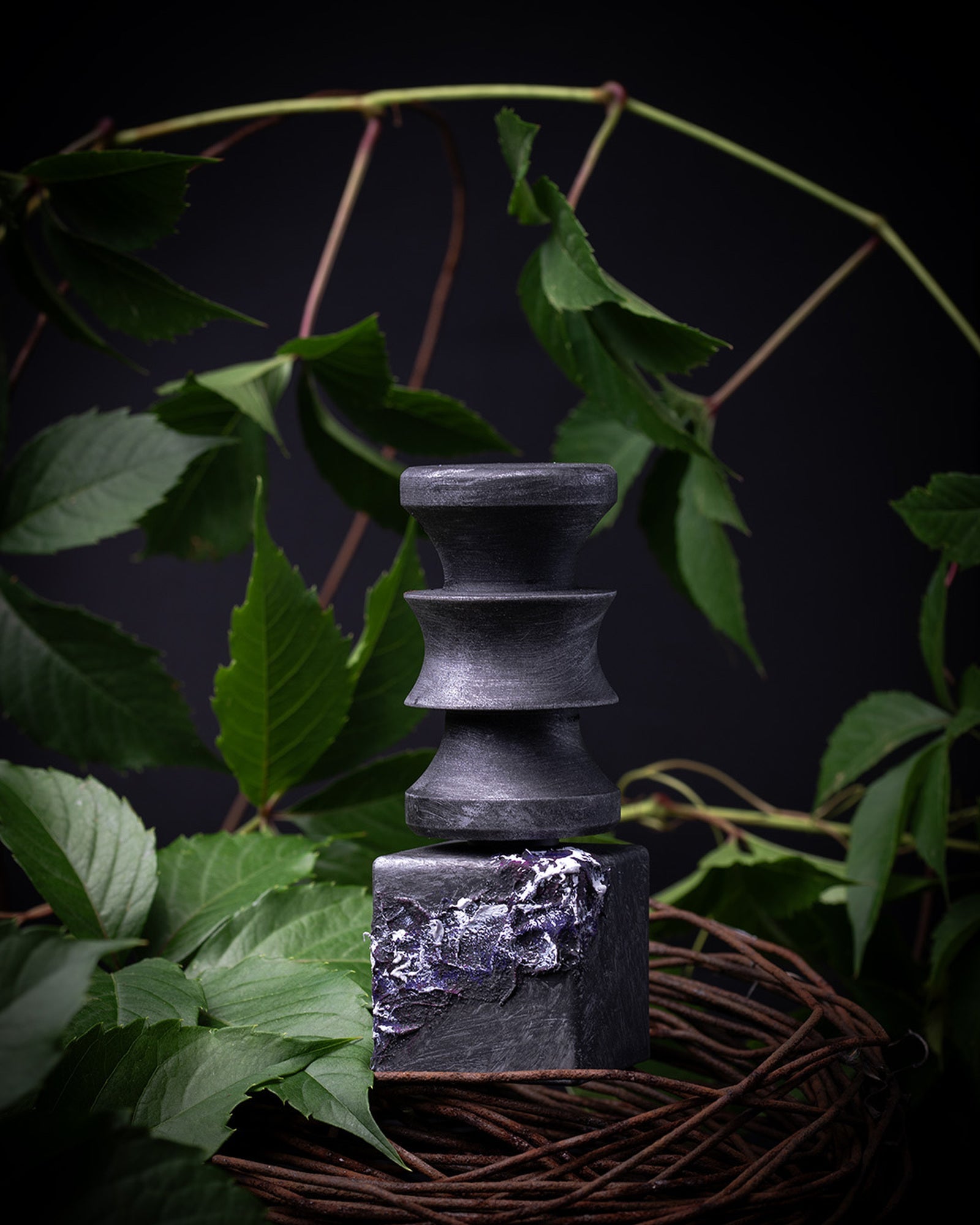
Adi Ale Van
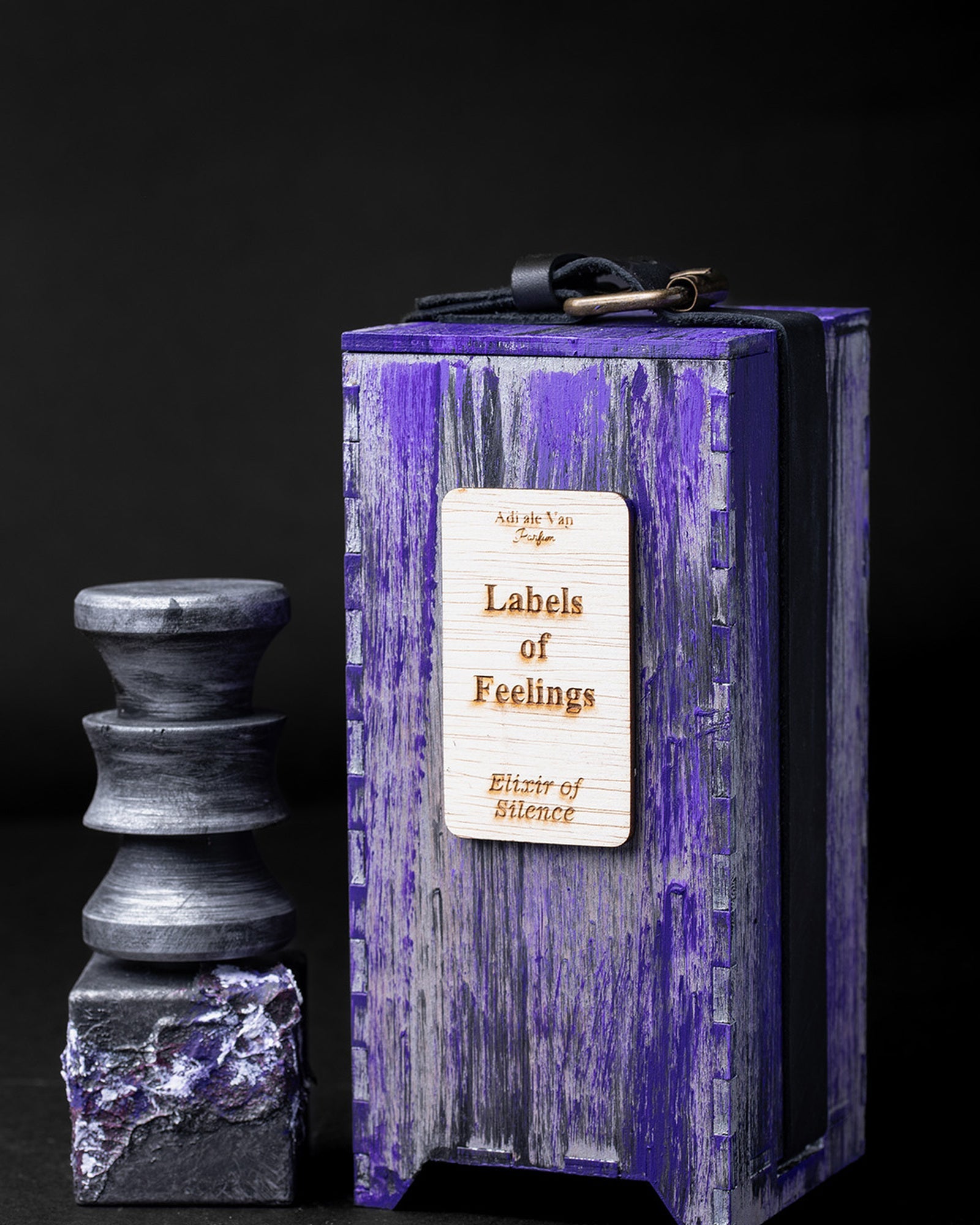
Labels of Feelings
Hikaye
Parfüm evi bu parfüm için iki aylık bir olgunlaşma ve on bir aylık bir maserasyon süresi belirtiyor; toplamda bir yıldan fazla dinlenme demek bu. Vizyonu, hikâyeyi ve Romanya'daki el işçiliğini Adi ale Van üstlendi; yüzde yirmi beşlik bir ekstre olan sıvıyı ise Sicilyalı parfümör Antonio Alessandria besteledi.


Meyveli
Şeftali kabuğu, limon kabuğu değil
Şeftali, armut, elma, çilek: bu, kabuktan değil etten gelen bir tatlılık; narenciye keskin ve incedir, burası ise çiy gibi taze ve nektar yüklü. Genç ve hafifçe açgözlü durur; bileğinizden süzülüyormuş gibi hissedebileceğiniz türden bir olgunluktur.


Odunsu
Kesilmiş kerestenin kuru dokusu
Sedir talaşının, sandal ağacının ve kuru vetiver köklerinin kokusu; hafif bir kalem kutusu pürüzüyle zımparalanmış, reçineli bir sıcaklık. Yere basan ve dingin bir his verir; bir kokuyu ciddi ve kalıcı kılan sessiz omurgadır.


Dumanlı
Kömürleşmiş odun ve yükselen korlar
Yanan odunun, için için tüten tütsünün ve geride kalan külün kuru, kavrulmuş kokusu; kimi zaman katransı, kimi zaman ince ve grimsi. Düşünceli ve atmosferik bir his verir; sönmekte olan bir ateşi ve son nefesini taşıyan serin bir hava akımını çağrıştırır.


Beyaz Çiçek
Bahçenin öbür ucundan kokusunu aldığınız çiçekler
Bunu yasemin ve sümbülteber paylaşır: altında olgun, hayvansı bir tatlılık taşıyan kalın, kremsi taç yapraklar; büyük çiçeksileri hiçbir zaman kibar koklatmayan o indol. Kenarları yeşil, ortası fazla olgunlaşmış meyve gibi, sıcak tende daha da yükselir.


Amber
Tatlılaşana dek ısıtılan reçine
Labdanum, benzoin ve vanilya birleşerek tatlı ama loş bir şeye dönüşür; güneşte yumuşamış ağaç reçinesine bir tutam tütsü dumanı işlenmiş gibi. Amber pırıldamaz, kendini göstermez. Tene yakın durur ve saatlerce sıcaklık yayar.


Tatlı
Adını tam koyamadığınız sıcak bir şeker
Karamel, bal, pamuk şekeri: üçü arasında asılı kalan, hiçbirine tam yerleşmeyen bir tatlılık. Bu, gurme çekimin ta kendisi; insanı istemeden biraz daha yaklaştıran, sıcak, yumuşak ve yenilecek kadar az eksik kalan o şey.


Çarkıfelek Meyvesi
Kükürt molekülleri üzerine kurulu sulu, tropik bir mayhoşluk
Nedir
Onu oluşturan malzemeleri aşırı dozlarsanız meyve değil kedi elde edersiniz. Ekşi tat, kükürtlü moleküllerden gelir; başlıca Oxane ve iki tiyol. Yalnızca doğal malzemeyle kurulanlar aynı keskinliği buchu yaprağından ve siyah frenk üzümü tomurcuğundan ödünç alır.
Nasıl kokar
Sulu ve ekşi, tatlılığın altında tuzlu bir şey var: olgunluğu biraz geçmiş meyvenin kokusu. Laboratuvar versiyonu keskin ve temiz patlar, biçimini korur. Botanik olan daha yumuşak, daha naneli ve daha yeşildir, ve savrulur.
Parfümeride kullanımı
Meyveli çiçeksilerde ve tropik yaz kompozisyonlarında, üstte ışıltı ve beyaz çiçeklerin altında ağız sulandıran bir yükseliş için kullanılır. Kükürt malzemeleri aşırı güçlüdür ve iz miktarında eklenir. Buchu da aynı şekilde ele alınır.
Bilmekte fayda var
Çarkıfelek meyvesi yağı yoktur; bu yüzden her versiyon bir yeniden kurulumdur ve iki yolun hiçbiri dürüst olanı değildir. Buchu ve siyah frenk üzümü tomurcuğu da ana akım formüllerde yer alır, dolayısıyla etiketteki kelime size hiçbir şey söylemez.

Siyah Frenk Üzümü Tomurcuğu Absolüsü
Kış tomurcuğundan gelen yeşil, kedimsi parıltı
Nedir
Meyve değil, tomurcuk. Tomurcuklar, yapraklar açmadan önce kışın çıplak çalılardan, hâlâ reçineli ve sıkı hâldeyken toplanır ve çözücüyle ekstre edilerek koyu yeşil bir absolüye dönüştürülür. Klasik kaynağı Burgonya'dır.
Nasıl kokar
Şiddetle yeşil ve keskindir; siyah frenk üzümü şurubuna hiç benzemez. İçinde ekşi ve hafif kükürtlü bir meyve vardır; ezilmiş yaprak ve dalla, herkesin kedimsi dediği animalik bir tatla sarılıdır. Seyreltildiğinde parlak, sulu, neredeyse nanemsi bir hâl alır.
Parfümeride kullanımı
Muazzam güçte bir üst nota olduğu için izler hâlinde dozlanır: çiçeksi ve şipr kompozisyonların üzerinde yeşil, meyveli bir parıltı, gülün altında elektrik gibi bir yükseliş. Galbanum, nane, greyfurt ve vetiver yakınında yer alır. Dozu kaçırılırsa kompozisyonu kedi ele geçirir.
Bilmekte fayda var
Kedimsi iz, kedi ketonu lakabıyla anılan bir tiyol olan kükürtten gelir; burnunuz onu çok düşük konsantrasyonlarda bile yakalar. Sauvignon blanc'a ve şimşir ağacına da kokularını verir; bu yüzden tek bir nota aynı anda hem ferah hem vahşi okunabilir.

Erik
Pişirilmiş koyu meyve, şarap tatlılığında ve asla sulu değil
Nedir
Şeftali laktonlardan, elma esterlerden gelir. Erik ise damaskonlardan gelir; ballı ve şarabımsıdır, bu yüzden sulu değil koyu okunur. Erik yağı diye bir şey yoktur; davana ve osmanthus, botanik bir yapı için aynı molekülleri taşır.
Nasıl kokar
Laboratuvar yapımı olan reçelimsi, biraz şekerlenmiş, tepeden dibe parlak ve dengelidir. Botanik olan ise daha koyudur: yavaş pişirilip soğumaya bırakılmış meyve gibi; tatlılık geri çekilirken geç bir kuru meyve kenarı yüzeye çıkar.
Parfümeride kullanımı
Gül, paçuli, odunlar ve kehribar onu iyi kabul eder; gurme ve chypre kompozisyonlara, hiçbirini şekerli kılmadan oturur. Şeftali bir kompozisyonu kaldırırken erik ona ağırlık verir. Sululuktan çok kadife.
Bilmekte fayda var
Bir iz miktarı damaskenon işi görür; fazlası formülü ele geçirir. Davana da aynıdır. Osmanthus, kendi başına sert çekirdekli meyve kokan az sayıdaki doğallardan biridir ve üstelik bir çiçek absolüsüdür.


Ardıç Katranı
Kreozot, söndürülmüş kamp ateşi ve eski deri
Nedir
Katran ardıcı yağı odundan buharla çıkarılmaz, yakılarak elde edilir. Dikenli Akdeniz ardıcının dalları, havasız ortamda ısıtılarak koyu siyah bir katrana dönüşene kadar parçalanır. Parfümcülükte rektifiye edilmiş yağ kullanılır.
Nasıl kokar
Önce duman gelir, hem de sert türünden: kreozot, sıcak katran, söndürülmüş kamp ateşi, bir tütsühanenin içi. Altında fenolik ve ilaçsı bir şey akar; kömür katranı sabununa ve eski deriye yakındır. İçinde tatlılık yok, meyve yok.
Parfümeride kullanımı
İkna edici deri ve duman akorlarının çoğunda, huş katranı, sığla ve labdanumun yanı sıra bu da altta yer alır. İzler hâlinde kullanılır, çünkü yanındaki her şeyi yutar. Ya da parlak bir açılışı yanık bir yere doğru çeker.
Bilmekte fayda var
Parfümcülük onu istemeden çok önce, bu katran hayvanlara ve insan cildindeki rahatsızlıklara sürülürdü; ilaçsı yan buradan gelir. Ham katran ardıcı artık Avrupa kozmetiğinde yasak: yalnızca rektifiye kalite kullanılabiliyor.


Müge
Baharın beyaz çanı, molekül molekül yeniden kurulmuş
Nedir
İlkbaharda küçük sarkan beyaz çanlar açan, Avrupa ve Asya'nın gölgesever ormanlık çok yıllık bitkisi Convallaria majalis. Çiçek kullanılabilir uçucu yağ vermez; bu nedenle muguet adıyla bilinen kokusu tamamen, hidroksisitronellal ve Lyral tipi moleküller gibi aroma kimyasallarından inşa edilir.
Nasıl kokar
Taze, yeşil ve çiğ; ezilmiş yaprak sapı özü ve yağmurlu, yağmur damlalı bir şeffaflıkla örülmüş serin beyaz-çiçeksi tatlılık. Parlak ve kristal açılır; asla baş döndürücü değil; ardından hafifçe lemonu-yeşil bir parlaklıkla yumuşak, temiz ve hafifçe sabunumsu bir hal alır.
Parfümeride kullanımı
Bahar çiçeksilerinin ve parlak muguet akorunun temel kalp notası. Gülü, yasmini ve leylağı yükseltir; aldehitli karışımlara yeşil bir kıvılcım katar. Büyük yüzyıl ortası muguet soliflorelerini tanımlar ve sayısız feminen buketleri parlatır.
Bilmekte fayda var
Bitkinin her parçası zehirlidir. Hiçbir imbik ya da çözücü o çanlardan koku çekemedi ve ilk ticari ekstre yalnızca 2021'de ortaya çıktı; o zamana kadar Lyral yasağı parfümörleri onu yeniden inşa etmeye zaten zorlamıştı.


Manolya
Güneyli bir bahçenin üstünde nefes alan, limon ve krema kokulu taç yapraklar
Nedir
Arılardan daha yaşlı. Manolya çiçekleri, arılar var olmadan on milyonlarca yıl önce çoktan açıyordu; bu yüzden taç yaprakları onları tozlaştıran böceklere dayanacak kadar sağlamdır. Absolü taze taç yapraklarından elde edilir.
Nasıl kokar
Limon kabuğu ve krema, narenciye ile çay gülü arasında bir yerde. Açılışı köpüklü; sonra sütlü yaprağa, yeşil sapa ve küçük bir karanfil sıcaklığına yumuşar, ardından temiz ve hafif meyveli bir kuruluşa geçer. Yasemin'den daha hafif ve daha havadar.
Parfümeride kullanımı
Beyaz bir çiçeğin hafif kalması gerektiğinde parfümörler onu orta notada kullanır: çiğ damlalı ve aydınlık, sümbülteber veya gardenyanın indolik ağırlığı olmadan. Narenciye, şakayık, zambak ve yumuşak misklerle kolayca uyum sağlar.
Bilmekte fayda var
Absolüsü nadir ve elde edilmesi maliyetlidir; bu yüzden çoğu şişedeki manolya çiçeklerden değil, aroma kimyasallarından inşa edilir. İyi bir rekonstrüksiyon ikna edicidir. Ama yine de bir fotoğraf değil, bir portredir.

Yasemin
Parfümerinin çarpan kalbindeki baş döndürücü beyaz çiçek
Nedir
Toplama gün doğmadan önce başlar ve sabaha kadar elle sürer. Çiçekler damıtmaya elverişli olmayacak kadar hassastır; bu nedenle çözücü, yağlarını mumsu bir betona dönüştürür, ardından alkol bu betondan absolüyü yıkayarak ayırır.
Nasıl kokar
Tatlı, ağır ve ballıdır; altında hafifçe hayvansı bir iz taşır. Sambac yeşil, çay benzeri ve ışıltılı okunur; grandiflorum daha meyvemsi, daha kremsi ve ciltte daha ağırdır. İkisi de sıcak ve yumuşak bir dip nota bırakır; yalnızca yakından fark edilen mantarsı bir misk notasıyla.
Parfümeride kullanımı
Kalp notasına yerleştirildiğinde, narenciye açılışını alttaki odunsu notalara bağlar ve her ikisine de hacim katar. Gül, sümbülteber, sandal ağacı ve miskle çok iyi uyum sağlar. Pek çok parfüm, başka hiçbir şeye gerek kalmadan sadece yasemin üzerine kurulur.
Bilmekte fayda var
Bir gram absolü için yaklaşık beş bin elle toplanmış çiçek gerekir; bu da onu parfümerinin en maliyetli hammaddeleri arasına yerleştirir. Derinliğinin bir bölümü indolden gelir: bu molekül yoğun hâlde çürümüş gibi kokar, ancak çiçeğin taşıdığı iz miktarında ışıltılı bir hâle bürünür.

Safran
Deri, bal ve kuru saman kokan kızıl iplikler
Nedir
Her sonbahar çiğdemi çiçeğinin içinde üç kızıl iplik bulunur ve her biri elle çekilip alınır. Kurutulan bu stigmalar bir tentürde bekletilir veya bir absolüye dönüştürülür. Tedarik zincirinin tamamı bundan ibarettir.
Nasıl kokar
Önce saman, bal ve sıcak kızarmış ekmek; ardından altında safranal molekülünün işi olan metalik, dericil bir yön belirir. Süete, tütüne ve tozlu ambere doğru kurur, kenarlarında bir acılık taşır.
Parfümeride kullanımı
Kalp notasında yaşar, kızılımsı bir parıltıyla parlar; baharat ile deri arasındaki menteşedir. Parfümörler onu güle o kadar sık eşlerler ki bu birleşim başlı başına bir tür haline gelmiştir, tüm bir deri akoru yalnızca onun üzerine kurulabilir.
Bilmekte fayda var
Bir kilogram safran, elle toplanan yaklaşık 150.000 çiçeğe ve günlerce süren eğilip kalkma emeğine mal olur; bu yüzden neredeyse hiçbiri parfümeriye ulaşmaz. Safran notalarının çoğu, gerçek safran yerine sentetik safranalden kurulur.

Sedir Ağacı
Kuru kalem talaşı ve güneşte ısınmış kereste
Nedir
Çeşitli iğne yapraklı ağaçların odunu, talaşı ve testere tozundan buharla damıtılan bir uçucu yağdır. Başlıca kaynaklar, her ikisi de ardıçtan olan Virginia sediri ile Texas sedirinin yanı sıra Cedrus cinsinden gerçek Atlas ve Himalaya sedirleridir. Aromatik yağ, özodun ile testere atığı içinde yoğunlaşır.
Nasıl kokar
Kuru, odunsu ve sıcak; taze bilenen kalem ve bir sedir dolabının arketipini çizer. Virginia sediri kalem benzeri ve balsamiktir; Atlas sediri daha yumuşak, tatlı ve neredeyse ballı reçinenin sınırındadır. Tüm türlerde ortak olan temiz, hafif dumanlı, hafif kafurlu bir ton, pürüzsüz ve özlü bir sıcaklıkta kurur.
Parfümeride kullanımı
Kalpten dibe uzanan bir çalışkan: diğer malzemelerin yaslanabileceği kuru bir yapı. Vetiver, gül, sitrus ve tütsü ile iyi durur; sayısız modern odunsu-amberin kuruyuşundaki dumandır.
Bilmekte fayda var
Sedir nadiren tek başına görünür. Laboratuvarda yeniden işlenen molekülleri, pek çok çağdaş odunsu parfümün omurgasını oluşturur; bu yüzden modern odunsu rafının çoğu hafifçe bilenmiş kalem gibi kokar.


Ak Günlük
Kutsal duman kokan, güneşte pişmiş reçine damlaları
Nedir
Olibanum ve frankincense, aynı şey için biri diğerinden daha eski iki addır: Ak Günlük. Hasatçılar Umman, Yemen ve Somali'deki Boswellia ağaçlarının kabuğunu çiziyor; sütlü öz dışarı sızıp güneşte amber renkli damlalara dönüşüyor.
Nasıl kokar
Parlak ve kuru; balzamik bir sıcaklığın üzerinde limon kabuğu ve çam kokusu taşır, içinde biber ve serin bir kafur kaldırması akar. İlerledikçe yumuşar, amberimsi ve durgun bir hâle gelir. Eski taş, ılık toz, boş bir kilise.
Parfümeride kullanımı
Parfümörler bir karışımın hava katmasına ihtiyaç duyduğunda ona başvurur: tütsü ve amber kompozisyonlarına ağırlık yerine canlılık ve serin bir ışıltı verir. Mür, gül, narenciye ve labdanum yanında rahatça yer alır.
Bilmekte fayda var
Günlük bir zamanlar altın kadar değerliydi ve Arap kervan yollarından kuzeye taşınırdı; Hz. İsa'nın doğum öyküsünde yer almasının nedeni de budur. Aşırı reçine toplama, aşırı otlatma ve böcek zararı artık yabani Boswellia topluluklarını inceltmektedir.


Labdanum
Güneşte kavrulan laden gülünden kazınan yapışkan amber reçine
Nedir
Bir Akdeniz kaya gülü yaz boyunca yapraklarından sakız terletir; bu sakız parmaklarınızı birbirine yapıştıracak kadar koyu ve yapışkandır. Hasatçılar dalları kaynatır veya kazır, ardından bu ham sakızı absolü ve resinoide dönüştürür.
Nasıl kokar
Balsamik bir sıcaklıkla başlar, ardından deri, kurutulmuş meyve, bal ve bir tutam duman gelir. Açılışta ambergrise yakın bir şey sezilir. Saatler sonra kahverengi tütün ve giyilmiş cilt sıcaklığına yerleşir, hâlâ sürmektedir.
Parfümeride kullanımı
Labdanum çıkarıldığında amber akorlarının çoğu çöker; vanilya ve benzoin bunun üzerine kurulur. Bir formülü yerinde sabitler, chypre'lere ve derili kokulara derinlik katar; gül, meşe yosunu ve tütsüyle iyi uyum sağlar.
Bilmekte fayda var
Damıtmadan önce keçiler vardı. Sürüler bütün yaz boyunca cistus çalılıklarında otlar, sakız sakallarına ve butlarına yapışırdı, çobanlar da onu tarayarak çıkarırdı. Labdanum, hâlâ kullanılan en eski aromatik malzemelerden biridir.


Deri
Tabaklanmış deri, duman ve hayvansal sıcaklık
Nedir
Deri uçucu yağı diye bir şey yoktur. Parfümörler kokuyu huş katranı ve katran ardıcından, dumanlı damıtılmış odunlardan, ayrıca sığla ve labdanum reçinelerinden, izobutil kinolin ve safraleine tipi moleküllerden yeniden kurar; bu bileşenler bir zamanlar postları işlemek için kullanılan tanenleri ve yağları andırır.
Nasıl kokar
Dumanlı, kuru ve animalik; yumuşak yeni süetten katranlı eski eyere uzanır. Huş katranlı versiyonlar isli ve fenolik okunur, neredeyse kamp ateşi ve yara bandı gibi; daha yumuşak süet akorları ise pudralı, çiçeksi ve ten sıcaklığındadır.
Parfümeride kullanımı
Omurga ve bedensel bir kenar katan bir dip nota. En iyi işini gül ve menekşenin altında, tütün ve udla birlikte yapar; deri üzerine kurulmuş çiçeksi bir kalp ise tartışmasız insani bir hal alır.
Bilmekte fayda var
Tür, çizmelerin ve kitap ciltlerinin huş katranıyla işlendiği Rusya'da doğdu ve Rus derisi hâlâ o kokuyu ifade eder. Gerçek tabaklama yağlarının çoğu güvenlik gerekçesiyle kısıtlandı; bu yüzden günümüzün deri kokuları birer yeniden kurulumdur.


Duman
Soğumuş kül ve iki tarla ötede yanan bir şenlik ateşi
Nedir
Kimse dumanı damıtmaz. O bir araya getirilir: katrana dönene dek için için yakılmış huş kabuğu, katran ardıcı yağı, guaiac ağacı, biraz lapsang souchong çayı ve burnun yanık başlığı altına koyduğu guaiacol gibi fenoller.
Nasıl kokar
Soğumuş közler ve kavrulmuş kâğıt. Katranlı ve derimsi, tütsü gibi reçineli ya da kamp ateşi gibi tatlıya yaslanır. Önce acı, sonra yün bir paltoda duran duman gibi yapışan kuru bir sıcaklığa dek için için yanar.
Parfümeride kullanımı
Parfümörler onu dibe işler; orada bir resimdeki gölgenin yaptığını yapar. Deri, ud, vetiver, tütsü ve kuru odunlar, arkalarında biraz duman olunca daha koyu ve daha uzak olur.
Bilmekte fayda var
Bunların en inandırıcısı olan huş katranı, ham sınıflarında kanserojenler taşır; bu yüzden kullanımı sıkı biçimde sınırlandırılmıştır. Bugün şişeye giren, sentetik fenollerin desteklediği, rektifiye edilmiş ve arındırılmış bir versiyondur.


Ambergris Akoru
Balina olmadan kurulmuş sıcak, tuzlu ten
Nedir
Gerçek anber, ispermeçet balinasının bağırsağında oluşur ve ticareti birçok ülkede kısıtlıdır ya da yasaktır. Bu yüzden etki yeniden kurulur: Ambroxan ve akrabaları, genellikle labdanum, ambrette ve tuzlu, mineral bir kenarla birlikte.
Nasıl kokar
Sıcak, tuzlu ve ten gibidir; bir kokudan çok bir parıltıya yakındır. İçinden denizin sürüklediği odun ve tütün geçer, mineral bir tatlılık ve ham gri amberin aksine asla dışkımsı olmayan hayvani bir sıcaklık taşır. Yansıtmaktan çok yayılır.
Parfümeride kullanımı
Parlaklık ve kalıcılık kazandıran bir dip malzemesidir; üstündeki her hafif notanın buharlaşmasını yavaşlatır. Labdanum, tütsü, deri, odunlar ve misk hepsi onu kabul eder. Pek çok modern amberi tuzlu, nefes alan karakterine kavuşturan da odur.
Bilmekte fayda var
Bu akorların iş atı olan Ambroxan'ın bir balinayla hiç ilgisi olmamıştır. Misk adaçayından elde edilen sklareolden üretilir ve amber güneşte ve deniz suyunda parçalanırken doğal olarak oluşan moleküllerden biridir.


Miskler
Birbirinden tamamen farklı iki hammadde için tek bir sözcük
Nedir
Bu ada iki şey karşılık gelir. Sıcaklık ve yumuşaklık taşımak için tasarlanmış bir sentetik misk ailesi, bugün parfümeride işin büyük kısmını yapar. Geyik miski daha eski yoldur ve geleneksel attar üretimi hâlâ ona dayanır.
Nasıl kokar
Geyik miski, yakından animalik ve ağırdır; ama bir fısıltıya kadar seyreltildiği anda sıcak, tatlı ve ışıltılı biçimde tene benzer bir hâle döner. Sentetikler daha temiz akar: ütülenmiş keten, ılık pamuk, kürk değil ten.
Parfümeride kullanımı
Misk, bir kompozisyonun üzerine bastığı zemindir: üstünde duran her şeyi sabitler, kalıcılığı uzatır ve o ikinci ten parıltısını katar. Bir liçi ya da bir gülün altında genellikle bir misk vardır; meyveyi, çoktan solması gerekirken yerinde tutan.
Bilmekte fayda var
Aynı şişe sizde ışıltılı kokabilirken bir başkasında neredeyse hiç kokmayabilir. Çok sayıda insan belirli sentetik miskleri hiç koklayamaz; buna özgül anosmi denen bir tuhaflık yol açar.
Koku Karakteri
Çarkıfelek meyvesi, erik ve siyah frenk üzümü tomurcuğu sulu ve parlak açılır, ardından ardıç katranı aralarından siyah bir çizgi çeker. Müge, manolya ve yasemin kalbi tutar; safran çiçekleri tatlı değil kuru tutar. Sedir ağacı, ak günlük, labdanum ve deri dumanla kapanır; ambergris akoru ve misklar kenarı yumuşatır.


Kalıcılık
tende ne kadar süre kaldığı
Kum saati kullanım süresini okur: kokunun solmadan önce kaç saat konuşmayı sürdürdüğünü. Başlangıçtan pek ayrılmayan bir çubuk, birkaç kısa saat anlamına gelir. Sonuna kadar uzanan bir çubuksa sabahtan akşama kadar taşır. Bunu bir vaat değil, tipik bir gösterge olarak okuyun. Yağlı ten, kuru tenden çok daha uzun süre kokuyu tutar.


Sillage
bıraktığı koku izinin genişliği
Sillage, Fransızcada bir geminin arkasında bıraktığı iz anlamına gelir ve tam olarak bunu ölçer: kokunun sizde kalmak yerine odaya ne kadar yayıldığını. Düşük, yalnızca yakın dostların fark ettiği bir fısıltıdır. Muazzam ise odayı doldurur ve siz çıktıktan sonra da doldurmayı sürdürür.


Deneysel
Hoşa gitmek için değil, kışkırtmak için yapıldı
Bazı parfümler sevilmek için yapılır. Bunlar tartışılmak için yapılmıştır: mürekkep gibi katran, sıcak kauçuk, dönmeye başlamış meyve, çiçek beklerken çıkan metal ve kürk. Kışkırtan bir koku için madeni para parlar, güvenli oynayan biri için söner; ki bu bazen tam da amaçtır.


Ofis
Özenli ve asla ortamın önüne geçmeyen
Koku, paylaşılan bir odada görgü kurallarıdır. Bu ölçekte masanın karşısındaki kişiye ulaşmalı ve orada durmalıdır: derli toplu narenciye, yumuşak misk, soluk odunlar; hepsi yetkin ve düşünceli okunur. Parlayan bir madeni para, kimsenin bundan söz etmesine gerek kalmadığını gösterir. Sönük bir tanesi ise kokunun daha uzağa taşıdığını gösterir.


Akşam
Karanlık çökünce, derinleştiğinde
Akşam yemeği, içkiler, uzayıp giden gece. Loş ışık, amberlerin, reçinelerin ve dumanlı odunların nezaketi bıraktığı, gür bir çiçeğin nihayet açıldığı yerdir. Parlayan bir madeni para, kokunun tam da bu saati beklediğini gösterir; sönük olan ise en iyi işini gün ışığında yaptığını.


Romantik
Hissedilecek kadar yakın
Bir koku, masanın karşısına duyurmak yerine tene karşı mırıldanabilir. Buradaki ton budur: kremsi çiçekler, vanilya, yumuşak misk, bir tutam baharat, birini yaklaşmaya ikna edecek kadar sıcak. Bu havayı kuran bir koku için madeni para parlar; baştan çıkarıcıdan çok pratik kalan bir koku için söner.


Resmî
Herkesin şık giyindiği bir salonda sessiz bir otorite
Bir düğün, bir tören, herkesin ayakkabısını düşündüğü bir oda. Burada işe yarayan hacim değil, yapıdır: pürüzsüz odunlar, disiplinli çiçekler, yumuşak deri. Parlayan bir madeni para, kokunun akşam boyunca duruşunu koruduğunu gösterir. Sönük bir tanesi ise ortam için fazla gündelik kaldığını gösterir.


Günlük
Telaşsız günler için zahmetsiz bir rahatlık
İşler, kahve, hiçbir yere yetişmeniz gerekmeyen acelesiz bir Cumartesi. Burada kimseyi etkilemeye gerek yok, o yüzden uyum yumuşak ve rahat olsun: taze narenciye, hafif odunlar, tenden yayılan biraz sıcaklık. Parlayan bir madeni para bunların hepsine evet der. Sönük bir tanesi ise kokunun daha büyük bir gece istediğini gösterir.


Gündüzden Geceye
ruh hâlinin kendiliğinden yöneldiği yer
Güneşten aya uzanan bir çubuk, kokunun hangi saate ait olduğunu okur. Ne kadar altın renkte kalırsa, koku o kadar gün ışığına ve açık havaya aittir. Mavi, güneşe doğru ne kadar geri uzanırsa, koku o kadar derinleşip ısınır: akşam, mum ışığı, loş odalar.


Kış
Soğuk havada bile yayılan bir sıcaklık
Soğuk hava bir kokuyu kısar ve yavaşlatır, bu yüzden kış yoğun ve sıcak olanı ödüllendirir: reçineler, duman, vanilya, deri ve serinliğe karşı ısı yayan amberli baharat. Bu çubuk, bu kokunun soğuk havada ne kadar güçlü durduğunu ve parladığını gösterir.


İlkbahar
Yükselen ılık havada taze açan çiçekler
Ilık, nemli hava daha hafif kompozisyonları güzelce yükseltir, bu yüzden ilkbahar çiy düşmüş çiçekleri, yeşil sapları, yumuşak pudrayı ve ağır değil canlı hissettiren saydam narenciyeyi sever. Bu çubuk, bu kokunun o taze, hafifçe ısınan mevsime ne kadar yakıştığını gösterir.


Yaz
Gerçek sıcaklarda parlak ve havadar
Sıcaklık kokuyu sizin adınıza yayar, bu yüzden yanlış parfüm öğleye kadar dayanılmaz hale gelir. Hayatta kalan serin ve nefes alan olandır: keskin narenciye, tuzlu deniz havası, aromatik otlar, su. Bunaltmak yerine ferahlatan şeyler. Burada kısa bir çubuk, bu kokuyu daha soğuk aylara saklamak gerektiğini gösterir.


Sonbahar
Serinleyen günler için baharatlı sıcaklık
Sıcaklık düştükçe daha zengin malzemeler boğmadan net okunur, bu yüzden sonbahar kuru odunlara, sıcak baharata, tütüne, ambere ve sımsıcak, düşünceli hissettiren altın meyveye yakışır. Bu çubuk, bu kokunun diri, serinleyen günlere ne kadar doğal oturduğunu gösterir.
En İyi Kullanım Zamanı
Duman ve deri soğuk havada en iyi okunur; bu yüzden sıcakta değil, sonbahar ve kış akşamlarında tercih edin. Belirli bir resmiyet isteyen anlara yakışır: bir akşam yemeği, bir konser, eve uzun bir yürüyüş; duyurulmaktansa anlaşılmayı yeğleyen biri için. Dozu tek ve ölçülü bir püskürtmedir.
Seçenekleri belirleyin
Atmosfer


Maison

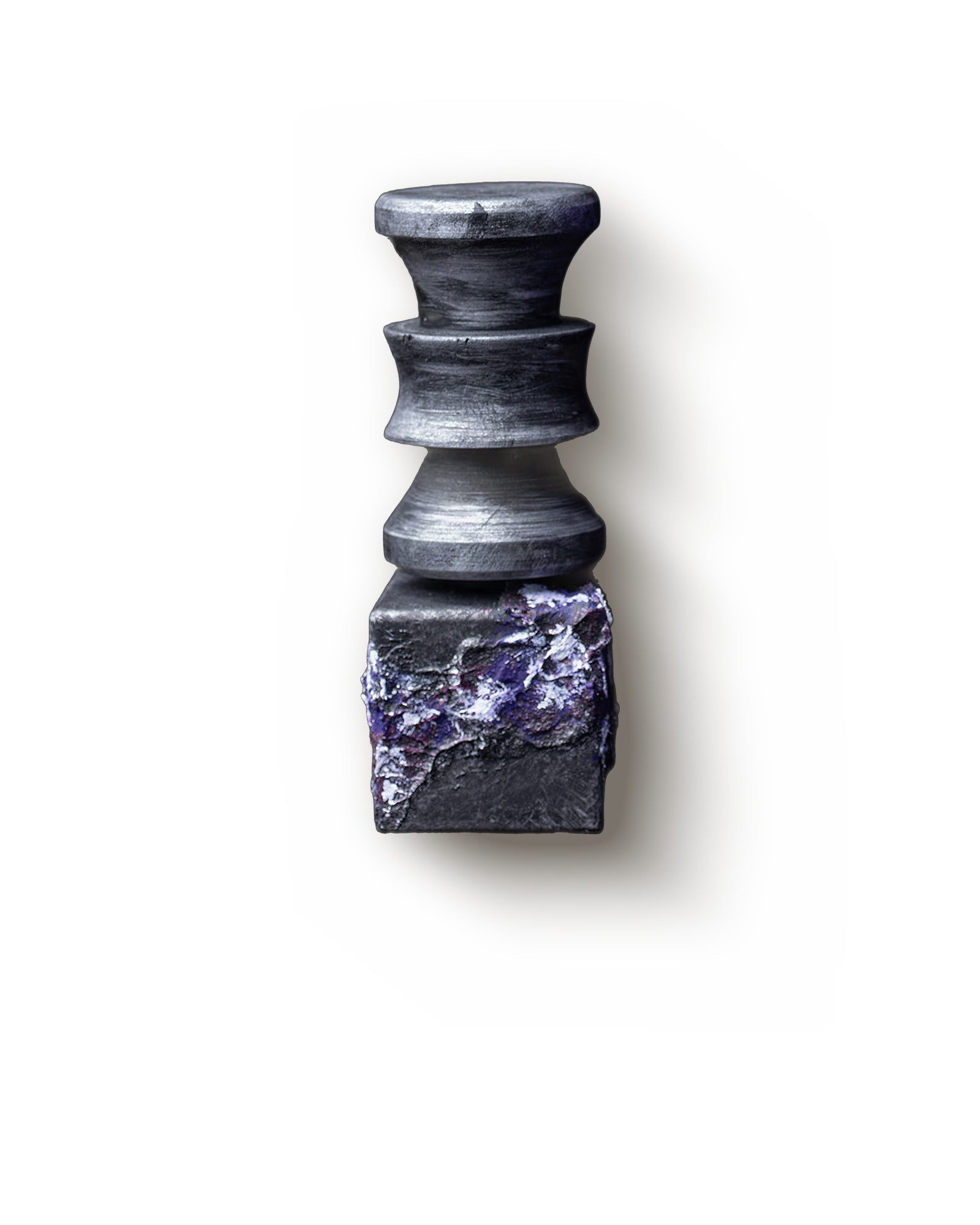
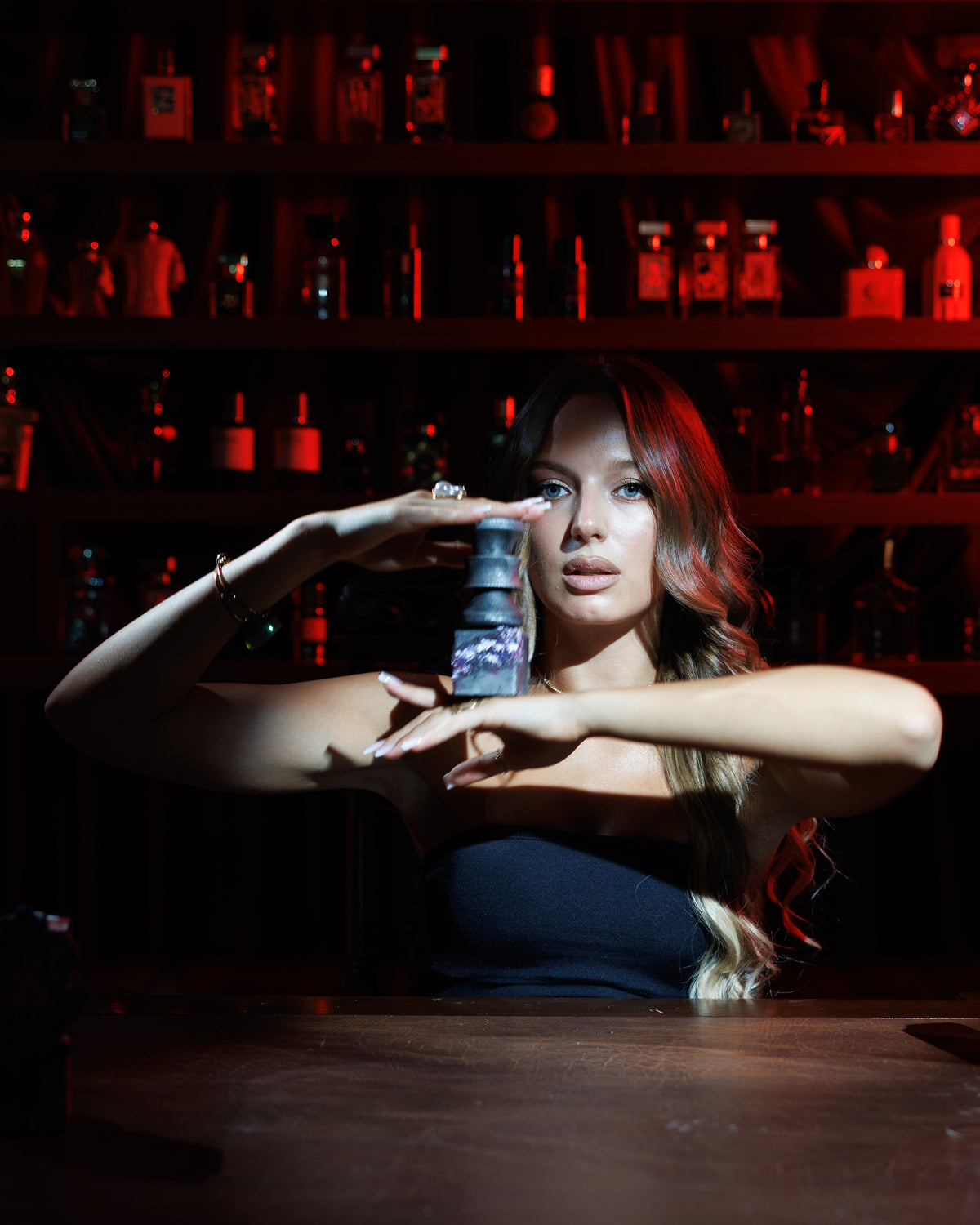
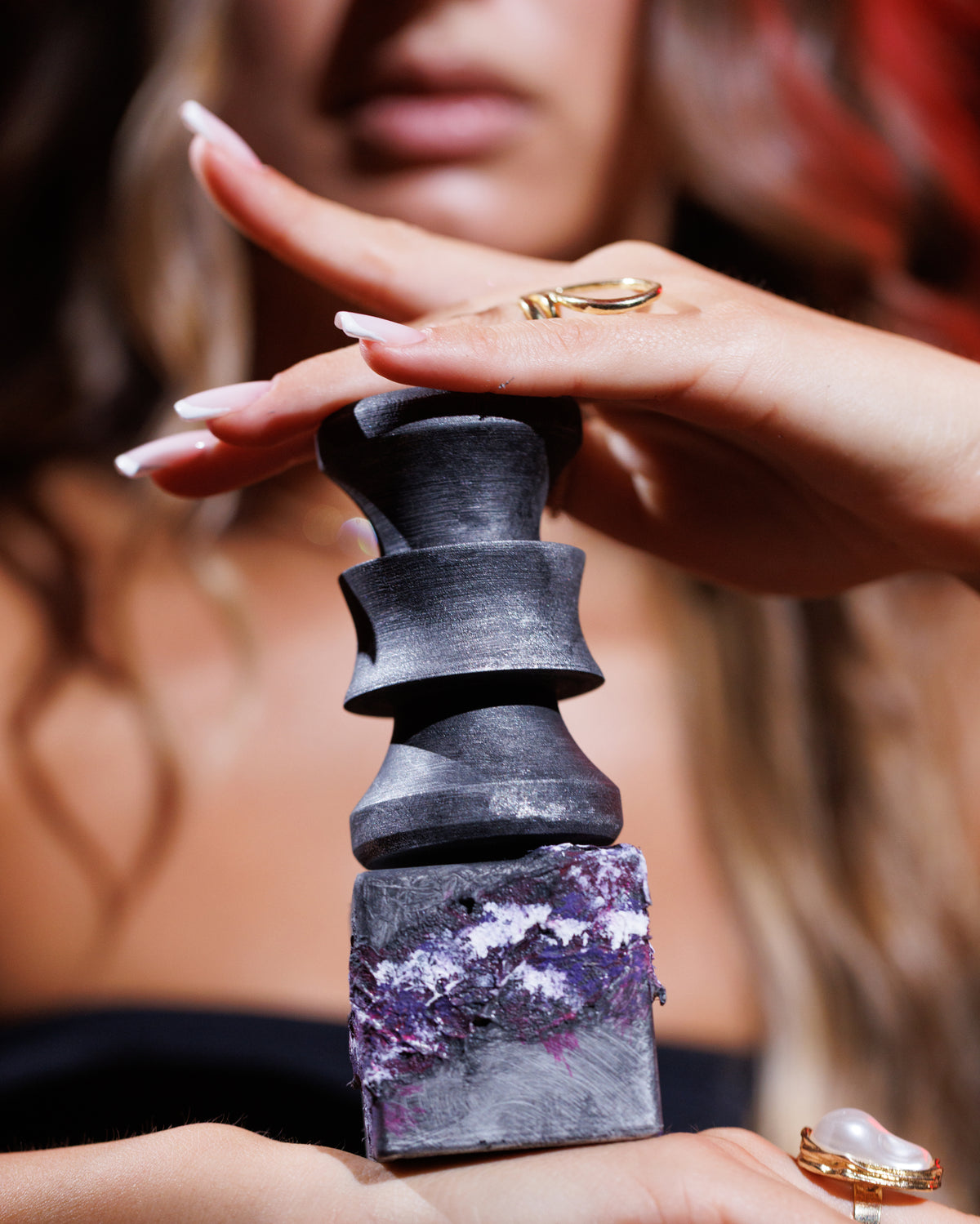
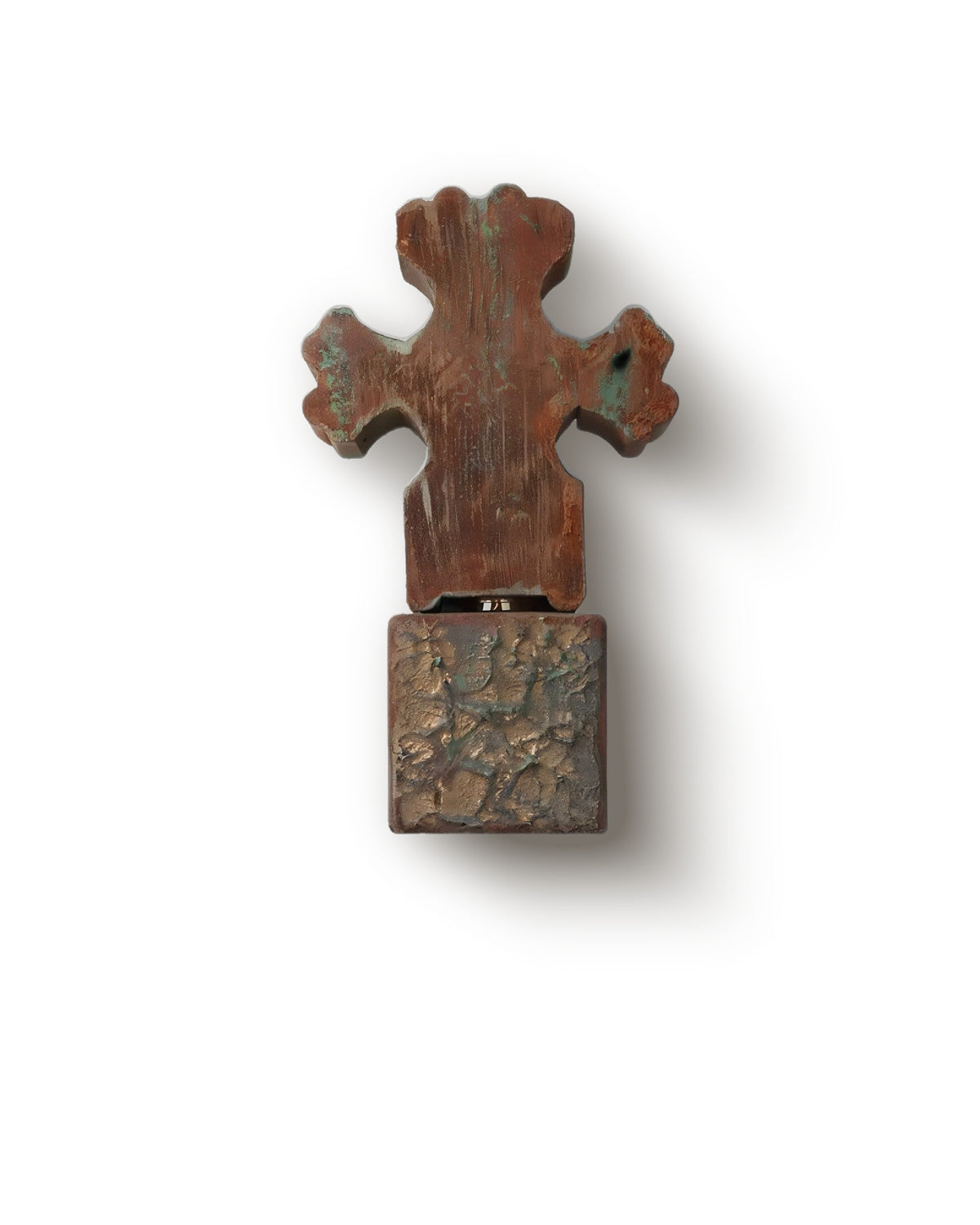
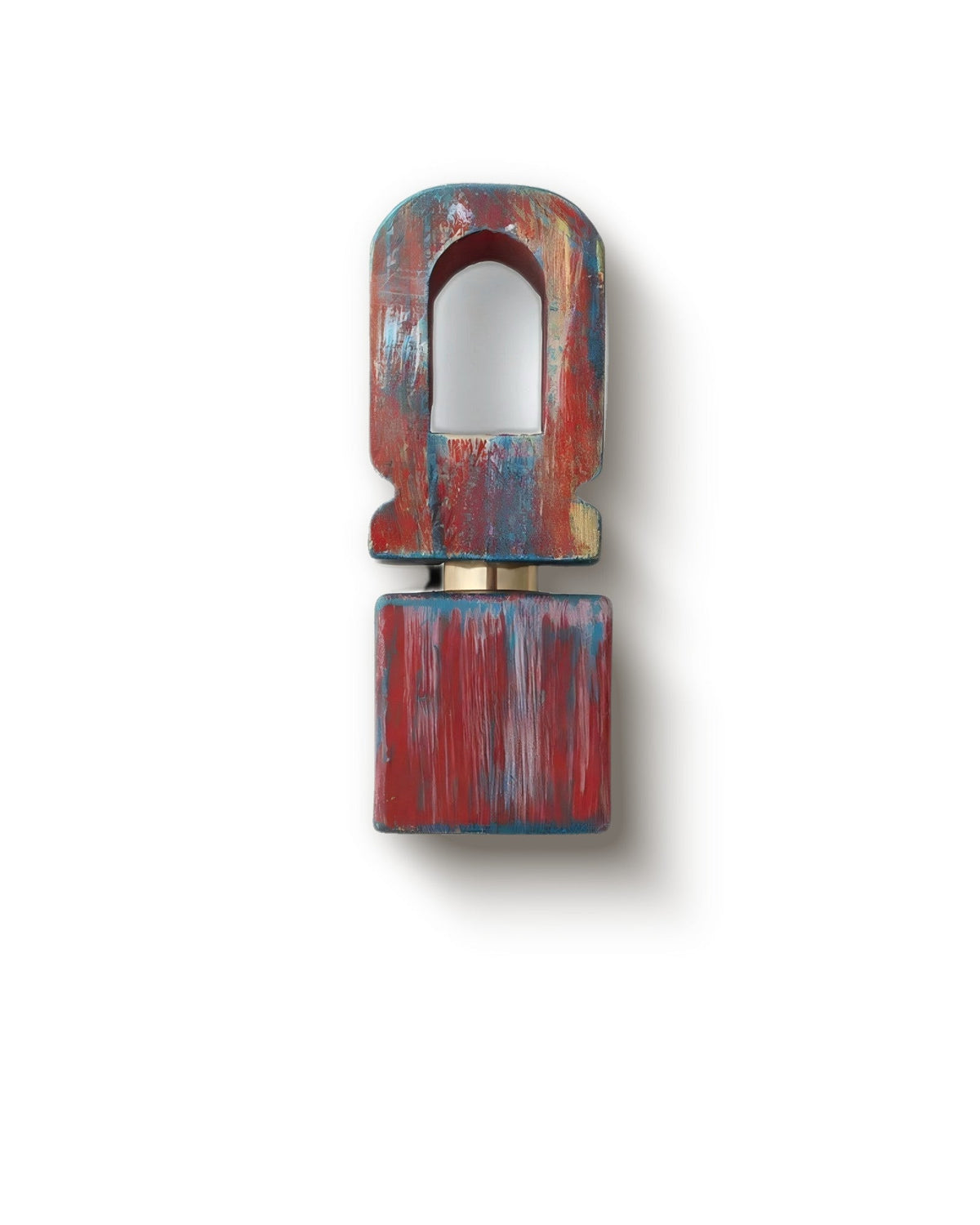
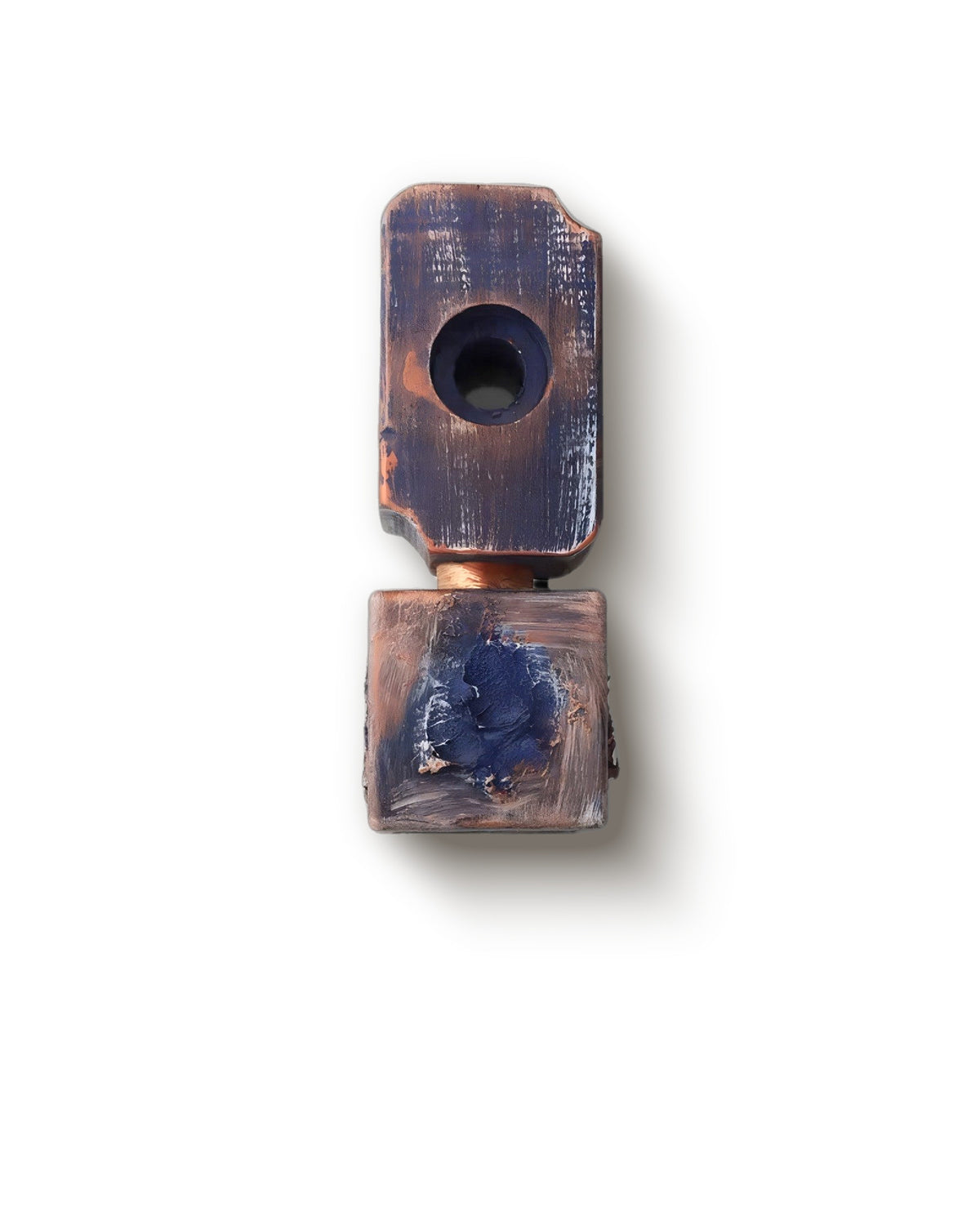
Elle boyanmış şişeler, damıtılmış anılar. Ayin ve çocukluk dumanı, taşınabilir bir heykele dökülmüş.
Adi Ale Van bir kokuya küçük bir folklor parçası gibi yaklaşır; eski Romen inancından, ayinden ve hafızadan beslenip bunları gerçekten taşıyabileceğiniz bir şeye çevirir. Bir an mum dumanı ve kilise tütsüsünün içinde duruyorsunuz, hemen ardından vanilya ve rom dolu sıcak bir mutfaktasınız.
- Köken
- Romanya
- Öne çıkan
- Ayin dumanı, elle boyanmış flakonlar

HER DEKANT
Orijinal şişeden kapınıza
Orijinal flakonu perakende fiyatından, doğrudan evden satın alırız.
Tıbbi sınıf bir Socorex şırınga, tam mililitreyi doğrudan flakondan çeker.
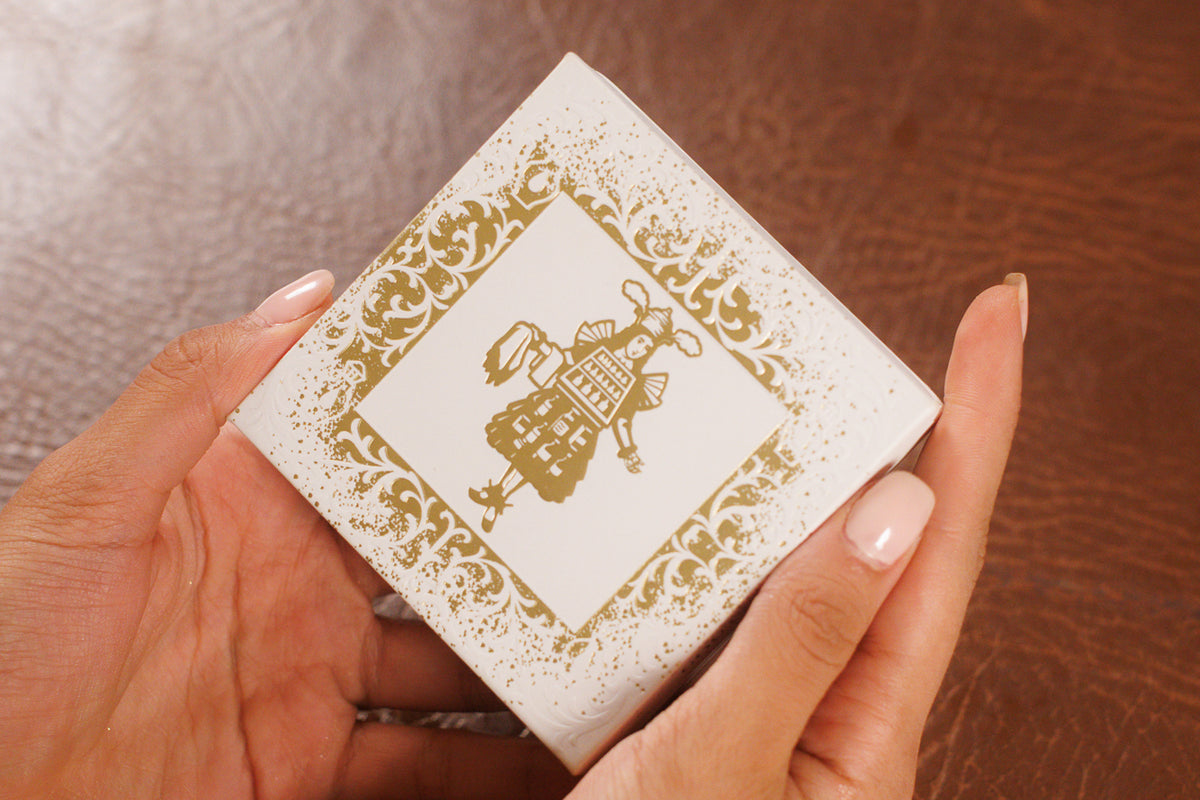
Sıcak yaldız baskılı kutusuna yerleştirilir ve tüm gümrük vergileri önceden ödenmiş olarak DHL'e teslim edilir. Bir dekant nasıl hazırlanır
Adi Ale Van evinden diğer parfümler
Bunlar da ilginizi çekebilir