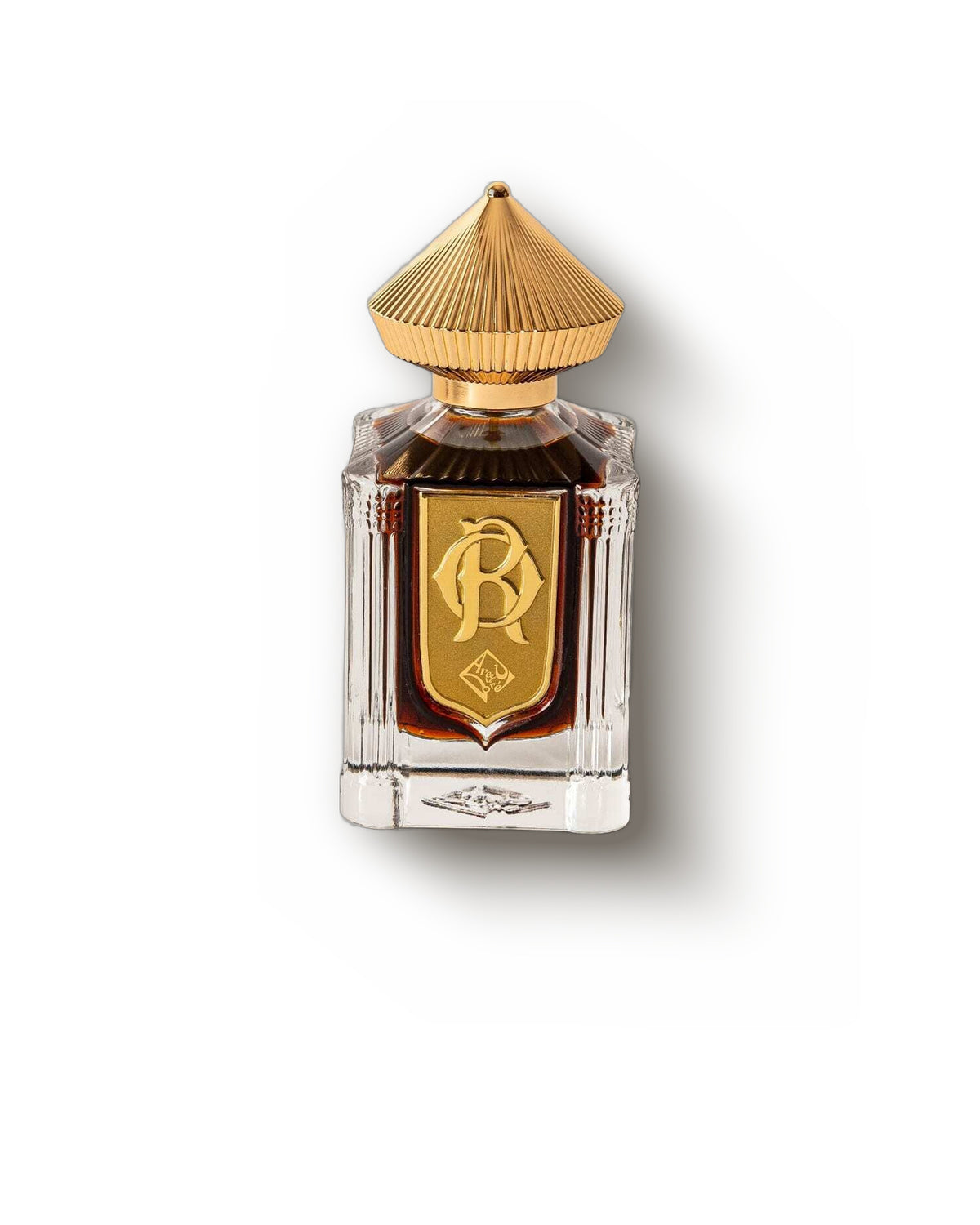
Areej Le Doré
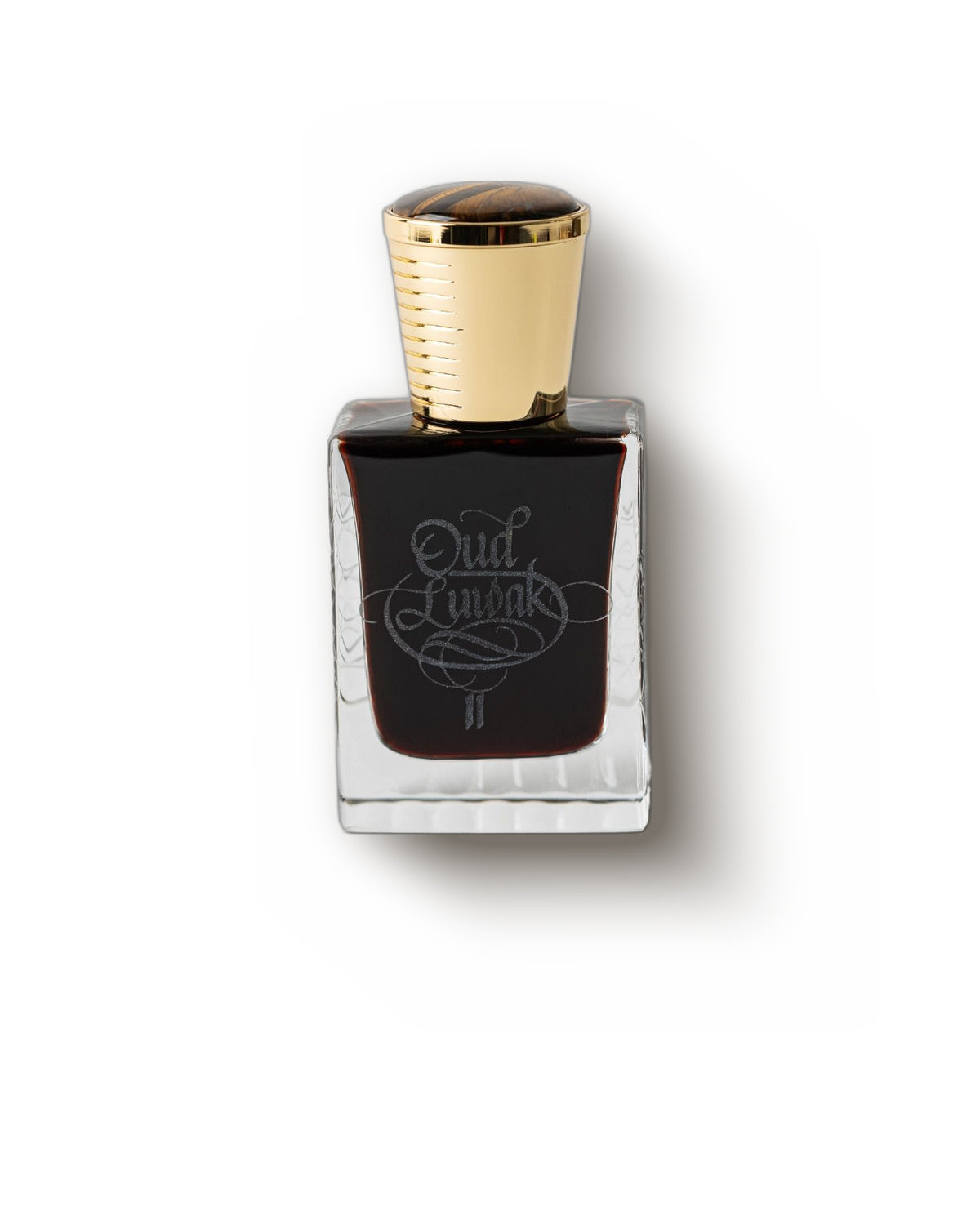
Russian Oud 2
The Story
Russian Oud II is the 2023 second edition of Areej Le Doré's Russian Oud, composed by Russian Adam as an Extrait de Parfum for Classic Collection III. It is built around a chocolaty oud oil distilled in India by an old traditional method, with cacao beside it at the heart: a true gourmand oud.


Gourmand
edible sweetness good enough to bite
A dessert-like warmth built from vanilla, ethyl maltol, caramelic furanones, and creamy lactones, the smells of sugar cooked rather than sugar itself. It feels cozy and comforting, wrapping the wearer in something soft, sweet, and almost edible.


Oud
What a tree makes when it is wounded
A dense, resinous wood that smells warm and slightly medicinal, with a leathery, animal-tinged smokiness and a sweet, almost barnyard funk underneath. It feels ancient and brooding, wrapping the skin in something thick and quietly powerful.


Amber
Resin warmed until it goes sweet
Labdanum, benzoin and vanilla melted together into something sweet but dusky, like tree sap gone soft in the sun with a thread of incense smoke through it. Amber does not sparkle or shout. It sits close to the skin and gives off heat for hours.


Woody
Dry grain of cut timber
The smell of cedar shavings, sandalwood, and dry vetiver roots, a sanded, resinous warmth with a faint pencil-box rasp. It feels grounded and composed, the quiet backbone that makes a scent read as serious and lasting.


Musky
Warm breath of clean skin
A soft, slightly animalic warmth that smells like clean skin and freshly dried laundry, intimate and faintly sweet. It hums quietly underneath a fragrance, a second skin that only registers when someone is already standing close enough to catch it.


Powdery
Soft hush of dressed skin
A velvety, slightly dry softness of iris root, violet, and fine talc, like face powder or clean linen warmed by skin. It feels intimate, refined, and nostalgic, blurring a fragrance into a gentle, cushioned haze.


Animalic
Skin, fur and something not quite tame
A raw, body-warm muskiness that reads of skin, hair and fur, sometimes sweet and powdery, sometimes sharp and faintly feral. At its best you cannot tell where the perfume stops and the wearer starts. At its strongest, it is the reason some people back away.


Deer Musk
Goatish when raw, warm bare skin once aged
What it is
The musk pod is a pouch beneath the skin of the male musk deer's belly. Its reddish-brown paste dries into dark, crumbly grains, which are steeped in alcohol for eighteen months or more to make the tincture perfumers use.
How it smells
Neat, it is rank and fatty, closer to a billy goat than a perfume, and perfumers note a black-coffee darkness. Thinned and matured in alcohol, it turns sweet, earthy and warm, with the intimate smell of bare skin.
In perfumery
A base material worked in drops. It steadies the more volatile notes above it, gives a blend roundness and fullness, and keeps it wearing far longer. It sits most naturally with oud, ambergris, castoreum and rose.
Good to know
The word itself is anatomy. Musk runs back through Greek and Persian to the Sanskrit muska, small testicle, because the pod was thought to resemble one. And a whole pod, skin included, rarely weighs more than thirty grams.


Ambergris
Sea-aged whale gold breathing warm salt air
What it is
Perhaps one sperm whale in a hundred makes it: a waxy mass in the gut, thought to coat the squid beaks it cannot digest. Expelled, it drifts for years, curing in sun and salt before washing ashore.
How it smells
Fresh from the whale it is fecal and marine. Years later it is sweet, animalic, softly mineral, all tobacco and dry seaweed and old wood. It reads less as an odor than as warmth, diffusion and breath.
In perfumery
In a base it slows everything down and lends skin-like radiance. Almost every ambergris note is Ambroxan, the synthetic built around the molecule the sea makes; real tinctures survive in bespoke work and old bottles.
Good to know
Collecting or selling it is illegal in the United States, where the whale is protected, though some countries let a beachcomber keep what washes up. Boulder-sized lumps have sold for hundreds of thousands of dollars, hence floating gold.


Cacao
Roasted cocoa, bitter until the sugar arrives
What it is
Chocolate starts as a bean in a pod, packed in white pulp, on a shade-loving American tree now farmed mostly in West Africa. Ferment it, dry it, roast it, and the absolute smells of chocolate with nothing added.
How it smells
Dry, roasted and dusty, like cocoa powder or dark chocolate shaved thin. Bitter up front, with coffee, nut and damp earth behind it, drying to a powdery brown warmth that stays close to the skin for hours.
In perfumery
Heart to base, the note that makes a gourmand edible without making it sugary. It sits with vanilla, tonka, patchouli, orange and chili. Sweeten it and it drifts toward drinking chocolate; leave it bare and it stays bitter.
Good to know
The Maya and the Aztec drank it bitter, frothed and spiced, and held it sacred. Sugar arrived with Europe, centuries later. The material itself never took it up.


Indian Oud
The fermented, leathered, animalic king of agarwood
What it is
Agarwood from Assam, and collectors call it Hindi. What makes an oud Hindi is not the tree but the method: it soaks and ferments for days, then goes into a copper still with the water it rotted in.
How it smells
In Russian Oud II it is a chocolaty oil from an old traditional distillation, with little of the usual barnyard. It opens on cocoa and dried fruit and settles into buttery leather, dry hay, black pepper and clove, then a deep smoky base. Aged oils add chai and dried fruit.
In perfumery
Every other oud is measured against this one. The intensity that sends newcomers running is exactly what collectors pay for. Rose is the classic partner, the Arabian mukhallat, though in practice a Hindi oil is usually worn neat.
Good to know
Cambodi is sweet and honeyed, Borneo cool with pine, Thai medicinal. India alone owns the fermented register. Young, a Hindi hits hardest; ageing turns the funk to smooth leather. Loudness proves nothing: a badly cured oil shouts too.


Resins
Tree wounds that harden into incense
What it is
Every resin starts as an injury. Cut the bark of a frankincense or myrrh tree and it bleeds milky tears that harden in the air; labdanum is boiled or scraped from the leaves of a rock rose.
How it smells
Warm, sweet and balsamic underneath, but each pulls a different way: frankincense cool and peppery with lemon-pine smoke, myrrh bittersweet and medicinal, benzoin all vanilla caramel, labdanum leathery honey. They open bright and dry down sticky.
In perfumery
Nothing holds a base together like resin. It slows evaporation, so everything above lasts longer, and supplies the glow under amber and incense compositions. Frankincense builds the cathedral ones; benzoin and labdanum the warm ones.
Good to know
Frankincense and myrrh once traded at the price of gold, carried north along the Incense Route and named among the Magi's gifts. The wild trees are thinning now from over-tapping, which is a problem for perfumery's oldest material.


Cedar
Dry sharpened pencils and sun-warmed timber
What it is
Most perfumery cedar is not cedar. It is juniper, from the Virginia and Texas trees, steam-distilled from chips and sawmill shavings. True Atlas cedar exists and is used, but it is the smaller source.
How it smells
Freshly sharpened pencils, then the inside of a cedar-lined closet. Atlas leans warm, smoky and balsamic; Virginia reads sharper and cleaner. Either way it settles into soft sawdust warmth and stays there for hours.
In perfumery
A workhorse. It gives woody compositions their backbone and holds lighter materials in place, sitting comfortably beside vetiver, rose, citrus and amber. Its plummy-woody core runs through most modern unisex woods.
Good to know
Egyptian embalmers poured cedar oil into the body rather than burning it, and cedar timber lined the tombs and coffins they meant to outlast them. The true cedars and the junipers share a name through smell, not lineage.
Fragrance Character
It opens soft and faintly animal: a touch of natural deer musk and ambergris, nothing bright. Cacao and Indian oud then share the heart, the cacao powdery, with the animal edge still running underneath. It projects well for the first hours, then settles close to the skin on a long drydown of resins and cedar.


Longevity
how long it stays on skin
The hourglass reads wear time: how many hours the fragrance keeps speaking before it fades. A bar that barely leaves the start means a few fleeting hours. One that runs the full length carries from morning into evening. Treat it as typical, not promised. Oily skin holds scent far longer than dry.


Sillage
the size of its scent trail
Sillage is French for a ship's wake, and that is exactly what this measures: how much of the scent reaches the room instead of staying on you. Low is a whisper only close friends catch. Enormous fills the room, then keeps filling it after you leave.


Experimental
Built to provoke, not to please
Some perfumes are made to be liked. These are made to be argued about: inky tar, hot rubber, fruit on the turn, metal and fur where you expected flowers. The coin glows for a scent that provokes and dims for one that plays it safe, which is sometimes the point.


Office
Polished, and never louder than the room
Scent is manners in a shared room. At this range it should reach the person across the desk and stop there: tidy citrus, soft musk, pale woods, all of it reading competent and considerate. A glowing coin means nobody has to mention it. A dim one means it travels.


Evening
After dark, when it deepens
Dinner, drinks, the night that runs long. Low light is where ambers, resins and smoky woods stop being polite, and where a plush floral finally blooms. A glowing coin means it is waiting for exactly this hour. A dim one means it did its best work in daylight.


Romantic
Close enough to be felt
A fragrance can hum against skin instead of announcing itself across a table. That is the register here: creamy florals, vanilla, soft musk, a thread of spice, warm enough to make someone lean in. The coin glows when a scent sets that mood and dims when it is more practical than seductive.


Formal
Quiet authority in a dressed-up room
A wedding, a ceremony, a room where everyone has thought about their shoes. What works here is structure, not volume: smooth woods, disciplined florals, soft leather. A glowing coin means it holds its posture all evening. A dim one means it is too casual for the room.


Casual
Easy comfort for unhurried days
Errands, coffee, a slow Saturday with nowhere to be. Nothing here has to impress anyone, so the fit is soft and easy: fresh citrus, light woods, a little warmth off the skin. A glowing coin says yes to all that. A dim one means the fragrance is asking for a bigger night.


Day to Night
where its mood naturally falls
A bar running from sun to moon, reading the hour the fragrance was made for. The more of it that stays gold, the more the scent belongs to daylight and open air. The further the blue reaches back toward the sun, the deeper and warmer it turns: evening, candlelight, low rooms.


Winter
Warmth that carries through cold air
Cold air mutes a fragrance and slows it down, which is why winter belongs to the dense and the warm: resin, smoke, vanilla, leather, ambered spice. The bar reads how well this one pushes back, glowing against the chill instead of thinning out in it.


Spring
Fresh blooms in mild, rising warmth
Mild, humid air lifts a light composition, so the season belongs to dewy florals, green stems, soft powder and citrus you can see through. Alive rather than heavy. The further the green runs along the bar, the more comfortably this one wears in that weather.


Summer
Bright and airy in real heat
Heat does the projecting for you, which is why the wrong perfume turns unbearable by noon. What survives is cool and breathable: sharp citrus, salt air, aromatic herbs, water. Things that refresh instead of cloy. A short bar here means save it for cooler months.


Fall
Spiced warmth for cooling days
As the air cools, the rich materials stop smothering and start reading clearly: dry woods, warm spice, tobacco, amber, fruit gone golden. It is the season perfume turns contemplative. The bar fills according to how naturally this one settles into crisp, cooling days.
Best Worn
Autumn and winter evenings, from late afternoon on. Made for cold-weather dinners and close company, and for someone already at ease with oud and a little animal warmth.
옵션 선택
분위기


노즈
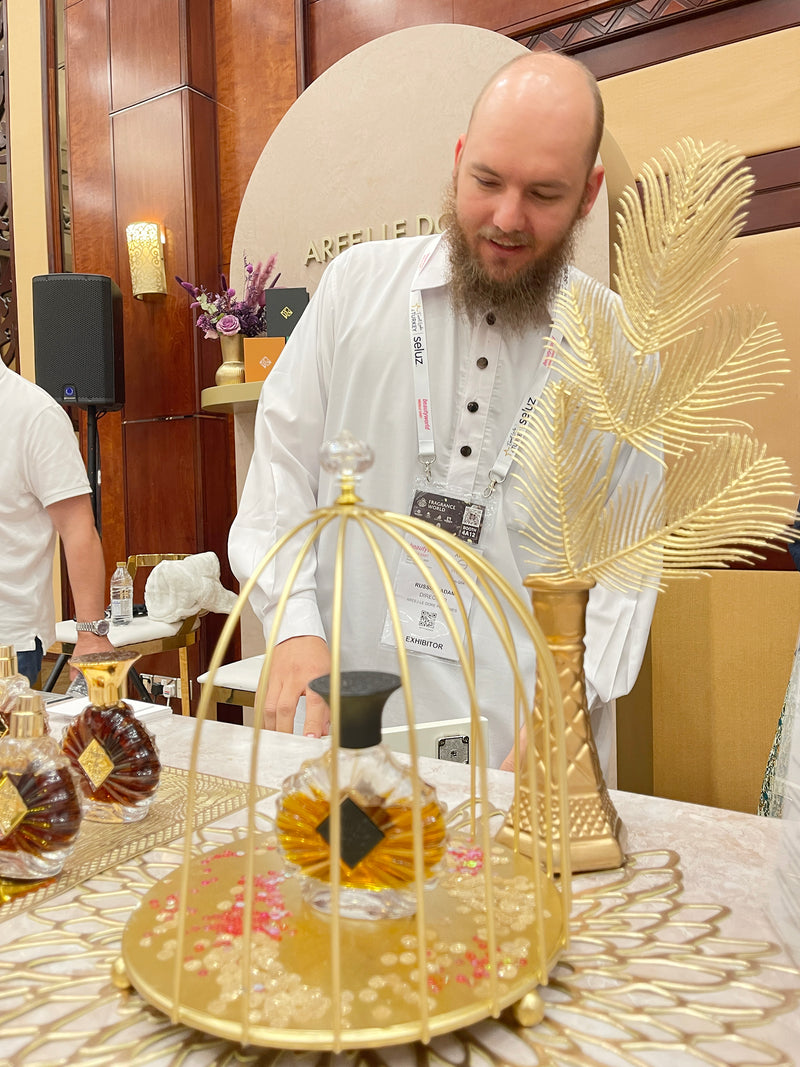
Russian Adam
창립자 겸 조향사
증류가에서 조향사로 전향했습니다. Feel Oud 증류소를 운영하며 침향과 샌달우드 오일을 직접 증류했고, 이제는 이를 Areej Le Doré라는 이름 아래 번호가 매겨진 소량 배치로 블렌딩합니다. Siberian Musk, Russian Oud, War and Peace, Ottoman Empire가 그 결과물입니다.
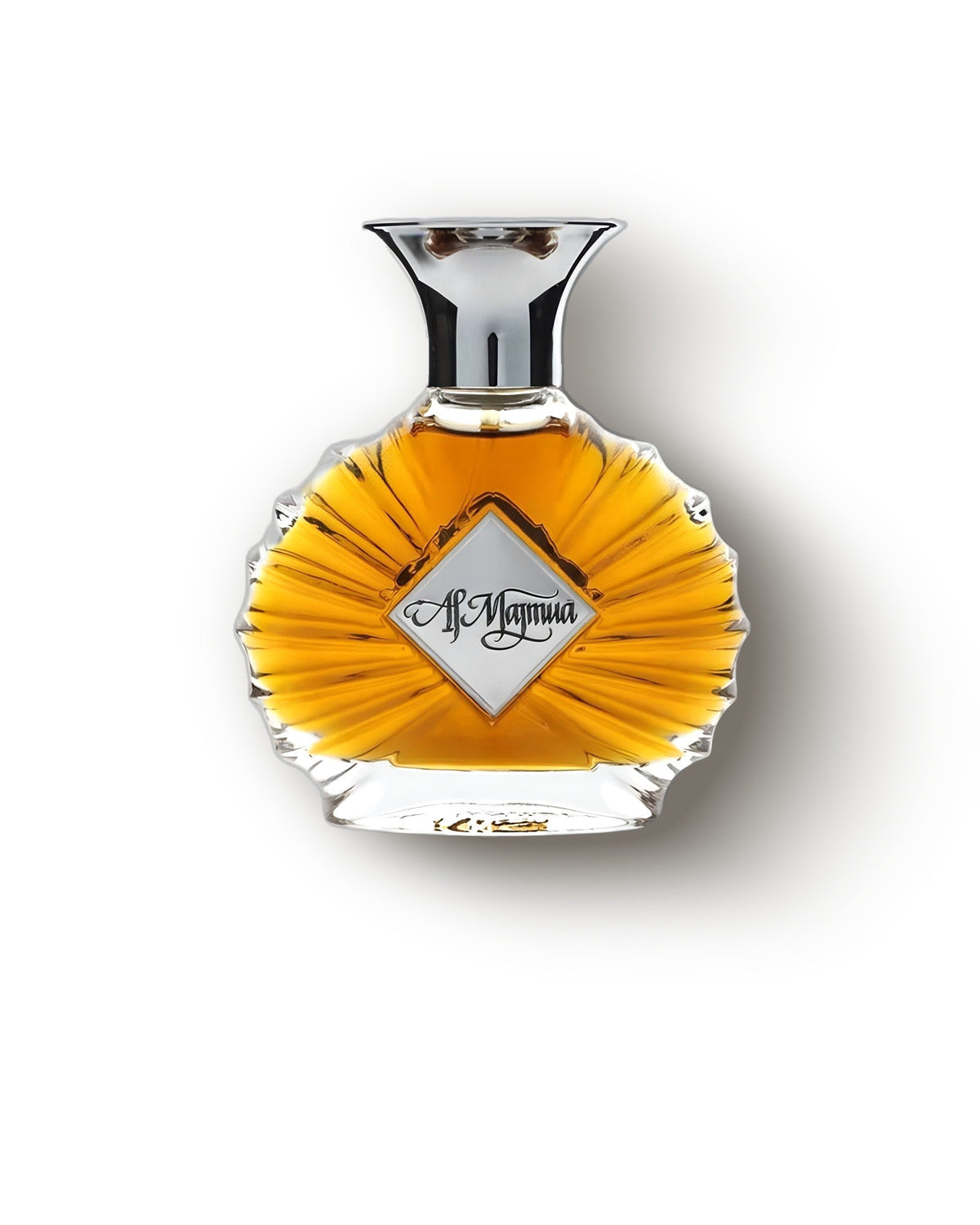
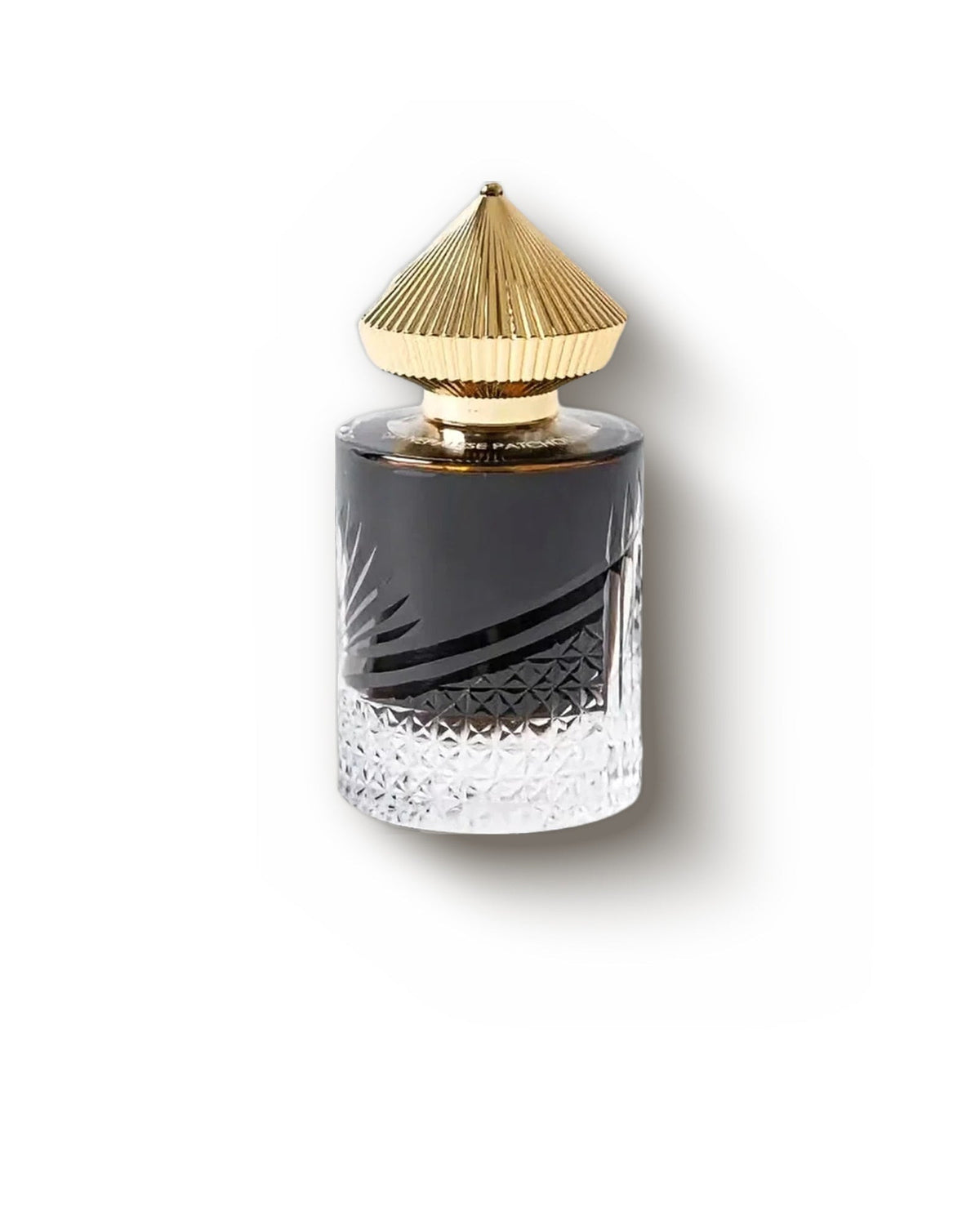
이 조향사의 다른 작품Al MajmuaWar and Peace 2Nepalese Patchouli
메종

진짜 머스크와 숙성 우드, Ambergris로 지은 빈티지 오리엔탈. 원본이 아직 남아 있는 동안 소분합니다.
Russian Adam은 천연 원료와 빈티지 원료를 주로 사용해 작업합니다. 진짜 Oakmoss, 손으로 증류한 아타르, 숙성된 애니멀릭, 귀한 Ambergris가 쓰이기에, 이 향들을 걸치는 일은 향수를 뿌린다기보다 옛 세계의 보물이 담긴 서랍을 여는 일에 가깝습니다. 배치는 아주 작고 번호가 매겨져 있으며, 한 번 소진되면 같은 형태로 돌아오는 일이 드뭅니다.
- 원산지
- 인도네시아
- 설립
- 2017년
- 대표 특징
- 사슴 머스크, 숙성 우드, Ambergris

Areej Le Doré의 다른 향
이런 향도 추천합니다