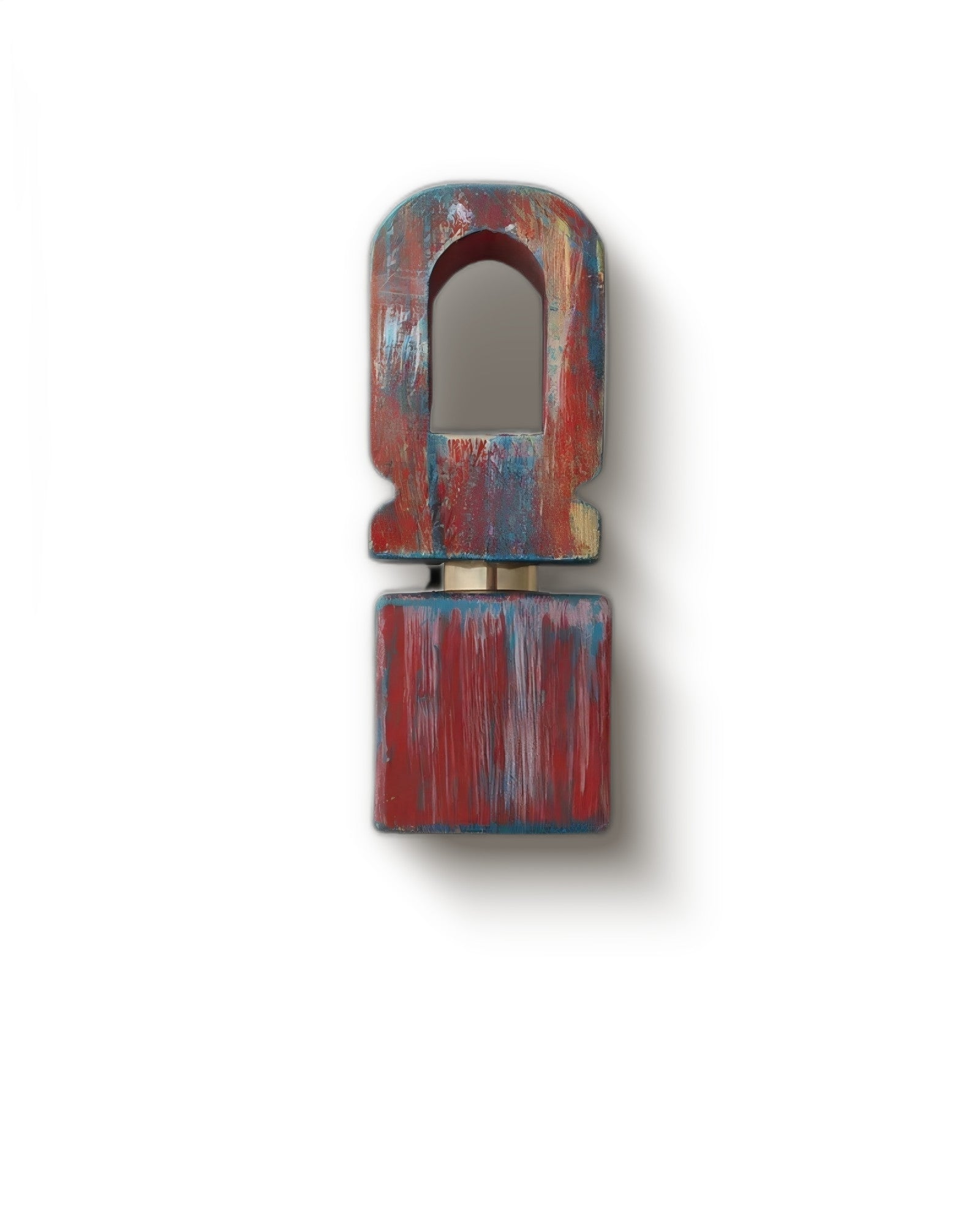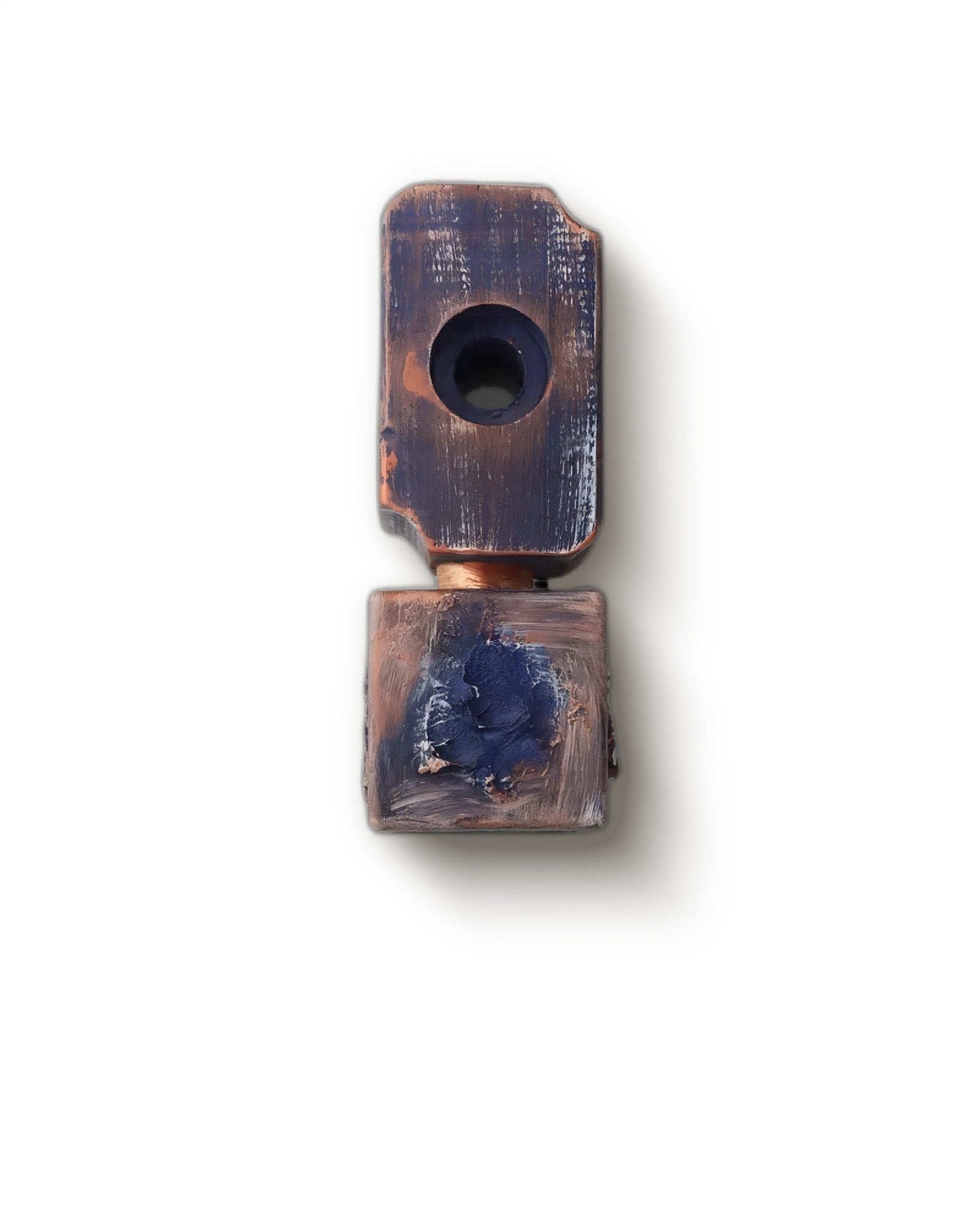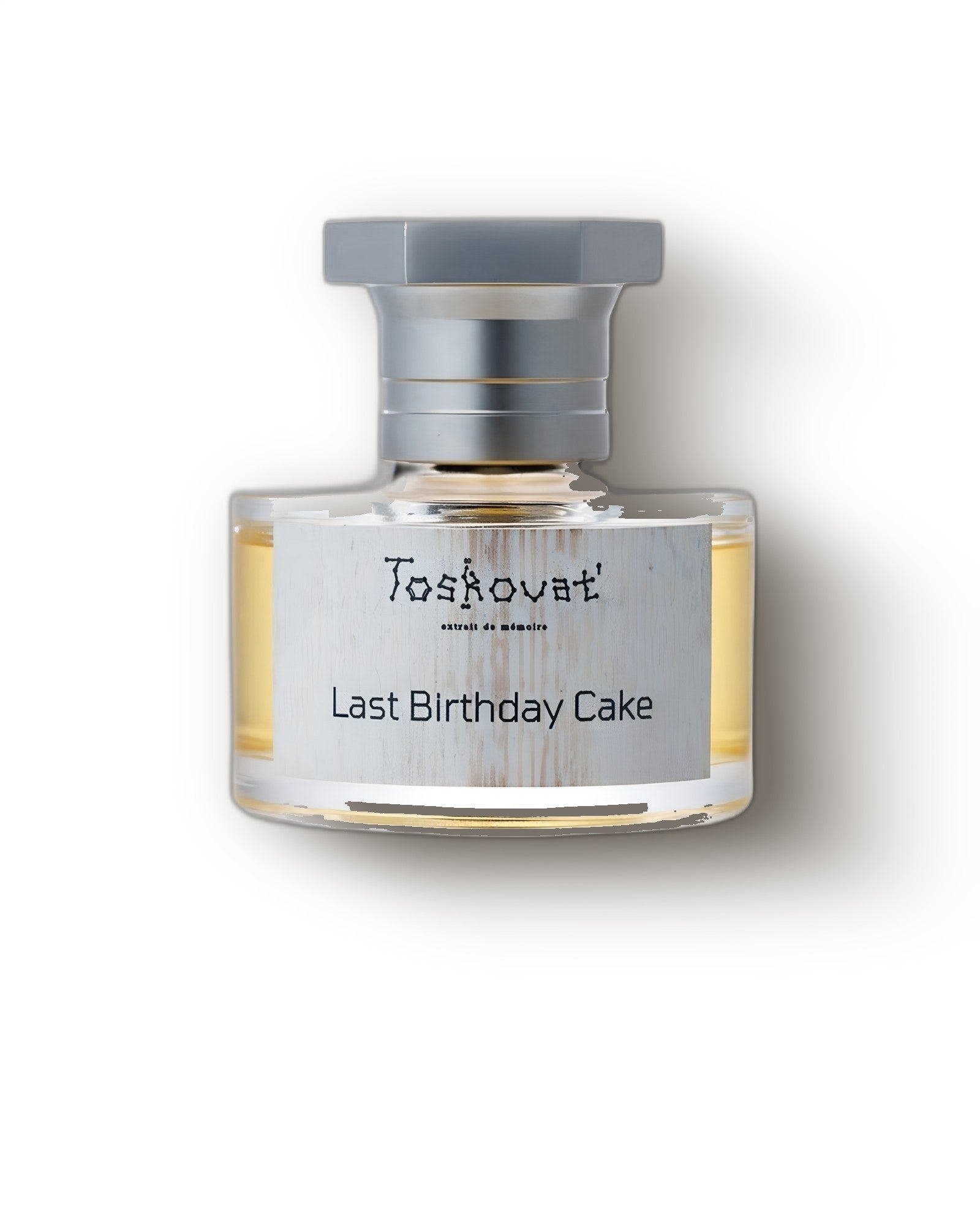
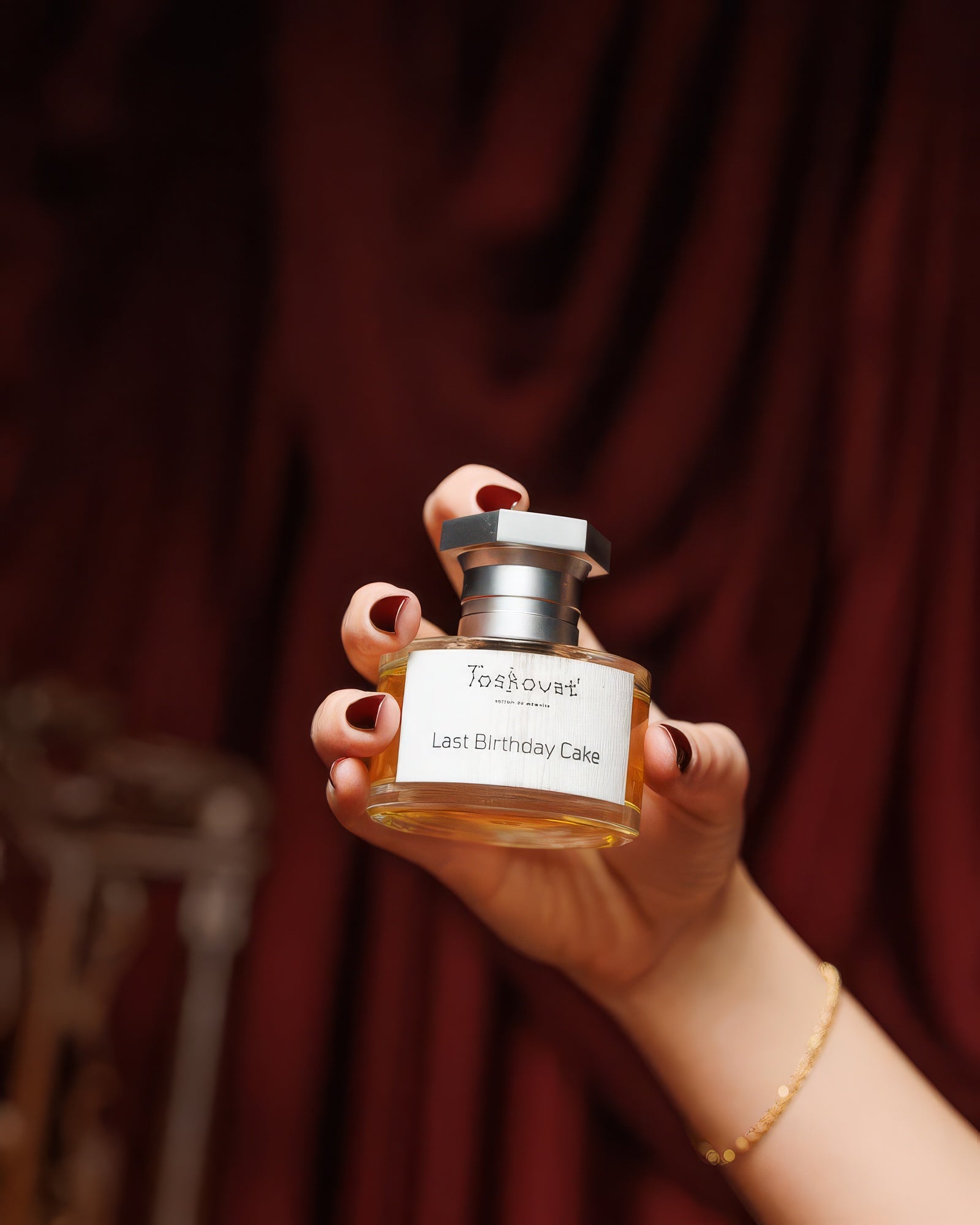


Toskovat
Last Birthday Cake
Last Birthday Cake 以苦杏仁和榛子可可酱开场,被软木塞与火药的气息切割,是一款拒绝轻易妩媚的美食香。麦芽与马蹄莲之下,涌现出白兰地浸润的蛋糕、蛋奶冻与安息香构成的核心,缓缓沉降至乳香、Styrax 与干燥纸莎草的基调,甜蜜在此燃尽,化为某种更为幽暗的底色。
调香师
由 David-Lev Jipa-Slivinschi 为 Toskovat 创作,他同样是 Inexcusable Evil 与 Age of Innocence 的幕后操刀者。


琥珀
金色树脂温暖地流光
由岩蔷薇、安息香与香草织就的柔软树脂光晕,甜润而幽暗,宛如被阳光晒暖的树脂,掺着一缕香薰青烟。它散发着温煦的金色暖意,紧贴肌肤萦绕不散。


甜香
肌肤上可食的温暖
一种圆润、糖质的气息,让人想到焦糖、蜂蜜或棉花糖,却无任何单一之物独占主导。它读来抚慰而纵情,正是那股美食般的牵引,使香气显得柔软、诱人,几近可口。


烟熏
焦黑的木材与升腾的余烬
燃烧木材、阴燃香薰与残留灰烬那干燥、焦黑的气息,时而焦油般,时而缥缈灰白。它沉郁而充满氛围,唤起一炉将熄的火,以及一股清凉气流送来它最后的呼吸。


香草
奶油般的豆荚浸于温暖
熟成香草荚那柔软、蛋奶般的甜,丰盈而带香脂,奶香之下隐着一缕醉人、烟熏的深度。它抚慰而贴肤生暖,是一份温柔的光晕,抚平并圆润所触之物。


温暖辛香
香料抽屉里灼灼的余烬
肉桂、丁香与肉豆蔻那圆润的热度,干燥而略带树脂,宛如烘焙储物柜,而非锐利的厨房。它营造出一份泛红、包裹的温暖,亲昵而宜于冷天,自内而外拥住肌肤。


木质
锯木干燥的纹理
雪松刨花、檀香与干燥岩兰草根的气息,一份打磨过、富树脂的温暖,缀着一缕铅笔盒般的粗粝。它扎根而沉稳,正是那道静默的骨架,使香气读来庄重而持久。


刺目强光
The scent of pure radiance
What it is
Blinding Light is not a flower or a wood but a sensation translated into scent: the white-hot instant when brightness overwhelms the eye. Perfumers build it from aldehydes that throw off a sparkling, almost electric shimmer, ozonic molecules that read as clean air and open sky, and a thin metallic edge that feels like polished steel under sun. The effect is cool rather than warm, weightless and radiant, with no sweetness to ground it. It smells the way staring into glare feels: clean, expansive, slightly disorienting, scrubbed of all shadow.
In the composition
As a top accord it detonates on the skin, all bright lift and silver air, then thins into a luminous veil that makes everything around it seem clearer and colder. It gives floral and musk structures an icy halo and turns saline or mineral bases hyper-modern and architectural. Avant-garde houses use it to signal openness and the absence of darkness, a deliberate emptiness that feels future-facing. Handled carelessly it can read as soapy or aldehyde-shrill; placed with restraint it becomes the radiant negative space that lets the rest of a fragrance glow.


牛奶
Warm comfort of skin and steamed cream
What it is
Milk is not distilled into perfume; its scent is reconstructed. Perfumers blend lactones, the creamy molecules formed when fats break down, such as gamma-decalactone and delta-decalactone, with soft musks, ethyl maltol and benzoin to imitate the smell of warm dairy and clean human skin.
How it smells
Soft, warm and lightly sweet, like steamed milk skinning over or the breath of a sleeping infant. It opens with a faint coconut-tinged creaminess from the lactones, then settles into a powdery, faintly animalic warmth with a clean, gently caramelized finish recalling scalded milk.
In perfumery
A heart and base accent adding cosy, comforting roundness that softens sharper materials. It pairs with sandalwood, fig, almond, rose and warm spices. The milky-dessert warmth of Kenzo Amour, often likened to rice pudding, showcases it, and lactones underpin countless modern skin-scent gourmands.
Good to know
The same lactones that make milk smell creamy occur naturally in peach, apricot and coconut, which is why milky perfumes often drift toward stone fruit. Heat-driven sugar reactions add the cooked, slightly burnt-caramel edge that distinguishes scalded milk from cold dairy.


烛芯
The breath after the flame
What it is
Wick is the smell of a flame just extinguished, caught in the half-second before the room remembers it. There is the dry char of cotton burned to a black ember, a single thread of cool smoke uncoiling toward the ceiling, and beneath it the rounded sweetness of wax gone warm and pliant. It is darkness arriving, the heat still ticking in the air, a quiet that smells faintly of having been on fire.
In the composition
Used as a hush at the close of a fragrance, Wick lends a dry, ashen smokiness without the campfire weight of true incense or birch tar. It pairs with honeyed beeswax, pale woods, and a breath of cold air to sharpen its grey edge, lingering as a soft singed whisper in the drydown. A conceptual accord built for the moment a scent goes still rather than loud.


速溶可可
Bitter dark chocolate before the sugar arrives
What it is
The roasted seed of Theobroma cacao, a small understory tree native to the tropical Americas and now grown across West Africa. Pods hold beans wrapped in white pulp; the beans are fermented, dried and roasted, then solvent-extracted into an absolute carrying the bittersweet aroma of unsweetened chocolate.
How it smells
Deep, dry and roasted, like cocoa powder or dark chocolate shavings with almost no sweetness of its own. Bitter and faintly dusty up top, with nutty, coffee-like and earthy facets, drying down into a warm, powdery brown softness that clings close to skin for hours.
In perfumery
A heart-to-base note anchoring gourmand and oriental compositions, lending edible warmth without sugar. It pairs naturally with vanilla, tonka, patchouli, orange and chili. Pioneering masculine gourmands and chocolate-themed niche scents foreground its roasted cocoa character, the latter weaving cacao through coffee and bitter orange.
Good to know
The genus name Theobroma means food of the gods in Greek, echoing cacao's sacred status among the Maya and Aztec, who drank it bitter, frothed and spiced as a ceremonial brew. Sugar-sweetened chocolate is a later European adaptation; the perfume note stays true to the original bitterness.


白掌(和平百合)
A cool breath of green water
What it is
Peace lily is a conceptual floral built around the spathiphyllum, the pale spoon-shaped bloom that lifts from broad green leaves in still indoor air. As a note it reads soft and luminous rather than heady: a watery whiteness threaded with the snap of a freshly cut stem and the cool, almost mineral freshness of a lily that has never seen full sun. There is no sweetness to chase and no powder to settle into, only a quiet transparency that smells the way a shaded room feels after rain.
In the composition
Perfumers reach for peace lily when they want a white floral without the wax and trumpet of true lilies. It opens a fragrance with green coolness, sets a calm and slightly aqueous heart, and lends an unhurried clarity that keeps brighter blooms from turning shrill. It pairs naturally with dewy petals, vetiver roots, soft musks and clean aldehydes, where it acts less as a soloist than as the cool air around the other notes, holding the whole accord open and serene.


苦杏仁
Marzipan sweetness with a whisper of danger
What it is
The classic scent comes from benzaldehyde, the molecule in the kernels of bitter almonds, apricot and peach stones, and cherry pits. Natural bitter almond oil is steam-distilled from pressed kernels, but the perfumery version is almost always synthesized benzaldehyde, free of toxic residues.
How it smells
Sweet, nutty and unmistakably marzipan, with a cool cherry-stone and amaretto edge. A clean, slightly powdery facet sits beneath the nutty core, recalling almond paste and crushed peach pits. It reads bright at first, then settles into a soft, creamy warmth.
In perfumery
A heart and accent note bringing gourmand sweetness and an almond-cherry signature. It pairs with heliotrope, vanilla, tonka and powdery iris in soft oriental and gourmand accords. With heliotropin it builds the marzipan-cherry heart of dark gourmand orientals and countless heliotrope-driven compositions.
Good to know
Raw bitter almonds carry amygdalin, which releases hydrogen cyanide when crushed, so the almond scent is sometimes called the smell of cyanide itself. Properly distilled or synthetic material is purified of the toxin, leaving only the fragrant benzaldehyde behind.


软木
Dry sun-warmed bark from a Mediterranean grove
What it is
The thick outer bark of the cork oak, Quercus suber, an evergreen native to the western Mediterranean, chiefly Portugal and Spain. The bark is stripped by hand from living trees roughly every nine years and regrows. In perfumery the scent is largely recreated as an accord rather than distilled from the bark.
How it smells
A soft, dry woodiness, more textural than sweet, evoking the spongy surface of a wine stopper. Beneath the wood sit earthy, faintly dusty and mineral facets with a quiet spicy warmth. It feels rustic and matte, suggesting sun-warmed bark rather than polished or resinous timber.
In perfumery
Used in the heart or base to lend dry, natural woodiness and a tactile, papery texture. It pairs readily with oakmoss, vetiver, soft florals and ambery woods, reinforcing rustic or wine-cellar themes. It anchors compositions built around Portuguese landscapes and understated, gentlemanly woody structures.
Good to know
Portugal produces roughly half the world's cork, and a cork oak can be harvested for two centuries without being felled. Because true cork yields little usable aroma material, the note is essentially a perfumer's reconstruction stitched together from woody, mossy and earthy molecules.


麦芽
Warm toasted grain like fresh dark bread
What it is
Malt is grain, usually barley, that has been steeped in water to germinate, then dried or kiln-roasted to halt sprouting while developing sugars and aroma. The perfumery note captures this roasted-cereal smell, reconstructed with aroma chemicals such as maltol rather than distilled from the grain itself.
How it smells
Toasted and grainy, like warm malted milk, dark crusty bread and biscuit, with a soft caramel sweetness underneath and a faint nutty, beer-like fermentation edge. It feels cozy and edible, drying into a gentle cereal warmth rather than sharp roast or smoke.
In perfumery
A heart-to-base gourmand accent, Malt adds toasty bready warmth and a comforting edible quality to sweet and oriental compositions. It works alongside coffee, cocoa, honey, vanilla and tobacco, deepening boozy whisky-style accords and rounding caramelized notes in modern dessert-leaning fragrances.
Good to know
Malting underpins both whisky and beer, where kilning temperature decides everything from pale lager malt to near-black roasted grain. The toasty aroma comes from Maillard browning during kilning, the same chemistry that browns toast and forms the crust on baking bread.


雅文邑
Boozy grape warmth with a green champagne lift
What it is
Cognac in perfumery is not the brandy but cognac oil, also called wine lees oil. It is steam-distilled from wine lees, the yeasty sediment left after fermentation. Green cognac gets its emerald tint from copper stills; white cognac comes from inert stills. Both originate in French wine regions.
How it smells
Dry, tart and intensely wine-like, with grape, raisin and brandy facets over a fatty, waxy, slightly fermented undertone. The green version smells of crisp green apple and herbaceous champagne fizz; lesser batches drift toward a sour, almost rancid edge that perfumers use in tiny doses.
In perfumery
A heart-to-base material giving a diffusive lift and spirituous warmth to gourmand, oriental and tobacco compositions. It pairs with tobacco, plum, vanilla, leather and dried fruit, animating boozy themes. It threads through apple-brandy accords and various rum and whisky themes as a fermented top accent.
Good to know
Because cognac oil is wildly potent and variable, described as ranging from candied green apple to baby vomit, it is dosed in trace amounts and never as a literal brandy. A single drop too many can wreck a formula, so it is treated as a sharp spice rather than a base.


史多伦蛋糕
Warm vanilla sponge fresh from the oven
What it is
Not a single ingredient but an abstract gourmand accord built to evoke baked cake. Perfumers assemble it from aroma materials such as vanillin, ethyl maltol, heliotropin, benzaldehyde and butyric or lactonic notes, combining sugar, egg, butter and toasted-flour facets into one edible impression.
How it smells
Soft, sweet and floury, like warm sponge cooling on a rack. Caramelised sugar and vanilla lead, wrapped in buttery richness and a powdery almond-cherry edge from heliotropin and benzaldehyde. Depending on the supporting materials it leans toward marzipan, custard or fresh pastry, sometimes with a milky lactonic warmth.
In perfumery
A heart and base accord central to gourmand fragrances, layered with caramel, milk, fruit or florals to soften sweetness into comfort. It anchors dessert-themed scents and countless birthday-cake and bakery compositions across the sweet niche category.
Good to know
Ethyl maltol, the molecule that gives the accord its candied cotton-candy lift, had flavoured food since the 1960s before perfumer Olivier Cresp built it into a landmark 1992 release, the perfume widely credited with launching the modern gourmand genre and making edible notes respectable in fine fragrance.


红糖
Molasses-dark sweetness with a smoky edge
What it is
Brown sugar is refined white sugar coated with molasses, or partially refined cane sugar that retains its molasses naturally. In perfumery it is recreated as an accord, since cooked sugar yields no extract. Caramelized-sugar and molasses-like aroma chemicals supply the smell, usually led by maltol and ethyl maltol.
How it smells
Deeper and damper than plain sugar, with a toffee-like richness and a molasses tang edging toward rum and licorice. It opens sweet and caramelized, then reveals smoky, slightly burnt and resinous facets. Less candied than spun sugar, closer to syrup darkening in a hot pan.
In perfumery
A base-to-heart sweetener that grounds gourmands with cooked-sugar warmth and weight. It marries with vanilla, tonka, rum, tobacco and coffee, and lifts spicy orientals. Maltol's burnt-sugar facet forms the backbone of countless caramel and praline compositions, from genre-defining gourmands to modern dessert fragrances.
Good to know
Maltol and ethyl maltol, the molecules behind this note, double as food additives that enhance perceived sweetness, letting manufacturers cut actual sugar. Ethyl maltol is several times stronger and used at high dilution; raw, it smells unmistakably of cotton candy and warm caramel.


香草卡仕达
Warm eggy vanilla cream cooling on the counter
What it is
A gourmand accord rather than a single ingredient, built to smell like custard, a cooked dessert of milk, sugar and egg yolks. Perfumers construct it from vanillin and vanilla absolute layered with creamy lactones and trace egg-like sulfur molecules that supply richness beyond plain sweetness.
How it smells
Rich, soft and edible, like freshly poured vanilla custard left to cool. Sweet vanilla and warm butter meet a velvety lactonic creaminess, with faint caramel, brown sugar and a rounded eggy warmth. It feels thick and comforting rather than sugary-sharp, sometimes brushed with coconut or praline.
In perfumery
A heart-to-base note central to modern gourmands, lending body, warmth and dessert-like plushness. It pairs with vanilla, tonka, caramel, coconut and milk, and softens woods and ambers. Jovoy Fire At Will reads as vanilla custard enriched with egg yolk, a clear showcase of the accord.
Good to know
The egg facet that makes custard convincing comes from sulfur chemistry. The same molecules that smell harsh and rotten at high strength turn warm, cooked and animalic at trace doses, adding the rich underside that pure vanilla sweetness alone could never reach.


零陵香豆
Warm almond-vanilla sweetness with a hay-tobacco shadow
What it is
Tonka bean is the cured seed of Dipteryx odorata, a tall South American legume tree of Venezuela, Brazil and Guyana. Shelled seeds are soaked in alcohol, then dried for weeks until coumarin frosts their surface. Perfumers use a solvent-extracted absolute drawn from these cured beans.
How it smells
A warm, sweet bouquet of vanilla and bitter almond, threaded with hay, dried tobacco and toasted nuts. The opening recalls caramelized custard; the drydown turns powdery and faintly boozy, with cinnamon and cut clover. Rounder and hazier than vanilla, softer and less sharp than almond.
In perfumery
A base and heart material prized for warmth, sweetness and soft persistence. It bridges gourmand, oriental and fougère accords, pairing with vanilla, lavender, amber and tobacco. Tonka and its coumarin shaped the very first fougère, and underpin the sweet drydown of countless oriental-gourmand blends.
Good to know
Tonka owes most of its scent to coumarin, which the FDA banned as a food additive in 1954 after hepatotoxicity appeared in animal studies at high doses. So tonka is effectively illegal in American kitchens, yet remains entirely legal, and widely loved, in fine fragrance.


安息香
Warm vanilla balsam wept from a tapped tree
What it is
Benzoin is a balsamic resin from Styrax trees of Southeast Asia. Siam benzoin comes from Styrax tonkinensis (Laos, Vietnam), Sumatra benzoin from Styrax benzoin (Indonesia). Incisions in the bark make the tree exude a gum that hardens over months into reddish tears, processed into resinoid and absolute.
How it smells
Sweet, warm and balsamic with a pronounced vanilla character and powdery, ambery, faintly cinnamic facets. Siam is rounder and more vanillic; Sumatra is smokier with a cinnamon-styrax edge. It opens soft and creamy, then dries into a cozy, resinous, almost caramelized sweetness.
In perfumery
A warm base note and gentle fixative lending sweetness, body and a vanillic glow to amber accords. It blends with labdanum, vanilla, tonka and incense, smoothing orientals and gourmands. Benzoin is a defining warmth in golden-age oriental classics and countless amber compositions.
Good to know
Benzoin gave its name to benzoic acid and, through it, to the chemical term benzene. The word itself traces to the Arabic luban jawi, "frankincense of Java." The resin never flows on its own; every tear is the tree healing an incision deliberately cut into its bark.


甜苜蓿
Sun-dried hay sweetened with almond and vanilla
What it is
A wild legume, Melilotus officinalis, growing across temperate Europe and Asia with tall stems of small yellow flowers. Its flowers and leaves are rich in coumarin, which develops as the plant dries. The dried herb yields an absolute, though most fragrances use cleaner synthetic coumarin instead.
How it smells
Soft, sweet and hay-like, the scent of a sunlit meadow drying in summer. Coumarin gives almond, fresh-mown grass and a creamy vanilla warmth. In small doses it suggests new-cut hay; concentrated it turns gourmand, nutty and balsamic, sitting close to tonka bean and woodruff.
In perfumery
A soft heart-to-base modifier that sweetens and rounds compositions without sugariness. It adds body to florals, warmth to fougeres and a hay bridge between fresh tops and woody bases. It pairs with lavender, tonka, oakmoss and tobacco, underpinning the classic fougere and chypre families.
Good to know
Moldy sweet clover hay sickened cattle with internal bleeding, leading to the discovery of dicoumarol and the blood thinner warfarin. Historically the dried herb scented linens and snuff tobacco, and in Quebec white sweet clover is nicknamed boreal vanilla for its warm aroma.


绳索项链
The dry weight of woven fiber
What it is
Rope Necklace is not a flower or a resin but an idea rendered in scent: the smell of a thick braided cord worn close to the throat. It reads as raw hemp and jute fiber, faintly oiled, with a hay-like sweetness and the fine grey dust that settles into anything woven and left in the air. There is a touch of cellar coolness underneath, the way coiled rope holds shade even in a warm room. The effect is dry, tactile, and quietly rustic, more texture than perfume, a note you feel against the skin before you name it.
In the composition
Avant-garde houses use Rope Necklace as a grounding texture, a fibrous spine that gives a fragrance the sensation of being worn rather than sprayed. It bridges beautifully into hay, dried tobacco, dusty woods, and warm skin musks, lending a handmade, sun-bleached realism to anything too polished. A few drops pull a composition toward the body and away from abstraction, suggesting bare shoulders, summer rooms, and objects carried close for years. Treated with restraint it whispers; pushed forward it becomes the whole gesture, a scent of fiber and quiet weight.


契诃夫之枪
The promise of inevitable smoke
What it is
Chekhov's Gun is not a flower or a resin but a held breath, a fragrance built from the idea that nothing introduced is ever idle. It reads as cold blued steel under the fingertips, a slick of machine oil, the dry mineral bite of flint, and beneath it the thinnest curl of sulfur, as though a shot were fired one room away an hour ago. The note is all tension and restraint: metallic, austere, faintly smoky, more suspense than scent. It conjures the loaded object resting on the mantel, mute and gleaming, waiting for the act that will justify its presence.
In the composition
Avant-garde perfumers use it as a structural threat rather than a comfort, a cold spine that runs beneath warmer materials and refuses to let them settle. It sharpens incense and leather with a steely, mineral edge, lends gravity to amber and tobacco, and turns soft musks uneasy and watchful. Worn alone it is severe and cinematic; layered, it acts as the unspoken consequence inside a sweeter accord, the glint of metal that promises the composition will not end where it began. A note for those who want their perfume to mean something before the day is over.


苏合香
Warm balsam, soft leather and skin-like resin
What it is
Styrax, also called storax, is a fragrant balsam exuded from the wounded bark of the Liquidambar tree, chiefly Liquidambar orientalis in Turkey and L. styraciflua in the Americas. The grey, sticky raw balsam is purified and distilled into a resinoid, essential oil or absolute for perfumery.
How it smells
Warm, sweet and balsamic with a leathery, slightly smoky edge and a hint of cinnamon and pine. Beneath runs a soft, almost vanillic, skin-like warmth. It opens resinous and a touch medicinal, then dries down rich and ambery, persistent and clinging like cured leather.
In perfumery
A base note and quality fixative giving warmth, leather and animalic depth. It pairs with labdanum, benzoin, vanilla, incense and florals in orientals and chypres. It lends body to classic leathers and ambers, and is threaded through 1920s landmarks of the genre.
Good to know
The name causes confusion: this storax comes from Liquidambar, not from trees of the genus Styrax, which instead yield benzoin. Storax has been traded since antiquity as incense and medicine, burned in temples and valued for its skin-like, almost human warmth.


肌肤
Warmth of bare skin, intimate and quietly human
What it is
An abstract accord rather than a single material, built to read as clean human skin. Perfumers assemble it from soft white musks, ambroxan, a little iris or suede and faint warm spices such as cumin, evoking body heat and skin's salty-milky surface without literal sweat.
How it smells
Soft, warm and faintly powdery, like the nape of a neck or skin just after a shower. It reads slightly salty and milky, with a low animalic hum from musk. It barely has a top, sitting close as a quiet radiant glow rather than a defined scent.
In perfumery
A base and fixative accord lending intimacy and a second-skin effect, making other notes feel worn rather than sprayed. It pairs with iris, suede, vanilla and musks, and anchors the modern skin-scent genre of fragrances designed to smell like a warmer, cleaner version of your own skin.
Good to know
There is no skin essential oil, and natural deer musk is largely banned under CITES, so the effect leans on synthetic white musks and ambroxan. Much of what reads as your own skin is those molecules binding to and amplifying personal chemistry, so the note smells different on everyone.


秘鲁香膏
Honeyed resin tapped from a South American tree
What it is
A semisolid resin from Myroxylon balsamum, a tall legume tree native to Colombia, Peru and Venezuela. Workers cut V-shaped wounds in the trunk and gather the brown sticky exudate, which oxidizes and hardens. Rich in benzoic and cinnamic acid esters, it is processed into resinoid or absolute.
How it smells
Warm and sweet with a soft balsamic body, threaded with cinnamon spice, vanilla and dried honey. The opening reads resinous and faintly floral; over hours it settles into a mellow amber glow recalling caramelized sugar, old wood and cured tobacco. Smooth, never sharp.
In perfumery
A base and fixative material lending warmth, sweetness and staying power to amber, oriental and gourmand accords. It pairs naturally with vanilla, benzoin, labdanum and tobacco, and threads through the classic balsamic builds and amber compositions at the heart of the oriental tradition.
Good to know
The name traces to Tolú in Sucre, Colombia, after the pre-Columbian Tolú people who first used the resin, recorded in early Spanish chronicles. Long before perfumery, tolu balsam was a staple of cough syrups and lozenges, valued as an expectorant and wound treatment.


乳香
Sacred smoke curling from resin and embers
What it is
In perfumery, incense usually means olibanum, the oleo-gum-resin of Boswellia trees from Oman, Somalia and Ethiopia. The bark is slashed, weeps a milky exudate that hardens into amber tears, and these are steam-distilled to an essential oil or solvent-extracted to an absolute; blends often add labdanum and styrax.
How it smells
Cool, dry and resinous, with a sharp citrus-pine lift over smoky, peppery warmth. There is a clean church-air quality: balsamic, slightly soapy, faintly green. It opens bright and turpentine-fresh, then settles into a meditative, ashen-sweet woodiness that lingers close to the skin.
In perfumery
A heart-to-base material prized for its contemplative, smoky-resinous character. It cools florals, sharpens woods and lends ritual gravity to oriental and chypre accords. It defines the great church-incense scents and the cold, mineral incense of many a meditative niche composition.
Good to know
Frankincense was once worth its weight in gold, carried along ancient Arabian caravan routes to temples across the Mediterranean and beyond. Wild Boswellia stands are now threatened by over-tapping, grazing and climate stress, prompting growing interest in sustainable harvesting and tapping quotas.


麸皮净油
Toasted cereal husk, nutty and quietly comforting
What it is
Bran is the fibrous outer layer of cereal grain, most often wheat (Triticum aestivum), separated from the kernel during milling. The perfumery material is bran absolute, produced by solvent extraction of the milled husk; LMR by IFF sources its bran from the Massif Central region of France.
How it smells
Warm, soft, and nutty, like toasted grain or the crust of fresh bread. A gentle sweetness carries hay-like and faintly milky facets, alongside surprising dried-fruit undertones of apricot and honey. The overall effect stays dry, grainy, and comforting rather than sugary or rich.
In perfumery
A heart-to-base accent that enriches gourmand and woody-cereal compositions, lending bakery warmth and natural texture. It pairs with vanilla, tonka, milk notes, and soft musks, and deepens the toasted-grain coziness behind modern bread, oatmeal, and rice-pudding accords without overpowering them.
Good to know
Bran absolute carries an unexpected apricot-and-hay nuance that lets perfumers suggest dried fruit without using a fruit material. It remains a niche natural, valued more for textural realism in gourmands than for projecting strength on its own from a blend.


纸莎草
Dry reed and ink along a sunlit river
What it is
Papyrus is the tall aquatic sedge Cyperus papyrus, native to Nile wetlands and used by ancient Egyptians for paper. In perfumery the woody-smoky note is mostly reconstructed, often built around cypriol (nagarmotha), the oil distilled from the roots of the related Indian sedge Cyperus scariosus.
How it smells
A dry, papery woodiness with smoky, earthy and faintly inky facets, recalling cut reeds, aged paper and warm sun-baked grass. It reads more arid and mineral than cedar, carrying a subtle resinous bitterness over a clean, slightly green herbal edge.
In perfumery
A base note that brings dry, smoky structure and a modern minimalist woodiness, often extending or standing in for vetiver. It pairs with incense, cedar, citrus and leather. It anchors many contemporary niche woods built around dry, papery smoke.
Good to know
The scent labelled papyrus is usually not the Egyptian plant at all. Because true Cyperus papyrus gives little usable oil, perfumers lean on cypriol from its Indian cousin Cyperus scariosus, so the name evokes the Nile while the smell comes from Madhya Pradesh.
香气性格
开场浓郁而略带刺激,苦杏仁与火药将榛子可可酱的气息锐化,使整体效果更接近焦糖的焦糊,而非甜点的甜蜜。白兰地与蛋奶冻柔化了核心,但安息香与零陵香豆使其保持模糊,温暖却隐隐带有药感。随着乳香、吐鲁香脂与纸莎草将残余的甜蜜吸收,香气贴近肌肤沉淀,留下干燥、树脂感而静谧令人不安的底色。
最佳佩戴时机
寒冷的夜晚,无论是室内静处还是穿行于冬日的空气之中,献给那些渴望甜蜜之下燃着引信的佩戴者。
为何选择 Last Birthday Cake 分装
火药与软木塞使这款作品成为真正充满争议的调配,分装让您在决定是否以整瓶收入之前,先判断这份独特的幽暗是否契合您的内心。
官方香调
刺目强光 · 牛奶 · 烛芯 · 速溶可可 · 白掌(和平百合) · 苦杏仁 · 软木 · 麦芽 · 雅文邑 · 史多伦蛋糕 · 红糖 · 香草卡仕达 · 零陵香豆 · 安息香 · 甜苜蓿 · 绳索项链 · 契诃夫之枪 · 苏合香 · 肌肤 · 秘鲁香膏 · 乳香 · 麸皮净油 · 纸莎草
相关内容: 最佳小众琥珀香水 · 最佳小众木质与檀香香水 · 冬季最佳小众香水
选择选项


氛围
选择您的分装规格
您正在选择分装规格,而非整瓶购买