Lost Tribe
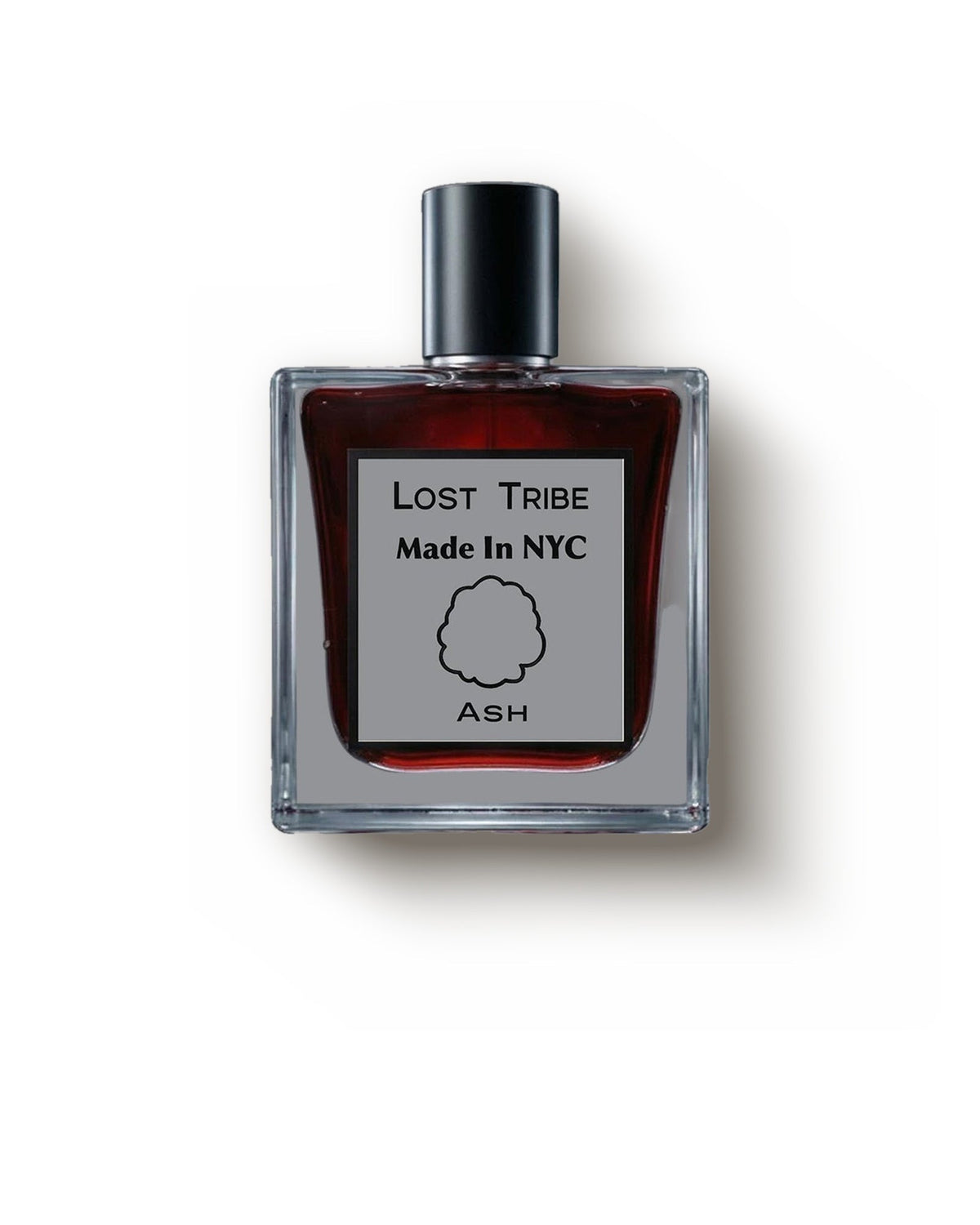
ASH v3
Hikaye
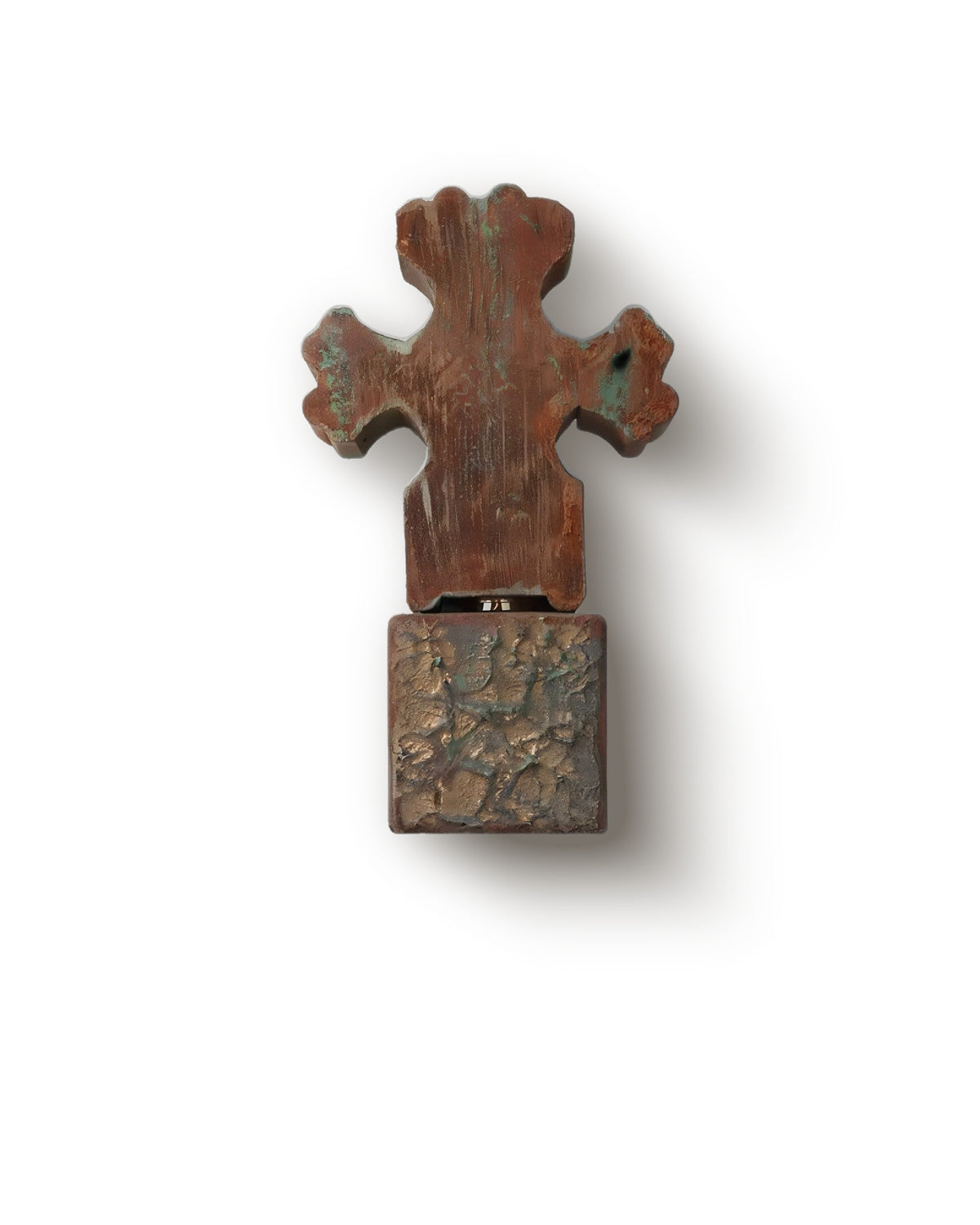
ASH v3, New York merkezli Lost Tribe evinin Ash parfümünün üçüncü versiyonu. Marka bunu kendileri için nadir bir çıkış olarak tanımlıyor; neredeyse hiç çiçeksi nota içermiyor ve tabanda Sultan Qaboos'tan gelen bir bakhoor tentürü bulunduğunu belirtiyor.


Dumanlı
Kömürleşmiş odun ve yükselen korlar
Yanan odunun, için için tüten tütsünün ve geride kalan külün kuru, kavrulmuş kokusu; kimi zaman katransı, kimi zaman ince ve grimsi. Düşünceli ve atmosferik bir his verir; sönmekte olan bir ateşi ve son nefesini taşıyan serin bir hava akımını çağrıştırır.


Odunsu
Kesilmiş kerestenin kuru dokusu
Sedir talaşının, sandal ağacının ve kuru vetiver köklerinin kokusu; hafif bir kalem kutusu pürüzüyle zımparalanmış, reçineli bir sıcaklık. Yere basan ve dingin bir his verir; bir kokuyu ciddi ve kalıcı kılan sessiz omurgadır.


Topraksı
Yağmurdan sonra nemli toprak
Islak toprağın ve toprağıyla birlikte çekilip çıkarılmış pancarın mineral kokusu. Serin, ham ve hafifçe acımsı; bir kokuyu orman tabanının karanlık, nemli soluğuyla yere bağlar.


Ferah Baharatlı
Kırılmış biberin serin ısırığı
Pembe biber, kakule ve zencefil; ısıtmaktan çok karıncalandıran bir baharat. Bir parfümün üst kısmında köpürür, kuru ve çok yüzeylidir; mutfakta fokurdayan bir şeyden çok ezilmiş biber taneleri ve ikiye bölünmüş bir kakule kozasına yakındır. Parlak, asla yatıştırıcı değil.


Balsamik
Koyulaşıp altın rengine dönmüş ağaç özsuyu
Ağaç reçineleri ve altın amber, şuruba dönüşecek kadar yoğunlaşmış ve vanilyayla dokunulmuş. Parlamaz, hareket etmez; tıpkı mum ışığının bir odayı ısıtması gibi tene yerleşir ve üst notalar sustuktan çok sonra bile orada kalır.


Ud
Bir ağacın yaralandığında ürettiği şey
Yoğun, reçineli bir odun; sıcak ve hafif ilaçsı kokar, derimsi, hayvansı tınılı bir dumanlılık ve altında tatlı, neredeyse ahır benzeri bir keskinlikle. Kadim ve düşünceli bir his verir; teni kalın ve sessizce güçlü bir şeyle sarar.


Choya Ral
Kil kapta dumana dönene dek kavrulmuş sal reçinesi
Nedir
Buharla değil, yıkıcı damıtmayla elde edilen Hint choya'larından biri: sal ağacının (Shorea robusta) reçinesi kapalı bir kil kapta kömürleşene dek kavrulur, çıkan duman yakalanıp yoğunlaştırılır. Sonuç koyu kahverengi, akışkan bir yağdır. Kardeşleri de aynı yöntemle başka malzemelerden yapılır: Hint ak günlüğünden choya loban, kavrulmuş deniz kabuklarından choya nakh.
Nasıl kokar
Önce dumanlı ve derimsi, altında kuru odunsu ve tatlı reçineli; reçineden değil kömürleşmeden gelen katranlı, yanık toprak bir kenarı var. Ham sal reçinesinin soluk, tatlı, balsamik havası değil bu; ateş o reçineyi aldıktan sonra nasıl kokuyorsa öyle.
Parfümeride kullanımı
Damıtılmış bir reçinenin fazla temiz kalacağı yerlerde duman ve deri için kullanılan bir dip malzemesi. Attarlara ve oryantallere derinlik ve yanık-mineral bir gölge katar, ud, gül ve sandal ağacıyla doğal biçimde eşleşir ve karmaşık Hint attarlarının geleneksel bir bileşenidir.
Bilmekte fayda var
Choya bir bitki değil, bir yöntemdir ve üç choya birbirinden oldukça farklı kokar. Malzeme yakılarak yapıldığı için çok az bile uzun yol gider; fazlası bir kompozisyonu küle çevirip düzleştirir. Ayrıca bileşen listelerinde sıklıkla sade tütsü sanılır, oysa öyle değildir.


Banks Çamı
Terebentin keskinliği taşıyan soğuk orman havası
Nedir
Bir iğne yaprağı kırın, kokunun çoğuna sahip olursunuz. Çam yağı, kuzey ormanlarındaki iğne yapraklardan ve genç sürgünlerden buharla damıtılır; bunun yerine çözücüyle çekilen absolü ise daha koyu, daha yeşil ve daha ağır çıkar.
Nasıl kokar
Soğuk, kuru ve reçineli; yeşil balsamik bir kenarı ve tıbbi bir hâle dönüşen terebentin sertliği var. Üstte özsulu, sanki ocak ayında bir ormanın içinde duruyormuşsunuz gibi. İlerledikçe yumuşar, başladığından daha tatlı ve daha sıcak biter.
Parfümeride kullanımı
Dış mekân gibi kokması gereken her şey için bir üst nota: odunsu orman akorları, fujerler, bir alp temasının ferah açık havası. Lavanta, sedir, köknar ve temiz miskler onu yerinde tutar.
Bilmekte fayda var
Yirminci yüzyılın temizlik ürünleri dezenfekte gücü nedeniyle çam yağıyla çalışırdı; bir orman notasının paspaslanmış bir zemin gibi de okunmasının nedeni budur. Burun ikisini birden alır: yabani ormanlık ve ev hijyeni.

Bergamot
Acı bir tınıyla pırıldayan narenciye ışığı
Nedir
Bergamotu kimse yemez. Ekşi, çekirdekli ve hayal kırıklığı yaratan bir meyvedir; dünya arzının neredeyse tamamı Kalabriya kıyısının tek bir şeridinde yetişir, sadece yeşil kabuğundan soğuk pres yöntemiyle çıkarılan yağ için yetiştirilir.
Nasıl kokar
İlk anda kabuk ve yeşil bir ışık, sonra limondan daha yuvarlak bir şey: hafif acı bir sıcaklığın üzerinde duran çiçeksi, çaya benzer bir yumuşaklık. Hızla söner. Geride kalan, sessiz ve hafifçe baharatlı bir vızıltıdır.
Parfümeride kullanımı
Eau de cologne'u tanımlar ve lavanta ile meşe yosunuyla birlikte neredeyse her fougère'in üzerinde yer alır. Parfümörler onun verdiği o ilk parlak anı isterler; aynı yağ, Earl Grey çayını Earl Grey gibi koklatan şeydir de.
Bilmekte fayda var
Onu ışıltılı kılan şey aynı zamanda yakabilir de. Bergamot, cildi güneş ışığına karşı aşırı hassas kılan bergapten içerir; bu yüzden parfümörler ya dozu düşük tutar ya da bu molekülden arındırılmış bir kaliteye yönelir.


Karabiber
Batıp keskinleştiren kuru bir sıcaklık
Nedir
Biber taneleri yeşil başlar; onları siyah ve buruşuk yapan güneştir. Tırmanıcı bir sarmaşıkta yetişirler ve koku buharla ya da CO2 ile çekilir.
Nasıl kokar
Keskin ve kuru; burnunuzun içini karıncalandıran bir ısırık. Altında odunsu ve reçineli, bir narenciye canlılığıyla. Damıtılmış yağ havadardır; CO2 ekstresi ise bir saniye önce kırılmış bir biber tanesi gibi kokar.
Parfümeride kullanımı
Bir parfümü tepeden uyandırır, sonra aşağıda gül, vetiver ve amber için bir fon işlevi görür. Bazıları sedirin üzerindeki o kuru çıtırtıdan başka bir şey olmadan kurulur ve bunun yettiği anlaşılır.
Bilmekte fayda var
Bütün biberin batıcı sıcaklığı büyük ölçüde, damıtılmış yağa geçmeyen uçucu olmayan bir bileşik olan piperinden kaynaklanır; bu nedenle kara biber uçucu yağı aromatik koksa da dilde keskin değildir. Biber, bir zamanlar para birimi ve kira ödemesi olarak kullanılacak kadar değerliydi.
Kahverengi Ambergris
Sıcak tuzlu havayı soluyan, denizde olgunlaşmış balina altını
Nedir
Ambergris, sperm balinasının bağırsağında oluştuğu düşünülen mumsu bir maddedir; yuttuğu sindirilemeyen kalamar gagalarını kapladığı sanılır. Balinaların belki yüzde birinde üretilen ambergris dışarı atılır ve denizde yıllarca sürüklenirken güneş ve tuzun etkisiyle oksitlenir; ardından topaklar halinde kıyıya vurur.
Nasıl kokar
Balinadan taze çıktığında dışkısal ve deniz kokuludur. Yıllar sonra tatlı, hayvani, hafifçe mineraldir; tümüyle tütün, kuru deniz yosunu ve eski ahşap kokar. Bir koku olmaktan çok sıcaklık, yayılım ve nefes olarak okunur.
Parfümeride kullanımı
Bir dip notada her şeyi yavaşlatır ve tene benzer bir ışıltı katar. Ambergris notalarının neredeyse tümü, denizin ürettiği molekülün etrafında kurulan sentetik Ambroxan'dır; gerçek tentürler ise özel üretim çalışmalarda ve eski şişelerde hayatta kalır.
Bilmekte fayda var
Balinanın koruma altında olduğu Amerika Birleşik Devletleri'nde toplanması veya satılması yasaktır, ancak bazı ülkelerde kıyıya vuranı bulan kişi onu alıp saklayabilir. Kaya büyüklüğündeki parçalar yüz binlerce dolara satılmış, bu nedenle ona yüzen altın denir.


Siam Ağacı
Kremsi dağ servisi, sıklıkla guaiac sanılır
Nedir
Parfümörler onu guaiac ağacının yanına koyar ve ikisi birbirine karışır, oysa bir rafı paylaşmaktan başka ortak yanları yoktur. Bu, Vietnam, Laos ve güney Çin'de yetişen bir dağ kozalaklısıdır ve cinsinin hayatta kalan son türüdür.
Nasıl kokar
Sıcak, tatlı ve belirgin biçimde kremsi. İçinde sedir ve altında balsamik bir ağırlık var; kuruyuşta ten üzerinde yumuşak ve gül ağacını andıran bir hâl alır. Bulamayacağınız tek şey duman, guaiac'ın tam da yaşadığı yer.
Parfümeride kullanımı
İşi çoğunlukla yapısal: bir sabitleyici, dip akorun üzerine kurulduğu sessiz zemin. Ak günlük, vetiver ve paçuli ile kolayca uyum sağlar; amyris ile harmanlandığında sandal ağacının yerini tutabilir.
Bilmekte fayda var
En iyisi yer altında. Damıtıcılar, kereste kesicilerin değersiz diye bıraktığı kütük ve kökleri alır; yağ en zengin orada olur. Yerin üstündeki aynı yoğun, yavaş çürüyen kereste bir zamanlar tabut yapımı için kesilirdi.

Sedir Ağacı
Kuru kalem talaşı ve güneşte ısınmış kereste
Nedir
Çeşitli iğne yapraklı ağaçların odunu, talaşı ve testere tozundan buharla damıtılan bir uçucu yağdır. Başlıca kaynaklar, her ikisi de ardıçtan olan Virginia sediri ile Texas sedirinin yanı sıra Cedrus cinsinden gerçek Atlas ve Himalaya sedirleridir. Aromatik yağ, özodun ile testere atığı içinde yoğunlaşır.
Nasıl kokar
Kuru, odunsu ve sıcak; taze bilenen kalem ve bir sedir dolabının arketipini çizer. Virginia sediri kalem benzeri ve balsamiktir; Atlas sediri daha yumuşak, tatlı ve neredeyse ballı reçinenin sınırındadır. Tüm türlerde ortak olan temiz, hafif dumanlı, hafif kafurlu bir ton, pürüzsüz ve özlü bir sıcaklıkta kurur.
Parfümeride kullanımı
Kalpten dibe uzanan bir çalışkan: diğer malzemelerin yaslanabileceği kuru bir yapı. Vetiver, gül, sitrus ve tütsü ile iyi durur; sayısız modern odunsu-amberin kuruyuşundaki dumandır.
Bilmekte fayda var
Sedir nadiren tek başına görünür. Laboratuvarda yeniden işlenen molekülleri, pek çok çağdaş odunsu parfümün omurgasını oluşturur; bu yüzden modern odunsu rafının çoğu hafifçe bilenmiş kalem gibi kokar.


Yakusugi Ağacı
Yağmur, granit ve bin yıllık reçine
Nedir
Yakushima'da yağmur neredeyse hiç dinmez, adanın graniti de sediri neredeyse hiç besleyemez; bu yüzden ağaç yavaş büyür ve damarlarını reçineyle doldurur. Yaşayan ağaçlar kesilmez.
Nasıl kokar
Sedirin kalem açacağı keskinliğini unutun. Bu, tatlı ve reçineli geliyor: sıcak havada nemli odun, keskin bir şeyden çok eski tapınak kirişlerine ve aşınmış sandal ağacına yakın balsamik bir derinlikle.
Parfümeride kullanımı
Damıtıcılar, 1600'lerde ağaçları çatı çıtası için kesen ekiplerin bıraktığı kütük ve kökler üzerinde çalışır; odun üç yüzyıl sonra hâlâ sağlamdır. Üretim küçük kalır, çoğunlukla Japonya'da yapılır ve fırtınaların yıktığı ağaçlarla tamamlanır.
Bilmekte fayda var
Bin yaşın altındaki bir sedir bu adı alamaz; adalılar ona kosugi, yani küçük sedir der. Piramitlerdeki pek çok odun, arkasında ağaç olmayan tek bir moleküldür. Bunun ise bir kütüğü var.


Lavanta
Güneş ışığı alan bir yamacın serin, otsu mavisi
Nedir
Çiçekli dallar doruk döneminde kesilir ve doğrudan imbiğe gider; mor başaklar açık renkli bir yağ verir. Çözücü ekstraksiyonu ise daha koyu bir absolü ortaya çıkarır. Bunun büyük bölümünü Provence ve Bulgaristan sağlar.
Nasıl kokar
Başlangıçta keskin ve yeşil, neredeyse nane gibi; yumuşak çiçeksi tatlılığın üzerinde serin bir kâfur yükselişi eşlik eder. Kuruma aşamasında samana, hafif vanilyaya ve pudralı bir dinginliğe ısınır. Gerçek lavanta, lavandin melezinden daha yuvarlak ve tatlıdır.
Parfümeride kullanımı
Onu meşe yosunu, kumarin ve tonka ile bir arada kullanın; sayısız aromatik maskülenin ardındaki berber yapısı olan fougère'i elde edersiniz. Lavanta üst notadan kalp notaya uzanır, parlak çiçeksileri serinletir ve sitrus kolonyalarını yumuşatır.
Bilmekte fayda var
Provence lavanta tarlaları milyonlarca ziyaretçi çeker; ancak ticari yağların büyük bölümü, dönüm başına çok daha fazla ürün veren steril bir melez olan lavandinden elde edilmektedir. Bitki emiciler aracılığıyla yayılan fitoplazma hastalığı, gerçek angustifolia ekimlerini daha serin dağ yüksekliklerine taşımıştır.


Nootka
İçinde greyfurt gizleyen bir Pasifik kıyısı ağacı
Nedir
Adına rağmen Akdeniz servisi değil. Kuzey Pasifik kıyısının ılıman yağmur ormanında yetişir, adını Nootka Sound'dan alır ve yağını taze iğne yapraklardan değil, odundan verir.
Nasıl kokar
Önce kuru ve hafif acı, koyu kurşun kalem odunu geliyor; burnunuzun arkasında kalıyor. Sonra ondan beklenmedik bir şey yükseliyor: bir greyfurt kabuğu kıvılcımı. Kuruyuşta pudralı ve reçineli.
Parfümeride kullanımı
Akdeniz servisi bir açılışı yukarı taşıyıp giderken, bu aşağı çöker. Parfümörler dozu düşük tutar ve dibi tutmasına izin verir; aynı nefeste narenciyeyi de sediri de taşıyabilen kuru bir odundur.
Bilmekte fayda var
Greyfurta greyfurt kokusunu veren molekül ilk olarak bu odunda bulundu. Kimyagerler nootkatone'u öz odundan çıkardı ve ağacın adını verdi; kısa süre sonra aynısıyla narenciye kabuğunda karşılaştılar.


Merauke Udu
Papua'nın derin toprağı, kakao ve ıslak orman
Nedir
Endonezya Papua'sının uzak güneydoğusundaki Merauke'den gelen ud; esas olarak Aquilaria filaria'dan damıtılır, yanında Gyrinops odunu da çıkar. Papua ödağacına yalnızca son birkaç on yılda açıldı ve yoğun, lignin açısından zengin odunu, tek damla yağ vermeden önce uzun ıslatma ve sert bir damıtma ister.
Nasıl kokar
Balsamik ve koyudur; ud çevrelerinde bölgeyle özdeşleşen ıslak orman petrikorunun üzerinde narenciye ve ekşi bir erik kenarıyla açılır. Altta zengin, kakaoya benzer bir oleoresin ve derin, topraksı bir dip yatar. Aquilaria filaria yağları özellikle koyu ve ağırdır; aynı ormanlardaki Gyrinops odunu ise daha serin, daha yeşil ve daha çamsıdır.
Parfümeride kullanımı
Kelimenin en tam anlamıyla bir dip notası; bir kompozisyonun altına koyduğu sağlam zemin nedeniyle zanaatkâr parfüm evlerinde çok değer görür. Kakao ve ıslak toprak karakteri paçuli, vetiver, koyu reçine ve gülle doğal olarak uyum sağlar; daha hafif bir takımada yağının kolayca buharlaşacağı yerde derinlik sunar.
Bilmekte fayda var
Merauke, Papua içindeki bir menşedir, Papua'nın eş anlamlısı değildir; orada yetişen iki cins de oldukça farklı kokar, bu yüzden bir yağın hangi ağaçtan geldiğini sorun. Papua'da damıtma yenidir ve hâlâ küçük ölçeklidir, iyi reçineli odun da düzensizdir; bu da gerçek Merauke yağını nadir tutar.


Vetiver
Dolaşık köklerden çekilen serin, nemli toprak
Nedir
Değer taşıyan her şey toprağın altındadır. Vetiver uzun boylu tropikal bir çimen olarak büyür, ama parfüm kökünde yaşar: kazılıp yıkanan, kurutulan ve buharla damıtılarak koyu amber-kahverengi bir yağa dönüşen yoğun, lifli bir kök ağı.
Nasıl kokar
Kuru odun üzerinde serin nemli toprak ve taze kesilmiş çimen. Haiti yağı daha yumuşak akar ve hafifçe fındık gibi tatlıdır; Java daha karanlık, daha dumanlı, daha derilidir. İkisinin de altında acı bir greyfurt kenarı ve saatlerce süren yeşil, mineral bir iz vardır.
Parfümeride kullanımı
Parfümörler onu formülü sabitlemek için kullanır, bu yüzden fougère ve chypre yapılar ona başvurur. Narenciye, deri ve tütün üstünde iyi durur. Küllü yönünü öne çıkarınca servi ve sedirin yanında sertleşir.
Bilmekte fayda var
Haiti, dünya vetiver yağı üretiminin yaklaşık yarısını karşılar; bunun büyük bölümü küçük çiftçiler tarafından üretilmektedir. Bir şişeyi kokulandıran aynı derin kökler, dünya genelinde yamaçlara dikilerek erozyona karşı toprağı tutan ve başka hiçbir şeyin tutunmakta güçlük çekeceği eğimli arazileri dengeleyen canlı bariyerler oluşturur.


Günlük
Kesilmiş bir gövdede sertleşen altın gözyaşları
Nedir
Kabuğu çizilen Boswellia, haftalar içinde altın gözyaşlarına sertleşen sütlü bir öz salgılar. En değerli reçineyi Umman ve Somali'nin sacra ağaçları verir. Buhar ya da solvent bu gözyaşlarını yağa dönüştürür.
Nasıl kokar
Tütsü denince beklediğinizden daha aydınlık: serin, limonumsu, neredeyse çam kadar taze, biberli bir kaldıraçla. Altında kuru ve balsamiktir, sonunda zaten tanıdığınız o sıcak, tozlu tütsü dumanına yerleşir.
Parfümeride kullanımı
Bir reçine için tuhaf bir şey yapar: ağır şeyleri hafifletir. Kalp ve dipte yer alarak udu, labdanumu ve yoğun oryantal akorları açar, güle serin ve sessiz bir alan bırakır.
Bilmekte fayda var
Ağaçlar sıkıntıda. Vahşi Boswellia toplulukları aşırı kazılma, kuraklık ve otlatma yüzünden seyrekleşiyor; dünyanın binlerce yıldır yaktığı bu reçinenin uzun vadeli tedariki artık gerçek bir soru işareti.


Mitti Attar
Doğrudan sandal ağacı yağına damıtılan pişmiş kil
Nedir
Kannauj damıtıcıları nehir kili disklerini fırında pişirir, kırar ve parçaları bakır imbiklerde kaynatır. Buhar suda değil, bekleyen bir sandal ağacı yağı alıcısında toplanır.
Nasıl kokar
Yağmur düştüğü anda sıcak toz, altında daha yuvarlak bir şey. On dakika verin; sandal ağacı yüzeye çıkar, kremsi ve kuru, toprak da bir terakota bardağa dolan su gibi içine yerleşir.
Parfümeride kullanımı
Düşük dozda kullanılan bir kalp ve dip malzemesi; bir kompozisyona basacak zemin sağlar. Vetiver, gül ve amberin altında iyi durur ve parlak bir çiçeksiyi alacakaranlığa ve ıslak taşa doğru çeker.
Bilmekte fayda var
İmbikteki hiçbir şey hiç yaşamadı, bu yüzden bu attarın hasat mevsimi yok. Sandal ağacı nadir ve pahalı hâle geldikçe bazı damıtıcılar buharı sıvı parafinde yakalıyor; bu versiyon daha ince ve daha düz kokuyor.


Bakhoor Sultan
Kömür üzerinde harmanlanmış Arap tütsüsü
Nedir
Bakhoor tek bir malzeme değil, bir bileşimdir: çoğunlukla ödağacından olan odun parçaları kokulu yağlarda, reçinelerde, bazen bal ya da şekerde bekletilir, preslenir ve olgunlaştırılır, ardından küçük parçalar hâlinde kömür üzerinde yakılır. Körfez'in ev tütsüsüdür; Sultan ise botanik bir tanım değil, zengin, ud ağırlıklı bir harman için kullanılan bir ev adıdır.
Nasıl kokar
Aynı anda tatlı, yoğun ve dumanlı; tek bir reçineye hiç benzemiyor. Sıcak ödağacı dumanı, içine doyurulduğu yağlardan gelen şurup gibi, neredeyse şekerlenmiş bir tatlılık taşıyor; gül, amber ve baharat içinden geçiyor ve kömür soğurken yumuşak, pudralı bir bitiş geliyor. Tenin üzerinde durmaktan çok, odayı dolduruyor.
Parfümeride kullanımı
Tek bir bileşeni değil, bütün bir odayı ve bütün bir ritüeli, yani misafirler gelmeden önce evin kokulandırılmasını çağrıştırmak için bir nota olarak kullanılır. Körfez'e dönük kompozisyonlara temel olur, ud, gül ve amberle eşleşir ve bir oryantal akora, saf ak günlüğün veremeyeceği yaşanmış, evsel bir sıcaklık katar.
Bilmekte fayda var
Bakhoor bir tarif olduğu için kalitesi muazzam ölçüde değişir ve tatlılık genellikle odundan değil, eklenen yağlardan gelir. Bileşen listesinde yakın komşularından farklıdır: ak günlük tek bir ağaç reçinesidir, choya ral yanmış bir damıtımdır, bakhoor ise bunlardan birkaçını aynı anda içeren bir harmandır.


Endonezya Sandal Ağacı
Mysore'un kendi türü, daha kurak adalarda yetişmiş
Nedir
Tek başına büyüyemez. Sandal ağacı su ve besin için komşu bitkilerin köklerinden yararlanır; Timor ve Sumba'da bunu yavaş yavaş yapar ve öğütülüp damıtılan kokulu öz odunu bu sürede oluşturur.
Nasıl kokar
Önce kremsi ve sütlü, altta sıcak ve balsamik; Hint odununda bulunmayan hafif ekşi-yeşil bir sertlik taşır. Mysore'dan daha kuru ve keskindir, ciltte solmak yerine zamanla yoğunlaşır.
Parfümeride kullanımı
Dip nota ve fiksatif. Yumuşatma işini o görür: üzerine yerleştirilen keskin malzemelerin kenarları körelir, gül, yasemin ve ud ise onları saatlerce yerinde tutan kadifemsi bir zemin kazanır.
Bilmekte fayda var
Botanik olarak Mysore ile aynı bitkidir; yani farkı DNA'daki hiçbir şey açıklamaz. Farkı toprak, ada ve ağacın yaşı yaratır. Hindistan ihracatı kısıtlayınca Endonezya ve Avustralya odunu boşluğu doldurdu.
Koku Karakteri
Karabiber ve jack çamı keskin ve reçineli açılır; bergamotun ince bir ipliğinin üzerinden duman neredeyse hemen gelir. Ardından gelen odunlar kremsi değil kurudur: serin bir lavantaya karşı sedir ve Yakusugi. Vetiver, ak günlük ve nemli mitti toprağına yavaşça yerleşir; sandal ağacı sıcak tende geç belirir. Ona verilen tepkiler keskin biçimde ayrışır.


Kalıcılık
tende ne kadar süre kaldığı
Kum saati kullanım süresini okur: kokunun solmadan önce kaç saat konuşmayı sürdürdüğünü. Başlangıçtan pek ayrılmayan bir çubuk, birkaç kısa saat anlamına gelir. Sonuna kadar uzanan bir çubuksa sabahtan akşama kadar taşır. Bunu bir vaat değil, tipik bir gösterge olarak okuyun. Yağlı ten, kuru tenden çok daha uzun süre kokuyu tutar.


Sillage
bıraktığı koku izinin genişliği
Sillage, Fransızcada bir geminin arkasında bıraktığı iz anlamına gelir ve tam olarak bunu ölçer: kokunun sizde kalmak yerine odaya ne kadar yayıldığını. Düşük, yalnızca yakın dostların fark ettiği bir fısıltıdır. Muazzam ise odayı doldurur ve siz çıktıktan sonra da doldurmayı sürdürür.


Deneysel
Hoşa gitmek için değil, kışkırtmak için yapıldı
Bazı parfümler sevilmek için yapılır. Bunlar tartışılmak için yapılmıştır: mürekkep gibi katran, sıcak kauçuk, dönmeye başlamış meyve, çiçek beklerken çıkan metal ve kürk. Kışkırtan bir koku için madeni para parlar, güvenli oynayan biri için söner; ki bu bazen tam da amaçtır.


Ofis
Özenli ve asla ortamın önüne geçmeyen
Koku, paylaşılan bir odada görgü kurallarıdır. Bu ölçekte masanın karşısındaki kişiye ulaşmalı ve orada durmalıdır: derli toplu narenciye, yumuşak misk, soluk odunlar; hepsi yetkin ve düşünceli okunur. Parlayan bir madeni para, kimsenin bundan söz etmesine gerek kalmadığını gösterir. Sönük bir tanesi ise kokunun daha uzağa taşıdığını gösterir.


Akşam
Karanlık çökünce, derinleştiğinde
Akşam yemeği, içkiler, uzayıp giden gece. Loş ışık, amberlerin, reçinelerin ve dumanlı odunların nezaketi bıraktığı, gür bir çiçeğin nihayet açıldığı yerdir. Parlayan bir madeni para, kokunun tam da bu saati beklediğini gösterir; sönük olan ise en iyi işini gün ışığında yaptığını.


Romantik
Hissedilecek kadar yakın
Bir koku, masanın karşısına duyurmak yerine tene karşı mırıldanabilir. Buradaki ton budur: kremsi çiçekler, vanilya, yumuşak misk, bir tutam baharat, birini yaklaşmaya ikna edecek kadar sıcak. Bu havayı kuran bir koku için madeni para parlar; baştan çıkarıcıdan çok pratik kalan bir koku için söner.


Resmî
Herkesin şık giyindiği bir salonda sessiz bir otorite
Bir düğün, bir tören, herkesin ayakkabısını düşündüğü bir oda. Burada işe yarayan hacim değil, yapıdır: pürüzsüz odunlar, disiplinli çiçekler, yumuşak deri. Parlayan bir madeni para, kokunun akşam boyunca duruşunu koruduğunu gösterir. Sönük bir tanesi ise ortam için fazla gündelik kaldığını gösterir.


Günlük
Telaşsız günler için zahmetsiz bir rahatlık
İşler, kahve, hiçbir yere yetişmeniz gerekmeyen acelesiz bir Cumartesi. Burada kimseyi etkilemeye gerek yok, o yüzden uyum yumuşak ve rahat olsun: taze narenciye, hafif odunlar, tenden yayılan biraz sıcaklık. Parlayan bir madeni para bunların hepsine evet der. Sönük bir tanesi ise kokunun daha büyük bir gece istediğini gösterir.


Gündüzden Geceye
ruh hâlinin kendiliğinden yöneldiği yer
Güneşten aya uzanan bir çubuk, kokunun hangi saate ait olduğunu okur. Ne kadar altın renkte kalırsa, koku o kadar gün ışığına ve açık havaya aittir. Mavi, güneşe doğru ne kadar geri uzanırsa, koku o kadar derinleşip ısınır: akşam, mum ışığı, loş odalar.


Kış
Soğuk havada bile yayılan bir sıcaklık
Soğuk hava bir kokuyu kısar ve yavaşlatır, bu yüzden kış yoğun ve sıcak olanı ödüllendirir: reçineler, duman, vanilya, deri ve serinliğe karşı ısı yayan amberli baharat. Bu çubuk, bu kokunun soğuk havada ne kadar güçlü durduğunu ve parladığını gösterir.


İlkbahar
Yükselen ılık havada taze açan çiçekler
Ilık, nemli hava daha hafif kompozisyonları güzelce yükseltir, bu yüzden ilkbahar çiy düşmüş çiçekleri, yeşil sapları, yumuşak pudrayı ve ağır değil canlı hissettiren saydam narenciyeyi sever. Bu çubuk, bu kokunun o taze, hafifçe ısınan mevsime ne kadar yakıştığını gösterir.


Yaz
Gerçek sıcaklarda parlak ve havadar
Sıcaklık kokuyu sizin adınıza yayar, bu yüzden yanlış parfüm öğleye kadar dayanılmaz hale gelir. Hayatta kalan serin ve nefes alan olandır: keskin narenciye, tuzlu deniz havası, aromatik otlar, su. Bunaltmak yerine ferahlatan şeyler. Burada kısa bir çubuk, bu kokuyu daha soğuk aylara saklamak gerektiğini gösterir.


Sonbahar
Serinleyen günler için baharatlı sıcaklık
Sıcaklık düştükçe daha zengin malzemeler boğmadan net okunur, bu yüzden sonbahar kuru odunlara, sıcak baharata, tütüne, ambere ve sımsıcak, düşünceli hissettiren altın meyveye yakışır. Bu çubuk, bu kokunun diri, serinleyen günlere ne kadar doğal oturduğunu gösterir.
En İyi Kullanım Zamanı
Soğuk aylar ve açık hava ona en çok yakışır; öğleden sonradan akşama, yakın temas için değil günlük olarak kullanılır. Duman, kuru odun ve biberi sevdiğini zaten bilenler için.
Seçenekleri belirleyin
Atmosfer


Burun
Mathew Schmuelian
Kurucu ve parfümör
Lost Tribe'ın kurucusu ve parfümörü; zanaatkar doğal malzemeler toplamaktan 2022'de kendi misklerini maserasyona bırakmaya geçti. İlk çıkışı Lost Tribe Hope You Like It yaklaşık on altı şişe olarak üretildi. Lost Tribe Sultry Sambac, Lost Tribe Smoky Bear ve Lost Tribe Prince of Persia'yı besteledi.
Bu burundan daha fazlasıNeon PalmsVanilla Waves V2 Extra MuskLost Lotus
Maison

Küçük bir kabile, gerçek misk, tavizsiz üretim, orijinallerin stoğu sürdükçe dökülüyor.
Lost Tribe, yaşanmış ve yüksek sesli kokular yapar; siz gelmeden önce içeri giren, siz çıktıktan sonra da kalan türden. Evin tamamından geçen maksimalist bir damar var: güneşten sarhoş tropik meyveden reçine kıvamında vanilyaya, oradan yaşlandırılmış Kinam üzerine kurulu nadir uda.
- Öne çıkan
- Maksimalist doğal malzemeler, yaşlandırılmış Kinam

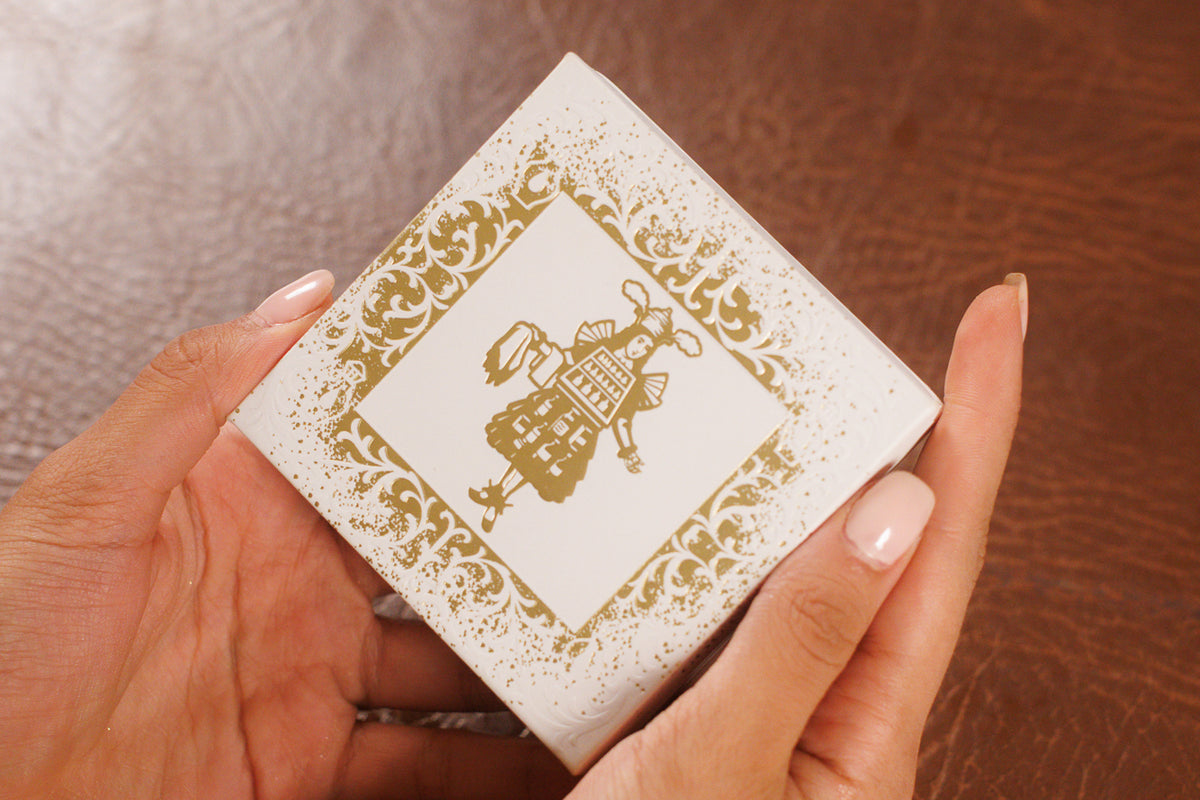
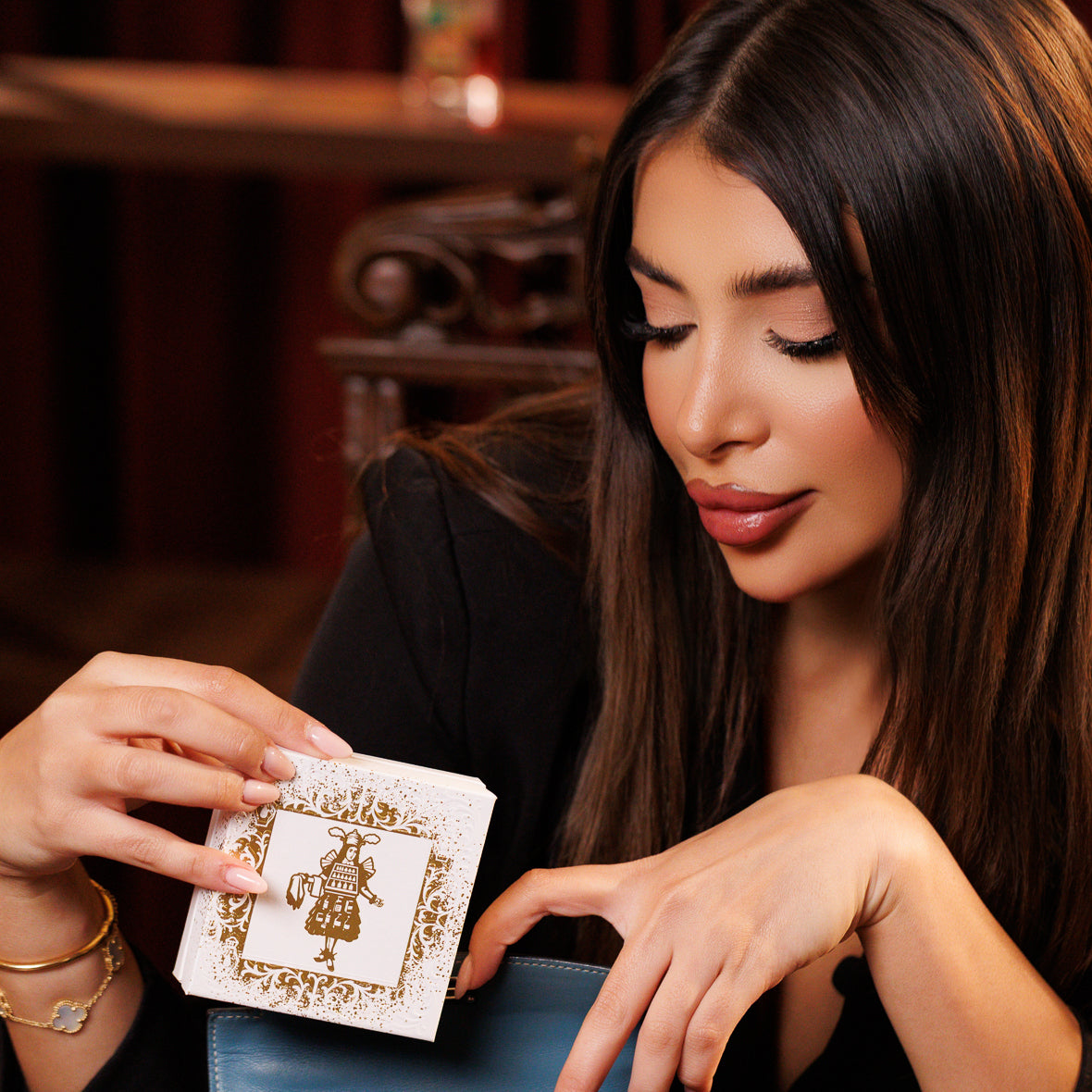
HER DEKANT
Orijinal şişeden kapınıza
Orijinal flakonu perakende fiyatından, doğrudan evden satın alırız.
Tıbbi sınıf bir Socorex şırınga, tam mililitreyi doğrudan flakondan çeker.
Sıcak yaldız baskılı kutusuna yerleştirilir ve tüm gümrük vergileri önceden ödenmiş olarak DHL'e teslim edilir. Bir dekant nasıl hazırlanır
Lost Tribe evinden diğer parfümler
Bunlar da ilginizi çekebilir