

Filippo Sorcinelli
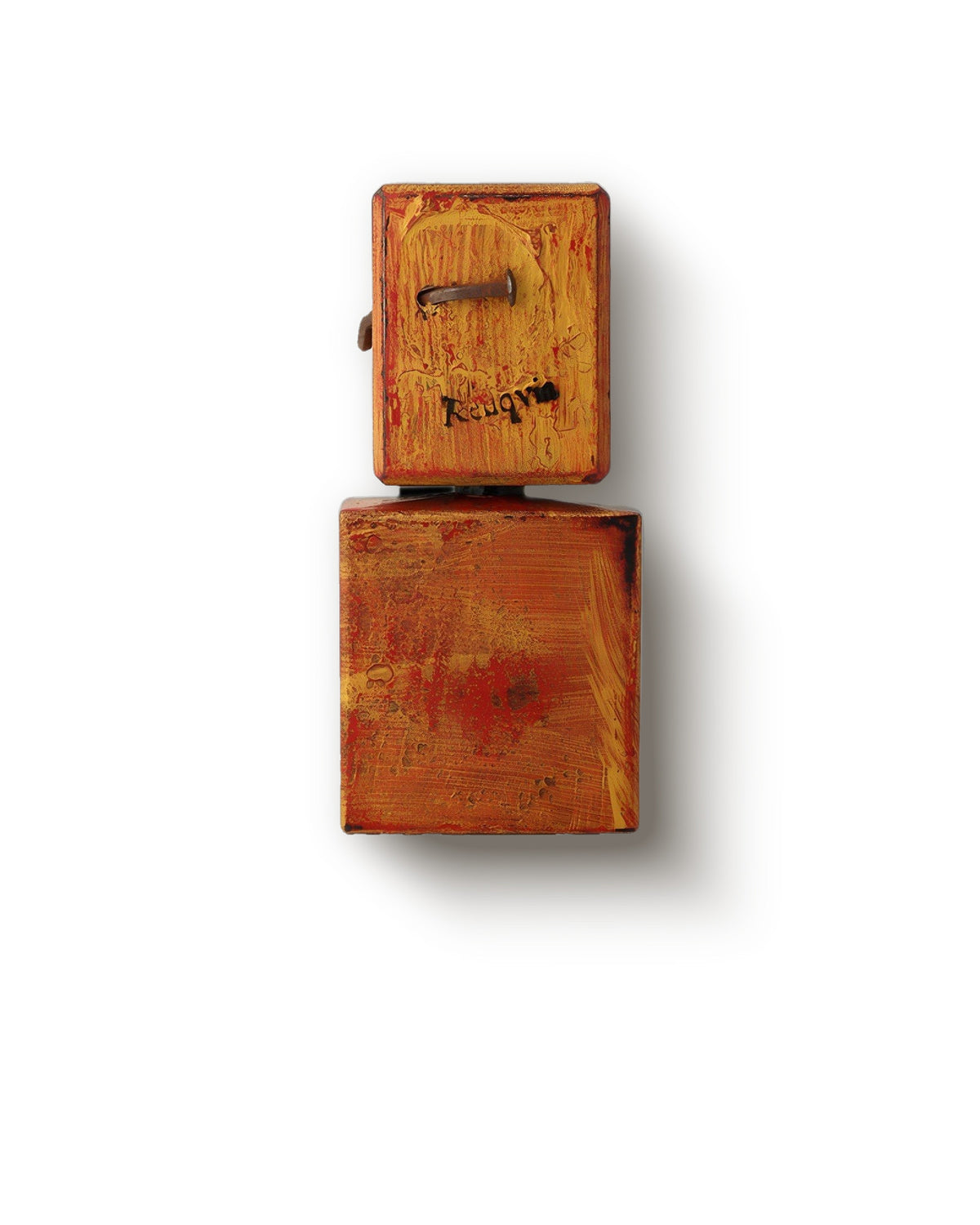
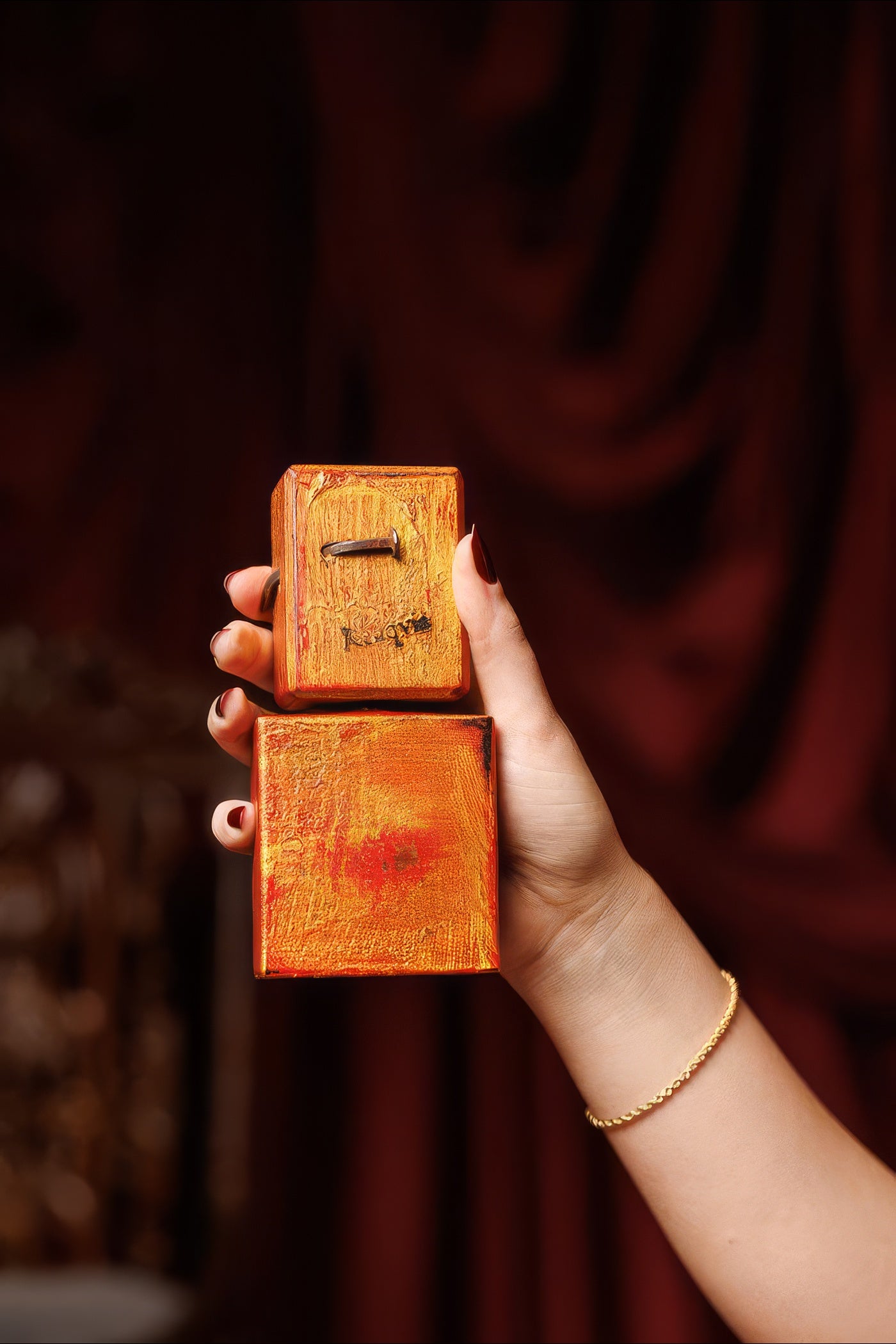
Reliqvia
Reliqvia, kemiklerine kadar soyulmuş antik bir kilisenin içi gibi açılır: çam reçinesi ve mastik karanfille çatırdayarak, duman tütsü ve guaiac odununun arasından yükselirken tüm bunlar sonunda sandal ağacı ve siyah frenküzümünün sıcak, tütün kararıklığındaki kucağına yerleşir.


Odunsu
kesilmiş kerestenin kuru dokusu
Sedir talaşının, sandal ağacının ve kuru vetiver köklerinin kokusu; hafif bir kalem kutusu pürüzüyle zımparalanmış, reçineli bir sıcaklık. Yere basan ve dingin bir his verir; bir kokuyu ciddi ve kalıcı kılan sessiz omurgadır.


Dumanlı
yanmış odun ve yükselen korlar
Yanan odunun, için için tüten tütsünün ve geride kalan külün kuru, kavrulmuş kokusu; kimi zaman katransı, kimi zaman ince ve grimsi. Düşünceli ve atmosferik bir his verir; sönmekte olan bir ateşi ve son nefesini taşıyan serin bir hava akımını çağrıştırır.


Balsamik
sıcak reçine ve tatlı amber
Ağaç reçinelerinin ve altın amberin sıcak, şuruplu zenginliği; vanilyalı, neredeyse ballı bir parıltıyla yumuşak ve hafif tatlı. Tene mum ışığı gibi yerleşen, kuşatıcı ve yavaş bir his verir; rahatlatıcı ve hafif kutsaldır.


Aromatik
serin havada ezilmiş otlar
Parmaklar arasında ezilmiş lavanta, biberiye, adaçayı ve kekiğin yeşil, kâforlu serinliği. Temiz, canlandırıcı ve hafif sade bir his verir; klasik bir berber ferahlığının dik omurgasıdır.


Amber
sıcacık parlayan altın reçine
Labdanum, benzoin ve vanilyadan örülen yumuşak, reçineli bir parıltı; güneşte ısınmış ağaç reçinesi gibi tatlı ama loş, bir tutam tütsü dumanıyla. Tene sokulan, uzun süre kalan rahat ve altın rengi bir sıcaklık yayar.


Sıcak Baharatlı
baharat çekmecesinin parlayan korları
Tarçının, karanfilin ve hindistan cevizinin yuvarlak sıcaklığı; keskin bir mutfaktan çok fırınlanan bir kiler gibi kuru ve hafif reçineli. Kızarmış, sarıp sarmalayan bir sıcaklık yaratır; mahrem ve soğuk havalara yakışan, teni içeriden saran.


Paçuli
Damp earth and dark wood after rain
Nedir?
Patchouli, tropikal Asya'ya özgü nane familyasından yapraklı bir çalı olan Pogostemon cablin'den elde edilir; başlıca Endonezya, Hindistan ve Sri Lanka'da yetiştirilmektedir. Hasat edilen yapraklar kurutulur, hafifçe kürlenir ya da fermente edilir; ardından buharla ya da hidrodistilasyonla koyu, yoğun bir uçucu yağa dönüştürülür.
Nasıl kokar?
Derin biçimde topraklı ve odunsu; nemli orman zemini, ıslak toprak ve eski bodrum katlarını, şarap tonlu hafif tatlı bir karanlıkla birlikte çağrıştırır. Taze yağ keskin, neredeyse kafurlu ve yeşilimsi okunabilir; yaşlandıkça çikolata, deri ve kuru meyve sıcaklığına dönüşür ve saatlerce tutunur.
Parfümerideki yeri
Güçlü bir fiksatif ve dip nota olan patchouli, bir kompozisyonu çapalar ve kalıcılığını uzatır. Şiprlerin ve oryantallerin omurgasını oluşturur; gül, vetiver, labdanum ve vanilya ile eşleşir. Pek çok gurme-oryantal karışımı tanımlar; görkemli şipr akortlarının odunsu-balsamik kalbini taşır.
Bilmekte fayda var
19. yüzyılda gerçek Keşmir şalları nakliye sırasında güveyi uzak tutmak için kurutulmuş patchouli yapraklarıyla sarılırdı; böylece Avrupalılar gerçek ithal malı kokudan tanımayı öğrendi. Diğer uçucu yağların aksine patchouli, tıpkı şarap gibi yıllar içinde derinleşerek ve yumuşayarak yaşla birlikte iyileşir.


Tütsü
Reçine ve közden kıvrılan kutsal duman
Nedir
Parfümeride tütsü, genellikle Umman, Somali ve Etiyopya'daki Boswellia ağaçlarının oleo-gom reçinesi olan olibanum'u ifade eder. Kabuk çizilir, süt renginde bir sıvı sızar ve amber gözyaşlarına dönüşerek sertleşir; bunlar buhar damıtmasıyla uçucu yağa ya da çözücü özütlemesiyle absolüye işlenir. Karışımlara çoğunlukla labdanum ve styrax da eklenir.
Kokusu nasıl
Serin, kuru ve reçineli; dumanlı, biberimsi sıcaklığın üzerinde keskin bir narenciye-çam notu taşır. Temiz bir kilise havası vardır: balsamik, hafifçe sabunumsu, biraz yeşil. Parlak ve terebentin tazeliğiyle açılır, ardından cilde yakın uzun süre kalan meditatif, küllü-tatlı bir odunsuluğa yerleşir.
Parfümerideki yeri
Düşünceli, dumanlı-reçineli karakteriyle değer gören bir kalp-dip malzemesidir. Floralleri serinletir, odunsuları keskinleştirir ve oryantal ile chypre akorlarına ritüel bir ağırlık katar. Büyük kilise-tütsü kokularını ve pek çok meditatif niş kompozisyonunun soğuk, mineral tütsüsünü tanımlar.
Bilinmesi gereken
Günlük, bir zamanlar ağırlığınca altın değerindeydi ve Akdeniz ile ötesindeki tapınaklara uzanan antik Arap kervan yolları boyunca taşınırdı. Yabani Boswellia ormanları artık aşırı reçine toplama, otlatma ve iklim baskısı nedeniyle tehdit altındadır; bu durum, sürdürülebilir hasat ve kazıma kotalarına olan ilgiyi giderek artırmaktadır.


Kaşmir Ağacı
A made-up wood that smells of warm skin
Nedir
Botanik bir kaynağı olmayan fantezi bir notadır: kaşmir ağacı diye bir şey yoktur. Koku, kimyasal adı DPMI olan sentetik molekül Cashmeran'dır; 1968'de IFF bünyesinde John Hall tarafından sentezlenmiştir. Tamamen laboratuvar kimyası yoluyla elde edilen polisiklik bir keton olup oda sıcaklığına yakın bir noktada erir.
Nasıl kokar
Yumuşak, difüzif ve sıcak; odunsu ile misksi arasında bir yerde durur. Kuru sarı odun ve temiz beyaz misk, baharatlı, balsam, hafif vanilyalı bir sıcaklığa sarılırken eski kağıt ve çam reçinesi kenarı da eşlik eder. Az miktarlarda tuzlu ve soyut, güneşte ısınmış cilt gibi bir iz bırakır.
Parfümeride kullanımı
Işıltısı ve uzun kalıcılığıyla değer gören çalışkan bir dip nota; keskin kenarları perdeler ve kompozisyonu genişleten kadifemsi bir yün sisi yaratır. Amber, iris, gül ve beyaz misklerle eşleşir; sayısız modern odunsu-misk kokusunun yanı sıra Donna Karan Black Cashmere'in de çıpasını oluşturur.
Bilinmesi gereken
Markalar çoğunlukla Cashmeran'ı nota piramitlerinde Kaşmir Odunu, Kaşmir Miski veya Sarı Odunlar olarak sunar; doğal bir bitki izlenimi yaratmak için bu yola başvurulsa da böyle bir bitki mevcut değildir. Parfümörler onu neredeyse hazır bir akor olarak tek başına kullandığından, molekül ile hammadde arasındaki sınır bulanıklaşır.


Guaiac Ağacı
Smoldering rosewood from the arid Gran Chaco
Nedir
Gayak odunu yağı, Paraguay, Arjantin ve Bolivya'yı kapsayan Gran Chaco'nun yavaş büyüyen sert ağacı Bulnesia sarmientoi'den elde edilir. Kıyılmış özodun ve talaş, oda sıcaklığında katılaşan ve deri sıcaklığına yaklaştığında eriyen açık amber rengi, mumsu bir yağa buhar damıtmasıyla işlenir.
Nasıl kokar
Sıcak, dumanlı ve balsamik; açık alev değil, közleşen bir kor gibi. Yumuşak, tatlı bir odunsuluğun belirgin bir çay-gülü faceti taşıdığı, pudra, biber ve hafifçe katran benzeri nüanslarla örülüdür. Kuruyuşta yuvarlak ve sessizce kremsi bir hal alır; odun ile nazik tütsü arasındaki sınırı siler.
Parfümeride yeri
Koku kadar fiksatif gücüyle de değer gören, bir karışımı uzatan ve zemine oturtan dip notasıdır. Sert odunları ve dumanlı derileri yumuşatır; gül, vetiver ve tütünle eşleşir. Sessiz duman izi, pek çok modern niş odunsu ve oud tarzı kompozisyonda kendine yer bulur.
Bilinmesi gereken
Bulnesia sarmientoi, aşırı hasadın türü tehdit etmesiyle birlikte 2010'dan bu yana CITES Ek II listesindedir; bu nedenle kütükler, ekstraktlar ve yağ için izin gerekmektedir. Arjantin lignum vitae olarak satılan bu ağaç, CITES tarafından onlarca yıl önce listelenen ilgisiz Guaiacum cinsinin, yani gerçek lignum vitae'nin bir yedeğidir.


Sandal Ağacı
Yavaşça nefes alan kremsi, meditatif odunlar
Nedir?
Sandal ağacı yağı, yavaş büyüyen Santalum ağaçlarının özodunsu ve köklerinden buharla damıtılır; klasik kaynak Hindistan'ın Mysore bölgesinden Santalum album'dur. Vahşi Hint kaynağının tükenmesinin eşiğine gelmesiyle birlikte, tropikal Batı Avustralya'daki aynı türden plantasyonlar artık dünya parfümerisinin büyük bölümüne yönelik yağı karşılamaktadır.
Nasıl kokar?
Yumuşak, kremamsı ve sütlüdür; pürüzsüz bir odunsu sıcaklık ile hafif tatlı, gülümsü, neredeyse tereyağımsı bir kenar taşır. Herhangi bir keskinlik barındırmaz; yalnızca yuvarlak bir balsam derinliği vardır. Derinde belirgin aşamalara bölünmeksizin saatlerce sessizce parlayarak son derece istikrarlı bir şekilde durur.
Parfümerideki yeri
Hem koku hem de fiksatif olarak değer gören bir dip notadır; kremamsılık, sıcaklık ve kompozisyonları birbirine bağlayan meditatif bir yumuşaklık katar. Gül, yasemin, vetiver ve baharat ile muhteşem biçimde eşleşir. Pek çok meditatif odunsu ve tütsü parfümü özünü bu notada kutlar.
Bilmekte fayda var
Gerçek Mysore sandal ağacı aşırı hasat nedeniyle Hindistan ihracat kontrollerini sıkılaştırmak zorunda kaldı ve vahşi ağaç savunmasız statüye girdi; yağ fiyatlarının kilogramı yaklaşık iki bin dolara ulaştığı bildirilmektedir. Batı Avustralya'nın Kununurra yakınlarında yetiştirilen Santalum album plantasyonları artık özgün kremamsı profili sürdürülebilir biçimde yeniden üretmektedir.


Portakal ÇIçeği
White petals between honey and bitter green
Nedir
Ağırlıklı olarak Tunus, Fas ve Akdeniz'de yetişen acı portakal ağacı Citrus aurantium'un çiçeğidir. Elle toplanan beyaz çiçeklerden iki malzeme elde edilir: taze çiçeklerden buharlı damıtmayla neroli; aynı yapraklardan çözücü ekstraksiyonuyla daha zengin ve mumsu bir konkreye, ardından portakal çiçeği absolüsüne dönüştürülen malzeme.
Nasıl kokar
Temiz acı-yeşil bir kenar ve hafif metalik serinlikle yukarı taşınan, çekirdeğinde ballı nektar barındıran tatlı beyaz çiçeksidir. Neroli daha parlak ve hafif sabun kokulu gelir; absolü ise daha sıcak, daha hayvani ve indoliktir; tatlılığın altında yumuşak, neredeyse müskü bir derinlik taşır.
Parfümeride kullanımı
Narenciye üst notalarıyla çiçeksi veya müskü dip notaları arasında köprü kuran, parlaklık ve taze tatlılık ekleyen bir kalp notasıdır. Yayıcı, ışıltılı neroli akordlarından dolgun ve indolik beyaz çiçeksi ipliklerine uzanan çizgide hem klasik kolonyaları hem de modern çiçeksileri taşır.
İyi bilinmesi gereken
Neroli adının, eldivenlerini ve banyo suyunu bu yağla kokutan 17. yüzyıl prensesi Anna Maria de La Tremoille'dan geldiği rivayet edilir. Bir kilogram neroli damıtmak yaklaşık bir ton taze toplanmış çiçek gerektirir; bu da onu pahalı bir malzeme yapar.


Sarıçam
Resinous forest air, sharp and bracing
Nedir
Parfümeride çam genellikle, Pinus cinsindeki kozalaklıların iğne yapraklarından ve genç sürgünlerinden buharla damıtılan uçucu yağ anlamına gelir; çoğunlukla Sibirya, İskandinavya ve Balkanlar boyunca yetişen sarıçam, yani Pinus sylvestris. Yağ, doğrudan yapraklardan alınan alfa-pinen gibi monoterpenler bakımından zengindir.
Nasıl kokar
Ferah, kuru ve reçineli; yeşil, balsamik bir serinlik ve hafif bir kâfur ile terebentin sertliğiyle. Açılışı canlandırıcı ve açık havayı andırır, soğuk orman havası gibi, öz sulu ve hafifçe tıbbi. Söndükçe daha yumuşak ve daha tatlı olur, ilk keskinlik yerine temiz bir kozalaklı sıcaklık bırakır.
Parfümeride kullanımı
Anında herdem yeşil bir ferahlık ve sert, açık hava karakteri veren bir üst nota. Odunsu orman akorlarını, erkeksi fujerleri ve temiz fonksiyonel kokuları demirler; lavanta, sedir, köknar ve ferah misklerle eşleşir. Diri kozalaklı yükselişi, Pino Silvestre'nin canlı alp ruhunu tanımlar.
Bilinmesi gereken
Çamın canlandırıcı kokusu yirminci yüzyılda temizliğin kısa yolu hâline geldi; çam yağının doğal dezenfektan gücü onu ovulmuş zeminlerin ve ev temizlik ürünlerinin kokusu yaptı. Bu çağrışım burnu hâlâ çekiştirir ve çama vahşi orman ile derli toplu hijyenin paradoksal bir karışımını verir.


Karanfil
Warm pinpricks of dark, resinous spice
Nedir
Endonezya'nın Maluku Adaları'na özgü ve artık Madagaskar, Zanzibar ve Sri Lanka'da da yetiştirilen herdemyeşil bir ağaç olan Syzygium aromaticum'un kurutulmuş açılmamış çiçek tomurcuklarıdır. Tomurcuklar açılmadan önce toplanır, güneşte kurutularak koyu kahverengi renk alır; ardından eugenol açısından zengin karanfil tomurcuğu yağı elde etmek için buharda damıtılır.
Nasıl kokar
Sıcak, tatlı ve odunsu-baharatlı; keskin tıbbi bir ısırış ve hafif çiçeksi bir yuvarlaklıkla birlikte. Üstte neredeyse biberimsi ve uyuşturucu bir his verir; diş antiseptiğini çağrıştırır, ardından sıcak, balsam ve hafif meyvemsi bir baza doğru kurur. Eugenol, o imza karıncalayan, karanfil benzeri kenarı verir.
Parfümeride kullanımı
Gül, ylang, vanilya ve amber reçineleriyle eşleştirilen; sıcaklık, baharat ve nostaljik bir karanfil etkisi katan kalp ve baz aksanı. Birçok klasik baharatlı kompozisyon karanfille açılır ve sayısız baharatlı-oryantal ile karanfil kompozisyonunun temelini oluşturur.
Bilinmesi gerekenler
Karanfil bir zamanlar küresel ticaret savaşlarını körükledi; Hollandalılar arzı tekelleştirmek için bütün bahçeleri yaktı. Eugenol, cilt hassaslaştırıcı olduğu için IFRA tarafından kısıtlanmaktadır; bu nedenle modern parfümörler doğal karanfil yağını tutumlu biçimde dozlar ya da bunun yerine saflaştırılmış eugenol fraksiyonlarına başvurur.


Sakız Ağacı
Green resin of the wild coast
Nedir
Sakız Ağacı, Akdeniz kıyısının kireç taşına tutunan sakız çalısının soluğudur; güneş kabuğu çatlatır ve berrak, amber renkli bir reçine sızıp sıcakta katılaşır. Nota üç şeyi aynı anda taşır: ezilmiş yaprağın parlak yeşili, ince bir çam özsuyu keskinliği ve altta yumuşak bir balsamik sıcaklık, sanki deniz rüzgârının köşelerini yontup tatlandırdığı bir terebentin gibi. Öğle vaktindeki kuru makiyi, parmak arasında ezilmiş sapları, yarı tıbbi ve tamamen canlı bir şeyi andırır.
Kompozisyondaki yeri
Sakız Ağacı, bir kompozisyonun gerdiği yeşil ipliktir. Açılışa birkaç damla, o reçineli, bitkisel çıtırtıyla her şeyi göğe doğru kaldırır ve kalp gelmeden önce üste ışık serper. Yapının alt katlarında ise daha çok yumuşak bir balsam gibi davranır; odunsulara gövde verir ve çiçekselleri ağırlık katmadan toprağa yapıştırır. Mersin, çam, kuru tütsü ve sıcak labdanum ile çok güzel eşleşir ve kokusunun bir parfümörün şişesinden değil gerçek bir yerden doğmasını isteyen besteciler el üstünde tutar: güneş, taş ve tuz yemiş kıyı.


Amyris
Caribbean wood that whispers like soft sandalwood
Nedir
Amyris, turunçgiller ailesine ait küçük bir tropikal ağaç olan Amyris balsamifera'nın özodunundan buharda damıtma yöntemiyle elde edilen uçucu yağdır. Batı Hint adaları sandal ağacı olarak da bilinir; ancak gerçek sandal ağacıyla botanik açıdan herhangi bir akrabalığı yoktur. Yağ açısından zengin olan yaşlı ve devrilmiş odunlar yavaş yavaş damıtılır.
Nasıl kokar
Hafif balzamik, reçineli bir sıcaklık ve ince biberimsi bir dumansılıkla birlikte yumuşak, kuru ve ahşap kokulu bir yapı taşır. Gerçek sandal ağacına kıyasla daha sessiz ve daha az kremsidir; biraz yağlı ve hafifçe tatlı olup sakin ve topraklayıcı bir ahşap tabanına yerleşen temiz, sedir benzeri bir kurulukla sonuçlanır.
Parfümeride yeri
Esas olarak uygun fiyatlı bir fiksatif ve ahşap uzatıcısı olarak kullanılan bir taban notasıdır; daha hafif malzemeleri uzatır ve zemine sabitler. Narenciye, lavanta, sedir ve sandal ağacıyla uyum içindedir. Sayısız kolonya ve soliflörün temelini oluşturur; pek çok kitlesel ve doğal kokunun odunsu tabanını destekler.
Bilinmesi gereken
Batı Hint adaları sandal ağacı lakabı tamamen ticari bir tanımlamadır; kimyasal olarak Santalum sandal ağacıyla çok az ortaklık taşır ve Santalum kat kat daha pahalıya satılır. Odun, yağ açısından o denli zengindir ki kurutulmuş dallar bir zamanlar doğal meşale olarak yakılırmış; bu nedenle ağaç mum ağacı ve meşale ağacı olarak da anılır.


Elemi
Frankincense's bright, lemon-peppered cousin
Nedir
Elemi, Filipinler'e özgü, buhurdan ile aynı Burseraceae ailesinden uzun tropik bir ağaç olan Canarium luzonicum'dan elde edilen bir oleoresindir. Toplayıcılar kabuğa sığ kesikler açar; ağaç havada sararan yumuşak beyaz bir sakız sızıntısı verir ve bu sakız daha sonra buharla damıtılarak açık renkli bir uçucu yağa dönüştürülür.
Nasıl kokar
Parlak ve reçineli açılarak yeşilimsi, biberli bir tazelik üzerinde keskin limon-çam ferahlığı sunar. Narenciye yükselmesinin altında sıcak, balsamik, dereotu-rezene baharatlılığı ve hafif tütsü dumanı yatar. Buhurdan akrabalarından çok daha hafif biçimde; yumuşak, odunsu ve hafif tatlı bir dibe kurur.
Parfümeride kullanımı
Narenciyeyi odunlara ve tütsüye bağlarken parıltı, yukarı doğru bir yükseliş ve reçineli bir omurga katan üst-kalp notası olarak kullanılır. Buhurdan, lavanta, mür ve baharatlarla uyum içindedir; oryantal ve tütsü kompozisyonlarına ağırlık veya duman olmaksızın taze, terpenik bir ışıltı kazandırır.
Bilinmesi gereken
İsim, kabaca "yukarıda ne ise aşağıda da o" anlamına gelen Arapça bir ifadeye dayandırılır; elemi, parfümeriden çok önce Rönesans döneminin şifalı merhemlerinde ve verniklerinde yerini almıştı. Reçinden yaklaşık yüzde on beş ila yirmi beş oranında yağ verimi, onu doğal materyaller arasında görece uygun fiyatlı kılar.


Tatlı Portakal
Sunlit zest squeezed straight from the peel
Nedir
Brezilya, Florida, İspanya ve İtalya'da yetiştirilen yaygın tatlı portakal, Citrus sinensis'in uçucu yağıdır. Aroma, meyvenin kabuğundaki küçük bezlerde bulunur ve kabuk soğuk presle işlenir; çoğunlukla meyve suyu endüstrisinin bir yan ürünü olarak elde edilir.
Nasıl kokar
Parlak, sulu ve anında tanınan bir koku: şerbet kıvılcımı ve hafif yeşil-kabuk acılığıyla tatlı portakal eti. Güneşli ve yuvarlak bir açılış yapar, ardından hızla solar; limon ya da bergamotun keskin canlılığı yerine yumuşak, hafif mumsu bir tatlılık bırakır.
Parfümeride
Neşeli, yenilebilir bir tazelik ve keskin narenciye tonlarını yumuşatan doğal tatlılığıyla değer gören bir üst notadır. Kolonya ve gourmand kompozisyonlarda neroli, karanfil, tarçın ve vanilya ile eşleşir; sayısız eau de cologne'u açar ve klasik yeşil-narenciye akorlarının narenciye telini yükseltir.
Bilinmesi gereken
Bergamottan farklı olarak, soğuk pres tatlı portakal yağı çok az bergapten içerir; bu nedenle güneş gören ciltte neredeyse fototoksik etki yaratmaz. Aynı zamanda parfümerinin en ucuz doğal maddelerinden biridir; dünyanın büyük meyve suyu endüstrisi, portakal kabuğu yağını bol miktarda ikincil ürün olarak üretir.


Siyah Frenk ÜZümü
Tart purple berries with a sly catty growl
Nedir
Siyah frenk üzümü, Kuzey Avrupa ve Asya'ya özgü bir çalı olan Ribes nigrum'un küçük koyu meyvesidir. Hem meyveler hem de aromatik tomurcuklar (cassis) kokuyu taşır; tomurcuklardan çözücü ekstraksiyonuyla bir absolü elde edilirken parfümerideki meyve yönü genellikle aroma kimyasallarıyla yeniden inşa edilir.
Nasıl kokar
Keskin, sulu ve ekşi; yeşil yaprak kenarları ve şaraplı bir derinlikle birlikte morumsu-kırmızı bir meyve patlaması. Karakteristik özelliği, onu yalnızca meyvemsi okumaktan alıkoyan sülfürlü, hafif terli, hayvani bir kedi altnotudur. Taze ve yakıcı açılır, ardından reçelimsi bir karanlığa doğru tatlılaşır.
Parfümeride kullanımı
Çiçeksi ve chypre esanslara meyvemsi bir parlaklık, ekşilik ve yaramaz bir kenar katan üst nota malzemesidir. Tomurcuk absolüsü gülü derinleştirir ve yeşil-meyvemsi bir canlılık katar. Parlak meyvemsi-çiçeksi açılışlarda baş rol üstlenir ve koyu, kadifemsi chypre'lerin kalbindeki kutlanan cassis-gül akorduna güç verir.
Bilinmesi gereken
Karakteristik kedi kokusu, buchu, greyfurt ve kedi idrarına da özgün koku veren sülfür içeren tiyol moleküllerinden kaynaklanır. Milyonda birkaç parça konsantrasyonda bu tiyoller olgun meyve izlenimi bırakır; konsantrasyonları arttıkça sarsıcı biçimde keskin ve koklaştırıcı bir hal alır.


Küçük Hindistan Cevizi
Warm baking spice with a hidden narcotic edge
Nedir
Endonezya'nın Banda Adaları'na özgü ve artık Grenada ile Sri Lanka'da da yetiştirilen herdemyeşil bir ağaç olan Myristica fragrans'ın kurutulmuş tohum çekirdeğidir. Sert kahverengi tohum, kırmızı mace'e sarılı olarak kayısıya benzer bir meyvenin içinde bulunur. Baharat olarak öğütülür ya da buharda damıtılarak yağı elde edilir.
Nasıl kokar
Sıcak, kuru ve baharat-tatlı; üstte yumuşak odunsu bir gövde ve hafif terpen içerikli, neredeyse kamforlu bir kaldırış. Tanıdık fırın baharatı sıcaklığının altında hafif reçinemsi, balsam bir derinlik ve serin tıbbi bir kenar akar. Rahatlatıcı ama gizlice keskin ve çam benzeri bir his verir.
Parfümeride kullanımı
Belirgin bir tatlılık olmaksızın sıcaklık, kaldırış ve gurme-amber bir parıltı katan üst-kalp baharatı. Vanilya, tütün, lavanta ve odunlarla uyum içindedir. Hindistan cevizi, baharat-zencefil ikililerin merkezine oturur ve berber fougère'lerinin klasik ılık baharat imzasını oluşturur.
Bilinmesi gerekenler
Hindistan cevizi, yüksek dozlarda hafif psikotrop ve toksik olan myristicin içerir. 1600'lerde Banda Adaları bu ticaretin dünyada tek kaynağıydı ve ticaret üzerindeki kontrol Hollandalılar, Portekizliler ve İngilizler arasında sömürge savaşlarını kışkırttı.


Duman Notaları
Drifting ash, embers and distant bonfire
Nedir
Duman, tek bir bileşen değil, yanmış ve kömürleşmiş yönler taşıyan malzemelerden oluşturulmuş soyut, çağrışımsal bir notadır. Parfümörler onu için için yanan kabuktan damıtılan huş katranı, guayak odunu, cade yağı, lapsang souchong çayı, vetiver ve yanmayı taklit eden guaiacol gibi fenolik aroma kimyasallarından inşa eder.
Nasıl kokar
Kuru, kömürleşmiş ve havadar; soğumuş közler, odun dumanı ve uzak bir ateşten sürüklenen yanmış kağıt gibi. Katranımsı ve derili, tütsü gibi reçineli ya da kamp ateşi tatlılığında olabilir. Acı ve küllü açılır, ardından yün bir palto üzerindeki koku gibi yapışan sıcak, için için yanan bir kurulukta oturur.
Parfümeride kullanımı
Genellikle derinlik, sertlik ve karanlık bir atmosfer katan bir taban ya da kalp etkisidir. Karanlık, kasvetli kompozisyonlarda deri, tütsü, oud, vetiver ve kuru odunlarla birleşir. Pek çok dumanlı deri ve tütsü kokusunu gölgeler gibi sarar.
Bilinmesi gereken
En özgün duman ve deri malzemesi olan huş katranı, ham sınıflarının kanserojen polisiklik aromatik hidrokarbonlar içermesi nedeniyle IFRA tarafından sıkı biçimde kısıtlanmaktadır. Modern parfümörler, aynı ilkel kamp ateşi etkisini güvenlik sınırları içinde yaratmak için vakumla rektifiye edilmiş, düşük PAH içerikli huş katranına ve sentetik fenollere başvurur.


Tütün Yaprakları
Dried leaf curing into honey and hay
Nedir
Patlıcan familyasından uzun, geniş yapraklı bir bitki olan Nicotiana tabacum'un kürleme uygulanmış yaprağıdır. Parfümeri için kurutulmuş ve fermente yapraklar çözücüyle ekstrakte edilerek koyu bir konkret ve absolü elde edilir. Yakılmamış ve dumansız olduğundan yaprak, sigara dumanı yerine tatlı saman benzeri bir aroma verir.
Nasıl kokar
Sıcak, tatlı ve kuru: bal, kuru meyve ve hafif kakaoyla tatlandırılmış kürlenmiş saman ve pipo tütünü. Üstte yerleşik, yumuşak, amberli, balzamik bir sıcaklığa çöken deri gibi, hafifçe bitkisel-yeşil bir ısırma vardır; zaman zaman pudralı çiçeksi bir nüans da taşır.
Parfümeride kullanımı
Sıcaklık, tatlılık ve içinde yaşanmış bir derinlik katan, sıklıkla vanilya, tonka, deri, bal ve baharatlarla eşleştirilen bir kalp-baz notasıdır. Genellikle vanilya ya da tatlı baharat üzerine inşa edilmiş tütün merkezli kokulara öncülük eder ve sayısız oryantal ile fougère kompozisyonunu alttan renklendirir.
Bilinmesi gereken
Absolünün tatlı, meyvemsi, samana benzer karakteri, keskin ve yeşil kokan canlı yapraktan değil, kürleme ve fermantasyondan gelir. Gerçek tütün absolüsü pahalıdır ve bazı pazarlarda kısıtlanmıştır; dolayısıyla pek çok modern tütün akordu bunun yerine kumarin, saman ve baharat notalarından yeniden oluşturulur.
Koku Karakteri
Açılış resinöz ve keskindir; mastik ve çam serin, neredeyse tıbbi bir berraklık yansıtırken karanfil ve amyris çerçeveye sıcaklık iter. Tütsü ve patchouli kalbi yoğunlaştırır; guaiac ve cashmere wood dumanı çatıdan daha toprak kokusu olan ve cilde daha yakın bir şeye çeker. Kalıcılık en çok dipte hissedilir: tütün ve elemi, portakal ile siyah frenküzümünün hafif tatlılığıyla kaynaşır ve geç saatlerde ikinci bir cilt gibi taşınır.


Kalıcılık
tende ne kadar süre kaldığı
Bu gösterge beklenen kullanım süresini okur; kokunun solmadan önce tende kaç saat konuşmayı sürdürdüğünü. Alt uca yakın bir işaret birkaç kısacık saat demektir; uca itilmiş bir işaretse sabahtan geceye dek hâlâ orada olan bir koku vaat eder.


Koku İzi
bıraktığı kokunun izinin genişliği
Bu, kokunun sizden ne kadar uzağa ulaştığını ve geride bıraktığı izi okur. Düşük, tene yumuşakça yaslanır; yalnızca yakından fark edilen mahrem bir fısıltıdır. Yüksek ise orta ve güçlüden devasaya doğru tırmanır; bir odayı doldurur ve siz ayrıldıktan sonra havada kalır.


Deneysel
cesur ve meraklı olanlar için
Bir tepki uyandırmak ve farklı durmak isteyen biri için sıra dışı, sınırları zorlayan kokular. Sanatsal, meydan okuyan kompozisyonlara yakışır: mürekkebsi katran, lastik, fermente meyve, kolay sevilmeye direnen metalik ya da animalik yönler. Bu çarkta parlayan bir madeni para, kokunun maceracı burnu ödüllendirdiğini; sönük bir tanesi temkinli oynadığını gösterir.


Ofis
cilalı ama asla bunaltmayan
Bir kokunun yalnızca yakınınızdakilerce fark edilmesi gereken yakın mesafeli profesyonel ortamlar. Ölçülü yayılımı olan ölçülü, temiz kompozisyonlara yakışır: derli toplu narenciye, yumuşak misk, soluk odunlar; yetkin ve düşünceli okunan. Bu çarkta parlayan bir madeni para, kokunun paylaşılan çalışma alanlarında işe yaradığını; sönük bir tanesi fazla uzağa taşıdığını gösterir.


Akşam
karanlık çökünce sesini yükselten
Bir kokunun güvenle derinleşip yayılabildiği akşam yemekleri, içkiler ve dışarıda geçen geceler. Daha zengin, daha sıcak kompozisyonlara yakışır: amberler, reçineler, dumanlı odunlar ya da loş ışıkta açan gür çiçekler. Bu çarkta parlayan bir madeni para, kokunun gün batımından sonra canlandığını; sönük bir tanesi gündüze daha yakıştığını gösterir.


Romantik
hissedilecek kadar yakın
Birini daha da yaklaştırmak için kurgulanmış mahrem anlar ve buluşma geceleri. Tene karşı mırıldanan sıcak, şehvetli kompozisyonlara yakışır: kremamsı çiçekler, vanilya, yumuşak misk, yakınlığa davet eden bir tutam baharat ya da amber. Bu çarkta parlayan bir madeni para, kokunun büyüleyici bir hava kurduğunu; sönük bir tanesi baştan çıkarıcıdan çok pratik kaldığını gösterir.


Resmî
önem taşıyan anlar için rafine
Soğukkanlılık ve zarafet isteyen düğünler, törenler, galalar ve şık davetler. Sessiz bir otoriteye sahip cilalı, yapılı kokulara yakışır: pürüzsüz odunlar, rafine çiçekler, yumuşak deri; gürültülü ya da oyuncu hiçbir şey. Bu çarkta parlayan bir madeni para, kokunun doğru ağırlığı taşıdığını; sönük bir tanesi ortam için fazla günlük kaldığını gösterir.


Günlük
telaşsız günler için rahat bir konfor
Hiçbir niyeti olmayan gündelik kullanım: alışveriş, kahve, arkadaşlar, ağır geçen bir hafta sonu. Taze narenciye, hafif odunlar ya da nazik bir ten sıcaklığı gibi temiz ve doğal hissettiren yumuşak, ulaşılabilir kokulara yakışır. Bu çarkta parlayan bir madeni para, kokunun bu rahat anlara uyduğunu; sönük bir tanesi daha fazlasını istediğini gösterir.


Gündüzden Geceye
ruh hâlinin doğal olarak nereye düştüğü
Bu kaydırıcı, kokunun yaratıldığı saati okur. Sola yaslanan bir işaret ışıltılı ve parlaktır, gün ışığında ve açık havada rahattır; sağa kaydırdıkça karakter derinleşip ısınır, akşama ve mum ışığıyla aydınlanmış odalara ait türden bir varlığa dönüşür.


Kış
soğuk havada taşınan bir sıcaklık
Soğuk hava bir kokuyu kısar ve yavaşlatır, bu yüzden kış yoğun ve sıcak olanı ödüllendirir: reçineler, duman, vanilya, deri ve serinliğe karşı ısı yayan amberli baharat. Bu çubuk, bu kokunun soğuk havada ne kadar güçlü durduğunu ve parladığını gösterir.


İlkbahar
yükselen ılık havada taze açan çiçekler
Ilık, nemli hava daha hafif kompozisyonları güzelce yükseltir, bu yüzden ilkbahar çiy düşmüş çiçekleri, yeşil sapları, yumuşak pudrayı ve ağır değil canlı hissettiren saydam narenciyeyi sever. Bu çubuk, bu kokunun o taze, hafifçe ısınan mevsime ne kadar yakıştığını gösterir.


Yaz
gerçek sıcakta parlak ve havadar
Sıcaklık kokuyu güçlü biçimde yükseltip yayar, bu yüzden yaz serin, diri, nefes alan şeyler ister: keskin narenciye, tuzlu deniz havası, aromatik otlar ve bunaltmak yerine ferahlatan sulu bir tazelik. Bu çubuk, bu kokunun gerçek sıcakta ne kadar rahat taşındığını gösterir.


Sonbahar
serinleyen günler için baharatlı sıcaklık
Sıcaklık düştükçe daha zengin malzemeler boğmadan net okunur, bu yüzden sonbahar kuru odunlara, sıcak baharata, tütüne, ambere ve sımsıcak, düşünceli hissettiren altın meyveye yakışır. Bu çubuk, bu kokunun diri, serinleyen günlere ne kadar doğal oturduğunu gösterir.
En İyi Ne Zaman Kullanılır
Derin sonbahar ve kış ortasında, mum ışığındaki odalara ya da soğuk gece havasına karışarak, sıradan anlarda dahi bir törensel duygu arayanlara eşlik etmek üzere, gün batımından sonra.
Seçenekleri belirleyin
Atmosfer


Burun

Filippo Sorcinelli
Kurucu ve parfümör
LAVS atölyesi Papa 16. Benedictus, Franciscus ve 14. Leo'yu giydirmiş İtalyan orgcu ve kutsal giysi ustası. UNUM serisini yarattı ve kokularında hiçbir parfümör isim olarak belirtilmiyor. Seride UNUM LAVS, Opus 1144, Rosa Nigra ve Ennui Noir yer alır.
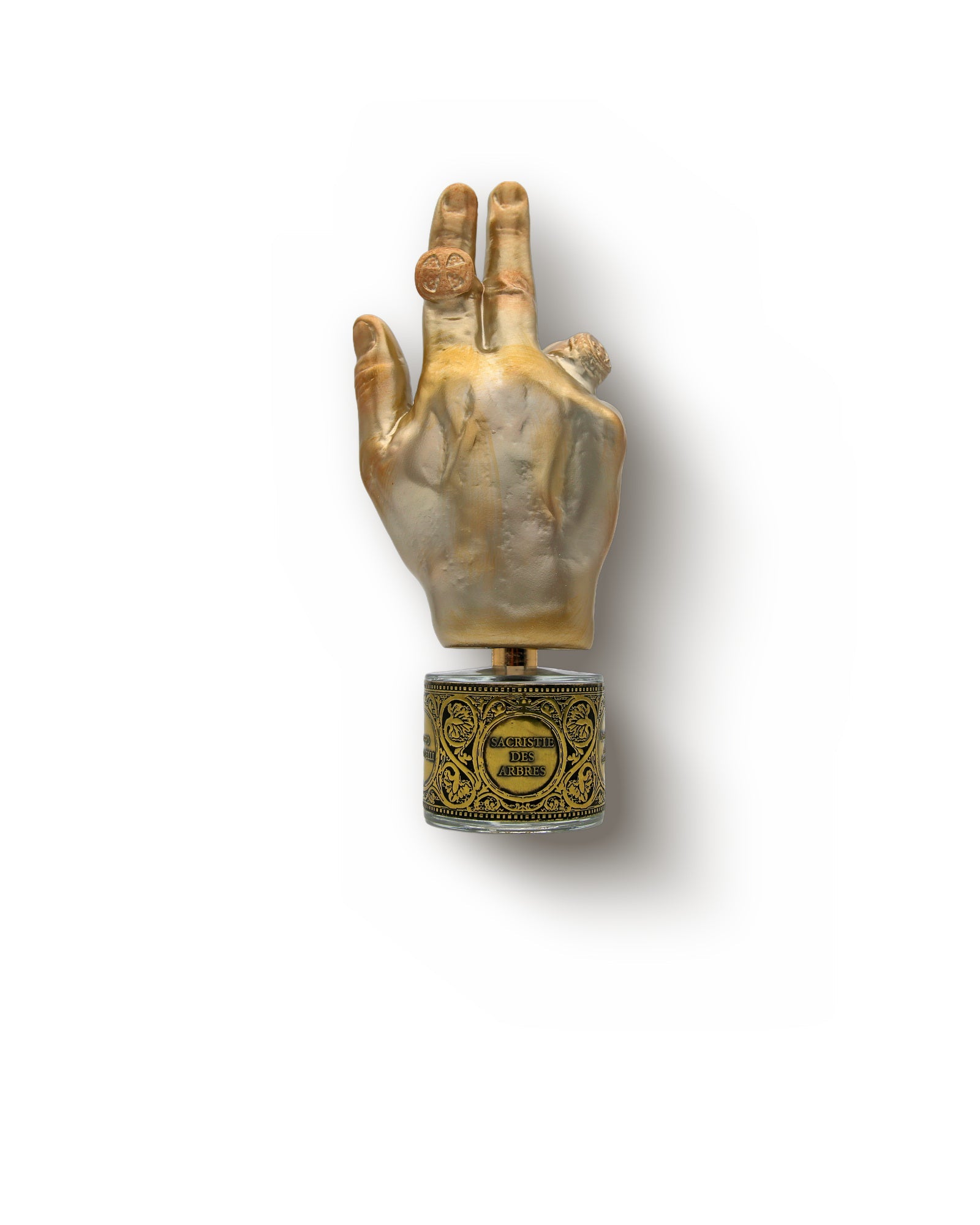
Bu burundan daha fazlasıLAVSSacristie Des Arbres
Maison

Sakristi tütsüsü ve soğuk katedral taşı, ekstreye dönüşüyor.
Filippo Sorcinelli, kokuyu tıpkı bir katedral orgcusunun sesi inşa ettiği gibi kurar: yavaş, reçineli ve karanlıktan korkmadan. UNUM'un fikir babası olarak tütsü ve dumanla, taş iç mekanların sessizliği ve cüppelerin ağırlığıyla çalışır, böylece bir kompozisyon sıktığınız bir koku olmaktan çok içine adım attığınız bir odaya benzer. Harmanlama işini ise anonim kalmayı tercih eden bir parfümöre bırakıyor.
- Köken
- Mondolfo, İtalya
- Kuruluş
- 2014
- Öne çıkanlar
- Litürjik tütsü, UNUM

Filippo Sorcinelli evinden diğer parfümler
Bunlar da ilginizi çekebilir