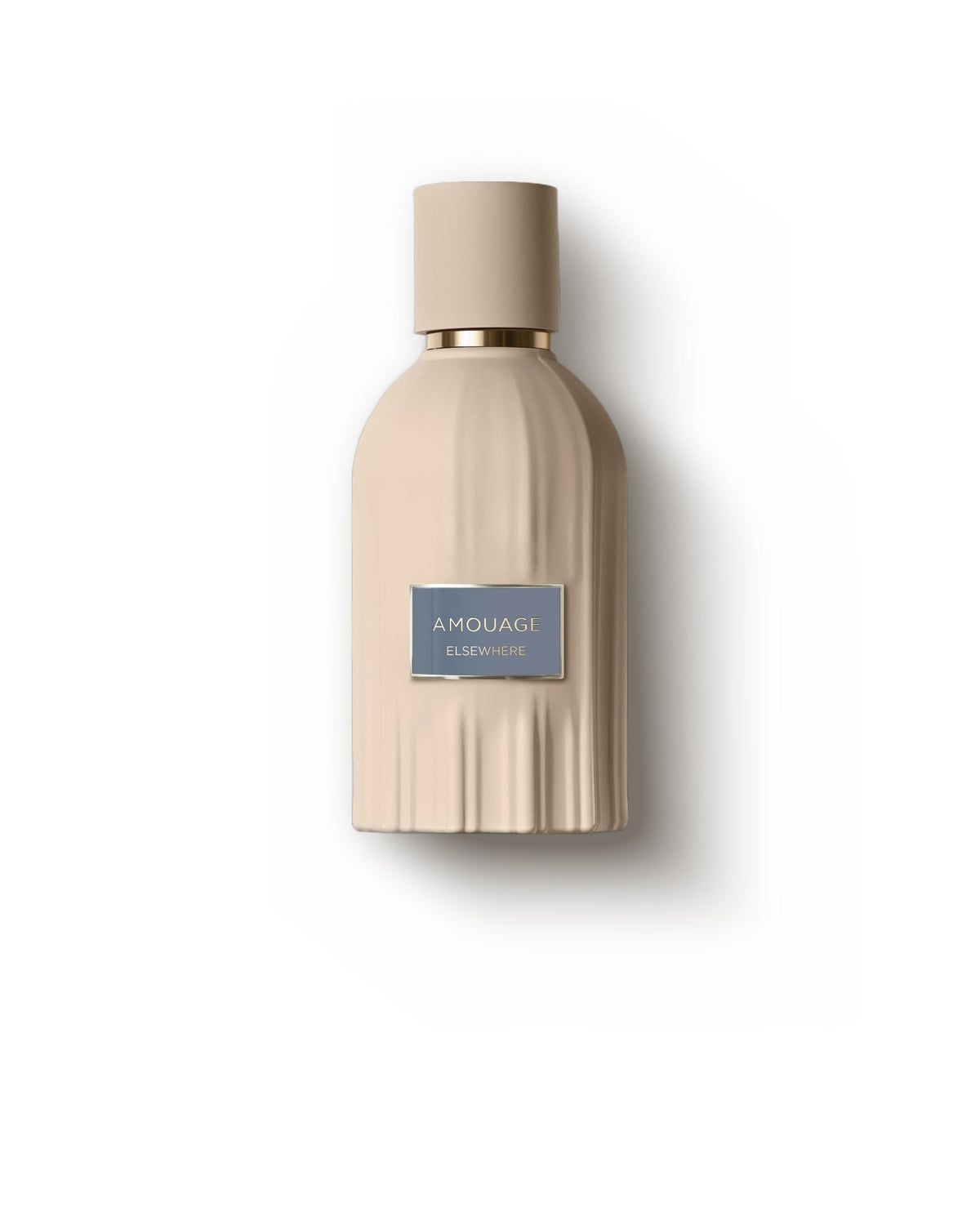
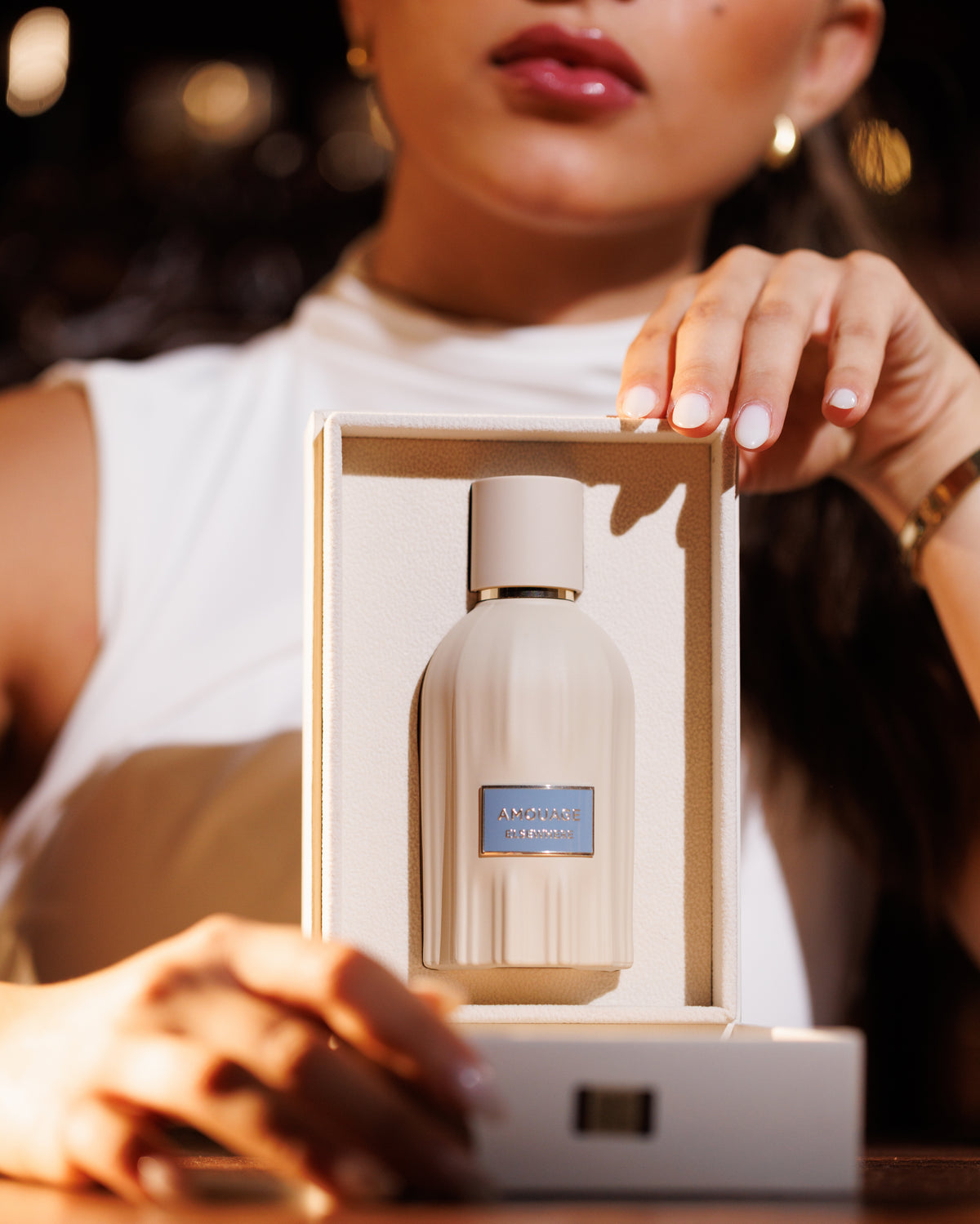

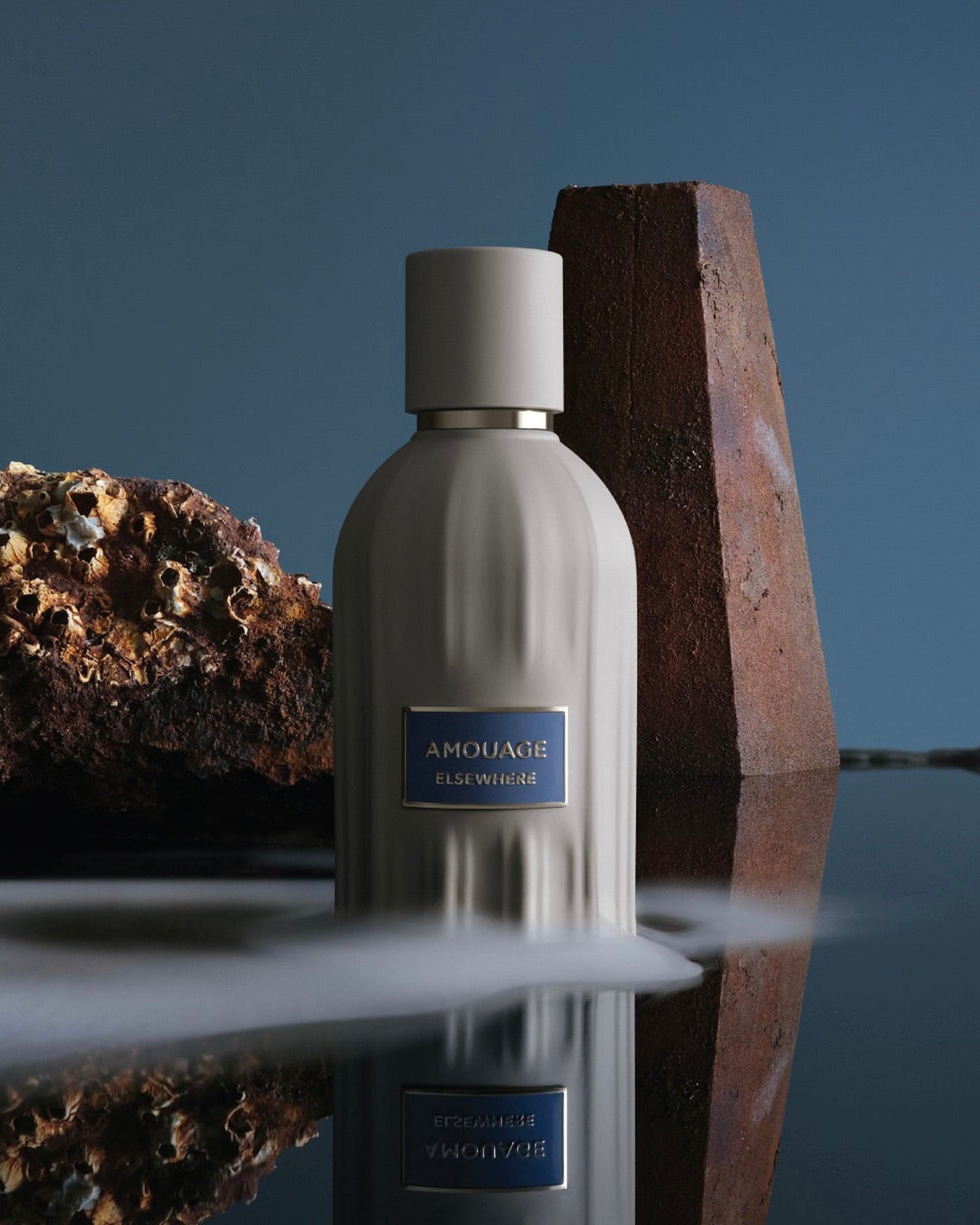
Amouage
Elsewhere
Hikaye
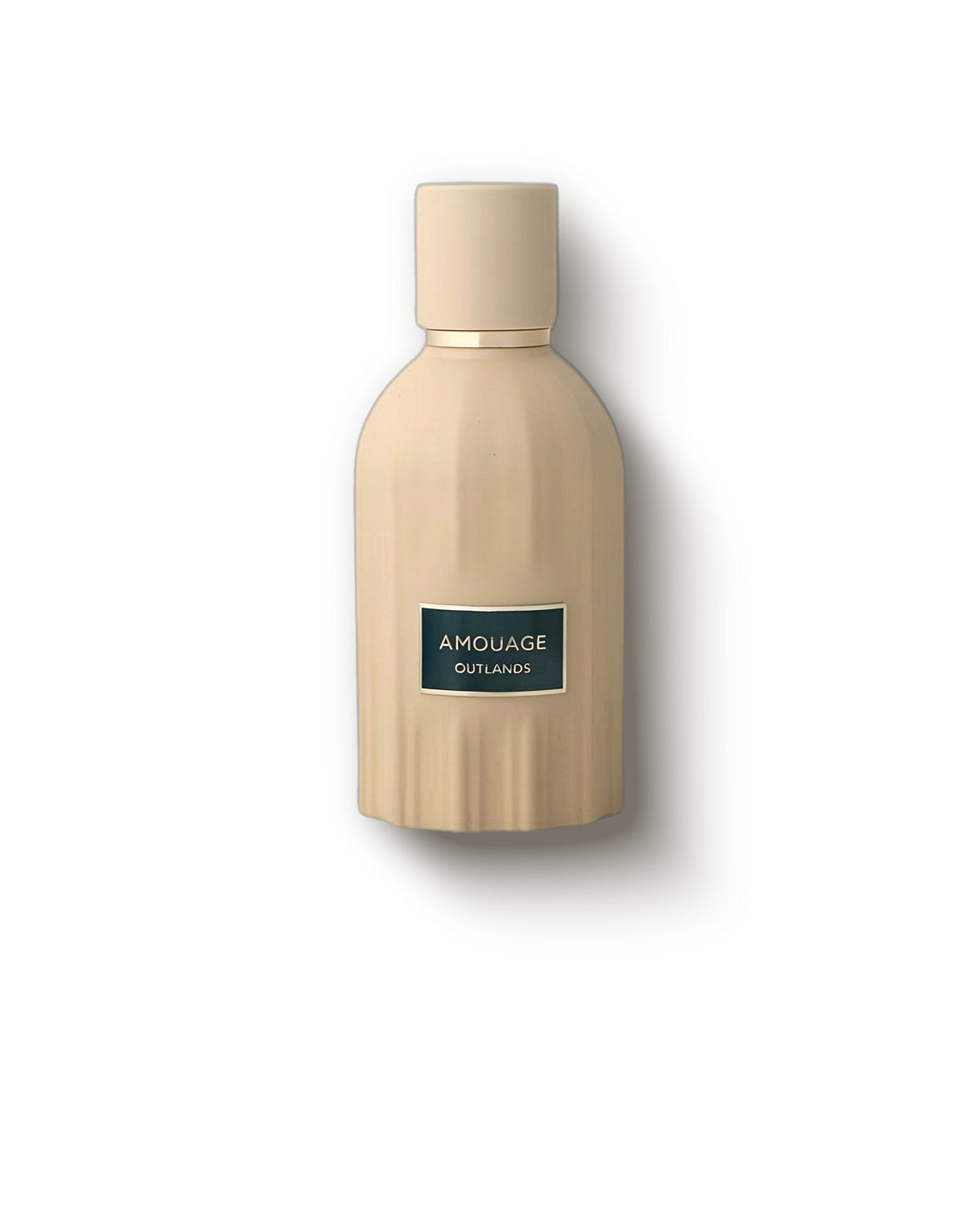
Amouage bunu 2025'te yalnızca Umman'da Sindbad adıyla sattı; parfüm evi, Elsewhere'in aynı sıvı olduğunu ve şimdi dünya çapında sunulduğunu söylüyor. The Essences serisine ait: Amouage'ın uzatılmış bir olgunlaştırma ritüeli uygulanan tek serisi. Meşe fıçılarda altı ay biyo etanol, sandal ağacı talaşıyla demlenmiş konsantrenin altı ay beklemesi, ardından iki hafta maserasyon.


Tatlı
Adını tam koyamadığınız sıcak bir şeker
Karamel, bal, pamuk şekeri: üçü arasında asılı kalan, hiçbirine tam yerleşmeyen bir tatlılık. Bu, gurme çekimin ta kendisi; insanı istemeden biraz daha yaklaştıran, sıcak, yumuşak ve yenilecek kadar az eksik kalan o şey.


Bal
hayvansı bir sıcaklık taşıyan altın tatlılık
Nektarın altında hafif animalik, neredeyse derimsi bir alt tonu olan yoğun, balmumsu bir tatlılık. Sıcak ve tene yakın mırıldanır, üstte petek tazeliğinde çiçeksi notalar, altında ise daha karanlık ve yapışkan bir şey vardır; kavanozdan dökülen herhangi bir şeyden çok, kovanın kendisine yakın.


Odunsu
Kesilmiş kerestenin kuru dokusu
Sedir talaşının, sandal ağacının ve kuru vetiver köklerinin kokusu; hafif bir kalem kutusu pürüzüyle zımparalanmış, reçineli bir sıcaklık. Yere basan ve dingin bir his verir; bir kokuyu ciddi ve kalıcı kılan sessiz omurgadır.


Meyveli
Şeftali kabuğu, limon kabuğu değil
Şeftali, armut, elma, çilek: bu, kabuktan değil etten gelen bir tatlılık; narenciye keskin ve incedir, burası ise çiy gibi taze ve nektar yüklü. Genç ve hafifçe açgözlü durur; bileğinizden süzülüyormuş gibi hissedebileceğiniz türden bir olgunluktur.


Vanilya
Olgunlaştırılmış çubuk, kremanın altında likörümsü
Kürlenmiş vanilya kabukları, şekerleme değil. Buradaki tatlılık muhallebimsi ve balsamik, altında karanlık ve alkolümsü bir şey var; şekerden çok rom ve odun dumanına yakın. Üzerindeki her şeyi ısıtır, sivri kenarları yumuşatıp bütünü yavaşlatır.


Aromatik
Serin havada ezilmiş otlar
Parmaklar arasında ezilmiş lavanta, biberiye, adaçayı ve kekiğin yeşil, kâforlu serinliği. Temiz, canlandırıcı ve hafif sade bir his verir; klasik bir berber ferahlığının dik omurgasıdır.


Bal
Hafifçe vahşileşen balmumu ve kuru meyve
Nedir
Arılar çiçek nektarını, topladıkları çiçeklerin kokusunu taşıyan bir şuruba yoğunlaştırır. Ham bal temiz bir ekstraksiyona dirençli olduğundan, şişedeki nota neredeyse her zaman balmumu absolüsü ve aroma kimyasallarından inşa edilir.
Nasıl kokar
Kalın ve altın rengi, kuru meyve ve sıcak balmumuyla yapışkan, hiçbir zaman tam anlamıyla kibar değil. Tatlılığın altında kavanozdan çok tene yakın bir hayvani şey akar. Dozu artırın, derimsi bir hâle döner.
Parfümeride kullanımı
Tütün, portakal çiçeği, immortelle ve deriyi yuvarlayan, kenarlarını yumuşatırken vücut sıcaklığını içeri sokan bir kalp-dip sıcaklığıdır. Oryantaller onu, tatlılık yapmacık değil yaşanmış hissettirsin diye kullanır.
Bilmekte fayda var
Balın hayvani, neredeyse vahşi kenarı büyük ölçüde fenilasetik asitten gelir; bu bileşik hem bal hem de bayat ter kokusunu anımsatır, hatta misk kedisine bile gönderme yapar. Yoğun kullanıldığında bal notası şaşırtıcı biçimde kirli ve ahır benzeri bir hal alır; bu yüzden parfümörler onu büyük bir dikkatle dozlar.


Mandalina
Güneşte ısınmış kabuk, tatlı ve dakikalar içinde uçup giden
Nedir
Gevşek kabuklu bir mandalina; kabuğu öyle gevşektir ki tek parça soyulur. Parfüm o kabuktur: yağı, soyulurken patlayan küçük bezlerde durur ve damıtılmaz, soğuk preslenir.
Nasıl kokar
Portakaldan daha tatlı ve yuvarlak, limonun keskinliğinden eser yok. Şekerlenmiş kabuğu ve biraz sıkılmış suyu, kabuğun hafif acılığını, neredeyse çiçeksi bir parıltıyı düşünün. Sonra hızla kaybolur.
Parfümeride kullanımı
Görevi ilk on saniyedir. Mandalina parfüme parıltısını ve neşesini verir, sonra neroli, bergamot ya da hafif bir miskin devralması için geri çekilir. Gurmelerin ağırlaşmasını da önler.
Bilmekte fayda var
Meyve bir limanın adını taşır. On dokuzuncu yüzyılın başında Tanca'dan gelen sandıklarla Avrupa'ya ulaştı ve o günden sonra insanlar ona Tanca demeye başladı.


Greyfurt
Kükürtlü bir keskinlik taşıyan, acı ve parlak bir narenciye patlaması
Nedir
Yağ, kabukta bulunur, ette değil: basınç bezleri yırtar ve yağ soğuk şekilde akar. Meyve bir kazaydı, Karayipler'de ortaya çıkan pomelo ile tatlı portakalın rastlantısal bir melezi.
Nasıl kokar
Ekşi ve köpüklü; acı bir kabuk kenarı ve altında, onu portakaldan çok greyfurt gibi okutan, hafif terli ve kükürtlü bir şey ile. Çabuk geçer; geride temiz, sabunsu, acı-yeşil bir iz bırakır.
Parfümeride kullanımı
Parfümörler bunu açılış için kullanır, her şeyden önce gelen soğuk bir tazelik çarpması. Neroli ve nane ile iyi gider, vetiver veya odunsu amber bir taban üzerinde modern ve kuru bir hâle döner.
Bilmekte fayda var
Bu karakterin neredeyse tamamı eser miktardadır: burnun trilyonda birin bir kısmında bile yakaladığı greyfurt merkaptanı ve nootkaton. Yağ ayrıca cildi güneşe duyarlı hale getirir, bu nedenle genellikle arındırılır veya düşük dozda tutulur.


Mango
Mango etinden hiçbir şey elde edilemez, bu yüzden parfümörler onu yeniden kurgular
Nedir
Bir mangoyu sıktığınızda yağ değil, meyve suyu elde edersiniz. Doğal mango hammaddeleri vardır ama nadirdir: yeşil bir yaprak absolüsü ve kıt bir meyve absolüsü. Bu yüzden nota çoğunlukla kurgulanır: laktonlar ve esterler, ya da davana ve osmanthus.
Nasıl kokar
Laktonlardan kurulduğunda tatlı ve altın sarısı çıkar; sulu bir üst nota altında kremsidir, açılıştan kuruma sürecine kadar tek ve parlak bir biçimi korur. Botanik kurgu ise daha yumuşak ve daha sisli: reçel gibi, hafifçe alkolümsü, kenarlarında kayısı ve zamanla bulanıklaşan bir yapı.
Parfümeride kullanımı
Mango, tropikal ve gurme kurguları demirler; Hindistan cevizi ve beyaz çiçeklerle kolayca uyum sağlar. Laktonlar onu kuruma sürecine kadar tutar, esterler ise parlayıp söner. Botanik bir kurgu sürekli yeniden dengelenmeyi ister; her malzeme kendi çiçeksi kuyruğunu sürükler.
Bilmekte fayda var
Hiçbir versiyon gerçek meyve değildir. Lakton yolu her zaman kararlı ve birbirinin aynısıdır; mangonun her yerde karşımıza çıkmasının nedeni de budur. Osmanthus ve davana ise hasada göre değişir, bu yüzden tamamen botanik bir mango nadirdir ve daha sıcak, daha sessiz bir karakter taşır.


Nar
Ekşi yakut taneler, taze ve buruk
Nedir
Her yakut renkli tohum, neredeyse hiç kokmayan bir ekşi öz suyu damlasında durur ve ondan hiçbir esansiyel yağ elde edilemez. Bu yüzden nota icat edilmiştir: meyveli ve yeşil moleküllerden kurulmuş bir fantezi akoru.
Nasıl kokar
Parlak ve sulu ama asla şekerli değil; şarap tadında kırmızı meyve kenarı. Üstte sulu, hafifçe metalik bir yan, ortada kızılcık keskinliği, altta onu bayıcı olmaktan alıkoyan kuru, tanenli bir acılık.
Parfümeride kullanımı
İşi keskinleştirmektir. Gül, şakayık ya da narenciye üzerindeki ekşi kırmızı kenar, meyveli-çiçeksi bir kompozisyonun şuruplaşmasını önler; paçuli veya miskle yan yana geldiğinde koyu, baharatlı güllere parıltılarını verir.
Bilmekte fayda var
Latince ona tohumlu elma demiş; Fransızlar grenade der. Askerler parçalarla doldurulmuş küçük, yuvarlak bir bombayla karşılaşınca meyvenin adını ona ödünç verdi ve el bombası o günden beri bu adı taşıyor.


Kayısı
İçinde hiç meyve olmayan, güneşte ısınmış bir kadife
Nedir
Kayısıda kayısı yoktur. Meyve damıtmaya değer hiçbir şey vermez; bu yüzden nota kurulur: çoğu parfümörün elinde laktonlar ve parlak esterlerle, ya da kendi başına kuru kayısı ve deri kokan osmanthus absolüsüyle.
Nasıl kokar
Kadifemsi ve güneşle ısınmış; kremamsı, mumsu bir şeyin üzerinde olgun bir derinin allığı. Laboratuvar yapısı baştan sona tek bir kayısı biçimini korur. Doğal yapı daha puslu, çay ve balla örülüdür ve yerinde durmaz.
Parfümeride kullanımı
Meyveli çiçeksilerin, chypre'lerin ve gurmelerin üst ve kalp notasında yer alır; yumuşak bir tatlılık ve hafiflik katar. Laktonlar öngörülebilir biçimde dozlanır ve hacim verir. Osmanthus ve davana pahalıdır ve hasada bağlıdır; bu yüzden formülün başrolü olarak ele alınırlar.
Bilmekte fayda var
Osmanthus ve davana ana akım formüllerde de görülür; bu yüzden bir listede yer almaları parfümün ne kadar doğal olduğunu kanıtlamaz. Asıl ipucu davranıştır: laboratuvar kayısısı yerinde durur ve yayılır, botanik olan dolaşır.


Zencefil
Lifli bir sıcaklıkla taze biberli bir canlılık
Nedir
Manav ne derse desin bir kök değil, yer altında şişmiş bir gövdedir. Parfümörler onu iki yoldan alır: buharla damıtılmış uçucu yağ olarak ya da CO2 ile ekstrakte edilmiş halde. İkisi birbirinin yerine geçmez.
Nasıl kokar
Parlak ve kuru; arkasında biberin durduğu köpüklü bir limon-çam pırıltısı ve altında lifli, topraksı bir sıcaklık. Pişmiş zencefilin tatlılığından eser yok. CO2 ekstresi daha yuvarlak ve sulu, ortadan kırılmış bir köksapa daha yakındır.
Parfümeride kullanımı
Üst nota ile kalp arasında çalışır: narenciyeyi uyandırır, odunlara keskin bir kenar verir, akuatik ve fougère yapıların düzleşmesini önler. Ferah, biberli bir kokunun bir nabzı varsa, çoğunlukla nedeni zencefildir.
Bilmekte fayda var
Zencefil yetiştirilirken neredeyse hiç çiçek açmaz. Her bitki başka bir bitkinin parçasından yetiştirilir; bu da dünyadaki zencefili, beş bin yıl boyunca ticaret yolları üzerinde elden ele aktarılmış tek bir devasa klona dönüştürür.


Kakule
Narenciye ısısıyla çatlayan yeşil baharat
Nedir
Kakule, güney Hindistan ormanlarına özgü zencefil ailesinden uzun ömürlü bir bitki olan Elettaria cardamomum'un kurutulmuş tohum kapsülüdür; bugün Guatemala'da da yaygın biçimde yetiştirilir. Küçük yeşil kapsüller tam olgunlaşmadan elle toplanır ve kurutulur; ardından çatlak tohumlar buharlı damıtmaya tabi tutularak yağ elde edilir.
Nasıl kokar
Parlak, yeşil ve baharatlı-taze; ılık biberli tatlılığın üzerinde serin bir okaliptüs-kafur kaldırması taşır. Limon kabuğu, çam reçinesi ve çay demindeki çatlak kapsüllere benzer hafif dumanlı ekmek gibi yönler içerir. Keskin ve köpürtücü bir açılışın ardından yumuşak, balzamik bir sıcaklığa oturur.
Parfümeride kullanımı
Üst nota ile kalp notası arasında yer alır; serin kalan bir baharat parıltısıdır ve kompozisyonun karanfil ya da tarçının ağırlığı olmadan narenciyeden odunsu ambere geçmesini sağlar. Gül, deri ve ud onunla iyi uyum sağlar.
Bilmekte fayda var
Kapsül aslında bir ambalajdır. Kapalı kaldığında yağı olduğu gibi korur; çatladığı anda aroma hemen kaçmaya başlar. Bu yüzden damıtıcılar hızlı çalışır ve önceden öğütülmüş kakule, bütün kapsülün sadece bir hayaletidir.

Pembe Biber
Parlak pembe taneler ve baharatlı bir kıpırtı
Nedir
O biber değildir. Gül renkli taneler, biber sarmaşığıyla botanik olarak hiçbir bağı olmayan bir Güney Amerika ağacından gelir; kurutulur, ardından buharla damıtılır veya CO2 ile ekstrakte edilir.
Nasıl kokar
Parlak, kuru ve köpüklüdür; kara biberden daha gülsü ve meyvemsidir, yalnızca hafif bir baharat kıpırtısı taşır. Ezilmiş meyve, ardıç benzeri reçine ve ince narenciye yönleri, hafif ve havadar bir canlılık verir. Üstte biberimsi bir anlık parlama yapar, ardından nazik, sıcak bir baharatlılığa dönüşerek söner.
Parfümeride kullanımı
Parfümörler, bir kompozisyonun ısı olmadan baharata ihtiyacı olduğunda ona başvurur. Çiçeksilerin üzerine gülsü bir köpük katar, odunları ve amberleri tazeler, bergamot ve paçuli ile iyi durur. Bu köpüklülük, modern meyveli-çiçeksi kokuların imzasıdır.
Bilmekte fayda var
Bu meyvelerin ait olduğu asıl aile kajudur; o kadar yakın bir akrabalık ki kajuya veya mangoya tepki veren kişiler bazen bu tanelere de tepki gösterir. Onlarla pişirmeden önce bilinmesi gereken bir şey.


Siyah Çay
Kuru yapraklar, tanen ve belli belirsiz bir duman
Nedir
Yapraklar soldurulur, sarılır, sonra tamamen oksitlenmeye bırakılır: onları siyaha çeviren ve kokuyu otsudan koyuya taşıyan budur. Çin bunu yüzyıllardır yapıyor. Gerçek çay absolüsü nadirdir, bu yüzden parfümeri onu yeniden inşa eder.
Nasıl kokar
Kuru ve buruk, demliğin üçüncü fincanının tadı gibi. Altında saman ve kullanılmış deri durur; üzerinde pudrayla bastırılmış bir gül ve yasemin yumuşaklığı vardır. Çıtır ve havadar başlar, sonra sessiz, dumanlı ve odunsu bir hâle bürünür.
Parfümeride kullanımı
Fren işi gören bir kalp notası: tanini tatlılığı keser, çiçeksinin şuruba dönmesini engeller. Narenciye onu yükseltir, odunlar taşır; çoğu modern çay parfümü bu dengenin bir versiyonudur.
Bilmekte fayda var
İşin çoğunu iki molekül yapar. Theaspirane, serin yeşil bir kenarın üzerine siyah frenk üzümü parlaklığı serper; tabanone tütün ve palamuta benzer bir şey getirir. İyononlar ve gayak ağacı ise çevrelerindeki pudrayı ve odunu doldurur.


Cappuccino
Süt köpüğünün altında yumuşamış acı kavrum
Nedir
Bunun yarısı gerçektir. Kavrulmuş kahve çekirdekleri, kavrumu inandırıcı biçimde koklatan bir absolü ya da CO2 ekstraktı verir. Süt ise kullanılabilir hiçbir şey vermez, bu yüzden kremsi yarı laktonlardan kurulur.
Nasıl kokar
Acı, hafif yanık kahve, sıcak ve sütlü bir şeyin içine katlanmış. Espressonun siyah ısırığı değil, yumuşatılmış hali: kavrulmuş, kuruyemişli, hafif kakaomsu; üstte pudralı bir köpük tatlılığı, altında kavrulmuş tahıl kuruluğu.
Parfümeride kullanımı
Gurmelerin ve odunsu ambreların kalbinde çalışır; acılığı tatlılığın kaçıp gitmesini önler. Tonka, vanilya, bal, tütün ve sedir hepsi onu kabul eder. Çok az içecek notası, bir kompozisyonu tatlıya çevirmeden taşıyabilir.
Bilmekte fayda var
Bir kavrumdan yüzlerce bileşik çıkar ve burnunuz tüm fincanı yaklaşık yirmi dört tanesinden kurar. Parfümörler de aynı şekilde, bir avuç kavrulmuş molekülle hile yapar. Kahve notası, kahve fikri gibi kokar.

Davana
Her tende farklı bir hâl alan, likörümsü kayısı kokulu bir ot
Nedir
Papatya familyasından küçük bir aromatik ot; güney Hindistan'da Mysore çevresinde yetiştirilir ve yeşil çiçekli uçları buharla damıtılarak koyu, güçlü bir yağa dönüştürülür. Neredeyse hiçbiri yiyecek için yetiştirilmez.
Nasıl kokar
Baharatlı sıcak şarapta bekletilmiş kayısı ve erik, içkili ve yoğun; üzerinde kurutulmuş kuru erik ve sıcak saman taşıyan, yeşil, çay benzeri bir tatlılık. Tatlı ama hiçbir zaman şekerli değil, kalıcı ve iki kişide nadiren aynı.
Parfümeride kullanımı
Parfümörler onu doz olarak değil, damla olarak kullanır. Şeftali, kayısı ve gülü şişirir, üst ile dip arasındaki geçişi yumuşatır, chypre ve meyveli çiçeksilere içkili bir kaldırış katar.
Bilmekte fayda var
Bu değişkenlik işin özü: davana, meyvemsi karakteri her kullanıcının cilt kimyasına göre kaydığı için "bukalemun yağı" diye anılır. Hindistan'da taze çiçekler Şiva'ya sunulan tapınak çelenklerine örülür.

Tonka Fasulyesi
Saman-tütün gölgesiyle sıcak badem-vanilya tatlılığı
Nedir
Güney Amerika'ya özgü bir baklagil ağacının kabuğu soyulmuş tohumları alkole bırakılır, ardından yüzeylerinde kumarin kırağı gibi billurlaşana dek haftalarca kurutulur. Parfümörlerin kullandığı absolü, o kırağı tutmuş fasulyeden elde edilir.
Nasıl kokar
Önce vanilya ve acı badem, ardından kuru ot, kurutulmuş tütün ve kavrulmuş bir şey. Açılış karamelize muhallebiye yakındır; kuruma pudramsı ve içkiyi andıran bir hal alır, içinde tarçın ve biçilmiş yonca vardır. Vanilyadan daha puslu, bademden daha yumuşak.
Parfümeride kullanımı
Kalp ve dip arasında, keskinleşmeden tatlandırır. Lavanta, amber ve tütünle iyi anlaşır. İlk kez bu tohumdan çıkarılan kumarin, fougère ailesini kurmuştur; ancak 1882'deki orijinali sentetik versiyonuyla yapılmıştır.
Bilmekte fayda var
Tonka, kokusunun büyük bölümünü kumarine borçludur; kumarin, yüksek dozların deney hayvanlarının karaciğerine zarar verdiği görülünce Amerikalı gıda düzenleyicileri tarafından 1954'te yasaklanmıştır. Fasulye bir ABD mutfağında fiilen yasadışıdır, cilt üzerinde ise tamamen yasaldır.

Vanilya
Olgunlaştırılmış orkide çubukları, muhallebi ve belli belirsiz duman
Nedir
Yeşil kapsüller, orkide asmasından neredeyse kokusuz halde koparılır. Koku bulunmaz, yaratılır: vanilin belirene dek aylarca süren haşlama, güneşte terletme ve ağır ağır kurutma. Önce Meksika, şimdi Madagaskar.
Nasıl kokar
Önce muhallebi ve karamel, ardından altında daha karanlık bir şey: kuru meyve ve ince bir tütün dumanı ipliği. Kuruduğunda pudralaşır ve cilde yakın durur. Gerçek kürlenmiş vanilya, salt vanilinden daha derin okunur.
Parfümeride kullanımı
Parfümörler onu köşeleri yumuşatmak için kullanır. Fazla keskin, fazla yeşil, fazla sade olan her şey bir vanilya tabanından sıcaklık ve gövde alır; bu yüzden vanilya, tonka, amber, sandal ağacı ve baharatla birlikte pek çok oryantal ve gurme kompozisyonun temelini oluşturur.
Bilmekte fayda var
Her çiçek yalnızca bir gün açar. O günü kaçırırsanız kapsül oluşmaz; bu yüzden hepsi el ile tozlaklanır, bu yöntemi Réunion'da köle olarak çalıştırılan on iki yaşındaki bir çocuk olan Edmond Albius bulmuştur. Bugün vanilya aromasının çoğu sentetiktir.

Sedir Ağacı
Kuru kalem talaşı ve güneşte ısınmış kereste
Nedir
Dolabınızdaki ya da sedir sandığınızdaki sedir genellikle bir ardıçtır. Virginia ve Texas sedirlerinin ikisi de öyledir; yalnızca Atlas ve Himalaya sedirleri gerçek Cedrus cinsindendir. Yağ, özodun yongalarından ve testere tozundan buharla damıtılır.
Nasıl kokar
Kuru, odunsu ve sıcak; taze bilenen kalem ve bir sedir dolabının arketipini çizer. Virginia sediri kalem benzeri ve balsamiktir; Atlas sediri daha yumuşak, tatlı ve neredeyse ballı reçinenin sınırındadır. Tüm türlerde ortak olan temiz, hafif dumanlı, hafif kafurlu bir ton, pürüzsüz ve özlü bir sıcaklıkta kurur.
Parfümeride kullanımı
Kalpten dibe uzanan bir çalışkan: diğer malzemelerin yaslanabileceği kuru bir yapı. Vetiver, gül, sitrus ve tütsü ile iyi durur; sayısız modern odunsu-amberin kuruyuşundaki dumandır.
Bilmekte fayda var
Sedir nadiren tek başına görünür. Laboratuvarda yeniden işlenen molekülleri, pek çok çağdaş odunsu parfümün omurgasını oluşturur; bu yüzden modern odunsu rafının çoğu hafifçe bilenmiş kalem gibi kokar.


Labdanum
Güneşte kavrulan laden gülünden kazınan yapışkan amber reçine
Nedir
Bir Akdeniz kaya gülü yaz boyunca yapraklarından sakız terletir; bu sakız parmaklarınızı birbirine yapıştıracak kadar koyu ve yapışkandır. Hasatçılar dalları kaynatır veya kazır, ardından bu ham sakızı absolü ve resinoide dönüştürür.
Nasıl kokar
Balsamik bir sıcaklıkla başlar, ardından deri, kurutulmuş meyve, bal ve bir tutam duman gelir. Açılışta ambergrise yakın bir şey sezilir. Saatler sonra kahverengi tütün ve giyilmiş cilt sıcaklığına yerleşir, hâlâ sürmektedir.
Parfümeride kullanımı
Labdanum çıkarıldığında amber akorlarının çoğu çöker; vanilya ve benzoin bunun üzerine kurulur. Bir formülü yerinde sabitler, chypre'lere ve derili kokulara derinlik katar; gül, meşe yosunu ve tütsüyle iyi uyum sağlar.
Bilmekte fayda var
Damıtmadan önce keçiler vardı. Sürüler bütün yaz boyunca cistus çalılıklarında otlar, sakız sakallarına ve butlarına yapışırdı, çobanlar da onu tarayarak çıkarırdı. Labdanum, hâlâ kullanılan en eski aromatik malzemelerden biridir.

Sipriol
Hindistan'da bir nehir yatağından gelen koyu, dumanlı kök
Nedir
Nagarmotha, Madhya Pradesh'in bataklık nehir yataklarında yabani yetişen bir sazlak bitkisidir. Kökleri kazılır, kurutulur, ezilir ve buharla damıtılır; verim yüzde birin onda birinden azdır: kalın, koyu bir yağ.
Nasıl kokar
Odunsu ve toprak gibi; patchouliden daha kuru, vetiverden daha köklü, soğuk dumanlı bir altlık taşır. Keskin biberli bir açılış, deri, kuru amber ve hafif katranlı bir his bırakır. Oturduğunda koyu, mineral ve küllü bir karaktere bürünür; yanmış agarwood'u andıran acı reçineli bir kenar hissedilir.
Parfümeride kullanımı
Dip nota ve doğal fiksatiftir; bir formül ud istediğinde uygun fiyatlı bir alternatiftir. Paçuli, safran, sedir ve tütsüyle uyum sağlar ve ödağacına yaslanan dumanlı odunsu karışımların çoğunu taşır.
Bilmekte fayda var
Hindistan'da aynı rizom uzun zamandır Ayurveda tıbbında ve attar yapımında kullanılır. Kardeş sazlak Cyperus rotundus ise dünya genelinde yetiştiricilerin lanetlediği inatçı bir tarla yabani otudur.


Vetiver
Dolaşık köklerden çekilen serin, nemli toprak
Nedir
Değer taşıyan her şey toprağın altındadır. Vetiver uzun boylu tropikal bir çimen olarak büyür, ama parfüm kökünde yaşar: kazılıp yıkanan, kurutulan ve buharla damıtılarak koyu amber-kahverengi bir yağa dönüşen yoğun, lifli bir kök ağı.
Nasıl kokar
Kuru odun üzerinde serin nemli toprak ve taze kesilmiş çimen. Haiti yağı daha yumuşak akar ve hafifçe fındık gibi tatlıdır; Java daha karanlık, daha dumanlı, daha derilidir. İkisinin de altında acı bir greyfurt kenarı ve saatlerce süren yeşil, mineral bir iz vardır.
Parfümeride kullanımı
Parfümörler onu formülü sabitlemek için kullanır, bu yüzden fougère ve chypre yapılar ona başvurur. Narenciye, deri ve tütün üstünde iyi durur. Küllü yönünü öne çıkarınca servi ve sedirin yanında sertleşir.
Bilmekte fayda var
Haiti, dünya vetiver yağı üretiminin yaklaşık yarısını karşılar; bunun büyük bölümü küçük çiftçiler tarafından üretilmektedir. Bir şişeyi kokulandıran aynı derin kökler, dünya genelinde yamaçlara dikilerek erozyona karşı toprağı tutan ve başka hiçbir şeyin tutunmakta güçlük çekeceği eğimli arazileri dengeleyen canlı bariyerler oluşturur.


Paçuli
Yağmur sonrası ıslak toprak ve koyu odun
Nedir
Kimse nane familyasından tahmin etmez, ama öyledir: yaprakları kurutulup fermantasyona yakın bir şekilde dinlendirilen yapraklı bir çalı; damıtma ise şurup kadar koyu ve yoğun bir yağ çıkarır.
Nasıl kokar
Islak toprak, orman zemini, eski bir mahzen; altında şarabımsı bir tatlılık. Taze yağ sert ve yeşil gelebilir, neredeyse kâfurlu. Yaşlanmış yağ tam tersi yöne gider, çikolata ve deriye döner, saatlerce yerinde durur.
Parfümeride kullanımı
Bir kompozisyonu onun kadar tutan neredeyse hiçbir şey yoktur. Şiprler ve oryantaller bu çapa üzerine kurulur; gül, vetiver ya da labdanumun altına birkaç damla, tüm kompozisyonu ciltte saatlerce tutar.
Bilmekte fayda var
On dokuzuncu yüzyılda Keşmir şalları güve düşmesin diye kurutulmuş paçuli yapraklarıyla paketlenip taşınırdı; Avrupalılar gerçeğini yalnızca kokusundan ayırt etmeyi öğrendi. Yağ, neredeyse hiçbir esansiyel yağın yapamadığı gibi, yaşlandıkça şarap gibi yumuşayarak gelişir.
Koku Karakteri
Bal, ilk dakikadan itibaren öne çıkar; mandalina, greyfurt ve mango onu hiçbir zaman boğucu olmaya bırakmaz, zencefil ile pembe biber ise keskin bir kenar korur. Kalp notası ise tuhaf kısımdır: siyah çay ve cappuccino akoru, davana ile iç içe geçer. Tonka, vanilya ve labdanum parfümü kapatır; sipriol, vetiver ve sedir tatlılığı yeniden kuru odunsu bir yöne çeker.


Kalıcılık
tende ne kadar süre kaldığı
Kum saati kullanım süresini okur: kokunun solmadan önce kaç saat konuşmayı sürdürdüğünü. Başlangıçtan pek ayrılmayan bir çubuk, birkaç kısa saat anlamına gelir. Sonuna kadar uzanan bir çubuksa sabahtan akşama kadar taşır. Bunu bir vaat değil, tipik bir gösterge olarak okuyun. Yağlı ten, kuru tenden çok daha uzun süre kokuyu tutar.


Sillage
bıraktığı koku izinin genişliği
Sillage, Fransızcada bir geminin arkasında bıraktığı iz anlamına gelir ve tam olarak bunu ölçer: kokunun sizde kalmak yerine odaya ne kadar yayıldığını. Düşük, yalnızca yakın dostların fark ettiği bir fısıltıdır. Muazzam ise odayı doldurur ve siz çıktıktan sonra da doldurmayı sürdürür.


Deneysel
Hoşa gitmek için değil, kışkırtmak için yapıldı
Bazı parfümler sevilmek için yapılır. Bunlar tartışılmak için yapılmıştır: mürekkep gibi katran, sıcak kauçuk, dönmeye başlamış meyve, çiçek beklerken çıkan metal ve kürk. Kışkırtan bir koku için madeni para parlar, güvenli oynayan biri için söner; ki bu bazen tam da amaçtır.


Ofis
Özenli ve asla ortamın önüne geçmeyen
Koku, paylaşılan bir odada görgü kurallarıdır. Bu ölçekte masanın karşısındaki kişiye ulaşmalı ve orada durmalıdır: derli toplu narenciye, yumuşak misk, soluk odunlar; hepsi yetkin ve düşünceli okunur. Parlayan bir madeni para, kimsenin bundan söz etmesine gerek kalmadığını gösterir. Sönük bir tanesi ise kokunun daha uzağa taşıdığını gösterir.


Akşam
Karanlık çökünce, derinleştiğinde
Akşam yemeği, içkiler, uzayıp giden gece. Loş ışık, amberlerin, reçinelerin ve dumanlı odunların nezaketi bıraktığı, gür bir çiçeğin nihayet açıldığı yerdir. Parlayan bir madeni para, kokunun tam da bu saati beklediğini gösterir; sönük olan ise en iyi işini gün ışığında yaptığını.


Romantik
Hissedilecek kadar yakın
Bir koku, masanın karşısına duyurmak yerine tene karşı mırıldanabilir. Buradaki ton budur: kremsi çiçekler, vanilya, yumuşak misk, bir tutam baharat, birini yaklaşmaya ikna edecek kadar sıcak. Bu havayı kuran bir koku için madeni para parlar; baştan çıkarıcıdan çok pratik kalan bir koku için söner.


Resmî
Herkesin şık giyindiği bir salonda sessiz bir otorite
Bir düğün, bir tören, herkesin ayakkabısını düşündüğü bir oda. Burada işe yarayan hacim değil, yapıdır: pürüzsüz odunlar, disiplinli çiçekler, yumuşak deri. Parlayan bir madeni para, kokunun akşam boyunca duruşunu koruduğunu gösterir. Sönük bir tanesi ise ortam için fazla gündelik kaldığını gösterir.


Günlük
Telaşsız günler için zahmetsiz bir rahatlık
İşler, kahve, hiçbir yere yetişmeniz gerekmeyen acelesiz bir Cumartesi. Burada kimseyi etkilemeye gerek yok, o yüzden uyum yumuşak ve rahat olsun: taze narenciye, hafif odunlar, tenden yayılan biraz sıcaklık. Parlayan bir madeni para bunların hepsine evet der. Sönük bir tanesi ise kokunun daha büyük bir gece istediğini gösterir.


Gündüzden Geceye
ruh hâlinin kendiliğinden yöneldiği yer
Güneşten aya uzanan bir çubuk, kokunun hangi saate ait olduğunu okur. Ne kadar altın renkte kalırsa, koku o kadar gün ışığına ve açık havaya aittir. Mavi, güneşe doğru ne kadar geri uzanırsa, koku o kadar derinleşip ısınır: akşam, mum ışığı, loş odalar.


Kış
Soğuk havada bile yayılan bir sıcaklık
Soğuk hava bir kokuyu kısar ve yavaşlatır, bu yüzden kış yoğun ve sıcak olanı ödüllendirir: reçineler, duman, vanilya, deri ve serinliğe karşı ısı yayan amberli baharat. Bu çubuk, bu kokunun soğuk havada ne kadar güçlü durduğunu ve parladığını gösterir.


İlkbahar
Yükselen ılık havada taze açan çiçekler
Ilık, nemli hava daha hafif kompozisyonları güzelce yükseltir, bu yüzden ilkbahar çiy düşmüş çiçekleri, yeşil sapları, yumuşak pudrayı ve ağır değil canlı hissettiren saydam narenciyeyi sever. Bu çubuk, bu kokunun o taze, hafifçe ısınan mevsime ne kadar yakıştığını gösterir.


Yaz
Gerçek sıcaklarda parlak ve havadar
Sıcaklık kokuyu sizin adınıza yayar, bu yüzden yanlış parfüm öğleye kadar dayanılmaz hale gelir. Hayatta kalan serin ve nefes alan olandır: keskin narenciye, tuzlu deniz havası, aromatik otlar, su. Bunaltmak yerine ferahlatan şeyler. Burada kısa bir çubuk, bu kokuyu daha soğuk aylara saklamak gerektiğini gösterir.


Sonbahar
Serinleyen günler için baharatlı sıcaklık
Sıcaklık düştükçe daha zengin malzemeler boğmadan net okunur, bu yüzden sonbahar kuru odunlara, sıcak baharata, tütüne, ambere ve sımsıcak, düşünceli hissettiren altın meyveye yakışır. Bu çubuk, bu kokunun diri, serinleyen günlere ne kadar doğal oturduğunu gösterir.
En İyi Kullanım Zamanı
En çok kış ve geç sonbahara yakışır, karanlık bastıktan sonra sürülür. Parfüm evinin belirttiği %30 konsantrasyonda, sekiz ila on saat süren ballı odunsu doku bir odaya güçlü biçimde yayılır; bu nedenle atomizörde ölçülü bir el çok yol aldırır. Soğuk havaya, kalın paltolara ve ışıklı iç mekânlara aittir; fark edilmekten rahatsız olmayan biri için.
Seçenekleri belirleyin
Atmosfer


Burun

Pierre Négrin
Parfümör
Pierre Négrin, New York'ta Firmenich'te geçen on üç yılın ardından Greenwich, Connecticut'ta çalışan bağımsız bir parfümör. Tom Ford Black Orchid'e David Apel ile, Ralph Lauren Polo Black'e Ellen Molner ile imza attı; Amouage Interlude Man ve Amouage Portrayal Man'i besteledi. Amouage Opus VII, Alberto Morillas ile birlikte onun işidir.
Bu burundan daha fazlasıInterlude 53
Maison

Kraliyet ölçeğinde günlük ve gül, tam bir şişenin gerektirdiği inanç sıçramasına gerek kalmadan denenir.
Amouage sessizliği sevmez. Her şişe, hak ederek girilen bir oda için yapılmış hissi verir: yüksek tavanlar, havada tütsü ve değerli bir şeyden süzülen ışık. Ev sanki tükenmez bir kaynağı varmış gibi günlük, gül ve ud döker; sonuçlar büyük giyilir ve sırf gürültü olsun diye değil, uzun süre kalıcı olur.
- Köken
- Maskat, Umman
- Kuruluş
- 1983
- Öne çıkanlar
- Frankincense, Rose, Ud

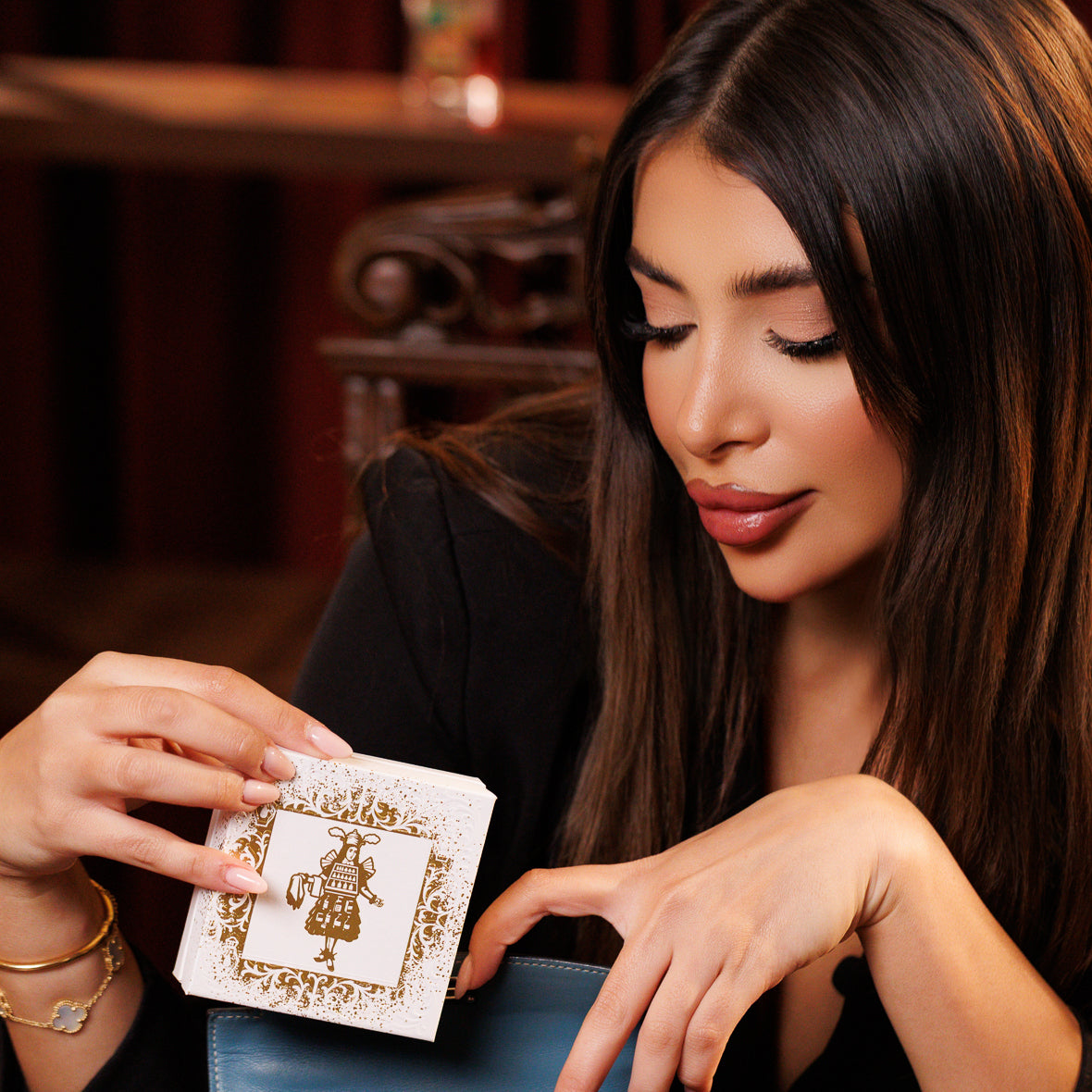
HER DEKANT
Orijinal şişeden kapınıza
Orijinal flakonu perakende fiyatından, doğrudan evden satın alırız.
Tıbbi sınıf bir Socorex şırınga, tam mililitreyi doğrudan flakondan çeker.
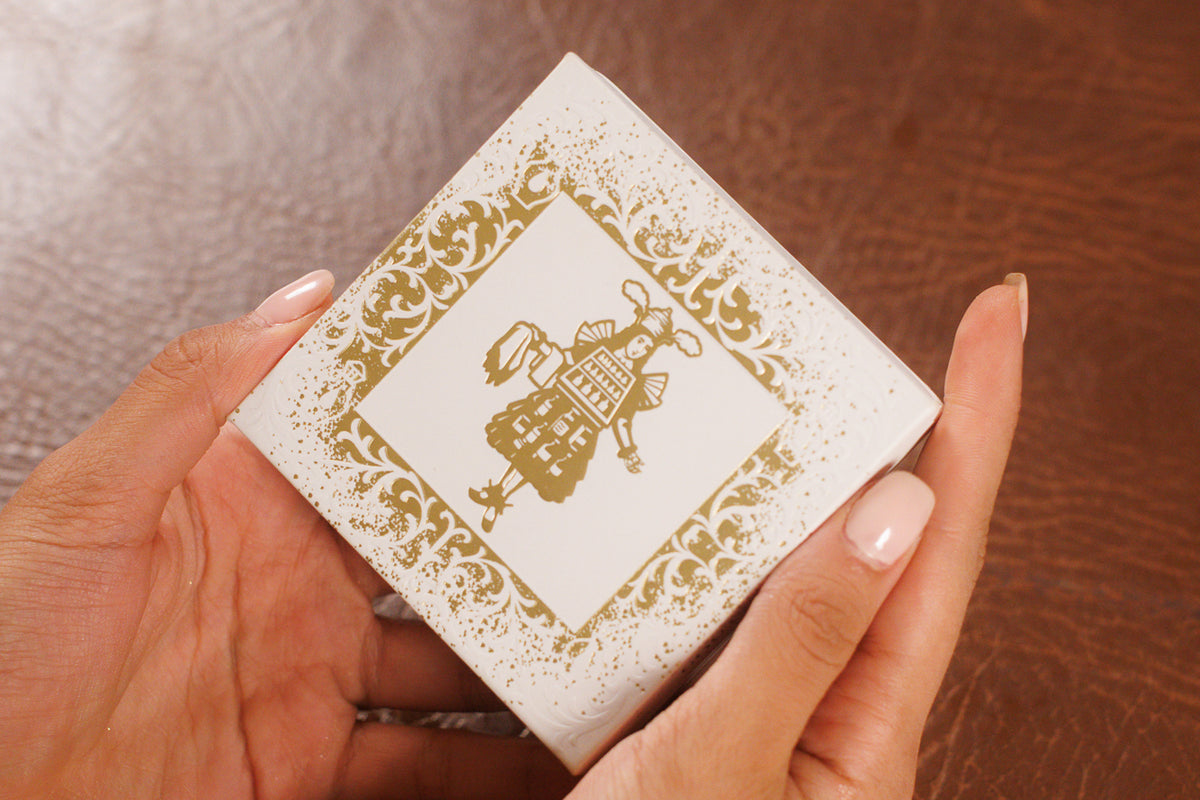
Sıcak yaldız baskılı kutusuna yerleştirilir ve tüm gümrük vergileri önceden ödenmiş olarak DHL'e teslim edilir. Bir dekant nasıl hazırlanır
Amouage evinden diğer parfümler
Bunlar da ilginizi çekebilir