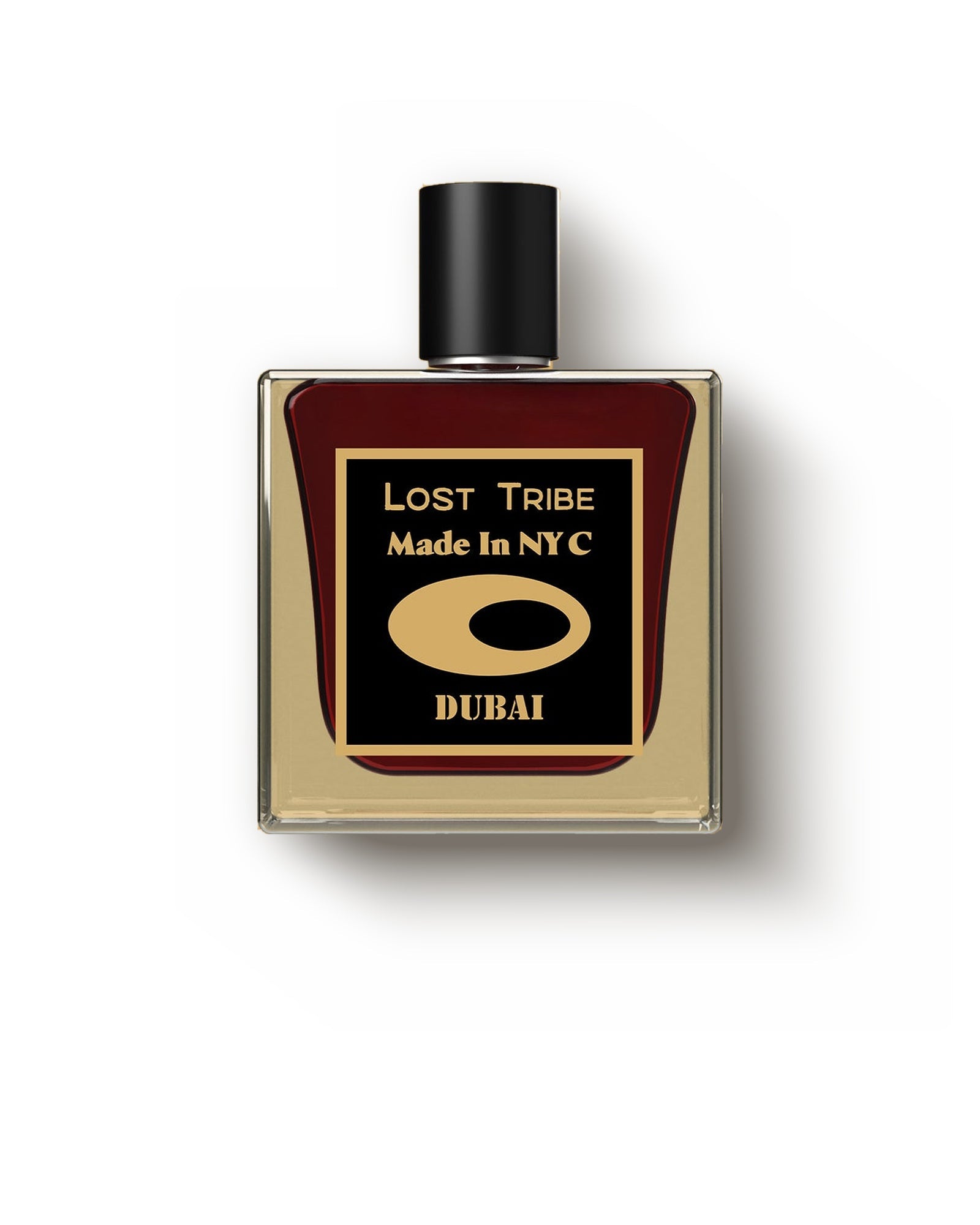
Lost Tribe
Dubai
История
Dubai от Lost Tribe, созданный в Нью-Йорке, строится на фруктах поверх уда. По словам автора, в каждом флаконе 1,5 грамма выдержанного чиангмайского уда, а над ним раскрывается пурпурное сердце из виноградного аккорда и ириса с высоким содержанием иронов, в которое стекает чёрная смородина верхних нот.


Фрукты
Персиковая кожица, а не лимонная цедра
Персик, груша, яблоко, ягоды: это сладость мякоти, а не кожуры, росистая и густая от нектара там, где цитрус резок и тонок. Звучит юно и чуть жадно: та самая спелость, сок которой словно стекает по запястью.


Уд
То, что дерево создаёт, когда его ранят
Плотная смолистая древесина, пахнущая тепло и слегка лекарственно, с кожаной, чуть звериной дымностью и сладкой, почти хлевной фанковой нотой под ней. Древний и сумрачный аромат, окутывающий кожу чем-то плотным и тихо могущественным.


Сладость
Тёплый сахар, которому трудно подобрать название
Карамель, мёд, сахарная вата: сладость, которая парит между всеми тремя и никогда не останавливается на одной. Это и есть гурманская притягательность: то, что заставляет подойти ближе, чем собирался, тёплое, мягкое и на полшага от съедобного.


Древесина
Сухие волокна распиленной древесины
Запах кедровой стружки, сандала и сухих корней ветивера, шлифованное смолистое тепло с лёгкой шероховатостью пенала для карандашей. Заземлённый и собранный аромат, тихий хребет, делающий композицию серьёзной и стойкой.


Ирис
прохладная пудра над влажной землёй
Прохладная серебристая пудровость с маслянистой, слегка морковной корневой нотой и шёпотом сырой земли. Элегантный и сдержанный аромат, почти меланхоличный, словно тонкая пудра и замша поверх чего-то тихо земного.


Цитрус
Первая яркая цедра утра
Сочная, хрусткая яркость лимона, бергамота и апельсиновой цедры, терпкая и игристая, с чистой горчинкой. Она открывает аромат мгновенным подъёмом и искрой, свежая и бодрящая, испаряясь быстро, как солнечный блик на воде.


Амбра
Смола, согретая до сладости
Лабданум, бензоин и ваниль сплавляются во что-то сладкое, но приглушённое, будто древесная смола, размягчённая солнцем, с ниткой ладанного дыма внутри. Амбра не искрится и не заявляет о себе громко: она держится близко к коже и источает тепло часами.

Японский юзу
Терпкий японский цитрус, свежий, как зимний воздух
Что это такое
Бугристый толстокожий цитрус, который выращивают в Японии, Корее и Китае и издавна используют в японской кухне и банных ритуалах. Аромат заключён в шероховатой кожуре и извлекается холодным отжимом из цедры; в меньших объёмах масло получают паровой дистилляцией.
Как пахнет
Резкий и вызывающий слюноотделение, словно грейпфрут, скрещённый с мандарином, с каплей лайма. Под яркостью зелёная, едва травянистая горечь и прохладные цветочные грани, свойственные только юзу. Затем он истончается до чистой цедры.
В парфюмерии
Парфюмеры используют его, когда цитрусовое начало должно звучать резко, а не сладко: он свежее и пикантнее апельсина и хорошо сочетается с шисо, чаем, ветивером и чистым мускусом.
Полезно знать
Деревья юдзу плодоносят через много лет, отсюда и пословица о том, что нужно ждать восемнадцать лет до урожая. В день зимнего солнцестояния целые плоды юдзу пускают плавать в горячую ванну, юдзую, чтобы ароматизировать воду.


Жимолость
Нагретый солнцем нектар живой изгороди, источающий золотую вечернюю сладость
Что это такое
Цветы полны нектара, но парфюмеру почти ничего не отдают. Эта вьющаяся лиана живых изгородей не даёт стоящего масла, поэтому жимолость во флаконе почти всегда собрана заново, молекула за молекулой.
Как пахнет
Одновременно сладкая и зелёная: медовые лепестки с росистой свежестью, перекликающейся с жасмином и цветком апельсина. Сначала яркая, как цветущая изгородь в сумерках, затем льнёт к коже, сладкая и чуть восковая.
В парфюмерии
Редко солирует. В нотах сердца она придаёт лучистость и прозрачность, подслащивая ландыш, жасмин, туберозу и нероли без лишней тяжести, а в сольных ароматах на основе жимолости несёт на себе всю композицию.
Полезно знать
Дети издавна отщипывали основание цветка, чтобы выдавить каплю нектара, отсюда и народное название. То, что помечено как абсолют жимолости, редкость: нота, которую вы ощущаете, синтезирована.


Чёрная смородина
Терпкий кассис с диким анималистическим рыком
Что это такое
В парфюмерии эту ягоду почти не замечают. Значение имеет абсолю почек кассиса, получаемое из клейких, смолистых листовых почек кустарника, обычно дополняемое серными молекулами, которые несут терпкую кислую нотку плода.
Как пахнет
Резкая, терпкая, безошибочно фиолетовая, а затем сквозь неё прорывается что-то дикое: зелёная, листовая, чуть потная резкость, больше похожая на кота, чем на фрукт. Зрелая ягода с рычанием за спиной.
В парфюмерии
Верхняя нота с коготками. Она прорезает сладость, придаёт остроту розе и даёт фруктово-цветочному аккорду что-то, от чего можно отталкиваться. Именно здесь начинается классическое шипровое открытие, и она до сих пор придаёт резкость современным фруктовым композициям.
Полезно знать
Кошачий, серный фасет обусловлен следовыми тиолами, настолько мощными, что они регистрируются в концентрации частей на триллион, это то же семейство молекул, что стоит за запахом кошачьей метки и некоторых вин Совиньон Блан. Одной капли абсолю почек касис хватает на очень долго.

Ананасовый мирт
Тропический фруктовый салат от австралийского чайного дерева
Что это такое
Дикая популяция растёт на нескольких гектарах поймы на севере Нового Южного Уэльса и была замечена там лишь в 2014 году. В названии значится мирт, но ботанически это чайное дерево, родственник мануки, и вовсе не эвкалипт.
Как пахнет
Первым приходит лимон, резкий и чистый, а затем всё превращается в фруктовый салат: ананас, банан, мягкая цитрусовая сладость и лёгкий цветочный оттенок. Ни ментола, ни бальзама для растирания груди, ни холода.
В парфюмерии
В продаже во флаконах только с 2022 года, поэтому в парфюмерии у него почти нет истории. В верхних нотах он поднимается как цитрус, а затем уступает начало тропическим фруктам вместо холодной зелёной остроты.
Полезно знать
Его нашёл, размножил и назвал один австралийский производитель, поэтому это название бренда, а не вида. Листья и зелёные веточки отправляют в перегонный куб прямо на месте, сразу после срезки.


Грейпфрут
Горьковато-яркий цитрусовый всплеск с сернистой кислинкой
Что это такое
Масло содержится в кожуре, а не в мякоти: давление разрывает железы, и оно вытекает холодным способом. Сам плод возник случайно, как непредвиденный гибрид помело и сладкого апельсина, появившийся на Карибах.
Как пахнет
Острый, сочный и игристый: терпкий цитрус с характерной горькой ноткой кожуры и едва уловимой потной, сернистой кислинкой, которая воспринимается как настоящий грейпфрут. Открывается шипучей, возбуждающей свежестью, затем быстро угасает, оставляя чистое, слегка мыльное и горьковато-зелёное послевкусие.
В парфюмерии
Парфюмеры используют её в открытии, как холодный всплеск свежести перед всем остальным. Она хорошо сочетается с нероли и мятой, а над ветивером или древесно-амберной базой звучит современно и сухо.
Полезно знать
Практически весь этот характер создают следовые количества: грейпфрутовый меркаптан, который нос улавливает при доле части на триллион, и нооткатон. Масло также повышает чувствительность кожи к солнцу, поэтому его обычно очищают или используют в низкой концентрации.


Белая амбра
Соль, кожа и плавник, выбеленные добела
Что это такое
Белый: конечная точка пути. В кишечнике кашалота образуется восковая масса, которая годами дрейфует в океане, а солнце и солёная вода обесцвечивают её от чёрного до пыльно-белого, окисляя почти лишённый запаха амбреин до чего-то ароматного.
Как пахнет
Мягкий, сладкий и морской, самый округлый из всех сортов. Чистая кожа, тёплый мускус, табак и морской воздух поверх бархатистой минеральной сладости. Та фекальная грань, что несут более свежие и тёмные куски, здесь выветрилась.
В парфюмерии
В виде настойки он работает не столько как отдельная нота, сколько как свет позади других: даёт тепло, диффузию и кожное свечение, продлевая жизнь всему вокруг. Сегодня Ambroxan воспроизводит основу этого эффекта.
Полезно знать
От кита ничего не берут: каждый кусок подбирают на берегу, часто спустя годы после того, как его выбросило. Закон не всегда считается с этой логикой, и Соединённые Штаты запрещают торговлю амбергрисом полностью.


Ирис, 20% иронов
Холодная пудровая фиалка, смягчённая собственным воском
Что это такое
Парфюмерный ирис получают из корневища, а не из цветка. Свежий корень зелёный и едкий; лишь после многих лет сушки лишённые запаха соединения внутри него окисляются до иронов, молекул с запахом фиалки.
Как пахнет
Холодная пудровая фиалка, как в пудренице, а за ней замша и сухая земля. Дайте ей минуту, и проступит что-то корневое, морковное, смягчённое жиром, в котором это сырьё поставляется.
В парфюмерии
Цифра на этикетке показывает долю ироновых соединений, поэтому для сопоставимости с 80-процентным сортом этого материала нужно в четыре раза больше. Дополнительное вещество приносит воск: мягкое, близкое к коже тело под розой, сандаловым деревом и мускусом.
Полезно знать
Парфюмеры называют это маслом корня ириса, хотя молочных продуктов в нём нет. При комнатной температуре оно застывает, потому что четыре пятых, не относящиеся к иронам, в основном состоят из миристиновой кислоты, воскообразной жирной кислоты, которая есть в кокосовом масле.

Ночной жасмин
Пьянящий белый цветок в самом сердце парфюмерии
Что это такое
Сбор идёт вручную в темноте, с предрассветных часов и до утра. Цветы слишком нежны для дистилляции, поэтому растворитель извлекает их масло в восковой конкрет, а спирт затем вымывает из него абсолют.
Как пахнет
Сладкий, тяжёлый и медовый, с едва уловимой анималической ноткой под ним. Sambac звучит зелёным, чайным и светящимся; grandiflorum более фруктовый, сливочный и тяжёлый на коже. Оба высыхают в тёплую мягкую базу с грибным мускусом, который замечаешь только вблизи.
В парфюмерии
Помещённый в сердце, он связывает цитрусовое начало с древесной базой, придавая объём обоим. Роза, тубероза, сандал и мускус хорошо сочетаются с ним. Немало ароматов построено на одном лишь жасмине и ничём больше.
Полезно знать
Примерно пять тысяч собранных вручную цветков дают один грамм абсолюта, что ставит натуральный жасмин в ряд наиболее дорогостоящих парфюмерных материалов. Значительная часть его глубины обусловлена индолом: в концентрированном виде это вещество пахнет нафталином или гнилью, однако в тех ничтожных количествах, которые цветок выделяет естественным образом, звучит лучезарно и живо.


Кедр Порт-Орфорд
Древесина кипарисовика с имбирным теплом
Что это такое
Кедр лишь по названию. Порт-Орфорд — ложный кипарис, не родственный пихте, и он растёт дико на единственной прибрежной полосе длиной около 175 миль там, где Орегон граничит с Калифорнией.
Как пахнет
Ничего общего с рождественской ёлкой. Древесина пахнет сухо и чисто, тепло, как свежий имбирь, с зелёной травяной ноткой фенхеля внизу и без липкой бальзамической сладости пихты.
В парфюмерии
Парфюмеры получают его из древесины, паровой дистилляцией опилок и пней, а не хвои или веток. Поэтому это базовая нота, а не зелёная верхняя: сухая структура кедра, приподнятая пряностью.
Полезно знать
Эти деревья убивает водяная плесень, она переносится во влажной почве, налипшей на шины, ботинки и копыта. В лесах, где она встречается, в дождливые месяцы закрывают дороги, а у ворот моют транспорт.


Виноградный аккорд
Аккорд из материалов, играющий одну виноградину
Что это такое
Ни одна виноградина не прессуется, не перегоняется и не выжимается для этого. Это аккорд: газировочно-сладкое ядро, сочные эфиры, зелёная нота стебля, фиалковая кромка, настроенные так, что нос слышит один фрукт, а не перечень составляющих.
Как пахнет
Сначала пурпур, потом фрукт: виноградная газировка, леденцы, а под ними зелень кожицы и черенков, не дающая аромату стать чистым сахаром. Сквозь него проходит и цветочная струя, которую не сразу узнаешь как цветок апельсина.
В парфюмерии
Поскольку его создают, а не добывают, у разных домов не бывает одинакового винограда. Шкала тянется от шипучей газировки до винно-тёмного сусла, а тяжёлая рука превращает композицию в конфету, поэтому его дозу держат низкой.
Полезно знать
Молекула, которая делает основную работу, в чистом виде пахнет нафталином. Виноград проявляется лишь при сильном разбавлении. Распыляемая над виноградниками и аэродромами, она выполняет ещё одну задачу: отпугивает птиц.


Аккорд цыганской розы
Роза составленная, а не перегнанная
Что это такое
Здесь ничего не собирали с куста. Эта роза составлена за лабораторным столом из множества отдельных материалов, среди которых порой есть и настоящее розовое масло, а название подсказывает, какую именно розу искал парфюмер.
Как пахнет
Теплее и пыльнее садовой розы, со стёртым, слегка винтажным оттенком под сладостью. Здесь она располагается между пудровым ирисом и томлёным виноградом, и воспринимается как то, что их скрепляет.
В парфюмерии
Составить розу, а не купить её, значит отдать контроль парфюмеру. Урожай зависит от погоды, формула нет, и её можно сдвинуть в сторону варенья, кожи, пыли или металла дальше, чем способна любая перегонка.
Полезно знать
У настоящего розового масла есть секрет. Дамасценон составляет лишь около десятой доли процента, но несёт большую часть того, что нос называет розой, поэтому несколько материалов способны её заменить.


Уд Чиангмай
Прохладный северный тайский, сладкий, с шафрановым оттенком
Что это такое
Уд из Aquilaria crassna, выращенной в горах вокруг Чиангмая на севере Таиланда, в нескольких сотнях километров и на изрядной высоте от знаменитого пояса Трат и Чантхабури на восточном побережье. На севере Таиланда агаровое дерево выращивают и ради масла, и ради ладанной древесины, а более прохладные ночи, как считается, влияют на смолу, которую откладывают деревья.
Как пахнет
Прохладный и сладкий в верхних нотах, а не дымный: чистое начало, затем сердце из древесной смолы. База мягко дымит, с шафрановой теплотой и тонким, почти мускусным подтоном, который мастера-дистилляторы приписывают высоте региона. Это самое мягкое из тайских происхождений, без танинной кожи масла из Трата.
В парфюмерии
Смягчённый тайский уд, который выбирают, когда в композиции нужна медовая смола региона без её тлеющей, лекарственной грани. Он уютно располагается под розой, ирисом и мягкими пряностями, а его сдержанность полезна в композициях, рассчитанных на дневное ношение, а не на громкое заявление о себе.
Полезно знать
Тайский уд не сводится к одному профилю. Восток Таиланда, делящий с Камбоджей Кардамоновые горы, даёт кожаные дымные масла, которыми славится страна; север даёт нечто более прохладное и тихое. Почти весь северный материал выращивают, а не собирают, поэтому это одно из самых надёжных по поставкам моно-происхождений.


Сандал Red Meat
Кремовая сердцевина дерева, выкорчеванного вместе с корнями
Что это такое
Заготовка означает выкорчёвывание: масло гуще всего в корнях, поэтому в Карнатаке из земли достают всё дерево целиком. Сердцевинная древесина начинает формироваться в пять-десять лет, но сердцевина, ради которой стоит рубить дерево, ближе к тридцати годам.
Как пахнет
Сливки и тёплое молоко над пиленой древесиной, с кисло-масляным оттенком, почти лактическим. Под ним покоится что-то розовое и бальзамическое. Он никогда не становится острым и не дымит, просто ложится на кожу, тихо и близко, на много часов.
В парфюмерии
Парфюмеры используют его, чтобы держать композицию собранной: он смягчает острые грани и продлевает жизнь всему, что стоит выше. Роза, жасмин, фиалка и уд смягчаются рядом с ним. На нём построены великие винтажные молочно-древесные восточные ароматы.
Полезно знать
Индийский сандал был почти полностью уничтожен чрезмерной вырубкой; живые деревья и торговля подпадают под строгий лицензионный и аукционный контроль индийского правительства. Подлинное выдержанное майсурское масло стало редким и дорогостоящим, что вынуждает парфюмеров обращаться к плантационному австралийскому Santalum album и синтетикам, таким как Javanol.


Атласский кедр
Сухое горное дерево, сладкий бальзам и тёплая смола
Что это такое
Настоящий кедр, причём горный: он растёт в высоком Атласе в Марокко и Алжире. Масло перегоняют с паром из щепы, обрезков и опилок, в основном из того, что лесная торговля уже отработала.
Как пахнет
Тёплый и сухой, со сладким бальзамическим сердцем, приподнятым камфорной, едва дымной ноткой над земляной базой. Слаще и смолистее сухого, карандашного укуса виргинского кедра. Высыхает чисто и стойко.
В парфюмерии
Рабочая лошадка базы: даёт структуру, сухость и опору всему остальному. Он лежит под розой, ветивером, пачули, дубовым мхом и лабданумом и снизу поддерживает шипровые и древесно-восточные конструкции.
Полезно знать
Атласский кедр сегодня находится под угрозой в местах своего произрастания, а леса сокращаются. Это редкий случай, когда ответственным выбором становится материал-остаток: отходы лесопилки, а не растущее дерево.


Амбровый аккорд
Тёплое смолистое свечение, созданное, а не добытое
Что это такое
Амбрового дерева не существует. Парфюмеры собирают этот запах из лабданума, клейкой смолы, которая летом выделяется на средиземноморском ладаннике, а также из бензоина и ванили. Окаменевшая живица в музейных витринах на коже не пахнет вообще.
Как пахнет
Тёплый, мягкий и бальзамический, пудровая сладость над сухой смолой. Открывается медовым и чуть анималическим от лабданума, затем оседает в округлую золотистую теплоту, напоминающую пчелиный воск, табак и поношенную кожу, с тихим дымным, ладановым подтоном, надолго остающимся у кожи.
В парфюмерии
Она лежит в основе и держит всё, что выше, на месте, поэтому восточные композиции так сильно на неё опираются. Ваниль и пачули делают её слаще; больше смолы, специй и сухих трав делают её строже.
Полезно знать
Слово «amber» некогда означало амбергрис — восковое кишечное выделение кашалотов, что на протяжении веков порождало путаницу между тремя несвязанными вещами: ископаемой янтарной смолой, китовым амбергрисом и смоляным аккордом. Современные амбровые базы полностью растительные и синтетические, опирающиеся на молекулы вроде Ambroxan, а не на какое-либо животное сырьё.
Характер аромата
Начало громкое: юзу и грейпфрут, резкие поверх чёрной смородины, а жимолость и ананасовый мирт делают фрукты скорее засахаренными, чем свежими. Затем ирис сгущает середину до пудрового, слегка корневого тона, а виноградный аккорд сохраняет пурпурный цвет. В финале фрукты редеют, и власть переходит к тёмному уду, сливочному сандаловому дереву и густой амбре.


Стойкость
как долго он держится на коже
Песочные часы показывают время ношения: сколько часов аромат продолжает звучать, прежде чем угаснуть. Полоска, едва отступившая от начала, означает всего несколько мимолётных часов. Та, что тянется на всю длину, несёт аромат с утра до вечера. Воспринимайте это как типичное значение, а не обещание: жирная кожа удерживает аромат гораздо дольше, чем сухая.


Шлейф
размах его ароматного следа
Шлейф, по-французски «след корабля на воде», это ровно то, что измеряется здесь: сколько аромата достигает комнаты, а не остаётся на вас. Слабый — это шёпот, который слышат только близкие друзья. Огромный заполняет комнату и продолжает её заполнять после того, как вы уже ушли.


Эксперимент
Создан, чтобы провоцировать, а не нравиться
Одни ароматы созданы, чтобы их любили. Эти созданы, чтобы о них спорили: чернильный дёготь, горячая резина, фрукт на грани порчи, металл и мех там, где ждали цветов. Монета светится для аромата, который провоцирует, и гаснет для того, что играет наверняка, а иногда в этом и есть смысл.


Офис
Отточенный и никогда не громче окружающих
Аромат — это этикет в общем помещении. На этой дистанции он должен долетать до человека за соседним столом и на этом останавливаться: опрятный цитрус, мягкий мускус, светлая древесина, всё это звучит уместно и тактично. Светящаяся монета означает, что никому не придётся о нём упомянуть. Тусклая значит, что он разносится дальше.


Вечер
После заката, когда аромат становится глубже
Ужины, напитки и вечерние выходы, когда аромат может углубиться и уверенно звучать. Подходит более насыщенным тёплым композициям: амбре, смолам, дымной древесине или пышным цветам, расцветающим в приглушённом свете. На этом круге светящаяся монета означает, что аромат оживает после заката, а тусклая, что он больше подходит дневному времени.


Свидание
Достаточно близко, чтобы почувствовать
Аромат может тихо гудеть на коже, а не заявлять о себе через весь стол. Именно этот регистр здесь: сливочные цветы, ваниль, мягкий мускус, нить специй, достаточно тёплые, чтобы заставить кого-то придвинуться ближе. Монета светится, когда аромат создаёт такое настроение, и гаснет, когда он скорее практичен, чем соблазнителен.


Торжество
Спокойная уверенность в торжественной обстановке
Свадьба, церемония, зал, где каждый успел подумать о своей обуви. Здесь работает структура, а не громкость: гладкая древесина, сдержанные цветы, мягкая кожа. Светящаяся монета означает, что аромат держит осанку весь вечер. Тусклая значит, что он слишком повседневен для такого зала.


Повседневность
Лёгкий комфорт неспешных дней
Дела, кофе, неторопливая субботняя лень, когда некуда спешить. Здесь никому не нужно производить впечатление, поэтому подходит мягкое и лёгкое: свежий цитрус, лёгкая древесина, немного тепла от кожи. Светящаяся монета говорит «да» всему этому. Тусклая означает, что аромат просит вечера покрупнее.


От дня к ночи
куда естественно клонится его настроение
Полоса, идущая от солнца к луне, показывает час, для которого создан аромат. Чем больше в ней остаётся золота, тем больше аромат принадлежит дневному свету и открытому воздуху. Чем дальше синий тянется обратно к солнцу, тем глубже и теплее становится характер: вечер, свет свечей, приглушённые комнаты.


Зима
Тепло, что пробивается сквозь холодный воздух
Холодный воздух приглушает и замедляет аромат, поэтому зима вознаграждает плотное и тёплое: смолы, дым, ваниль, кожу и амбровые специи, которые источают жар наперекор холоду. Шкала показывает, насколько сильно именно этот аромат держится и светится в морозную погоду.


Весна
Свежие соцветия в мягком нарастающем тепле
Мягкий влажный воздух прекрасно поднимает лёгкие композиции, поэтому весне идут росистые цветы, зелёные стебли, мягкая пудра и прозрачный цитрус, ощущающиеся живыми, а не тяжёлыми. Шкала показывает, насколько хорошо именно этот аромат совпадает с этим свежим, мягко согревающимся сезоном.


Лето
Яркий и воздушный даже в настоящую жару
Жара сама создаёт шлейф, поэтому неподходящий парфюм к полудню становится невыносимым. Выживает то, что прохладно и дышит: резкий цитрус, солёный морской воздух, ароматные травы, вода. То, что освежает, а не приторно обволакивает. Короткая полоска здесь означает: отложите этот аромат до более прохладных месяцев.


Осень
Пряное тепло для остывающих дней
С падением температуры более насыщенные материалы читаются ясно, не подавляя, поэтому осени идут сухая древесина, тёплые специи, табак, амбра и золотистые фрукты, ощущающиеся уютными и созерцательными. Шкала показывает, насколько естественно именно этот аромат вписывается в хрусткие остывающие дни.
Когда носить
Вечера и прохладные ночи, на коже, а не на ткани, и в умеренном количестве: фруктовое начало слышно через всю комнату, а задерживается база из уда и амбры.
Выберите параметры
Атмосфера


Нос
Mathew Schmuelian
Основатель и парфюмер
Основатель и парфюмер Lost Tribe, который в 2022 году перешёл от коллекционирования ремесленных натуральных материалов к мацерации собственных мускусов; его первый релиз, Lost Tribe Hope You Like It, вышел тиражом около шестнадцати флаконов. Он создал Lost Tribe Sultry Sambac, Lost Tribe Smoky Bear и Lost Tribe Prince of Persia.
Ещё от этого носаNeon PalmsVanilla Waves V2 Extra MuskLost Lotus
Дом

Маленькое племя, настоящий мускус, никаких компромиссов. Разливаем, пока оригиналы есть в наличии.
Lost Tribe создаёт ароматы обжитые и громкие, из тех, что приходят раньше вас и остаются после вашего ухода. Через весь дом проходит максималистская жилка: от пьяных от солнца тропических фруктов до густой смолистой ванили и редкого уда, построенного на выдержанном Kinam.
- Известен
- Максималистские натуральные материалы, выдержанный Kinam

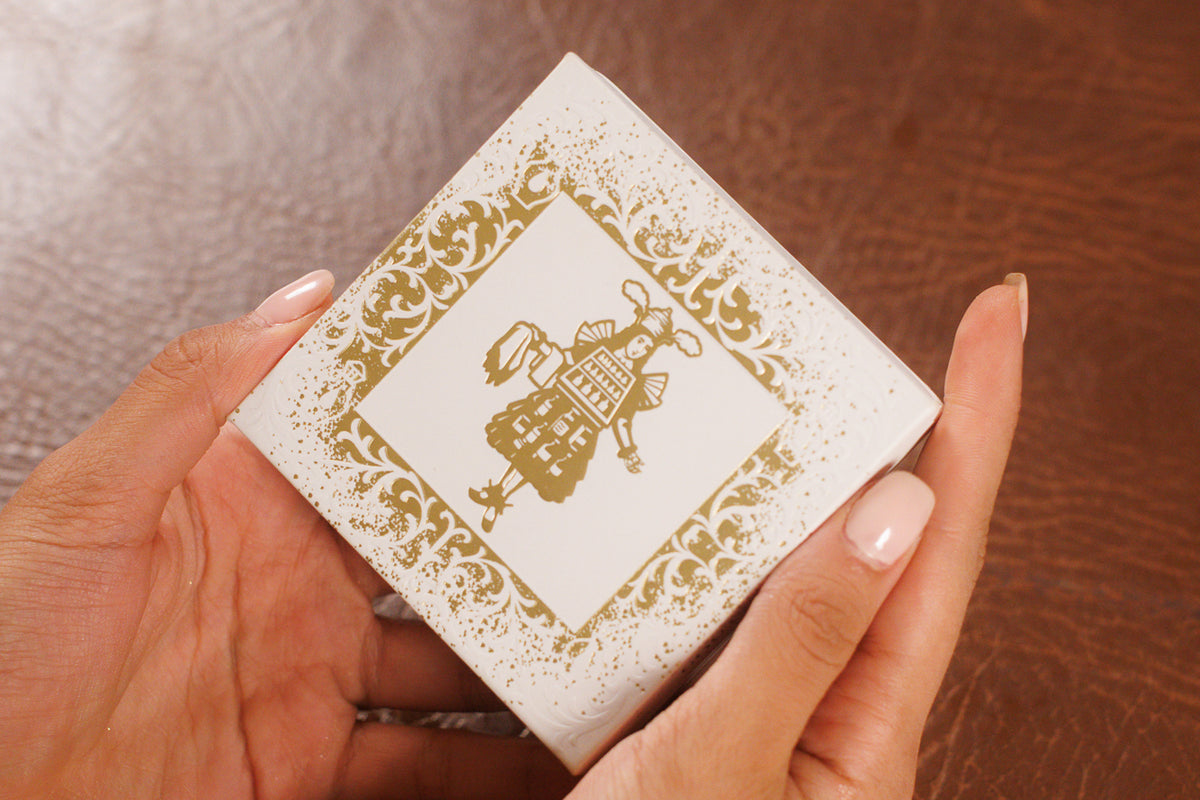
КАЖДЫЙ ДЕКАНТ
От оригинального флакона до вашей двери
Мы покупаем оригинальный флакон по полной розничной цене напрямую у дома.
Шприц Socorex медицинского класса берёт точные миллилитры прямо из флакона.
Уложен в коробку с горячим тиснением и передан DHL, все пошлины уже оплачены. Как создаётся декант
Ещё от Lost Tribe

Вам также может понравиться