

Argos
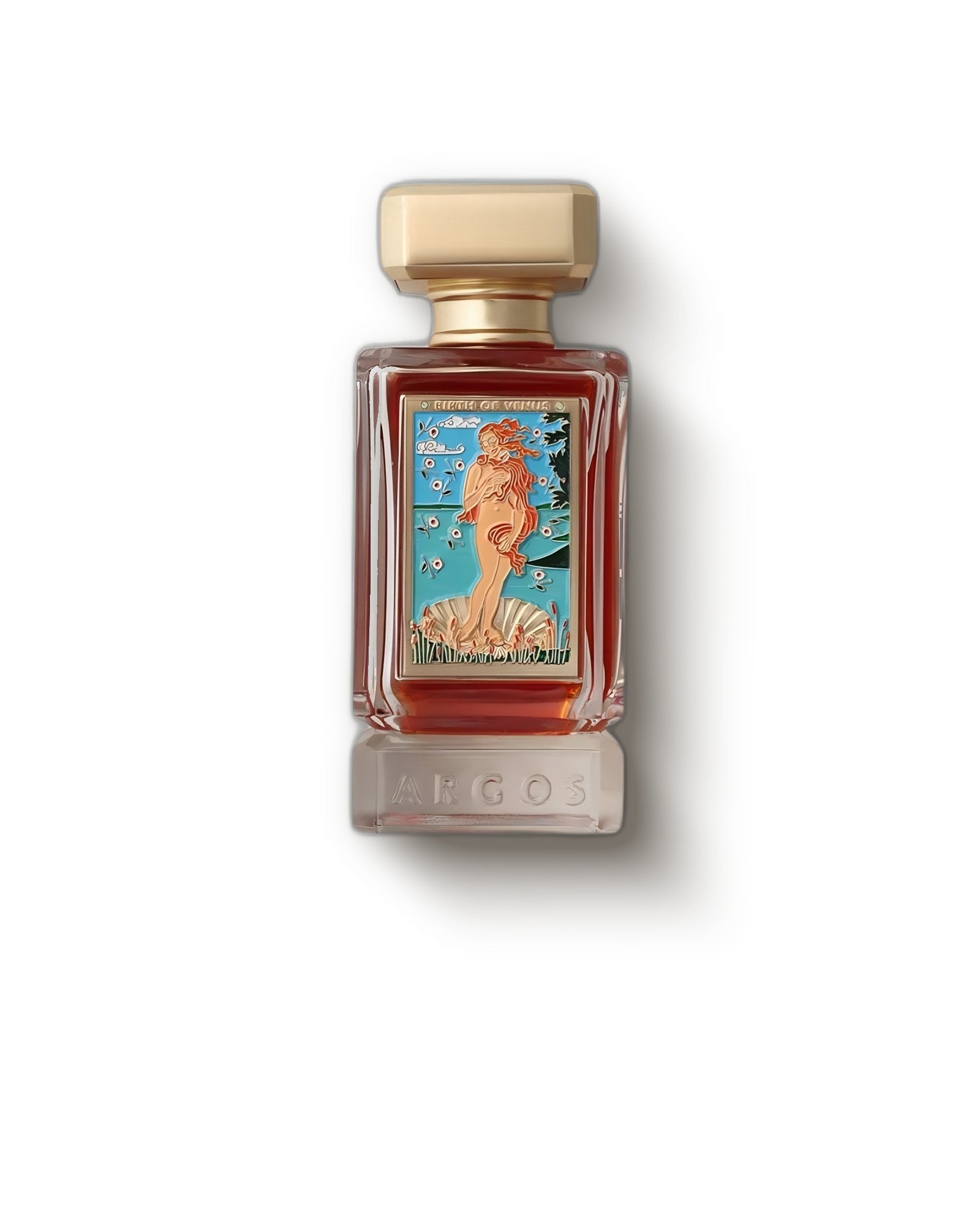
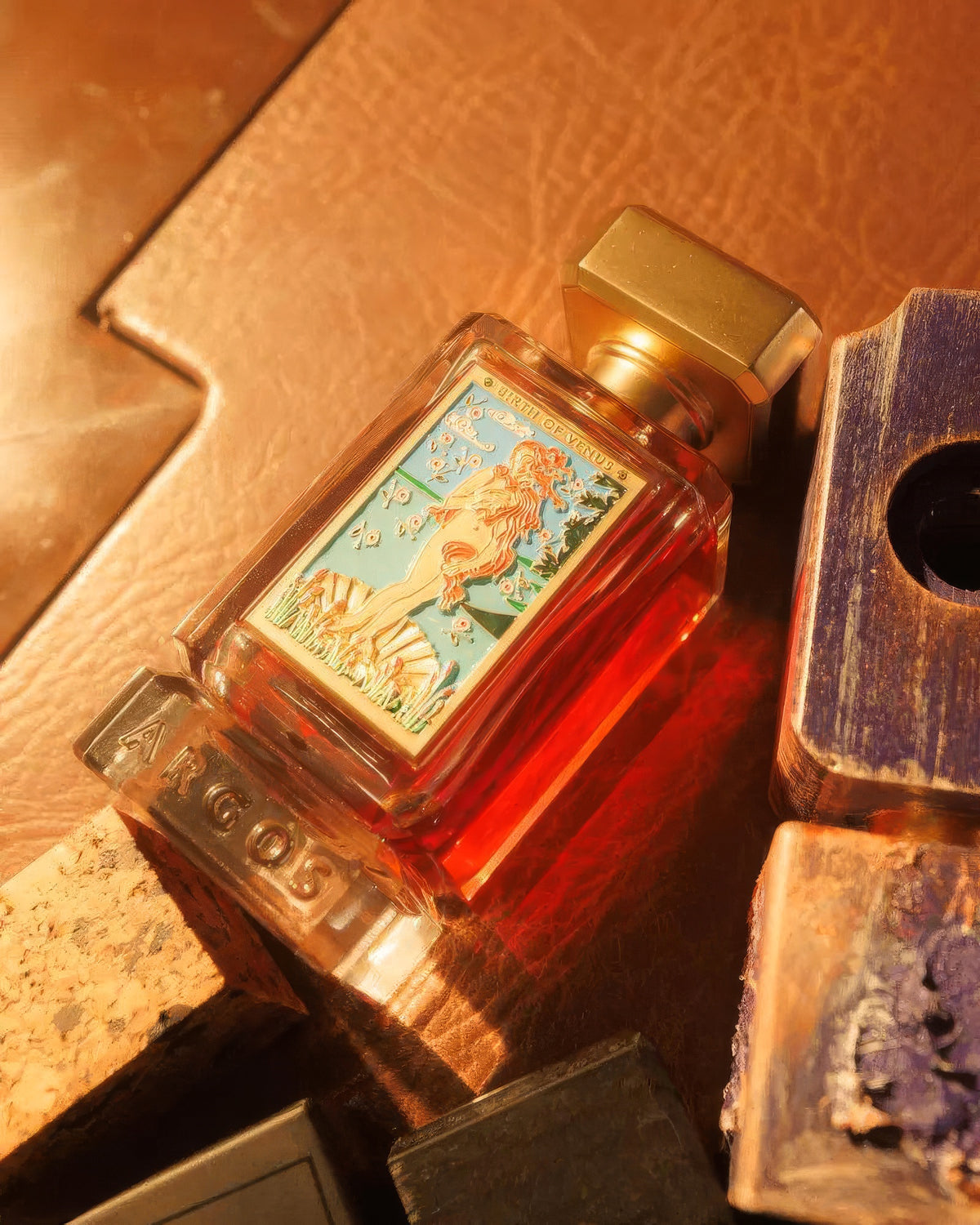
Birth of Venus
Birth of Venus는 복숭아, 자몽, 오렌지 블로섬이 어우러진 발랄한 프루티 플로럴로, 라즈베리, 로즈, Jasmine Sambac 위로 초콜릿의 은은한 속삭임이 감돌며, 크리미한 앰버, Mysore Sandalwood, Cashmere Wood로 부드럽게 가라앉습니다.
스토리
Argos는 바다 거품 속에서 떠오르는 여신을 영감의 원천으로 삼아, 생동감 넘치는 과일과 화이트 플로럴이 부드럽고 크리미한 우디 베이스 위에 펼쳐지는 찬란하고 여성스러운 부케를 탄생시켰습니다. 사랑스럽고 세련되며, 편안하게 즐길 수 있는 향입니다.


프루티
잘 익은 과수원의 즙
복숭아, 배, 사과, 베리의 즙 가득한 달콤함으로, 부드럽고 이슬 맺힌 듯하며 날카로운 시트러스와는 다른 꿀 같은 무르익음을 품습니다. 발랄하고 군침 도는 둥근 인상이 어리고 즙 가득하며 경쾌한 분위기를 자아냅니다.


스위트
살결 위의 먹음직스러운 온기
어느 하나가 압도하지 않으면서 캐러멜, 꿀, 솜사탕을 떠올리게 하는 둥글고 설탕 같은 성격입니다. 위안을 주고 호사스러운 인상으로, 향을 부드럽고 다정하며 거의 맛볼 수 있을 듯하게 만드는 구르망한 끌림을 자아냅니다.


시트러스
아침을 여는 첫 밝은 향
레몬, 베르가못, 오렌지 껍질의 톡 터지는 즙처럼 싱그러운 밝음으로, 새콤하고 발랄하며 깨끗한 쌉쌀함을 가장자리에 둡니다. 향의 첫인상에 즉각적인 부양감과 반짝임을 더하며, 신선하고 활기차게, 물 위의 햇살처럼 빠르게 증발합니다.


화이트 플로럴
어질한 꽃, 도취적이고 크리미한
무르익은 인돌의 달콤함이 푸른 결과 살짝 무르익은 과일의 기운으로 둘러싸인, 어질하고 거의 도취적으로 피어나는 크리미한 꽃잎입니다. 관능적이고 취하게 하는 인상으로, 방을 가득 채우고 따뜻한 살결 위에 오래 머무는 종류의 꽃입니다.


로즈
벨벳 꽃잎, 꿀과 가시
진짜 꽃잎의 층진 향으로, 첫인상은 이슬 맺히고 프루티하다가, 잼처럼 꿀빛으로 깊어지는 심장부에 희미한 후추와 푸른 알싸함을 더합니다. 시대를 초월하고 감정을 자아내며, 피어나는 결에 따라 섬세했다가 또 위풍당당해집니다.


앰버
따스하게 빛나는 황금빛 수지
라브다넘, 벤조인, 바닐라가 빚어낸 부드럽고 수지 같은 광채로, 달콤하면서도 어슴푸레합니다. 햇볕에 데워진 나무 수액에 인센스 연기가 한 줄기 스민 듯한 향이 피부 가까이에서 아늑한 황금빛 온기를 발하며 오래 머뭅니다.


피치
The lab-built peach behind nearly every fruity scent
원료 소개
자연에서 사용 가능한 복숭아 오일이 존재하지 않기 때문에, 주류 조향업계는 대신 핵심 단일 분자인 감마-운데칼락톤에 의존합니다. 오랫동안 알데하이드 C14 또는 단순히 '피치 알데하이드'로 알려진 이 성분은 관련 락톤으로 보완되며, 어떤 과일에서도 추출하지 않는 순수 합성 향료 화학물질입니다. 하나의 원료가 천연 버전 전체 부케에 해당하는 역할을 해냅니다.
향기
즉각적이고 분명하게 복숭아 향입니다. 달콤하고 크리미하며 약간 버터 같고, 통조림 과일 특유의 둥근 느낌이 있습니다. 천연 어코드에 비해 더 밝고 깔끔하며 선형적으로, 첫 스프레이부터 드라이다운까지 같은 형태를 유지하며 오로지 복숭아만을 냄새 맡습니다. 과일의 선명하고 자신감 있는 만화 같은 버전입니다.
조향에서의 역할
모든 가격대의 수많은 프루티, 플로럴, 구르망 구성에 엮여 있는 보편적인 복숭아 향입니다. 몇 방울만으로도 블렌드에 부드러움과 과일 향을 안정적으로 더할 수 있기 때문에, 고급 원료가 아닌 기본 빌딩 블록으로 사용됩니다. 로즈, 화이트 플라워, 바닐라, 머스크와 손쉽게 어우러져 세련된 현대적 달콤함을 만들어냅니다.
알아두면 좋은 점
이것은 전혀 비판이 아닙니다. 합성 원료는 깔끔하고 강력하며 저렴하고 배치마다 동일하기 때문에 시장을 지배하는 것입니다. 이 어코드는 어떤 천연 재현보다 오래 지속되고 더 강하게 발산되며, 비용은 그 일부에 불과합니다. 그 대신 포기하는 것은 오직 실제 식물 원료로 과일을 구성할 때만 얻을 수 있는, 변화무쌍하고 약간 플로럴하며 불완전한 복잡성입니다.


오렌지 블로섬
White petals between honey and bitter green
원료 소개
주로 튀니지, 모로코, 지중해 연안에서 재배되는 비터 오렌지 나무 Citrus aurantium의 꽃입니다. 손으로 수확한 흰 꽃에서 두 가지 원료를 얻는데, 신선한 꽃을 수증기 증류한 네롤리와, 같은 꽃잎에서 용매 추출하여 만든 더 풍부하고 왁시한 콘크리트를 알코올로 세척한 오렌지 블로섬 앱솔루트가 그것입니다.
향의 느낌
꿀향 넥타를 중심으로 한 달콤한 화이트 플로럴로, 깔끔한 비터-그린한 끝과 희미한 메탈릭 청량감이 리프트를 줍니다. 네롤리는 밝고 약간 비누 같은 느낌이며, 앱솔루트는 더 따뜻하고 아니말리크하며 인돌릭하여 달콤함 아래 부드럽고 거의 머스크 같은 깊이를 품고 있습니다.
조향에서의 역할
시트러스 탑 노트와 플로럴 또는 머스키 베이스를 잇는 하트 노트로, 광채와 신선한 달콤함을 더합니다. 확산력 있고 생기 넘치는 네롤리 어코드에서부터 대담한 화이트 플로럴을 관통하는 플러시하고 인돌릭한 블로섬까지, 클래식 코롱과 모던 플로럴 모두에서 기반을 이룹니다.
흥미로운 사실
네롤리라는 이름은 17세기 로마 근교 네롤라의 공주 안나 마리아 데 라 트레무아유에서 유래했다고 전해지며, 그녀는 이 오일로 장갑과 목욕물에 향기를 더했다고 합니다. 네롤리 1킬로그램을 증류하려면 신선하게 채취한 꽃이 약 1톤 필요하여 그 가치가 높습니다.


자몽
Bitter-bright citrus burst with a sulfurous tang
원료 소개
자몽 오일은 Citrus paradisi의 과피에서 냉압착으로 추출됩니다. 이 대형 아열대 감귤류는 카리브해에서 자연 교잡된 포멜로와 스위트 오렌지의 혼종입니다. 기계적 압착으로 껍질의 오일 분비선이 터지면서 리모넨이 풍부하고 미량의 누트카톤과 유황 화합물을 함유한 방향성 오일이 방출됩니다.
향기 특성
날카롭고 즙이 많으며 발포성 있는 향으로, 특유의 쌉싸름한 껍질 느낌과 약간 땀 냄새 같은 유황 탱글함이 진짜 자몽의 특징을 그대로 전달합니다. 톡 쏘는 군침 도는 밝음으로 시작하다가 빠르게 사그라들며 깨끗하고 약간 비누 향 같은 쌉쓸한 그린 인상을 남깁니다.
향수에서의 역할
즉각적인 신선함과 현대적이며 살짝 쌉싸름한 생기를 전달하는 탑 노트로, 네롤리, 민트, 베티버, 우디 앰버 베이스와 잘 어울립니다. 시트러스 포워드 콜로뉴, 포멜로 테마의 오, 그리고 많은 현대 스포츠 및 유니섹스 향수의 밝은 오프닝을 담당합니다.
알아두면 좋은 사실
자몽 특유의 향은 주로 미량 분자인 누트카톤과 자몽 메르캅탄(1-p-멘텐-8-티올)에서 비롯되며, 후자는 ppb(10억분의 1) 수준에서도 감지됩니다. 이 오일은 푸로쿠마린 성분으로 인해 광독성이 있어, 푸로쿠마린 제거 형태로 사용되거나 향수 안전 지침에 따라 사용량이 제한됩니다.


베르가못
Sparkling citrus light with a bittersweet edge
원료 소개
Bergamot은 Citrus bergamia라는 소형 감귤류 과일로, 거의 전량이 이탈리아 남부 칼라브리아 해안 지대에서 재배됩니다. 방향유는 덜 익은 황록색 과실의 껍질 속 분비 세포에 담겨 있으며, 증류가 아닌 냉압착 방식으로 껍질에서 기계적으로 추출하여 신선한 밝기를 그대로 보존합니다.
향기 묘사
밝고 생동감 넘치며 그린 한 느낌으로, 달콤한 시트러스의 반짝임이 플로럴하고 거의 차(茶)를 닮은 부드러움으로 가라앉습니다. 그 아래로는 레몬이나 오렌지와 차별화되는 은은한 쓴맛과 발사믹한 온기가 흐릅니다. 오프닝에서 생기 넘치게 피어오른 뒤 빠르게 사그라들며 은은하고 살짝 스파이시한 여운을 남깁니다.
조향에서의 역할
클래식한 탑 노트인 Bergamot은 신선함과 가벼움을 더하면서 날카로운 시트러스를 하트 노트와 자연스럽게 연결합니다. 오 드 코롱과 푸제르 계열의 대표적인 향료로, 라벤더, 네롤리, 오크모스와 잘 어우러집니다. 현대적인 프레시 플로럴 조향의 오프닝을 수놓는 핵심 원료이기도 하며, 얼그레이 홍차 특유의 향도 바로 이 오일에서 비롯됩니다.
알아두면 좋은 점
천연 Bergamot 오일에는 푸로쿠마린의 일종인 베르갑텐이 함유되어 있어 피부가 햇빛에 매우 민감해지고 화상을 유발할 수 있습니다. 현대 조향에서는 IFRA 안전 기준을 충족하기 위해 베르갑텐 프리(FCF) 오일을 사용하므로, 대부분의 현대 향수에 쓰이는 Bergamot은 원물 냉압착 오일이 아닌 정제된 형태입니다.


라벤더
Cool herbal blue from a sunlit hillside
원료 소개
Lavender는 꿀풀과에 속하는 지중해 목질 관목으로, 주로 Lavandula angustifolia이며 프로방스와 불가리아 일대에서 재배됩니다. 만개 시 꽃 상단을 잘라 수증기 증류하면 연한 에센셜 오일이 얻어지고, 꽃을 용매 추출하면 더 짙고 풍부한 앱솔루트가 만들어집니다.
향기 특징
청량하고 허브향이 풍부한 아로마틱한 향으로, 부드러운 플로럴 스위트니스 위에 시원한 캠퍼 느낌이 올라옵니다. 첫 발향은 날카롭고 그린하며 거의 민트에 가깝고, 건조되면서 건초, 은은한 바닐라, 파우더리하고 살짝 과일향이 느껴지는 포근한 잔향으로 이어집니다. 진정한 angustifolia는 거친 lavandin 하이브리드보다 더 부드럽고 달콤한 향을 냅니다.
퍼퓨머리에서의 역할
탑에서 하트로 이어지는 노트로, 오크모스, 쿠마린, Tonka Bean과 어우러지는 바버샵 어코드에서 푸제르 계열의 중심 축을 담당합니다. 시트러스 코롱과 브라이트 플로럴을 부드럽게 만들어주기도 합니다. 위대한 선구적 아로마틱 푸제르와 수많은 아로마틱 남성 향수의 기반이 됩니다.
알아두면 좋은 사실
프로방스의 라벤더 밭은 수백만 명의 방문객을 끌어들이지만, 시판되는 오일의 상당수는 실제로 헥타르당 생산량이 훨씬 많은 불임 하이브리드인 lavandin입니다. 식물플라즈마 위황병을 퍼뜨리는 진딧물로 인해 진정한 angustifolia 재배지는 더 서늘한 고산 지대로 올라가고 있습니다.


라즈베리
Lab-built raspberry, bright, clean, everywhere
원료 소개
현대 향수업계에서 쓰이는 일상적인 라즈베리는 과일에서 사용 가능한 오일이 추출되지 않기 때문에 천연 추출물이 아닌 합성 어코드입니다. 그 핵심은 베리를 가장 잘 정의하는 아로마 케미컬인 라즈베리 케톤이며, 즙감과 리프트를 더하는 프루티 에스터로 마무리됩니다. 이 원료들은 고정된 사양으로 실험실에서 제조되므로 모든 배치가 동일한 향을 냅니다.
향기 특성
즉각적으로 라즈베리임을 알 수 있는 향으로, 밝고 달콤하며 약간 캔디 같고 탑에 깨끗한 프루티 스파클이 있습니다. 천연 재현보다 더 선형적이고 선명하게, 첫 분사부터 드라이다운까지 형태를 유지합니다. 기분 좋은 즙감이 있지만 고농도에서는 과자 같고 잼 같은 성격으로 기울 수 있습니다.
향수에서의 역할
프루티 플로럴부터 구르망까지, 메인스트림과 상업적 향수 전반에서 발견되는 대표적인 라즈베리입니다. 로즈, 패출리, 바닐라, 화이트 머스크와 깔끔하게 블렌딩되며 예상치 못한 변수 없이 안정적으로 베리의 생기를 전달합니다. 뛰어난 강도, 안정성, 저렴한 비용 덕분에 라즈베리 노트가 필요한 곳이면 어디서나 기본 선택이 됩니다.
알아두면 좋은 사실
합성 원료는 깨끗하고 밝으며 일관성 있고 저렴합니다. 그것이 바로 합성 원료가 시장을 지배하는 이유이며, 여기에 부정직함은 없습니다. 단점은 개성입니다. 실험실 버전은 천연 원료로 구현된 과일보다 평탄하고 균일하게 느껴질 수 있습니다. 하지만 대부분의 향수에서 바로 그 예측 가능한 밝음이 핵심입니다.


초콜릿
Roasted cacao melting dark and bittersweet
원료 소개
남아메리카 아마존 상류 유역이 원산지이며 지금은 주로 서아프리카에서 재배되는 열대 나무 Theobroma cacao의 씨앗에서 얻습니다. 발효하고 건조한 뒤 로스팅한 콩을 갈아 코코아 매스를 만들며, 조향에서는 로스팅한 닙에서 용매 추출한 코코아 앱솔루트를 재구성 어코드와 함께 사용합니다.
향의 느낌
카카오 함량이 높은 다크 초콜릿처럼 깊고 드라이하며 쌉싸름하고, 달다기보다는 로스팅한 듯 은은하게 파우더리합니다. 구운 듯 너티하고 어시한 면이 커피, 먼지 같은 코코아 파우더의 결과 함께 떠오릅니다. 밀크 초콜릿처럼 크리미하게 기울 수도 있고, 절제된 카카오의 쓴맛에 머무를 수도 있습니다.
조향에서의 역할
풍부한 온기와 깊이, 먹음직스러운 편안함을 더하는 베이스에서 하트로 이어지는 구르망 노트입니다. 바닐라, 커피, 파출리, 로즈, 오렌지, 통카와 잘 어울리며, 기념비적인 프루티 구르망과 다크 앰버 조향을 이끌고 코코아를 앞세운 수많은 구르망 향수를 떠받칩니다.
알아두면 좋은 점
코코아 앱솔루트는 파이라진이 지배하는데, 커피와 빵 껍질에서 생성되는 것과 같은 로스팅한 너트 향의 분자입니다. 속명 Theobroma는 신들의 음식이라는 뜻이며, 원물 코코아 앱솔루트는 어떤 달콤한 캔디 바보다도 훨씬 쓰고 짭짤한 감칠맛이 납니다.


로즈
The queen of flowers, fresh and endlessly deep
원료 소개
조향에 쓰이는 장미는 주로 두 종에서 옵니다. 불가리아의 장미 계곡과 터키에서 재배되는 Rosa damascena, 그리고 그라스의 Rosa centifolia입니다. 꽃은 동트기 전부터 아침까지 수확하여 수증기 증류로 로즈 오토를 얻거나, 용매 추출로 왁시한 콘크리트를 거쳐 더 깊고 붉은 앱솔루트를 만듭니다.
향의 느낌
풍성하고 프레시하며 틀림없는 플로럴로, 허니 스위트니스와 그린하고 이슬 같은 리프트가 있습니다. 아래에는 스파이시하고 프루티하며 살짝 티 같은 면이 있고, 앱솔루트에서는 더 어둡고 잼 같은 깊이가 납니다. 로즈 오토는 크리스프하고 밝게 열리며, 앱솔루트는 더 따뜻하고 스모키하며 관능적으로 느껴집니다.
조향에서의 활용
비범한 범위를 지닌 하트 노트로, 로즈는 바디, 프레시니스, 자연스러운 플로럴 풍성함을 더하며 거의 모든 소재와 블렌딩됩니다. 시프레와 플로럴 계열의 중심이 되며 우드, 패출리, 바이올렛과 어울립니다. 수많은 클래식 플로럴 및 시프레 컴포지션의 주인공입니다.
알아두면 좋은 사실
로즈 오토 1킬로그램을 증류하려면 손으로 딴 꽃이 약 3,000에서 4,000킬로그램 필요하며, 이것이 이 오일이 귀금속에 버금가는 가격을 갖는 이유 중 하나입니다. 채취는 햇빛이 가장 향기로운 성분을 날려 보내기 전인 동트기 전부터 아침까지 이루어집니다.


자스민 삼박
The white flower of warm Eastern nights
원료 소개
Jasmine Sambac는 물푸레나무과의 덩굴성 관목 Jasminum sambac로, 인도, 중국, 필리핀에서 재배됩니다. 작은 흰 꽃은 향이 최고조에 달하는 해질 무렵 이후에 피어 새벽 전에 손으로 채취됩니다. 용매 추출로 왁시한 콘크리트를 얻고, 알코올로 세척하여 앱솔루트를 만듭니다.
향의 느낌
그랑디플로럼 재스민보다 더 밝고 그리너하며 티 같은 면이 강하고, 프루티한 무거움이 덜합니다. 크리스프하고 살짝 왁시하게 열리며 거의 바나나 같은 뉘앙스가 느껴지다가, 따뜻한 인돌릭 스위트니스로 깊어집니다. 그 인돌은 애니멀릭하고 마취적인 언더톤을 지녀 가까이서는 몽롱하게 느껴지지만 맑고 밝은 느낌을 유지합니다.
조향에서의 활용
리프트와 바디로 높이 평가받는 하트 노트로, 로즈, 튜베로즈, 샌달우드, 그린 티 어코드와 블렌딩됩니다. 화이트 플로럴 부케의 앵커가 되고 날카로운 시트러스를 부드럽게 합니다. 일부 야간 개화 솔리플로르는 거의 전적으로 Sambac에 기반하며, 수많은 티 플로럴 컴포지션을 관통합니다.
알아두면 좋은 사실
Sambac는 필리핀의 국화 삼파기타로, 화환으로 엮어 중국 재스민 차의 향을 내는 데 사용됩니다. 꽃이 작고 긴 계절 동안 매일 밤 손으로 채취하기 때문에, 앱솔루트는 조향사의 팔레트에서 가장 비싼 플로럴 중 하나에 속합니다.


나르키소스
Hay, honey and a green animal hush
원료 소개
수선화과의 구근 식물 Narcissus poeticus의 꽃에서 추출한 앱솔루트입니다. 조향용으로는 프랑스 오베르뉴 지방 오브락 고원의 고지대 초원에서 손으로 수확하는데, 20세기 중반 그라스 일대에서 재배지가 이곳으로 옮겨온 뒤부터입니다. 꽃을 용매 추출해 콘크리트를 만든 다음, 알코올로 세정해 진하고 짙은 앱솔루트를 얻습니다.
향의 느낌
아찔하고 마취적인 깊이 위에 그린과 플로럴이 얹힙니다. 짓이겨진 꽃잎, 갓 벤 건초와 타바코가 느껴지고, 인돌에서 오는 꿀 같으면서 희미하게 분변을 연상시키는 면이 함께 나타납니다. 풀 같고 허벌하게 열린 뒤 어시하고 레더리하며 모시한 잔향으로 마르는데, 밝은 수선화가 짐작하게 하는 것보다 훨씬 어둡고 낯섭니다.
조향에서의 역할
그린한 마취적 풍성함과 건초 같은 모시한 깊이를 더해 시프레와 플로럴을 한층 깊게 만드는 하트 노트입니다. 자스민, 오크모스, 레더, 이모르텔과 잘 어울립니다. 검고 애니멀릭한 면이 어두운 빈티지 플로럴 여러 편을 지탱하고, 클래식한 레더리 시프레를 관통합니다.
알아두면 좋은 점
나르시스 앱솔루트는 가장 값비싼 플로럴 원료에 속합니다. 봄철 몇 주 동안 빗으로 훑어 손수 베어 내는 데다 오일 수율이 매우 낮기 때문입니다. 이름은 물에 빠져 죽은 그리스 청년이 아니라 마비를 뜻하는 그리스어 narke에서 유래한 것으로 보이며, 머리가 어질할 만큼 마취적인 이 꽃의 향에서 비롯되었습니다.


앰버
A warm resinous glow built, not harvested
원료 소개
Amber는 단일 원료가 아닌 조향사의 어코드로, 주로 labdanum(지중해 록로즈 관목 Cistus ladanifer의 끈적한 수지), benzoin, 바닐라를 블렌딩하며 때로는 tonka나 Peru balsam을 더하기도 합니다. 이름과 달리 화석화된 나무 호박(amber)과는 아무 관련이 없으며, 화석 호박은 피부 위에서 무취입니다.
향의 느낌
따뜻하고 부드러우며 발사믹하며, 건조한 수지 위에 파우더리한 달콤함이 감돕니다. labdanum에서 꿀 같고 은은하게 동물적으로 열리다가, 밀랍, 담배, 낡은 가죽을 연상시키는 둥글고 황금빛 따뜻함으로 가라앉으며, 피부 가까이 오래 머무는 은은한 스모키하고 인센스 같은 음조가 흐릅니다.
조향에서의 역할
따뜻함, 깊이, 긴 지속력으로 높이 평가받는 베이스 노트로, 오리엔탈과 앰버 컴포지션의 닻 역할을 합니다. 바닐라, 패출리, 샌달우드, 스파이스와 자연스럽게 어울립니다. 스위트 바닐라 앰버 템플릿은 조향의 클래식이며, 보다 드라이하고 수지 중심적이며 허브적인 해석에서는 또 다른 면을 보여줍니다.
알아두면 좋은 점
이 단어는 한때 향유고래의 장에서 생성되는 왁스 같은 분비물인 앰버그리스(ambergris)를 의미하기도 했는데, 화석 나무 호박, 고래 앰버그리스, 수지 어코드라는 서로 무관한 세 가지를 수백 년간 혼동하게 했습니다. 현대 앰버 베이스는 완전히 식물성 및 합성 원료로 이루어져 있으며, Ambroxan 같은 분자에 의존하고 동물성 원료는 사용하지 않습니다.


베티버
Cool damp earth pulled from tangled roots
원료 소개
Vetiver는 인도 원산의 키 큰 열대 군생 벼과 식물 Chrysopogon zizanioides로, 현재 주로 아이티, 자바, 레위니옹에서 재배됩니다. 귀한 부분은 지하의 조밀한 섬유질 뿌리망으로, 굴취 후 세척, 건조, 수증기 증류하여 걸쭉한 앰버-그린빛 에센셜 오일을 얻습니다.
향기 특징
우디하고 뿌리향 나는 베이스 위에 서늘하고 촉촉한 흙내음과 갓 베어낸 잔디향이 있습니다. 아이티 오일은 부드럽고 스모키하며 살짝 헤이즐넛 같은 달콤함이 있고, 자바 오일은 더 어둡고 가죽 같습니다. 그 아래에는 드라이한 시더, 자몽 같은 쓴맛, 그리고 시간이 지나도 오래 지속되는 그린한 미네랄감이 깔립니다.
퍼퓨머리에서의 역할
지속력, 그라운딩하는 흙내음, 천연 픽서티브 효과로 소중히 쓰이는 베이스 노트입니다. 시프레와 푸제르를 잡아주며 시트러스, 레더, 담배와 잘 어울립니다. 많은 Vetiver 솔리플로르가 이를 중심에 두며, 더 스모키하고 재 같은 면은 사이프러스와 시더 곁에서 빛납니다.
알아두면 좋은 사실
아이티는 세계 Vetiver 오일의 약 절반을 공급하며, 대부분 소규모 농가에서 재배됩니다. 향수 한 병에 담기는 그 깊은 뿌리는 전 세계 언덕에 심겨 토양 침식을 막고 다른 것이 버티지 못하는 경사지를 안정시키는 살아있는 방벽 역할도 합니다.


시더우드
Dry pencil shavings and sun-warmed timber
원료 소개
여러 침엽수의 목재, 대패밥, 톱밥을 수증기 증류한 에센셜 오일입니다. 주요 원료는 버지니아 시더와 텍사스 시더(둘 다 주니퍼), 그리고 Cedrus속의 진정한 아틀라스 시더와 히말라야 시더입니다. 향기로운 오일은 심재와 제재소 부산물에 농축됩니다.
향기 특징
드라이하고 우디하며 따뜻한 향으로, 갓 깎은 연필과 시더 옷장의 전형입니다. 버지니아 시더는 연필 같고 발사믹하며, 아틀라스 시더는 더 부드럽고 달콤하며 거의 꿀-수지 같습니다. 모든 종류에 걸쳐 깨끗하고 약간 스모키하며 은은하게 캠퍼향 나는 톤이 흐르다가 매끄럽고 수액 같은 온기로 드라이다운됩니다.
퍼퓨머리에서의 역할
다른 원료에 드라이한 우디 구조, 리프트, 백본을 제공하는 다재다능한 하트에서 베이스로 이어지는 노트입니다. Vetiver, Sandalwood, 로즈, 시트러스, 인센스와 잘 어울립니다. 시더는 우디-플로럴 빌드의 스모키한 드라이다운과 수많은 현대 우디-앰버 베이스를 형성합니다.
알아두면 좋은 사실
연필과 수납장에 사용되는 시더는 식물학적으로 진정한 Cedrus가 아닌 주니퍼인 경우가 많습니다. Cedramber, Iso E Super 같은 시더 유래 분자들이 현대 우디 향수의 상당 부분을 구동하며, Cedarwood는 퍼퓨머리에서 가장 조용히 어디에나 존재하는 빌딩 블록 중 하나입니다.


마이소르 샌달우드
The creamy gold standard of fragrant wood
원료 소개
천천히 자라는 반기생 나무 Santalum album의 심재로, 역사적으로 인도 카르나타카 주 마이소르 지역에서 귀하게 여겨졌습니다. 단단한 내부 목재와 뿌리를 깎아 수증기 증류합니다. 방향성 오일은 성숙한 심재에만 농축되어 약 30년 이상 자란 나무에서 비로소 의미 있게 발현됩니다.
향기 특성
부드럽고 크리미하며 밀크 같은 향으로, 둥글고 우디하게 달콤한 바디와 거의 유산적(乳酸的)으로 느껴지는 은은한 새콤버터 여운이 있습니다. 따뜻하고 로지하며 발사믹한 면이 아래에 깔립니다. 부드럽게 열리며 천천히 펼쳐지고, 날카로움이나 스모크 없이 조용하고 피부와 같은 지속적인 우디함으로 드라이다운됩니다.
향수에서의 역할
오래 지속되는 부드러운 테너시티와 다른 원료를 고정하고 둥글게 만드는 힘으로 가치 있는 베이스 노트입니다. 로즈, 자스민, 바이올렛, 우드와 잘 어울립니다. Mysore 함량이 높은 샌달우드는 위대한 빈티지 밀키 우디 오리엔탈을 정의하며, 수많은 부드럽고 피부 같은 컴포지션에 크리미한 우디 하트를 부여합니다.
알아두면 좋은 사실
인도산 샌달우드는 거의 멸종 직전까지 과도하게 채취되었으며, 현재 입목과 거래는 인도 정부의 엄격한 허가 및 경매 관리 하에 있습니다. 진정한 숙성 마이소르 오일은 희귀해지고 고가가 되어, 조향사들은 플랜테이션 재배 호주산 Santalum album과 Javanol 같은 합성 원료로 눈을 돌리고 있습니다.


캐시미어 우드
A made-up wood that smells of warm skin
원료 소개
식물학적 출처가 없는 판타지 노트입니다. 캐시미어 나무는 존재하지 않습니다. 이 향은 합성 분자 캐시메란(화학명 DPMI)으로, 1968년 IFF의 John Hall이 처음 합성했습니다. 전적으로 실험실 화학으로 만들어진 폴리사이클릭 케톤으로, 실온 근처에서 녹는 고체입니다.
향기 특성
부드럽고 확산력이 좋으며 따뜻한 향으로, 우디와 머스키 사이에 위치합니다. 드라이한 블론드 우드와 깨끗한 화이트 머스크가 스파이시하고 발사믹하며 은은하게 바닐라 같은 온기에 감싸이고, 오래된 종이와 파인 수지 같은 여운이 있습니다. 미량에서는 짭조름하고 추상적이며, 햇볕에 데워진 피부 같은 느낌을 줍니다.
향수에서의 역할
광채와 오래 지속되는 웨어로 사랑받는 워크호스 베이스 노트로, 날카로운 면을 부드럽게 하고 컴포지션을 늘려주는 벨벳 같은 울 헤이즈를 부여합니다. 앰버, 아이리스, 로즈, 화이트 머스크와 잘 어울리며, 수많은 현대 우디 머스크 향수와 함께 Donna Karan Black Cashmere의 앵커 역할을 합니다.
알아두면 좋은 사실
브랜드들은 자연스러운 인상을 주기 위해 노트 피라미드에서 캐시메란을 Cashmere Wood, Cashmere Musk, Blond Woods로 표기하는 경우가 많지만, 그런 식물은 존재하지 않습니다. 이 분자는 완성도가 높아 조향사들이 거의 완성된 어코드처럼 단독으로 사용하기도 하며, 분자와 원료 사이의 경계를 흐립니다.


라브다넘
Sticky amber resin scraped from sun-baked rockrose
원료 소개
Labdanum은 지중해 서부 원산의 록로즈 관목 Cistus ladanifer에서 채취하는 짙고 끈적한 수지입니다. 식물은 여름 더위에 잎과 가지에서 향기로운 검(gum)을 분비하며, 이를 가지째 끓이거나 긁어내 조제 수지를 얻고 용매 추출을 통해 앱솔루트와 레지노이드를 만듭니다.
향의 느낌
깊고 따뜻하며 발사믹하여, 가죽 같고 동물적이며 은은하게 달콤한 면이 소프트 앰버처럼 느껴집니다. 말린 과일, 꿀, 스모크, 파인 향의 음조가 흐릅니다. 처음에는 수지 같고 거의 앰버그리스에 가까운 향으로 열리다가, 갈색 빛 담배와 가죽의 따뜻함으로 드라이다운되어 오랫동안 지속됩니다.
조향에서의 역할
대부분의 앰버 어코드(주로 바닐라와 benzoin을 조합)의 천연 중추를 이루는 기초 베이스 노트이자 픽사티브입니다. 시프레, 오리엔탈, 레더 계열을 풍성하게 하며 로즈, 오크모스, 인센스와 잘 어울립니다. 황금기 오리엔탈 클래식과 수많은 앰버 컴포지션의 근간이 됩니다.
알아두면 좋은 점
고대에는 cistus 덤불 사이를 돌아다닌 염소와 양의 뒤엉킨 수염과 허벅지에서 labdanum을 빗어내어, ladanisterion이라는 이빨 달린 도구로 긁어냈습니다. 증류법이 등장하기 수천 년 전부터 쓰인 가장 오래된 방향 원료 중 하나입니다.
향의 캐릭터
복숭아, 자몽, Orange Blossom이 밝고 즙 넘치는 오프닝을 열고, 라즈베리, 로즈, 재스민, 그리고 초콜릿의 힌트가 하트를 달콤하게 채우며, 앰버, Mysore Sandalwood, Cashmere Wood가 부드럽고 크리미한 드라이다운을 완성합니다.


지속력
살결 위에 머무는 시간
이 계기는 예상되는 착용 시간을, 즉 향이 사라지기 전 몇 시간이나 살결 위에서 이어지는지를 읽어냅니다. 표식이 낮은 쪽에 가까우면 몇 시간만 스치듯 머문다는 뜻이고, 끝으로 밀린 표식은 아침부터 밤까지 여전히 곁에 남는 향을 약속합니다.


실라주
향이 남기는 자취의 크기
이것은 향이 당신을 넘어 얼마나 멀리 닿는지, 그리고 뒤에 남기는 자취를 읽어냅니다. 낮으면 살결에 부드럽게 머물러 아주 가까이서만 느껴지는 친밀한 속삭임이 되고, 높으면 적당함과 강함을 지나 거대함으로 올라 방을 가득 채우고 당신이 떠난 뒤에도 공기 중에 남습니다.


실험적
대담하고 호기심 어린 이를 위해
반응을 이끌어내고 남들과 구별되고 싶은 이를 위한, 관습을 벗어나 경계를 미는 향입니다. 잉크 같은 타르, 고무, 발효된 과일, 메탈릭하거나 애니멀릭한 결처럼 쉽게 호감 가지 않는 예술적이고 도전적인 조합에 어울립니다. 이 휠에서 환히 빛나는 동전은 모험적인 후각에 보답한다는 뜻이고, 흐릿한 동전은 안전하게 흐른다는 뜻입니다.


오피스
단정하되 결코 과하지 않게
가까이 있는 사람만 알아차릴 만큼의 향이 어울리는, 거리가 가까운 업무 공간입니다. 단정한 시트러스, 부드러운 머스크, 옅은 우드처럼 유능하고 사려 깊게 느껴지는, 절제되고 깨끗하며 멀리 퍼지지 않는 조합에 어울립니다. 이 휠에서 환히 빛나는 동전은 함께 쓰는 공간에서 잘 어울린다는 뜻이고, 흐릿한 동전은 너무 멀리 퍼진다는 뜻입니다.


이브닝
해가 진 뒤, 한껏 피어나는
향이 자신감 있게 깊어지고 멀리 퍼질 수 있는 저녁 식사, 술자리, 밤 외출의 시간입니다. 앰버, 수지, 스모키한 우드, 혹은 은은한 빛 아래 피어나는 풍성한 플로럴처럼 더 진하고 따뜻한 조합에 어울립니다. 이 휠에서 환히 빛나는 동전은 해가 진 뒤 향이 살아난다는 뜻이고, 흐릿한 동전은 낮에 더 잘 맞는다는 뜻입니다.


로맨틱
느낄 만큼 가까이
누군가를 더 가까이 끌어당기려는 친밀한 순간과 데이트 밤입니다. 크리미한 플로럴, 바닐라, 부드러운 머스크, 가까움을 청하는 한 줄기 향신료나 앰버처럼 살결 위에서 은은히 울리는 따뜻하고 관능적인 조합에 어울립니다. 이 휠에서 환히 빛나는 동전은 매혹적인 분위기를 자아낸다는 뜻이고, 흐릿한 동전은 유혹보다 실용에 가깝다는 뜻입니다.


포멀
중요한 자리를 위한 정제된 우아함
침착함과 우아함을 청하는 결혼식, 의식, 갈라, 그리고 격식을 갖춘 자리입니다. 매끄러운 우드, 정제된 플로럴, 부드러운 가죽처럼 고요한 위엄을 품은 단정하고 짜임새 있는 향에 어울리며, 요란하거나 장난스럽지 않습니다. 이 휠에서 환히 빛나는 동전은 알맞은 무게감을 지녔다는 뜻이고, 흐릿한 동전은 그 자리에 비해 너무 캐주얼하다는 뜻입니다.


캐주얼
느긋한 하루의 편안함
용무, 커피, 친구들, 느릿한 주말처럼 별다른 목적 없는 일상의 향입니다. 신선한 시트러스, 가벼운 우드, 은은한 살결의 온기처럼 깨끗하고 자연스러운, 부드럽고 친근한 향에 어울립니다. 이 휠에서 환히 빛나는 동전은 이 향이 그런 느긋한 순간에 잘 맞는다는 뜻이고, 흐릿한 동전은 더 갖춰진 자리를 청한다는 뜻입니다.


낮과 밤
그 분위기가 자연히 머무는 자리
이 슬라이더는 향이 만들어진 시간대를 읽어냅니다. 표식이 왼쪽으로 기울면 환하고 밝아 한낮과 탁 트인 공기에 편안하고, 오른쪽으로 밀수록 성격이 더 깊고 따스해져 저녁과 촛불 켜진 방에 어울리는 존재감으로 바뀝니다.


겨울
찬 공기를 가로질러 닿는 온기
찬 공기는 향을 가라앉히고 느리게 하므로, 겨울은 짙고 따스한 것에 보답합니다. 수지, 연기, 바닐라, 가죽, 앰버 어린 향신료처럼 추위에 맞서 열기를 발하는 것들입니다. 이 막대는 이 향이 추운 날씨 속에서 얼마나 강하게 버티고 빛나는지를 보여줍니다.


봄
부드럽게 오르는 온기 속 싱그러운 꽃
온화하고 습한 공기는 가벼운 조합을 아름답게 들어 올리므로, 봄은 이슬 맺힌 플로럴, 푸른 줄기, 부드러운 파우더, 무겁지 않고 살아 있는 듯한 투명한 시트러스에 어울립니다. 이 막대는 이 향이 신선하고 은은히 따스해지는 그 계절에 얼마나 잘 맞는지를 보여줍니다.


여름
진짜 더위 속 밝고 가벼운
열기는 향을 강하게 증폭시키고 멀리 퍼뜨리므로, 여름은 서늘하고 또렷하며 가벼운 것들을 청합니다. 날카로운 시트러스, 짭짤한 바다 공기, 향긋한 허브, 물기 어린 신선함처럼 답답하지 않고 산뜻하게 합니다. 이 막대는 이 향이 진짜 더위 속에서 얼마나 편안하게 어울리는지를 보여줍니다.


가을
서늘해지는 날의 향신료 어린 온기
기온이 내려가면 더 풍성한 재료가 답답하지 않게 또렷이 드러나므로, 가을은 마른 우드, 따스한 향신료, 타바코, 앰버, 황금빛 과일처럼 아늑하고 사색적인 향에 어울립니다. 이 막대는 이 향이 청량하고 서늘해지는 날에 얼마나 자연스럽게 자리 잡는지를 보여줍니다.
추천 착용 시기
봄과 따뜻한 날씨, 캐주얼부터 이브닝까지, 로맨틱한 데이타임 착용을 위한 찬란한 프루티 플로럴입니다.
옵션 선택
분위기


노즈

Christian Petrovich
창립자 겸 조향사
2014년에 시작한 그리스 신화의 하우스 Argos의 독학 출신 창립자이자 조향사. 모델과 배우로 활동했으며, 향은 Grasse의 개인 연구소에서 생산합니다. 대표작은 Argos Triumph of Bacchus, Argos Pallas Athene, Argos Danae, Argos Birth of Venus입니다.
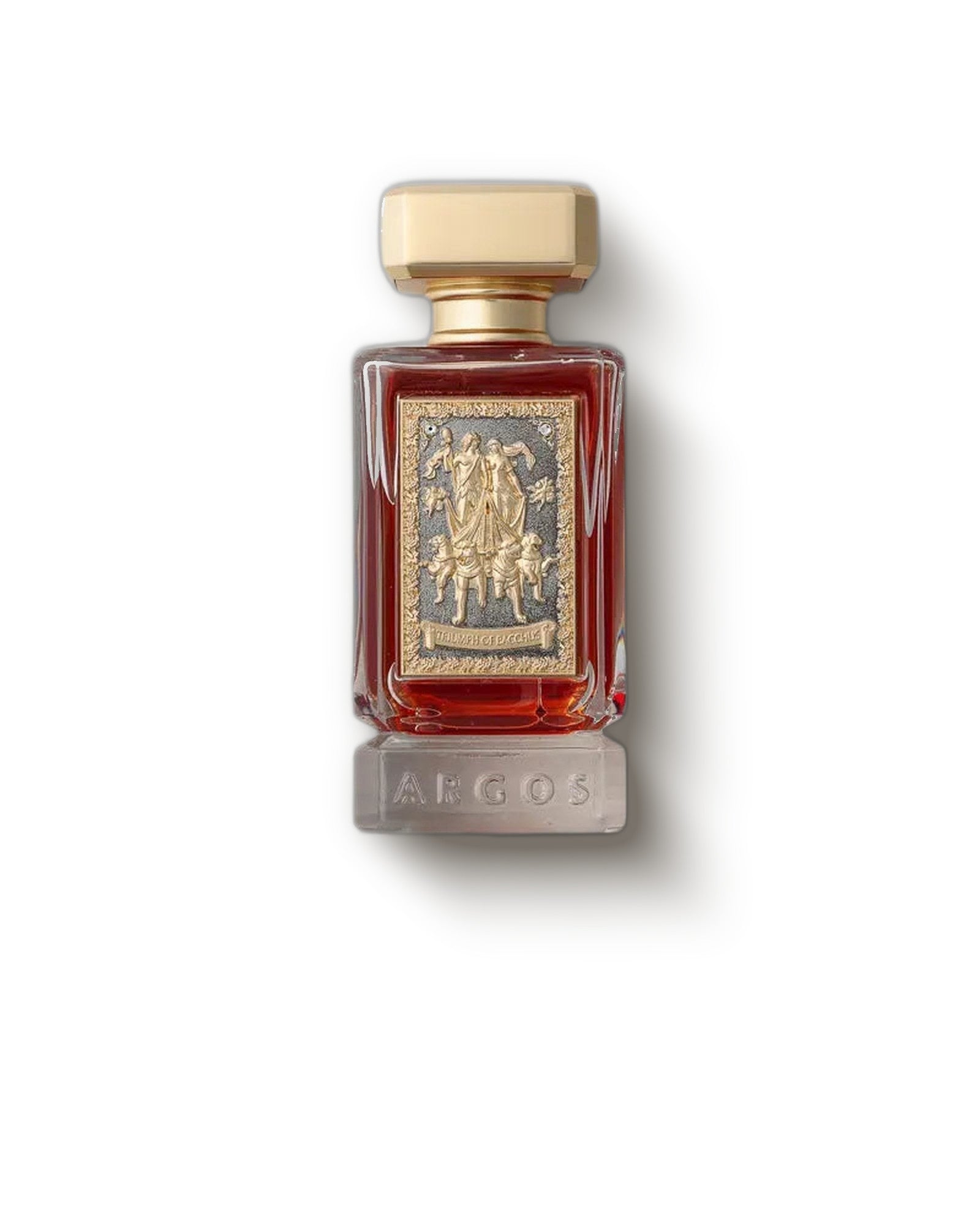
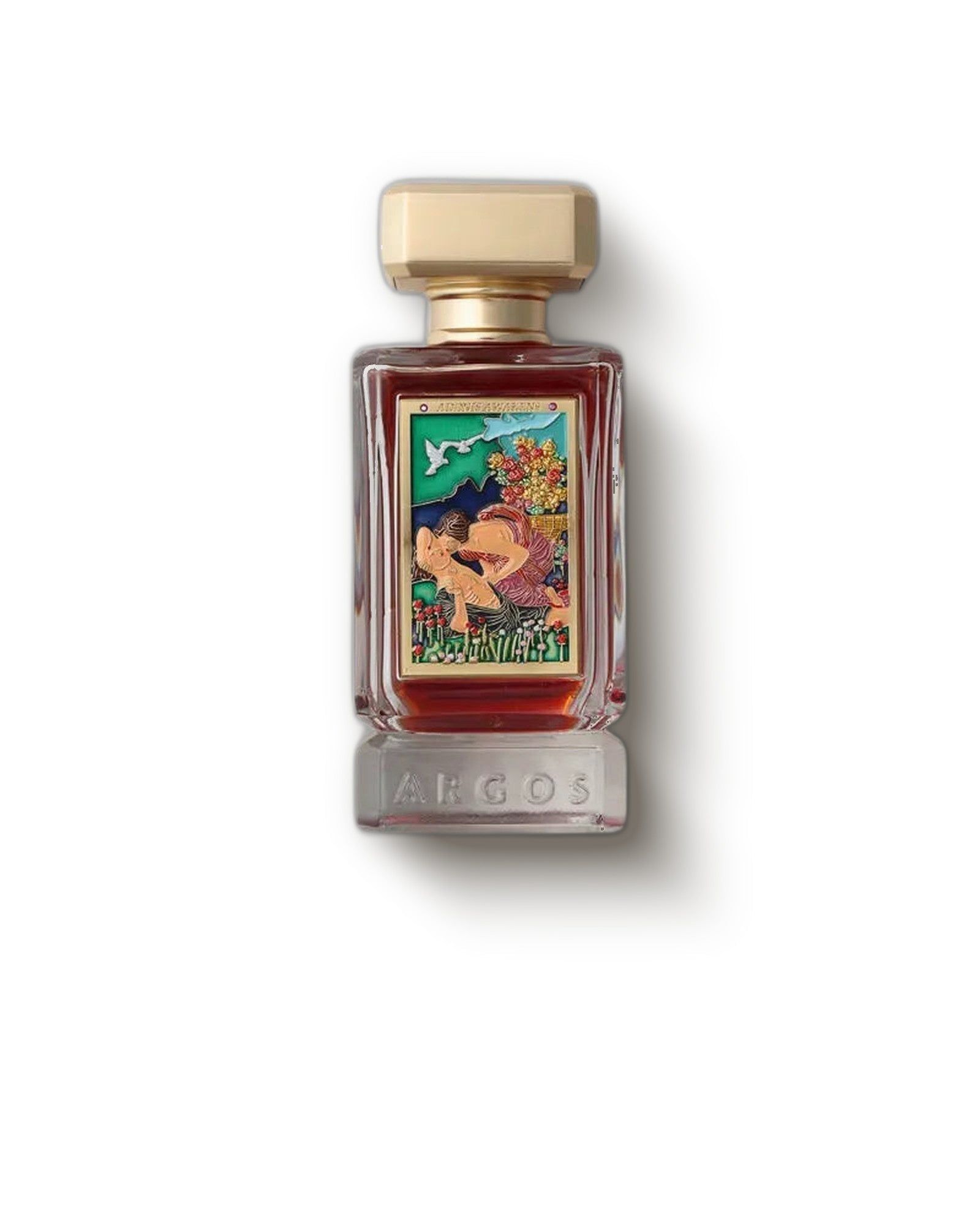
이 조향사의 다른 작품Adonis AwakensTriumph of BacchusTriumph of Bacchus Extrait
메종

그리스 로마풍의 화려함: 마블과 신화, 허니 톤 앰버가 담긴, 그 드라마가 제 몫을 하도록 돕는 디캔트로.
Argos는 향수를 마치 작은 신화처럼 빚어낸다. 하나하나가 옛이야기의 한 장면을 향으로 옮긴 듯하다. 밝고 햇살 가득한 오프닝은 이내 더 따뜻하고 퇴폐적인 무언가로 넘어가며, 위로는 과일과 꽃, 아래로는 레진과 스킨, 우디가 자리한다. 이 향을 두른다는 것은 노트 피라미드보다는 그림 속으로 걸어 들어가는 느낌에 가깝다.
- 원산지
- 이탈리아
- 대표작
- Triumph of Bacchus, Adonis Awakens
Argos의 다른 향
이런 향도 추천합니다