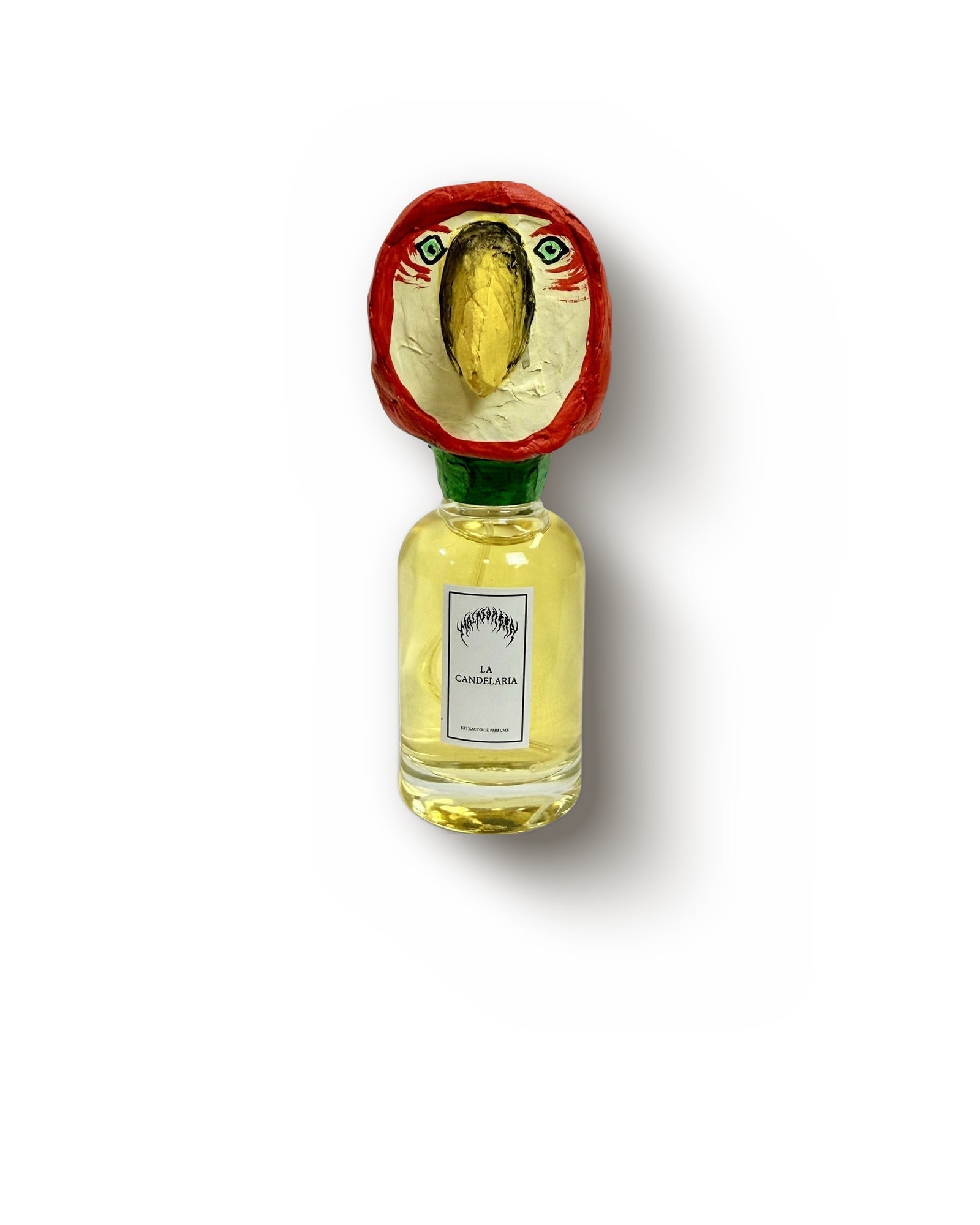

Alejandro Acosta
La Candelaria
Kisah
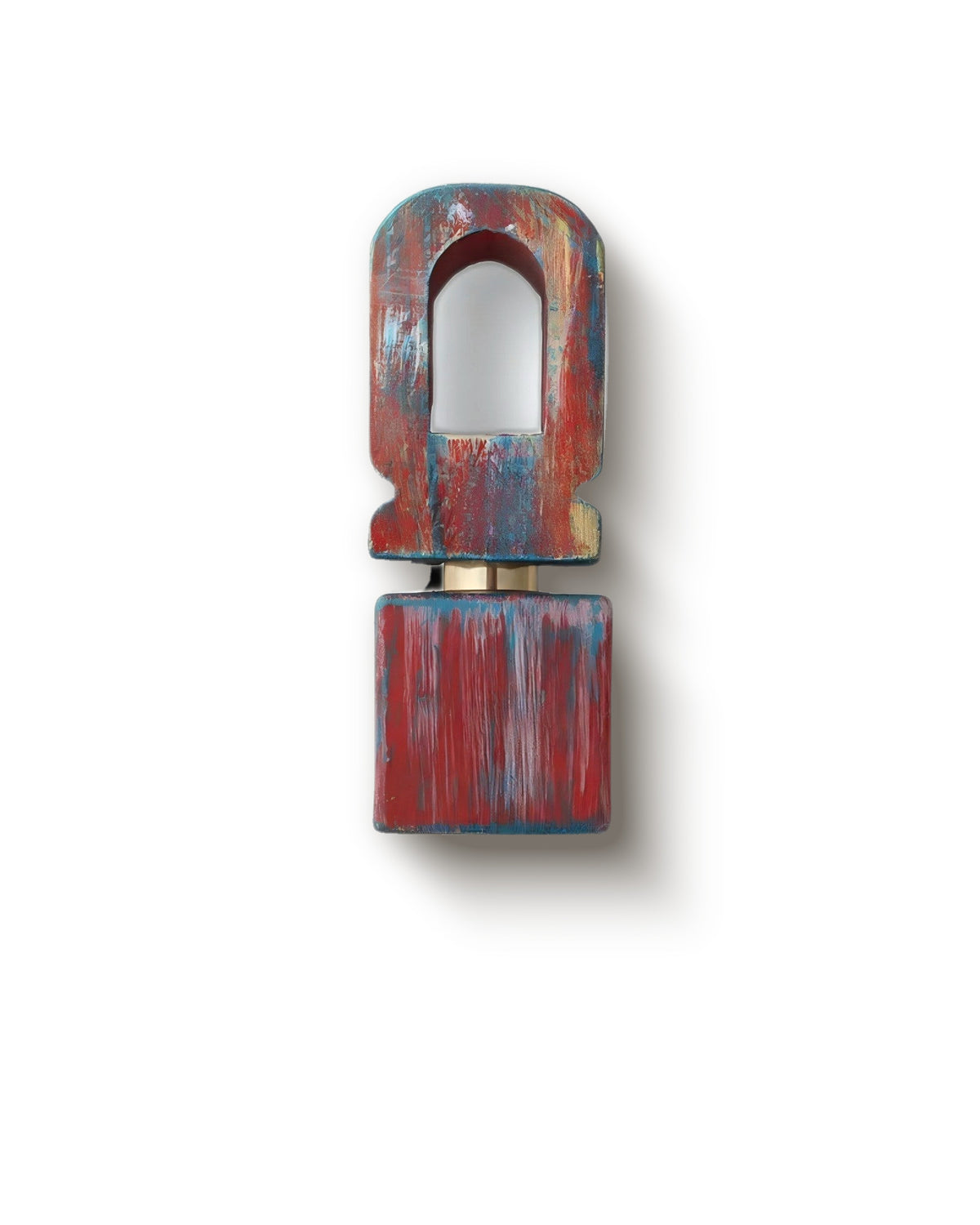
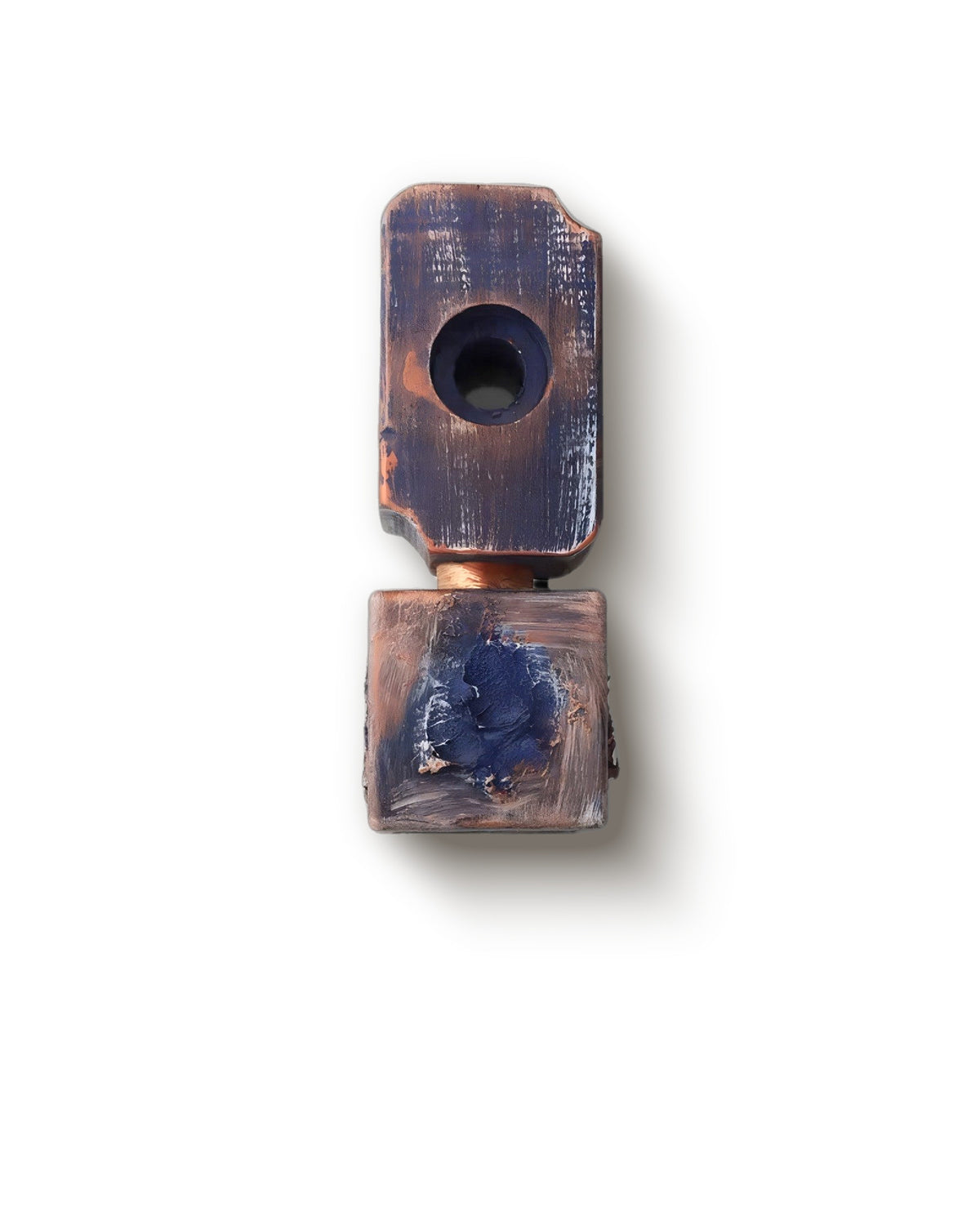
Alejandro Acosta menyebut dirinya seniman, bukan peracik parfum, dan La Candelaria adalah bagian dari proyek Malasombra miliknya, di mana setiap botol adalah patung olfaktori yang dipahat dan dilukis tangan, yang satu ini dimahkotai kepala burung beo. Namanya merujuk pada Virgin of Candelaria serta kawasan tua Bogotá yang menyandang nama tersebut. Ia meracik sendiri cairan parfumnya dari minyak alami dan tingtur bersama bahan-bahan modern, dalam jumlah produksi yang cukup kecil sehingga tiap karya berbeda satu sama lain.


Tropis
Buah dihangatkan matahari dan bunga berkrim
Gelombang juicy dari mangga masak, nanas, dan pisang yang terlalu matang disisipi santan kelapa dan kelopak putih yang lengket. Beraroma panas di kulit telanjang, losion penyamak, dan buah yang dibiarkan melunak di bawah matahari, sejuk dan memanjakan sekaligus.


Buah
Semburat juicy dari kebun yang masak
Manis berair dari persik, pir, apel, atau beri, lembut dan berembun dengan kematangan bagai nektar yang berbeda dari sitrus yang tajam. Ia menghadirkan kebulatan ceria yang menggugah selera, terasa muda, juicy, dan riang.


Coffee
Sangrai gelap, pahit, dan hangat
Biji panggang dan kopi hitam segar, pahit dan bersangrai dengan sedikit sentuhan gosong. Kesannya lebih dewasa daripada manis, itulah sebabnya para peracik parfum menggunakannya untuk memberi tulang punggung pada Gourmand, atau menambahkan kehangatan dan bayangan pada kulit, tembakau, dan kayu.


Berkayu
Serat kering dari kayu yang dipotong
Aroma serutan cedar, cendana, dan akar vetiver kering, kehangatan beresin yang diamplas dengan gores samar bagai kotak pensil. Terasa membumi dan tenang, tulang punggung diam yang membuat sebuah aroma terbaca serius dan tahan lama.


Manis
Kehangatan bersantap di kulit
Karakter bulat dan manis yang mengisyaratkan karamel, madu, atau gulali tanpa satu pun mendominasi. Membaca menenangkan dan memanjakan, tarikan gourmand yang membuat aroma terasa lembut, mengundang, dan nyaris cukup lezat untuk dicicipi.


Sitrus
Kilau cerah pertama di pagi hari
Kecerahan berair yang merekah dari kulit lemon, bergamot, dan jeruk, asam dan berbuih dengan tepi pahit yang bersih. Ia membuka aroma dengan angkat dan kilau seketika, segar dan membangkitkan energi, menguap cepat bagai cahaya matahari di atas air.


Guava
Guava merah muda, ranum dan matang di bawah sinar matahari
Apa itu
Sebuah note buah tropis yang ranum, berdaging merah muda dan matang oleh sinar matahari. Guava langsung memberi kesan akan suatu tempat yang hangat.
Bagaimana aromanya
Berair dan tropis, daging buah manis dengan sentuhan hijau yang segar. Kesannya eksotis dan matang tanpa terasa berat.
Dalam parfumeri
Guava memberi sentuhan tropis yang hidup pada aroma bunga, rempah, dan kayu. Ia menjaga komposisi yang kaya tetap terasa hidup dan cerah bagai disinari matahari.
Perlu diketahui
Guava bersinar pada bukaan dan nota tengah. Saat memudar, ia meninggalkan kehangatan buah yang lembut dan memperindah nota dasar.


Mango
Mango matang, keemasan dan bermandi cahaya matahari.
Apa itu
Sebuah note buah keemasan yang matang, padat dengan sari buah. Mango membawa kemewahan yang bermandi matahari pada bukaan aroma.
Bagaimana aromanya
Manis, lembut, dan tropis, dengan kematangan creamy di balik kilaunya. Terasa memanjakan tanpa terasa terlalu manis seperti sirup.
Dalam parfumeri
Mango memberi kehangatan dan kilau pada rempah, amber, dan kayu. Ini adalah cara yang mewah untuk membuka sebuah komposisi yang kaya.
Perlu diketahui
Mango bersinar paling terang di awal, lalu melebur ke dalam nota tengah sebagai manisan keemasan yang lembut.


Lime
Zest sitrus hijau dengan sentakan kulit yang pahit
Apa itu
Minyak lime berasal dari buah hijau kecil Citrus aurantiifolia (key lime) dan Citrus latifolia (Persian lime), yang ditanam di Meksiko, Peru dan Hindia Barat. Minyak ini diperoleh melalui pengepresan dingin dari kulit buah segar, seperti sitrus lainnya, atau distilasi uap dari buah utuh yang dihancurkan, terutama untuk industri minuman ringan.
Bagaimana aromanya
Lime hasil pengepresan dingin terasa tajam, segar dan pahit, kaya akan minyak kulit segar yang berbau seperti irisan buah yang baru dipotong. Kualitas hasil distilasi lebih manis, lebih lembut dan hampir seperti permen, dengan nuansa cola dan soda yang menyegarkan. Keduanya cepat memudar menjadi kesegaran hijau yang samar dan sedikit bersabun.
Dalam parfumeri
Sebuah top note yang berkilau, dihargai karena kesegaran dan efervesens yang langsung terasa, lime membuka cologne, fougère aromatik dan accord tonik. Ia memotong kekayaan aroma dan berpadu dengan basil, vetiver, mint dan rum, memberikan keceriaan pada cologne sitrus yang cerah dan tak terhitung banyaknya wewangian musim panas bergaya gin-and-tonic.
Perlu diketahui
Lime hasil pengepresan dingin bersifat sangat fototoksik; furanocoumarin-nya, seperti bergapten, dapat membakar kulit yang terkena sinar matahari, sehingga IFRA membatasi penggunaannya secara ketat. Distilasi uap meninggalkan senyawa-senyawa tersebut di belakang, menghasilkan minyak yang aman dijemur namun lebih manis, itulah mengapa banyak wewangian lime lebih berbau soda daripada kulit buah segar.


Café con Leche
Susu panas yang dituangkan ke dalam kopi hitam
Apa itu
Kopi dan susu yang dipanaskan hampir dalam takaran yang sama, minuman pagi standar di Spanyol dan Amerika Latin. Dalam dunia parfum, ini adalah sebuah akord, bukan ekstraksi: coffee absolute yang dipanggang memang nyata dan sangat kuat, tetapi bagian susunya harus dibangun dari awal.
Bagaimana aromanya
Sangrai dan pahit di bagian tepi, bulat dan manis di bagian tengah. Susu menghilangkan ketajaman gosong dari kopi dan menyisakan sesuatu yang hangat dan laktonik, lebih dekat ke sarapan daripada ke pencuci mulut.
Dalam parfumeri
Coffee absolute berwarna gelap, kental, dan dominan, sehingga digunakan dengan sangat hemat dan hampir selalu dilembutkan. Memadukannya dengan lakton dan sedikit gula menghasilkan efek café con leche dan membuat kopi terasa nyaman dipakai, bukan agresif.
Perlu diketahui
Coffee adalah salah satu dari sedikit note gourmand yang terkesan dewasa, bukan manis, itulah sebabnya ia muncul pada komposisi kulit dan tembakau sesering pada komposisi pencuci mulut.
Palo Santo


Cinnamon
Kehangatan kulit kayu merah yang ditaburi api manis
Apa itu
Cinnamon adalah kulit kayu bagian dalam yang dikeringkan dari pohon Cinnamomum yang selalu hijau. Kayu manis Ceylon sejati, C. verum, berasal dari Sri Lanka; cassia yang lebih kasar dan lebih murah dari C. cassia umum digunakan dalam makanan. Lembaran kulit kayu dikupas, digulung menjadi quill, lalu disuling dengan uap air menjadi minyak kulit kayu yang kaya cinnamaldehyde.
Bagaimana aromanya
Hangat, manis dan kering-berbumbu, dengan kualitas merah membara dari cinnamaldehyde dan nuansa lembut seperti cengkih dari eugenol. Kulit kayu Ceylon lebih bulat, sedikit floral dan halus; cassia lebih tajam dan lebih menggigit. Dry-down-nya terasa seperti kayu, balsamic dan sedikit seperti kulit.
Dalam parfumeri
Sebuah rempah heart note yang memberikan wewangian oriental dan gourmand kehangatan yang nyaman, berpadu dengan vanilla, amber, mawar, apel dan tembakau. Digunakan secukupnya, ia menambahkan cahaya tanpa sengatan. Ia menandai oriental berbumbu klasik dan jantung berbumbu dari banyak wewangian musim gugur.
Perlu diketahui
Cinnamaldehyde dan senyawa terkait adalah sensitizer kulit, sehingga IFRA membatasi secara ketat minyak kulit kayu manis dalam wewangian. Pernah bernilai lebih dari beratnya sendiri dalam emas, kayu manis membantu mendorong kendali Portugis dan kemudian Belanda atas Ceylon; bahkan Belanda membakar stok untuk menjaga harga tetap tinggi.


White Flowers
Paduan indolik yang memabukkan dari bunga-bunga musim panas
Apa itu
Bukan satu tanaman, melainkan sekelompok bunga berdaun mahkota pucat dan berdaging yang dipetik saat mekar sempurna: jasmine, tuberose, gardenia, orange blossom, ylang-ylang, dan magnolia. Aromanya ditangkap sebagai absolut hasil ekstraksi pelarut, melalui steam distillation, atau melalui analisis headspace yang merekonstruksi aroma bunga hidup secara sintetis.
Bagaimana aromanya
Creamy, mewah, dan hangat, dengan kedalaman narkotik dari indol yang terbentuk secara alami, yang memberikan tepian animalik, hampir terlalu matang, di balik kemanisan. Faseta-fasetanya berkisar dari tuberose yang milky-coconut hingga gardenia yang hijau seperti jamur hingga jasmine yang bermadu. Terbuka mewah dan memabukkan, mengering menjadi lebih lembut dan seperti kulit.
Dalam parfumeri
Sebuah accord heart yang kuat, membawa sillage dan sensualitas, sering dipotong dengan jeruk atau musk untuk menjinakkan kekayaannya. Tuberose menjangkar beberapa floral bombshell yang paling terkenal, sementara jasmine dan tuberose menggerakkan komposisi white-floral yang paling mewah. Accord ini terbaca romantis, bertubuh penuh, dan tak terbantahkan floral.
Perlu diketahui
Indol, molekul yang memberikan kegelapan memabukkan pada white florals, juga berbau kapur barus dan pembusukan ketika diisolasi; absolut jasmine alami mengandung sekitar 2,5 persen darinya. Dalam jumlah seinfimum itu ia terbaca sebagai realisme bunga hidup, tetapi tangan yang berat mengubah accord jasmine menjadi sedikit fekalis.


Virginia Cedar
Kehangatan serutan pensil yang kering dari eastern redcedar
Apa itu
Minyak dari Juniperus virginiana, eastern redcedar, sejenis juniper bukan cedar sejati, yang tumbuh di seluruh wilayah timur Amerika Serikat. Serutan kayu dan limbah penggergajian disuling dengan uap air menjadi cedarwood Virginia oil, kaya cedrol dan cedrene; kayu yang sama secara tradisional digunakan untuk membuat pensil timah.
Bagaimana aromanya
Kering, lembut, dan berkayu, tercium khas seperti pensil yang baru diserut dan lemari cedar. Terbuka bersih dan sedikit manis dengan tepi balsamik, kemudian mengering menjadi kehangatan serutan pensil yang halus dan sedikit resinous, lebih lembut dan lebih bulat daripada cedar Atlas atau Texas yang lebih tajam.
Dalam parfumeri
Sebuah base dan heart note yang serbaguna, menambahkan tulang punggung kayu kering, kekuatan fiksatif, dan struktur pada chypre, fougere, dan kayu maskulin. Berpadu dengan vetiver, cendana, mawar, dan sitrus, serta menopang tak terhitung akord kayu; cedrol kristalin diisolasi darinya untuk sentuhan kayu yang lebih bersih.
Perlu diketahui
Minyak eastern redcedar sudah lama mengusir ngengat dan serangga, itulah alasan peti dan pelapis lemari cedar terbuat darinya. Kelimpahannya sebagai produk sampingan pabrik pensil dan penggergajian menjadikannya salah satu bahan kayu paling terjangkau dan berkelanjutan dalam parfumeri, disuling dalam volume industri yang besar.


Ginkgo
Daun hijau yang sejuk dengan sentuhan mineral
Apa itu
Ginkgo biloba adalah satu-satunya spesies yang tersisa dari sebuah ordo pohon yang telah ada sejak sebelum masa dinosaurus, nyaris tidak berubah selama dua ratus juta tahun. Daunnya yang berbentuk kipas adalah sumber note ini, sementara buahnya adalah persoalan yang sama sekali berbeda.
Bagaimana aromanya
Sejuk, hijau, dan sedikit pahit, dengan sentuhan mineral dan tanpa kemanisan khas hijau floral. Kesannya lebih seperti daun daripada rumput atau batang, kering dan samar-samar seperti obat.
Dalam parfumeri
Langka, dan digunakan untuk tekstur, bukan sebagai subjek utama. Ia memberi bukaan hijau sebuah kualitas kuno dan asing yang tidak dapat diberikan oleh mint atau daun violet, dan ia tetap kuat berpadu dengan kayu dan resin.
Perlu diketahui
Buahnya mengandung asam butirat, senyawa di balik aroma mentega tengik, itulah sebabnya kota-kota hanya menanam pohon ginkgo jantan. Daunnya sama sekali tidak mengandung senyawa tersebut.
Karakter Wewangian
Buah tropis mendominasi, dengan akord kopi dan susu yang autentik di baliknya sebagai ciri khasnya, lalu kayu dan kemanisan yang lembut.


Ketahanan
berapa lama ia bertahan di kulit
Pengukur ini membaca durasi pemakaian yang diharapkan, berapa jam aroma terus berbicara di kulit sebelum memudar. Penanda di dekat ujung rendah berarti beberapa jam yang sekejap, sementara penanda yang didorong ke ujung jauh menjanjikan aroma yang masih hadir dari pagi hingga malam.


Sillage
besarnya jejak aromanya
Ini membaca seberapa jauh aroma menjangkau melampaui dirimu dan jejak yang ditinggalkannya. Rendah duduk lembut di kulit, bisikan intim yang hanya disadari dari dekat; tinggi naik melalui sedang dan kuat menuju luas, memenuhi ruangan dan tetap melayang di udara setelah kau meninggalkannya.


Eksperimental
Untuk yang berani dan penasaran
Aroma tak lazim yang mendorong batas bagi seseorang yang ingin memancing reaksi dan tampil berbeda. Cocok untuk komposisi artistik dan menantang: tar bertinta, karet, buah terfermentasi, faset metalik atau animalik yang menentang kesukaan mudah. Pada roda ini koin yang bersinar berarti ia memberi imbalan bagi hidung petualang, koin yang redup berarti ia bermain aman.


Kantor
Rapi tetapi tak pernah berlebihan
Lingkungan profesional jarak dekat di mana sebuah aroma sebaiknya hanya disadari oleh mereka yang berada dekat. Cocok untuk komposisi terkendali dan bersih dengan proyeksi sederhana: sitrus rapi, musk lembut, kayu pucat yang terbaca cakap dan penuh perhatian. Pada roda ini koin yang bersinar berarti ia cocok di ruang kerja bersama, koin yang redup berarti ia menjangkau terlalu jauh.


Malam
Setelah gelap, dinaikkan
Makan malam, minuman, dan malam keluar saat sebuah aroma boleh memperdalam diri dan memproyeksikan dengan percaya diri. Cocok untuk komposisi yang lebih kaya dan hangat: amber, resin, kayu berasap, atau bunga empuk yang mekar di bawah cahaya temaram. Pada roda ini koin yang bersinar berarti aroma ini hidup setelah matahari terbenam, koin yang redup berarti ia lebih pas untuk siang hari.


Romantis
Cukup dekat untuk dirasakan
Momen intim dan kencan malam yang dimaksudkan untuk menarik seseorang lebih dekat. Cocok untuk komposisi hangat dan sensual yang berdengung di kulit: bunga berkrim, vanila, musk lembut, sentuhan rempah atau amber yang mengundang kedekatan. Pada roda ini koin yang bersinar berarti ia menciptakan suasana yang menggoda, koin yang redup berarti ia lebih praktis daripada menggoda.


Formal
Anggun untuk acara yang berarti
Pernikahan, upacara, gala, dan acara berbusana rapi yang menuntut ketenangan dan keanggunan. Cocok untuk aroma halus dan terstruktur dengan wibawa yang tenang: kayu mulus, bunga halus, kulit lembut, tak ada yang berisik atau ceria. Pada roda ini koin yang bersinar berarti ia membawa gravitas yang tepat, koin yang redup berarti ia terasa terlalu santai untuk ruangan itu.


Santai
Kenyamanan ringan untuk hari tanpa kejaran
Pemakaian sehari-hari tanpa agenda: berbelanja, ngopi, bertemu teman, akhir pekan yang santai. Cocok untuk aroma lembut dan mudah didekati yang terasa bersih dan alami, seperti sitrus segar, kayu ringan, atau kehangatan kulit yang lembut. Pada roda ini koin yang bersinar berarti aroma ini pas untuk momen santai, koin yang redup berarti ia menuntut lebih.


Siang ke Malam
ke mana suasananya secara alami jatuh
Penggeser ini membaca jam yang menjadi tujuan aroma ini. Penanda di kiri condong bercahaya dan cerah, mudah dipakai di siang hari dan udara terbuka; geser ke kanan dan karakternya berubah lebih dalam dan hangat, jenis kehadiran yang milik malam hari dan ruang bercahaya lilin.


Musim Dingin
Kehangatan yang menembus udara dingin
Udara dingin meredam dan memperlambat sebuah aroma, sehingga musim dingin memberi imbalan pada yang padat dan hangat: resin, asap, vanila, kulit, dan rempah beramber yang memancarkan panas melawan dinginnya udara. Bilah ini menunjukkan seberapa kuat aroma tertentu ini bertahan dan bersinar dalam cuaca dingin.


Musim Semi
Bunga segar dalam kehangatan yang lembut menanjak
Udara lembap dan sejuk mengangkat komposisi yang lebih ringan dengan indah, sehingga musim semi menyukai bunga berembun, batang hijau, bedak lembut, dan sitrus bening yang terasa hidup alih-alih berat. Bilah ini menunjukkan seberapa baik aroma tertentu ini cocok dengan musim yang segar dan lembut menghangat itu.


Musim Panas
Cerah dan ringan dalam panas sejati
Panas memperkuat dan memproyeksikan aroma dengan keras, sehingga musim panas membutuhkan hal yang sejuk, renyah, dan bernapas: sitrus tajam, udara laut asin, herba aromatik, dan kesegaran berair yang menyegarkan alih-alih menyesakkan. Bilah ini menunjukkan seberapa nyaman aroma tertentu ini dipakai dalam kehangatan sejati.


Musim Gugur
Kehangatan berempah untuk hari yang mendingin
Saat suhu turun, material yang lebih kaya terbaca jelas tanpa menyesakkan, sehingga musim gugur cocok untuk kayu kering, rempah hangat, tembakau, amber, dan buah keemasan yang terasa nyaman dan kontemplatif. Bilah ini menunjukkan seberapa alami aroma tertentu ini menyatu dengan hari yang renyah dan mendingin.
Paling Cocok Dikenakan
Dibuat untuk cuaca hangat dan siang hari, dipakai dekat dengan kulit. Sillage-nya sengaja dibuat lembut, menjadikannya cocok untuk kebersamaan yang intim, bukan untuk memenuhi ruangan.
Pilih opsi
The Vibe


Sang Peracik
Alejandro Acosta
Pendiri dan peracik parfum
Seniman multidisipliner Spanyol yang berbasis di Barcelona, yang menampilkan karyanya sebagai patung olfaktori alih-alih parfum, membuat setiap rilisan Malasombra dengan tangan mulai dari formula hingga botol dan kemasan. Lininya mencakup Malasombra El Indiano, Malasombra La Candelaria, Malasombra Dark Souls dan Malasombra Bloody Mire.
Rumah Parfum

Patung olfaktori, dibotolkan dalam flacon yang diukir dan dicat sendiri oleh sang seniman.
Alejandro Acosta adalah seniman asal Spanyol yang proyek Malasombra miliknya memperlakukan setiap rilisan sebagai sebuah karya seni, bukan sekadar produk. Produksinya sangat terbatas dan tidak ada dua flacon yang identik, sehingga decant sering kali menjadi satu-satunya cara praktis untuk benar-benar menghabiskan waktu dengan salah satunya.
- Asal
- Spanyol
- Dikenal karena
- Proyek Malasombra, flacon yang satu-satunya di dunia
Parfum serupa
Anda mungkin juga suka