Lost Tribe
Santal Absolu
The Story
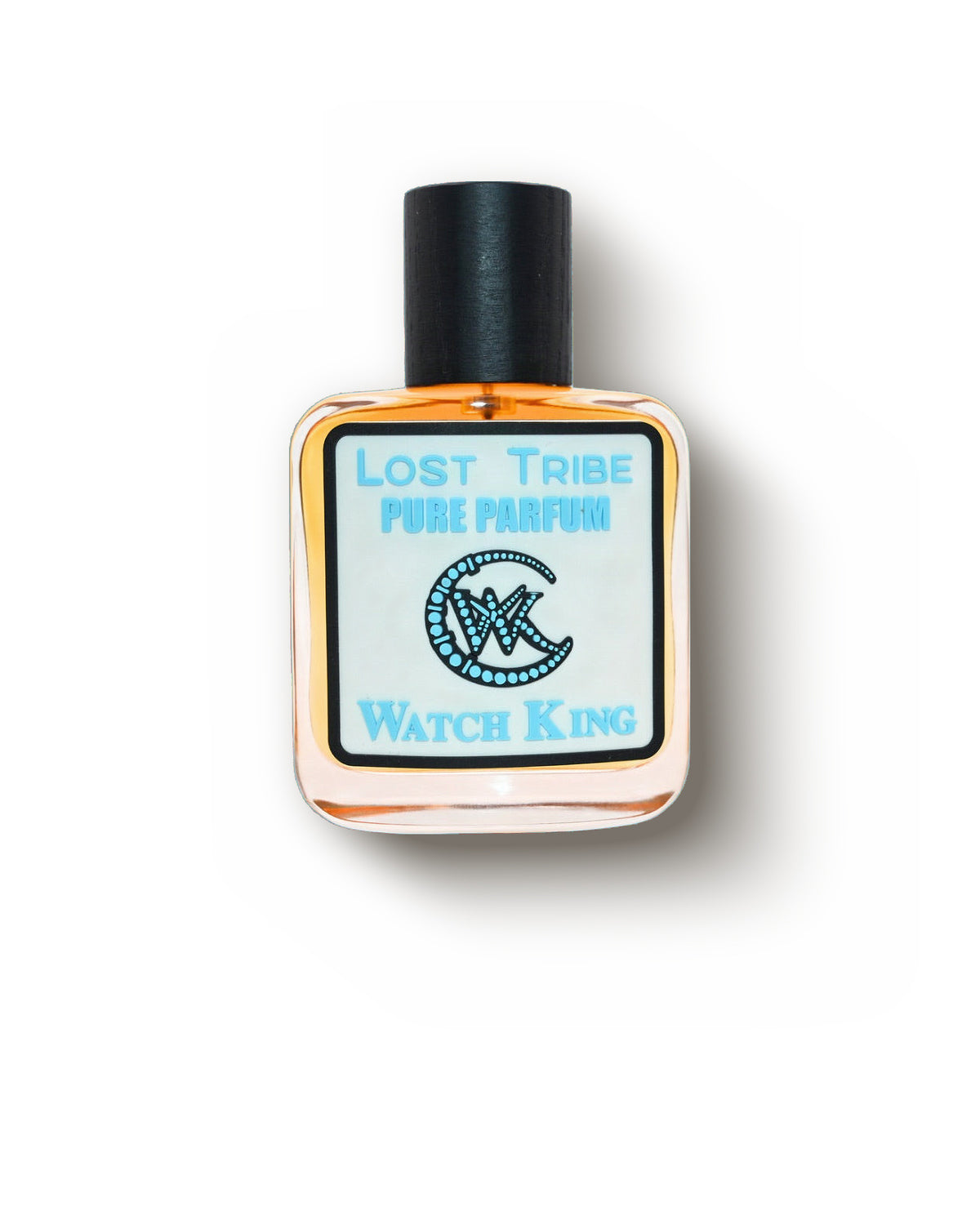
Santal Absolu and Watch King opened the Pure Parfum line at Lost Tribe, the New York house, in June 2026: all natural materials, no oud, no animalics, a very high concentration. The name promises pure sandalwood, and over 25 grams of sandalwood oil go into every 50 ml bottle.


Woody
Dry grain of cut timber
The smell of cedar shavings, sandalwood, and dry vetiver roots, a sanded, resinous warmth with a faint pencil-box rasp. It feels grounded and composed, the quiet backbone that makes a scent read as serious and lasting.


Lactonic
creamy milk and warm skin
A creamy, milky softness reminiscent of warm steamed milk, milk skin, or coconut flesh without the sweetness. It feels plush and enveloping, smoothing florals and woods into something tender and slightly nostalgic, the warmth of skin more than the sweetness of dessert.


Sweet
Warm sugar you cannot quite name
Caramel, honey, spun sugar: sweetness that hovers between all three and never settles on one. This is the gourmand pull, the thing that makes someone lean in closer than they meant to, warm and soft and a half step short of edible.


Powdery
Soft hush of dressed skin
A velvety, slightly dry softness of iris root, violet, and fine talc, like face powder or clean linen warmed by skin. It feels intimate, refined, and nostalgic, blurring a fragrance into a gentle, cushioned haze.


Gourmand
edible sweetness good enough to bite
A dessert-like warmth drawn from natural materials such as vanilla and benzoin, the smells of sugar cooked rather than sugar itself. It feels cozy and comforting, wrapping the wearer in something soft, sweet, and almost edible.


Balsamic
Tree sap gone thick and golden
Tree resins and golden amber, thickened to syrup and touched with vanilla. It does not sparkle or move; it settles, warming the skin the way candlelight warms a room, and it stays there long after the top notes have gone quiet.


Sandalwood
Creamy wood, pulled up by the roots
What it is
The richest oil sits in the roots, so the whole tree is pulled up and steam-distilled rather than felled. Mysore in southern India was the classic source, until decades of overcutting pushed the wild trees to the edge.
How it smells
Milk and warm wood, with a rosy, almost buttery edge and nothing sharp at all. What surprises people is how little it moves: no bright opening, no dry-down drama, just the same quiet glow for hours.
In perfumery
It works twice over: as a smell, and as a fixative that holds rose or jasmine in place. Sandalwood is also graded, and the darkest, densest, most resin-heavy old heartwood carries its own name: black meat.
Good to know
A heart worth taking takes about thirty years to form. Plantations of the same species in Western Australia now supply a large share of the world's oil, close to the old Mysore chemistry if not quite its creaminess.

Costus Root
Warm skin and earthy root, strange and close
What it is
A Himalayan thistle whose roots, kuth in India, are dried, then steam-distilled or solvent-extracted into a thick, dark oil that smells almost nothing like a plant.
How it smells
A waxy, rooty earthiness with a dry orris-violet facet beneath it, dense, slow to fade and faintly sweet at the end. Here it gives a subtle, earthy depth that grounds the sandalwood.
In perfumery
In the base it gave chypres and leathers a warm, rooty depth. Mainstream perfumery now reaches for reconstructions such as Costus Oliffac instead; natural perfumers still use the real root oil, in tiny amounts.
Good to know
Mainstream perfumery gave it up when the natural oil was judged too strong a skin sensitiser to use. The plant is critically endangered in any case, overharvested for the very roots that made it interesting.


Lavender
Cool herbal blue from a sunlit hillside
What it is
The flowering tops are cut at peak bloom and go straight to the still, the purple spikes giving up a pale oil. Solvent extraction yields a darker absolute instead. Provence and Bulgaria supply most of it.
How it smells
Sharp and green at first, almost minty, with a cool camphor lift over soft floral sweetness. The dry-down warms into hay, faint vanilla and a powdery calm. True lavender is rounder and sweeter than the lavandin hybrid.
In perfumery
Set it against oakmoss, coumarin and tonka and you have a fougere, the barbershop structure behind countless aromatic masculines. Lavender runs from the top into the heart, cooling bright florals and softening citrus colognes.
Good to know
Those Provence fields the tourists photograph are mostly lavandin, a sterile hybrid that yields far more oil per hectare. True lavender is retreating uphill: a bacterial disease carried by sap-sucking insects has pushed plantings to cooler altitudes.


Iris
Cool powdered earth from a patiently aged root
What it is
Perfumery iris comes not from the flower but from the root. The dug rhizomes are dried and left to age three to five years while the aromatic irones form, then ground and steam-distilled into a waxy orris butter.
How it smells
Cool, powdery and rooty: violet, suede and fresh-sawn wood dusted with face powder. Underneath sits a damp mineral earthiness, a faint carrot sweetness, a buttery softness. It feels more texture than perfume, and it stays quiet on skin.
In perfumery
Nothing else gives a blend that cool, powdered restraint. It steadies chypres and florals, takes the shine off rose and violet, and lends sandalwood and ambrette a velvet finish. Iris makes a perfume behave.
Good to know
A tonne of dried, aged rhizome yields about two kilograms of butter. Add the years of waiting before it can even be distilled and you see why real orris turns up in so few bottles.


Rose
Dewy sweetness over a green, peppery bite
What it is
Most perfumery rose is one of two: damascena from Bulgaria and Turkey, centifolia from Grasse. Whole blossoms are picked by hand from before sunrise until about ten thirty, then distilled into otto or solvent-extracted into absolute.
How it smells
Fresh, honeyed, green at the edges, with something dewy still on it. Spice and fruit sit underneath, and in the absolute a jammy darkness. Otto opens crisp and bright; absolute is warmer, smokier, closer to skin.
In perfumery
Rose behaves less like one note than a whole palette. It carries a perfume alone or vanishes into a chypre, turns dark against oud and patchouli, goes powdery beside violet, and holds a floral heart together.
Good to know
The two extractions are not the same bargain. Otto takes three to four thousand kilograms of blossoms to yield one kilogram of oil. Absolute, pulled out with solvent, gets there on roughly a seventh of the flowers.


Ylang Ylang
Sun-warmed tropical bloom, banana-cream and jasmine
What it is
A drooping yellow star of a flower, hand-picked from a tropical tree and held in the still for fifteen to twenty hours. The run is drawn off in stages, each one a different grade, Extra down to Third.
How it smells
Creamy and heady, jasmine over something like banana custard, with rubber and clove threaded through. Extra grade is the bright, fruity, spicy one; the later fractions go deeper, fatter and faintly medicinal, drying down waxy and round.
In perfumery
In the heart it bridges jasmine, rose and tuberose, and it keeps citrus tops from turning thin. It carries the floral bouquet inside the aldehydic classics, and it is the reason a solar tiare accord smells tropical.
Good to know
In Indonesia the blossoms are scattered over the beds of newlyweds. The name is Tagalog, ilang-ilang, from ilang, wilderness, after the wild places where the tree grows. The most fragrant blooms are taken at dawn, while they are still cool.


Benzoin
Warm vanilla balsam wept from a tapped tree
What it is
Benzoin does not flow on its own. Someone cuts the bark of a styrax tree in Laos, Vietnam or Sumatra, and the wound weeps a gum that hardens over months into reddish tears.
How it smells
Sweet, warm, unmistakably vanillic, with a powdery amber softness underneath. Siam benzoin is rounder and creamier; Sumatra runs smokier, with a cinnamon bite. Left on skin it turns almost caramelized.
In perfumery
A base note that behaves like a fixative and a sweetener at once, giving amber accords their glow and holding the rest of the composition still. It softens sharp edges beside labdanum, tonka and incense.
Good to know
The word benzene comes from here. Chemists named benzoic acid after this resin, and benzene took its name from the acid. The resin's own name is a worn-down Arabic phrase, luban jawi, frankincense of Java.


Vanilla
Cured orchid pods, custard and faint smoke
What it is
Green pods come off the orchid vine smelling of almost nothing. The scent is made, not found: months of blanching, sweating in the sun and slow drying before the vanillin appears. Mexico first, Madagascar now.
How it smells
Custard and caramel up front, then something darker underneath: dried fruit and a thread of tobacco smoke. It turns powdery as it dries and sits close to the skin. Real cured vanilla reads deeper than vanillin alone.
In perfumery
Perfumers use it to round off edges. Anything too sharp, too green, too austere gets warmth and body from a vanilla base, which is why it anchors many oriental and gourmand builds alongside tonka, amber, sandalwood and spice.
Good to know
Every flower opens for one day. Miss it and there is no pod, so all of it is pollinated by hand, a trick devised by Edmond Albius, a twelve-year-old enslaved boy on Réunion. Most vanilla flavour today is synthetic.
Fragrance Character
Creamy sandalwood leads from the first spray, smooth with a subtle woody sweetness, and stays in charge throughout. Rose shows early at the edges, lavender adds a crisp herbal note, then iris deepens a soft, comforting powder over the wood. Late in the wear it is recognisably the same scent, only rounder, vanilla and benzoin warming it without tipping it into dessert.


Longevity
how long it stays on skin
The hourglass reads wear time: how many hours the fragrance keeps speaking before it fades. A bar that barely leaves the start means a few fleeting hours. One that runs the full length carries from morning into evening. Treat it as typical, not promised. Oily skin holds scent far longer than dry.


Sillage
the size of its scent trail
Sillage is French for a ship's wake, and that is exactly what this measures: how much of the scent reaches the room instead of staying on you. Low is a whisper only close friends catch. Enormous fills the room, then keeps filling it after you leave.


Experimental
Built to provoke, not to please
Some perfumes are made to be liked. These are made to be argued about: inky tar, hot rubber, fruit on the turn, metal and fur where you expected flowers. The coin glows for a scent that provokes and dims for one that plays it safe, which is sometimes the point.


Office
Polished, and never louder than the room
Scent is manners in a shared room. At this range it should reach the person across the desk and stop there: tidy citrus, soft musk, pale woods, all of it reading competent and considerate. A glowing coin means nobody has to mention it. A dim one means it travels.


Evening
After dark, when it deepens
Dinner, drinks, the night that runs long. Low light is where ambers, resins and smoky woods stop being polite, and where a plush floral finally blooms. A glowing coin means it is waiting for exactly this hour. A dim one means it did its best work in daylight.


Romantic
Close enough to be felt
A fragrance can hum against skin instead of announcing itself across a table. That is the register here: creamy florals, vanilla, soft musk, a thread of spice, warm enough to make someone lean in. The coin glows when a scent sets that mood and dims when it is more practical than seductive.


Formal
Quiet authority in a dressed-up room
A wedding, a ceremony, a room where everyone has thought about their shoes. What works here is structure, not volume: smooth woods, disciplined florals, soft leather. A glowing coin means it holds its posture all evening. A dim one means it is too casual for the room.


Casual
Easy comfort for unhurried days
Errands, coffee, a slow Saturday with nowhere to be. Nothing here has to impress anyone, so the fit is soft and easy: fresh citrus, light woods, a little warmth off the skin. A glowing coin says yes to all that. A dim one means the fragrance is asking for a bigger night.


Day to Night
where its mood naturally falls
A bar running from sun to moon, reading the hour the fragrance was made for. The more of it that stays gold, the more the scent belongs to daylight and open air. The further the blue reaches back toward the sun, the deeper and warmer it turns: evening, candlelight, low rooms.


Winter
Warmth that carries through cold air
Cold air mutes a fragrance and slows it down, which is why winter belongs to the dense and the warm: resin, smoke, vanilla, leather, ambered spice. The bar reads how well this one pushes back, glowing against the chill instead of thinning out in it.


Spring
Fresh blooms in mild, rising warmth
Mild, humid air lifts a light composition, so the season belongs to dewy florals, green stems, soft powder and citrus you can see through. Alive rather than heavy. The further the green runs along the bar, the more comfortably this one wears in that weather.


Summer
Bright and airy in real heat
Heat does the projecting for you, which is why the wrong perfume turns unbearable by noon. What survives is cool and breathable: sharp citrus, salt air, aromatic herbs, water. Things that refresh instead of cloy. A short bar here means save it for cooler months.


Fall
Spiced warmth for cooling days
As the air cools, the rich materials stop smothering and start reading clearly: dry woods, warm spice, tobacco, amber, fruit gone golden. It is the season perfume turns contemplative. The bar fills according to how naturally this one settles into crisp, cooling days.
Best Worn
Autumn and winter, from dinner into a night out, and easy enough for a cold weekday too. For anyone who wants sandalwood itself, creamy and powdery, with no oud or smoke.
Elige opciones
El ambiente


La Nariz
Mathew Schmuelian
Fundador y perfumista
Fundador y perfumista de Lost Tribe, que pasó de coleccionar naturales artesanales a macerar sus propios almizcles en 2022; su primer lanzamiento, Lost Tribe Hope You Like It, alcanzó unos dieciséis frascos. Compuso Lost Tribe Sultry Sambac, Lost Tribe Smoky Bear y Lost Tribe Prince of Persia.
Más de esta narizNeon PalmsVanilla Waves V2 Extra MuskLost Lotus
La Maison

Tribu pequeña, almizcle auténtico, sin concesiones, vertido mientras dure el stock de los originales.
Lost Tribe hace fragancias que se sienten vividas y rotundas, de las que llegan antes que tú y permanecen cuando ya te has ido. Hay una vena maximalista que recorre toda la casa, de la fruta tropical ebria de sol a la vainilla espesa de resina y al oud raro construido sobre Kinam envejecido.
- Reconocida por
- Naturales maximalistas, Kinam envejecido

CADA DECANT
Del frasco original a tu puerta
Compramos el frasco original a precio de venta al público, directamente a la casa.
Una jeringa Socorex de grado médico toma los mililitros exactos directamente del frasco.
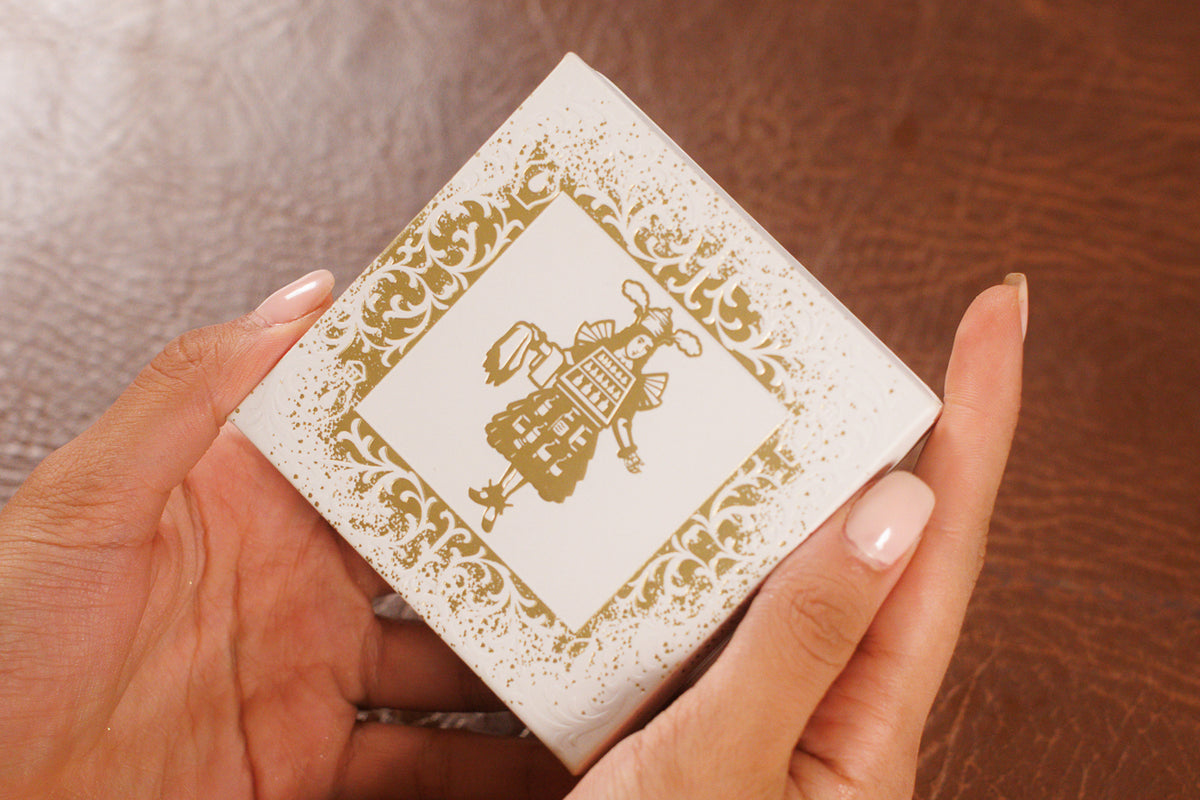
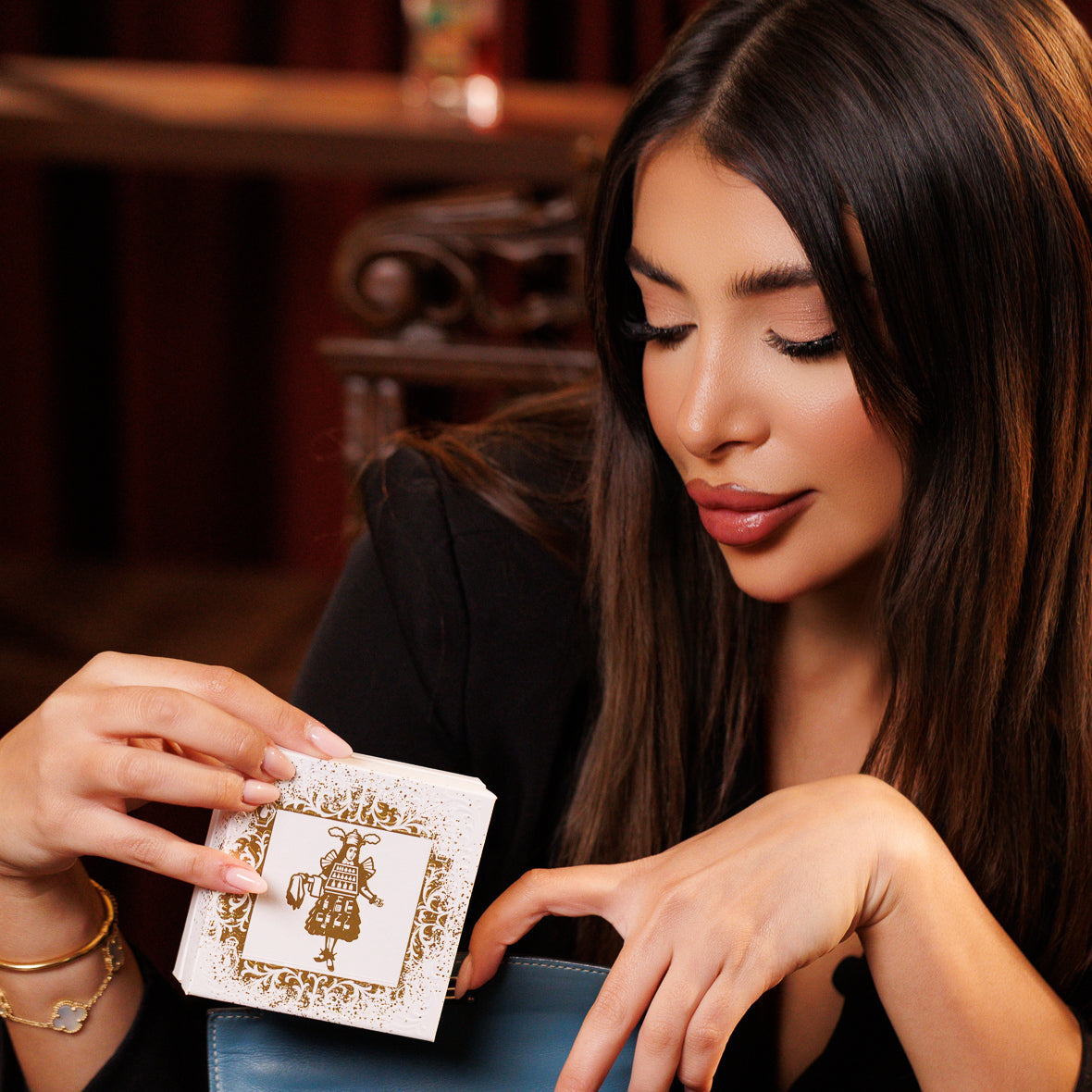
Guardado en su estuche estampado en oro y entregado a DHL, con todos los aranceles ya pagados. Cómo se hace un decant
Más de Lost Tribe
También te puede gustar