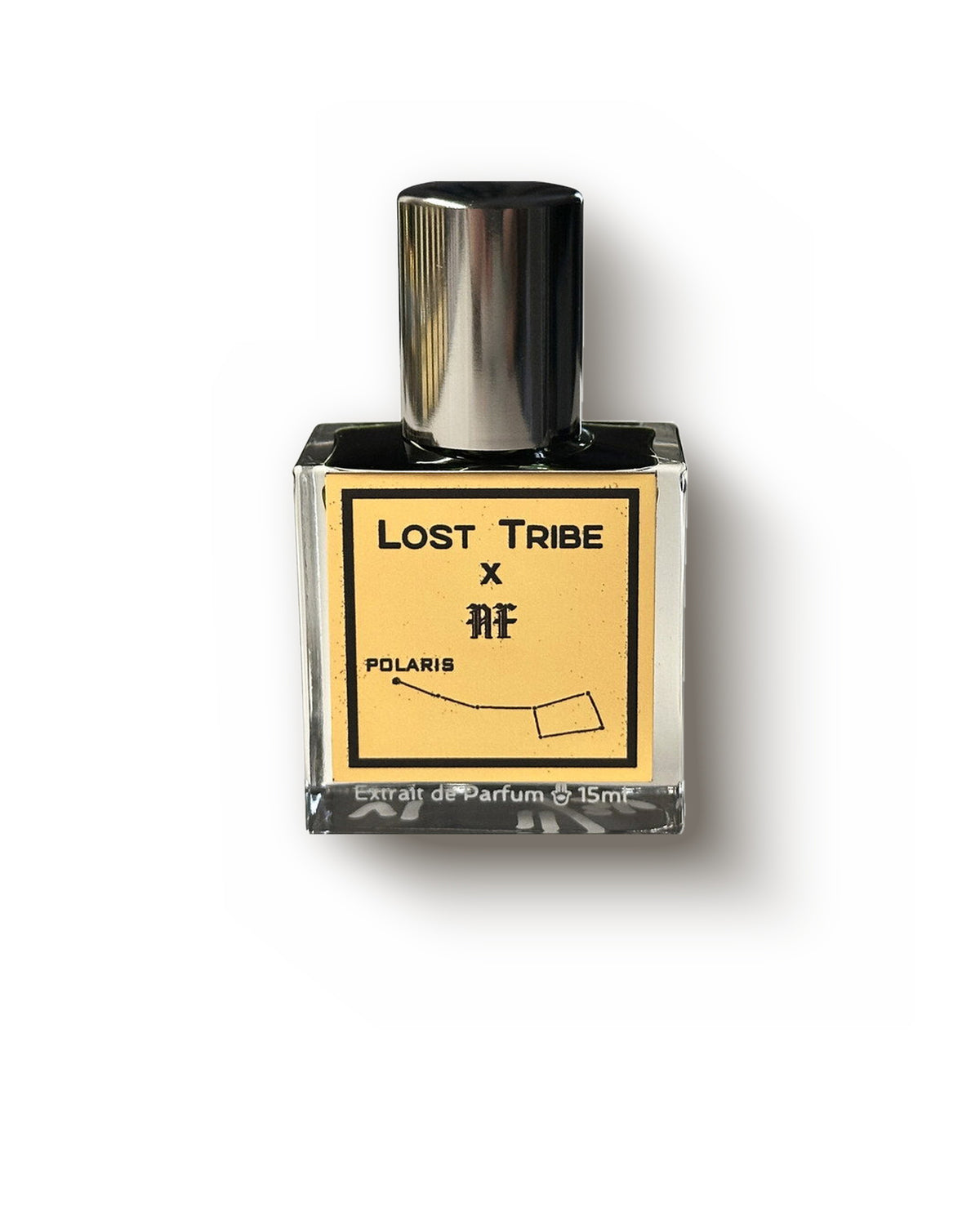
Lost Tribe
Polaris
Hikaye
Polaris, adını Kutup Yıldızı'ndan alan, Lost Tribe'ın soğuk aromatik fujer parfümüdür. Parfüm evi, geyik miski ve ud içermeden bestelendiğini belirtiyor; bu, bu katalogda alışılmadık bir durumdur. Markanın kendi sayfasında bir parfümör adı yer almıyor. Nane, lavantanın içinden baştan sona geçer.


Lavanta
Keskin bir dokunuşu olan temiz, otsu bir dinginlik
Başta serin ve kâfurlu, çekmece keseden çok ezilmiş bir saptan yana; sonra pudralı, hafif tatlı bir sessizliğe yumuşar. Yeni ütülenmiş keten, berber cilası, gri-mor bir sükûnet. Keskinliği, onu yalnızca yatıştırıcı olmaktan kurtaran şeydir.


Aromatik
Serin havada ezilmiş otlar
Parmaklar arasında ezilmiş lavanta, biberiye, adaçayı ve kekiğin yeşil, kâforlu serinliği. Temiz, canlandırıcı ve hafif sade bir his verir; klasik bir berber ferahlığının dik omurgasıdır.


Yeşil
Ot yolduktan sonra ellerinize bulaşan özsu
Bir sapı kırın, işte çıkan koku: özsulu, serin, biraz acımsı, çiçekten çok sebzemsi. Biçilmiş çimen, ezilmiş yapraklar, makasın ardından çitin içi. Burada hiçbir şey tatlı değil.


Ferah
Soğuk su, açık hava, yeni yıkanmış ten
Serin su, yıkanmış pamuk, henüz içinde hiçbir şey olmayan hava. Bu açılış narenciyemsi bir canlılığa ya da tuzlu-akuatik bir tarafa kayabilir, ama etki aynıdır: bir koku gibi değil, temizlik gibi hissettirir; bir pencereyi açtıktan beş dakika sonra odanın nasıl farklı okunduğu gibi.


Yosunlu
yaşlı meşelerin altında mürekkep yeşili gölge
Meşe yosunu ve ağaç yosununun nemli, mürekkepsi kokusu; gerçek yosun değil likendir, gölgeli meşe ve köknar kabuğundan toplanır, serin ve odunsu bir derinlikle hafifçe acımsıdır. Bir kokuyu orman tabanının gölgesine bağlar; yağmurdan ıslanmış bir ormanı içine çekmek gibi eski, hüzünlü bir zarafet katar.


Odunsu
Kesilmiş kerestenin kuru dokusu
Sedir talaşının, sandal ağacının ve kuru vetiver köklerinin kokusu; hafif bir kalem kutusu pürüzüyle zımparalanmış, reçineli bir sıcaklık. Yere basan ve dingin bir his verir; bir kokuyu ciddi ve kalıcı kılan sessiz omurgadır.


Beyaz Ambergris
Tuz, ten ve deniz odunu, ağarıp solgunlaşmış
Nedir
Beyaz, yolculuğun bittiği yerdir. İspermeçet balinasının bağırsağında mumsu bir kütle oluşur, yıllarca sürüklenir; güneş ve tuzlu su onu siyahtan tozlu beyaza ağartır, neredeyse kokusuz ambreini kokulu bir şeye dönüştürür.
Nasıl kokar
Yumuşak, tatlı ve denizsel; kaliteler arasında en yuvarlak olanı. Temiz cilt, sıcak misk, tütün ve deniz havası, kadifemsi mineral bir tatlılığın üzerinde. Daha taze, daha koyu parçaların taşıdığı dışkımsı kenar, bunda zamanla aşınıp gitmiştir.
Parfümeride kullanımı
Bir tincture olarak kullanıldığında, bir nota olmaktan çok diğerlerinin arkasındaki bir ışık gibi çalışır; sıcaklık, yayılım ve cilde yakın bir parlaklık katarken etrafındaki her şeyi kalıcı kılar. Ambroxan bugün bu etkinin özünü yeniden üretiyor.
Bilmekte fayda var
Balinadan hiçbir şey alınmaz: her parça bir kıyıdan, çoğunlukla atıldıktan yıllar sonra toplanır. Yasalar bu mantığı her zaman takip etmez ve Amerika Birleşik Devletleri ticaretini tamamen yasaklar.


Misket Limonu
Acı bir kabuğun kıtırtısıyla yeşil narenciye rendesi
Nedir
Yağ, meyveden iki yolla çıkarılır. Soğuk sıkım, onu doğrudan yeşil kabuktan sıkar; damıtma ise bütün ezilmiş meyveden buharla çeker, bu ikincisi büyük ölçüde alkolsüz içecek sektörü için yapılan bir sınıftır. İkisi birbirine benzemez.
Nasıl kokar
Sıkılmış misket limonu keskin, acı ve sulu; tam da bir saniye önce kesilmiş bir dilim gibi. Damıtılmış olanı daha yuvarlak ve neredeyse şekerlenmiş, tamamen kola ve soda köpüğü. İkisi de çabuk solar ve ince, yeşil, hafif sabunsu bir kuruluk bırakır.
Parfümeride kullanımı
Lime üst notaya gelir, zenginliği keser ve ilk dakikaları gazlı hissettirir. Fesleğen, nane, vetiver ve rom onun her zamanki arkadaşlarıdır; kolonyalarda, fougère'lerde ve inşa edilmiş her cin-tonik akorunda karşımıza çıkar.
Bilmekte fayda var
Yakalanan şey güneş ışığıdır. Soğuk sıkım limonu canlı koklatan bileşikler, cildi güneşe karşı aşırı hassas kılar, bu yüzden dozu sınırlıdır. Damıtma bu bileşikleri ayıklar; parfümeride limonun kabuktan çok sodayı andırmasının nedeni de budur.


Yüksek Rakım Lavantası
Dağda yetişen lavanta, daha ince ve daha tatlı
Nedir
Sıcak ovada değil, serin dağ yamaçlarının yükseklerinde yetişen Lavandula angustifolia. Rakım, lavantada en eski kalite göstergesidir: daha serin geceler ve daha kısa bir sezon, bitkiyi yağı tatlı yapan esterlerden daha fazlasını biriktirmeye iter; gerçek angustifolia da zaten hiçbir zaman ekilmeden çok önce serin yamaçlarda yabani olarak büyüyen, yüksek yerlere ait bir türdür.
Nasıl kokar
Ova yağından daha temiz ve daha tatlı; kâfur yükselişi geride tutulmuş. Açılış keskin değil, yumuşak ve meyvelidir, çiçeksi kalp daha yuvarlaktır ve dip, pudralı bir sakinlikle sessizce saman gibi kokar. Bir ova lavantası ya da lavandin ilaçsı okunurken, bu neredeyse ince bir çay gibi okunur.
Parfümeride kullanımı
Lavantanın yapısal değil, kendi başına güzel olması gereken yerlerde kullanılan derece: soliflorlerde, yumuşak fujerlerde ve süsen, tonka ve nazik misklerin yanında. Düşük kâfur oranı, sıradan lavanta yağının yaptığı gibi çiçeksi bir kalple çatışmaması anlamına gelir.
Bilmekte fayda var
Yüksek rakım bir pazarlama farkı değil, gerçek bir ayrımdır ve sektörün asıl derecelendirdiği sayı olan ester oranına yansır. Lavanta olarak satılanın büyük kısmı, hektar başına çok daha fazla verim veren ve daha keskin kokan kısır bir melez olan lavandindir; rakım ve tür, sorulmaya değer iki şeydir.

Bergamot
Acı bir tınıyla pırıldayan narenciye ışığı
Nedir
Bergamotu kimse yemez. Ekşi, çekirdekli ve hayal kırıklığı yaratan bir meyvedir; dünya arzının neredeyse tamamı Kalabriya kıyısının tek bir şeridinde yetişir, sadece yeşil kabuğundan soğuk pres yöntemiyle çıkarılan yağ için yetiştirilir.
Nasıl kokar
İlk anda kabuk ve yeşil bir ışık, sonra limondan daha yuvarlak bir şey: hafif acı bir sıcaklığın üzerinde duran çiçeksi, çaya benzer bir yumuşaklık. Hızla söner. Geride kalan, sessiz ve hafifçe baharatlı bir vızıltıdır.
Parfümeride kullanımı
Eau de cologne'u tanımlar ve lavanta ile meşe yosunuyla birlikte neredeyse her fougère'in üzerinde yer alır. Parfümörler onun verdiği o ilk parlak anı isterler; aynı yağ, Earl Grey çayını Earl Grey gibi koklatan şeydir de.
Bilmekte fayda var
Onu ışıltılı kılan şey aynı zamanda yakabilir de. Bergamot, cildi güneş ışığına karşı aşırı hassas kılan bergapten içerir; bu yüzden parfümörler ya dozu düşük tutar ya da bu molekülden arındırılmış bir kaliteye yönelir.


Kâfur
Soğuk beyaz bir kristal, bir yaprak değil
Nedir
Hiç de bir okaliptüs değil, bir yaprak yağı da değil. Kâfur, tarçının akrabası olan bir Doğu Asya defnesinin parçalanmış odunundan geçirilen buharın içinden kristalleşir. Bugün büyük kısmı çam terebentininden elde edilir.
Nasıl kokar
Soğuk ve kuru; mumsu, ilaç gibi keskin bir ısırığı var, altında ise hiç tatlılık yok. Balsam kutuları. Kış depolamasından çıkarılmış yünlü bir palto. Okaliptüs ezilmiş yeşil bir yaprak gibi koktuğu yerde, kâfur mineral ve sert kalır.
Parfümeride kullanımı
Lavanta, biberiye ve adaçayı zaten bir parça kâfur taşır; bir fougère'in canlandırıcı hissettirmesinin nedeni de budur. Parfümörler, bir üst notanın soğuk düşmesi için ya da paçuli ve beyaz çiçeklere karşı sert bir kenar oluşturmak için daha fazlasını ekler.
Bilmekte fayda var
Çekmecede bırakılan bir blok, hiç sıvılaşmadan, doğrudan katıdan buhara geçerek yavaş yavaş yok olur. Aynı özellik, Hindu aarti ritüelindeki alevi de yakar; geriye kül bırakmadan yanıp biter.


Lotus
Bir zamanlar şarapta demlenen, gölet çiçeklerinin serin taç yaprakları
Nedir
Bu isim iki çiçeğe karşılık gelir: Asya'nın pembe lotusu ve Nil'in mavi su zambağı, ikisi de gölet çamuruna kök salar. Hiçbiri fazla yağ vermez, bu yüzden karşılaştığınız lotus notalarının neredeyse tümü yeniden yaratılmıştır.
Nasıl kokar
Serin ve sulu; durgun suyun üzerinde yüzen taç yaprakları gibi. Pembesi temiz ve gülümsü-yeşil kokar; mavisi daha derin, daha ağır, şaraba yakın bir karaktere sahiptir. Yeniden yaratımlar salatalık ve kavun katar, bu yüzden nota çoğu zaman bir gölet üzerindeki hava gibi hissettirir.
Parfümeride kullanımı
Taze bir çiçeksi kalp notası olarak çalışır; ağır beyaz çiçekleri seyreltir ve odunsu notalar arasına gün ışığı sokar. Ozonik deniz molekülleri ve yeşil salatalık malzemeleri bunu inşa eder. Spa temizliğindeki aquatik kokuların neredeyse tümü buna yaslanır.
Bilmekte fayda var
Eski Mısırlılar, hafif sakinleştirici etkisi nedeniyle ziyafetlerde mavi lotusu şaraba katardı ve mezarlarına yeniden doğuşun simgesi olarak resmederlerdi: çiçek her sabah açar, öğleden sonranın ortasında kapanır ve bir sonraki güneşle geri döner.


Gardenya
Mantar kalpli kremsi beyaz çiçek
Nedir
Çin ve Japonya kökenli, kahve ailesinden parlak yapraklı bir herdem yeşil; yağından vazgeçmeyi reddeden mumsu beyaz çiçekler taşır. Bu yüzden parfümörler canlı çiçeğin havasını okur ve onu yasemin, sümbülteber ve aroma kimyasallarıyla yeniden kurar.
Nasıl kokar
Gür ve kremsi; sümbülteber zenginliğinin üzerine serilmiş yasemin tatlılığı, yeşil, neredeyse tereyağımsı bir tazelikle açılır. Tuhaf kısım merkezde durur: tatlılığın şekerlenmiş bir hâle dönüşmesini engelleyen, etli ve hafifçe tuzlu-otsu bir mantar ve hindistan cevizi yönü.
Parfümeride kullanımı
Parfümörler onu kalp notasında kullanır; beyaz çiçek ve tropik kompozisyonlara kadifemsi bir gövde kazandırır. Sümbülteber, ylang-ylang, yasemin ve hindistan cevizi ile eşleşir; tümüyle çiçeğin etrafında kurulan soliflore'larda başrolü oynar.
Bilmekte fayda var
Gerçek bir gardenya absolüsü ticari olarak neredeyse hiç yoktur: çiçek, ekonomik biçimde ekstre edilemeyecek kadar az verim sunar; bu yüzden hemen her gardenya notası bir yeniden kurgudur. Algıladığınız gardenya büyük olasılıkla bir gardenyaya hiç yaklaşmamıştır.


Gül
Yeşil, biberimsi bir ısırığın üzerinde çiy gibi bir tatlılık
Nedir
Parfümeride gül genellikle iki türden gelir: Bulgaristan ve Türkiye'nin damascena gülü, Grasse'ın centifolia gülü. Bütün çiçekler gün doğmadan başlanarak saat on buçuğa kadar elle toplanır, ardından damıtılarak gül ottosuna ya da solventle ekstrakte edilerek absolüye dönüştürülür.
Nasıl kokar
Taze, ballı, kenarlarda yeşil, üzerinde hâlâ bir çiğlik var. Altında baharat ve meyve sezilir; absolüde ise reçelli bir karanlık belirir. Gül ottosu keskin ve parlak açılır; absolü daha ılık, daha dumanlı, tene daha yakındır.
Parfümeride kullanımı
Gül, tek bir nota olmaktan çok bütün bir paletmiş gibi davranır. Kimi zaman parfümü tek başına taşır, kimi zaman bir chypre içinde kaybolur; ud ve paçuliye karşı koyulaşır, menekşenin yanında pudralaşır ve çiçeksi bir kalbi bir arada tutar.
Bilmekte fayda var
İki ekstraksiyon yöntemi aynı pazarlığı sunmaz. Gül ottosu, bir kilogram yağ için üç ila dört bin kilogram çiçek gerektirir. Solventle çekilen absolü ise aynı sonuca çiçeklerin kabaca yedide biriyle ulaşır.


Süsen
Yıllarca kurutulmuş bir kökten gelen menekşe pudrası
Nedir
Toskana tepelerinde çiçeği için değil kökü için yetiştirilen bir iris türü. Rizomlar kazılır, kurutulur ve öğütülüp buharla damıtılarak mumsu, fildişi rengi bir yağa dönüştürülmeden önce üç ila beş yıl bekletilir.
Nasıl kokar
Serin ve pudralı; içinde hiç tatlılık taşımayan bir menekşe, çiçekten çok yüz pudrasına ve yumuşak süete yakın. Altında çiğ havuç ve un, nemli toprak, her şeyin üzerinde hafif metalik bir parıltı.
Parfümeride kullanımı
Parfümörler onu gövde için kullanır: kalpte veya dipte az bir miktar, keskin çiçeksileri ve ham odunsuları yumuşatıp ardında pudra bırakır. Menekşe, gül ve ambrette ona eşlik eder; büyük iris parfümlerinin hepsinin altında o vardır.
Bilmekte fayda var
Kökü kazıp çıkarınca yeşil ve acı kokar, menekşeye hiç benzemez. İronlar kurutulmuş rizom oksitlenirken oluşur; yani menekşeyi yıllar yapar, bitki değil. Bir tondan sadece iki kilo yağ çıkar.


Sardunya
Yeşil saplı ve ezilmiş naneli bir gül
Nedir
Parfümörün kullandığı sardunya aslında hiç sardunya değildir. O bir pelargonyumdur; gül kokusu yapraklarda ve saplarda yaşar, damıtma kazanına giden de o kısımdır.
Nasıl kokar
Bir yaprağı ezdiğinizde gül kokusu alırsınız, ama sapı hâlâ üzerinde duran bir gül: yeşil, çıtır, hafifçe bibersi, nane gibi bir şeyle serinletilmiş. Limon ve pudralı bir tatlılık da onun içinden geçer.
Parfümeride kullanımı
Kalpte çalışır, çiçeksi kokularla fougère'leri birbirine bağlar; otsu keskinliği onu erkeklere yönelik parfümlerde bu kadar sık kullanılmasının sebebidir. Gül, nane, karanfil, bergamot ve vetiverle iyi uyum sağlar.
Bilmekte fayda var
Sardunya yağı, sitronellol molekülünü paylaşarak maliyetli gülün bir bölümünün yerini tutan yaygın ve uygun fiyatlı bir alternatiftir; gül akorlarını çok daha düşük bir maliyetle tamamlar. Bir zamanlar küresel referans olan Reunion'ın Bourbon sardunyası, tarımın Mısır ve Çin'e kaymasıyla birlikte giderek kıt hale gelmiştir.


Elemi
Ak günlüğün parlak, limonlu ve biberli kuzeni
Nedir
Filipinler'de yetişen bir ağacın kabuğunu kesin; havada sararan yumuşak beyaz bir sakız sızar. Buharla damıtılan bu reçine elemi olur: ak günlüğün yakın kuzeni, limon kabuğu kokusuyla gelir.
Nasıl kokar
Önde keskin limon ve çam, yeşil bir biber çıtırtısıyla. Altında tuhaf biçimde otsu bir şey: sıcak balsamın üzerinde dereotu ve rezene, tütsü dumanıyla örülmüş. Yumuşak ve odunsu kurur; günlük akrabalarından çok daha hafiftir.
Parfümeride kullanımı
Parfümörler onu bir menteşe olarak kullanır. Karışımda yüksekte durur, narenciye parlaklığını odunlara ve tütsüye taşır, böylece birleşim yeri hiç belli olmaz; reçineli bir kompozisyonun ağırlaşmadan ya da dumanlanmadan parlamasını sağlar.
Bilmekte fayda var
Adı genellikle kabaca “yukarıda nasılsa aşağıda da öyle” anlamına gelen Arapça bir ifadeye dayandırılır. Parfümeriden çok önce Rönesans döneminin şifa merhemlerine ve vernikine girdi; reçine bugün de makul fiyatta kalacak kadar cömert yağ verir.


Fragonia
Çay ağacı, ama ilaç dolabı olmadan
Nedir
2000'li yıllara kadar kimse bunu ticari olarak damıtmadı. Batı Avustralya'nın bataklık güneybatı köşesinden gelen bir mersin çalısıdır; yanında sınıflandırıldığı biberiye ve lavantadan çok, çay ağacı ve okaliptüse daha yakın akrabadır.
Nasıl kokar
Köşeleri yumuşatılmış bir çay ağacı düşünün: aynı serin kâfur ferahlığı, ama tatlandırılmış; küçük bir narenciye dokunuşu ve altta sessizce çiçeksi bir şey. Antiseptik değil, yumuşak ve balsamik bir bitişle sona erer.
Parfümeride kullanımı
Parfümörler, bir formülün temizlik dolabı havası olmadan serin, yeşil bir canlılığa ihtiyacı olduğunda ona başvurur. Üst ve kalp notalarında yer alır; çoğunlukla doğal ve bağımsız çalışmalarda, sıklıkla diğer Avustralya bitkileriyle birlikte karşımıza çıkar.
Bilmekte fayda var
Bu isim bir ticari markadır, botanik bir ad değil. Batı Avustralya'daki yetiştiriciler kendi plantasyon stokları için Fragonia adını türetip tescil ettirdi; bu yüzden aynı çalı başka bir yerde damıtılırsa Taxandria fragrans adıyla satılır.


Meşe Yosunu
Orman zemininin nemli yeşil ruhu
Nedir
Bu bir yosun değil, bir likendir; ılıman Avrupa, Rusya ve Kuzey Afrika'da meşe ve diğer yapraklı ağaç kabuklarından kazınır. Çözücüler, toplanan bu likeni koyu, yoğun bir konkreye dönüştürür; parfümörlerin gerçekten kullandığı absolü de buradan gelir.
Nasıl kokar
Islak taş, nemli kabuk ve altında mürekkep gibi, deri gibi bir şey; kuru ve hafifçe acı. Bu taze bir yeşillik değil: yağmurun toprağı iyice ıslattığı yaşlı ağaçların altındaki serin zemin gibi.
Parfümeride kullanımı
Chypre'nin belkemiği: bir parfüma gölgesini ve omurgasını veren dip nota, klasik olarak bergamotun altında, labdanum ve paçulinin yanında. Yosunlu, vintage ya da yeşil maskülen diye tanımlanan her şey genellikle buna yaslanır.
Bilmekte fayda var
Meşe yosunu, atranol ve klorotranol adında iki alerjen taşır; bu kadar güçlüdür ki AB bunları kozmetikte tamamen yasakladı. Parfümörler artık arındırılmış kaliteler kullanıyor, ama klasik chypre'nin kokusunu değiştiren, ekstraktta daha önce konan sınırlamaydı.


Lavanta Absolüsü
Çözücüyle çekilmiş lavanta, koyu ve balımsı
Nedir
Lavanta çiçeklerinin buharla damıtılmak yerine çözücüyle yıkanmasıyla elde edilen ekstre; önce mumsu bir konkreye, ardından derin yeşilimsi kahve bir absolüye dönüşür. Hiç buharlanmadığı için absolü, damıtmadan asla sağ çıkamayan, çiçeğin daha ağır ve daha az uçucu bileşenlerini taşır ve soluk renkli uçucu yağa hiç benzemez.
Nasıl kokar
Yağdan çok daha zengin ve koyu: otsu ve balımsı; damıtılmış yağın serin ve kâfurlu olduğu yerde kuru ot, tütün ve reçelimsi bir meyvemsilik taşır. Ferah yeşil üst nota büyük ölçüde yoktur; geriye kalan, bitkinin tatlı, neredeyse balsamik ağırlıktaki derin çiçeksi gövdesidir.
Parfümeride kullanımı
Üst nota olarak değil, kalp ve dip malzemesi olarak kullanılır; çoğu zaman uçucu yağın yerine değil yanında yer alır, böylece bir kompozisyon lavantanın hem serin canlılığına hem de sıcak derinliğine sahip olabilir. Tonka, tütün, kuru ot ve amberle doğal bir uyum içindedir ve daha koyu fougère'lerin vazgeçilmezidir.
Bilmekte fayda var
Absolü ve uçucu yağ, aynı çiçekten elde edilen iki ayrı malzemedir; ikisini birden anan bir formül gereksiz tekrar yapmaz. Absolüler çözücüyle çıkarılır, bazı doğal parfümeri standartları bunu dışarıda bırakır; verim de çok düşüktür, bu yüzden absolü damıtılmış yağdan hayli pahalıdır.


Mavi Servi
Damıtılınca mürekkep mavisine dönen tatlı, dumanlı odun
Nedir
Gerçek bir servi değil, İtalya'yla da uzaktan yakından ilgisi yok. Muson kuşağındaki kuzey Avustralya'ya ait bir kozalaklı ağaçtır ve imbiğe yapraklar değil, doğranmış odun ile kabuk girer. Farklı cins, farklı yarımküre.
Nasıl kokar
Soğuk ve yeşil beklediğiniz yerde sıcak ve tatlı. Zımparalanmış odun, ballı meyve, bir tutam duman, altta belli belirsiz bir meyan kökü kenarı. Budanmış yeşil bir çitten çok balsamik bir reçineye yakın.
Parfümeride kullanımı
Parfümörler onu dibe yerleştirir. İğne yapraklı bir yağ yükselir ve kaybolur; bu neredeyse yerinden kıpırdamaz, böylece tütsü ve odun akorlarını yerinde sabitler ve kuruluşu uzatır. Narenciye üzerinde daha parlak okunur.
Bilmekte fayda var
Mavi, ağacın içinde değildir. Kerestesi soluk altın rengidir. Renk imbikte yapılır: odun ve kabuk birlikte girer, ısı ağacın hiç sahip olmadığı bir mavi oluşturur.


Nane
İki nane: biri buz gibi, biri tatlı
Nedir
İki bitki, iki ayrı iş. Nane (peppermint) mentol taşır ve soğuk okunur. Yeşil nane (spearmint) ise karvon taşır ve tatlı, yuvarlak, otsu okunur. İkisi de yapraklardan ve çiçekli uçlardan buharla damıtılır; birini ötekiyle değiştirmek her şeyi değiştirir.
Nasıl kokar
Nane delici ve buzludur; siz istemeseniz de zihni açan bir kâfur kenarı taşır. Yeşil nane daha yumuşaktır: tatlı, hafifçe meyvemsi, soğuk bir ısırık yok. İkisi de yeşil ve sulu başlar, sonra temiz, otsu bir uğultuya oturur.
Parfümeride kullanımı
Bir üst nota ve hızlı biri: fougère'lerde, kolonyalarda ve ferah erkeksi kokularda bir an parlar, sonra gider. Ferahlatıcı açılışları nane üstlenir. İkisi de lavanta, fesleğen, narenciye ve, daha az belirgin biçimde, çikolatayla uyum sağlar.
Bilmekte fayda var
Mentol hiçbir şeyi soğutmaz. Soğuğu bildiren sinir reseptörlerini devreye sokar; beyniniz de olmayan yerde soğuk algılar. Diş macunu ve sakızın ardındaki numara budur ve yeşil nane bunu yapamaz.


Vetiver
Dolaşık köklerden çekilen serin, nemli toprak
Nedir
Değer taşıyan her şey toprağın altındadır. Vetiver uzun boylu tropikal bir çimen olarak büyür, ama parfüm kökünde yaşar: kazılıp yıkanan, kurutulan ve buharla damıtılarak koyu amber-kahverengi bir yağa dönüşen yoğun, lifli bir kök ağı.
Nasıl kokar
Kuru odun üzerinde serin nemli toprak ve taze kesilmiş çimen. Haiti yağı daha yumuşak akar ve hafifçe fındık gibi tatlıdır; Java daha karanlık, daha dumanlı, daha derilidir. İkisinin de altında acı bir greyfurt kenarı ve saatlerce süren yeşil, mineral bir iz vardır.
Parfümeride kullanımı
Parfümörler onu formülü sabitlemek için kullanır, bu yüzden fougère ve chypre yapılar ona başvurur. Narenciye, deri ve tütün üstünde iyi durur. Küllü yönünü öne çıkarınca servi ve sedirin yanında sertleşir.
Bilmekte fayda var
Haiti, dünya vetiver yağı üretiminin yaklaşık yarısını karşılar; bunun büyük bölümü küçük çiftçiler tarafından üretilmektedir. Bir şişeyi kokulandıran aynı derin kökler, dünya genelinde yamaçlara dikilerek erozyona karşı toprağı tutan ve başka hiçbir şeyin tutunmakta güçlük çekeceği eğimli arazileri dengeleyen canlı bariyerler oluşturur.
Black Meat Mysore
Öz odunu kararacak kadar yaşlı sandal ağacı
Nedir
Bir yer ya da tür değil, bir renk. Sandal ağacının öz odunu, ağaç ayakta kaldıkça kararmaya devam eder: önce soluk, sonra koyu sarı, sonra kırmızı, en sonunda sektörün black meat dediği neredeyse siyah çekirdek.
Nasıl kokar
Beklediğiniz sütümsü sandal ağacından daha ağır. Kremamsılık hâlâ orada, ama reçinemsi ve koyu bir şeyin altına gömülmüş; taze sütten çok akçaağaç şurubuna ve vanilyaya yakın, yerinden kıpırdamayan kuruyemişli bir tatlılıkla.
Parfümeride kullanımı
Damla damla kullanılır ve neredeyse her zaman altta yer alır. Sabitleyici ve dip olarak çalışır; gülü, udu ve yasemini yerinde tutar, daha hafif malzemeler ciltten çoktan uçup gittikten sonra bile kompozisyonu aşağıda tutar.
Bilmekte fayda var
Sıradan Mysore yaklaşık otuz yaşında kesilir. Black meat ise seksen yıl ya da daha fazlasını ister; bu yüzden piyasada dolaşanların çoğu on yıllar önce bir kenara ayrılmıştır. Suda batacak kadar yoğundur.
Koku Karakteri
Soğuk ve keskin açılır: yüksek rakım lavantasının üzerinde nane ve misket limonu, kenarı parlak tutan kâfur. Lotus, gardenya ve gül; sardunya ve elemi'nin ardında çiçeksiden çok yeşil ve reçineli okunur, altında meşe yosunu ve vetiver bulunur. Kuruma evresi kremsileşir: Black Meat Mysore sandal ağacı, parfüm evinin listelediği beyaz ambergrisin yanında.


Kalıcılık
tende ne kadar süre kaldığı
Kum saati kullanım süresini okur: kokunun solmadan önce kaç saat konuşmayı sürdürdüğünü. Başlangıçtan pek ayrılmayan bir çubuk, birkaç kısa saat anlamına gelir. Sonuna kadar uzanan bir çubuksa sabahtan akşama kadar taşır. Bunu bir vaat değil, tipik bir gösterge olarak okuyun. Yağlı ten, kuru tenden çok daha uzun süre kokuyu tutar.


Sillage
bıraktığı koku izinin genişliği
Sillage, Fransızcada bir geminin arkasında bıraktığı iz anlamına gelir ve tam olarak bunu ölçer: kokunun sizde kalmak yerine odaya ne kadar yayıldığını. Düşük, yalnızca yakın dostların fark ettiği bir fısıltıdır. Muazzam ise odayı doldurur ve siz çıktıktan sonra da doldurmayı sürdürür.


Deneysel
Hoşa gitmek için değil, kışkırtmak için yapıldı
Bazı parfümler sevilmek için yapılır. Bunlar tartışılmak için yapılmıştır: mürekkep gibi katran, sıcak kauçuk, dönmeye başlamış meyve, çiçek beklerken çıkan metal ve kürk. Kışkırtan bir koku için madeni para parlar, güvenli oynayan biri için söner; ki bu bazen tam da amaçtır.


Ofis
Özenli ve asla ortamın önüne geçmeyen
Koku, paylaşılan bir odada görgü kurallarıdır. Bu ölçekte masanın karşısındaki kişiye ulaşmalı ve orada durmalıdır: derli toplu narenciye, yumuşak misk, soluk odunlar; hepsi yetkin ve düşünceli okunur. Parlayan bir madeni para, kimsenin bundan söz etmesine gerek kalmadığını gösterir. Sönük bir tanesi ise kokunun daha uzağa taşıdığını gösterir.


Akşam
Karanlık çökünce, derinleştiğinde
Akşam yemeği, içkiler, uzayıp giden gece. Loş ışık, amberlerin, reçinelerin ve dumanlı odunların nezaketi bıraktığı, gür bir çiçeğin nihayet açıldığı yerdir. Parlayan bir madeni para, kokunun tam da bu saati beklediğini gösterir; sönük olan ise en iyi işini gün ışığında yaptığını.


Romantik
Hissedilecek kadar yakın
Bir koku, masanın karşısına duyurmak yerine tene karşı mırıldanabilir. Buradaki ton budur: kremsi çiçekler, vanilya, yumuşak misk, bir tutam baharat, birini yaklaşmaya ikna edecek kadar sıcak. Bu havayı kuran bir koku için madeni para parlar; baştan çıkarıcıdan çok pratik kalan bir koku için söner.


Resmî
Herkesin şık giyindiği bir salonda sessiz bir otorite
Bir düğün, bir tören, herkesin ayakkabısını düşündüğü bir oda. Burada işe yarayan hacim değil, yapıdır: pürüzsüz odunlar, disiplinli çiçekler, yumuşak deri. Parlayan bir madeni para, kokunun akşam boyunca duruşunu koruduğunu gösterir. Sönük bir tanesi ise ortam için fazla gündelik kaldığını gösterir.


Günlük
Telaşsız günler için zahmetsiz bir rahatlık
İşler, kahve, hiçbir yere yetişmeniz gerekmeyen acelesiz bir Cumartesi. Burada kimseyi etkilemeye gerek yok, o yüzden uyum yumuşak ve rahat olsun: taze narenciye, hafif odunlar, tenden yayılan biraz sıcaklık. Parlayan bir madeni para bunların hepsine evet der. Sönük bir tanesi ise kokunun daha büyük bir gece istediğini gösterir.


Gündüzden Geceye
ruh hâlinin kendiliğinden yöneldiği yer
Güneşten aya uzanan bir çubuk, kokunun hangi saate ait olduğunu okur. Ne kadar altın renkte kalırsa, koku o kadar gün ışığına ve açık havaya aittir. Mavi, güneşe doğru ne kadar geri uzanırsa, koku o kadar derinleşip ısınır: akşam, mum ışığı, loş odalar.


Kış
Soğuk havada bile yayılan bir sıcaklık
Soğuk hava bir kokuyu kısar ve yavaşlatır, bu yüzden kış yoğun ve sıcak olanı ödüllendirir: reçineler, duman, vanilya, deri ve serinliğe karşı ısı yayan amberli baharat. Bu çubuk, bu kokunun soğuk havada ne kadar güçlü durduğunu ve parladığını gösterir.


İlkbahar
Yükselen ılık havada taze açan çiçekler
Ilık, nemli hava daha hafif kompozisyonları güzelce yükseltir, bu yüzden ilkbahar çiy düşmüş çiçekleri, yeşil sapları, yumuşak pudrayı ve ağır değil canlı hissettiren saydam narenciyeyi sever. Bu çubuk, bu kokunun o taze, hafifçe ısınan mevsime ne kadar yakıştığını gösterir.


Yaz
Gerçek sıcaklarda parlak ve havadar
Sıcaklık kokuyu sizin adınıza yayar, bu yüzden yanlış parfüm öğleye kadar dayanılmaz hale gelir. Hayatta kalan serin ve nefes alan olandır: keskin narenciye, tuzlu deniz havası, aromatik otlar, su. Bunaltmak yerine ferahlatan şeyler. Burada kısa bir çubuk, bu kokuyu daha soğuk aylara saklamak gerektiğini gösterir.


Sonbahar
Serinleyen günler için baharatlı sıcaklık
Sıcaklık düştükçe daha zengin malzemeler boğmadan net okunur, bu yüzden sonbahar kuru odunlara, sıcak baharata, tütüne, ambere ve sımsıcak, düşünceli hissettiren altın meyveye yakışır. Bu çubuk, bu kokunun diri, serinleyen günlere ne kadar doğal oturduğunu gösterir.
En İyi Kullanım Zamanı
Serin havaya yakışır: sonbahardan erken ilkbahara, gündüzden akşama. Hem ofis saatlerinde hem de günlük kullanımda iş görür; lavantayı yeşil ve soğuk seven herkese uygundur.
Seçenekleri belirleyin
Atmosfer


Burun
Mathew Schmuelian
Kurucu ve parfümör
Lost Tribe'ın kurucusu ve parfümörü; zanaatkar doğal malzemeler toplamaktan 2022'de kendi misklerini maserasyona bırakmaya geçti. İlk çıkışı Lost Tribe Hope You Like It yaklaşık on altı şişe olarak üretildi. Lost Tribe Sultry Sambac, Lost Tribe Smoky Bear ve Lost Tribe Prince of Persia'yı besteledi.
Bu burundan daha fazlasıNeon PalmsVanilla Waves V2 Extra MuskLost Lotus
Maison

Küçük bir kabile, gerçek misk, tavizsiz üretim, orijinallerin stoğu sürdükçe dökülüyor.
Lost Tribe, yaşanmış ve yüksek sesli kokular yapar; siz gelmeden önce içeri giren, siz çıktıktan sonra da kalan türden. Evin tamamından geçen maksimalist bir damar var: güneşten sarhoş tropik meyveden reçine kıvamında vanilyaya, oradan yaşlandırılmış Kinam üzerine kurulu nadir uda.
- Öne çıkan
- Maksimalist doğal malzemeler, yaşlandırılmış Kinam

HER DEKANT
Orijinal şişeden kapınıza
Orijinal flakonu perakende fiyatından, doğrudan evden satın alırız.
Tıbbi sınıf bir Socorex şırınga, tam mililitreyi doğrudan flakondan çeker.
Sıcak yaldız baskılı kutusuna yerleştirilir ve tüm gümrük vergileri önceden ödenmiş olarak DHL'e teslim edilir. Bir dekant nasıl hazırlanır
Lost Tribe evinden diğer parfümler
Bunlar da ilginizi çekebilir