Louis Vuitton
Moon Tale
Historia
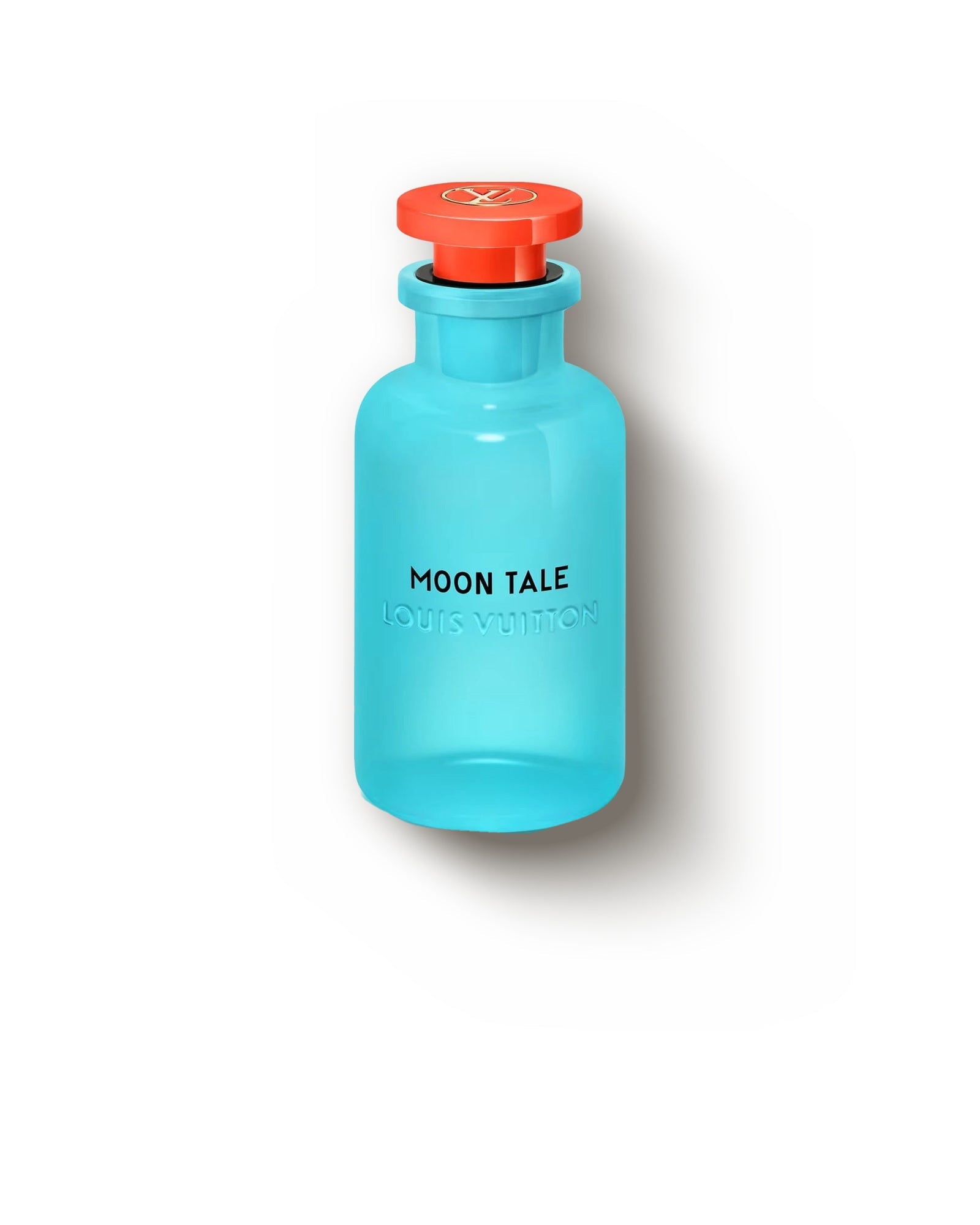
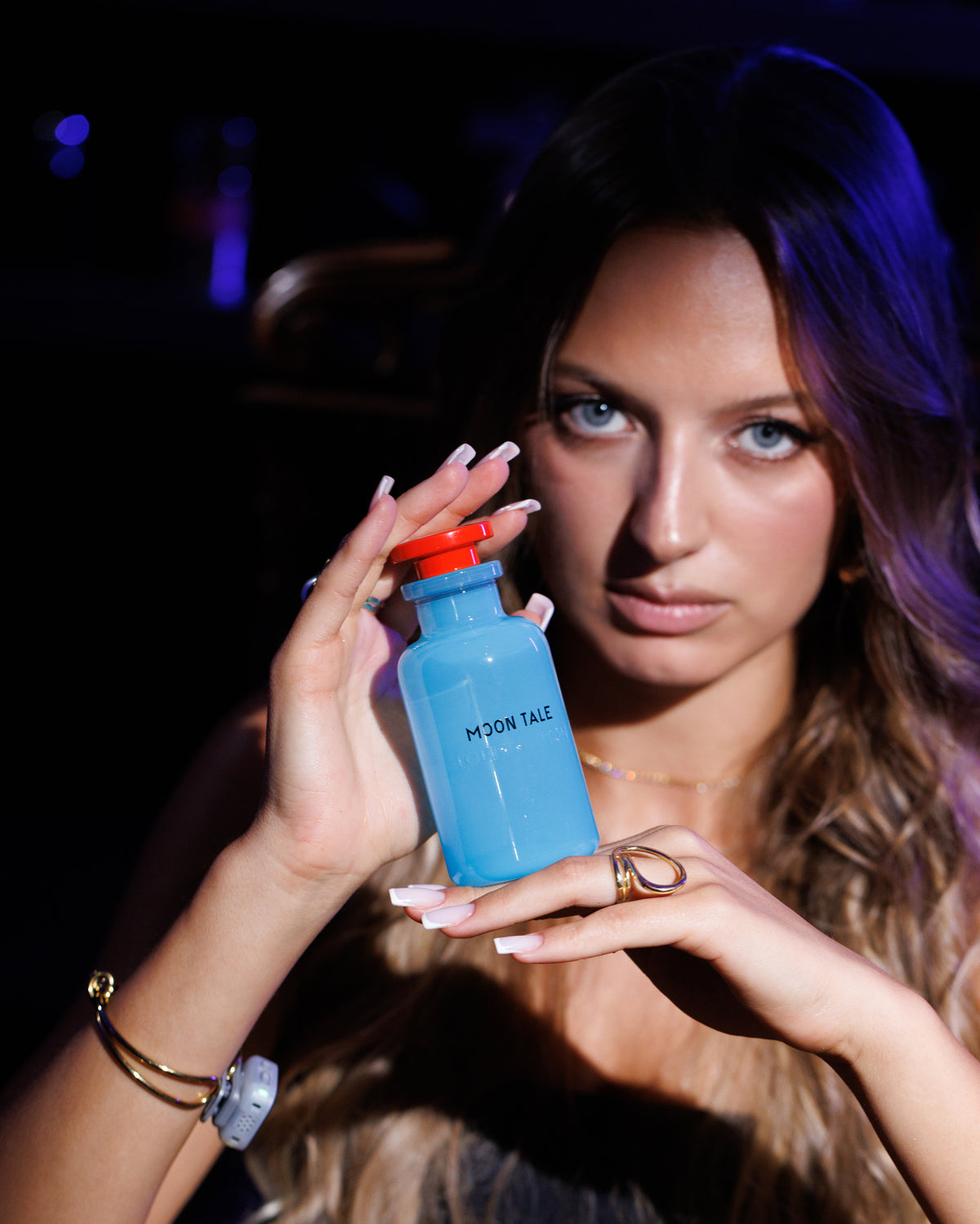
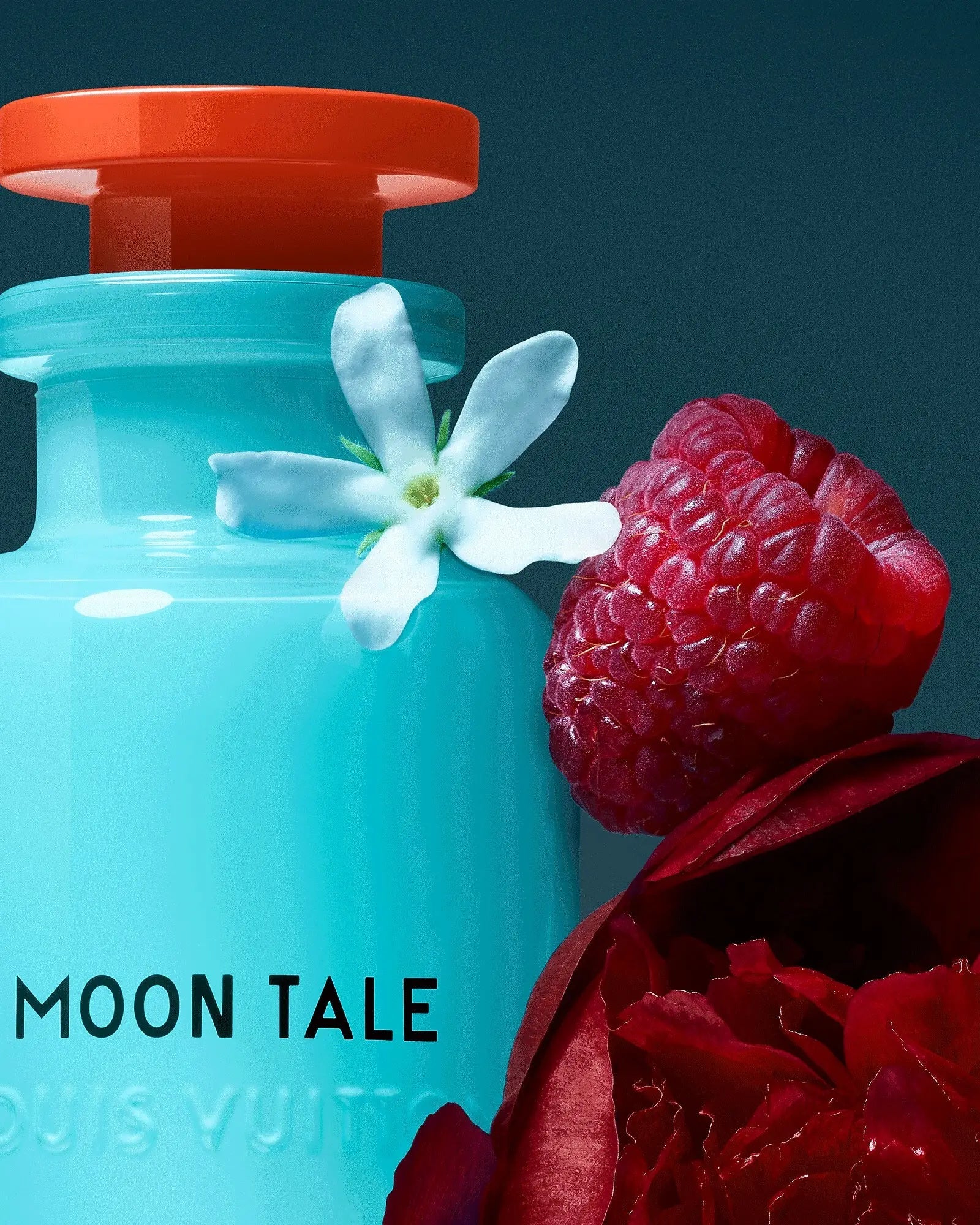
Moon Tale to jeden z trzech zapachów kolekcji Journey to China, rozdziału Louis Vuitton, który Jacques Cavallier Belletrud skomponował wraz z córką Camille. Aptekarski flakon Marca Newsona przerobiono tu na chińską tabakierkę: opalizujące szkło pod lakierowanym korkiem w barwach tian-tsui, dawnej sztuki osadzania piór zimorodka i koralu w biżuterii.


Kwiatowy
Cały ogród, nigdy jeden kwiat
Nie jeden kwiat, lecz wrażenie wielu, zwykle róży, jaśminu i kwiatu pomarańczy, które opierają się o siebie tak, że żadnego nie da się rozpoznać osobno. Słodki, rosisty, lekko pudrowy, z nektarem pod spodem. To właśnie mają na myśli ludzie, gdy mówią, że perfumy pachną kwiatami, ale nie potrafią powiedzieć, jakimi.


Owocowy
Skórka brzoskwini, nie skórka cytryny
Brzoskwinia, gruszka, jabłko, jagody: to słodycz miąższu, a nie skórki, zroszona i ciężka od nektaru tam, gdzie cytrusy są ostre i cienkie. Brzmi młodo i odrobinę łapczywie, to dojrzałość, którą niemal czujesz spływającą po nadgarstku.


Białe kwiaty
Kwiaty, które czuć z drugiego końca ogrodu
To wspólna cecha jaśminu i tuberozy: gęste, kremowe płatki, a pod nimi dojrzała, niemal zwierzęca słodycz, czyli indol, przez który okazałe kompozycje kwiatowe nigdy nie pachną grzecznie. Na brzegach zieleń, w środku przejrzały owoc, a na ciepłej skórze wszystko brzmi głośniej.


Świeży
Zimna woda, świeże powietrze, obmyta skóra
Chłodna woda, wyprana bawełna, powietrze, w którym jeszcze nic nie ma. Świeży impuls może być cytrusowy albo słono-wodny, ale efekt jest zawsze ten sam: odbierasz to jako czystość, a nie jako zapach, tak jak pokój wydaje się inny pięć minut po otwarciu okna.


Słodki
Ciepły cukier, którego nie da się do końca nazwać
Karmel, miód, wata cukrowa: słodycz, która krąży między wszystkimi trzema i nigdy nie zatrzymuje się na jednym. To gurmandowe przyciąganie, to, co sprawia, że ktoś nachyla się bliżej, niż zamierzał, ciepłe i miękkie, o pół kroku od jadalności.


Róża
Aksamitne płatki, miód i kolec
Na początku rosista i owocowa, potem konfiturowe, miodowe serce z zielonym, pieprznym pazurem pod spodem. Destylowanego kwiatu jest w niej bardzo niewiele. Akord różany się komponuje, a dobry potrafi pachnieć bardziej różą niż sama róża.


Malina
Owoc wyczarowany, bo żadnego nie da się wyekstrahować
Czym jest
Owoc nie oddaje niczego: ani olejku, ani absolutu. Tę nutę zawsze się buduje, z ketonu malinowego z beta-iononem dla fiołkowego rysu i furaneolem dla konfiturowej słodyczy albo z absolutu z boronii, dawany, róży i liścia fiołka.
Jak pachnie
Dżemowa i dojrzała, bardziej słodka niż ostra, z pudrowym, kwiatowym cieniem, który wyłania się w miarę wysychania. Wersja laboratoryjna jest jaśniejsza, nieco kandyzowana i trzyma kształt. Ta oparta na boronii jest cieplejsza, bardziej zielona i dziksza.
W perfumiarstwie
Żyje w zapachach owocowo-kwiatowych i gurmandowych, obok róży, fiołka i wanilii. Keton malinowy wyróżnia się wśród owocowych surowców trwałością: wciąż jest wyczuwalny w końcówce, długo po tym, jak ulotniły się gruszka i brzoskwinia.
Warto wiedzieć
Absolut z liści maliny istnieje, ale pachnie zielono i liściasto, w niczym nie przypomina owocu. Boronia, jedyny naturalny surowiec, który się do niego zbliża, pachnie dżemem malinowym i herbatą, a jest na tyle trudno dostępna, że malina z samych surowców naturalnych pozostaje rzadkością.


Piwonia
Rosiste falbany, świeże i dyskretnie zielone
Czym jest
Falbaniasty wiosenny kwiat z rodzaju Paeonia, zarówno krzaczastych odmian zielnych, jak i piwonii drzewiastych. Żywy kwiat nie daje olejku w użytecznej skali, więc każdą piwonię we flakonie składa się z różanych, zielonych i wodnych związków zapachowych.
Jak pachnie
Chłodna, rosista i przejrzysta: miękkie różane serce uniesione rześkimi zielonymi łodygami i odrobiną miodu. Pomyśl raczej o bladym różu niż o czerwieni, o pąku, który właśnie się otwiera, o wodzie na płatku. Nigdy nie staje się dżemowa.
W perfumiarstwie
Nuta serca tysiąca różowych kompozycji kwiatowych, promienna i lekka tam, gdzie róża byłaby ciężka. Opiera się na liczi, frezji, magnolii i białych piżmach i połyskuje w niezliczonych bukietach o wiosennym charakterze.
Warto wiedzieć
Skoro nie ma czego destylować, każda piwonia jest domysłem perfumiarza na temat kwiatu, więc dwie z nich mogą pachnieć tak, jakby prawie nic ich nie łączyło. W Chinach nazywa się ją królem kwiatów, symbolem honoru i bogactwa.


Magnolia
Cytrynowo-kremowe płatki tchnące nad południowym ogrodem
Czym jest
Starsza od pszczół. Magnolie kwitły już dziesiątki milionów lat, zanim pojawiły się pszczoły, i dlatego ich płatki są na tyle twarde, by przetrwać chrząszcze, które je zapylają. Absolut pozyskuje się ze świeżych płatków.
Jak pachnie
Skórka cytryny i śmietanka, gdzieś pomiędzy cytrusem a różą herbacianą. Otwiera się musująco, potem mięknie w mleczny płatek, zieloną łodygę i odrobinę goździkowego ciepła, a w bazie wybrzmiewa czysto i lekko owocowo. Zwinniejsza niż jaśmin.
W perfumiarstwie
Perfumiarze sięgają po nią w sercu kompozycji, gdy biały kwiat ma pozostać lekki: rosisty i świetlisty, bez indolowego ciężaru tuberozy czy gardenii. Swobodnie łączy się z cytrusami, piwonią, lilią i miękkimi piżmami.
Warto wiedzieć
Absolut jest rzadki i kosztowny w pozyskaniu, dlatego magnolię w większości flakonów buduje się ze związków zapachowych, a nie wydobywa z kwiatów. Dobra rekonstrukcja jest przekonująca. Wciąż jednak to portret, nie fotografia.

Jaśmin sambac
Zielony, herbaciany jaśmin, który rozkwita po zmroku
Czym jest
Kwiaty otwierają się po zmroku i wtedy pachną najmocniej, dlatego zbieracze zrywają je jako pąki wczesnym rankiem, zanim się rozwiną. Ekstrakcja rozpuszczalnikiem daje woskowy konkret, a po przemyciu go alkoholem powstaje absolut.
Jak pachnie
Bardziej zielony i herbaciany niż odmiana grandiflorum i znacznie mniej owocowy. Zaczyna rześko i nieco woskowo, niemal z odcieniem banana, po czym ociepla się w indolową słodycz. Ten indol to jego zwierzęca strona: z bliska odurzająca, a mimo to świetlista.
W perfumiarstwie
Nuta serca, która daje białym bukietom kwiatowym ciało i lekkość. Współgra z różą, tuberozą, drzewem sandałowym i zieloną herbatą, łagodzi ostre cytrusy, a niektóre soliflory nocnych kwiatów powstają niemal wyłącznie z niego.
Warto wiedzieć
To sampaguita, narodowy kwiat Filipin, nawlekany na girlandy i używany do aromatyzowania chińskiej herbaty. Drobne kwiaty zbierane ręcznie każdego ranka przez długi sezon sprawiają, że absolut należy do najdroższych surowców kwiatowych.


Geranium
Róża z zielonymi łodygami i roztartą miętą
Czym jest
Perfumiarskie geranium wcale nie jest geranium, czyli bodziszkiem. To pelargonia, a różany zapach kryje się w liściach i łodygach, czyli w tej części, która trafia do alembiku.
Jak pachnie
Rozgnieć liść, a poczujesz różę, ale różę razem z łodygą: zieloną, rześką, lekko pieprzną, schłodzoną czymś miętowym. Przeplatają ją cytryna i pudrowa słodycz.
W perfumiarstwie
Pracuje w sercu kompozycji, łącząc zapachy kwiatowe z fougère, a jego ziołowy pazur sprawia, że tak dużo go trafia do perfum kierowanych do mężczyzn. Dobrze łączy się z różą, miętą, goździkiem, bergamotką i wetiwerem.
Warto wiedzieć
Geranium i róża mają wspólny cytronelol, dlatego geranium może zastąpić część akordu różanego znacznie mniejszym kosztem. Zbiory Bourbon z Reunionu, niegdyś wzorcowe, zmalały, gdy uprawy przeniosły się do Egiptu i Chin.
Charakter zapachu
Malina otwiera go jasno i z lekką kwaskowatością, jako przekład kosmetycznej czerwieni w wykonaniu domu. Piwonia niesie serce, geranium zaostrza jej kontury, jaśmin sambac nabiera intensywności, a magnolia dba, by całość była lekka, nie ciężka. Dom wspomina o miękkim piżmie na zakończenie i właśnie tam zmierza zapach: pudrowy i czysty na skórze.


Trwałość
jak długo utrzymuje się na skórze
Klepsydra pokazuje czas noszenia: ile godzin zapach przemawia na skórze, zanim zgaśnie. Pasek, który ledwie rusza z miejsca, oznacza kilka ulotnych godzin. Pasek na całej długości niesie zapach od rana do wieczora. Traktuj to jako typowy wynik, a nie obietnicę. Skóra tłusta zatrzymuje zapach znacznie dłużej niż sucha.


Sillage
wielkość smugi zapachu, którą zostawia
Sillage to po francusku kilwater statku i dokładnie to mierzy ten wskaźnik: ile zapachu dociera do pomieszczenia, zamiast zostać na tobie. Niski to szept, który wyłapią tylko bliscy przyjaciele. Ogromny wypełnia pokój i wypełnia go dalej, gdy już wyjdziesz.


Eksperymentalny
Stworzony, by prowokować, a nie by się przypodobać
Niektóre perfumy powstają po to, by się podobać. Te powstają po to, by się o nie spierać: atramentowa smoła, rozgrzana guma, owoc na granicy fermentacji, metal i futro tam, gdzie spodziewasz się kwiatów. Moneta rozżarza się przy zapachu, który prowokuje, i przygasa przy takim, który gra bezpiecznie, co czasem jest właśnie celem.


Biuro
Wytworny i nigdy głośniejszy od otoczenia
Zapach we wspólnym pomieszczeniu to kwestia dobrych manier. W tym zasięgu powinien dotrzeć do osoby po drugiej stronie biurka i tam się zatrzymać: schludne cytrusy, miękkie piżmo, jasne drewno, wszystko brzmiące kompetentnie i taktownie. Rozżarzona moneta oznacza, że nikt nie będzie musiał o nim wspominać. Przygaszona, że zapach wędruje dalej.


Wieczór
Po zmroku, gdy nabiera głębi
Kolacja, drinki, noc, która się przeciąga. W przyćmionym świetle ambra, żywice i dymne drewno przestają być grzeczne, a pluszowe kwiaty wreszcie rozkwitają. Rozżarzona moneta oznacza, że zapach czeka właśnie na tę godzinę. Przygaszona, że najlepiej spisuje się za dnia.


Romantyczny
Dość blisko, by go poczuć
Zapach może mruczeć przy skórze, zamiast ogłaszać się przez cały stół. Tu liczy się właśnie ten rejestr: kremowe kwiaty, wanilia, miękkie piżmo, nitka przypraw, dość ciepłe, by ktoś się przysunął. Moneta rozżarza się, gdy zapach buduje taki nastrój, i przygasa, gdy jest bardziej praktyczny niż uwodzicielski.


Oficjalny
Cichy autorytet na eleganckim przyjęciu
Wesele, ceremonia, sala, w której każdy przemyślał wybór butów. Tu liczy się struktura, nie głośność: gładkie drewno, zdyscyplinowane kwiaty, miękka skóra. Rozżarzona moneta oznacza, że zapach trzyma postawę przez cały wieczór. Przygaszona, że jest zbyt swobodny na tę salę.


Na co dzień
Lekki komfort niespiesznych dni
Sprawunki, kawa, leniwa sobota bez żadnych planów. Nic tu nie musi nikomu imponować, więc pasuje to, co miękkie i łatwe: świeże cytrusy, lekkie drewno, odrobina ciepła bijącego od skóry. Rozżarzona moneta mówi temu wszystkiemu tak. Przygaszona oznacza, że zapach prosi o większy wieczór.


Od dnia do nocy
gdzie naturalnie odnajduje się jego nastrój
Pasek biegnący od słońca do księżyca pokazuje porę, dla której stworzono zapach. Im większa jego część pozostaje złota, tym bardziej zapach należy do dnia i otwartej przestrzeni. Im dalej błękit sięga wstecz ku słońcu, tym głębszy i cieplejszy staje się zapach: wieczór, blask świec, przyciemnione wnętrza.


Zima
Ciepło, które niesie się przez mroźne powietrze
Zimne powietrze tłumi zapach i go spowalnia, dlatego zima należy do tego, co gęste i ciepłe: żywicy, dymu, wanilii, skóry, ambrowych przypraw. Pasek pokazuje, jak dobrze ten zapach stawia opór, rozżarzając się na przekór chłodowi, zamiast w nim rzednąć.


Wiosna
Świeże kwiaty w łagodnym, rosnącym cieple
Łagodne, wilgotne powietrze unosi lekką kompozycję, dlatego ta pora roku należy do rosistych kwiatów, zielonych łodyg, miękkiego pudru i przejrzystych cytrusów. Żywych, nie ciężkich. Im dalej zieleń biegnie wzdłuż paska, tym swobodniej nosi się ten zapach przy takiej pogodzie.


Lato
Jasny i zwiewny w prawdziwym upale
Upał sam odpowiada za projekcję, dlatego źle dobrane perfumy do południa stają się nie do zniesienia. Przetrwa to, co chłodne i przewiewne: ostre cytrusy, słone powietrze, aromatyczne zioła, woda. To, co orzeźwia, zamiast mdlić. Krótki pasek oznacza tu, że lepiej zachować ten zapach na chłodniejsze miesiące.


Jesień
Korzenne ciepło na chłodniejące dni
Gdy powietrze się ochładza, bogate surowce przestają przytłaczać i zaczynają brzmieć wyraźnie: suche drewno, ciepłe przyprawy, tytoń, ambra, owoce, które nabrały złota. To pora, w której perfumy stają się kontemplacyjne. Pasek wypełnia się w zależności od tego, jak naturalnie ten zapach odnajduje się w rześkich, chłodniejących dniach.
Kiedy nosić
Recenzenci na Parfumo skłaniają się ku wiośnie i latu i traktują go jako codzienny owocowo-kwiatowy zapach, który działa w południe równie dobrze jak po zmroku. Louis Vuitton ujmuje to inaczej: jako ostatni gest przed wyjściem w noc. Obie interpretacje są trafne. Noś go na co dzień albo z bliska, przy kimś, kogo chcesz mieć obok.
Wybierz opcje
The Vibe


Nos
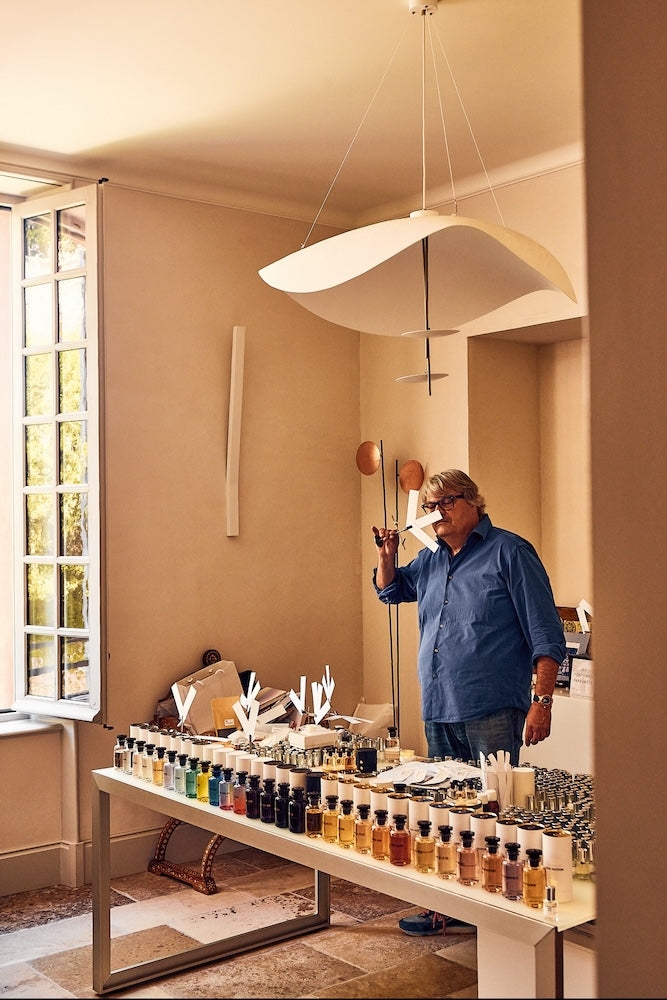
Jacques Cavallier Belletrud
Mistrz perfumiarz
Urodzony w Grasse w rodzinie perfumiarzy, w 1990 roku dołączył do Firmenich, a w 2012 został perfumiarzem domu Louis Vuitton. Skomponował Issey Miyake L'Eau d'Issey, Jean Paul Gaultier Classique, Yves Saint Laurent Opium pour Homme, Lancôme Poême i Louis Vuitton L'Immensité.
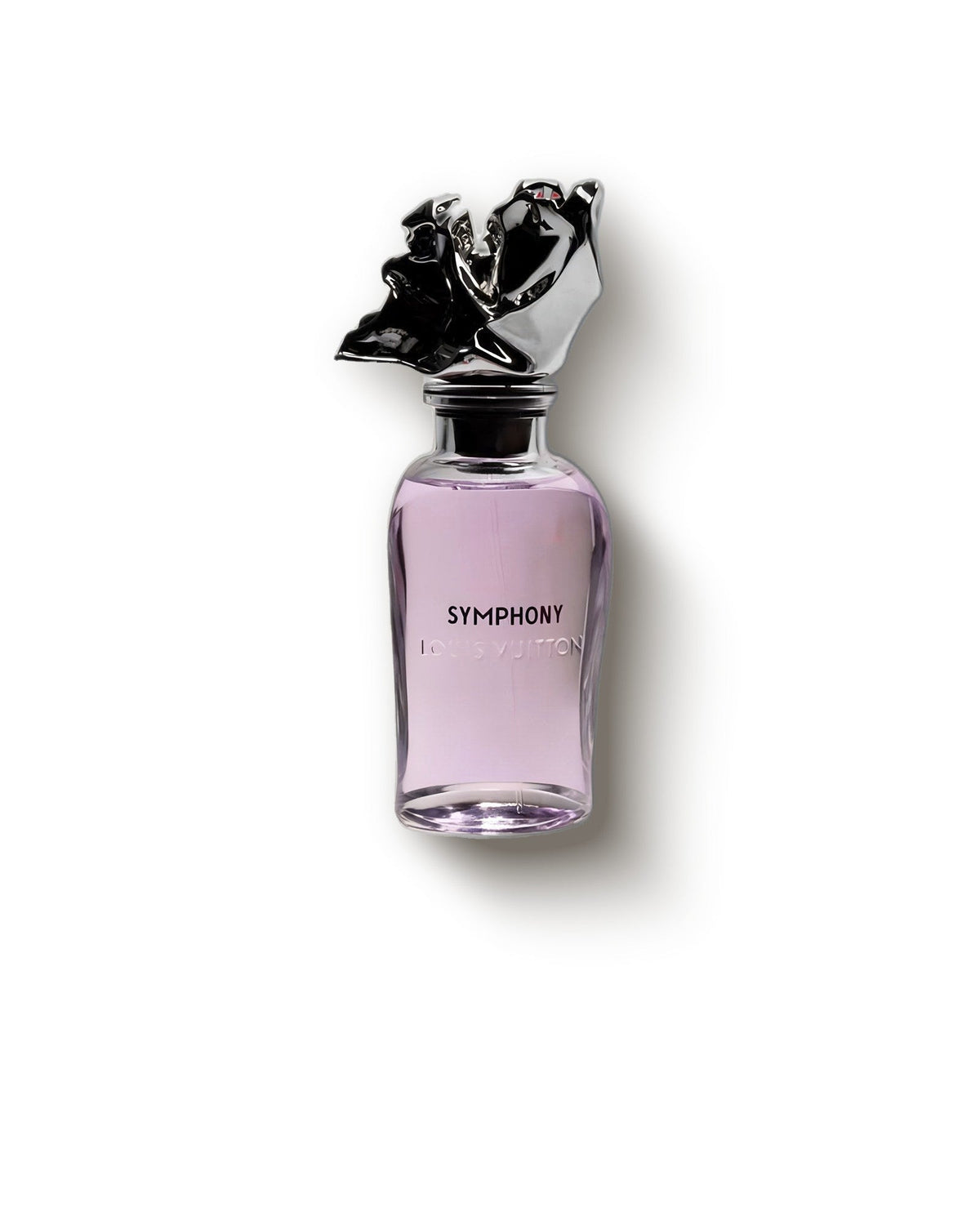
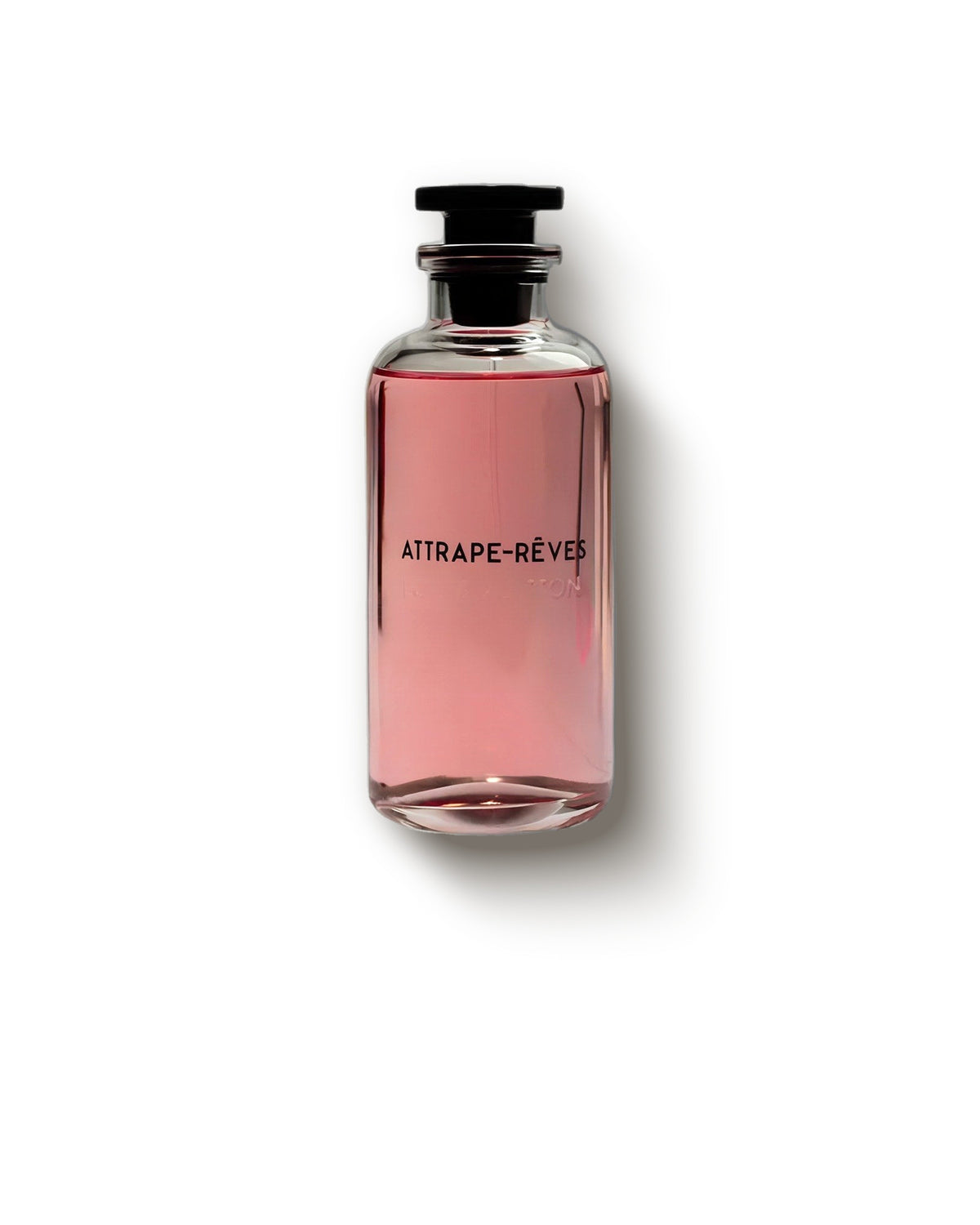
Więcej od tego nosaOmbre NomadeSymphonyAttrape-Rêves
Maison

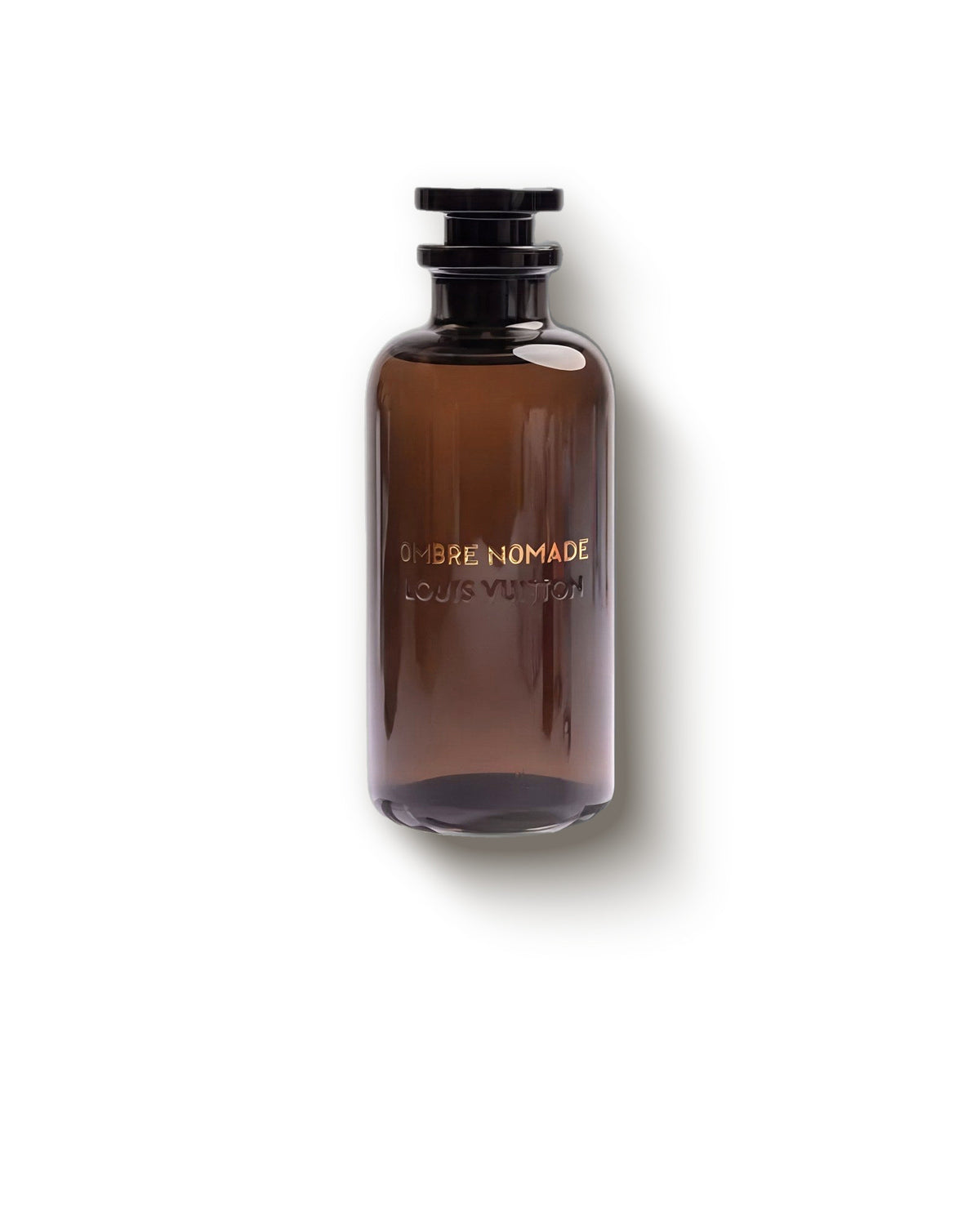
Dymny Oud z Ombre Nomade i liczi w rytmie marzenia z Attrape Rêves, więc test na skórze kosztuje tyle co kawa.
Perfumeria Louis Vuitton handluje nastrojem i podróżą, zapach ma czuć się jak pieczątka w paszporcie, a nie piramida nut. Gama sięga od cytrusów oblanych słońcem po gęsty, dymny Oud stworzony na długi wieczór, a wszystko niesie tę samą wypolerowaną, niespieszną pewność siebie.
- Pochodzenie
- Paryż, Francja
- Rok założenia
- 1854, perfumy wznowione w 2016
- Znane z
- Ombre Nomade, Attrape Rêves

KAŻDY DEKANT
Od oryginalnego flakonu pod Twoje drzwi
Kupujemy oryginalny flakon w pełnej cenie detalicznej, bezpośrednio od domu.
Strzykawka Socorex klasy medycznej pobiera dokładne mililitry prosto z flakonu.
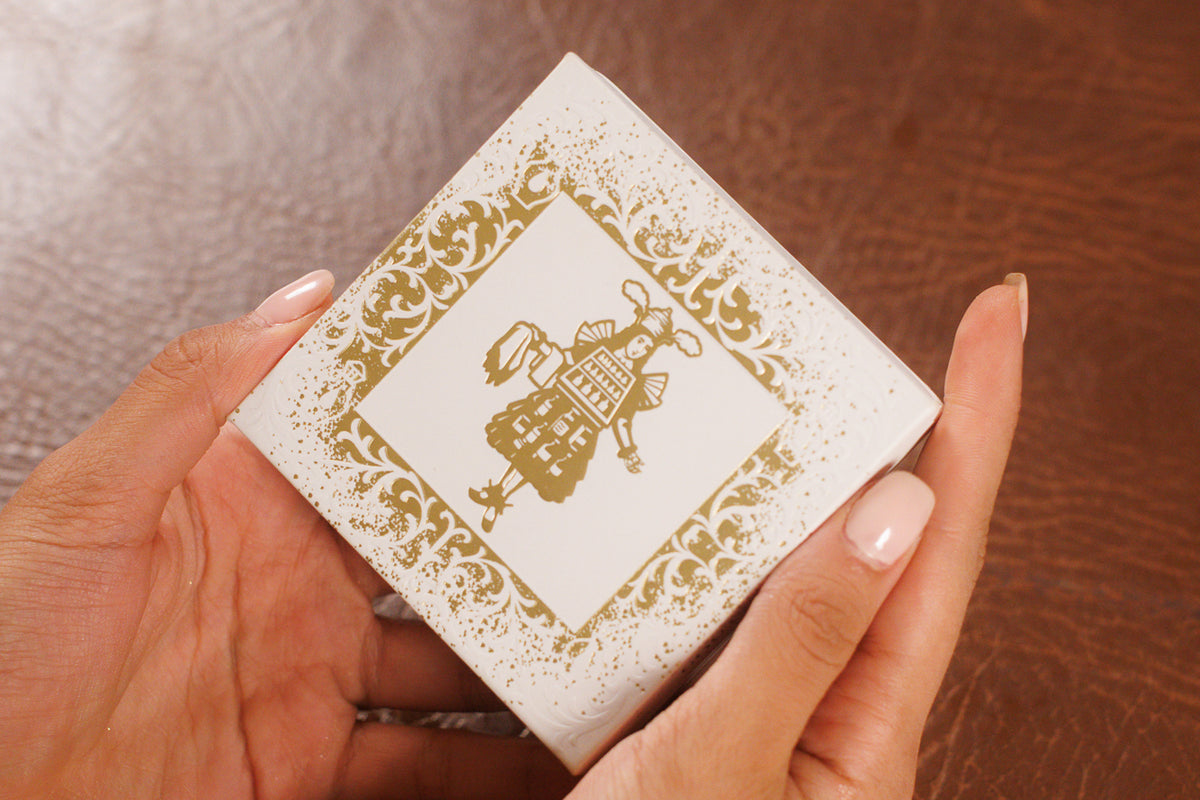
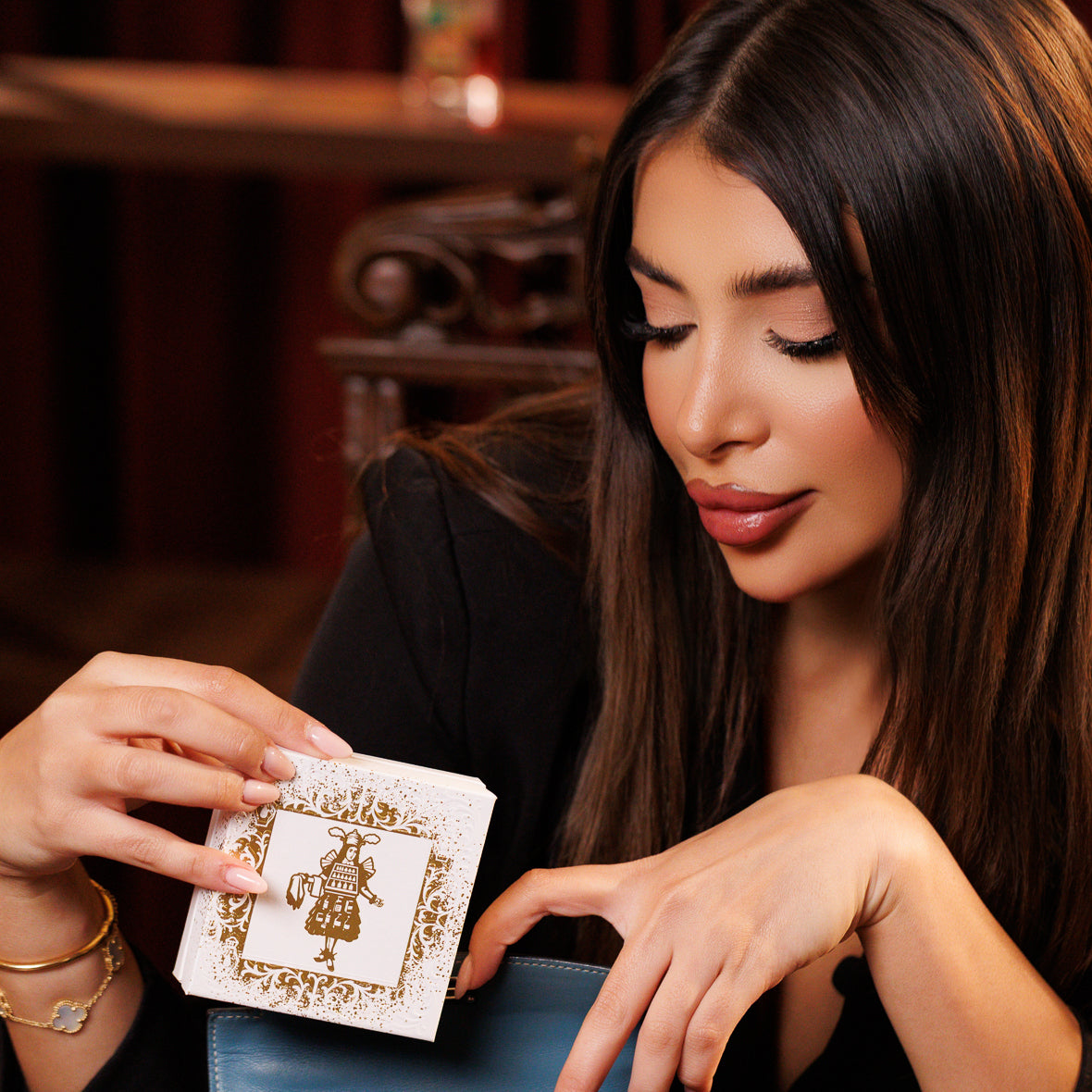
Zapakowane w pudełko tłoczone złotą folią i przekazane DHL, wszystkie cła już opłacone. Jak powstaje dekant
Więcej od Louis Vuitton
Może Ci się też spodobać