

Filippo Sorcinelli
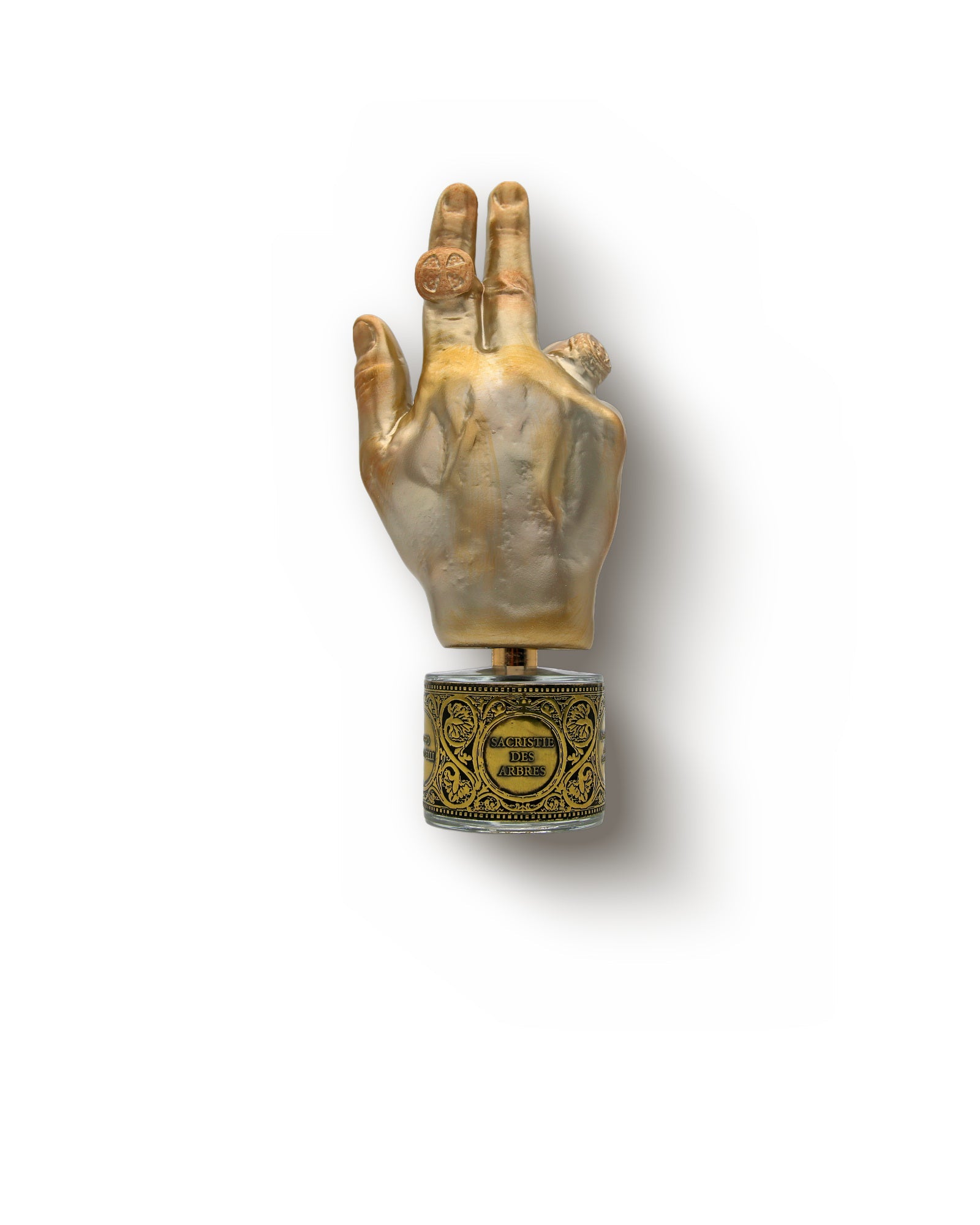
Reliqvia
Η Ιστορία
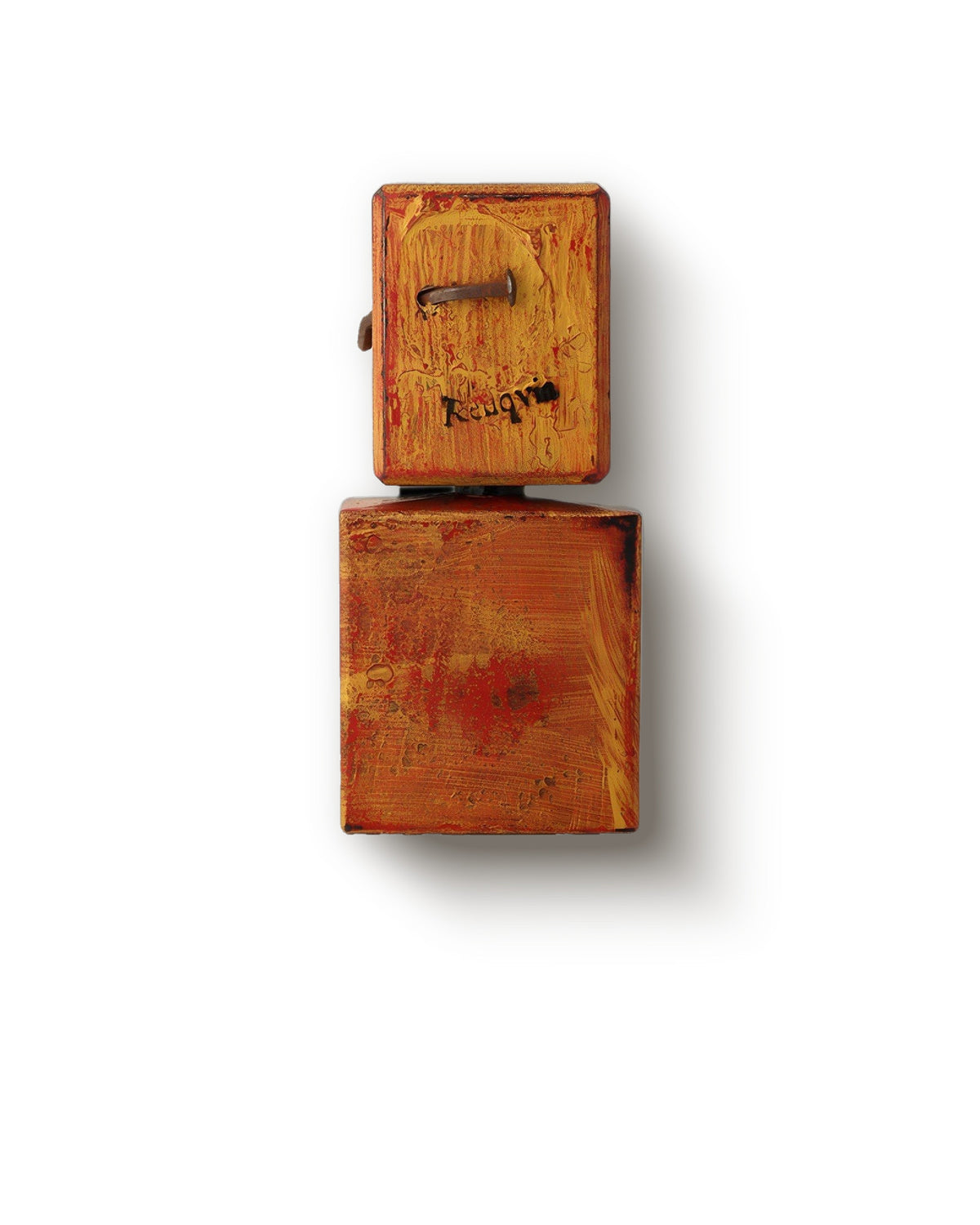
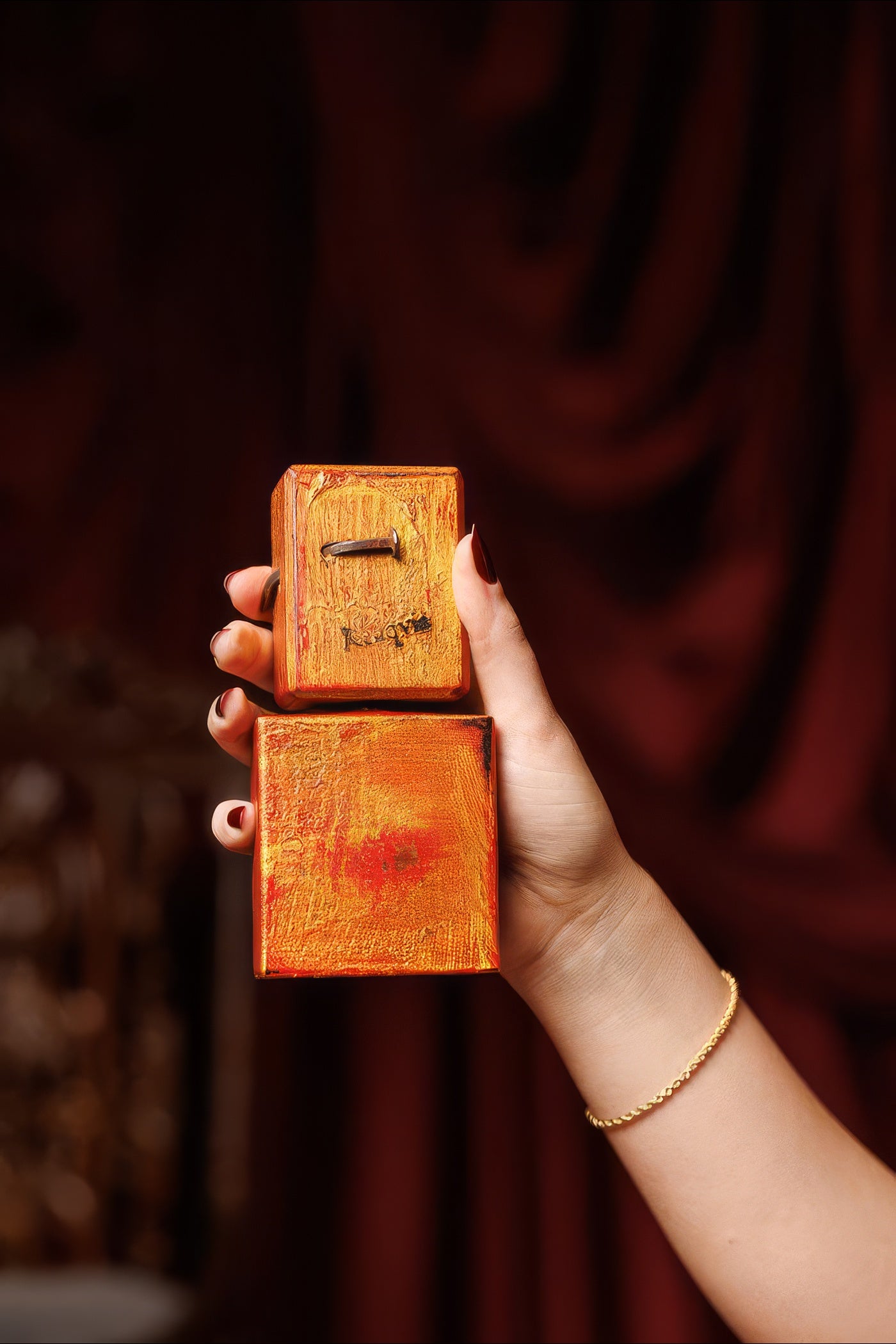
Το Reliqvia πήρε το όνομά του από το κειμήλιο και όχι από την εκκλησία, και η διαφορά έχει σημασία: είναι φτιαγμένο ως αντικείμενο που κρατιέται και φυλάσσεται στο χέρι, όχι ως χώρος για να μπει κανείς μέσα του. Ο Sorcinelli έχει πει ότι ξεκίνησε από τη μουσική και ότι αυτή παραμένει η πρώτη του πηγή έμπνευσης, κάτι που ακούγεται στον τρόπο που αυτό το άρωμα εξελίσσεται τόσο αργά.


Ξυλώδες
Ξερή υφή κομμένου ξύλου
Η μυρωδιά από ροκανίδια κέδρου, σανταλόξυλο και ξερές ρίζες βετιβέρ, μια λειασμένη, ρητινώδης ζεστασιά με ένα αχνό ξύσιμο κασετίνας μολυβιών. Δείχνει γειωμένη και συγκροτημένη, η ήσυχη ραχοκοκαλιά που κάνει ένα άρωμα να διαβάζεται σοβαρό και διαρκές.


Καπνιστό
Απανθρακωμένο ξύλο και σπίθες που ανεβαίνουν
Η ξηρή, απανθρακωμένη μυρωδιά του ξύλου που καίει, του λιβανιού που σιγοκαίει και της στάχτης που παραμένει, άλλοτε σαν πίσσα, άλλοτε αχνή και γκρίζα. Δείχνει βαρύθυμη και ατμοσφαιρική, ξυπνώντας μια φωτιά που σβήνει και ένα δροσερό ρεύμα αέρα που κουβαλά την τελευταία της ανάσα.


Βαλσαμικό
Χυμός δέντρου που πύκνωσε και χρύσισε
Ρητίνες δέντρων και χρυσό άμπερ, πηκτωμένες σε σιρόπι και αγγιγμένες από βανίλια. Δεν αστράφτει ούτε κινείται· κατακάθεται, ζεσταίνοντας το δέρμα όπως το φως του κεριού ζεσταίνει ένα δωμάτιο, και μένει εκεί πολύ αφότου οι νότες κορυφής έχουν σιγήσει.


Αρωματικό
Τριμμένα βότανα στον δροσερό αέρα
Η πράσινη, καμφορούχα δροσιά της λεβάντας, του δεντρολίβανου, του φασκόμηλου και του θυμαριού, σαν βότανα τσαλακωμένα ανάμεσα στα δάχτυλα. Δείχνει καθαρό, αναζωογονητικό και κάπως αυστηρό, η τραγανή ραχοκοκαλιά μιας κλασικής φρεσκάδας κουρείου.


Άμπερ
Ρητίνη ζεσταμένη ώσπου να γλυκάνει
Λάβδανο, βενζόη και βανίλια λιωμένα μαζί σε κάτι γλυκό αλλά σκοτεινό, σαν ρετσίνι δέντρου απαλυμένο στον ήλιο με μια κλωστή καπνού λιβανιού μέσα του. Το άμπερ δεν λάμπει ούτε φωνάζει. Κάθεται κοντά στο δέρμα και εκπέμπει ζεστασιά για ώρες.

Ζεστό Μπαχαρένιο
Η πυρωμένη θράκα του συρταριού με τα μπαχαρικά
Η στρογγυλεμένη θερμότητα της κανέλας, του γαρύφαλλου και του μοσχοκάρυδου, ξηρή και ελαφρώς ρητινώδης, σαν κελάρι ζαχαροπλαστικής παρά αιχμηρή κουζίνα. Δημιουργεί μια έντονη ζεστασιά που σε τυλίγει, οικεία και χειμωνιάτικη, αγκαλιάζοντας το δέρμα από μέσα.


Πατσουλί
Υγρό χώμα και σκούρο ξύλο μετά τη βροχή
Τι είναι
Κανείς δεν θα μάντευε μέντα, όμως αυτή είναι η οικογένεια: ένας φυλλώδης θάμνος του οποίου τα φύλλα ξεραίνονται και αφήνονται να ωριμάσουν, σχεδόν να ζυμωθούν, πριν η απόσταξη αντλήσει ένα έλαιο πηχτό και σκούρο σαν σιρόπι.
Πώς μυρίζει
Βρεγμένο χώμα, δασικό έδαφος, ένα παλιό κελάρι, με μια κρασάτη γλύκα από κάτω. Το νέο έλαιο μπορεί να σας έρθει κοφτό και πράσινο, σχεδόν καμφορένιο. Το παλαιωμένο πηγαίνει προς την αντίθετη κατεύθυνση, προς τη σοκολάτα και το δέρμα, και μένει στη θέση του για ώρες.
Στην αρωματοποιία
Σχεδόν τίποτα δεν αγκυρώνει μια σύνθεση όπως αυτό. Τα σιπρ και τα ανατολίτικα χτίζονται πάνω σε αυτή την άγκυρα, και λίγες σταγόνες κάτω από τριαντάφυλλο, βετιβέρ ή λάβδανο κρατούν το σύνολο στο δέρμα για ώρες.
Αξίζει να γνωρίζετε
Τα σάλια του Κασμίρ του δέκατου ένατου αιώνα ταξίδευαν τυλιγμένα σε αποξηραμένα φύλλα πατσουλιού για να προστατεύονται από τον σκόρο, και οι Ευρωπαίοι έμαθαν να αναγνωρίζουν ένα γνήσιο μόνο από τη μυρωδιά. Το έλαιο βελτιώνεται με τον χρόνο, κάτι που δεν κάνει σχεδόν κανένα αιθέριο έλαιο, και μαλακώνει σαν το κρασί.


Λιβάνι
Η μυρωδιά της ρητίνης πάνω στο αναμμένο κάρβουνο
Τι είναι
Αυτό που μυρίζετε είναι μια αλλαγή κατάστασης: η ρητίνη συναντά τη θερμότητα. Η ρητίνη είναι συνήθως ολίβανο, που δακρύζουν τα δέντρα Boswellia στο Ομάν και στο Κέρας της Αφρικής, και οι αρωματοποιοί στρογγυλεύουν το αποτέλεσμα με λάβδανο και στύρακα.
Πώς μυρίζει
Δροσερό και ξηρό στην αρχή, αρκετά αιχμηρό ώστε να διαβάζεται σαν τερεβινθίνη, και μετά έρχεται ο καπνός: πιπεράτος, σταχτής, αχνά γλυκός. Υπάρχει μια ποιότητα πέτρινης εκκλησίας μέσα του, σαπουνένια και αχνά πράσινη, και παραμένει κοντά στο δέρμα.
Στην αρωματοποιία
Λειτουργεί όπως η σιωπή λειτουργεί σε ένα δωμάτιο. Από την καρδιά έως τη βάση δροσίζει τα λουλουδάτα, οξύνει τα ξυλώδη και προσδίδει ένα βάρος τελετουργίας σε ανατολίτικες και chypre δομές που διαφορετικά θα διαβάζονταν απλώς ως πλούσιες.
Αξίζει να γνωρίζετε
Πολύ πριν κανείς το φορέσει, αυτός ο καπνός ήταν ανάμεσα στα πιο ακριβά εισαγόμενα προϊόντα της αρχαιότητας. Ταξίδευε κατά μήκος των αραβικών καραβανοδρόμων προς ναούς σε όλη τη Μεσόγειο, όπου η καύση του ήταν αυτοσκοπός: το άρωμα ήταν η προσφορά.


Ξύλο Κασμίρ
Ένα επινοημένο ξύλο που μυρίζει ζεστό δέρμα
Τι είναι
Δεν υπάρχει δέντρο κασμίρ. Αυτό που μυρίζετε είναι ένα μόριο, το Cashmeran, που δημιουργήθηκε σε εργαστήριο της IFF γύρω στο 1970 και πήρε το όνομά του από το ύφασμα, όχι από κάτι που φυτρώνει.
Πώς μυρίζει
Στεγνό ξανθό ξύλο και καθαρός μόσχος, τυλιγμένα σε μια μπαχαρένια, αχνά βανιλάτη ζεστασιά με μια αιχμή παλιού χαρτιού και ρητίνης πεύκου. Σε μικρή δόση παύει εντελώς να μυρίζει ξύλο και διαβάζεται σαν αλμυρό, ζεσταμένο από τον ήλιο δέρμα.
Στην αρωματοποιία
Νότα βάσης που απλώνεται πάνω σε μια φόρμουλα σαν ομίχλη από μαλλί, θολώνοντας τις αιχμηρές άκρες και παρατείνοντας τη διάρκεια. Κρύβεται μέσα σε πάρα πολλούς σύγχρονους ξυλώδεις μόσχους.
Αξίζει να γνωρίζετε
Σε μια πυραμίδα νοτών εμφανίζεται συχνά ως Ξύλο Κασμίρ ή Μόσχος Κασμίρ, και μερικές φορές μέσα σε μια πιο χαλαρή ονομασία όπως Ξανθά Ξύλα, όλα ονόματα που ντύνουν ένα υλικό εργαστηρίου ώστε να ακούγεται επιλεγμένο. Κάποιοι αρωματοποιοί το χρησιμοποιούν μόνο του: φτάνει σαν έτοιμη συγχορδία.
Ξύλο Γουάγιακ
Ξύλο που σιγοκαίει με καρδιά τριαντάφυλλου τσαγιού
Τι είναι
Το λάδι φτάνει σαν στερεό. Το γουάγιακ είναι ένα αργά αναπτυσσόμενο σκληρόξυλο του Gran Chaco, του οποίου ο θρυμματισμένος πυρήνας αποστάζεται με ατμό σε ένα αχνό κεχριμπαρένιο, κηρώδες λάδι, που στερεοποιείται σε θερμοκρασία δωματίου και πρέπει να ζεσταθεί για να χυθεί.
Πώς μυρίζει
Μια θράκα, όχι ανοιχτή φλόγα. Ζεστό, καπνιστό και βαλσαμικό, με μια γλυκιά ξυλωδιά και μια ξεχωριστή πτυχή τσαγιού-τριαντάφυλλου να το διαπερνά, μαζί με πουδρέ, πιπεράτες και ελαφρώς πισσώδεις αποχρώσεις. Στεγνώνει κρεμώδες, πιο κοντά στο λιβάνι παρά στο ξύλο.
Στην αρωματοποιία
Κερδίζει τη θέση του στη βάση δύο φορές: ως άρωμα, και ως σταθεροποιητικό που τεντώνει ό,τι το περιβάλλει. Στρογγυλεύει τα τραχιά ξύλα και τα καπνιστά δέρματα, και ταιριάζει καλά με τριαντάφυλλο, βετιβέρ και καπνό.
Αξίζει να γνωρίζετε
Η ζήτηση έχει ξεπεράσει το δάσος. Η υπερεκμετάλλευση έθεσε το είδος υπό διεθνή προστασία, οπότε κούτσουρα, εκχύλισμα και λάδι ταξιδεύουν όλα με άδειες. Ακόμα εμπορεύεται, απλά μετριέται προσεκτικά.


Σανταλόξυλο
Κρεμώδες ξύλο, ξεριζωμένο ολόκληρο
Τι είναι
Το πλουσιότερο έλαιο βρίσκεται στις ρίζες, γι' αυτό ολόκληρο το δέντρο ξεριζώνεται αντί να κοπεί, και αποστάζεται με ατμό. Το Μυσόρ στη νότια Ινδία ήταν η κλασική πηγή, ώσπου δεκαετίες υπερβολικής υλοτομίας έφεραν τα άγρια δέντρα στο χείλος του αφανισμού.
Πώς μυρίζει
Γάλα και ζεστό ξύλο, με μια ροδαλή, σχεδόν βουτυράτη άκρη και τίποτα απολύτως κοφτό. Αυτό που ξαφνιάζει είναι πόσο λίγο κινείται: ούτε λαμπερό άνοιγμα, ούτε δράμα στο στέγνωμα, μόνο η ίδια ήσυχη λάμψη για ώρες.
Στην αρωματοποιία
Λειτουργεί διπλά: ως μυρωδιά, και ως σταθεροποιητής που κρατά το τριαντάφυλλο ή το γιασεμί στη θέση τους. Το σανταλόξυλο ταξινομείται επίσης σε ποιότητες, και η πιο σκούρα, πιο πυκνή, πιο πλούσια σε ρητίνη παλιά καρδιά του ξύλου έχει το δικό της όνομα: «κόκκινο κρέας».
Αξίζει να γνωρίζετε
Μια καρδιά ξύλου που αξίζει να συλλεχθεί χρειάζεται περίπου τριάντα χρόνια για να σχηματιστεί. Φυτείες του ίδιου είδους στη Δυτική Αυστραλία παράγουν σήμερα το μεγαλύτερο μέρος του ελαίου στον κόσμο, κοντά στη χημεία του παλιού Μυσόρ, αν και όχι ακριβώς με την ίδια κρεμώδη υφή.


Άνθος Πορτοκαλιάς
Λευκά πέταλα ανάμεσα σε μέλι και πικρή πρασινάδα
Τι είναι
Το νερολί και το absolute άνθους πορτοκαλιάς προέρχονται από το ίδιο χειροσυλλεγμένο λευκό άνθος της νεραντζιάς: το ένα αποστάζεται με ατμό, το άλλο εξάγεται με διαλύτη σε ένα κηρώδες concrete. Η Τυνησία, το Μαρόκο και η Μεσόγειος προμηθεύουν το μεγαλύτερο μέρος.
Πώς μυρίζει
Μελένιο νέκταρ στο κέντρο, κομμένο από μια καθαρή πικροπράσινη άκρη και μια αχνή μεταλλική δροσιά. Το νερολί είναι το πιο φωτεινό και σαπουνένιο από τα δύο· το absolute είναι πιο ζεστό και πιο ινδολικό, με μοσχώδες βάθος κάτω από τη γλύκα.
Στην αρωματοποιία
Είναι ο μεντεσές ανάμεσα στα εσπεριδοειδή και στο δέρμα: αρκετά φωτεινό ώστε να ακολουθεί μια κορυφή λεμονιού, αρκετά ζεστό ώστε να λιώνει μέσα στον μόσχο. Οι κολόνιες χρησιμοποιούν την αφρώδη πλευρά· τα μεγάλα λευκά λουλουδάτα την πλούσια, ινδολική.
Αξίζει να γνωρίζετε
Το νερολί πήρε το όνομά του από μια πριγκίπισσα της Νερόλα του δέκατου έβδομου αιώνα, που αρωμάτιζε με αυτό τα γάντια και το νερό του μπάνιου της. Ένα κιλό λαδιού χρειάζεται περίπου έναν τόνο χειροσυλλεγμένων ανθών.

Σκωτσέζικο Πεύκο
Κρύος αέρας του δάσους με μια δαγκωνιά νεφτιού
Τι είναι
Σπάστε μια βελόνα και έχετε το μεγαλύτερο μέρος του. Το έλαιο πεύκου αποστάζεται με ατμό από τις βελόνες και τα νεαρά κλαδιά στα βόρεια δάση· το absolute, που εξάγεται με διαλύτη, βγαίνει πιο σκούρο, πιο πράσινο και πιο βαρύ.
Πώς μυρίζει
Ψυχρό, ξηρό και ρητινώδες, με μια πράσινη, βαλσαμική απόχρωση και μια δαγκωματιά νέφτι που γίνεται φαρμακευτική. Χυμώδες στην κορυφή, σαν να στέκεστε μέσα σε ένα δάσος τον Ιανουάριο. Απαλύνει καθώς προχωράει, καταλήγοντας πιο γλυκό και πιο ζεστό από όσο ξεκίνησε.
Στην αρωματοποιία
Μια νότα κορυφής για οτιδήποτε πρέπει να μυρίζει σαν ύπαιθρος: ξυλώδεις συγχορδίες δάσους, φουζέρ, ο δροσερός ανοιχτός αέρας ενός αλπικού θέματος. Λεβάντα, κέδρος, ελάτη και καθαροί μόσχοι το κρατούν στη θέση του.
Αξίζει να γνωρίζετε
Το τονωτικό άρωμα του πεύκου έγινε συνώνυμο της καθαριότητας τον εικοστό αιώνα, όταν η φυσική απολυμαντική δύναμη του ελαίου πεύκου το έκανε τη μυρωδιά των τριμμένων πατωμάτων και των οικιακών καθαριστικών. Ο συνειρμός αυτός τραβά ακόμη τη μύτη, δίνοντας στο πεύκο ένα παράδοξο μείγμα άγριου δάσους και τακτοποιημένης υγιεινής.
Γαρύφαλλο
Ζεστές τσιμπιές από σκούρο, ρητινώδες μπαχαρικό
Τι είναι
Το γαρύφαλλο δεν ανθίζει ποτέ. Τα μπουμπούκια κόβονται από το δέντρο ακόμη κλειστά, στεγνώνουν στον ήλιο μέχρι να γίνουν σκληρά και σκουρόχρωμα, και καταλήγουν είτε στη μπαχαρικοθήκη είτε στον αποστακτήρα.
Πώς μυρίζει
Καυτό και γλυκό ταυτόχρονα, με ένα μουδιαστό φαρμακευτικό δάγκωμα που θα αναγνωρίσει όποιος έχει καθίσει στην καρέκλα του οδοντιάτρου. Από κάτω, ξυλώδες και βαλσαμικό, με μια αχνή φρουτωδία. Το τσούξιμο οφείλεται στην eugenol, και διαβάζεται ως γαρύφαλλο.
Στην αρωματοποιία
Λίγες σταγόνες στην καρδιά τραβούν το τριαντάφυλλο και το υλάνγκ-υλάνγκ κάπου πιο ζεστά και πιο ρετρό, και δίνουν στη βανίλια και τις αμπρέ ρητίνες μια στεγνή, τσουχτερή αιχμή. Πολλά κλασικά πικάντικα αρώματα ανοίγουν με γαρύφαλλο.
Αξίζει να γνωρίζετε
Το γαρύφαλλο κάποτε ξεκίνησε εμπορικούς πολέμους: οι Ολλανδοί έκαψαν ολόκληρα άλση για να μονοπωλήσουν την προσφορά. Ο σύγχρονος περιορισμός είναι πιο ανιαρός αλλά υπαρκτός. Η ευγενόλη ευαισθητοποιεί το δέρμα, γι' αυτό οι αρωματοποιοί δοσολογούν το έλαιο με φειδώ και χτίζουν το υπόλοιπο από άλλα μπαχαρικά.

Σχίνος
Πράσινη ρητίνη της άγριας ακτής
Τι είναι
Η μαστίχα γαντζώνεται στον ασβεστόλιθο της μεσογειακής ακτής, και το καλοκαίρι οι καλλιεργητές χαράζουν τον κορμό με το χέρι για τα σκληρυμένα της δάκρυα. Το κομμένο φύλλωμα και αυτή η ρητίνη διαβάζονται σαν πράσινο τσαλακωμένου φύλλου πάνω από λεπτό χυμό πεύκου, με μια βαλσαμική ζεστασιά από κάτω, σαν νέφτι που έχει στρογγυλευτεί και γλυκαθεί από τον θαλασσινό αέρα.
Στη σύνθεση
Το πράσινο νήμα που μια σύνθεση τεντώνει. Λίγες σταγόνες στην κορυφή ρίχνουν φως στο άνοιγμα με ένα ρητινώδες, βοτανικό τσίμπημα· χαμηλότερα συμπεριφέρεται σαν απαλό βάλσαμο, δίνοντας σώμα στα ξύλα και κολλώντας τα λουλουδάτα στη γη χωρίς βάρος. Ήλιος, πέτρα, αλμυροδαρμένη ακτή.


Άμυρις
Καραϊβικό ξύλο που ψιθυρίζει σαν απαλό σανταλόξυλο
Τι είναι
Τα κλαδιά είναι τόσο φορτωμένα με έλαιο, που κάποτε τα άναβαν ως δαυλούς, κι από εκεί προέρχονται τα candlewood και torchwood. Πεσμένο, παλιό ξύλο αποστάζεται αργά σε ένα απαλό έλαιο καρδιόξυλου που πωλείται ως West Indian sandalwood.
Πώς μυρίζει
Ξηρό, απαλό και χαμηλών τόνων: καθαρή ξυλώδης νότα που θυμίζει κέδρο, με αχνή βαλσαμική ζεστασιά και ένα πιπεράτο νήμα καπνού. Δίπλα στο αληθινό σανταλόξυλο είναι πιο λεπτό και πολύ λιγότερο κρεμώδες, λίγο λιπαρό, ευχαριστημένο να μένει κάτω από όλα τα υπόλοιπα.
Στην αρωματοποιία
Υποδομή της νότας βάσης: ένας οικονομικός σταθεροποιητής που κρατά κάτω τα ελαφρύτερα υλικά και απλώνει τα ξύλα. Ταιριάζει με εσπεριδοειδή, λεβάντα, κέδρο και σανταλόξυλο, και στηρίζει περισσότερες κολόνιες και soliflores από όσες το αναφέρουν ποτέ.
Αξίζει να γνωρίζετε
Το West Indian sandalwood είναι εμπορική ονομασία, τίποτα περισσότερο. Το δέντρο είναι καραϊβικός συγγενής των εσπεριδοειδών και δεν έχει σχεδόν καμία κοινή χημεία με το Santalum, το οποίο κοστίζει πολλαπλάσια. Τα δύο μοιάζουν στη μυρωδιά μόνο από απόσταση.


Ελέμι
Ο λαμπερός ξάδερφος του λιβανιού, με λεμόνι και πιπέρι
Τι είναι
Κόψτε τον φλοιό ενός φιλιππινέζικου δέντρου και αναβλύζει ένα απαλό λευκό κόμμι που κιτρινίζει στον αέρα. Αποσταγμένη με ατμό, αυτή η ρητίνη γίνεται elemi: ξάδερφος του λιβανιού που φτάνει μυρίζοντας φλούδα λεμονιού.
Πώς μυρίζει
Αιχμηρό λεμόνι και πεύκο στην κορυφή, με ένα πιπεράτο, πράσινο τσίμπημα. Από κάτω, κάτι παράξενα βοτανικό: άνηθος και μάραθο πάνω από ζεστό βάλσαμο, διαπλεγμένο με καπνό λιβανιού. Στεγνώνει απαλό και ξυλώδες, πολύ πιο ελαφρό από τους συγγενείς του λιβανιού.
Στην αρωματοποιία
Οι αρωματοποιοί το χρησιμοποιούν σαν μεντεσέ. Κάθεται ψηλά στη σύνθεση, μεταφέροντας τη λάμψη των εσπεριδοειδών προς τα ξύλα και το λιβάνι έτσι ώστε η ένωση να μη φαίνεται ποτέ, και επιτρέπει σε μια ρητινώδη σύνθεση να λάμπει χωρίς να γίνεται βαριά ή καπνιστή.
Αξίζει να γνωρίζετε
Το όνομα αποδίδεται συνήθως σε μια αραβική φράση που σημαίνει περίπου ό,τι άνω, το ίδιο και κάτω. Πολύ πριν από την αρωματοποιία, χρησιμοποιήθηκε σε θεραπευτικά βάλσαμα και βερνίκια της Αναγέννησης, και η ρητίνη συνεχίζει να αποδίδει έλαιο αρκετά γενναιόδωρα ώστε να παραμένει προσιτή.


Γλυκό Πορτοκάλι
Ηλιόλουστο ξύσμα στυμμένο κατευθείαν από τη φλούδα
Τι είναι
Το έλαιο στύβεται εν ψυχρώ από τη φλούδα, δεν αποστάζεται ποτέ. Το μεγαλύτερο μέρος της παγκόσμιας προσφοράς είναι παρενέργεια του πρωινού: η βιομηχανία χυμών στύβει τον καρπό, και η φλούδα που πετιέται είναι αυτό που θέλει ο αρωματοποιός.
Πώς μυρίζει
Ζουμερό και άμεσα αναγνωρίσιμο: ώριμη σάρκα πορτοκαλιού με αφρώδη λάμψη σαν σορμπέ και μια πράσινη πικράδα κρυμμένη πίσω της. Φτάνει στρογγυλό και ηλιόλουστο και δεν μένει πολύ, αφήνοντας μια απαλή κηρώδη γλυκύτητα και όχι την οξεία στυφάδα του λεμονιού.
Στην αρωματοποιία
Μια νότα κορυφής με την εδώδιμη ποιότητα του ίδιου του φρούτου, που χρησιμοποιείται για να στρογγυλέψει εσπεριδοειδή που αλλιώς θα έκοβαν. Ανοίγει κολόνιες και κάθεται ωραία δίπλα στο νερολί, το γαρύφαλλο, την κανέλα και τη βανίλια όταν ένα γκουρμέ χρειάζεται ανάταση.
Αξίζει να γνωρίζετε
Το περγαμόντο καίει το δέρμα στο φως του ήλιου. Το γλυκό πορτοκάλι, που στύβεται από το ίδιο είδος φλούδας, δεν περιέχει σχεδόν καθόλου από αυτό το μόριο, οπότε μια ηλιόλουστη μέρα δεν ενέχει κίνδυνο. Είναι επίσης ένα από τα πιο προσιτά σε κόστος φυσικά υλικά που υπάρχουν.


Μαύρο Φραγκοστάφυλο
Ξινό κασίς με ένα άγριο, ζωώδες γρύλισμα
Τι είναι
Η αρωματοποιία αγνοεί ως επί το πλείστον το μούρο. Το υλικό που μετράει είναι το απόλυτο οφθαλμών κασσίς, που εκχυλίζεται από τους κολλώδεις, ρητινώδεις οφθαλμούς φύλλων του θάμνου, συνήθως υποστηριζόμενο από μόρια θείου που κουβαλούν την οξεία γεύση του καρπού.
Πώς μυρίζει
Οξύ, ξινό, αναμφισβήτητα μοβ, και μετά κάτι άγριο το διασχίζει: μια πράσινη, φυλλώδη, ελαφρώς ιδρωμένη δριμύτητα που κάθεται πιο κοντά στη γάτα παρά στο φρούτο. Ώριμο μούρο με ένα γρύλισμα από πίσω.
Στην αρωματοποιία
Μια νότα κορυφής με νύχια. Κόβει τη γλυκύτητα, δίνει αιχμή στο τριαντάφυλλο και προσφέρει σε μια φρουτώδη-ανθική σύνθεση κάτι να αντιπαρατεθεί. Εξακολουθεί να ξυπνά απότομα τις σύγχρονες φρουτώδεις συνθέσεις.
Αξίζει να γνωρίζετε
Η αιλουροειδής πτυχή προέρχεται από θειόλες που η μύτη σας πιάνει σε μέρη ανά τρισεκατομμύριο, την ίδια οικογένεια πίσω από τον ψεκασμό αρσενικής γάτας και ένα ποτήρι Sauvignon Blanc. Οι αρωματοποιοί δοσολογούν το cassis σε σταγόνες, όχι σε χιλιοστόλιτρα.

Μοσχοκάρυδο
Ζεστό μπαχαρικό ζαχαροπλαστικής με μια κρυφή ναρκωτική αιχμή
Τι είναι
Δύο μπαχαρικά βγαίνουν από έναν καρπό. Σχίστε τη σάρκα που θυμίζει βερίκοκο και βρίσκετε έναν σκληρό καφέ σπόρο, το μοσχοκάρυδο, τυλιγμένο σε μια κατακόκκινη δαντέλα από μάτσις. Ο σπόρος αλέθεται για την κουζίνα ή αποστάζεται με ατμό για την αρωματοποιία.
Πώς μυρίζει
Ζεστό και στεγνό παρά γλυκό, με μια δροσερή καμφορική ανάταση από πάνω που το κρατά μακριά από το επιδόρπιο. Από κάτω, απαλό ξύλο και μια αχνή βαλσαμική ρητίνη. Ζεστό στην αρχή, μετά περίεργα αιχμηρό, σχεδόν σαν πεύκο.
Στην αρωματοποιία
Λειτουργεί ψηλά σε ένα άρωμα, δίνοντας ζεστασιά και μια αμπρέ λάμψη χωρίς τη ζάχαρη που φέρνει μια gourmand νότα. Η βανίλια, ο καπνός, η λεβάντα και τα ξύλα το δέχονται καλά. Η ζεστή-μπαχαρένια υπογραφή ενός fougère κουρείου είναι κατά κύριο λόγο αυτό.
Αξίζει να γνωρίζετε
Το μοσχοκάρυδο περιέχει μυριστικίνη, ελαφρώς ψυχοδραστική και τοξική σε μεγάλες ποσότητες. Τον 17ο αιώνα ολόκληρη η παγκόσμια προσφορά μεγάλωνε σε ένα μικρό σύμπλεγμα νησιών, τα Banda, και η Ευρώπη πολέμησε γι' αυτά.


Νότες Καπνού
Κρυωμένη στάχτη και μια φωτιά δυο χωράφια πιο πέρα
Τι είναι
Κανείς δεν αποστάζει καπνό. Συναρμολογείται: φλοιός σημύδας που σιγοκαίγεται σε πίσσα, έλαιο κέδρου cade, ξύλο γκουαγιάκ, λίγο τσάι lapsang souchong, και φαινόλες όπως η guaiacol που η όσφρηση κατατάσσει στην καύση.
Πώς μυρίζει
Ξηρό, απανθρακωμένο και αέρινο, σαν κρύα κάρβουνα, ξυλόκαπνος και καμένο χαρτί που φεύγει από μακρινή φωτιά. Μπορεί να κλίνει πισσώδες και δερμάτινο, λιβανάτο και ρητινώδες, ή γλυκό σαν φωτιά στην εξοχή. Ανοίγει δριμύ και στακτερό, στη συνέχεια ηρεμεί σε μια ζεστή, σιγοκαίουσα ξηρότητα που κολλά σαν άρωμα σε μάλλινο παλτό.
Στην αρωματοποιία
Οι αρωματοποιοί το δουλεύουν μέσα στη βάση, όπου κάνει αυτό που κάνει η σκιά σε έναν πίνακα. Δέρμα, ούντ, βετιβέρ, λιβάνι και ξηρά ξύλα γίνονται όλα πιο σκοτεινά και πιο απόμακρα με λίγο καπνό από πίσω τους.
Αξίζει να γνωρίζετε
Το πιο πειστικό υλικό απ' όλα, η πίσσα σημύδας, περιέχει καρκινογόνες ουσίες στις ακατέργαστες ποιότητές της, γι' αυτό η χρήση της είναι αυστηρά περιορισμένη. Ό,τι μπαίνει σήμερα σε ένα φιαλίδιο είναι μια εξευγενισμένη, καθαρισμένη εκδοχή, με τη βοήθεια συνθετικών φαινολών.


Φύλλα Καπνού
Αποξηραμένο φύλλο που ωριμάζει σε μέλι και σανό
Τι είναι
Τίποτα δεν καίγεται. Το φύλλο ωριμάζει και ζυμώνεται πρώτα και έπειτα εκχυλίζεται με διαλύτη σε ένα σκούρο, κολλώδες absolute, και αυτό που προκύπτει μυρίζει σανό και μέλι, όχι τασάκι.
Πώς μυρίζει
Ζεστό, ξηρό, γλυκό: ωριμασμένος σανός και καπνός πίπας με μέλι, αποξηραμένα φρούτα και ένα ίχνος κακάο πίσω τους. Μια πράσινη, δερμάτινη δαγκωματιά στην αρχή μαλακώνει σε κάτι άμπερ και βαλσαμικό, κάποιες φορές με πουδραρισμένη ανθική άκρη.
Στην αρωματοποιία
Βρίσκεται από την καρδιά και κάτω, εκεί όπου η βανίλια, η τόνκα, το μέλι και το δέρμα προσκολλώνται πάνω του. Δώστε του βανίλια και παίρνετε το γλυκό, βρώσιμο είδος· δώστε του δέρμα και μπαχαρικά και παίρνετε το σκοτεινό, ξηρό.
Αξίζει να γνωρίζετε
Ένα ζωντανό φυτό καπνού μυρίζει αιχμηρό και πράσινο. Ό,τι γλυκό υπάρχει στο absolute δημιουργείται κατά την ωρίμανση και τη ζύμωση. Το αυθεντικό absolute είναι δαπανηρό και περιορισμένο σε ορισμένες αγορές, γι' αυτό πολλές νότες καπνού ανασυντίθενται από κουμαρίνη και σανό.
Χαρακτήρας Αρώματος
Το άνοιγμα είναι ρητινώδες και αιχμηρό, με τη μαστίχα και το πεύκο να προβάλλουν μια δροσερή, σχεδόν φαρμακευτική διαύγεια πριν το γαρύφαλλο και το άμυρις φέρουν ζεστασιά στο πλαίσιο. Το λιβάνι και το πατσουλί πυκνώνουν την καρδιά, ενώ το ξύλο γουάγιακ και το ξύλο κασμίρ τραβούν τον καπνό από τα δοκάρια σε κάτι πιο χωμάτινο και πιο κοντά στο δέρμα. Η βάση είναι εκεί που παραμένει, με καπνόφυλλο και ελέμι ενωμένα με την αχνή γλυκύτητα του πορτοκαλιού και του μαύρου φραγκοστάφυλου, φορεμένα σαν δεύτερο δέρμα στις τελευταίες ώρες.


Διάρκεια
πόσο μένει πάνω στο δέρμα
Η κλεψύδρα δείχνει τον χρόνο διάρκειας: πόσες ώρες το άρωμα συνεχίζει να μιλά πριν ξεθωριάσει. Μια μπάρα που μόλις αφήνει την αρχή σημαίνει λίγες φευγαλέες ώρες. Μια που διατρέχει όλο το μήκος κρατά από το πρωί ως το βράδυ. Θεωρήστε το ενδεικτικό, όχι δεδομένο. Το λιπαρό δέρμα κρατά το άρωμα πολύ περισσότερο από το ξηρό.


Σιγιάζ
το μέγεθος του ίχνους του αρώματος
Sillage είναι η γαλλική λέξη για το απόνερο ενός πλοίου, και αυτό ακριβώς μετρά: πόσο από το άρωμα φτάνει στο δωμάτιο αντί να παραμένει πάνω σας. Χαμηλό είναι ένας ψίθυρος που πιάνουν μόνο οι κοντινοί φίλοι. Τεράστιο γεμίζει το δωμάτιο, και συνεχίζει να το γεμίζει αφού έχετε φύγει.


Πειραματικό
Φτιαγμένο για να προκαλεί, όχι για να αρέσει
Μερικά αρώματα φτιάχνονται για να αρέσουν. Αυτά φτιάχνονται για να προκαλούν αντιλογία: μελανή πίσσα, καυτό καουτσούκ, φρούτο που έχει ξεκινήσει να χαλάει, μέταλλο και γούνα εκεί που περιμένατε λουλούδια. Το νόμισμα λάμπει για ένα άρωμα που προκαλεί και σβήνει για ένα που παίζει στα σίγουρα, κάτι που είναι μερικές φορές και ο σκοπός.


Γραφείο
Περιποιημένο, ποτέ πιο δυνατό από τον χώρο
Επαγγελματικά περιβάλλοντα κοντινής απόστασης όπου ένα άρωμα θα έπρεπε να γίνεται αντιληπτό μόνο από όσους βρίσκονται δίπλα σας. Ταιριάζει σε συγκρατημένες, καθαρές συνθέσεις με μέτρια προβολή: τακτοποιημένα εσπεριδοειδή, απαλό μόσχο, χλωμά ξύλα που διαβάζονται ικανά και διακριτικά. Σε αυτόν τον τροχό, ένα νόμισμα που λάμπει σημαίνει ότι λειτουργεί σε κοινόχρηστους χώρους εργασίας, ενώ ένα θαμπό σημαίνει ότι φτάνει υπερβολικά μακριά.


Βραδινό
Μόλις νυχτώσει, όταν βαθαίνει
Δείπνα, ποτά και βραδινές εξόδους όπου ένα άρωμα μπορεί να βαθύνει και να προβληθεί με αυτοπεποίθηση. Ταιριάζει σε πλουσιότερες, πιο ζεστές συνθέσεις: άμπερ, ρητίνες, καπνιστά ξύλα ή βελούδινα λουλούδια που ανθίζουν κάτω από το χαμηλό φως. Σε αυτόν τον τροχό, ένα νόμισμα που λάμπει σημαίνει ότι το άρωμα ζωντανεύει μετά τη δύση, ενώ ένα θαμπό σημαίνει ότι παραμένει καταλληλότερο για τη μέρα.


Ρομαντικό
Αρκετά κοντά για να γίνει αισθητό
Οικείες στιγμές και ραντεβού φτιαγμένα να φέρνουν κάποιον πιο κοντά. Ταιριάζει σε ζεστές, αισθησιακές συνθέσεις που σιγοτραγουδούν πάνω στο δέρμα: κρεμώδη λουλούδια, βανίλια, απαλό μόσχο, μια νότα μπαχαρικού ή άμπερ που προσκαλεί την εγγύτητα. Σε αυτόν τον τροχό, ένα νόμισμα που λάμπει σημαίνει ότι δημιουργεί μια σαγηνευτική διάθεση, ενώ ένα θαμπό σημαίνει ότι γέρνει πιο πρακτικό παρά αποπλανητικό.


Επίσημο
Ήρεμο κύρος σε μια επίσημη αίθουσα
Γάμοι, τελετές, δεξιώσεις και ντυμένες εκδηλώσεις που απαιτούν αυτοκυριαρχία και κομψότητα. Ταιριάζει σε γυαλισμένα, δομημένα αρώματα με ήσυχο κύρος: λεία ξύλα, εκλεπτυσμένα λουλούδια, απαλό δέρμα, τίποτα δυνατό ή παιχνιδιάρικο. Σε αυτόν τον τροχό, ένα νόμισμα που λάμπει σημαίνει ότι κουβαλά τη σωστή βαρύτητα, ενώ ένα θαμπό σημαίνει ότι δείχνει υπερβολικά καθημερινό για τον χώρο.


Καθημερινό
Άνετη θαλπωρή για χαλαρές μέρες
Καθημερινό φόρεμα χωρίς ατζέντα: θελήματα, καφές, φίλοι, ένα αργό σαββατοκύριακο. Ταιριάζει σε απαλά, προσιτά αρώματα που δείχνουν καθαρά και φυσικά, σαν φρέσκα εσπεριδοειδή, ελαφριά ξύλα ή μια τρυφερή ζεστασιά δέρματος. Σε αυτόν τον τροχό, ένα νόμισμα που λάμπει σημαίνει ότι το άρωμα ταιριάζει σε αυτές τις ξέγνοιαστες στιγμές, ενώ ένα θαμπό σημαίνει ότι ζητά κάτι περισσότερο.


Από τη Μέρα στη Νύχτα
εκεί που πέφτει φυσικά η διάθεσή του
Μια μπάρα που τρέχει από τον ήλιο στο φεγγάρι δείχνει την ώρα για την οποία φτιάχτηκε το άρωμα. Όσο περισσότερο παραμένει χρυσό, τόσο περισσότερο το άρωμα ανήκει στο φως της μέρας και τον ανοιχτό αέρα. Όσο πιο πολύ το μπλε φτάνει πίσω προς τον ήλιο, τόσο πιο βαθύ και ζεστό γίνεται: βράδυ, φως κεριών, χαμηλά δωμάτια.


Χειμώνας
Ζεστασιά που διαπερνά τον κρύο αέρα
Ο κρύος αέρας απαλύνει και επιβραδύνει ένα άρωμα, οπότε ο χειμώνας ανταμείβει τα πυκνά και τα ζεστά: ρητίνες, καπνό, βανίλια, δέρμα και μπαχαρωμένο άμπερ που ακτινοβολούν θερμότητα ενάντια στην παγωνιά. Η μπάρα δείχνει πόσο δυνατά αυτό το συγκεκριμένο άρωμα αντέχει και λάμπει μέσα στον κρύο καιρό.


Άνοιξη
Φρέσκα άνθη σε ήπια, αυξανόμενη ζεστασιά
Ο ήπιος, υγρός αέρας ανυψώνει υπέροχα τις πιο ελαφριές συνθέσεις, οπότε η άνοιξη ευνοεί δροσοσταλισμένα λουλούδια, πράσινους μίσχους, απαλή πούδρα και διάφανα εσπεριδοειδή που δείχνουν ζωντανά παρά βαριά. Η μπάρα δείχνει πόσο καλά αυτό το συγκεκριμένο άρωμα ταιριάζει με αυτή τη φρέσκια, απαλά ζεσταινόμενη εποχή.


Καλοκαίρι
Φωτεινό και αέρινο μέσα στην πραγματική ζέστη
Η ζέστη ενισχύει και προβάλλει έντονα το άρωμα, οπότε το καλοκαίρι ζητά δροσερά, τραγανά, αναπνεύσιμα πράγματα: αιχμηρά εσπεριδοειδή, αλμυρό θαλασσινό αέρα, αρωματικά βότανα και υδάτινη φρεσκάδα που δροσίζουν αντί να βαραίνουν. Η μπάρα δείχνει πόσο άνετα αυτό το συγκεκριμένο άρωμα φοριέται μέσα στην πραγματική ζεστασιά.


Φθινόπωρο
Μπαχαρωμένη ζεστασιά για μέρες που δροσίζουν
Καθώς οι θερμοκρασίες πέφτουν, τα πλουσιότερα υλικά διαβάζονται καθαρά χωρίς να πνίγουν, οπότε το φθινόπωρο ταιριάζει σε ξηρά ξύλα, ζεστά μπαχαρικά, καπνό, άμπερ και χρυσά φρούτα που δείχνουν ζεστά και στοχαστικά. Η μπάρα δείχνει πόσο φυσικά αυτό το συγκεκριμένο άρωμα κάθεται μέσα στις τραγανές, δροσερές μέρες.
Ιδανικό για
Βαθύ φθινόπωρο και μέσα του χειμώνα, να φοριέται μετά το σκοτάδι σε κεροφωτισμένα δωμάτια ή στον ψυχρό νυχτερινό αέρα, από εκείνον που βρίσκει τελετουργία στα απλά πράγματα.
Επιλέξτε χαρακτηριστικά
Η ατμόσφαιρα


Η Μύτη

Filippo Sorcinelli
Ιδρυτής και αρωματοποιός
Ιταλός οργανίστας και κατασκευαστής ιερών αμφίων, του οποίου το ατελιέ LAVS έχει ντύσει τους Πάπες Βενέδικτο ΙΣΤ΄, Φραγκίσκο και Λέοντα ΙΔ΄. Δημιούργησε τη σειρά UNUM και καμία μύτη δεν αναφέρεται στα αρώματά της. Η σειρά περιλαμβάνει τα UNUM LAVS, Opus 1144, Rosa Nigra και Ennui Noir.
Περισσότερα από αυτή τη ΜύτηLAVSSacristie Des Arbres
Ο Οίκος

Λιβάνι σκευοφυλακίου και παγωμένη πέτρα καθεδρικού ναού, σε εκχύλισμα.
Ο Filippo Sorcinelli χτίζει άρωμα όπως ένας οργανίστας καθεδρικού χτίζει ήχο: αργά, ρητινώδη, χωρίς φόβο για το σκοτάδι. Ως το πνεύμα πίσω από την UNUM δουλεύει με λιβάνι και καπνό, μέσα στην ησυχία πέτρινων εσωτερικών χώρων και το βάρος των αμφίων, έτσι ώστε μια σύνθεση να μοιάζει λιγότερο με άρωμα που ψεκάζεις και περισσότερο με δωμάτιο στο οποίο μπαίνεις. Η σύνθεση των αρωμάτων ανατίθεται σε μια μύτη που προτιμά να παραμείνει ανώνυμη.
- Καταγωγή
- Μοντόλφο, Ιταλία
- Ίδρυση
- 2014
- Γνωστός για
- Λειτουργικό λιβάνι, UNUM

ΚΑΘΕ DECANT
Από το αυθεντικό μπουκάλι ως την πόρτα σας
Αγοράζουμε την αυθεντική φιάλη στην πλήρη λιανική τιμή, απευθείας από τον οίκο.
Μια σύριγγα Socorex ιατρικής κατηγορίας παίρνει τα ακριβή χιλιοστόλιτρα κατευθείαν από τη φιάλη.
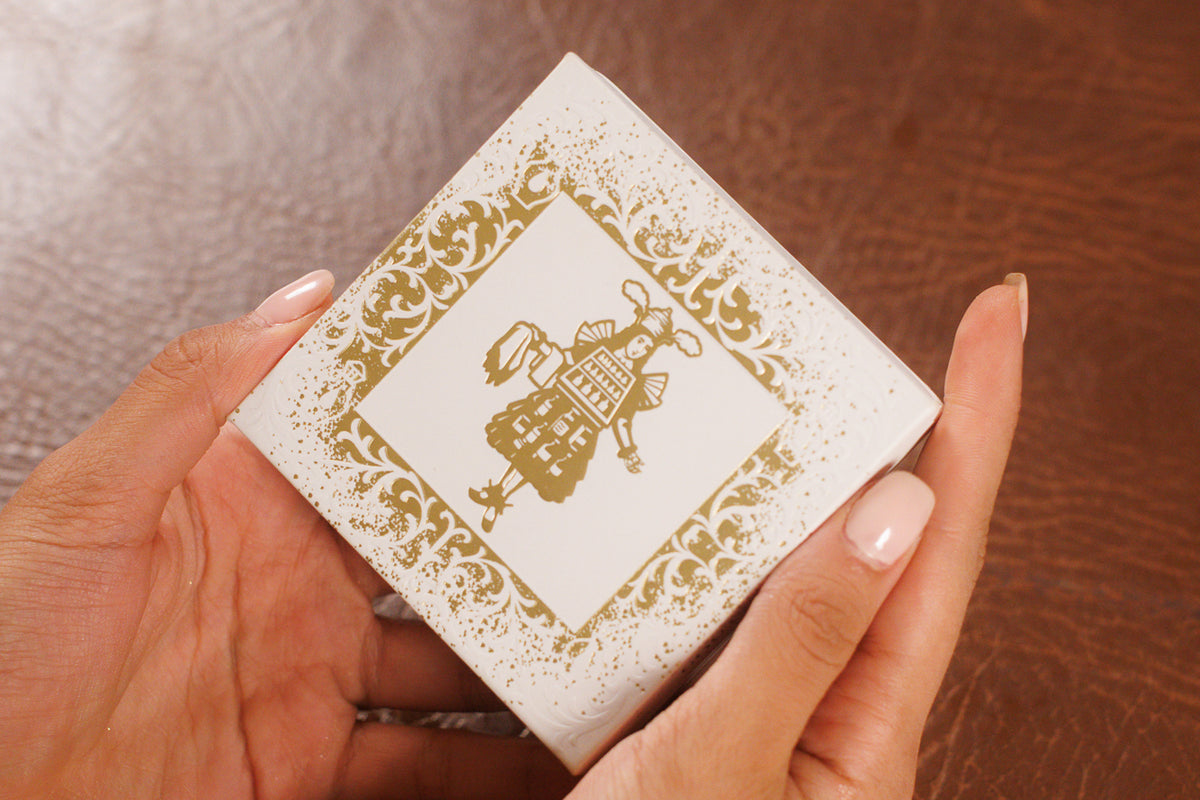
Τοποθετείται στο κουτί με χρυσοτυπία και παραδίδεται στην DHL, με κάθε δασμό ήδη πληρωμένο. Πώς γίνεται ένα decant
Περισσότερα από Filippo Sorcinelli
Ίσως σας αρέσουν