Ensar Oud
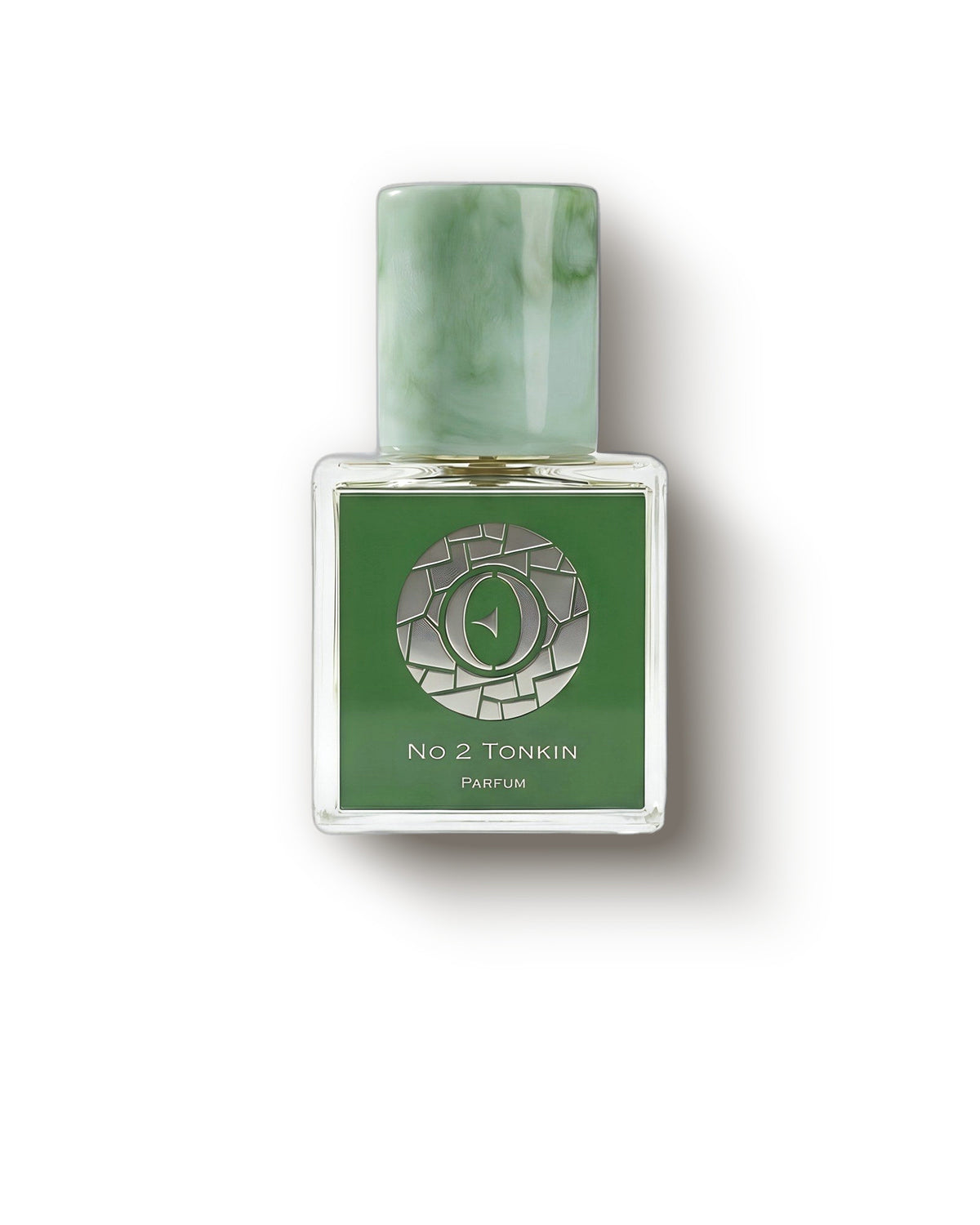
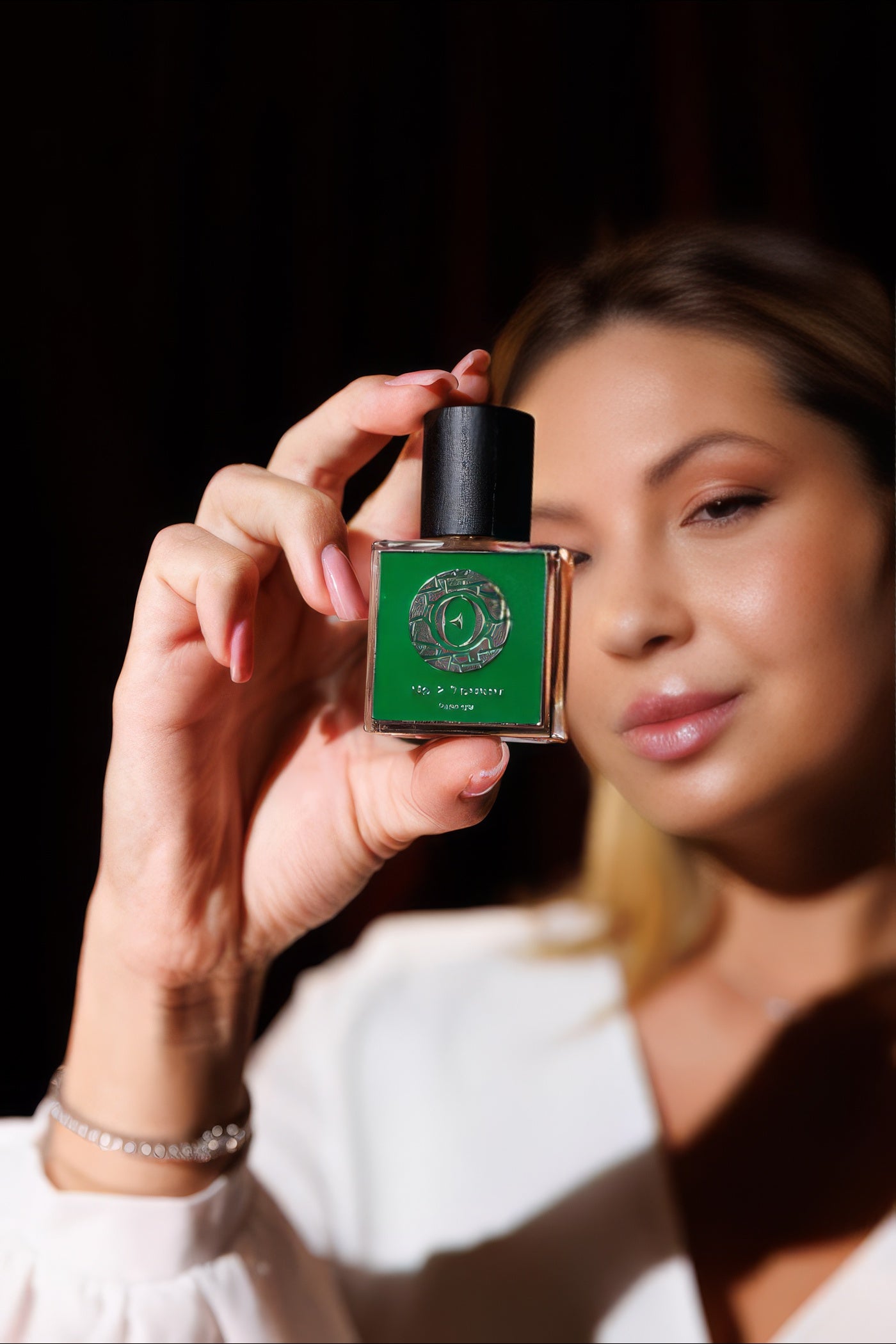
EO2 Tonkin
Die Geschichte
EO2 baut auf Tonkin-Moschus auf, der heller und sauberer wirkt als die mongolischen oder tibetischen Qualitäten, und stellt ihm Mysore-Sandelholz und Oud gegenüber. Der Duft hat die Struktur eines modernen Parfums und trägt zugleich das Gewicht eines rohen animalischen Materials.


Würzig
Ein Gewürzstand unter freiem Himmel
Schwarzer Pfeffer, Kardamom und Pimentbeere, eher trocken als süß, mit einer Hitze, die oben in der Nase zupackt, noch bevor du fertig eingeatmet hast. Sie liegt nie still unter etwas anderem. Würze hebt die Temperatur von allem, neben das man sie setzt.


Holzig
Trockene Maserung von geschnittenem Holz
Der Duft von Zedernspänen, Sandelholz und trockenen Vetiverwurzeln, eine geschliffene, harzige Wärme mit einem leicht kratzigen Hauch von Federmäppchen. Er wirkt geerdet und gefasst, das stille Rückgrat, das einen Duft ernsthaft und beständig wirken lässt.


Animalisch
Haut, Fell und etwas nicht ganz Gezähmtes
Eine rohe, körperwarme Moschusnote, die nach Haut, Haar und Fell riecht, mal süß und pudrig, mal scharf und leicht wild. Im besten Fall kannst du nicht sagen, wo das Parfum aufhört und die Person beginnt, die es trägt. In ihrer stärksten Form ist sie der Grund, warum manche Menschen zurückweichen.


Moschus
warme Haut, weich und anschmiegsam
Eine weiche, hautähnliche Wärme, die sauber und leicht pudrig duftet, wie sonnenwarme nackte Arme oder frisch getrocknete Wäsche. Sie summt tief und nah, rundet schärfere Noten ab und hinterlässt eine stille, intime Spur, die fast wie die eigene, verstärkte Haut wirkt.
Szechuanpfeffer
Helle Zitruswürze mit prickelndem Einschlag
Was es ist
Überhaupt kein Pfefferkorn. Die rötlichen Schalen stammen von einem Baum aus der Familie der Zitruspflanzen, näher mit der Zitrone verwandt als mit schwarzem Pfeffer, und verwendet wird nur die Schale, destilliert oder mit CO2 extrahiert.
Wie es riecht
Grapefruitzeste über einer warmen, rosigen Würze, eher prickelnd als brennend. Darunter liegt ein metallischer, leicht an Vetiver erinnernder Schatten. Im Essen lässt die Schale deine Zunge kribbeln; im Parfum überträgt sich die Zeste, nicht die Taubheit.
In der Parfümerie
Parfumeure setzen ihn im Auftakt ein, für Prickeln und Auftrieb: ein modernes pfeffriges Funkeln, das sehr viele zeitgenössische Unisex-Düfte eröffnet hat. Er harmoniert mit Zitrus, Rose, Vetiver und Weihrauch.
Gut zu wissen
Das Kribbeln ist weder Geschmack noch Schärfe. Das Molekül dahinter reizt die Nervenfasern für leichte Berührungen in deiner Haut etwa fünfzigmal pro Sekunde, sodass das Gehirn eine echte Vibration meldet.

Rosa Pfeffer
Leuchtend rosa Beeren mit prickelnder Würze
Was es ist
Rosa Pfeffer ist gar kein Pfeffer. Die rosafarbenen Beeren stammen von einem südamerikanischen Baum, der botanisch nichts mit der Pfefferpflanze zu tun hat; sie werden getrocknet und dann mit Wasserdampf destilliert oder mit CO2 extrahiert.
Wie es riecht
Rosiger und fruchtiger als schwarzer Pfeffer, mit nur einem Prickeln von Schärfe. Zerdrückte Beeren, ein wacholderartiges Harz, ein Hauch Zitrus. Er blitzt im Auftakt auf, verfliegt rasch und hinterlässt eine sanfte, warme Würze.
In der Parfümerie
Parfumeure greifen zu ihm, wenn eine Komposition Würze ohne Schärfe braucht. Er legt ein rosiges Prickeln über Blumendüfte, erfrischt Hölzer und Amber und harmoniert mit Bergamotte und Patschuli. Dieses Prickeln ist ein Markenzeichen moderner fruchtig-blumiger Düfte.
Gut zu wissen
Tatsächlich gehört er zur Familie der Cashewgewächse, so eng verwandt, dass Menschen, die auf Cashew oder Mango reagieren, manchmal auch auf diese Beeren reagieren. Gut zu wissen, bevor du mit ihnen kochst.


Zeder
Trockene angespitzte Bleistifte und sonnenwarmes Holz
Was es ist
Die meiste Zeder in der Parfümerie ist gar keine Zeder. Es ist Wacholder, von den Bäumen aus Virginia und Texas, aus Holzspänen und Sägewerksabfällen mit Wasserdampf destilliert. Echte Atlas-Zeder gibt es und sie wird verwendet, doch sie ist die kleinere Quelle.
Wie es riecht
Frisch angespitzte Bleistifte, dann das Innere eines mit Zedernholz ausgekleideten Schranks. Atlas-Zeder neigt ins Warme, Rauchige und Balsamische; Virginia-Zeder wirkt schärfer und sauberer. So oder so legt sie sich in eine weiche Wärme wie von Sägemehl und bleibt dort stundenlang.
In der Parfümerie
Ein Arbeitstier. Sie gibt holzigen Kompositionen ihr Rückgrat und hält leichtere Materialien an ihrem Platz, ganz selbstverständlich neben Vetiver, Rose, Zitrus und Amber. Ihr pflaumig-holziger Kern zieht sich durch die meisten modernen Unisex-Holzdüfte.
Gut zu wissen
Ägyptische Einbalsamierer gossen Zedernöl in den Körper, statt es zu verbrennen, und Zedernholz kleidete die Gräber und Särge aus, die sie überdauern sollten. Echte Zedern und Wacholder teilen sich den Namen wegen ihres Geruchs, nicht wegen ihrer Abstammung.
Koriander
Ein Gewürz, das kein bisschen nach Koriandergrün riecht
Was es ist
Eine Pflanze, zwei Gerüche. Der reife Samen wird beim Trocknen warm und holzig; das frische Blatt, als Koriandergrün verkauft, ist etwas völlig anderes und landet fast nie in einem Parfum. Nur der zerstoßene Samen kommt in die Destille.
Wie es riecht
Zu Beginn warm und süß, mit pfeffrigem Auftrieb und einem Spritzer Zitrus. Dann rundet er sich ab: Lavendel, Rosenholz, eine leise Lebkuchenwärme, die näher an einer Fougère liegt als am Gewürzregal.
In der Parfümerie
Parfumeure setzen ihn zwischen Kopf und Herz, für Frische, Würze und eine lavendelartige Rundheit, neben Bergamotte, Lavendel, Geranie und ambrigen Basen. In zitrisch-aromatischen Vintage-Düften ist er eine klassische Herznote, und in Fougères taucht er überall auf.
Gut zu wissen
Archäologen fanden Koriandersamen im versiegelten Grab des Tutanchamun; Koriander gehört zu den ältesten Gewürzen, die der Mensch überhaupt angebaut hat. Das Öl besteht größtenteils aus Linalool und bietet Parfumeuren damit eine rundere, sanftere Quelle dieses Geruchs als das isolierte Molekül.
Kreuzkümmel
Das Gewürz, das nach einem Menschen riecht
Was es ist
Kocht man mit ihm, ist er ein Küchengewürz. Destilliert man ihn, wird er zu etwas, das einem Körper näherkommt. Die sichelförmigen Samen tragen Cuminaldehyd, eine einzige Verbindung für beides: Speise und Leib.
Wie es riecht
Oben heiß, staubig und grün, dann unverkennbar Haut. Eine Spur davon wirkt wie Wärme, die von einem Schlüsselbein aufsteigt. Ein wenig mehr, und es ist ein Hemd, zwei Tage am Stück getragen. Darunter liegt etwas Nussiges, seltsam Tröstliches.
In der Parfümerie
Parfumeure halten ihn bei Bruchteilen eines Prozents, im Herzen, wo er Rose, Leder, Labdanum und Orangenblüte einen fleischlichen Puls unterlegt. Er wärmt mehrere orientalische Klassiker. Ein Tropfen zu viel, und die ganze Formel kippt.
Gut zu wissen
Cuminaldehyd ähnelt einer Verbindung im menschlichen Schweiß so sehr, dass niemand ihm gegenüber neutral bleibt: dieselbe Haut, dieselbe Dosis, und für den einen wirkt er intim, für den Nächsten ungewaschen.


Schwarzer Tee
Trockene Blätter, Tannin und ein Hauch von Rauch
Was es ist
Die Blätter welken, werden gerollt und oxidieren dann vollständig: Erst das macht sie schwarz und lenkt den Geruch von grasig zu dunkel. In China geschieht das seit Jahrhunderten. Echtes Tee-Absolue ist selten, deshalb baut die Parfümerie es nach.
Wie es riecht
Trocken und adstringierend, so wie die dritte Tasse aus der Kanne schmeckt. Darunter liegen Heu und getragenes Leder, dazu eine Weichheit von Rose und Jasmin, die von Puder im Zaum gehalten wird. Er beginnt frisch und luftig und wird dann still, rauchig und holzig.
In der Parfümerie
Eine Herznote, die als Bremse arbeitet: Ihr Tannin dämpft die Süße und bewahrt einen Blumenduft davor, sirupartig zu werden. Zitrus hebt sie, Hölzer tragen sie, und die meisten modernen Teedüfte sind eine Spielart dieser Balance.
Gut zu wissen
Zwei Moleküle leisten den Großteil der Arbeit. Theaspiran legt eine helle Note von schwarzer Johannisbeere über eine kühle grüne Kante; Tabanon bringt Tabak und etwas wie Eichel. Ionone und Guajakholz ergänzen ringsum das Pudrige und das Holz.

Immortelle
Sonnengedörrtes Heu, durchzogen von Ahorn und Curry
Was es ist
Gärtner nennen diesen silbrigen Mittelmeerstrauch Currykraut, und ein einziges zerriebenes Blatt erklärt den Spitznamen. Seine kleinen gelben Blütenköpfe werden zu einem Öl dampfdestilliert oder per Lösungsmittel zu einem Absolue extrahiert.
Wie es riecht
Getrocknete Kamille und heißes Stroh, dann eine Curryblatt-Schärfe, mit der du nicht rechnest. Danach folgt die Süße: verbrannter Ahornsirup, Karamell, ein Hauch Tabak. Sie endet honigsüß und mit Bockshornklee gewürzt, mit etwas leicht Medizinischem darunter.
In der Parfümerie
Sie wirkt im Herzen und in der Basis, wo sich ihre Wärme aus Tabak und Likör mühelos mit Hölzern, Leder und Amber verbindet. Parfumeure stellen sie Lavendel gegenüber, wenn die Süße als Kontrast und nicht als Dessert wirken soll.
Gut zu wissen
Der Name bedeutet wörtlich „unsterblich“: Geschnitten und getrocknet behalten die Blüten jahrelang Form und Farbe, was ihnen einen Platz in antiken Totenkränzen einbrachte. Die Ausbeute ist so oder so winzig, deshalb zählt Immortelle zu den kostspieligeren Naturstoffen.


Georgisches Rosenotto
Die sonnige, honigklare Damaszener-Rose des Kaukasus
Was es ist
Damaszener Rose aus den Tälern des Kaukasus, destilliert statt mit Lösungsmitteln extrahiert, und genau darin liegt der ganze Unterschied. Das Otto bewahrt die kristalline Kopfnote der Blüte, das Absolue ihre dunkle, marmeladige Tiefe. Die georgische Rose fällt ungewöhnlich klar aus.
Wie es riecht
Hell, warm und von innen erleuchtet: eine klare, honigartige Damaszener Rose, darunter moschusartiger Puder und oben ein grüner, fast geranienhafter Auftrieb. Im Abklang riechst du den ganzen Strauch, Blätter und Stiele inklusive.
In der Parfümerie
Parfumeure nutzen es, um Tageslicht in eine dunkle Mischung zu bringen: Neben Oud oder Moschus hebt es die Komposition an, statt sie zu verdicken. Wenige Tropfen wirken klar und blumig, höher dosiert wird es samtig und pudrig, ohne sich zu trüben.
Gut zu wissen
Ein echtes Otto erstarrt in einem kühlen Raum, bei etwa 20 °C, und schmilzt in deiner Hand wieder, woran man unter anderem erkennt, dass es nicht gestreckt wurde. Hunderte Pfund Blüten ergeben eine einzige Unze.


Schwarze Johannisbeere
Herbes Cassis mit einem wilden, animalischen Knurren
Was es ist
Die Parfumerie beachtet die Beere kaum. Das Material, auf das es ankommt, ist Cassisknospen-Absolue, gewonnen aus den klebrigen, harzigen Blattknospen des Strauchs und meist gestützt von Schwefelmolekülen, die den herben Biss der Frucht tragen.
Wie es riecht
Scharf, herb, unverkennbar violett, dann schneidet etwas Wildes quer hindurch: eine grüne, blättrige, leicht schweißige Schärfe, die eher an Katze erinnert als an Frucht. Reife Beere mit einem Knurren dahinter.
In der Parfümerie
Eine Kopfnote mit Krallen. Sie schneidet durch Süße, gibt der Rose eine Kante und einem fruchtig-blumigen Duft etwas, wogegen er sich stemmen kann. Die klassische Chypre-Eröffnung beginnt hier, und noch immer rüttelt sie moderne fruchtige Kompositionen wach.
Gut zu wissen
Die katzige Kante stammt von Thiolen, die deine Nase schon in Billionstel-Konzentrationen erfasst; dieselbe Stofffamilie steckt hinter der Duftmarke eines Katers und einem Glas Sauvignon Blanc. Parfumeure dosieren Cassis in Tropfen, nicht in Millilitern.


Zibeth
Tierische Wärme, die Blumen unanständig erblühen lässt
Was es ist
Eine Paste, die aus einer Drüsentasche unter dem Schwanz der Afrikanischen Zibetkatze geschabt wird, eines nachtaktiven, katzenähnlichen Tiers, und dann in Alkohol als Tinktur angesetzt wird. Fast aller Zibet in der Parfümerie ist heute Civetone, im Labor hergestellt.
Wie es riecht
Unverdünnt ist er schockierend: fäkal, indolisch, eher verschmutzter Stall als Parfum. In Spuren wird er honigartig und ledrig, warm wie Haut, mit einem tiefen Tabaksummen. Der Wandel von abstoßend zu verführerisch geschieht allein durch Verdünnung.
In der Parfümerie
Parfumeure setzen ihn in Spuren ein, als Basis und Fixativ, damit Jasmin und Rose riechen, als wüchsen sie auf einem lebendigen Körper, statt in einem Flakon zu stehen. Animalische Chypres und Orientalen leben davon.
Gut zu wissen
In Äthiopien werden dafür noch immer Tiere in Käfigen gehalten und abgeschabt, in kleinem Umfang, Jahrzehnte nachdem das Labor das überflüssig gemacht hat. Und es ist nicht der Palmenroller hinter dem Kopi-Luwak-Kaffee: dieselbe Familie, ein anderes Tier.

Jasmin Sambac
Teegrüner Jasmin, der sich nach Einbruch der Dunkelheit öffnet
Was es ist
Die Blüten öffnen sich nach Einbruch der Dunkelheit, dann duften sie am stärksten, deshalb werden sie am frühen Morgen als Knospen gepflückt, bevor sie sich entfalten. Die Lösungsmittelextraktion ergibt ein wachsartiges Concrète, und daraus wäscht Alkohol das Absolute aus.
Wie es riecht
Grüner und teeartiger als Grandiflorum-Jasmin und viel weniger fruchtig. Er beginnt knackig und etwas wachsig, fast mit einem Hauch Banane, und wird dann zu warmer, indolischer Süße. Dieses Indol ist das Tier in ihm: betörend aus der Nähe und trotzdem leuchtend.
In der Parfümerie
Eine Herznote, die weißen Blütenbouquets Körper und Auftrieb gibt. Sie passt zu Rose, Tuberose, Sandelholz und grünem Tee, rundet scharfe Zitrusnoten ab, und manche nachtblühenden Soliflores bauen auf kaum etwas anderem auf.
Gut zu wissen
Das ist Sampaguita, die Nationalblume der Philippinen, zu Girlanden aufgefädelt und zum Aromatisieren von chinesischem Tee verwendet. Winzige Blüten, über eine lange Saison jeden Morgen von Hand gepflückt, machen das Absolute zu einem der teuersten Blütenrohstoffe.

Tonkin-Moschus
Honigsüße animalische Wärme, die tagelang haftet
Was es ist
An diesem Moschus wird jeder andere natürliche Moschus gemessen. Tonkin verdankt seinen Namen den Bergen im Norden Vietnams, und was heute im Umlauf ist, ist altes Material, seit Jahrzehnten gelagert und von außerhalb des Handels kaum zu überprüfen.
Wie es riecht
Samtig und warmblütig, umhüllt von etwas Honigartigem, Wachsigem, das ins Schokoladige hinüberspielt, mit einem pudrigen Ausklang wie Wildleder. Er hat Biss, unverkennbar animalisch, doch kultiviert statt scharf. Ein einziger Tropfen hält sich tagelang.
In der Parfümerie
In kleinsten Bruchteilen dosiert, wirkt er als Fixateur: Er verschweißt Noten, die nichts miteinander zu tun haben, zu einem einzigen leuchtenden Akkord und dehnt eine Komposition auf Tage. Gut eingesetzt, riechst du nie Moschus, nur einen Duft, der nicht mehr loslässt.
Gut zu wissen
Der weiße Moschus auf den meisten Zutatenlisten ist ein Labormolekül, bewusst sauber und eindimensional. Unter den echten ist Tonkin der süßeste und verträgt sich am besten mit Blüten, während mongolischer Moschus ruhiger und schärfer wirkt und Kaschmir-Moschus trockener.


Bienenwachs
Goldenes Honigwachs, die Wärme des Bienenstocks
Was es ist
Arbeitsbienen scheiden Wachs aus, um die Wabe zu bauen, und die Wabe bewahrt alles, was in ihr geschieht. Mit Lösungsmitteln extrahiert, wird daraus ein dunkelgoldenes Absolue, das noch Honig, Pollen und Propolis in sich trägt.
Wie es riecht
Zuerst Honig, dann der Geruch einer eben ausgeblasenen Kerze. Darunter liegen Heu, ein wenig Tabak und etwas leicht Animalisches vom Propolis. Golden, wachsig, rund und wärmer, als jedes dieser Worte vermuten lässt.
In der Parfümerie
Vom Herzen bis zur Basis, wo es einen Blütenduft abrundet und einem Amber Dichte verleiht, fast schon eine Textur. Orangenblüte, Immortelle, Tabak und Labdanum sind seine üblichen Nachbarn. Nischenhäuser belassen es oft roh und lassen den Bienenstock durchscheinen.
Gut zu wissen
Bienen verzehren etwa acht Kilo Honig, um ein Kilo Wachs zu bilden, und hundert Kilo dieses Wachses ergeben gerade einmal ein Kilo Absolue. Nur sehr wenig davon gelangt je in einen Flakon.


Sandelholz
Cremiges Holz, mitsamt der Wurzel ausgegraben
Was es ist
Das reichste Öl sitzt in den Wurzeln, deshalb wird der ganze Baum nicht gefällt, sondern ausgegraben und wasserdampfdestilliert. Mysore in Südindien war die klassische Quelle, bis jahrzehntelanger Raubbau die wilden Bäume an den Rand des Verschwindens brachte.
Wie es riecht
Milch und warmes Holz, mit einem rosigen, fast buttrigen Rand und ohne jede Schärfe. Was viele überrascht, ist, wie wenig es sich bewegt: kein strahlender Auftakt, kein Drama im Drydown, nur stundenlang dasselbe stille Leuchten.
In der Parfümerie
Es wirkt doppelt: als Duft und als Fixativ, das Rose oder Jasmin an ihrem Platz hält. Sandelholz wird außerdem nach Güteklassen sortiert, und das dunkelste, dichteste, harzreichste alte Kernholz trägt einen eigenen Namen: „rotes Fleisch“.
Gut zu wissen
Kernholz, das sich zu ernten lohnt, braucht rund dreißig Jahre, um sich zu bilden. Plantagen derselben Art in Westaustralien liefern heute den Großteil des weltweiten Öls, chemisch nah am alten Mysore, wenn auch nicht ganz so cremig.

Castoreum
Rauchiges Biberfell mit einem Anflug von Aspirin
Was es ist
Im Grunde eine Reviermarkierung. Das Sekret aus den Drüsensäcken des Bibers, von Fallenstellern getrocknet und zu einer Tinktur oder einem Absolue verarbeitet, auch wenn du heute in fast jedem Flakon die synthetische Version riechst.
Wie es riecht
Dunkles, teeriges Leder mit einer medizinischen Kante, wie Birkenrauch, der von einem nassen Mantel aufsteigt. Darunter liegt Süße: Trockenfrüchte, Heu, ein Hauch Vanille. Weit genug verdünnt, wird das Knurren zu warmem Wildleder.
In der Parfümerie
Es verankert die Basis und hält alles darüber: die Haut eines Lederdufts, den Rauch eines Juchtenleder-Stils, den langen Nachhall eines alten Orientalen. Es gesellt sich zu Birkenteer, Labdanum, Eichenmoos und Tabak.
Gut zu wissen
Biber leben von Weiden- und Pappelrinde, reich an Salicin, der Verbindung hinter Aspirin, und das schlägt durch: ein kühler, fast medizinischer Faden unter all dem Leder. Seit Langem wird es auch als Aromastoff verwendet.


Wildes Kepi-Agarholz
Papuanisches Adlerholz aus dem Flussland um Kepi
Was es ist
Adlerholz, gesammelt rund um Kepi, die Flussstadt im Herzen des Mappi-Landes im Süden Papuas in Indonesien, und in kleinen handwerklichen Chargen destilliert. Das Adlerholz Papuas stammt überwiegend von Gyrinops und Aquilaria filaria statt von der Aquilaria malaccensis des Subkontinents, und erst seit dem späten zwanzigsten Jahrhundert wird in der Region Oud gewonnen.
Wie es riecht
Grün und ungezähmt, mit einem Auftakt aus nasser Erde und Waldboden, bevor eine fermentierte, kräutrige Strenge durchkommt, darüber Pilz, dunkler Kaffee und eine dunstige, fast metallische Kante. Weniger süß als kambodschanisches Oud und weniger fäkalisch als Hindi, doch wilder als beide, und auf der Haut bleibt es stundenlang unruhig.
In der Parfümerie
Ein Kennermaterial, in winzigen Mengen destilliert, kein kommerzieller Rohstoff. Genau um seine grüne, herbe Wildheit geht es: Man setzt es dort ein, wo sich eine Komposition wie ein Ort anfühlen soll und nicht wie ein Parfum, und es braucht sehr wenig Raum, um sie zu beherrschen.
Gut zu wissen
Papua-Oud stammt aus einem jungen, eng geführten Angebot, und die Ausbeuten liegen oft bei Bruchteilen eines Prozents, weshalb echtes Destillat knapp und teuer ist. Das harzhaltige Holz Papuas bildet sich langsam und ungleichmäßig, sodass ein Destillateur die Sammlung einer ganzen Saison verarbeiten kann und am Ende doch nur wenige Fläschchen füllt. Was als Papua-Oud zum Massenmarktpreis verkauft wird, ist ein Akkord und nicht das Öl.
Duftcharakter
Die ersten Minuten knistern vor Würze: Koriander und beide Pfeffer schneiden durch Zeder, bevor das Herz weich wird und in georgisches Rosenotto, Jasmin Sambac und schwarzen Tee übergeht. Zibet und Castoreum treten in der Mitte stetig hervor und ziehen die Blüten in etwas Feuchtes, Warmes und leicht Wildes. Im Abklang versiegeln Tonkin-Moschus und Bienenwachs alles zu einem dichten, hautnahen Harz, das stundenlang anhält, ohne sich aufzudrängen.


Haltbarkeit
wie lange er auf der Haut bleibt
Die Sanduhr zeigt die Tragedauer: wie viele Stunden der Duft spricht, bevor er verklingt. Ein Balken, der kaum über den Anfang hinauskommt, bedeutet ein paar flüchtige Stunden. Einer, der die ganze Länge ausfüllt, trägt vom Morgen bis in den Abend. Nimm das als typischen Wert, nicht als Versprechen. Fettige Haut hält Duft weit länger als trockene.


Sillage
die Größe seiner Duftspur
Sillage ist das französische Wort für das Kielwasser eines Schiffs, und genau das misst diese Anzeige: wie viel vom Duft in den Raum gelangt, statt bei dir zu bleiben. Niedrig ist ein Flüstern, das nur enge Freunde wahrnehmen. Enorm füllt den Raum und füllt ihn weiter, nachdem du gegangen bist.


Experimentell
Zum Provozieren gemacht, nicht zum Gefallen
Manche Parfums sind dafür gemacht, gemocht zu werden. Diese sind dafür gemacht, dass man über sie streitet: tintiger Teer, heißes Gummi, Frucht, die gerade kippt, Metall und Fell, wo du Blüten erwartet hättest. Die Münze leuchtet bei einem Duft, der provoziert, und wird matt bei einem, der auf Nummer sicher geht, und manchmal ist genau das gewollt.


Büro
Gepflegt und nie lauter als der Raum
Duft ist eine Frage der Umgangsformen, wenn man sich einen Raum teilt. Auf diese Distanz sollte er die Person am Schreibtisch gegenüber erreichen und dort haltmachen: aufgeräumte Zitrusnoten, weicher Moschus, helle Hölzer, alles kompetent und rücksichtsvoll. Eine leuchtende Münze bedeutet, dass niemand etwas sagen muss. Eine matte bedeutet, dass er weit trägt.


Abend
Nach Einbruch der Dunkelheit, wenn er an Tiefe gewinnt
Abendessen, Drinks, die Nacht, die lang wird. Im gedämpften Licht hören Amber, Harze und rauchige Hölzer auf, höflich zu sein, und ein opulenter Blumenduft blüht endlich auf. Eine leuchtende Münze bedeutet, dass er genau auf diese Stunde wartet. Eine matte bedeutet, dass er bei Tageslicht seine beste Arbeit geleistet hat.


Romantisch
Nah genug, um gespürt zu werden
Ein Duft kann auf der Haut summen, statt sich über den ganzen Tisch hinweg anzukündigen. Genau darum geht es hier: cremige Blüten, Vanille, weicher Moschus, ein Hauch Würze, warm genug, dass sich jemand näher heranbeugt. Die Münze leuchtet, wenn ein Duft diese Stimmung schafft, und wird matt, wenn er eher praktisch als verführerisch ist.


Festlich
Leise Souveränität in festlicher Runde
Eine Hochzeit, eine Zeremonie, ein Raum, in dem sich alle Gedanken über ihre Schuhe gemacht haben. Hier zählt Struktur, nicht Lautstärke: glatte Hölzer, disziplinierte Blüten, weiches Leder. Eine leuchtende Münze bedeutet, dass er den ganzen Abend Haltung bewahrt. Eine matte bedeutet, dass er für diesen Rahmen zu lässig ist.


Lässig
Unbeschwerter Komfort für Tage ohne Eile
Besorgungen, Kaffee, ein gemächlicher Samstag ohne Termine. Hier muss niemand beeindruckt werden, also passt alles Weiche und Unkomplizierte: frische Zitrusnoten, leichte Hölzer, ein wenig Wärme, die von der Haut aufsteigt. Eine leuchtende Münze sagt Ja zu alldem. Eine matte bedeutet, dass der Duft nach einem größeren Abend verlangt.


Vom Tag in die Nacht
wo seine Stimmung ganz natürlich hingehört
Ein Balken von der Sonne bis zum Mond, der die Stunde anzeigt, für die der Duft gemacht wurde. Je mehr davon golden bleibt, desto mehr gehört der Duft dem Tageslicht und der freien Luft. Je weiter das Blau zur Sonne zurückreicht, desto tiefer und wärmer wird er: Abend, Kerzenlicht, gedämpfte Räume.


Winter
Wärme, die durch kalte Luft trägt
Kalte Luft dämpft einen Duft und bremst ihn, deshalb gehört der Winter dem Dichten und Warmen: Harz, Rauch, Vanille, Leder, ambrierte Würze. Der Balken zeigt, wie gut sich dieser Duft dagegen behauptet: ob er der Kälte entgegenglüht, statt in ihr dünn zu werden.


Frühling
Frische Blüten in milder, steigender Wärme
Milde, feuchte Luft trägt eine leichte Komposition nach oben, deshalb gehört diese Jahreszeit taufrischen Blüten, grünen Stängeln, weichem Puder und durchscheinenden Zitrusnoten. Lebendig statt schwer. Je weiter das Grün auf dem Balken reicht, desto angenehmer trägt sich dieser Duft bei diesem Wetter.


Sommer
Hell und luftig, auch bei echter Hitze
Hitze übernimmt die Projektion für dich, deshalb wird das falsche Parfum bis Mittag unerträglich. Was besteht, ist kühl und luftig: scharfe Zitrusnoten, Salzluft, aromatische Kräuter, Wasser. Dinge, die erfrischen, statt zu erdrücken. Ein kurzer Balken bedeutet hier: Heb ihn für kühlere Monate auf.


Herbst
Würzige Wärme für kühler werdende Tage
Wenn die Luft abkühlt, hören die reichen Materialien auf zu erdrücken und treten klar hervor: trockene Hölzer, warme Würze, Tabak, Amber, golden gewordene Frucht. Es ist die Jahreszeit, in der Parfum nachdenklich wird. Der Balken füllt sich danach, wie selbstverständlich sich dieser Duft in klare, kühler werdende Tage einfügt.
Trageempfehlung
Am besten geeignet für die kühlen, sich verkürzenden Tage des Herbstes und tiefen Winters, am Abend getragen von jemandem, der mit eindeutig animalischen Düften vertraut ist.
Optionen auswählen
Die Stimmung


Die Nase
Hausintern komponiert.
Die Maison

Reines handwerkliches Oud, das echte harzige Material, aus der Originalflasche in Ihr Fläschchen abgefüllt.
Ensar Oud behandelt Adlerholz so, wie ein Winzer einen einzelnen Hang alter Reben behandelt. Das sind dichte, langsame, zutiefst ernsthafte Extraits, aufgebaut auf gealterten Ouds, grauer Ambra und animalischen Moschusnoten, über die die meisten Menschen nur gelesen haben. Ein Tropfen entfaltet sich über Stunden und wandert von Rauch zu Harz zu etwas Warmem, Hautnahem.
- Herkunft
- New York, Vereinigte Staaten
- Gegründet
- 2004, als Oriscent
- Bekannt für
- Oud der Sultani-Klasse, echter Moschus

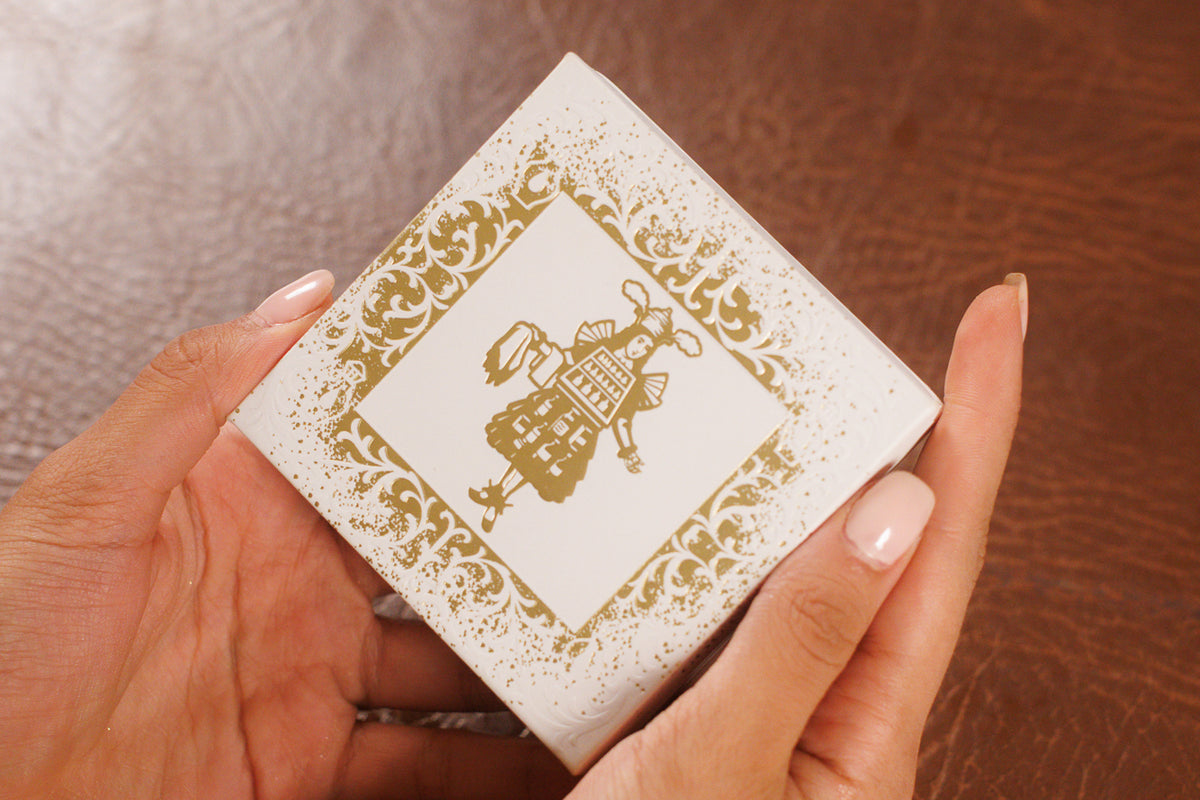
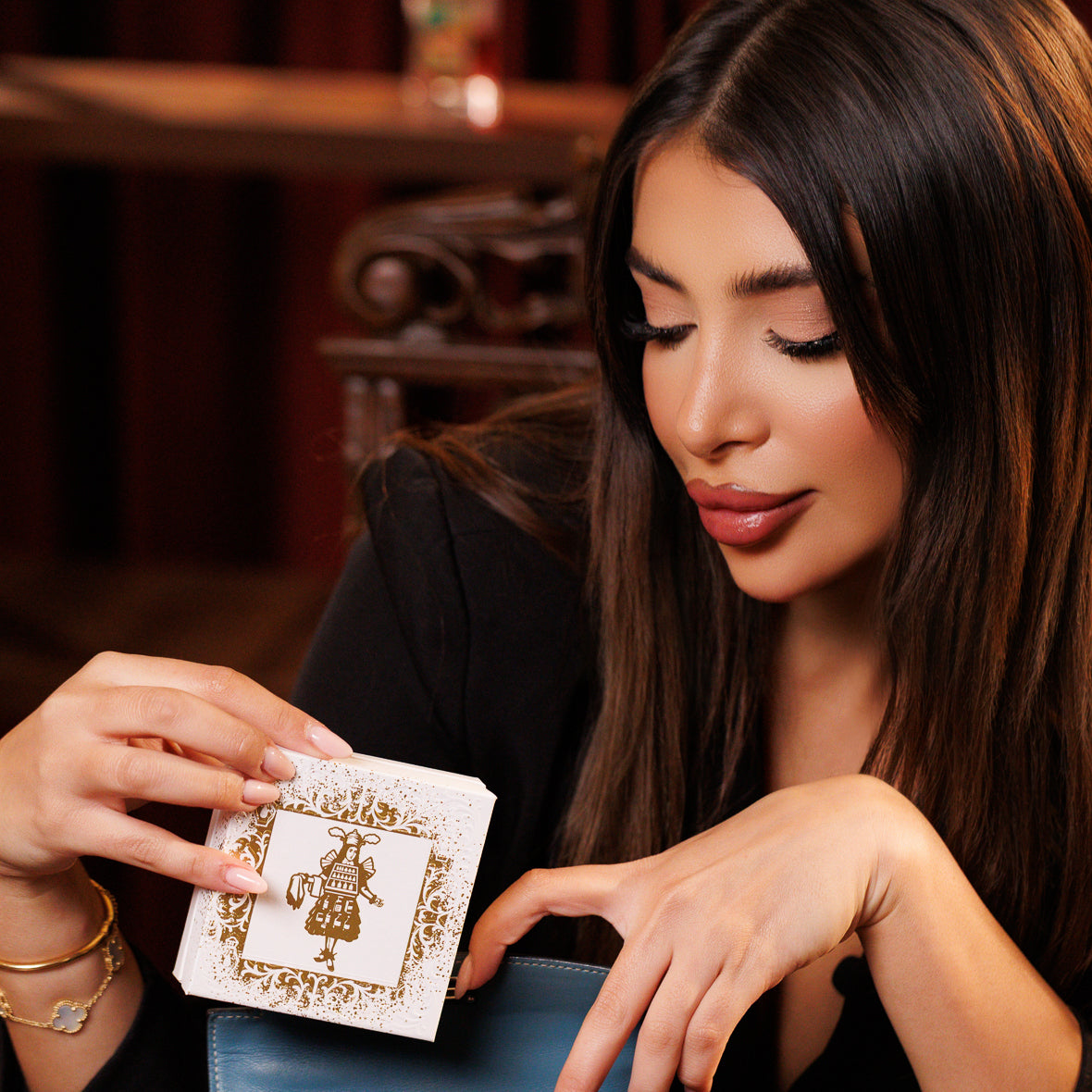
JEDES DECANT
Vom Originalflakon bis an Ihre Tür
Wir kaufen den Originalflakon zum vollen Ladenpreis, direkt beim Haus.
Eine Socorex-Spritze in Medizinqualität nimmt die exakten Milliliter direkt aus dem Flakon.
In die heißfolienveredelte Schachtel gepackt und an DHL übergeben, alle Zölle bereits bezahlt. Wie ein Decant entsteht
Mehr von Ensar Oud
Das könnte Ihnen auch gefallen