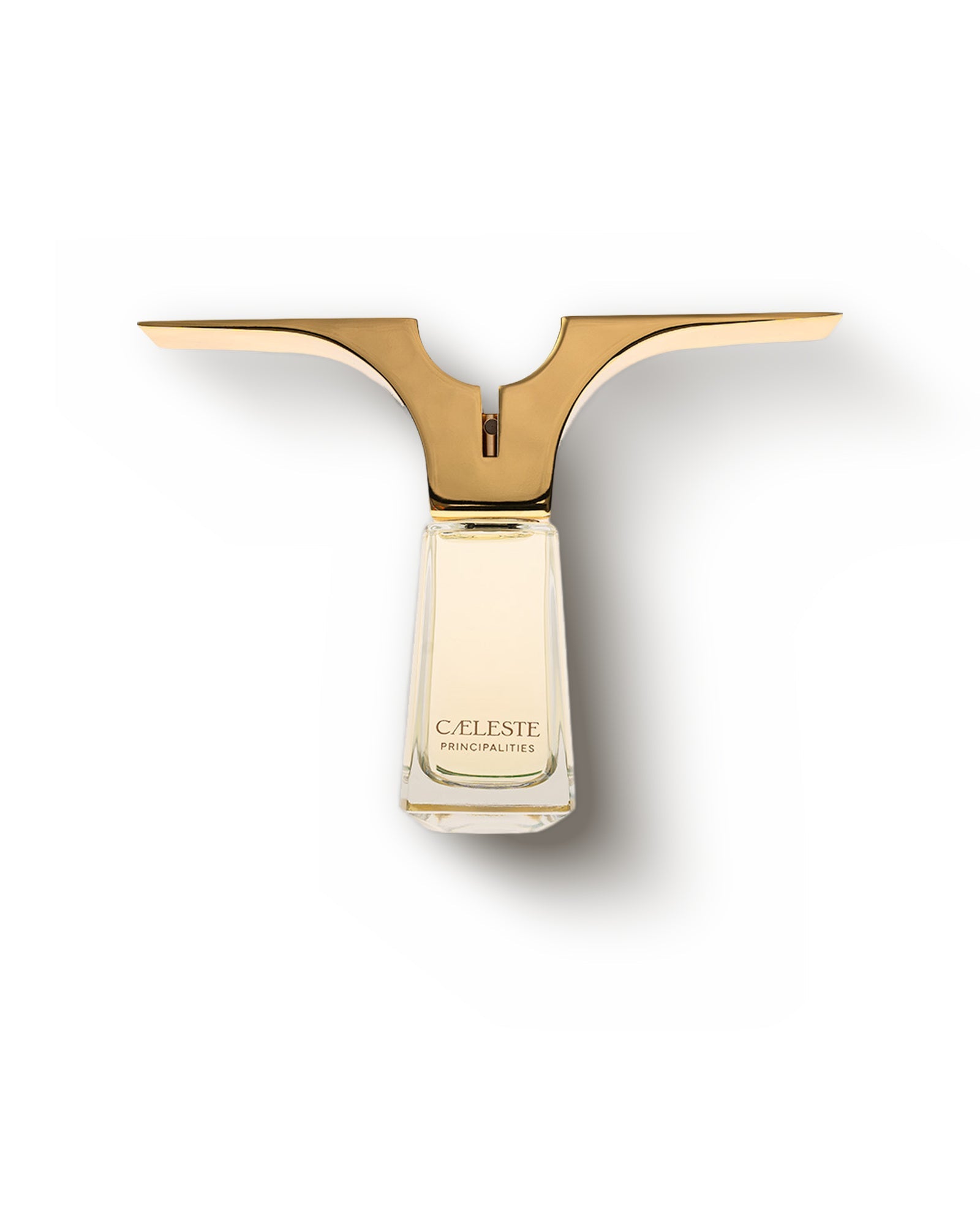
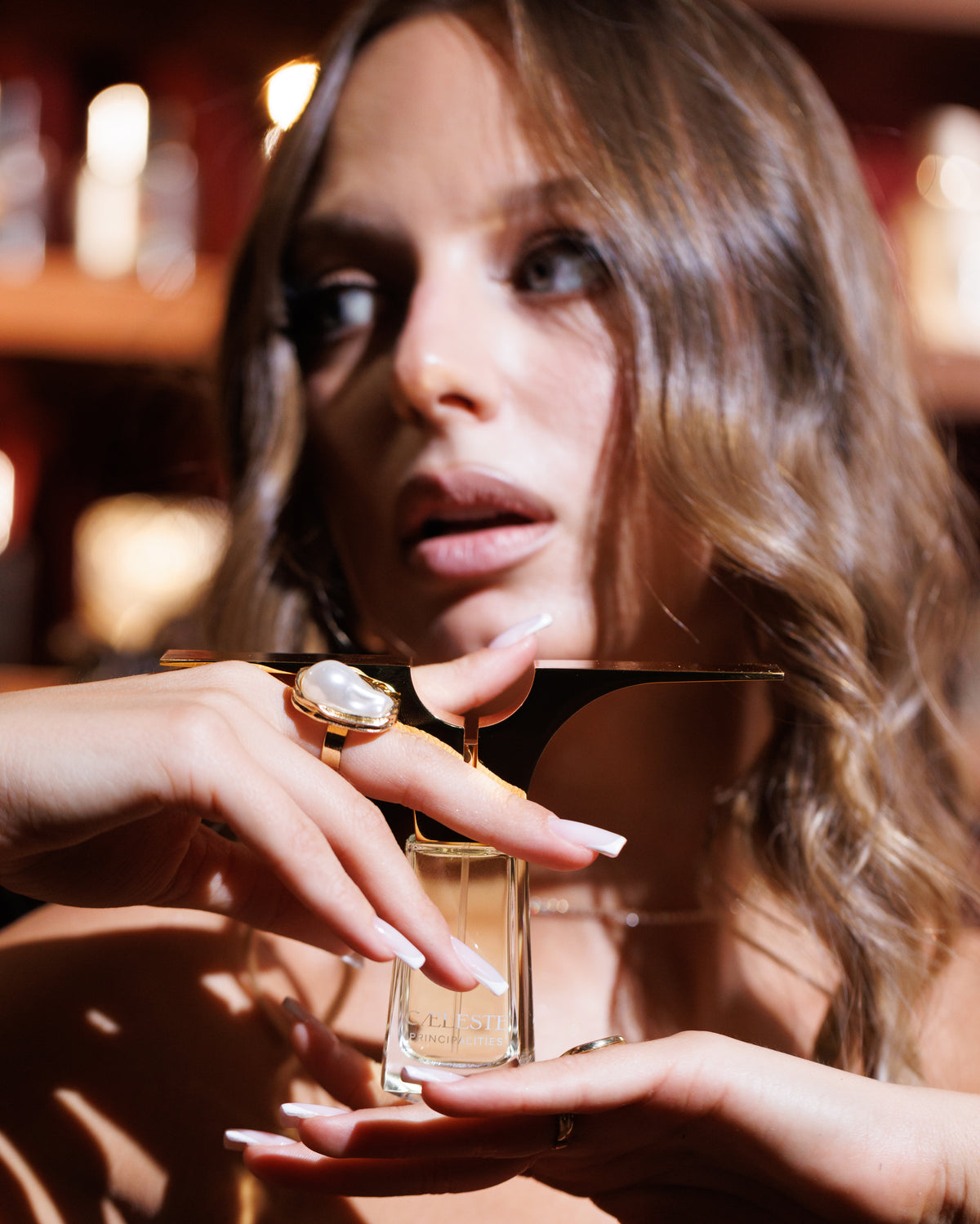
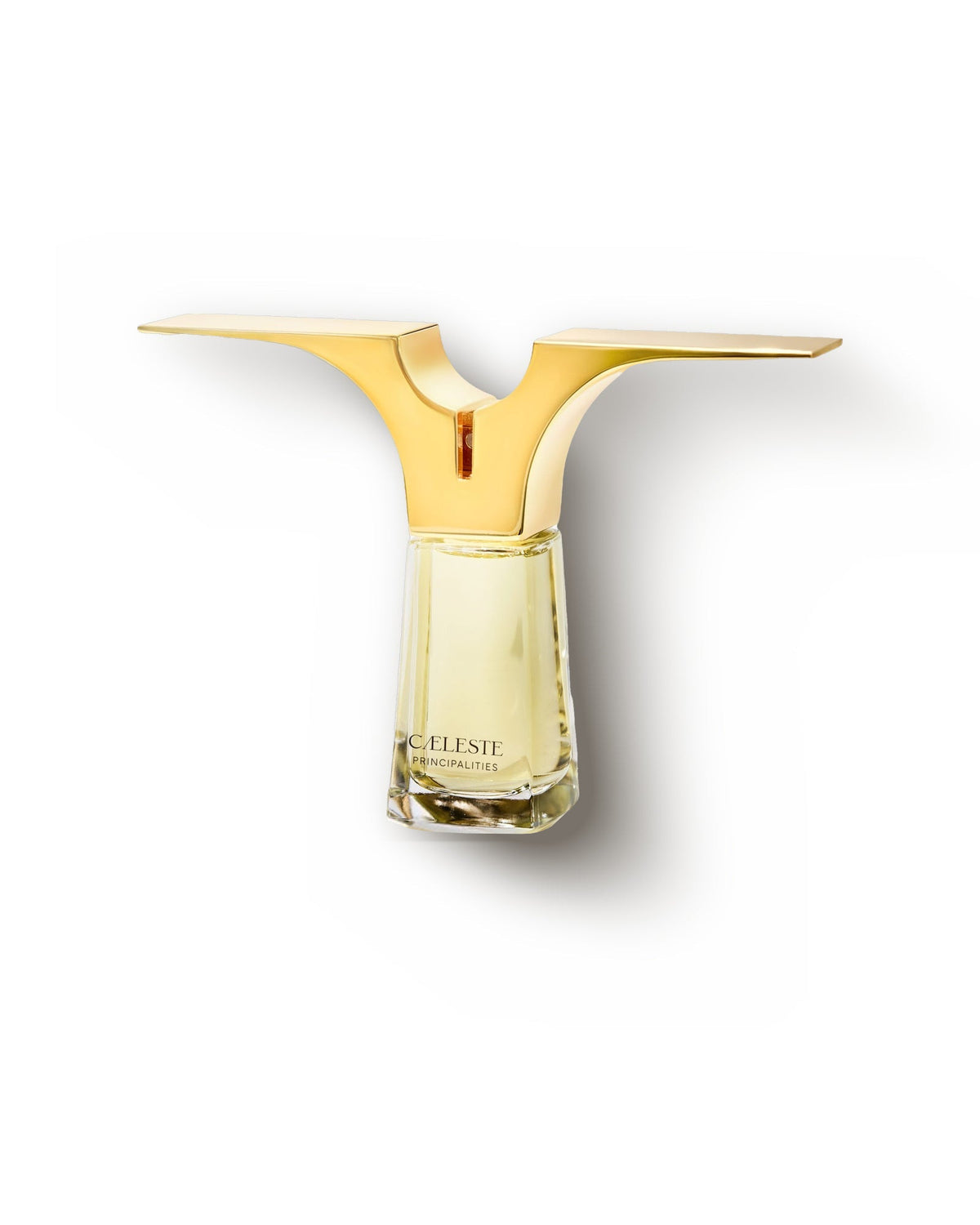
Caeleste Parfums
Principalities
Die Geschichte
Caeleste ist ein rumänisches Haus, dessen drei Debütdüfte gemeinsam als Trilogie konzipiert wurden, benannt nach den Engelsrängen, die das Haus die Dritte Ordnung nennt. Principalities, der höchste dieser Ränge, wurde mit dem Art and Olfaction Newcomer Award 2025 ausgezeichnet. David-Lev Jipa-Slivinschi, die Nase hinter Toskovat', wurde um Sternenstaub und eine mineralische, funkelnde Trockenheit gebeten und griff dann auf Berichte von Astronauten darüber zurück, wie der Weltraum riecht.


Rauchig
Verkohltes Holz und aufsteigende Funken
Der trockene, verkohlte Duft brennenden Holzes, schwelenden Weihrauchs und verharrender Asche, mal teerig, mal zart und grau. Er wirkt grüblerisch und atmosphärisch und beschwört ein erlöschendes Feuer und einen kühlen Luftzug, der seinen letzten Atem trägt.


Mineralisch
kühler, nasser Stein und Salz
Der kühle, trockene Duft nasser Kiesel, von Schiefer und salzgesprenkelter Luft, fast metallisch und leicht ozeanisch. Er wirkt klar und herb und fügt eine steinerne Durchsichtigkeit hinzu, wie Regen auf heißem Fels oder ein Atemzug über einem Steinbruch.

Warm-würzig
Glimmende Glut aus der Gewürzschublade
Die runde Hitze von Zimt, Nelke und Muskat, trocken und leicht harzig, eher eine Vorratskammer voller Backgewürze als eine scharfe Küche. Sie erzeugt eine gerötete, einhüllende Wärme, die intim wirkt und nach kühlem Wetter verlangt, und umarmt die Haut von innen.


Metallisch
Kalter Stahl und helles Blut
Ein kühler Schimmer, der nicht vom Metall selbst kommt, denn das ist geruchlos, sondern von dem, was die Haut bei der Berührung einer Münze oder einer Klinge abgibt. Scharf und beinahe mineralisch, verleiht er eine klare, moderne Kälte: eine Messerschneide, das Innere einer Dose, belebend und leise elektrisch.


Aromatisch
Zerriebene Kräuter in kühler Luft
Die grüne, kampferartige Kühle von Lavendel, Rosmarin, Salbei und Thymian, wie zwischen den Fingern zerriebene Kräuter. Sie wirkt sauber, belebend und eine Spur streng, das klare Rückgrat klassischer Barbershop-Frische.


Süß
Warmer Zucker, den man nicht ganz benennen kann
Karamell, Honig, gesponnener Zucker: eine Süße, die zwischen allen dreien schwebt und sich nie für eins entscheidet. Das ist der Sog des Gourmands, das, was jemanden näher heranrücken lässt, als er vorhatte, warm und weich und nur einen halben Schritt vom Essbaren entfernt.

Ysop
Bitteres grünes Kraut mit kampferartiger Schärfe
Was es ist
Ein steifer Strauch aus der Familie der Lippenblütler, beheimatet in Südeuropa und im östlichen Mittelmeerraum und seit Jahrhunderten für Küche und Hausapotheke angebaut. Die Parfumerie destilliert die blühenden Triebspitzen und Blätter mit Wasserdampf zu einem Öl, das weit strenger ist, als die Pflanze vermuten lässt.
Wie es riecht
Grün und belebend, zuerst Kampfer, irgendwo zwischen Rosmarin, Lavendel und Minze. Ein süßer Anisfaden zieht sich über einem bitteren, fast medizinischen Grund hindurch, und im Ausklang wird er warm und leicht würzig. Kühl bei der ersten Berührung. Niemals weich.
In der Parfümerie
Ein, zwei Tropfen in der Kopfnote für grüne Strenge: Fougères, Chypres, Colognes. Lavendel macht einen Auftakt weicher; Ysop bewirkt das Gegenteil und hält ihn kalt und ein wenig streng. Er funktioniert neben Muskatellersalbei, Geranie, Zitrus und Weihrauch.
Gut zu wissen
Ysop wird nicht ohne Grund nur in Spuren eingesetzt. Pinocamphon, das im Öl dominiert, wirkt in hohen Dosen krampfauslösend, deshalb hält sich die Aromatherapie meist davon fern. Eine Kulturvarietät enthält fast nichts davon und riecht durch diesen Verlust sanfter.


Schwarzer Tee
Trockene Blätter, Tannin und ein Hauch von Rauch
Was es ist
Die Blätter welken, werden gerollt und oxidieren dann vollständig: Erst das macht sie schwarz und lenkt den Geruch von grasig zu dunkel. In China geschieht das seit Jahrhunderten. Echtes Tee-Absolue ist selten, deshalb baut die Parfümerie es nach.
Wie es riecht
Trocken und adstringierend, so wie die dritte Tasse aus der Kanne schmeckt. Darunter liegen Heu und getragenes Leder, dazu eine Weichheit von Rose und Jasmin, die von Puder im Zaum gehalten wird. Er beginnt frisch und luftig und wird dann still, rauchig und holzig.
In der Parfümerie
Eine Herznote, die als Bremse arbeitet: Ihr Tannin dämpft die Süße und bewahrt einen Blumenduft davor, sirupartig zu werden. Zitrus hebt sie, Hölzer tragen sie, und die meisten modernen Teedüfte sind eine Spielart dieser Balance.
Gut zu wissen
Zwei Moleküle leisten den Großteil der Arbeit. Theaspiran legt eine helle Note von schwarzer Johannisbeere über eine kühle grüne Kante; Tabanon bringt Tabak und etwas wie Eichel. Ionone und Guajakholz ergänzen ringsum das Pudrige und das Holz.


Rosendorn
Der grüne Biss des Stiels unter dem Blütenblatt
Was es ist
Einen Dornenextrakt gibt es nicht. Die Stacheln eines Rosenstrauchs geben weder an Dampf noch an Lösungsmittel etwas ab, also baut ein Parfumeur den Effekt nach: grüne, saftige, leicht metallische Materialien gegen eine Rose gesetzt, und die Blüte kommt samt Stiel daher.
Wie es riecht
Rose, aber kalt und abweisend. Zuerst kommt das Grün, zerdrückter Stängel und bitterer Saft, dann ein feines metallisches Aufblitzen wie von Blut oder nassem Eisen. Das Blütenblatt darunter ist trockener und schärfer als gewohnt, ganz ohne Puder.
In der Parfümerie
Es geht darum, eine Rose davon abzuhalten, hübsch zu werden. Veilchenblatt, Galbanum und Rosenoxid, das Molekül hinter dem grünen Stachel der Blüte selbst, übernehmen das in Kopf und Herz, wo Safran, Weihrauch und Leder auf sie treffen können.
Gut zu wissen
Botanisch gesehen haben Rosen keine Dornen. Was an deinem Ärmel hängen bleibt, ist ein Stachel, ein Auswuchs der äußersten Stängelschicht, der sich glatt abbrechen lässt; ein echter Dorn ist ein umgewandelter Zweig, fest im Gewebe der Pflanze verankert, wie beim Weißdorn. Die Note ist nach etwas benannt, das es gar nicht gibt.


Veilchen
Pudrige lila Blütenblätter, die verschwinden, sobald man nach ihnen greift
Was es ist
Fast kein Veilchen in der Parfümerie stammt von Veilchen. Die Blüte liefert so wenig Öl, dass es kaum noch gewonnen wird, also baut man die Note aus Iononen auf, Aromachemikalien, die in den 1890er-Jahren erstmals im Labor hergestellt wurden.
Wie es riecht
Weich, kühl und pudrig, mit einer zuckerbestäubten, kandierten Süße und einer dünnen grünen Feuchte dahinter. Es wirkt zart und nostalgisch: Parma-Veilchen-Bonbons, Gesichtspuder, in der Tasche zerdrückte Blütenblätter.
In der Parfümerie
Im Herzen leistet es etwas Ungewöhnliches: Es nimmt der Süße den Zucker und lässt Puder zurück. Iris, Rose, Leder und Mandel neigen sich ihm zu, und Veilchen-Soliflores tragen es wie einen alten Schminkkoffer.
Gut zu wissen
Ionone sättigen die Rezeptoren schnell, sodass der Duft zu verschwinden scheint und zurückkehrt, sobald sich deine Nase erholt: das Lehrbuchbeispiel der Parfümerie für olfaktorische Ermüdung. Veilchenblatt ist ein ganz anderer Stoff, grün und gurkenkühl.


Ylang-Ylang
Sonnenwarme Tropenblüte, Bananencreme und Jasmin
Was es ist
Eine herabhängende, gelb sternförmige Blüte, von einem Tropenbaum von Hand gepflückt und fünfzehn bis zwanzig Stunden lang in der Brennblase gehalten. Der Ablauf wird in Etappen abgezogen, jede eine eigene Güteklasse, von Extra bis Dritte.
Wie es riecht
Cremig und betörend, Jasmin über etwas wie Bananen-Custard, durchzogen von Gummi und Gewürznelke. Die Extra-Güteklasse ist die helle, fruchtige, würzige; die späteren Fraktionen werden tiefer, fetter und leicht medizinisch, und trocknen wachsig und rund ab.
In der Parfümerie
Im Herzen verbindet es Jasmin, Rose und Tuberose und verhindert, dass Zitrus-Kopfnoten dünn wirken. Es trägt das Blumenbukett in den aldehydischen Klassikern, und es ist der Grund, warum ein sonniger Tiare-Akkord tropisch riecht.
Gut zu wissen
In Indonesien werden die Blüten über die Betten frisch Vermählter gestreut. Der Name stammt aus dem Tagalog: ilang-ilang, von ilang, Wildnis, eine Anspielung auf den wilden Lebensraum des Baums. Die duftintensivsten Blüten werden im Morgengrauen gepflückt, solange sie noch kühl sind.


Mineralische Noten
Der kühle Atem nassen Steins nach dem Regen
Was es ist
Gestein gibt keine Essenz her, also ist dies eine Konstruktion: Calone für das Ozonische, salzige und metallische Modifikatoren, holzig-ambrige Synthetika für das trockene Rückgrat und, für den Regen, Geosmin in einer Spur weit unter der Menge in Roter Bete.
Wie es riecht
Kühl und trocken, wie feuchter Schiefer, geschlagener Feuerstein oder nasser Beton nach einem Gewitter. Darin liegen Kreide, ein wenig Salz und eine zarte metallische Kante, alles dünn und luftig statt schwer.
In der Parfümerie
Eine Note für Kopf und Herz: Dort öffnet sie Raum und gibt einer Komposition einen grauen, geologischen Boden. Aquatische und moderne Nischenstile stützen sich stark darauf, meist mit Meersalz, Ingwer, Vetiver oder Ambra in der Nähe.
Gut zu wissen
Die menschliche Nase nimmt Geosmin schon bei wenigen Teilen pro Billion wahr. Diese Empfindlichkeit gilt als alt und nützlich: Regen auf trockenem Boden, über eine ganze Landschaft hinweg gerochen, lange bevor etwas zu sehen war.


Petrichor
Erster Regen auf heißem Staub und Stein
Was es ist
Kein Rohstoff, sondern ein Phänomen: der Geruch von Regen auf Boden, der wochenlang trocken lag. Australische Wissenschaftler gaben ihm 1964 seinen Namen und führten ihn auf Pflanzenöle zurück, die sich während einer Dürre auf Lehm und Stein sammeln. Parfumeure bauen ihn aus Synthetika nach.
Wie es riecht
Feucht und erdig, mit der grünen Süße frisch umgegrabener Erde und kühlem, nassem Stein dahinter. Geosmin bringt eine pilzige, fast an Rote Bete erinnernde Tiefe; darüber liegt eine metallische Schärfe, wie die ersten Tropfen auf warmem Asphalt.
In der Parfümerie
Ein Effekt für Kopf und Herz, der einer Komposition ihr Wetter gibt. Er dämpft eine trockene, holzige Struktur und gibt Vetiver und Patschuli einen Boden, auf dem sie ruhen können. Überdosiert wirkt er wie ein Keller, deshalb setzen ihn die meisten Parfumeure nur in Spuren ein.
Gut zu wissen
Der Name verbindet das griechische petra, Stein, mit ichor, der Flüssigkeit in den Adern der Götter. Hochgeschwindigkeitsaufnahmen zeigen, warum er sich so weit verbreitet: Ein Tropfen, der auf porösen Boden fällt, schließt eine Luftblase ein, die nach oben perlt und Duft in den Wind schleudert.


Oud Assafi
Ein registriertes Adlerholzöl aus Bangladesch, dunkel und animalisch
Was es ist
Oud Assafi ist ein namentlich geführtes Adlerholzöl aus Bangladesch, hergestellt aus Aquilaria malaccensis von den Destillateuren Jalali Agarwood in Partnerschaft mit Firmenich. Mizensir beschreibt es als den ersten Extrakt dieser Art, der je für die Parfümerie registriert wurde.
Wie es riecht
Seine Lieferanten beschreiben es als intensiv ledrig und animalisch, ausbalanciert durch holzige Tiefe und einen süßen Unterton. Dunkel, dicht und langsam, wirkt es wie getragenes Leder und harziges Holz mit einer honigartigen Weichheit darunter, und schon eine Spur ist spürbar.
In der Parfümerie
Eine Basisnote und ein starkes Fixativ, in Spuren eingesetzt, um luxuriösen Kompositionen eine opulente holzige, animalische Tiefe zu verleihen. Caeleste ordnet es in Principalities dem Element Erde zu, neben Leder, Galbanum, Immortelle, Ginsengwurzel und trockenen Blättern, wo es den Rauch und die Mineralik darüber verankert.
Gut zu wissen
Laut Mizensir hat Jalali Agarwood Tausende ausgewachsener Bäume geerbt, erntet sie seit Generationen und pflanzt für jeden gefällten Baum zwanzig neue. Ein registrierter Name bindet das Öl an diese eine Quelle, und so sagt er auf einer Notenliste mehr als schlicht Oud.


Trockene Blätter
Papierdürres Herbstlaub, süßer Staub und Tabak
Was es ist
Niemand presst Öl aus einem gefallenen Blatt. Der Effekt wird aus Absolues von Tabak und Heu, Tee, trockenen Hölzern und einer Spur Rauch zusammengesetzt. Caeleste führt ihn unter den Noten des Elements Erde in Principalities.
Wie es riecht
Trocken, papieren und leicht bitter, das gerbige Rascheln von Laub, das über den Gehweg gekickt wird. Darunter liegen die Wärme von Heu und ein Hauch Tabak, dann eine kühle, feuchte Unterströmung dort, wo der Haufen auf nassem Boden gelegen hat.
In der Parfümerie
Nichts verortet einen Duft schneller im Herbst. Vom Herzen abwärts wirkend, gibt die Note rauchigen Kompositionen etwas Organisches, an dem sie schwelen können, und verträgt sich mit Immortelle, Kastanie und Vetiver. Zu wenig Süße wirkt wie Kompost, zu viel wie Pfeifentabak.
Gut zu wissen
Cumarin, das Heumolekül, übernimmt die süße Hälfte der Arbeit. Es gehörte zudem zu den ersten Laborstoffen, die in einem kommerziellen Parfum verarbeitet wurden, im Jahr 1882. Damit zählt der Herbst zu den ältesten synthetischen Kunstgriffen der Parfümerie.


Galbanum
Ein Grün, so bitter, dass es an Terpentin grenzt
Was es ist
Ein Gummiharz, das aus Einschnitten in Stängeln und Wurzeln eines Riesenfenchels aus dem Iran und Zentralasien quillt. Ausgehärtet wird es zu einem Öl wasserdampfdestilliert oder zu einem dunklen, dickflüssigen braunen Absolue verarbeitet.
Wie es riecht
Bitter, scharf und aggressiv grün, eine Handvoll abgeknickter Stängel mit einer Kante von Terpentin. Darunter liegt etwas Moschusartiges, fast Balsamisches. In Spuren statt in voller Dosis wird es kühl und taufrisch, eher Garten als Angriff.
In der Parfümerie
Eine der wenigen natürlichen grünen Basisnoten, eingesetzt als Fixateur und als Auftaktsignatur des grünen Chypre. Es harmoniert mit Eichenmoos, Iris, Hyazinthe und Neroli und wurde mehr als einmal bewusst überdosiert.
Gut zu wissen
Das Buch Exodus nennt es als Bestandteil des heiligen Tempelweihrauchs, und auch im alten Ägypten und in Persien wurde es verbrannt. Jahrtausende später liefert der Iran noch immer den Großteil des Gummiharzes.

Ginsengwurzel
Bittere Erde, im Bergwald ausgegraben
Was es ist
Eine Wurzel aus den Bergwäldern Koreas und Nordostchinas, die vier bis sechs Jahre in der Erde bleibt, bevor sie ausgegraben wird. Die Parfümerie verwendet einen Extrakt der getrockneten Wurzel oder baut sie aus holzigen, erdigen Stoffen nach.
Wie es riecht
Leise und wurzelig, eher Kräutertonikum als Gewürz. Zuerst feuchte Kellererde, eine leichte Pilznote, trockene Rinde, dann eine kühle, grüne Bitterkeit mit Lakritz dahinter. Die Note wird nie laut; sie wirkt als Textur.
In der Parfümerie
Parfumeure greifen bei Ginseng ebenso zur Idee der Vitalität wie zum Geruch, deshalb taucht er in sportlichen Strukturen auf. Im Herzen gibt er grünen Kompositionen neben Vetiver und Minze ein erdiges Rückgrat, das sie am Davonschweben hindert.
Gut zu wissen
Der Gattungsname geht auf das griechische Wort für allheilend zurück, dieselbe Wurzel wie Panazee. Der chinesische Name, rénshēn, bedeutet Menschenwurzel, nach der gegabelten, gliederartigen Form, die Wurzelgräber so schätzen. Zweimal benannt, einmal nach einem Versprechen und einmal nach einer Ähnlichkeit.


Leder
Gegerbte Haut, Rauch und animalische Wärme
Was es ist
Ein ätherisches Lederöl gibt es nicht. Parfumeure bauen den Geruch nach: aus Birkenteer und Cade, rauchig destillierten Hölzern, dazu Styrax- und Labdanumharz, Isobutylchinolin und Molekülen vom Typ Safraleine, als Echo der Gerbstoffe und Öle, mit denen man einst Häute gerbte.
Wie es riecht
Rauchig, trocken und animalisch, von geschmeidigem neuem Wildleder bis zu teerigem altem Sattelzeug. Birkenteerversionen wirken rußig und phenolisch, fast nach Lagerfeuer und Pflaster; weichere Wildlederakkorde werden pudrig, blumig und hautwarm.
In der Parfümerie
Eine Basisnote, die Rückgrat und eine fleischliche Kante verleiht. Am besten wirkt sie unter Rose und Veilchen, neben Tabak und Oud, und ein Blumenherz, auf Leder gesetzt, wird unverkennbar menschlich.
Gut zu wissen
Parfümiertes Leder begann bei europäischen Handschuhmachern, während der rauchige Strang aus Russland stammt, wo man Häute für Stiefel und Bucheinbände mit Birkenteer behandelte, und „Russisch Leder“ steht bis heute für genau diesen Geruch. Die echten Gerbeöle wurden aus Sicherheitsgründen größtenteils eingeschränkt, daher sind die heutigen Lederdüfte Rekonstruktionen.

Immortelle
Sonnengedörrtes Heu, durchzogen von Ahorn und Curry
Was es ist
Gärtner nennen diesen silbrigen Mittelmeerstrauch Currykraut, und ein einziges zerriebenes Blatt erklärt den Spitznamen. Seine kleinen gelben Blütenköpfe werden zu einem Öl dampfdestilliert oder per Lösungsmittel zu einem Absolue extrahiert.
Wie es riecht
Getrocknete Kamille und heißes Stroh, dann eine Curryblatt-Schärfe, mit der du nicht rechnest. Danach folgt die Süße: verbrannter Ahornsirup, Karamell, ein Hauch Tabak. Sie endet honigsüß und mit Bockshornklee gewürzt, mit etwas leicht Medizinischem darunter.
In der Parfümerie
Sie wirkt im Herzen und in der Basis, wo sich ihre Wärme aus Tabak und Likör mühelos mit Hölzern, Leder und Amber verbindet. Parfumeure stellen sie Lavendel gegenüber, wenn die Süße als Kontrast und nicht als Dessert wirken soll.
Gut zu wissen
Der Name bedeutet wörtlich „unsterblich“: Geschnitten und getrocknet behalten die Blüten jahrelang Form und Farbe, was ihnen einen Platz in antiken Totenkränzen einbrachte. Die Ausbeute ist so oder so winzig, deshalb zählt Immortelle zu den kostspieligeren Naturstoffen.


Asche
Kalte Glut, mineralischer Staub und verlöschender Rauch
Was es ist
Asche ist, was bleibt, wenn nichts mehr bleibt, und sie lässt sich nicht destillieren. Parfumeure greifen zu Rauchmaterialien wie Birkenteer, Cadeöl und Guajakol und entfernen dann alles Warme und Harzige, bis nur das Grau übrig ist.
Wie es riecht
Trocken, rauchig, leicht bitter: ein Kamin am Morgen danach. Verbranntes Holz und kalte Holzkohle, eine kreidige, mineralische Kante, der leicht metallische Staub erkalteter Glut. Nichts Süßes, nichts Harziges, nichts, was sie abmildert.
In der Parfümerie
Eine Basisnote für Atmosphäre statt Schönheit. Vetiver, Zeder und Birkenteer treiben sie weiter in die Kälte; Jasmin oder Weihrauch wärmen sie wieder auf, wenn du sie bewohnbar haben willst. Nischenhäuser bauen damit Ruinen.
Gut zu wissen
Kalte Asche riecht kaum. Was die Nase als Asche wahrnimmt, sind die Rauchrückstände, die an ihr haften: durch Hitze aufgespaltenes Lignin, dieselben Moleküle, die geräucherten Speisen ihren Duft geben.


Elemi-Harz
Zitronig-pfeffriges Harz von den Philippinen
Was es ist
Das weiche, blasse Oleoresin von Canarium luzonicum, einem hohen Baum des philippinischen Regenwaldes, am Stamm angezapft und als klebriges, grünliches Gummi gesammelt, das an der Luft langsam erhärtet. Die Wasserdampfdestillation ergibt ein ätherisches Öl, in dem Limonen und Elemol dominieren. Elemi ist das jüngste und frischeste Mitglied der Harzfamilie und hat nichts mit den dunklen Balsamen gemein, neben denen es steht.
Wie es riecht
Hell und für ein Harz überraschend zitrisch: Zitronenschale und grüner Pfeffer über einem trockenen Auftrieb aus Kiefer und Terpentin, darunter eine feine Fenchelsüße. Beim Abklingen wird es still balsamisch und warm, entwickelt aber nie die Süße von Benzoe oder die Bitterkeit von Myrrhe. Es ist die Räuchernote, die sauber riecht.
In der Parfümerie
Wird eingesetzt, um Harzakkorden Auftrieb und Transparenz zu geben, und als Brücke zwischen einem zitrischen Auftakt und einer balsamischen Basis, wo es die Naht verschwinden lässt. Es schärft Weihrauch, kühlt Amber und verleiht Hölzern eine pfeffrige Klarheit. Außerdem ein traditionelles Fixativ und historisch eine Wundsalbe.
Gut zu wissen
Elemi wird bisweilen Weihrauch des armen Mannes genannt, was ihm nicht gerecht wird: Beide erfüllen verschiedene Aufgaben, und der Zitrus-Pfeffer-Kopf des Elemi hat unter den übrigen Harzen kein Gegenstück. Es wird von lebenden Bäumen gewonnen: Man ritzt die Rinde ein und schabt das Gummiharz ab, das aus dem Schnitt sickert, ganz ähnlich wie beim Zapfen von Kiefernharz.
Chilisamen
Trockene Schärfe der Samen in einer aufgebrochenen Chilischote
Was es ist
Die Samen selbst sind fast mild. Was brennt, ist das helle Plazentagewebe im Inneren der Schote, an dem sie haften und in dem das Capsaicin sitzt. An dieser Note ist nichts destilliert; sie ist ein Akkord, den ein Parfumeur zusammensetzt.
Wie es riecht
Nicht das Brennen. Capsaicin verdunstet kaum, deshalb wird Schärfe gespürt, nicht gerochen. Was dich erreicht, ist trocken und papieren, ein gerösteter, leicht grüner Samengeruch mit pflanzlichem Biss, wie der Staub, wenn du eine getrocknete Schote aufbrichst.
In der Parfümerie
Ein Herzakzent, der als Hitze ohne jede Süße wahrgenommen wird, aufgebaut aus Pyrazinen und Pfefferstoffen statt aus einem Extrakt. Er schärft rauchige und ledrige Strukturen, steht neben Safran und Asche und sticht auf eine Weise, die Gewürzharze nicht beherrschen.
Gut zu wissen
Vögel besitzen den Rezeptor, doch ihre Variante spricht nicht auf Capsaicin an, also fressen sie die Früchte ungehindert, und genau so verbreiten Chilipflanzen ihre Samen. Die ganze Schärfe ist an Säugetiere adressiert, und bei den Vögeln kommt die Botschaft nie an.

Safran
Karmesinrote Fäden, die nach Leder, Honig und trockenem Heu duften
Was es ist
In jeder Blüte des herbstblühenden Safrankrokus sitzen drei karmesinrote Fäden, und jeder einzelne wird von Hand gezupft. Getrocknet werden diese Narben zu einer Tinktur angesetzt oder zu einem Absolute extrahiert. Das ist die gesamte Lieferkette.
Wie es riecht
Zuerst Heu, Honig und warmer Toast, darunter dann etwas Metallisches und Ledriges, das Werk eines Moleküls namens Safranal. Er trocknet zu Wildleder, Tabak und staubigem Amber ab, bitter an den Rändern.
In der Parfümerie
Er lebt im Herzen, rötlich glühend, als Scharnier zwischen Gewürz und Leder. Parfumeure verbinden ihn so oft mit Rose, dass das Paar zu einem eigenen Genre wurde, und ganze Lederakkorde werden allein auf ihm aufgebaut.
Gut zu wissen
Ein Kilogramm Safran kostet rund 150.000 handgepflückte Blüten und viele Tage gebückter Arbeit, weshalb fast nichts davon im Parfum landet. Die meisten Safrannoten werden stattdessen aus synthetischem Safranal gebaut.

Sternenstaub
Kaltes Funkeln in luftleerer Dunkelheit
Was es ist
Einen solchen Rohstoff gibt es nicht. Sternenstaub ist ein Akkord, den ein Parfumeur zusammensetzt, wenn eine Komposition nach Weltraum statt nach freier Luft wirken soll: aufgebaut aus trockenen, leicht perlenden Stoffen über einem kalten mineralischen Auftrieb und so angeordnet, dass die Nase Weite wahrnimmt und kein Zimmer. Er gehört zur selben Familie gemachter Dinge wie Staubnoten und luftige Noten und ist wie sie reine Andeutung: eine Idee, der die Nase zustimmt, nicht etwas, das gesammelt, gepresst oder destilliert wurde.
Wie es riecht
Trocken, kalt und schwerelos, mit einem feinen Glitzern, als funkle etwas in weiter Ferne. Keine Süße, keine Feuchtigkeit, nirgends Erde. Hinter dem Funkeln sitzt ein leichtes Prickeln, näher an statischer Elektrizität als an Rauch, und der Akkord entwickelt sich kaum; er schwebt in seiner eigenen Höhe und dünnt langsam aus, bis er verschwunden ist und die Stoffe unter ihm offen zurücklässt.
In der Parfümerie
Er wird für Höhe eingesetzt. Hinter Schießpulver, heißem Metall oder Asche platziert, hebt er die ganze Szene vom Boden ab, sodass dieselben Stoffe wirken, als spielten sie sich irgendwo ohne Luft ab statt in einer Werkstatt. Er gibt Weihrauch einen gewölbten Raum, in dem er ruhen kann, und bewahrt mineralische und metallische Akkorde davor, industriell zu wirken. Wenig bewirkt viel, zu viel höhlt eine Komposition aus.
Gut zu wissen
Noten, die nach einem Bild statt nach einer Pflanze benannt sind, verschieben sich von Haus zu Haus: Beim einen Parfumeur ist Sternenstaub kalt und funkelnd, beim anderen pudrig und süß, und keiner liegt falsch. Lies ihn als Höhenmarke einer Komposition, nicht als Zutat, und erwarte, dass er seine Arbeit hinter allem anderen verrichtet. Man riecht ihn selten für sich allein, und das soll auch so sein.

Kosmeenblüte
Ein dunkelroter Korbblütler, der nach Schokolade duftet
Was es ist
Kosmeenblüte meint hier Cosmos atrosanguineus, die Schokoladen-Kosmee, die das Haus selbst ausdrücklich nennt. Sie ist eine knollenbildende mexikanische Staude aus der Familie der Korbblütler, mit kleinen, samtigen Blüten in so tiefem Bordeauxrot, dass sie schwarz wirken, und an warmen Nachmittagen erfüllt sie die Luft um sich mit Duft. Einen kommerziellen Extrakt gibt es nicht, deshalb wird die Note rekonstruiert.
Wie es riecht
Zuerst warmer Kakao und Vanille, näher an einer Dose Trinkschokolade als an einer Blume, mit einer leichten Süße roter Früchte und einer zarten bitteren Kante darunter. Der blumige Teil ist weich und fast pudrig. In einer Komposition erscheint die Note als Gourmand-Wärme im Blütenkleid.
In der Parfümerie
Die Note, aufgebaut aus Kakao- und Vanillestoffen mit einer blumigen Schicht darüber, liefert eine Süße, die dunkel bleibt, statt zuckrig zu werden. Sie mildert Rauch, Metall und Asche, verbindet sich leicht mit Immortelle, Safran und Sandelholz und ist der übliche Weg, auf dem ein Parfumeur eine verbrannte oder mineralische Struktur tragbar macht.
Gut zu wissen
Die Schokoladen-Kosmee galt lange als in freier Natur ausgestorben, doch inzwischen hat man kleine Wildpopulationen in Zentralmexiko gefunden. Den größten Teil des letzten Jahrhunderts wurde sie nur durch Teilung eines sterilen Klons vermehrt, weshalb man ihren Duft eher aus Gartenbeeten kennt als aus einem Flakon.


Schießpulver
Rauch, Schwefel und verkohlte Funken im Wind
Was es ist
Hier wächst nichts. Schwarzpulver besteht aus Salpeter, Holzkohle und Schwefel, nichts davon ein Rohstoff der Parfümerie, also muss der Geruch rekonstruiert werden: Moleküle nach abgebranntem Streichholz und Schwefel, teerige Birke, rauchige Hölzer und eine Spur heißen Metalls.
Wie es riecht
In der Eröffnung scharf und beißend, wie ein frisch angerissenes Streichholz: Schwefel, heißes Metall, Asche. Darunter liegen verkohltes Holz und eine feuersteinartige, mineralische Kante. Der Ausklang: warmer Rauch und versengtes Papier, niemals offenes Feuer.
In der Parfümerie
Parfumeure setzen es für Spannung ein. Ein Faden davon unter Leder, Oud, Vetiver oder Safran verleiht einem Duft, der sonst bloß dunkel wäre, eine scharfe Kante. Zu viel davon, und das Ganze riecht verbrannt statt gefährlich.
Gut zu wissen
Feuerwerk riecht mehr nach verdampften Metallsalzen und Schwefel als nach Pulver. Auf der Jagd nach diesem Effekt greifen Parfumeure zu Birkenteer, weshalb rauchige Düfte so oft in Richtung Lagerfeuer und altes Leder abdriften, ob gewollt oder nicht.

Verbrannter Mandelkeks
Karamell, Verkohltes und Bittermandel aus dem Ofen
Was es ist
Nichts dergleichen kommt aus einer Destillierblase. Dies ist ein gebauter Gourmand-Akkord: Bittermandel über karamellisiertem Zucker und Vanille, mit einer Spur Rauch für das Angebrannte.
Wie es riecht
Zuerst Marzipan und Kirschkern, über warmem karamellisiertem Zucker und Butter. Dann das Verkohlte: der trockene, beißende Geruch eines Kekses, der eine Minute zu lange im Ofen war. Essbar, aber nie zuckrig, und die angebrannte Kante lässt keine Gemütlichkeit aufkommen.
In der Parfümerie
In der Basis verankert, macht der Akkord dunkle, rauchige und metallische Kompositionen zugänglich, ohne sie zum Dessert aufzuweichen. Asche, Schießpulver und heißes Metall antworten ihm gut, und er verträgt sich mit Immortelle und Tonka. Überdosiert wird daraus eine Bäckerei.
Gut zu wissen
Toast, Kaffee und Brotkruste riechen alle nach derselben Molekülfamilie, den Pyrazinen, die entstehen, wenn Zucker und Aminosäuren in der Maillard-Reaktion auf Hitze treffen. Oberhalb der Mengen in Lebensmitteln wirken sie nicht mehr wie Gebackenes, sondern wie Angebranntes.


Weihrauch
Der Duft von Harz, das auf glühende Kohle trifft
Was es ist
Was du riechst, ist eine Zustandsänderung: Harz, das auf Hitze trifft. Meist ist es Olibanum, das Boswellia-Bäume in Oman und am Horn von Afrika als Tränen absondern, und Parfumeure runden die Wirkung mit Labdanum und Styrax ab.
Wie es riecht
Zu Beginn kühl und trocken, so scharf, dass er an Terpentin erinnert, dann kommt der Rauch: pfeffrig, aschig, leicht süß. Er hat etwas von einer Steinkirche, seifig und leicht grün, und bleibt nah an der Haut.
In der Parfümerie
Er wirkt so, wie Stille in einem Raum wirkt. Vom Herz bis in die Basis kühlt er Blüten, schärft Hölzer und senkt ein rituelles Gewicht in orientalische und Chypre-Strukturen, die sonst bloß reichhaltig wirken würden.
Gut zu wissen
Lange bevor ihn jemand trug, gehörte dieser Rauch zu den kostspieligsten Importwaren der Antike. Er zog über die arabischen Karawanenstraßen zu den Tempeln rund ums Mittelmeer, wo das Verbrennen der eigentliche Zweck war: Der Duft war das Opfer.
Heißes Metall
Geschlagenes Eisen, Ozon und warme, versengte Luft
Was es ist
Kein Metall ist flüchtig genug, um es zu destillieren, also wird diese Note gebaut. Parfumeure setzen sie aus ozonigen und feuersteinartigen Synthetika, einer Spur abgebrannten Streichholzes und trockenen, rauchigen Hölzern zusammen: Stahl, in dem kein Stahl steckt.
Wie es riecht
Scharf, kühl und seltsam trocken: geschlagener Feuerstein, ein heißer Heizkörper, der herbe Hauch einer Klinge, ganz nah gehalten. Darunter zieht sich ein feines, blutähnliches Eisen. Die Note wirkt eher wie Temperatur und Textur als wie ein Geruch, den du benennen könntest.
In der Parfümerie
Parfumeure greifen dazu, wenn sie Spannung statt Behaglichkeit wollen: Die Note schärft Weihrauch-, Leder- und Schießpulverakkorde und verhindert, dass Harze gemütlich werden. Safran, Asche und trockene Hölzer stehen ihr zur Seite. Du begegnest ihr vor allem in konzeptuellen Arbeiten.
Gut zu wissen
Eisen selbst ist geruchlos. Der metallische Geruch von Münzen oder einem Handlauf kommt von dir: Fette auf deiner Haut zerfallen in dem Moment, in dem sie Eisenionen berühren. Der Geruch von Metall ist ein Geruch von dir.


Sandelholz
Cremiges Holz, mitsamt der Wurzel ausgegraben
Was es ist
Das reichste Öl sitzt in den Wurzeln, deshalb wird der ganze Baum nicht gefällt, sondern ausgegraben und wasserdampfdestilliert. Mysore in Südindien war die klassische Quelle, bis jahrzehntelanger Raubbau die wilden Bäume an den Rand des Verschwindens brachte.
Wie es riecht
Milch und warmes Holz, mit einem rosigen, fast buttrigen Rand und ohne jede Schärfe. Was viele überrascht, ist, wie wenig es sich bewegt: kein strahlender Auftakt, kein Drama im Drydown, nur stundenlang dasselbe stille Leuchten.
In der Parfümerie
Es wirkt doppelt: als Duft und als Fixativ, das Rose oder Jasmin an ihrem Platz hält. Sandelholz wird außerdem nach Güteklassen sortiert, und das dunkelste, dichteste, harzreichste alte Kernholz trägt einen eigenen Namen: „rotes Fleisch“.
Gut zu wissen
Kernholz, das sich zu ernten lohnt, braucht rund dreißig Jahre, um sich zu bilden. Plantagen derselben Art in Westaustralien liefern heute den Großteil des weltweiten Öls, chemisch nah am alten Mysore, wenn auch nicht ganz so cremig.
Duftcharakter
Der Duft öffnet sich metallisch und mineralisch: Ysop und schwarzer Tee über nassem Stein, dahinter sorgen Safran und Chilisamen für Hitze. Schießpulver, Asche und heißes Metall halten die Mitte, seltsam gesüßt von verbranntem Mandelkeks und Immortelle. Leder, Oud Assafi, Sandelholz und Weihrauch schließen ihn ab, trocken und harzig, während Galbanum eine grüne Kante bewahrt.


Haltbarkeit
wie lange er auf der Haut bleibt
Die Sanduhr zeigt die Tragedauer: wie viele Stunden der Duft spricht, bevor er verklingt. Ein Balken, der kaum über den Anfang hinauskommt, bedeutet ein paar flüchtige Stunden. Einer, der die ganze Länge ausfüllt, trägt vom Morgen bis in den Abend. Nimm das als typischen Wert, nicht als Versprechen. Fettige Haut hält Duft weit länger als trockene.


Sillage
die Größe seiner Duftspur
Sillage ist das französische Wort für das Kielwasser eines Schiffs, und genau das misst diese Anzeige: wie viel vom Duft in den Raum gelangt, statt bei dir zu bleiben. Niedrig ist ein Flüstern, das nur enge Freunde wahrnehmen. Enorm füllt den Raum und füllt ihn weiter, nachdem du gegangen bist.


Experimentell
Zum Provozieren gemacht, nicht zum Gefallen
Manche Parfums sind dafür gemacht, gemocht zu werden. Diese sind dafür gemacht, dass man über sie streitet: tintiger Teer, heißes Gummi, Frucht, die gerade kippt, Metall und Fell, wo du Blüten erwartet hättest. Die Münze leuchtet bei einem Duft, der provoziert, und wird matt bei einem, der auf Nummer sicher geht, und manchmal ist genau das gewollt.


Büro
Gepflegt und nie lauter als der Raum
Duft ist eine Frage der Umgangsformen, wenn man sich einen Raum teilt. Auf diese Distanz sollte er die Person am Schreibtisch gegenüber erreichen und dort haltmachen: aufgeräumte Zitrusnoten, weicher Moschus, helle Hölzer, alles kompetent und rücksichtsvoll. Eine leuchtende Münze bedeutet, dass niemand etwas sagen muss. Eine matte bedeutet, dass er weit trägt.


Abend
Nach Einbruch der Dunkelheit, wenn er an Tiefe gewinnt
Abendessen, Drinks, die Nacht, die lang wird. Im gedämpften Licht hören Amber, Harze und rauchige Hölzer auf, höflich zu sein, und ein opulenter Blumenduft blüht endlich auf. Eine leuchtende Münze bedeutet, dass er genau auf diese Stunde wartet. Eine matte bedeutet, dass er bei Tageslicht seine beste Arbeit geleistet hat.


Romantisch
Nah genug, um gespürt zu werden
Ein Duft kann auf der Haut summen, statt sich über den ganzen Tisch hinweg anzukündigen. Genau darum geht es hier: cremige Blüten, Vanille, weicher Moschus, ein Hauch Würze, warm genug, dass sich jemand näher heranbeugt. Die Münze leuchtet, wenn ein Duft diese Stimmung schafft, und wird matt, wenn er eher praktisch als verführerisch ist.


Festlich
Leise Souveränität in festlicher Runde
Eine Hochzeit, eine Zeremonie, ein Raum, in dem sich alle Gedanken über ihre Schuhe gemacht haben. Hier zählt Struktur, nicht Lautstärke: glatte Hölzer, disziplinierte Blüten, weiches Leder. Eine leuchtende Münze bedeutet, dass er den ganzen Abend Haltung bewahrt. Eine matte bedeutet, dass er für diesen Rahmen zu lässig ist.


Lässig
Unbeschwerter Komfort für Tage ohne Eile
Besorgungen, Kaffee, ein gemächlicher Samstag ohne Termine. Hier muss niemand beeindruckt werden, also passt alles Weiche und Unkomplizierte: frische Zitrusnoten, leichte Hölzer, ein wenig Wärme, die von der Haut aufsteigt. Eine leuchtende Münze sagt Ja zu alldem. Eine matte bedeutet, dass der Duft nach einem größeren Abend verlangt.


Vom Tag in die Nacht
wo seine Stimmung ganz natürlich hingehört
Ein Balken von der Sonne bis zum Mond, der die Stunde anzeigt, für die der Duft gemacht wurde. Je mehr davon golden bleibt, desto mehr gehört der Duft dem Tageslicht und der freien Luft. Je weiter das Blau zur Sonne zurückreicht, desto tiefer und wärmer wird er: Abend, Kerzenlicht, gedämpfte Räume.


Winter
Wärme, die durch kalte Luft trägt
Kalte Luft dämpft einen Duft und bremst ihn, deshalb gehört der Winter dem Dichten und Warmen: Harz, Rauch, Vanille, Leder, ambrierte Würze. Der Balken zeigt, wie gut sich dieser Duft dagegen behauptet: ob er der Kälte entgegenglüht, statt in ihr dünn zu werden.


Frühling
Frische Blüten in milder, steigender Wärme
Milde, feuchte Luft trägt eine leichte Komposition nach oben, deshalb gehört diese Jahreszeit taufrischen Blüten, grünen Stängeln, weichem Puder und durchscheinenden Zitrusnoten. Lebendig statt schwer. Je weiter das Grün auf dem Balken reicht, desto angenehmer trägt sich dieser Duft bei diesem Wetter.


Sommer
Hell und luftig, auch bei echter Hitze
Hitze übernimmt die Projektion für dich, deshalb wird das falsche Parfum bis Mittag unerträglich. Was besteht, ist kühl und luftig: scharfe Zitrusnoten, Salzluft, aromatische Kräuter, Wasser. Dinge, die erfrischen, statt zu erdrücken. Ein kurzer Balken bedeutet hier: Heb ihn für kühlere Monate auf.


Herbst
Würzige Wärme für kühler werdende Tage
Wenn die Luft abkühlt, hören die reichen Materialien auf zu erdrücken und treten klar hervor: trockene Hölzer, warme Würze, Tabak, Amber, golden gewordene Frucht. Es ist die Jahreszeit, in der Parfum nachdenklich wird. Der Balken füllt sich danach, wie selbstverständlich sich dieser Duft in klare, kühler werdende Tage einfügt.
Trageempfehlung
Herbst und Winter, und er trägt vom Nachmittag bis in die Nacht, statt einem von beiden zu gehören. Kalte Luft steht der mineralischen und metallischen Eröffnung gut; geschlossene Räume geben Schießpulver und Weihrauch einen Ort, an dem sie sich sammeln können. Getragen von jemandem, der eine Notenliste als Argument liest und das Sonderbare will, an einem Abend, der etwas Konfrontatives verträgt.
Optionen auswählen
Die Stimmung


Die Nase

David-Lev Jipa-Slivinschi
Gründer und Parfumeur
Rumäne mit Sitz in Bukarest, der über das Filmemachen zur Parfümerie kam und 2022 Toskovat' gründete. Er komponierte Toskovat' Inexcusable Evil, Toskovat' Age of Innocence, Toskovat' Anarchist A_, Toskovat' In the Belly of the Beast und Adi ale Van Gethsemane.
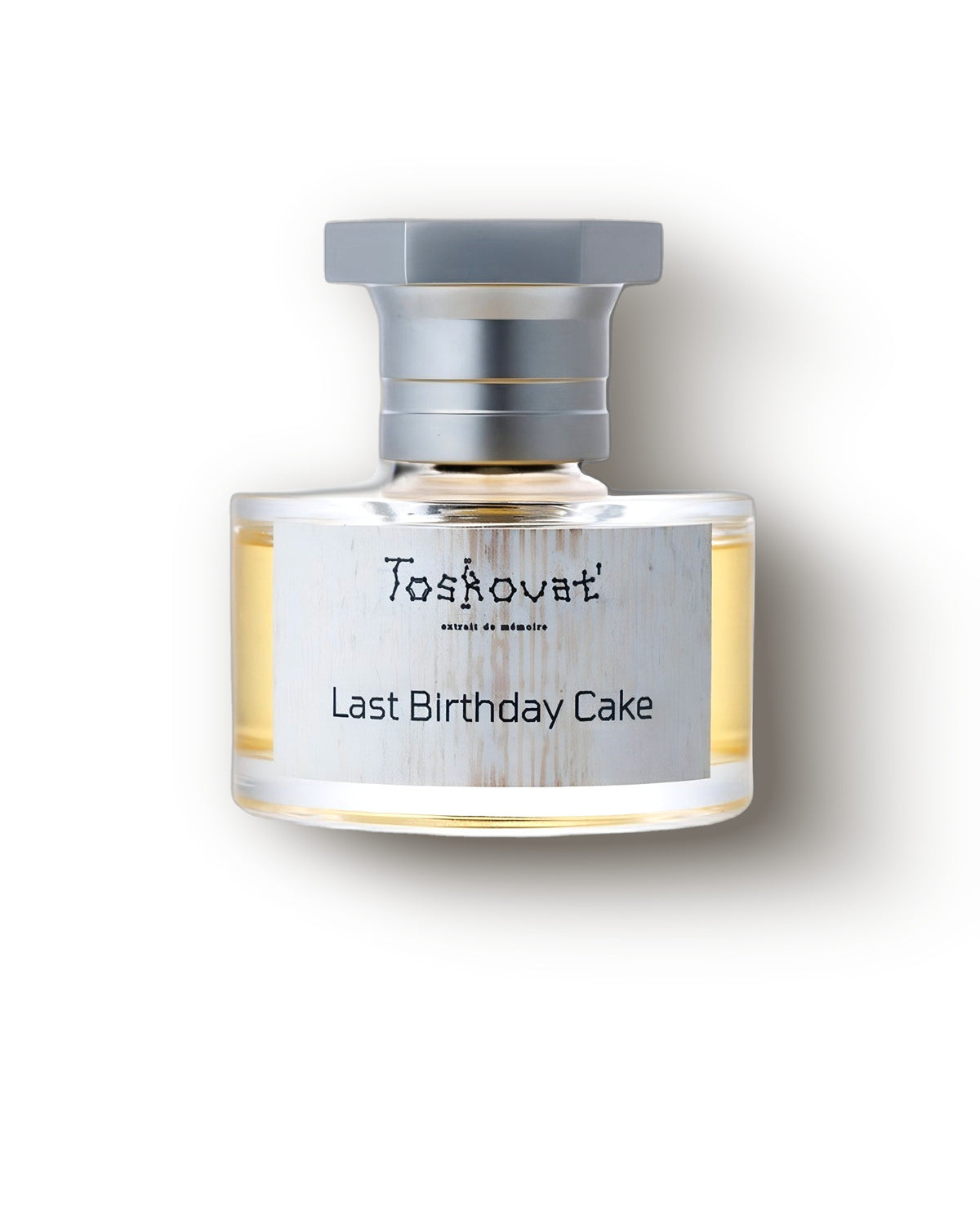
Mehr von dieser NaseInexcusable EvilLast Birthday CakePornstar (Noyau Doux)
Die Maison

Verbranntes Mandelgebäck, Schießpulver und heißes Metall: ein Extrait, gebaut aus dem, wonach Astronauten zufolge der Weltraum riecht.
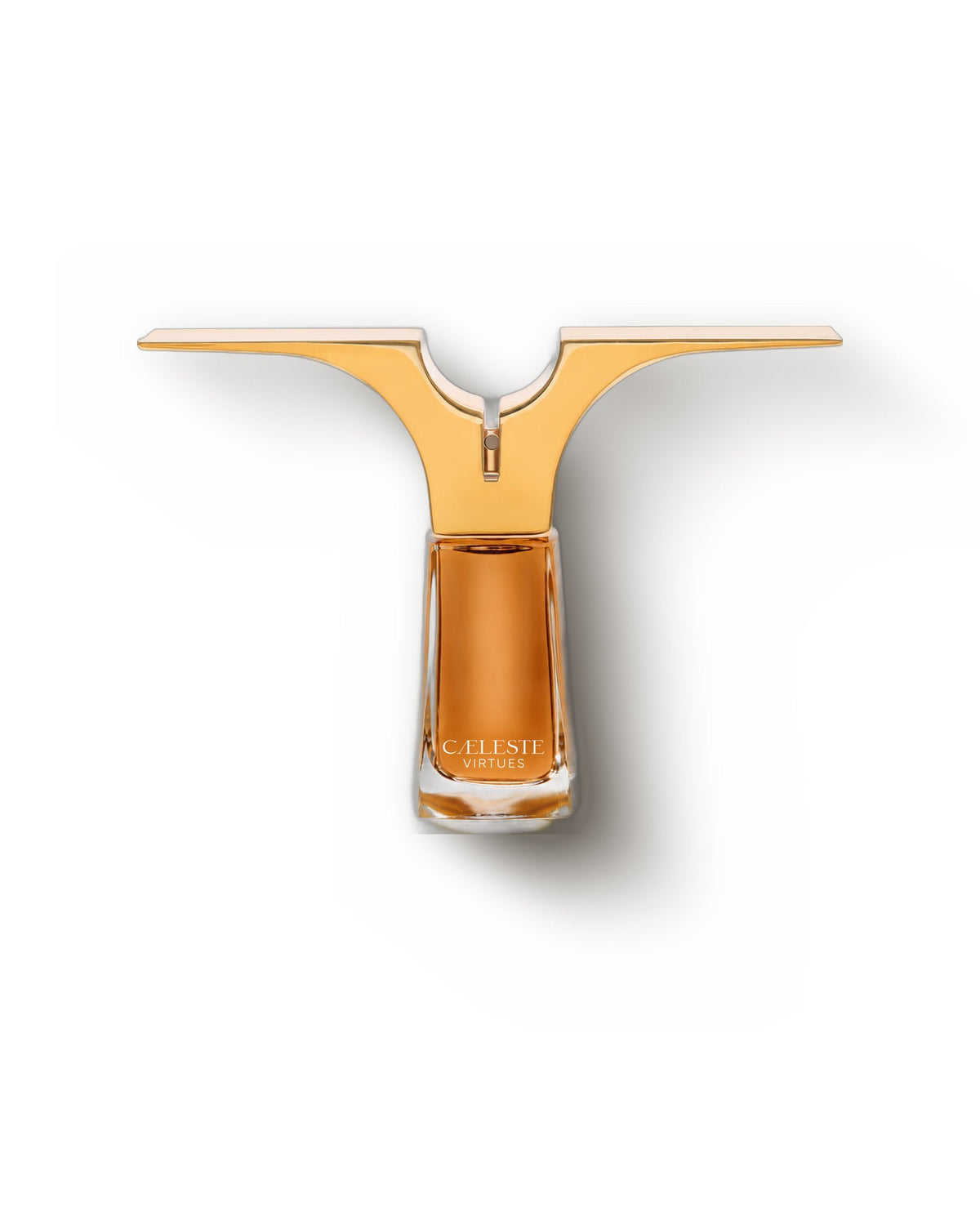
Caeleste ist ein rumänisches Haus, das seine Düfte nach den Rängen der Engelshierarchie benennt, mit je einer anderen Nase pro Rang. 2024 startete es mit drei Extraits, die gemeinsam als dritte Ordnung konzipiert wurden, und ist seither mit Virtues eine Sphäre aufgestiegen. Principalities von David-Lev Jipa-Slivinschi von Toskovat' gewann 2025 den Art and Olfaction Newcomer Award.
- Herkunft
- Bukarest, Rumänien
- Gegründet
- 2024
- Bekannt für
- Extraits der Engelshierarchie

JEDES DECANT
Vom Originalflakon bis an Ihre Tür
Wir kaufen den Originalflakon zum vollen Ladenpreis, direkt beim Haus.
Eine Socorex-Spritze in Medizinqualität nimmt die exakten Milliliter direkt aus dem Flakon.
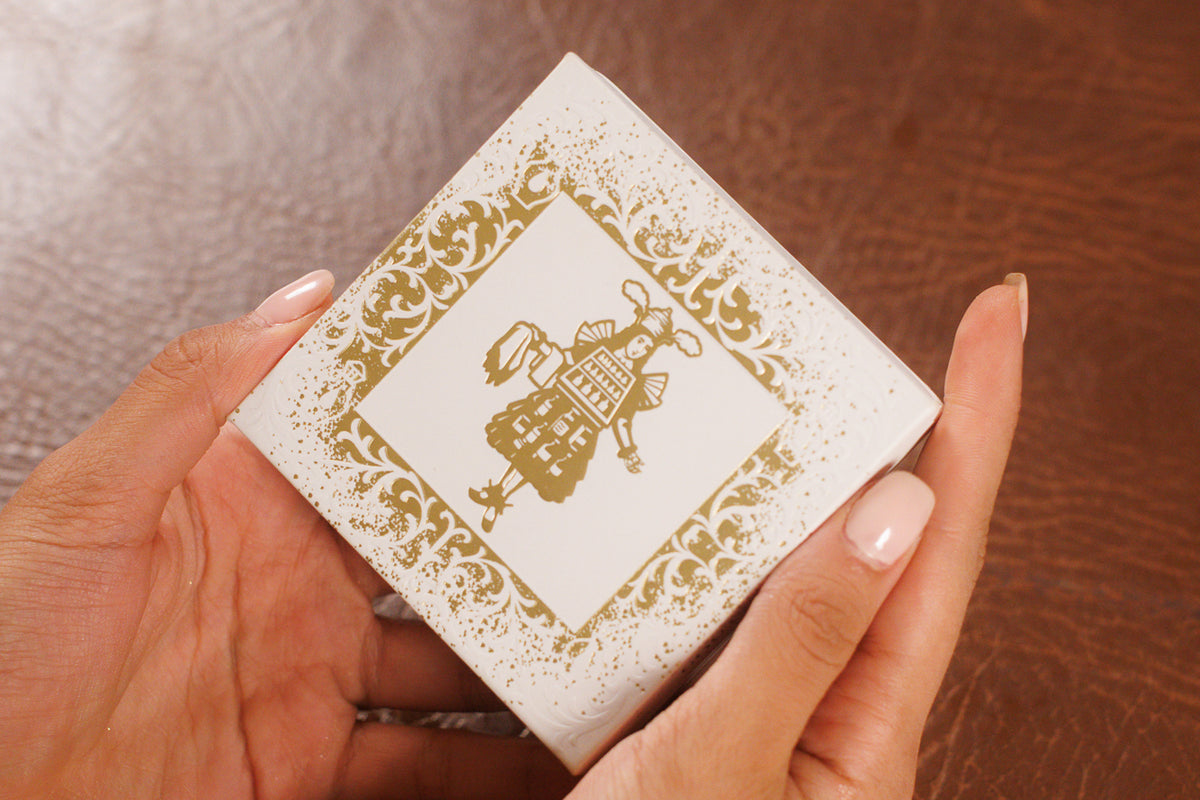
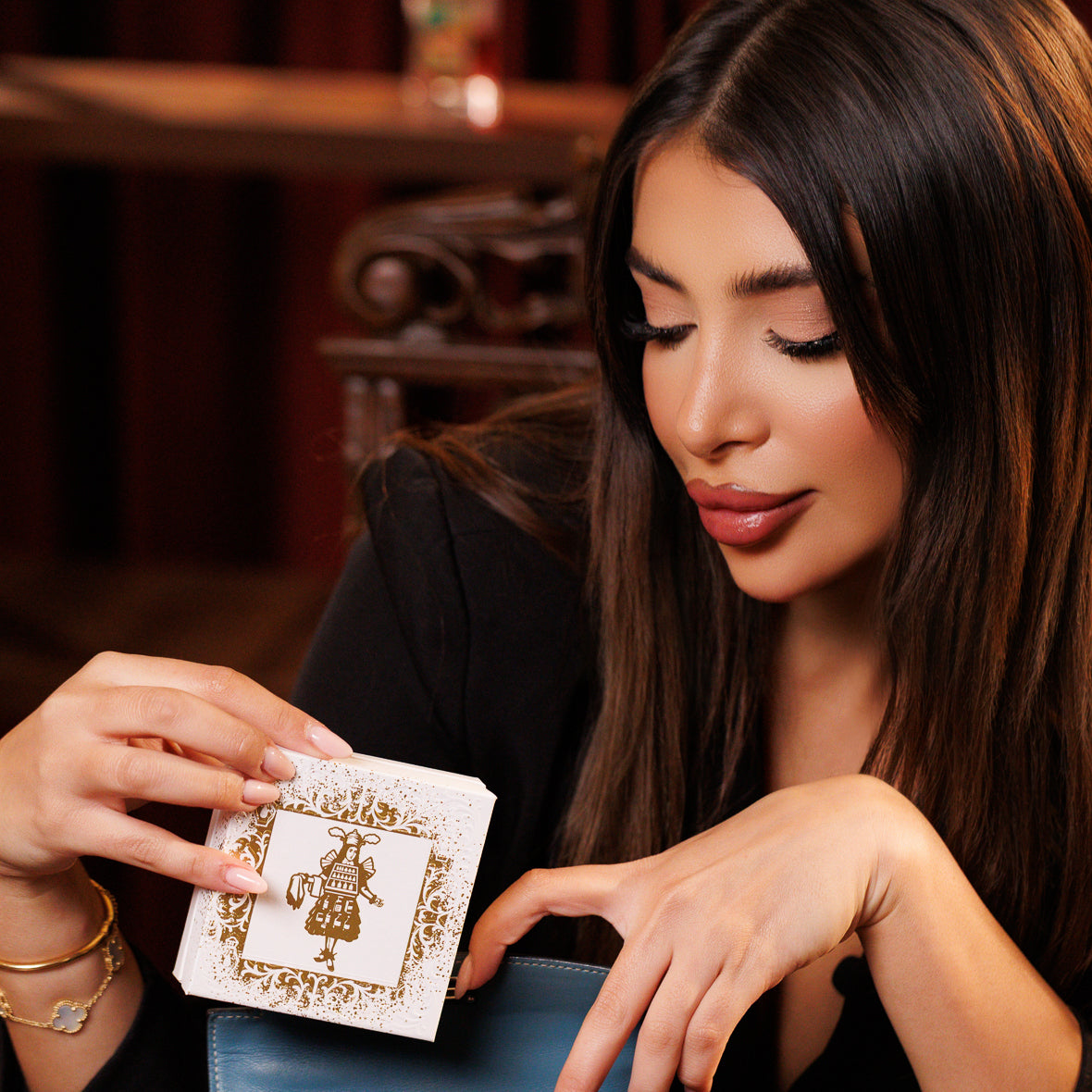
In die heißfolienveredelte Schachtel gepackt und an DHL übergeben, alle Zölle bereits bezahlt. Wie ein Decant entsteht
Mehr von Caeleste Parfums
Das könnte Ihnen auch gefallen