Lost Tribe
Jason
The Story
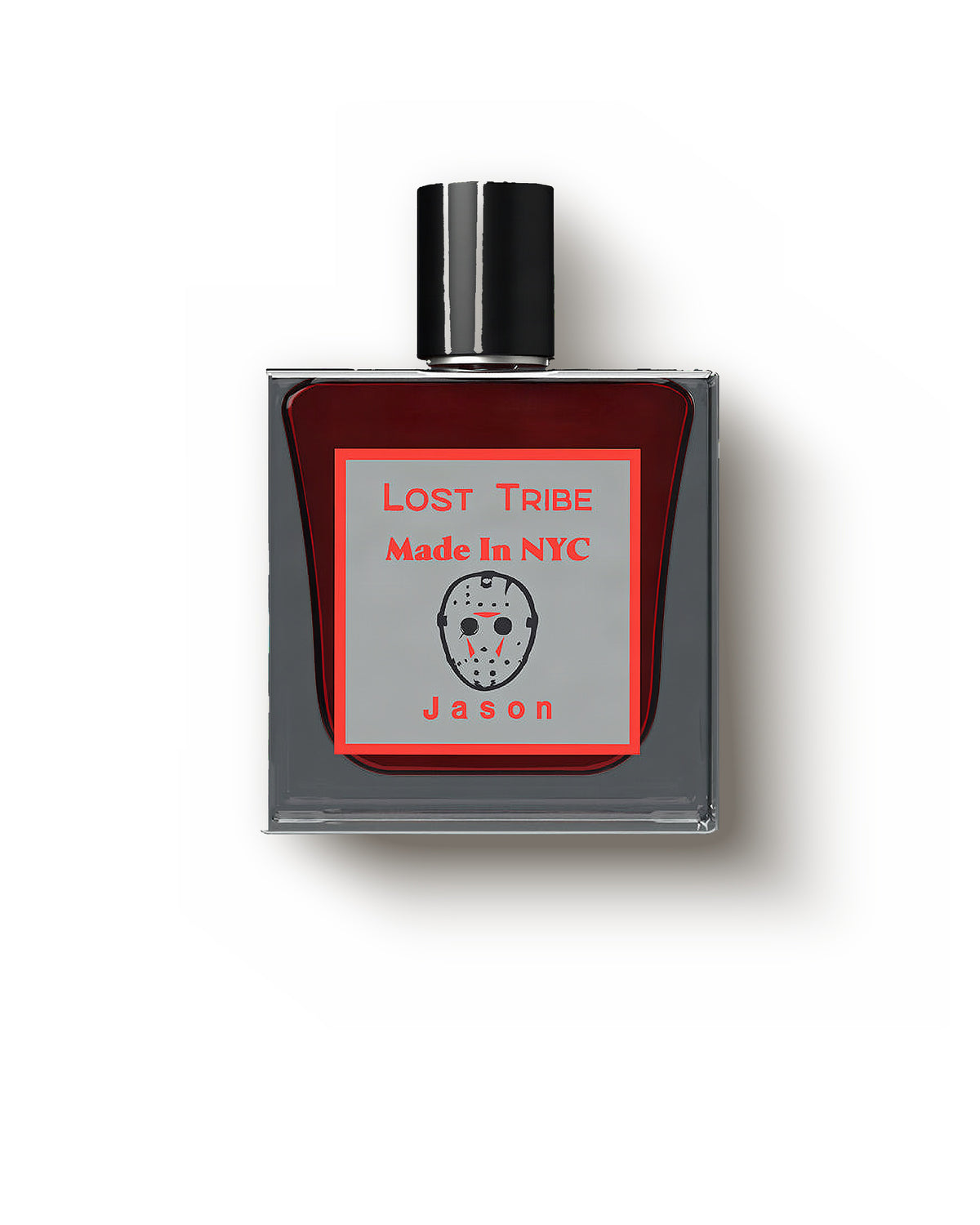
Jason is the pumpkin spice oud from Lost Tribe, the New York house, with a goalie's hockey mask on its label. It launched in October 2025, the same week as the house's Freddy. Made entirely from naturals, it lays a dry pumpkin spice accord over Hue Oud, and roasted barley is what sets it apart.

Warm Spicy
Glowing embers of the spice drawer
The rounded heat of cinnamon, clove, and nutmeg, dry and slightly resinous, like a baking pantry rather than a sharp kitchen. It creates a flushed, enveloping warmth that feels intimate and cool-weather, hugging the skin from within.


Gourmand
edible sweetness good enough to bite
A dessert-like warmth drawn from natural materials such as vanilla, benzoin, Peru balsam and roasted barley, the smells of sugar cooked rather than sugar itself. It feels cozy and comforting, wrapping the wearer in something soft, sweet, and almost edible.


Oud
What a tree makes when it is wounded
A dense, resinous wood that smells warm and slightly medicinal, with a leathery, animal-tinged smokiness and a sweet, almost barnyard funk underneath. It feels ancient and brooding, wrapping the skin in something thick and quietly powerful.


Balsamic
Tree sap gone thick and golden
Tree resins and golden amber, thickened to syrup and touched with vanilla. It does not sparkle or move; it settles, warming the skin the way candlelight warms a room, and it stays there long after the top notes have gone quiet.


Vanilla
Cured pod, boozy under the cream
Cured pods, not frosting. The sweetness here is custardy and balsamic, with something dark and boozy under it, closer to rum and woodsmoke than to sugar. It warms everything above it, blunting sharp edges and slowing the whole thing down.


Smoky
Charred wood and rising embers
The dry, charred scent of burning wood, smoldering incense, and lingering ash, sometimes tarry, sometimes wispy and gray. It feels brooding and atmospheric, conjuring a dying fire and a cool current of air carrying its last breath.


Woody
Dry grain of cut timber
The smell of cedar shavings, sandalwood, and dry vetiver roots, a sanded, resinous warmth with a faint pencil-box rasp. It feels grounded and composed, the quiet backbone that makes a scent read as serious and lasting.


Pumpkin Spice
The smell of pumpkin pie, minus the pumpkin
What it is
An American blend ground for pumpkin pie: cinnamon, nutmeg, ginger, cloves, sometimes allspice. Amelia Simmons's 1796 cookbook already spiced pumpkin with mace, nutmeg and ginger. McCormick has sold a ready mix since 1934: cinnamon, ginger, nutmeg and allspice, no cloves.
How it smells
A kitchen in October with the oven door just opened: dry cinnamon and clove at the centre, ginger and nutmeg lifting and softening them. The jar holds no pumpkin at all, so the pumpkin you think you smell is spice.
In perfumery
Always an accord: perfumers rebuild the spice jar, not the gourd. Cinnamon, clove, nutmeg and ginger are set over vanilla and amber for a gourmand, or over sandalwood and incense, where they glow against the dark.
Good to know
Starbucks tested its Pumpkin Spice Latte in about 100 stores in Vancouver and Washington, D.C. in 2003, then sold it across the US in 2004. Real pumpkin only went into the sauce in 2015.


Incense
The smell of resin hitting hot coal
What it is
What you are smelling is a change of state: resin meeting heat. The resin is usually olibanum, wept by Boswellia trees in Oman and the Horn of Africa, and perfumers round the effect out with labdanum and styrax.
How it smells
Cool and dry to begin with, sharp enough to read as turpentine, then the smoke arrives: peppery, ashen, faintly sweet. There is a stone-church quality to it, soapy and faintly green, and it stays close to the skin.
In perfumery
It works the way silence works in a room. From the heart into the base it cools florals, sharpens woods and drops a weight of ritual into oriental and chypre structures that would otherwise read as merely rich.
Good to know
Long before anyone wore it, this smoke was among antiquity's costliest imports. It moved along the Arabian caravan roads to temples around the Mediterranean, where burning it was the point: the scent was the offering.


Rum CO2
Boozy cask warmth, caught by carbon dioxide
What it is
Not an essential oil but a natural rum extract, drawn with carbon dioxide. Taken past 74 bar and 31°C, CO2 turns supercritical, flowing like a gas yet dissolving aroma like a liquid; release the pressure and it escapes as gas.
How it smells
Like lifting the bung on a cask: a flash of spirit, then dried fruit, woody balsam and scorched sugar underneath. A built rum accord picks a few chosen notes; the extract carries the whole spirit, top to bottom.
In perfumery
A heart material, and a fierce one: a reseller offers it cut to ten per cent because it is so strong. It lends a liquor tone to gourmand, spicy and woody compositions, and sits well beside coffee and davana.
Good to know
Several suppliers make one. MANE's comes from Martinique, Robertet offers a Jamaican-type CO2, and dsm-firmenich files its version under sugarcane, the plant every rum begins with, and sells it for flavours as well as perfume.


White Ambergris
Salt, skin and driftwood, bleached pale
What it is
White is where the journey ends. A waxy mass forms in the gut of a sperm whale, drifts for years, and sun and saltwater bleach it from black toward dusty white, slowly curing it into something soft and fragrant.
How it smells
Soft, sweet and marine, the most rounded of the grades. Clean skin, warm musk, tobacco and sea air over a velvety mineral sweetness. Whatever fecal edge the fresher, darker pieces carry has weathered out of it.
In perfumery
Used as a tincture, it works less like a note than like a light behind the others, adding warmth, diffusion and a skin-close glow while making everything around it last.
Good to know
Nothing is taken from a whale: pieces wash ashore or are found adrift, often years after they were expelled. Each lump is a one-off find, and no two smell quite alike.


Frangipani
Tropical petals breathing coconut and almond cream
What it is
Five waxy petals on a small tropical tree, plumeria, grown across the Pacific, the Caribbean and India. Solvent lifts the scent from picked blooms into an absolute, CO2 into an extract, and few perfumers ever get to use either.
How it smells
Coconut and almond cream, ripe peach behind it, and a green spicy edge that stops it turning syrupy. Milkier and sunnier than jasmine or tuberose, and nowhere near as indolic. It smells like heat on skin.
In perfumery
In the heart it does the work of sunlight, turning a composition creamy. Coconut, ylang, jasmine, sandalwood and vanilla sit alongside it, and when a fragrance smells of hot skin on a beach, this is usually why.
Good to know
Yields run well under a tenth of a percent, so true frangipani absolute is scarce and most frangipani in mainstream perfume is a reconstruction. The name comes from a Renaissance Roman family whose almond-scented glove perfume it recalls.

Nutmeg
Warm baking spice with a hidden narcotic edge
What it is
Two spices come out of one fruit. Split the apricot-like flesh and there is a hard brown seed, nutmeg, wrapped in a scarlet lace of mace. The seed is ground for the kitchen or steam-distilled for perfumery.
How it smells
Warm and dry rather than sweet, with a cool camphor lift on top that stops it feeling like dessert. Underneath, soft wood and a faint balsamic resin. Cozy at first, then oddly sharp, almost pine.
In perfumery
It works high in a fragrance, giving warmth and an ambery glow without the sugar a gourmand note brings. Vanilla, tobacco, lavender and woods take it well. The warm-spice signature of a barbershop fougere is mostly this.
Good to know
Nutmeg holds myristicin, mildly psychoactive and toxic in quantity. In the 1600s the world's entire supply grew on one small cluster of islands, the Banda, and Europe went to war over them.


Rose
Dewy sweetness over a green, peppery bite
What it is
Most perfumery rose is one of two: damascena from Bulgaria and Turkey, centifolia from Grasse. Whole blossoms are picked by hand from before sunrise until about ten thirty, then distilled into otto or solvent-extracted into absolute.
How it smells
Fresh, honeyed, green at the edges, with something dewy still on it. Spice and fruit sit underneath, and in the absolute a jammy darkness. Otto opens crisp and bright; absolute is warmer, smokier, closer to skin.
In perfumery
Rose behaves less like one note than a whole palette. It carries a perfume alone or vanishes into a chypre, turns dark against oud and patchouli, goes powdery beside violet, and holds a floral heart together.
Good to know
The two extractions are not the same bargain. Otto takes three to four thousand kilograms of blossoms to yield one kilogram of oil. Absolute, pulled out with solvent, gets there on roughly a seventh of the flowers.


Magnolia
Lemon-cream petals breathing over a southern garden
What it is
An ancient flower. Magnolias were already blooming in the age of the dinosaurs, and their petals are tough enough to survive the beetles that pollinate them. The absolute comes from fresh petals.
How it smells
Lemon peel and cream, pitched between citrus and tea rose. It opens fizzy, softens into milky petal, green stem and a small clove warmth, then dries clean and faintly fruity. Lighter on its feet than jasmine.
In perfumery
Perfumers reach for it in the heart when a white flower needs to stay light: dewy and luminous, without the indolic weight of tuberose or gardenia. It sits easily with citrus, peony, lily and soft musks.
Good to know
The absolute is rare and costly to extract, so the magnolia in most mainstream bottles is built from aroma-chemicals, a portrait rather than a photograph. Natural perfumers draw it from the flower itself, as an absolute or a distilled flower oil.


Peru Balsam
Warm vanilla cinnamon bleeding from wounded bark
What it is
Harvesters scorch the tree, beat the bark until it splits, then pack the wound with cloth and boil the resin out. Almost all of it comes from one stretch of El Salvador, the Costa del Balsamo.
How it smells
Vanilla and cinnamon in a deep sticky resin, with something almost cola-like underneath and a whisper of smoked leather. It starts tarry, then goes soft and powdery, with clove and dried fruit hanging around the edges.
In perfumery
Base note and fixative, the thing that makes an amber last, at home with vanilla, tonka, labdanum and tobacco. The raw exudation is a potent contact allergen, so only purified extracts and distillates ever reach a bottle.
Good to know
The name is a lie of logistics. The resin sailed for Europe out of a Peruvian port and Europe named it after the harbor, while the trees themselves stand in Central America.


Hue Oud
Sweet incense breathed from warmed agarwood
What it is
Agarwood carrying the name of Hue, the old imperial capital in central Vietnam, backed by mountains along the Lao border. Vietnam's three agarwood species, Aquilaria crassna among them, grow scattered in forests, especially from Quang Tri and Hue southward.
How it smells
Lost Tribe likens it to a clean oud chip warming on a mica plate at low heat: deep incense with only a faint smokiness. Agarwood incense is classically sweet and balsamic, with shades of vanilla, musk and amber.
In perfumery
Lost Tribe builds the base of Jason on it, with French vanilla and roasted barley, and lists 1 gram of pure Hue Oud per 15ml bottle. It gives the base weight and lets the spices settle.
Good to know
In kōdō, the Japanese incense ceremony, a sliver of agarwood rests on a mica plate over charcoal set in ash, so it warms without burning. That is the image Lost Tribe reaches for. It names no forest or distiller.

French Vanilla
Cured orchid pods, custard and faint smoke
What it is
Green pods come off the orchid vine smelling of almost nothing. The scent is made, not found: months of blanching, sweating in the sun and slow drying before the vanillin appears. Mexico first, Madagascar now.
How it smells
Custard and caramel up front, then something darker underneath: dried fruit and a thread of tobacco smoke. It turns powdery as it dries and sits close to the skin. Real cured vanilla reads deeper than vanillin alone.
In perfumery
Perfumers use it to round off edges. Anything too sharp, too green, too austere gets warmth and body from a vanilla base, which is why it anchors many oriental and gourmand builds alongside tonka, amber, sandalwood and spice.
Good to know
Every flower opens for one day. Miss it and there is no pod, so all of it is pollinated by hand, a trick devised by Edmond Albius, a twelve-year-old enslaved boy on Réunion. Most vanilla flavour today is synthetic.


Roasted Barley
Barley tea steam, toasted husk, faint smoke
What it is
Whole barley grain roasted as it is, never sprouted the way malt is. Brewed in water it becomes mugicha in Japan and bori-cha in Korea, and a roasted portion of the grain gives Guinness its dark colour and taste.
How it smells
Dry, toasty and a little bitter in the cup: scorched husk, popcorn, bread crust and a thread of smoke. The perfumery extract runs sweeter, toward caramel, mocha and honey, with a faint beer-like edge.
In perfumery
A natural exists: Biolandes in France makes a roasted barley extract, sold at 40 per cent in ethanol, and pairs it with orange and woody accords.
Good to know
Which barley matters. A 2020 study of Japanese barley tea found brews from hulled barley smokier than those from naked barley, with a faint clove-like spice inside the smoke.


Spice Accord
A warm drawer of dried seeds and bark
What it is
Everything in this family was dried before it was useful: bark, seed, bud, root, berry. Clove and cinnamon, pepper and nutmeg, cardamom and ginger, each one steamed or pressed until the heat comes out as oil.
How it smells
Dry heat first, then the differences: pepper and ginger prickle, cinnamon goes sweet and woody, clove lands with that dark medicinal bite. Underneath, something resinous and faintly bitter. It rounds out as it warms on skin.
In perfumery
Spice is friction. A pinch in the heart keeps a citrus opening from going polite and stops an amber base from going syrupy, which is why it sits so often beside rose, tobacco and woods.
Good to know
Clove grew only on a handful of small islands in the northern Moluccas, and that scarcity made it worth enough to launch fleets and start wars. Venice, Lisbon and Amsterdam took a cut of every pound.


Labdanum
Sticky amber resin scraped from sun-baked rockrose
What it is
A Mediterranean rockrose sweats gum through its leaves in summer, dark and sticky enough to glue your fingers together. Harvesters boil or scrape the branches to get it off, then extract that crude gum into absolute and resinoid.
How it smells
Balsamic warmth, then leather, dried fruit, honey and a curl of smoke. There is something almost ambergris-like in the opening. Hours later it has settled into brown tobacco and worn skin, still going.
In perfumery
Take labdanum out and most amber accords collapse; it is what vanilla and benzoin get built on. It fixes a formula in place, gives chypres and leathers their depth, and sits well with rose, oakmoss and incense.
Good to know
Before there was distillation, there were goats. Herds browsed through cistus scrub all summer, the gum matted into their beards and thighs, and shepherds combed it out. Labdanum is one of the oldest aromatic materials still in use.


Benzoin
Warm vanilla balsam wept from a tapped tree
What it is
Benzoin does not flow on its own. Someone cuts the bark of a styrax tree in Laos, Vietnam or Sumatra, and the wound weeps a gum that hardens over months into reddish tears.
How it smells
Sweet, warm, unmistakably vanillic, with a powdery amber softness underneath. Siam benzoin is rounder and creamier; Sumatra runs smokier, with a cinnamon bite. Left on skin it turns almost caramelized.
In perfumery
A base note that behaves like a fixative and a sweetener at once, giving amber accords their glow and holding the rest of the composition still. It softens sharp edges beside labdanum, tonka and incense.
Good to know
The word benzene comes from here. Chemists named benzoic acid after this resin, and benzene took its name from the acid. The resin's own name is a worn-down Arabic phrase, luban jawi, frankincense of Java.


Red Meat Sandalwood
Creamy heartwood, pulled up roots and all
What it is
Harvesting means uprooting: the oil runs richest in the roots, so in Karnataka the whole tree comes out of the ground. Heartwood begins forming at five to ten years, but a heart worth taking is closer to thirty.
How it smells
Cream and warm milk over sawn wood, with a sour-buttery edge that turns almost lactic. Something rosy and balsamic sits underneath. It never sharpens and never smokes, just settles on skin, quiet and close, for hours.
In perfumery
Perfumers use it to hold a blend together: it rounds sharp edges and makes everything above it last longer. Rose, jasmine, violet and oud all soften against it. The great vintage milky-woody orientals are built on it.
Good to know
India cut its own supply almost to collapse. Standing trees and sales now fall under government licence and auction, and genuine Mysore oil has grown scarce, so most sandalwood in mainstream perfume is Australian plantation wood or a synthetic stand-in.


Mongolian Musk
Chocolate, dust and a warm animal hum
What it is
Deer musk from the cold end of its range, the forested mountains where Mongolia meets southern Siberia. Perfumers grade it against Tonkin, the Tibetan and Chinese musk named for its old trade route, which every other musk is measured by.
How it smells
Sweeter than expected, almost chocolatey, with earth and resin underneath and a dry sandy warmth close to ambergris. Muddier than the floral prettiness of Tonkin, softer than the feral Siberian grade. It sits on skin, not above it.
In perfumery
A trace holds everything above it in place for hours and gives a blend its brooding, skin-close weight. All-natural houses set it against oud, where its earthy backbone meets the smoke halfway.
Good to know
Almost everything sold as musk today is synthetic and unrelated to any deer, which is why the word tells you so little on a note list. Tonkin stays the benchmark; Siberian grades read rougher and more barnyard.
Fragrance Character
It opens by the fire: cinnamon and clove in the pumpkin spice accord, rum CO2 underneath. On skin it reads sweeter and more gourmand than its dry build suggests. The florals barely surface. Then Hue Oud settles in like a clean chip on a warm mica plate, more incense than smoke, with creamy vanilla and toasted barley lasting to the end.


Longevity
how long it stays on skin
The hourglass reads wear time: how many hours the fragrance keeps speaking before it fades. A bar that barely leaves the start means a few fleeting hours. One that runs the full length carries from morning into evening. Treat it as typical, not promised. Oily skin holds scent far longer than dry.


Sillage
the size of its scent trail
Sillage is French for a ship's wake, and that is exactly what this measures: how much of the scent reaches the room instead of staying on you. Low is a whisper only close friends catch. Enormous fills the room, then keeps filling it after you leave.


Experimental
Built to provoke, not to please
Some perfumes are made to be liked. These are made to be argued about: inky tar, hot rubber, fruit on the turn, metal and fur where you expected flowers. The coin glows for a scent that provokes and dims for one that plays it safe, which is sometimes the point.


Office
Polished, and never louder than the room
Scent is manners in a shared room. At this range it should reach the person across the desk and stop there: tidy citrus, soft musk, pale woods, all of it reading competent and considerate. A glowing coin means nobody has to mention it. A dim one means it travels.


Evening
After dark, when it deepens
Dinner, drinks, the night that runs long. Low light is where ambers, resins and smoky woods stop being polite, and where a plush floral finally blooms. A glowing coin means it is waiting for exactly this hour. A dim one means it did its best work in daylight.


Romantic
Close enough to be felt
A fragrance can hum against skin instead of announcing itself across a table. That is the register here: creamy florals, vanilla, soft musk, a thread of spice, warm enough to make someone lean in. The coin glows when a scent sets that mood and dims when it is more practical than seductive.


Formal
Quiet authority in a dressed-up room
A wedding, a ceremony, a room where everyone has thought about their shoes. What works here is structure, not volume: smooth woods, disciplined florals, soft leather. A glowing coin means it holds its posture all evening. A dim one means it is too casual for the room.


Casual
Easy comfort for unhurried days
Errands, coffee, a slow Saturday with nowhere to be. Nothing here has to impress anyone, so the fit is soft and easy: fresh citrus, light woods, a little warmth off the skin. A glowing coin says yes to all that. A dim one means the fragrance is asking for a bigger night.


Day to Night
where its mood naturally falls
A bar running from sun to moon, reading the hour the fragrance was made for. The more of it that stays gold, the more the scent belongs to daylight and open air. The further the blue reaches back toward the sun, the deeper and warmer it turns: evening, candlelight, low rooms.


Winter
Warmth that carries through cold air
Cold air mutes a fragrance and slows it down, which is why winter belongs to the dense and the warm: resin, smoke, vanilla, leather, ambered spice. The bar reads how well this one pushes back, glowing against the chill instead of thinning out in it.


Spring
Fresh blooms in mild, rising warmth
Mild, humid air lifts a light composition, so the season belongs to dewy florals, green stems, soft powder and citrus you can see through. Alive rather than heavy. The further the green runs along the bar, the more comfortably this one wears in that weather.


Summer
Bright and airy in real heat
Heat does the projecting for you, which is why the wrong perfume turns unbearable by noon. What survives is cool and breathable: sharp citrus, salt air, aromatic herbs, water. Things that refresh instead of cloy. A short bar here means save it for cooler months.


Fall
Spiced warmth for cooling days
As the air cools, the rich materials stop smothering and start reading clearly: dry woods, warm spice, tobacco, amber, fruit gone golden. It is the season perfume turns contemplative. The bar fills according to how naturally this one settles into crisp, cooling days.
Best Worn
Autumn into winter, from dusk on: Halloween night, a long dinner, a weekend with the first frost. It suits anyone who likes seasonal spice but wants oud, resin and toasted grain carrying it.
Pilih opsi
The Vibe


Sang Peracik
Mathew Schmuelian
Pendiri dan peracik parfum
Pendiri sekaligus peracik parfum Lost Tribe, yang beralih dari mengoleksi bahan alami artisanal menjadi memaserasi musk-nya sendiri pada 2022; rilisan pertamanya, Lost Tribe Hope You Like It, hanya berjumlah sekitar enam belas botol. Ia meracik Lost Tribe Sultry Sambac, Lost Tribe Smoky Bear dan Lost Tribe Prince of Persia.
Lebih banyak dari peracik iniNeon PalmsVanilla Waves V2 Extra MuskLost Lotus
Rumah Parfum

Suku kecil, musk asli, tanpa kompromi, dituang selama stok botol aslinya masih ada.
Lost Tribe membuat wewangian yang terasa akrab dan lantang, jenis yang tiba sebelum Anda datang dan bertahan setelah Anda pergi. Ada garis maksimalis yang mengalir di seluruh rumah parfum ini, dari buah tropis yang mabuk matahari, vanila sepekat resin, hingga gaharu langka yang dibangun di atas Kinam tua.
- Dikenal karena
- Bahan alami maksimalis, Kinam tua

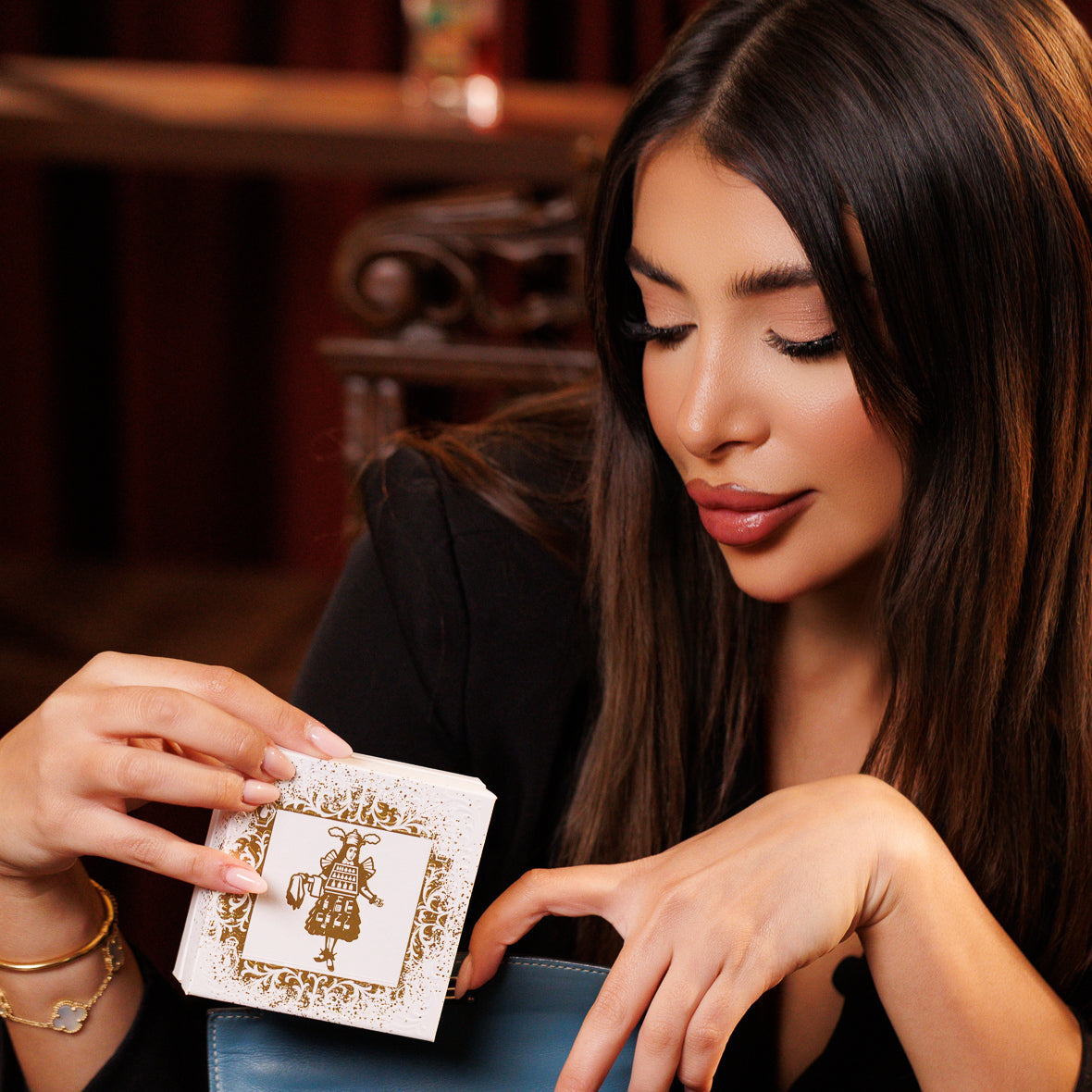
SETIAP DECANT
Dari botol asli hingga ke depan pintu Anda
Kami membeli flakon asli dengan harga ritel penuh, langsung dari rumahnya.
Suntikan Socorex kelas medis mengambil mililiter yang tepat langsung dari flakon.
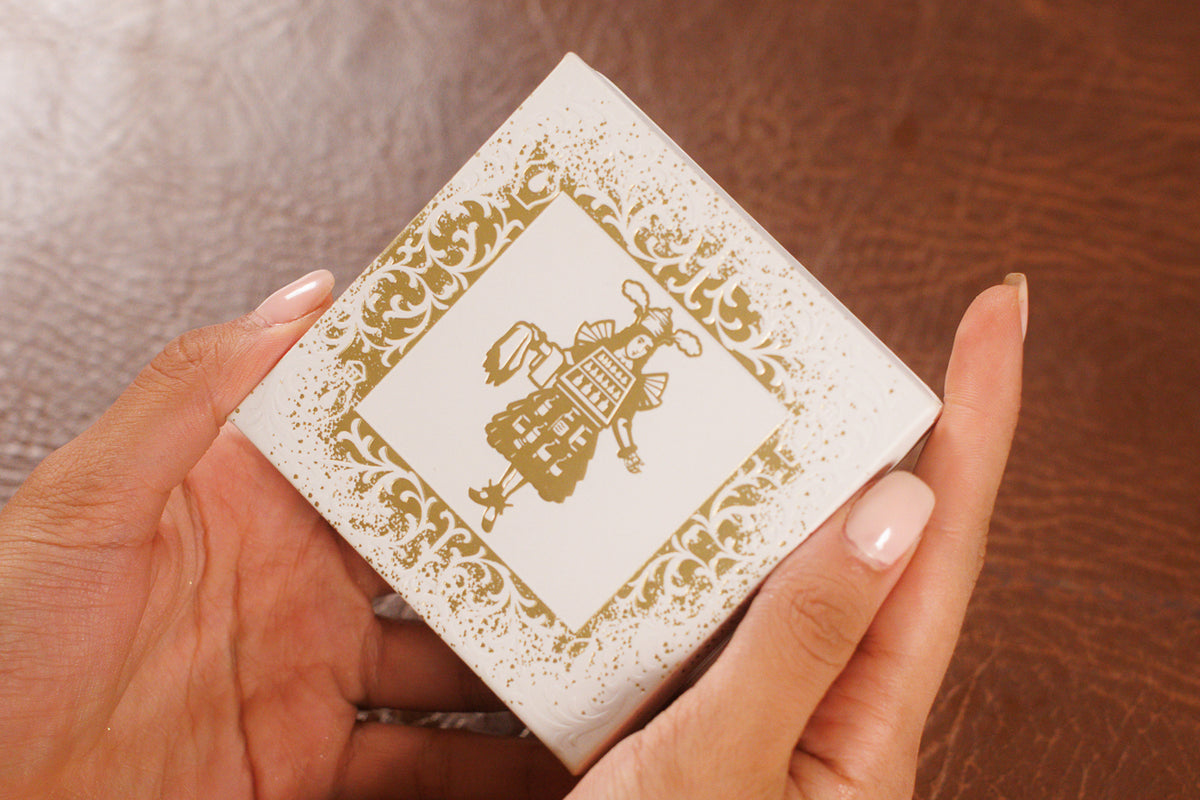
Dimasukkan ke kotak berhias foil panas dan diserahkan ke DHL, semua bea sudah dibayar. Cara decant dibuat
Parfum Lost Tribe lainnya

Anda mungkin juga suka