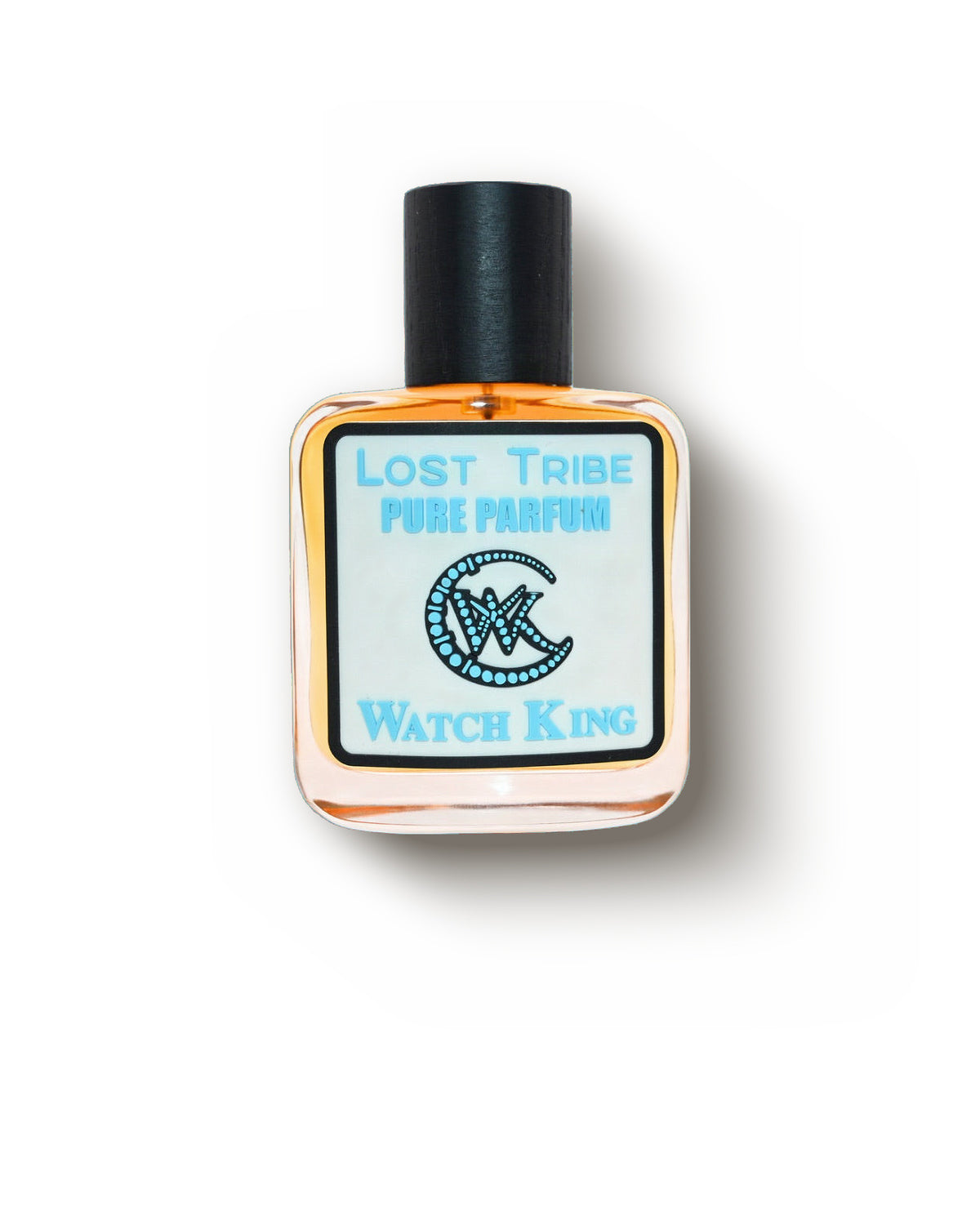
Lost Tribe
Watch King
The Story
Watch King is a smoky, sweet amber from New York's Lost Tribe, and with Santal Absolu it opened the house's Pure Parfum line in June 2026: natural materials only, above 50% oil, no real oud, no animalics. An oud accord leads instead, and the leather is smooth enough for a fine watch strap.


Smoky
Charred wood and rising embers
The dry, charred scent of burning wood, smoldering incense, and lingering ash, sometimes tarry, sometimes wispy and gray. It feels brooding and atmospheric, conjuring a dying fire and a cool current of air carrying its last breath.


Leather
A jacket with some miles on it
Tanned hide and birch tar, dry, smoky, a bitter rasp and tobacco under it. Sometimes new and lacquered, like a car interior; sometimes worn soft, like suede gloves gone thin. Either way, it smells used.


Sweet
Warm sugar you cannot quite name
Caramel, honey, spun sugar: sweetness that hovers between all three and never settles on one. This is the gourmand pull, the thing that makes someone lean in closer than they meant to, warm and soft and a half step short of edible.


Amber
Resin warmed until it goes sweet
Benzoin and vanilla melted together into something sweet but dusky, like tree sap gone soft in the sun with a thread of incense smoke through it. Amber does not sparkle or shout. It glows steadily and gives off heat for hours.

Warm Spicy
Glowing embers of the spice drawer
The rounded heat of cinnamon, clove, and nutmeg, dry and slightly resinous, like a baking pantry rather than a sharp kitchen. It creates a flushed, enveloping warmth that feels intimate and cool-weather, hugging the skin from within.


Balsamic
Tree sap gone thick and golden
Tree resins and golden amber, thickened to syrup and touched with vanilla. It does not sparkle or move; it settles, warming the skin the way candlelight warms a room, and it stays there long after the top notes have gone quiet.


Vanilla
Cured pod, boozy under the cream
Cured pods, not frosting. The sweetness here is custardy and balsamic, with something dark and boozy under it, closer to rum and woodsmoke than to sugar. It warms everything above it, blunting sharp edges and slowing the whole thing down.


Oud Accord
Dark oud depth, built without the wood
What it is
Resinous heartwood, and the oil distilled from it. One word covers chips burned over coals, attars that shift with species, soil and still, and the accords built to echo them. Here it is an accord: the Pure Parfum line uses no real oud, so the house builds this one from other natural materials and does not say which.
How it smells
A distilled oil moves: fermented and barnyard, then leather, dried fruit, honey, then resin and warm skin, rarely the same twice in one evening. This accord keeps the depth and leaves the barnyard behind: dark, resinous and clean, with incense smoke drifting through it in the opening.
In perfumery
Collectors chase regions the way wine drinkers chase terroir: fecal Hindi, fruity Cambodi, camphorous Borneo, and above them all kyara, the rarest and most prized grade. The accord exists because none of that can be repeated at scale.
Good to know
Aquilaria is listed under CITES Appendix II, which regulates the trade rather than banning it. Chips, beads and carvings move on permits. The finished bottle on a shelf does not.


Incense
The smell of resin hitting hot coal
What it is
What you are smelling is a change of state: resin meeting heat. The resin is usually olibanum, wept by Boswellia trees in Oman and the Horn of Africa, and perfumers round the effect out with labdanum and styrax.
How it smells
Cool and dry to begin with, sharp enough to read as turpentine, then the smoke arrives: peppery, ashen, faintly sweet. There is a stone-church quality to it, soapy and faintly green, and it stays close to the skin.
In perfumery
It works the way silence works in a room. From the heart into the base it cools florals, sharpens woods and drops a weight of ritual into oriental and chypre structures that would otherwise read as merely rich.
Good to know
Long before anyone wore it, this smoke was among antiquity's costliest imports. It moved along the Arabian caravan roads to temples around the Mediterranean, where burning it was the point: the scent was the offering.


Benzoin
Warm vanilla balsam wept from a tapped tree
What it is
Benzoin does not flow on its own. Someone cuts the bark of a styrax tree in Laos, Vietnam or Sumatra, and the wound weeps a gum that hardens over months into reddish tears.
How it smells
Sweet, warm, unmistakably vanillic, with a powdery amber softness underneath. Siam benzoin is rounder and creamier; Sumatra runs smokier, with a cinnamon bite. Left on skin it turns almost caramelized.
In perfumery
Usually a base note, here it sits in the heart and behaves like a fixative and a sweetener at once, giving amber accords their glow and holding the rest of the composition still. It softens sharp edges beside labdanum, tonka and incense.
Good to know
The word benzene comes from here. Chemists named benzoic acid after this resin, and benzene took its name from the acid. The resin's own name is a worn-down Arabic phrase, luban jawi, frankincense of Java.

Leather
Smooth, worn-in leather warmth
What it is
There is no leather essential oil, so leather in a perfume is always an impression the perfumer builds, echoing the tannins and oils once used to cure hides. The house does not say what builds this one; its Pure Parfum line uses natural materials only and no animalics.
How it smells
Here it reads soft and lived-in, settling warm into the benzoin at the heart. Leather notes in general run from soft suede to tarry old saddle.
In perfumery
Usually a base note, here set in the heart, it lends a composition its spine. It does its best work under rose and violet, alongside tobacco and oud, and a floral heart set on leather turns unmistakably human.
Good to know
Leather perfume traces back to the scented gloves of Spain and Grasse; its smoky strand came later from Russia, where boots and book bindings were treated with birch tar, and Russian leather still means that smell. The real tanning oils were mostly restricted on safety grounds, so today's leathers are reconstructions.

Amber
A warm resinous glow built, not harvested
What it is
There is no amber tree. Amber in a perfume is an impression of warm, sweet resin that the perfumer builds, and the house does not say what builds this one. The fossilized resin in museum cases is odorless on skin.
How it smells
Honeyed and resinous at first, then it settles into golden powdery warmth: beeswax, old tobacco, worn leather, a thread of smoke underneath. Here it glows golden through the whole base, warming the vanilla and tonka around it.
In perfumery
It sits at the base and holds everything above it in place, which is why oriental compositions lean on it so hard. Vanilla and patchouli push it sweet; more resin, spice and dry herbs push it austere.
Good to know
The word once meant ambergris, the waxy secretion of sperm whales, and the confusion never cleared. The trade now uses amber for two things: this resin accord and the ambergris substitutes like Ambroxan.

Vanilla
Cured orchid pods, custard and faint smoke
What it is
Green pods come off the orchid vine smelling of almost nothing. The scent is made, not found: months of blanching, sweating in the sun and slow drying before the vanillin appears. Mexico first, Madagascar now.
How it smells
Custard and caramel up front, then something darker underneath: dried fruit and a thread of tobacco smoke. It turns powdery as it dries and sits close to the skin. Real cured vanilla reads deeper than vanillin alone.
In perfumery
Perfumers use it to round off edges. Anything too sharp, too green, too austere gets warmth and body from a vanilla base, which is why it anchors many oriental and gourmand builds alongside tonka, amber, sandalwood and spice.
Good to know
Every flower opens for one day. Miss it and there is no pod, so all of it is pollinated by hand, a trick devised by Edmond Albius, a twelve-year-old enslaved boy on Réunion. Most vanilla flavour today is synthetic.

Tonka Bean
Warm almond-vanilla sweetness with a hay-tobacco shadow
What it is
Shelled seeds from a South American legume tree go into alcohol, then dry for weeks until coumarin crystallizes across their skins like frost. That frosted bean is what becomes the absolute perfumers use.
How it smells
Vanilla and bitter almond first, then hay, dried tobacco and something toasted. The opening is close to caramelized custard; the drydown goes powdery and boozy, with cinnamon and cut clover in it. Hazier than vanilla, softer than almond.
In perfumery
Between heart and base, it sweetens without turning sharp. Lavender, amber and tobacco all take to it. Coumarin, first pulled out of this seed, built the fougère family, though the 1882 original ran on the synthetic version.
Good to know
Tonka owes most of its scent to coumarin, which American food regulators banned in 1954 after high doses damaged the livers of lab animals. The bean is effectively illegal in a US kitchen and perfectly legal on skin.


Peru Balsam
Warm vanilla cinnamon bleeding from wounded bark
What it is
Harvesters scorch the tree, beat the bark until it splits, then pack the wound with cloth and boil the resin out. Almost all of it comes from one stretch of El Salvador, the Costa del Balsamo.
How it smells
Vanilla and cinnamon in a deep sticky resin, with something almost cola-like underneath and a whisper of smoked leather. It starts tarry, then goes soft and powdery, with clove and dried fruit hanging around the edges.
In perfumery
Base note and fixative, the thing that makes an amber last, at home with vanilla, tonka, labdanum and tobacco. The raw exudation is a potent contact allergen, so only purified extracts and distillates ever reach a bottle.
Good to know
The name is a lie of logistics. The resin sailed for Europe out of a Peruvian port and Europe named it after the harbor, while the trees themselves stand in Central America.


Allspice
Clove and pepper packed into one berry
What it is
The dried berry of the pimento tree, picked green and dried hard. The best trees are Jamaican, and the berry carries the same hot bite as clove, so it distils into something far hotter than its size suggests.
How it smells
Clove first, then cinnamon, then a crack of black pepper. A cool camphor lift sits on top for a moment before the whole thing settles sweet, woody and balsamic, with something faintly of tea and nutmeg underneath.
In perfumery
Usually it lives in the heart of a formula, throwing heat and lift through fougères and ambery blends; here it warms the base. Carnation, bay and tobacco all take it well. Most of the barbershop classics carry a little, sitting just behind the clove.
Good to know
The English named it allspice around 1621, convinced one berry had somehow trapped cinnamon, clove and nutmeg together. The catch: the oil is restricted in fine fragrance, so it goes in by drops.


Rose
Dewy sweetness over a green, peppery bite
What it is
Most perfumery rose is one of two: damascena from Bulgaria and Turkey, centifolia from Grasse. Whole blossoms are picked by hand from before sunrise until about ten thirty, then distilled into otto or solvent-extracted into absolute.
How it smells
Fresh, honeyed, green at the edges, with something dewy still on it. Spice and fruit sit underneath, and in the absolute a jammy darkness. Otto opens crisp and bright; absolute is warmer, smokier, closer to skin.
In perfumery
Rose behaves less like one note than a whole palette. It carries a perfume alone or vanishes into a chypre, turns dark against oud and patchouli, goes powdery beside violet, and holds a floral heart together.
Good to know
The two extractions are not the same bargain. Otto takes three to four thousand kilograms of blossoms to yield one kilogram of oil. Absolute, pulled out with solvent, gets there on roughly a seventh of the flowers.
Fragrance Character
The oud accord leads, deep and commanding, with a thin curl of incense smoke winding through it. Benzoin brings balsamic warmth to the heart, with supple leather beside it. The drydown turns sweet and creamy: amber, vanilla and tonka bound together by Peru balsam, allspice warming the sweetness and rose no more than a trace. It lasts a long time on skin.


Longevity
how long it stays on skin
The hourglass reads wear time: how many hours the fragrance keeps speaking before it fades. A bar that barely leaves the start means a few fleeting hours. One that runs the full length carries from morning into evening. Treat it as typical, not promised. Oily skin holds scent far longer than dry.


Sillage
the size of its scent trail
Sillage is French for a ship's wake, and that is exactly what this measures: how much of the scent reaches the room instead of staying on you. Low is a whisper only close friends catch. Enormous fills the room, then keeps filling it after you leave.


Experimental
Built to provoke, not to please
Some perfumes are made to be liked. These are made to be argued about: inky tar, hot rubber, fruit on the turn, metal and fur where you expected flowers. The coin glows for a scent that provokes and dims for one that plays it safe, which is sometimes the point.


Office
Polished, and never louder than the room
Scent is manners in a shared room. At this range it should reach the person across the desk and stop there: tidy citrus, soft musk, pale woods, all of it reading competent and considerate. A glowing coin means nobody has to mention it. A dim one means it travels.


Evening
After dark, when it deepens
Dinner, drinks, the night that runs long. Low light is where ambers, resins and smoky woods stop being polite, and where a plush floral finally blooms. A glowing coin means it is waiting for exactly this hour. A dim one means it did its best work in daylight.


Romantic
Close enough to be felt
A fragrance can hum against skin instead of announcing itself across a table. That is the register here: creamy florals, vanilla, soft musk, a thread of spice, warm enough to make someone lean in. The coin glows when a scent sets that mood and dims when it is more practical than seductive.


Formal
Quiet authority in a dressed-up room
A wedding, a ceremony, a room where everyone has thought about their shoes. What works here is structure, not volume: smooth woods, disciplined florals, soft leather. A glowing coin means it holds its posture all evening. A dim one means it is too casual for the room.


Casual
Easy comfort for unhurried days
Errands, coffee, a slow Saturday with nowhere to be. Nothing here has to impress anyone, so the fit is soft and easy: fresh citrus, light woods, a little warmth off the skin. A glowing coin says yes to all that. A dim one means the fragrance is asking for a bigger night.


Day to Night
where its mood naturally falls
A bar running from sun to moon, reading the hour the fragrance was made for. The more of it that stays gold, the more the scent belongs to daylight and open air. The further the blue reaches back toward the sun, the deeper and warmer it turns: evening, candlelight, low rooms.


Winter
Warmth that carries through cold air
Cold air mutes a fragrance and slows it down, which is why winter belongs to the dense and the warm: resin, smoke, vanilla, leather, ambered spice. The bar reads how well this one pushes back, glowing against the chill instead of thinning out in it.


Spring
Fresh blooms in mild, rising warmth
Mild, humid air lifts a light composition, so the season belongs to dewy florals, green stems, soft powder and citrus you can see through. Alive rather than heavy. The further the green runs along the bar, the more comfortably this one wears in that weather.


Summer
Bright and airy in real heat
Heat does the projecting for you, which is why the wrong perfume turns unbearable by noon. What survives is cool and breathable: sharp citrus, salt air, aromatic herbs, water. Things that refresh instead of cloy. A short bar here means save it for cooler months.


Fall
Spiced warmth for cooling days
As the air cools, the rich materials stop smothering and start reading clearly: dry woods, warm spice, tobacco, amber, fruit gone golden. It is the season perfume turns contemplative. The bar fills according to how naturally this one settles into crisp, cooling days.
Best Worn
Best through autumn and winter, worn as easily on an ordinary day as on an evening out or a date. It suits anyone who likes smoke, soft leather and sweet amber together.
Pilih opsi
The Vibe


Sang Peracik
Mathew Schmuelian
Pendiri dan peracik parfum
Pendiri sekaligus peracik parfum Lost Tribe, yang beralih dari mengoleksi bahan alami artisanal menjadi memaserasi musk-nya sendiri pada 2022; rilisan pertamanya, Lost Tribe Hope You Like It, hanya berjumlah sekitar enam belas botol. Ia meracik Lost Tribe Sultry Sambac, Lost Tribe Smoky Bear dan Lost Tribe Prince of Persia.
Lebih banyak dari peracik iniNeon PalmsVanilla Waves V2 Extra MuskLost Lotus
Rumah Parfum

Suku kecil, musk asli, tanpa kompromi, dituang selama stok botol aslinya masih ada.
Lost Tribe membuat wewangian yang terasa akrab dan lantang, jenis yang tiba sebelum Anda datang dan bertahan setelah Anda pergi. Ada garis maksimalis yang mengalir di seluruh rumah parfum ini, dari buah tropis yang mabuk matahari, vanila sepekat resin, hingga gaharu langka yang dibangun di atas Kinam tua.
- Dikenal karena
- Bahan alami maksimalis, Kinam tua

SETIAP DECANT
Dari botol asli hingga ke depan pintu Anda
Kami membeli flakon asli dengan harga ritel penuh, langsung dari rumahnya.
Suntikan Socorex kelas medis mengambil mililiter yang tepat langsung dari flakon.
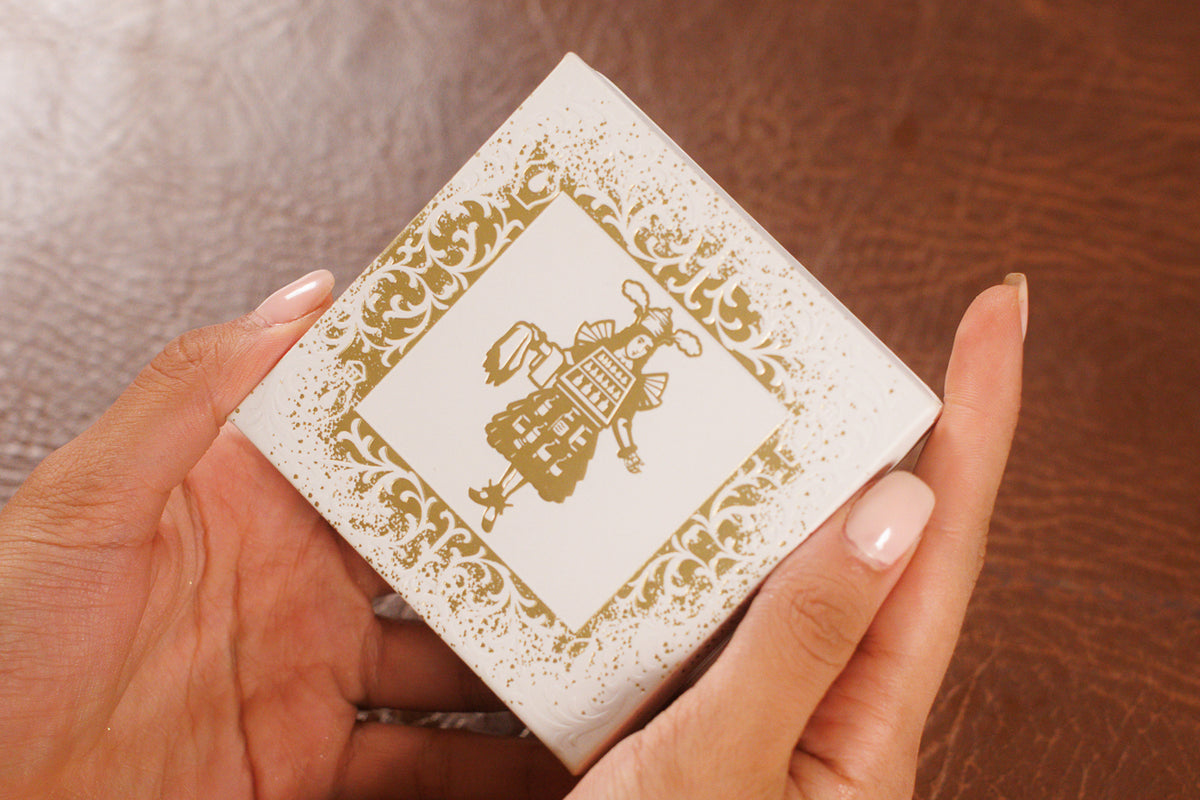
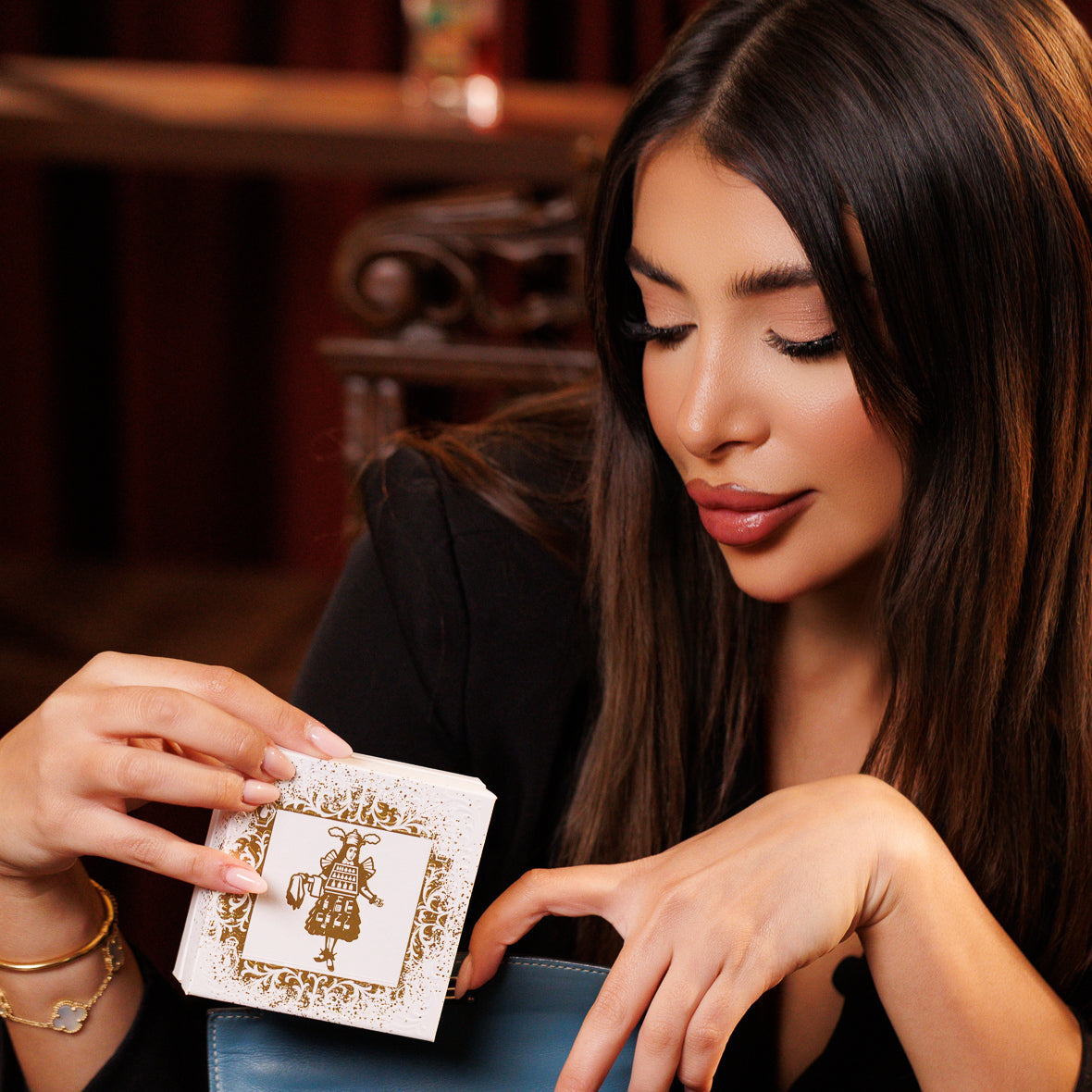
Dimasukkan ke kotak berhias foil panas dan diserahkan ke DHL, semua bea sudah dibayar. Cara decant dibuat
Parfum Lost Tribe lainnya
Anda mungkin juga suka